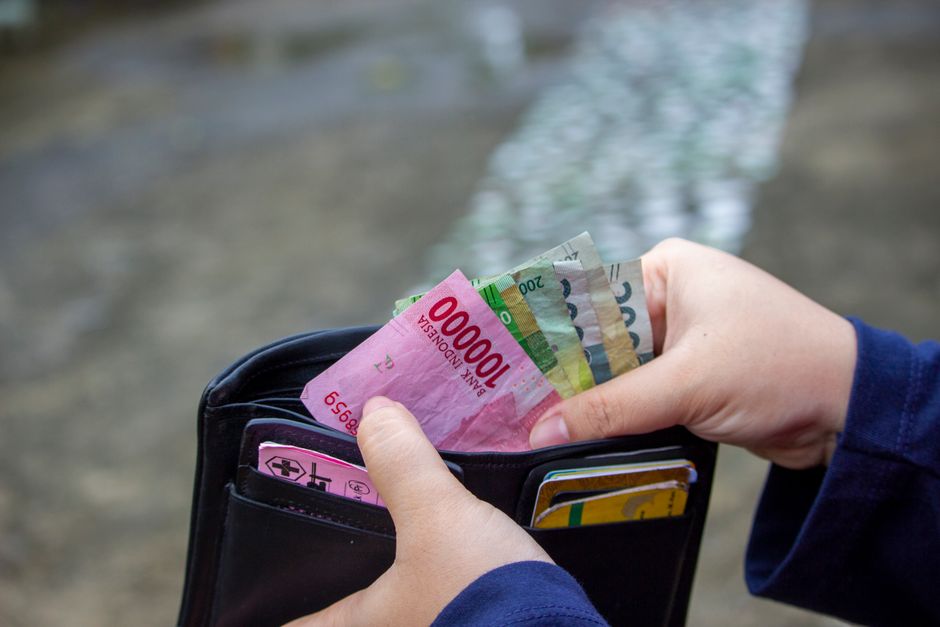
Ask most travelers to name a cheap Southeast Asian city and they’ll reach for Bangkok or Hanoi long before Jakarta. That’s a mistake — and a useful one, because it keeps prices honest. I’ve gotten by here on as little as Rp 350,000–500,000 ($22–$32) a day without feeling like I was rationing anything: a clean dorm bed, three proper Indonesian meals, transit across the whole city, and a paid attraction or two. Indonesia’s capital is one of the best-value megacities on the continent, and doing Jakarta on a budget is far easier than its reputation suggests — this guide is the where-to-look, updated for 2026.
Why Jakarta quietly works for budget travelers
Jakarta gets skipped on the “cheapest cities in Asia” lists mostly because the budget-Indonesia conversation is monopolized by Bali, Yogyakarta, and Lombok. The capital just doesn’t market itself that way. But the math is hard to argue with. The rupiah stretches a long way for anyone carrying dollars or euros: a full meal at a warung — a small, family-run eatery — runs Rp 15,000–25,000 ($1–$1.60), and a comfortable hostel dorm is Rp 80,000–150,000 ($5–$10) a night. On top of that, the city has spent the last few years building out a genuinely good public transport network — MRT, LRT, the TransJakarta busway, and commuter rail — where a single trip can cost as little as Rp 3,500 ($0.22). For the full picture of fares and passes, our guide to getting around Jakarta breaks down every option.
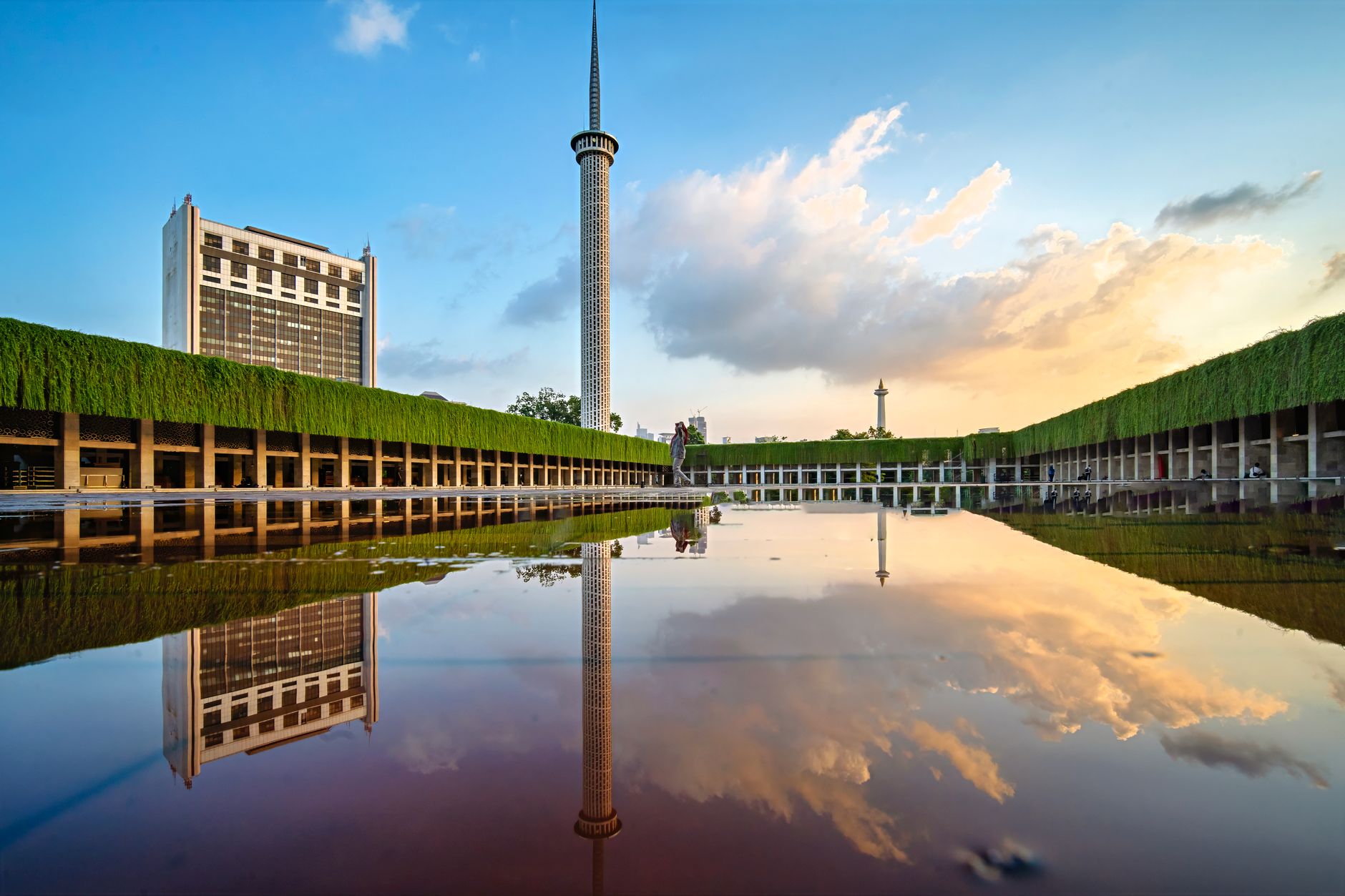
The part that surprises people is how much of Jakarta’s character is free. The largest mosque in Southeast Asia sits directly across the street from a grand neo-Gothic Catholic cathedral — a piece of everyday symbolism you won’t find anywhere else. Whole neighborhoods are painted over with street-art murals. Betawi traditions rub up against glass skyscrapers. None of it costs anything to witness. Whether you’re a backpacker cutting across Java, a remote worker hunting for a cheap base, or just someone who’d rather spend on experiences than hotel thread-counts, Jakarta delivers.
What a day in Jakarta actually costs
Real numbers beat vague reassurances, so here’s the breakdown across three budget tiers, in both rupiah and dollars (using the rough 2026 rate of Rp 15,800 to $1).
Shoestring: Rp 350,000–500,000 ($22–$32/day)
This is the floor, and it’s a comfortable one. You’re sleeping in hostel dorms, eating almost entirely at warungs and street stalls, taking public transport everywhere, and sticking to free or near-free attractions. Plenty of backpackers run at this level for weeks. A typical day looks like: dorm bed (Rp 80,000–120,000), three local meals (Rp 45,000–75,000), TransJakarta and MRT rides (Rp 20,000–30,000), one paid attraction (Rp 25,000–50,000), water and snacks (Rp 15,000–25,000), and a small buffer (Rp 30,000–50,000) for the things you don’t plan for.
Comfortable: Rp 500,000–900,000 ($32–$57/day)
The middle tier buys you breathing room. A private room in a guesthouse or budget hotel, the odd sit-down restaurant meal, a Grab or Gojek when you can’t be bothered with the bus, and paid attractions without the mental math. Accommodation climbs to Rp 200,000–400,000 for a private room, food to Rp 100,000–150,000, and transport to Rp 50,000–80,000 once you start mixing in ride-hailing.
Mid-range: Rp 900,000–1,500,000 ($57–$95/day)
By Jakarta standards you’ve left “budget” behind here, but compared with Singapore, Bangkok, or Tokyo it’s still a bargain. Expect 3-star hotels, a free hand with ride-hailing, a mix of local and international restaurants, and the premium attractions. At this level you rarely feel like you’re trading down on anything.
Where to sleep cheap
Accommodation is almost always a traveler’s biggest line item, and it’s where a little neighborhood knowledge pays off most. If you want the full menu of options and areas, our where to stay in Jakarta guide goes deeper; here’s the budget end of it.

Hostels (Rp 80,000–200,000 / $5–$13 a night)
Jakarta’s hostel scene has filled out a lot in the past few years. Six Degrees Hostel in Kemang is a reliable pick — rooftop garden, sociable common room, dorm beds from around Rp 100,000. CARA CARA Inn near Blok M runs clean dorms with good shared spaces. If you’re traveling solo, hostels here do double duty: they’re the cheapest beds and the easiest place to meet other travelers in a city where the backpacker trail is still thin. Most throw in Wi-Fi, lockers, and a basic breakfast, which quietly stretches the value further.
Budget hotels and guesthouses (Rp 200,000–450,000 / $13–$28 a night)
Want a door that locks behind you? Jakarta’s budget hotel market is fiercely competitive. RedDoorz, OYO, and YELLO Hotels all offer clean, air-conditioned rooms with private bathrooms at a fraction of Western prices — the centrally located YELLO Hotel Harmoni, a short walk from the MRT, often goes for under Rp 500,000. Around Cikini, Menteng, and Jalan Jaksa (Jakarta’s original backpacker street), family-run guesthouses trade polish for genuine local hospitality and sharp rates. For a deeper dive on the cheapest sleeps, see our roundup of budget hotels in Jakarta. One habit worth keeping: check Traveloka and Agoda side by side, since the Indonesian platforms frequently undercut the international ones.
The best-value neighborhoods
In a city this spread out, where you base yourself shapes the whole trip. Cikini and Menteng hit the sweet spot — central, walkable to culture, and still affordable. Blok M and Kebayoran Baru in South Jakarta put you near food, nightlife, and the MRT. Kota Tua (Old Town) is the move if you’re here mostly to sightsee. Kemang has the strongest hostel scene but the weakest public-transport links. Steer clear of the far south and east unless you genuinely don’t mind the commute — Jakarta traffic can turn 10 kilometers into a 90-minute slog at rush hour.
Eating well for almost nothing
If there’s one category where Jakarta flat-out wins for budget travelers, it’s food. The street-food culture is the real deal, and you can eat genuinely well for absurdly little. As the country’s melting pot, the city pulls in dishes from every corner of the archipelago — our full Jakarta food guide maps the whole landscape, but you can do a lot on instinct and a few thousand rupiah.

Warungs: your daily anchor
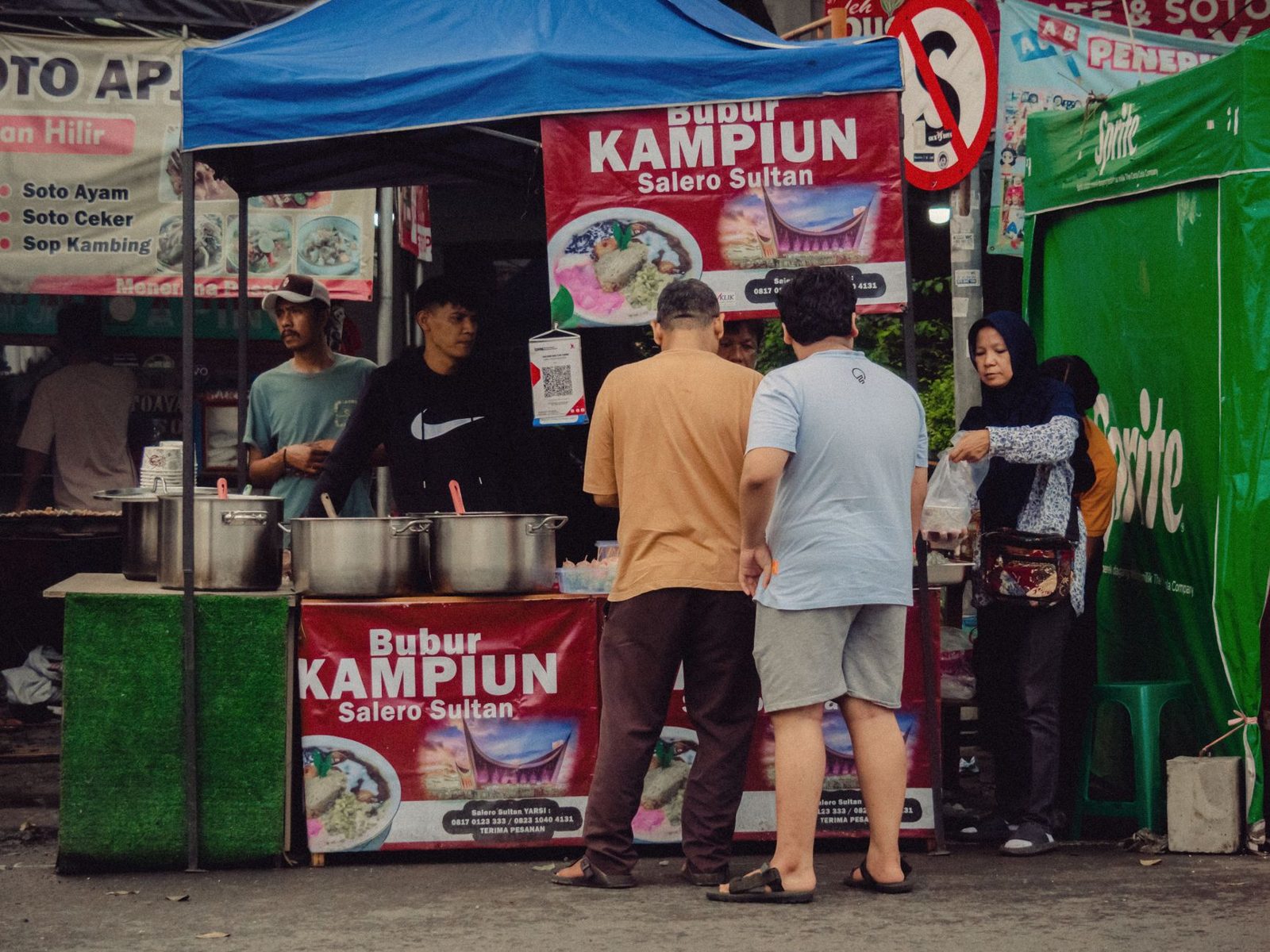
Warungs — small, family-run eateries — sit on practically every street in Jakarta, serving home cooking at prices that look like typos: nasi goreng (fried rice) for Rp 12,000–20,000 ($0.75–$1.30), ayam penyet (smashed fried chicken with sambal) for Rp 18,000–25,000, a full nasi campur (mixed rice plate) for Rp 20,000–35,000. Many run on the Padang system, where a spread of dishes lands on your table and you pay only for what you actually eat — a brilliant, low-waste way to graze across a lot of flavors. The reliable tell for quality is a crowd of locals: high turnover means fresh food.
Street food under Rp 20,000
Come evening, Jakarta’s sidewalks turn into open-air food courts. The budget hall of fame: nasi uduk (coconut-milk rice with sides) at Rp 10,000–15,000 — worth seeking out the best nasi uduk in Jakarta if you fall for it; soto Betawi (the city’s signature beef-and-coconut soup) at Rp 15,000–20,000, covered in full in our soto Betawi guide; kerak telor (a spicy Betawi coconut-egg omelet) at Rp 10,000–15,000; ketoprak (tofu, rice cake, peanut sauce) at Rp 10,000–15,000; martabak (stuffed pancake, sweet or savory) at Rp 15,000–35,000; bakso (meatball soup) at Rp 12,000–18,000; and gorengan (assorted fritters) at Rp 2,000–5,000 a piece. For the full crawl, our street food guide has the routes — but if you want one address, go to Pecenongan Street near Monas after 6 PM, where vendors line both sides of the road with everything from Chinese-Indonesian classics to Betawi specialties.
Food courts and markets
Don’t write off the malls. The basement food courts cater to middle-class Jakartans but price local food only a notch above the street — Grand Indonesia’s food court, Blok M Plaza’s basement, and mall canteens citywide serve full meals for Rp 25,000–45,000 in air-conditioned calm, which on a sweaty afternoon is worth every extra rupiah. For something more characterful, Pasar Santa in South Jakarta has morphed into a hipster food market with affordable gourmet stalls, and Pasar Mayestik is the spot for home-style cooking. When the heat wins, our list of cheap eats in Jakarta leans on these air-conditioned options.
Crossing the city for pocket change
Transport in Jakarta has changed beyond recognition. The era when taxis were a tourist’s only real option is over — today you can cover the whole city for small change if you’re willing to tap a card and read a route map. Our deep dives on transportation costs and beating the gridlock are worth a read, but here’s the budget toolkit.

MRT Jakarta (Rp 3,000–14,000 / $0.19–$0.89)
The MRT is the newest and most comfortable way to move — a north–south line from Lebak Bulus down south up to Bundaran HI, with the Kota extension pushing it further north. It’s clean, air-conditioned, and blissfully immune to surface traffic, linking Blok M, Senayan, Sudirman, and the center. Single fares start at Rp 3,000 and top out at Rp 14,000 for the full run; a multi-trip card shaves that further. Our Jakarta MRT guide walks through tickets and the tourist-useful stations.
TransJakarta busway (Rp 3,500 flat / $0.22)
TransJakarta is the bus rapid-transit backbone, and at a flat Rp 3,500 regardless of distance, it’s the single best budget tool in the city — Kota Tua in the north to BSD in the south, Pulo Gadung in the east to Kalideres in the west, all for the same fare. Dedicated lanes keep it moving when regular traffic doesn’t, and the routes brush nearly every major sight. The TransJakarta guide has the corridor map; the JakLingko card ties it together with the MRT, LRT, and feeder buses on one tap.
KRL commuter rail (Rp 3,000–12,000 / $0.19–$0.76)
The commuter rail reaches the satellite cities — Bogor, Depok, Tangerang, Bekasi. For budget travelers it’s a day-trip machine: Jakarta Kota station to Bogor and its famous botanical gardens runs about Rp 6,000 one way. The trains are modern and air-conditioned, though they pack out at rush hour. Our KRL commuter line guide covers the routes worth taking.
Grab and Gojek
When the trains and buses don’t quite reach, the ride-hailing apps fill the gap. Motorcycle taxis (ojek) are the cheapest and fastest — most cross-town trips land at Rp 15,000–35,000 ($1–$2.20) — while car rides run Rp 30,000–80,000. Both apps double as food delivery and digital wallets. The trick locals swear by: take a GrabBike or GoRide at rush hour, because a motorbike threads Jakarta’s jams in a way no car can. If you’re deciding between the two, our Grab vs Gojek comparison settles it.
Free and nearly-free things to do
Here’s Jakarta’s quiet superpower for anyone watching their wallet: the sheer volume of free and low-cost things to do. Entrance fees barely register, which means you spend your days exploring instead of tallying tickets. Our full list of free things to do in Jakarta runs long — these are the highlights.
Completely free
Istiqlal Mosque, the largest in Southeast Asia, runs free guided tours daily and is an architectural event in its own right. Cross the street and Jakarta Cathedral is just as striking and just as free. Taman Mini Indonesia Indah (TMII) now waives general admission (individual pavilions may charge a little), so you can tour the country’s cultures in one park. Tebet Eco Park, the city’s newest green space, has walking trails and river views at no cost. And the whole of Kota Tua (Old Town) is free to wander, its Dutch colonial facades and central square made for photographs. Most mosques, temples, and churches welcome visitors for nothing.
Under Rp 25,000 ($1.60)
Some of the best museums charge almost nothing. The National Monument (Monas) is Rp 15,000, plus Rp 5,000 for the lift to the observation deck. The National Museum (Museum Nasional) is Rp 10,000 for a genuinely world-class collection of Indonesian art and Hindu-Buddhist sculpture. Museum Wayang (the puppet museum) in Kota Tua is Rp 5,000. Ragunan Zoo, one of Southeast Asia’s largest, asks Rp 4,000. Museum MACAN, the city’s premier contemporary-art space, runs reduced-price days. By international standards these numbers are almost comic — five Jakarta museums for less than one ticket back home. Our guide to Jakarta’s museums and cultural sites sorts the standouts.
Free walks and weekend rituals
Jakarta Good Guide runs tip-based walking tours through Kota Tua and beyond, with the kind of historical context that turns a row of old buildings into a story. Self-guided strolls through Menteng (the leafy garden district), Glodok (Chinatown), and the streets around Monas cost nothing to plan. Galleries in Kemang and South Jakarta host free openings. And on weekend mornings the Senayan and GBK (Gelora Bung Karno) complex fills with thousands of locals jogging, cycling, and doing tai chi — wander in and join the free, faintly festive chaos.
Shopping without overspending

Jakarta rewards bargain hunters who know the right doors. The traditional markets are where the real deals live — Pasar Tanah Abang is the largest textile market in Southeast Asia, moving clothes, fabric, and accessories at wholesale prices; a batik shirt that’s Rp 200,000 in a mall might be Rp 50,000–80,000 here. Our Tanah Abang guide tells you which blocks to start on. Pasar Baru in Central Jakarta is another budget trove, textiles to electronics. For souvenirs, the Jalan Surabaya flea market deals in antiques and curiosities — open your haggling at half the asking price and climb from there.
Even the malls can be kind to a budget. Factory-outlet stores in ITC Mangga Dua and ITC Cempaka Mas discount local brands hard, and during the Jakarta Great Sale (usually June–August) citywide markdowns of 50–70% bring even premium labels within reach. Ratu Plaza near Senayan is the spot for competitively priced phones and laptops. Whatever you’re buying, check Tokopedia or Shopee first so you know what a fair price looks like. For the wider picture, our shopping in Jakarta guide covers malls and markets alike.
The money-saving tricks locals actually use
Beyond cheap food and buses, the people who really know Jakarta lean on a handful of habits. Use the digital wallets. GoPay, OVO, and Dana throw out cashback and discounts at restaurants, convenience stores, and on transport; link one to your ride-hailing app and you’ll shave 10–20% off most trips. Book through the Indonesian platforms. Traveloka and RedDoorz routinely beat Booking.com and Agoda with deals the international sites never see.
Sidestep the tourist-trap pricing around Monas and Kota Tua. Walk a block or two out and the numbers drop fast. Refill, don’t rebuy. Jakarta’s tap water isn’t safe straight from the tap, but most hostels and guesthouses have filtered refill stations — that’s Rp 5,000–8,000 a bottle you’re not spending. Travel the shoulder seasons (May–June or September–October) for softer room rates and thinner crowds. And eat where locals eat: an English menu with glossy photos usually means tourist pricing, so follow the queues to the busy warungs instead.
Haggle in the markets — fixed prices are a mall thing, and at Tanah Abang or Jalan Surabaya the back-and-forth is half the fun. Chase the free events: the city runs free concerts, exhibitions, and performances constantly, especially on weekends, and Jakarta Good Guide, What’s New Indonesia, and NOW Jakarta all list them. Lean on the JakLingko app for joined-up transit, so a complicated cross-town route rarely costs more than a single fare.
A 3-day budget itinerary that actually holds up
Here’s a route I’ve run more than once, hitting the highlights while keeping each day under Rp 500,000 ($32). It assumes a hostel near the MRT line and meals mostly at warungs and street stalls. If you want to remix it, our things to do in Jakarta pillar has the full menu of sights.
Day 1: Old town and a lesson in coexistence
Start early in Kota Tua, the colonial quarter. Fatahillah Square is free to roam; duck into Museum Wayang (Rp 5,000) and the Jakarta History Museum (Rp 5,000). Walk over to Glodok (Chinatown) for a budget lunch — wonton noodles or bakso under Rp 20,000. In the afternoon, take TransJakarta (Rp 3,500) to Istiqlal Mosque for the free guided tour, then cross to Jakarta Cathedral opposite. Finish with street food at Pecenongan — the nasi goreng kambing and martabak are the move. Day’s spend, minus the bed: Rp 100,000–150,000 ($6–$10).
Day 2: Monas, museums, and a southern drift
Beat the heat to the National Monument (Monas) (Rp 15,000 entry plus Rp 5,000 for the lift) and the free underground museum below it. Walk to the nearby National Museum (Rp 10,000). Ride the MRT south to Blok M for lunch among the cheap restaurants around Blok M Square, then spend the afternoon at Tebet Eco Park (free) or poking through Pasar Santa. For dinner, find a busy Padang place where a multi-dish spread runs Rp 25,000–40,000. Day’s spend: Rp 120,000–170,000 ($8–$11).
Day 3: Markets, parks, and local rhythm
Open at Tanah Abang Market (TransJakarta drops you close) and work the wholesale textile floors. Move on to the Jalan Surabaya flea market for souvenirs. Lunch at a warung near Menteng — soto Betawi if it’s on. In the afternoon, head to TMII for a free wander through Indonesia’s cultures, then close out at a local coffee shop, because Jakarta’s kopi scene is world-class and an Americano runs just Rp 18,000–25,000. Day’s spend: Rp 150,000–250,000 ($10–$16), depending on how the shopping goes.
The budget mistakes that quietly cost you
Even seasoned budget travelers trip over a few things here. Don’t change money at the airport — Soekarno-Hatta’s rates are noticeably worse than authorized changers in town; use a reputable one like PT Valuta Artha Mas in Blok M, or pull rupiah from a major-bank ATM (BCA, Mandiri, BNI). Don’t take a metered taxi from the airport either — book a Grab or use the official counter for a fixed price, since the touts charge two to three times the going rate. Our airport transfer guide lays out every route into the city.
Don’t skip travel insurance just because the city is cheap; care at international-standard hospitals adds up fast, and coverage is a few dollars a day. Don’t go cash-only — notes still rule for street food and markets, but digital payments unlock real discounts. And don’t underestimate the distances: Jakarta is enormous, and trying to bolt together attractions on opposite sides of the city in one day will bleed your budget in transit and lost hours. Cluster your days geographically and the savings take care of themselves.
So is doing Jakarta on a budget worth it? Easily.
Jakarta doesn’t have Bali’s beaches or Yogyakarta’s temples, and it doesn’t pretend to. What it offers budget travelers is something else: an unfiltered look at Indonesia’s capital at prices that are genuinely hard to beat in Southeast Asia. You can eat world-class food for under $2, stand inside stunning cultural landmarks for free, ride modern transit for pennies, and meet locals who are visibly pleased you bothered to come. The infrastructure keeps improving, new hostels open all the time, and the digital-payment ecosystem makes the deals easier to find every year. Come prepared and a little open-minded — plan smart, eat local, ride public — and one of Asia’s most underrated cities turns out to be one of its most affordable, too.
Budget Jakarta FAQ
How much money do I need per day in Jakarta? A comfortable shoestring day runs Rp 350,000–500,000 ($22–$32): dorm bed, warung meals, public transport, and a paid attraction or two. Bump it to Rp 500,000–900,000 for private rooms and the occasional restaurant and ride-hailing.
Is Jakarta cheaper than Bali? For daily costs, generally yes — accommodation, food, and transport all tend to run lower in Jakarta, and the public-transit network means you’re not reliant on scooter rentals or private drivers to get around.
What’s the cheapest way to get around Jakarta? TransJakarta, at a flat Rp 3,500 to anywhere on the network, paired with the MRT for the central corridor. Tie them together with a JakLingko card and use a GrabBike or GoRide only for the last-mile gaps.
Is Jakarta safe for budget and solo travelers? Broadly yes. Petty theft is the main concern, so keep an eye on your phone in crowds and on packed commuter trains. The usual city sense — and the airport and money tips above — covers most of it.
What’s the best area to stay on a budget? Cikini and Menteng for central, affordable, and walkable to culture; Blok M for food, nightlife, and the MRT; Kota Tua if you’re here mainly to sightsee.
Last updated: June 2026.
For sheer value, nothing in Jakarta beats a four-thousand-rupiah zoo ticket. The catch is that Ragunan is entirely cashless and the JakCard you need costs more than ten tickets — our Ragunan Zoo guide explains how to handle that, and why the card is not wasted money if you are also using TransJakarta.
If you are doing Jakarta on a rucksack, as one stop on a longer route through Java, the priorities change a little: where the hostels actually are now that Jalan Jaksa has quietened down, the cheapest way in from the airport, and how to move on by economy train. Our guide to backpacking Jakarta covers all of it, along with an honest list of what is worth your rupiah and what is not.
If you want the numbers behind those tiers, our guide to Jakarta daily budget costs has a full price list of everyday things, from a warteg plate to a taxi kilometre, and three real days costed line by line. It uses the September 2026 exchange rate of about 17,800 rupiah to the dollar, which makes every dollar go further than it did a year ago.
For a fuller list of places that charge nothing at all, with hours and the nearest station for each, see our guide to free attractions in Jakarta. It groups twenty of them into walkable clusters, so a whole day of sightseeing costs little more than a few bus and train fares.