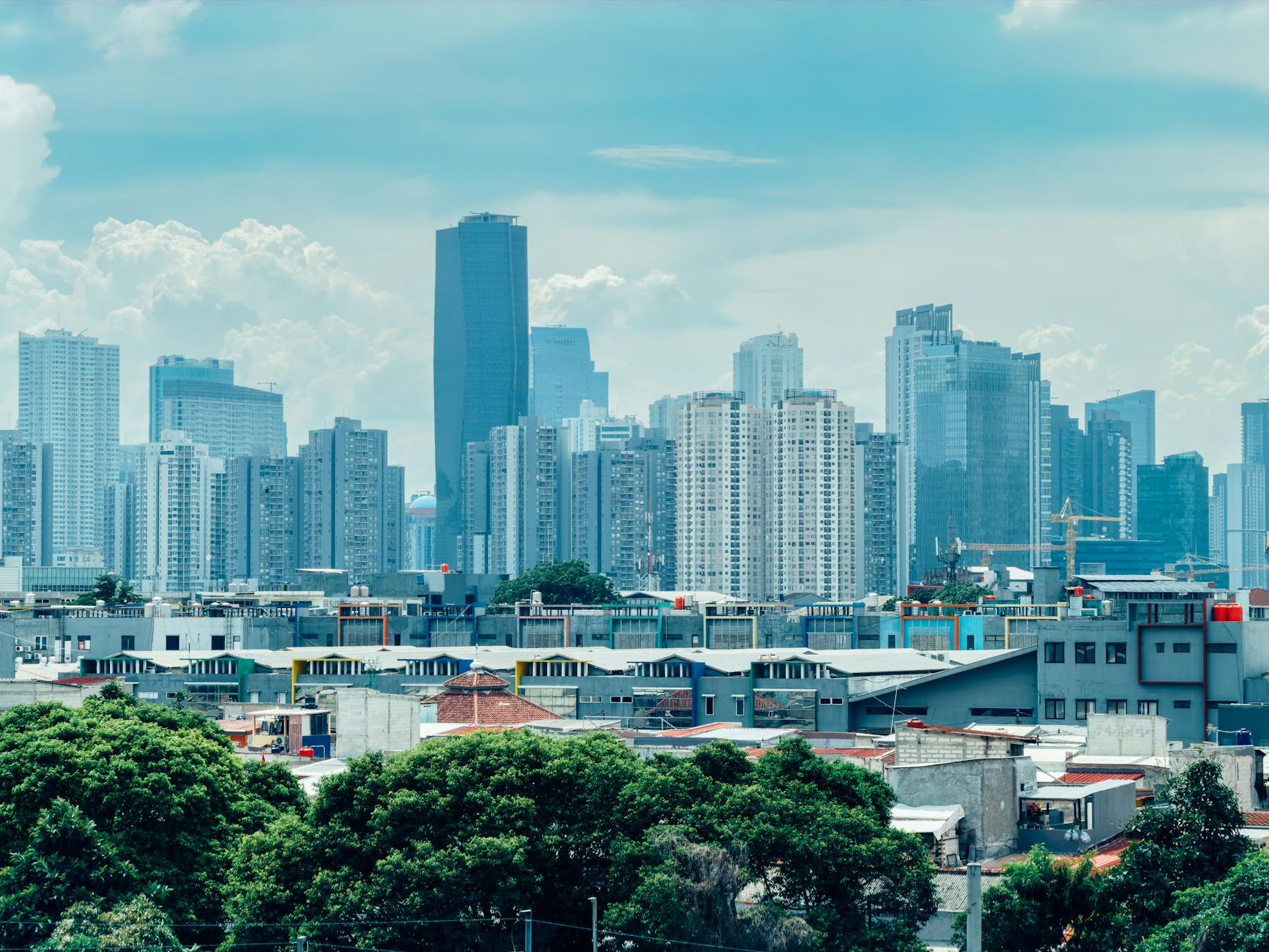
If you are sorting out the best things to do in Jakarta, start by throwing out the idea that Indonesia’s capital is just a place you fly through on the way to Bali. I’ve watched travelers give it a grudging half-day and leave baffled, and I’ve watched others give it three days and leave plotting a return. The difference is almost always knowing where to point yourself. Gleaming towers sit a block from 17th-century Dutch warehouses; the call to prayer from the largest mosque in Southeast Asia drifts over satay smoke; and a city of more than 10 million reveals itself slowly, to people willing to look past the traffic.
This guide is the map I wish I’d had on a first visit: every district, monument, museum, market, and street-food strip worth your time, plus how long to give the city and how to string it all together. Treat it as the hub. Wherever a single topic deserves a deeper dive, I’ve pointed you to a focused guide so you can plan the exact day you want.
Jakarta at a glance: what to do, and how long it takes
Before the deep dive, here is the shape of a Jakarta trip at a glance — the headline experiences, who they suit, and how much of a day each one eats up. If you only skim one thing, skim this.
| Experience | Best for | Time needed | Where |
|---|---|---|---|
| Monas & Merdeka Square | First-timers, photographers | Half a morning | Central Jakarta |
| Kota Tua old town | History, architecture | Half to full day | West/North Jakarta |
| Museums (National, MACAN) | Culture lovers, rainy days | 2–3 hours each | Central / West |
| Street food crawl | Everyone | An evening | Sabang, Pecenongan, PIK |
| Markets & shopping | Bargain hunters | 2–4 hours | Tanah Abang, Pasar Baru, malls |
| Theme parks (Ancol) | Families | Full day | North coast |
| Thousand Islands | Beach escape | Day trip or overnight | Off the north coast |
| Rooftop bars & nightlife | Night owls | An evening | SCBD, Kemang |
One practical note before you start pinning places to a calendar: Jakarta is huge and its sights are spread across several districts, so geography should drive your plan more than any “top 10” list. Clustering by area — central landmarks one morning, Kota Tua the next — saves you hours in traffic. Our Jakarta tourist attractions map plots the major sights by neighborhood so you can group them sensibly, and if you are a first-timer who just wants a punchy hit-list of crowd-pleasers, our guide to the most fun activities in Jakarta for tourists is the quickest way to fill a day.
Iconic landmarks and monuments
Jakarta’s headline landmarks trace Indonesia’s arc from colonial outpost to independent nation, and they cluster conveniently around Merdeka Square, so you can knock out the big three in a single morning. If your time is tight and you want the definitive shortlist, our roundup of the best attractions in Jakarta ranks the top 20 sites in order; this section covers the ones no first visit should skip.
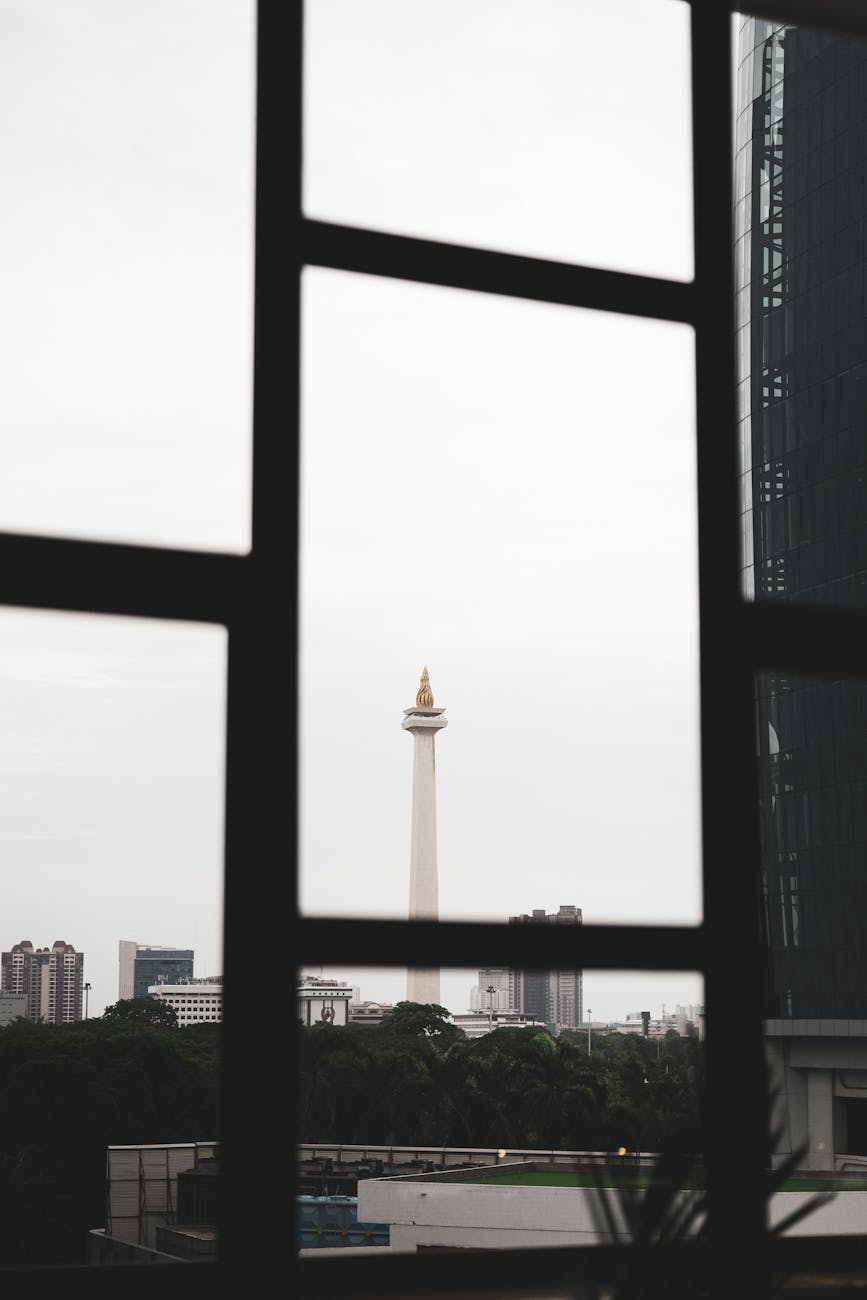
National Monument (Monas)
Rising 132 meters above Merdeka Square, the National Monument — universally called Monas — is the city’s defining symbol. Sukarno had it built between 1961 and 1975 to mark the independence struggle, and the detail people remember is the flame at the top, sheathed in 35 kilograms of gold leaf that catches the equatorial sun.
Inside, you descend to the National History Museum at the base, where 51 dioramas walk through Indonesian history from prehistory to independence. The payoff, though, is the observation deck at 115 meters. Go on a clear morning — before 9 AM, to beat both the crowds and the haze — and the 360-degree view gives you the city’s sheer scale in a way nothing at street level can.
Practical details: Open Tuesday to Sunday, 8 AM to 4 PM (last elevator at 3 PM). Admission is around IDR 20,000 for the monument grounds and IDR 50,000 for the observation deck. The surrounding Merdeka Square park spans 80 hectares and makes for a pleasant morning walk, especially on car-free Sundays when the roads close to traffic. Monas is also the anchor for most Jakarta landmarks itineraries, so it is a logical place to begin day one.
Istiqlal Mosque
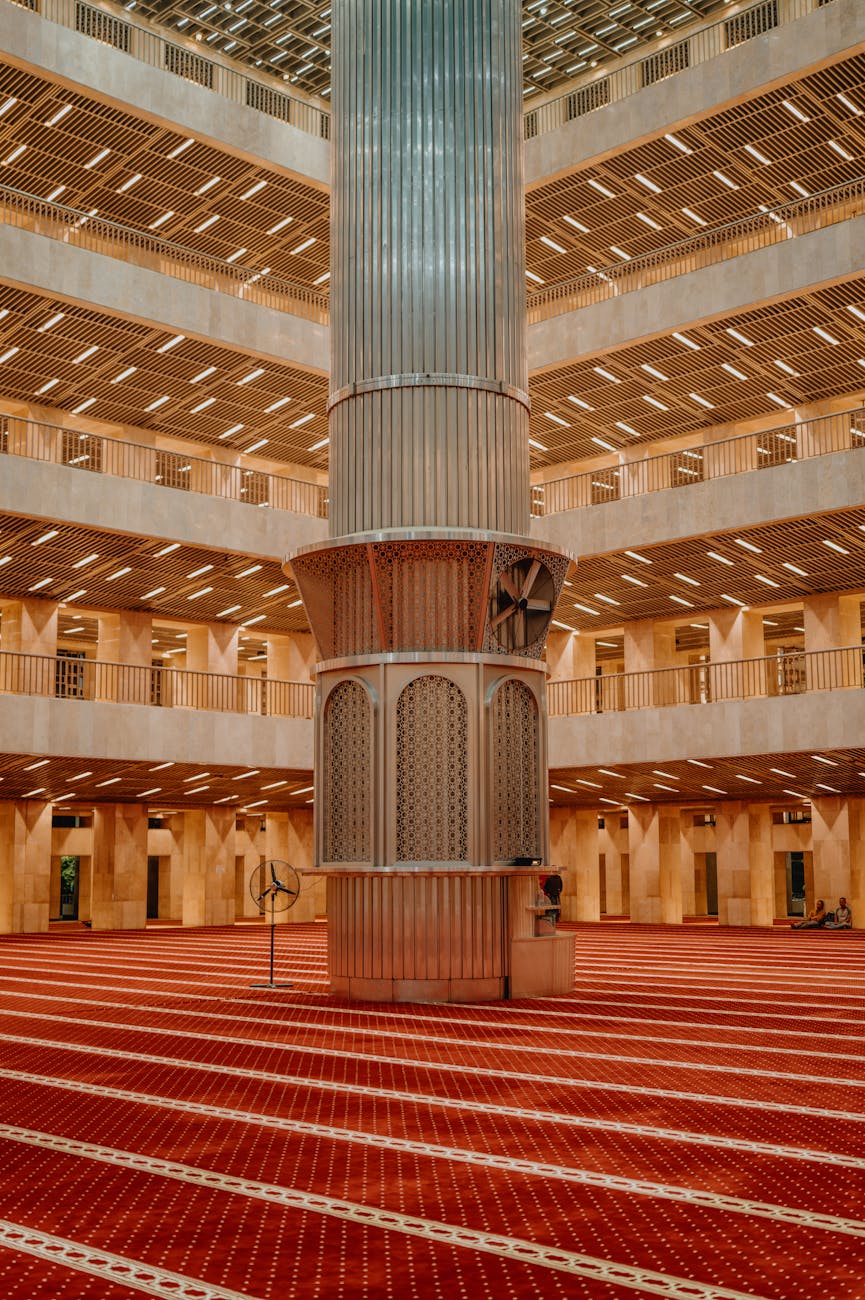
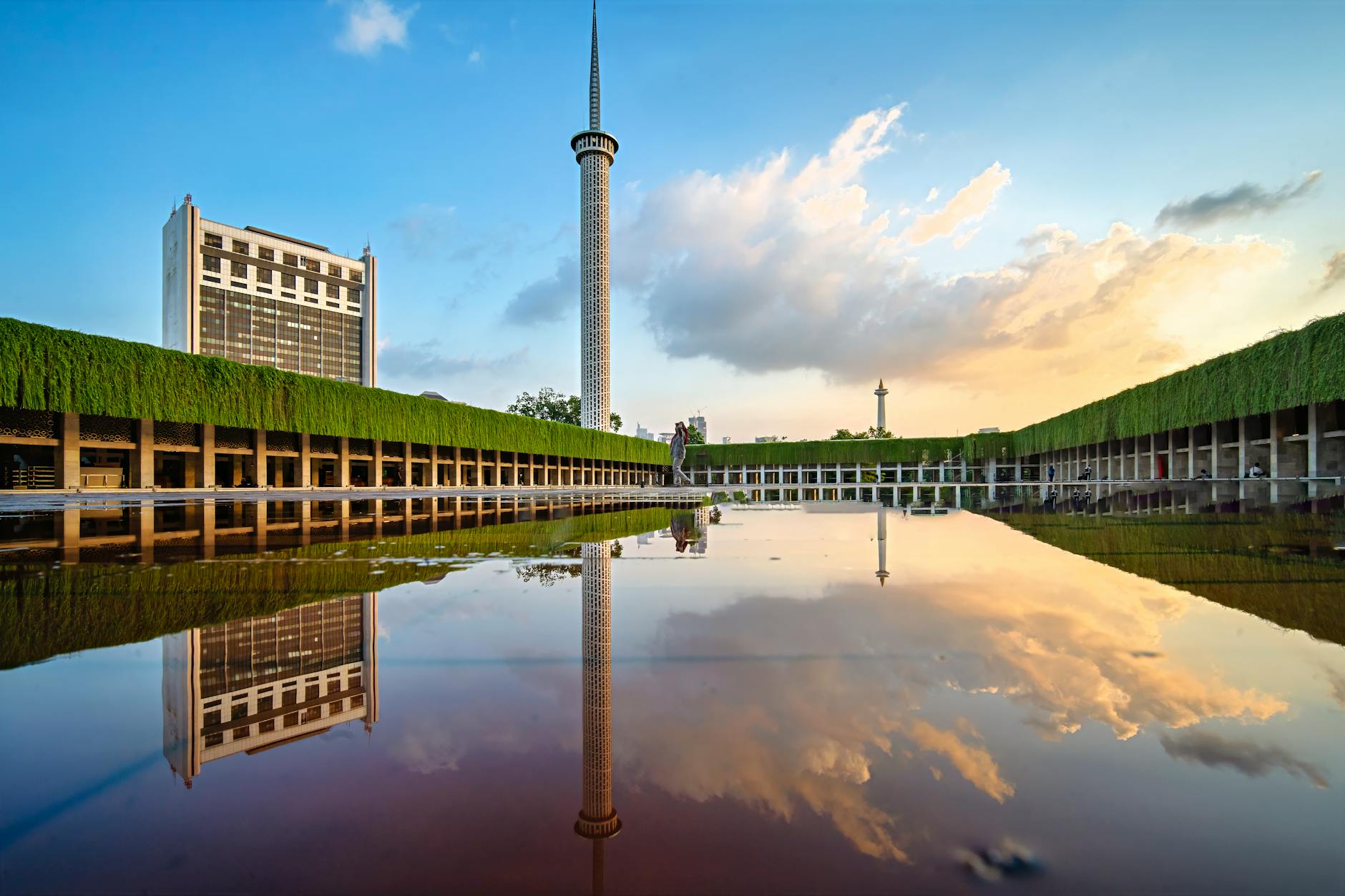
Istiqlal Mosque is the largest mosque in Southeast Asia and one of the most striking religious buildings anywhere. It was finished in 1978 to a design by Friedrich Silaban — a Christian architect, a deliberate choice that says a lot about how Indonesia frames interfaith respect — and it holds up to 200,000 worshippers on the big celebrations.
Non-Muslim visitors are welcomed warmly outside prayer times. The free guided tours are genuinely good on the architecture and the symbolism, and you should not skip the “Tunnel of Friendship,” the pedestrian underpass that links the mosque directly to Jakarta Cathedral across the road — two faiths, one tunnel.
Practical details: Open daily except during Friday prayers (roughly 11:30 AM to 1:30 PM). Free entry; modest clothing is required (long pants and covered shoulders), and complimentary cover-ups are available at the entrance. Allow at least 90 minutes for a thorough visit.
Jakarta Cathedral
Directly across from Istiqlal, Jakarta Cathedral (Gereja Katedral Jakarta) is a neo-Gothic church finished in 1901. Its twin spires, stained glass, and carved stone face make a pointed contrast with its Islamic neighbor, and together the two buildings are one of Jakarta’s most photographed pairings. A small museum up in the towers displays religious artifacts and gives you an elevated angle on the mosque.
Kota Tua: Jakarta’s historic old town
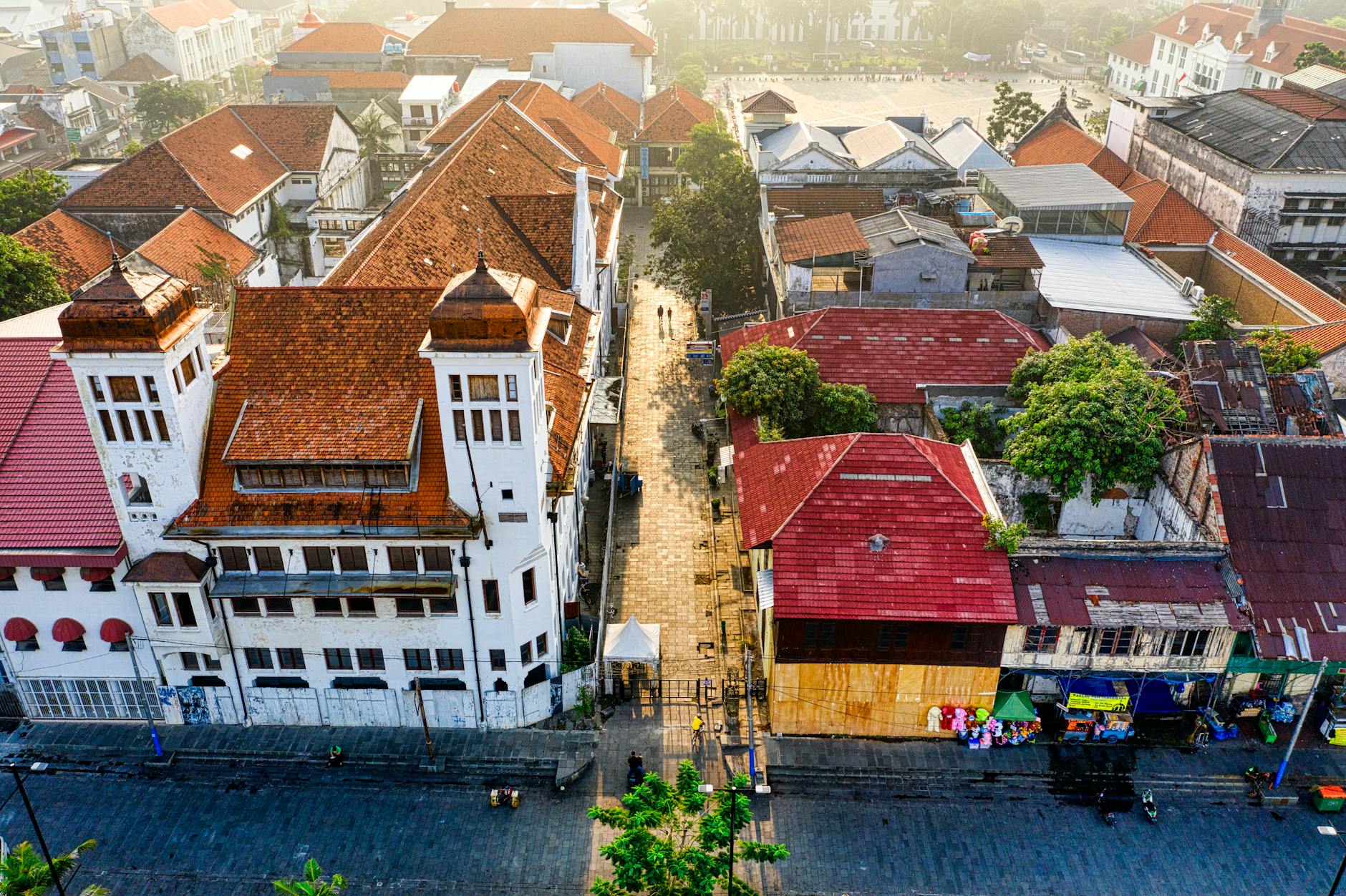
Kota Tua, the “Old Town,” is the historical heart of the city and the single most rewarding district to explore on foot. This was once the nerve center of the Dutch East India Company’s trading empire, and the restored colonial buildings, cobbled squares, and shaded alleys give you the clearest read on Jakarta’s layered past. It also happens to be one of the best free things to do in Jakarta, since wandering the square costs nothing and the museums charge only a few thousand rupiah.
Fatahillah Square and museums
The centerpiece is Fatahillah Square, a grand Dutch-era plaza ringed by three good museums. The Jakarta History Museum (Museum Fatahillah), in the former city hall built in 1710, covers the city’s growth from prehistoric settlement through colonial rule. Next door, the Wayang Museum holds more than 6,000 shadow puppets from across the archipelago and beyond.
The Fine Arts and Ceramics Museum completes the trio with Indonesian contemporary art and centuries of Chinese-Indonesian ceramics. All three charge nominal admission of around IDR 5,000 each — one of the best cultural bargains in Southeast Asia. If museums are your thing, our guide to Jakarta’s culture, history and museums goes well beyond this square.
Sunda Kelapa Harbor
A short walk north of Fatahillah, Sunda Kelapa is one of the oldest working ports on earth. Wooden Makassar schooners — pinisi, with their towering masts — still dock here and are loaded by hand, much as they have been for centuries. The sight of those vessels against the modern skyline is one of Jakarta’s most photogenic contrasts, and it turns up on plenty of lists of unique things to do in Jakarta for good reason.
Glodok Chinatown
Next to Kota Tua, Glodok is Jakarta’s historic Chinatown, one of the oldest in Southeast Asia. The narrow lanes are packed with Chinese temples, herbal-medicine shops, and some of the best street food in the city. The Jin De Yuan Buddhist temple, originally built in 1755, is worth it for the architecture and the haze of incense alone. Come hungry: Glodok’s stalls turn out noodle soups, pork dishes, and sweets you simply won’t find in Muslim-majority Jakarta.
World-class museums and cultural experiences
Jakarta’s museum scene has been quietly transformed over the past few years. Beyond the historical collections in Kota Tua, the city now has serious contemporary-art spaces and interactive institutions — and because they are all air-conditioned, they double as the city’s best wet-weather plan. When the afternoon downpour hits, our list of Jakarta indoor attractions has the full rainy-day lineup.
National Museum of Indonesia (Museum Nasional)
Locals call it the “Elephant Building” after the bronze elephant the King of Siam gave it in 1871. Inside is Indonesia’s most comprehensive collection of cultural artifacts — over 140,000 objects across ethnography, archaeology, geography, and numismatics — and it is the single best introduction to how varied the archipelago really is. Don’t miss the Treasure Room, with its ancient gold jewelry and royal regalia. The newer wing is well-lit and leans on multimedia to bring the collection to life.
Museum MACAN
The Museum of Modern and Contemporary Art in Nusantara (MACAN) is Jakarta’s answer to a world-class contemporary institution. In a purpose-built space in West Jakarta, it runs rotating shows of Indonesian and international artists — past exhibitions have featured Yayoi Kusama and Raqib Shaw — and the permanent collection draws on the Haryanto Adikoesoemo Collection, spanning the 1940s to today.
Bank Indonesia Museum
This one is a surprise. Housed in a beautiful colonial building in Kota Tua, it traces the history of money and central banking through interactive exhibits. Even if finance leaves you cold, the restored interior earns the visit; the building was a hospital under the Dutch before it became the central bank, and the architecture is among the finest in the Old Town.
Taman Mini Indonesia Indah
Taman Mini Indonesia Indah (TMII) compresses the whole country into one 150-hectare site. Every Indonesian province gets a pavilion of its own architecture, crafts, dress, and performances. If you can’t make it to the outer islands, TMII is the next best overview, and it folds in smaller museums on transport, stamps, and the military.
Temples and religious heritage
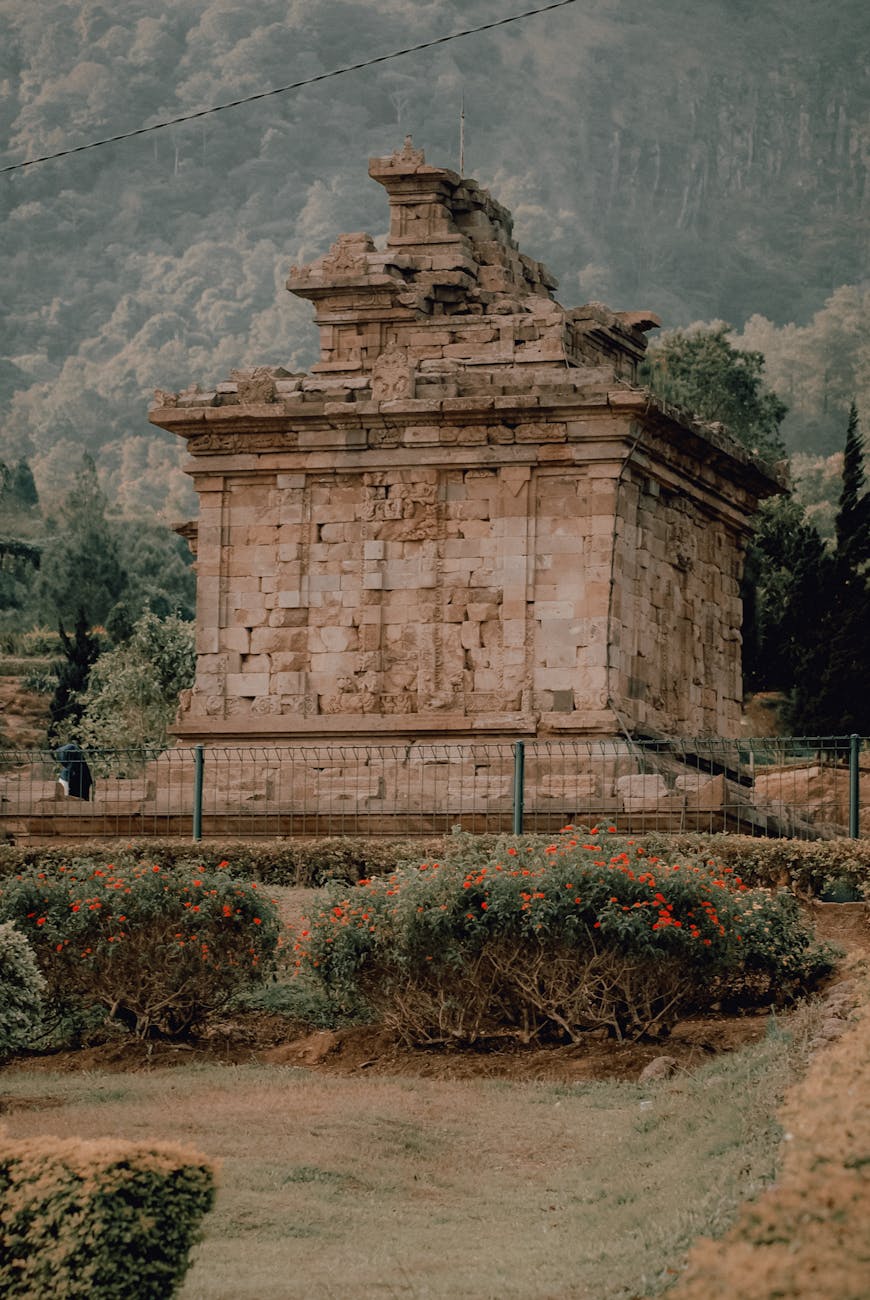
As the capital of the world’s most populous Muslim-majority country, Jakarta has a more varied religious landscape than you might expect. Hindu temples, Buddhist monasteries, Confucian shrines, and historic churches all coexist here, an everyday expression of Indonesia’s constitutional commitment to religious pluralism.
Dharma Bhakti Temple (Klenteng Jin De Yuan)
In Glodok, this is the oldest Chinese temple in Jakarta, first built in 1755. The elaborate roof, the intricate woodwork, and the slow burn of incense coils make for an atmosphere that puts real distance between you and the streets outside. At Chinese New Year it becomes the focal point of the city’s biggest celebrations.
Pura Aditya Jaya
Inside the Taman Mini complex, Pura Aditya Jaya is the largest Hindu temple in Jakarta, serving the city’s sizeable Balinese and Javanese Hindu community with classical Balinese architecture. Time a visit with Nyepi (Balinese New Year) or Galungan and you’ll catch it at its most alive, dressed in traditional offerings and ceremonial ornaments.
Street food and culinary adventures
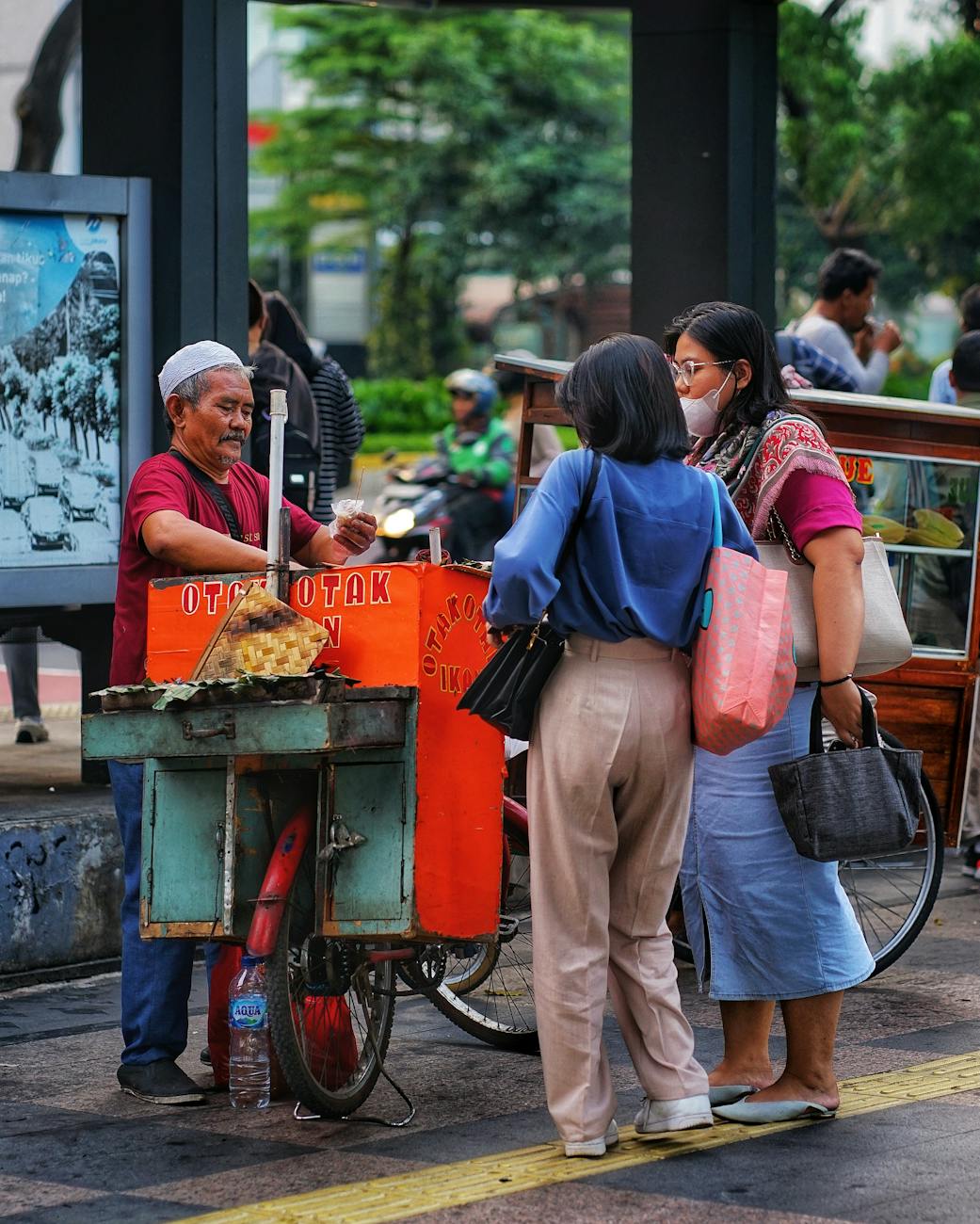
Jakarta is, to my mind, the most underrated food city in Southeast Asia. As the meeting point of an archipelago of more than 17,000 islands, the capital pulls in cooking from every corner of the country — Padang, Javanese, Sundanese, Balinese, Manado, and dozens more — and the result is a street-food scene with real depth. This section hits the highlights; for the full eater’s playbook, our Jakarta food guide and the deep dive on the best street food in Jakarta will keep you busy for a week.
Jalan Sabang: the heart of Jakarta street food
Jalan Sabang (officially Jalan H. Agus Salim) in Menteng is ground zero. The street comes alive each evening with dozens of stalls and carts: nasi goreng (fried rice, raised here to an art form), sate ayam (chicken satay with rich peanut sauce), soto betawi (the creamy coconut beef soup that is Jakarta’s signature), and martabak manis (a sweet stuffed pancake locals queue for nightly).
Pecenongan street food strip
A short distance from Kota Tua, Jalan Pecenongan turns into a food carnival after dark. The specialty is Chinese-Indonesian: seafood noodles, babi panggang (roast pork), thick bowls of kwetiaw (flat rice noodles). It is especially known for bakso (meatball soup), where each stall has regulars who’ll insist their version is the best in the city.
Pasar Santa
A traditional market in Kebayoran Baru that reinvented itself as one of the city’s trendiest food destinations, Pasar Santa mixes old-school stalls with hip coffee shops, craft-beer vendors, and small-batch food producers. It is the one stop where you can taste both classic Indonesian fare and Jakarta’s newer scene in a single visit. Weekends are busiest but most atmospheric.
Must-try Jakarta dishes
A few dishes are worth a special trip. Kerak telor is a Betawi (native Jakartan) specialty — a crispy egg-and-coconut omelette cooked in a clay pan and seasoned with dried shrimp, found at Betawi restaurants and festivals. Nasi uduk, fragrant coconut rice with a spread of sides, is the quintessential Jakarta breakfast. For dessert, hunt down es teler, an iced mix of coconut, avocado, jackfruit, and condensed milk that is the right answer to the city’s heat. If you only chase a handful, our shortlist of must-try Jakarta dishes tells you which ones to prioritize and where.
Shopping and traditional markets
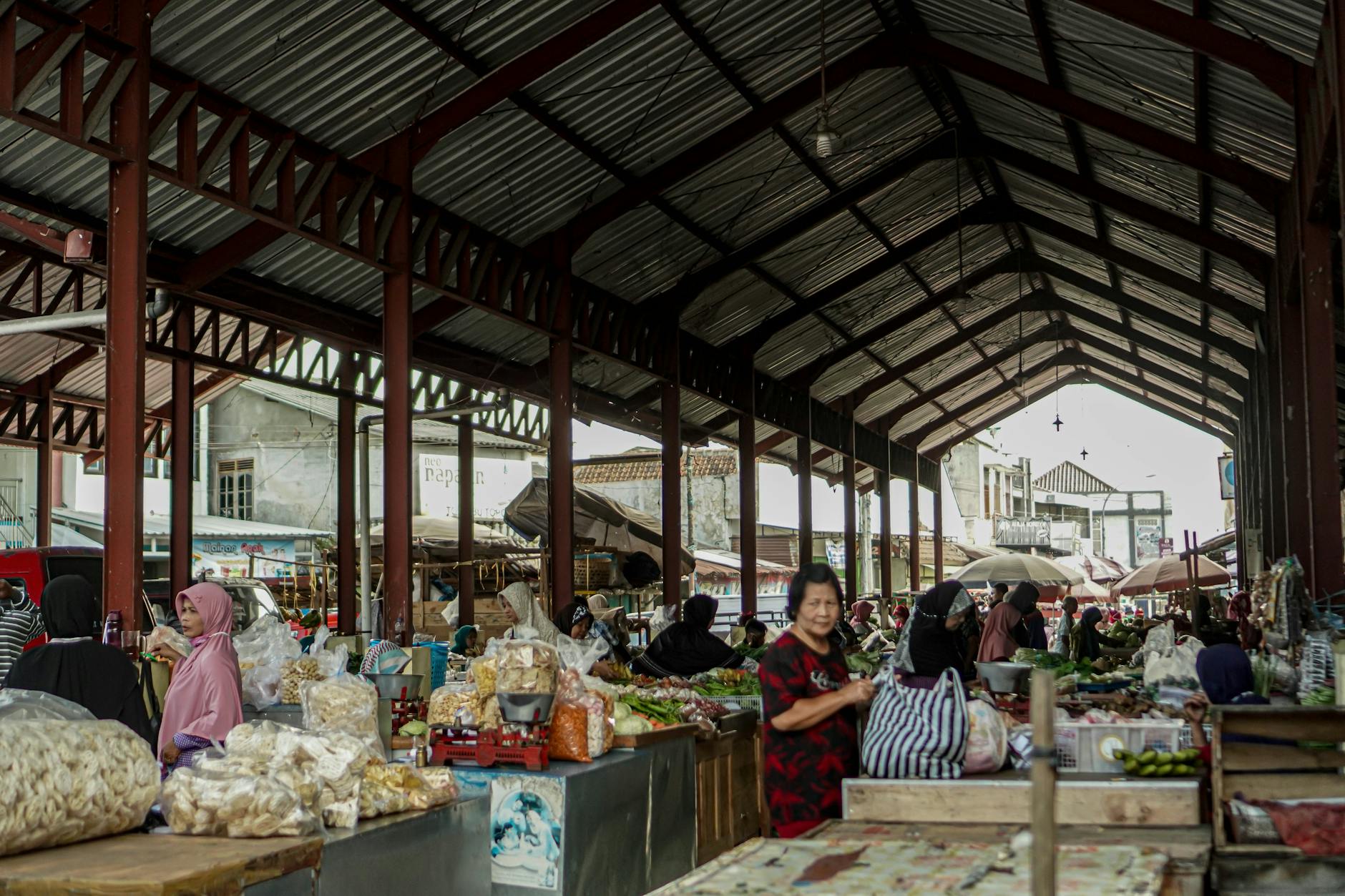
Shopping is one of the most popular things to do in Jakarta, and it runs the full range — from polished luxury malls to chaotic traditional markets where sharp bargaining is expected and rewarded. Our overview of shopping in Jakarta maps the whole spectrum; here are the anchors.
Tanah Abang Market
The largest textile market in Southeast Asia, Tanah Abang is a sensory overload spread across several multi-story buildings, with thousands of vendors selling batik, fabric, clothing, and accessories at wholesale prices. Even if you aren’t shopping for textiles, the scale of the place is a cultural experience in itself. Go early to dodge the worst of the crowds and the heat — our guide to Tanah Abang has the building-by-building breakdown.
Pasar Baru
One of Jakarta’s oldest shopping districts, Pasar Baru dates to 1820 and still carries its colonial-era charm. The covered market street is known for quality tailoring, traditional fabrics, Indian textiles, and locally made leather goods. It is more manageable and tourist-friendly than Tanah Abang, with shopkeepers used to helping international visitors.
Modern malls
Jakarta’s malls are destinations in their own right. Grand Indonesia, Plaza Indonesia, and Pacific Place in the central business district stack international luxury brands beside excellent dining — our roundup of the best malls in Jakarta sorts out which is which. For something more distinctly Indonesian, head to Sarinah, recently reimagined as a showcase for local crafts, designers, and food entrepreneurs, with a regional food court on the roof.
Theme parks and family-friendly attractions
Jakarta is unusually well set up for family travel, with several big theme parks and interactive attractions built to keep kids and adults equally occupied. For the full family playbook — including which parks suit which ages — see our guide to things to do in Jakarta with kids.
Ancol Dreamland (Taman Impian Jaya Ancol)
This sprawling waterfront complex on the north coast is the city’s premier family destination. The grounds take in Dunia Fantasi (Fantasy World, an amusement park with roller coasters), Atlantis Water Adventure (a water park made for the heat), Sea World (an aquarium of Indonesian marine life), and Ecopark (green space with cycling trails and paddleboats). A full day barely scratches it, and weekdays beat the weekend crowds.
Jakarta Aquarium and Safari
Inside Neo Soho Mall in West Jakarta, Jakarta Aquarium and Safari folds an underwater world into a safari concept. The headline is the underwater restaurant, where you eat as rays, sharks, and tropical fish glide past floor-to-ceiling tanks. Feeding sessions, touch pools, and live shows keep younger visitors engaged.
Kidzania Jakarta
An interactive “city” where kids role-play as doctors, firefighters, pilots, and 60-plus other jobs. Kidzania fills a big space in Pacific Place and keeps children aged 4 to 14 busy for hours while parents decompress in the lounge or work through the mall’s restaurants and shops.
Nightlife and evening entertainment
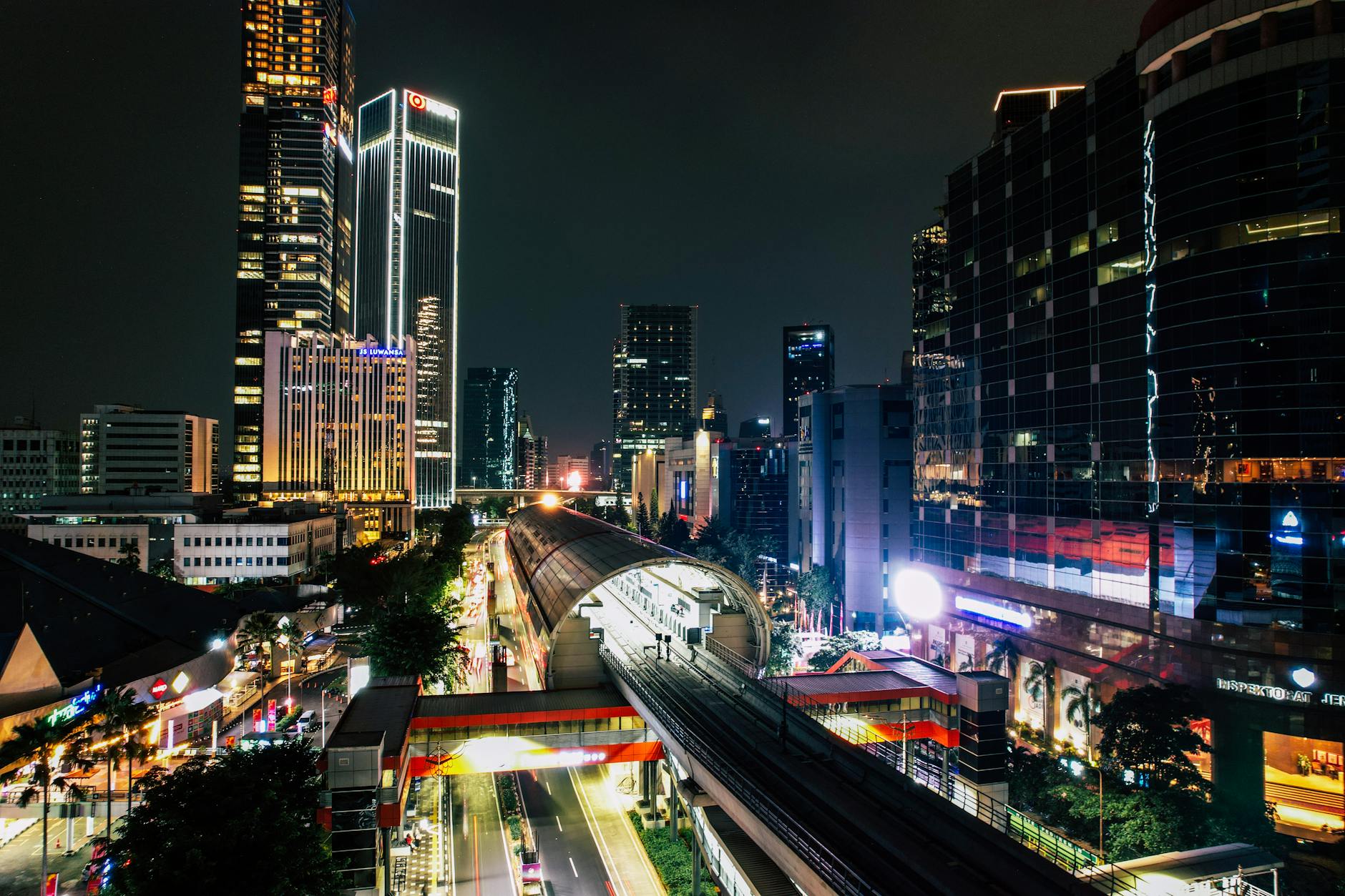
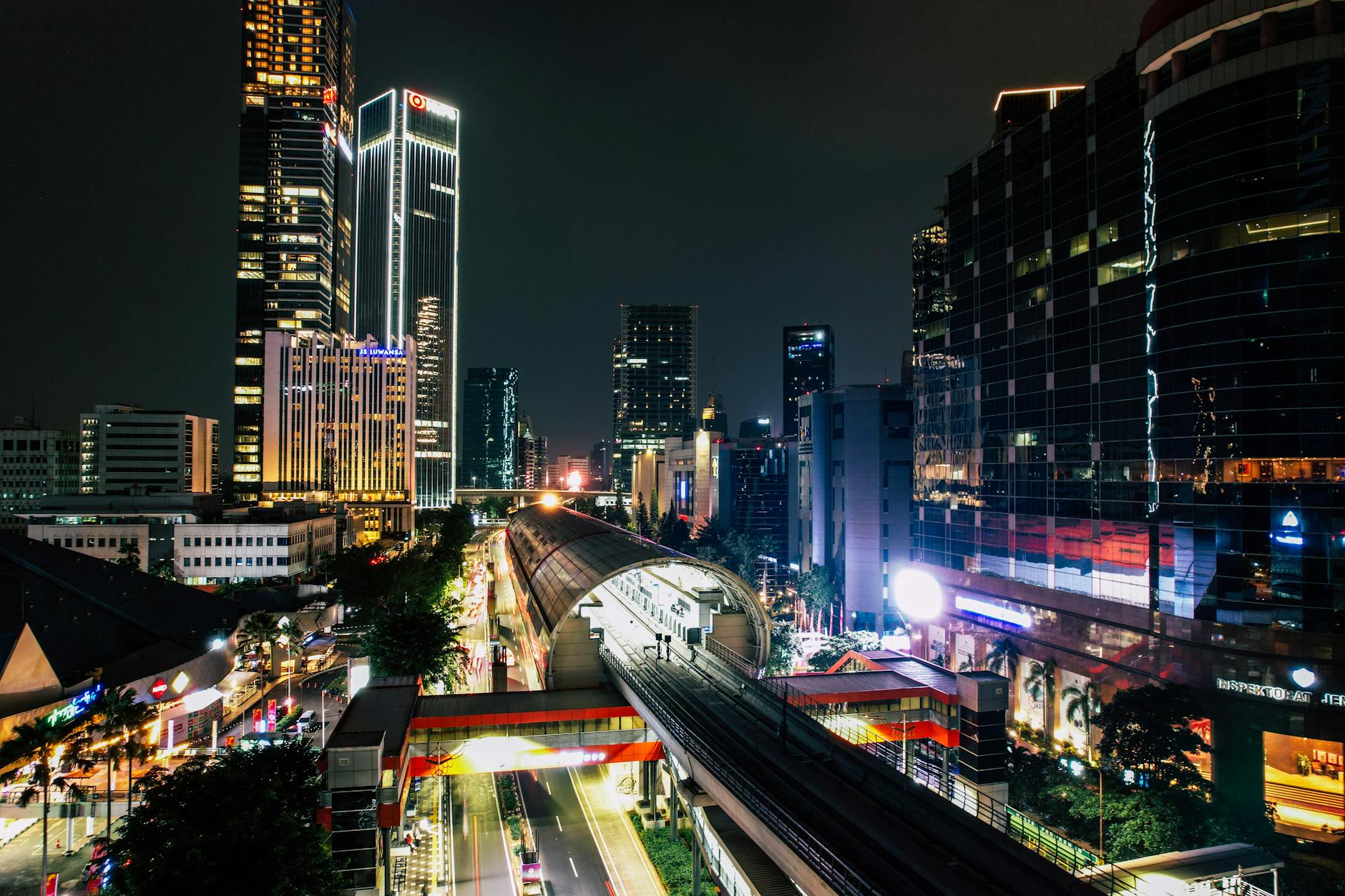
Jakarta’s after-dark scene has grown into one of the most varied in the region. Rooftop bars with skyline views, night markets, live-music rooms — there is a version of a Jakarta night for every budget and mood. This is the overview; for a full itinerary, our guides to things to do in Jakarta at night and the broader Jakarta nightlife scene take it from here.
Rooftop bars
The skyline is best read from above, and the rooftop-bar scene delivers the settings. SKYE Bar and Restaurant, on the 56th floor of BCA Tower, pairs sweeping views with inventive cocktails. HENSHIN, atop The Westin Jakarta, combines Japanese-Peruvian food with one of the highest dining rooms in the city. Cloud Lounge and Dining at the AYANA Midplaza is the more intimate option, with craft cocktails and a quieter mood.
Live music and cultural performances
For live music, work the venues around Kemang in South Jakarta, where bars and clubs run the gamut from jazz to gamelan. The city’s jazz scene is strong, anchored by the annual Java Jazz Festival and its international lineups. For a cultural evening instead, check what’s on at Taman Ismail Marzuki (TIM), Jakarta’s main arts center, which programs traditional dance, theater, and music regularly. The full calendar lives in our roundup of events and festivals in Jakarta.
Night markets
For a local after-dark experience, the night markets (pasar malam) are hard to beat. Beyond Sabang and Pecenongan, the Menteng night market is good for vintage clothing and street food, and seasonal markets pop up around the big holidays. These are the convivial, low-cost end of a Jakarta night — no skyline-bar tab required.
Parks, nature, and outdoor activities
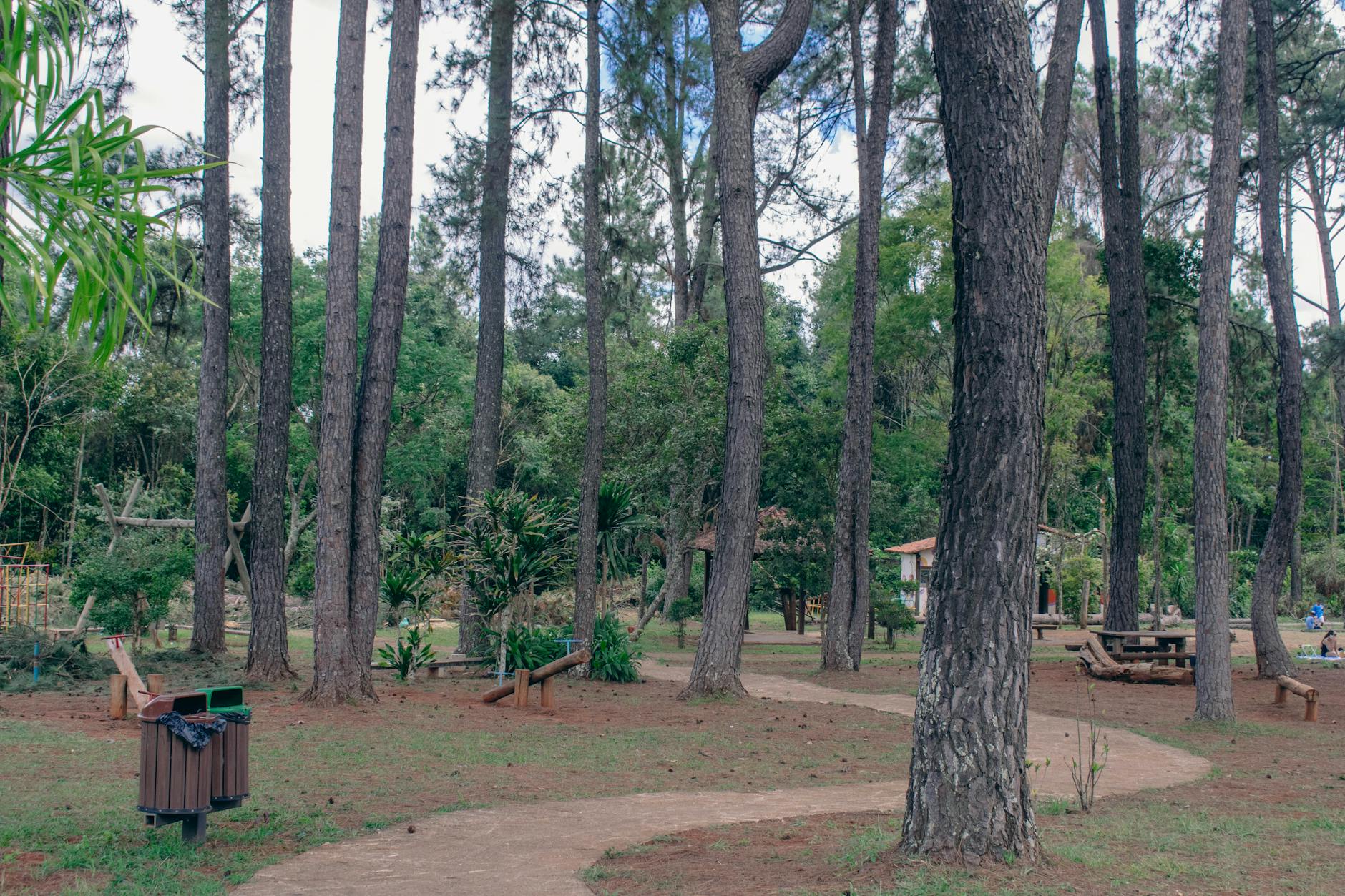
Jakarta is mostly concrete, but there are real pockets of green and a few genuine escapes within reach when the city’s intensity gets to be too much.
Ragunan Zoo
Open since 1864, Ragunan Zoo covers 140 hectares of leafy grounds in South Jakarta and houses over 3,600 animals across 270 species. The Schmutzer Primate Center is the standout, with spacious enclosures for orangutans, gorillas, and other primates. At IDR 4,000 admission, it is one of Jakarta’s best-value attractions, full stop.
Thousand Islands (Kepulauan Seribu)
A short boat ride off Jakarta’s coast, the Thousand Islands give you a tropical-island escape startlingly close to the metropolis. Pulau Tidung (about two hours by speedboat) has white-sand beaches, snorkeling over coral gardens, and rustic beachside rooms. Pulau Pramuka, the administrative center of the marine national park, runs eco-tourism including turtle-conservation programs. Day trips and overnight packages leave from Ancol Marina, and they are an easy add-on if you are weighing up the best day trips from Jakarta.
Mangrove Eco Park
Angke Kapuk Mangrove Eco Park in North Jakarta protects a stretch of mangrove forest along the coastline. Elevated boardwalks wind through the trees for birdwatching and a genuine bit of quiet. It is a good introduction to Indonesia’s mangrove ecosystems and a reminder of what stood here before the city sprawled.
Neighborhoods worth exploring
Each of Jakarta’s neighborhoods has its own personality, and spending unstructured time in them is where you actually meet the city. Our Jakarta neighborhoods guide breaks down the character of each district; these three are the easiest to fall for.
Menteng
Jakarta’s most elegant residential quarter, Menteng was laid out as a garden suburb in the Dutch period. Tree-lined boulevards, art-deco houses, and an unhurried feel make it perfect for aimless wandering. It is also home to many of the city’s best restaurants, the Jalan Surabaya antique market (great for vintage finds and old Dutch-era pieces), and leafy Menteng Park, where locals exercise at dawn.
Kemang
South Jakarta’s Kemang is the expat hub and creative center. The main strip and its side lanes are dense with galleries, independent boutiques, craft breweries, and international restaurants. Friday and Saturday nights pull crowds to the bars and live-music rooms; by day, the cafes and co-working spaces hum.
Pantai Indah Kapuk (PIK)
Jakarta’s newest and most talked-about area, PIK has exploded into a food-and-lifestyle destination. Pantjoran PIK, a Chinese-themed commercial district, draws huge weekend crowds for street food, themed restaurants, and a waterfront boardwalk, while the newer PIK 2 development extends the whole thing with beachside dining and family entertainment. If you want a base near the action, our guide to the best areas to stay in Jakarta weighs PIK against the more central options.
Day trips from Jakarta
A few destinations within two to three hours make excellent day trips when you have extra time — and a cooler climate, which is its own reward.
Bogor and the Botanical Gardens
Just 60 kilometers south, Bogor sits high enough to feel noticeably cooler. The star is Kebun Raya Bogor (Bogor Botanical Gardens), an 87-hectare garden founded in 1817 with more than 15,000 plant species; the Presidential Palace (Istana Bogor), visible from the grounds, adds the history. The commuter train gets you there from Jakarta in about 90 minutes, which makes it one of the simplest day trips going.
Bandung
Nicknamed the “Paris of Java” for its art-deco architecture, Bandung sits in a volcanic highland about 150 kilometers southeast of Jakarta. The three-hour drive (or scenic train) buys you a cooler climate, crater lakes, tea plantations, factory-outlet shopping, and some of West Java’s finest Sundanese food. The usual targets are Kawah Putih (White Crater), Tangkuban Perahu volcano, and the Braga Street district.
Practical tips for visiting Jakarta
A little planning goes a long way here. For the deeper version of everything below, our Jakarta travel tips guide covers the essentials in detail.
Best time to visit
Jakarta has a tropical monsoon climate with a dry season (June to September) and a wet season (November to March). The dry season is the easy pick for sightseeing, but the city works year-round — even in the wet months, rain tends to arrive as a heavy afternoon downpour that clears fast, leaving mornings and evenings pleasant. April, May, and October are the sweet spot: fewer crowds than peak dry season, generally manageable weather.
Getting around
Jakarta’s transport has improved out of all recognition. The MRT runs a fast, clean north-south line through the center, and the TransJakarta bus rapid transit covers far more of the city in dedicated lanes that sail past the traffic. For anything off the network, the ride-hailing apps Grab and Gojek are everywhere and cheap; Gojek’s motorcycle-taxi (ojek) is the fastest way through rush hour, if not the calmest. Our complete guide to getting around Jakarta lays out fares, passes, and which mode to use when.
How many days do you need?
Three full days is the realistic minimum to do the essentials at a comfortable pace — tight, but workable, and our Jakarta 3-day itinerary shows exactly how to sequence it. Five days lets you slow down and add a day trip to the Thousand Islands or Bogor. With a week, you can explore neighborhoods at leisure, take multiple day trips, and go deep on the food — the full 7-day Jakarta plan maps that out. The city rewards patience: the longer you stay, the more it shows you.
Budget considerations
Jakarta is remarkably affordable for international visitors. Street food keeps you well-fed for under IDR 50,000 (about USD 3) a meal, and museum admissions rarely top IDR 50,000. Mid-range dining and comfortable three-star hotels cost a fraction of the equivalent in Bangkok or Singapore; only the high-end rooftop bars and luxury hotels approach Western prices. If you want to push costs right down, our budget travel guide to Jakarta shows how to do the city on a shoestring.
Hidden gems and local secrets
Past the headline sights, Jakarta keeps a few quieter discoveries that most visitors walk right past. Here are three to start with; for the full collection, our roundup of Jakarta’s hidden gems rounds up the spots locals actually love.
Kali Besar walking path
Newly restored, this riverside walkway in Kota Tua traces the canal that was once the lifeblood of Dutch Batavia. Historic warehouses, colonial bridges, and quiet waterside cafes line the route — a calm counterpoint to the busy tourist square nearby. Best in the golden hour before sunset.
Museum Tekstil
Usually passed over for flashier institutions, the Textile Museum in Tanah Abang holds an exceptional collection of batik and traditional weaving from across Indonesia. It also runs batik-making workshops where you can try the UNESCO-recognized craft yourself. Set in a charming 19th-century colonial house with well-kept gardens, it is one of the city’s most pleasant museum visits — and if batik draws you in, our guide to where to buy batik in Jakarta tells you where to take that interest next.
Pasar Ikan and Jakarta Maritime Museum
Near Sunda Kelapa, the Pasar Ikan (Fish Market) is a real working market where fishermen land the catch in the pre-dawn hours. Watching it come alive at sunrise is something few tourists bother with and many remember as a highlight. The adjacent Jakarta Maritime Museum, in a restored Dutch East India Company warehouse, traces Indonesia’s maritime history and its ongoing life as an island nation.
Suggested Jakarta itineraries
Here is how to stitch the highlights together depending on how long you’ve got. Each plan has a dedicated, hour-by-hour version if you want one — including a tighter 2-day Jakarta itinerary for a weekend.
One day in Jakarta
Start at Monas early, then Istiqlal Mosque and Jakarta Cathedral. Taxi to Kota Tua for lunch and an afternoon of museums. Close the day with street food on Jalan Sabang and a sunset drink at a rooftop bar.
Three days in Jakarta
Day 1: Monas, Istiqlal Mosque, Jakarta Cathedral, lunch in Menteng, the National Museum in the afternoon, Jalan Sabang for dinner. Day 2: A full morning in Kota Tua (Fatahillah Square museums, Sunda Kelapa, Glodok Chinatown), Museum MACAN in the afternoon, Kemang in the evening for live music. Day 3: Morning at Taman Mini Indonesia Indah, afternoon shopping at Pasar Baru or Sarinah, a farewell dinner at a rooftop restaurant.
One week in Jakarta
Follow the three-day plan, then add: Day 4: a day trip to the Thousand Islands for snorkeling and beach time. Day 5: Ancol Dreamland and Jakarta Aquarium. Day 6: a day trip to Bogor Botanical Gardens. Day 7: a deep dive into the PIK food scene, Mangrove Eco Park, and a final wander through whichever neighborhood clicked with you earlier.
Things to do in Jakarta: frequently asked questions
How many days do you need in Jakarta?
Three days is the comfortable minimum for the essentials — the major landmarks, Kota Tua, a couple of museums, and a proper street-food night. Four to five days lets you add a day trip to Bogor or the Thousand Islands and slow the pace down. A week is ideal if you want to explore neighborhoods and the food scene in depth rather than rushing.
Is Jakarta safe for tourists?
Yes, broadly. Serious crime against visitors is uncommon; the real day-to-day risks are petty theft (watch your phone and bag in crowds and on busy transport), traffic, and occasional wet-season flooding. Stick to licensed taxis or the Grab and Gojek apps, keep an eye on your belongings in markets, and use ride-hailing rather than walking long distances after dark, and you’ll be fine.
What is Jakarta best known for?
Jakarta is best known for its street food, its layered colonial history in Kota Tua, the giant Istiqlal Mosque facing Jakarta Cathedral, huge modern malls, and a lively after-dark scene of rooftop bars and night markets. It is the cultural and culinary crossroads of the whole Indonesian archipelago, which is exactly what makes the food so good.
What is there to do in Jakarta when it rains?
Plenty. Jakarta’s afternoon downpours are easy to plan around: duck into the National Museum or Museum MACAN, lose a few hours in Grand Indonesia or another major mall, take kids to Jakarta Aquarium or Kidzania, or settle in for a long lunch at a warung. Our full list of indoor attractions has the complete wet-weather plan.
Is Jakarta worth visiting?
If you give it a fair shot, yes. Jakarta rarely charms travelers in the first hour the way a beach town does — it is big, busy, and short on obvious postcard moments — but it rewards curiosity with extraordinary food, real history, and a genuine cross-section of modern Indonesia. Give it three days and the right itinerary, and it tends to win people over.
How do you get around Jakarta as a tourist?
The fastest mental model: use the MRT or TransJakarta busway for longer hops along their routes, and the Grab or Gojek apps for everything else. Both apps run cars and motorbikes; in heavy traffic the motorbike (ojek) is dramatically quicker, and you can pay in cash or by card. Skip hailing unmetered taxis off the street. For multi-stop days, plot your route on a map first and group nearby sights together — Jakarta’s congestion punishes backtracking more than distance does.
Start planning your Jakarta trip
Jakarta resists easy summary. It is chaotic and calm, old and ultramodern, deeply traditional and changing by the month. Everything in this guide is really just a starting point: the best of the city tends to happen in the unplanned moments — a long conversation with a vendor, a temple down a side street you weren’t looking for, a dish so good you come back to the same stall three nights running.
So plan the structure, then leave room for spontaneity. Go in with an open mind and a flexible schedule, and you’ll understand why the people who know Jakarta best always find a reason to come back.
When the city starts to wear you down, it is worth knowing how easily you can leave it. The weekend getaways near Jakarta guide ranks the options by real Friday-evening drive time, while Bogor, the Puncak tea plantations, the Thousand Islands and Anyer beach each have a full guide of their own.