The single biggest mistake I see first-timers make in Jakarta has nothing to do with what they pack or which sights they skip. It is booking a hotel in the wrong part of town. This city sprawls across more than 660 square kilometers, split into five administrative cities and dozens of neighborhoods that barely resemble each other, and the gap between a smart base and a bad one is measured in hours of your trip lost to traffic. Pick well and you walk to half of what you came to see. Pick badly and you spend the holiday staring at brake lights through a Grab window. Knowing where to stay in Jakarta before you book is the difference between the two.
So before you tap “book,” it helps to understand the lay of the land. This guide to where to stay in Jakarta walks through every district worth considering, what each one costs, and who it suits — first-timer, business traveler, family, backpacker, or couple — so you can commit to an area with some confidence instead of guessing from a map. I have stayed in most of these neighborhoods at one point or another, and the recommendations below are the ones I actually give friends.
How Jakarta Is Laid Out — and Why It Matters
Jakarta breaks into five administrative cities: Central Jakarta (Jakarta Pusat), South Jakarta (Jakarta Selatan), North Jakarta (Jakarta Utara), West Jakarta (Jakarta Barat), and East Jakarta (Jakarta Timur). They feel like different cities entirely, and knowing which is which does more to shape a good trip than any other single decision.
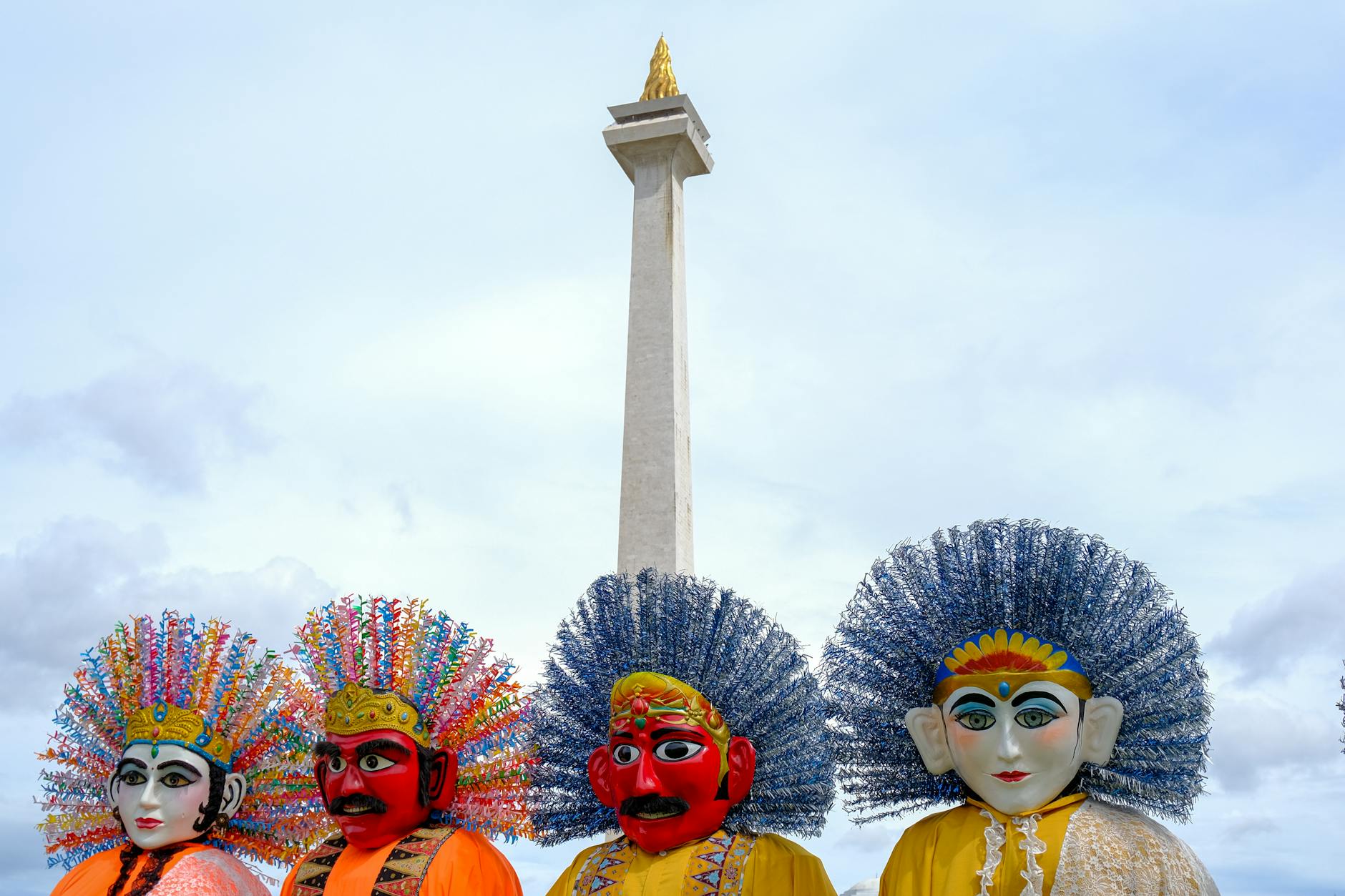
Central Jakarta is the governmental and historical core — Monas, the presidential palace, the National Museum, the big civic landmarks. South Jakarta is the modern, moneyed half: the best dining, the nightlife, the main business districts. North Jakarta runs to the coast and holds the colonial Old Town. West Jakarta is Chinatown and the great wholesale markets. East Jakarta is mostly residential and, honestly, not somewhere you need to sleep unless a very specific errand sends you there. For a closer look at how the pieces fit together, the Jakarta neighborhoods guide is worth a read before you commit.
The encouraging news is that getting around has genuinely improved. The MRT now runs a clean north-south spine through the middle of the city, and Grab and Gojek will summon a car or motorbike to your door for pocket change. But the traffic is still the traffic. A hop that takes 15 minutes on a Sunday morning can swell to 90 on a Wednesday evening, and no app fixes that. The whole game is putting yourself near the things you plan to do, ideally within reach of a train line — the ways of getting around Jakarta all reward you for staying central.
Central Jakarta (Jakarta Pusat): The Safe Bet for First-Timers
If it is your first trip and you want one rule to follow, it is this: stay in Central Jakarta. The bulk of the must-see sights cluster here within a fairly tight radius — the National Monument (Monas), Istiqlal Mosque, Jakarta Cathedral, the National Museum, and Merdeka Square are often a short walk from one another. The concentration of hotels in Central Jakarta near these landmarks let you see the headline attractions without ever ordering a car, which in this city is no small thing — and if the monument itself is your anchor point, the hotels near Monas put you right by it.
Menteng
Menteng is the prettiest, calmest corner of Central Jakarta and the neighborhood I steer most first-timers toward. The Dutch laid it out as a garden suburb, and it still shows: tree-lined boulevards, low-slung art deco houses, and a hush that feels impossible given what surrounds it. It is walkable and well-kept, with good restaurants, proper cafes, and the Jalan Surabaya antique market a few blocks away.
Hotels here run from mid-range boutiques to a couple of upscale chains. You are within striking distance of Monas, the National Museum, and Gambir station, which is your train link to Bogor and the rest of Java. Jalan Sabang, one of the city’s great street food strips, sits right on the edge of the neighborhood. Budget on USD 40 to 120 a night for a comfortable mid-range room, or USD 150 and up for the luxury end.
Thamrin Corridor
Jalan Thamrin is the broad north-south artery that stitches Central Jakarta to the south, lined with international hotels, corporate towers, and the twin shopping giants of Grand Indonesia and Plaza Indonesia. Bed down along Thamrin and you sit at the seam between the old city and the new, with the Bundaran HI MRT stop putting the whole north-south line at your feet. It is a strong pick for anyone who wants to mix sightseeing with shopping and skyline-view dining, and several of the best business hotels in Jakarta line this stretch. Cheap rooms are thin on Thamrin proper, but walk a few minutes onto the side streets and prices drop.
Jalan Jaksa
Jalan Jaksa was the backpacker street for decades, and while its scruffy heyday is long gone, it is still one of the cheapest places to lay your head in Central Jakarta. The lane sits just south of Monas, packed with small guesthouses, no-frills hotels, and simple warungs. Rooms start as low as IDR 150,000 (about USD 10) a night, though quality swings wildly from one door to the next, so look at the room before you hand over any money. If rock-bottom rates in a central spot are the priority, the wider world of budget hotels in Jakarta opens up considerably once you know where to look.
SCBD and Sudirman: Where Business and Luxury Live
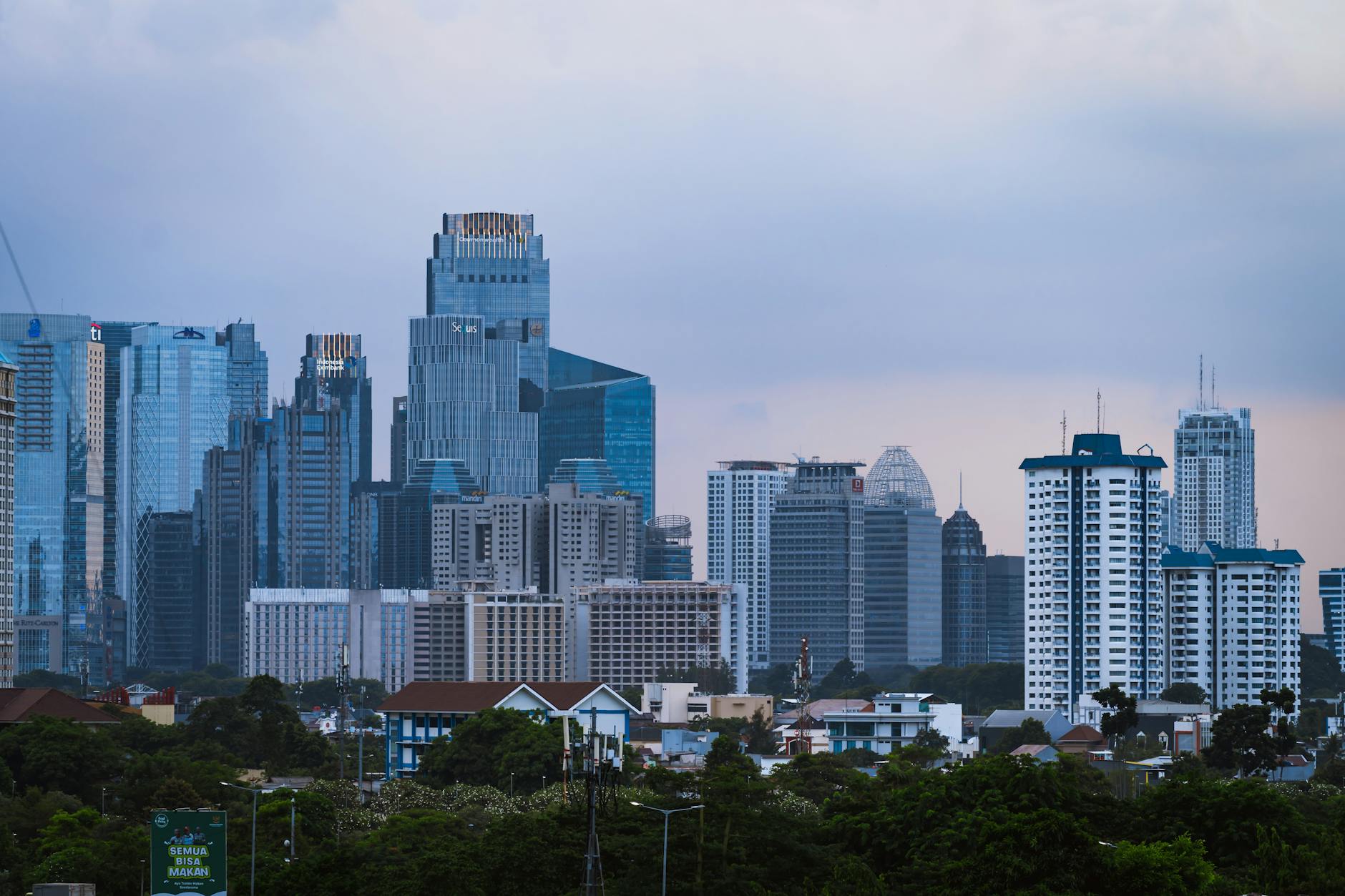
The Sudirman Central Business District and the wider Jalan Sudirman corridor are Jakarta’s financial heart, and if you want the most polished hotel experience the city offers, this is it. The blocks here are thick with five-star international names, serious restaurants, rooftop bars with the skyline laid out below, and high-gloss malls like Pacific Place. It is the obvious home for the luxury 5-star hotels in Jakarta, and the after-dark dining holds up against anywhere in Southeast Asia.
The Ritz-Carlton Jakarta Pacific Place, The Langham Jakarta, Raffles Jakarta, and Fairmont Jakarta are the flagships, and they deliver the full kit: infinity pools over the city, destination spas, multiple kitchens, executive lounges, and covered walkways straight into the luxury malls. Expect USD 150 to 400 a night at the top, with capable mid-range business hotels filling the USD 60 to 120 band.
The MRT serves the district well, with stops at Istora, Senayan, and Bendungan Hilir running you north to the Central Jakarta monuments or south toward Blok M. This is also ground zero for the city’s upscale eating — omakase counters, contemporary Indonesian fine dining, all of it a short walk from most lobbies. Anyone here on business will find this stretch tailor-made; the cluster of business hotels around SCBD and Sudirman is built around exactly that traveler.
South Jakarta: For Nightlife, Expats, and Serious Eaters
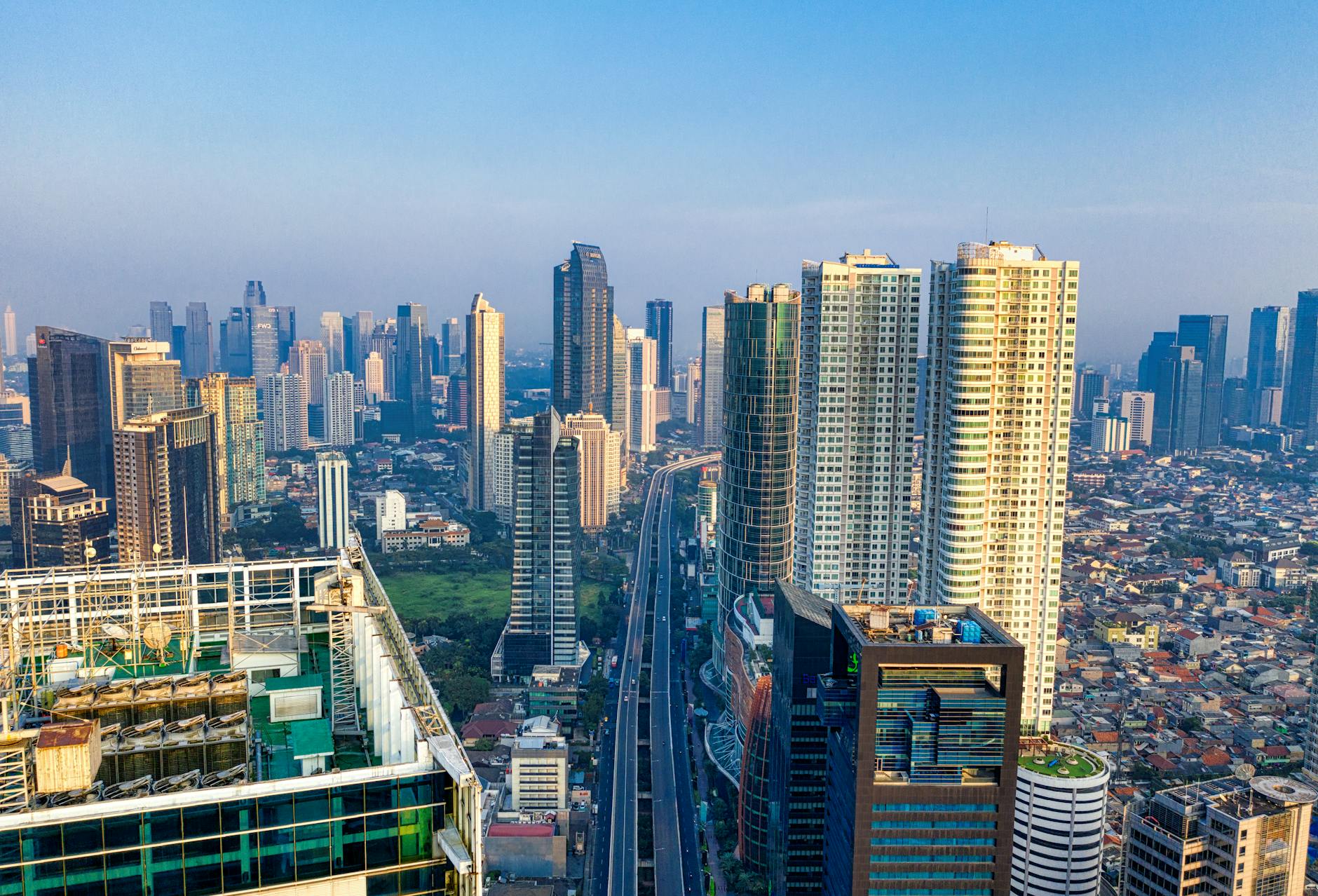
South Jakarta is where the city feels most outward-looking, and for leisure travelers it is my favorite half of town. It is really a string of distinct neighborhoods, each with its own pull, and if your trip is built around good food, craft coffee, bars, and a bit of a scene rather than ticking off monuments, this is your patch. The range of South Jakarta hotels has widened a lot in recent years, from boutique stays to slick serviced apartments.
Kemang
Kemang is the old expat heartland and the most international-feeling neighborhood in the city. Jalan Kemang Raya and the lanes around it are wall-to-wall with foreign restaurants, independent shops, galleries, small breweries, and live-music rooms, and the whole place wakes up on weekend nights when people drift between dinner and drinks.
Lodging here skews toward mid-range boutiques and serviced apartments rather than the big chains, which suits travelers who would rather have character than a corporate lobby — many of the city’s best boutique hotels in Jakarta sit in and around Kemang. Well-reviewed rooms run USD 30 to 80 a night, often with more personality and warmer service than you would get for the same money elsewhere. The trade-off is distance: you are a fair way from the Central Jakarta sights and there is no MRT stop on the doorstep, so you will lean on ride-hailing for anything outside the neighborhood.
Senopati
Right up against SCBD, Senopati has turned into one of the most fashionable eating-and-drinking quarters in the city. Its leafy streets hold some of Jakarta’s most talked-about restaurants, from inventive Indonesian tasting menus to honest ramen counters. It is a notch more polished than Kemang and a little closer to the center, which makes it a smart compromise for anyone who wants the nightlife energy without giving up all proximity to the sights.
Blok M and Kebayoran Baru
Blok M, built around its busy bus terminal and its own MRT station, is one of South Jakarta’s most connected neighborhoods. The surrounding Kebayoran Baru was laid out in the 1950s as a planned suburb and still has the wide, orderly streets to show for it, plus Pasar Santa, a local market reborn as a hip food destination. Hotels here cost less than in SCBD or Kemang, with decent mid-range rooms from USD 25 to 60 a night, and the train link makes Blok M an increasingly popular base for travelers who want to spend little but still move around easily.
North Jakarta and Kota Tua: History on One Side, Theme Parks on the Other
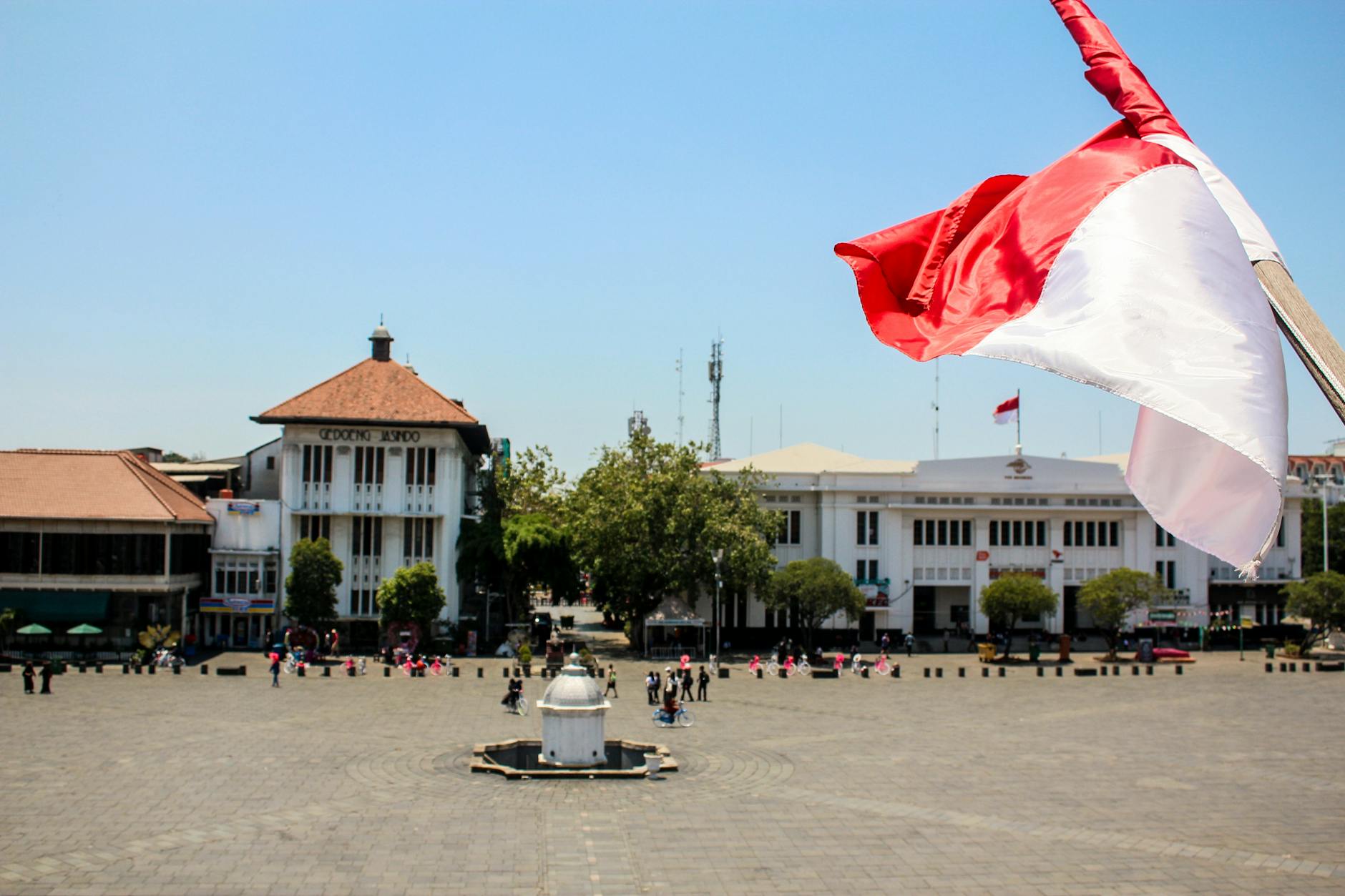
North Jakarta pulls in two directions at once — the colonial weight of Kota Tua on one hand, the family-friendly sprawl of the Ancol waterfront on the other. If either is central to your trip, sleeping up here drops you right into it, with the understanding that you will be farther from the modern business and nightlife cores down south.
Kota Tua (Old Town)
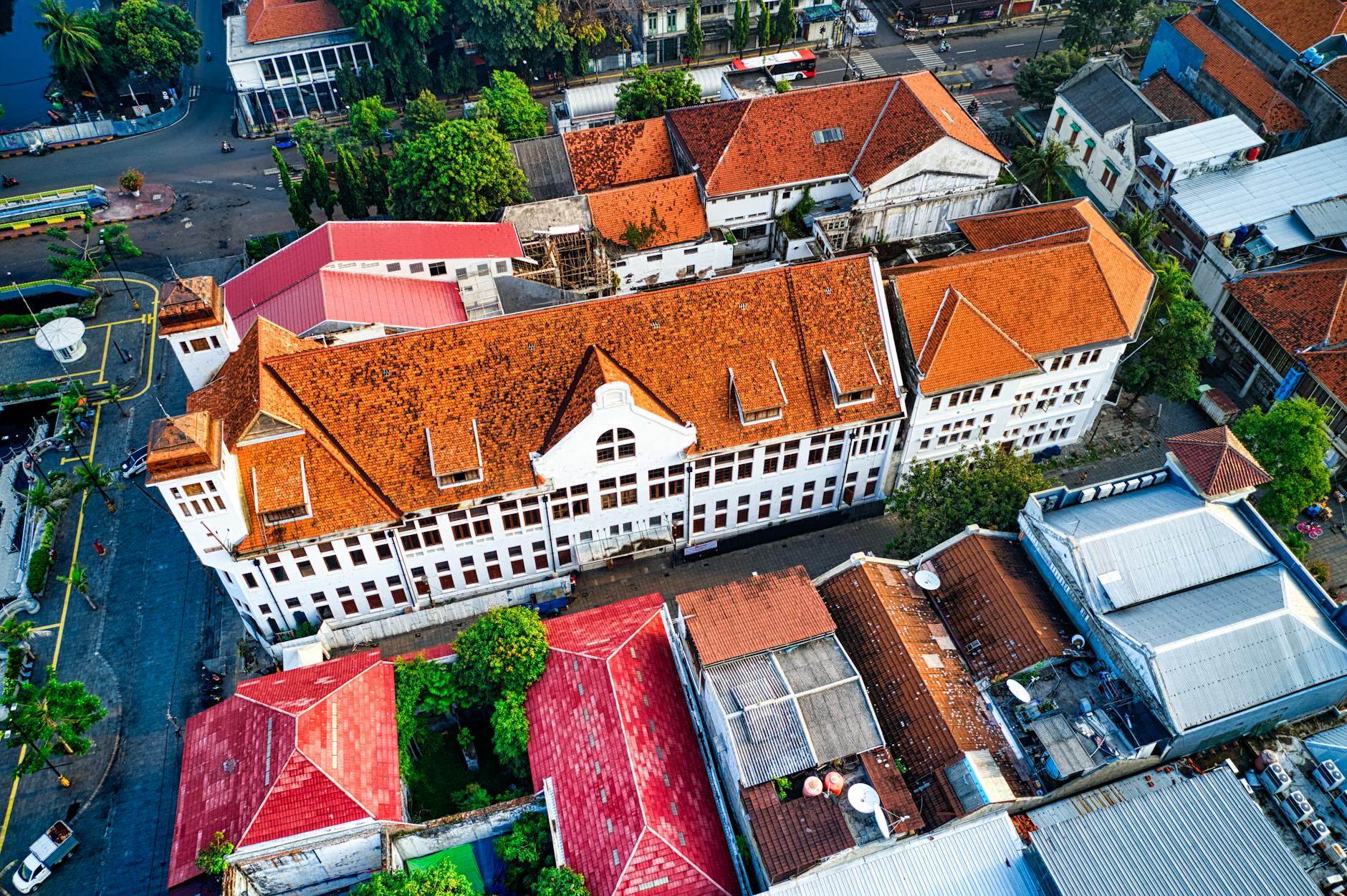
For anyone who travels for history, Kota Tua is the most atmospheric corner of the city, built around Fatahillah Square and the 17th- and 18th-century Dutch buildings that ring it. The lodging picture has improved markedly, with several heritage hotels and boutiques moving into restored colonial shells — sleeping inside walls that have stood for three centuries is an experience you cannot manufacture in a glass tower across town.
Budget travelers do especially well here, since rates run lower than in Central or South Jakarta. Guesthouses and cheap hotels in and around Kota Tua start as low as IDR 200,000 (about USD 13) a night. You are also walking distance from Glodok (Chinatown), Sunda Kelapa harbor, and some of the city’s finest street food. The catch is the evenings — fewer restaurants, less going on after dark than you would find in the south.
Ancol and the Waterfront
The Ancol Dreamland complex on the northern shore is the city’s big family playground: theme parks, water parks, an aquarium, a beach, the lot. Several hotels sit inside the complex itself, which makes them a natural choice for families planning a couple of days among the rides. Ancol is also where the boats to the Thousand Islands cast off, handy if an island day trip is on the agenda. For the full rundown of options up here, the family-friendly hotels in Jakarta guide goes deeper on which properties earn their keep with kids in tow.
Hotels within Ancol span mid-range resorts to family-oriented properties, usually USD 40 to 100 a night. The whole area feels unlike the rest of Jakarta — more resort than metropolis, with sea air and waterfront tables in place of the usual downtown crush.
West Jakarta: Bargain Beds and the Great Markets
West Jakarta rarely tops anyone’s shortlist of where to sleep, but it earns a look from the right traveler. This is the home of Glodok (the historic Chinatown), Tanah Abang (the largest textile market in Southeast Asia), and several neighborhoods with some of the cheapest rooms in the city.
Glodok in particular rewards anyone who travels on their stomach. The tight lanes of Chinatown hide some of Jakarta’s best street food, old Chinese temples, and herbal-medicine shops. Purpose-built tourist hotels are scarce, but budget options exist, and Kota Tua’s improving accommodation is a short walk away if nothing here suits.
Tanah Abang, the vast textile district, has a cluster of business-style hotels nearby at very keen rates — USD 15 to 40 a night — because they exist to house domestic traders, not tourists. If you do not mind a workaday, un-touristy setting and want to stretch every dollar, the value is genuinely hard to beat. It is one of the better-kept secrets among Jakarta’s budget hotels.
Pantai Indah Kapuk (PIK): The City’s New Food Obsession
Pantai Indah Kapuk, known to everyone simply as PIK, has gone from reclaimed coastland to one of the most talked-about corners of Jakarta in just a few years. Out on the northern shore, PIK and its newer sibling PIK 2 hold an astonishing density of restaurants, cafes, and food stalls that pull enormous weekend crowds from across the city.
Pantjoran PIK, a Chinese-themed quarter within the district, is the big draw for its street vendors and themed eateries. PIK 2 pushes the idea further with beachside dining, family attractions, and the kind of photogenic food stalls that fill phone galleries.
Hotels and serviced apartments have multiplied here to keep up. Staying in PIK plants you in the middle of Jakarta’s contemporary food culture but a long way from the historic sights and business districts, so I tend to recommend it for return visitors who have already done the headline attractions and want to eat their way through the city’s newest scene — or for anyone happy to commute into the center for sightseeing.
The Types of Places You Can Actually Book
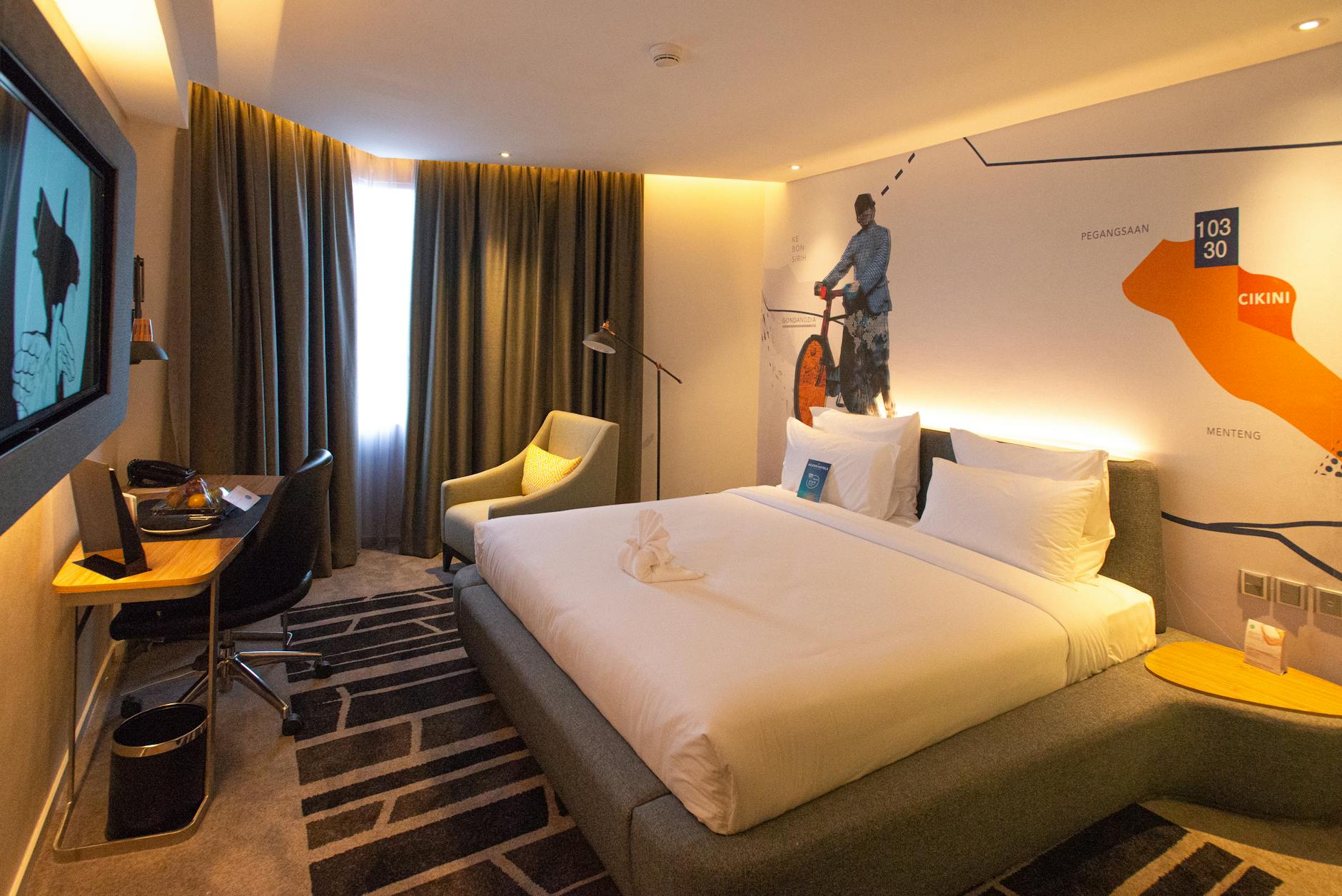
Neighborhood is half the decision; the kind of property is the other half. Jakarta offers far more variety than most visitors expect, and the right call depends as much on how you travel as on what you can spend.
International Luxury Hotels
At the top end, Jakarta has one of the densest collections of five-star international brands in Southeast Asia. Ritz-Carlton, Four Seasons, Mandarin Oriental, Raffles, Fairmont, The Langham, Shangri-La, and Hyatt all run flagship properties here, clustered mostly around SCBD and the Thamrin corridor. They come with everything you would expect — rooftop infinity pools, destination spas, award-winning kitchens, executive lounges, the kind of service that anticipates you — and rates generally land between USD 120 and 400 a night, with real discounts surfacing through loyalty programs and off-peak booking. If this is your tier, the full picture lives in the dedicated guide to Jakarta’s luxury 5-star hotels.
Mid-Range Hotels
The mid-range is, to my mind, Jakarta’s strongest category — the value here embarrasses most other Asian capitals. International names like Novotel, Mercure, Ibis Styles, Holiday Inn, and Best Western run dozens of properties across the city in the USD 40 to 100 band, and Indonesian groups such as Tauzia (behind the Harris and POP! brands) and Archipelago International match the quality for even less.
At this level you can count on clean, modern rooms, dependable Wi-Fi, air conditioning, a pool, and an on-site restaurant. Plenty of these places punch well above their price compared with the equivalent in Bangkok or Singapore, which is why the mid-range is the sweet spot for most visitors. The roundup of the best hotels in Jakarta leans heavily on this band for exactly that reason.
Budget Hotels and Hostels
Budget rooms are everywhere and steadily getting better. The Yello, POP!, and Ibis Budget chains turn out reliable, no-frills rooms from USD 15 to 30 a night. True hostels are rarer here than in Bali or Yogyakarta, but a handful of good ones exist — Wonderloft in Kota Tua is the standout — and dorm beds usually run USD 8 to 15.
Capsule hotels have caught on too, especially near transit hubs and in the business district. These tidy pods give you privacy at budget money, roughly USD 12 to 25 a night, and make a genuinely good option for solo travelers who want something clean and modern without paying mid-range rates. There is a whole world of budget hotels and hostels in Jakarta worth digging into if you are counting every rupiah.
Serviced Apartments
For a week or longer, serviced apartments are the smart move — more space, lower per-night cost, and a kitchen. Fraser Residence Sudirman, Ascott Jakarta, Somerset Grand Citra, and Oakwood Premier Cozmo Jakarta all offer fully furnished flats with living areas, laundry, and hotel-style extras like housekeeping, pools, and gyms. Studios start around USD 50 a night, one-bedrooms USD 70 to 150, and monthly deals can knock 30 to 50 percent off the nightly rate.
These suit business travelers on long postings, digital nomads, and families who want room to spread out and the option of cooking. They are also a quiet favorite for couples on longer, slower stays who want a home base rather than a hotel room.
Guesthouses and Homestays
Local guesthouses — penginapan or losmen — are the cheapest and most immersive way to sleep in Jakarta. These family-run spots turn up all over, often deep in residential streets, and give you a real glimpse of daily life in the city. Rooms are plain but clean, with prices starting as low as IDR 100,000 (about USD 7) a night. Airbnb and Booking.com have made them far easier to find from abroad, with reviews and photos to keep expectations honest.
The Standout Luxury Hotels
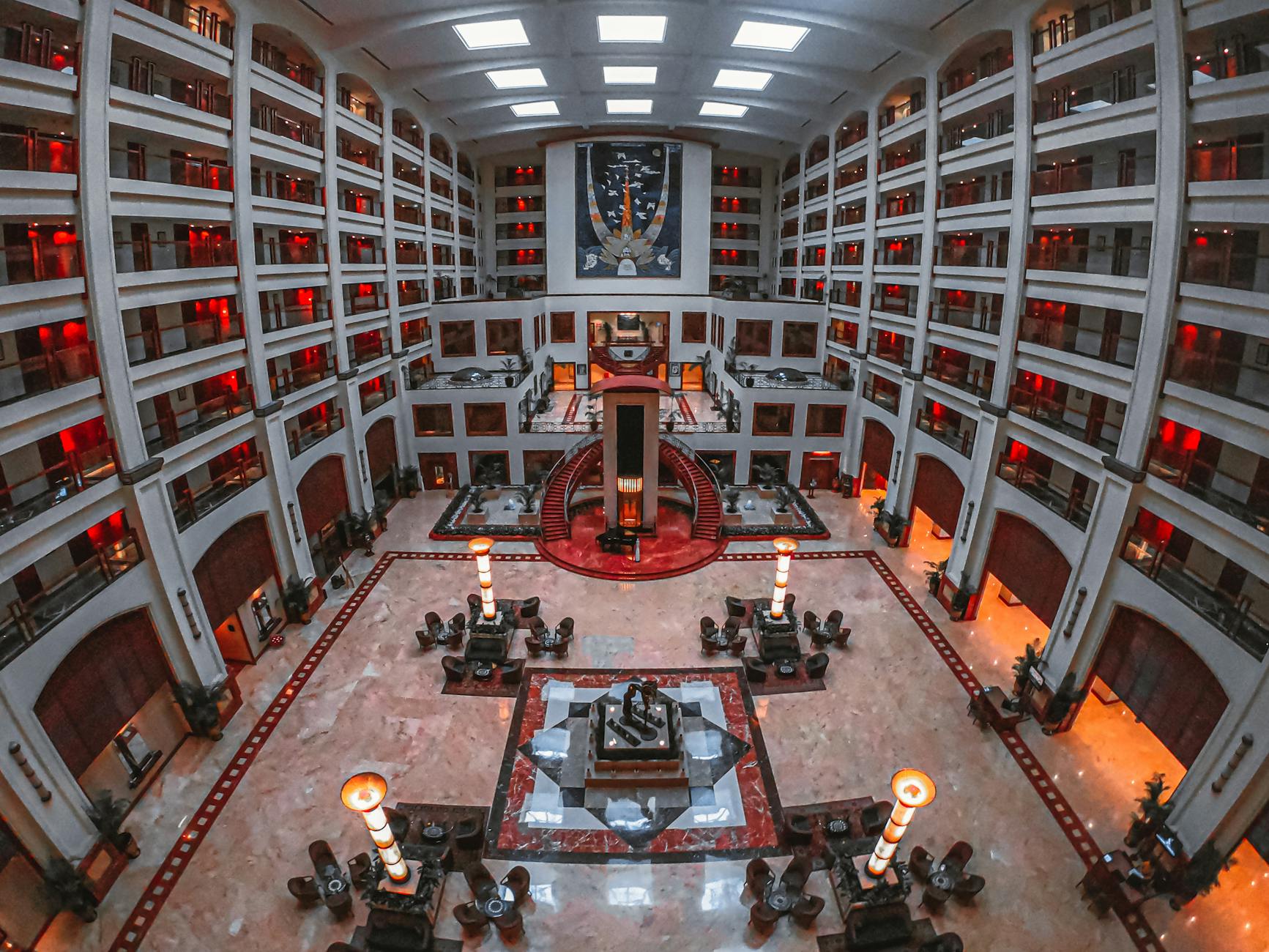
The luxury end of Jakarta is fiercely competitive, and that fight works entirely in your favor. With so many world-class five-star properties chasing the same guests, standards stay high and prices often sit below the equivalent in Singapore, Hong Kong, or Tokyo. A few names rise above the rest.
The Mandarin Oriental Jakarta is the one most people name first. Planted in the middle of the Thamrin business district, it pairs faultless service with elegant rooms, a celebrated spa, and several serious restaurants, and its position gives you both the offices and the Central Jakarta landmarks within easy reach.
The Ritz-Carlton Jakarta, Pacific Place commands a prime SCBD spot with a covered link straight into the Pacific Place mall. Its rooms and suites are among the largest in the city, and its restaurants count among the most celebrated.
Raffles Jakarta brings the old Raffles name to Indonesia with understated grandeur, butler service, and one of the finest hotel art collections in the region. Set in the Kuningan business district, it speaks to travelers who prefer intimate luxury over sheer scale.
Four Seasons Hotel Jakarta delivers the brand’s usual mix of plush rooms, standout dining, and service that reads your mind. Its Capital Kitchen is a destination in itself, and the rooftop pool deck is one of the best urban swims in town.
The Langham Jakarta, a newer arrival, carries British-style hospitality into SCBD. Between its afternoon tea, the Chuan Spa, and its carefully designed rooms, it has quickly become one of the most sought-after stays in the city. For the wider field and how these compare, the full luxury 5-star hotel guide lays them all out side by side.
Doing Jakarta on a Budget
Jakarta is one of the cheaper major Asian capitals to sleep in, and with a little strategy you can do genuinely well for very little. A handful of tactics stretch the budget further than anything else.
Aim at the right neighborhoods. Kota Tua, Glodok, the streets around Jalan Jaksa, and anywhere near the Blok M MRT station give you the best mix of low prices and real-world access. Steer clear of the airport (too far from everything) and East Jakarta (thin on tourist infrastructure). For the full shortlist, the budget hotels guide names specific properties under USD 30.
Book the Indonesian chains. Home-grown brands like POP! Hotels, Yello Hotels, and Favehotel reliably beat the international names on price for the same clean, modern room, and you will find them dotted near MRT stops and malls all over the city.
Try a capsule hotel. Jakarta’s capsule scene gives you a private, modern pod with charging points, reading lights, and a secure locker. Bobobox runs several locations and offers a faintly futuristic alternative to the usual budget room at competitive rates.
Use the local booking apps. Traveloka and Tiket.com are Indonesian platforms that routinely surface deals the global sites do not, especially on domestic chains. Download them and compare before you commit on Booking.com or Agoda.
Stay near an MRT station. Even in a plainer neighborhood, being a short walk from the train makes the whole trip easier and spares you a string of taxi fares. The line runs from Lebak Bulus in the south up to Bundaran HI, with the northern extension to Kota underway — the Jakarta MRT guide maps the stops worth basing yourself near.
Matching Your Base to How You Travel
First-Time Visitors
Stay in: Menteng or the Thamrin Corridor (Central Jakarta)
Central Jakarta gives first-timers the best access to the big landmarks, the cultural sites, and the transport hubs all at once. You can walk to Monas, the National Museum, Istiqlal Mosque, and Jakarta Cathedral; Gambir station handles your day trips to Bogor and beyond; and the MRT and TransJakarta are right there for everything else. The full set of Central Jakarta hotels near the attractions is built for precisely this traveler.
Business Travelers
Stay in: SCBD or Kuningan (South Jakarta)
SCBD and Kuningan house the head offices of most major Indonesian firms, the international banks, and the multinationals. The five-star hotels here are built around the business guest — executive lounges, business centers, meeting space, smooth airport transfers — and the district doubles as the city’s finest dining and after-work scene. The business hotels near SCBD and Sudirman are the obvious shortlist.
Families with Children
Stay in: the Ancol waterfront (North Jakarta) or a family-friendly hotel in Central Jakarta
Families do well near Ancol Dreamland if theme parks and water parks are the point. Otherwise the larger international hotels in Central Jakarta and SCBD tend to lay on kids’ clubs, family rooms, children’s pools, and babysitting. Given the range of things to do in Jakarta with kids, a central base keeps the commutes between attractions short — and the family-friendly hotels guide sorts the genuinely kid-ready properties from the rest.
Backpackers and Budget Travelers
Stay in: Kota Tua, Jalan Jaksa, or near the Blok M MRT station
These give you the best blend of cheap rooms, things to see, and transport. Kota Tua hostels like Wonderloft pair budget pricing with a great spot in the historic Old Town, and Blok M’s MRT stop makes its affordable hotels surprisingly well-connected. Browse the wider budget hotels and hostels list before you lock anything in.
Couples and Honeymooners
Stay in: an SCBD luxury hotel or a boutique property in Kemang
For romance, Jakarta’s luxury hotels come good — rooftop dinners, couples’ spa treatments, city views that do the work for you. If you would rather have intimacy and character than scale, Kemang’s boutiques are the move. The romantic hotels for couples in Jakarta guide gathers the most date-worthy of both, and for a real escape you can tack a few island nights onto the trip in the Thousand Islands.
Digital Nomads and Long-Term Stays
Stay in: a serviced apartment in SCBD, Kemang, or Senopati
Nomads keep choosing Jakarta for the low cost of living, fast internet, and growing co-working scene. Serviced apartments in South Jakarta come at monthly rates that look almost unfair by international standards, with studios from USD 500 to 800 a month. Kemang and Senopati hold the highest density of co-working spaces and reliable-Wi-Fi cafes, which makes them the natural home for remote workers.
An Island Escape: The Thousand Islands
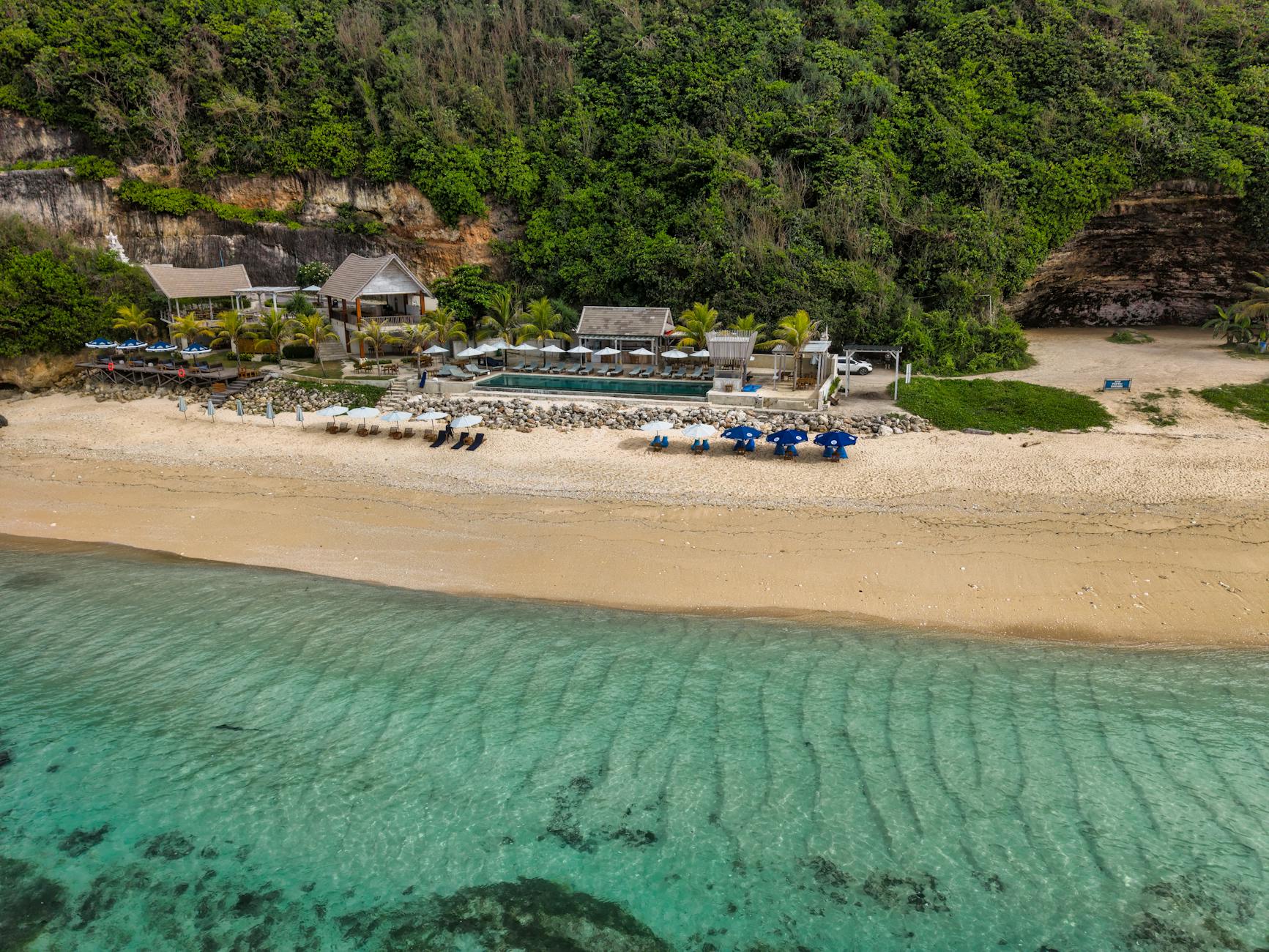
For anyone who wants to fold a little tropical downtime into a city trip, the Thousand Islands (Kepulauan Seribu) offer something few travelers expect to find on a megacity’s doorstep. This chain of more than 100 islands reaches north from Jakarta’s coast, and several carry resort-style lodging that ranges from rustic beach cottages to more polished properties.
Popular islands like Pulau Putri, Pulau Ayer, and Pulau Bidadari sell day-trip and overnight packages with boat transfers from Ancol Marina. Rooms run from simple huts at around USD 30 a night to more comfortable resort accommodation at USD 80 to 150. You get snorkeling, diving, kayaking, and the plain pleasure of white sand and clear water — a startling contrast to the city you left only a couple of hours behind.
Practical Tips Before You Book
With the neighborhoods and room types straight, a few practical habits will get you a better deal and a smoother stay.
Book on the local platforms. Traveloka and Tiket.com regularly come in 10 to 30 percent under Booking.com or Agoda, especially for domestic chains, and they run flash sales timed to Indonesian holidays.
Check the distance to MRT or TransJakarta. I cannot stress this enough. Jakarta traffic can turn a 5-kilometer drive into a 45-minute slog at the wrong hour, so a hotel a short walk from a train or busway corridor is far more accessible in practice than its straight-line distance to the sights suggests.
Do not stay near the airport unless your flight is early. Soekarno-Hatta sits about 30 kilometers northwest of the center. There are plenty of transit hotels out there, but basing yourself near the airport for sightseeing means fighting some of the city’s worst traffic every single time you head into town. If you genuinely need to be near the terminals, the Jakarta airport hotels guide covers the best options near CGK.
Mind the calendar. Hotel prices spike around the Java Jazz Festival (usually March), Jakarta Fashion Week, and the Indonesian public holidays — above all the Eid al-Fitr exodus, when the whole country moves and rates climb everywhere. Book well ahead for those. The wet-season stretch from December to February, by contrast, often brings lower occupancy and better promotional rates. Either way, the calendar of Jakarta events and festivals is worth a glance before you fix your dates.
Read the recent reviews. Jakarta’s hotel scene turns over fast — new openings constantly, older places sometimes slipping — so reviews from the last six months tell you far more than older ones. Pay attention to comments on Wi-Fi, noise (this is a loud city), and air conditioning; those are what actually shape your day-to-day comfort.
Ask whether breakfast is included. Many Jakarta hotels fold it into the rate, and Indonesian hotel breakfasts are often genuinely good — Western options alongside nasi goreng, mie goreng, bubur ayam, and a pile of tropical fruit. A solid included breakfast saves you both time and money each morning.
Safety and Security, Briefly
Jakarta is generally safe for tourists, and none of the hotel areas in this guide raise real security worries. The international chains and mid-range properties keep up professional measures — 24-hour front desks, key-card access, in-room safes, CCTV.
A few sensible habits for sleeping in the city: use the in-room safe for valuables, passport, and spare cash; pick a hotel with 24-hour reception if you expect late nights; and in budget rooms, check that the door locks properly and that lower-floor windows have locks or bars. Flooding can hit parts of Jakarta in the wet season (November to March), particularly low-lying pockets of North and Central Jakarta, so scan recent reviews for any mention of it if you are visiting then.
Getting from the Airport to Your Hotel
Soekarno-Hatta International (CGK) is almost certainly where you will land, and how you get from there to your room is worth thinking through — it even feeds back into where you choose to stay. The full airport-to-city transfer guide breaks down every route, but here is the short version.
The Airport Rail Link (Railink) connects the airport to Sudirman Baru station (also called BNI City) in about 45 minutes, with trains every 30 minutes at IDR 70,000 (around USD 4.50) one way. From Sudirman Baru you can change onto the MRT or grab a short taxi to most Central and South Jakarta hotels. It is the most reliable way to dodge the traffic.
Taxis from the airport take anywhere from 45 minutes to two hours depending on traffic and where you are headed. Use the official Bluebird counter or pre-book a Grab or Gojek — the Jakarta taxi guide explains how to avoid the touts. Metered fares to Central Jakarta usually land between IDR 150,000 and 250,000 (USD 10 to 16), with SCBD and South Jakarta a little more. Never get into an unlicensed car that approaches you in arrivals.
Hotel shuttles are offered by most luxury and upper-mid-range properties, free or for a fee. They are convenient but need arranging in advance, ideally when you book the room — and they take the stress out of the taxi queue on a tired arrival.
Where to Stay in Jakarta: The Quick Version by Priority
In the end, choosing where to stay in Jakarta comes down to matching your priorities to the right neighborhood. Here is the distilled advice.
Best all-rounder for most visitors: Menteng or the Thamrin Corridor in Central Jakarta. Central, well-served by MRT, walkable to the big landmarks, with everything from mid-range to luxury on offer.
Best for luxury and business: SCBD and the Sudirman Corridor. The densest run of five-star hotels, the best dining, and rooftop bars with the skyline at your feet.
Best for nightlife and food: Kemang or Senopati in South Jakarta. The center of the city’s international dining, cocktail, and live-music scene.
Best for history and culture: Kota Tua in North Jakarta. Atmospheric colonial heritage, strong museums, and steadily improving budget-to-mid-range rooms.
Best for families: the Ancol waterfront or a family-friendly hotel in Central Jakarta. Close to the theme parks, with resort-style facilities.
Best for couples: an SCBD luxury hotel for the views and the spa, or a Kemang boutique for something more intimate.
Best for budget travelers: Kota Tua, Jalan Jaksa, or near the Blok M MRT station. The lowest prices with workable access to the rest of the city.
Whichever area you land on, Jakarta rewards a bit of flexibility. Between the improving trains and cheap ride-hailing, even an imperfect location is recoverable — so settle on somewhere that fits your budget and your comfort, keep an eye on proximity to an MRT or TransJakarta stop, and you will be set up to make the most of this sprawling, surprising city. Still weighing the neighborhoods? The area-by-area breakdown of where to stay goes one level deeper on each one.
On the tightest budgets, the choice is between a dorm, a capsule and a cheap private room, and in Jakarta the private room often costs barely more than two beds. Our guide to budget hostels and guesthouses in Jakarta does the sums, names the hostels worth booking, and explains why splitting a short stay between Kota Tua and the centre saves time and money.