Most travelers come to Jakarta for the food by accident. They land expecting a traffic-clogged business capital, then end up three days deep into a city that turns out to be one of the best — and most underrated — places to eat in Southeast Asia. That is the honest case this Jakarta food guide makes: centuries of trade, migration, and colonial collision have left the city with a culinary range that runs from a 50-cent omelette cooked over coals to a tasting menu on the 68th floor, and almost everything in between is worth your time.
What follows is the map I wish I’d had on my first visit — where to go, what to order, and roughly what it costs in 2026. We will work from the ground up: Betawi classics like soto Betawi and kerak telor, the street-food corridors that come alive after dark, regional cooking from every Indonesian province, the modern restaurants that put the city on the global map, and the practical stuff about safety, halal food, and ordering that nobody tells you until you’re standing at a stall pointing at a pot.
Understanding Jakarta’s culinary identity
Jakarta’s food is the sum of everyone who ever passed through. The indigenous Betawi laid the foundation — nasi uduk, soto Betawi, kerak telor — but the city was a port long before it was a capital, and the kitchen shows it. Chinese immigrants brought bakso, bakmi, and the dense food alleys of Glodok. Arab traders contributed martabak and kebabs. The Dutch left cakes, pastries, and the rijsttafel, that absurd, wonderful “rice table” of a dozen small dishes eaten in one sitting.
Then came the rest of the archipelago. As people from every province moved to the capital for work, they brought their home cooking with them, which is why Jakarta is genuinely the best single place in Indonesia to eat across the whole country. Padang restaurants serve fierce rendang from West Sumatra; Javanese warungs ladle out sweet, slow-cooked gudeg from Yogyakarta; and Manadonese kitchens from North Sulawesi turn out the spiciest food you will find anywhere in the country. You can eat your way across 3,000 miles of islands without leaving the city limits — something I dig into properly in the rundown of must-try Jakarta dishes.
The thing that makes the scene tick is that it operates on several floors at once, literally and figuratively. At street level, thousands of vendors and family warungs sell some of the most satisfying cheap food on earth for under a dollar a plate. A floor up, a confident middle-class dining scene fills malls and converted shophouses with creative modern Indonesian cooking. And at the top, the city’s luxury restaurants now go toe-to-toe with Bangkok and Singapore, often from a rooftop with the whole skyline laid out below. You can spend a week here eating brilliantly for the price of one dinner back home.
Essential Betawi dishes every visitor should try
Start with Betawi food, because it is the closest thing Jakarta has to a native cuisine. The Betawi are the city’s indigenous ethnic group, descended from the mix of peoples who settled around the old port, and their cooking carries that history in every bowl — Chinese preservation tricks, Indian and Arab spicing, Dutch sweetness, all folded into something unmistakably local. If you only learn one corner of the city’s food, make it this one; there is a deeper dive in the dedicated guide to Betawi cuisine in Jakarta.
Soto Betawi
If Jakarta has a signature bowl, this is it — and TasteAtlas regularly ranks it among the best soups in the world, so it is not just local pride talking. Soto Betawi is a rich, faintly sweet beef soup built on coconut milk or fresh cow’s milk, the broth perfumed with lemongrass, galangal, turmeric, and candlenut, then finished at the table with fried shallots, tomato, and a hard squeeze of lime. It usually arrives with white rice or lontong (compressed rice cakes) and a fistful of emping crackers for crunch. Some places use offal, some keep it to clean cuts of beef — ask if you care. The benchmark bowls come from old hands like Soto Betawi H. Husein in Kebon Sirih, going since the 1960s, and Soto Betawi Haji Mamat near Blok M. I keep a running list of contenders in the guide to the best soto Betawi in Jakarta.
Kerak telor
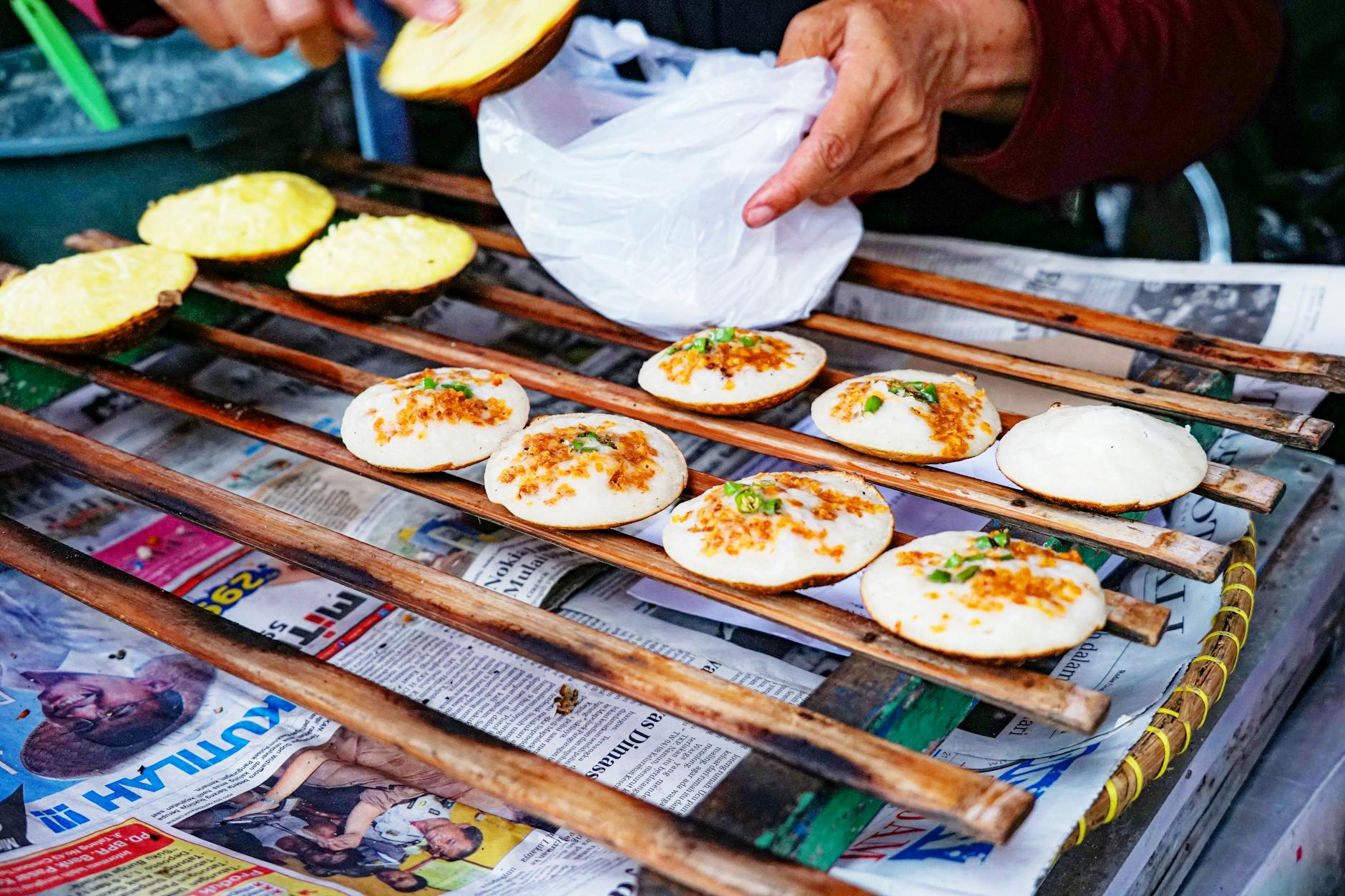
Kerak telor is the dish people photograph and then can’t stop eating. It is a crisp omelette of glutinous rice and duck or chicken egg, cooked over a charcoal brazier and topped with serundeng (sweet toasted coconut), fried shallots, and dried shrimp. The showmanship is half the appeal: the vendor flips the open pan upside down right over the coals so the top crusts up. There is a nice historical irony to it — under the Dutch it was a privileged food for the colonial elite and well-off Betawi families, and now it is one of the cheapest, most democratic snacks in town. You will find the carts around Monas, at the Jakarta Fair, and at basically any Betawi cultural event.
Nasi uduk
Nasi uduk is Jakarta’s cousin to Malaysian nasi lemak: rice cooked in coconut milk and scented with pandan, lemongrass, and bay leaf. The rice on its own is good, but the meal is in the spread of sides — fried chicken, semur (sweet soy-braised beef), shredded omelette, tempeh orek, sambal, fried peanuts, and kerupuk. Nasi Uduk Kebon Kacang on Jalan Kebon Kacang has been turning out the definitive plate since 1969 and is one of those addresses worth crossing the city for. Locals tend to eat it for breakfast, but warungs serve it all day; for more spots I rate, see the guide to the best nasi uduk in Jakarta.
Asinan Betawi
On a hot afternoon, asinan Betawi is the antidote to everything fried. It is a salad of pickled vegetables, tofu, and sometimes preserved fruit, slicked in a sauce that hits sweet, sour, and spicy all at once. Crunchy bean sprouts, cucumber, cabbage, and puffed fried tofu against that tangy peanut-chili dressing make it weirdly refreshing. The pickling is a Chinese inheritance; the flavor is pure Betawi.
Ketoprak
Ketoprak is the cheap, filling lunch I send people to when they want something vegetarian without trying. It is lontong, rice vermicelli, fried tofu, bean sprouts, and cucumber buried under a heavy pour of sweet peanut sauce, finished with kerupuk and fried shallots. A plate runs about IDR 10,000 to IDR 15,000 — comfortably under a dollar — and it turns up on street corners all over the city. It is one of several meat-free staples I round up in the guide to vegetarian and vegan food in Jakarta.
Jakarta street food: where to find the best bites
Street food is where the city’s cooking is loudest and, often, best. It ranges from permanent roadside warungs to vendors who roll out at dusk and vanish by midnight, and most dishes land between IDR 10,000 and IDR 25,000 — roughly $0.60 to $1.60. Plenty of these stalls outcook the restaurants, and a few of them have been doing the same single dish for fifty years. If you want the full street-level deep dive with addresses, the guide to the best street food in Jakarta goes further than I can here.
Must-try Jakarta street foods
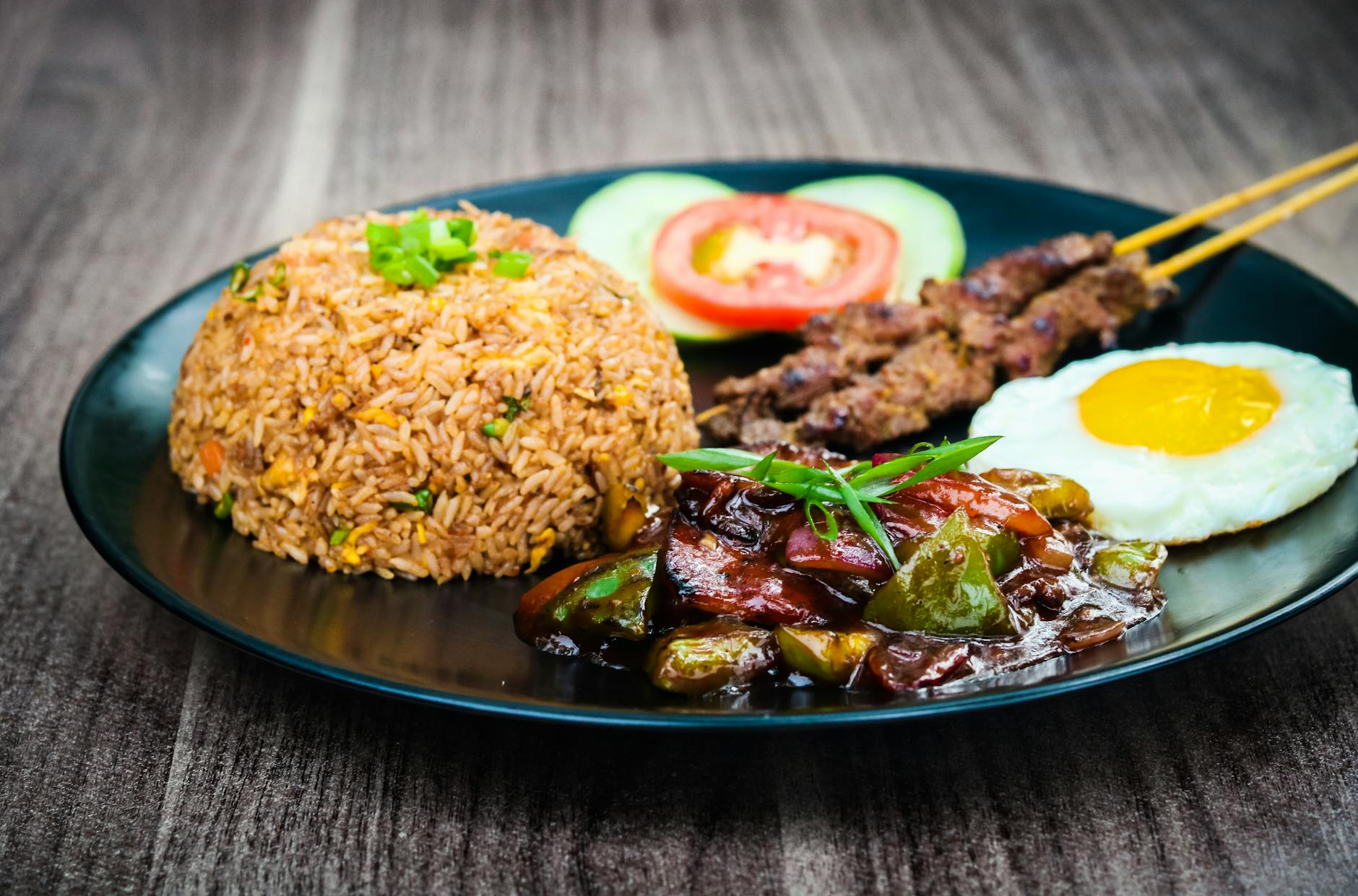
Nasi goreng — Indonesia’s national dish: fried rice seasoned with sweet soy (kecap manis), garlic, shallots, chili, and shrimp paste, crowned with a fried egg and a few prawn crackers. Every vendor’s version is a little different, and finding the one you like best is most of the fun. Nasi Goreng Kambing Kebon Sirih, going since 1958, is the legend for the mutton version — smoky, rich, and worth the queue.
Bakso — Springy beef meatballs in a clear broth with noodles, fried wontons, and greens. It is one of the most-eaten foods in the country; Barack Obama famously grew up eating it here, and you will pass a bakso cart roughly every other block.
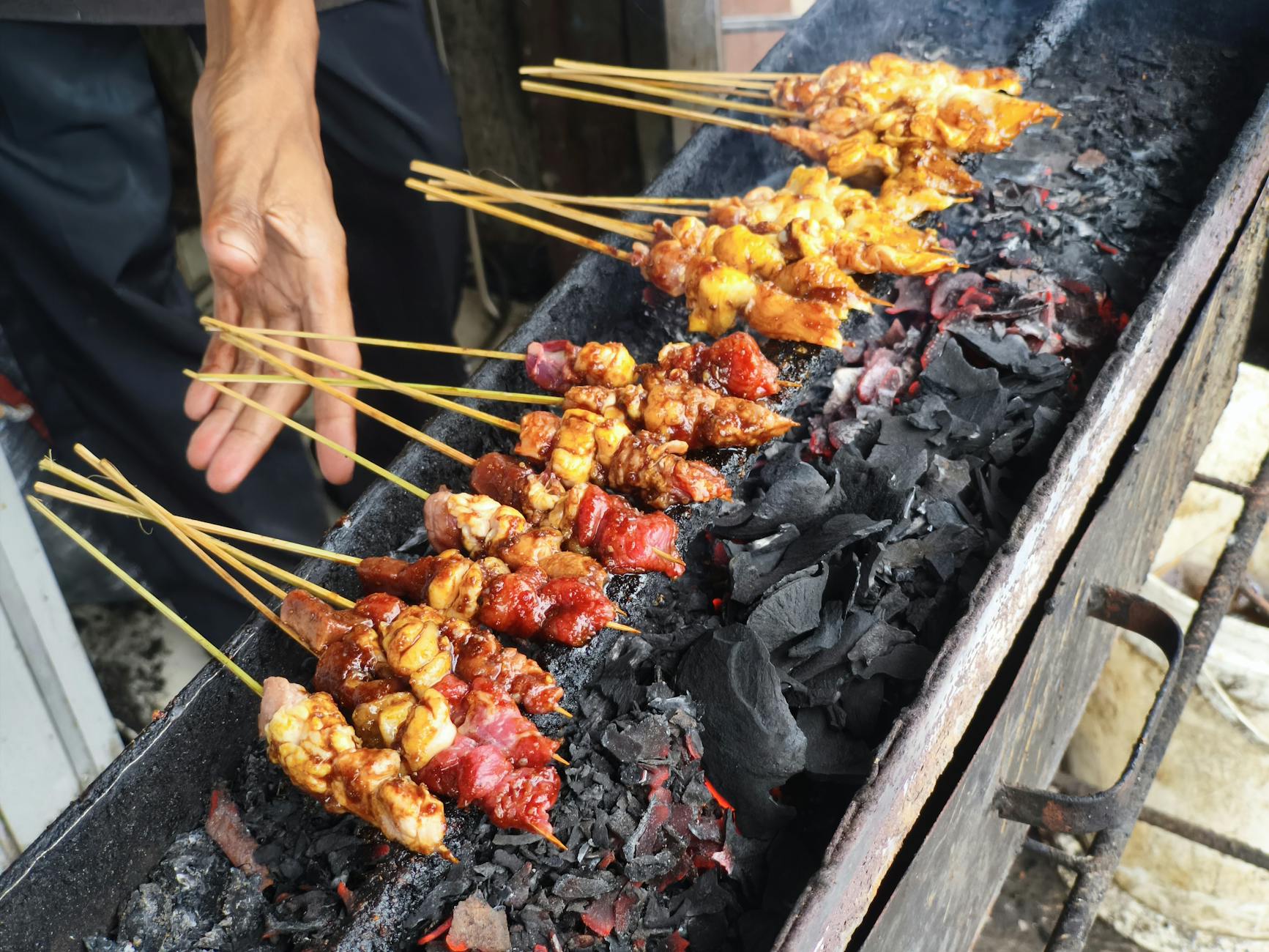
Satay (sate) — Skewered, charcoal-grilled meat in dozens of regional styles. Sate ayam (chicken) and sate kambing (goat) are the everyday options; sate Padang swaps the peanut sauce for a thick yellow curry, and sate Madura leans on a sweet marinade and finely ground peanut sauce. Senayan and Sabang Street are two of the best hunting grounds for it.
Martabak — The city’s great late-night snack, and it comes two ways. Martabak telur (savory) is a thick, crisp pan-fried crepe stuffed with egg, minced meat, green onion, and spice. Martabak manis (sweet) is a fat, fluffy pancake loaded with chocolate, cheese, peanuts, condensed milk, or all of the above at once. The good vendors build cult followings, and the lines stretch down the block after 8 PM.
Gorengan — Jakarta’s default fried snack, sold from glass cases everywhere. Tempe goreng (tempeh), tahu goreng (tofu), pisang goreng (banana), and bakwan (vegetable fritters) go for as little as IDR 1,000–2,000 a piece. The rule is simple: eat them hot, straight from the wok, or not at all.
Mie ayam — Chicken noodles tossed with a savory mince of chicken, soy, and mushroom, with a side bowl of clear broth. Mie Ayam Gondangdia in Menteng is the one locals point to, a Chinese-influenced recipe sharpened over decades.
Best street food neighborhoods
Pecenongan — After dark this Central Jakarta street turns into one of the city’s great food corridors, with dozens of stalls leaning Chinese-Indonesian and heavy on seafood and late-night plates. The grilled seafood is excellent and the energy on a weekend night is hard to beat. Show up after 8 PM and graze.
Sabang Street (Jalan H. Agus Salim) — One of Jakarta’s oldest and most varied food streets, running from soto ayam carts to Middle Eastern kitchens. It comes alive in the evening and the sheer spread is the point. The nasi goreng at the unnamed stall near the Jalan Tanah Abang intersection has had a queue for years; join it.
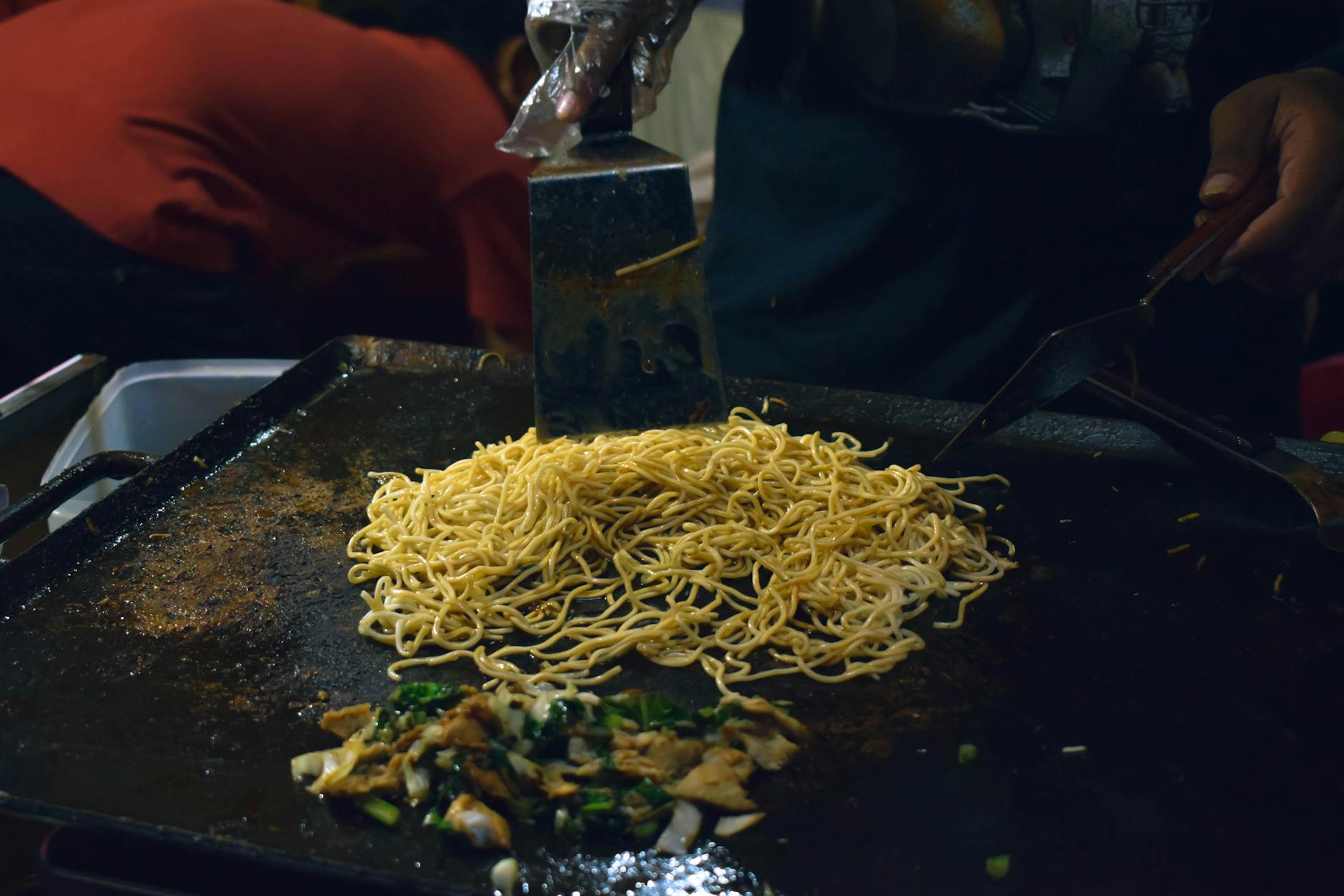
Glodok (Jakarta’s Chinatown) — The tight lanes of Glodok hold some of the oldest, most authentic Chinese-Indonesian food in the city. Kopi Es Tak Kie has poured legendary iced coffee since 1927, and the surrounding stalls turn out bakmi, pangsit, and nasi campur Tionghoa. Walking these alleys hungry is one of the best things you can do here — I lay out a route in the guide to eating around Kota Tua and the old city.
Blok M and Melawai — South Jakarta’s Blok M has been a food playground for decades, stacked with warungs, food courts, and restaurants covering everything from Padang to Korean barbecue. The blocks around Blok M Square and Melawai are especially good late at night, and they sit at the heart of a neighborhood worth wandering — there is more on the area in the Jakarta neighborhoods guide.
PIK (Pantai Indah Kapuk) — Up in North Jakarta, the Pantjoran PIK strip has become one of the city’s hottest eating zones: a Chinese-themed promenade packed with restaurants, street stalls, and dessert shops. It draws crowds for seafood, dim sum, and whatever the newest restaurant concept happens to be.
Regional Indonesian cuisine in Jakarta
The single best argument for eating in Jakarta is access — you can sample food from every corner of Indonesia without booking another flight. The capital is a culinary catch basin, and a lot of residents hold onto their regional food identity as fiercely as their Jakartan one, which is why the regional restaurants here are run with real conviction rather than tourist shortcuts.
Padang (West Sumatran) cuisine
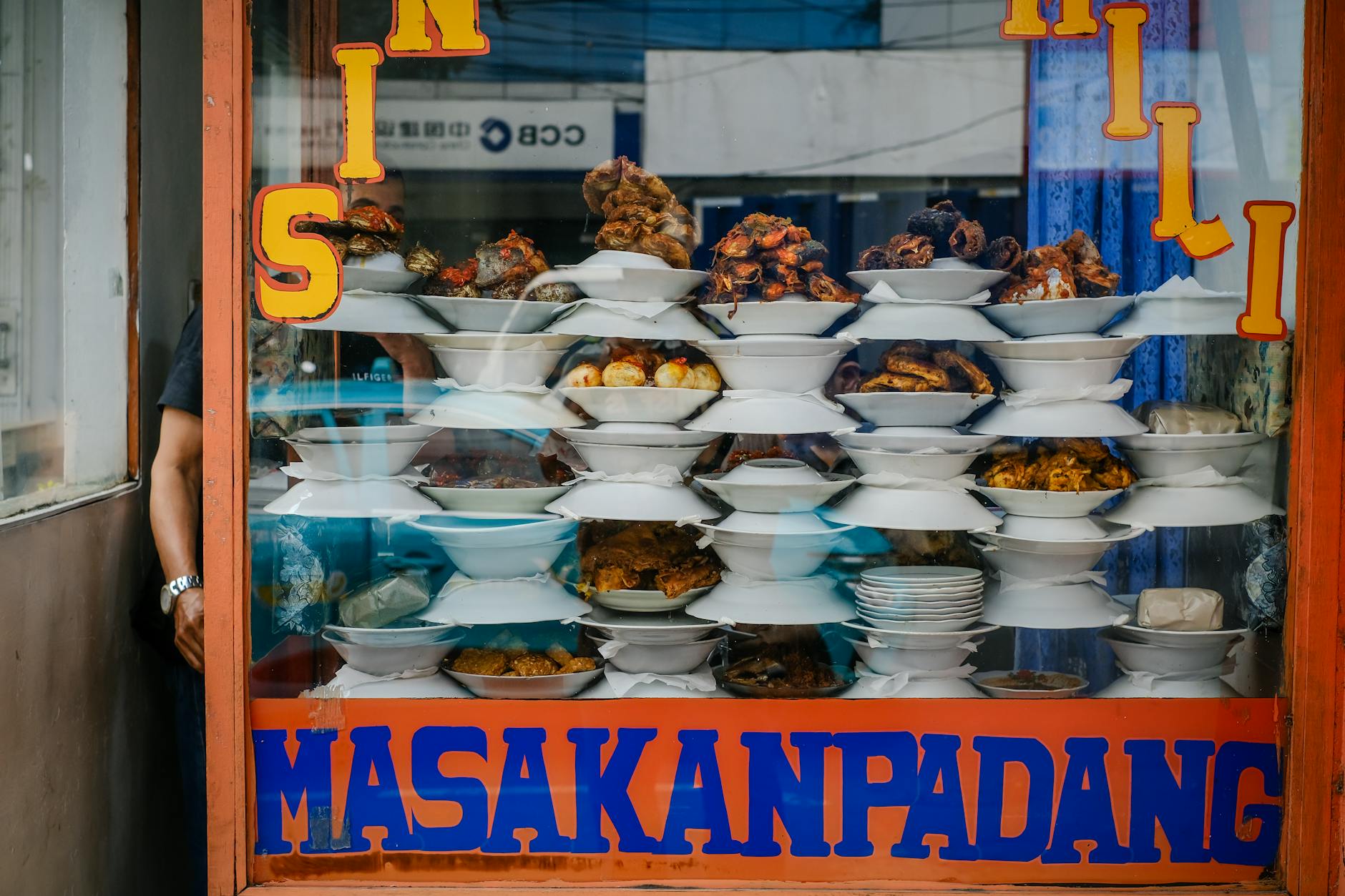
Eating at a Padang restaurant — a rumah makan Padang — is one of the more theatrical meals in the world. Sit down and the server stacks your table with a dozen small plates: rendang (slow-cooked spiced beef), gulai otak (brain curry), dendeng balado (crispy chili beef), ayam pop (pale poached chicken), and more. You pay only for what you actually eat; the rest goes back. Sederhana, Garuda, and Natrabu are the big, reliable chains. The rendang at a serious Padang place is simmered for hours until the coconut milk has cooked all the way into the meat — it is, fairly, one of the most intensely flavored dishes on the planet.
Javanese cuisine
Central and East Javanese cooking runs sweeter than Betawi or Padang, leaning hard on palm sugar and kecap manis. Look for gudeg (young jackfruit stewed soft in coconut milk and palm sugar, from Yogyakarta), rawon (a near-black beef soup darkened with keluak nut, from East Java), and pecel (vegetables under peanut sauce, from Solo). Gudeg Yu Djum and Warung Leko are dependable spots in the city.
Manadonese cuisine
If your tolerance for chili is a point of pride, Manadonese food from North Sulawesi is your test. It is reckoned the spiciest regional cuisine in Indonesia, built on handfuls of fresh chilies, turmeric, and aggressive aromatics. Tinutuan (a vegetable porridge), cakalang fufu (smoked skipjack tuna), and ayam rica-rica (chicken in a savage chili sauce) are the dishes to chase. Beautika in Senopati is widely held to be one of the best in town.
Sundanese cuisine
From neighboring West Java, Sundanese food is the fresh, green counterweight to all that braising — lots of raw and grilled vegetables, grilled fish, and sambal. Karedok (a raw vegetable salad in peanut sauce), nasi timbel (rice steamed in banana leaf), and ikan bakar (grilled fish) are the staples. Sundanese restaurants often come with garden settings, ponds, and traditional pavilions, which makes them a pleasant lunch when you want to slow down. Sari Kuring and Ampera are the familiar chains.
Jakarta’s best restaurants and fine dining
The restaurant scene has grown up fast over the last decade. Jakarta now runs a fine-dining circuit that holds its own against any Asian capital — modern Indonesian kitchens reworking heritage recipes, plus serious international rooms — and a sunset table here costs a fraction of the equivalent in Singapore or Tokyo. For the full sit-down list, the guide to the best restaurants in Jakarta covers more rooms across more budgets.
Modern Indonesian fine dining
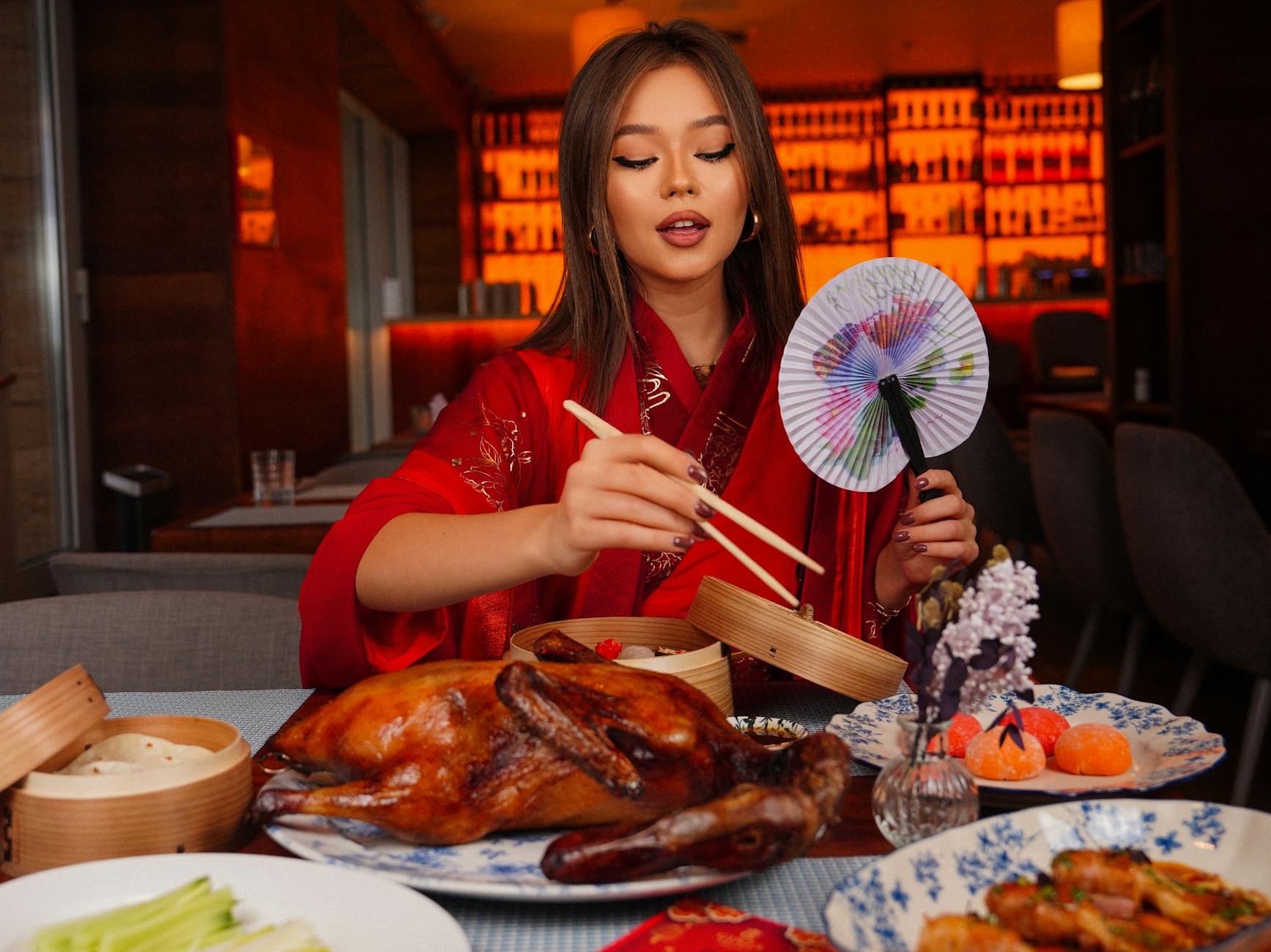
Nusa Gastronomy drags Indonesian cooking firmly into the tasting-menu world, rebuilding traditional recipes from across the archipelago with modern technique. Plates arrive looking like small sculptures, but the point is always the story — local ingredients and old methods meeting real ambition. Lara Djonggrang in Menteng does something different and just as memorable: elaborate Javanese and pan-Indonesian cooking inside one of the most jaw-dropping interiors in Asia, all antique statues, carved wood, and low candlelight. The rijsttafel here is the thing to order.
Rooftop and sky-high dining
The skyline does a lot of the work at Jakarta’s high-rise restaurants. Henshin, on the 67th and 68th floors of the Westin Jakarta, is one of the highest rooftop bars and restaurants in Jakarta, with a Nikkei (Japanese-Peruvian) menu that earns the 360-degree view. SKYE, on the 56th floor of BCA Tower, does contemporary Asian and Western plates with a buzzy bar and the same enormous city panorama.
Alto at the Four Seasons puts proper Italian on the 20th floor with a penthouse terrace, and Cafe Cali at The Orient pairs Pan-American food with a 32nd-floor infinity pool. Here is the insider move: you do not need to commit to dinner to use these places. Most run happy-hour cocktail deals, so you can take the same view for the price of one drink and eat cheaply somewhere else after.
International cuisine
Jakarta’s cosmopolitan crowd keeps an unusually deep international scene afloat. Japanese food in particular runs the whole gamut, from cheap-and-cheerful ramen chains to high-end omakase counters serving fish flown in fresh — Aoki, Sushi Hiro, and OKU at Hotel Indonesia Kempinski are the names to know. Korean, Thai, Italian, French, and Middle Eastern kitchens are all well represented too, so even a fussy eater in your group will be fine. A lot of the best of these cluster inside the big shopping centers, which I map out in the guide to the best malls in Jakarta.
Jakarta coffee culture
Indonesia is one of the largest coffee producers on earth, and Jakarta drinks like it knows that. The third-wave scene has thrown off hundreds of independent specialty cafes, a lot of them buying directly from farms in Sumatra, Sulawesi, Java, Flores, and Bali. If you take your coffee seriously, this is a genuinely good city for it.
The two neighborhoods to aim for are Senopati in South Jakarta and Kemang, both thick with roasters and cafes. Common Grounds is one of the most respected roasters in town, with several branches. Tanamera Coffee works single-origin Indonesian beans out of a popular roastery cafe in SCBD. And Anomali Coffee has been waving the flag for Indonesian single-origin since before the current wave, and still draws a crowd.
Do not leave without trying kopi tubruk, the old-school method where coarse grounds are dropped straight into hot water with sugar and left to settle in the cup. If you want a story to tell, kopi joss — coffee with a lump of burning charcoal plunged into it — is a Javanese trick a few cafes now do. Kopi luwak (civet coffee) is around too, though the ethics are genuinely murky, so ask hard about the sourcing before you buy a cup.

Traditional markets and food markets
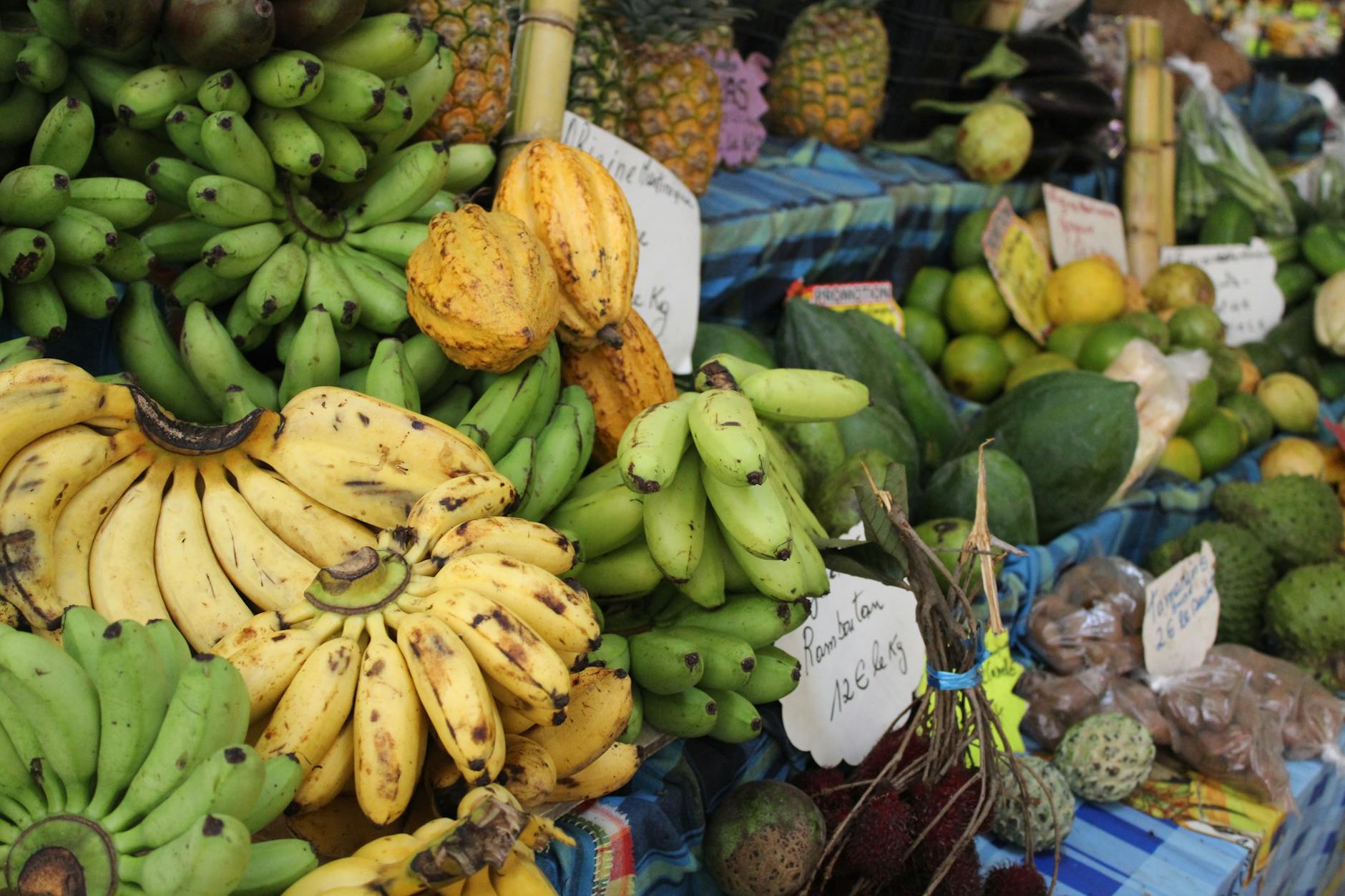
For the most immersive eating in the city, skip the restaurants for a morning and go to a market. This is where Jakartans actually shop, and the stalls inside turn out quick, cheap meals to whoever is standing there. The energy is the draw as much as the food — and there is a fuller list of stalls and what to order in the dedicated guide to Jakarta food markets.
Pasar Santa in South Jakarta made its name as the market where young entrepreneurs started selling artisanal sourdough and handmade pasta next to traditional Indonesian snacks. It is the clearest place to watch old and new Jakarta food culture collide, and it is squarely worth a detour if you are food-curious.
Pasar Mayestik, also in South Jakarta, is the one I send people to for the food section — freshly grated coconut, spice pastes ground to order, and some of the best kue (traditional cakes and snacks) in the city. Go in the morning when it is at full tilt.
Pasar Baru in Central Jakarta is one of the oldest markets going, a tangle of textiles, clothing, and food. The Indian food stretch inside is the reason to eat here — proper biryani, roti canai, and curry that traces the area’s long Indian-Indonesian history. Markets like these are also some of the best places to shop, which I cover separately in the rundown of traditional markets in Jakarta.
What it costs to eat in Jakarta
Money goes further here than almost anywhere in urban Asia. To set expectations, here is a rough at-a-glance of what different kinds of meals run in 2026, using the approximate rate of Rp 15,800 to the US dollar. Treat these as ballparks — the city rewards eating low and occasionally splurging high, and your daily food budget can swing wildly depending on which floor of the scene you spend your time on.
| Where you eat | Typical price (per person) | In USD |
|---|---|---|
| Gorengan / single fried snack | IDR 1,000–2,000 | under $0.15 |
| Street stall main dish | IDR 10,000–25,000 | $0.60–$1.60 |
| Full warung lunch (rice, main, veg, drink) | up to IDR 35,000 | ~$2.20 |
| Mall food court meal | IDR 30,000–60,000 | $1.90–$3.80 |
| Mid-range restaurant main | IDR 60,000–150,000 | $3.80–$9.50 |
| Guided food tour (3–4 hrs, 8–12 stops) | IDR 400,000–900,000 | $25–$57 |
| Fine-dining tasting menu | IDR 500,000–1,500,000 | $30–$95 |
If you are watching every rupiah, you can eat extremely well on next to nothing — there is a whole strategy for it in the guide to cheap eats in Jakarta, and it pairs naturally with the broader budget travel in Jakarta playbook.
Practical eating tips for Jakarta
Food safety and hygiene
Jakarta street food is generally safe, and a little common sense closes most of the gap. The single best tell is turnover — a long queue means the food is fresh and the pot gets emptied and refilled constantly, which is exactly what you want. Hold off on raw vegetables and unpeeled fruit from street carts until your stomach has settled in. Stick to bottled water, and be a little wary of ice from unknown sources, though most established warungs and restaurants use purified ice that is fine. If the stall looks clean and the vendor handles food sensibly, you are almost certainly going to be okay.
Ordering and etiquette
Most stalls and warungs run no English menu, so a few Indonesian words pay off fast. Point-and-choose is completely normal and often the quickest route. When you order nasi goreng or mie goreng, name your heat: tidak pedas (not spicy), sedang (medium), or pedas (spicy) — and know that local “medium” has some kick. At a Padang restaurant, remember the rule that everything set on your table is free until you eat it; you are charged only for what you touch.
Halal food
Indonesia is the world’s largest Muslim-majority country, so the overwhelming majority of food in Jakarta is halal by default. Places serving pork usually flag it with a sign — often a small pig icon or the word “non-halal” — and the Glodok Chinatown area has the highest concentration of those. If certification matters to you, look for the MUI (Majelis Ulama Indonesia) halal logo, which certified restaurants display prominently.
Food tours and culinary experiences
If you want to go deep fast, a guided food tour earns its keep in Jakarta more than in most cities, because so many of the best stalls hide in neighborhoods that are genuinely hard to navigate on your own — and a good guide hands you the cultural context behind each plate instead of just the plate. Tours usually run 8 to 12 stops over three to four hours and cost between IDR 400,000 and IDR 900,000 a head, covering routes like the Glodok Chinatown crawl, an old-town heritage walk, or a South Jakarta modern-food loop. Some operators also run cooking classes where you make rendang, nasi goreng, or soto from scratch. I break down the formats and what to expect in the Jakarta food tour guide.
Eating after dark and at night markets
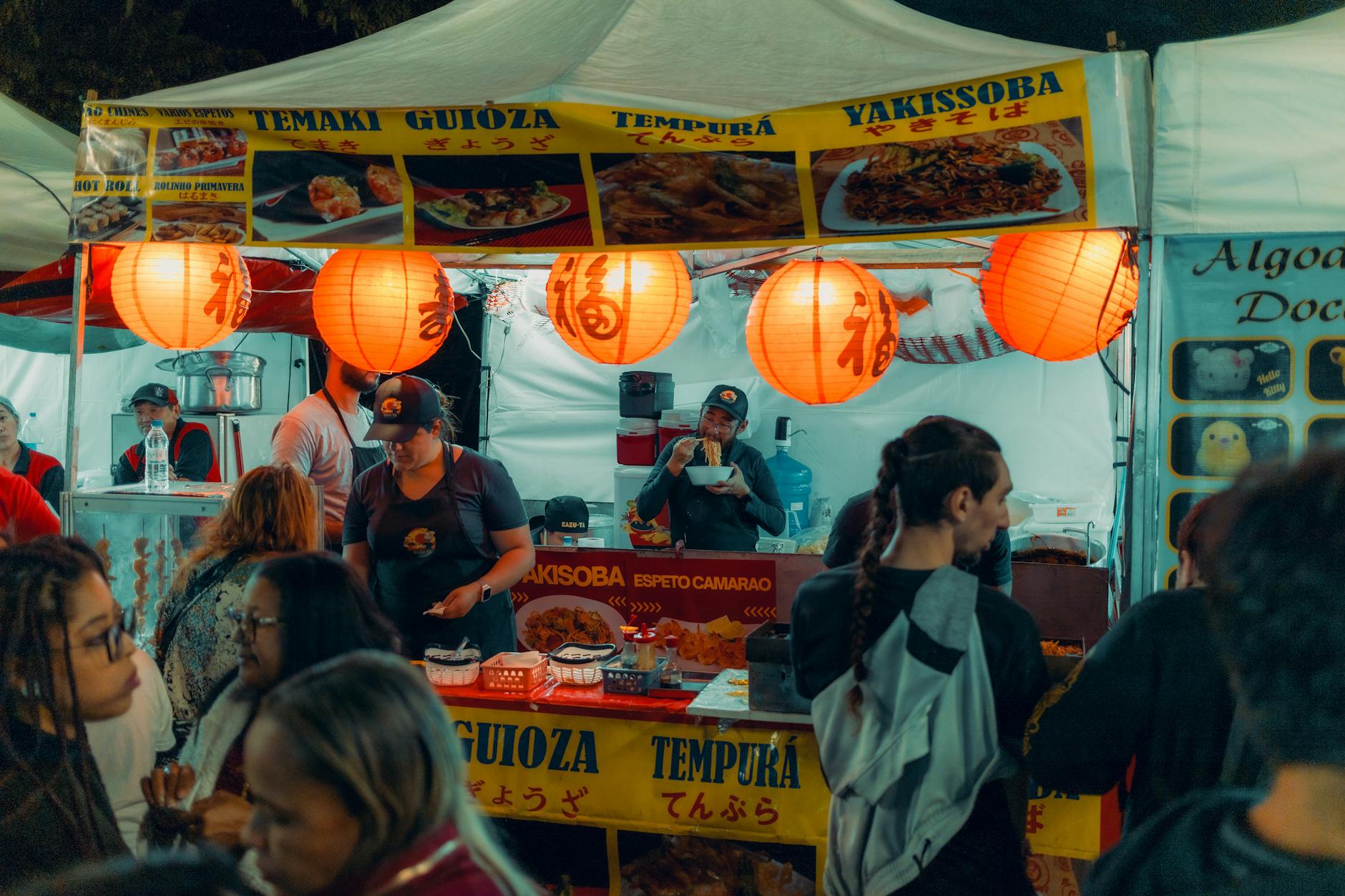
Jakarta is a night-eating city as much as a day-eating one, and a lot of its best food only switches on after sunset. Pecenongan, Sabang, and the martabak carts all belong to the after-dark shift, and beyond them the city runs a proper circuit of evening markets where stalls cluster under string lights until late. If you would rather plan your eating around the cooler, livelier night hours, the guide to Jakarta night food markets is built for exactly that, and it slots neatly into the wider look at things to do in Jakarta at night.
Seafood and the coast
For a port city, Jakarta does seafood seriously. The grilled-seafood stalls at Pecenongan are the easy entry point, but the city also runs from Muara Karang’s fresh-from-the-tank Chinese seafood houses to the trendier waterfront restaurants out at PIK, where you pick your fish and have it grilled or fried to order. Prices range from street-stall cheap to splurge depending on the catch, and it is some of the best value eating in the city when the fish is fresh. For specific addresses and how to order without overpaying, see the guide to the best seafood restaurants in Jakarta.
Seasonal and festival food
The food calendar tracks the city’s religious and cultural rhythm. During Ramadan the streets fill at sunset with takjil — the sweet snacks and drinks people buy to break the fast — and kolak (banana and sweet potato in coconut milk), es buah (fruit ice), and gorengan are the staples of the hour. The run-up to Lebaran (Eid al-Fitr) sets off a baking frenzy of kue kering, with families turning out dozens of cookie varieties: nastar (pineapple tart), kastengel (cheese sticks), putri salju (snow cookies). Chinese New Year lights up Glodok with special dishes and mooncakes, and the annual Jakarta Culinary Festival plus a steady run of food bazaars give you concentrated shots at dozens of cuisines in one place. If your trip lines up with one of these, the events and festivals in Jakarta calendar is worth a look.
How to use this Jakarta food guide: where to eat by style
For street-food adventurers: go straight to Pecenongan after dark, get lost in Glodok’s alleys, and work your way down Sabang Street. Budget IDR 50,000–100,000 for a whole evening of non-stop grazing that will probably end up among your best food memories of the trip.
For modern-Indonesian seekers: book Nusa Gastronomy or Lara Djonggrang, prowl the creative restaurants along Senopati, and hit Pasar Santa for its mash-up of traditional and new-wave vendors.
For coffee people: give a morning to Senopati’s independent cafes, drink a kopi tubruk at a traditional warung, and stop by Common Grounds or Tanamera for single-origin Indonesian beans done right.
For luxury diners: grab a sunset table at Henshin or SKYE for rooftop drinks and dinner over the skyline, do the rijsttafel at Lara Djonggrang, and book the omakase at one of the city’s good Japanese counters.
For families: mall food courts give you air-con and enough variety to satisfy both the adventurous and the cautious eaters in the group, the PIK food district is easy with kids, and most warungs will happily make milder versions of dishes for children if you ask.
First-timer mistakes worth avoiding
A few things trip people up on a first eating trip, and none of them are hard to dodge once you know them. Eating only in malls. The food courts are comfortable and the air-con is real, but the city’s best cooking is at street level and in the markets — treat the mall as a fallback, not the plan. Skipping breakfast food. Some of Jakarta’s finest plates, nasi uduk and bubur ayam among them, are breakfast specialties that sell out by mid-morning, so the early window is the good one. Underestimating the heat. When a vendor asks your spice level and you say pedas to look tough, believe them; Indonesian chili is not a bluff, and there is no shame in sedang.
Carrying no cash. Cards and QRIS payment are spreading fast, but the best stalls still run on small rupiah notes, so keep a pocket of IDR 5,000, 10,000, and 20,000 bills for grazing. Trying to walk everywhere. Food districts here are spread across a huge, traffic-heavy city, and the sidewalks are inconsistent; lining up your eating with a sensible transport plan saves hours, which is the whole point of the guide to getting around Jakarta. Going for the obvious chain when a warung is next door. The family-run stall with the queue is almost always the better, cheaper meal — let the crowd, not the signage, pick for you.
Frequently asked questions
What food is Jakarta most famous for?
Jakarta’s signature dishes come from its native Betawi culture — soto Betawi (a rich coconut-milk beef soup), nasi uduk (coconut rice with a spread of sides), and kerak telor (a charcoal-cooked glutinous-rice omelette). On top of that, the city is the best place in Indonesia to eat nasi goreng, satay, and regional cooking from every province, from Padang rendang to Manadonese rica-rica.
Is street food in Jakarta safe to eat?
For most travelers, yes. Pick stalls with a steady queue (high turnover means fresh food), eat fried and grilled things hot off the heat, go easy on raw vegetables and unpeeled fruit from carts at first, and stick to bottled water. Established warungs and restaurants generally use purified ice that is fine. Use the same judgment you would at any busy food market and you will almost certainly be okay.
How much should I budget for food per day in Jakarta?
You can eat very well on IDR 75,000–150,000 ($5–$10) a day if you stick to street stalls and warungs, with single dishes running IDR 10,000–25,000 and a full warung lunch rarely topping IDR 35,000. Mix in mall food courts and mid-range restaurants and IDR 200,000–350,000 ($13–$22) a day is comfortable. A single fine-dining tasting menu can run IDR 500,000–1,500,000 on its own.
Is most food in Jakarta halal?
Yes — Indonesia is the world’s largest Muslim-majority country, so the vast majority of food in Jakarta is halal by default. Pork-serving venues, concentrated mostly in the Glodok Chinatown area, usually flag themselves with a sign, and certified restaurants display the MUI halal logo.
What’s the best area to eat in Jakarta?
It depends what you are after. Pecenongan and Sabang Street (Central Jakarta) are the classic street-food corridors; Glodok is the place for old-school Chinese-Indonesian food; Senopati in South Jakarta is the hub for modern restaurants and specialty coffee; and PIK in North Jakarta is the new hotspot for seafood and trendy concepts. Where you base yourself shapes a lot of this, which is worth weighing in the guide to where to stay in Jakarta.
However you use it, treat this Jakarta food guide as a starting point rather than a checklist. Whether you are spending IDR 10,000 on a roadside plate of nasi goreng or IDR 1,500,000 on a tasting menu in the sky, the city feeds you with a generosity that keeps people coming back — and some of the best meals here are still the ones you stumble into by accident. When you are ready to build the rest of the trip around all this eating, start with the broader guides to things to do in Jakarta and getting around Jakarta.
Eating out with children in Jakarta is markedly easier than in most Asian capitals, and a cluster of restaurants in Kemang, Cipete and Panglima Polim have built genuine playgrounds into the premises. Our guide to family-friendly restaurants in Jakarta names them, and explains the “++” on mid-range menus that adds up to a fifth to the bill.