The first thing that surprises adults is the scale of the deception. You come up the escalator on level six of Pacific Place expecting a soft-play area with a theme, and instead there is a street — a proper one, with kerbs, street lamps, a pedestrian crossing, a fire station, a bank with a working cash machine and a hospital with an ambulance parked outside, all built at roughly two-thirds size. KidZania Jakarta is a functioning miniature city, and within about ten minutes your child will have a job, a uniform and their own money, and will have stopped needing you entirely.
This guide covers what it costs, how the day is structured, which activities are worth queueing for, what parents actually do for five hours, and whether the whole thing justifies its price. Prices and hours were checked in September 2026; KidZania adjusts both, and resellers routinely discount, so confirm before you go.
The essentials
| Detail | |
|---|---|
| Where | Pacific Place, level 6 (L6-601), SCBD, Jl. Jenderal Sudirman 52–53, South Jakarta |
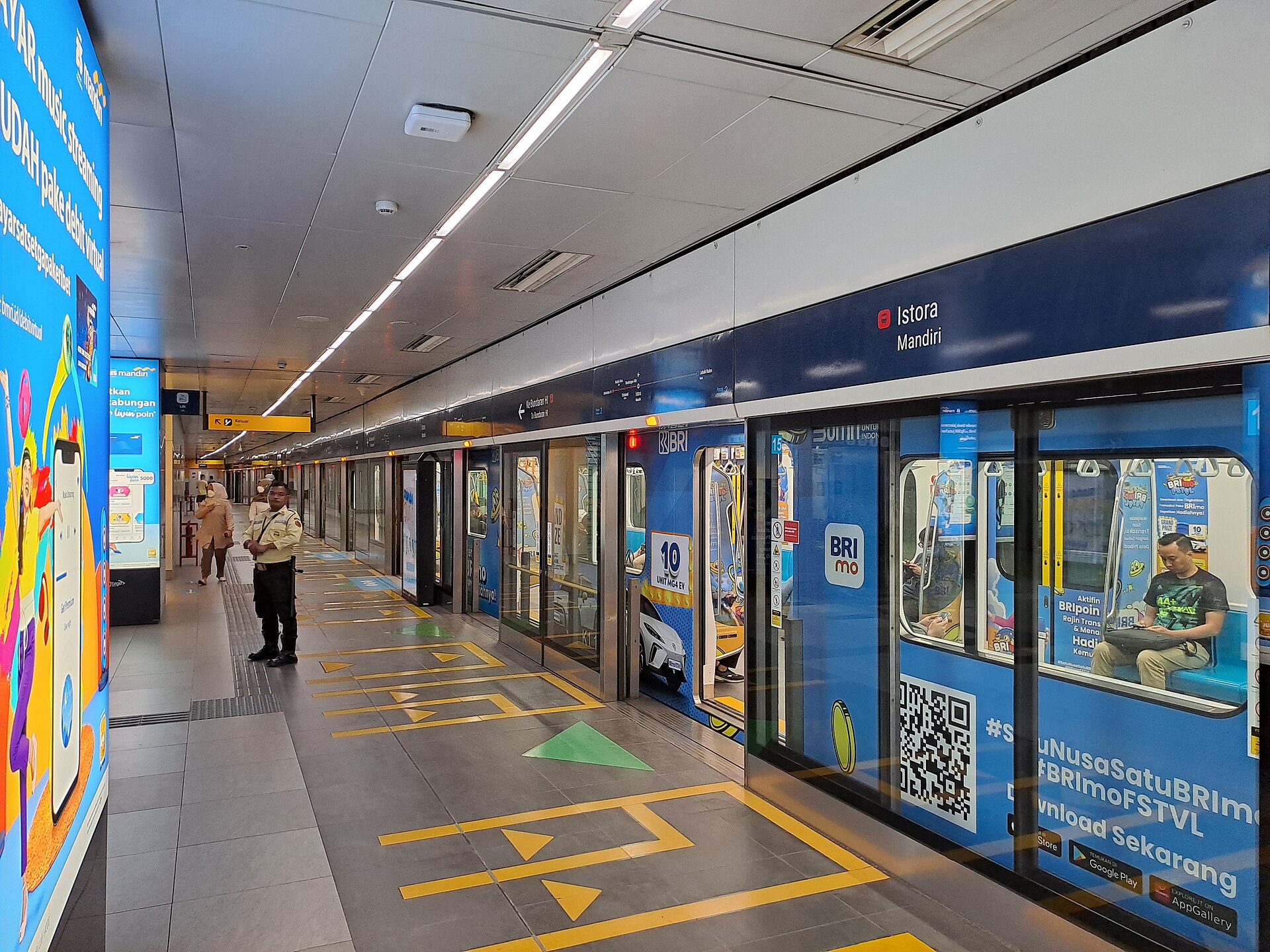
| Nearest MRT | Istora Mandiri, then a covered walk into Pacific Place |
| Hours | Mon–Fri 10:00–17:00; Sat, Sun and national holidays 10:00–19:00 |
| Ages | Billed for 2–16; the sweet spot is 4–12 |
| Child, One Day Pass | 325,000 weekday / 350,000 weekend |
| Adult, One Day Pass | 260,000 weekday / 285,000 weekend |
| Child, Half Day Pass | 275,000 weekday / 325,000 weekend |
| Adult, Half Day Pass | 215,000 weekday / 235,000 weekend |
| Under 2 | Free |
| Activities | Over 100 role-play establishments |
| Internal currency | kidZos |
| Time to allow | 4–5 hours minimum; a full day if your child is 6–10 |
Note that adults pay too, and pay a lot — a family of two adults and two children on a weekend is comfortably past 1,200,000 before anyone has eaten. That is the single biggest objection to KidZania and it is a fair one. Whether it is worth it depends almost entirely on your child’s age, which is the theme of everything below.
What KidZania actually is
KidZania is a global franchise — there are branches from Mexico City to Tokyo to Dubai — built on a single idea: children learn about the adult world by doing adult jobs, in a city built to their proportions, with a functioning economy attached. The Jakarta branch opened in 2007 and remains one of the larger ones in the network.
The mechanics are consistent. On arrival each child is issued a boarding pass, a wristband linked to a parent’s wristband, and a cheque for 50 kidZos, the internal currency. They cash the cheque at the KidZania bank, receive a debit card, and are then free to walk the streets of the city and apply for jobs. Working earns kidZos. Certain premium experiences — flying the aeroplane simulator, some of the shopping — cost kidZos. So a child who wants the expensive experiences has to work for them first, which is a lesson delivered rather more elegantly than most parents manage at home.
The establishments are sponsored by real Indonesian and international companies, and this is part of the design rather than a flaw in it: the hospital is branded, the bank is a real bank, the burger shop is a real chain. Some parents find the commercialism grating. Children do not notice it at all, and the sponsorship is what pays for the level of physical detail — the working X-ray machine at the hospital, the real dough in the pizza kitchen, the actual firefighting water in the fire truck.
The jobs worth doing
Over a hundred establishments is more than any child can complete, so the useful question is which ones to prioritise. From the pattern of queues and what children talk about afterwards:
The unmissable four
- The fire station. Children put on full firefighter kit, board the fire engine, drive through the streets of the city with the siren on, and put out a simulated fire in a building using a real hose. It is the single best activity in the venue, it is the one that generates the photographs, and the queue reflects that. Do it first, at opening.
- The hospital. Surgeon, nurse and paramedic roles, with an ambulance run and genuinely convincing kit. Consistently rated the favourite by children who are old enough to follow the instructions.
- The aviation academy and the aeroplane. A cabin-crew and pilot experience with a mock aircraft cabin and a flight simulator. Popular, capacity-limited, and worth going to mid-morning before the school groups arrive.
- The TV and radio studios. Children present a news bulletin or a radio segment and see themselves on screen. Excellent for the confident ones and quietly transformative for the shy ones.
The food jobs
The pizza shop, the baking centre, the burger shop, the ice cream counter and the chocolate factory all follow the same shape: children make the thing and then eat it. These are the reliable crowd-pleasers for four- to seven-year-olds who find the more procedural jobs hard to follow, and they conveniently double as lunch. They are also, for obvious reasons, among the busiest.
The quieter ones worth finding
- The archaeological dig, which is more absorbing than it sounds and rarely has a queue.
- The police station and the courthouse, which pair well and appeal to older children.
- The dental clinic, which is unexpectedly popular and does more to defuse dentist anxiety than any amount of parental explanation.
- The acting academy and the magic studio, both good for performers.
- The department store and the beauty salon, where children spend rather than earn — useful for teaching the other half of the economics.
The full spread, by category
The exact line-up shifts as sponsorship deals come and go, so treat this as the shape of the city rather than a fixed inventory — but the categories have been stable for years and give you a sense of the range on offer.
| Category | What is in it | Best for |
|---|---|---|
| Emergency services | Fire station, hospital, ambulance, police station | Everyone, 5 and up |
| Aviation and transport | Aviation academy, aircraft cabin, flight simulator, driving school, fuel station, vehicle workshop | 7–12 |
| Media | TV studio, radio station, newspaper newsroom, photography | 8–12, and confident younger ones |
| Food production | Pizza kitchen, burger shop, bakery, ice cream, chocolate factory, bottling plant | 4–8 |
| Health and science | Dental clinic, laboratory, archaeological site | 6–10 |
| Business and money | Bank, department store, supermarket, courier and delivery | 8–12 |
| Performance and creative | Acting academy, magic studio, theatre, dance, fashion design, art | All ages |
| Service | Hotel, beauty salon, restaurant service | 5–9 |
Realistically a child will complete somewhere between eight and fourteen activities in a full day, fewer at a weekend. That arithmetic is worth sharing with them at the start, because the alternative is a five-year-old having a meltdown at 16:30 about the three jobs they did not get to.
What the money system actually teaches
The kidZo economy is the part of KidZania that people underestimate. Children arrive with a fixed sum, discover that the aeroplane experience and the department store both cost money, and work out within about an hour that they have to do jobs to fund the things they want. Nobody explains this to them; the city simply behaves that way and they adapt.
Different jobs pay differently, and children notice. The bank pays into an account they can check. Some establishments — the ones where you consume rather than produce — take kidZos rather than paying them. By the end of the day a seven-year-old has internalised income, saving, spending and opportunity cost without a single conversation about any of it. It is the most persuasive thing about the whole concept, and it is why parents who initially baulk at the price often come back.
Whether that constitutes education or an extremely well-designed brand experience is a fair question, and both answers are true at once. The sponsorship is everywhere, the logos are real, and a cynical adult can read the whole thing as an afternoon of advertising. Children read it as being allowed to be a firefighter. Where you land on that probably says more about you than about KidZania.
How to run the day
KidZania rewards a plan more than almost any attraction in Jakarta, because the constraint is not the ticket, it is the queues.
- Arrive fifteen minutes before opening. The first thirty minutes are worth the next two hours. Every popular activity is empty at 10:00 and has a forty-minute queue by 11:30.
- Do the fire station first. Non-negotiable. It has the longest queues and the biggest payoff.
- Alternate high-demand and low-demand. After the fire station, do something quiet — the archaeological dig, the dental clinic — while the crowd redistributes, then go back to a headline activity.
- Check the session times. Most establishments run on fixed-length sessions with a maximum number of children. Staff post the next start time. Learn to read those boards and you will waste far less time.
- Eat early or late. The food court is chaos between 12:00 and 13:30. Eat at 11:30 or at 14:00, or let your child eat what they make at the pizza and baking establishments.
- Bank the kidZos before you leave. Children can deposit unspent kidZos into an account that persists to their next visit. This matters enormously to a seven-year-old and is easily forgotten in the rush for the exit.
Weekday visits are dramatically better than weekend ones — shorter queues, cheaper tickets, more activities completed. The exception is Indonesian school term time, when weekday mornings can fill with organised school groups; if your dates are flexible, a weekday afternoon in term time is often the quietest the place gets.
A weekday morning, hour by hour
For anyone who prefers a template to a set of principles, this is the shape that works.
| Time | What you are doing |
|---|---|
| 09:45 | Arrive at Pacific Place level 6. Queue at the check-in desk, collect wristbands, boarding passes and the 50 kidZo cheque |
| 10:00 | Doors open. Straight to the bank to cash the cheque — it takes two minutes now and twenty at midday |
| 10:15 | Fire station. First session of the day, no queue |
| 10:45 | Hospital or aviation academy, whichever has the shorter board |
| 11:20 | Something quiet — archaeological dig, dental clinic, laboratory — while the crowd builds elsewhere |
| 11:45 | Pizza kitchen or bakery. This doubles as lunch and beats the food court rush |
| 12:30 | TV or radio studio, then the police station |
| 13:30 | Adults swap over if you are running two shifts. Coffee in the Parent’s Lounge or downstairs in Pacific Place |
| 14:00 | Spending time — department store, beauty salon, or the premium experiences the morning’s earnings have paid for |
| 15:30 | Bank the remaining kidZos, then one last activity |
| 16:30 | Leave before the closing crush. Both wristbands exit together |
What parents actually do
This deserves honesty, because it is the part that surprises people. Adults buy a ticket, walk in with their children, and then largely cannot participate. Parents are not permitted inside most establishments — the children go in, the door closes, and you watch through a window. That is deliberate: the independence is the product.
What that means in practice is four to five hours of following your child around, taking photographs through glass, and waiting. There is a Parent’s Lounge with seating and wi-fi, there are cafés, and Pacific Place itself is a good mall with plenty to do — but you cannot leave the premises and abandon your child, because the wristband system pairs you and both of you must exit together.
Two consequences follow. First, one parent is usually enough; the other can shop, work or sit in a café in Pacific Place and swap in later, which also saves an adult ticket if you plan the timing. Second, KidZania is far better with two children than one, because they entertain each other in the queues and can do activities together. An only child of four or five will need you nearby the whole time; two eight-year-olds will forget you exist by 10:20.
By age: is your child the right age?
| Age | Verdict |
|---|---|
| Under 4 | Not worth the money. Too young for most jobs, and the ones they can do are basic. Try Jakarta Aquarium or a mall play zone instead |
| 4–5 | Works, with a parent close by. Stick to the food establishments and the simpler roles. Consider the Half Day Pass |
| 6–8 | The sweet spot. Independent enough to follow instructions, young enough to be completely absorbed. A full day is easily filled |
| 9–12 | Excellent, especially the hospital, aviation, police and media roles. This is the age that engages with the kidZo economy properly |
| 13–16 | Diminishing returns. Some teenagers enjoy it ironically, most find it aimed at younger children. Not worth full price |
If your children straddle that range — a five-year-old and an eleven-year-old, say — KidZania still works, because the older one can operate independently while you shadow the younger one. It is one of the few Jakarta attractions where a wide age gap is not a problem.
Getting there
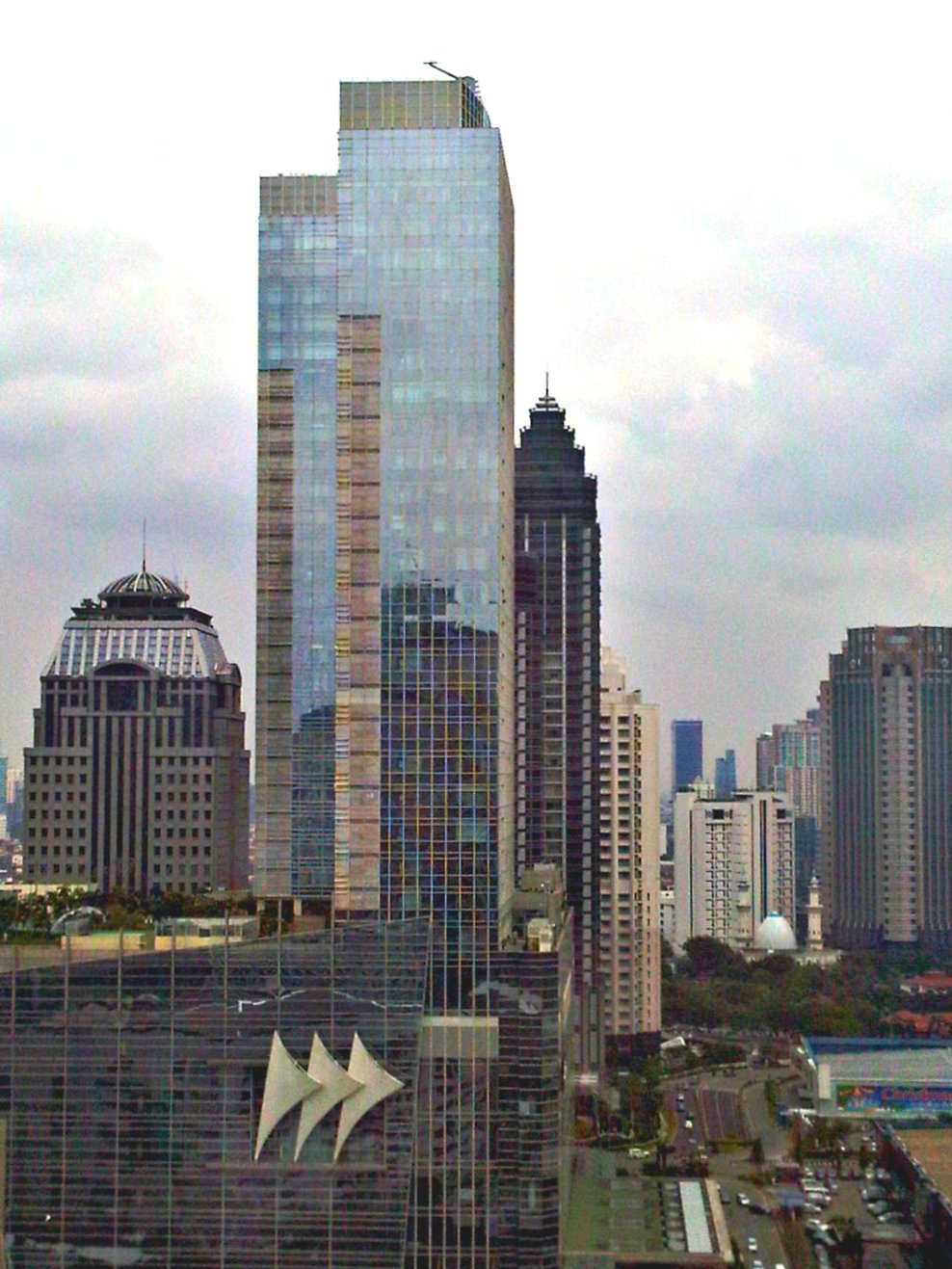
Pacific Place sits in SCBD on Jalan Jenderal Sudirman, which is one of the easiest addresses in Jakarta to reach and one of the harder ones to park at.
- MRT. Istora Mandiri station on the north–south line, then a short covered walk. This is the best option by a distance: air-conditioned, step-free, buggy-friendly and immune to traffic. See our Jakarta MRT guide.
- Grab or Gojek. Straightforward, and the mall has a designated pickup point. Allow far more time than the app suggests if you are travelling between 07:00 and 09:00 or after 16:00 — see our traffic guide.
- Driving. Possible, and there is parking, but SCBD car parks at the weekend are slow to enter and slower to leave. If you are already committed to a car, budget half an hour at each end.
Pacific Place is in the heart of SCBD, so this is also an easy add-on to a day in the SCBD and Sudirman district, and a short hop from Senayan.
Practicalities
Booking
Book online rather than at the door for weekends, school holidays and anything around Idul Fitri or Christmas, when sessions genuinely sell out. Traveloka, tiket.com and similar resellers frequently discount KidZania tickets substantially — sometimes by a third or more — so it is worth ten minutes of comparison before buying at list price.
What to bring
- Socks. Required for several activities and sold at the entrance at a markup if you forget.
- A light jacket or long sleeves. The air conditioning is fierce, as it is everywhere in Jakarta’s malls.
- A refillable water bottle. Children run around for five hours and dehydrate faster than they notice.
- Comfortable closed shoes. Flip-flops are a bad idea for a day of running on hard floors.
- A phone with plenty of battery. You will take a great many photographs through glass.
Food
There are food outlets inside the KidZania city, and the pizza, burger and baking establishments produce edible results that children are usually keen to eat. Adults do better going out to the Pacific Place food hall on a lower level, which is one of the better ones in South Jakarta — but remember the wristband rule means your child cannot leave with you unless you both exit properly.
Language
Activities are run bilingually in Indonesian and English, and staff — called Zupervisors — switch to English readily when they see a child who needs it. In practice most sessions are delivered largely in Indonesian with English instructions given individually, which works fine for the physical activities and is harder for the more procedural ones like the newsroom or the courthouse. If your child has no Indonesian, steer them towards the fire station, hospital, aviation, food and creative establishments, where the doing carries the meaning and language is a much smaller barrier.
Do not let this put you off. Children sort this out between themselves within about twenty minutes, and Indonesian children are unusually welcoming to a foreign child who joins their group.
Accessibility
Pacific Place and KidZania are step-free and lift-served throughout, and staff are helpful and well trained. Children with additional needs are generally well accommodated; contacting the venue in advance is worth doing if you need a quieter session or a specific adjustment.
The honest verdict
KidZania Jakarta is expensive. A weekend visit for two adults and two children costs more than a day at Ancol including all the attractions, and considerably more than a week’s worth of Ragunan visits. The adult ticket, for an experience adults are structurally excluded from, is the part that grates.
Against that: it is genuinely the best indoor attraction in Jakarta for children between six and ten, and there is nothing else in the city that holds a child’s attention for five continuous hours. On a day when the air quality is bad, or the rain is torrential, or the traffic has defeated your plans, it converts a write-off into the highlight of the trip. Children remember it years later, which is not something you can say about most attractions at any price.
Our recommendation: go on a weekday, buy a discounted ticket through a reseller, send one adult in rather than two, and treat it as the single big-spend day of a Jakarta family trip rather than one item on a list. On those terms it is very good value. Bought at full weekend price for a family of four with a three-year-old in tow, it is not.
If you decide against it, the alternatives worth considering are Jakarta Aquarium and Safari at Neo Soho for younger children, the mall play zones for a shorter and much cheaper visit, and Ancol for a full outdoor day. All of them are compared in our guide to family-friendly attractions in Jakarta.
Making a full day of it around Pacific Place
Because you cannot realistically fill more than five or six hours inside KidZania, and because getting to SCBD is the expensive part of the day in traffic terms, it is worth knowing what else sits within walking distance.
Pacific Place itself is one of Jakarta’s better malls: a large food hall, a cinema, a supermarket for the bottled water and snacks you will need, and enough international brands to keep an adult occupied for the hours you are not needed. The nursing rooms and family bathrooms are good, which is not a given in this city.
SCBD immediately around it has become Jakarta’s most self-consciously stylish district, with a dense cluster of cafés and restaurants aimed at the office towers around them. Ashta and the Sudirman corridor are a short walk. For an early dinner after a KidZania day, this is far better ground than driving somewhere else at 17:00.
Senayan is one MRT stop or a short drive away, with Plaza Senayan and Senayan City for shopping and the Gelora Bung Karno complex for open air — Hutan Kota GBK inside it is 4.5 hectares of urban forest with jogging paths and lawns, and a good place to let children run after a day indoors. Our Senayan area guide covers it.
Blok M is two more MRT stops south, useful if you want cheap eats and a more everyday Jakarta after a day in the most polished corner of the city.
What we would not attempt on a KidZania day is anything in North Jakarta, Kota Tua or East Jakarta. You will have used the day’s tolerance for traffic getting to SCBD and back, and adding a cross-city leg at 17:00 is how a good day turns into a bad one.
Frequently asked questions
How much does KidZania Jakarta cost?
As of 2026, a One Day Pass is 325,000 for a child on a weekday and 350,000 at the weekend, with adults at 260,000 and 285,000 respectively. Half Day Passes are 275,000 and 325,000 for children, 215,000 and 235,000 for adults. Children under two go free. Online resellers frequently discount these substantially.
What are KidZania Jakarta’s opening hours?
Monday to Friday 10:00 to 17:00, and Saturday, Sunday and national holidays 10:00 to 19:00. Some listings quote a 09:00 start, so check the official site before you plan an early arrival. Arriving fifteen minutes before opening is the single most useful thing you can do.
What age is KidZania Jakarta for?
It is sold for ages 2 to 16, but the real range is 4 to 12 and the sweet spot is 6 to 10. Under-fours cannot do most activities and are not worth the ticket price. Teenagers over about 13 generally find it aimed at younger children.
Do parents have to pay to enter KidZania?
Yes, and at close to the child rate. Adults are not permitted inside most establishments — you watch through windows — so the ticket buys you supervision rights rather than participation. Sending one adult in rather than two is a legitimate way to reduce the cost, provided your child is old enough.
How long should we spend at KidZania Jakarta?
Four to five hours minimum. Children aged six to ten will happily fill a full day and complain when you leave. If you have a four- or five-year-old, or a tight schedule, the Half Day Pass is the sensible purchase.
Can you leave KidZania and come back?
The wristband system pairs each child with an adult and both must exit together, so you cannot leave your child inside while you go elsewhere in the mall. Adults can swap over at the entrance if you have planned it. Check the current re-entry policy at the desk on arrival, as it has changed over the years.
What are kidZos?
KidZania’s internal currency. Each child starts with a 50 kidZo cheque, cashes it at the in-house bank, and then earns more by working and spends it on premium activities and in the shops. Unspent kidZos can be banked and carried over to a future visit, which is a strong incentive for children who expect to return.
Is KidZania Jakarta worth it?
For a six- to ten-year-old on a weekday with a discounted ticket, yes, comfortably — nothing else in Jakarta holds a child’s attention as long. At full weekend price for a family of four including a toddler, no. It is the one attraction in the city where the specifics of when you go and how old your children are change the answer entirely.
Do I need to book KidZania Jakarta in advance?
For weekdays outside school holidays, usually not. For weekends, Indonesian school holidays, and the periods around Idul Fitri and Christmas, yes — sessions sell out and booking online also gets you a better price through resellers.
Is there anything like KidZania elsewhere in Jakarta?
Nothing at the same scale. Several malls have large indoor play centres and there are smaller role-play concepts around the city, but KidZania is the only one built as a working miniature city with an economy attached. For a comparable full-day indoor experience you are looking at Jakarta Aquarium and Safari, which is a different proposition aimed at younger children.
Related Jakarta Guides
- Best Family-Friendly Attractions in Jakarta
- Things to Do in Jakarta with Kids
- Jakarta Indoor Attractions
- Family-Friendly Hotels in Jakarta
- SCBD & Sudirman Area Guide
- The Best Malls in Jakarta
- The Jakarta MRT Guide
- Jakarta Trip Cost Breakdown
- Senayan Area Guide
- How to Avoid Jakarta Traffic
Photo Credits
Istora Mandiri MRT station: MRT Jakarta trainset in Istora Mandiri MRT station by Tappyoca, CC BY-SA 4.0, via Wikimedia Commons.
Pacific Place, SCBD: Pacific Place, SCBD – panoramio by Nur Cholis, CC BY-SA 3.0, via Wikimedia Commons.