Jakarta gets called Asia’s most diverse food city, and after a few days of eating here you stop arguing with it. The capital is where Indonesia’s regional cuisines collide — Padang from Sumatra, Manado from Sulawesi, Sundanese from West Java, Javanese from Central Java — layered on top of the city’s own indigenous Betawi cooking and centuries of Chinese, Arab, and Indian influence. This is my shortlist of 20 must-try Jakarta dishes, split between the national classics you’ll meet all over Indonesia and the specifically Betawi plates you can barely find anywhere else, with notes on where to eat each one, what to expect, and how to order without getting lost. It runs from CNN’s “world’s best dish” to a pre-dawn cake market, and it is the list I’d hand a first-timer.
If you want the wider context first, the full Jakarta food guide sets the table for all of this. Otherwise, let’s eat.
Iconic Indonesian classics (1–8)
1. Rendang — Padangese slow-cooked beef
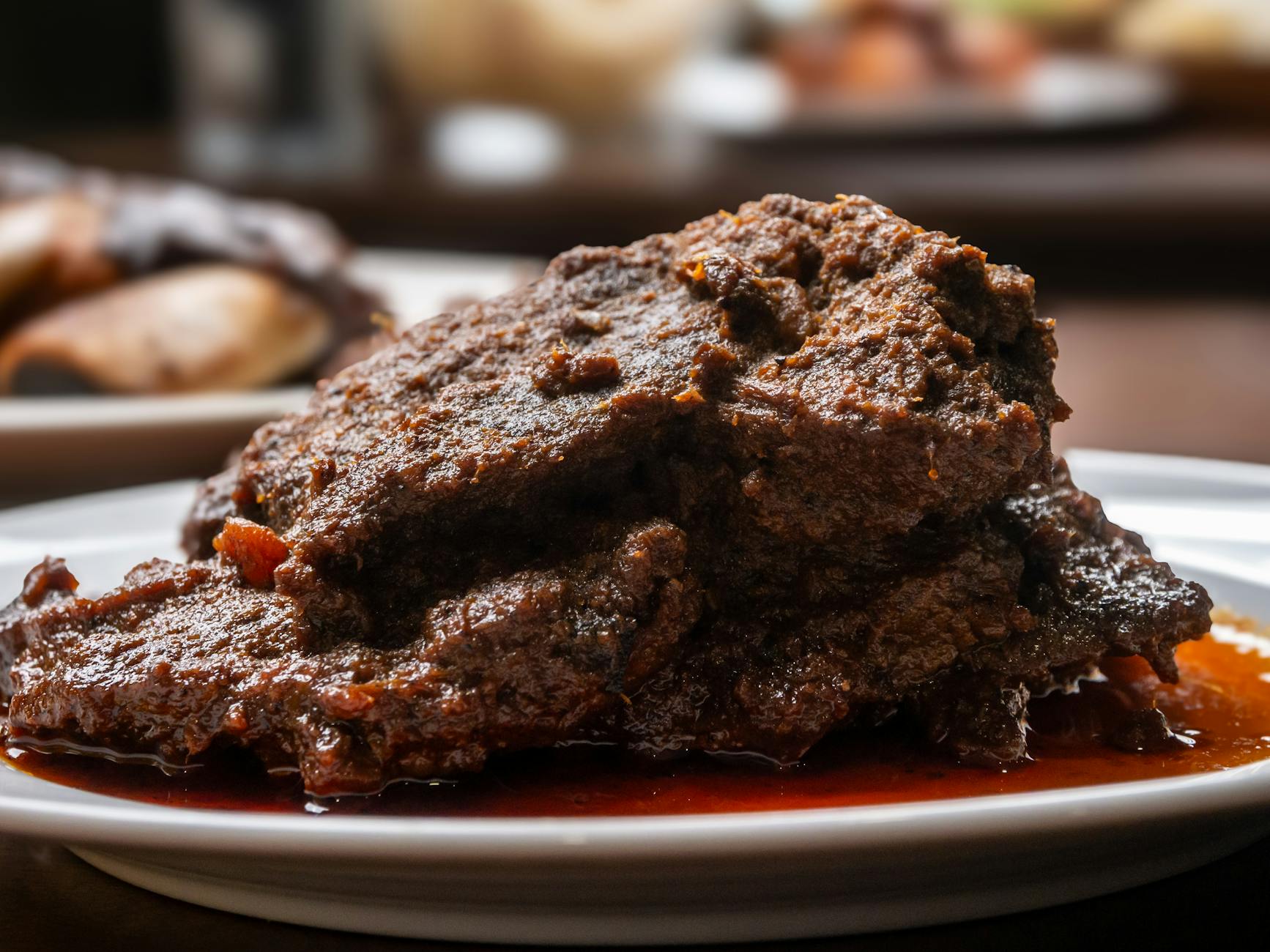
Rendang is a West Sumatran dish that earns every bit of its reputation. Beef (usually) is simmered for four to eight hours in coconut milk and a dense spice paste — ginger, garlic, galangal, lemongrass, turmeric leaf, shallots, chilies — until the meat falls apart and the liquid has cooked down to a dark, caramelized coating thick with umami. CNN Travel called it the world’s best dish back in 2017, and nobody in Jakarta is inclined to disagree.
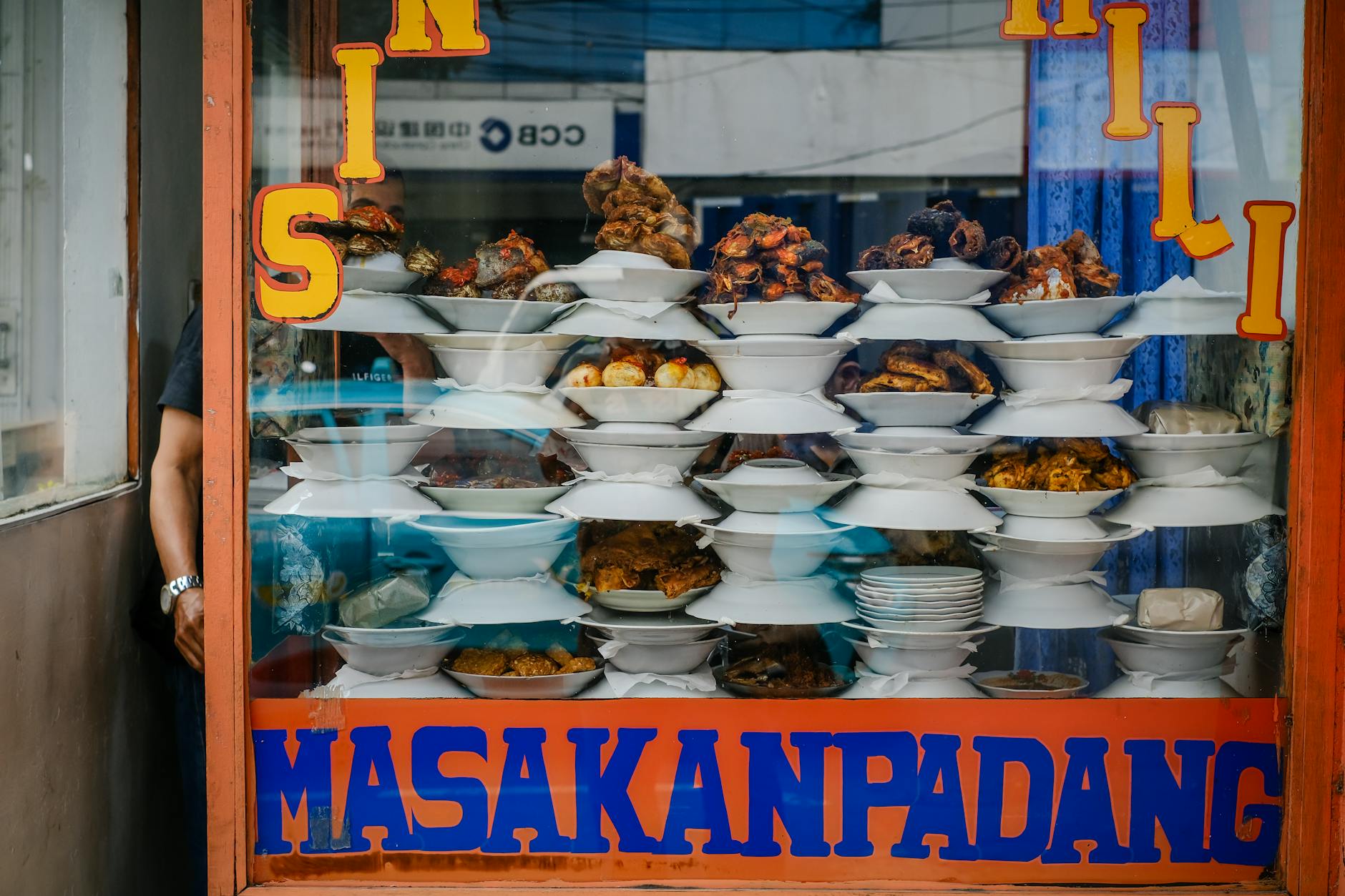
Where to try in Jakarta: Sari Ratu (multiple branches; a reliable Padang chain), RM Sederhana (the classic Padang chain), Sari Sanjaya, or any decent Padang restaurant where the dishes come pre-cooked and stacked on a tower of small plates at your table.
2. Nasi Padang — the Sumatran feast
Nasi Padang is less a dish than a system, and it is one of the great eating experiences in the country. Sit down at a Padang restaurant and, without ordering, a dozen-plus small plates land in front of you — rendang, gulai, sambal hijau, dendeng balado, gulai daun singkong, eggs, fried chicken. You eat what you want and pay only for what you touched; the rest is cleared and re-served to the next table. Done properly, with rice, several sambals, and your hands, it is hard to beat. Best at: Sari Ratu, RM Sederhana, Garuda, or any neighborhood Padang spot.
3. Sate Ayam — chicken satay
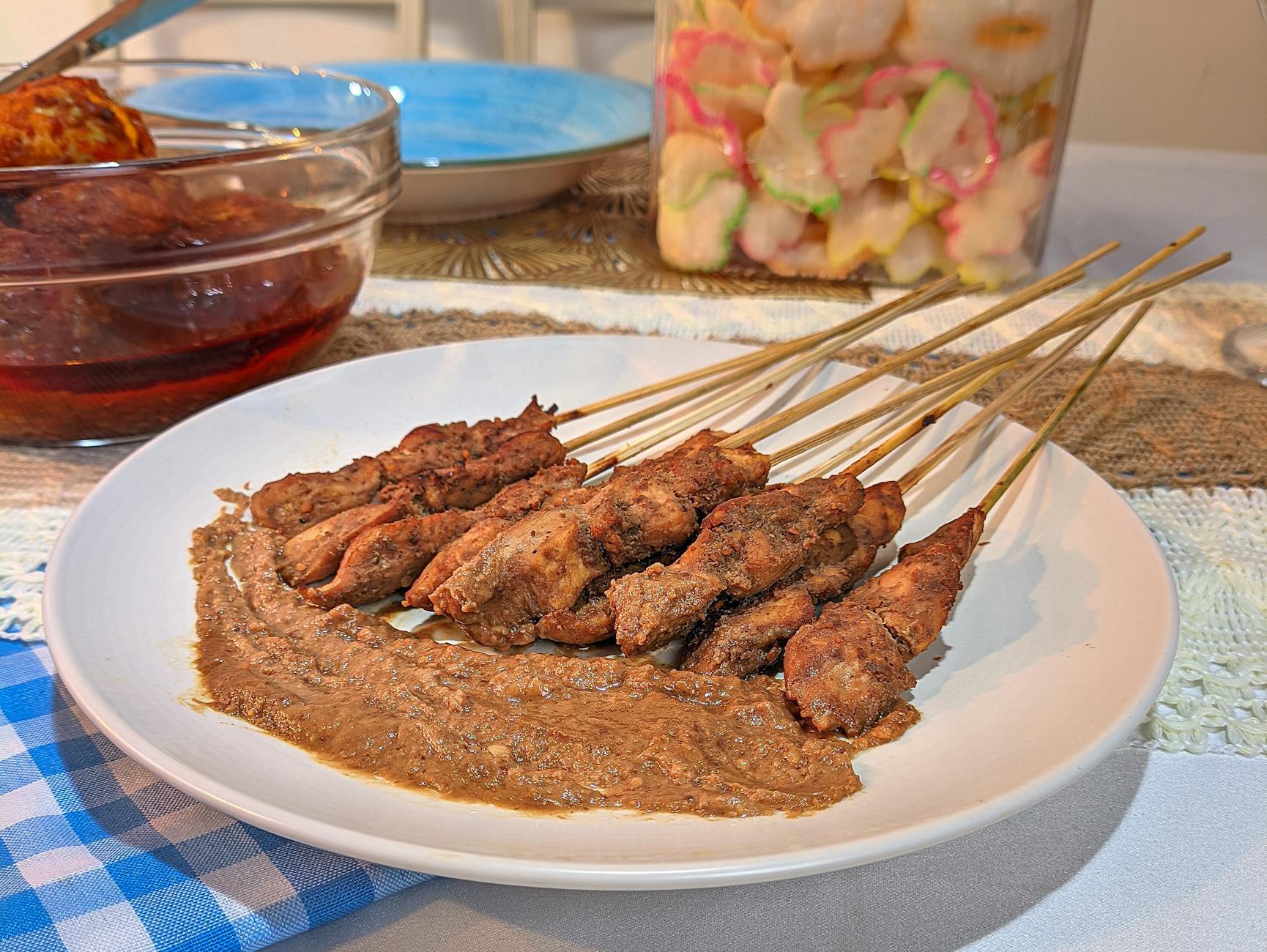
Bite-sized chicken marinated in sweet soy (kecap manis), threaded onto bamboo, and grilled over charcoal until tender, then drowned in thick peanut sauce and served with shallots, lime, and lontong (compressed rice cakes). The Madurese vendors are widely held to be the best — follow the smoke and the small charcoal stalls.
Where to try in Jakarta: Sate Khas Senayan (the original location of the city’s most famous satay restaurant), Sate Senayan (multiple branches), the Madurese street vendors on Jalan Sabang, and stalls in pretty much any neighborhood. Cost: IDR 30,000–60,000 per portion of 10 sticks.
4. Nasi Goreng — Indonesian fried rice
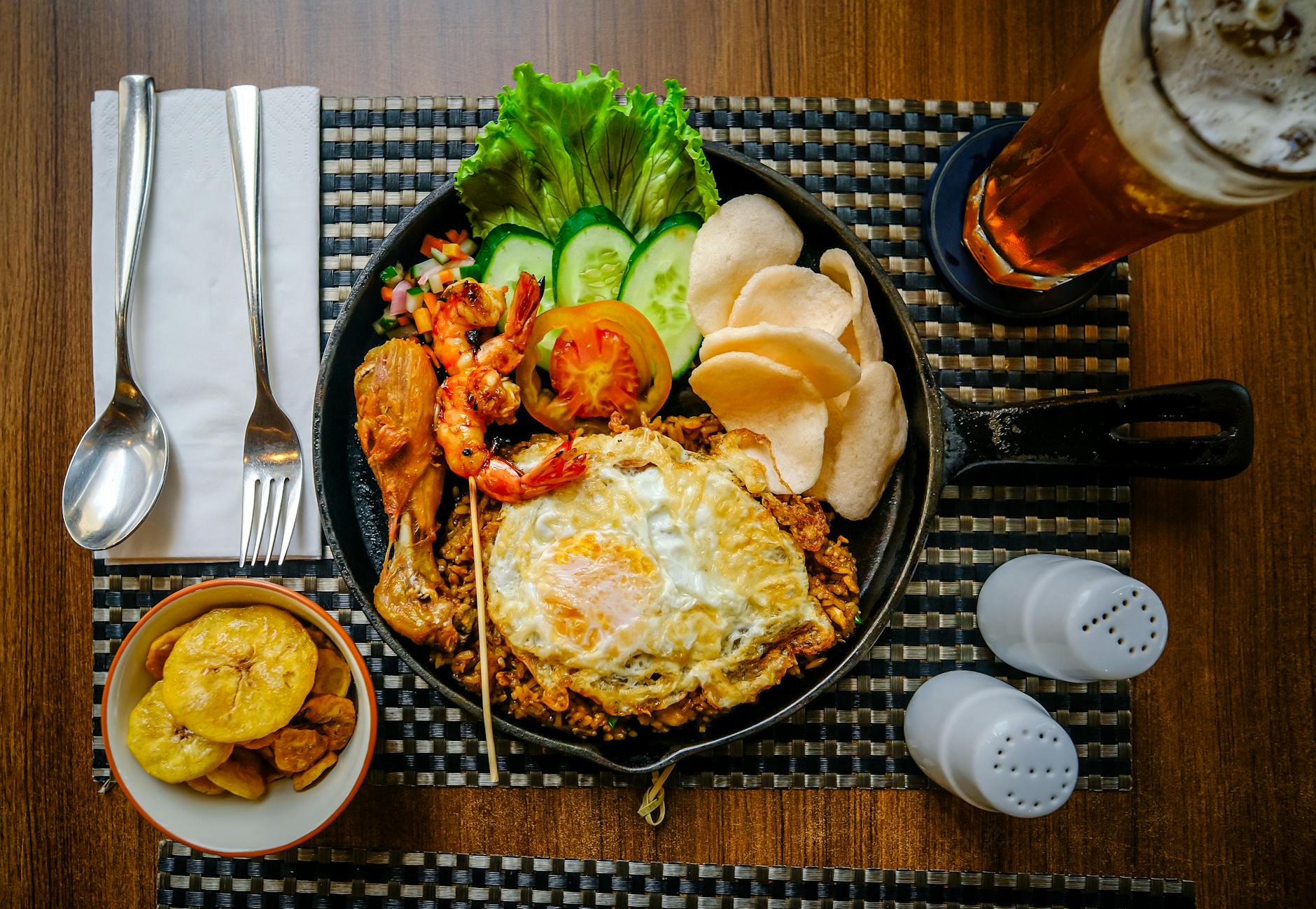
Indonesia’s national dish and the plate you’ll eat most often. Nasi goreng gets its signature sweet-savory edge from kecap manis, shallots, garlic, and a touch of shrimp paste. Worth chasing the variations: nasi goreng kambing (goat/lamb, Java-style), nasi goreng rempah (spicier), nasi goreng pete (with pungent stink beans). It comes topped with a fried egg and a side of cucumber, tomato, and emping crackers, and it’s best eaten at night off a street cart.
Where to try in Jakarta: Pak Bagong (a legendary Jalan Sabang stall), Nasi Goreng Kambing Kebon Sirih (one of the most famous in the city, going since 1958), the street vendors near Glodok, and basically any warung. Cost: IDR 20,000–60,000.
5. Mie Goreng — Indonesian fried noodles
The noodle answer to nasi goreng: thin egg noodles stir-fried with kecap manis, garlic, shallots, chicken, prawns, and vegetables, finished with fried shallots and an egg on top. Its lighter sibling is mie ayam, the chicken noodle soup you’ll see everywhere. Where to try: the Mie Tek-Tek street carts (named for the wooden “tok-tok” knock they tap to announce themselves), Bakmi GM (a big local chain), and Glodok’s Petak Enam hawker court for the legendary Bakmi Amoy.
6. Gado-Gado — Indonesian salad with peanut sauce
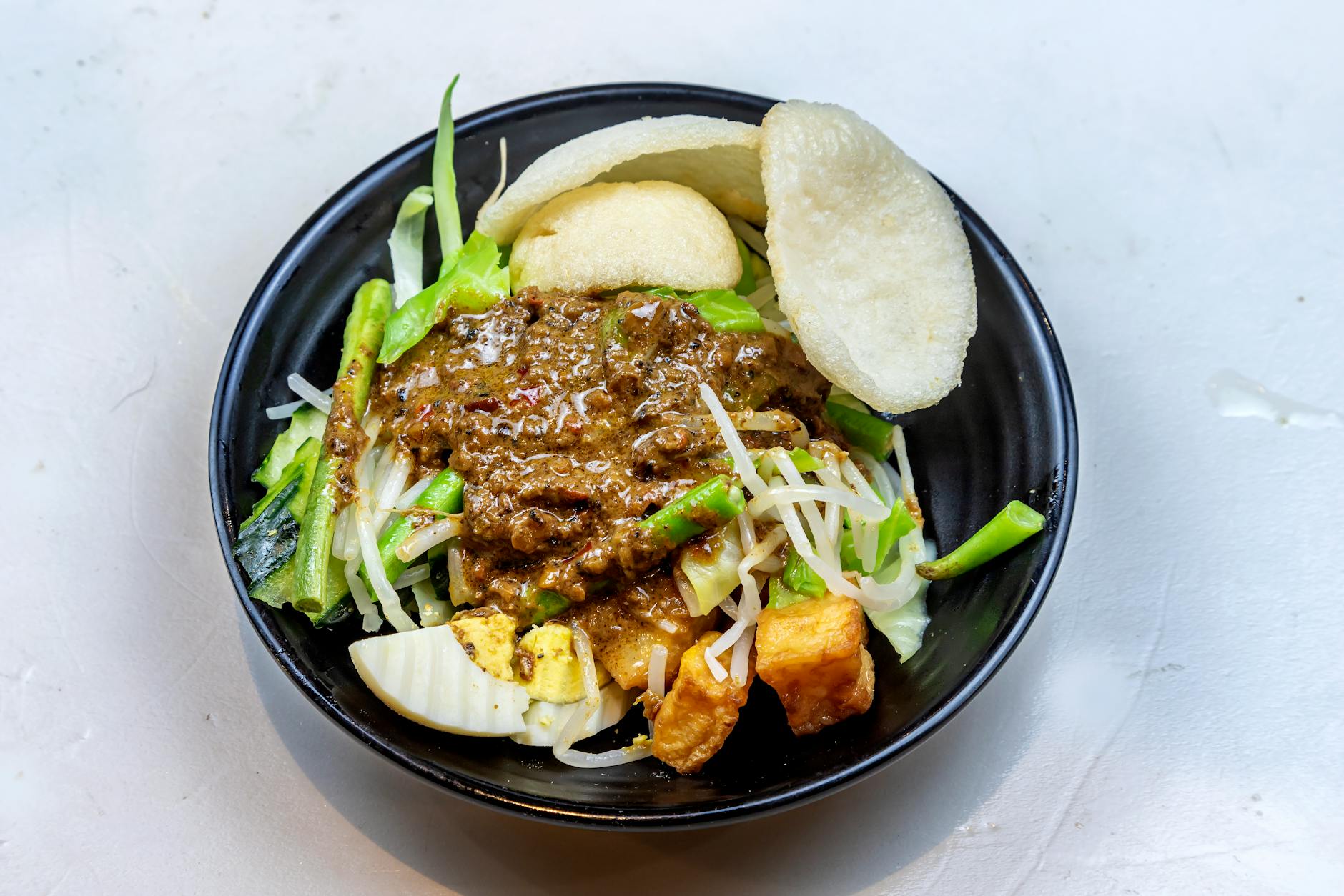
Often hailed as Indonesia’s signature salad, gado-gado is boiled vegetables (potato, long bean, cabbage, bean sprouts, water spinach), hard-boiled egg, fried tempeh, and tofu under a thick peanut sauce, topped with fried shallots and emping. It’s underrated, genuinely filling, and the easy answer if you’re eating meat-free — one of several dishes I flag in the guide to vegetarian and vegan food in Jakarta. Where to try: Gado-Gado Boplo (Cikini, the city’s most famous), neighborhood warungs, most Indonesian restaurants. Cost: IDR 25,000–50,000.
7. Bubur Ayam — Indonesian chicken congee
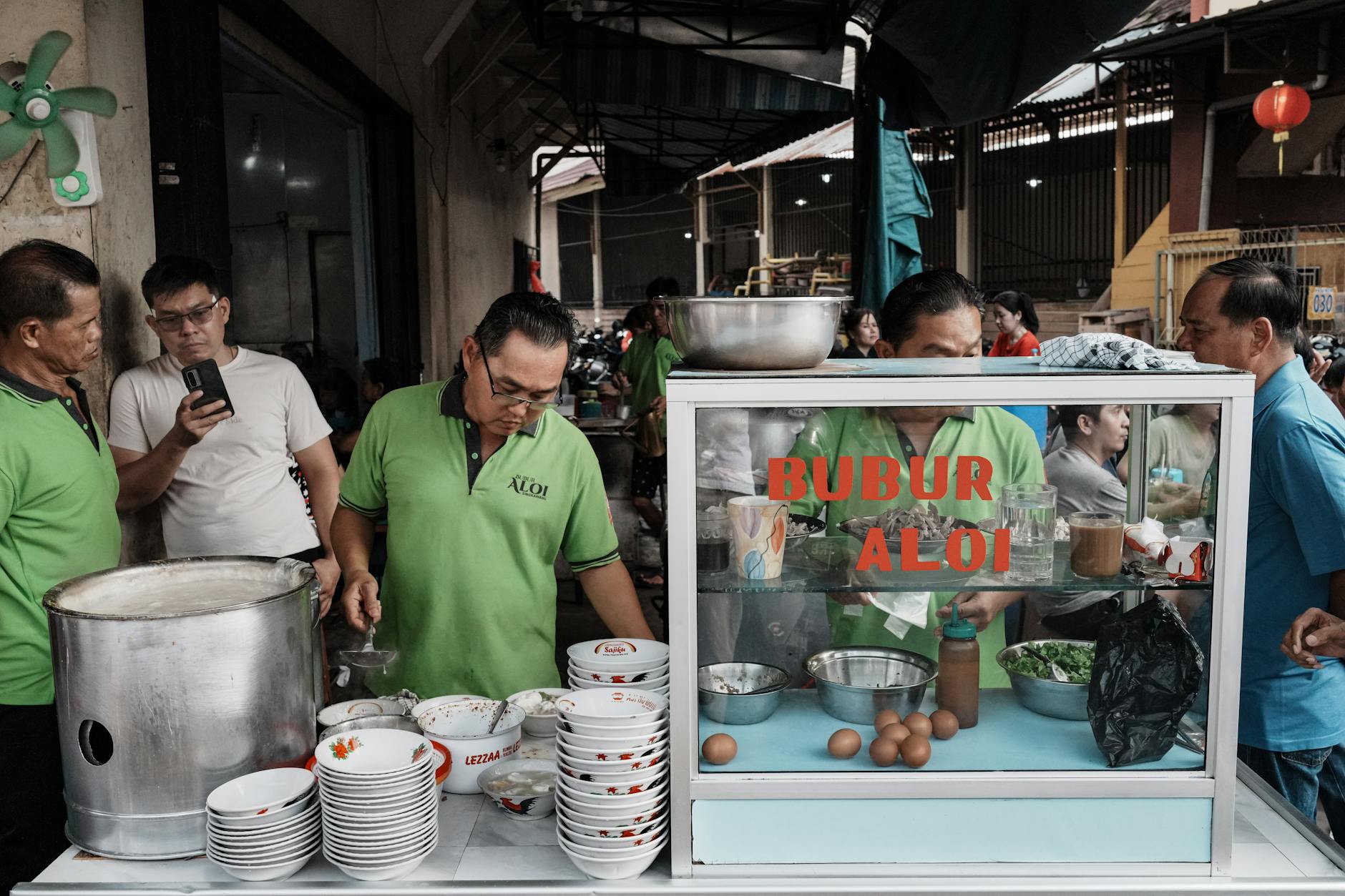
Indonesia’s go-to breakfast: a thick rice porridge cooked in chicken stock and piled with shredded poached chicken, fried soybeans, scallions, fried shallots, krupuk, and a drizzle of kecap manis and chili oil. Some versions add a boiled egg, a fried wonton, or chicken liver. Get to it early — Bubur Ayam Cikini and Bubur Ayam Pak Suji on Jalan Sabang are the beloved ones, and the good stuff sells out by mid-morning.
8. Soto Mie — beef and noodle soup
A clear beef broth with noodles, sliced beef, fried risoles (croquettes), boiled egg, and fresh vegetables — light, fresh, deeply savory, and a popular street breakfast. Look for the regional takes: Soto Mie Bogor, Soto Bandung, and others. It’s one of countless bowls in the city’s wider soup obsession, which is half of what makes the street food in Jakarta so good.
Betawi (native Jakartan) specialties (9–13)
The Betawi are Jakarta’s indigenous people — a creole community formed over centuries from intermarriage between Javanese, Sundanese, Malay, Arab, Chinese, and Indian residents of the old colonial city. Their cooking is uniquely Jakartan and genuinely hard to find done right anywhere else, which is exactly why it’s worth seeking out; there’s a fuller treatment in the guide to Betawi cuisine in Jakarta.
9. Soto Betawi — Jakarta’s signature beef soup
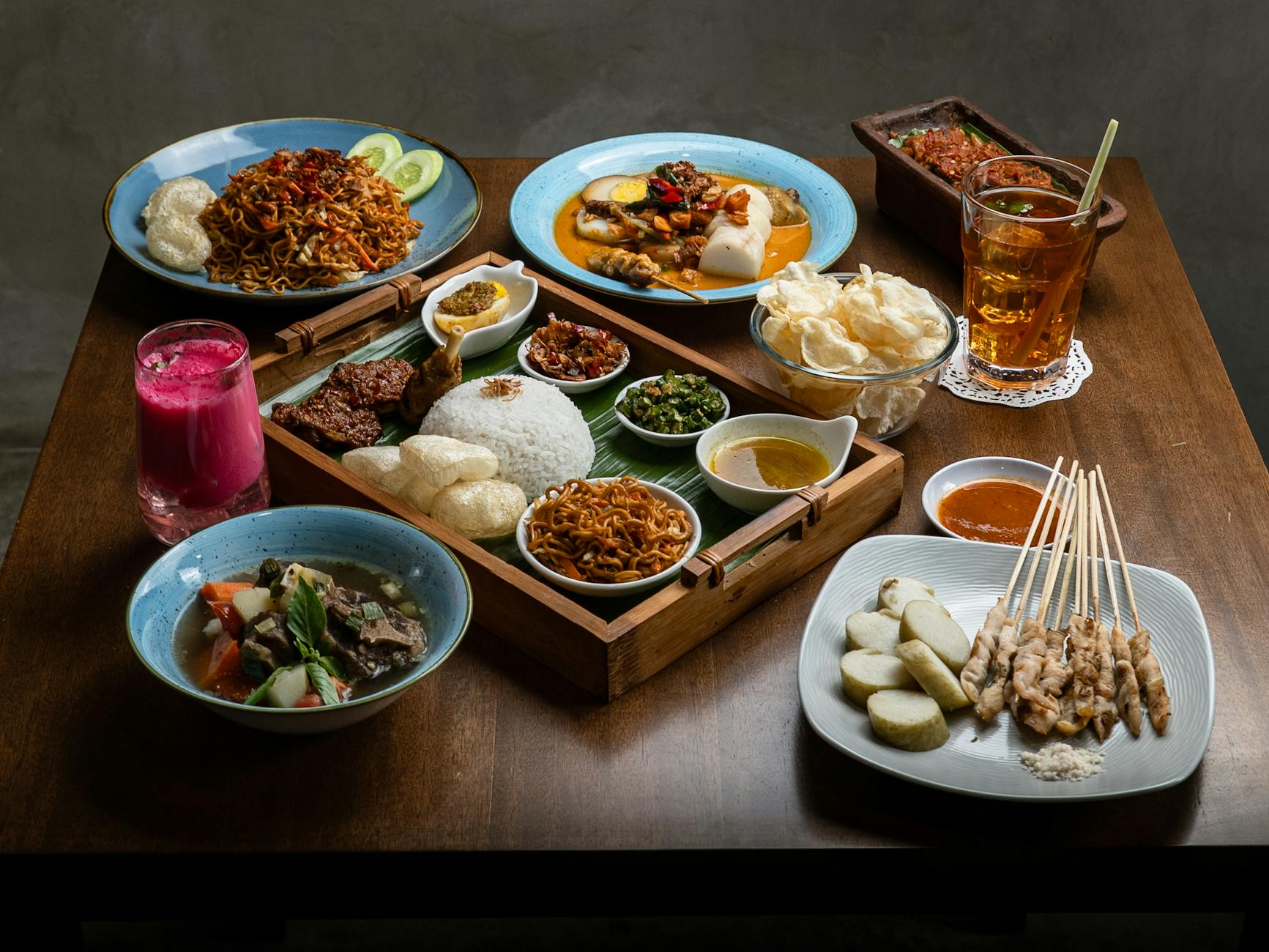
The defining Betawi dish. Soto Betawi is a rich beef soup — tendon, tripe, intestines, and chunks of beef slow-cooked with lemongrass, salam leaves, and kaffir lime, then made luxurious with fresh cow’s milk and coconut milk. It arrives topped with crispy shallots, sliced tomato, and sambal, alongside rice and lime. You will struggle to find an authentic version outside Jakarta, which is part of the point. For the contenders I keep returning to, see the guide to the best soto Betawi in Jakarta.
Where to try: Soto Betawi H. Mahmud (the most famous, near Pasar Senen), Soto Betawi Pak Lukman, Sate Ayam Pondok Indah, and the Setu Babakan cultural village. Cost: IDR 35,000–75,000.
10. Nasi Uduk — coconut rice with trimmings
Rice cooked in coconut milk and seasoned with cinnamon, ginger, pepper, nutmeg, and lemongrass, served with fried tofu, fried egg, ayam goreng, dendeng (sweet beef), tempeh orek, and a fierce sambal. It’s Jakarta’s quintessential breakfast, eaten any time but loved before noon. Where to try: Nasi Uduk Kebon Kacang (the legendary institution, going since 1969), the Pecenongan night-market vendors, and warungs across Central Jakarta — with a longer shortlist in the guide to the best nasi uduk in Jakarta.
11. Kerak Telor — Betawi coconut-rice crepe
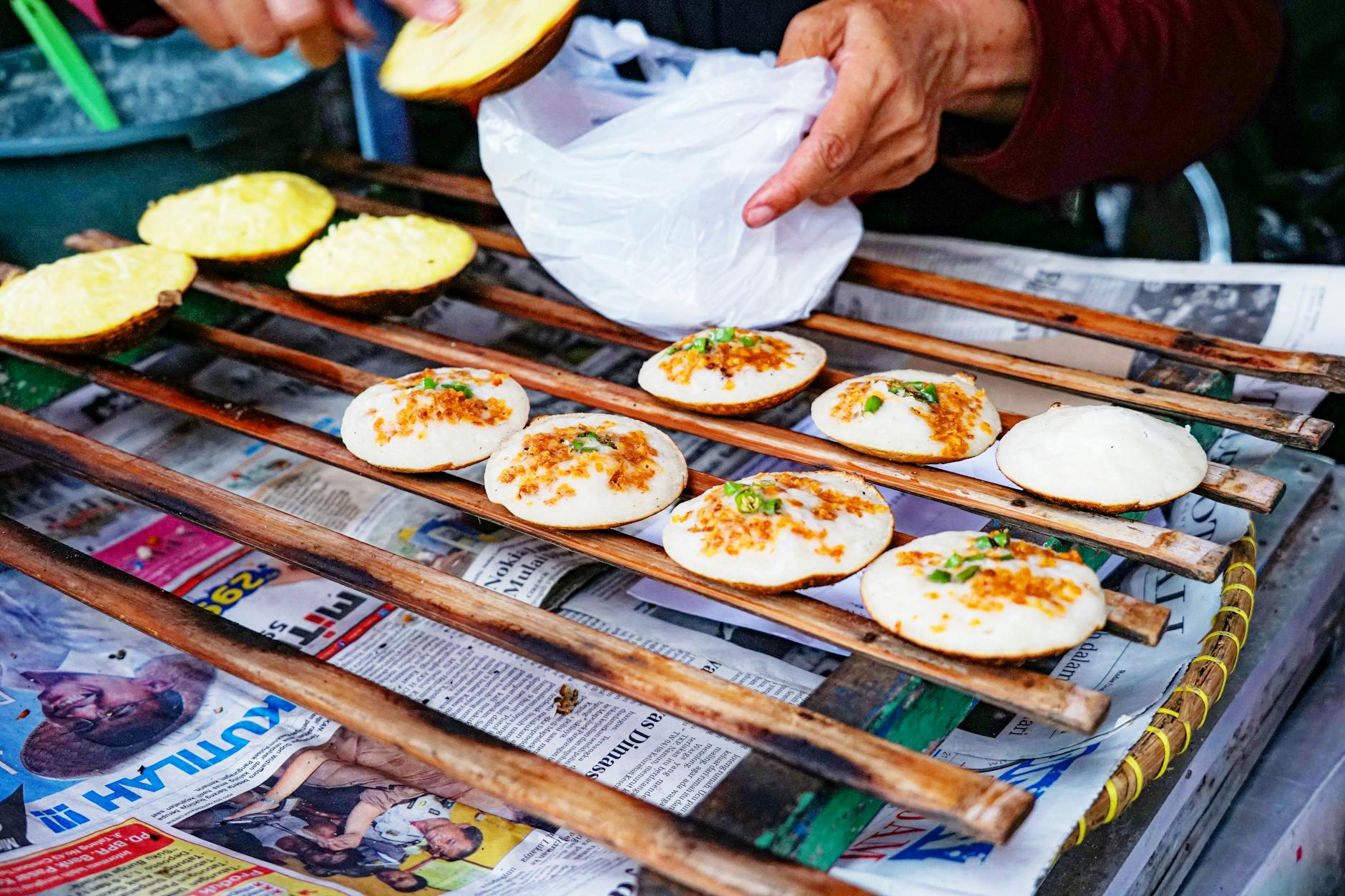
The most distinctive Betawi street snack. Kerak telor is a savory crepe built from glutinous rice (ketan), egg, dried shrimp powder (ebi), fried coconut, fried shallots, and sambal, cooked in a flat clay pan over open coals and flipped to crisp the top. The texture is unlike anything else on this list. Where to try: Setu Babakan Betawi cultural village (the most authentic), the Kota Tua street vendors, and the city’s cultural festivals. Cost: IDR 25,000–50,000.
12. Asinan Betawi — Betawi pickled salad
A bright Jakarta salad of pickled vegetables (cabbage, mustard greens, bean sprouts, cucumber, carrot) and tofu in a sweet-spicy-sour dressing of vinegar, palm sugar, peanuts, and chili, topped with crackers and fresh peanuts. It’s sharper and more acid-bright than gado-gado, and unmistakably Betawi.
13. Laksa Betawi — Jakarta’s take on laksa
Jakarta’s laksa is a coconut-milk noodle soup with rice vermicelli, chicken or shrimp, boiled egg, cucumber, and a spicy yellow turmeric broth — distinct from the better-known Singaporean and Malaysian versions. Authentic bowls are rare and cluster around Glodok and Setu Babakan, so it’s a bit of a hunt, which is half the fun.
Street food and snacks (14–17)
14. Martabak Manis — sweet stuffed pancake

One of the country’s most beloved street sweets: a thick pancake (cooked to about 4 cm tall) stuffed with melted chocolate, grated cheese, crushed peanuts, condensed milk, and butter, then cut into squares to share. It is rich, heavy, and best attacked with friends. The modern versions go off-piste with Nutella, Toblerone, and M&Ms. Where to try: the Martabak Pecenongan stalls (the famous late-night strip), Martabak Bandung (chain), and the Pasar Kue Subuh dawn market.
15. Martabak Telor — savory egg-stuffed pancake
The savory cousin: a thin pancake stuffed with egg, ground meat (usually beef or chicken), green onion, and spice, fried crisp on a flat pan and served with shallots, cucumber, and a sharp pickled liquid. It’s dinner or late-night fuel more than dessert.
16. Pecel Lele — deep-fried catfish
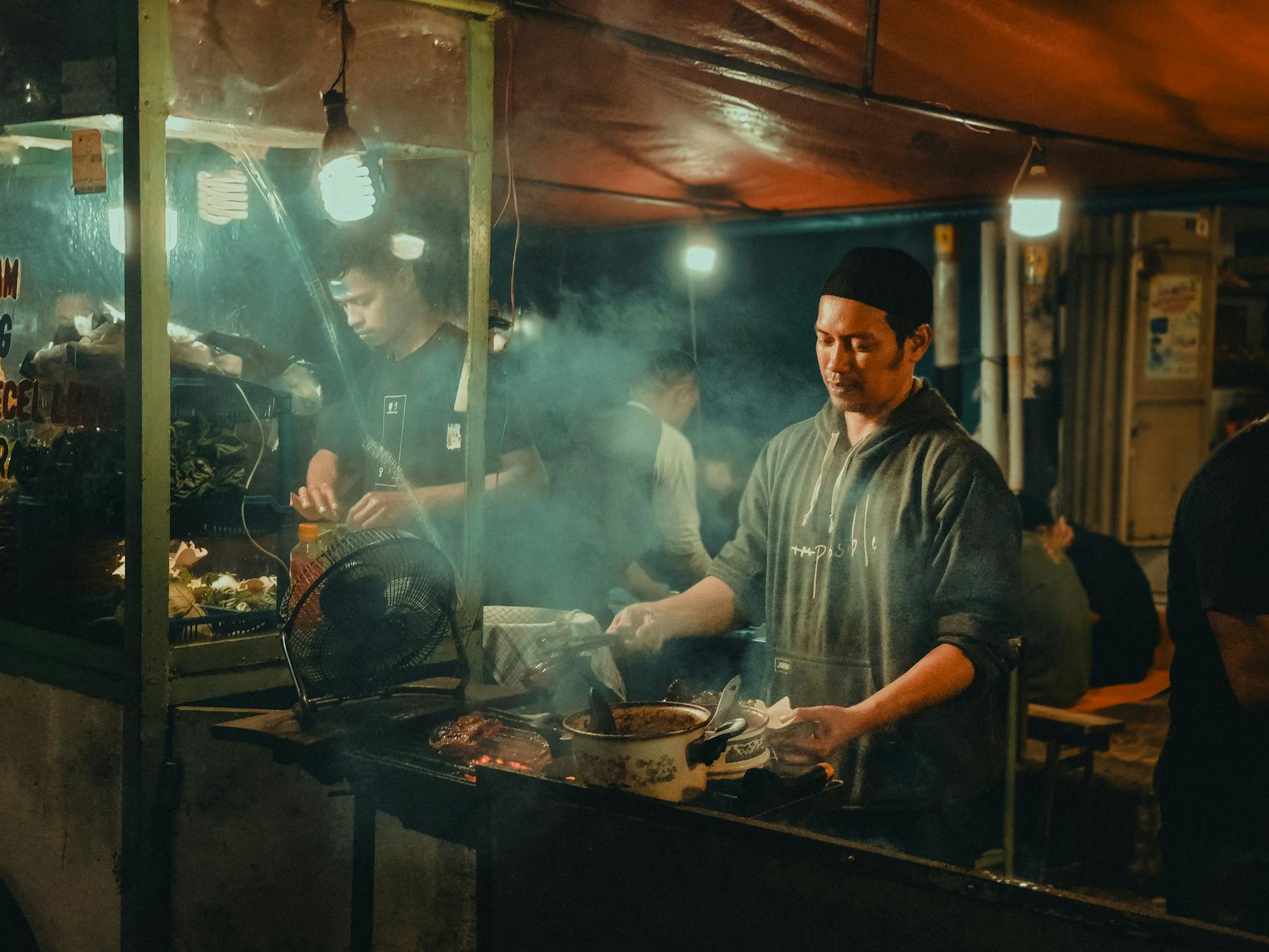
A wildly popular street plate: whole catfish (lele) deep-fried until shatteringly crisp, served with rice, raw vegetables (cucumber, basil, cabbage), and a fiery sambal, always eaten with your hands. The tent warungs (warung tenda) that specialize in it open in the late afternoon and run into the small hours. Where to try: roadside tent warungs all over the city after 5 PM.
17. Bakso — Indonesian meatball soup
A Chinese-Indonesian dish that long ago became fully naturalized — dense beef meatballs in a clear broth with thin egg noodles, vermicelli, fried tofu, sliced beef, scallions, and fried shallots. Look for bakso urat (with tendon), bakso bakar (grilled), and bakso malang (loaded with toppings), eaten with kecap manis, sambal, and lime. Where to try: Bakso Lapangan Tembak Senayan (the famous one), Bakso Akiang (Glodok), and the mobile carts everywhere.
Drinks and sweets (18–20)
18. Es Teler — tropical fruit dessert
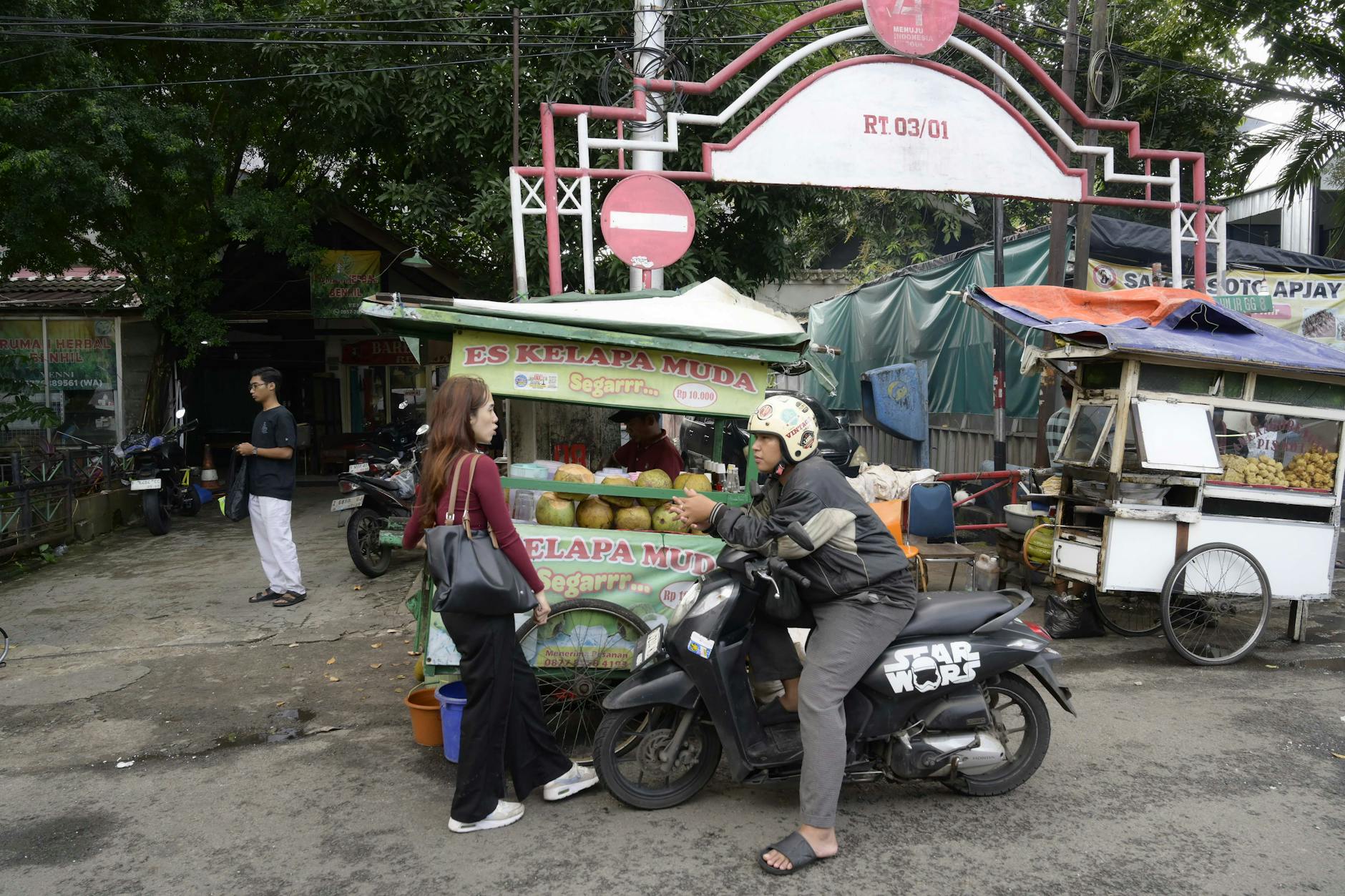
The most refreshing thing you can order on a hot afternoon: avocado, young coconut, jackfruit, palm sugar syrup, condensed milk, and shaved ice in a tall glass. The Indonesian avocado here is sweet and creamy rather than the savory style most visitors expect, which throws people in the best way. Cost: IDR 15,000–35,000.
19. Es Cendol — pandan coconut drink
An iced drink of green pandan-flavored rice-flour jelly noodles (cendol), thick coconut milk, palm sugar syrup (gula merah), and crushed ice. It turns up across Southeast Asia, but the Indonesian version runs especially thick and sweet, usually poured into a copper cup or a plain plastic glass from a street vendor.
20. Klepon — palm sugar rice dumplings
Bright green rice-flour dumplings filled with melted palm sugar and rolled in fresh shredded coconut. Bite into one and the warm caramelized sugar bursts out — the most theatrical of the traditional sweets. They’re sold in small plastic bags off street carts; eat them within a few hours for the right chew.
Where to eat in Jakarta — a quick guide
Street food strips
- Jalan Sabang — Central Jakarta’s most famous strip; sate ayam, nasi goreng, martabak, bubur ayam
- Pecenongan — late-night nasi uduk and martabak
- Glodok / Petak Enam — Chinese-Indonesian hawker dishes; legendary bakmi and nasi tim ayam
- Pasar Senen night markets — local Jakarta night food
- Mangga Besar — late-night Chinese-Indonesian dishes
- Pasar Kue Subuh — pre-dawn cake market in Senen
A lot of these only come alive after sunset, so it’s worth pairing this list with the guide to Jakarta’s night food markets if you’d rather eat in the cool of the evening.
Refined Indonesian restaurants
- Lara Djonggrang — Menteng; refined palace-style Indonesian dining
- Bunga Rampai — Menteng; a restored Dutch villa, exquisite traditional Indonesian
- Plataran Menteng — Menteng; nasi liwet specialist
- Kayu at Park Hyatt — Sudirman; modern Indonesian fine dining
- Marigold at Four Seasons — Sudirman; refined modern Indonesian
Padang restaurants
- Sari Ratu — multiple branches; reliable Padang chain
- RM Sederhana — multiple branches; classic Padang restaurant
- Sari Sanjaya — quality Padang in Central Jakarta
For the full sit-down picture across every budget, see the guide to the best restaurants in Jakarta.
A sample eating itinerary
Day 1 (Indonesian classics): bubur ayam breakfast at Cikini, nasi goreng kambing for lunch on Sabang, rendang dinner at a Padang restaurant, es teler to finish.
Day 2 (Betawi specialties): nasi uduk breakfast, kerak telor at Setu Babakan, soto Betawi lunch at H. Mahmud, laksa Betawi or asinan Betawi for dinner, klepon and other sweets along the way.
Day 3 (Glodok food walk): bakmi at Petak Enam, free hot tea at Pantjoran, nasi tim ayam, then martabak manis from Pecenongan in the evening. If you want to build the walk out properly, the guide to eating around Kota Tua maps the whole old-city route.
Practical tips for eating in Jakarta
Carry small bills — most street vendors don’t take cards or break large notes. Drink bottled water rather than tap. Eat the busy stalls — turnover is the best safety indicator you’ve got. Treat sambal with respect — Indonesian chili is no joke. Use your hands — plenty of dishes (nasi padang, pecel lele) are meant to be eaten that way. Mind halal if it matters — most Indonesian food is halal by default, and it’s really only the Chinese-Indonesian dishes that tend to include pork. None of this costs much, which is the whole appeal — the guide to cheap eats in Jakarta stretches it even further.
At a glance: what each dish costs and when to eat it
Timing matters more here than people expect. A few of these are strictly breakfast plates that vanish by late morning, others only switch on after dark. This is the quick reference I’d keep on my phone, with rough 2026 street prices.
| Dish | Best time to eat | Typical street price |
|---|---|---|
| Bubur ayam | Early morning (sells out by ~10am) | IDR 15,000–25,000 |
| Nasi uduk | Breakfast, but available all day | IDR 20,000–40,000 |
| Soto Betawi | Lunch | IDR 35,000–75,000 |
| Nasi Padang / rendang | Lunch or dinner | IDR 35,000–80,000 |
| Gado-gado | Lunch | IDR 25,000–50,000 |
| Sate ayam | Dinner / late night | IDR 30,000–60,000 (10 sticks) |
| Nasi goreng | Dinner / late night | IDR 20,000–60,000 |
| Pecel lele | After 5pm, into the small hours | IDR 20,000–35,000 |
| Martabak (sweet or savory) | Late night (after 8pm) | IDR 50,000–120,000 (to share) |
| Es teler / es cendol | Hot afternoons | IDR 15,000–35,000 |
How to order like a local
A handful of words and habits will get you a long way at any stall. When you sit down, “satu” means one and “dua” means two, which covers most orders if you just point and count. For heat, “tidak pedas” is not spicy, “sedang” is medium, and “pedas” is spicy — but be warned that a vendor’s “medium” assumes a local tolerance, so order one notch milder than you think you want the first time. “Bungkus” means takeaway, which is genuinely useful when a queue is long and you’d rather eat your martabak back at the hotel.
Don’t wait to be handed a menu at a Padang restaurant — there usually isn’t one. The plates simply arrive, and the unspoken rule is that nothing is wasted: only eat from the dishes you actually want, because you’re billed for those and the rest go back untouched. At a warung, it’s normal to pay at the end rather than up front, and a small “terima kasih” (thank you) goes further than a tip, which generally isn’t expected at street level. If you’re nervous about navigating any of this solo, a guided crawl takes the guesswork out — the Jakarta food tour guide walks through the formats.
Frequently asked questions about must-try Jakarta dishes
What is the most famous food in Jakarta?
The most famous Jakarta dishes are soto Betawi (the city’s signature beef soup), nasi uduk (coconut rice breakfast), kerak telor (the Betawi crepe), nasi goreng (Indonesia’s national fried rice), and rendang (Padangese slow-cooked beef, named the world’s best by CNN).
What is the cheapest must-try Jakarta dish?
Bubur ayam (chicken congee) and bakso (meatball soup) are usually IDR 15,000–25,000 — about the cheapest filling meals in the country. Street-stand kerak telor and martabak run IDR 25,000–50,000.
Is Jakarta food spicy?
Some dishes are very spicy (nasi padang, sambal-heavy plates, pecel lele) and others are mild (soto Betawi, nasi uduk, gado-gado). Sambal usually comes on the side, so you control the heat. Say “tidak pedas” (not spicy) when you order if you want to play it safe.
What’s the best Jakarta dish for vegetarians?
Gado-gado is the standout — boiled vegetables, eggs, tempeh, and tofu in peanut sauce. Asinan Betawi (pickled vegetable salad), tempe goreng (fried tempeh), and tahu telor (tofu omelette with peanut sauce) are all reliable too.
Where can I learn to cook these Jakarta dishes?
Several cooking schools in Menteng and South Jakarta run half-day classes that include a market tour and a four- or five-course Indonesian feast — typically rendang, nasi goreng, gado-gado, sate, and klepon. Expect four to five hours for IDR 600,000–900,000. The full menu of options is in the Jakarta food tour guide.
Are these dishes available outside Jakarta?
The Indonesian classics — rendang, nasi goreng, sate, gado-gado, bakso — turn up across the country. The specifically Betawi dishes (soto Betawi, kerak telor, asinan Betawi, laksa Betawi) are largely confined to Jakarta and the surrounding metro area.
These 20 plates are the foundation of any eating trip to the capital. From here, the complete Jakarta food guide ties together the markets, restaurants, and neighborhoods, and the rundown of top Jakarta attractions helps you build the rest of the days around all this eating.
External resources for Jakarta food
For deeper culinary research, the TasteAtlas Jakarta dishes guide ranks traditional Jakarta foods by global popularity, and Mark Wiens’s Indonesian food guide documents 50 must-try dishes with detailed video coverage.