Jakarta does not make a great first impression. You land, you sit in traffic, and you wonder what you’ve gotten yourself into. I felt exactly that way the first time, and then I spent a few days actually doing things here and changed my mind completely. The trick is knowing which experiences are worth your hours, and that’s what this list is for. Below are 18 of the most rewarding and genuinely fun activities in Jakarta for tourists — the ones I’d put a friend onto if they had an afternoon, a weekend, or a full week. None of them require you to already understand the city. Most of them will help you start to.
If you want the wider lay of the land first, our complete things to do in Jakarta guide is the parent overview, and you can drill into the top 20 attractions, the 15 must-see landmarks, and the interactive Jakarta tourist attractions map from there. Bookmark whichever one matches how you like to plan.
At a Glance: Which Activity Fits Your Day
If you’re the type who likes to scan before you read, here’s a quick comparison of the headline experiences — what each one is best for, roughly how long to set aside, and which part of the city it sits in. Use it to slot two or three into a single day without doubling back across town.
| Activity | Best for | Time needed | Area |
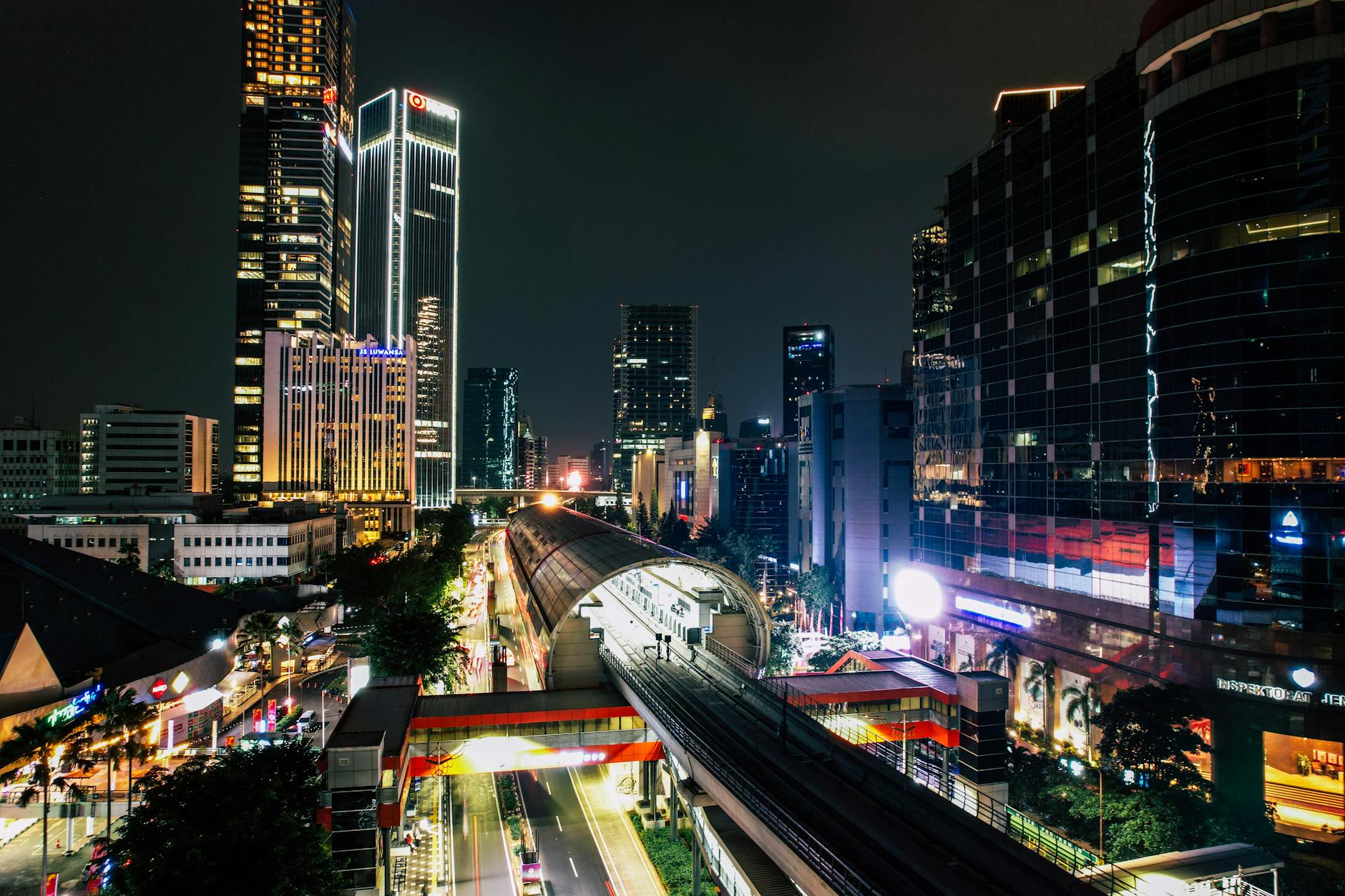
|---|---|---|---|
| Monas elevator | First orientation, views | 1–2 hours | Central Jakarta |
| Kota Tua bike rental | Photos, easy strolling | 1–2 hours | West / Old Town |
| Street food tour | Food lovers, first-timers | 3 hours | Glodok / Senen |
| Rooftop bar sunset | Couples, evening views | 2 hours | Sudirman |
| MRT end to end | Budget travelers, transit fans | 1 hour | South to Central |
| Thousand Islands | Beach escape, snorkeling | Full day | North coast |
| Mega-market bargaining | Shoppers, souvenir hunters | 2–3 hours | Tanah Abang / Menteng |
| Setu Babakan | Culture, families, free fun | 2–3 hours | South Jakarta |
| Cooking class | Hands-on travelers | 4–5 hours | Menteng / South |
1. Take the Elevator to the Top of Monas
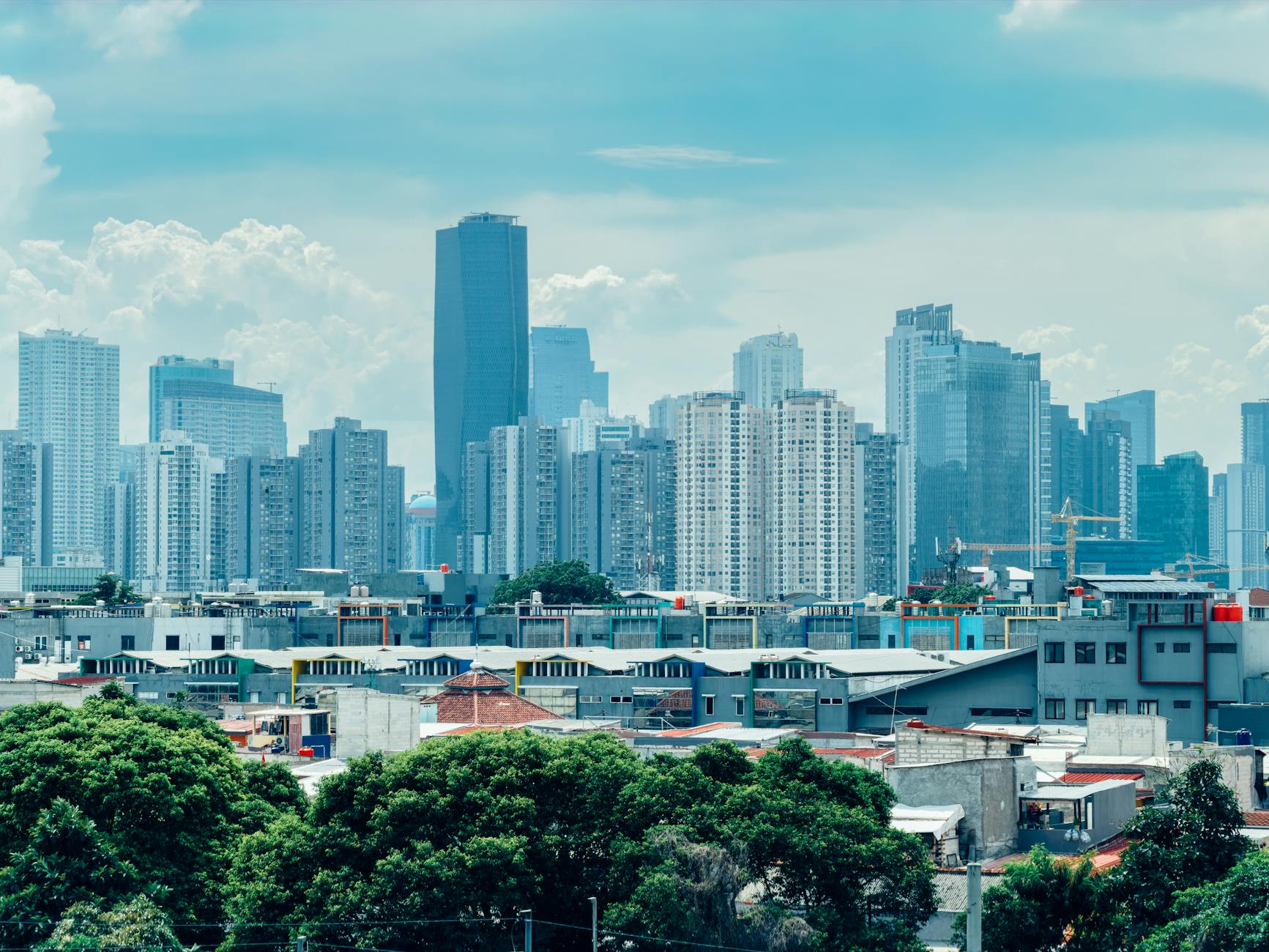
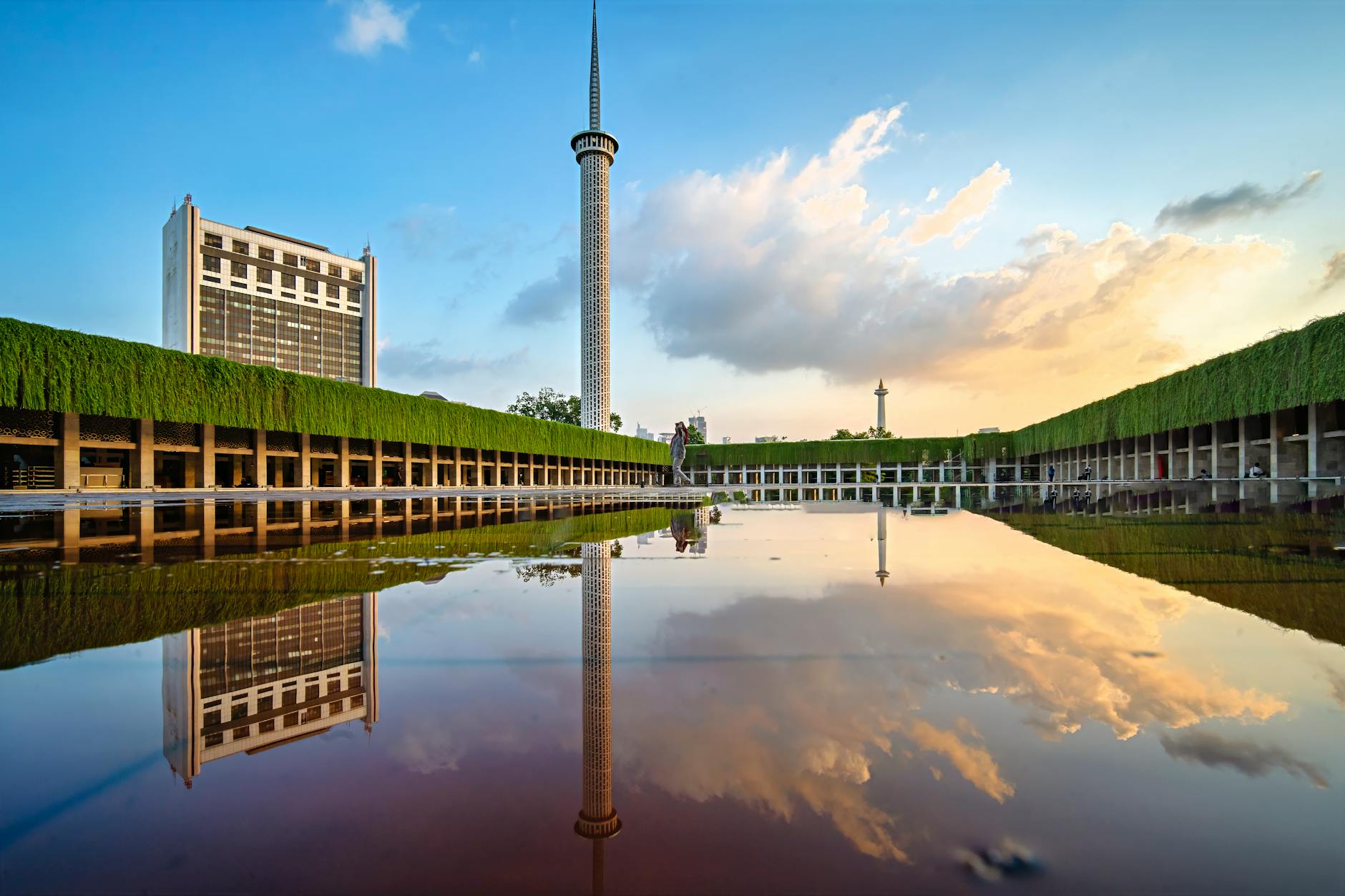
The single best way to make sense of Jakarta is to get above it, and the cheapest ticket to that view is the National Monument (Monas) elevator. The 115-meter observation platform sits inside the flame structure at the top of the obelisk, and admission runs just IDR 20,000. From up there the city spreads out across all five of Jakarta’s administrative areas. On a clear morning you can pick out Mount Salak rising to the south and the Java Sea catching light to the north. I’d treat it as your very first stop in town — once you’ve seen how the districts fit together, everything else on this list locates itself in your head more easily.
Don’t rush straight to the elevator, though. Beneath the deck, the Diorama Museum walks you through Indonesian history in miniature, and the Hall of Independence holds the original Proclamation text in a gold-plated reliquary — easily an absorbing first hour before you even go up. The catch is the queue: get there shortly after the 8:00 AM opening and you’ll beat both the heat and the crowd, which can stretch to two hours by mid-morning on a weekend. Bring water and a hat; the plaza around the base offers very little shade.
2. Rent a Colorful Bicycle in Kota Tua
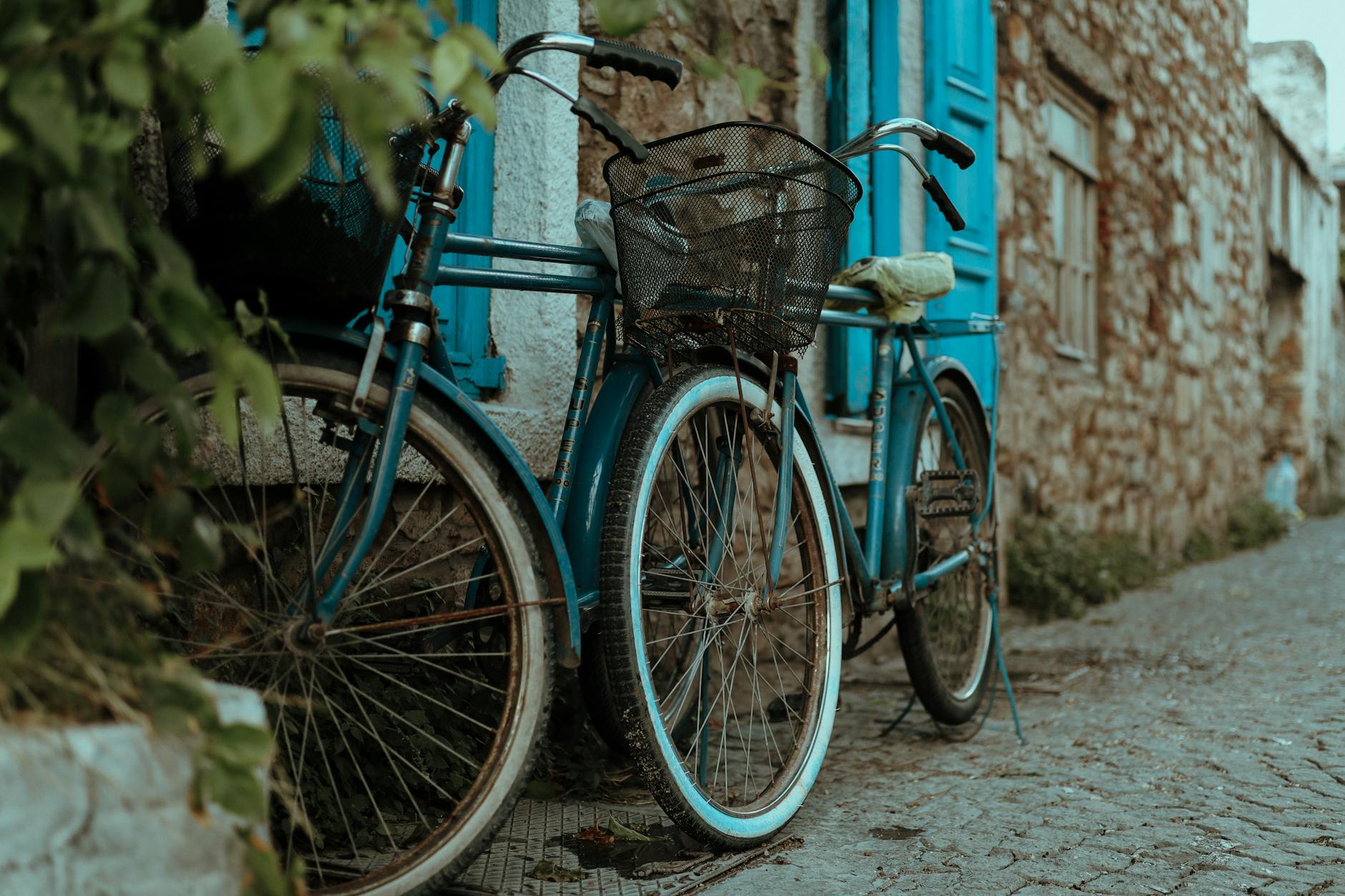
Few first-day activities are as instantly photogenic as renting a candy-colored bicycle on Fatahillah Square in Kota Tua. The bikes — mint, lavender, hot pink, yellow, each with a matching wide-brimmed hat — sit in neat rows under umbrellas at the corners of the square, waiting to be photographed. For roughly IDR 30,000–50,000 per hour you get to pedal the cobbled lanes of the old colonial quarter, past 17th-century Dutch buildings and the lived-in shophouses around Glodok. There’s no athletic challenge to it; the riding is slow and sociable, other tourists will photograph you, and locals tend to wave.
That unhurried pace is the point. It makes it easy to stop for kerak telor or a cold coconut from a street vendor whenever you feel like it. Keep some small bills handy for the rental and the snacks, and do this earlier in the day if you can — the square turns into a sun trap by early afternoon, and the light for photos is kinder before noon. If you’d rather walk than wheel, the same square anchors a wider old-town loop you’ll find in our Jakarta hidden gems guide.
3. Eat Your Way Through a Jakarta Street Food Tour
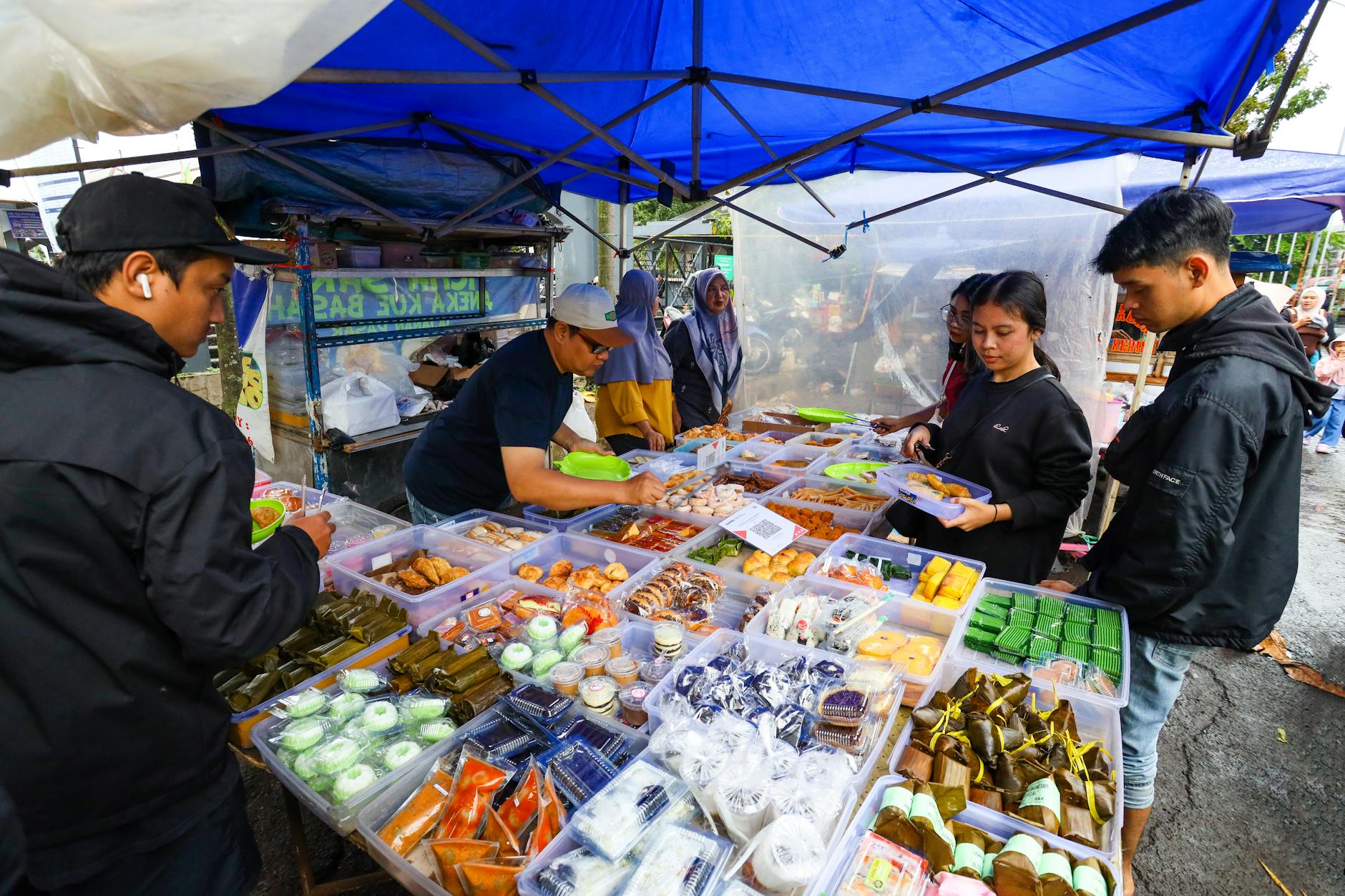
Jakarta is one of the most diverse food cities in Asia — an immigrant-fed melting pot of Javanese, Sundanese, Betawi, Padang, Chinese, Indian, and Arab cooking. The quickest way to taste that range without guessing which stall is safe is a guided street food tour. Tours usually start in Glodok or Pasar Senen and hit six to ten micro-vendors over about three hours. Expect stops for nasi uduk (coconut rice with sambal), kerak telor (the Betawi coconut-rice crepe cooked over coals), soto Betawi (a rich beef-and-coconut soup), gado-gado (vegetables under peanut sauce), and es teler (a tropical fruit dessert) to finish.
The real value of a guide is confidence: someone who knows which vendors have the turnover to be fresh, what’s mild versus face-meltingly spicy, and how to order it. Come hungry — pace yourself across the early stops because the back half is heavier than it looks — and carry small notes, since most of these stalls don’t take cards. If you’d rather build your own route, our dedicated Jakarta food tour guide maps the best eating streets, and the broader Jakarta food guide covers the wider scene from warungs to fine dining.
4. Watch a Sunset from a Skyscraper Rooftop Bar
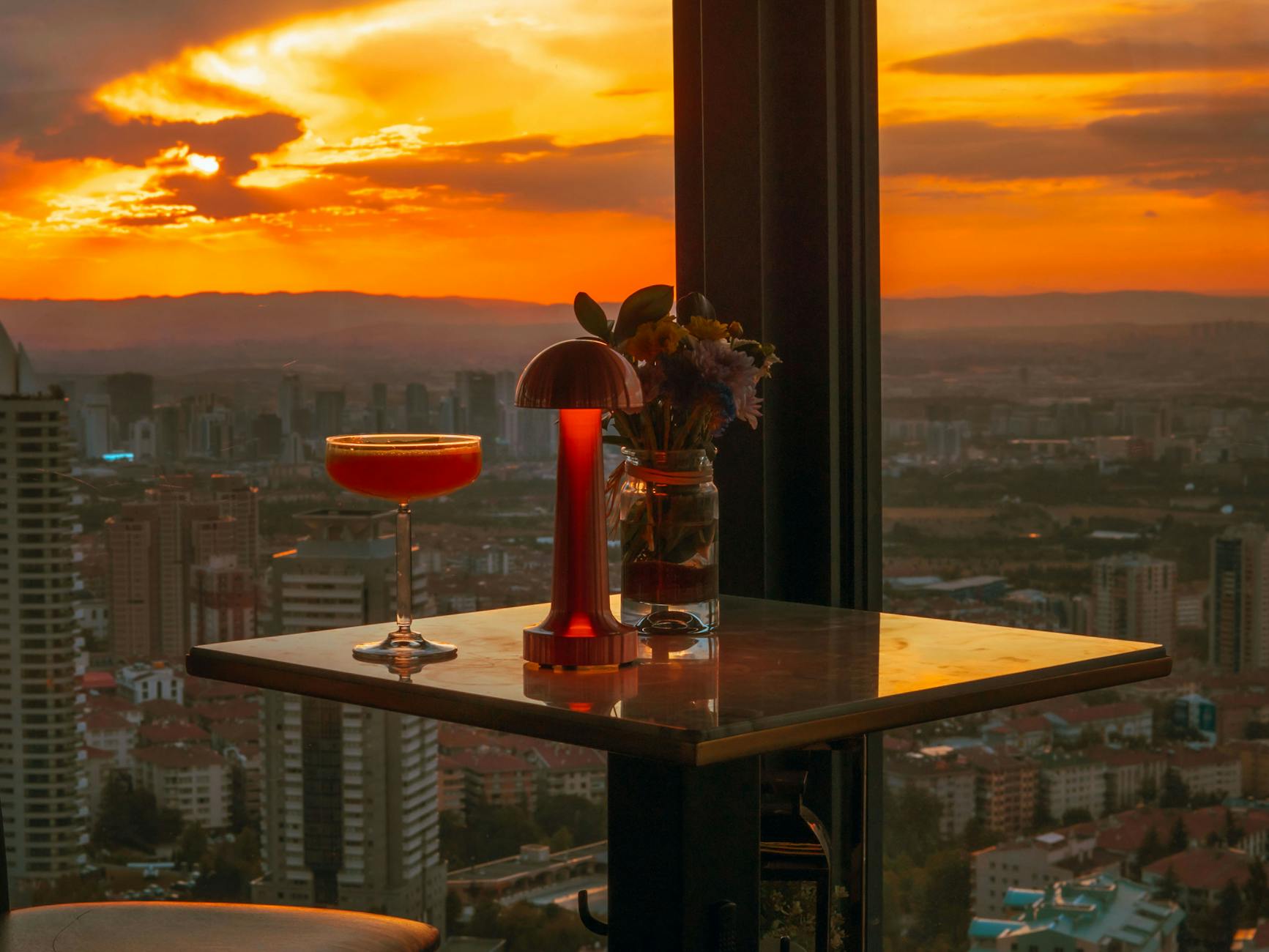
Jakarta has more than 200 high-rises, and the rooftop bar scene knows exactly what to do with them. The best known is SKYE Bar and Restaurant on the 56th floor of BCA Tower, where the sun goes down over the Sudirman business district and the whole skyline lights up beneath you. Other strong picks: Henshin at The Westin sits 67 floors up, CLOUD Lounge at The Plaza, the rooftop garden at Lara Djonggrang in Menteng, and Awan Lounge atop the Kosenda Hotel. Most run a minimum spend on tables, and cocktails land around IDR 150,000–250,000.
Two practical notes from experience. First, timing — arrive 30 to 45 minutes before sunset to claim a west-facing spot, because the good tables go fast and you can’t always book the railing. Second, dress — these places enforce smart-casual, so leave the flip-flops and tank top at the hotel or you may not get past the host. It makes a natural cap to a long sightseeing day, and it slots neatly into a bigger evening from our Jakarta nightlife guide.
5. Ride the Jakarta MRT End to End
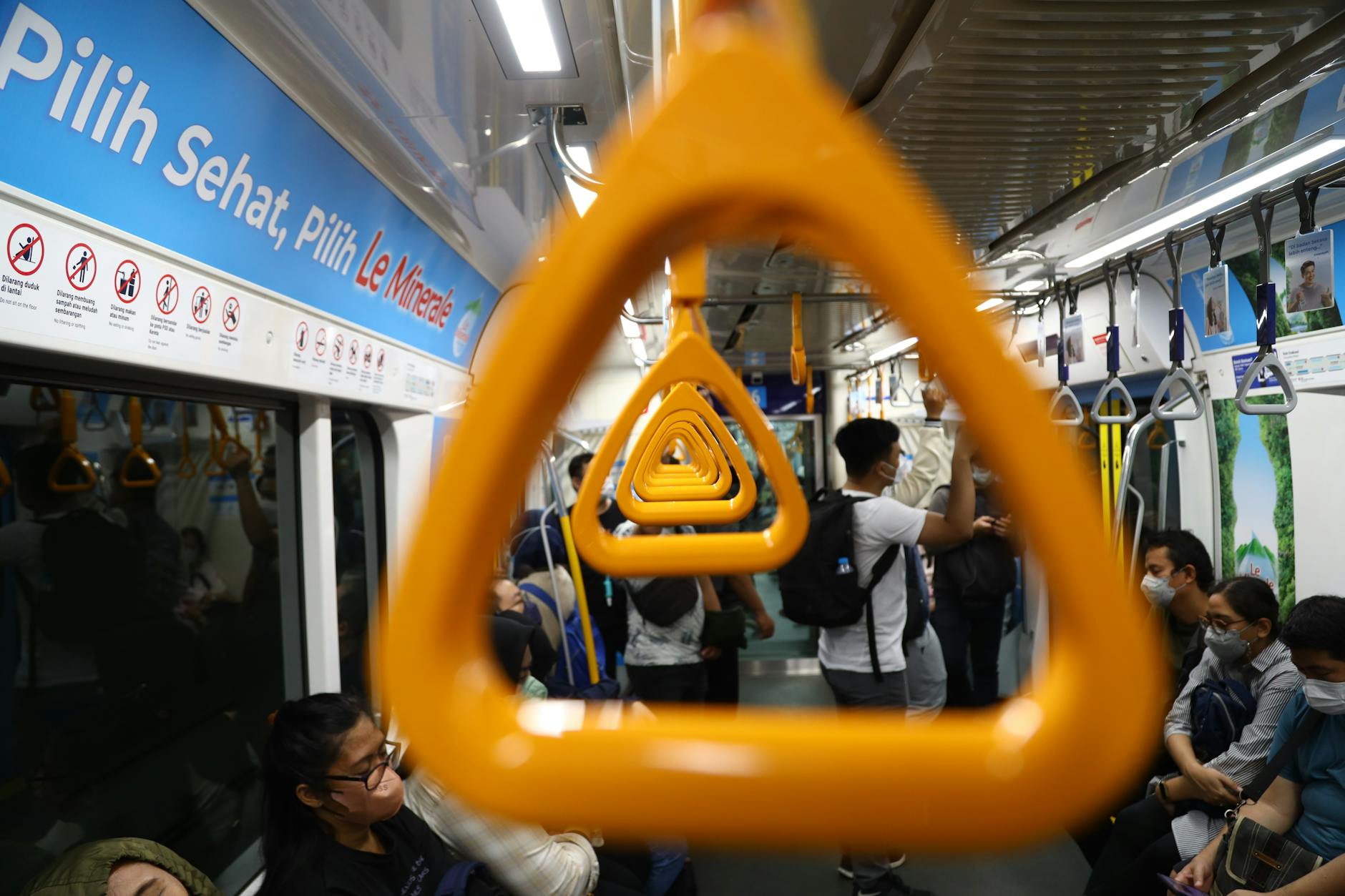
This one sounds odd until you try it: riding the MRT for its own sake is genuinely worth an hour. The line opened in 2019, and the clean, air-conditioned, Japanese-built trains run from Lebak Bulus in the south to Bundaran HI in the north. The route shifts from elevated track to underground tunnel along the way, so you get to watch two very different versions of the city slide past the windows. A one-way fare is under IDR 14,000. After a morning stuck in Jakarta’s surface traffic, gliding the same distance underground in a quiet, on-time carriage feels almost like cheating.
It’s also one of the easier wins for nervous first-timers, because the stations are signposted in English and the system is impossible to get lost on. Handily, the MRT drops you near several big attractions — GBK Stadium, Plaza Senayan, Bundaran HI, Senayan City — so you can fold it into a day rather than treating it as a separate errand. If you plan to lean on public transit, our getting around Jakarta guide explains fares, cards, and how the MRT connects to the buses and commuter line.
6. Try a Batik-Making Workshop
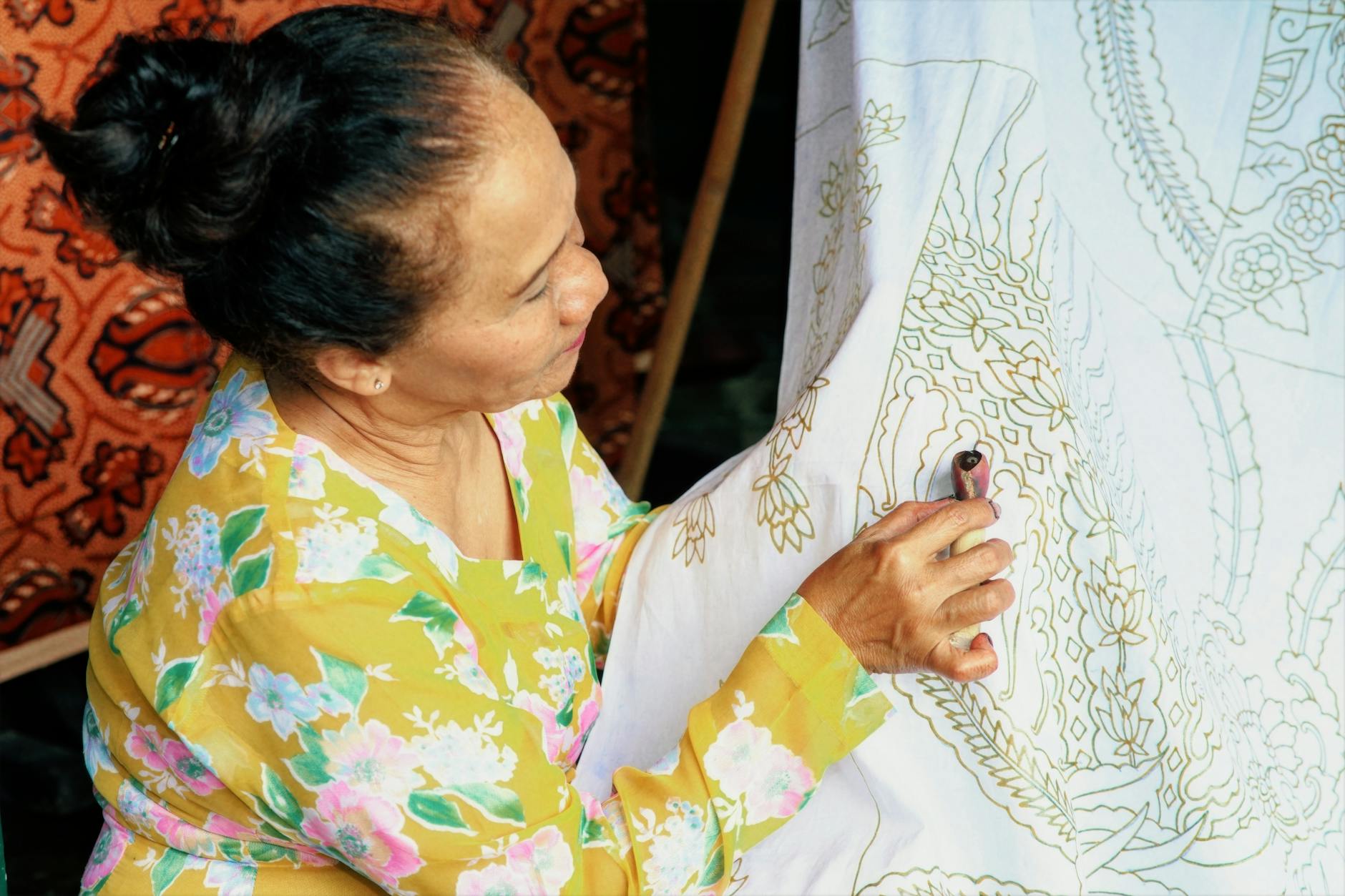
Batik — the wax-resist textile technique that UNESCO lists as a Masterpiece of Intangible Cultural Heritage — is one of Indonesia’s great art forms, and Jakarta is one of the best places in the country to learn the basics. Workshops at the Museum Tekstil (Textile Museum) in West Jakarta, and at smaller studios in Menteng, take you through the whole sequence: stamping wax patterns with copper cap tools or drawing freehand with a canting pen, dyeing, a second wax pass, and a final boiling to reveal the design. A two-to-three-hour class costs IDR 100,000–250,000, and you walk out with the finished cloth.
What makes it land as an activity, rather than a craft chore, is the failure rate — your first wax lines will wobble, the dye will bleed where you didn’t mean it to, and that’s exactly why the piece you take home feels earned. It’s a good rainy-afternoon option since it’s entirely indoors, and the result beats anything in a souvenir shop. Wear clothes you don’t mind splashing; hot wax and dye are not gentle on a nice shirt.
7. Take a Day Trip to the Thousand Islands
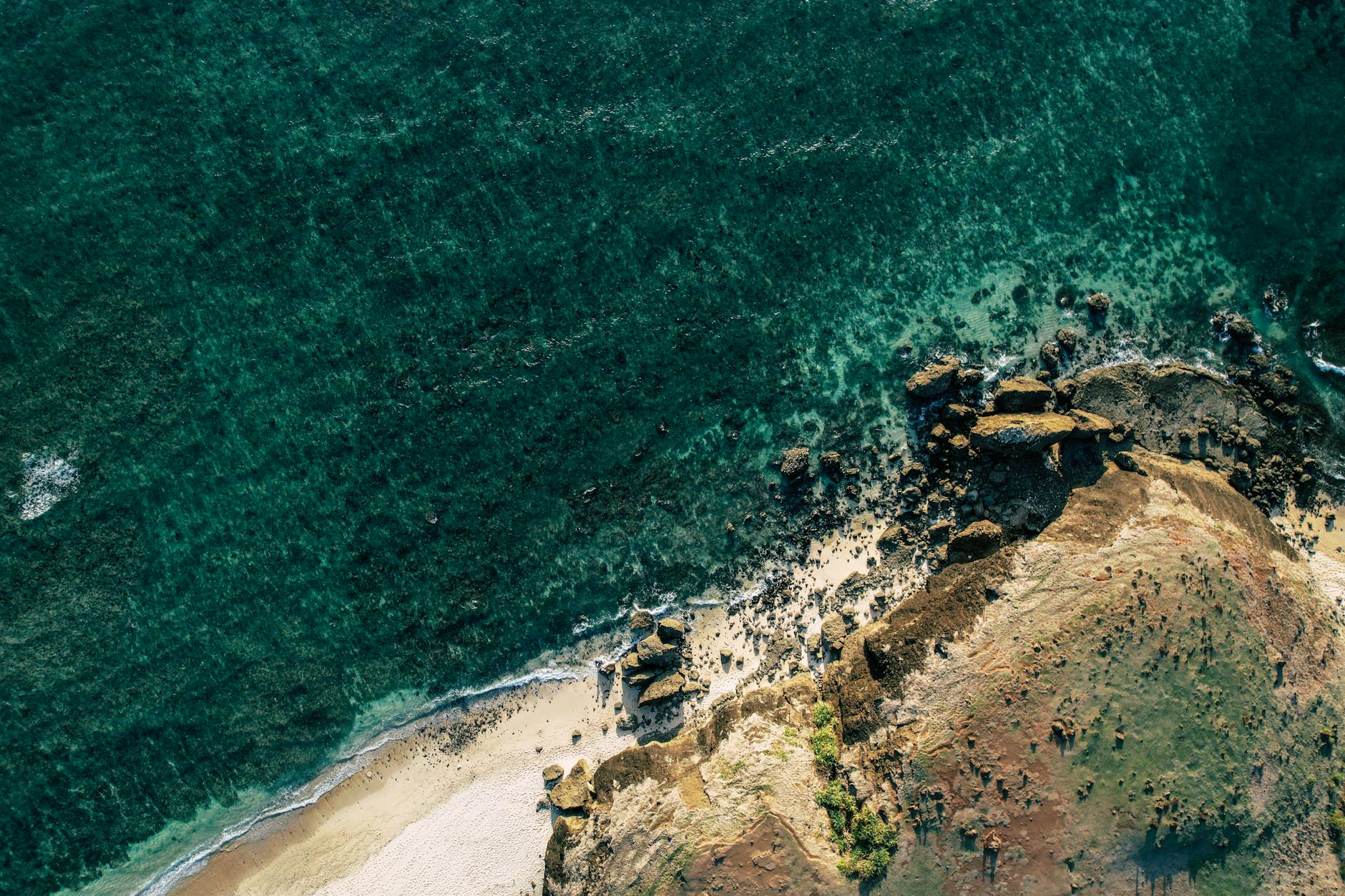
Most visitors have no idea Jakarta comes with its own tropical archipelago, which is half the fun of telling them. The Thousand Islands (Kepulauan Seribu) are a string of 110 small coral islands running 45 kilometers north of the city into the Java Sea. From Marina Ancol, fast boats reach Pulau Pari, Pulau Tidung, or Pulau Bidadari in 60–90 minutes. The closer islands suit a snorkeling day trip, with calm, shallow water; the outer ones are where you’d stay overnight in beach huts and eco-resorts. Day-trip packages generally run IDR 350,000–600,000 per person, including transport, snorkeling gear, and lunch.
The thing to plan around is the weather and the boat schedule. Crossings are far smoother in the dry season, roughly May to October, and departures cluster in the early morning — miss the morning boat and you’ve effectively missed the day. Book the package the night before at the latest, bring reef-safe sunscreen and a dry bag for your phone, and treat this as a full 8–10 hour outing rather than something you squeeze around other plans. For more out-of-town ideas, our best day trips from Jakarta guide rounds up the alternatives inland.
8. Bargain in Jakarta’s Mega-Markets
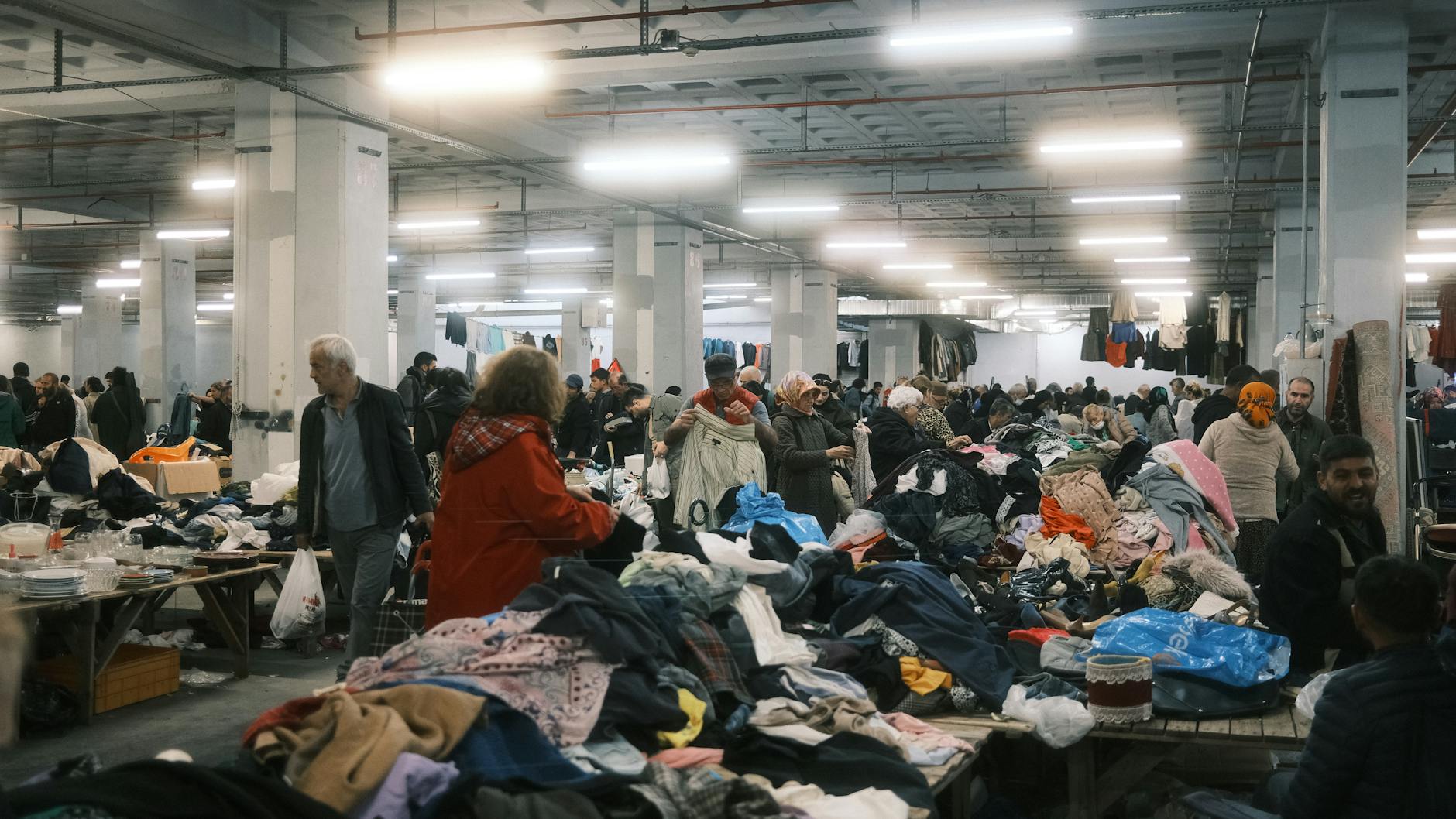
If you treat haggling as a sport rather than a chore, Jakarta is your stadium. Pasar Tanah Abang is the largest textile and garment wholesale market in Southeast Asia — floors and floors of fabric, batik, songket, mukena, abaya, sneakers, and bridal gear, often 70% below what a tourist boutique would charge. Pasar Baru is older and more atmospheric, with photogenic 19th-century shophouses selling Indian fabrics, leather goods, traditional instruments, and antiques. Mangga Dua is the spot for cheap electronics, and Pasar Antik Jalan Surabaya in Menteng is the place for vintage Indonesian curios.
A few rules keep it fun. Smile, start your counter-offer well below the asking price, and be ready to walk — half the time you’ll be called back at your number. Go in the morning when it’s cooler and the aisles are passable, carry a stack of small bills since vendors rarely have change for big notes, and keep your bag zipped in the crush. For a wider map of who sells what across the city, our shopping in Jakarta guide breaks it down market by mall.
9. Catch a Persija Football Match at GBK
Few experiences feel more authentically Indonesian than a home match of Persija Jakarta, the city’s century-old football club, at Gelora Bung Karno Stadium. Persija games are loud, colorful, emotional things — the supporters, nicknamed Jakmania, turn up hours before kickoff, sing without pause, and flood the 77,000-seat stadium in a wall of orange. Tickets are cheap, IDR 50,000–250,000, and easy to book online. Even if football leaves you cold, the atmosphere is the show; you go for the crowd as much as the score. Home games run across the BRI Liga 1 season, August to April.
A word to the wise on the practical side: buy through the official channels rather than from someone outside the gate, wear neutral colors if you’re not sure which end you’re in, and give yourself a long buffer to get there and away, because matchday traffic and the post-final-whistle surge are both serious. Go with the home crowd’s energy and it’s one of the most memorable nights you’ll have in the city.
10. Watch Car-Free Day on Jalan Sudirman
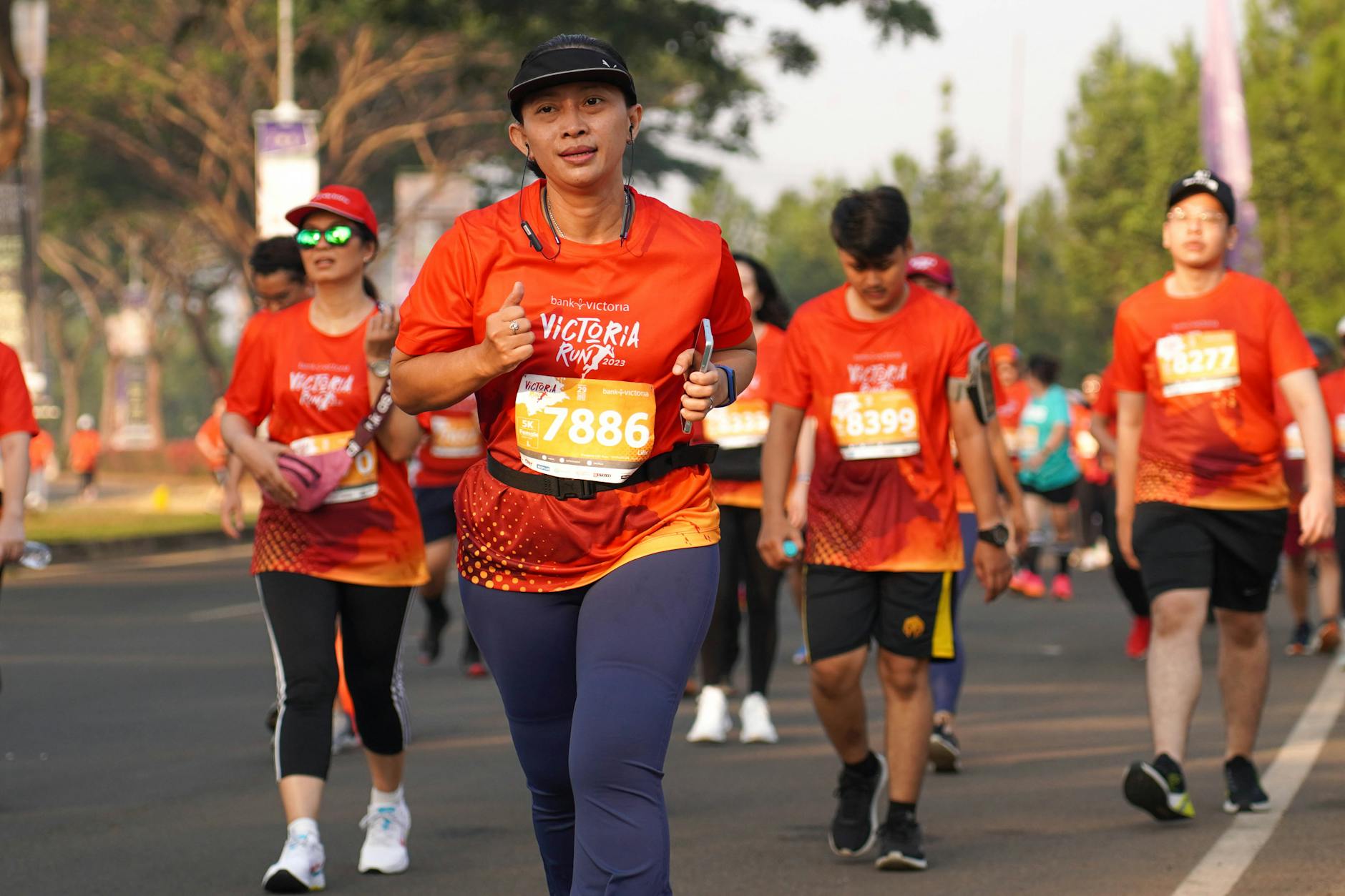
Every Sunday from 6:00 AM to 11:00 AM, Jakarta closes the entire 7-kilometer run of Jalan Thamrin and Jalan Sudirman — the city’s main commercial spine — to all motorized traffic. What fills the empty road is Car-Free Day (Hari Bebas Kendaraan Bermotor), one of Asia’s most beloved weekly street parties. Tens of thousands of joggers, cyclists, skateboarders, families with strollers, and street musicians take over the avenue. Free food samples, dance demos, impromptu badminton, and activists handing out leaflets all jostle for the same asphalt.
For a first-timer it’s the easiest possible way to mix with Jakartans on their day off, and it costs nothing. Get there early — closer to 6 than to 11 — because the heat builds and the crowds thicken as the morning wears on, and the whole thing packs up sharply at eleven. You can rent a public bike on the spot or just walk the length of it people-watching. The festive, free, no-planning-required vibe is why it heads up our free things to do in Jakarta roundup.
11. Visit Museum MACAN for World-Class Contemporary Art
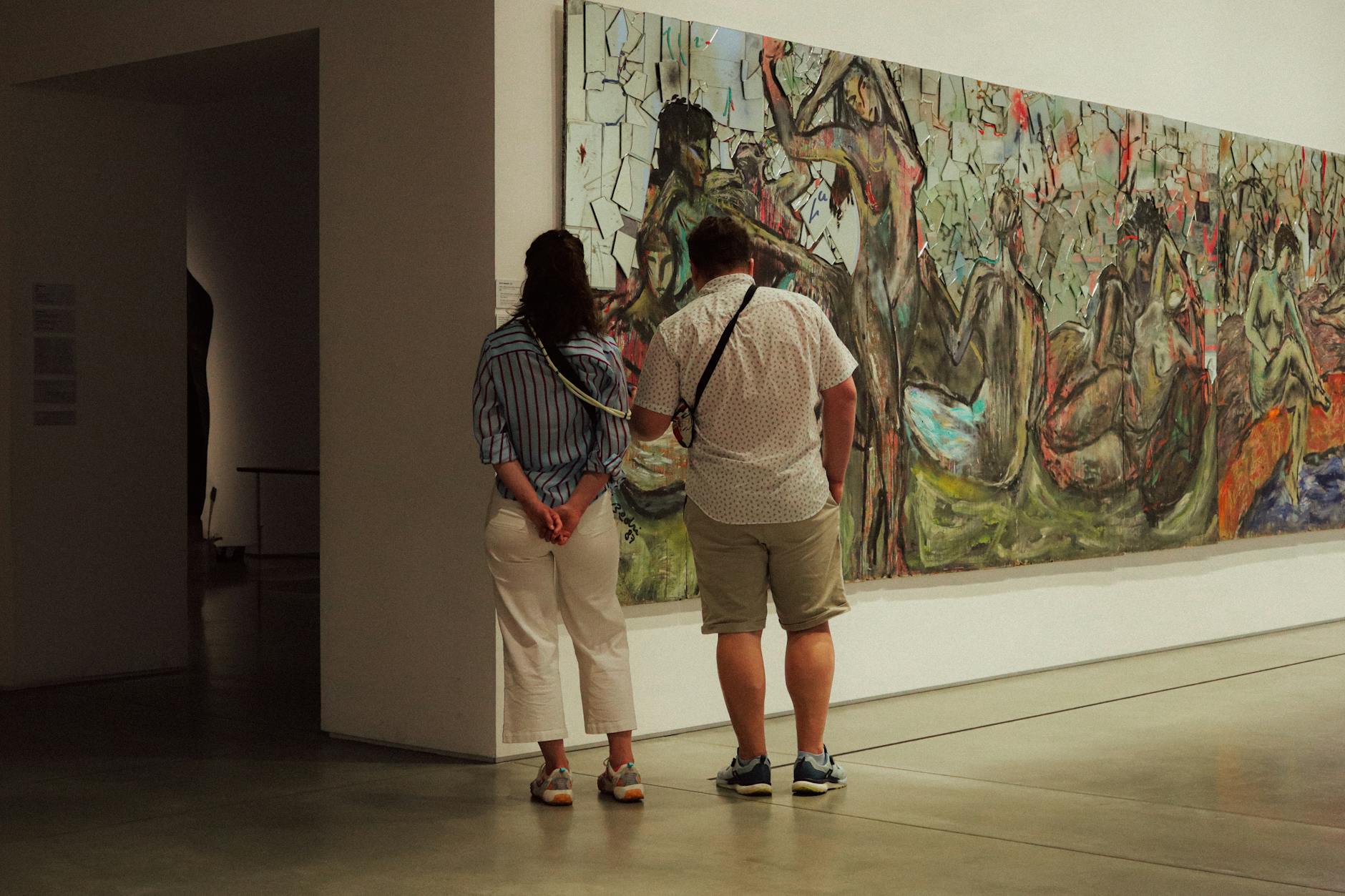
Opened in 2017 inside West Jakarta’s AKR Tower, Museum MACAN (Museum of Modern and Contemporary Art in Nusantara) was Indonesia’s first dedicated international contemporary art museum. It came out of the gate with Yayoi Kusama’s “Life Is the Heart of a Rainbow,” the blockbuster opening show that broke local attendance records, and has since staged major retrospectives of Olafur Eliasson and Lee Mingwei alongside headline Indonesian artists. The dedicated children’s art space makes it an easy yes for families with kids. Tickets are IDR 100,000.
The one mistake to avoid here is showing up on spec for a marquee exhibition — the big-name shows sell out, and timed entry slots go before the weekend, so book ahead online. It’s also a smart card to keep in your back pocket for a wet afternoon, since it’s fully indoors and air-conditioned. If contemporary galleries are your thing, you’ll find the rest of the city’s art and museum circuit in our Jakarta indoor attractions guide.
12. See a Live Performance at Setu Babakan Cultural Village
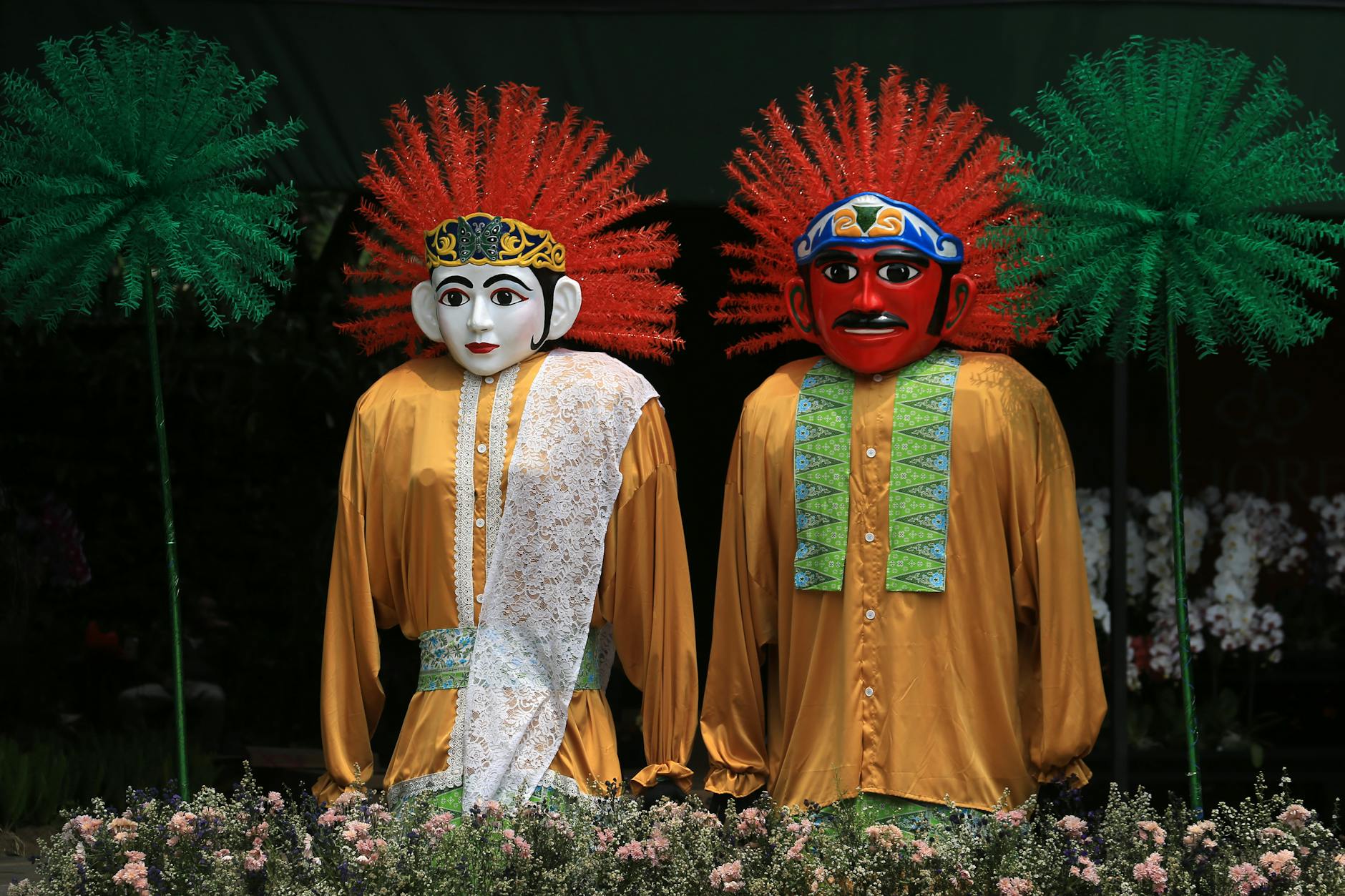
Setu Babakan in South Jakarta is a 32-hectare living cultural village built to keep the traditions of the Betawi — Jakarta’s indigenous people — alive. Wooden Betawi houses with steep red-tiled roofs cluster along quiet lanes around a calm lake, and on weekends the open-air pavilion puts on free performances: palang pintu (a martial-arts-and-poetry wedding ritual where the bride’s family playfully challenges the groom), lenong theater, tanjidor brass-band music, and the unmistakable ondel-ondel giant-puppet dance. Family-run warungs sell proper Betawi food — kerak telor, soto Betawi, laksa Betawi — and entry is free.
Because the performances run on weekends, time your visit for a Saturday or Sunday or you’ll find a pretty but quiet village. It’s an unhurried, low-key half-day and a gentle counterweight to the high-rise side of the city — bring cash for the food stalls and an appetite for the kerak telor, which is cooked to order over coals. It pairs well with the offbeat corners in our unique things to do in Jakarta guide if you want a full day away from the tourist core.
13. Take an Indonesian Cooking Class
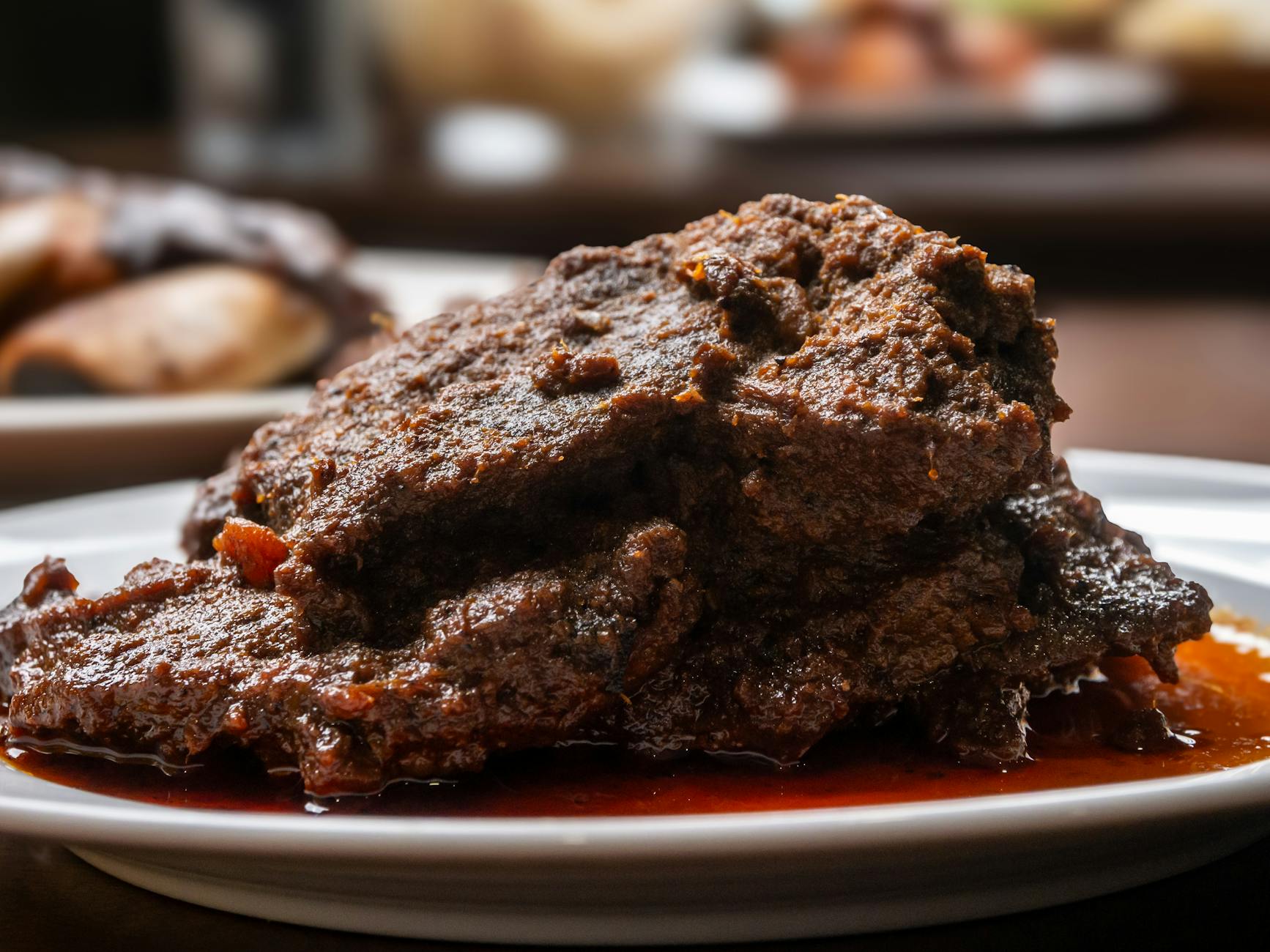
Indonesian cuisine has topped CNN Travel’s “world’s best” list, and a half-day cooking class is the most satisfying way to take some of it home with you. A good class usually opens with a market run at Pasar Senen or Pasar Mayestik — picking out galangal, lemongrass, kaffir lime, kemiri (candlenut), and the makings of fresh sambal — before you move to a private kitchen and cook a four- or five-course feast under a local chef. Standard menus cover rendang, nasi goreng, gado-gado, satay, and klepon (those palm-sugar-filled rice dumplings that pop in your mouth).
Several Menteng and South Jakarta schools are set up for international visitors, with classes taught in English running 4–5 hours for IDR 600,000–900,000. The market portion is honestly the best part, so don’t skip it to sleep in — and tell the school in advance about any dietary needs, since vegetarian and halal versions are easy to arrange when they know ahead. You leave with recipes you can actually reproduce, which is more than most souvenirs manage. Book a day or two out, as the small-group classes fill quickly.
14. Get a Traditional Indonesian Spa Treatment
After a long day on your feet in tropical heat, an Indonesian spa treatment is one of life’s small, cheap luxuries here. The traditional Balinese massage, the Javanese lulur body scrub (a paste of turmeric, rice powder, and herbs), and the boreh warming wrap are all widely available across the city — from polished five-star hotel spas like the Grand Hyatt’s Kasih Spa down to excellent independents like Martha Tilaar, Bersih Sehat, and the Taman Sari Royal Heritage Spa. A two-hour package usually runs IDR 350,000–800,000, a fraction of what the same treatment costs in Europe or the States.
I’d slot this into the back half of a heavy sightseeing day, when your legs have given up anyway — book a late-afternoon or evening slot the day before, especially on weekends, and arrive a little early to shower first so you get the full time on the table. It’s also a quietly perfect rainy-day plan when an outdoor activity falls through.
15. Tour Glodok Chinatown and Petak Sembilan
Glodok, Jakarta’s Chinatown, is one of the most atmospheric neighborhoods in the country and easily fills a thick, rewarding afternoon. The labyrinthine Petak Sembilan market is the heart of it — a 200-meter lane of century-old shophouses where vendors sell everything from kue keranjang (Chinese New Year cake) to live frogs, durians, traditional medicine, and steaming bowls of noodles. Duck into the 17th-century Jin De Yuan temple, the oldest Chinese temple in Jakarta and still a working place of worship, accept the free hot tea at Pantjoran Tea House, and chase down legendary Bakmi Amoy noodles or Nasi Tim Ayam at the Petak Enam hawker hall.
Go in the morning when the market is busiest and freshest, dress modestly if you plan to step inside the temple, and come hungry rather than full — the whole point is to graze your way down the lane. It’s intense, photogenic, and best done on foot at a slow pace, stopping wherever a stall catches your eye.
16. Watch a Wayang Kulit Shadow Puppet Show
Indonesia’s wayang kulit shadow-puppet theater is one of humanity’s great storytelling traditions — UNESCO-recognized and, in its full form, performed all night to audiences seated on both sides of a lit white screen. Marathon nine-hour shows are rare in Jakarta now, but every Sunday morning the Wayang Museum on Fatahillah Square stages free, abridged performances of around 90 minutes, drawn from the Mahabharata or Ramayana. Watching the dalang (the master puppeteer) work a dozen characters at once, with a live gamelan orchestra behind him and the puppets flickering across the screen, is genuinely hypnotic.
Since it only runs on Sunday mornings, build it into a Kota Tua day — it sits steps from the bicycle square and the colonial buildings, so you can stack two or three activities in the same compact area. Get there a little early for a spot near the front, and don’t be shy about peeking behind the screen at intermission to see how the magic is made.
17. Take Afternoon High Tea in Colonial Style
Jakarta’s grand-hotel high tea is a small, slightly old-fashioned pleasure, and a lovely way to spend a hot mid-afternoon out of the sun. The settings carry most of the charm: Café Batavia in Kota Tua occupies an 1805 mansion lined with antiques and sepia portraits; the Hotel Indonesia Kempinski pours its atrium tea in the first international hotel ever built in Indonesia, opened in 1962; and Bunga Rampai in Menteng sets up in a beautifully restored Dutch villa with traditional Javanese pastries. Sets generally run IDR 200,000–400,000 per person, with a tower of finger sandwiches, scones with palm-sugar curd, and a curated mix of Indonesian and English teas.
It works best as a planned pause rather than a spur-of-the-moment stop — reserve ahead at the popular rooms, especially on weekends, and treat it as a leisurely 90 minutes rather than something to rush. Paired with a Kota Tua morning, Café Batavia in particular makes a gorgeous, air-conditioned reward after the heat of the square.
18. Enjoy Live Jazz at Motion Blue or Erwin Gutawa Concerts
Jakarta has had a serious jazz scene since the 1960s, and it still hosts the world’s largest jazz festival — the annual Java Jazz Festival in March, which pulls over 100,000 attendees and headliners like Diana Krall, Earth Wind & Fire, and Robert Glasper. For year-round listening, Motion Blue Jakarta at the Fairmont Hotel runs intimate sets from international touring acts and Indonesian masters such as Indra Lesmana and Tohpati. Smaller rooms in Kemang and the Cikini quarter — including Bengawan and Demang Live Jazz Cafe — trade polish for a more underground feel.
If your trip overlaps with March, the festival is worth building a day or two around and booking early, since the big nights sell out. The rest of the year, reserve a table at Motion Blue ahead of the headline sets, and check what’s on locally before you go, as the smaller venues’ line-ups change week to week. A late jazz set is a fitting, grown-up way to end a Jakarta evening, and it slots straight into the wider after-dark scene in our things to do in Jakarta at night guide.
First-Timer Mistakes to Avoid
A handful of avoidable missteps trip up almost every first-time visitor. Sidestep these and the city gets a lot friendlier, fast.
- Underestimating the traffic. A 5 km hop can take 90 minutes at the wrong hour. Build in transition time, and lean on the MRT or commuter line for any route they cover instead of crawling along the surface.
- Trying to do too much in one day. Two or three activities is a realistic ceiling, especially once heat and travel time are factored in. Cramming in five just means seeing all of them badly.
- Carrying only big notes. Street vendors, market stalls, parking attendants, and the bicycle rentals all want small bills and rarely have change for a 100,000. Break your notes early.
- Showing up without booking. Cooking classes, food tours, Thousand Islands trips, and Museum MACAN’s headline shows sell out — reserve a day or two ahead rather than turning up and hoping.
- Walking everywhere after dark. It’s not about danger so much as comfort and time; door-to-door ride-hailing is cheap and saves you the heat, the pavements, and the wrong turns.
- Ignoring the dress code. Mosques require modest cover and the upscale rooftops enforce smart-casual. Pack one outfit that covers both and you won’t get turned away from either.
Suggested Itineraries: Mixing These Activities
Weekend warrior (2 days): Day 1 — Monas, the Kota Tua bicycle tour, a street food tour through Glodok, then a sunset rooftop. Day 2 — Setu Babakan or a Thousand Islands day trip, with a spa treatment in the evening. Stretching to a third day? Add Car-Free Day in the morning and Museum MACAN after. Our 2-day Jakarta itinerary and 3-day itinerary map these out hour by hour.
Foodie focus: A cooking class on day one, a street food tour on day two, the Glodok eating walk on day three, with high tea slotted in as a midday breather — a route that hits the city’s best eating in three days flat.
Family with kids: The Kota Tua bicycle tour, an MRT exploration ride, the Museum MACAN children’s space, and Thousand Islands snorkeling cover most ages. Our family travel guide has full kid-friendly itineraries, and if you’ve got a whole week, the 1-week Jakarta itinerary shows how to pace it without burning the kids out.
Practical Tips for Trying These Activities
Book in advance for the popular ones — cooking classes, food tours, Thousand Islands day trips, and Museum MACAN special exhibitions — through Klook, GetYourGuide, Tiket.com, or directly with operators. Use ride-hailing apps (Gojek, Grab) for door-to-door transit, especially after dark; they’re cheap and take the navigation off your plate. Carry small bills for street food, parking, and bargaining; the rupiah comes in 1,000, 2,000, 5,000, 10,000, 20,000, 50,000, and 100,000 denominations, and you’ll want the smaller ones constantly.
Dress code matters at both religious sites and rooftop bars — modest cover for mosques, smart-casual for upscale rooftops like SKYE. Hydrate constantly; the combination of heat and humidity here is no joke and creeps up on you. And build in transition time, because Jakarta traffic can turn a 5 km trip into a 90-minute ordeal during peak hours, which is the single biggest planning mistake first-timers make.
Frequently Asked Questions About Fun Activities in Jakarta
What is the most popular tourist activity in Jakarta?
Visiting the National Monument (Monas) and walking through Kota Tua’s Fatahillah Square are the most-booked tourist activities, followed by guided street food tours and Thousand Islands day trips.
Are there any free fun activities in Jakarta for tourists?
Yes — many of the best Jakarta activities are completely free, including Car-Free Day on Sundays, Setu Babakan cultural village performances, Wayang Museum Sunday shows, and the surrounding parks of Monas. The free things to do in Jakarta roundup linked earlier collects 25 more zero-cost experiences.
How long do these activities take?
Most activities on this list run 2–4 hours, with day trips like the Thousand Islands taking a full 8–10 hours. A typical first-time visitor can fit two to three of these activities into a single day.
Are these activities safe for solo travelers?
Yes. Jakarta is generally safe for solo travelers including women, particularly in tourist-popular areas like Kota Tua, Menteng, Sudirman, and Senayan. Standard urban precautions — using ride-hailing rather than walking late at night, keeping valuables secure on crowded buses — are sufficient.
What activities are best during the rainy season (November to April)?
Indoor activities like Museum MACAN, the Wayang Museum, batik workshops, cooking classes, spa treatments, and high tea are ideal during heavy rains. Plan outdoor activities like Car-Free Day, Thousand Islands trips, and Kota Tua biking for the dry months (May to October) when possible.
From a 115-meter observation deck to a 17th-century Dutch port, from a wax-resist batik studio to a snorkeling reef on a tropical island, these 18 fun activities in Jakarta for tourists really do capture the breadth of what Indonesia’s capital has to offer. Pick three or four for a first visit and the city stops feeling like a wall of traffic and starts feeling like somewhere you’d come back to. To keep planning, circle back to the top 20 best attractions and the 15 must-see landmarks linked at the top, or open the Jakarta tourist attractions map to see how it all fits together geographically.
External Resources for Fun Activities in Jakarta
For more on fun activities in Jakarta for tourists, the Wonderful Indonesia tourism portal regularly publishes seasonal experience guides, and the Java Jazz Festival official site has details on the world’s largest jazz festival, held annually in Jakarta.
For a straightforward day of roller coasters and drop towers with the Java Sea in the background, Ancol’s theme park is the only game in the city. Our Dunia Fantasi guide covers the tickets, the best rides, whether Fast Track is worth the money, and when to go to avoid paying a weekend premium for a longer queue.