I’ll be honest: Jakarta doesn’t make a good first impression from a taxi window. But give it a day or two and the city starts to make sense — a place where 16th-century Dutch warehouses sit a few blocks from glass towers, where the world’s largest mosque looks straight across the street at a neo-gothic Catholic cathedral, and where a 600-year-old wooden sailing port still loads cargo by hand. The hard part for a first-time visitor isn’t finding things to do; it’s working out which sites actually earn a slot on a short itinerary. The list below covers the 20 best attractions in Jakarta, ranked by a mix of cultural weight, how they photograph, and — more than anything — what people who live here send their own visiting relatives to go see. Two days or two weeks, start here.
One thing worth knowing up front: Jakarta is split into five administrative areas — Central, North, South, East, and West — and most of the headline sights cluster in Central and North. That geography shapes everything about how you plan your days, which is why a route matters as much as the list itself.
1. National Monument (Monas) — Jakarta’s Iconic Symbol
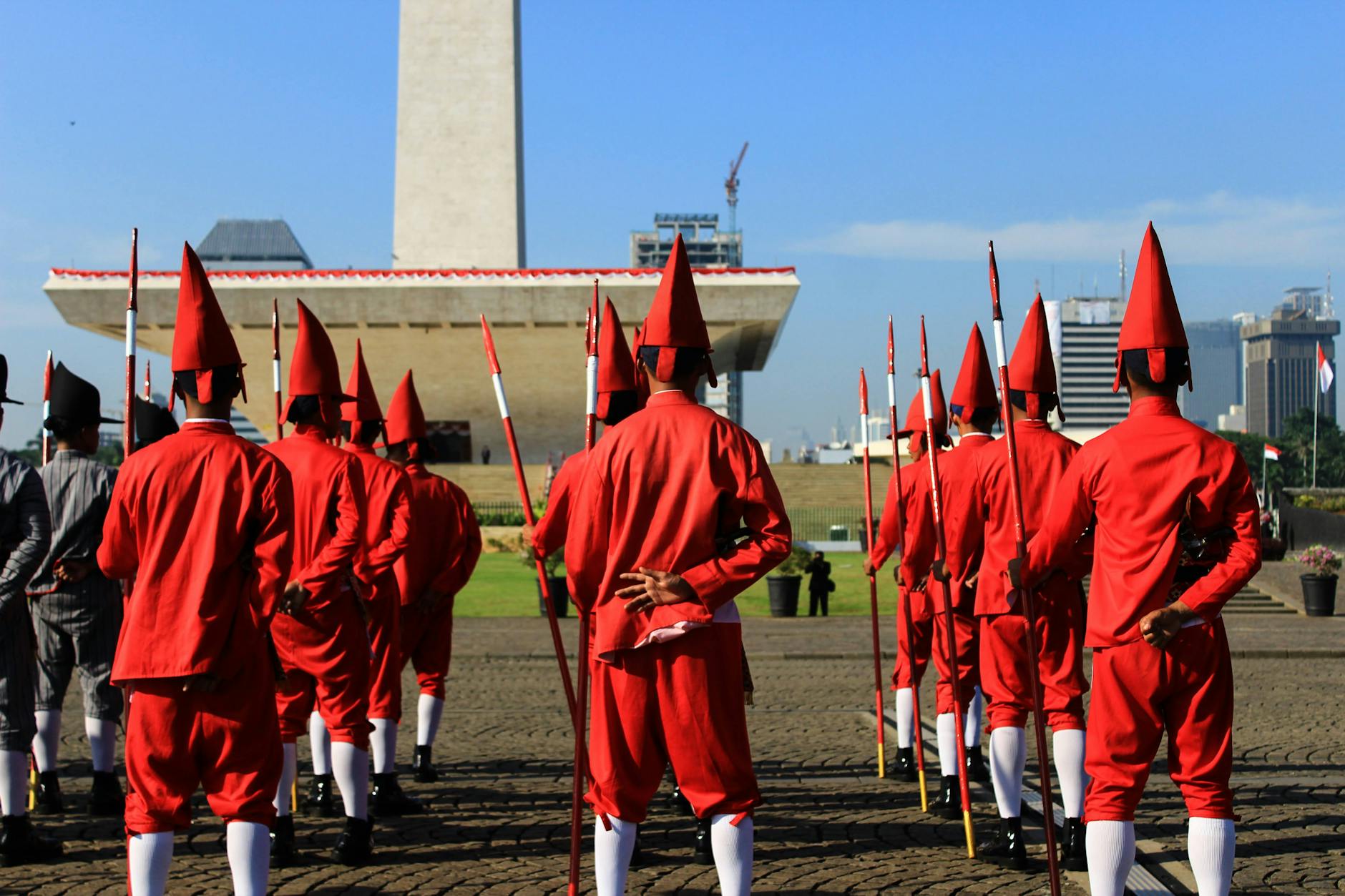
Ask anyone in Jakarta to name the one image that stands for the city and they’ll point to the National Monument, known to everyone simply as Monas. It rises 132 meters (433 feet) from the dead center of Merdeka Square. Sukarno, Indonesia’s first president, commissioned it in 1961; it was finished in 1975 as a permanent marker of the country’s fight for independence. The marble obelisk is topped with a flame wrapped in 50 kilograms of gold leaf, meant to stand for the nation’s enduring spirit.
What earns Monas its place isn’t only the height. At the base, an underground museum runs 51 dioramas walking you through Indonesian history from prehistory to the independence era and beyond. A second chamber keeps the original handwritten text of the Declaration of Independence in a gold-plated reliquary that opens, with some theatrical fanfare, every hour. The part most people remember, though, is the observation deck at the top of the obelisk. An elevator takes you up to views across all five administrative areas, with the Java Sea to the north and Mount Salak behind the city to the south on a clear morning.
The 80-hectare Merdeka Square around it is an attraction in its own right — morning joggers, evening picnickers, weekend musical-fountain shows that pull in thousands. The park is free; the museum and observation deck run about IDR 20,000 for adults. Here’s the tell that separates a smooth visit from a frustrating one: get there at the 8:00 AM opening. You beat the heat, and you beat the elevator queue, which on weekends can stretch to two hours. Monas is the most photographed of Jakarta’s headline landmarks, and it’s the natural anchor for a first morning in the city.
2. Kota Tua (Old Town Batavia) — The 17th-Century Core
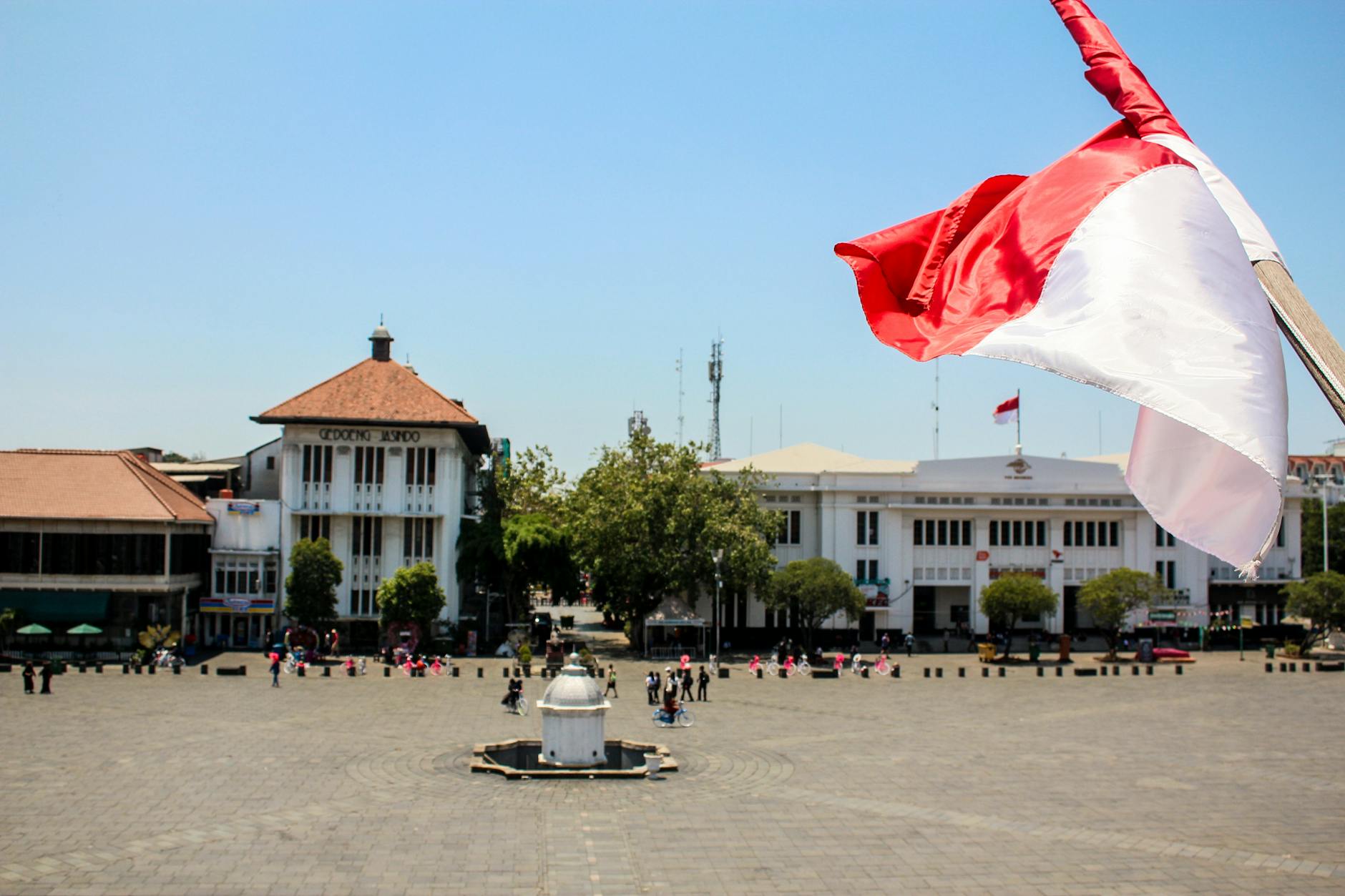
For more than 300 years the area now called Kota Tua served as the headquarters of the Dutch East India Company (VOC), which made it the commercial and political capital of one of history’s richest trading empires. This 1.3 square kilometer district in West Jakarta holds more colonial-era architecture than anywhere else in the country, and on its cobbled lanes you genuinely lose track of which century you’re in.
The center of it all is Fatahillah Square, a wide cobbled plaza framed by ochre Dutch buildings from the 1700s. Street performers, ondel-ondel puppet dancers, and rental bicycles in candy colors fill it from morning to night. Four museums ring the square — the Jakarta History Museum (the old city hall), the Wayang Museum, the Fine Arts and Ceramics Museum, and the Bank Indonesia Museum — and each is worth an hour. Just east of the plaza, Café Batavia serves proper meals inside a 200-year-old building that once hosted colonial governors. North of here the district runs all the way to the old Sunda Kelapa harbor.
Do Kota Tua on foot or on a rented bike (around IDR 30,000 per hour). I’d set aside a full half-day. The colonial architecture gets a closer read in our companion guide to 15 must-see landmarks in Jakarta, which goes building by building through the quarter.
3. Istiqlal Mosque — Southeast Asia’s Largest Mosque
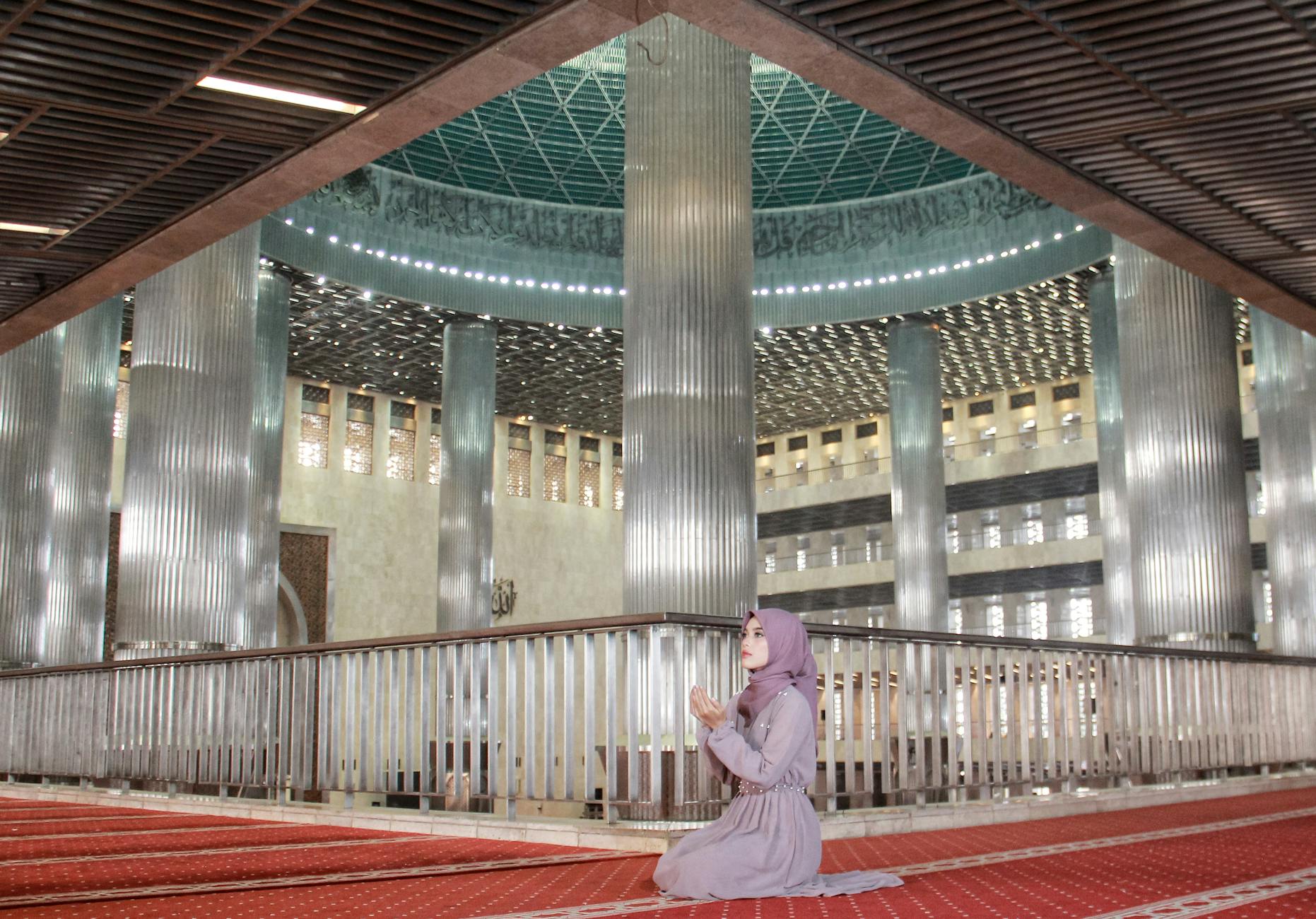
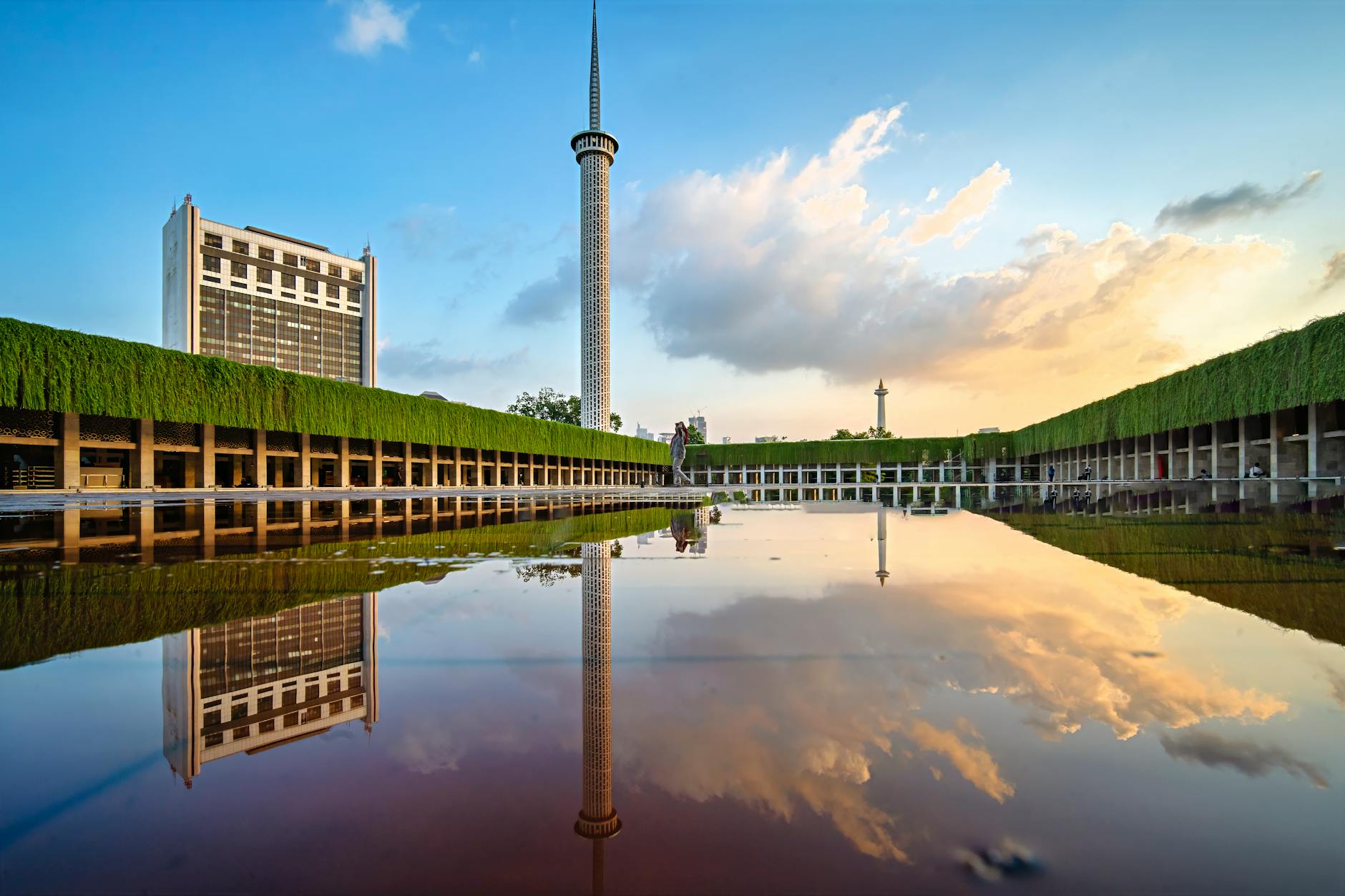
Finished in 1978 and built to hold 200,000 worshippers, the Istiqlal Mosque is the largest in Southeast Asia and a defining symbol of Indonesia’s Muslim majority, the largest in the world. It was designed by Frederich Silaban, a Christian Indonesian architect — a detail that says a lot about the country. The result is a high point of mid-20th-century modernism: a 45-meter stainless steel central dome carried by 12 columns that nod to the 12th of Rabi’ al-Awwal, the Prophet Muhammad’s birthday.
The seven-story prayer hall is genuinely something to stand in, but what makes Istiqlal worth a stop for any traveler is how openly it welcomes visitors of every faith. Free 30-minute guided tours run through the day in English, Mandarin, Arabic, and Bahasa Indonesia. Modest dress is required and robes are handed out free at the visitor reception, so don’t skip it on a wardrobe technicality. The 2020 renovation by Studio Andramatin laid new marble floors, opened an underground museum on Islamic civilization, and added the “Tunnel of Friendship” that runs directly under the road to the Catholic cathedral opposite. It’s one of the city’s great free experiences, well worth the detour even on a tight schedule.
4. Jakarta Cathedral — Neo-Gothic Counterpoint
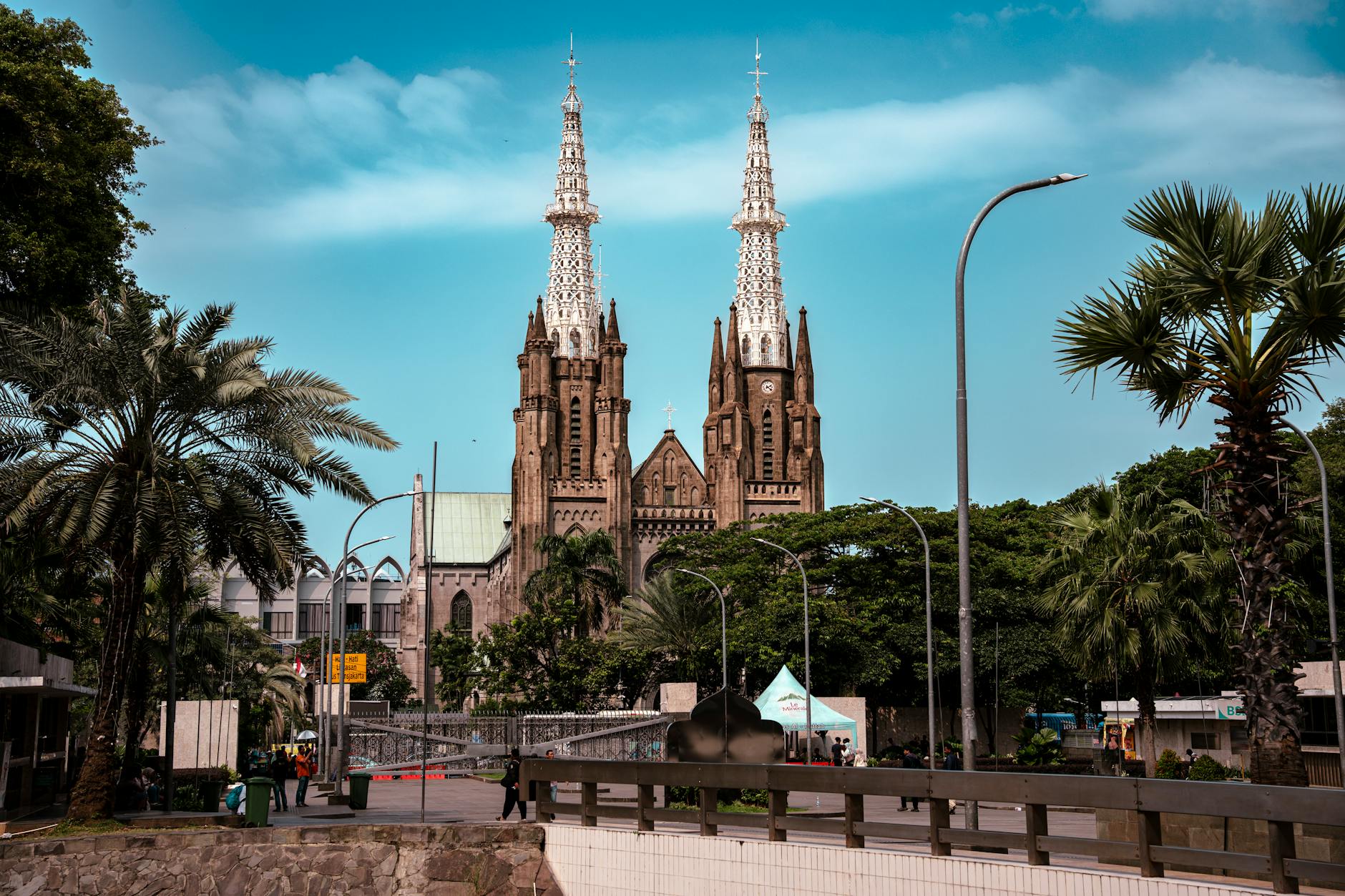
Straight across Jalan Lapangan Banteng from Istiqlal stands the Jakarta Cathedral — formally the Cathedral of Our Lady of the Assumption — a Dutch neo-gothic church consecrated in 1901, its three iron spires reaching 60 meters. Putting these two religious heavyweights face-to-face was no accident. It’s the country’s clearest architectural statement on Pancasila, the founding ideology that makes religious harmony a national principle. The two now share parking and security, and they coordinate so worshippers can use each other’s lots at Christmas and Eid al-Fitr.
Inside, the scale catches most people off guard: a tall nave lined with stained glass that mixes Catholic scenes with batik patterns and tropical motifs, plus Indonesian saints worked into the windows. A small upstairs museum traces 500 years of Catholicism in the archipelago. Entry is free; dress respectfully. Visit it back-to-back with Istiqlal — together they make the single most striking ten minutes of contrast in the city.
5. National Museum of Indonesia — A Civilization in 140,000 Artifacts
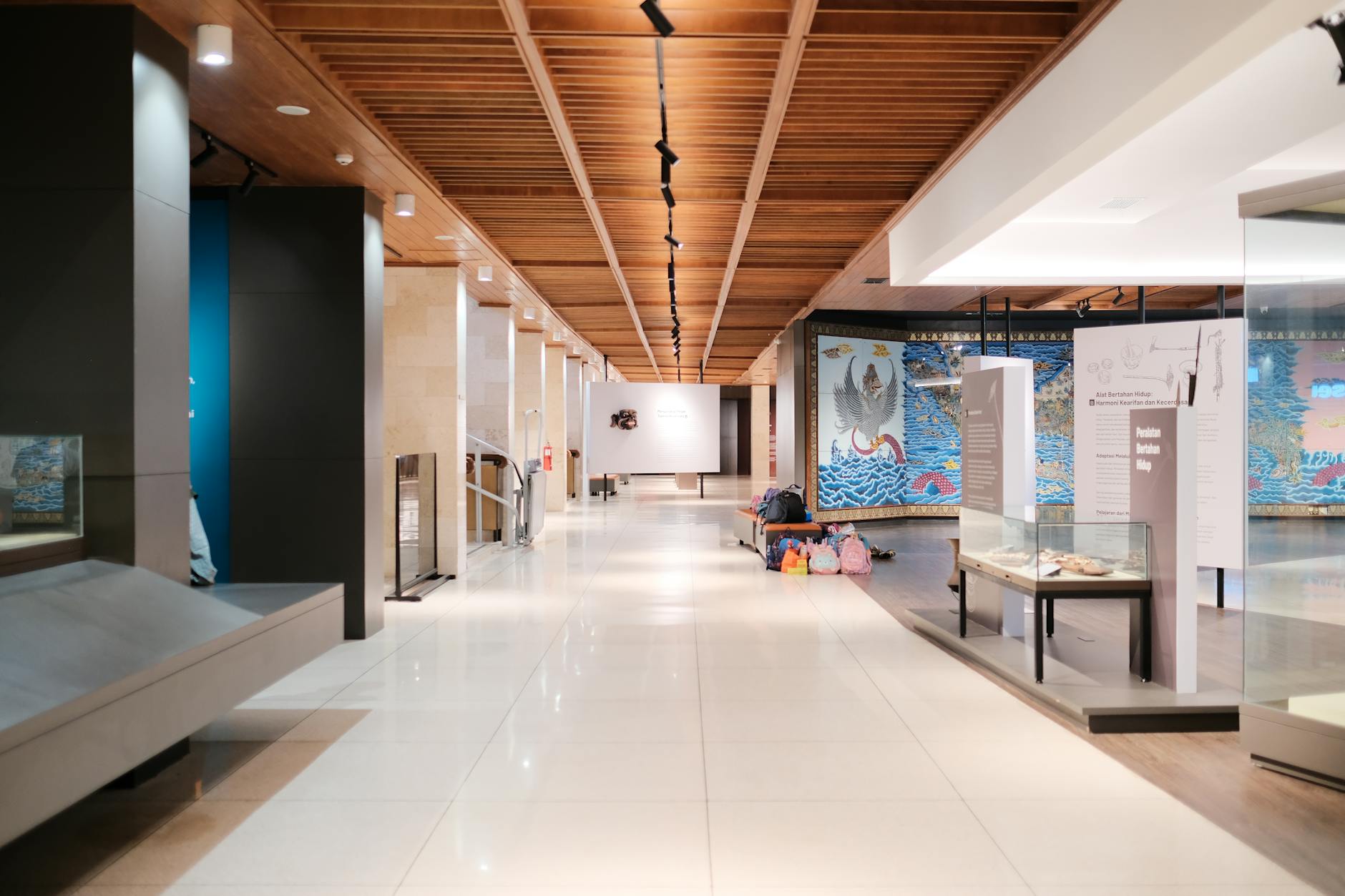
On the western edge of Merdeka Square, the National Museum of Indonesia — locals call it Museum Gajah, the “Elephant Museum,” after the bronze elephant the King of Siam gave it in 1871 — holds one of Asia’s most important archaeological and ethnographic collections. With more than 140,000 catalogued objects covering 1,500 years, it’s the single best place to get your bearings on the country before you see the rest of it.
Among the highlights: the largest collection of Hindu-Buddhist statuary outside the temples themselves, a full Dayak longhouse rebuilt indoors, and the Treasure Room packed with royal regalia from across the archipelago. A 2023 fire damaged some galleries, but most have reopened with better lighting and interpretation. Entry is IDR 15,000, and three hours goes quickly. If museums are your thing, it pairs well with the rest of the city’s big collections, which we cover in our guide to Jakarta’s culture, history, and museums.
6. Ancol Dreamland — Jakarta’s Waterfront Playground
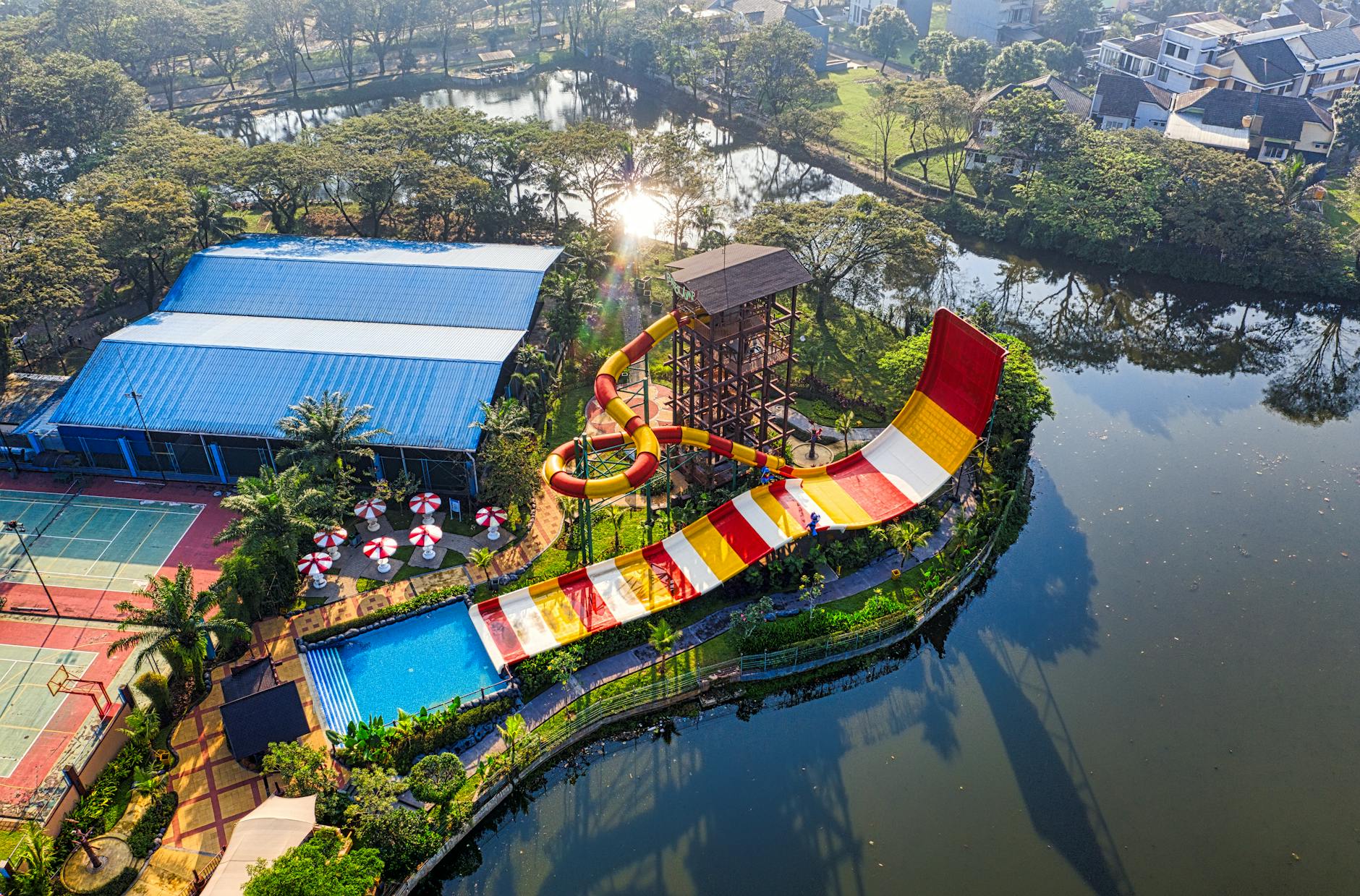
Running five kilometers along the northern coast, Ancol Dreamland is the city’s biggest entertainment district and a standing weekend ritual for local families. Its 552 hectares pack in Dunia Fantasi (Indonesia’s flagship theme park, eight themed zones), Atlantis Water Adventures (a tropical water park), SeaWorld Ancol and the newer Ocean Dream Samudra (dolphin and beluga shows), private beaches with calm Java Sea swimming, an art village called Pasar Seni, and the city’s only public marina. You don’t even need a ticket to enjoy it — an afternoon on the boardwalk with a seafood lunch and a sunset over the water is a fine plan on its own.
Ancol leans family-first, but adults get plenty too: the Putri Duyung resort, the open-air craft markets, and live music at Pantai Lagoon. Tickets come bundled or à la carte; budget IDR 100,000–400,000 per attraction. It’s a natural fit on a longer trip — see how it slots in on our three-day Jakarta itinerary if you’re traveling with kids in tow.
7. Taman Mini Indonesia Indah — Indonesia in Miniature
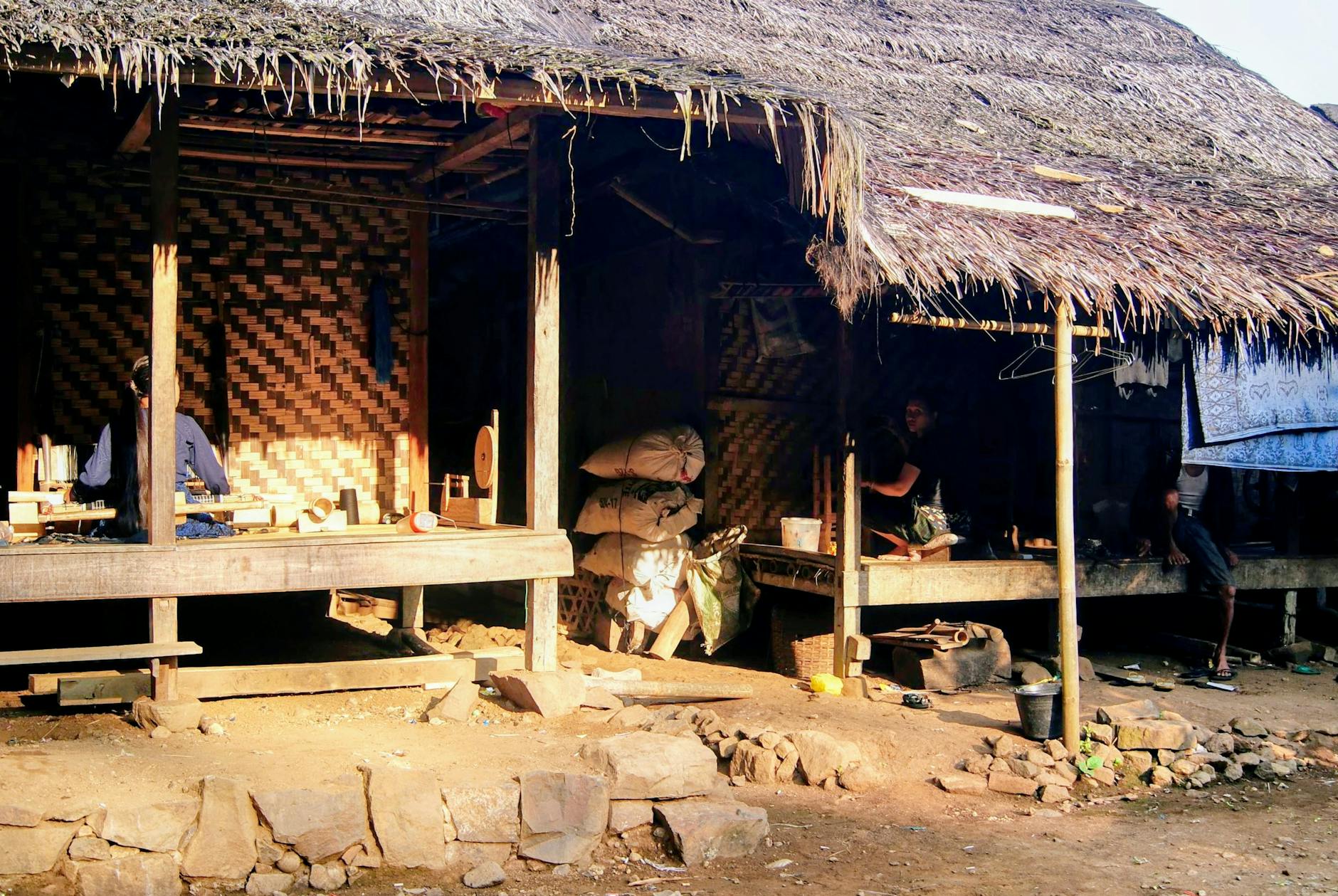
First Lady Tien Suharto dreamed up Taman Mini Indonesia Indah (“Beautiful Indonesia in Miniature Park”) in 1972 as a way for Indonesians to learn about their own enormous country without leaving the capital. The 250-hectare cultural park in East Jakarta holds full-scale replicas of traditional houses from all 38 provinces, each staffed with regional performers, craftspeople, and cooks. A central lake shaped like the Indonesian archipelago lets you ride a cable car over what is, literally, a map of the nation.
Beyond the provincial pavilions you’ll find 17 specialty museums (the standout Museum Indonesia, Purna Bhakti Pertiwi, and the Sport Museum among them), an aviary, an orchid garden, an IMAX theater, and houses of worship for all six of Indonesia’s recognized religions. A big 2023 overhaul brought new walkways, restored pavilions, and a stronger focus on living culture over glass-case displays. Give it a full day; entry is IDR 25,000 with small add-on fees for individual sites. If a park-sized cultural deep-dive sounds like your kind of day, it also turns up among our more unusual things to do in Jakarta.
8. Ragunan Zoo — A Green Refuge in the City
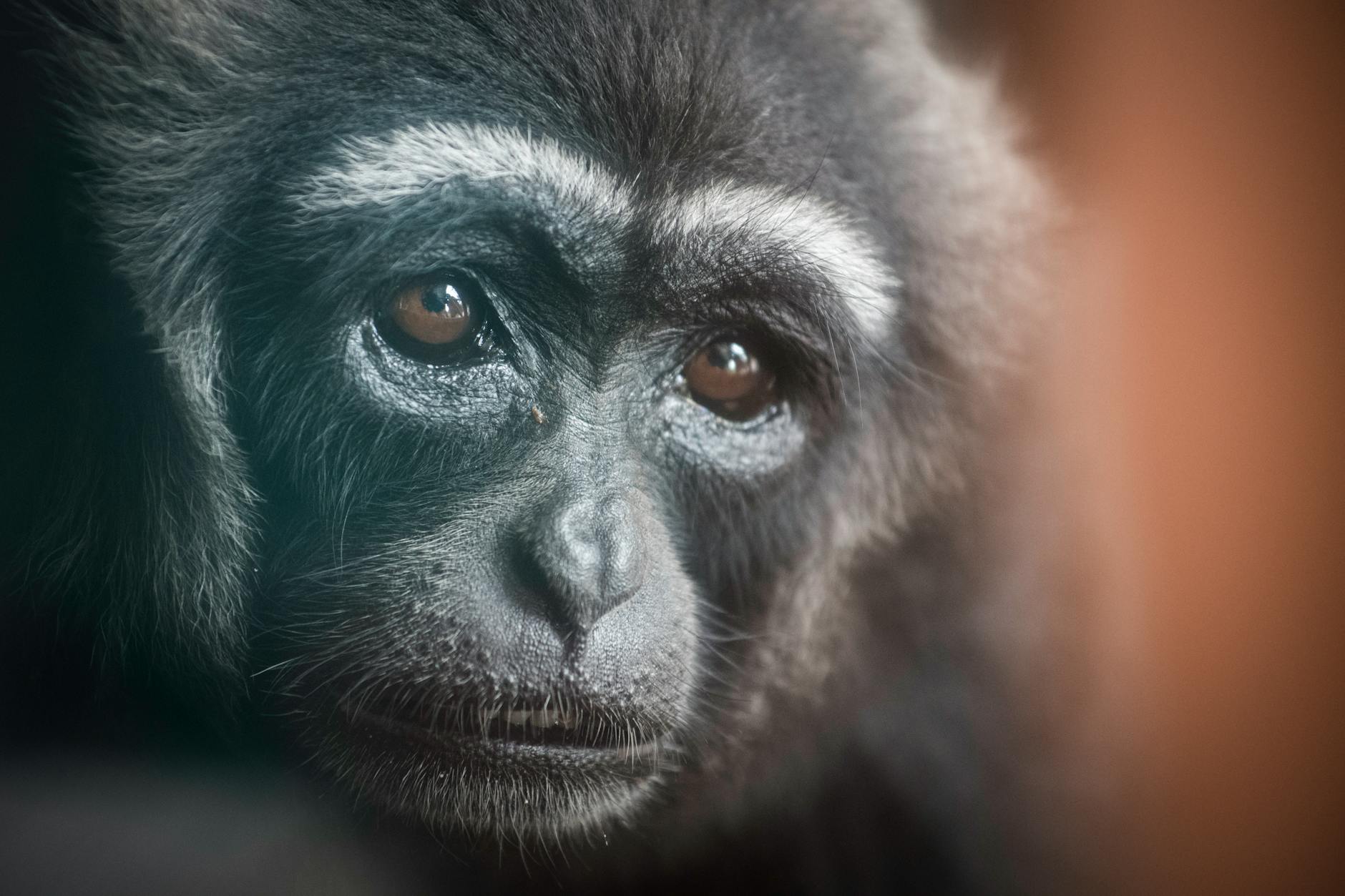
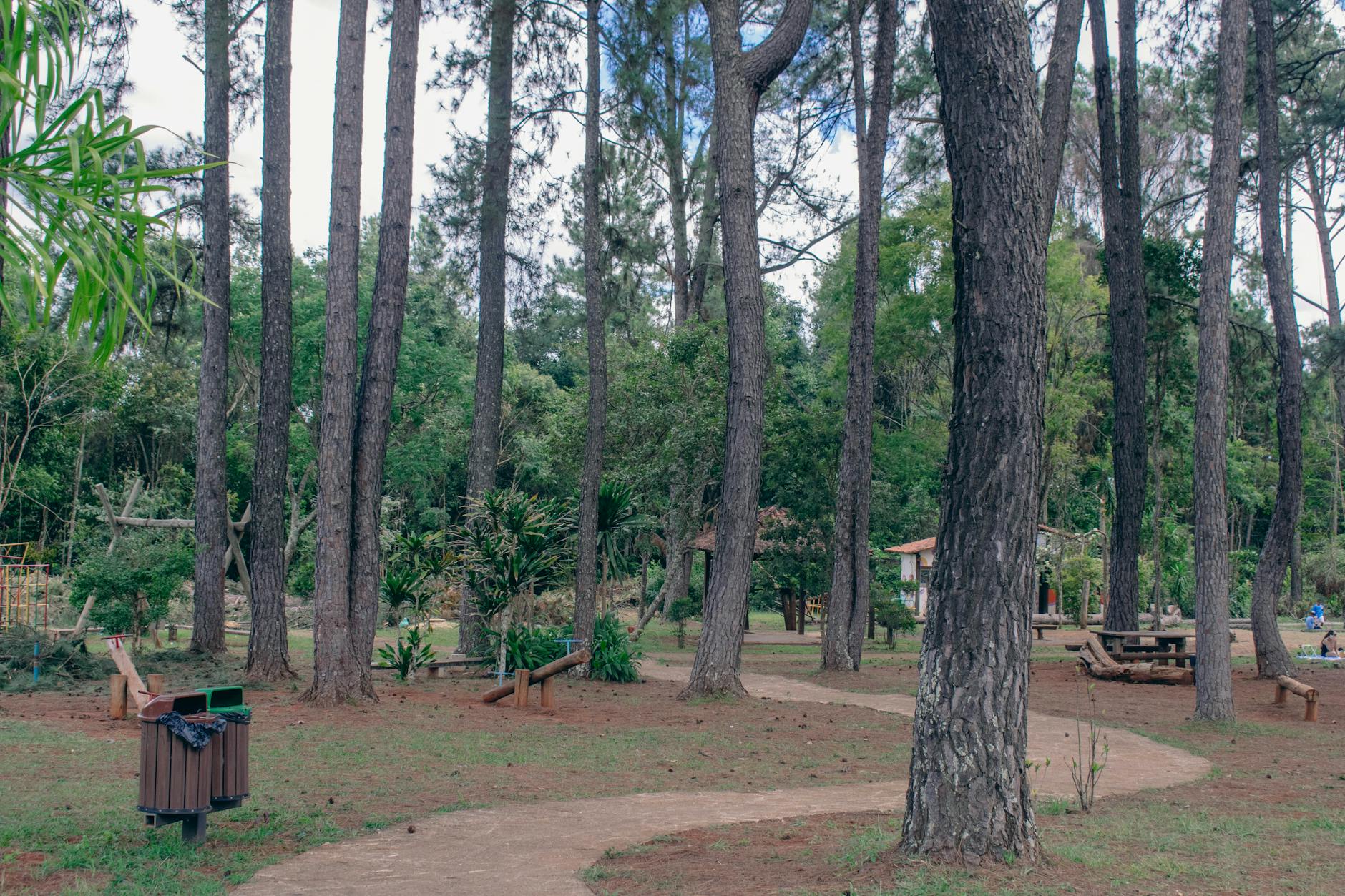
Opened in 1864 and one of the oldest zoos in Asia, Ragunan Zoo covers 140 hectares of South Jakarta forest — part sanctuary for more than 2,000 animals, part rare patch of shade for the city. The headliners are the orangutans and Sumatran tigers (both critically endangered Indonesian endemics), the Schmutzer Primate Center (a separately ticketed area that ranks among the best primate exhibits anywhere), Komodo dragons, and Indonesian birds you won’t easily find elsewhere. Wide shaded paths, picnic lawns, and pony rides make it an easy win with kids.
Adult entry is IDR 4,000 — yes, four thousand rupiah — which makes Ragunan one of the best-value attractions in Jakarta full stop. Pair it with a meal at one of the in-park warungs (small Indonesian eateries) and you’ve got a relaxed, very local half-day.
9. Fatahillah Square — The Photogenic Heart of Old Jakarta
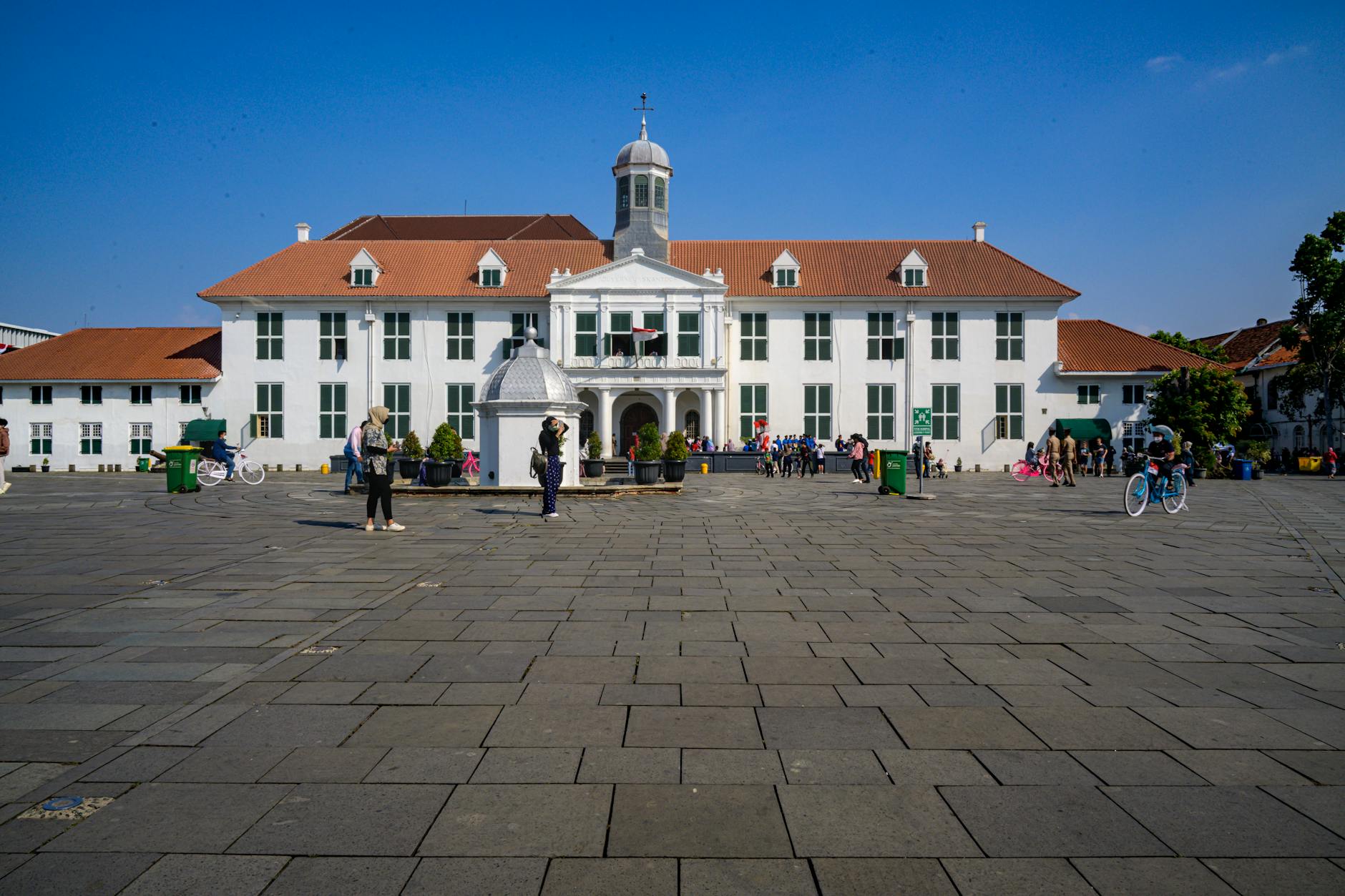
It sits inside Kota Tua, but Fatahillah Square earns its own line because it’s the most photographed public space in Jakarta, no contest. The plaza is a clean rectangle hemmed in by four colonial buildings, including the former City Hall (now the Jakarta History Museum). Look for the Cannon Si Jagur, a 17th-century Portuguese piece that locals believe brings fertility to anyone who touches it, and the restored merchant-house facades now filled with museums and restaurants. Performers in superhero costumes pose for photos, vendors sell sweet kerak telor (a Betawi crepe) and traditional iced drinks, and single-speed bikes in mint, pink, and yellow wait under bright umbrellas.
Come at golden hour for the photos, or on a weekend for the regular Betawi music and dance. Skip the midday slot if you can — the open plaza throws back a lot of heat with no shade.
10. Sunda Kelapa — Jakarta’s Historic Wooden-Boat Port
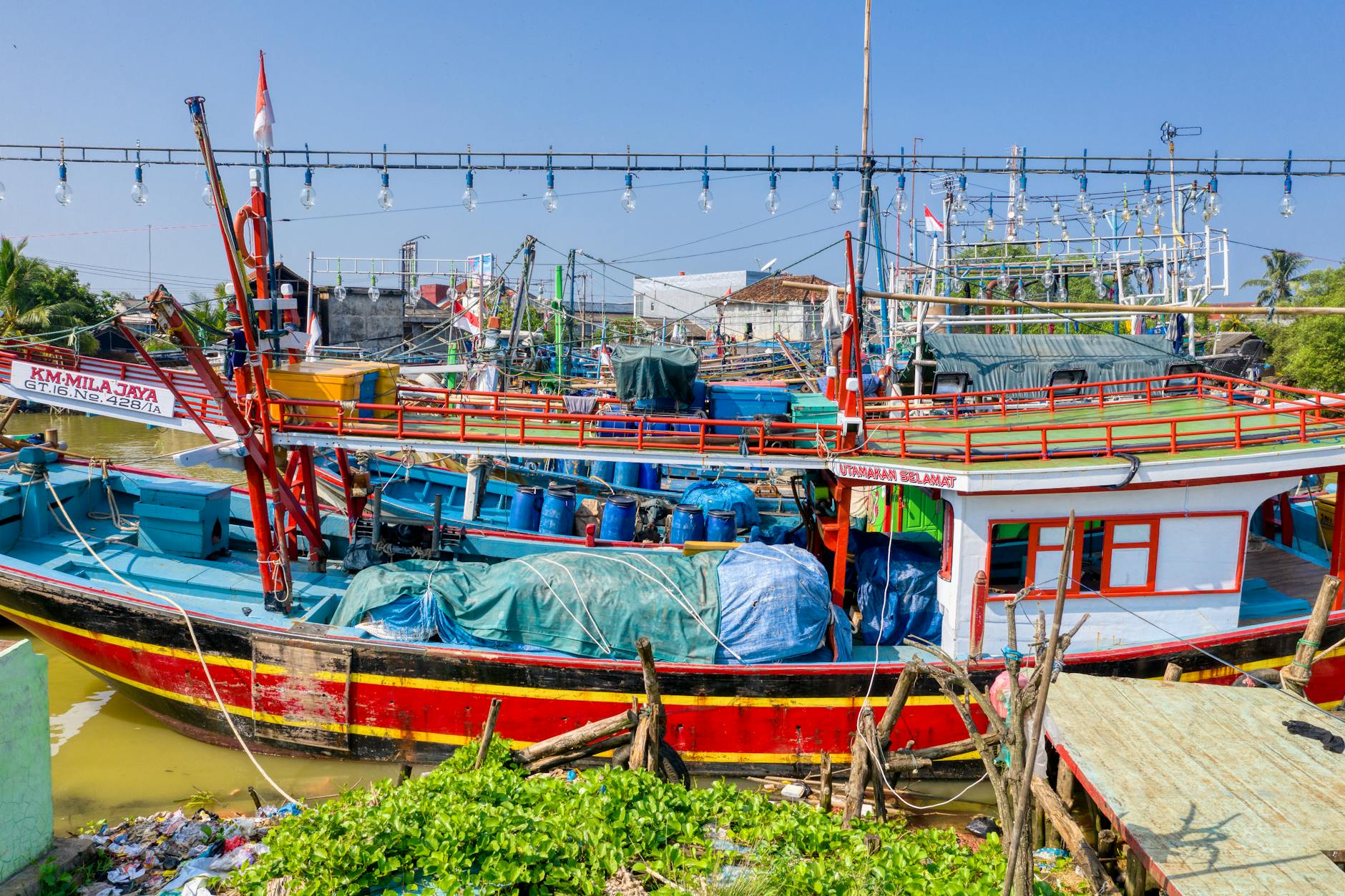
Long before there was a Jakarta, the port of Sunda Kelapa was the gateway to the spice-rich Sunda kingdom and one of the busiest harbors in maritime Southeast Asia. It’s now one of the very few places on earth where you can still watch fleets of wooden pinisi schooners — the two-masted Bugis ships built the same way for 600 years — loading and unloading cargo for real. Walking the long timber docks past stevedores hauling rice and lumber on bamboo gangplanks, you could be looking at a photo from a century ago.
Next to the port, the Maritime Museum occupies a 1652 VOC warehouse and lays out Indonesia’s seafaring past, while the lookout at Menara Syahbandar gives you a clean view over the harbor. Tack Sunda Kelapa onto a Kota Tua walk; small motorboats run a 30-minute harbor cruise for IDR 50,000 per person, which is the best way to see the schooners from the water.
11. Glodok and Petak Sembilan — Jakarta’s Chinatown
Jakarta is home to one of Southeast Asia’s oldest and largest Chinese communities, and its heart is Glodok — a tight grid of narrow lanes, ancestor-worship temples, herbalist shops, and what plenty of locals will tell you is the best street food in the city. The atmospheric core is Petak Sembilan (“Block Nine”), a market lane of century-old shophouses where vendors sell everything from kue keranjang (Chinese New Year cake) to live frogs and pungent durian. The 17th-century Jin De Yuan temple is the oldest Chinese temple in Jakarta and still a working place of worship; you’re welcome inside, but keep it quiet and respectful.
Don’t leave without stopping at the Pantjoran Tea House, where free hot tea has been set out for passersby for more than a century, or the morning Petak Enam hawker market and its legendary bowls of Bakmi Amoy and Nasi Tim Ayam. Glodok is one of those places that rewards aimless wandering — for more in that vein, our list of Jakarta’s hidden gems points you down a few more lanes most visitors miss.
12. Museum MACAN — Indonesia’s Premier Contemporary Art Space
Opened in 2017 inside West Jakarta’s AKR Tower, Museum MACAN (Museum of Modern and Contemporary Art in Nusantara) was the country’s first dedicated international contemporary art museum, and it became one of its most respected cultural institutions almost overnight. The 7,100-square-meter space splits its time between the founder’s permanent collection — Picasso, Pollock, Hockney, and major Indonesian masters — and a rotating slate of headline shows; recent ones have featured Yayoi Kusama, Olafur Eliasson, and Lee Mingwei. The children’s art space alone is worth the trip for families. Tickets are IDR 100,000 and sell out for the big exhibitions, so book online ahead. On a rainy afternoon it’s one of the city’s best indoor attractions in Jakarta to fall back on.
13. Setu Babakan — Living Betawi Cultural Village
The Betawi are Jakarta’s indigenous people, a creole community formed over centuries from intermarriage among Javanese, Sundanese, Malay, Arab, Chinese, and Indian residents of the colonial city. Their culture survives most vividly at Setu Babakan, a 32-hectare cultural village wrapped around a quiet lake in South Jakarta. Wooden Betawi houses with steep red-tiled roofs line the lanes; family-run warungs serve the real thing — kerak telor, soto Betawi, laksa Betawi; and on weekends the village stages free performances of palang pintu (a martial-arts-and-poetry wedding ritual), lenong theater, and tanjidor brass bands. Entry is free, which is partly why it ranks so high on our roundup of free things to do in Jakarta.
14. Thousand Islands (Kepulauan Seribu) — Tropical Escape
Most visitors are surprised to learn Jakarta comes with its own tropical archipelago. The Thousand Islands are a string of 110 small coral islands running 45 kilometers north into the Java Sea, reachable by speedboat from Marina Ancol in 60–90 minutes. The popular ones for day trips and overnights are Pulau Pari (white sand and snorkeling), Pulau Tidung (the famous “Bridge of Love”), Pulau Macan (a high-end eco-resort), and Pulau Bidadari (the closest in, with Dutch fort ruins). The reefs around the outer islands snorkel better than you’d expect this close to a megacity, and the turtle hatcheries on Pramuka Island work to protect green and hawksbill turtles. Day-trip packages from Ancol usually run IDR 350,000–600,000 per person with transport and lunch. It’s the most popular of the best day trips from Jakarta when you want salt air and a break from the traffic.
15. Grand Indonesia Mall — World-Class Shopping
Even if shopping isn’t your reason for coming, Grand Indonesia belongs on this list as a distinctly Jakartan attraction. Two giant towers joined by a glass skybridge hold a 250,000-square-meter complex that’s far more than a mall: a full international cinema multiplex, an indoor rainforest with a 45-meter waterfall, the Skywalk dining strip, dozens of luxury boutiques, and the much-loved FX Sudirman food court that pulls gourmets from across the city. It sits right at the Hotel Indonesia roundabout in Central Jakarta, which also makes it the easiest place to wait out the midday heat or a sudden downpour. If a proper retail day is on the agenda, it anchors our guide to the best malls in Jakarta.
16. Wayang Museum — Indonesia’s Iconic Puppet Theater
Set inside a handsome 17th-century Dutch building on Fatahillah Square, the Wayang Museum holds more than 5,000 puppets from across Indonesia and Southeast Asia, including the leather wayang kulit shadow figures UNESCO recognizes as a Masterpiece of Oral and Intangible Heritage of Humanity. Every Sunday morning, free wayang performances play out in the inner courtyard — a small, genuinely magical thing to catch if you’re curious about the country’s storytelling traditions. Entry is IDR 5,000.
17. Jakarta History Museum — A Walk Through Four Centuries
Housed in the former Stadhuis (City Hall) of Batavia, the Jakarta History Museum follows the city from the 14th-century Sundanese trading post of Sunda Kelapa through Portuguese contact, Dutch rule, Japanese occupation, and into the modern capital. The dungeons under the building — where rebels and political prisoners, most famously the freedom fighter Pangeran Diponegoro, were once held — are part of every guided tour. Between the restored period rooms, antique maps, and Portuguese cannons, it’s the best single spot in the city to get a grip on Jakarta’s tangled past.
18. Maritime Museum — Spices, Ships, and Ports
Inside three converted VOC warehouses from 1652, the Maritime Museum tells the story of Indonesia’s central place in the global spice trade and its long, complicated relationship with the sea. Model ships trace the line from the Bugis pinisi to the modern container vessel; old maps show European cartographers slowly making sense of the archipelago; and displays of nutmeg, cloves, and pepper recall the goods that pulled the world to these shores in the first place. Outside, the climbable Menara Syahbandar watchtower is a small but worthwhile bonus.
19. Pasar Tanah Abang — Southeast Asia’s Largest Textile Market
Bargain hunters, fashion designers, and the simply curious all find something at Pasar Tanah Abang, the biggest wholesale textile and garment market in Southeast Asia. Across four interconnected blocks holding thousands of stalls, it deals in everything from traditional batik and songket to Muslim fashion (mukena and abaya), bridal wear, and sportswear. The energy peaks in the run-up to Eid al-Fitr, and prices on hand-batiked Javanese fabric can run 70% below the tourist boutiques. If textiles pull you in, the dedicated Museum Tekstil in West Jakarta makes a good follow-up.
20. SKYE Bar and Jakarta’s Skyline at Night
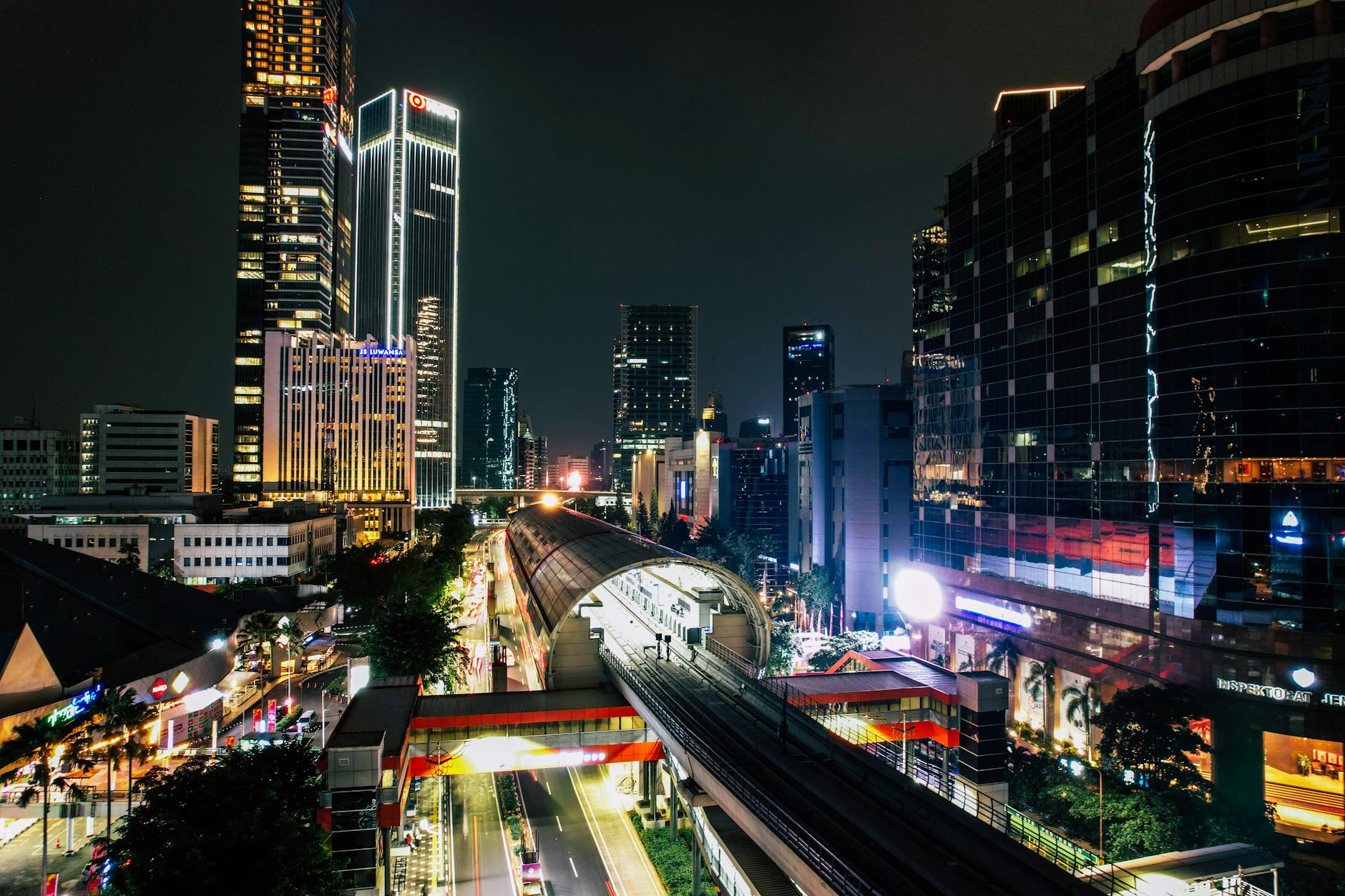
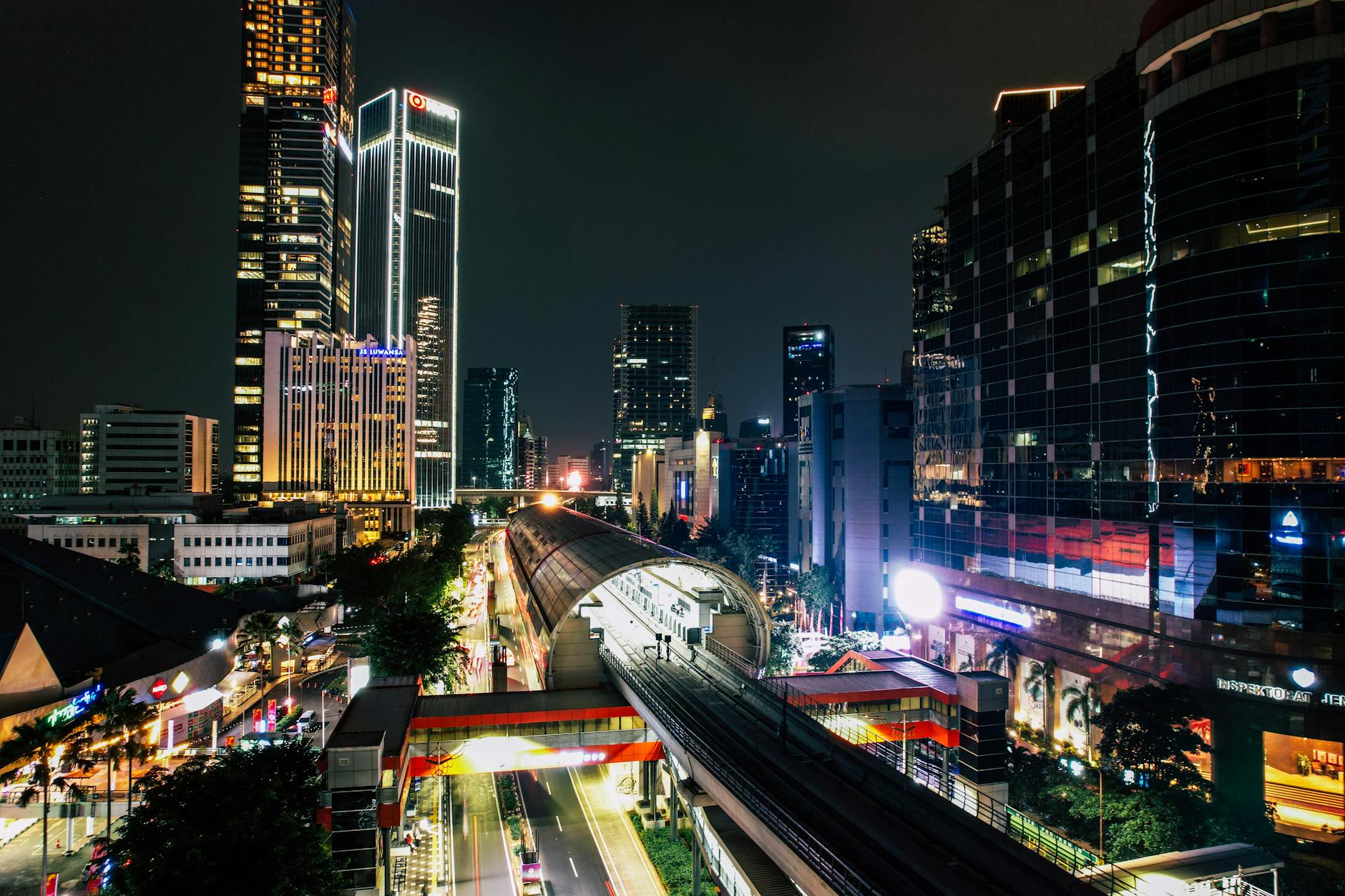
To close out the best attractions in Jakarta on the city’s modern note, ride up to the 56th floor of BCA Tower for sunset cocktails at SKYE Bar and Restaurant, long held to be Jakarta’s top rooftop. From up there the lights flick on across a panorama that runs from the Java Sea to the volcanoes of West Java. It’s a fitting full stop after a long day of sightseeing — and if you’d rather keep going, it’s only the opening act of things to do in Jakarta at night. Good rooftop alternatives include Lara Djonggrang, Henshin at The Westin, and CLOUD Lounge.
How to See the Best Attractions in Jakarta: Suggested Itineraries
If you’ve got one day, stay in Central and West Jakarta: start at Monas at opening, take the elevator to the deck, walk to the National Museum, then grab a ride to Kota Tua for the afternoon and evening, finishing with sunset at SKYE Bar. It’s a lot for a day, but it’s doable if you move early.
With two to three days, add Istiqlal and the cathedral on day one, give a half-day to Ancol or Taman Mini on day two, and spend day three on Setu Babakan, the Thousand Islands, or unhurried museum-hopping. We map the most efficient transit between these sites on the Jakarta tourist attractions map, and there’s a ready-made plan in our two-day Jakarta itinerary if you’d rather not build one from scratch. Got longer? The one-week Jakarta itinerary folds in day trips and the quieter corners of the city.
For families, I’d prioritize Ancol, Taman Mini, Ragunan Zoo, and the National Museum — and skip the more atmospheric but less kid-friendly stops like Petak Sembilan and Pasar Tanah Abang. There’s plenty more to fill the gaps in our roundup of fun activities for first-time tourists.
Practical Tips for Visiting Jakarta’s Top Attractions
Jakarta traffic is the real thing, not a cliché — average peak-hour speed across the city sits around 10 km/h. Lean on the MRT (now running north-south through Central Jakarta), the TransJakarta busway (the world’s longest BRT system), or ride-hailing apps like Gojek and Grab whenever you can. Most of the sites here are reachable by MRT or TransJakarta — Monas, Istiqlal, the National Museum, and Grand Indonesia in particular. If you want the system explained properly before you arrive, our guide to getting around Jakarta breaks down every option and roughly what it costs.
Carry small rupiah notes for entry tickets and street food, though nearly every hotel, restaurant, and modern attraction takes Visa and Mastercard. Most museums close on Mondays, so build your week around that. Dress modestly at religious sites; Istiqlal and the cathedral both lend robes.
The tropical climate means short, hard bursts of rain almost daily in the wet season (November–April). Pack a compact umbrella and, when you can, do the outdoor sights in the morning and save museums for the afternoon. Keep drinking water — bottled water is sold everywhere for IDR 5,000–10,000. For the bigger picture on what this city does well and where it fits in any Indonesia trip, our overview of things to do in Jakarta is the place to start.
Frequently Asked Questions About Jakarta’s Best Attractions
Which Jakarta attraction is the most popular?
The National Monument (Monas) attracts more visitors than any other single attraction in Jakarta — over 4 million people per year — combining national symbolism, museum content, and skyline views in one location.
How many days do I need to see Jakarta’s main attractions?
Most travelers find that three full days are enough to see Jakarta’s top 10 attractions comfortably. With five days, you can add the Thousand Islands and a deeper exploration of Taman Mini Indonesia Indah and Ancol.
Is Jakarta worth visiting compared to Bali or Yogyakarta?
Jakarta offers experiences not found elsewhere in Indonesia: the country’s largest museums and contemporary art scene, the most diverse food, and a window into modern Indonesian life. While Bali and Yogyakarta have stronger natural and ancient-cultural draws, Jakarta is essential for understanding 21st-century Indonesia.
Are Jakarta’s attractions safe for solo travelers?
Jakarta’s major tourist attractions are generally very safe, including for solo travelers. Standard precautions — keeping valuables secure on busy buses, using ride-hailing apps after dark, and avoiding political demonstrations — are usually sufficient.
What is the best time of year to visit Jakarta’s attractions?
The dry season (May to October) is ideal: cooler temperatures, less rain, and easier outdoor sightseeing. However, festivals like Jakarta’s anniversary in June and major Islamic holidays add additional cultural depth at any time of year.
Which attractions are free to enter?
Merdeka Square (around Monas), Istiqlal Mosque, Jakarta Cathedral, Setu Babakan cultural village, Fatahillah Square, and most public parks are free. See our complete free things to do in Jakarta guide for 25 zero-cost experiences.
From 17th-century Dutch ports to 21st-century towers, Jakarta pays off the travelers who give it time. These 20 best attractions in Jakarta are the backbone of any good first visit — each one a window onto a different era and a different side of one of Asia’s most layered capitals. From here, plan your route on the Jakarta tourist attractions map, read up on the city’s most iconic landmarks, or see what else fills a trip in our guide to unique things to do in Jakarta. Welcome to Jakarta.
Some of the best days out are not in Jakarta at all. The Thousand Islands put you on a boat within two hours of the city, Bogor is an hour away by commuter train, and the Puncak tea plantations are the closest you will get to cool air and open country.
External Resources for Planning Your Jakarta Trip
For additional perspectives on the best attractions in Jakarta and authoritative travel information, the official Wonderful Indonesia tourism portal from the Indonesian Ministry of Tourism offers up-to-date attraction listings, while the UNESCO Indonesia country page documents the country’s officially recognized cultural heritage — many of which are found in or accessible from Jakarta.