The traffic warnings you have read about Jakarta are not exaggerated. Indonesia’s capital sprawls across more than 660 square kilometers, and a three-kilometer hop that looks trivial on a map can swallow 40 minutes of your afternoon. So I want to lead with the part nobody tells first-time visitors: getting around Jakarta is far easier in 2026 than its reputation suggests. The city spent the last few years building real rail, and once you know which mode to reach for at which time of day, the gridlock becomes something you route around rather than sit in.
This guide walks through every option a visitor actually uses — the MRT, the TransJakarta busway, the KRL commuter trains, ride-hailing apps, metered taxis, motorbike ojek, airport transfers, and the odd bajaj three-wheeler — with current fares and the small tactical decisions that save you the most time. The short version: trains and a single tap-and-go card handle the spine of the city, apps fill in the gaps, and your worst enemy is scheduling anything important across a road at 5 p.m.
Jakarta MRT (Mass Rapid Transit)
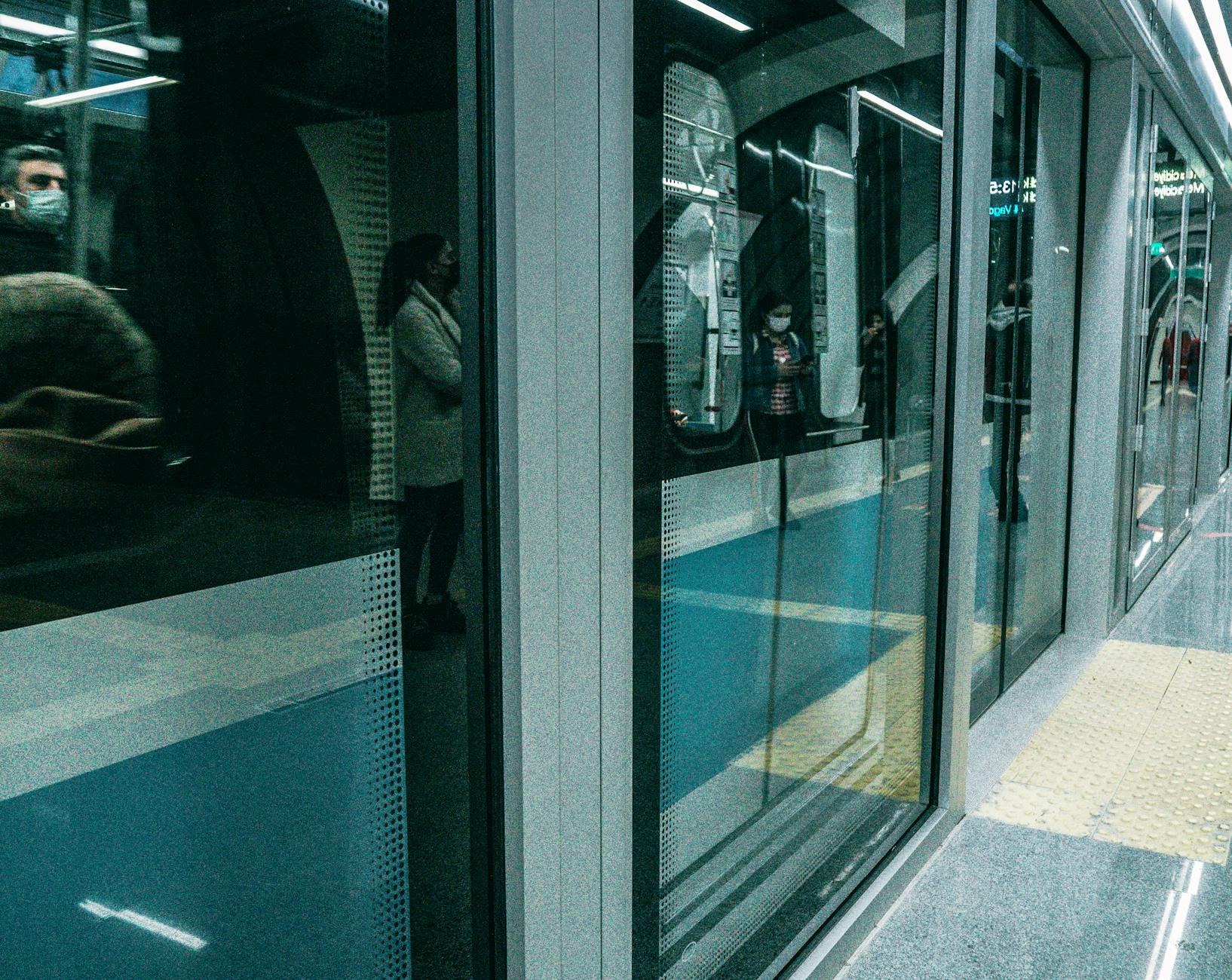
If you take one piece of advice from this page, make it this: when your route lines up with the MRT, take the MRT. Opened in 2019, the North-South Line runs underground and elevated from Lebak Bulus in the deep south up to Bundaran HI in the center, threading through Blok M, Senayan, the SCBD business district, and Sudirman along the way. It is the single most useful tool a tourist has for getting around the city, and it is the one mode that ignores traffic completely.
The trains are new, properly air-conditioned, and clean, arriving every five to ten minutes through the peak. End to end takes about half an hour — a journey that can stretch past two hours by car in the wrong window. That predictability is the real luxury here; you can actually promise to be somewhere at a specific time, which is not a given in this city. A full breakdown of the line, including a station map and platform tips, lives in our dedicated Jakarta MRT guide.
One thing worth knowing in 2026: the line currently terminates at Bundaran HI, but it is being extended north toward Kota Tua in phases, with new underground stations at Thamrin, Monas, Harmoni, Sawah Besar, Mangga Besar, Glodok, and Kota. Those are still under construction — the first segment is targeted to open in 2027 — so for now, getting from Bundaran HI to the Old Town means switching to a bus or a car for the last stretch.
MRT Fares and Payment
Fares are distance-based and trivially cheap: IDR 3,000 (about $0.19) to enter, then roughly IDR 1,000 more per station, capping at IDR 14,000 (about $0.90) for the full Lebak Bulus–Bundaran HI run. You can buy a single-journey token from the station vending machines, but the smoother move is a rechargeable electronic money card — Flazz (BCA), e-Money (Mandiri), TapCash (BNI), or Brizzi (BRI). The same card works on TransJakarta and the KRL, so one piece of plastic covers nearly all your rail travel. If you would rather lean on the integrated transit card that the city itself pushes, our Jak Lingko card guide explains how that fits alongside the bank cards.
Key MRT Stations for Tourists
Bundaran HI — The northern terminus and the most useful stop in the commercial core, steps from Grand Indonesia mall, Plaza Indonesia, and the Hotel Indonesia roundabout itself. If you are mall-bound or staying central, this is your station; our roundup of the best malls in Jakarta starts more or less on its doorstep.
Dukuh Atas/BNI City — The interchange that ties everything together: the MRT, the Airport Rail Link, the KRL commuter line, and TransJakarta all meet here. Treat it as the city’s pivot point.
Blok M — The gateway to South Jakarta’s Blok M food-and-nightlife district and a major TransJakarta interchange.
Senayan — Next to the Gelora Bung Karno sports complex, Senayan City, and Plaza Senayan, so it is the natural drop-off on event nights and a useful one if you are tracking the city’s events and festivals.
Istora — Close to the Sudirman CBD and a cluster of major hotels, handy for anyone in town for work; we cover that crowd’s needs in more depth in our Jakarta business travel guide.
TransJakarta Bus Rapid Transit
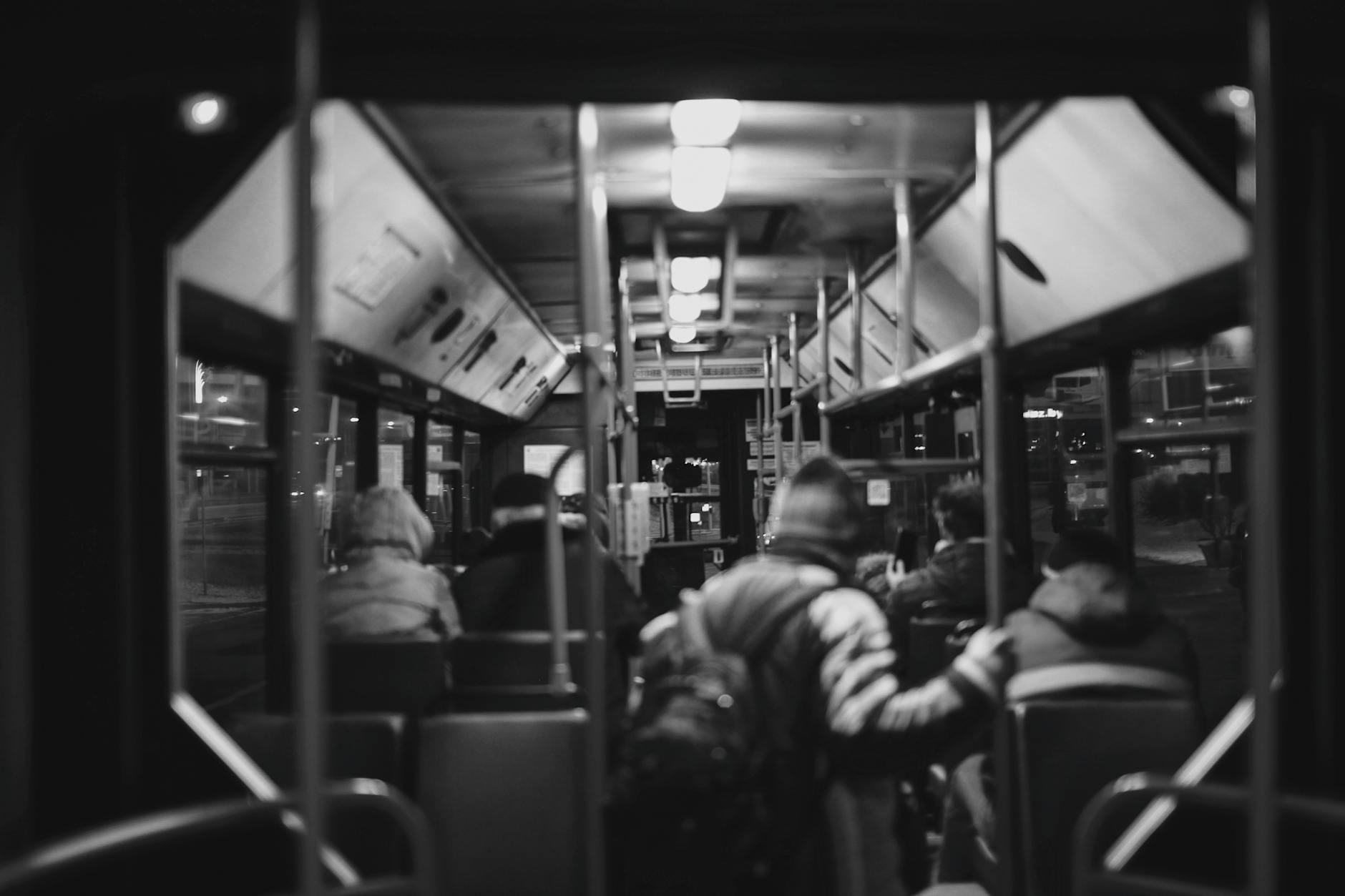
TransJakarta is the world’s longest bus rapid transit network and, by reach, the real backbone of public transport here. Its dedicated lanes, raised platform stations, and corridors cover roughly 92.5% of the city’s area, moving around 1.4 million passengers a day and reaching neighborhoods the MRT does not yet touch. Where the MRT is the express spine, TransJakarta is the capillaries.
How TransJakarta Works
The fare is a flat IDR 3,500 (about $0.22) per ride no matter how far you go, which makes it the cheapest wheeled transport in the city. It is entirely cashless — you tap an e-money card at the turnstile to get in, using the same card the MRT takes. Buses generally run 5:00 a.m. to 10:00 p.m., with a handful of corridors offering extended or 24-hour service. Because the core lanes are physically separated from car traffic, a TransJakarta bus can sail past a queue of stationary cars, which on the right corridor is genuinely satisfying.
The catch is that coverage is uneven. Some corridors are fully segregated and fast; others dip into mixed traffic and bog down at rush hour. Corridor 1 along Sudirman/Thamrin and Corridor 2 to Pulogadung are among the most reliable. The full set of routes, the busway etiquette, and how to read the corridor map are laid out in our TransJakarta bus guide.
Useful TransJakarta Routes for Tourists
Corridor 1 (Blok M – Kota) — The original line and still the most useful for visitors, running the main north-south axis through Sudirman and Thamrin all the way to Kota Tua. This one route strings together a remarkable share of the city’s top attractions, which is why it is the corridor I point newcomers to first.
Corridor 5 (Ancol – Kampung Melayu) — Handy for reaching Ancol Dreamland and the Thousand Islands ferry terminal from the eastern side of the city.
Corridor 9 (Pinang Ranti – Pluit) — Links East Jakarta with the northern coast and passes several stops useful for getting around the city’s eastern neighborhoods.
KRL Commuter Line (Commuterline Jabodetabek)
The KRL (Kereta Rel Listrik) is the regional workhorse, stitching central Jakarta to the satellite cities — Bogor, Depok, Tangerang, Bekasi, Cikarang. Locals ride it to commute, but it is just as valuable for visitors, both for crossing the city and for cheap day trips out of it.
KRL Routes and Fares
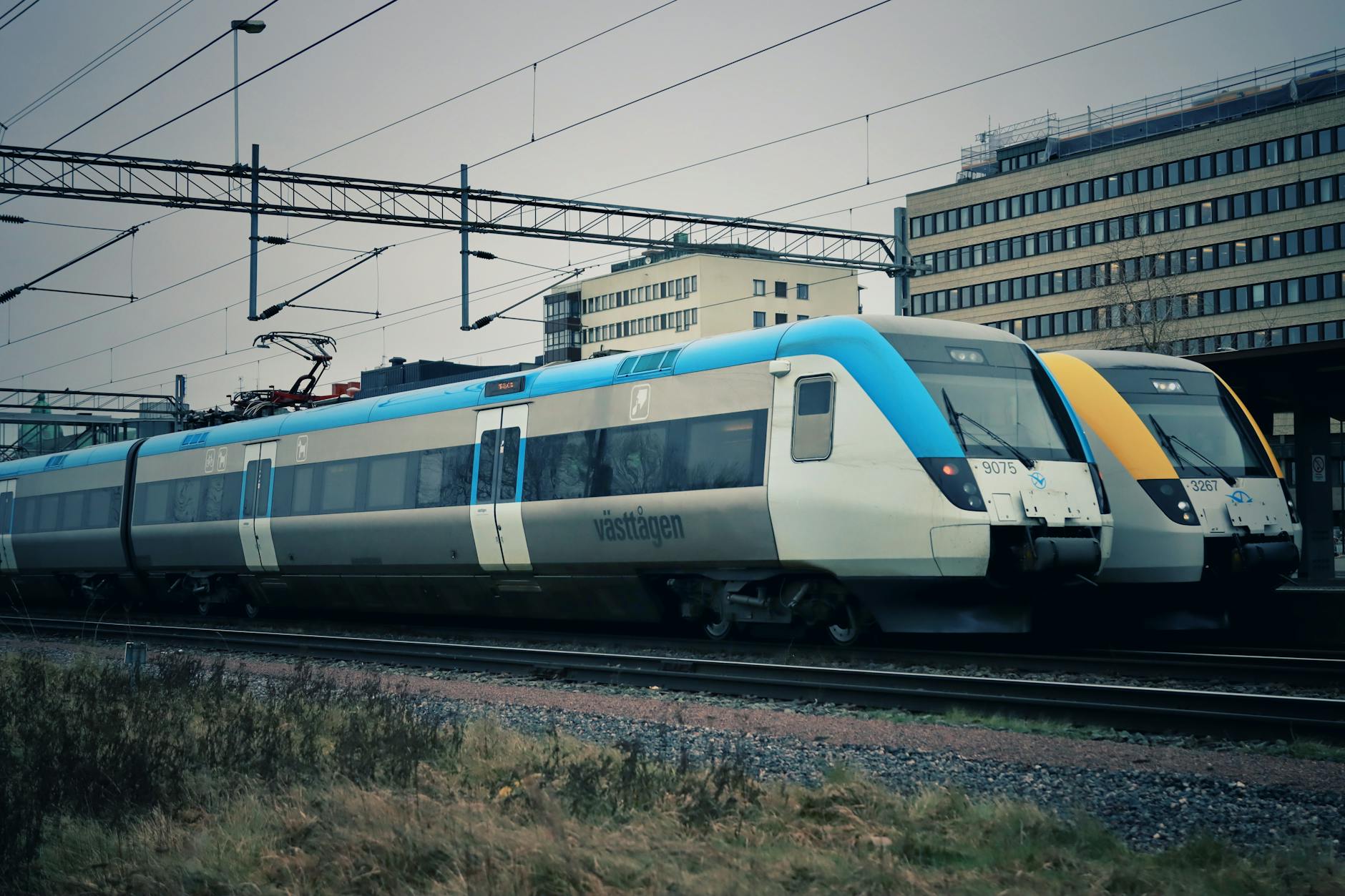
The KRL runs five lines across 82 stations in greater Jakarta. The base fare is IDR 5,000 for the first 25 kilometers, then IDR 1,000 for each additional 10 kilometers, paid — as everywhere — with an e-money card. The station you will use most is Manggarai, the main transfer hub between lines, while Jakarta Kota is the terminus for the Old Town. Trains run from roughly 4:00 a.m. to midnight, every 5 to 15 minutes at peak. A word of warning that the route map will not give you: trains pack out solid during commuter hours, so if you are carrying luggage or traveling with kids, aim for the middle of the day. The full station-by-station rundown is in our Jakarta KRL commuter line guide.
Day Trips by KRL
The commuter line turns several out-of-town trips into an afternoon’s outing. Bogor, with its famous botanical gardens, sits about an hour south on the Bogor Line from Jakarta Kota or Manggarai. Depok and its universities are roughly 40 minutes out; Tangerang — your route to BSD City and AEON Mall — is about 45 minutes west. For more ideas in this vein, our guide to the best day trips from Jakarta maps out where the rails (and a few short rides) can take you.
Ride-Hailing Apps: Grab and Gojek
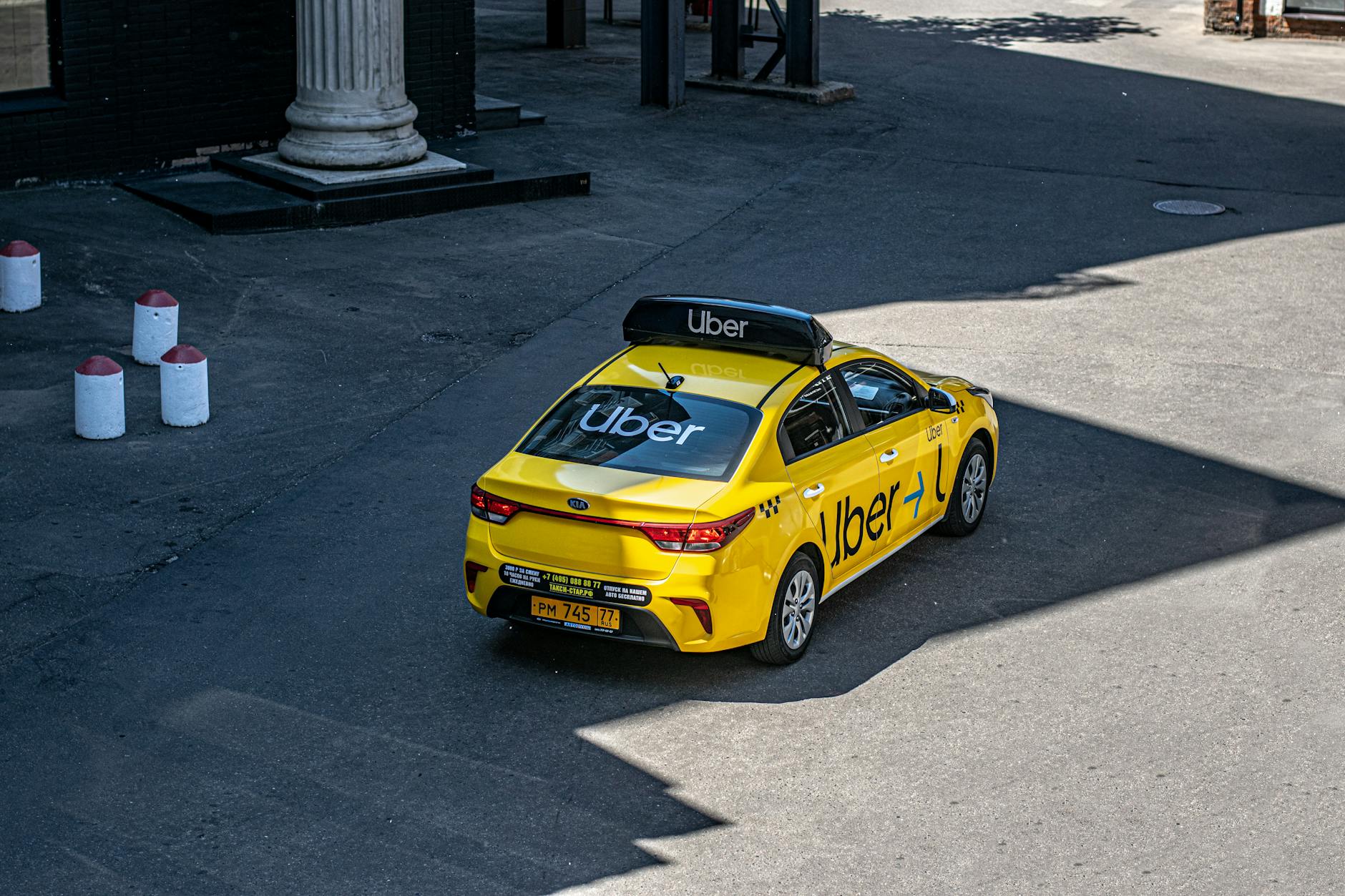
Grab and Gojek are the two ride-hailing giants here, and between them they are the most flexible way to move around the city door to door. Both offer cars (GrabCar/GoCar), motorbike taxis (GrabBike/GoRide), and food delivery on the side. For a visitor, the appeal is obvious: a price you see before you commit, a map you can watch, cashless payment, and no haggling over a meter. If you only want the bottom-line verdict on which app to install, our head-to-head on Grab vs Gojek in Jakarta settles it — though the honest answer is that you will end up with both.
Pricing and Payment
Fares are among the lowest of any big city on earth. A typical 5-to-10-kilometer car ride runs IDR 25,000 to IDR 50,000 ($1.60 to $3.20) off-peak; a motorbike is roughly half that. Prices surge in the rush and when it rains hard, which in the wet season can be most afternoons, so do not be surprised when the same trip costs double at 6 p.m. Both apps take cash, cards, and their own wallets (GrabPay/GoPay), and topping up a local wallet is worth doing early — plenty of drivers would rather not deal with change. If you are watching every rupiah, the wider picture of what rides add up to is broken down in our Jakarta transportation costs guide.
Tips for Using Ride-Hailing Apps
Install both apps before you land and register with an international number. Check the price on each before booking, because the cheaper one swaps back and forth. When your destination is a landmark or a mall, type the landmark name rather than a street address — the pin lands more accurately. At airports and big malls, follow the signs to the official ride-hailing pickup bays instead of trying to meet a driver curbside in the chaos. And when traffic or rain has everything snarled, a motorbike will get you there when a car simply cannot; it is the lever I pull when I am genuinely late.
Traditional Taxis
Metered taxis are still a solid choice, especially if you would rather not fuss with an app. Blue Bird is the name to trust — their blue cars are metered, air-conditioned, and driven by trained, professional drivers. Insist on the meter, or book through the My Blue Bird app, which behaves much like a ride-hailing service. The flag-down is IDR 7,500, then IDR 4,500 per kilometer. Steer clear of unmarked cabs around tourist sites and the airport; if a driver won’t run the meter or quotes a flat price for a routine trip, just get out and wave down another. New arrivals who don’t yet have a feel for fair fares are exactly who the bad actors look for, so our full Jakarta taxi guide walks through the common scams and how to sidestep them.
Ojek (Motorcycle Taxis)
The ojek — a motorbike taxi — is the fastest way through heavy traffic, full stop. The old model was a guy on a corner calling out to passing pedestrians, and you will still see those, but app-based bikes through Grab and Gojek have mostly taken over, bringing fixed prices, insurance, and a digital receipt. A helmet is always provided and is mandatory.
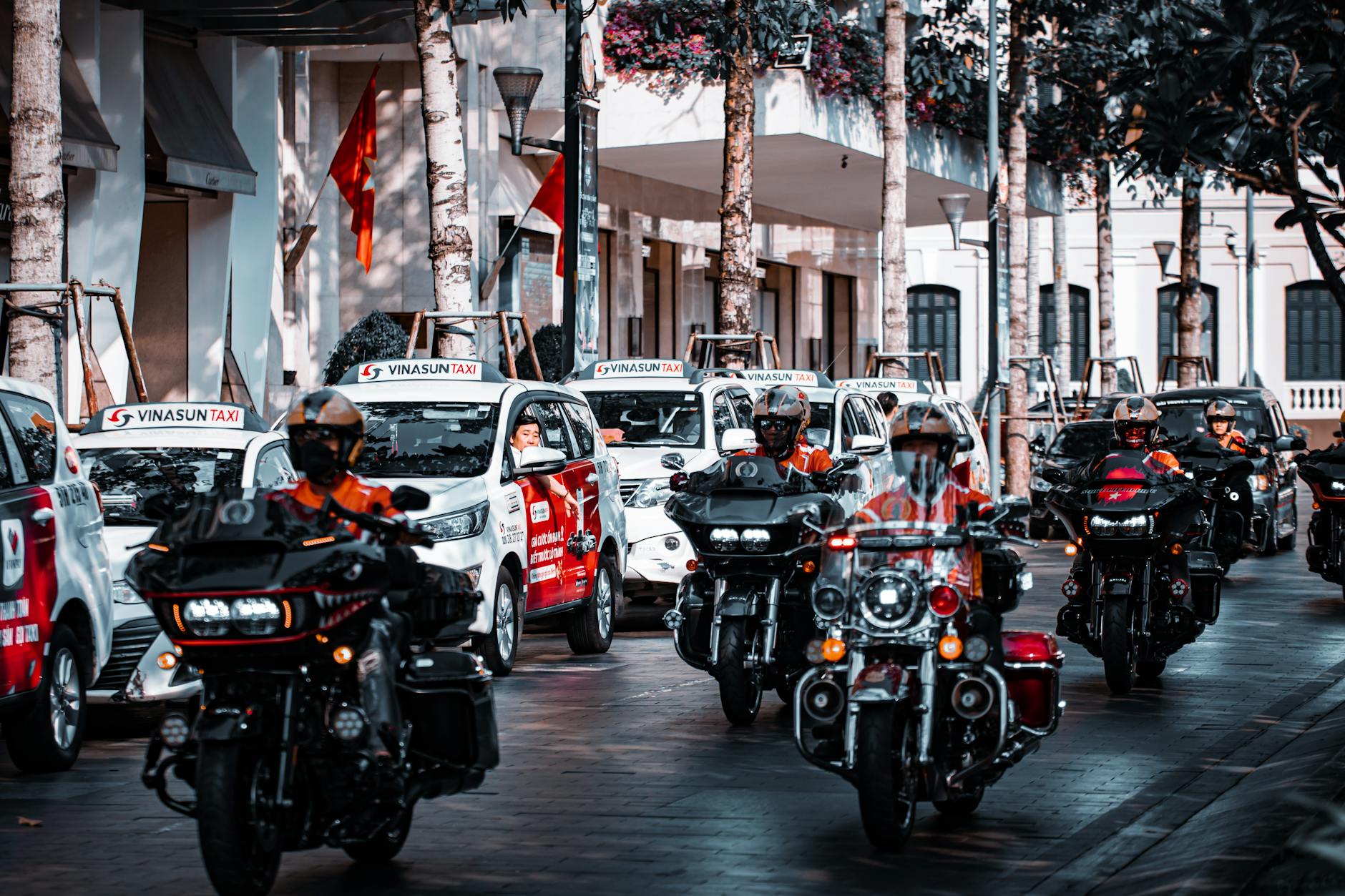
Riding one is a small adventure in its own right — leaning into the gaps between stalled cars while the city blurs past on both sides. If you are comfortable on two wheels, an ojek can cut your travel time in half or better during peak hours, which makes it the smart pick for short and medium hops in congested areas. Weave it together with a train and you have effectively beaten the traffic.
Airport Transfers: Soekarno-Hatta to Jakarta City Center
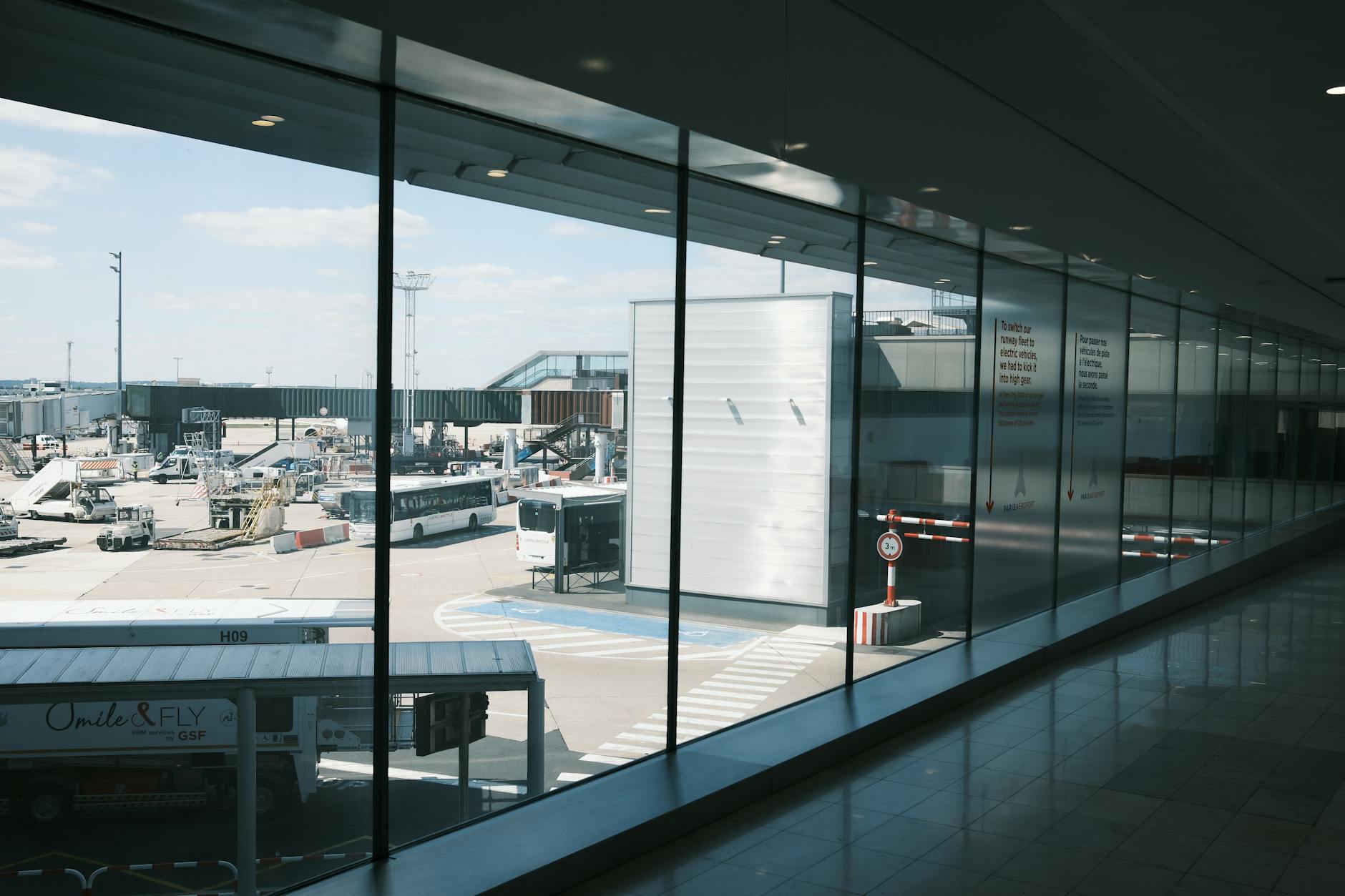
Soekarno-Hatta International Airport (CGK) sits about 20 kilometers northwest of the center, and the run into town can take anywhere from 45 minutes to well over two hours depending on traffic. That spread is exactly why your choice of transfer matters so much the moment you land. The options below are summarized here and covered end to end, with current schedules, in our airport to Jakarta city transfer guide.
Airport Rail Link
The Soekarno-Hatta Airport Rail Link is the fastest, most predictable way in. Trains leave the airport station — reached from every terminal by the free Skytrain — and run to BNI City/Sudirman Baru in the heart of the SCBD. The trip is 45 to 55 minutes whatever the roads are doing. Tickets are IDR 70,000 to IDR 100,000 (about $4.50 to $6.50), bought at the station or through the KAI Access app. From BNI City you step straight onto the MRT, TransJakarta, or a ride-hailing car for the last leg. When I land with a tight evening ahead, this is the only transfer I trust to keep a schedule.
Other Airport Transfer Options
Metered Taxi — Found at the official taxi stands outside each terminal. The fare to Central Jakarta runs roughly IDR 150,000 to IDR 250,000 ($10 to $16) depending on traffic, and Blue Bird is the cab to look for.
Ride-Hailing (Grab/Gojek) — Both have designated pickup zones at the airport, with prices close to a metered taxi and sometimes lower off-peak. Book before you leave the terminal and follow the signs to the pickup point.
DAMRI Airport Bus — The budget pick. DAMRI buses run from every terminal to several city points including Gambir Station, Thamrin City, and Blok M, from IDR 40,000 ($2.60), departing every 30 to 60 minutes. It is slow in traffic but unbeatable on price, which makes it a natural fit for anyone doing Jakarta on a shoestring; we have a whole budget travel in Jakarta guide for that mindset.
Understanding Jakarta’s Traffic
No honest transport guide can skip the traffic. Jakarta lands near the top of every global congestion ranking, and a bad jam can bolt hours onto a road trip. The rush runs roughly 7:00 to 9:30 a.m. and 4:00 to 8:00 p.m. on weekdays, and heavy rain — common from October to March — can grind the whole place to a crawl. None of this has to wreck your day, but it does have to shape your plan.
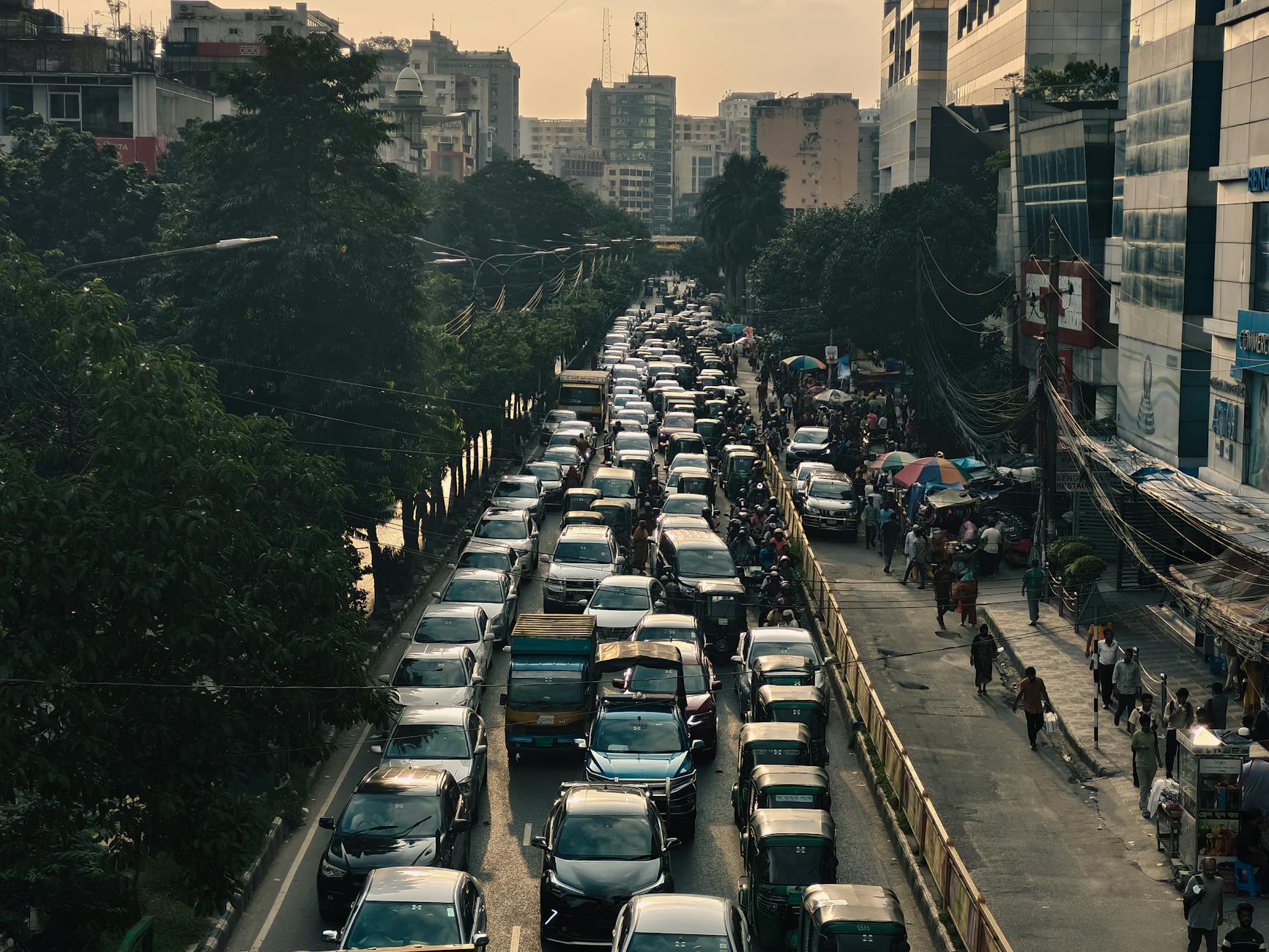
The trick is to schedule against the jam rather than into it. Save your far-flung sightseeing for the quiet window — 10 a.m. to 3 p.m. on weekdays, or Sunday morning, when the roads are at their emptiest. Put any peak-hour journey on the MRT or TransJakarta if their routes line up. Hold ride-hailing and taxis for evenings after 8 p.m. or early mornings. Google Maps and Waze both read Jakarta’s traffic accurately in real time and are non-negotiable for anything on the road. There is a fair amount more to this — odd-even plate rules, which districts clog worst — and we go deep on it in our guide to avoiding Jakarta traffic.
Walking and Cycling in Jakarta
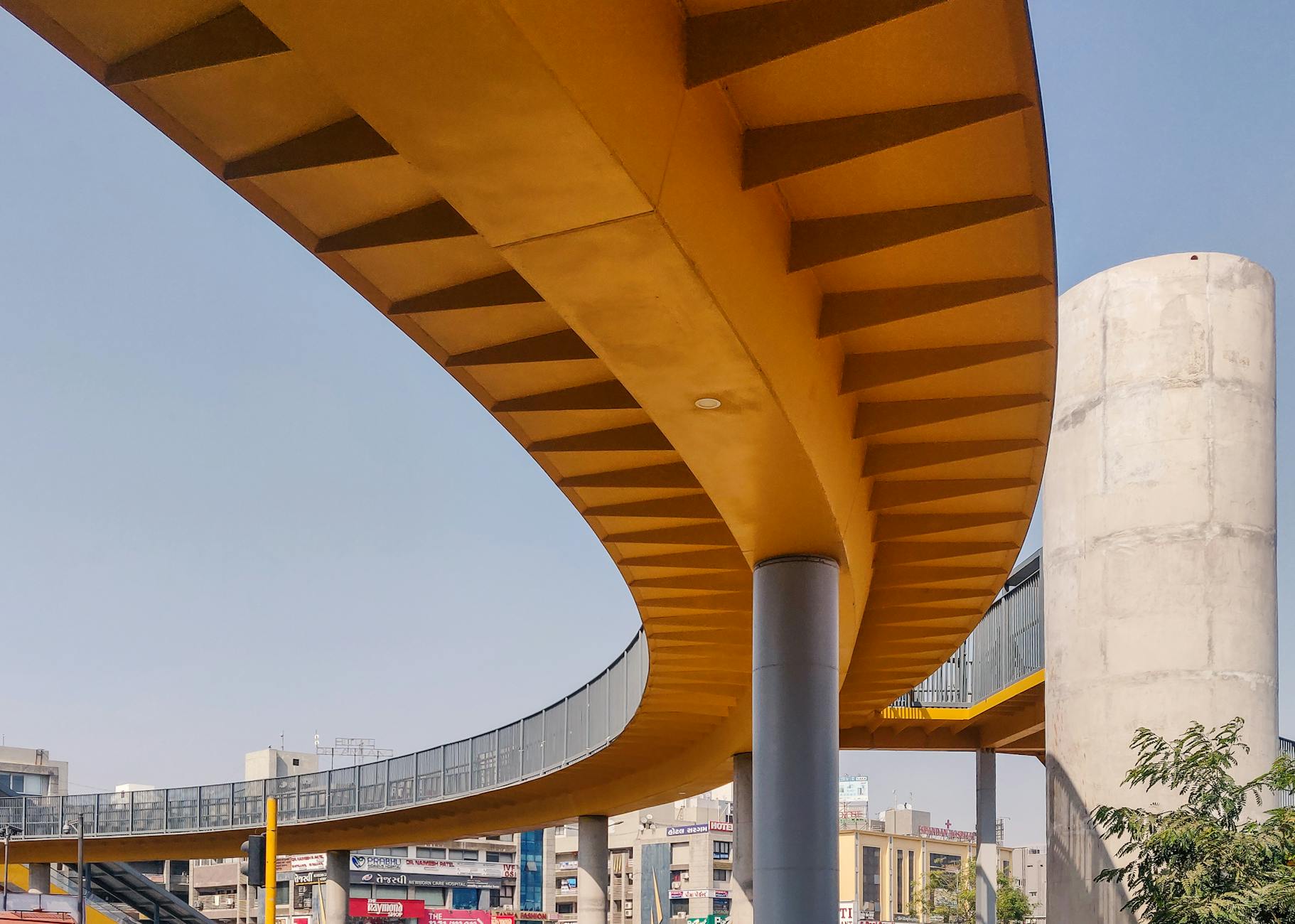
Jakarta was never built for walkers, but the last few years have genuinely improved things in pockets. The MRT stations along Jalan Sudirman are linked by a rebuilt pedestrian corridor with wide sidewalks, shade, and proper crossings. Kota Tua is compact enough to do entirely on foot, and South Jakarta enclaves like Kemang and Senopati are pleasant for drifting between cafes and shops. Those same walkable streets are where a lot of the city’s character hides, and our guide to Jakarta’s hidden gems leans heavily on neighborhoods you cover on your own two feet.
Cycling has picked up too, with more protected bike lanes along the main corridors and a bike-share scheme. Sunday mornings are the real treat: Jalan Sudirman and Jalan Thamrin close to cars from 6:00 a.m. to about 11:00 a.m. for Car Free Day, and the city’s main boulevard turns into a vast walking-and-cycling party. If your trip touches a weekend, build a Sunday morning around it — it is one of the easiest free pleasures in town, and it pairs well with the rest of our free things to do in Jakarta.
Other Transportation Options
Bajaj (Three-Wheeler)
The orange bajaj — a motorized three-wheeler in the tuk-tuk family — has rattled around Jakarta for decades. Cleaner blue gas-powered versions have largely replaced the smoky orange ones, but the appeal is the same: they squeeze through tight, clogged lanes where a car has no chance. Agree the fare before you climb in; short trips usually run IDR 15,000 to IDR 30,000. You will find them clustered around Kota Tua, Glodok, and parts of Central Jakarta, and grabbing one for a few blocks is half transport, half souvenir.
Jakarta LRT
The Jakarta LRT (Light Rail Transit) runs on elevated track through the eastern side of the city and out toward Bekasi, complementing the MRT. There are two networks worth not confusing: the Jakarta LRT, which serves the Kelapa Gading and Velodrome corridor in the northeast, and the larger Jabodebek LRT, which connects the center to suburban Bekasi and Depok. Neither is central to a typical tourist’s day the way the MRT is, but if your hotel or a specific event sits near one of their stations they are fast, modern, and take the same e-money cards. For most visitors the LRT is a nice-to-know rather than a need-to-know, and you can comfortably plan a first trip without ever boarding it.
Boats and Ferries
For the Thousand Islands (Kepulauan Seribu), ferries leave from Muara Angke harbor and Ancol Marina in North Jakarta. Fast boats take 1 to 2.5 hours depending on the island; slower ferries take 3 to 5 hours for less money. Buy tickets at the harbor or through the online platforms, and treat the islands as one of the easiest escapes from the city heat.
Renting a Car or Hiring a Driver
Self-driving is the one mode I would talk most visitors out of. Between the traffic, the assertive local driving style, the scarce and pricey parking, and an International Driving Permit requirement, a rental rarely pays off for a city trip. Where it does make sense is a private car with a driver for a full day — a common, surprisingly affordable arrangement when you are chaining several far-apart stops or heading out of town, since someone else absorbs the gridlock and the parking. We weigh up rates, insurance, and whether to bother at all in our guide to renting a car in Jakarta.
Essential Transportation Tips for Getting Around Jakarta
Get an electronic money card on day one. Flazz, e-Money, TapCash, or Brizzi — any of them unlocks the MRT, TransJakarta, and KRL with a single tap. Buy and load one at a convenience store (Indomaret, Alfamart), an MRT station, or a bank ATM, and start with at least IDR 50,000 on it.
Download Google Maps, Waze, Grab, and Gojek. That is the whole toolkit. Google Maps does the best public-transit routing, Waze reads road traffic in real time, and Grab and Gojek summon rides on demand. Set them up before you arrive, not in the airport queue.
Plan around traffic. Put your most distant plans in the off-peak window, ride the rails through rush hour, and never hang a tight connection on a road trip during peak times. This one habit will do more for your days than any single mode choice.
Combine modes. The fastest way across town is usually two or three modes stitched together — ride the MRT to the station nearest your destination, then take a short GrabBike for the final kilometer. You spend the least possible time actually sitting in traffic, and it stays cheap.
Carry small bills. Digital payment is everywhere now, but small notes of IDR 5,000, IDR 10,000, and IDR 20,000 still smooth over a bajaj, a traditional ojek, or the odd spot where the card reader is down.
Learn a few words. Kiri (left), kanan (right), lurus (straight), stop di sini (stop here), and berapa? (how much?) cover most of what you need to say. Grab and Gojek drivers mostly chat through the app anyway, and it auto-translates.
Transportation Cost Comparison
Here is what a typical 10-kilometer crosstown trip costs by mode, so you can budget for getting around Jakarta at a glance: the MRT runs IDR 7,000–10,000 ($0.45–$0.65); TransJakarta is a flat IDR 3,500 ($0.22); the KRL commuter line is IDR 5,000–6,000 ($0.32–$0.38); a GrabCar or GoCar is IDR 25,000–50,000 ($1.60–$3.20); a GrabBike or GoRide is IDR 12,000–25,000 ($0.77–$1.60); a Blue Bird metered taxi is IDR 45,000–65,000 ($2.90–$4.20); and a bajaj for short distances is IDR 15,000–30,000 ($0.97–$1.94). Set against almost any major city, those numbers are remarkable, and they are a big part of why Jakarta is cheaper to travel than visitors expect.
| Mode | 10 km trip (IDR) | 10 km trip (USD) | Beats traffic? |
| TransJakarta | 3,500 (flat) | $0.22 | On segregated corridors |
| KRL Commuter Line | 5,000–6,000 | $0.32–$0.38 | Yes |
| MRT | 7,000–10,000 | $0.45–$0.65 | Yes |
| GrabBike / GoRide | 12,000–25,000 | $0.77–$1.60 | Mostly |
| Bajaj (short hops) | 15,000–30,000 | $0.97–$1.94 | Partly |
| GrabCar / GoCar | 25,000–50,000 | $1.60–$3.20 | No |
| Blue Bird taxi | 45,000–65,000 | $2.90–$4.20 | No |
Frequently Asked Questions
What is the cheapest way to get around Jakarta? TransJakarta, at a flat IDR 3,500 per ride no matter the distance, with the KRL commuter line close behind. Both need an e-money card, and both dodge traffic on the right route, so for budget-minded crosstown travel they are hard to beat.
Do I need an e-money card, or can I just use apps? You can get surprisingly far on Grab and Gojek alone, but you cannot board the MRT, TransJakarta, or KRL without an e-money card. Since one card costs a few dollars and unlocks all three rail and bus systems, buying one on your first day is the obvious move.
Is the Jakarta MRT enough on its own? Not quite — it is a single north-south line for now, so it covers the central spine beautifully but leaves the rest of the city to TransJakarta, the KRL, and ride-hailing. Most visitors pair the MRT with one of those to reach anything off the line.
How do I get from the airport to the city? The Airport Rail Link to BNI City is the fastest and most reliable at 45–55 minutes for IDR 70,000–100,000; a taxi or ride-hailing car is door to door but hostage to traffic; and the DAMRI bus is the cheapest from IDR 40,000. Our airport to Jakarta city transfer guide compares them in detail.
Is ride-hailing safe in Jakarta? Yes. Grab and Gojek both show the driver and plate, track the route by GPS, and handle payment in-app, which removes most of the risk that comes with flagging an unknown car. A motorbike ojek is the fastest option in heavy traffic, and helmets are provided as standard.
Putting It All Together
Getting around Jakarta takes a little planning and a willingness to switch modes, but the payoff is real: a city that once felt impossible without a private car now runs on modern, integrated rail backed by one of the world’s most competitive ride-hailing markets. Lean on the trains for the spine of your day, fill the gaps with an app, schedule against the traffic, and keep one tap-and-go card in your pocket. Do that and Jakarta opens up — faster, cheaper, and a good deal less stressful than its reputation would have you believe. From here, it is worth pointing your newly mobile self at our wider guides to the best attractions in Jakarta, the full sweep of things to do in Jakarta, and where to stay in Jakarta so the neighborhood you base yourself in plays to the transport you now know how to use.
Once you are leaving the city rather than crossing it, the calculation changes. Jakarta to Bandung compares the high-speed train, the conventional service, shuttles and driving on honest door-to-door times, and the Bogor day trip guide shows how far the Commuter Line will take you for the price of a coffee.
If the aim is to spend as little as possible, a few tactics matter more than any single mode: the free Jakarta Explorer double-deckers from Monas, the free Mikrotrans minibuses for the last kilometre, one card for every network, and knowing the handful of situations in which a shared car is genuinely cheaper. Our guide to cheap transportation in Jakarta sets them out, with a whole day across the city costed at about 21,000.