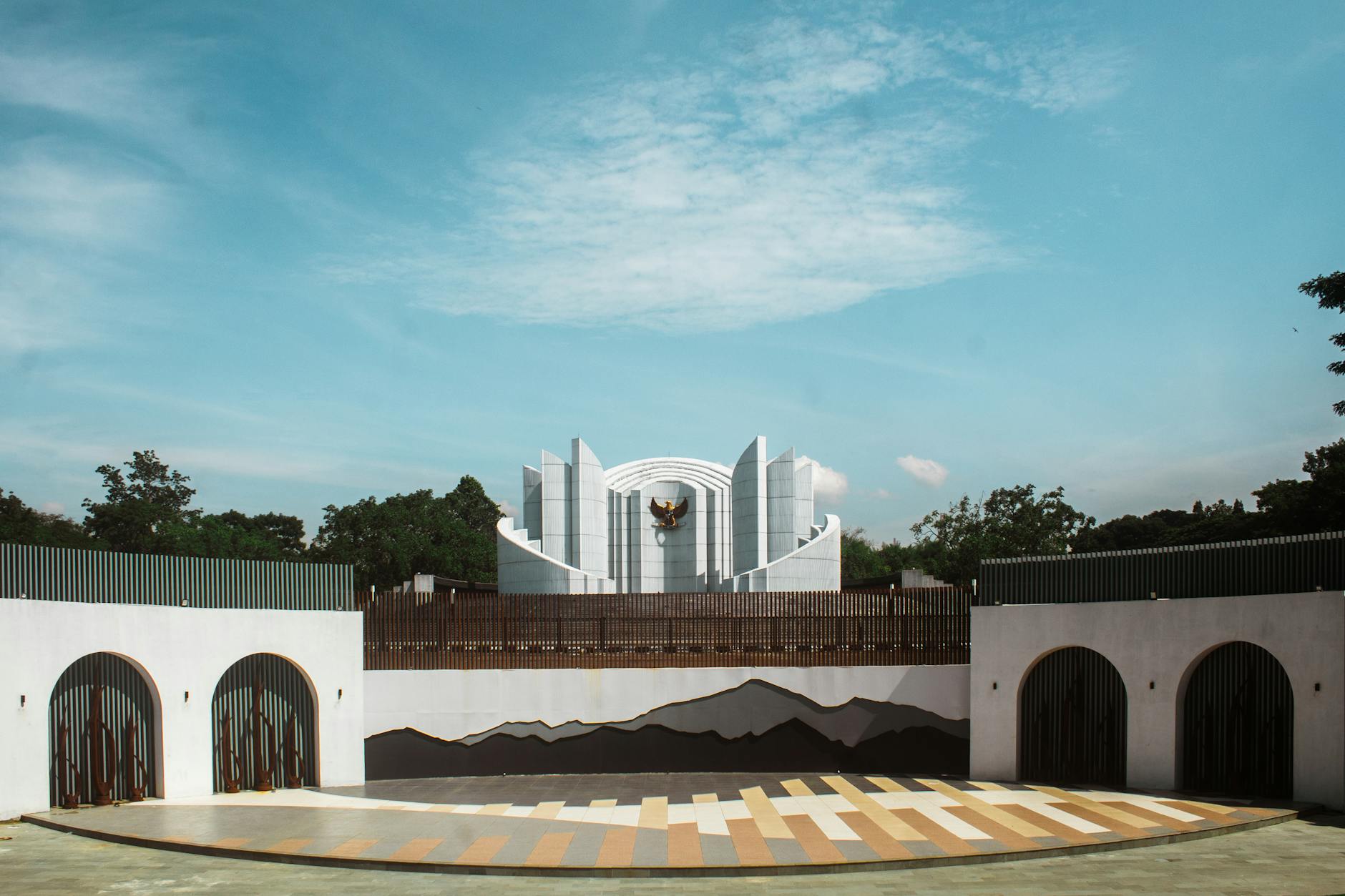
Temples and mosques in Jakarta tell the story of a city — and a nation — built on a foundation of extraordinary religious diversity. Indonesia is the world’s most populous Muslim-majority country, yet its constitution guarantees freedom of worship, and Jakarta embodies this principle with a remarkable concentration of sacred sites representing Islam, Christianity, Hinduism, Buddhism, and Confucianism. For visitors interested in architecture, history, spirituality, or simply understanding what makes Indonesia unique, exploring the temples and mosques in Jakarta is one of the most rewarding experiences the city offers.
Jakarta’s religious landscape reflects centuries of cultural exchange. Hindu and Buddhist kingdoms once ruled Java before Islam gradually spread through the island from the 15th century onward. Portuguese missionaries introduced Christianity in the 16th century, while Chinese immigrants brought Buddhist and Confucian traditions over many generations. Today, all of these faiths coexist in the capital, and their houses of worship — from the largest mosque in Southeast Asia to ancient Chinese temples — stand as living monuments to Indonesia’s philosophy of Bhinneka Tunggal Ika (Unity in Diversity). This guide covers the most significant temples and mosques in Jakarta that every visitor should know about in 2026.

Istiqlal Mosque: Southeast Asia’s Largest Mosque
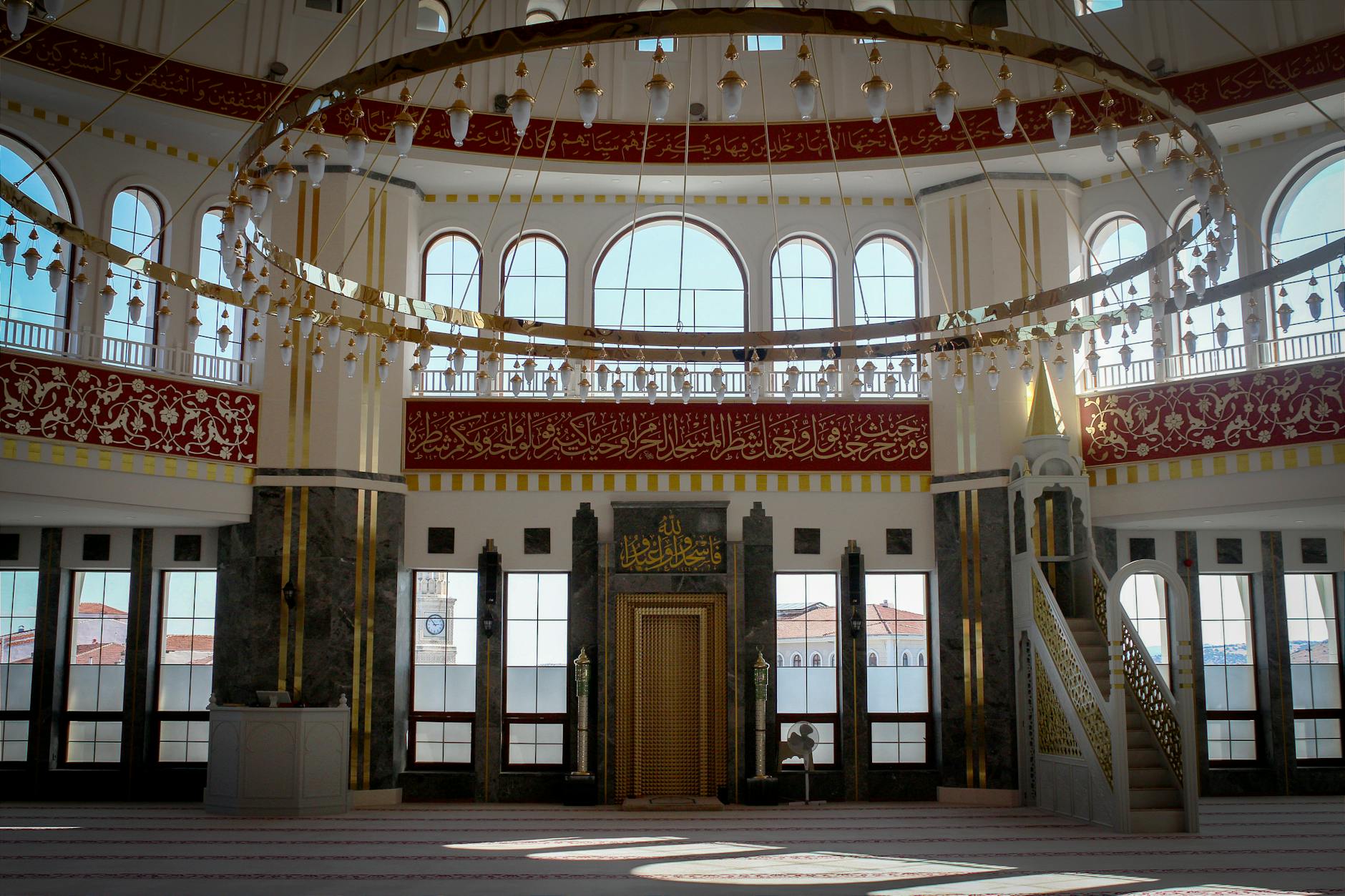
Masjid Istiqlal (Independence Mosque) is the headline act among Jakarta’s religious sites and one of the most important religious landmarks in all of Southeast Asia. Inaugurated in 1978 after 17 years of construction, this massive mosque can accommodate up to 120,000 worshippers and covers 9.5 hectares in the heart of Central Jakarta, directly east of Merdeka Square. The name “Istiqlal” comes from the Arabic word for independence, and the mosque was built to commemorate Indonesia’s struggle for freedom from colonial rule.
The architecture of Istiqlal Mosque blends modern design with Islamic symbolism in a way that is both grand and deeply meaningful. The main prayer hall is crowned by a magnificent 45-meter-diameter dome, and the structure is supported by 12 massive columns representing the 12 months of the Islamic calendar and the birthday of the Prophet Muhammad (12th Rabi ul-Awal). The mosque has seven main entrance gates, each named after one of the 99 Names of Allah. The stainless steel main dome sits atop a secondary dome, creating a striking architectural profile visible from across the city.
One of the most remarkable facts about Istiqlal Mosque is that it was designed by Frederich Silaban, a Christian architect of Batak ethnicity from North Sumatra. President Sukarno personally selected Silaban’s design from a national competition, and the choice of a Christian architect to design the nation’s grand mosque is itself a powerful symbol of the religious tolerance that Indonesia aspires to. The mosque underwent a major renovation completed in 2020, which added solar panels and a new water recycling system, making it one of the most environmentally conscious religious buildings in the region.
Visiting Istiqlal Mosque: Non-Muslim visitors are warmly welcome and can explore the mosque outside of prayer times. Free guided tours are available and highly recommended — the knowledgeable guides explain the architectural symbolism, Islamic traditions, and the mosque’s history in engaging detail. Visitors must remove shoes before entering and wear modest clothing that covers shoulders and knees. Robes and headscarves are provided free of charge for visitors who need them. The mosque is a short walk from the National Monument (Monas) — both feature in our guide to Jakarta’s landmarks — and it’s easily reached via the Istiqlal MRT station, covered in our Jakarta MRT guide.
Jakarta Cathedral: A Neo-Gothic Masterpiece
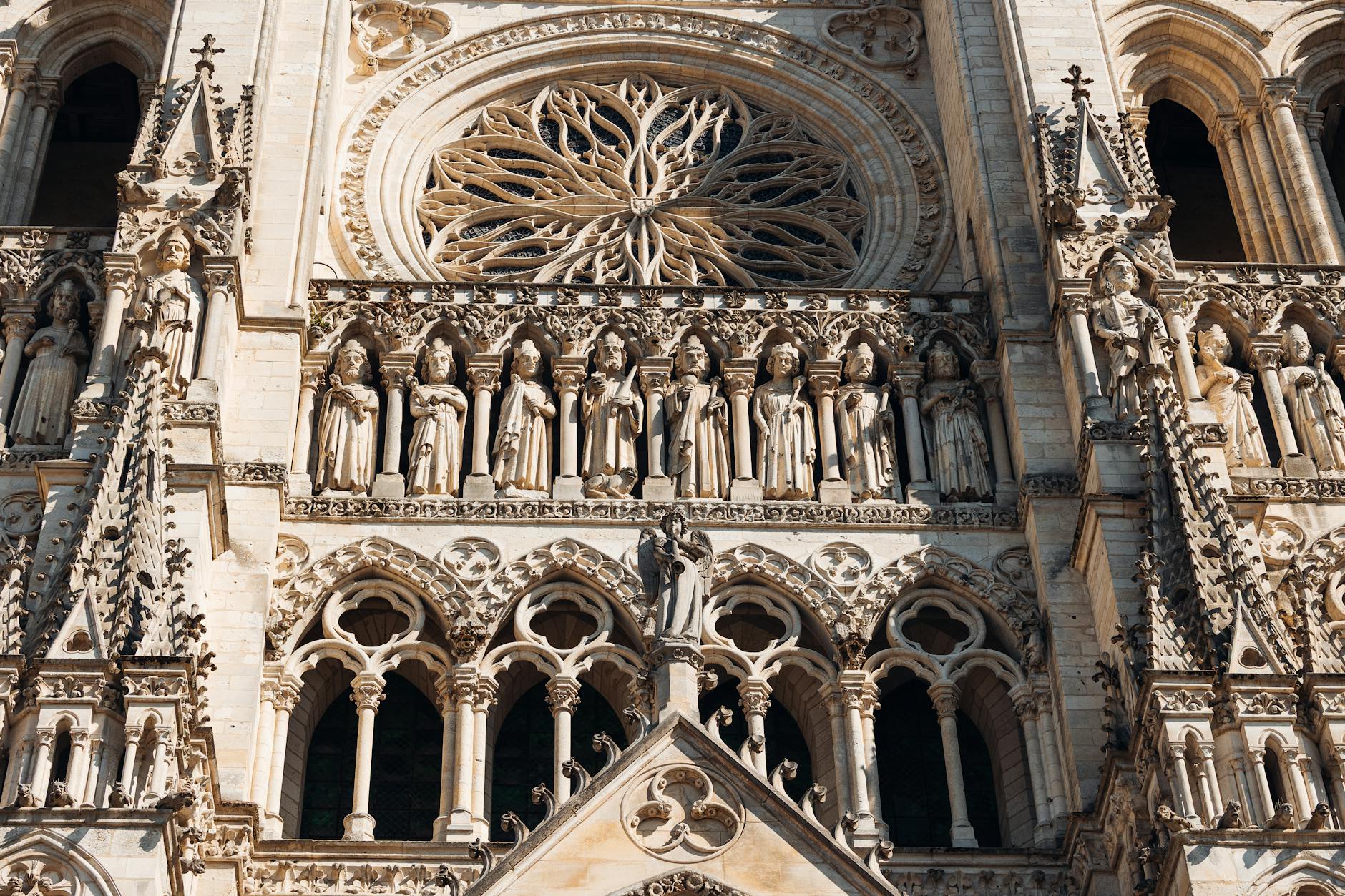
Directly across the street from Istiqlal Mosque stands the Jakarta Cathedral (Gereja Katedral Jakarta), officially named the Church of Our Lady of the Assumption. This stunning neo-Gothic cathedral, completed in 1901, serves as the seat of the Roman Catholic Archbishop of Jakarta and is one of the most architecturally impressive churches in Indonesia. The cathedral’s twin spires, which were added in 1929 and rise 60 meters above the ground, create a dramatic silhouette that forms an iconic juxtaposition with the massive dome of Istiqlal Mosque next door.
The cathedral was designed by Father Antonius Dijkmans and constructed between 1891 and 1901, replacing an earlier church on the same site that had been damaged beyond repair. The interior features soaring vaulted ceilings, beautiful stained glass windows, and carved wooden confessionals. A small museum in the basement chronicles the history of Catholicism in Indonesia, with artifacts dating back to the arrival of Portuguese missionaries in the 16th century.
The Tunnel of Friendship (Terowongan Silaturahmi)
One of the most symbolically powerful features connecting these two sites is the Tunnel of Friendship (Terowongan Silaturahmi), an underground pedestrian passage that connects Istiqlal Mosque and Jakarta Cathedral beneath the busy Jalan Lapangan Banteng. Opened in 2021 as part of the mosque’s renovation, this tunnel allows worshippers and visitors to move between the two houses of worship without crossing the traffic-heavy road. More importantly, it serves as a powerful physical symbol of the interfaith harmony that Indonesia promotes. The sight of the world’s largest mosque and a grand Christian cathedral standing side by side is unique to Jakarta and is one of the most photographed scenes in the city.
Immanuel Church (Gereja Immanuel)
Among the notable Christian temples and mosques in Jakarta (broadly speaking, sacred sites), Immanuel Church on the edge of Merdeka Square deserves special attention. Built in 1839 in a Greek cross neoclassical style, this Protestant church is one of the oldest in Jakarta and is recognized as a national cultural heritage site. The building’s domed roof and columned portico give it a stately appearance that stands out among the skyscrapers of modern Jakarta. The church still holds regular services in Indonesian and occasionally hosts classical music concerts that take advantage of its excellent acoustics.
Hindu Temples in Jakarta

Pura Aditya Jaya
Pura Aditya Jaya in Rawamangun, East Jakarta, is the largest Hindu temple in the capital and one of the most culturally active sites in the city’s religious landscape. Construction began in 1972 and was completed in 1997, and the temple serves as the primary spiritual center for Jakarta’s Balinese Hindu community. The temple features distinctive Balinese architecture with elaborately carved stone gates (candi bentar), split gates, and sacred courtyards that evoke the spiritual landscapes of Bali. Major Hindu celebrations, particularly Nyepi (Balinese New Year) and Galungan, are observed here with full ceremony and are open to respectful visitors.
Pura Pasar Baru
Located in the Pasar Baru shopping district, this smaller Hindu temple has been serving the local Indian-Indonesian community for generations. The temple, dedicated to Shiva, features South Indian-style gopuram architecture, distinct from the Balinese Hindu temples found elsewhere in the city. The surrounding Pasar Baru area itself is historically linked to Jakarta’s Indian community, and the temple provides an interesting counterpoint to the Balinese Hindu tradition that dominates Indonesian Hinduism.
Buddhist Temples and Chinese Heritage Sites

Jin De Yuan (Vihara Dharma Bhakti)
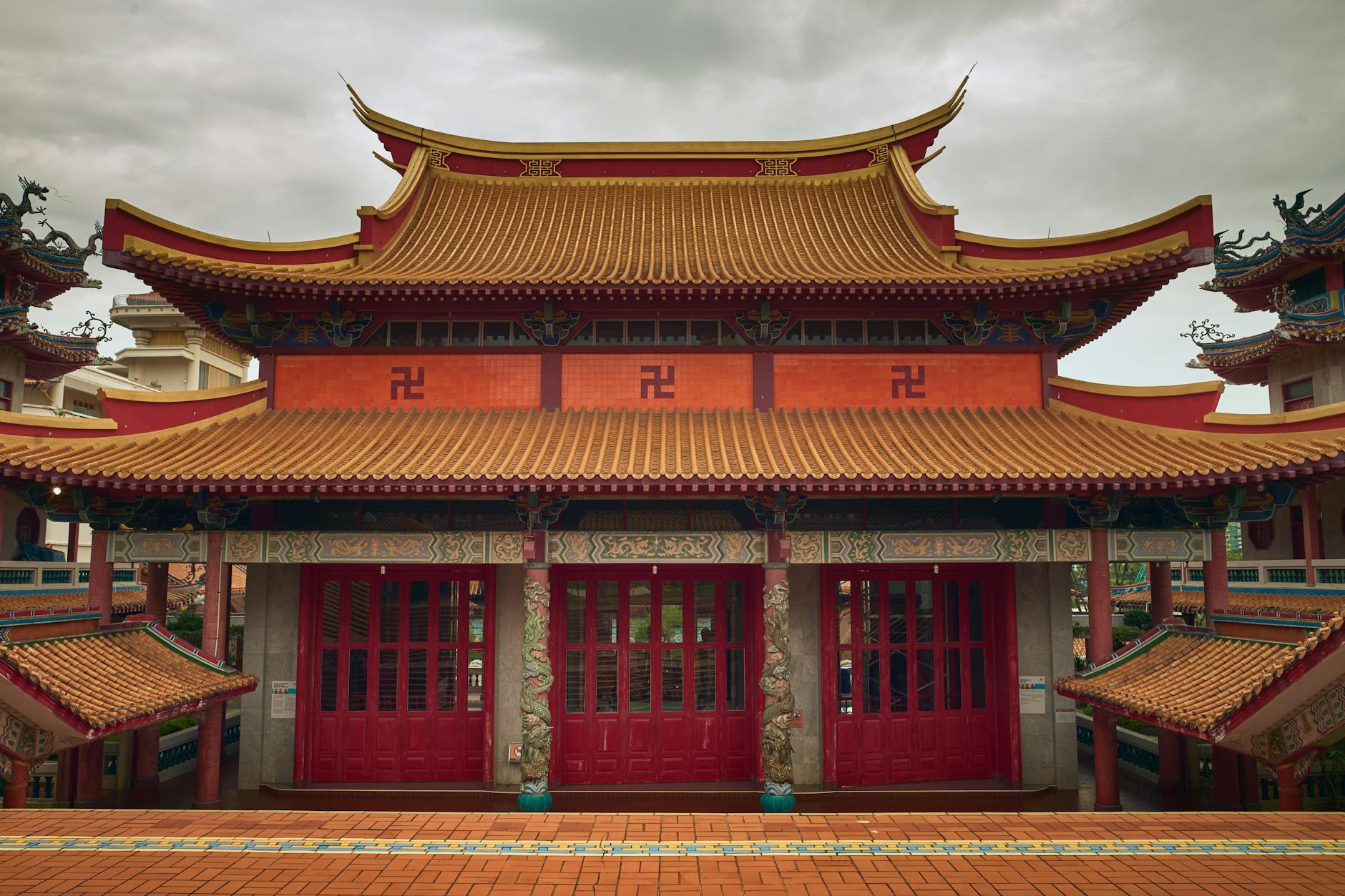
The Jin De Yuan temple, also known as Vihara Dharma Bhakti or by its Hokkien name Kim Tek Ie, is the oldest Chinese temple in Jakarta and one of the most historically significant religious sites in the city. Originally constructed in 1650 under the patronage of Lieutenant der Chinezen Kwee Hoen, the temple was first dedicated to the Buddhist goddess of mercy, Guanyin, and named Kwan Im Teng. It was destroyed during the horrific massacre of Chinese residents in 1740 and rebuilt in 1755 by Chinese captain Oei Tjhie, who gave it the name Jin De Yuan, meaning “Temple of Golden Virtue.”
Located in the heart of Glodok, Jakarta’s Chinatown, the temple is a working house of worship that serves followers of Buddhism, Taoism, and Confucianism — reflecting the syncretic nature of Chinese-Indonesian religious practice. The temple suffered a devastating fire in 2015 but has since been extensively restored. Inside, you will find altars to various deities, clouds of fragrant incense, red lanterns, and beautifully carved decorative elements. Visiting during Chinese New Year or other major festivals turns the temple into the heart of Jakarta’s Chinese-Indonesian celebrations, and the surrounding Glodok quarter — mapped in our neighborhoods guide — is some of the best eating in the city, as our guide to eating around Kota Tua explains.
Vihara Ekayana Arama
Vihara Ekayana Arama in West Jakarta is one of Jakarta’s most impressive modern Buddhist temples. This large complex serves the Mahayana Buddhist community and features a spacious main prayer hall with a large seated Buddha statue. The temple’s architecture blends traditional Chinese elements with modern Indonesian design, and its regular meditation sessions and Dharma talks are open to visitors of all backgrounds. The annual Vesak celebration here draws thousands of devotees.
Confucian Temples
Confucianism is recognized as one of Indonesia’s six official religions, and Jakarta is home to several Confucian temples (kelenteng). The Boen Tek Bio temple in Tangerang (on Jakarta’s western outskirts) and the smaller kelenteng scattered throughout Glodok offer windows into the Confucian traditions that have been part of Indonesian Chinese culture for centuries. These temples are often combined Buddhist-Confucian-Taoist spaces, reflecting the fluid boundaries between these traditions in Chinese-Indonesian practice.
Religious Harmony: What Makes Jakarta Unique

What makes the experience of visiting temples and mosques in Jakarta truly special is the context of Indonesia’s state philosophy of Pancasila, whose first principle is belief in the one and only God — but which is interpreted to encompass all six officially recognized religions. This philosophical framework means that religious diversity is not merely tolerated in Jakarta but actively celebrated. During major Islamic holidays, the Jakarta Cathedral has traditionally offered its parking lot to overflow worshippers from Istiqlal Mosque. During Christmas, Muslim neighbors help with security at churches. These gestures of mutual respect are woven into daily life in ways visitors from more religiously homogeneous countries often find deeply moving, and the major religious festivals — tracked in our guide to events and festivals in Jakarta — are when the city’s pluralism is most visible.
The Indonesian government has invested significantly in interfaith tourism, and Jakarta is at the center of these efforts. The cultural heritage of religious architecture in the city spans centuries and traditions, making it possible to experience five world religions in a single day of sightseeing — an angle our guide to Jakarta Museums and Cultural Sites: The Complete Guide (2026) picks up alongside the city’s heritage collections. For travelers who appreciate spiritual diversity and the architecture of faith, Jakarta offers an experience that very few other cities in the world can match.
Other Mosques Worth Visiting
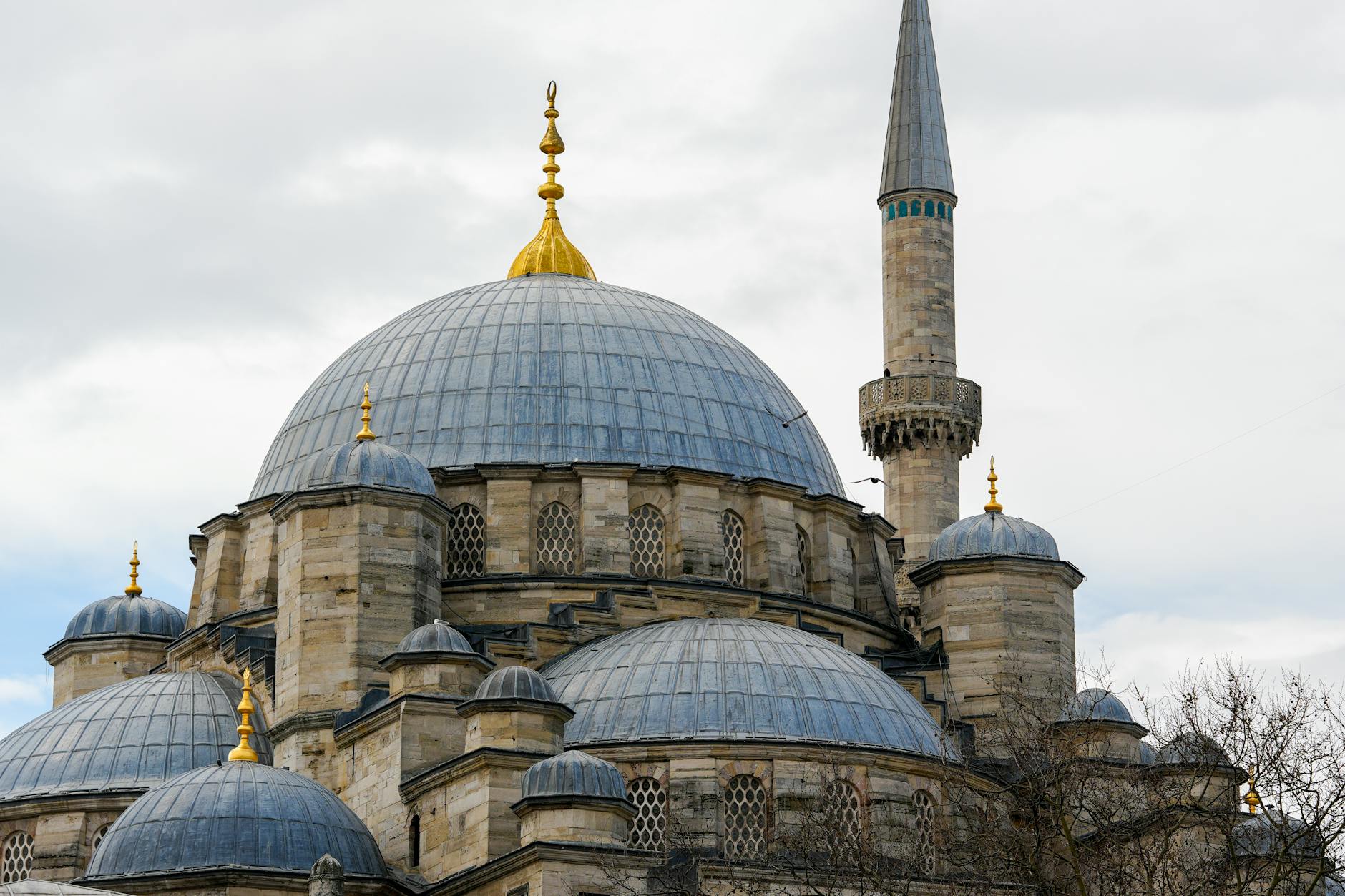
Beyond Istiqlal, Jakarta has thousands of mosques, and several stand out for their architectural beauty, historical significance, or cultural importance.
Masjid Al-Azhar: Located in Kebayoran Baru, South Jakarta, this mosque complex is one of the most important Islamic educational centers in Indonesia. Founded in 1958, the Al-Azhar complex includes a mosque, schools, a university, and a hospital. The mosque’s green dome and twin minarets are landmarks of the South Jakarta skyline, and its regular Islamic lectures and cultural events draw large crowds.
Masjid Cut Meutia: This beautiful Art Deco mosque in Menteng, Central Jakarta, is one of the most architecturally distinctive temples and mosques in Jakarta. Built in 1987, its white geometric forms and clean lines set it apart from the more traditional Islamic architecture found elsewhere in the city. The mosque is named after Cut Meutia, an Acehnese national heroine who fought against Dutch colonialism.
Masjid Luar Batang: One of Jakarta’s oldest mosques, Masjid Luar Batang in the north of the city dates back to the 18th century and is associated with Habib Husein bin Abubakar Alaydrus, an Arab-Yemeni scholar. The mosque remains an active pilgrimage site and provides a fascinating glimpse into Jakarta’s Islamic heritage. The surrounding neighborhood of Luar Batang is one of the city’s oldest Muslim settlements.
Temples and Mosques in Jakarta: FAQ
Can non-Muslims visit Istiqlal Mosque? Yes. Non-Muslim visitors are warmly welcomed outside the five daily prayer times, and the free guided tours — led by knowledgeable staff who explain the architecture and symbolism — are genuinely worth taking. You’ll remove your shoes and dress modestly; robes and headscarves are lent free at the door.
What is the Tunnel of Friendship? It’s an underground pedestrian passage, opened in 2021, that links Istiqlal Mosque and Jakarta Cathedral beneath Jalan Lapangan Banteng. Beyond its practical use, it’s a deliberate symbol of Indonesia’s interfaith harmony — the world’s largest mosque and a grand cathedral, connected and facing each other across the street.
What should I wear to visit mosques and temples? Modest clothing throughout: for mosques, women cover their hair and everyone covers arms to the elbow and legs to the ankle; for Hindu and Buddhist temples, cover shoulders and knees. Shoes come off before you enter any house of worship. Major mosques provide complimentary coverings.
When is the best time to visit? Mid-morning, roughly 9–11 AM, is ideal for mosques — outside the prayer times and before the midday heat. Avoid Friday around midday, the main congregational prayer. Churches welcome visitors outside service times, and Hindu and Buddhist temples are generally open throughout the day.
Which sites can I combine in one trip? The classic half-day loop is Istiqlal Mosque, through the Tunnel of Friendship to Jakarta Cathedral, then Immanuel Church, and after lunch the Jin De Yuan temple in Glodok’s Chinatown — four of the six official religions in an afternoon, all close together in Central and West Jakarta.
Practical Tips for Visiting Sacred Sites
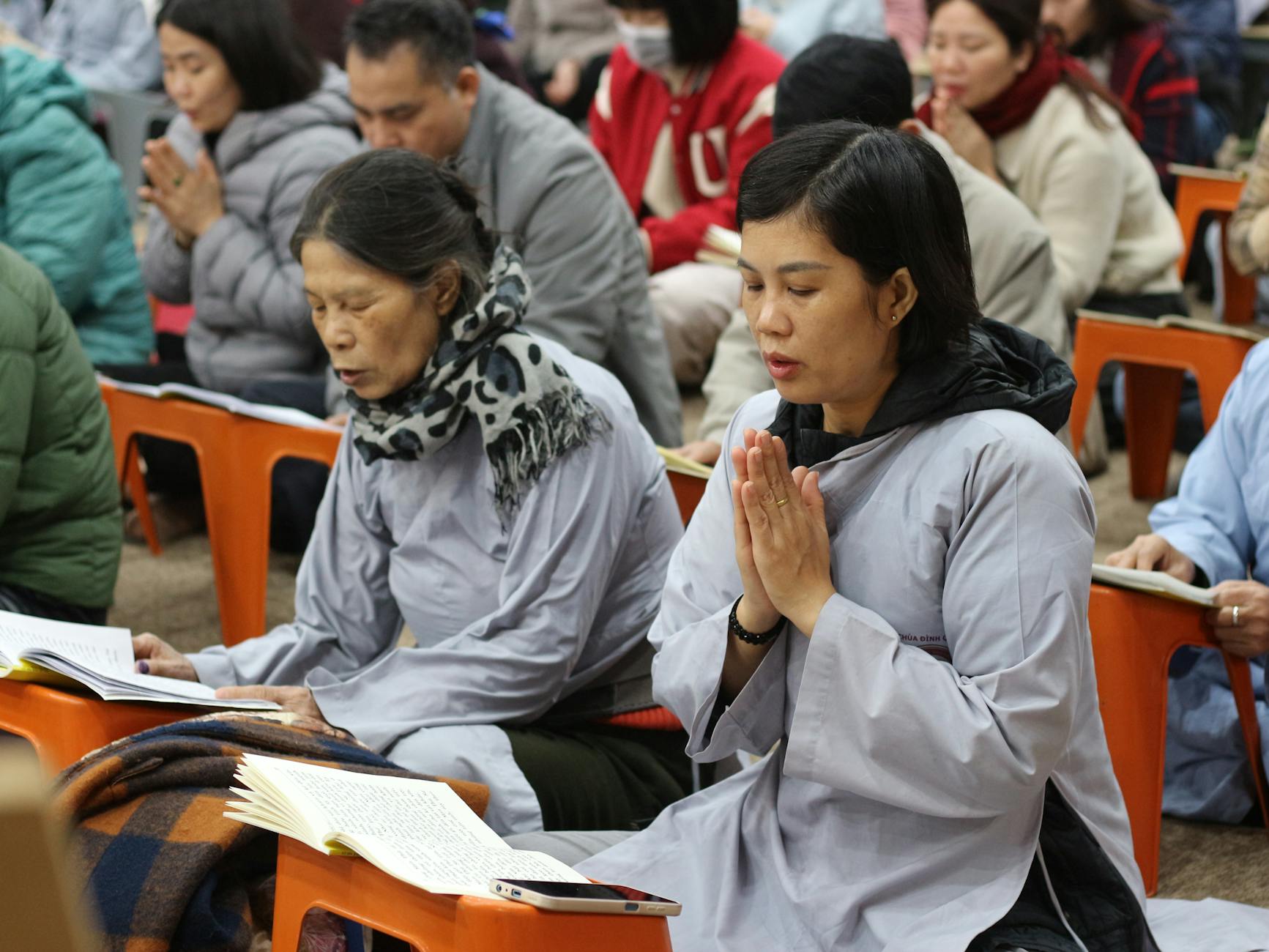
Dress code: Modest clothing is essential when visiting all temples and mosques in Jakarta. For mosques, women should cover their hair and both men and women should wear clothing that covers arms to the elbows and legs to the ankles. Most major mosques provide complimentary coverings. For Hindu and Buddhist temples, shoulders and knees should be covered. Shoes must be removed before entering any house of worship.
Timing: Mosques are best visited outside of the five daily prayer times, with mid-morning (around 9-11 AM) being ideal. Churches welcome visitors outside of service times. Hindu and Buddhist temples are generally accessible throughout the day. Friday afternoons should be avoided for mosque visits, as this is the main congregational prayer time.
Photography: Photography is generally permitted at most sacred sites, but always ask permission first, especially during active worship. Flash photography is typically prohibited inside all houses of worship. Some temples may charge a small photography fee.
Behavior: Speak in hushed tones, avoid pointing with your feet (considered disrespectful in Indonesian culture), and follow any instructions from guides or temple staff. If a ceremony or prayer is in progress, observe quietly from a respectful distance unless invited to participate.
Transportation: The Istiqlal Mosque and Jakarta Cathedral are both served by the Istiqlal MRT station, making them extremely easy to reach. For temples in Glodok and other areas, ride-hailing apps are the most convenient option. Consider hiring a driver for a half-day temple tour if you want to cover multiple sites across different parts of the city.
Suggested itinerary: A rewarding half-day religious heritage tour can start at Istiqlal Mosque, walk through the Tunnel of Friendship to Jakarta Cathedral, then continue to Immanuel Church. After lunch, head to Glodok to explore the Jin De Yuan temple and the surrounding Chinatown neighborhood. This itinerary covers four of the six official religions and gives a powerful introduction to Jakarta’s interfaith character; basing yourself among the hotels of Central Jakarta puts most of it within easy reach. For shopping opportunities along the way, the Glodok area offers plenty of traditional shops and markets.
Jakarta’s sacred sites represent far more than architectural attractions — they are living expressions of a diverse society’s commitment to coexistence. Whether you’re drawn by faith, history, architecture, or simple curiosity, Jakarta’s sacred sites are among the most meaningful experiences the city offers — and several, like the old Luar Batang mosque, belong on any list of the city’s hidden gems.