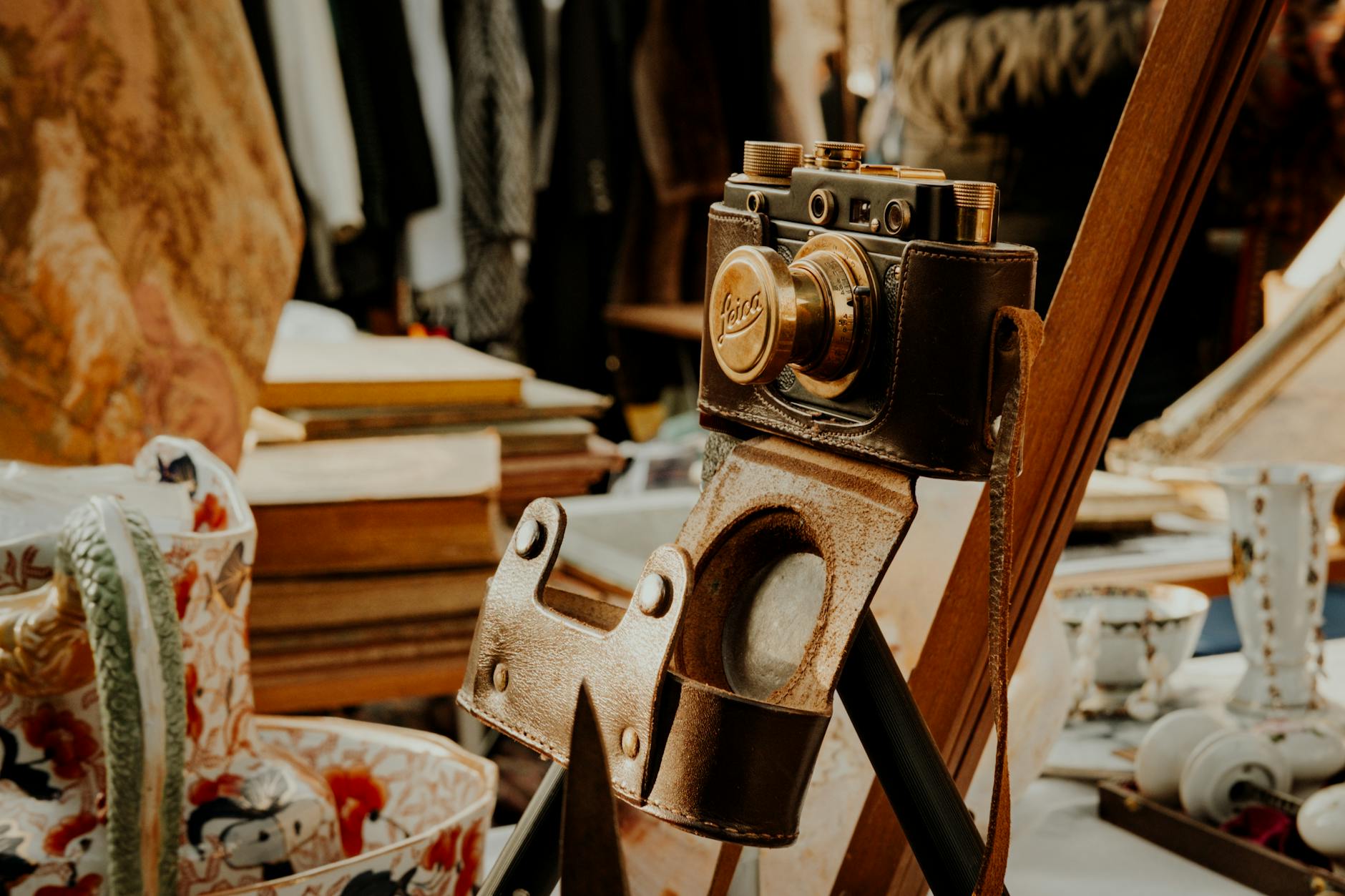
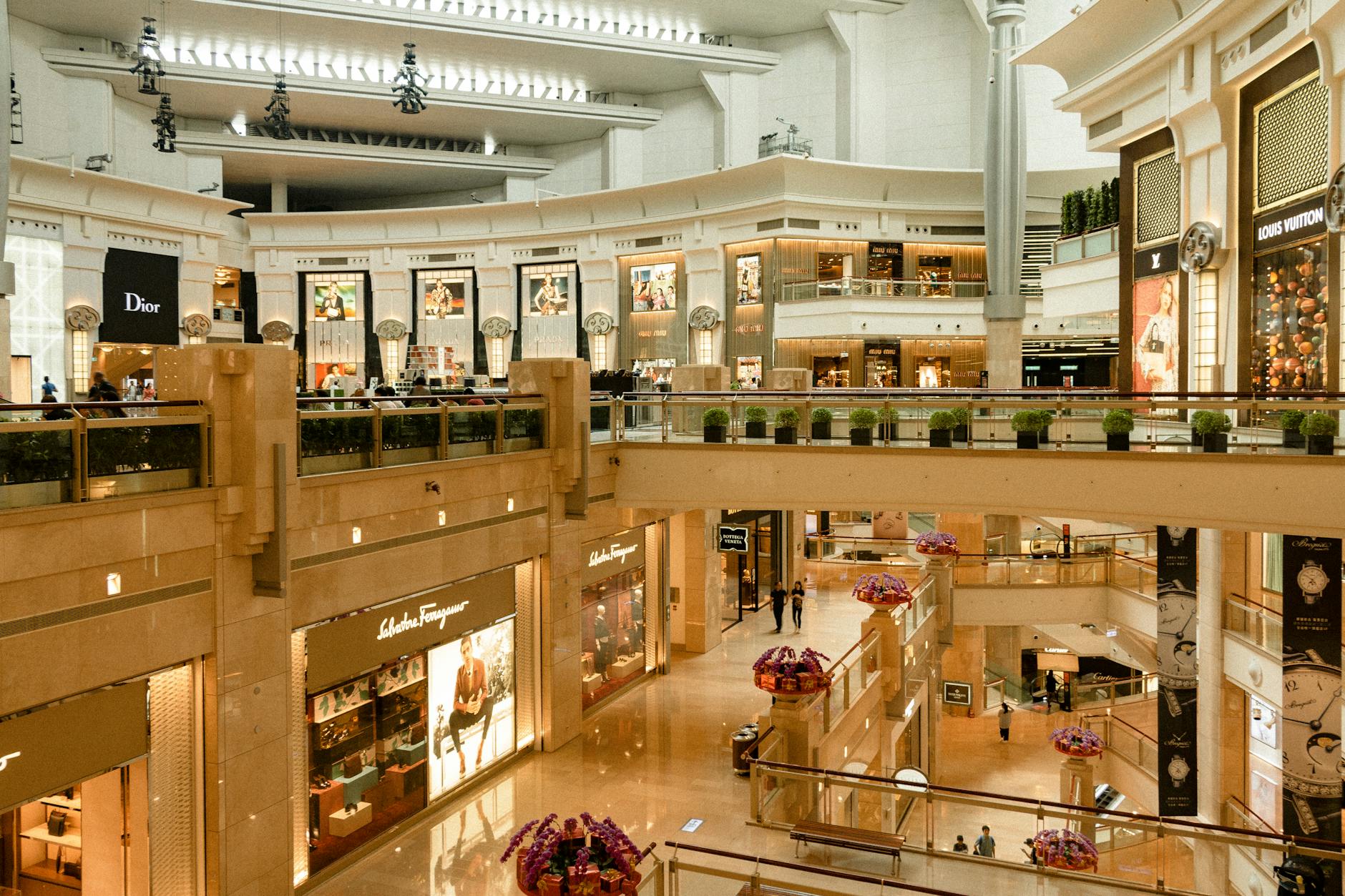
Shopping in Jakarta runs on two speeds at once. One is the cool, polished, air-conditioned world of mega-malls where global luxury houses sit a few escalators away from a Uniqlo. The other is the older, louder city of textile halls and wet markets where prices are negotiable, fabric is sold by the bolt, and a good morning of bargaining feels like a small sport. Most visitors think they have to choose. You don’t — the best trips do both, often in the same day, and this guide is built to help you move between them without wasting time or money.
I’ll be honest about where Jakarta is genuinely world-class (batik, wholesale textiles, curated Indonesian craft) and where it’s merely fine (designer logos you can buy cheaper elsewhere). The short version: come here for things that are actually Indonesian — hand-drawn batik, silverwork, woven cloth from across the archipelago, single-origin coffee — and treat the luxury malls as comfortable shelter and good people-watching rather than the main event. What follows is the full map: the malls worth your time, the markets worth the sweat, where to buy real batik, how to bargain without getting fleeced, and what the whole thing costs in 2026.
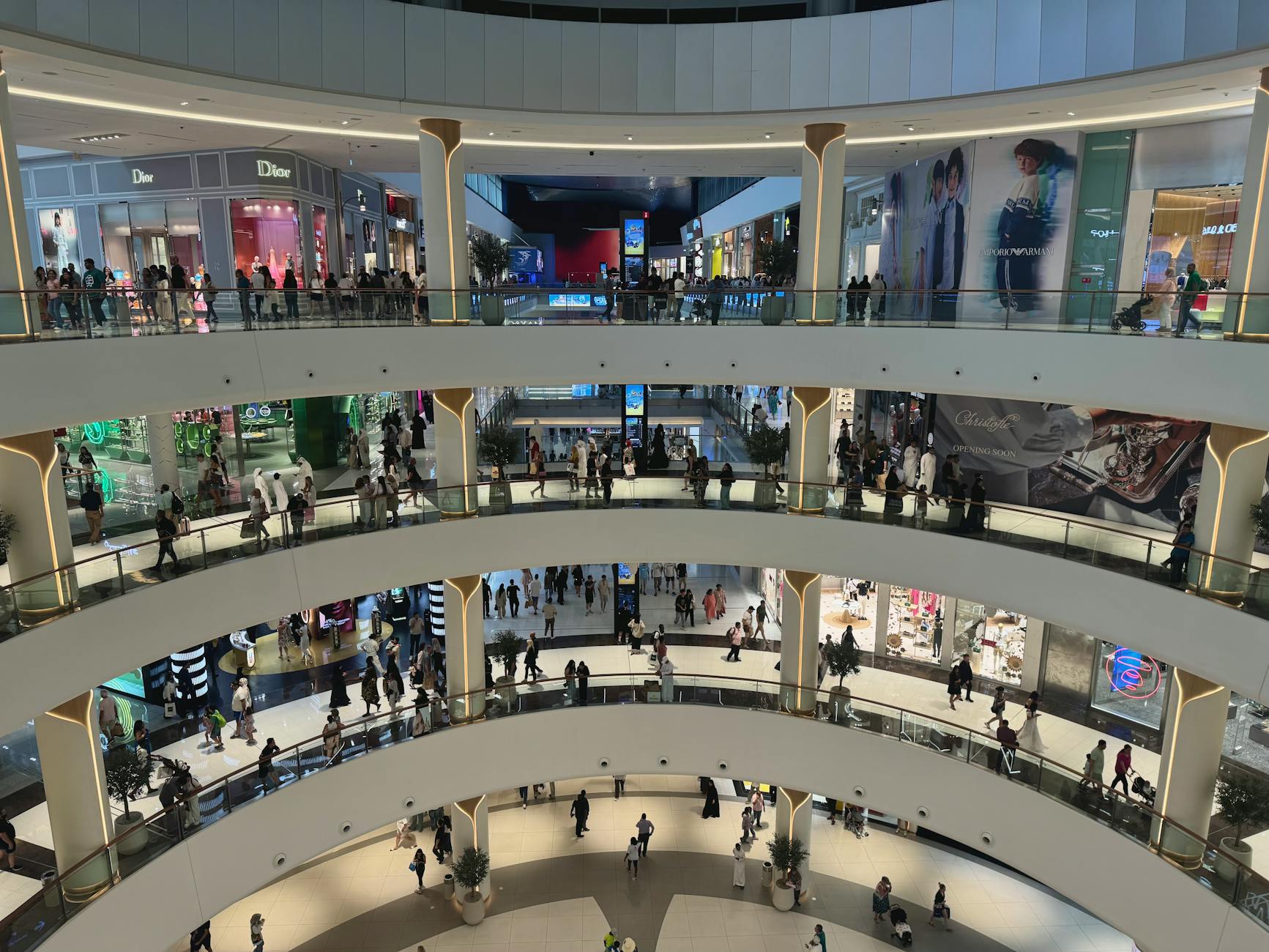
Shopping in Jakarta at a Glance
Before the deep dives, here is the lay of the land. Jakarta’s retail divides cleanly into a handful of categories, each with its own home turf, price logic, and rhythm. Use this table to decide where to spend your limited hours, then jump to the section you need.
| What you want | Where to go | Rough budget | Bargain? |
|---|---|---|---|
| International fashion (Zara, Uniqlo, H&M) | Grand Indonesia, Central Park, Senayan City | Mid-range, fixed price | No |
| Designer luxury | Plaza Indonesia, Pacific Place | High, fixed price | No |
| Wholesale clothing & fabric | Tanah Abang, Thamrin City | Very cheap | Yes |
| Batik (everyday to museum-grade) | Sarinah, Thamrin City, Danar Hadi, Pasar Mayestik | From a few dollars up | Sometimes |
| Indonesian handicrafts & souvenirs | Alun Alun Indonesia, Sarinah, Pasar Seni Ancol | Mid-range | At markets only |
| Electronics & gadgets | Mangga Dua, Ratu Plaza, mall flagships | Competitive | At wholesale centres |
| Gemstones & jewellery | Jatinegara Market | Wildly variable | Yes, hard |
| Vintage & secondhand finds | Flea markets, Blok M, thrift corridors | Cheap | Yes |
If you only have one afternoon, my honest pick is Sarinah for craft and batik, then a quick stroll through Grand Indonesia for the spectacle and a meal. If you have a full day and don’t mind heat and crowds, swap the second stop for Tanah Abang and you’ll come home with a fuller suitcase for far less money.
Jakarta’s Best Shopping Malls
Jakarta’s mall culture is hard to overstate. The city has more shopping malls than almost any other in the world, and locals use them as living rooms — places to escape the heat, meet friends, eat well, watch a film, and only occasionally to actually shop. For a visitor, that’s good news: a mall is the most comfortable possible base camp, with reliable air conditioning, clean restrooms, ATMs, and an MRT or Grab pickup point at the door. I treat them less as places to buy logos and more as anchors for a day. The deeper rundown of which mall suits which mood lives in our guide to the best malls in Jakarta, but here are the ones that matter most.
Grand Indonesia
Grand Indonesia is the flagship and the one I send first-timers to, mostly because it’s central, easy, and big enough to absorb a whole rainy afternoon. It sits right at the Bundaran HI roundabout in the heart of the city, directly linked to the Bundaran HI MRT station, and sprawls across two interconnected towers — the West Mall and East Mall — joined by a multi-level skybridge. The West Mall is your high-street tier: Zara, H&M, Uniqlo, Mango and the rest. The East Mall leans premium and houses the anchor department stores. The one stop I never skip is Alun Alun Indonesia on the ground floor of the East Mall — a beautifully curated department store of high-quality Indonesian handicrafts, batik, silverware and artisanal goods, and frankly the easiest place in the city to buy a thoughtful gift in air-conditioned calm. For the full floor-by-floor breakdown, dining picks and the best way in, see our dedicated Grand Indonesia mall guide.
Plaza Indonesia
Directly next door, Plaza Indonesia is the city’s polished luxury address. This is where Cartier, Louis Vuitton, Burberry, Gucci, Hermès and the other global houses keep their flagships, alongside upscale Indonesian designers, high-end watch boutiques and a serious beauty hall. It’s also a small piece of trivia history — Indonesia’s first Starbucks opened here — and the atmosphere is exactly the hushed, marble-floored exclusivity you’d expect. If your trip includes serious designer shopping, you’ll want the full strategy in our guide to luxury shopping in Jakarta, which covers tax refunds, personal shoppers and how Jakarta prices compare to Singapore.
Pacific Place
Down in the SCBD business district, Pacific Place is a premium mall anchored by major department stores and a deep bench of international brands. It’s physically connected to the Ritz-Carlton and the Westin, which makes it the natural choice if you’re in town for work — a point we get into in our luxury travel in Jakarta guide. The dining is genuinely good, the crowds are thinner than Grand Indonesia’s, and the whole place has a calmer, more grown-up pace.
Senayan City and Plaza Senayan
These twin malls near the Gelora Bung Karno sports complex are where Jakarta’s fashion crowd actually shops. Senayan City — everyone calls it “Sency” — mixes international and strong local labels with a good bookstore and one of the city’s best cinemas. Plaza Senayan skews more premium, with designer boutiques and upscale dining. Both sit on top of the Senayan MRT station, which makes them painless to reach without a car; if you’re still working out the trains, our Jakarta MRT guide covers the line in detail.
Central Park Mall and Neo Soho
Out in Grogol, West Jakarta, Central Park pairs a huge retail floor with landscaped gardens and outdoor dining — a rare thing in a city where most malls are sealed boxes. The connected Neo Soho adds more shops and a sleeker design. Central Park is the family pick: roomy, full of mid-range fashion and lifestyle brands, with enough food and open space to keep kids from melting down. If you’re travelling with little ones, it pairs well with the ideas in our guide to things to do in Jakarta with kids.
Blok M
For something with more grit and character than the glossy malls, head south to Blok M, a long-running shopping and nightlife district in Kebayoran Baru. It’s a layered place — a maze of older shopping centres, the sprawling Blok M Square, street-level stalls, secondhand bookshops, and a famous food and bar strip after dark. Prices are lower and the crowd is more local than touristy. We map the whole district, from the underground market to the best places to eat, in our Blok M shopping guide.

Traditional Markets: The Heart of Jakarta Shopping
If the malls are where Jakarta is comfortable, the traditional markets are where it’s memorable. These are the places I think about long after a trip — the wall of noise from vendors calling prices, the colour of fabric bolts stacked floor to ceiling, the slow back-and-forth of a negotiation that ends, if you’ve done it right, with both of you grinning. This is shopping as a social act, and no mall can fake it. The full rundown of the city’s wet and dry markets lives in our guide to the traditional markets in Jakarta; below are the ones a visitor should actually know.
Tanah Abang Market
Tanah Abang is the largest textile and garment market in Southeast Asia, and a kind of pilgrimage for anyone serious about fabric or clothing. It’s an enormous multi-storey complex with thousands of vendors selling everything from raw bolts — batik, lace, cotton, silk — to finished garments, accessories and a vast Muslim-fashion section of hijab, gamis and koko shirts. The whole thing runs on wholesale logic, which means prices are dramatically below retail: basic t-shirts start around IDR 30,000, while batik fabric runs from roughly IDR 40,000 to IDR 500,000 per meter depending on quality and design.
Bargaining isn’t optional here, it’s the entire game. Open at about 40 to 50 percent of the asking price and work up from there; buying in multiples gives you real leverage. The market trades from 6:00 AM to 5:00 PM, and I’d arrive before 10:00 AM to beat the worst of the crowds and the heat. The Tanah Abang KRL station is right next door, so it’s easy on public transit — see our Jakarta KRL commuter line guide if you’re new to the trains. Wear comfortable shoes, carry cash, and brace for sensory overload. We’ve written a full survival guide to the place — which blocks sell what, how to ship bulk purchases home, where to eat inside — in our Tanah Abang market guide.

Pasar Baru
Pasar Baru — literally “New Market,” though it’s one of Jakarta’s oldest — is a historic covered shopping street in Central Jakarta that has drawn shoppers since the colonial era. It specialises in textiles, ready-made clothing, traditional Indonesian garments and accessories, and the Indian-Indonesian fabric shops along the main corridor are worth the trip alone for saris, silks and embroidered material. It’s far gentler than Tanah Abang and much more pleasant for an unhurried browse, which makes it a good first taste of market shopping. It also sits within easy reach of the old town, so it pairs naturally with a morning in Kota Tua and the old city.
Pasar Mayestik
In South Jakarta’s Kebayoran Baru district, Pasar Mayestik is the market locals name first for kebaya — the traditional Indonesian blouse — along with batik and tailoring. Plenty of visitors have custom pieces made here: choose your fabric, agree a design, and a tailor will turn it into a bespoke garment within a few days. The second floor is the batik destination, with vendors carrying both stamped (cap) and hand-drawn (tulis) cloth at prices well under the boutiques. If you’re staying nearby, it slots neatly into a wider South Jakarta day — our guide to Jakarta’s neighbourhoods explains how the southern districts fit together.
Jatinegara Market
For gemstones and precious stones, Jatinegara Market in East Jakarta is the city’s most famous hunting ground. Vendors lay out a dazzling spread of Indonesian semi-precious stones — agate, jasper, opal, and the legendary bacan stone from Maluku — alongside gold and silver jewellery. Buying here rewards either real knowledge or a trusted guide, because quality swings enormously and the bargaining is fierce. Treat it as an experience first and a purchase second unless you genuinely know stones.

Batik: Jakarta’s Most Iconic Shopping Souvenir
Batik is Indonesia’s most celebrated textile art and a UNESCO-listed Intangible Cultural Heritage of Humanity, and for most visitors buying a piece is the single best souvenir of any trip to the capital. The range is enormous: from mass-produced printed batik that costs a few dollars to museum-grade hand-drawn cloth that takes months to make and runs into the hundreds or thousands. The key is knowing what you’re looking at, because the same stall can sell pieces that differ in price by a factor of fifty. For the complete shop-by-shop directory, our guide to where to buy batik in Jakarta goes well beyond what fits here.

Understanding Batik Quality
There are three types to know, and the difference is all in how the wax is applied. Batik tulis (hand-drawn) is the most expensive and the most artistic — every line is drawn by hand with a small copper pen called a canting, and a single cloth can take weeks or months. Batik cap (stamped) uses carved copper stamps to lay down the wax, which speeds things up while still producing detailed, repeating designs. Batik print is factory-printed, the most affordable, and perfectly good for everyday wear — just know it isn’t true batik in the traditional sense. The price gap tells the story: batik print starts around IDR 30,000 per piece, batik cap runs IDR 150,000–500,000, and batik tulis begins around IDR 500,000 and climbs into the millions. The quick tell in person is the back of the cloth — on genuine batik, the pattern penetrates both sides because the wax does; on a print, the reverse looks faded.
Where to Buy Batik in Jakarta
Sarinah on Jalan MH Thamrin is the grande dame of batik shopping. It opened in 1966 as Indonesia’s first modern department store, and after a major renovation it reopened in 2022 reimagined as “The Window of Indonesia,” with around nine floors leaning heavily toward local creative industries, handicrafts and batik. The tenant mix is roughly 80 percent Indonesian brands, Batik Keris among them, so it’s an easy, trustworthy place to buy. Thamrin City, a multi-storey mall near Tanah Abang, is the volume play, with hundreds of batik vendors and aggressively competitive prices. At the top end, Batik Keris and Danar Hadi are the established boutiques, with branches in most major malls, museum-quality pieces and proper provenance. My usual move: trawl Thamrin City for affordable stamped and printed cloth, then go to Sarinah or Danar Hadi when I want one genuinely special hand-drawn piece.
Souvenirs and Indonesian Handicrafts
Batik aside, Jakarta is the single best place in the country to buy handicrafts, because the capital pulls in artisan traditions from every province of the archipelago. The trick is simply knowing where the good stuff is concentrated so you’re not paying mall prices for market-quality goods, or vice versa. We go far deeper on the best things to bring home in our roundup of Jakarta souvenirs worth buying, and on the crafts themselves in our guide to Indonesian handicrafts in Jakarta.

Alun Alun Indonesia in Grand Indonesia is the gold standard for curated souvenirs. It organises stock by region, which makes it genuinely easy to find a specific thing — Balinese silver, Javanese wayang shadow puppets, Torajan wood carving, Sasak weaving from Lombok, Kasongan ceramics. Prices sit above the markets, but quality is guaranteed and the experience is calm and well-lit. It’s the place I steer anyone who wants to buy well without a day of haggling.
Museum gift shops — particularly at the National Museum and the Textile Museum (Museum Tekstil) — sell authenticated crafts and reproductions with real cultural context, which makes them perfect if you want a souvenir that comes with a story. They pair naturally with a museum morning; our guide to Jakarta’s museums and cultural sites covers what’s worth seeing. Pasar Seni (the Art Market) at Ancol, inside the Ancol Dreamland complex, gathers artisan stalls selling paintings, woodwork, jewellery and batik in a relaxed seaside setting where prices are negotiable; weekends are busiest but bring out the most vendors.
Electronics and Technology Shopping
For electronics, a few dedicated districts dominate. Mangga Dua in North Jakarta is the city’s biggest electronics and computer wholesale zone — a cluster of malls including ITC Mangga Dua and Harco Mangga Dua, packed with shops moving phones, laptops, accessories and components at competitive prices. Ratu Plaza near Senayan is the tidier mid-range option, with a more navigable layout if the wholesale chaos isn’t your thing.

For most visitors, though, I’d steer toward the branded flagship stores inside malls like Grand Indonesia and Plaza Indonesia. Apple, Samsung and the rest run authorised retailers across Jakarta’s premium malls, and the prices are usually competitive once you factor in the official warranty and the certainty that what you’re buying is real. At the smaller wholesale shops, always verify authenticity and warranty terms before you hand over cash — counterfeit phones and accessories are genuinely common, and a deal that looks too good usually is.
Food and Culinary Souvenirs
Some of the best things you can carry home from Jakarta are edible, and they pack far easier than a wood carving. Indonesian coffee is the obvious one — single-origin beans from Sumatra, Sulawesi or Java, sold by specialty roasters like Tanamera, Anomali Coffee and Common Grounds. Sambal in bottles makes a fiery, unmistakably Indonesian gift; look for sambal terasi, sambal matah or sambal dabu-dabu. Kue kering — Indonesian cookies like nastar (pineapple tarts), kastengel (cheese cookies) and lapis legit (that dense layered spice cake) — fill the bakeries especially as Lebaran approaches. And tempe chips and kerupuk crackers, vacuum-sealed, survive a long-haul flight and reliably win over everyone back home. If food is your angle on the city, our full Jakarta food guide is the place to start, and our roundup of Jakarta’s food markets points you to where to buy the good stuff.
Mall Food Courts: Fueling Your Shopping
One genuine pleasure of mall shopping in Jakarta is that the food courts are destinations in their own right, not afterthoughts. They run deep — dozens of vendors plating cuisines from across Indonesia and the wider region, in cool, comfortable surroundings. Grand Indonesia’s food hall, Pacific Place’s food court and Central Park’s dining floor all deliver good meals in the IDR 25,000 to IDR 75,000 range per person, which is to say you can eat very well between shopping runs for the price of a coffee back home. For more on where to eat well across the city, our list of the best restaurants in Jakarta goes far beyond the mall floor.
Vintage, Thrift and Flea Market Finds
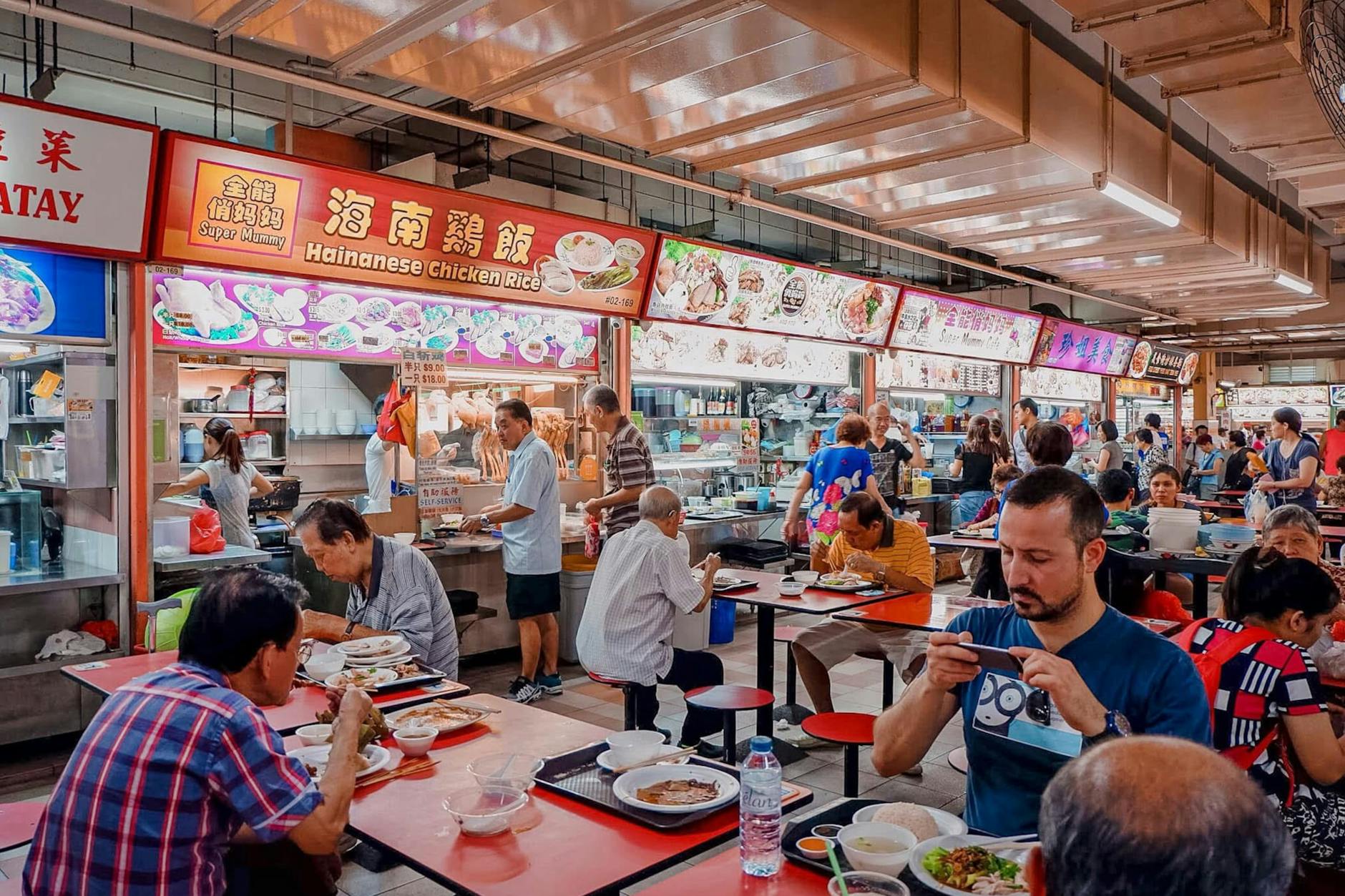
There’s a whole other layer of Jakarta shopping that the malls and big markets don’t touch: secondhand and vintage. The city has a lively thrift culture — locals call imported secondhand clothing thrifting or babebo — alongside weekend flea markets where you’ll dig through old vinyl, film cameras, enamel signs, retro toys and the occasional genuinely good vintage jacket. It’s cheap, it’s hit-or-miss, and the hunt is half the fun. The full where-and-when, including the rotating pop-up markets that are easy to miss, is in our guide to Jakarta’s flea markets and vintage shopping.
Getting Around While You Shop
A quick logistics note, because it shapes how much you can fit into a day. Jakarta’s traffic is the real constraint on a shopping itinerary — distances that look short on a map can eat an hour in a car at the wrong time of day. The good news is that the major malls have quietly clustered around the MRT line. Bundaran HI (Grand Indonesia, Plaza Indonesia) and Senayan (Senayan City, Plaza Senayan) are both right on it, so you can chain those together by train and skip the gridlock entirely; the MRT guide has the full map. For everything off the rail line — Tanah Abang, Mangga Dua, Central Park, Blok M — a ride-hailing app is the move. Grab and Gojek are cheap, reliable and metered, and our Grab vs Gojek comparison breaks down which to use when. If you’re piecing together a wider plan, our overview of getting around Jakarta ties the transport options together, and the broader things to do in Jakarta guide helps you slot shopping in around the sightseeing.
Practical Shopping Tips for Jakarta
Bargaining etiquette. Haggling is standard in traditional markets and small independent shops, and out of place in malls, branded stores and restaurants. Open at 40 to 50 percent of the asking price and climb gradually. Keep it warm — bargaining here is a friendly social exchange, not a fight — and when you stall, walking away slowly is the single most effective tactic, because more often than not the vendor will call your number as you go.
Payment methods. Malls and branded stores take credit cards and the local e-wallets — GoPay, OVO, DANA, ShopeePay. Traditional markets are overwhelmingly cash, so carry plenty of small-denomination rupiah. ATMs are everywhere inside malls and most convenience stores. If you’re watching costs across the trip, our budget travel in Jakarta guide has more on money and daily spend.
Tax refund. Indonesia runs a VAT refund scheme for international visitors. Look for “Tax Refund for Tourists” signage in participating stores and hold onto your receipts; refunds are claimed at the airport on departure for purchases over IDR 5,000,000 from a single store within one month. Build in extra time at the airport if you plan to claim — the desk can be slow.
Best times to shop. Malls generally run 10:00 AM to 10:00 PM. Traditional markets open far earlier — 6:00 or 7:00 AM — and wind down by late afternoon. Weekday mornings are the sweet spot for markets (cooler, calmer), while malls are quietest on weekday afternoons. The big sale seasons land around Lebaran (Eid al-Fitr), Christmas, the 12.12 online-to-offline sales, and Independence Day on August 17. If your dates are flexible, our guide to events and festivals in Jakarta can help you line up a trip with a sale.
What to avoid. Counterfeit branded goods are everywhere at certain markets — if a “luxury” handbag is going for a sliver of retail, it’s fake, full stop. Be equally wary of electronics from unverified sellers. For anything you want to be genuine, stick to authorised retailers in established malls, and treat the markets as the place for craft, fabric and food rather than logos.
Shopping in Jakarta by Budget
Budget shoppers. Make for Tanah Abang for wholesale clothing and fabric, Glodok for cheap electronics, and Pasar Baru for affordable textiles, with mall food courts covering meals in between. It’s entirely realistic to fill a suitcase with batik, snacks and souvenirs for under IDR 500,000 (about $32 USD) if you bargain well.
Mid-range shoppers. Work Sarinah for curated Indonesian goods, Senayan City for fashion, and Pasar Mayestik for custom-tailored batik clothing. Budget somewhere between IDR 1,000,000 and IDR 3,000,000 ($65 to $195 USD) for a satisfying haul.
Luxury shoppers. Plaza Indonesia, Pacific Place and the premium floors of Grand Indonesia deliver the full international experience, and I’d pair them with Danar Hadi for investment-grade batik tulis — the one luxury here that you genuinely can’t buy anywhere else in the world. Designer goods run cheaper than Singapore or Hong Kong but still command real money; the strategy is in our luxury shopping guide.
Shopping in Jakarta by Neighbourhood
Because traffic dictates so much, it helps to think about shopping in Jakarta geographically rather than by category. Each district has its own personality, and grouping your stops by area is the single biggest time-saver on a short trip.
Central Jakarta (Thamrin & Menteng) is the comfortable heart of it all: Grand Indonesia, Plaza Indonesia and Sarinah cluster around the Bundaran HI roundabout, with Tanah Abang and Thamrin City a short ride west. This is the area I’d base a first-time shopper in — it covers malls, batik and wholesale textiles within a tight radius, and it’s all on or near the MRT. Many visitors who stay in this zone end up doing most of their shopping on foot or with a single short Grab hop; our guide to the best areas to stay in Jakarta explains why Thamrin and Menteng are such convenient bases.
South Jakarta (Senayan, SCBD, Kebayoran) is the fashionable end — Senayan City, Plaza Senayan, Pacific Place and the boutiques of Kebayoran, plus Pasar Mayestik for custom tailoring and Blok M for grittier, cheaper finds. It’s leafier and a little more relaxed than the centre, and it’s where Jakarta’s design-conscious crowd shops. West Jakarta (Grogol) revolves around Central Park and Neo Soho, the family-friendly giants. North Jakarta is the wholesale frontier: Mangga Dua for electronics and Pasar Seni at Ancol for crafts by the sea. And East Jakarta holds Jatinegara for gemstones. You won’t cover all five in a single trip, and you shouldn’t try — pick the two that match what you’re after and go deep.
When the Sales Happen
Timing a trip around the sales can genuinely change what your money buys. The biggest retail event of the year is the run-up to Lebaran (Eid al-Fitr), when malls and markets alike discount heavily and the whole city is in a buying mood — though it’s also the most crowded time, and many smaller shops close for the holiday itself. The Jakarta Great Sale, usually tied to the city’s anniversary in mid-year, brings mall-wide markdowns across the capital. Toward year-end, the 12.12 shopping festival (December 12) and the Christmas season layer on more discounts, and Harbolnas, Indonesia’s national online shopping day, spills over into in-store promotions too. If you’re not chasing a specific sale, weekday visits at any time of year are calmer and just as good for bargaining at the markets, where the real deals come from negotiation rather than the calendar.
Frequently Asked Questions
What is Jakarta best known for shopping?
Two things, really. First, batik — Jakarta is the easiest place in Indonesia to buy it across every price tier, from a few-dollar printed scarf to a hand-drawn tulis cloth worth a small fortune. Second, wholesale textiles and clothing at Tanah Abang, the largest textile market in Southeast Asia. Add in curated Indonesian handicrafts and single-origin coffee, and those are the buys that are genuinely better here than back home. The international designer brands are nice but not the reason to shop in Jakarta.
Is shopping in Jakarta cheap?
It depends entirely on where you go. Traditional markets and wholesale centres are very cheap by Western standards — a few dollars for fabric, snacks and small souvenirs — and bargaining pushes prices lower still. Malls are mid-range to expensive and fixed-price; luxury goods, while cheaper than Singapore, are still luxury-priced. The smart play is to buy Indonesian-made goods at markets and treat the malls as places to eat, cool down and people-watch.
Do you bargain when shopping in Jakarta?
Yes, but only in the right places. Bargaining is expected and even enjoyed at traditional markets, wholesale centres and small independent stalls — start around 40 to 50 percent of the opening price and negotiate up, keeping it friendly. You do not bargain in malls, branded stores, supermarkets or restaurants, where prices are fixed. When in doubt, if there’s a price tag, it’s fixed; if there isn’t, it’s negotiable.
Where can I buy authentic batik in Jakarta?
For trustworthy, well-curated batik, start at Sarinah on Thamrin or the Danar Hadi and Batik Keris boutiques in the major malls — these carry genuine pieces with clear provenance. For the widest selection at the lowest prices, Thamrin City near Tanah Abang has hundreds of vendors. To tell real batik from print, check the back of the cloth: on genuine batik the pattern penetrates both sides. Our full batik shopping guide lists the specific shops.
What souvenirs should I buy in Jakarta?
The best Jakarta souvenirs are the ones that are unmistakably Indonesian: batik cloth or a ready-made batik shirt, silverwork, a wayang shadow puppet, woven textiles from across the archipelago, single-origin coffee, and packaged snacks like kerupuk and tempe chips that travel well. Alun Alun Indonesia and Sarinah are the easiest one-stop shops for quality. For the full list with prices, see our guide to the best Jakarta souvenirs.
First-Timer Mistakes to Skip
A few things I see visitors get wrong, so you don’t have to. Don’t try to do a market and a luxury mall on opposite sides of the city in the same afternoon — traffic will defeat you; cluster by area instead. Don’t pay the first price at a market, but equally don’t grind a vendor down over the equivalent of fifty cents — it reads as rude and the goodwill is worth more than the saving. Don’t assume the malls are where the deals are; they’re where the comfort is. Don’t buy “designer” bags from a market stall expecting them to be real. And don’t leave batik shopping to the airport, where selection is thin and prices are inflated — buy it in the city and pack it.
Shopping in Jakarta rewards the prepared and the curious in equal measure. The range — from the cool marble of Grand Indonesia to the joyful chaos of Tanah Abang — means there’s something here whether you’ve got ten dollars or ten thousand to spend. Buy the things that are genuinely Indonesian, bargain with a smile, eat well between stops, and you’ll go home with a suitcase that actually means something. When you’re ready to round out the trip, our guides to where to stay in Jakarta and the wider list of things to do in Jakarta will help you build the rest of it.