Most people who land in Jakarta for the first time work through the same shortlist — Monas, Kota Tua, the Istiqlal Mosque, a day boat out to the Thousand Islands. Those belong on any itinerary, and we walk through each of them in our best attractions in Jakarta guide. But after a few years of poking around this city, I’ve found that its real character lives in the odder corners: a Dutch watchtower that leans because the ground beneath it keeps sinking, a 700-year-old herbalist street where the jars still hold dried sea-horses, a mangrove forest you can paddle a canoe through without leaving the city limits, an antiques bazaar full of fake-aged typewriters, and a museum that exists purely to celebrate kites. This is my running list of unique things to do in Jakarta — 18 of them, for travelers who want more than the postcard version.
If you’d rather start with the standards before getting strange, the things to do in Jakarta overview lays out the whole landscape. Otherwise this list pairs nicely with the 15 hidden gems locals love — there’s almost no overlap between the two, so you can run them back to back — plus the fun activities for first-time tourists and, for a wet-season backup plan, the best indoor attractions for rainy days.
1. Wander Glodok’s Herbal Medicine Lanes
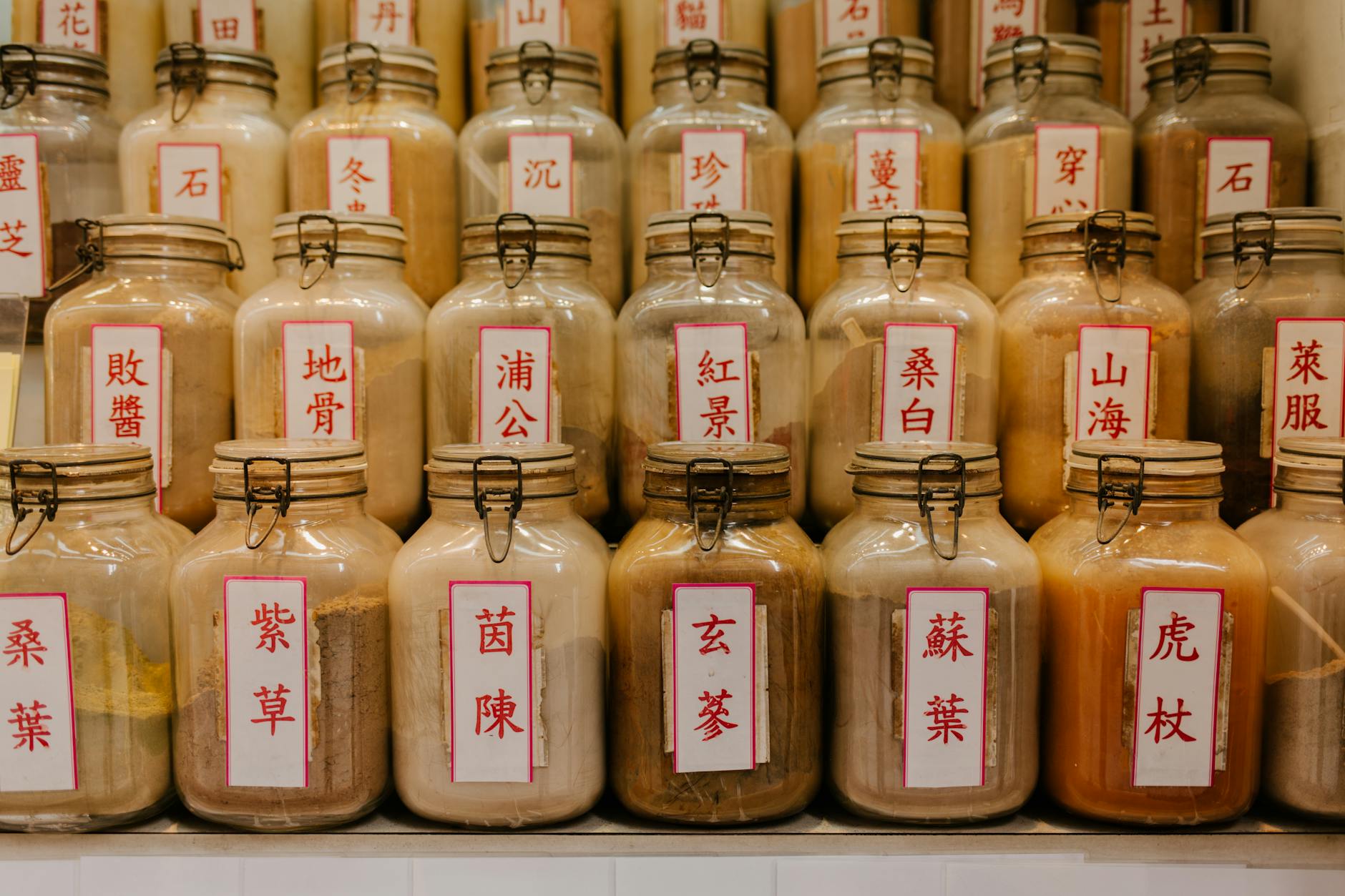
Tucked into the heart of Jakarta’s Chinatown, the lanes around Pasar Petak Sembilan hold one of the largest concentrations of jamu (traditional Indonesian herbal medicine) and Chinese apothecary shops anywhere in Southeast Asia. Walking them is a full-body sensory thing: shelves of glass jars stacked with dried sea-horses, bird’s nests, ginseng roots, snake skins, and rare herbs hauled in from the Indonesian rainforest, all crammed into shopfronts that have stood for hundreds of years. Several of the families behind the counters are now into their fifth generation of mixing remedies. You don’t have to buy a thing — half the pleasure is just watching an old herbalist weigh out a prescription on a brass hand-scale.
How to go: the nearest train station is Glodok on the Jakarta MRT, a five-minute walk away; the Jakarta MRT guide covers fares and the route. Come mid-morning on a weekday, when the apothecaries are open but the surrounding wet market hasn’t yet jammed the alleys shoulder-to-shoulder. Glodok sits right next to Kota Tua, so it slots easily into a half-day in the old town.
2. Kayak Through the Mangrove Forest at Angke Kapuk
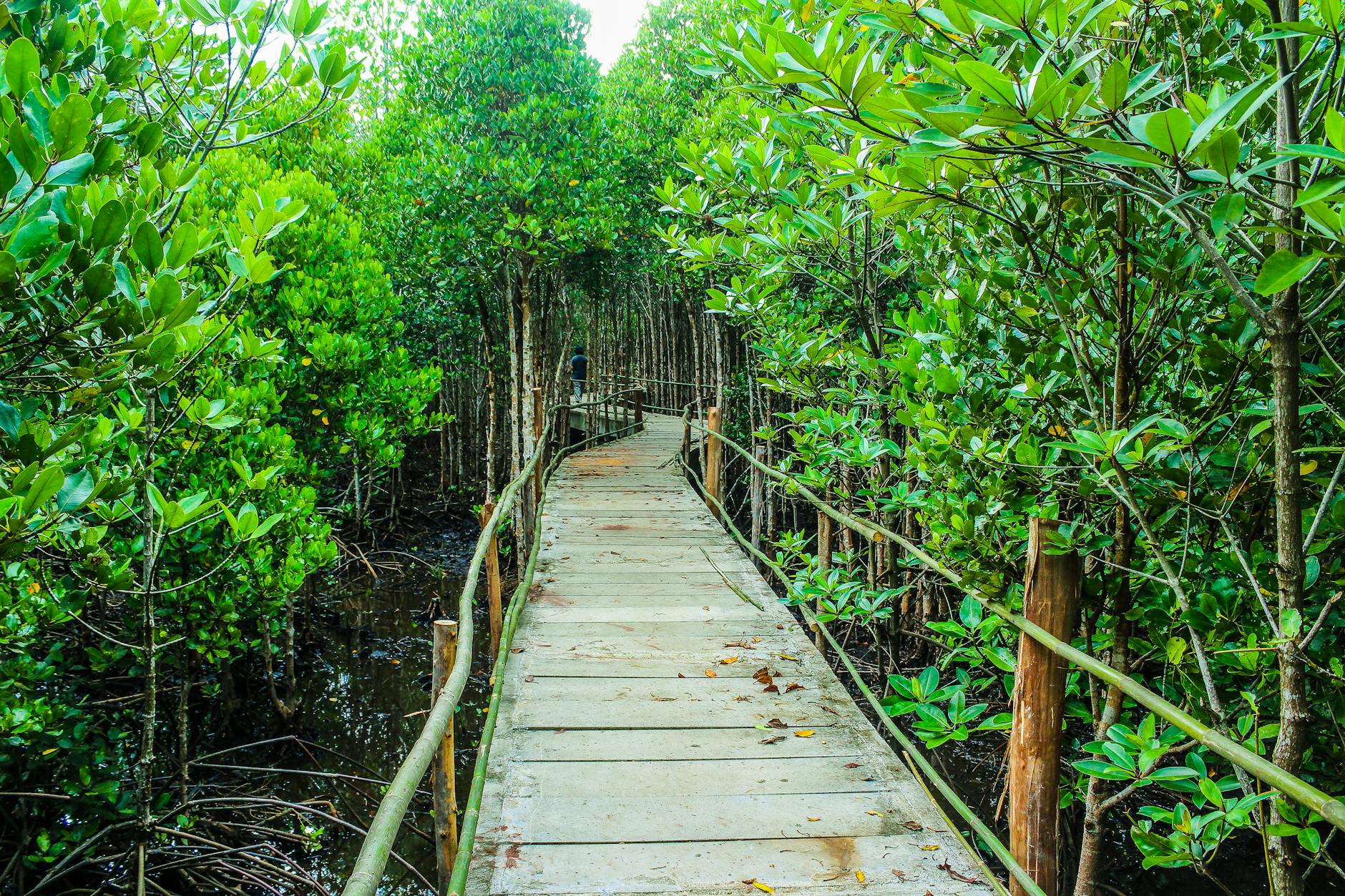
Most travelers are floored to learn that Jakarta has its own protected mangrove rainforest, and that it sits inside the city. Taman Wisata Alam Mangrove Angke Kapuk spreads across more than 100 hectares of dense, tidal mangrove woodland on the northwestern coast. Wooden boardwalks thread through the canopy, and you can rent a kayak (about IDR 50,000) for a quiet 60-minute paddle along the channels. Water monitor lizards haul out on the banks, kingfishers drop for fish, and the air carries that particular salt-and-silt smell of brackish water. Entry is around IDR 30,000.
How to go: it’s a Grab ride of roughly 40 minutes from Central Jakarta, out past Pantai Indah Kapuk; there’s no good public transport link, so factor the fare into your Jakarta transportation costs. Gates open earlier on weekends (around 7 AM versus 8 AM on weekdays), and the early slot is worth it — softer light, cooler air, and far fewer Instagram crews staking out the photogenic boardwalk bridges. One heads-up: foreign visitors without an Indonesian residence permit pay a higher entry rate than locals, so carry extra cash for the ticket window.
3. Browse Pasar Antik Jalan Surabaya
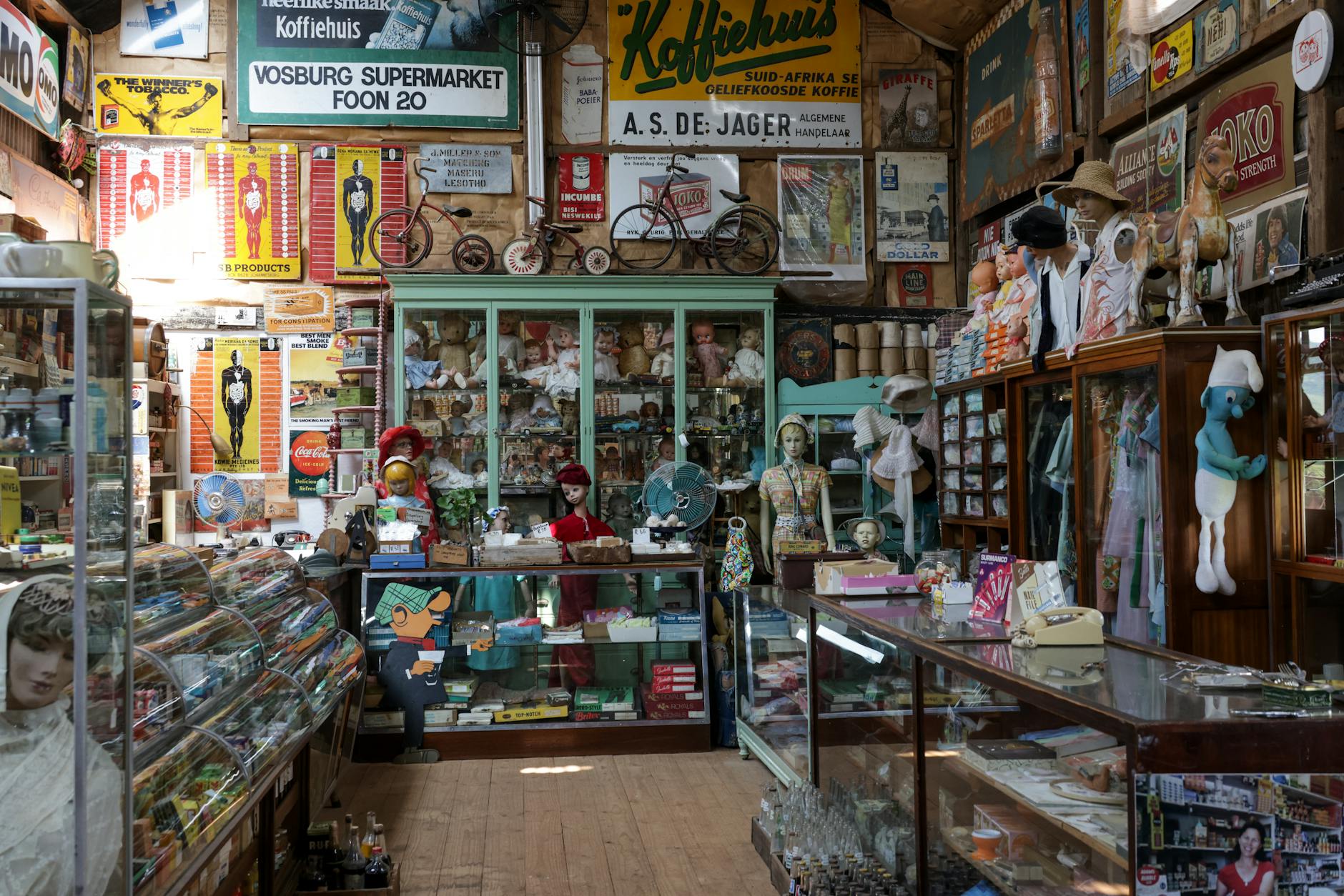
Running three blocks along Jalan Surabaya in the leafy Menteng neighborhood, Pasar Antik Jalan Surabaya is Jakarta’s most-loved open-air antiques bazaar — and, frankly, one of the better-looking streets in the city. Some 200 stalls sell genuine Dutch colonial silverware, vintage Indonesian batik, brass gongs, hand-painted porcelain, traditional keris daggers, antique typewriters, vinyl records, retro Vespas, and a bottomless supply of curios both authentic and “authentically aged.” Bargain like you mean it — opening prices usually land around 200 to 300 percent of what a piece actually goes for. Foreign collectors and film stylists have been raiding this street for decades, which is part of why the good stuff turns over fast.
If you catch the collecting bug here, the city has a whole circuit of secondhand haunts worth a separate afternoon, mapped out in our guide to Jakarta’s flea markets and vintage shopping. Jalan Surabaya is walkable, shaded, and open daily; late afternoon is when sellers are most willing to deal.
4. Climb Jakarta’s Leaning Tower
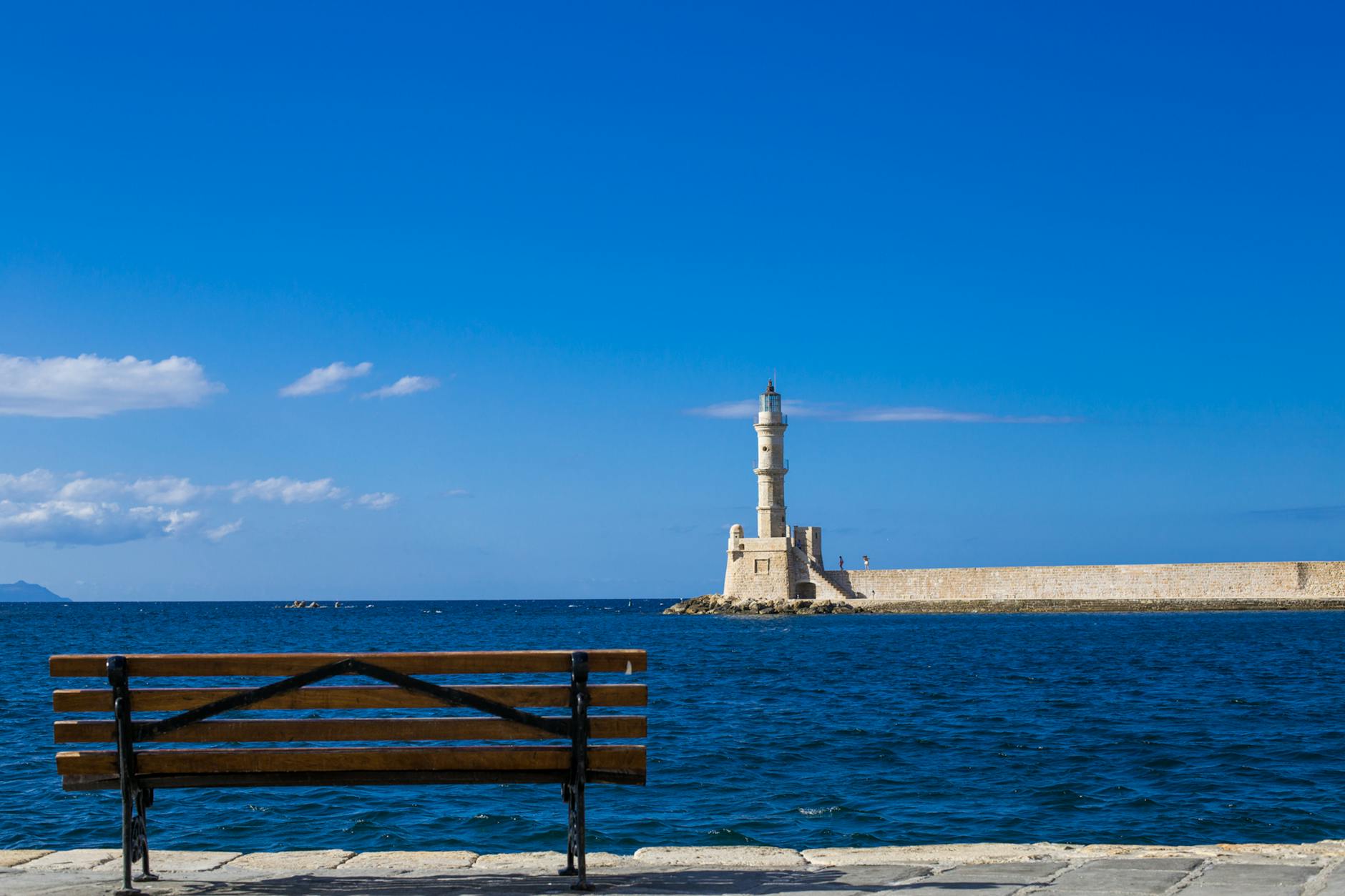
Inside the historic Sunda Kelapa port complex, the 18-meter Menara Syahbandar (“Harbor Master Tower”) went up in 1839 to keep watch over incoming ships. Thanks to severe land subsidence across northern Jakarta — and the steady pounding of container trucks rumbling past — the tower now leans noticeably off vertical, which earned it the nickname “Indonesia’s leaning tower.” The lean has crept from about two degrees in 1980 to roughly six today, and to keep it from tipping further, staff cap the number of people climbing at any one time at around 20. The narrow wooden staircase inside is steep and dim, but the reward at the top is a view of wooden Buginese pinisi schooners still loading cargo at the docks below — a scene more or less identical to photographs taken a century ago.
How to go: entry is a token IDR 5,000, and the same ticket gets you into the adjacent Jakarta Maritime Museum, set in restored VOC-era spice warehouses — budget an hour for both. The harbor is hot and shadeless, so come in the morning. You’ll find Sunda Kelapa on our Jakarta tourist attractions map if you want to chain it together with Kota Tua and Glodok in one northern loop.
5. Sip Coffee with Cats at a Jakarta Pet Cafe
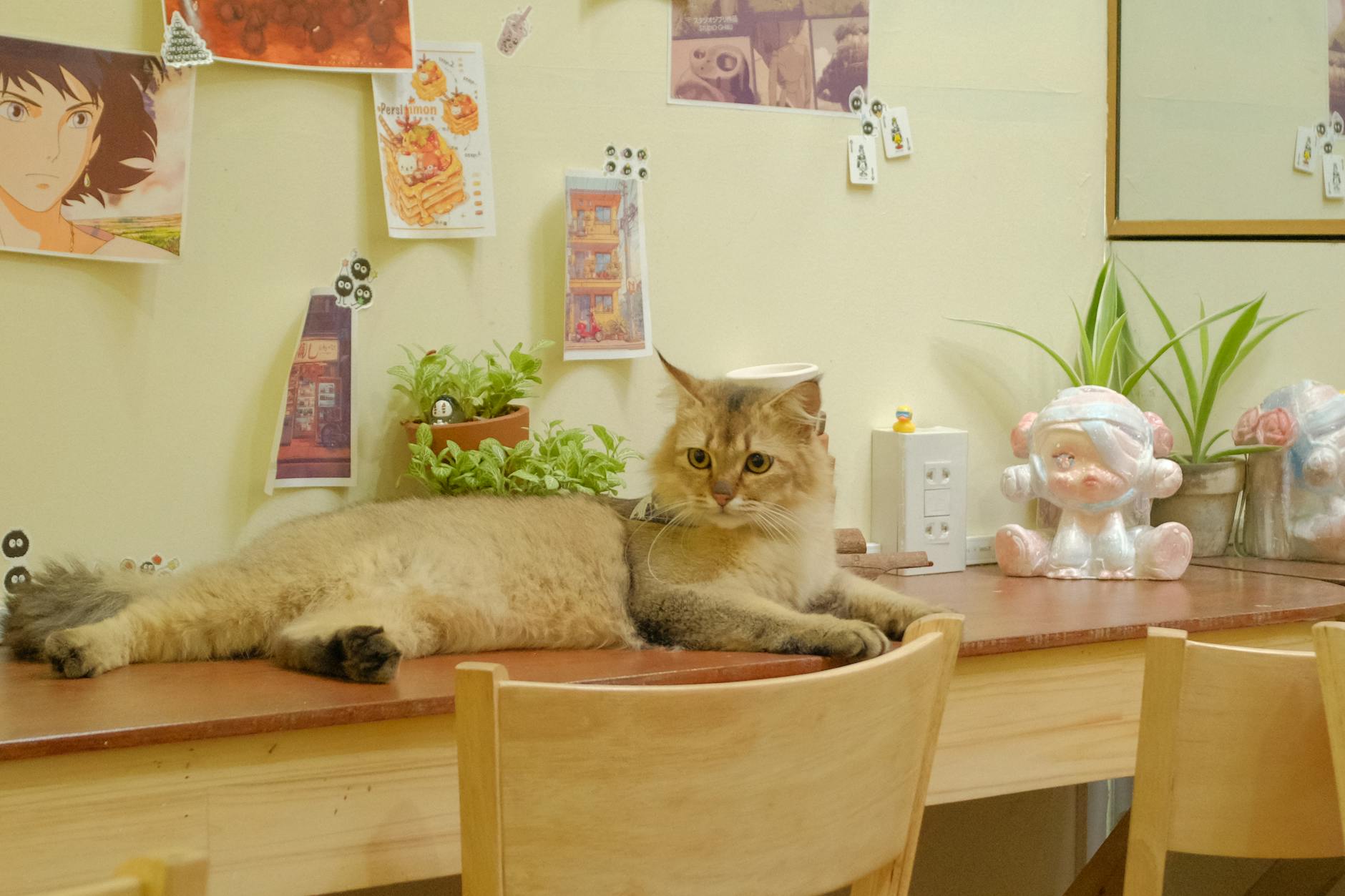
Jakarta’s pet cafe scene has multiplied over the past decade, and the city now runs some of the most varied animal cafes in Asia. Cats & Babes in Kemang and Cat Cafe Pawmise in Kelapa Gading let you spend an hour with resident cats over a coffee. Owl & Friends in West Jakarta hands you a glass of orange juice and perches a rescued barn owl on your arm. Bumitamah takes it furthest, with a whole menagerie — rabbits, guinea pigs, hedgehogs, even miniature ponies. Cover charges generally run IDR 75,000 to 150,000 with a drink folded in. It’s a soft, easy detour, and a genuinely good rainy-afternoon move if a downpour pins you indoors.
6. Tour Kemang’s Street Art and Galleries
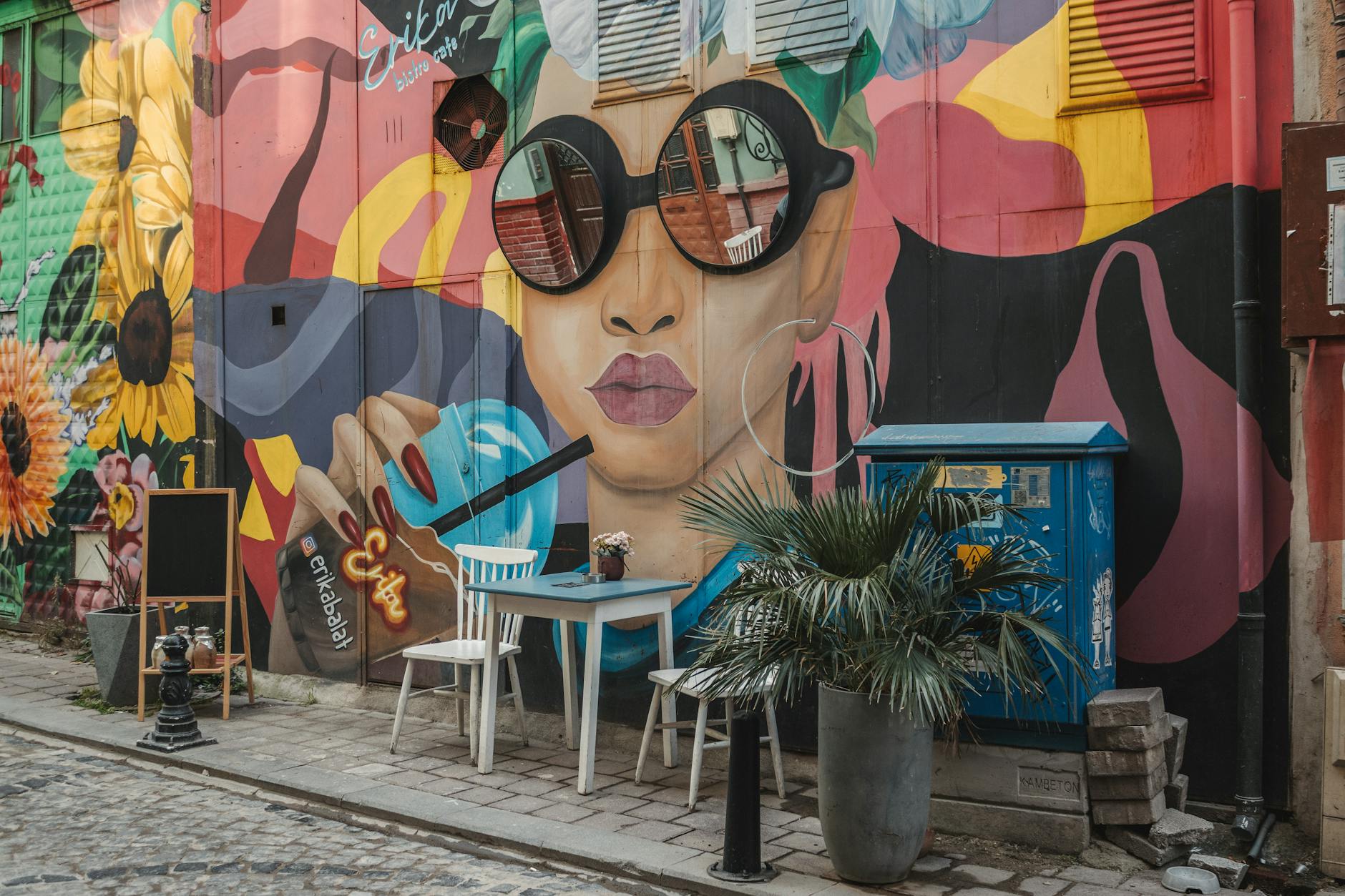
South Jakarta’s Kemang and Central Jakarta’s Cikini are the country’s twin hubs for street art and independent galleries. Walking tours led by local artists (book through @jktwalk on Instagram or via DialogueArt) usually run 90 minutes and cover 8 to 12 mural sites by leading Indonesian and international names like Stereoflow, Darbotz, Kims, and Oska Stuff. Galleries worth a stop include Dia.Lo.Gue Artspace, ROH Projects, Gajah Gallery, and ISA Art Gallery. None of it shows up on the standard tourist circuit, which is exactly the appeal. If you want to understand why these two pockets feel so different from the rest of the sprawl, our Jakarta neighborhoods guide breaks down the character of each district.
7. Take an Overnight Sleeper Train from Gambir Station
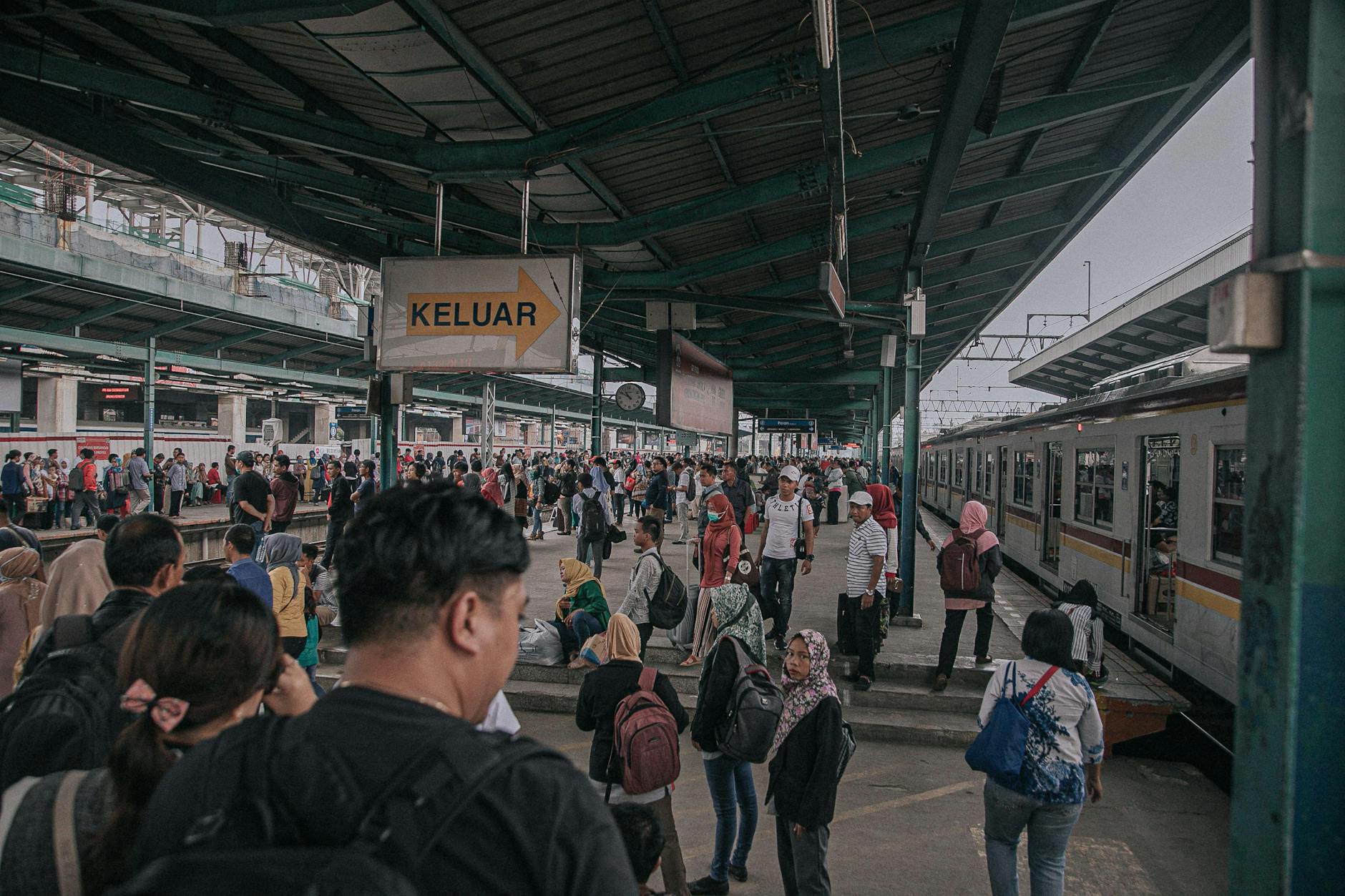
For a travel experience that’s purely Indonesian, take an overnight sleeper train from Gambir Station — Jakarta’s biggest — bound for the cultural capital of Yogyakarta or the food city of Surabaya. The premium Argo Bromo, Bima, and Sembrani services pull out of Gambir each evening with reclining seats, sleeper berths, dining cars, and long dark views over central Java. A first-class one-way fare runs roughly IDR 400,000 to 800,000. Even if you only ride a few hours, sliding out of the city by rail under a black sky is one of the country’s most underrated journeys.
How to go: book through the official KAI Access app or at the station counter a day or two ahead, since the good berths sell out. Gambir is right beside Monas, so it’s an easy taxi or TransJakarta bus hop from anywhere central. If a full overnight feels like too much, even a daytime run toward Bandung makes a satisfying half-day; our best day trips from Jakarta guide has more on where the rails can take you.
8. Visit Museum Layang-Layang — Indonesia’s Kite Museum
Out in the South Jakarta neighborhood of Pondok Labu, on Jalan H. Kamang, the Museum Layang-Layang (“Kite Museum”) keeps more than 600 traditional and modern kites from across Indonesia and 35 other countries. It was founded by kite-maker and cultural ambassador Endang Ernawati, and the real draw is the workshop: for around IDR 30,000 to 50,000 you can paint and assemble your own traditional Indonesian layang, then fly it on the small lawn out front. The collection includes the world’s largest kite — the 22-meter “Kite of the Sun” — and 9th-century kite designs from Banten that predate the famous European versions by centuries.
How to go: the museum opens daily, roughly 9 AM to 4 PM; it’s tucked into a residential lane, so a Grab or Gojek is the painless way in, and it’s smart to message ahead to confirm a workshop slot. Kids love this one — it earns its place on our list of things to do in Jakarta with kids.
9. Explore Pasar Kue Subuh — Jakarta’s Pre-Dawn Cake Market
One of the stranger things you can do in any Asian capital: Pasar Kue Subuh (“Dawn Cake Market”) is a nocturnal wholesale food market in Senen that runs from 7:00 PM to 5:00 AM. Hundreds of vendors sell traditional Indonesian and Betawi cakes, sweets, fried snacks, and savory pastries, and plenty of them push free samples at anyone who looks like a buyer. At 3:00 AM the place is weirdly electric — bakers stacking pastry boxes meters high while small grandmothers sprint to fill orders before the morning rush. Bring cash, mind your bag, and turn up hungry. This is wholesale territory, so the prices are a fraction of what the same kue costs by daylight.
The dawn cake market is really the headliner of a wider after-dark eating culture; if you’d rather graze than shop, our roundup of Jakarta’s best night food markets points you toward the spots that fire up their grills once the sun’s down.
10. Eat at the Muara Karang Seafood Docks
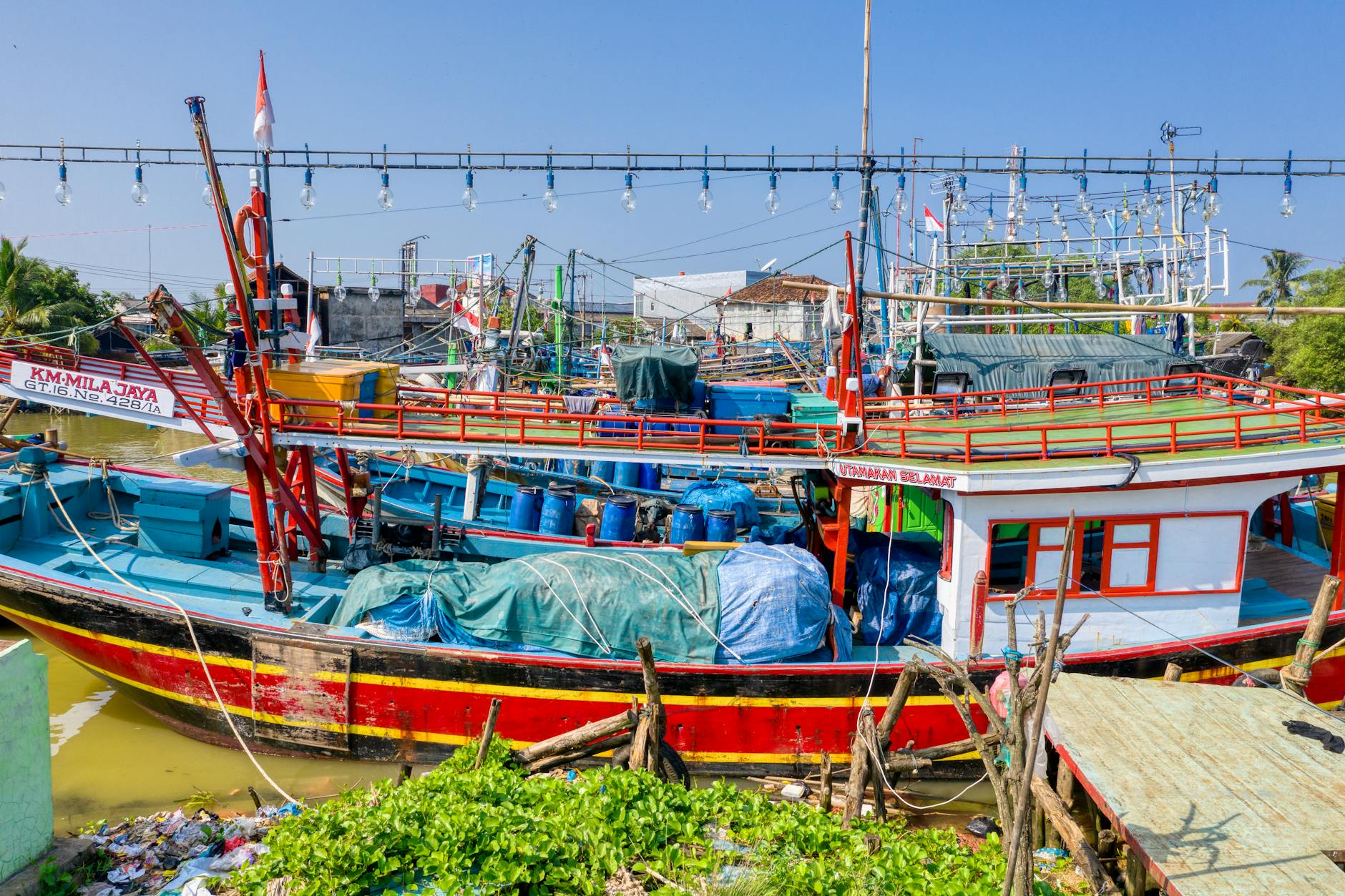
Up in far northern Jakarta, the Muara Karang fishing harbor still works the city’s busiest commercial fishing fleet. Within a 200-meter walk of the docks, dozens of no-frills open-sided seafood restaurants — some barely more than tarp-roofed sheds — cook whatever the boats landed that morning, at workman prices. Order live tiger prawns grilled in garlic butter, salt-baked grouper, kerang darah (blood cockles), or the famous kepiting saus padang (crab in spicy Padangese sauce). A blowout feast for four lands around IDR 400,000 to 800,000 — a sliver of what a hotel restaurant charges for worse fish.
How to go: addresses out here are vague, so take a Grab straight to one of the named seafood houses and point at the tanks rather than the menu — the day’s catch is whatever’s swimming. If your trip is mostly about eating, the citywide best seafood restaurants in Jakarta guide stacks Muara Karang against the more polished options.
11. Visit Si Pitung’s House in Marunda
Way off the tourist circuit, in the working-class district of Marunda in northeast Jakarta, stands Rumah Si Pitung — a beautifully kept traditional Betawi stilt house once home to Si Pitung, the Robin Hood-style folk hero who in the 1880s took on Dutch colonial landlords on behalf of poor Betawi farmers. The wooden house, built around 1890 and restored in 1990, sits at the edge of the Java Sea, with a small garden and the original kitchen, sleeping quarters, and prayer room intact. Entry is free or a small donation, and the drive from central Jakarta takes about 90 minutes.
It’s a long haul for one small house, so I’d treat it as the anchor of a wider plunge into Betawi history rather than a solo trip; our guide to Jakarta’s culture and history museums maps out the other sites that fill in the story of the city’s original inhabitants.
12. Try a Traditional Javanese Royal Massage at Taman Sari Spa
The Taman Sari Royal Heritage Spa in Menteng — one of Indonesia’s best-known spa brands — runs treatments descended from the 16th-century palace rituals of the Yogyakarta sultans. The signature Lulur Royal Heritage is a 2.5-hour, four-stage affair that opens with a turmeric-and-rice-powder body scrub once used to ready Javanese princesses for marriage, then moves through a yogurt skin softener, a fresh flower bath, and a deep oil massage. Reckon on IDR 850,000 to 1,200,000. Several other heritage brands — Martha Tilaar, Mustika Ratu, and Bersih Sehat — offer comparable rituals at a range of price points. Book a day ahead for a weekend slot, and treat it as the soft landing after a hard day of market-walking.
13. Watch Wayang Kulit Behind the Screen
Most people who watch wayang kulit (Indonesian shadow puppetry) sit on the audience side of the white screen, following the silhouettes as they flicker to live gamelan. But the quiet trick of wayang is that you can also sit on the dalang‘s side — behind the screen — and watch the master puppeteer work dozens of intricately carved leather puppets while voicing every character in an entire epic himself. The Sunday performances at the Wayang Museum on Fatahillah Square let visitors choose either side, and watching a skilled dalang at close range is a genuine encounter with a UNESCO Masterpiece of Intangible Heritage. Shows generally run on the second, third, and fourth Sunday of the month, late morning into the afternoon, so check the date before you build your day around it. The museum itself is open Tuesday to Sunday and sits in the thick of Kota Tua’s other museums and cultural sites.
14. Visit Setu Babakan’s Betawi Cooking Workshops
Beyond the well-known cultural performances at Setu Babakan (the South Jakarta village dedicated to Betawi heritage), the place also runs hands-on cooking workshops where you learn to make kerak telor — the iconic Betawi street snack of glutinous rice, egg, dried shrimp, and fried coconut, cooked over a clay charcoal pot. Workshops run weekends only and cost about IDR 100,000 including ingredients. The teaching grandmothers speak limited English but get the point across beautifully with smiles, gestures, and the universal joy of feeding a guest. Come hungry and stay for the live music and the lake; there’s a whole afternoon here if you let it stretch.
15. Catch a Kelong Performance at Wayang Orang Bharata
Founded in 1972, Wayang Orang Bharata in Senen is one of Indonesia’s most committed traditional theaters, staging live wayang orang (human-actor wayang) versions of Mahabharata and Ramayana stories every Saturday evening. The performers — many from families that have practiced wayang for generations — wear elaborate Javanese palace costumes and masks, backed by a full live gamelan. Tickets are almost comically cheap (IDR 50,000 to 150,000) for a three-hour epic, and there are Sunday children’s programs too. Buy tickets at the door; arrive a little early to claim a decent seat, because regulars fill the front rows.
16. Explore Jakarta’s Underground VOC Tunnels
Beneath the Stadhuis (Jakarta History Museum) in Kota Tua, a network of 17th-century Dutch tunnels and dungeons runs under Fatahillah Square. Built originally for storage, security, and prisoner detention, the tunnels once held figures including the freedom fighter Pangeran Diponegoro before his exile to Sulawesi. You can only reach them on a guided museum tour, but the route opens dramatically into basement-prison cells where the wooden doors and iron shackles are still in place. It’s a genuinely eerie half-hour, and one of the most overlooked historical sites in the country. Ask at the museum’s front desk about tour times when you arrive, since the underground portion isn’t always running.
17. Drink Specialty Coffee in Cikini’s Indie Roasters
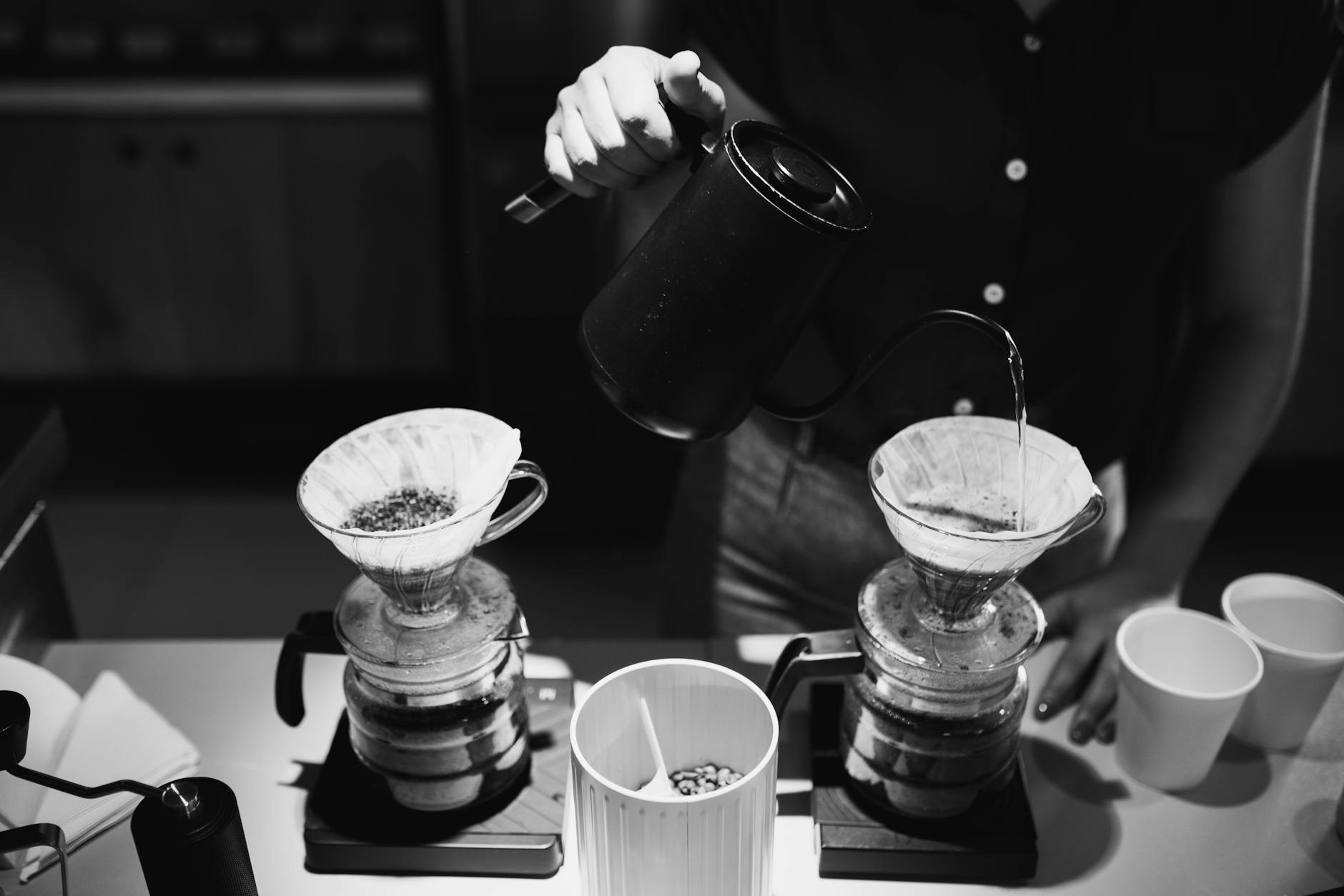
Indonesia is the world’s third-largest coffee producer, and Jakarta’s third-wave coffee scene leans hard into the country’s wildly diverse single-origin beans. Cikini in Central Jakarta and Kemang in South Jakarta are the epicenters. Standout independent roasters include Tanamera Coffee (Jakarta’s most awarded), 1/15 Coffee, Kopi Tuku, Common Grounds, and Kopi Manyar. Order an Aceh Gayo, a Toraja Sapan, or a Bali Kintamani pour-over to taste varieties that rarely leave the archipelago. It’s a low-effort, high-reward way to spend a humid afternoon, and most of these cafes happily plug a laptop-toting traveler in for an hour.
18. Find Jakarta’s Lost Garden — Taman Suropati Sculpture Walk
The 16,000-square-meter Taman Suropati in Menteng is widely known as a quiet park, but few tourists clock that it doubles as Jakarta’s most thoughtful open-air sculpture garden. Ringing the central fountain are five large abstract sculptures — one gifted by each of the original ASEAN founding member states (Indonesia, Malaysia, Singapore, Thailand, Philippines) when ASEAN was founded in Jakarta in 1967. The Indonesian piece, “Peace” by sculptor Sunaryo, is the standout. It’s free, unfenced, and open 24 hours, which makes it an easy bookend to a stroll down nearby Jalan Surabaya. On weekend mornings you’ll often catch amateur violinists rehearsing under the trees — the park’s open-air music community has met here for years.
At a Glance: Unique Jakarta Experiences, Cost & Timing
If you’re trying to slot a few of these into a tight schedule, here’s the quick version — rough cost, how long to budget, and the part of the city you’ll be in.
| Experience | Rough cost | Time needed | Area |
|---|---|---|---|
| Glodok herbal lanes | Free to browse | 1–2 hrs | Chinatown / West |
| Angke Kapuk mangrove kayak | IDR 30k entry + 50k kayak | Half day | North (PIK) |
| Jalan Surabaya antiques | Free to browse | 1–2 hrs | Menteng / Central |
| Menara Syahbandar (leaning tower) | IDR 5,000 | 1 hr | North (Sunda Kelapa) |
| Pet cafe | IDR 75k–150k | 1 hr | Kemang / Kelapa Gading |
| Overnight sleeper train | IDR 400k–800k | Overnight | Departs Gambir |
| Museum Layang-Layang (kites) | Workshop IDR 30k–50k | 1–2 hrs | Pondok Labu / South |
| Muara Karang seafood docks | ~IDR 400k–800k for 4 | 2 hrs | North |
| Wayang kulit at Wayang Museum | Low entry fee | 1–3 hrs (Sun) | Kota Tua |
| Cikini specialty coffee | IDR 30k–60k a cup | 1 hr+ | Cikini / Kemang |
Bonus: A Few More Off-the-Beaten-Path Picks
Pasar Tiban Senayan — a Sunday morning bric-a-brac market that pops up weekly in the GBK Sports Complex parking lot, heavy on Indonesian collectibles. Setia Budi One Underground Cinema — a tiny boutique theater specializing in Indonesian art-house films. Atlas Beach Club at PIK 2 — Jakarta’s largest beach club, surprisingly serene on mid-week mornings. Lapangan Banteng Friday fountain show — a free synchronized water-and-light show every Friday evening at the central park between Istiqlal and the Cathedral. None of these will eat a whole day, so they’re good filler between the bigger stops on this list.
Practical Tips for Off-Beat Jakarta Sightseeing
Build flexibility into your itinerary — a lot of these sites keep loose, inconsistent hours, so call ahead through Grab or your hotel concierge before you travel. Use ride-hailing rather than driving yourself; addresses in working-class districts like Marunda or Muara Karang are genuinely hard to find without local knowledge, and if you’re weighing the apps, our Grab vs Gojek comparison lays out which works better where. Carry small rupiah notes for entry fees, parking, and odds and ends. Dress modestly at religious or cultural sites in more conservative neighborhoods.
If you’d rather not improvise the logistics at all, several of these picks slot neatly into a structured route — the 3-day Jakarta itinerary threads the old-town sites together, while travelers with more time can fold the further-flung stops into the one-week itinerary.
Frequently Asked Questions About Unique Things to Do in Jakarta
What are the most unique things to do in Jakarta?
Among the most distinctive experiences are kayaking through the Angke Kapuk mangrove forest, walking Glodok’s herbal medicine lanes, climbing Menara Syahbandar (Indonesia’s leaning tower), browsing the antique stalls on Jalan Surabaya, and watching wayang kulit shadow puppetry from behind the screen.
Where can I find Jakarta off the beaten path experiences?
The best off-the-beaten-path neighborhoods are Glodok (Chinatown), Cikini (specialty coffee, art galleries), Kemang (street art, dining), Marunda (Si Pitung’s house), Senen (night markets), and the northern coastal districts like Muara Karang.
Are these unique attractions safe to visit?
Yes — Jakarta is generally safe, including in working-class neighborhoods. Use common-sense urban precautions (ride-hailing rather than walking late at night, secure your bag in markets, avoid demonstrations), and you’ll be fine.
How much time do unique Jakarta activities take?
Most unique attractions on this list run 1–3 hours, with day-long experiences (mangrove kayaking, sleeper train) requiring more planning. Plan to combine several smaller stops in a half-day.
Are unique Jakarta activities expensive?
Generally no — most off-the-beaten-path experiences in Jakarta are very affordable. Pet cafes cost IDR 75,000–150,000, mangrove kayaking IDR 50,000, antique market browsing is free, and the Wayang Museum entry is just IDR 5,000. Even a luxurious Taman Sari spa treatment costs a fraction of comparable European prices.
When is the best time of year to visit Jakarta for these experiences?
The drier months from roughly May to September are the easiest for the outdoor picks — mangrove kayaking, the sleeper train, and the open-air markets all behave better when it isn’t pouring. During the wetter months you can simply pivot toward the indoor options on this list, like the pet cafes, the Wayang Museum, and Cikini’s roasters. Mornings are almost always better than afternoons for beating both the heat and Jakarta’s notorious traffic.
From paddling through inner-city mangroves to climbing a leaning Dutch watchtower, Jakarta’s odd side is genuinely surprising — and most of it costs next to nothing. These 18 unique things to do in Jakarta will send you home with stories few of your fellow travelers will be able to match. To keep planning, circle back to our Jakarta hidden gems guide and the 15 must-see Jakarta landmarks — both pair naturally with everything on this off-beat list.
External Resources for Off-the-Beaten-Path Jakarta
For more unique things to do in Jakarta, the official Wonderful Indonesia tourism portal regularly highlights lesser-known cultural sites, while Atlas Obscura’s Jakarta page documents many of the most unusual local landmarks contributed by traveler-correspondents around the world.