Jakarta museums and cultural sites offer visitors an extraordinary window into Indonesia’s rich and complex history. The capital city, home to more than 170 museums, galleries, and cultural institutions, tells the story of a nation forged from hundreds of ethnic groups, shaped by centuries of trade, colonization, revolution, and modernization. Ancient Hindu-Buddhist statuary, Dutch colonial architecture, traditional performing arts, cutting-edge contemporary galleries — Jakarta’s cultural landscape runs deep in every direction, and the trick is knowing which sites to prioritize.
Understanding Jakarta’s culture and history is essential for any visitor who wants to go beyond the surface of this sprawling metropolis. The city that began as the small Hindu port of Sunda Kelapa in the 12th century has reinvented itself through multiple identities — from Jayakarta to Batavia to modern-day Jakarta — and each transformation has left behind layers of artifacts, architecture, and living traditions. This comprehensive guide to Jakarta museums and cultural sites will help you navigate the best of what the city has to offer in 2026.
The National Museum of Indonesia (Museum Nasional)
No exploration of Jakarta museums and cultural sites is complete without a visit to the National Museum of Indonesia, affectionately known as Museum Gajah (Elephant Museum) for the bronze elephant statue gifted by the King of Siam in 1871 that stands at its entrance. Established in 1778 by the Batavian Society of Arts and Sciences, this is Indonesia’s oldest and most comprehensive museum, housing more than 140,000 artifacts that span the entire archipelago’s history from prehistoric times to the modern era.
The museum’s collections are divided across two main buildings. The original heritage building, dating from 1868, features ethnographic displays including traditional textiles, weapons, musical instruments, and ceremonial objects from Indonesia’s diverse ethnic groups. The newer Gedung Arca (Statue Building) houses one of Southeast Asia’s finest collections of Hindu-Buddhist statuary, with pieces dating back to the 7th century. The gold room on the upper floor is a particular highlight, displaying exquisite gold artifacts from various Indonesian kingdoms including the treasures of the Wonoboyo hoard from Central Java.
Our dedicated National Museum of Jakarta guide goes gallery by gallery, but in short, plan to spend at least two hours exploring it. English-language guided tours are available on certain days and are highly recommended for understanding the context behind the exhibits. The museum is located on the western edge of Merdeka Square, making it easy to combine with visits to the National Monument (Monas) and other central Jakarta attractions. Admission is IDR 25,000 for foreign visitors, and the museum is open Tuesday through Sunday.
Kota Tua: Jakarta’s Historic Old Town
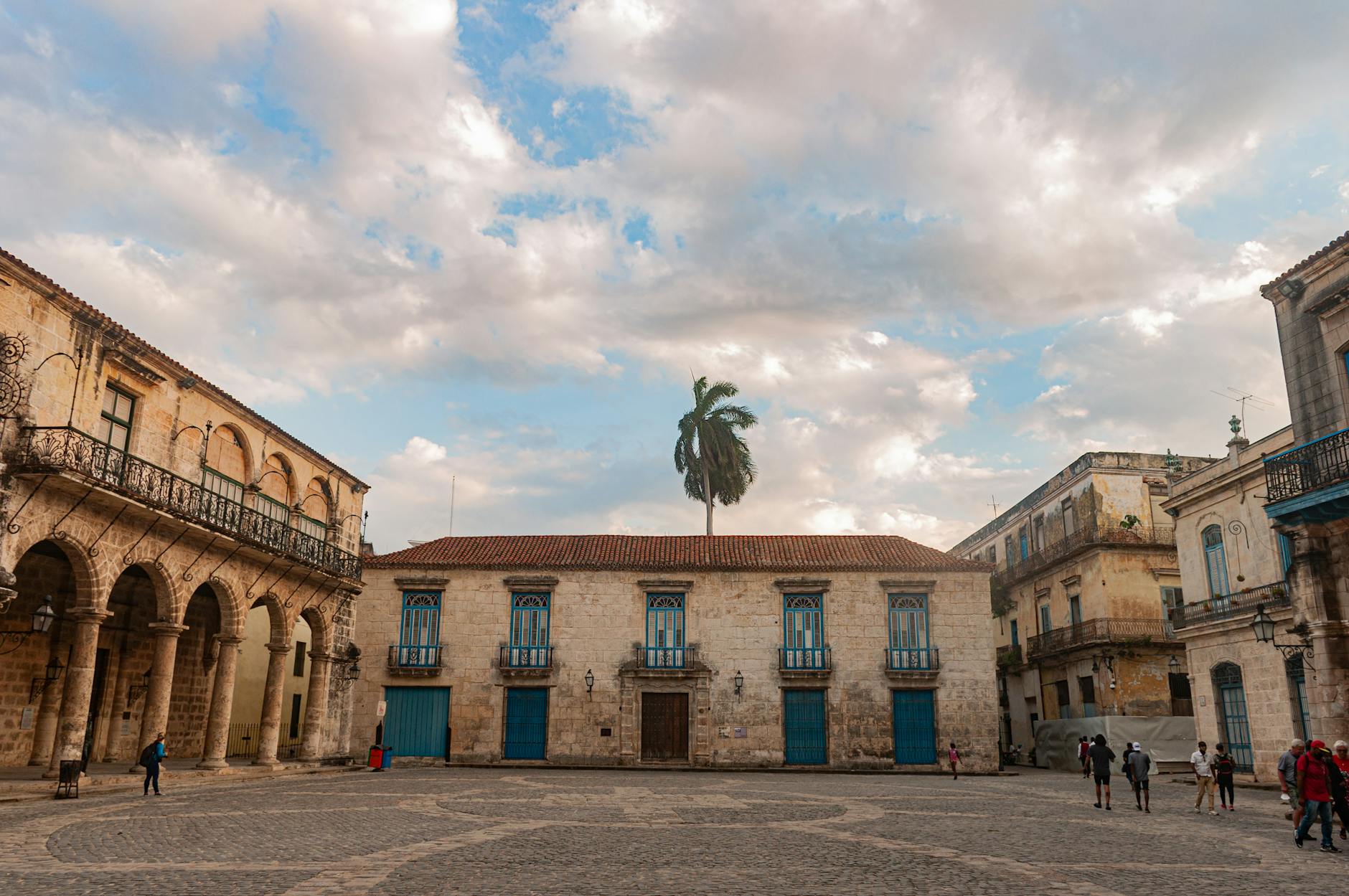
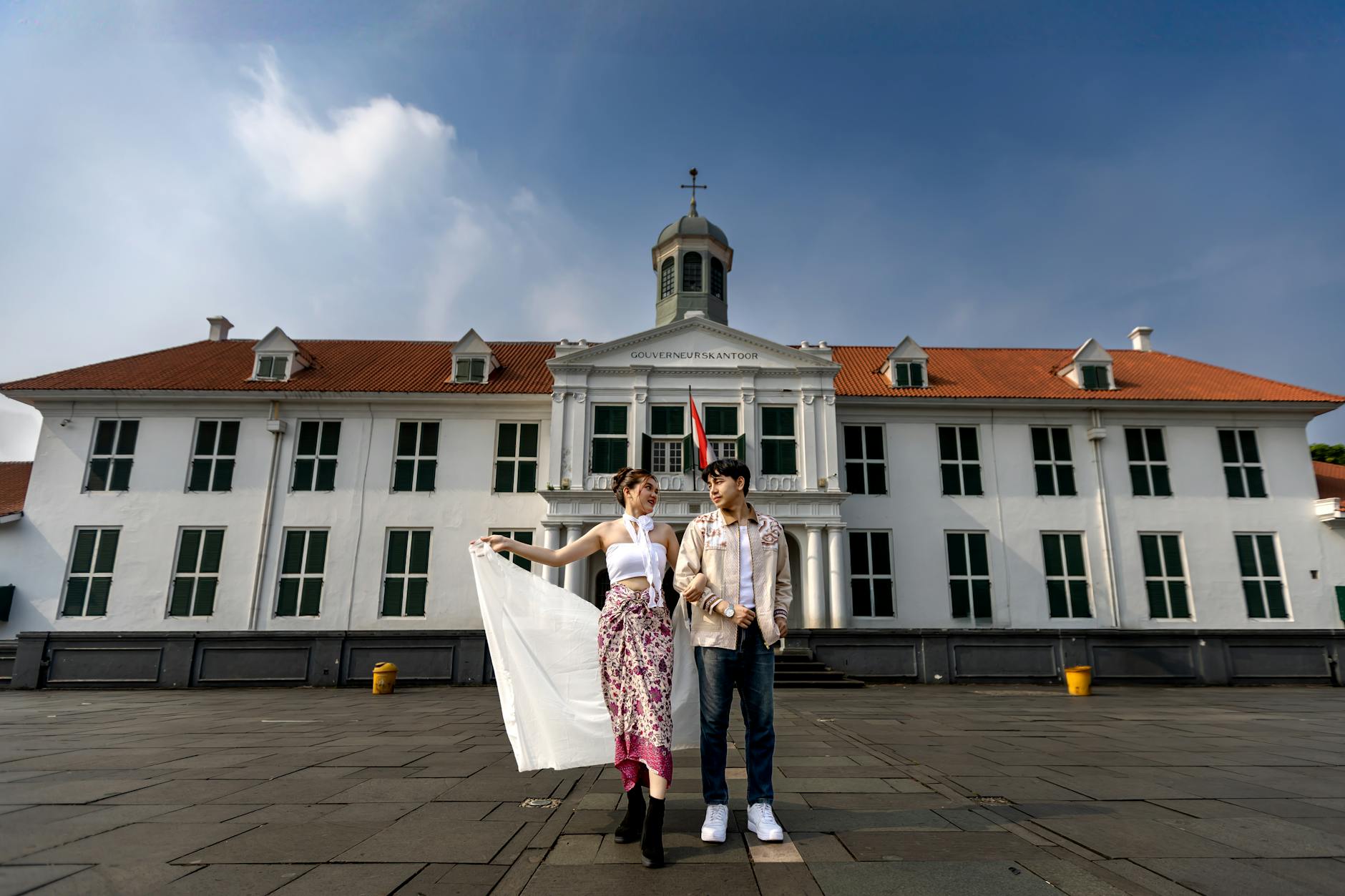
Kota Tua, or Old Town Jakarta, is the heart of the city’s colonial heritage and one of the most important Jakarta museums and cultural sites to visit. This historic district was once the center of Batavia, the capital of the Dutch East Indies, and today preserves a remarkable concentration of 17th to 19th century architecture. The area around Taman Fatahillah (Fatahillah Square) holds the highest density of museums in the city, so you can knock out several in a single morning — and it’s a centerpiece of our guide to Jakarta’s landmarks.
The history of this area stretches back centuries before the Dutch arrived. In 1527, the Muslim warrior Fatahillah conquered the Hindu port of Sunda Kelapa and renamed it Jayakarta, meaning “victorious city.” The Dutch East India Company (VOC) seized the town in 1619 under Jan Pieterszoon Coen and built their colonial capital of Batavia on the ruins. For nearly 350 years, this area served as the administrative and commercial hub of Dutch colonial power in Southeast Asia, and the buildings that remain tell the story of that complex and often troubled era.
Walking through Kota Tua today, you will encounter street performers, food vendors selling traditional snacks, and locals enjoying the open plaza. The area has undergone significant restoration efforts, and while some buildings still await renovation, the overall atmosphere transports visitors back to colonial-era Batavia. Weekend mornings are particularly lively, with plenty of things to do including bicycle rentals, photography tours, and cultural performances in the square.
Jakarta History Museum (Museum Fatahillah)
The Jakarta History Museum, also known as Museum Fatahillah, occupies the former Stadhuis (City Hall) of Batavia, built in 1710. This imposing building served as the administrative center of the Dutch East Indies government and later as a courthouse and prison. Today, the museum chronicles Jakarta’s evolution from a small fishing village to a sprawling megacity through maps, paintings, furniture, archaeological finds, and artifacts from the Dutch colonial period. The underground dungeons, once used to hold prisoners including the Indonesian national hero Prince Diponegoro, are open to visitors and offer a sobering reminder of the colonial era’s darker chapters.
Wayang Museum

Located on the western side of Fatahillah Square, the Wayang Museum is dedicated to Indonesia’s magnificent puppet traditions, recognized by UNESCO as a Masterpiece of the Oral and Intangible Heritage of Humanity. The collection includes wayang kulit (shadow puppets made from buffalo hide), wayang golek (three-dimensional wooden rod puppets from West Java), and puppets from China, India, Thailand, Cambodia, and Europe. Regular wayang performances are held on weekends, giving visitors the chance to experience this ancient storytelling art form that has been central to Javanese culture for more than a thousand years.
Fine Art and Ceramic Museum
Also facing Fatahillah Square, the Fine Art and Ceramic Museum (Museum Seni Rupa dan Keramik) houses a collection of Indonesian paintings from the 19th century through the modern era, alongside an impressive ceramic collection featuring pieces from China, Japan, Thailand, Vietnam, and Indonesia. The building itself, constructed in 1870, originally served as the Court of Justice of the Dutch East Indies and is an architectural attraction in its own right.
Bank Indonesia Museum
A short walk from Fatahillah Square, the Bank Indonesia Museum occupies a beautifully restored neoclassical building that once served as the Dutch colonial bank (De Javasche Bank). This is one of the best-curated museums in Jakarta, using multimedia displays, dioramas, and interactive exhibits to tell the story of Indonesia’s monetary history and its role in the country’s economic development. The building’s architecture alone, with its soaring ceilings and elegant colonial details, makes it worth a visit. Admission is free.
Bank Mandiri Museum
Next door to Bank Indonesia Museum, the Bank Mandiri Museum occupies the former Nederlandsche Handel-Maatschappij (Netherlands Trading Society) building. The museum preserves the original banking hall with its antique furniture, safes, typewriters, and counting machines, offering an atmospheric glimpse into the colonial banking world. It is one of the more unusual Jakarta museums and cultural sites that rewards visitors who appreciate industrial heritage and design history.
Contemporary Art and Modern Galleries
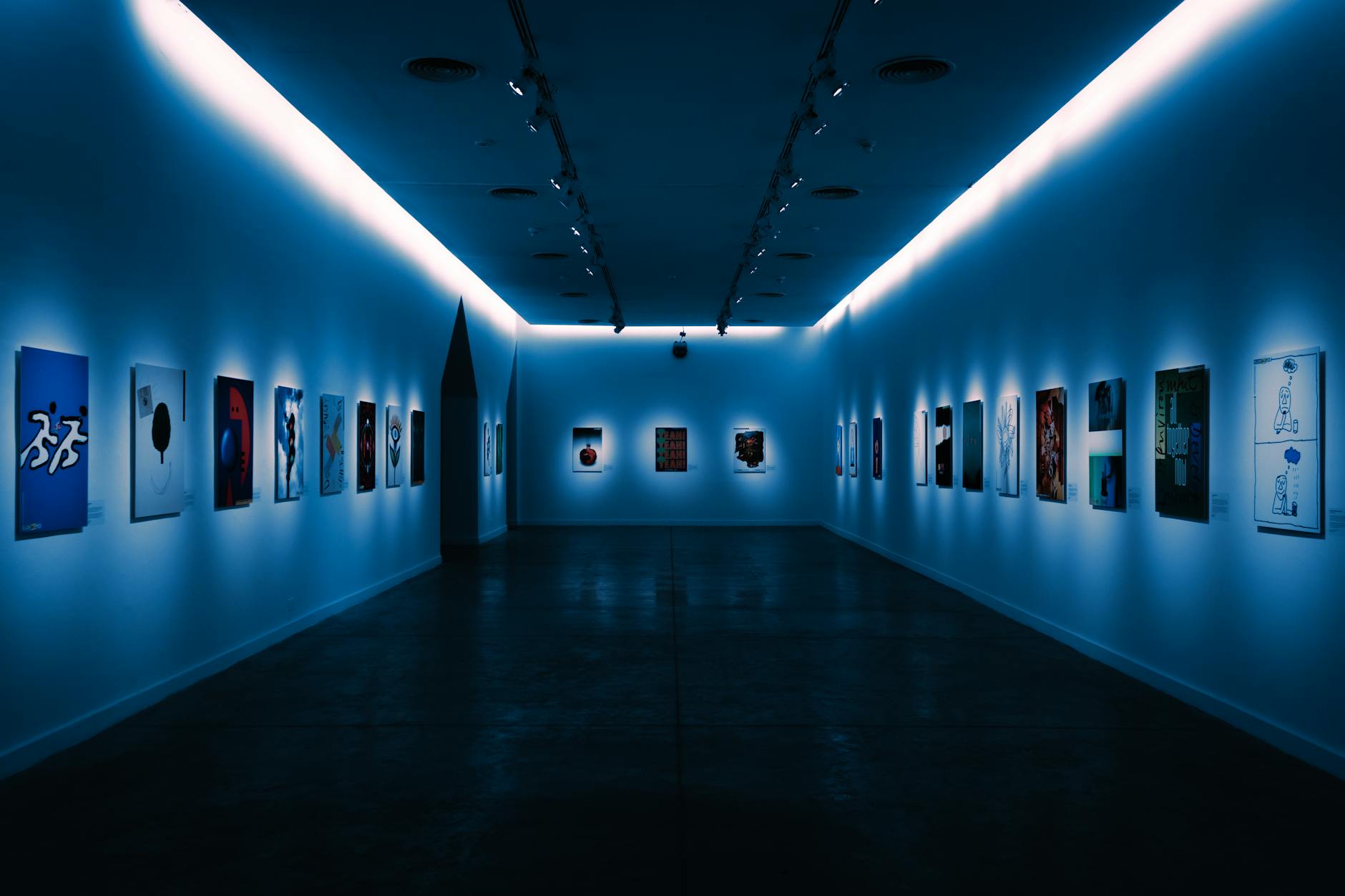
Jakarta’s contemporary art scene has exploded in recent years, earning the city recognition as one of Southeast Asia’s most dynamic cultural capitals. The art market here blends traditional Indonesian craftsmanship with bold modern experimentation, and several world-class galleries and institutions make contemporary art accessible to both casual visitors and serious collectors.
Museum MACAN
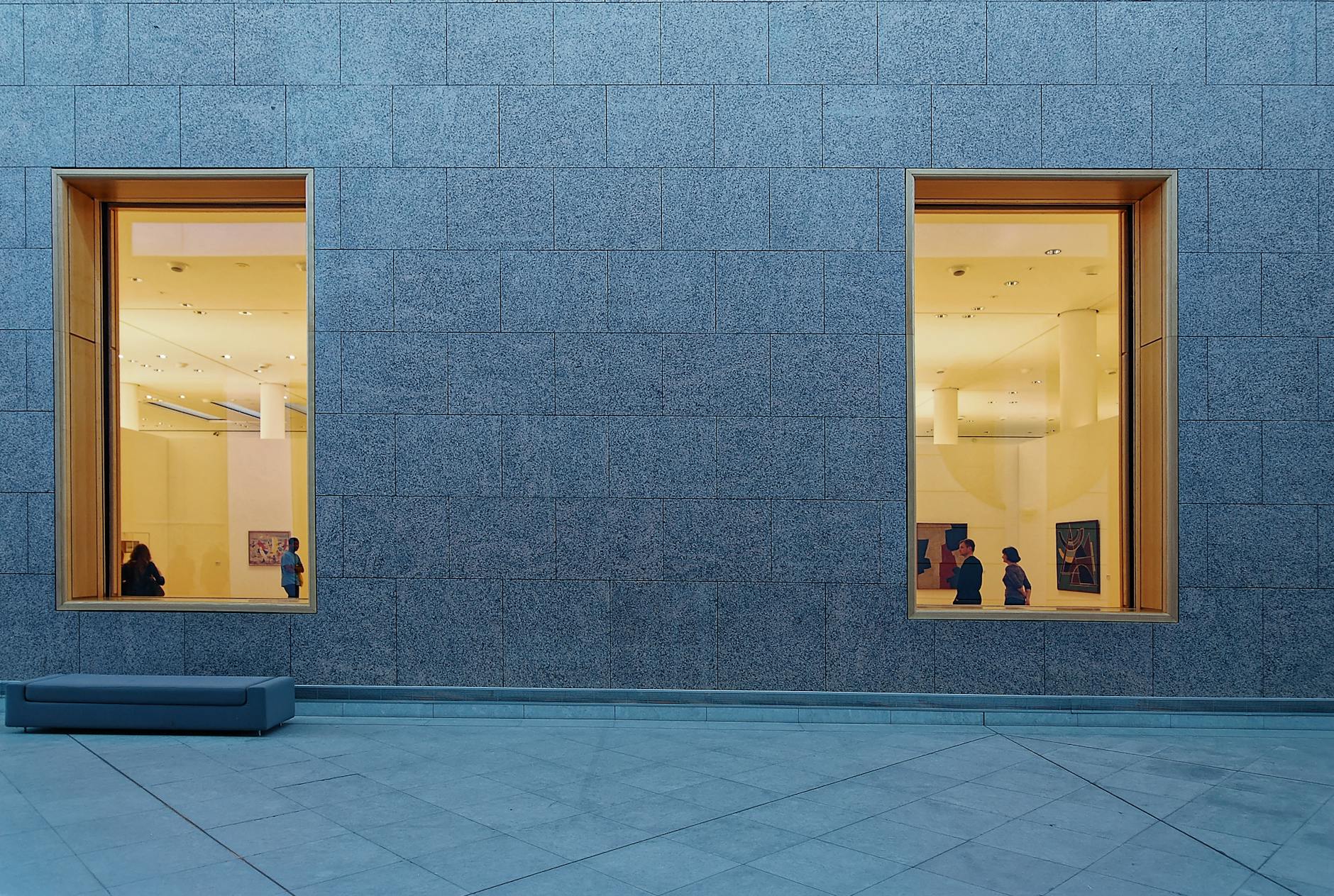
Museum MACAN (Modern and Contemporary Art in Nusantara) is Jakarta’s premier contemporary art institution and one of the most important Jakarta museums and cultural sites for art lovers. Opened in 2017, this 4,000-square-meter facility in the AKR Tower in West Jakarta houses a permanent collection that includes works by pioneering Indonesian artists like Raden Saleh, Affandi, and FX Harsono alongside international artists such as Yayoi Kusama, Takashi Murakami, and Jeff Koons. The museum’s rotating exhibitions consistently attract international attention, and its education programs make contemporary art accessible to all ages. Check the museum website before your visit, as special exhibitions often require timed-entry tickets.
National Gallery of Indonesia
The National Gallery of Indonesia (Galeri Nasional Indonesia), located near Merdeka Square, serves as the country’s foremost public gallery. Its permanent collection traces the development of Indonesian visual art from traditional forms through the independence movement to contemporary expression. The gallery regularly hosts major exhibitions featuring both Indonesian and international artists, and admission is free, making it one of the most accessible cultural experiences in the city.
Private Galleries and Art Spaces
Jakarta’s private gallery scene is concentrated in several neighborhoods. The Kemang area in South Jakarta has long been the city’s art district, home to galleries like ISA Art Gallery and Ruci Art Space. The Menteng and Senopati areas feature upscale galleries such as ROH Projects and Galeri Canna. For a more grassroots experience, explore the art collectives and alternative spaces that pop up across the city, where emerging Indonesian artists push creative boundaries.
Traditional Arts, Crafts, and Living Culture
Textile Museum
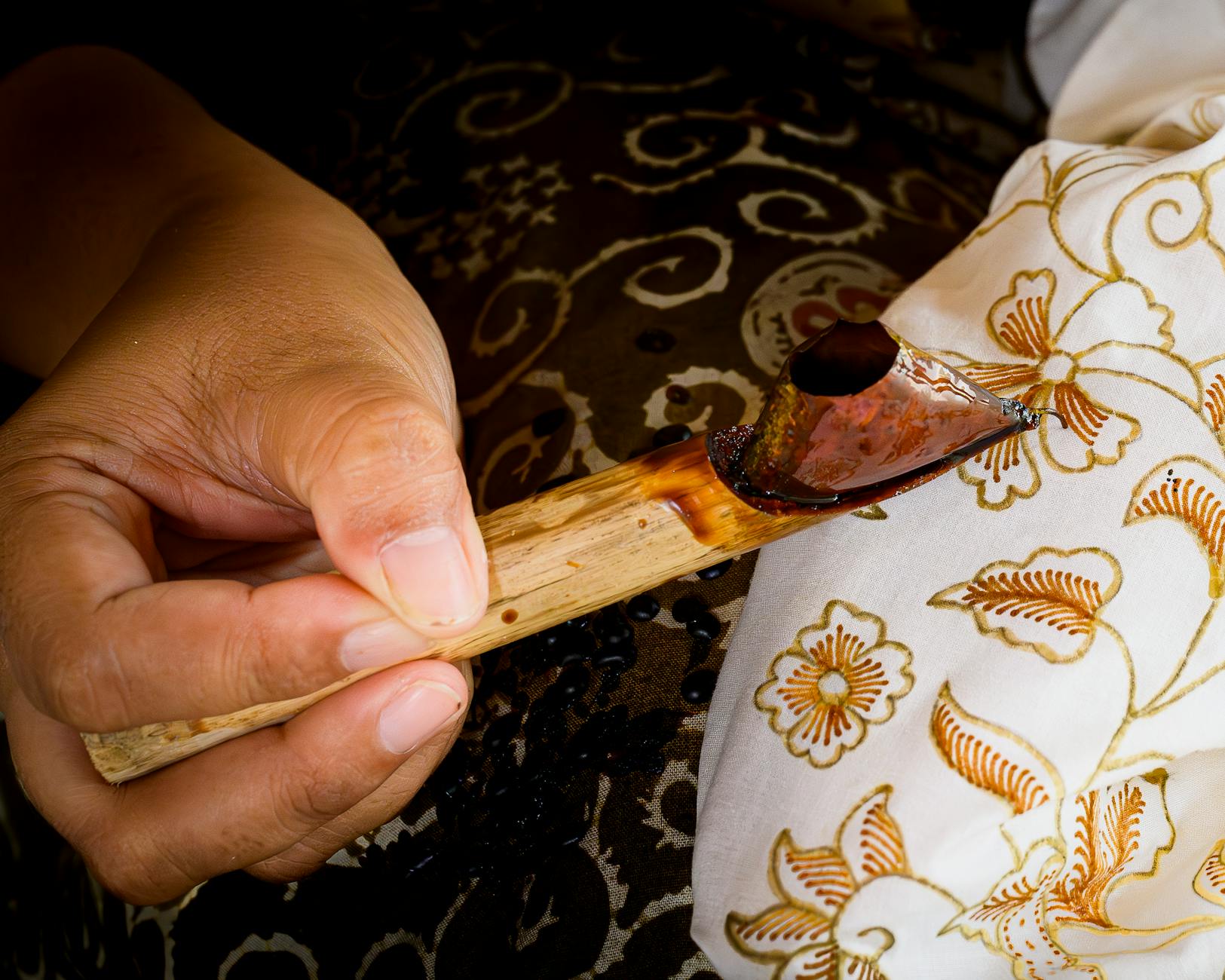
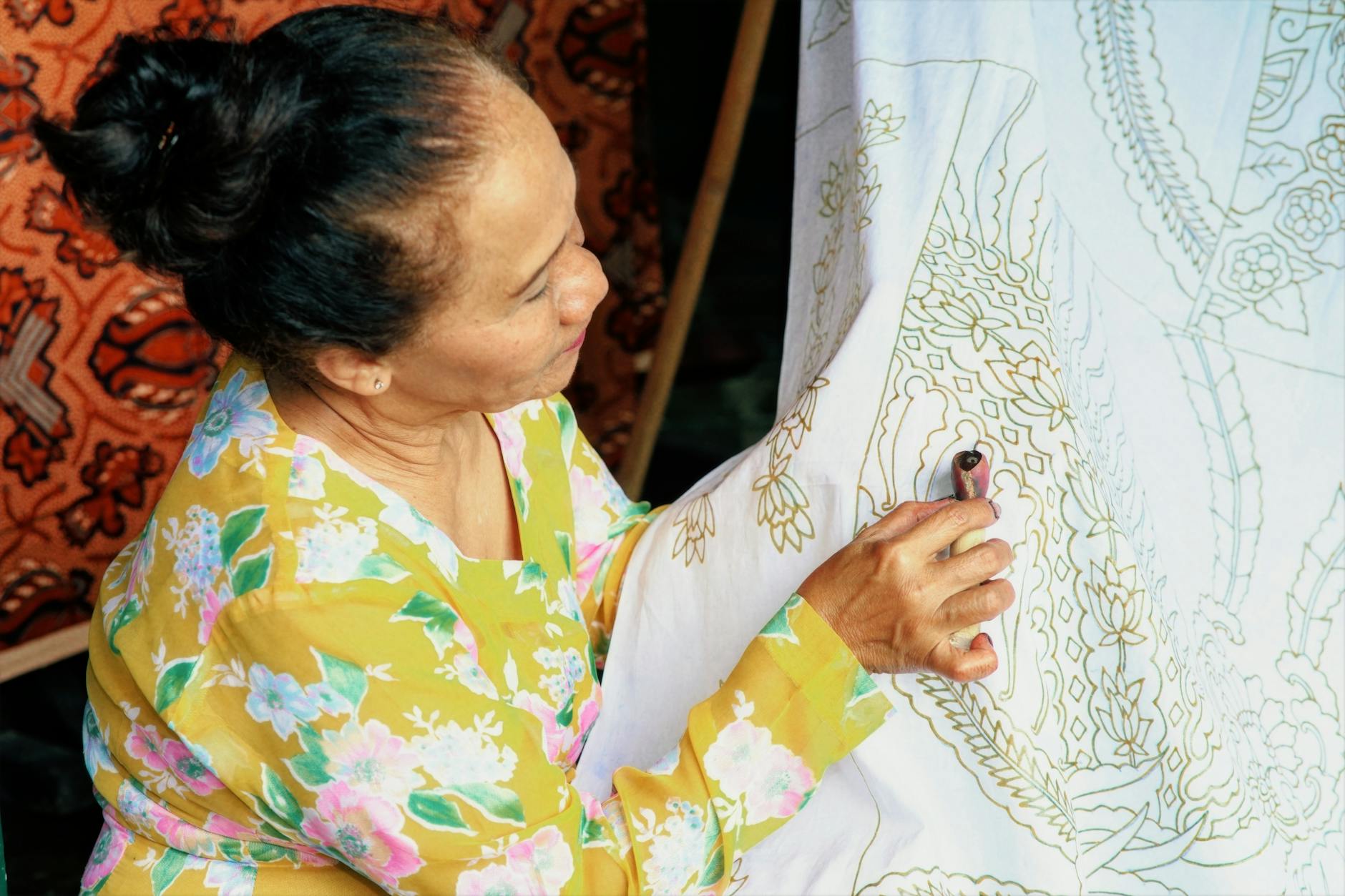
The Textile Museum (Museum Tekstil), located near Tanah Abang in Central Jakarta, is dedicated to preserving Indonesia’s extraordinary textile heritage. The country’s weaving and dyeing traditions are among the most diverse and technically sophisticated in the world, and this museum showcases examples from every major textile tradition — from the intricate batik of Java to the ikat weavings of eastern Indonesia to the gold-threaded songket of Sumatra and Bali. The museum also runs batik workshops where you can learn the basics of this UNESCO-recognized art form — and if it leaves you wanting a piece of your own, our guide to where to buy batik in Jakarta covers the best places to shop.
Betawi Cultural Village (Setu Babakan)
For a taste of Jakarta’s indigenous culture, visit Setu Babakan in South Jakarta, the designated preservation area for Betawi culture. The Betawi people are the original inhabitants of Jakarta, and their traditions — including distinctive music (gambang kromong and tanjidor), dance (ondel-ondel, the giant puppet figures), cuisine, and architecture — are celebrated and maintained at this lakeside cultural village. On weekends, you can often catch live performances and sample authentic Betawi food specialties like kerak telor and bir pletok.
Performing Arts
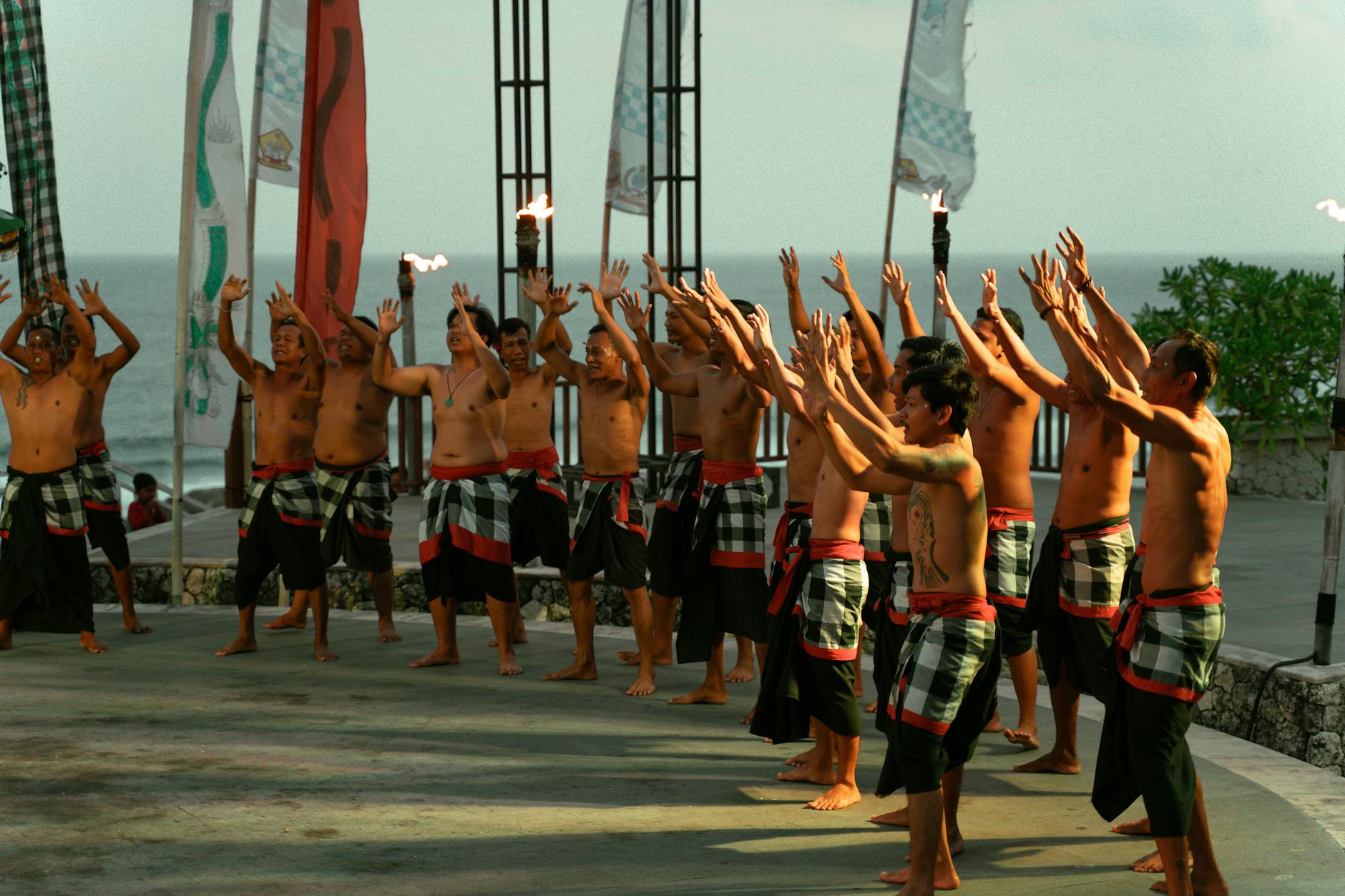
Jakarta is the undisputed performing arts capital of Indonesia. Taman Ismail Marzuki (TIM) in Menteng is the city’s premier arts complex, hosting theater, dance, music, and film events throughout the year. The Jakarta Arts Center Ciputra Artpreneur in South Jakarta features a stunning 1,200-seat theater and regularly stages international and Indonesian productions. For traditional performing arts, Taman Mini Indonesia Indah offers regular cultural performances, and the annual Jakarta International Java Jazz Festival, held every March, is the largest jazz festival in the southern hemisphere.
Taman Mini Indonesia Indah (TMII)

Taman Mini Indonesia Indah (Beautiful Indonesia Miniature Park) is one of Jakarta’s most ambitious cultural projects and an essential stop for understanding the breadth of Indonesian diversity. This 150-hectare park in East Jakarta features full-scale replicas of traditional houses (rumah adat) from all 38 Indonesian provinces, each furnished with authentic artifacts and surrounded by landscaping that reflects the region’s character. The park also contains more than a dozen specialized museums, including the Indonesia Museum, the Transportation Museum, the Science and Technology Center, and the Komodo Indonesian Fauna Museum.
A central lake features a relief map of the Indonesian archipelago, and a cable car system (Kereta Gantung) offers aerial views of the entire park. Weekend cultural performances at the various provincial pavilions bring the park to life with traditional music and dance from across the country. TMII can easily fill an entire day and is especially rewarding for families. Getting to TMII is straightforward via TransJakarta bus or ride-hailing apps, though weekend traffic can add to travel time.
Specialized and Niche Museums
Beyond the major institutions, Jakarta is home to dozens of specialized museums that cater to niche interests, and many of these lesser-known Jakarta museums and cultural sites offer surprisingly engaging experiences with far fewer crowds.
Museum Bahari (Maritime Museum)
Located in a pair of restored Dutch East India Company warehouses in the old port area of Sunda Kelapa, the Maritime Museum traces Indonesia’s seafaring heritage. Indonesia is the world’s largest archipelago nation, and its relationship with the sea is fundamental to its identity. The museum displays traditional boat models from various Indonesian ethnic groups, navigation instruments, maps, and artifacts related to the spice trade that once made this region the center of global commerce.
Museum of the Indonesian Declaration of Independence
This modest but historically significant museum on Jalan Proklamasi in Central Jakarta preserves the site where Sukarno and Hatta proclaimed Indonesian independence on August 17, 1945. The original building was demolished, but a replica has been constructed on the exact spot, and the museum contains documents, photographs, and artifacts related to the independence movement. For anyone interested in Indonesia’s modern political history, this is a pilgrimage site of the highest importance.
Armed Forces Museum (Museum Satria Mandala)
Located in South Jakarta, the Armed Forces Museum chronicles Indonesia’s military history from the independence struggle through modern peacekeeping operations. The outdoor collection includes tanks, aircraft, artillery, and other military vehicles, while indoor galleries display weapons, uniforms, dioramas of key battles, and personal items belonging to military heroes. The museum provides important context for understanding the role the military has played in shaping modern Indonesia.
Other Notable Museums
Jakarta’s museum landscape extends further still. The Stamp Museum (Museum Perangko) offers a colorful journey through Indonesia’s postal history. The Electricity and New Energy Museum (Museum Listrik dan Energi Baru) in TMII fascinates science enthusiasts. The Layang-Layang Museum (Kite Museum) in South Jakarta celebrates Indonesia’s vibrant kite-flying traditions with spectacular displays of traditional and modern kites from across the archipelago. These smaller museums often provide intimate, uncrowded experiences the major institutions can’t match — the kind of finds we collect in our guide to Jakarta’s hidden gems.
Jakarta’s Living Heritage: Chinatown and Diverse Communities
Jakarta’s cultural richness extends beyond formal museums into its living neighborhoods. The Glodok area, Jakarta’s Chinatown, is one of the oldest and most characterful neighborhoods in the city — our Jakarta neighborhoods guide goes deeper on it and the districts around it. Here you will find the Jin De Yuan temple (Vihara Dharma Bhakti), dating from 1650 and the oldest Chinese temple in Jakarta. The narrow streets are filled with traditional Chinese-Indonesian shops and markets, herbal medicine stores, and some of the best Chinese-Indonesian food in the country.
The Arab Quarter around Jalan Pekojan in the Tanah Abang area preserves the heritage of Jakarta’s Arab-Indonesian community, with mosques, perfume shops, and Middle Eastern restaurants. The religious diversity of Jakarta is itself a cultural attraction — you can visit mosques, churches, Hindu temples, Buddhist viharas, and Confucian kelenteng all within the same city, reflecting the multicultural foundation on which Indonesia was built.
Practical Tips for Visiting Jakarta Museums and Cultural Sites
Making the most of Jakarta’s cultural offerings requires some planning. Here are essential tips to help you navigate the city’s museums and heritage sites efficiently and enjoyably.
Best time to visit: Most museums are open Tuesday through Sunday, with Monday closures being standard across the city. Arrive early in the morning, especially for outdoor sites like Kota Tua and Taman Mini, to beat both the heat and the crowds. Weekend mornings are the best time for Fatahillah Square, when the area is most lively with street performances and cultural activities.
Museum passes and pricing: Individual museum admission in Jakarta is remarkably affordable, typically ranging from free to IDR 25,000 (about $1.50 USD) for foreign visitors. Some museums, including Bank Indonesia Museum and the National Gallery, are completely free. The museums around Fatahillah Square can be visited with a combined ticket that offers slight savings.
Guided tours: While most major museums have some English signage, the depth of information available in English varies significantly. Hiring a local guide for Kota Tua walking tours is highly recommended — knowledgeable guides can bring the colonial history to life in ways that museum labels cannot. Several reputable tour companies offer half-day heritage walks that cover the major sites.
Getting there: Kota Tua is accessible via the Jakarta Kota KRL commuter train station and several TransJakarta bus routes. Getting around Jakarta to visit museums scattered across the city is easiest using ride-hailing apps like Grab and Gojek, though the MRT serves the central corridor well. For TMII, TransJakarta Corridor 10 provides direct access.
Photography: Most museums allow photography without flash. Some charge a small additional fee for camera use. Museum MACAN and some private galleries may have photography restrictions for specific exhibitions, so check before snapping away.
What to wear: Jakarta’s museums are generally air-conditioned, providing welcome relief from the tropical heat. Wear comfortable walking shoes, especially for Kota Tua where the cobblestone surfaces can be uneven. When visiting your accommodation base near cultural districts, you will find that modest dress is appreciated at heritage sites with religious significance.
Jakarta Museums and Cultural Sites: FAQ
Which museum should I visit if I only have time for one? The National Museum of Indonesia (Museum Nasional). It’s the oldest and most comprehensive in the country, its Hindu-Buddhist statuary and gold room are world-class, and its position on the edge of Merdeka Square lets you pair it with Monas in a single outing.
How much do Jakarta’s museums cost? Very little. Admission typically runs from free to around IDR 25,000 (about $1.50) for foreign visitors, and several of the best — the Bank Indonesia Museum and the National Gallery among them — are free. The museums around Fatahillah Square can be combined on a single ticket.
When are the museums open? Most open Tuesday through Sunday and close on Mondays. Come early in the morning, especially for outdoor sites like Kota Tua and TMII, to beat both the heat and the crowds; weekend mornings are liveliest at Fatahillah Square.
Is Kota Tua worth visiting, or is it just for museums? Both. The square itself is a free, atmospheric experience — street performers, vintage bicycle rentals, colonial facades — and it surrounds the densest cluster of museums in the city, so you get history indoors and a lively scene outdoors in one stop.
Can I see contemporary art as well as history? Easily. Museum MACAN is Southeast Asia’s leading contemporary-art museum, the National Gallery is free and excellent, and the Kemang, Menteng, and Senopati gallery scenes round out a city that does old and new equally well.
Planning Your Jakarta Cultural Itinerary
With so many Jakarta museums and cultural sites to choose from, planning your itinerary by geographic clusters can save significant travel time. Here are three suggested cultural itineraries that group nearby attractions together.
Kota Tua Half Day (3-4 hours): Start at the Jakarta History Museum, cross the square to the Wayang Museum, then visit the Fine Art and Ceramic Museum. Walk to the Bank Indonesia Museum and Bank Mandiri Museum. If time permits, continue north to the Maritime Museum and the historic Sunda Kelapa harbor where traditional wooden pinisi schooners still dock.
Central Jakarta Cultural Corridor (4-5 hours): Begin at the National Museum on the edge of Merdeka Square, visit Monas (National Monument) for panoramic city views, then walk to the National Gallery of Indonesia. Continue to the Proclamation Museum for a dose of modern Indonesian history. This route covers the heart of Indonesian national identity.
Full Day TMII Explorer (6-7 hours): Dedicate an entire day to Taman Mini Indonesia Indah. Start with the Indonesia Museum for an overview, then explore provincial pavilions that interest you most, ride the cable car for aerial views, and catch an afternoon cultural performance. The park’s multiple themed museums ensure there is something for every interest.
Jakarta’s cultural riches are vast and varied, and no single visit can do them all justice. But whether you spend an afternoon in Kota Tua or a week exploring the city’s museums, galleries, and heritage neighborhoods, you will come away with a far deeper read on the layered, living culture that makes Jakarta one of Southeast Asia’s most underrated cities. For the bigger cultural picture, see our pillar on Jakarta culture, history, and museums, and for everything else to fill your days, our complete guide to things to do in Jakarta.