Jakarta’s headline sights — Monas, Kota Tua, Istiqlal, the Thousand Islands — are essential, and we cover them in detail in our best attractions in Jakarta guide. But the capital has a quieter side that residents keep for friends and family rather than visitors, and after years of living here and dragging out-of-town guests around, I’ve learned that this is where the real character of the city shows up. This is my running list of 15 Jakarta hidden gems — the urban forest in the western suburbs, the Saturday-afternoon market where indie bands play between the noodle stalls, the lotus pond in Cipete, the 1960s planetarium that just reopened after thirteen years dark. None of these will be on the standard first-timer circuit, and that is exactly the point. I’ve checked hours, prices, and how to actually get to each one, because the hardest part of off-circuit Jakarta is never the place itself; it’s the last two kilometres of unmarked residential lanes.
If you want more in this vein, my companion list of unique & unusual things to do in Jakarta overlaps a little but leans weirder. For a wider plan of attack, start with things to do in Jakarta, then the 15 must-see landmarks, the fun activities for first-time tourists, and the free things to do in Jakarta if you’re watching the budget.
At a glance: the 15 spots, cost and where they are
| Place | Area | Rough cost | Best time |
|---|---|---|---|
| Srengseng Urban Forest | West Jakarta | Free | Early morning |
| Pasar Santa | Kebayoran Baru | Free entry | Weekend afternoon |
| Mangrove Angke Kapuk | North Jakarta | IDR 30,000+ | Late afternoon |
| Taman Tabebuya | Cipete, South | Free | Jun–Aug, AM |
| Planetarium Jakarta | Cikini | IDR 10,000 | Book ahead |
| Taman Suropati | Menteng | Free | Weekend morning |
| Tebet Eco Park | South Jakarta | Free | Early or late |
| Cikini coffee walk | Central | ~IDR 35,000/cup | Mid-morning |
| Kemang street art | South Jakarta | Tour varies | Cooler hours |
| Setu Babakan | Jagakarsa, South | Free | Weekend |
| Moja Museum | Cilandak | IDR 100k–200k | Fri/Sat night |
| Jalan Surabaya antiques | Menteng | Free to browse | Morning |
| Glodok herbal lanes | Chinatown | Free | Mid-morning |
| Rumah Si Pitung | Marunda | Donation | Dry season |
| Menara Syahbandar | Sunda Kelapa | IDR 5,000 | Morning |
1. Srengseng Urban Forest in West Jakarta
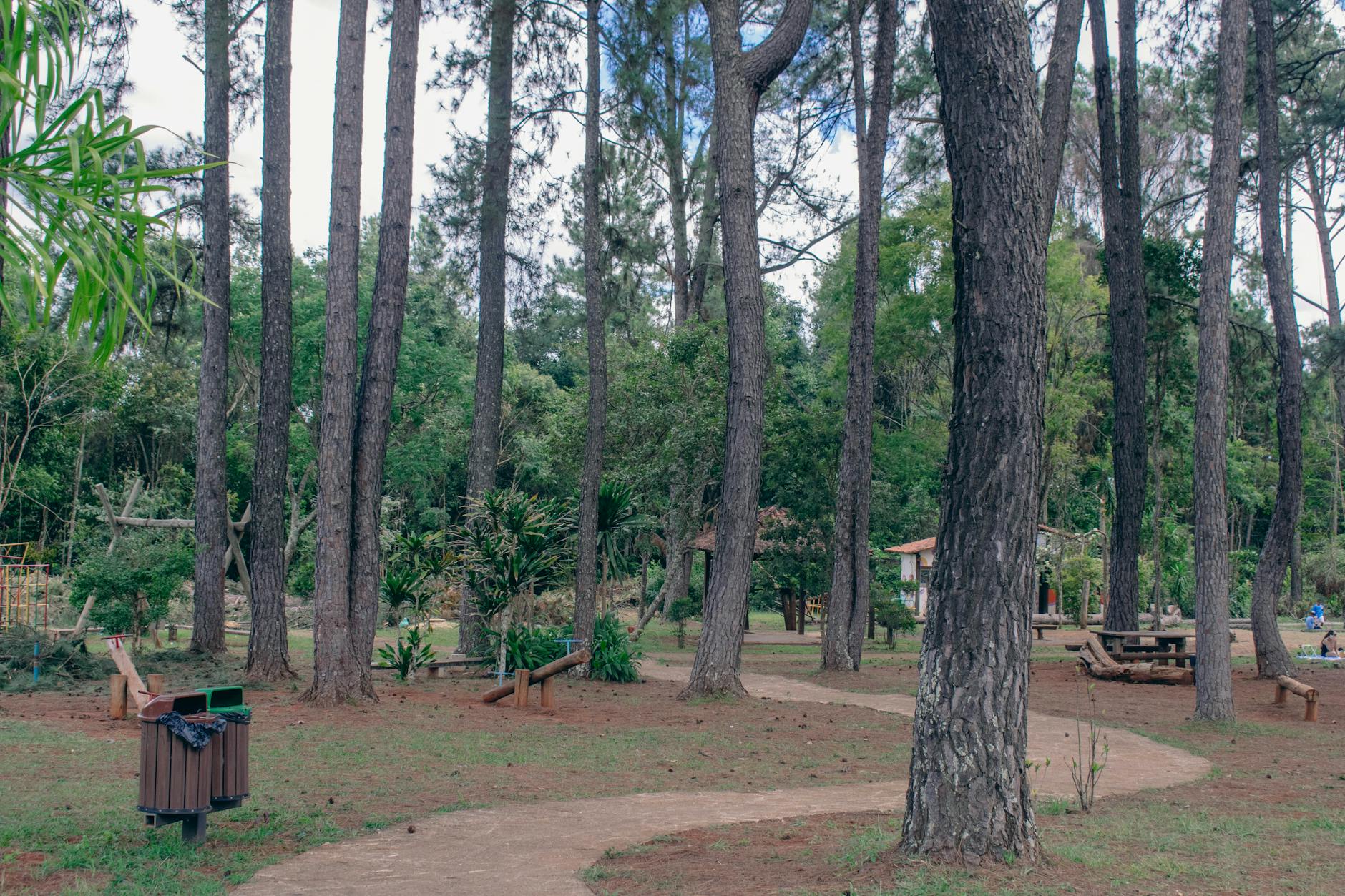
Wedged into a residential corner of West Jakarta, the Srengseng Urban Forest is a 25-hectare protected woodland that almost no traveler bothers with. Wooden boardwalks weave through dense tropical canopy, past a small lake where men fish in the shade and the bird-watchers train binoculars on kingfishers. The temperature genuinely drops a couple of degrees once you’re under the trees, and the traffic noise just falls away — which still surprises me every time, given how built-up the surrounding streets are.
Entry is free and the gates are open roughly 7 AM to 5 PM. There is no train station within walking distance, so the honest answer is to order a Grab; it’s about 30 minutes and well under IDR 60,000 from Central Jakarta outside rush hour. Come early, before about 9 AM, both for the cooler air and because the light through the canopy is at its best then. It’s a short visit — an hour, maybe ninety minutes — so I’d pair it with something else on the west side rather than crossing the whole city for it alone.
2. Pasar Santa — South Jakarta’s indie food market
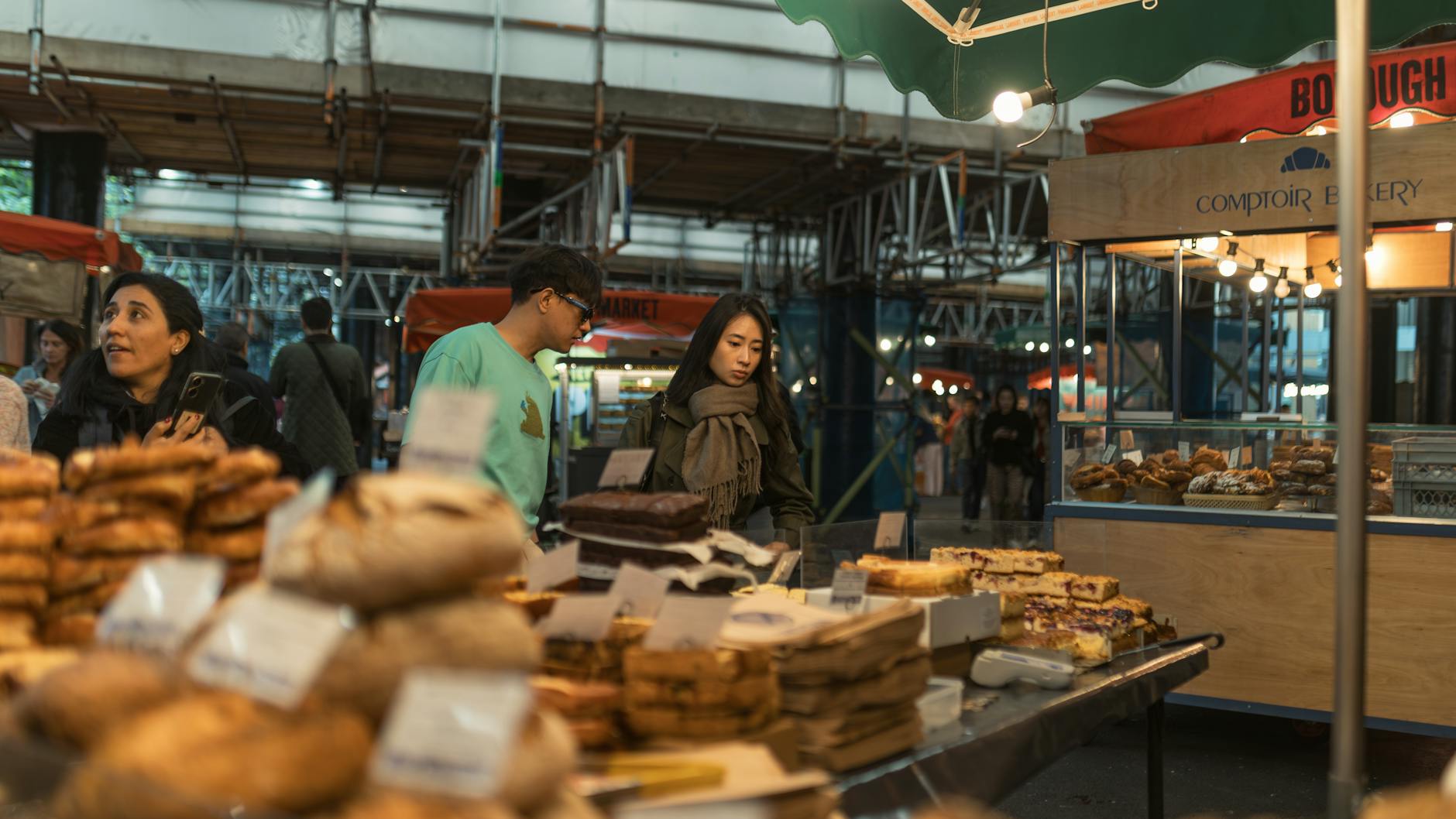
Once a sleepy wet market, Pasar Santa in Kebayoran Baru reinvented itself in 2014, and the upper floors are now a gritty warren of 50-plus small kitchens run by ambitious young cooks. The ones I send people to: Bakmi Aboen for Hokkien noodles, Pandan Loaf for cake, Kopi Tuku for the famous palm-sugar latte, and BroCutsBlade for American-style barbecue. On Saturday and Sunday afternoons indie bands set up in the courtyard, and the whole place takes on the feel of a slightly chaotic house party that happens to sell teppanyaki.
A practical note that trips people up: the basement grocery stalls open early, but the food-and-coffee floors above don’t really wake up until around 11:30 AM and run to roughly 8–9 PM, so there is no point arriving for breakfast. Weekday lunch is calmest; weekend afternoon is liveliest. Entry is free, the nearest stop is ASEAN MRT a short Grab away, and if you catch the market bug here, my guide to Jakarta’s food markets maps out where to go next.
3. Taman Wisata Mangrove Angke Kapuk
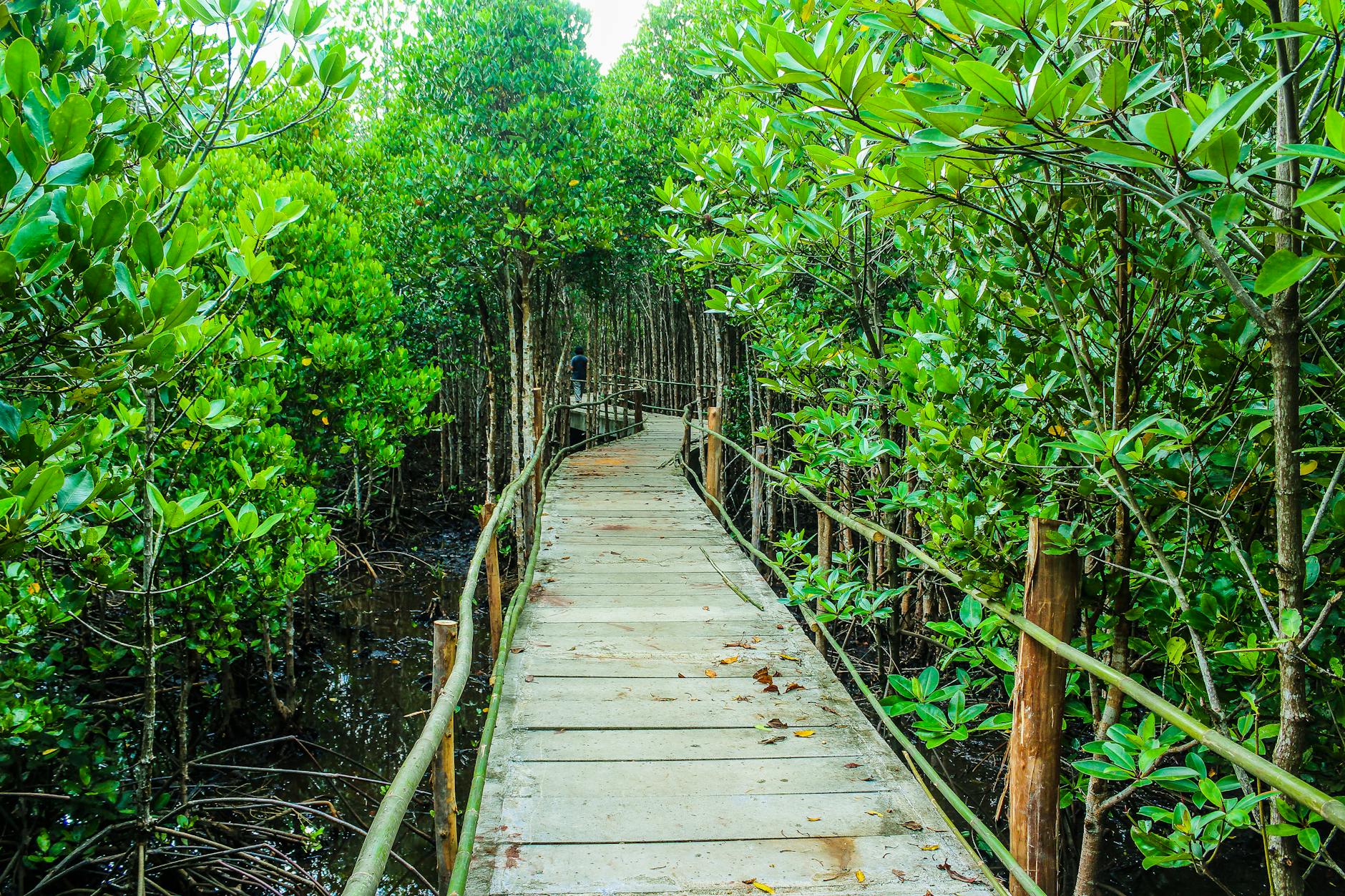
Most visitors are genuinely startled to hear Jakarta has its own protected mangrove rainforest inside the city. Taman Wisata Alam Mangrove Angke Kapuk covers more than 100 hectares of tidal-water woodland on the northwestern coast, near the Pantai Indah Kapuk toll exit. Boardwalks thread through the canopy, water monitor lizards haul out on the banks, kingfishers work the channels, and the whole place smells of salt and mud in the best way. You can rent a kayak (about IDR 50,000) for a quiet 60-minute paddle, and on a rowing boat the day-rate runs around IDR 100,000 for up to four people.
Entry is IDR 30,000. Worth flagging honestly: foreign visitors are charged a higher gate rate than locals — recently in the region of IDR 150,000 on weekdays and IDR 170,000 on weekends — and a separate fee applies if you bring a proper DSLR, so carry extra cash and don’t count on cards. There’s no public transport to the gate; it’s a Grab job from anywhere central. Go in the late afternoon — the light is softer, the heat eases off the boardwalks, and if you time it right the sunset over the channels is the photo everyone ends up taking.
4. Taman Tabebuya — South Jakarta’s lotus pond
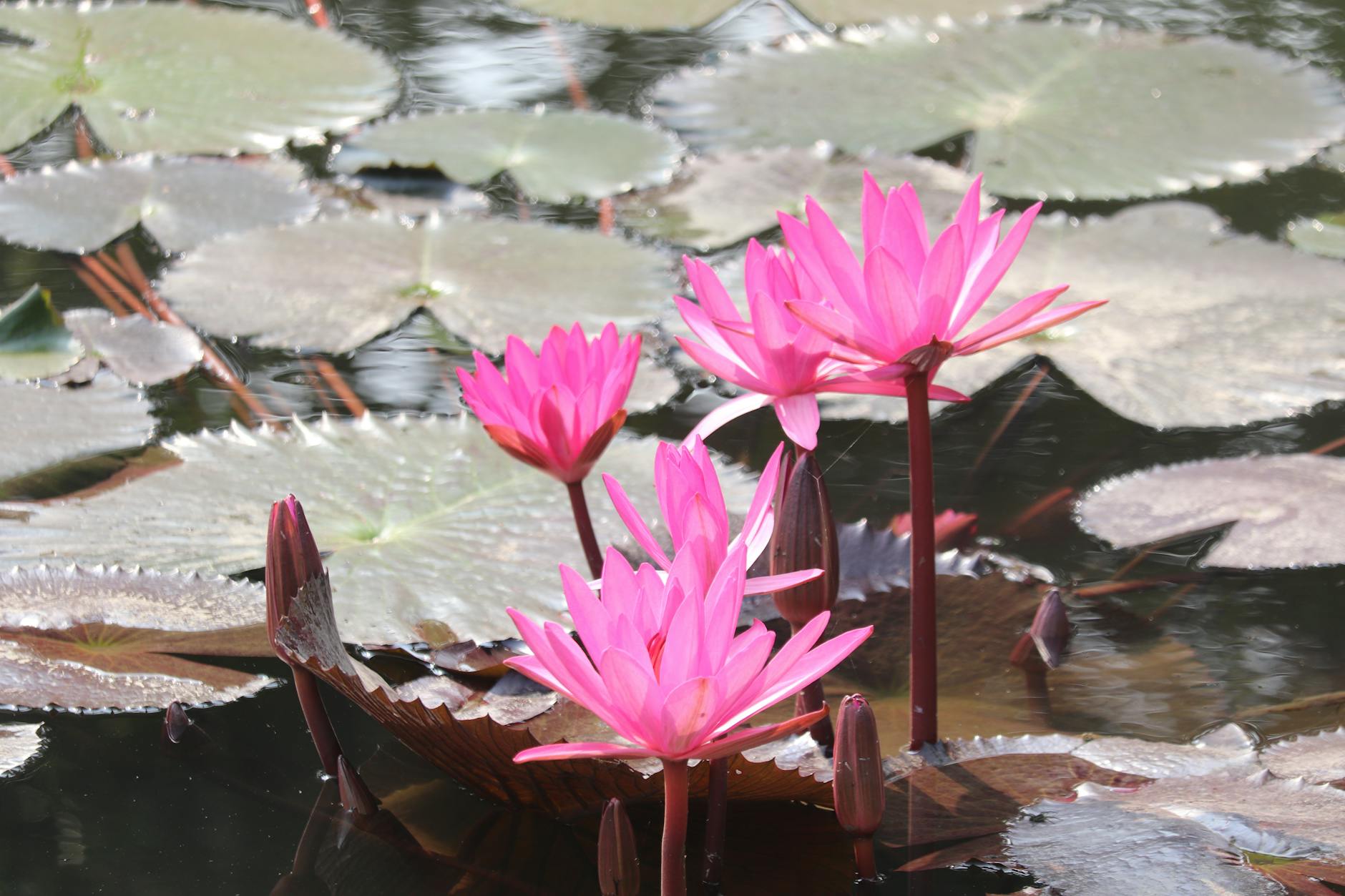
In the upscale neighborhood of Cipete sits Taman Tabebuya, a small but immaculately kept public park built around a pond full of lotus flowers. Wooden paths wind through shaded planting beds, there’s a playground that pulls in families on weekends, and the park is named for the tabebuia trees that, when they bloom, drop a pink canopy that locals only half-jokingly call Jakarta’s cherry blossoms. The lotus is at its best from June through August.
Entry is free and the gates open 6 AM to 6 PM. There’s no station next door, so it’s a 15-minute Grab from Senayan — cheap, quick, and easy to slot in. This is a 30-to-45-minute stop rather than a half-day, so it pairs neatly with Setu Babakan further south, or with a Cipete lunch. Mornings are coolest and the pond catches the best light before the midday glare flattens everything.
5. Planetarium Jakarta and Taman Ismail Marzuki

The Planetarium Jakarta, founded in 1964, is one of the oldest in Southeast Asia, and it’s a real draw inside the Cikini cultural complex at Taman Ismail Marzuki. It reopened in late 2025 after thirteen years closed, freshly renovated, and the Star Theater now runs four shows a day, each about 45 minutes, projecting the Indonesian night sky onto the dome. The surrounding TIM complex is the reason to linger: contemporary dance, theater, Indonesian art exhibitions, and a beautifully rebuilt public library, all in one walkable block.
General admission is around IDR 10,000 (students free under the current promotion), and the theatre is closed Mondays. Here’s the part that matters: sessions sell out and you really should buy ahead online through Loket rather than gambling on same-day tickets at the door — exchange your e-ticket for the physical one at least an hour before the show. It’s genuinely easy to reach by public transport for once, sitting on Jl. Cikini Raya within a short walk of Cikini KRL station, which makes it a natural anchor for the rest of a Cikini day.
6. Taman Suropati ASEAN sculpture garden
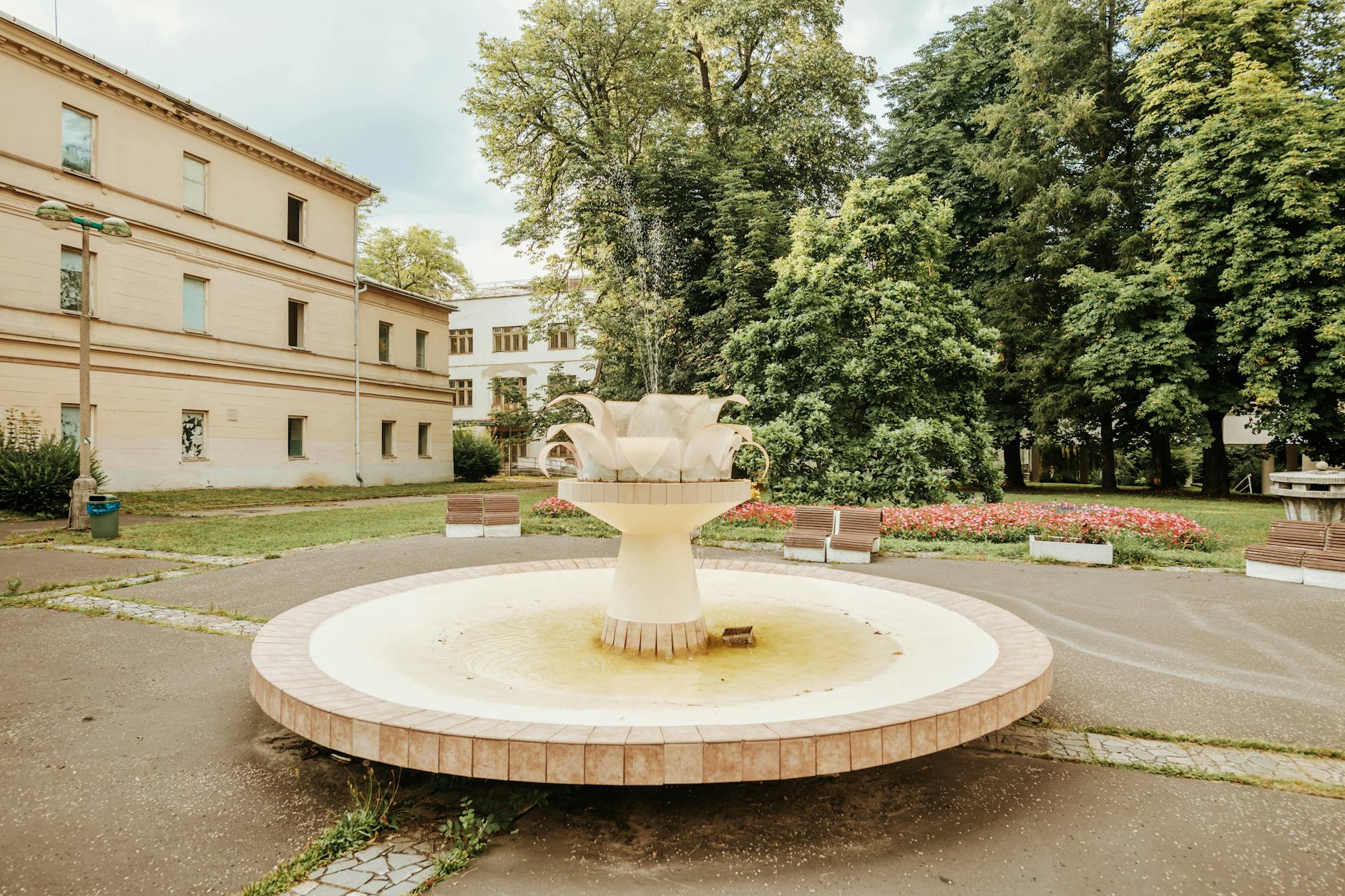
Most people know the 16,000-square-meter Taman Suropati in Menteng as a pleasant park and walk straight past the thing that makes it special: it doubles as the city’s most considered open-air sculpture garden. Around the central fountain stand five large abstract sculptures, one contributed by each of the original ASEAN member states — Indonesia, Malaysia, Singapore, Thailand, the Philippines — to mark the bloc’s founding in Jakarta in 1967. The Indonesian piece, “Peace” by Sunaryo, is the one I always stop at.
It’s free, unfenced, and technically open around the clock, though weekend mornings are the time to come: that’s when amateur musicians and the resident violin community set up under the trees and the park fills with families. It sits within easy walking distance of the leafy Menteng streets, so it strings together naturally with the Jalan Surabaya antiques market a few blocks away. For more on why Menteng feels so different from the rest of the city, see my Jakarta neighborhoods guide.
7. Tebet Eco Park
Opened in 2022, Tebet Eco Park is, to my mind, the best thing to happen to Jakarta’s public space in a decade. The 7-hectare linear park in South Jakarta was reclaimed from a long-neglected drainage corridor, and it now has an infinity-loop pedestrian bridge threading between the tree crowns, a children’s play forest, jogging loops, native-plant gardens, an outdoor amphitheater, and a weekend farmers’ market selling artisanal Indonesian goods. The design, by SHAU Architects, has collected a stack of international awards, and on a Sunday morning it feels like half of Tebet is there.
Entry is free, but the catch is logistics. The park runs in timed sessions (broadly a morning block to around 11 AM and an afternoon block from about 1 PM to closing at 5 PM) with daily visitor caps, so it’s worth registering through the JAKI app before you turn up, especially on weekends. There’s no station at the gate; the nearest KRL stops are Tebet and Cawang, each a short Grab or roughly ten-minute walk away, and the LRT’s Cikoko station is close too. Come early or late to dodge both the crowds and the heat. If parks are your thing, the free things to do in Jakarta roundup lists plenty more.
8. Cikini specialty coffee walk
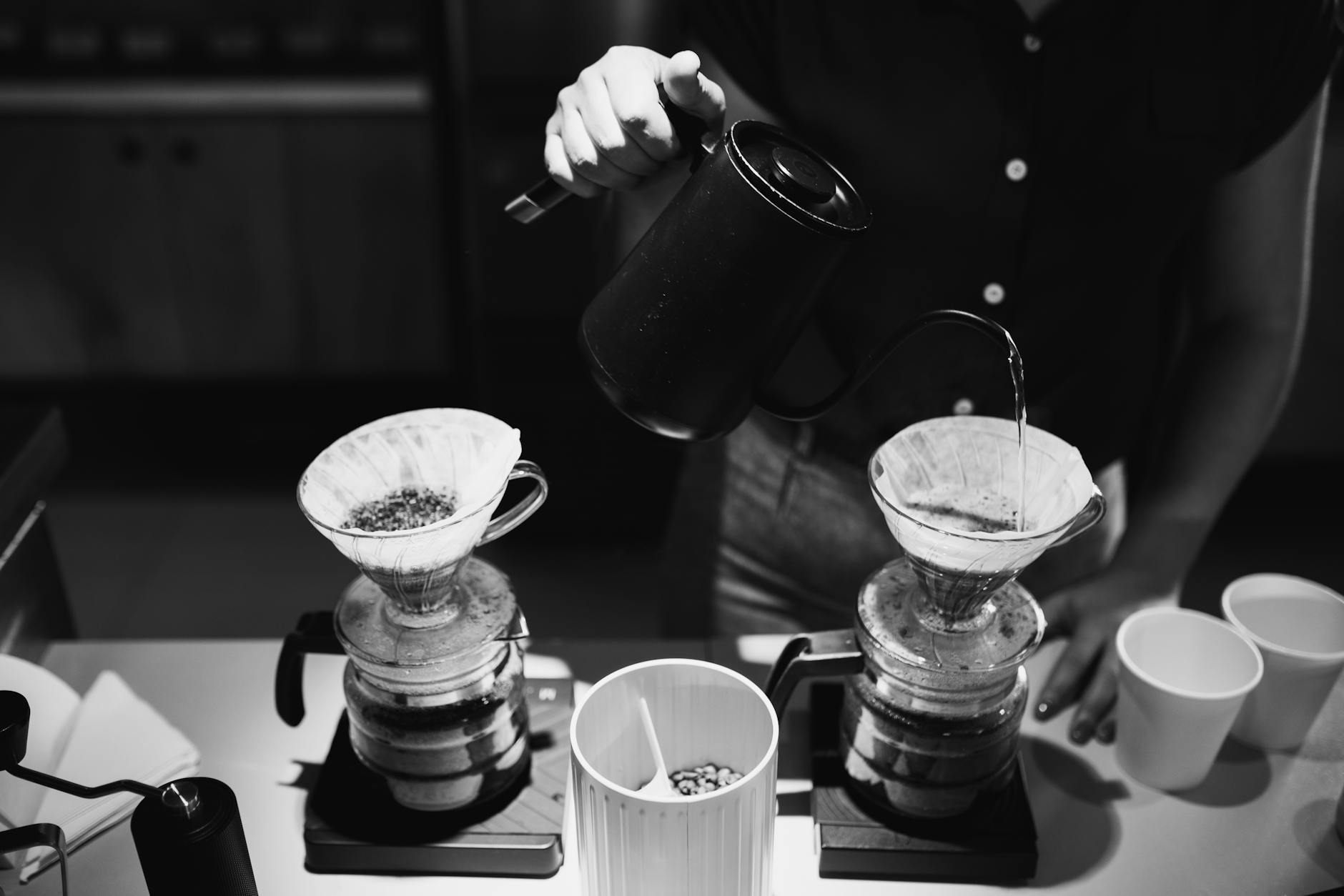
The Central Jakarta neighborhood of Cikini has quietly become the country’s third-wave coffee capital, and walking its three main streets, cup by cup, is one of my favorite low-key afternoons in town. The names worth your caffeine budget: Tanamera Coffee (Indonesia’s most-awarded roaster, with a shelf of international medals), 1/15 Coffee, Common Grounds, Kopi Manyar, and Toko Kopi Tuku. Order single-origin pour-overs of Aceh Gayo, Toraja Sapan, Bali Kintamani, or Java Preanger and you’ll taste lots that rarely leave the country. Several shops occupy restored 1920s Indo-European shophouses, which is half the pleasure.
Reckon on roughly IDR 35,000–50,000 a cup at the better places — not nothing, but a fraction of what the same coffee costs abroad. Mid-morning is the sweet spot, after the work-from-cafe crowd has thinned and before lunch. It’s a short walk from Cikini KRL station, which is why I almost always chain it with the Planetarium and Taman Ismail Marzuki next door rather than treating it as a separate trip.
9. Kemang street art walking tour

South Jakarta’s Kemang is the country’s densest concentration of street art, with more than 200 large-scale murals by Indonesian and international artists including Stereoflow, Darbotz, Kims, and Oska Stuff. Walking tours led by local artists (book through @jktwalk on Instagram or via DialogueArt) run about 90 minutes and cover 8–12 mural sites, with stops at galleries like Dia.Lo.Gue Artspace, ROH Projects, Gajah Gallery, and ISA Art Gallery. It feels nothing like the standard tourist circuit, which is precisely why younger travelers love it.
Book a few days ahead — these are small-group walks and they fill. Tour prices vary by guide, so confirm the rate when you message; you can also self-guide for free with a mural map if you’d rather wander. Go in the cooler hours, morning or late afternoon, because there’s little shade between walls and Kemang in the midday sun is punishing. Afterwards you’re perfectly placed for dinner at one of the neighborhood’s indie restaurants, and Pasar Santa is a short hop north.
10. Kampung Betawi at Setu Babakan
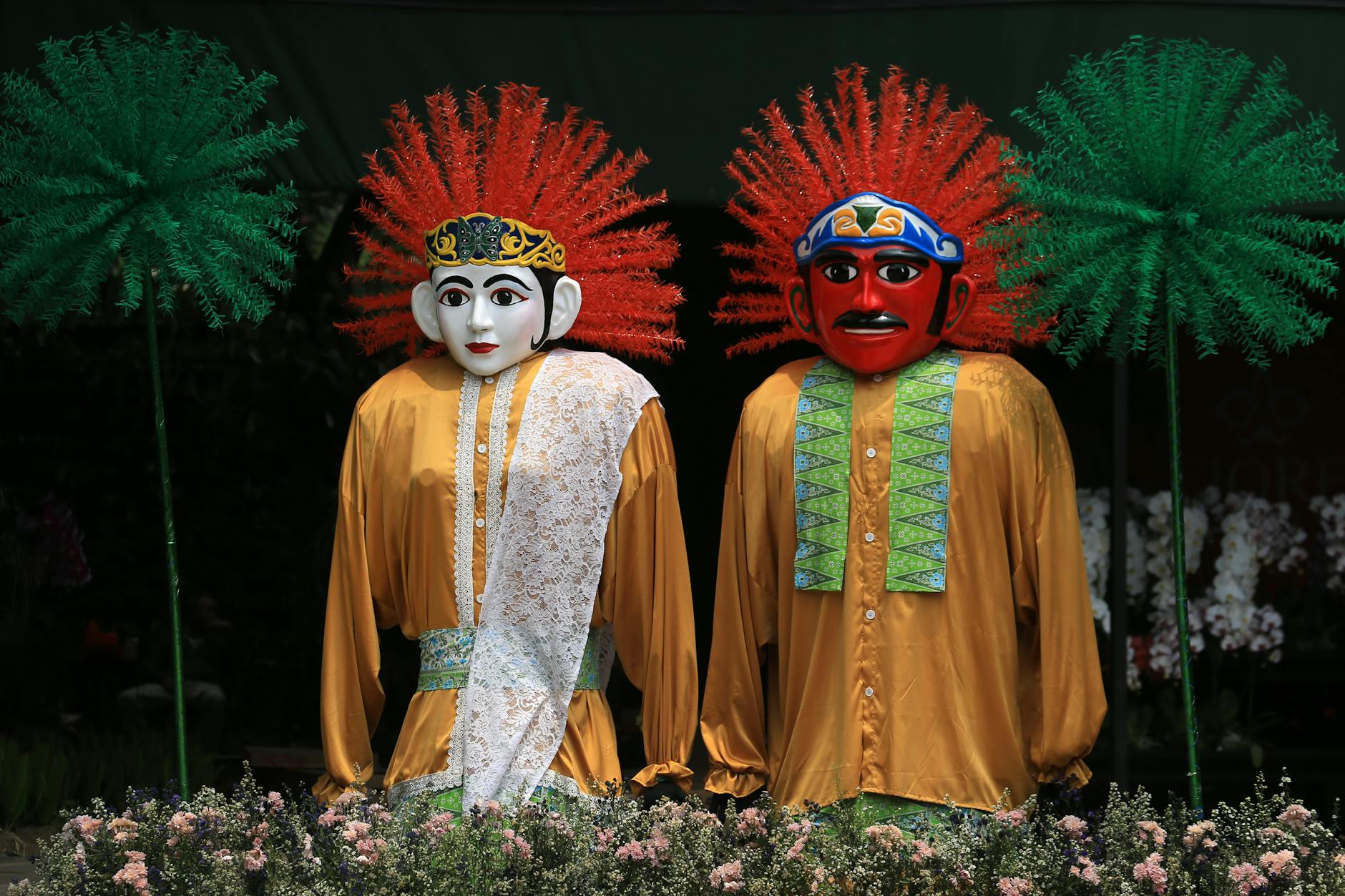
Setu Babakan in Jagakarsa isn’t a secret to locals, but it’s the major Jakarta attraction visitors most consistently skip, and that’s a shame. The 32-hectare cultural village built around a calm lake exists to keep the traditions of the Betawi — Jakarta’s indigenous people — alive. Wooden houses with steep red-tiled roofs line the lanes, and on weekends the village stages free performances of palang pintu (the martial-arts wedding ritual), lenong theater, and tanjidor brass band. The kerak telor at the warungs near the entrance is, to me, the most honest version of that dish anywhere in the city.
Entry is free; parking is a token IDR 2,000 for a motorbike or IDR 5,000 for a car, and the village runs roughly 9 AM to 4 PM. Performances cluster on weekends, so come Saturday or Sunday if you want the music and the dance. It’s deep in the south at Srengseng Sawah, with no station at the gate, so plan on a Grab and pair it with Taman Tabebuya to make the trip down worthwhile. To dig further into the city’s food roots, my food markets guide covers where Betawi cooking shows up elsewhere.
11. Moja Museum and roller skating
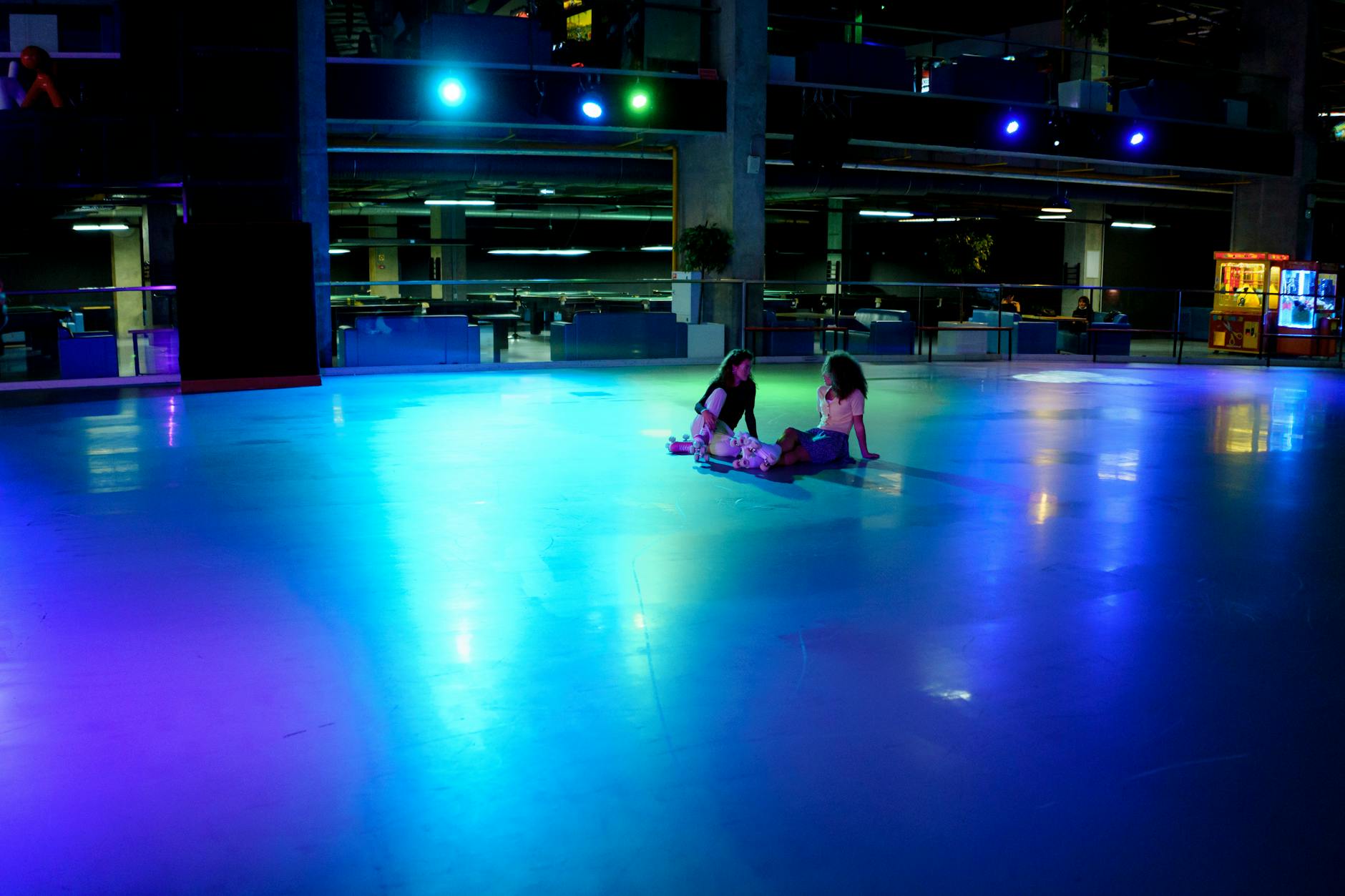
The Moja Museum in Cilandak is part interactive art installation, part nightlife venue, and it doesn’t take itself too seriously about either. There are rotating contemporary exhibitions, the obligatory mirrored room, and — the part that makes it unusual — a neon-lit indoor roller skating rink that runs on Friday and Saturday nights. The crowd skews to Jakarta’s creative twenty-somethings, and the energy on a good Saturday is infectious rather than try-hard.
Entry runs IDR 100,000–200,000 depending on the package, and the skating is strictly a weekend-night affair, so check before you go if that’s what you’re there for. It sits in Cilandak in deep South Jakarta with no station close by, so order a Grab and build it into a night out rather than a daytime detour — it’s a natural follow-on from a Kemang dinner. If you want more after-dark ideas, my things to do in Jakarta at night guide goes wider.
12. Pasar Antik Jalan Surabaya
Running along three blocks of Jalan Surabaya in Menteng, Pasar Antik Jalan Surabaya is the city’s open-air antiques bazaar, gathered here by Governor Ali Sadikin back in the 1970s. Around 200 stalls sell genuine Dutch colonial silverware, vintage batik, brass gongs, hand-painted porcelain, traditional keris daggers, old typewriters, vinyl, retro vespas, and a bottomless supply of curios. Bargain hard — opening prices tend to land at 200–300% of what the seller will actually take, and walking away usually drops the number fast. Foreign collectors and film stylists have shopped here for decades.
Browsing is free, and most stalls run roughly 9 AM to 5 PM, seven days a week; mornings are quieter and the light’s better for inspecting goods. It’s only about 500 meters from Cikini KRL station, so it’s an easy walk from the Planetarium or the Cikini cafes. If hunting through old objects is your idea of a good time, the dedicated Jakarta flea markets & vintage guide rounds up the other places worth a rummage.
13. Glodok herbal medicine lanes
In the heart of Chinatown, the lanes around Pasar Petak Sembilan hold one of Southeast Asia’s densest clusters of jamu (traditional Indonesian herbal medicine) and Chinese apothecary shops. Walking them is a full-on sensory experience: glass jars of dried sea-horses, bird’s nests, ginseng roots, snake skins, and rare rainforest herbs lining shop walls that have stood for generations. Several of these businesses have been run by the same families for five generations, and they’re happy to explain what’s in the jars if you ask.
Don’t skip the free tea at Pantjoran Tea House on Jalan Pancoran, where eight kettles sit out front and the Patekoan tradition of offering tea to passers-by goes back centuries; the house itself is open roughly 8 AM to 6 PM. Glodok is walkable and best mid-morning before the heat builds. It links straight into the wider old-town food trail, which I map in detail in my guide to eating around Kota Tua — Glodok and Kota Tua are an easy pairing on foot.
14. Si Pitung’s House in Marunda
Out in working-class Marunda in the northeast, far from anything touristy, stands Rumah Si Pitung — a beautifully preserved Betawi stilt house once linked to Si Pitung, the Robin Hood figure of 1880s Jakarta who took on Dutch colonial landlords on behalf of poor Betawi farmers. The wooden house, built around 1890 and restored in 1990, sits right at the edge of the Java Sea, with its original kitchen, sleeping quarters, and prayer room intact and a small garden out front. There’s a quiet, end-of-the-line atmosphere to it that I find genuinely moving.
Entry is free or a small donation. Be realistic about the journey: it’s roughly 90 minutes by car from Central Jakarta, with no practical public-transport option, so this is one to commit to rather than squeeze in. Go in the dry season when the coastal road is easier, dress modestly out of respect for the neighborhood, and treat the history — not the building alone — as the reward. It’s the most off-circuit entry on this list, and the one most likely to leave you with a story.
15. The Sunda Kelapa lookout — Menara Syahbandar
Inside the historic Sunda Kelapa port, the 18-meter Menara Syahbandar (“Harbor Master Tower”) was built in 1839 to watch incoming ships. Decades of land subsidence have left it visibly leaning off vertical, which has earned it the nickname “Indonesia’s leaning tower.” The narrow wooden staircase inside is steep and a bit creaky, but the climb pays off with a classic view over the wooden Buginese pinisi schooners still loading cargo at the docks below — a working port scene that has barely changed in a century.
Entry is just IDR 5,000, and mornings are best, before the harbor heat turns brutal and while the dock activity is at its busiest. It sits beside the old VOC warehouses, so it folds easily into a Kota Tua morning; from here you’re a short ride from the old-town core covered in my Kota Tua eating guide. Bring small notes for the entry and for parking, and keep your phone tucked away on the climb up the dim stairwell.
Bonus hidden picks
Pondok Indah Lake — a small lakeside park in South Jakarta with lovely evening light. Hutan Kota by Plataran at GBK — a forested fine-dining restaurant inside the GBK sports complex. The 1929 Chartered Bank building in Kota Tua — an Art Deco standout that most people walk past on their way to the more famous Stadhuis. Kuliner Lima Kaki Pecenongan — late-night Pecenongan street food, known specifically for nasi uduk well after midnight.
Itinerary: a hidden Jakarta day
9:00 AM: Coffee walk through the Cikini roasters.
11:00 AM: Planetarium Jakarta show (booked online in advance).
12:30 PM: Lunch at Pasar Santa.
2:30 PM: Tebet Eco Park stroll.
4:30 PM: Kemang street art walking tour (booked ahead).
7:00 PM: Dinner at a Kemang indie restaurant.
9:00 PM: Moja Museum roller skating (Friday/Saturday only).
It’s an ambitious day, and South Jakarta traffic can wreck the timings, so don’t be precious about it — drop a stop rather than rush. If you’d rather spread this across a proper trip, the 3-day Jakarta itinerary and the longer one-week itinerary both leave room to fold a few of these in alongside the headline sights.
Practical tips for hidden Jakarta sightseeing
Lean on Grab and Gojek. Many of these places sit in residential neighborhoods that are genuinely hard to navigate without a local driver, and a ride-hail is almost always cheaper and saner than a metered taxi for these runs. Build slack into the schedule — opening hours and event programming at smaller venues can be inconsistent, and a single show selling out or a market floor opening late will throw a tight plan. Carry small rupiah notes for parking, entry fees, and street food; plenty of these spots don’t take cards. Dress modestly in Marunda and other working-class or religious areas — it’s noticed and appreciated. Cluster by geography: pair Cikini coffee with the Planetarium and Jalan Surabaya; pair Kemang street art with Pasar Santa and Moja; pair Setu Babakan with Taman Tabebuya. For getting between them efficiently, my indoor attractions guide is a handy rain backup, and the wider things to do in Jakarta hub ties the whole trip together.
Frequently asked questions about Jakarta hidden gems
What are the best Jakarta hidden gems?
Standout picks include the Srengseng Urban Forest, Pasar Santa, Taman Tabebuya lotus pond, the Planetarium Jakarta, Tebet Eco Park, Kemang’s street art, Setu Babakan Betawi village, and the Cikini specialty coffee scene.
Where do locals hang out in Jakarta?
Locals favor Pasar Santa for indie food and music, Kemang for nightlife and creative venues, Tebet Eco Park for weekend recreation, the Cikini and Menteng cafes for coffee, and Setu Babakan for cultural weekends. The Sudirman business district is for work, while South Jakarta is for socializing.
Are these hidden gems safe to visit?
Yes — Jakarta is generally very safe, including in working-class neighborhoods like Marunda and the deeper alleys of Glodok. Use ride-hailing apps rather than walking long distances at night, secure your bag in markets, and dress respectfully in religious or culturally sensitive areas.
How much do hidden Jakarta attractions cost?
Most are very affordable. Free attractions: Tebet Eco Park, Taman Tabebuya, Taman Suropati, Setu Babakan, Si Pitung’s house, Cikini coffee walk, Kemang street art. Small fees: Srengseng Forest (free), Mangrove Park (IDR 30,000), Planetarium (IDR 10,000), Menara Syahbandar (IDR 5,000), Moja Museum (IDR 100,000–200,000).
When is the best time to visit Jakarta hidden gems?
Most outdoor hidden gems (Tebet Eco Park, Srengseng Forest, mangrove park) are best in the dry season (May to October) and in early morning or late afternoon to avoid heat. Indoor venues (Pasar Santa, Planetarium, Cikini cafes) work year-round.
Jakarta rewards anyone willing to scratch beneath the surface. These 15 spots will hand you stories that almost none of your fellow travelers will be able to match — and a clearer sense of why people who live here are quietly fond of their sprawling, complicated, occasionally maddening city. To keep going, browse my unique & unusual things to do in Jakarta, plus the best 20 attractions, the 15 must-see landmarks, and the fun activities for first-time tourists covered above.
A few of Jakarta’s better-kept secrets are outside the city limits. Pulau Bidadari has Dutch fort ruins an hour from Ancol, Tanjung Lesung is a quiet stretch of west-facing coast most visitors never hear about, and Pelabuhan Ratu is the only real surf coast within reach of the capital.
External resources for Jakarta hidden gems
For more Jakarta hidden gems, the official Wonderful Indonesia tourism portal publishes lesser-known attraction guides, and Atlas Obscura’s Jakarta page documents many of the city’s most unusual landmarks, contributed by traveler-correspondents around the world.
One of the least expected sights in the city is also free: a row of graffiti-covered Berlin Wall sections standing in Taman Kalijodo, a former red-light district in West Jakarta turned into a park with a skate park and BMX arena. It is one of twenty places in our guide to free attractions in Jakarta.