Indonesia is one of the richest sources of traditional handicrafts in Asia — thousands of distinct craft traditions across 38 provinces, from Toraja wood carving in Sulawesi to Tenganan double-ikat weaving in Bali, from Jepara teak furniture in Java to Lombok pottery. For a visitor in Jakarta, the question was never whether to buy Indonesian handicrafts; it’s where to find the authentic ones, made by regional artisans, rather than the mass-produced reproductions that fill the tourist stalls. This guide takes a regional approach — mapping each craft tradition to the Jakarta shop that carries the most genuine version of it — so you know exactly where to go for what.
The capital is the best single place in the country to do this, precisely because it pulls in work from every island. For the wider retail picture, our pillar on shopping in Jakarta sets the scene; below is the craft-specific map.

SMESCO Indonesia — The Best Single Stop
If you do one thing, go to SMESCO Indonesia (Galeri Indonesia WOW) in Pancoran. Run by the government’s Cooperative and Small Business Ministry, it gathers authentic crafts from all 38 Indonesian provinces under one roof, with each province given its own dedicated showcase of genuine artisan work. Nowhere else in the city comes close for breadth or authenticity.
What to Find at SMESCO
- Regional batik — Authentic pieces from Yogya, Solo, Pekalongan, Cirebon, Lasem
- Toraja wood carvings from South Sulawesi
- Bali silver and pottery
- Lombok pottery and pearls
- Lurik fabric from Yogyakarta
- Tenganan double ikat from Bali Aga
- Sumba and Flores ikat weaving
- Papuan barkcloth and woodcarvings
- Kalimantan beadwork and weaving
- And many more regional traditions
Pricing: SMESCO sits roughly 20-30 percent above wholesale but 30-40 percent below tourist-mall retail, with the bonus of an authenticity guarantee — the goods come straight from regional artisan cooperatives.
Address: Jl. Gatot Subroto Kav. 94, Pancoran, South Jakarta. Hours: 10:00 AM – 6:00 PM daily.
Sarinah — Curated Department Store Experience

Indonesia’s original department store, founded in 1962 and beautifully renovated in 2022. Its handicraft floor showcases curated Indonesian heritage crafts in a far more polished, easy-to-browse format than SMESCO — the trade-off being slightly higher prices for the comfort.
Sarinah Handicrafts Strengths
- Easier to navigate than SMESCO’s province-by-province layout
- Premium-curated pieces — quality vetted
- Central Jakarta location — walkable from any Sudirman-Thamrin hotel
- VAT refund participating for tourists
- Pricing typically 20-30 percent above SMESCO, but with the easier shopping experience
Sarinah sits right on the central mall crawl; it pairs naturally with the route in our guide to the best malls in Jakarta.
Other Major Handicraft Destinations
Alun Alun Indonesia (Grand Indonesia + Central Park)
A premium Indonesian craft retailer with branches at Grand Indonesia East Mall and Central Park, leaning toward contemporary takes on traditional crafts. Pricing runs above SMESCO, but the gift-quality presentation is excellent — it’s the easiest place in the city to buy something beautiful in air-conditioned calm, and it features in our Grand Indonesia mall guide.
Pasaraya Blok M
A South Jakarta department store with a strong traditional-craft section at mid-tier prices — the budget traveller’s pick for handicrafts.
Pasar Seni Ancol
An art-and-craft village inside the Ancol Dreamland complex in North Jakarta, where working artisans sell directly to visitors. Quality is mixed, but watching the crafts actually being made is an experience in itself.
Dekranas Showroom
The National Craft Council of Indonesia keeps a showroom in Central Jakarta with rotating exhibitions of premium crafts — higher-end and genuinely educational, ideal for serious collectors.
Museum Tekstil Shop
The West Jakarta textile museum runs a small, highly curated shop selling textile crafts directly, often including pieces by named master artisans. It’s a natural add-on to a museum morning — our guide to Jakarta’s museums and cultural sites covers the rest.
Kem Chicks
An upscale grocery and lifestyle store in Kemang with a curated Indonesian crafts section — strong on premium kitchen items, traditional jewellery and gift-quality pieces.
Indonesian Handicrafts by Region
Half the pleasure of buying Indonesian handicrafts is knowing where a piece comes from. Here’s a tour of the major regional traditions and where to find each in Jakarta.
Sumatra Region
- Aceh: Embroidered ceremonial textiles, gold thread work
- North Sumatra: Batak wood carvings, architectural house models
- West Sumatra (Padang): Songket Minangkabau with gold thread
- South Sumatra: Songket Palembang (premium weaving)
Best Jakarta stores: SMESCO regional sections, Sarinah curated floor.
Java Region
- Yogyakarta (Yogya): Batik tulis, Kotagede silver filigree, leather wayang puppets
- Solo (Surakarta): Court-style batik, the sogan brown tradition
- Jepara: Carved teak furniture, decorative wood panels
- Cirebon: Mega Mendung cloud-pattern batik, Chinese-Javanese fusion crafts
- Pekalongan: Multicolour coastal batik, Chinese-influenced patterns
- Bandung: Sundanese crafts, contemporary Indonesian fashion
Best Jakarta stores: every Indonesian craft shop carries Javanese work; SMESCO is the most authentic, and the Iwan Tirta flagship is the place for premium batik — see our guide on where to buy batik in Jakarta, and the wholesale fabric end is at the Tanah Abang market.
Bali Region

- Bali silver — Modern designs, often set with semi-precious stones
- Tenganan double ikat — One of the rarest weaving techniques in the world
- Bali wood carvings — Distinctive Hindu-inspired motifs
- Sea salt and traditional spices
Best Jakarta stores: the SMESCO Bali section, Alun Alun Indonesia.
Sulawesi Region
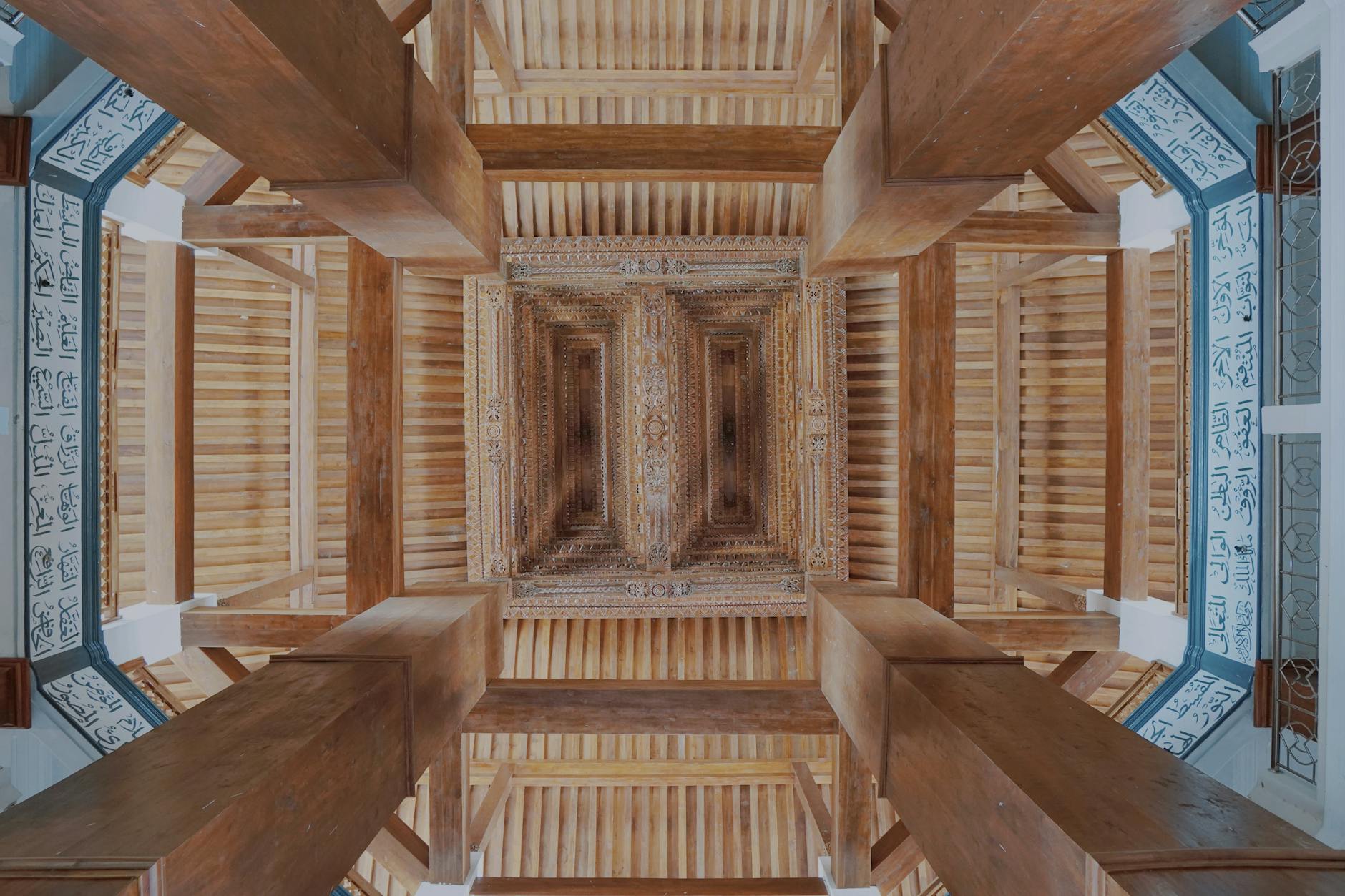
- Toraja wood carvings — Elaborate ceremonial and ancestral motifs
- Bugis silk weaving — Traditional weaving from South Sulawesi
- Minahasa pottery — Traditional clay vessels
Best Jakarta stores: the SMESCO Sulawesi section, Sarinah specialty crafts.
Kalimantan (Borneo) Region
- Dayak beadwork — Elaborate beaded ceremonial pieces
- Kalimantan weaving — Strong natural-dye traditions
- Wood carvings — Distinctive Dayak iconography
Best Jakarta stores: the SMESCO Kalimantan section.
Nusa Tenggara (Lombok, Sumba, Flores)
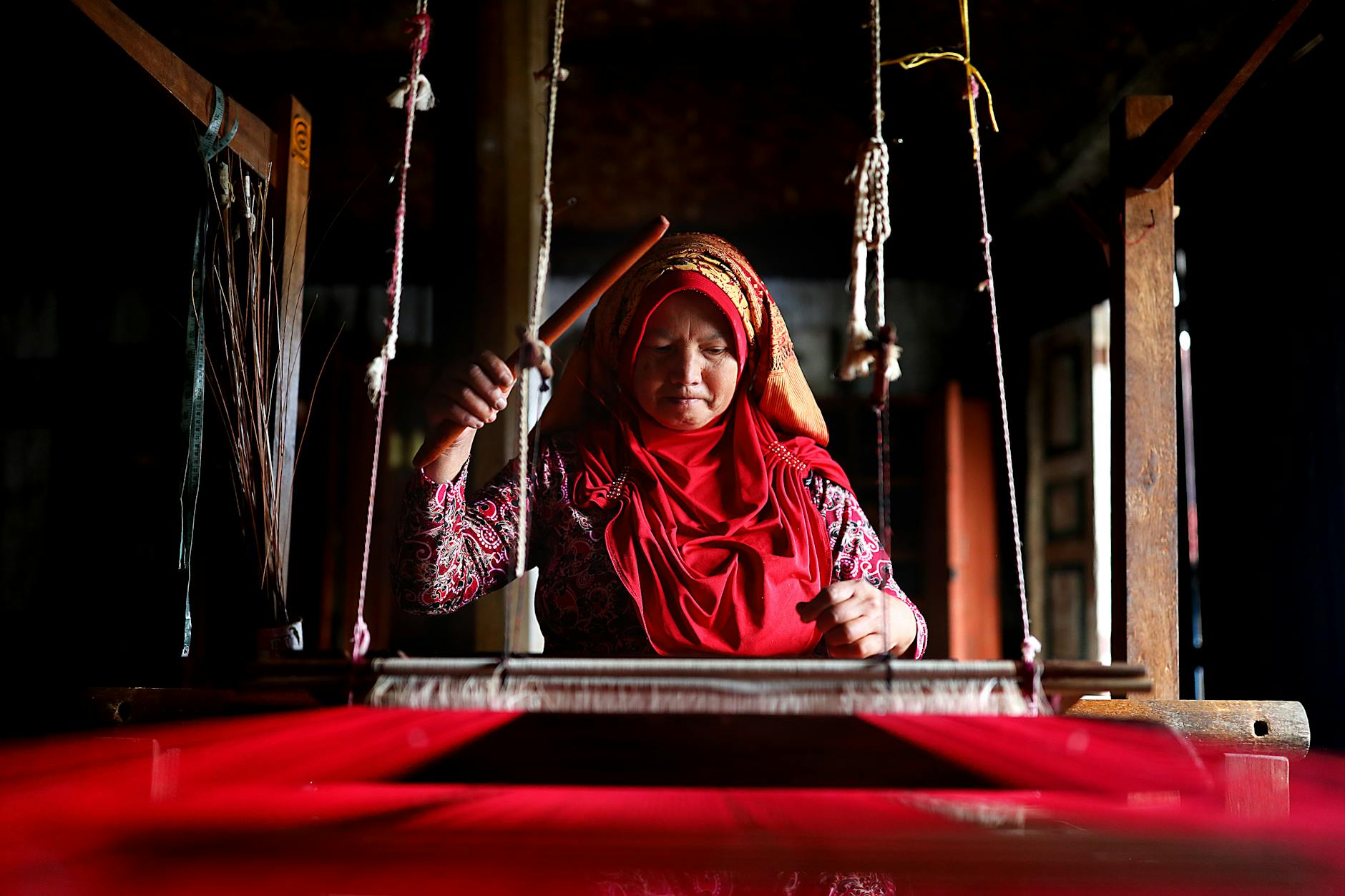
- Sumba ikat — The premier Indonesian ikat tradition, with complex patterns
- Flores tenun — Distinctive woven textiles
- Lombok pearls — South-sea pearls and pottery
Best Jakarta stores: SMESCO regional, Alun Alun Indonesia for premium ikat.
Maluku & Papua Region
- Papuan barkcloth — Traditional bark-fabric paintings
- Papuan woodcarvings — Distinctive ancestor figures
- Maluku spices — From the original Spice Islands; nutmeg, clove, cinnamon
Best Jakarta stores: the SMESCO regional sections.
Handicraft Categories by Type
If you’d rather shop by what a thing is than where it’s from, here are the main categories, with prices and the best places to find each.
Textiles & Weaving
Batik (the UNESCO-listed star), songket (gold and silver thread weaving), ikat (resist-dye weaving), tenun (general handweaving) and lurik (striped Yogya weaving). The batik specifics live in our batik buying guide.
Silver Jewelry
Kotagede filigree from the Yogyakarta region and Bali silver with more modern designs. Pricing: IDR 200,000–3,000,000+. Best at SMESCO, Sarinah and Pasaraya Blok M.
Wood Carvings
Jepara teak (furniture-grade), Toraja ceremonial figures, Bali Hindu-inspired carvings and Papuan ancestor figures. Pricing: IDR 100,000–3,000,000+. Best at SMESCO and specialised galleries.
Pottery & Ceramics

Lombok pottery (hand-coiled clay vessels), the Minahasa ceramic tradition and modern Indonesian studio pottery. Best at SMESCO and Pasar Seni Ancol.
Bamboo & Rattan Items
Rattan bags (a Western-fashion favourite), bamboo decorative pieces and traditional baskets. Best at Sarinah and Alun Alun Indonesia.
Wayang Puppets

Wayang kulit (leather shadow puppets) and wayang golek (three-dimensional wooden puppets), both UNESCO-listed heritage. Pricing: IDR 100,000–1,200,000+. Best at SMESCO, Pasar Baru and the Museum Wayang shop.
Traditional Masks (Topeng)
Used in Indonesian traditional dance, with the most authentic pieces coming from Yogyakarta, Bali and Cirebon. Best at SMESCO, Pasar Seni Ancol and specialised galleries; older one-off pieces also turn up at Jakarta’s flea markets and vintage stalls.
Beadwork & Ornamental Crafts
Particularly strong among the Kalimantan Dayak community and used for ceremonial decoration. Best at the SMESCO Kalimantan section.
Pricing Tiers
A rough sense of what your money buys, from a small carving to a museum-grade piece.
| Tier | Range | Examples |
|---|---|---|
| Budget | Under IDR 200,000 | Small wood carvings, basic textiles, simple silver pieces |
| Mid-Range | IDR 200,000–1,000,000 | Quality batik shirts, mid-tier silver jewelry, decorative wood carvings, wayang puppets |
| Premium | IDR 1,000,000–5,000,000 | Premium batik tulis, designer silver, large wood pieces, master artisan wayang |
| Investment | Over IDR 5,000,000 | Iwan Tirta batik, master-grade carvings, museum-quality pieces |
Authenticating Indonesian Handicrafts
Mass-produced reproductions are everywhere, so a little scrutiny saves you from overpaying. Five questions to ask before you buy:
- Where exactly is this from? A vendor who can say “Toraja, South Sulawesi” or “Tenganan village, Bali Aga” probably has the real thing. A vague “Indonesia” usually means mass production.
- Who made this? Authentic crafts tend to come with an artisan’s story; mass production has none.
- What’s the technique? Genuine batik tulis takes one to six months; mass batik is screen-printed. Genuine ikat takes two to twelve months to weave. Knowing the process helps you spot the fakes.
- Why this price? If batik tulis is on offer at IDR 80,000 a meter, it isn’t real — master crafts are expensive because of the labour behind them.
- Can I see similar pieces? Real regional crafts vary from piece to piece. Identical items in different colours point to a factory.
Suggested Handicraft Shopping Itinerary
Half-Day Authentic Crafts Tour
The efficient version, hitting the three best shops in a single afternoon:
- 10:00 AM: SMESCO Indonesia (Pancoran) — 90 minutes exploring all 38 provinces under one roof
- 12:00 PM: Lunch at the SMESCO café or nearby
- 1:30 PM: Grab to Sarinah (Central Jakarta) — 90 minutes of curated department-store browsing
- 3:30 PM: Walk or short Grab to Alun Alun Indonesia at Grand Indonesia — 45 minutes of premium curation
- 4:30 PM: Coffee at Grand Indonesia
Total spend potential: IDR 500,000 to 10,000,000-plus depending on what you fall for. The cross-town hops are easiest by Grab; our getting around Jakarta guide covers the options.
Hardcore Day (For Serious Collectors)
- 9:00 AM: SMESCO Indonesia (a full 3-hour exploration)
- 12:30 PM: Lunch nearby
- 2:00 PM: Dekranas Showroom (premium, curated)
- 3:30 PM: Museum Tekstil and its shop (West Jakarta)
- 5:00 PM: The Pasar Baru handicraft section (older traditional crafts)
- 7:00 PM: Dinner at one of the city’s best Indonesian restaurants
Practical Shopping Tips
- Cash and QRIS are preferred at SMESCO and Pasar Seni Ancol
- Credit cards work at Sarinah, Alun Alun Indonesia and Kem Chicks
- VAT refund is available at most major mall stores, but not at SMESCO or the markets
- Wood items must be declared at agricultural customs in Australia, the USA and the EU
- Endangered species items (turtle shell, certain feathers, coral) are always prohibited
- Shipping is offered by most premium shops — useful for large or fragile pieces
For more on the souvenirs that travel best and the customs rules around them, our roundup of the best Jakarta souvenirs goes deeper, and the traditional markets in Jakarta guide covers the more chaotic, bargain end of craft shopping.
Frequently Asked Questions About Indonesian Handicrafts Jakarta
Where to buy authentic Indonesian handicrafts in Jakarta?
SMESCO Indonesia (Galeri Indonesia WOW) in Pancoran is the single best place — authentic crafts from all 38 provinces under one roof. Sarinah offers a curated department-store version, and Alun Alun Indonesia is the pick for premium presentation.
What are Indonesia’s most famous handicrafts?
Batik (UNESCO heritage), wayang puppets (UNESCO heritage), Kotagede silver, songket weaving, ikat textiles, Jepara wood furniture, Toraja wood carvings and Lombok pottery.
How much should I budget for Indonesian handicrafts?
Budget souvenirs run under IDR 200,000, mid-range quality pieces IDR 200,000 to 1,000,000, premium crafts IDR 1,000,000 to 5,000,000, and investment or collector pieces above IDR 5,000,000.
How do I know if Indonesian handicrafts are authentic?
Ask five questions: is the regional origin specific, is there an artisan attribution, does the seller know the production technique, is the price reasonable for the labour involved, and do pieces vary from one another? Genuine crafts answer yes to all five.
Can I take Indonesian handicrafts on a plane?
Most, yes, with some caveats. Declare wood items at agricultural customs (Australia, the USA, the EU), and ship keris daggers separately since they’re restricted in many countries. Pottery and ceramics are generally fine but need careful packing.
Is SMESCO Indonesia open to the public?
Yes — SMESCO Indonesia at Jl. Gatot Subroto Kav. 94, Pancoran is open to everyone, 10:00 AM to 6:00 PM daily, with free entry and both retail and educational exhibits.
Indonesian handicrafts are among the richest cultural heritage in Asia, and Jakarta is the best place in the country to shop them in one trip. Start at SMESCO for breadth and authenticity, use Sarinah and Alun Alun Indonesia for comfort and curation, and ask the five questions before you buy anything billed as a master piece. When you’re ready to look wider, the shopping in Jakarta pillar and our luxury shopping in Jakarta guide round out the picture.
External Resources for Indonesian Handicrafts
For authentic crafts research, the SMESCO Indonesia official website features rotating exhibitions and regional showcases. The Sarinah website showcases their curated Indonesian heritage collection.