Batik is Indonesia’s most internationally recognised cultural export — UNESCO named it a Masterpiece of the Oral and Intangible Heritage of Humanity back in 2009. But the word covers wildly different things, and that’s exactly where shoppers get burned. “Batik” can mean a US$20 mass-printed polyester souvenir, a US$2,000-plus hand-drawn tulis masterpiece, or anything in between — and the cheap version is often sold with a straight face as the expensive one. This is the most thorough rundown you’ll find on where to buy batik in Jakarta: the three types ranked by authenticity and price, where each one lives, a 30-second test to tell real batik tulis from a print, and the museum workshop where you can sit down and draw your own.
If you want the wider context first, batik is just one thread in the city’s much larger retail story — our pillar on shopping in Jakarta covers the malls, markets and souvenirs all together. But if it’s batik you’re after, read on.

The Three Batik Types — Authenticity and Price
Everything starts here. Get the three types straight and you’ll never overpay for a print again.
| Type | Production | Price/Meter | Authenticity |
|---|---|---|---|
| Printed batik | Mass-produced screen printing | IDR 25,000–80,000 | Not technically batik — printed pattern only |
| Batik cap (stamped) | Wax-stamped with copper cap tool | IDR 200,000–500,000 | Genuine batik technique, semi-automated |
| Batik tulis (hand-drawn) | Hand-drawn with canting wax pen | IDR 500,000–5,000,000+ | Master-crafted; can take 1-6 months per piece |
How to Spot Real Batik Tulis in 30 Seconds

This is the single most useful skill a batik buyer can have, and it takes about half a minute. Four quick tests:
- Back-of-fabric test — flip the cloth over. Genuine batik shows the pattern just as clearly on the back, because the wax soaked right through the fabric. Printed batik has an obvious front-versus-back difference.
- Wax smell — give it a gentle sniff. Real batik tulis carries a faint waxy, almost honey-like scent; printed batik smells chemical.
- Irregular lines — look closely at the intricate parts. Hand-drawn tulis has tiny variations and imperfections left by the canting pen. Machine printing is perfectly, tellingly uniform.
- Colour penetration — pinch and stretch the fabric. On real batik the dye penetrates the whole weave; on a print you’ll often see white fabric peeking through when it stretches.
The shortcut rule: if a vendor swears something is “batik tulis” but it’s priced under IDR 500,000 per meter, it’s almost certainly cap or printed. Genuine tulis simply can’t be made that cheaply.
Major Jakarta Batik Specialists
If you want quality you can trust without a market scrum, these are the names to know. They span everything from presidential-grade tulis to solid, affordable office shirts.
1. Iwan Tirta (Multiple Locations)
Indonesia’s most internationally famous batik name. The late Iwan Tirta was the country’s preeminent batik designer, and his legacy lives on through the Iwan Tirta Private Collection. You’ll find the flagship boutique at Plaza Indonesia, with further presences at Hotel Borobudur and the Jakarta Convention Center. Premium tulis pieces run IDR 5,000,000 to 25,000,000 and up — this is the batik worn by Indonesian presidents and at state ceremonies. Best for serious collectors, ceremonial wear and gifts for dignitaries.
2. Batik Keris (Multiple Mall Locations)
One of Indonesia’s largest batik chains and the easy mid-tier pick (IDR 200,000 to 2,000,000 a piece). It’s in most major Jakarta malls, with a strong rack of ready-made shirts, dresses and ceremonial wear. Best for tourist gift shopping and everyday batik you’ll actually wear.
3. Danar Hadi (Multiple Locations)
A Solo-rooted house with a strong Jakarta footprint, offering premium tulis alongside accessible mid-range cap. Look for its iconic Sidoluhur and Parang patterns. Boutiques sit in Plaza Indonesia, Sarinah and Pondok Indah Mall.
4. Parang Kencana (Sarinah, Plaza Indonesia)
A modern design house known for contemporary patterns that fold traditional motifs into modern silhouettes. Mid-to-premium pricing, roughly IDR 500,000 to 4,000,000.
5. Bin House (Bina Cipta) — Josephine Komara
Designer Josephine Komara’s atelier, dealing in high-end contemporary batik — intricate hand-drawn tulis with a bold modern aesthetic. Pricing from IDR 3,000,000 to 20,000,000 and up, with boutique appointments by reservation.
6. Alleira Batik (Multiple Locations)
A premium contemporary brand whose sophisticated designs are a favourite of Jakarta’s professional class. Shirts and dresses run IDR 800,000 to 3,000,000.
Sarinah (Post-2022 Renovation)
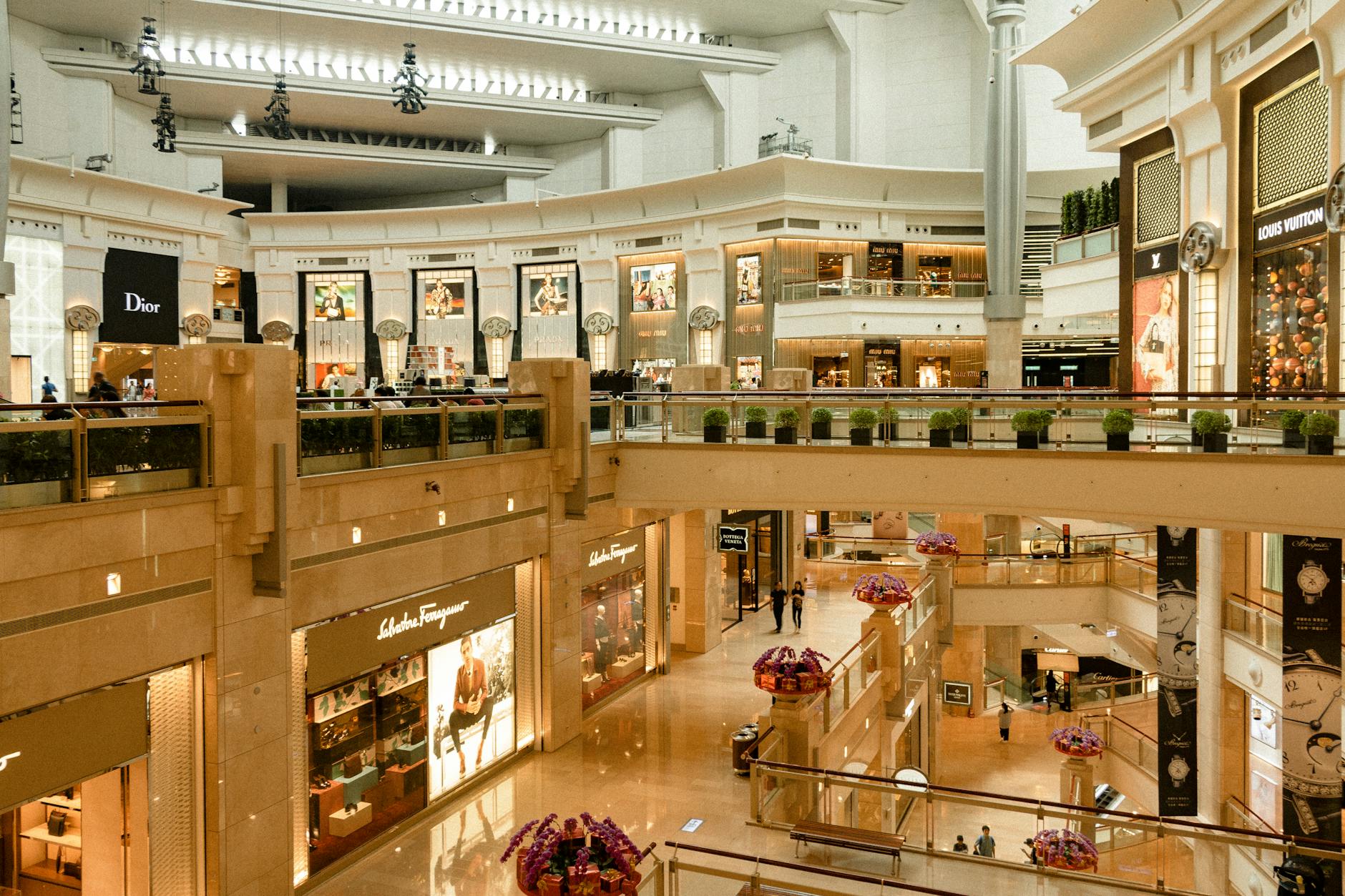
If you only have time for one batik stop, make it Sarinah. Indonesia’s original department store, founded in 1962, reopened in 2022 after a major renovation as the country’s most important showcase of Indonesian fashion and craft. Whole floors are given over to batik from every major regional tradition — Yogyakarta, Solo, Pekalongan, Cirebon, Madura — plus contemporary designer lines, with a deep selection in the IDR 200,000 to 3,000,000 range. It’s the best one-stop batik shop for tourists, full stop, and it sits right on the central Bundaran HI mall crawl described in our guide to the best malls in Jakarta.
Pasaraya Blok M
A South Jakarta department store with a serious batik selection and a more casual feel than Sarinah. The range is mid-tier (IDR 150,000 to 1,500,000) and it’s bundled with plenty of other traditional souvenirs, which makes it handy if you’re based in the south — it’s part of the wider Blok M shopping district.
Thamrin City Annex (Across from Tanah Abang)
The lower-ground floor here is given over to batik wholesale and retail — cheaper than Sarinah or the malls, if less curated, and typically 30 to 50 percent below mall retail. It’s the spot for travellers who are happy to bargain for the saving.
Pasar Mayestik
A traditional market with a strong batik fabric section, where you buy cloth by the meter (IDR 60,000 to 400,000 depending on quality) for tailoring at home. Best for bulk fabric and custom projects; it’s one of the standout stops in our guide to the traditional markets in Jakarta.
Batik at Tanah Abang Blok A Floor 1

Floor 1 of Tanah Abang’s Blok A is home to dozens of batik vendors, with a range from IDR 25,000 mass-printed shirts to IDR 2,000,000-plus cap batik. The bargaining culture is strong here — expect to negotiate 30 to 50 percent off the asking price — and it rewards the four-step authentication test above. The full survival guide to the market is in our Tanah Abang market guide.
Museum Tekstil Workshops

For my money, the best way to understand batik is to try making it. The Museum Tekstil in West Jakarta, just over from Tanah Abang, runs daily batik-making workshops for visitors: you learn to handle the canting, draw your own simple pattern, dye the fabric and walk out with the finished piece. Sessions run two to three hours and cost IDR 100,000 to 250,000, and you can browse the museum’s collection of historical batik on the same trip. It’s the single best cultural-craft experience in the city, and it slots neatly into a day of Jakarta’s museums and cultural sites or the wider list of fun activities for tourists in Jakarta.
Batik by Region — Understanding the Patterns
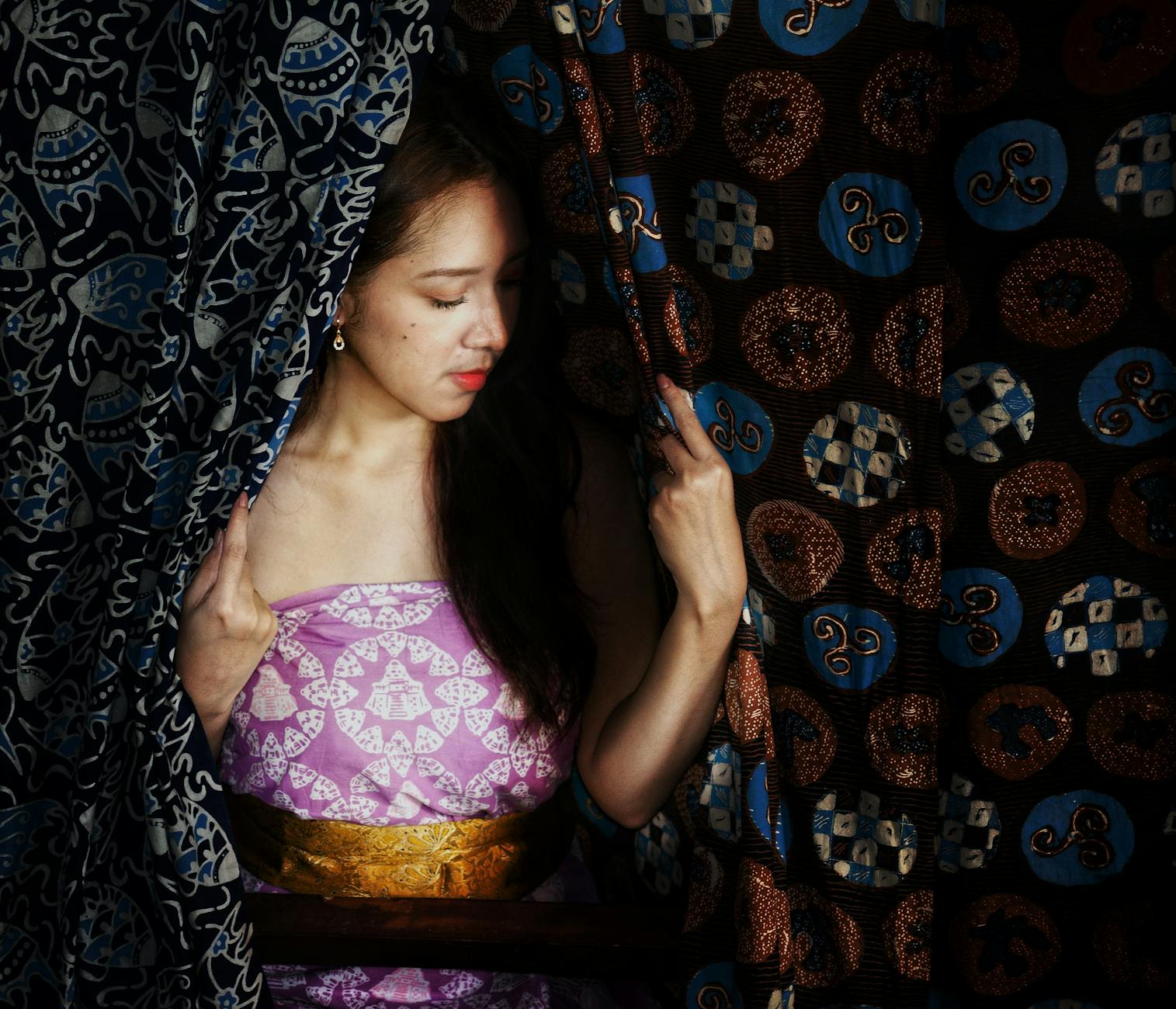
Batik isn’t one tradition but many, and each region has its own signature. Knowing a few makes you a sharper buyer and turns a length of cloth into a real story:
- Yogyakarta (Yogya/Jogja) — Classic court styles with dark sogan-brown backgrounds and formal patterns like Parang and Kawung
- Solo (Surakarta) — Royal palace traditions, close to Yogya but with distinctive Sidoluhur and Sidomukti patterns
- Pekalongan — Bright, multicoloured coastal batik shaped by Chinese and European trade
- Cirebon — The famous Mega Mendung cloud pattern, a Javanese-Chinese blend in vivid colours
- Madura — Bold geometric patterns in deep red and blue, high contrast
- Lasem — Chinese-influenced batik with phoenix and dragon motifs
- Garut — Sundanese batik in lighter colours with floral patterns
The takeaway: a regional batik makes a far more meaningful souvenir than a generic “Indonesian batik,” and the better shops will happily tell you where a piece comes from. For more gift ideas in this vein, see our roundup of the best Jakarta souvenirs and the wider Indonesian handicrafts guide.
Designer Batik Boutiques
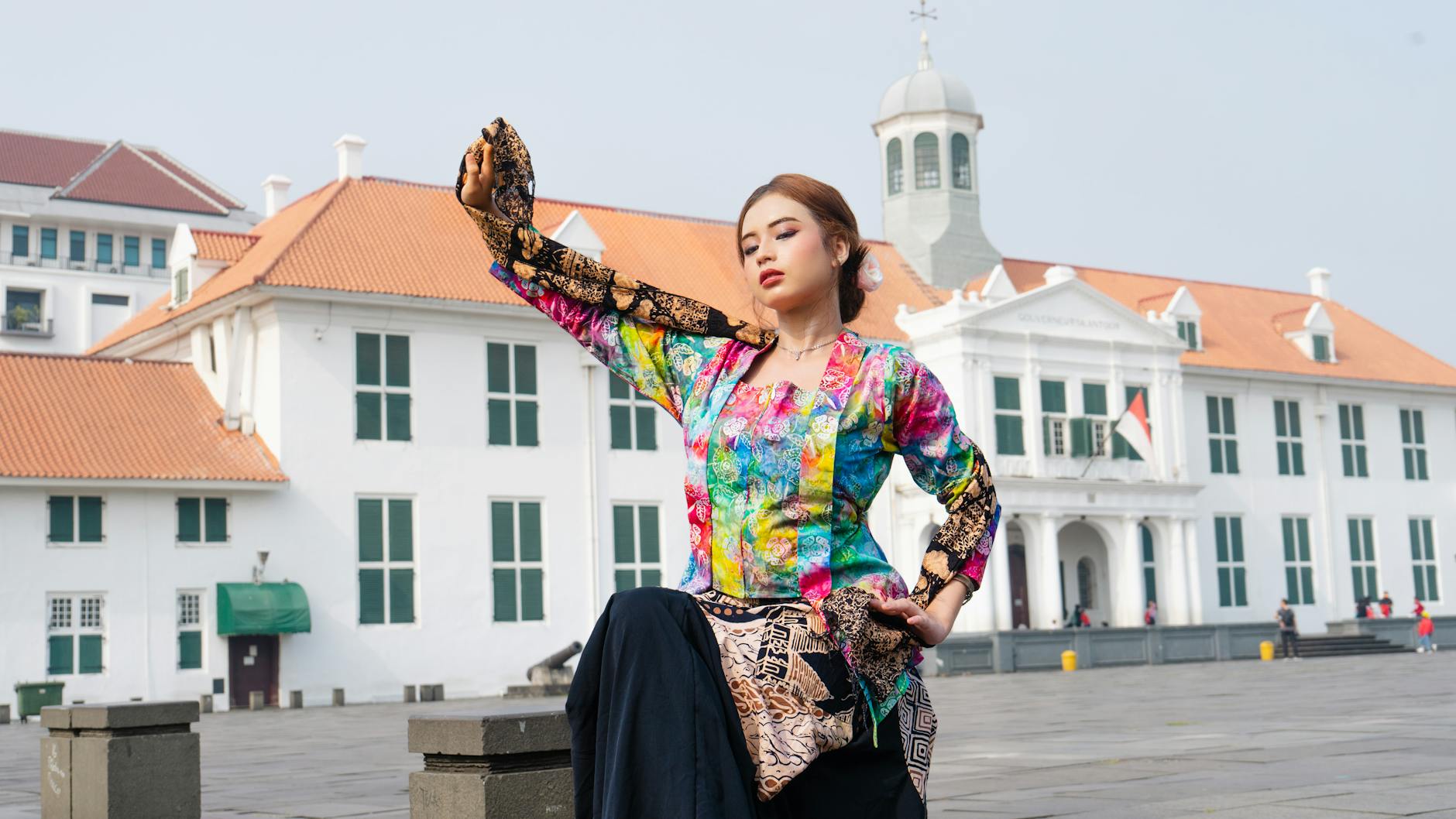
Beyond the mass-market labels, Jakarta is home to a clutch of premium designer ateliers pushing batik somewhere new:
- Carmanita — Sustainable batik using natural dyes
- Edward Hutabarat — Designer-driven contemporary batik
- Anne Avantie — Wedding and ceremonial batik specialist
- Didi Budiardjo — Avant-garde contemporary design
- Obin (Indra “Obin” Kusuma) — A legendary Indonesian designer with a deep batik focus
Most of these operate by appointment or through showrooms in Plaza Indonesia and Plaza Senayan, so it’s worth pairing a visit with the luxury floors covered in our luxury shopping in Jakarta guide.
Wearing Batik — Cultural Context
Batik isn’t just a souvenir here; it’s living formal dress, and you’ll see it everywhere once you start looking:
- Office attire — Many Indonesian offices ask staff to wear batik on Fridays
- Formal events — Wedding receptions, government ceremonies, religious occasions
- Cultural celebrations — Independence Day, Eid al-Fitr family gatherings
- Diplomacy — Indonesian presidents wear batik at international summits
For visitors, wearing batik in Jakarta is genuinely welcome and read as a sign of respect — expect compliments from locals when you’ve chosen a good piece.
Buying Batik Online
If you can’t get to Jakarta but still want the real thing, several Indonesian retailers ship internationally:
- Batikkultur.com — Curated Indonesian batik with international shipping
- Tokopedia/Shopee — Indonesia’s big marketplaces, with full batik categories
- Iwan Tirta official website — Direct from the brand
- Batik Keris online — Same prices as the physical stores
That said, if you are in the city, shopping in person at Sarinah or Tanah Abang beats online on both selection and the chance to bargain.
Suggested Batik Shopping Day
If you want to make a proper day of it, here’s an itinerary that pairs hands-on craft with serious shopping — learning the technique first makes you a far better buyer by the afternoon.
- 10:00 AM: Visit Museum Tekstil in West Jakarta (IDR 5,000 entry); see historical batik
- 11:00 AM: Try a 2-hour batik workshop (IDR 100,000-250,000); make your own small piece
- 2:00 PM: Take Grab to Sarinah (Central Jakarta) for curated regional batik browsing
- 4:00 PM: Lunch at Sarinah’s Indonesian restaurant
- 5:00 PM: Grab to Plaza Indonesia or Plaza Senayan; visit the Iwan Tirta or Danar Hadi boutique
- 7:00 PM: Optional dinner at an Indonesian restaurant in the mall
Total spend: IDR 300,000 to 2,000,000-plus depending on what you buy. The cross-town hops are easiest by Grab; our getting around Jakarta guide covers the options if you’d rather take the train.
Batik for Specific Occasions
Gift Batik (for friends/family)
Go for mid-range cap or premium printed batik — ready-made shirts and blouses run IDR 150,000 to 400,000, the most popular tourist gift category. Best at Sarinah, Tanah Abang Floor 1 or Batik Keris.
Office Batik (for yourself)
Professional-quality cap batik shirts, IDR 250,000 to 700,000. Try Batik Keris, Alleira or Parang Kencana, best found in the Plaza Indonesia and Plaza Senayan boutiques.
Investment Batik (collector pieces)
Premium hand-drawn tulis, IDR 5,000,000 to 25,000,000 and up. Look to Iwan Tirta, Bin House, Carmanita or individual master-artisan workshops, mostly at the Plaza Indonesia flagships by appointment.
Wedding/Ceremonial Batik
Custom-tailored or premium ready-made, IDR 2,000,000 to 15,000,000. Anne Avantie and the Iwan Tirta wedding collection are the names here, by appointment.
Frequently Asked Questions About Where to Buy Batik in Jakarta
Where is the best place to buy batik in Jakarta?
For tourists, Sarinah (post-2022 renovation) has the best curated selection across all the regional traditions and every price range. For premium pieces, the Iwan Tirta flagship at Plaza Indonesia. For bargaining and fabric by the meter, Tanah Abang Blok A Floor 1.
How much does authentic batik cost?
Printed batik runs IDR 25,000 to 80,000 per meter (the souvenir tier). Stamped cap batik is IDR 200,000 to 500,000 per meter. Genuine hand-drawn tulis starts at IDR 500,000 and climbs past IDR 5,000,000 per meter.
How do I know if batik is real?
Four quick checks: look at both sides of the cloth (genuine batik shows the pattern equally), smell for a faint wax or honey scent, look for slightly irregular hand-drawn lines, and stretch the fabric to confirm the colour has penetrated the whole weave.
Can I take a batik workshop in Jakarta?
Yes — the Museum Tekstil in West Jakarta runs daily two-to-three-hour workshops for IDR 100,000 to 250,000. You learn the canting technique, draw your own pattern, dye the fabric and take the finished piece home.
What’s the difference between batik tulis and batik cap?
Tulis is hand-drawn with a canting wax pen and can take one to six months per piece. Cap uses copper stamps to apply the wax — semi-automated and much faster. Both are genuine batik; tulis is the more valuable of the two.
Should I buy batik at Tanah Abang or in malls?
For bargain hunting and bulk fabric, Tanah Abang. For curated quality and confidence in authenticity, Sarinah or the designer boutiques in Plaza Indonesia and Plaza Senayan. For Iwan Tirta and the top-tier pieces, only the official boutiques will do.
Batik is one of Indonesia’s greatest cultural exports, and Jakarta is the best single place in the country to shop for it. Learn the three types, run the 30-second test, and buy a regional piece with a story, and you’ll come home with something far better than a generic souvenir. When you’re ready to look wider, our shopping in Jakarta pillar ties the batik in with the malls and markets, and the Tanah Abang market guide is your companion for the wholesale end.
External Resources for Batik in Jakarta
For batik history and authentication, the Museum Tekstil official website publishes educational resources and workshop schedules. The Iwan Tirta Private Collection website showcases the brand’s flagship designs.
If you are buying at the top of the market, our guide to high-end shopping in Jakarta explains how to tell batik tulis from batik cap and printed fabric, what to ask before paying a collector’s price, and which Indonesian designers work wastra into their collections.