Jakarta can feel like a lot on a first visit — a megacity of more than 10 million people with its own rhythms, customs, and quirks that trip up even seasoned travelers. The good news is that almost all of it is learnable, and a little preparation turns the city from overwhelming to genuinely enjoyable. These Jakarta travel tips are the things I’d brief a friend on before they flew in: visas and airport transfers, getting around, money, etiquette, health and safety, food, and the handful of mistakes that catch nearly everyone out.
Before You Go: Essential Pre-Trip Planning
Visa Requirements and Entry
Indonesia offers visa-free entry for citizens of many countries (including most ASEAN nations, Japan, South Korea, and others) for stays up to 30 days. Citizens of most other countries, including the United States, United Kingdom, Australia, Canada, and EU nations, can obtain a Visa on Arrival (VOA) at Soekarno-Hatta International Airport for approximately IDR 500,000 (around USD 30). The VOA is valid for 30 days and can be extended once for an additional 30 days at an immigration office within Indonesia. For stays longer than 60 days, you’ll need to arrange a visa through an Indonesian embassy or consulate before departure.
Since 2023, Indonesia has implemented an electronic VOA (e-VOA) system that allows you to apply and pay online before arrival at molina.imigrasi.go.id. This is highly recommended as it lets you skip the often-lengthy VOA payment queues at the airport and proceed directly to immigration. Apply at least 48 hours before your flight for processing time. Ensure your passport has at least six months of validity remaining from your date of entry and at least two blank pages. For the full breakdown of exemptions, VOA and e-VOA fees, and extensions, see our Indonesia visa requirements guide.

Best Time to Visit Jakarta
Jakarta has a tropical monsoon climate with two main seasons: the dry season (May to September) and the wet season (October to April). The best time to visit is during the dry season, particularly June through August, when rainfall is minimal, humidity is slightly lower, and you’ll enjoy the most comfortable weather for sightseeing. However, Jakarta is a year-round destination — even during the wet season, rain typically falls in short, intense bursts (usually in the afternoon) rather than all-day downpours, and mornings are often clear and pleasant.
Be aware that Jakarta can experience flooding during peak wet season (January-February), particularly in low-lying areas of North Jakarta. If you’re visiting during this period, choose accommodations in Central or South Jakarta on higher ground. Avoid the weeks around Lebaran (Eid al-Fitr, the end of Ramadan) if possible — while it’s a culturally fascinating time, millions of Indonesians travel home during this period (mudik), and Jakarta essentially shuts down with most restaurants and businesses closed for up to a week. Conversely, the weeks before and after Lebaran can offer excellent hotel deals as the city empties out. For a full month-by-month breakdown of weather, flooding risk and the events calendar, see our guide to the best time to visit Jakarta.
What to Pack
Pack light, breathable clothing — cotton and linen are your best friends in Jakarta’s heat and humidity. Temperatures hover between 27-34°C (80-93°F) year-round with humidity often exceeding 80%. Essential items include a compact umbrella or rain jacket (useful year-round), comfortable walking shoes with good grip (sidewalks can be uneven and wet), sunscreen with high SPF, insect repellent, and a refillable water bottle. If you plan to visit mosques or temples, bring clothing that covers your shoulders and knees — many provide coverings, but having your own is more convenient. A small day bag or crossbody bag is practical for carrying essentials while keeping your hands free.
A few small extras earn their space in the bag: a power bank (you’ll lean on your phone for maps, ride-hailing, and payments all day), a universal adapter for the European-style round two-pin sockets (types C and F, 230V), a light layer or scarf for ferociously air-conditioned malls and offices, and hand sanitizer for the street-food stalls where there’s no sink. Leave heavy denim and dark synthetics at home — they’re miserable in the humidity. And pack a sense of patience for the traffic; it’s the one thing no amount of planning fully solves, and the travelers who fare best treat a slow car ride as downtime rather than a crisis. For a full packing list broken down by season and trip length, see what to pack for Jakarta.
Getting to and from the Airport
Soekarno-Hatta International Airport (CGK) is located approximately 20 km northwest of central Jakarta in Tangerang. Despite the relatively short distance, travel time into the city varies dramatically depending on traffic — anywhere from 30 minutes to over 2 hours during peak periods. Here are your transfer options, ranked from most to least recommended — and our dedicated guide to the airport-to-city transfer goes deeper on each.
The Airport Railink Service (ARS) is the most reliable option. The train runs from the airport to Manggarai station in Central Jakarta, with stops at Batu Ceper, Duri, and Sudirman (BNI City). The express service takes approximately 45 minutes and costs IDR 70,000 (about USD 4.50). Trains run every 30 minutes from early morning until late evening. From Sudirman BNI City station, you can easily connect to the MRT, commuter rail, or grab a ride-hailing car to your final destination. This is the only transfer option that’s immune to Jakarta’s unpredictable traffic.
Ride-hailing apps (Grab or Gojek) are the most convenient door-to-door option. Order a car from the designated ride-hailing pickup areas at the airport (follow signs to the “Online Transportation” area). Expect to pay IDR 150,000-300,000 (USD 9-19) depending on your destination and traffic. During off-peak hours, the ride to Central Jakarta takes about 40 minutes. During rush hour (7-9 AM, 5-8 PM), it can stretch to 90 minutes or more. GrabCar and GoCar are the standard car services; for more comfort, choose GrabCar Plus or GoCar Prioritas.
DAMRI airport buses serve multiple routes to destinations across Jakarta and surrounding cities at very affordable prices (IDR 40,000-100,000). While the most budget-friendly option, buses can be slow in traffic and may not stop near your accommodation. Airport taxis with fixed-rate pricing are available outside arrivals — look for the Blue Bird or Silver Bird counters, which are the most reputable companies. Avoid unmarked taxis or touts who approach you inside the terminal.

Getting Around Jakarta
Jakarta’s transportation network has improved dramatically in recent years, though navigating the city still requires some strategic thinking. Here are the best ways to get around.
The MRT Jakarta is the city’s pride and joy — a modern, clean, air-conditioned metro that runs north-south from Lebak Bulus in South Jakarta to Bundaran HI in Central Jakarta (with extensions continuing northward), and our Jakarta MRT guide covers stations and fares in full. Fares range from IDR 3,000-14,000 (USD 0.20-0.90) depending on distance. The MRT is the fastest and most comfortable way to travel along its route and is especially useful for reaching popular areas like SCBD, Senayan, Blok M, and Bundaran HI. Trains run every 5-10 minutes during peak hours.
TransJakarta is the world’s longest bus rapid transit system, with dedicated lanes covering nearly every corner of the city across 13+ corridors. At just IDR 3,500 per ride (about USD 0.22), it’s incredibly affordable. The buses are air-conditioned and run from approximately 5 AM to 10 PM. While not as fast as the MRT, TransJakarta reaches areas the metro doesn’t, including Kota Tua, East Jakarta, and many suburban destinations. Our TransJakarta guide maps the corridors; to pay, pick up a JakLingko or e-money card (sold at stations and convenience stores) for seamless tapping across the MRT, TransJakarta, and commuter rail — the JakLingko card guide explains how it works.
Ride-hailing apps are indispensable in Jakarta. Both Grab and Gojek offer car rides, motorbike rides (the fastest way to beat traffic), food delivery, and more; if you’re deciding between them, our Grab vs Gojek comparison breaks it down. Motorbike rides (ojek) are particularly useful for short to medium distances when traffic is heavy — they can weave through congestion that would trap a car for hours. Always wear the helmet provided and hold on securely. Car rides are more comfortable for longer distances or when carrying luggage.
Important transport tips: Avoid driving yourself unless you’re experienced with Jakarta traffic, which follows its own unwritten rules. Always carry a charged phone with ride-hailing apps and Google Maps installed. Traffic is worst on Friday evenings, during rain, and around major holidays. On Sunday mornings, take advantage of Car Free Day on Jalan Sudirman for a traffic-free experience of central Jakarta.
Money, Budgeting, and Costs
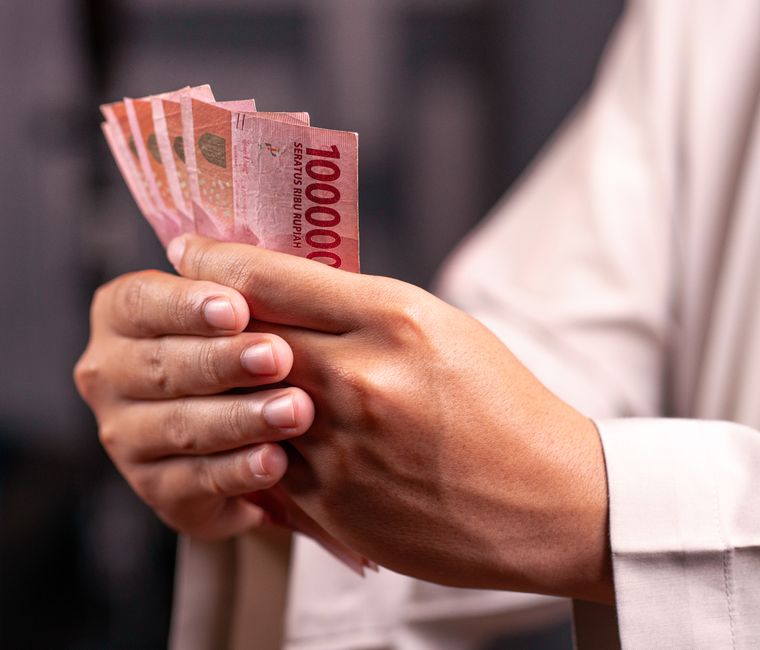
Indonesia’s currency is the Indonesian Rupiah (IDR). At the time of writing, approximate exchange rates are USD 1 = IDR 15,800, EUR 1 = IDR 17,200, and GBP 1 = IDR 20,000. The large denominations can be confusing at first — you’ll regularly handle bills worth IDR 50,000 (about USD 3) and IDR 100,000 (about USD 6). A quick mental shortcut: divide the IDR amount by 16,000 to get an approximate USD value.

ATMs are widely available throughout Jakarta at banks, malls, and convenience stores. Most accept international Visa and Mastercard debit/credit cards. Use ATMs inside banks or malls for security — avoid standalone ATMs on the street. Notify your bank of your travel plans to prevent your card being blocked. ATM withdrawal limits typically range from IDR 1,250,000 to IDR 10,000,000 per transaction depending on the bank.
Currency exchange is best done at reputable money changers rather than at the airport (where rates are poor). Look for licensed money changers in malls or established businesses with electronic rate displays. Popular chains include PT Valuta Artha Mas and Dolarindo. Always count your money carefully before leaving the counter. For a full rundown of rates, licensed money changers and scams to avoid, see our currency exchange guide.
Credit and debit cards are accepted at malls, hotels, upscale restaurants, and chain stores. However, many local restaurants, street food stalls, markets, and small shops operate on cash only. Always carry a reasonable amount of cash in smaller denominations (IDR 10,000, 20,000, and 50,000 notes) for everyday purchases. Digital payment apps like GoPay (Gojek) and OVO are widely accepted and can be loaded via convenience stores or bank transfers — these are increasingly useful even for small purchases.
Typical daily budgets: A budget traveler can get by on USD 30-50/day (hostel dorm, street food, public transport). A mid-range traveler will spend USD 80-150/day (3-star hotel, mix of restaurants and street food, ride-hailing transport). A luxury traveler can expect USD 200-400+/day (5-star hotel, upscale dining, private transport). Jakarta is significantly cheaper than other major Asian capitals like Singapore, Tokyo, or Hong Kong; for a closer look at fares specifically, see our breakdown of Jakarta transportation costs, and for a whole trip on a tight budget, our guide to budget travel in Jakarta. For a full line-item total across every category and budget tier, see our Jakarta trip cost budget breakdown.
To put those daily budgets into concrete terms, here is roughly what everyday things cost in Jakarta in 2026.
| Item | Typical price (IDR) | Approx. USD |
|---|---|---|
| Street-food meal (nasi goreng, satay) | 15,000–35,000 | $1–$2.50 |
| Mid-range restaurant main | 60,000–150,000 | $4–$10 |
| Bottle of water (convenience store) | 3,000–5,000 | $0.20–$0.30 |
| MRT single trip | 3,000–14,000 | $0.20–$0.90 |
| TransJakarta single ride | 3,500 | $0.22 |
| Short Grab/Gojek car ride | 25,000–60,000 | $1.50–$4 |
| Motorbike taxi (ojek) short hop | 12,000–30,000 | $0.75–$2 |
| Airport train to city | 70,000 | $4.50 |
| Specialty coffee | 30,000–55,000 | $2–$3.50 |
| Cinema ticket | 40,000–75,000 | $2.50–$5 |
Health, Safety, and Insurance
Jakarta is generally a safe city for tourists, but like any major metropolis, it pays to be aware of your surroundings and take sensible precautions. Travel insurance is strongly recommended — ensure your policy covers medical treatment, emergency evacuation, and trip cancellation. Medical care in Jakarta’s private hospitals (like Pondok Indah Hospital, Siloam Hospitals, and RS Premier Jatinegara) is modern and affordable by Western standards, but costs can add up quickly without insurance. For what a policy should actually cover here, see our Jakarta travel insurance guide.
Health precautions: The most important health tip for Jakarta is to never drink tap water. Always drink bottled or filtered water (branded as Aqua or Le Minerale, available everywhere for IDR 3,000-5,000). Use bottled water for brushing teeth as well. Street food is generally safe if it’s freshly cooked and served hot — the high cooking temperatures kill bacteria. Be cautious with raw vegetables, unpeeled fruit, and ice from unknown sources (ice in established restaurants and cafés is typically made from filtered water and is safe).
Vaccinations: While no vaccinations are officially required for entry to Indonesia from most countries, the CDC and WHO recommend being up to date on routine vaccinations and additionally suggest Hepatitis A, Hepatitis B, and Typhoid for most travelers. Malaria is not a concern in Jakarta itself, but if you plan to travel to rural areas or eastern Indonesia, consult your doctor about antimalarial medication. Dengue fever, transmitted by mosquitoes, is present in Jakarta — use insect repellent, especially during dawn and dusk. For the full picture on vaccines, water and food safety, see our health precautions guide.

Safety tips: Petty theft (pickpocketing, bag snatching) is the most common crime affecting tourists, particularly in crowded areas like markets, public transport, and tourist sites. Use a crossbody bag, keep valuables in front pockets, and be especially vigilant in Kota Tua, on TransJakarta buses during peak hours, and in any crowded market. Avoid displaying expensive jewelry, watches, or electronics unnecessarily. Use hotel safes for passports and extra cash. For a fuller neighbourhood-by-neighbourhood safety assessment, see is Jakarta safe?
For women travelers, Jakarta is relatively safe compared to many large cities, but standard precautions apply: avoid walking alone in poorly lit areas at night, use reputable ride-hailing services rather than unmarked taxis, and trust your instincts. Jakarta’s people are overwhelmingly friendly and helpful to foreigners, and you’ll find that most interactions are positive and welcoming.
Cultural Etiquette and Social Customs
Indonesia is a diverse, predominantly Muslim country with deep cultural traditions that influence daily life in Jakarta. Understanding and respecting these customs will enrich your experience and earn you genuine appreciation from locals.
Greetings: The standard Indonesian greeting is a warm handshake accompanied by a slight nod or touching your chest with your right hand afterward. When meeting someone older or in a position of authority, a slight bow shows added respect. Some Muslim women may prefer not to shake hands with men — if a woman doesn’t extend her hand, simply smile and nod. Indonesians generally greet with “Selamat pagi” (good morning), “Selamat siang” (good afternoon), or “Selamat malam” (good evening).
The left hand: In Indonesian culture, the left hand is considered unclean. Always use your right hand for giving and receiving items, eating, handing over money, and pointing. If you need to use both hands (such as when handing over a large item), that’s perfectly acceptable. This is one of the most important cultural norms to observe.
Religious sensitivity: Jakarta is home to people of many faiths, and religious tolerance is an important national value. When visiting mosques, remove your shoes, dress modestly (long sleeves and pants/skirts covering the knees), and women should cover their hair. Many major mosques provide covering garments. When visiting temples or churches, ask permission before photographing worship services. During Ramadan (the Muslim fasting month), it’s considerate — though not required — to avoid eating, drinking, or smoking in public during daylight hours, especially in more conservative areas. Most tourist-oriented restaurants remain open during Ramadan. For more about Jakarta’s religious sites, see our dedicated guide.
Photography: Always ask permission before photographing people, especially in markets, religious sites, or residential areas. Most Indonesians are happy to be photographed and may even invite you to take selfies together (foto bareng is very popular). However, respect anyone who declines. Avoid photographing military installations, government buildings, or airport security areas.
Tipping: Tipping is not mandatory in Indonesia, but it’s increasingly appreciated in Jakarta’s service industry. Many restaurants add a 5-10% service charge. If no service charge is included, leaving IDR 10,000-20,000 for a meal is a kind gesture. For porters, IDR 10,000-20,000 per bag is appropriate. Ride-hailing drivers appreciate rounding up the fare. Tour guides typically receive IDR 50,000-100,000 per person for a half-day tour.
Face and patience: Indonesians place a high value on politeness and saving face, so a calm, smiling demeanor gets you far further than visible frustration ever will. Raising your voice or showing anger in public is considered a serious loss of composure and tends to backfire. Queues, personal space, and punctuality are looser than many Western visitors expect — meetings and plans run on “jam karet” (rubber time), so build in flexibility and meet delays with good humor. A warm “terima kasih” and a smile will smooth over almost any small misunderstanding.
Communication and Connectivity
Staying connected in Jakarta is easy and affordable. Indonesia has excellent mobile network coverage in urban areas, with 4G LTE available throughout Jakarta and 5G rolling out in major areas.
SIM cards: The most practical option for visitors is purchasing a local prepaid SIM card upon arrival. Telkomsel (the largest network), XL Axiata, and Indosat Ooredoo are the main carriers. SIM cards are available at the airport (look for official carrier booths in the arrivals hall) or at any convenience store (Indomaret, Alfamart). Tourist SIM packages typically include generous data allowances (15-30 GB) for IDR 100,000-200,000 (USD 6-13). You’ll need to register the SIM with your passport — airport booths handle this automatically. For a full carrier comparison and eSIM options, see our Jakarta SIM card guide.
Essential apps to download before arrival: Grab and Gojek (ride-hailing and food delivery), Google Maps (offline maps are invaluable), Google Translate (with Indonesian language pack downloaded for offline use), WhatsApp (the primary messaging app in Indonesia — more important than SMS), and Traveloka or Tiket.com (for booking domestic flights, hotels, and activities at local prices).
Wi-Fi is widely available in hotels, cafés, restaurants, malls, and many public spaces. Quality varies, but most mid-range and above accommodations offer reliable connections. Jakarta’s trendy café neighborhoods like Senopati and Kemang are particularly well-equipped for remote workers.
Food and Dining Tips
Jakarta’s food scene is one of its greatest assets, offering everything from world-class fine dining to incredibly flavorful street food that costs mere cents. Here are key tips for navigating the culinary landscape.
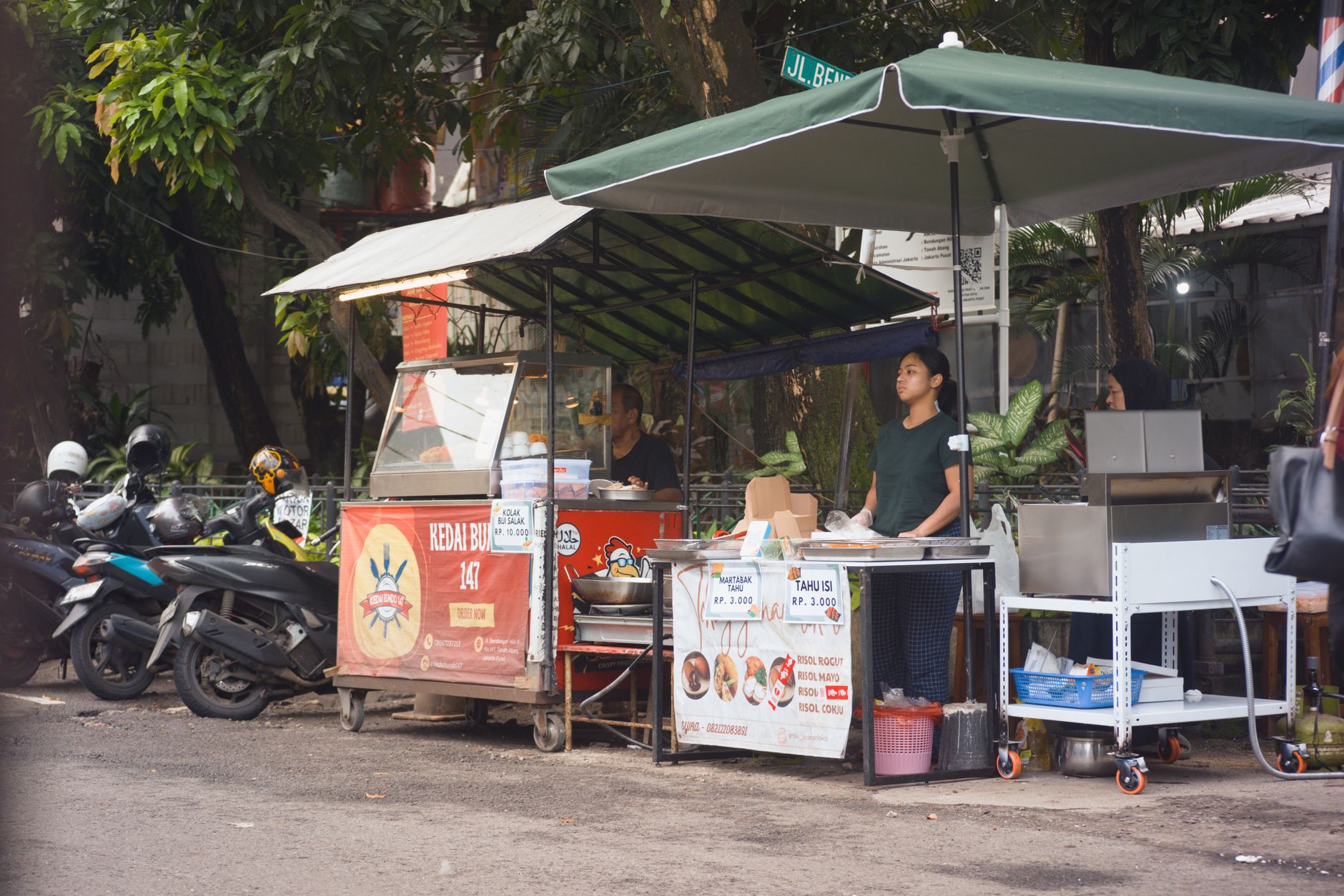
Street food safety: Jakarta’s street food is generally safe and absolutely worth trying. Look for stalls with high customer turnover (a queue of locals is the best quality indicator), where food is cooked fresh to order, and where the cooking station looks reasonably clean. The most popular street foods include nasi goreng (fried rice), mie goreng (fried noodles), sate (grilled meat skewers), bakso (meatball soup), gado-gado (vegetables with peanut sauce), and martabak (stuffed pancake) — our roundup of the best street food in Jakarta tells you where to find the standout versions. For a deeper exploration, check our comprehensive Jakarta food guide.
Spice levels: Indonesian food can be extremely spicy. If you’re sensitive to heat, learn the phrase “tidak pedas” (not spicy) or “sedikit pedas” (a little spicy). Most restaurants and stalls can adjust the heat level. Sambal (chili sauce) is typically served on the side, allowing you to control the amount you add.

Halal awareness: As a majority-Muslim city, most food in Jakarta is halal. Non-halal restaurants (serving pork or alcohol) do exist, particularly in areas like Glodok (Chinatown), Kemang, and PIK, but they may not be prominently labeled. If halal food is important to you, look for restaurants displaying halal certification from MUI (Majelis Ulama Indonesia). Most Indonesian restaurants are halal by default.
Dining hours: Jakartans eat frequently throughout the day. Breakfast is typically 6-9 AM, lunch 11 AM-2 PM, and dinner 6-10 PM. However, street food is available at virtually all hours, and many restaurants stay open late. Weekend brunch culture has exploded in South Jakarta neighborhoods, with restaurants packed from 10 AM to 2 PM on Saturdays and Sundays.
Accommodation Tips
Jakarta offers accommodation at every price point, from budget hostels to world-class luxury hotels. Your choice of neighborhood matters enormously for your overall experience, so consider location carefully.
Best areas to stay: For first-time visitors, Central Jakarta (around Menteng, Thamrin, or Bundaran HI) offers the best balance of access to attractions, dining, and transport links. The SCBD/Sudirman area is ideal for business travelers and luxury seekers with its concentration of 5-star hotels. South Jakarta (Kemang, Senopati, Blok M area) suits travelers who prioritize dining and nightlife. For detailed recommendations by neighborhood and budget, see our where to stay in Jakarta guide.
Booking tips: Book through Traveloka or Tiket.com for the best domestic rates, which are often lower than international booking platforms. Many hotels also offer better rates for direct bookings through their own websites. During major holidays (Lebaran, Christmas, school holidays in June-July), book well in advance as popular hotels fill up quickly and rates spike. Many properties offer significant last-minute discounts during the low season (September-November).

Weather and What to Expect Each Season
Jakarta’s tropical climate means consistently warm temperatures year-round, but the wet and dry seasons create distinctly different experiences for visitors.
Dry season (May-September): This is peak tourist season with minimal rainfall, lower humidity, and the most comfortable weather for outdoor activities. Daytime temperatures average 31-33°C (88-91°F) with cooler evenings around 25°C (77°F). The skies are often clearer, making this the best time for photography and outdoor sightseeing. Day trips from Jakarta to places like Thousand Islands and Puncak are most enjoyable during these months.
Wet season (October-April): Expect daily rain showers, usually in the afternoon or evening, with occasional heavy downpours that can cause localized flooding. Morning hours are often clear and pleasant, so plan outdoor activities for the first half of the day. Humidity peaks at 85-95%, making air conditioning a necessity. Despite the rain, the wet season has advantages: fewer tourists, lower hotel rates, and the city’s parks and gardens are at their greenest and most lush. Air quality follows a related seasonal pattern — for what to expect and how to check it in real time, see our Jakarta air quality guide.

Useful Indonesian Phrases
While English is widely spoken in Jakarta’s tourist areas, hotels, and upscale establishments, knowing some basic Indonesian (Bahasa Indonesia) will greatly enhance your experience and earn warm smiles from locals. Indonesian is considered one of the easiest Asian languages for English speakers to learn — it uses the Latin alphabet, has simple grammar, and pronunciation is largely phonetic.
Essential phrases to know: Terima kasih (thank you), Sama-sama (you’re welcome), Permisi (excuse me), Maaf (sorry), Berapa harganya? (how much is this?), Terlalu mahal (too expensive), Bisa kurang? (can you reduce the price?), Di mana…? (where is…?), Saya mau… (I want…), Tidak (no), Ya (yes), Tolong (please/help), Enak! (delicious!), and Selamat jalan (goodbye, said to someone leaving). Even a basic attempt at Indonesian is met with enthusiastic appreciation and often better prices at markets.
Shopping and Bargaining
Jakarta is a shopper’s paradise, from gleaming mega-malls to chaotic traditional markets. Understanding when and how to bargain is key to getting good value. In malls and department stores, prices are fixed and non-negotiable. In traditional markets, street stalls, and small independent shops, bargaining is expected and part of the experience.
When bargaining, start by offering 40-50% of the asking price and work toward a mutually agreeable middle ground. Be friendly and smile — bargaining in Indonesia is a social interaction, not a confrontation. If the seller won’t come down to your target price, walking away often prompts a final offer. Don’t bargain aggressively for very small amounts (under IDR 10,000) as it can come across as disrespectful given the low absolute value. For more shopping tips and destinations, see our complete Jakarta shopping guide.
Day Trip Planning from Jakarta
Some of the best experiences near Jakarta lie just outside the city limits. The Thousand Islands (Kepulauan Seribu) offer tropical beaches and snorkeling just 1-2 hours by boat from Muara Angke or Ancol. Bogor and the Bogor Botanical Gardens are an easy 1-2 hour drive south (or a scenic commuter rail journey). Puncak provides cool mountain air, tea plantations, and weekend getaway vibes. For longer excursions, Bandung is reachable by train in about 3 hours and offers excellent food, shopping, and volcanic landscapes. Our day trips from Jakarta guide covers all these options in detail.

Jakarta Travel Tips: Frequently Asked Questions
Is Jakarta safe for tourists? Broadly, yes. Jakarta is a safe city for visitors, with petty theft (pickpocketing, bag-snatching in crowds) the main concern rather than violent crime. Use a crossbody bag, stay alert on packed TransJakarta buses and in busy markets, stick to reputable ride-hailing or hotel cars at night, and you’ll likely have nothing but warm, welcoming interactions.
Do I need cash, or can I pay by card and app? You need a bit of everything. Malls, hotels, and upscale restaurants take cards, and QR payments (GoPay, OVO, QRIS) are everywhere, but street food, traditional markets, small warungs, and ojek tips still run on cash. Carry IDR 200,000–500,000 in small notes and top up a payment app for the rest.
What is the best way to get around Jakarta? A combination: the MRT along the Sudirman-Thamrin spine for speed, TransJakarta to reach areas the metro misses, and Grab or Gojek (car for luggage or comfort, motorbike to slice through gridlock) for the last mile. Avoid self-driving unless you know the city’s unwritten road rules.
How many days do you need in Jakarta? Three full days is a comfortable first visit — enough for the historic core (Kota Tua and Glodok), modern Jakarta (SCBD, Senopati), the museums and parks of Menteng and Cikini, and a proper run at the food. Add a day or two for a Thousand Islands or Bandung excursion.
Is the tap water safe to drink? No — never drink Jakarta tap water. Stick to bottled or filtered water (Aqua, Le Minerale, sold everywhere for IDR 3,000–5,000), use it for brushing teeth, and be cautious with ice from unknown street vendors, though ice in established cafés is generally fine.
When is the cheapest time to visit? The wet season and shoulder months bring lower hotel rates and thinner crowds, and the rain usually falls in short afternoon bursts rather than all day. The weeks just before and after Lebaran can also yield excellent deals as the city empties for the mudik exodus.
Your First Day in Jakarta: A Smooth Arrival
The first few hours set the tone, so it helps to have a plan. Before you fly, apply for the e-VOA online and download Grab, Gojek, Google Maps (with the Jakarta area saved offline), Google Translate (Indonesian pack), and WhatsApp. On landing at Soekarno-Hatta, clear immigration, grab a local SIM at an official carrier booth in arrivals (they register it against your passport on the spot), and draw cash from a bank ATM inside the terminal rather than changing money at the airport counters, where rates are poor. If your hotel is in Central Jakarta and traffic looks brutal, the airport train to BNI City and a short ride-hailing hop from there will almost always beat a car door-to-door.
Once you’re checked in, resist the urge to cram. A gentle first afternoon — a walk around your hotel’s neighborhood, a first warung meal, an early night to shake off the flight — pays off more than a frantic dash to three sights across town. Tap your e-money or JakLingko card for a single MRT ride just to get the feel of the system, note where the nearest station and a 24-hour convenience store are, and pick up a few bottles of water for the room. Tomorrow, with a SIM working, cash in your pocket, and the transport sorted, you’ll move through the city like you’ve been here a week.
Common Mistakes to Avoid in Jakarta
Even well-prepared travelers make mistakes in Jakarta. Here are the most common pitfalls and how to avoid them.
Underestimating traffic. This is the number one mistake visitors make. Jakarta’s traffic can turn a 10 km journey into a 90-minute ordeal. Always budget extra time for road travel, use the MRT and TransJakarta when possible, and avoid scheduling appointments or activities that require crosstown travel during rush hour (7-9 AM, 4-8 PM).
Trying to see too much in one day. Jakarta is enormous, and its attractions are spread across a wide area. Focus on 2-3 neighborhoods per day rather than trying to crisscross the city. A slower, deeper exploration of fewer areas will always be more rewarding than a rushed checklist approach.
Ignoring the heat. Jakarta’s tropical heat and humidity are intense, especially if you’re not accustomed to them. Take regular breaks in air-conditioned spaces, drink water constantly (aim for 3-4 liters per day), and schedule the most strenuous outdoor activities for early morning or late afternoon when temperatures are more manageable.
Not carrying cash. Despite Indonesia’s growing digital payment ecosystem, many of Jakarta’s best experiences — street food stalls, traditional markets, small warungs, motorbike taxi tips — require cash. Always have at least IDR 200,000-500,000 in smaller bills on hand.
Skipping the local food. It’s tempting to stick with familiar international restaurants, but Jakarta’s local cuisine is extraordinary and incredibly affordable. Push yourself to try street food, eat at local warungs, and explore the traditional food scenes in neighborhoods like Glodok and Blok M. You’ll have some of the most memorable meals of your life for the equivalent of a few dollars.
Jakarta rewards travelers who show up curious, reasonably prepared, and willing to roll with its chaos rather than fight it. With these Jakarta travel tips in hand, you’re well set to navigate the city and see why it’s quietly become one of Southeast Asia’s most rewarding destinations. Between its attractions, its remarkable food, and the genuine warmth of its people, Jakarta tends to stick with you long after you’ve flown home.
One last tip: treat Jakarta as a base rather than the whole trip. The day trips from Jakarta guide is the place to start, with detailed write-ups of Anyer beach, Tanjung Lesung and Pelabuhan Ratu if you want to see the coast, and honest verdicts on which of them are worth the drive.
Most of what goes wrong for first-time visitors is social rather than practical — handing change over with the wrong hand, turning up at a mosque in shorts, or raising your voice at a receptionist and wondering why the room suddenly went cold. Our guide to Jakarta etiquette and customs covers the greetings, honorifics, dress codes and religious rhythms that shape an ordinary week here, along with an honest list of the things nobody actually minds.