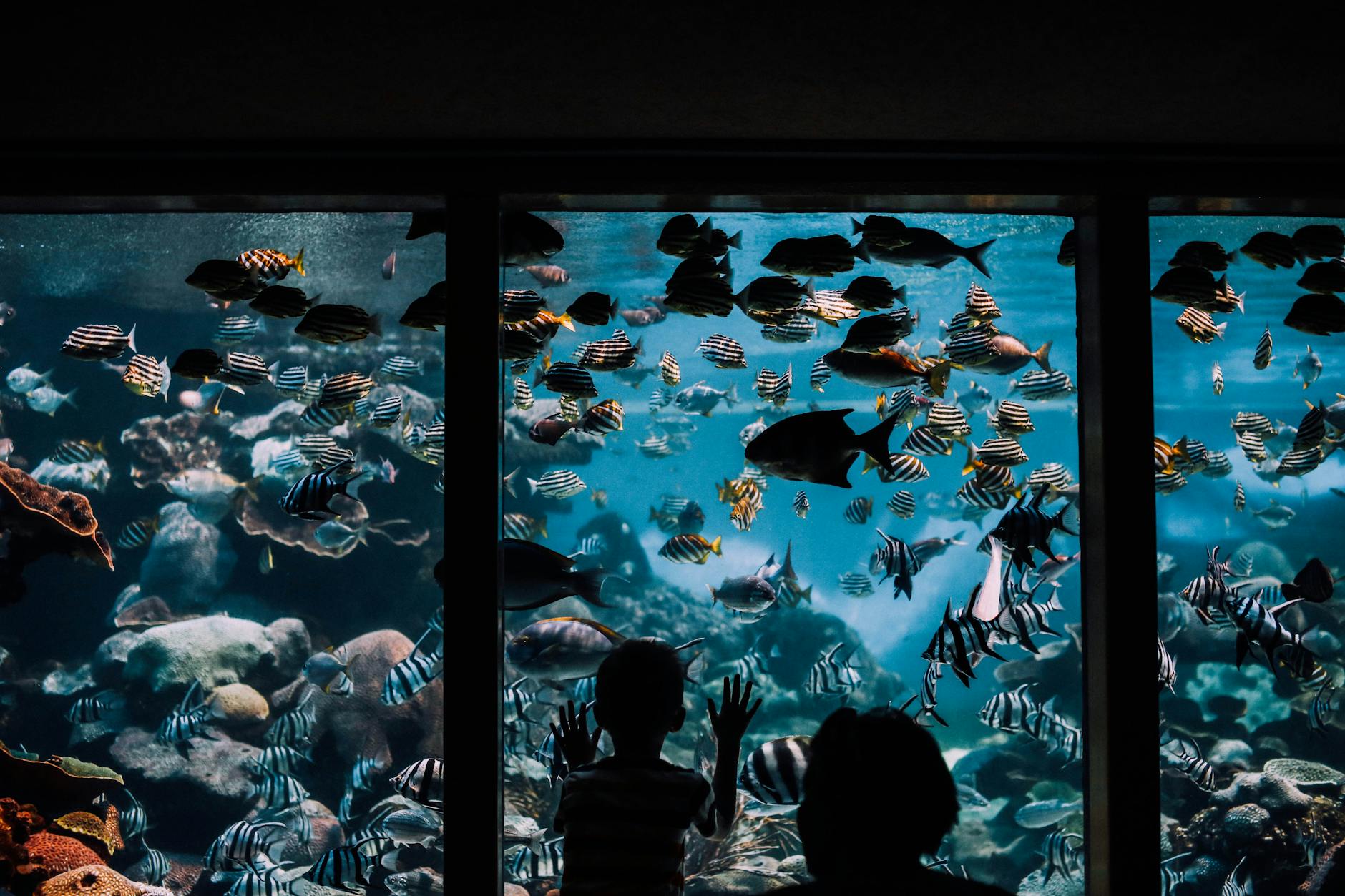
There is one moment that justifies the ticket, and it happens about fifteen minutes in. You step onto the moving walkway of the Antasena Tunnel, the light goes green and liquid, and five million litres of seawater close over your head with sharks moving through it. Every child in the queue goes silent at exactly the same point. Whatever else you make of Sea World Ancol Jakarta, that tunnel has been doing that to Indonesian schoolchildren since the 1990s and it has not stopped working.
This guide covers the 2026 ticket prices and how the Ancol gate fee catches people out, the opening hours, the feeding times worth planning around, which zones are actually good, how to get there, and an honest assessment of how it compares with Jakarta’s newer aquarium. Prices and hours were checked in September 2026; Ancol changes both regularly and runs promotions constantly, so confirm on ancol.com before you go.

The essentials
| Detail | |
|---|---|
| Where | Inside Taman Impian Jaya Ancol, North Jakarta |
| Hours | Mon–Fri 09:00–17:00; Sat 09:00–20:00; Sun 09:00–18:00 |
| Last entry | One hour before closing |
| Standard ticket | From 120,000; the price depends on the date and ticket category |
| Sea World + Samudra | 220,000 |
| Sea World + Samudra + Jakarta Bird Land | 240,000 |
| Annual pass | 230,000 |
| Children | 80 cm and taller pay full admission |
| Ancol gate fee | Extra, charged per person and again per vehicle |
| Time needed | 2–3 hours |
| Best for | Ages 3–12; the tunnel works on everyone |
The gate fee, which is the thing everyone gets wrong
Before anything else: the Ancol area entry fee is not included in your Sea World ticket. Ancol’s own site states it plainly — attraction prices exclude the area entry and the vehicle ticket. You pay to enter the 552-hectare Ancol complex, per person, and again for the car or motorbike that brought you, and then you pay Sea World separately at its own door.
This is not a scam and it is not hidden; it is simply how a large privately managed recreation zone works. But it does mean a family of four arriving by car pays four gate fees plus a vehicle fee before they have seen a single fish, and the total for the day is meaningfully higher than the advertised ticket price suggests. Budget for it, and check the current gate amount when you book, because it does change.
The compensating good news is that Ancol runs promotions almost continuously. All-unit day passes at a flat rate have appeared repeatedly, discounted bundles are common, and Traveloka and tiket.com frequently undercut the gate. Ten minutes of comparison before you leave the hotel is genuinely worth a couple of hundred thousand rupiah.
What is actually inside
Sea World holds 28 displays in total — nine freshwater tanks, nineteen marine tanks and four open pools — organised into a loop you walk in roughly one direction. Two to three hours covers it properly. An hour covers it if you have a bored teenager.
The Antasena Tunnel
The main aquarium and the reason to come. It holds up to five million litres of seawater and you pass through it in a transparent acrylic tunnel, with fish, rays and sharks moving above and around you. When it opened it was the first of its kind in Indonesia and it remains the largest. It is not the newest such tunnel in Asia and it does not pretend to be, but the scale is real and the effect on children is immediate.
Practical tip: the tunnel is at its best either right at opening or during a main-aquarium feeding session, when a diver enters the tank and the fish converge. In between, at midday on a Sunday, you will be shuffling through it behind a school group.
The shark aquarium
Blacktip sharks, sawfish and hammerheads. The sawfish in particular are worth pausing for — they are critically endangered in the wild and most visitors have never seen one. Shark feeding runs at 14:30 on weekdays, with an additional 11:45 session at weekends, and it is comfortably the most popular scheduled event of the day. Arrive ten minutes early for a view that is not the back of someone’s head.
Rays Kingdom
A dedicated ray habitat, and the sleeper hit of the visit for small children — rays are large, slow, visible and faintly comic in a way that sharks are not. The feeding session here is calmer and easier to see than the shark one.
Kolam Sahabat Laut
The touch pool, where children can put their hands in the water under supervision. For four- to eight-year-olds this is often the bit they talk about afterwards, ahead of the tunnel. Staff manage it well and it is not a free-for-all.
The freshwater tanks
Nine of them, and considerably better than the phrase suggests. This is where the arapaima live — South American river monsters that grow to more than two metres — along with piranha and a good representation of Southeast Asian river species. Both the arapaima and the piranha have their own feeding times.
The museum
A small collection of preserved deep-sea specimens, the standout being a coelacanth — the fish that was assumed extinct for 65 million years until one turned up in a South African fishing net in 1938, and which is found in Indonesian waters off Sulawesi. It is a quiet room that most visitors walk through in ninety seconds, and it is the most genuinely remarkable thing in the building.
What you will actually see
The collection leans towards Indonesian and wider Indo-Pacific species, with a South American freshwater section that exists mainly because arapaima and piranha are crowd-pullers. Broadly, expect:
| Zone | What is in it | Worth lingering? |
|---|---|---|
| Antasena Tunnel / main aquarium | Reef fish, rays, sharks, large schooling species | Yes — the reason you came |
| Shark aquarium | Blacktip, sawfish, hammerhead | Yes, especially at feeding time |
| Rays Kingdom | Stingrays and related species | Yes with under-eights |
| Kolam Sahabat Laut | Supervised touch pool | Yes with under-eights |
| Freshwater section | Arapaima, piranha, Southeast Asian river species | Better than expected |
| Reef and coral displays | Clownfish, anemones, small reef species | Quick, but pretty |
| Museum | Preserved specimens including a coelacanth | Ninety seconds that are worth it |
Feeding times: the schedule to plan around
Sea World is a much better visit if you catch two or three feeding sessions rather than none. Times shift, so check the board at the entrance on arrival — but as a guide:
| Session | Weekdays | Weekends |
|---|---|---|
| Main aquarium (diver feed) | 11:00, 14:00, 15:30, 16:00 | 11:00, 14:00, 16:00 |
| Shark feeding | 14:30 | 11:45, 14:30 |
| Piranha | Scheduled daily — check the board | |
| Moray eel | Scheduled daily — check the board | |
| Arapaima | Scheduled daily — check the board | |
| Rays | Scheduled daily — check the board | |
The efficient plan is to arrive at opening, do the tunnel while it is empty, work the loop slowly, and time your second pass through the main aquarium to coincide with the 11:00 feed. That gets you the best of both and puts you out of the door before the lunchtime crush.
Getting there
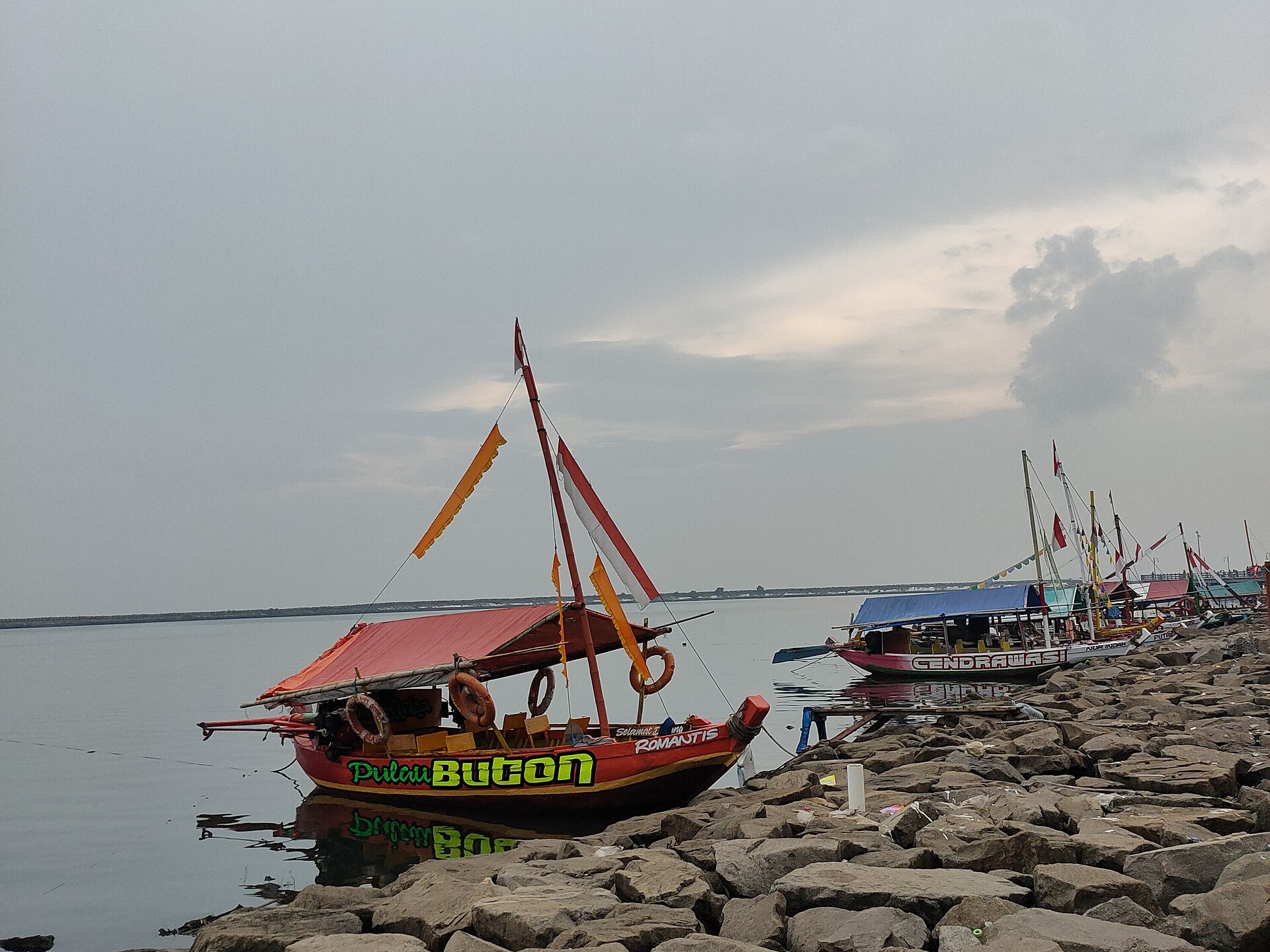
Ancol is in North Jakarta, roughly 25 km from most South Jakarta hotels and about 10 km from Monas. There is no MRT station anywhere near it, which is the single biggest practical constraint.
- Grab or Gojek is the default. From South Jakarta allow 40 minutes at 08:00 on a Sunday and well over 90 minutes at 16:00 on a Friday. Cost a Jakarta journey in minutes, never kilometres — see our traffic guide.
- KRL commuter line to Ancol station, then a short ride or walk to the gate. Cheap and traffic-proof, though the stations are basic. See the KRL guide.
- TransJakarta serves the area; check the current corridor and stop before relying on it. The TransJakarta guide explains the system.
- Driving means paying the vehicle gate fee, but you get to park close to the unit you want, which matters in the heat.
Once inside, remember the complex is enormous. There is an internal shuttle and it is free — use it rather than walking from the gate in the middle of the day.
Combining Sea World with the rest of Ancol
Because you have already paid the gate fee, doing only Sea World is poor value. Two to three hours inside leaves most of a day, and the sensible move is to pair it with something else in the complex.
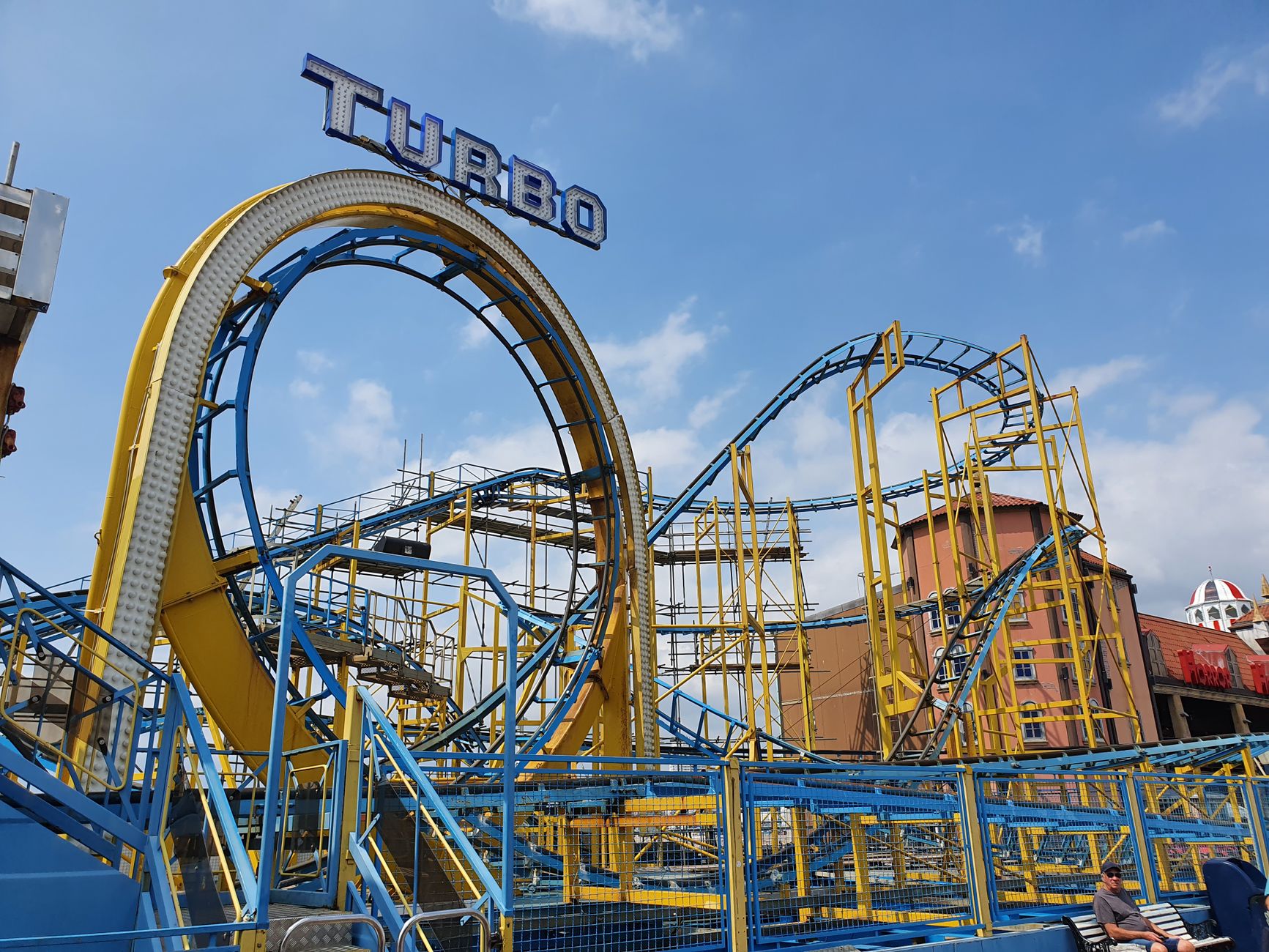
- Samudra (Ocean Dream) is the natural pairing and the combination ticket at 220,000 is better value than buying separately. It is the marine mammal and show side of the operation.
- Atlantis Water Adventure is the water park, and pairs beautifully with a morning at Sea World — air-conditioned first, wet second, which is exactly the right order in Jakarta’s heat. More in our water parks guide.
- Dunia Fantasi is the theme park and is a full day on its own. Do not try to do Dufan and Sea World properly in the same day unless your children are ten or older and you started at 09:00.
- Jakarta Bird Land is included in the 240,000 three-way bundle and is a pleasant hour.
- Bandar Djakarta, the waterfront seafood market-restaurant, is where most families end an Ancol day — you choose from the tanks and it is cooked to order. Our seafood guide has the detail.

Three ways to build the day
| If you have | The plan |
|---|---|
| Half a day, small children | Arrive 09:00. Sea World until the 11:00 feed, then Jakarta Bird Land, then lunch and leave before the afternoon heat |
| A full day, children 4–10 | Sea World at opening, Samudra late morning, lunch, Atlantis all afternoon, dinner at Bandar Djakarta |
| A full day, children 10+ | Dufan from opening until mid-afternoon, Sea World at 16:00 when the crowds have thinned, waterfront in the evening |
What it actually costs a family of four
Worth doing the arithmetic before you leave, because the headline price is not the price. For two adults and two children over 80 cm, arriving by car, buying at the gate:
- Sea World admission: from 120,000 × 4 = from 480,000
- Ancol area gate fee: four people, plus one vehicle — check the current rates, but budget for it as a real line item
- Parking and the internal shuttle: shuttle free, parking extra
- Lunch on site: from about 50,000 a head at a food outlet, considerably more at Bandar Djakarta
Buying the Sea World and Samudra bundle at 220,000 rather than two separate tickets, or catching one of Ancol’s recurring all-unit day passes, changes that arithmetic substantially. So does going by KRL rather than by car, which removes the vehicle fee entirely. Our Jakarta trip cost breakdown puts these numbers in context against the rest of a trip.
Five mistakes people make
- Budgeting only for the attraction ticket. The gate fee is separate, per person and per vehicle.
- Arriving at lunchtime on a Sunday. The tunnel becomes a queue and the whole visit loses its effect.
- Ignoring the feeding board. Two well-timed feeds turn a decent visit into a good one, and they cost nothing.
- Doing Sea World and leaving. Two hours inside does not justify the journey or the gate fee — pair it with something.
- Walking from the gate. Ancol is 552 hectares. The internal shuttle is free and air-conditioned relief matters here.
Sea World or Jakarta Aquarium?
Jakarta now has two significant aquariums, and which one you choose should depend on your children’s ages rather than on which is objectively better.
| Sea World Ancol | Jakarta Aquarium & Safari | |
|---|---|---|
| Where | Ancol, North Jakarta | Neo Soho mall, West Jakarta |
| Feel | Larger, more traditional, tank-focused | Smaller, more theatrical, show-focused |
| Highlight | The Antasena Tunnel | Live shows and animal encounters |
| Best ages | 3–12, and adults who like fish | 2–10 |
| Getting there | Traffic-dependent; gate fee on top | Inside a mall, easy, no gate fee |
| Combine with | A full Ancol day | A mall day with air conditioning throughout |
The short version: if you are already committed to an Ancol day, Sea World. If you want an aquarium visit without a cross-city expedition, or your children are very young, Jakarta Aquarium. Both are set in context in our guide to family-friendly attractions in Jakarta.
Where Sea World sits in the Ancol story
Some context helps explain why Sea World feels the way it does. Taman Impian Jaya Ancol was conceived in the Sukarno era as a public recreation zone on reclaimed swampland along Jakarta’s north coast, and it grew across five decades into the 552-hectare complex you see now: theme park, water park, aquarium, marine mammal park, beaches, art market, marina, hotels and a golf course, all inside one perimeter.
That history is why the gate fee exists — you are entering a managed district, not an attraction — and it is also why the individual units vary so much in age and polish. Dufan is a 1980s theme park that has been continuously updated. Sea World dates from the 1990s and has been refurbished rather than rebuilt. The newest parts of the waterfront are a decade old. Visiting Ancol is a bit like visiting a small city that happens to charge admission.
For Jakartans, Ancol is simply where you take the family at the weekend, and that is the frame that makes most sense of the place. It is not designed for foreign tourists, it is not priced for them, and it is not curated the way a purpose-built destination attraction would be. What it offers instead is a genuinely large amount to do in one place, at Indonesian prices, in a city where the alternative is spending your day in traffic between three separate venues. Our North Jakarta and Ancol guide covers the complex as a whole, including the parts most visitors never find.
Practicalities
When to go
Weekday mornings, without hesitation. Sea World at 09:15 on a Tuesday is a calm, spacious, genuinely enjoyable place. Sea World at 13:00 on a Sunday or during Indonesian school holidays is a slow-moving crowd, and the tunnel — the whole point — becomes a queue.
The Saturday 20:00 closing is worth knowing about: a late-afternoon visit on a Saturday, arriving around 17:00, is much quieter than the middle of the day and gives you an evening at the Ancol waterfront afterwards.
Photography
Low light and thick acrylic make this a hard place to photograph. Turn the flash off — it is bad for the animals, it reflects straight back off the glass and it will ruin every shot. Press the lens directly against the acrylic to kill reflections, raise the ISO, and accept that phone video works far better than phone stills in here.
Food and facilities
There is a restaurant on site, and Ancol’s promotional bundles have repeatedly included meal vouchers usable there. Toilets and nursing facilities are adequate. The whole route is indoors and air-conditioned, which is the main reason it works so well as the middle of an Ancol day.
What to bring
- A light layer. The air conditioning inside is fierce and you will have walked in from 32 °C and full humidity. Children in particular feel the swing.
- Cash and a card. Ancol increasingly runs cashless, but small vendors inside the complex still take notes.
- Water. Cheap everywhere in Jakarta and essential everywhere in Jakarta.
- Sun protection for the walk between units. The interior is shaded; the complex is not.
- Patience with the queue at the door. Even with an online ticket there is usually a scan queue at peak times.
Crowds and Indonesian holidays
Ancol as a whole is one of the busiest places in Jakarta during Indonesian school holidays, the week after Idul Fitri and the year-end period, when opening hours extend to 09:00–18:00 daily and the crowds match. If your dates fall in one of those windows, book online, arrive at opening and accept that the tunnel will be busy whatever you do. A wet-season weekday in February, by contrast, can feel like you have the place to yourself.
Accessibility
The main route is largely flat and step-free, with the tunnel on a moving walkway. Pushchairs are manageable. It is dark in places, which is worth flagging to anyone with mobility or vision difficulties.
A note on the animals
Sea World is an older facility and some tanks show it. Visitors used to the newest generation of European or Singaporean aquariums will notice that a few enclosures are smaller and plainer than they would expect. It is honest to say so. The freshwater tanks and the main aquarium are the strongest parts, and the sawfish and coelacanth are genuinely significant. Families who feel strongly about captive marine animals will want to weigh that up; families who would visit an aquarium anywhere will find this a reasonable one.
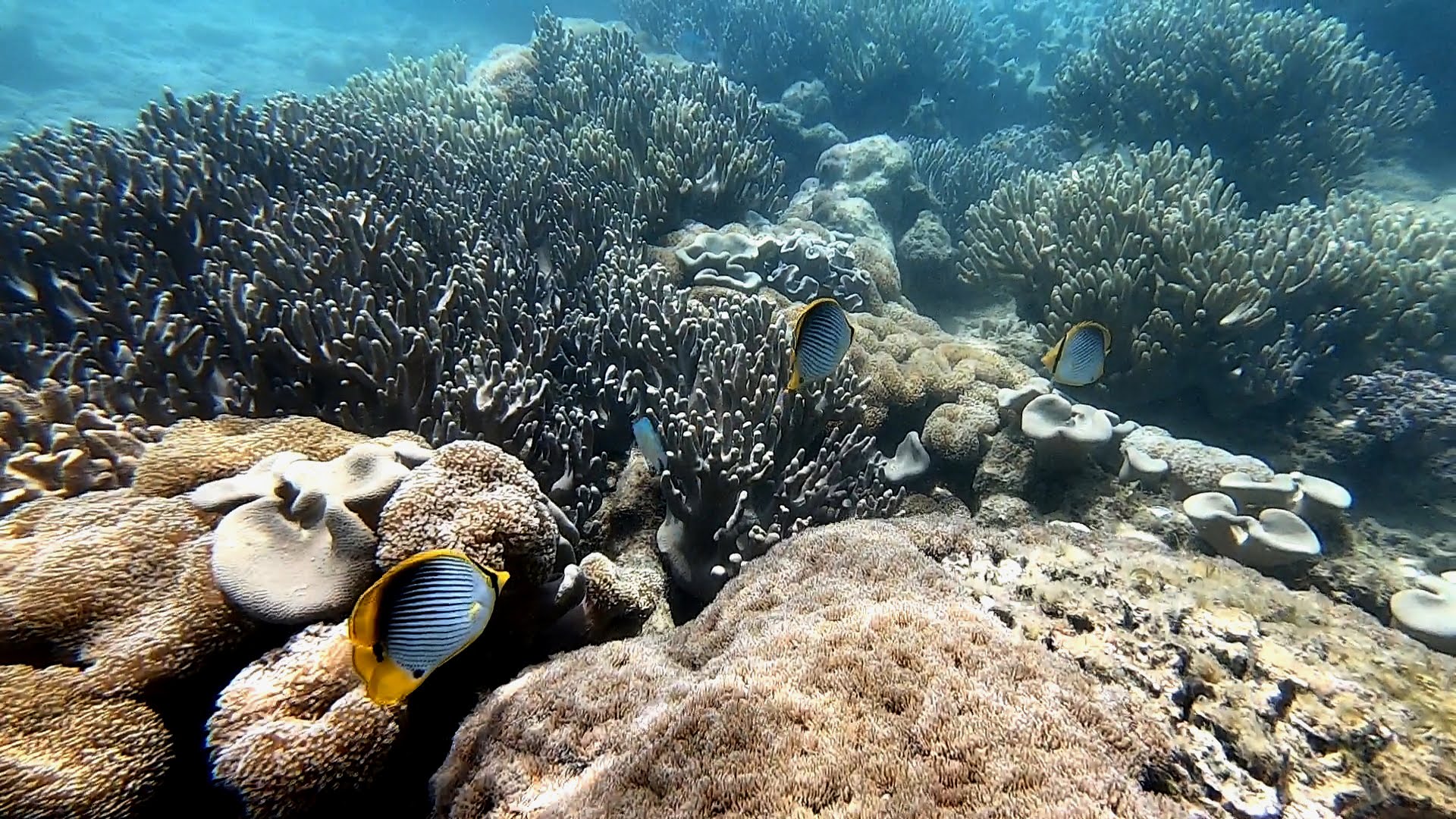
Worth remembering, too, that the actual Java Sea is an hour away by speedboat. If your children are old enough to snorkel, a day trip to Pulau Pari or Pulau Tidung will beat any aquarium — see our Thousand Islands guide.
The honest verdict
Sea World Ancol is not a world-class aquarium and it does not need to be. It is a solid, large, well-maintained one with a genuinely impressive main tank, a good freshwater collection and a handful of specimens you will not see elsewhere, sitting inside a complex that gives you a full day’s worth of other things to do.
Judged on its own, at full price plus the gate fee, on a Sunday, in a crowd, it is fine rather than remarkable. Judged as one component of a well-planned weekday Ancol day, bought on a bundle, arriving at opening — it is one of the better value family attractions in Jakarta, and the tunnel is worth the trip on its own if you have a child between four and ten.
Adults travelling without children can safely skip it. There are better uses of a Jakarta day, and our guide to the best attractions in Jakarta has them.
Frequently asked questions
How much are Sea World Ancol tickets in 2026?
Standard tickets are advertised from 120,000, and the price depends on the date and ticket category. Sea World plus Samudra is 220,000, and a three-way bundle adding Jakarta Bird Land is 240,000. An annual pass is 230,000. All of these exclude the Ancol area gate fee, which is charged separately per person and per vehicle.
What time does Sea World Ancol open and close?
Monday to Friday 09:00 to 17:00, Saturday 09:00 to 20:00 and Sunday 09:00 to 18:00, with the gate closing one hour before the stated closing time. Hours are extended over the year-end holiday period. Check ancol.com before travelling, as they change seasonally.
Is the Ancol entrance fee included in the Sea World ticket?
No. This is the single most common surprise. You pay to enter the Ancol complex — per person, and again for your vehicle — and then pay for Sea World separately. Ancol’s own website states this explicitly. Factor both into your budget.
How long does a visit to Sea World Ancol take?
Two to three hours for a proper visit including a couple of feeding sessions. An hour is enough if you walk it briskly. Since you have paid the Ancol gate fee anyway, plan to combine it with Atlantis, Samudra or the waterfront rather than leaving straight afterwards.
Is Sea World Ancol suitable for toddlers?
Yes, and the touch pool and rays work particularly well on two- and three-year-olds — but note that children 80 cm and taller pay full adult admission, so a tall toddler is not a cheap visit. It is indoors, air-conditioned, step-free and buggy-friendly, which makes it one of the easier Jakarta attractions with a very small child.
Can you buy Sea World Ancol tickets online?
Yes, through ancol.com and through resellers including Traveloka and tiket.com, which often discount. Buying ahead is worth it for weekends and school holidays, and the online bundles are usually better value than paying at each gate.
What is the underwater tunnel at Sea World Ancol?
The Antasena Tunnel, a transparent walk-through tunnel running under the main aquarium, which holds up to five million litres of seawater. It was Indonesia’s first and remains its largest. Visit it at opening or during a diver-feeding session for the best experience.
Is Sea World Ancol worth it?
With children between about four and ten, on a weekday, as part of a wider Ancol day, yes. At full price on a crowded Sunday, or for adults travelling alone, less so. The tunnel is genuinely good; the rest is a competent regional aquarium rather than a destination in its own right.
How do I get to Sea World Ancol from central Jakarta?
Grab or Gojek is simplest, at 30 to 60 minutes from Monas depending entirely on the hour. The KRL commuter line to Ancol station avoids the traffic and is far cheaper. There is no MRT connection. Once inside the complex, use the free internal shuttle rather than walking.
Are there feeding shows at Sea World Ancol?
Yes — diver feeds in the main aquarium several times a day, shark feeding at 14:30 on weekdays and twice at weekends, plus scheduled sessions for the piranha, moray eels, arapaima and rays. Check the board at the entrance on arrival, since times move, and arrive ten minutes early for the popular ones.
If your children are ten or older, the theme park next door is the reason most families come to Ancol at all, and it needs a whole day rather than an afternoon. Our Dunia Fantasi guide explains how to combine the two without wasting either — and why doing both properly on one day rarely works.
Atlantis Water Adventure sits a short walk away inside the same gate, and the pairing works particularly well in that order — air-conditioned first, wet second. Our guide to the best water parks in Jakarta covers Atlantis in detail and sets it against Waterboom PIK and the cheaper options elsewhere in the city.
Related Jakarta Guides
- Best Family-Friendly Attractions in Jakarta
- North Jakarta & Ancol Area Guide
- Best Water Parks in Jakarta
- Things to Do in Jakarta with Kids
- Jakarta Indoor Attractions
- The Thousand Islands Guide
- Best Seafood Restaurants in Jakarta
- The KRL Commuter Line
- How to Avoid Jakarta Traffic
- The Best Attractions in Jakarta
Photo Credits
Ancol Festival Beach: Ancol Festival Beach 2022 00 by Afrogindahood, CC BY-SA 4.0, via Wikimedia Commons.
Indonesian coral reef near Labuan Bajo: AIS – Coral reef at Bidadari Island near Labuan Bajo, Indonesia, 2019 by Josep M. Gracia, CC BY-SA 4.0, via Wikimedia Commons.