Most tourists planning to shop at Tanah Abang — Southeast Asia’s largest textile market — don’t realize there’s a museum one stop away that teaches them exactly what they’re buying. The Textile Museum Jakarta (Museum Tekstil) houses 2,000+ textile artifacts spanning batik, ikat, songket, and tenun traditions in a beautifully preserved 1890s Dutch colonial mansion. It also hosts a hands-on batik workshop where you create your own piece in 2 hours. For foreign tourists, this museum is the perfect cultural primer before shopping at Tanah Abang — you walk in not knowing batik tulis from batik cap, you walk out understanding why master pieces cost millions of rupiah. This is the most comprehensive English-language Textile Museum Jakarta resource.
For broader cultural planning, see our pillar Jakarta museums and cultural sites, the National Museum, the Wayang Museum, the Jakarta History Museum, the Kota Tua walking tour, the Tanah Abang market, the where to buy batik, and the Indonesian handicrafts guides.
Why Foreigners Should Care About This Museum
Three reasons the Textile Museum is essential for foreign tourists:
- It’s the only museum in Southeast Asia dedicated entirely to Indonesian textiles. Indonesia’s textile traditions — batik (UNESCO), ikat, songket, tenun — are unmatched in regional diversity. Understanding them transforms how you shop, photograph, and remember the country.
- The hands-on batik workshop creates a take-home piece. For IDR 50,000-100,000 (USD 3-6) you make a small batik tulis fabric piece using the same techniques used by master artisans. Your souvenir, your hands, your story.
- It positions you for Tanah Abang shopping. One MRT/KRL stop south, Tanah Abang is the country’s largest textile wholesaler. After visiting the museum, you can shop with intelligence — knowing fabric origin, technique, fair pricing.
The 1890s Colonial Mansion: Building History
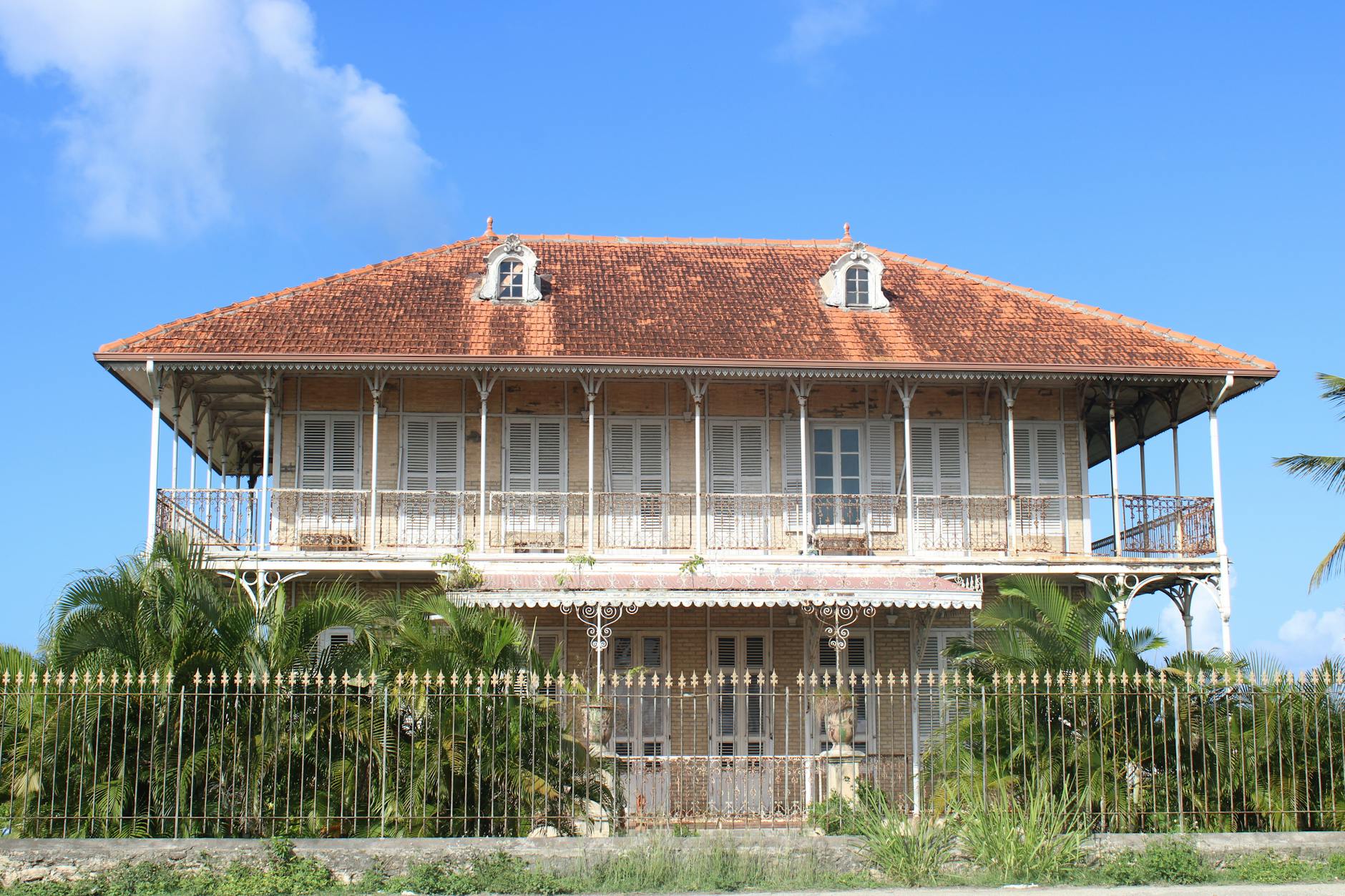
The Textile Museum’s home is itself a major piece of Jakarta colonial heritage. The building dates to the 1890s — built as the private residence of a wealthy French Dutch landowner. Its architectural significance:
- Indische Stijl design — Tropical-adapted Dutch colonial architecture with deep verandahs, high ceilings, sash windows
- Original masonry and woodwork — Largely intact after over a century
- Garden compound — Large garden setting with mature tropical plants
- Functional adaptation — Repurposed as museum in 1976; period rooms preserve original residential atmosphere
The building survived the demolition wave that destroyed many colonial mansions in Jakarta during the 1970s-90s, and now serves as both historical structure and cultural institution.
Practical Info: Hours, Tickets, Address
- Address: Jl. K.S. Tubun No. 2-4, Petamburan, Tanah Abang, Central Jakarta 10260
- Hours: Tuesday-Sunday 09:00-15:00; closed Mondays and national holidays
- Tickets:
- Adult: IDR 5,000 Indonesian, IDR 15,000 foreigner (verify on arrival; pricing has varied between IDR 5,000-50,000 for foreigners)
- Children/students: IDR 2,000-5,000
- Photography: Permitted; no flash; some restrictions in workshop area
- Collection: 2,000+ textile artifacts
- Time needed: 1-1.5 hours museum; 2-3 hours including batik workshop
Getting There: Tanah Abang KRL + Walking
The Textile Museum is in Tanah Abang, the same neighborhood as the famous market:
- Tanah Abang KRL Station — 10-minute walk south to the museum
- Tanah Abang MRT Station — 12-minute walk
- Grab/Gojek — Direct drop-off; IDR 30,000-80,000 from central Jakarta
- From Sudirman hotels — 15-25 min by Grab; 35-45 min by KRL
Pairing with Tanah Abang Market: Visit museum first (cultural context), then walk/Grab to Tanah Abang for shopping. The full cultural-then-commercial circuit takes 4-5 hours.
The Permanent Collection: Batik, Ikat, Songket, Tenun
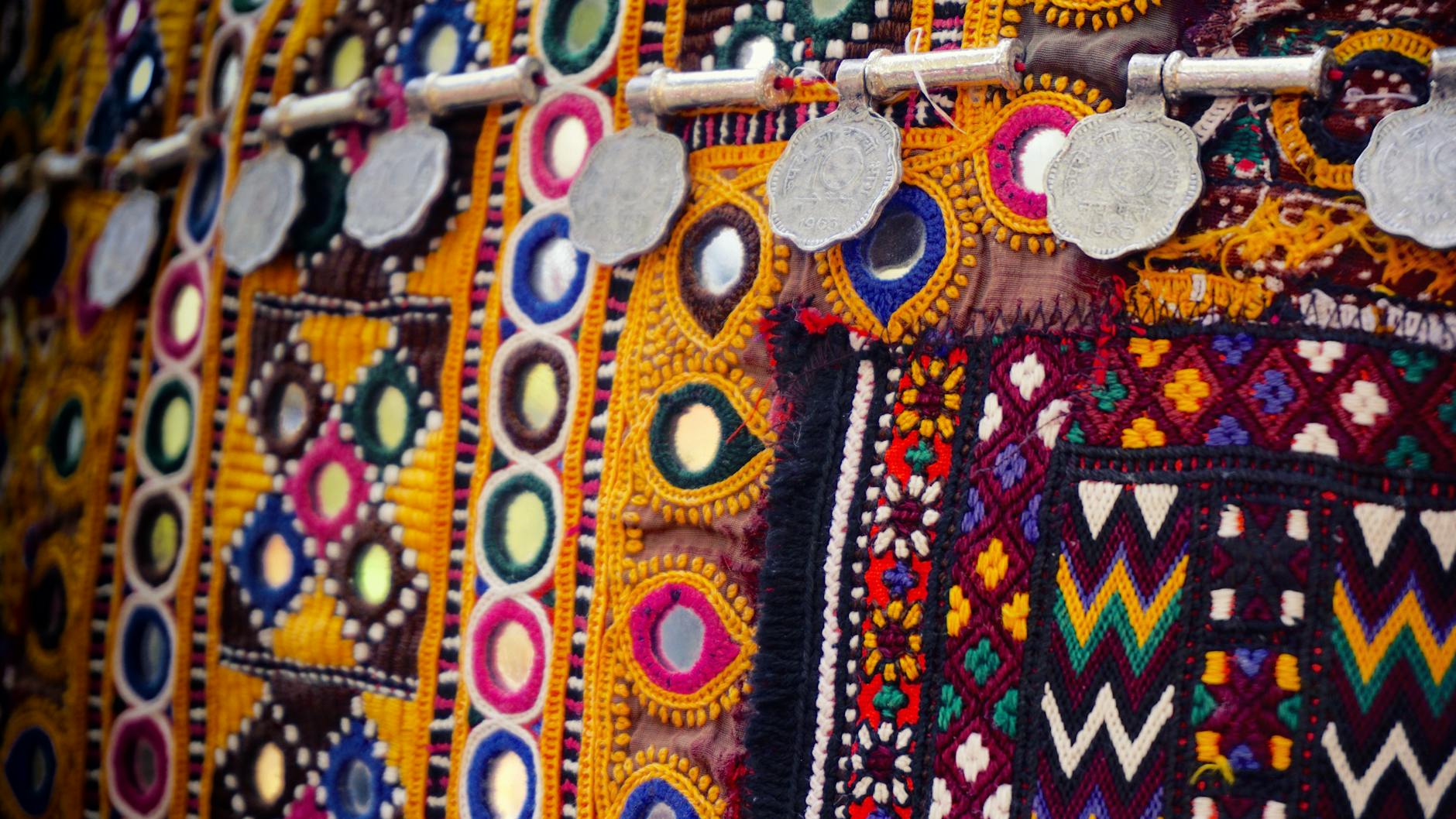
The museum’s collection is organized by Indonesian textile tradition:
Batik (Hand-Drawn Wax-Resist Dyed Cloth)
The crown jewel of Indonesian textiles. UNESCO inscribed batik as Intangible Cultural Heritage on October 2, 2009.
- Batik Tulis — Hand-drawn with canting (small wax pen). Each piece takes 1-6 months. Most expensive.
- Batik Cap — Stamped with copper blocks. Faster, less expensive, still authentic.
- Batik Kombinasi — Combined cap-and-tulis techniques.
- Batik Printing — Mass-produced fabric mimicking batik patterns. Not true batik.
Regional Batik Styles in the Collection
| Region | Distinctive Style |
|---|---|
| Yogyakarta | Indigo-and-cream geometric patterns; royal Mataram style |
| Solo (Surakarta) | Brown-cream royal Mataram tradition; more conservative patterns |
| Cirebon | Chinese-Indonesian influence; cloud and mythological imagery (mega mendung) |
| Pekalongan | Vivid colors, foreign influences (Chinese, Arab, Dutch) |
| Lasem | Distinctive red dye (Lasem red); Chinese motifs |
| Madura | Bold patterns; everyday and ceremonial |
| Garut | West Java; influenced by Sundanese aesthetics |
Ikat (Resist-Dyed Yarn Before Weaving)
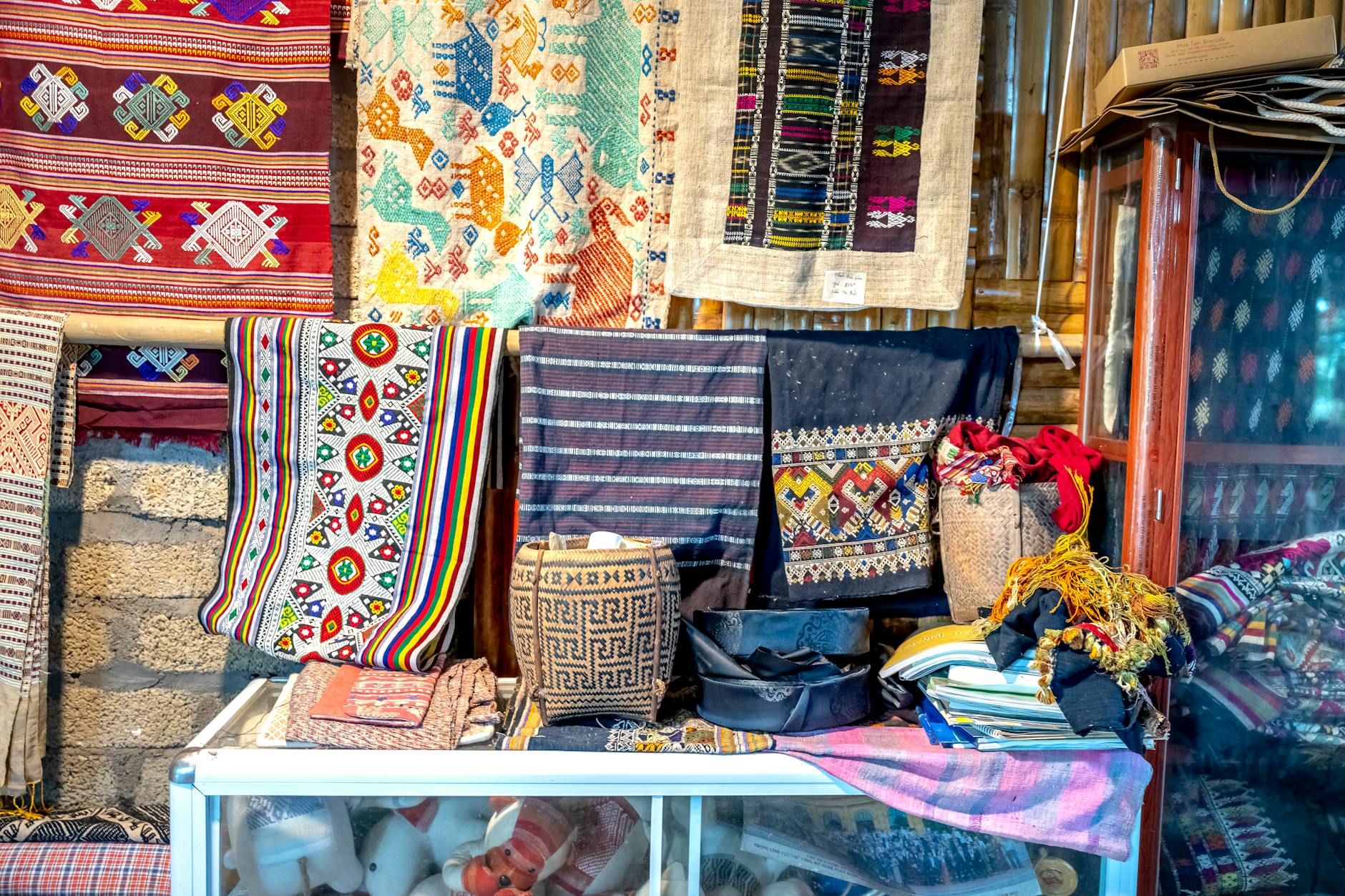
A weaving technique where threads are tied and dyed BEFORE weaving, creating distinctive blurred-edge patterns when woven. The museum has examples from:
- Sumba — Famous double-ikat pieces; can take a year per textile
- Tenganan (Bali Aga) — The only place outside India and Japan with double-ikat tradition
- Flores — Floral and geometric patterns
- Timor — Distinctive symbolic motifs
- Lombok — Sasak ethnic group’s traditional ikat
Songket (Supplementary Weft Brocaded Cloth)
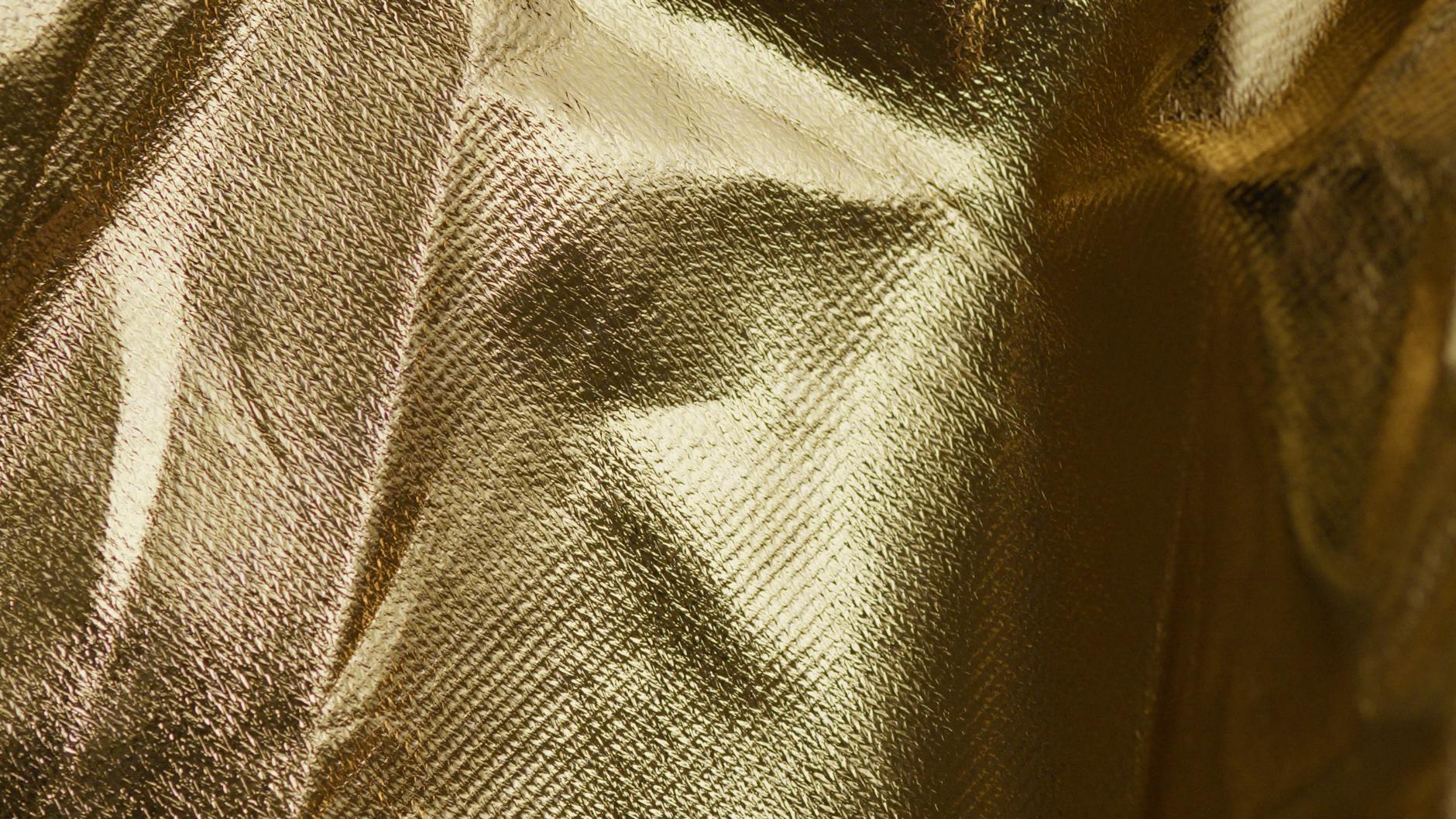
Luxurious woven fabric using gold or silver thread as supplementary weft over silk or cotton base. Indonesian songket centers:
- Palembang (South Sumatra) — Most famous; thick gold thread, elaborate patterns
- Padang (West Sumatra) — Distinct Minangkabau aesthetic
- Bali — Different weaving style, religious motifs
- Lombok and Bima — Local variants
Tenun (Traditional Woven Cloth)
Umbrella term for hand-woven cloth not falling into batik/ikat/songket categories. Includes:
- Tenun lurik — Yogyakarta striped weaving
- Tenun Donggala — Sulawesi tradition
- Tenun Buton — Southeast Sulawesi
- Tenun Sambas — West Kalimantan
The Indonesian Batik Gallery (UNESCO 2009)
A dedicated gallery commemorating Indonesian batik’s UNESCO inscription. October 2, 2009 — UNESCO officially recognized batik as Intangible Cultural Heritage of Humanity.
The gallery explains:
- What UNESCO recognized — The whole tradition: techniques, designs, cultural roles
- Why this matters — International protection, government support, recognition of Indonesian heritage
- The annual Batik Day — October 2, when many Indonesians wear batik to work/school
- Master batik artists — Profiles of contemporary master craftspeople
The Hands-On Batik Workshop
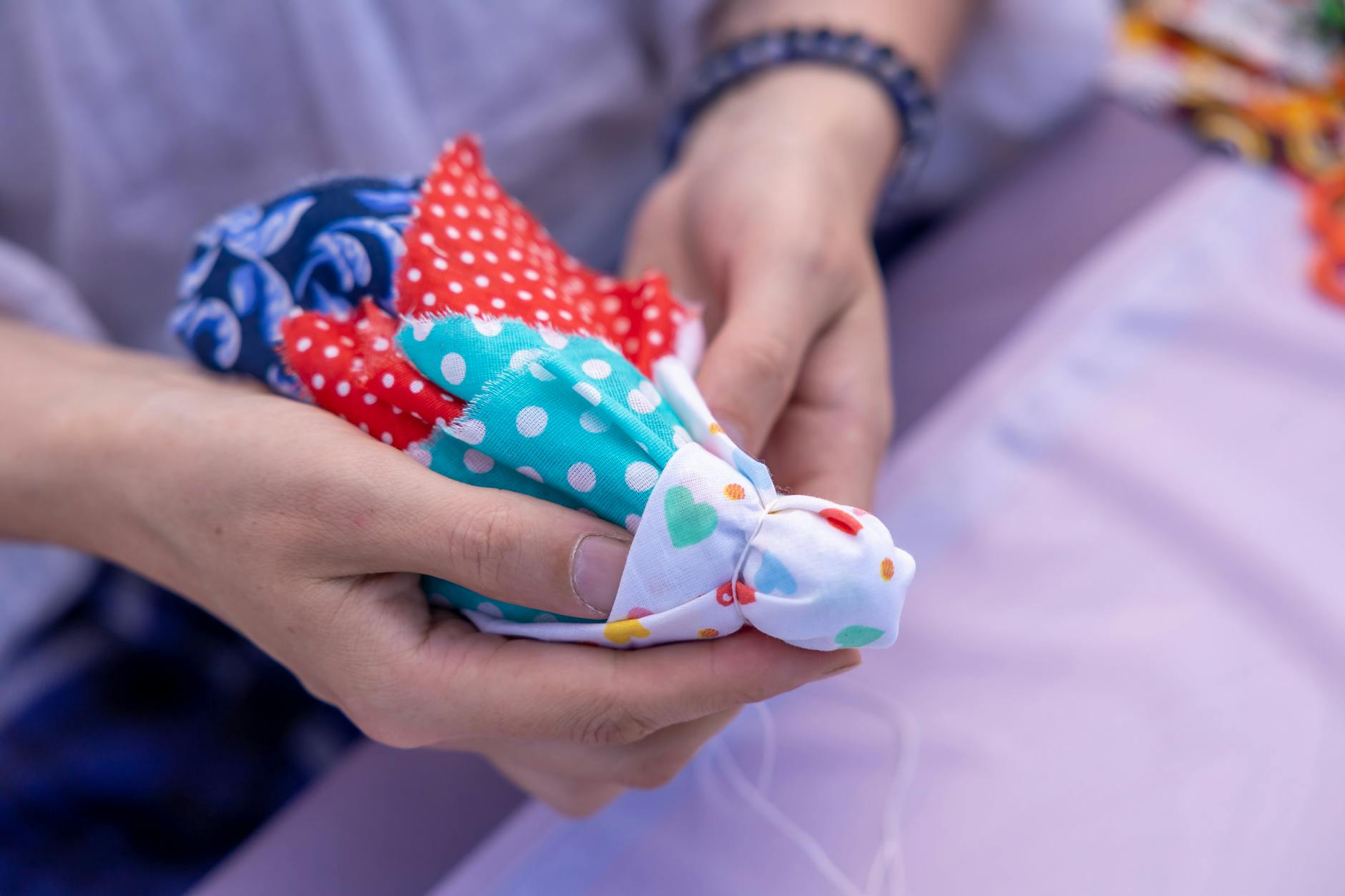
The single best reason to visit the Textile Museum for many foreign tourists.
What the Workshop Involves
- Welcome and Introduction — Short orientation on batik history and tools
- Design Selection — Choose from prepared designs (basic motifs) or freestyle
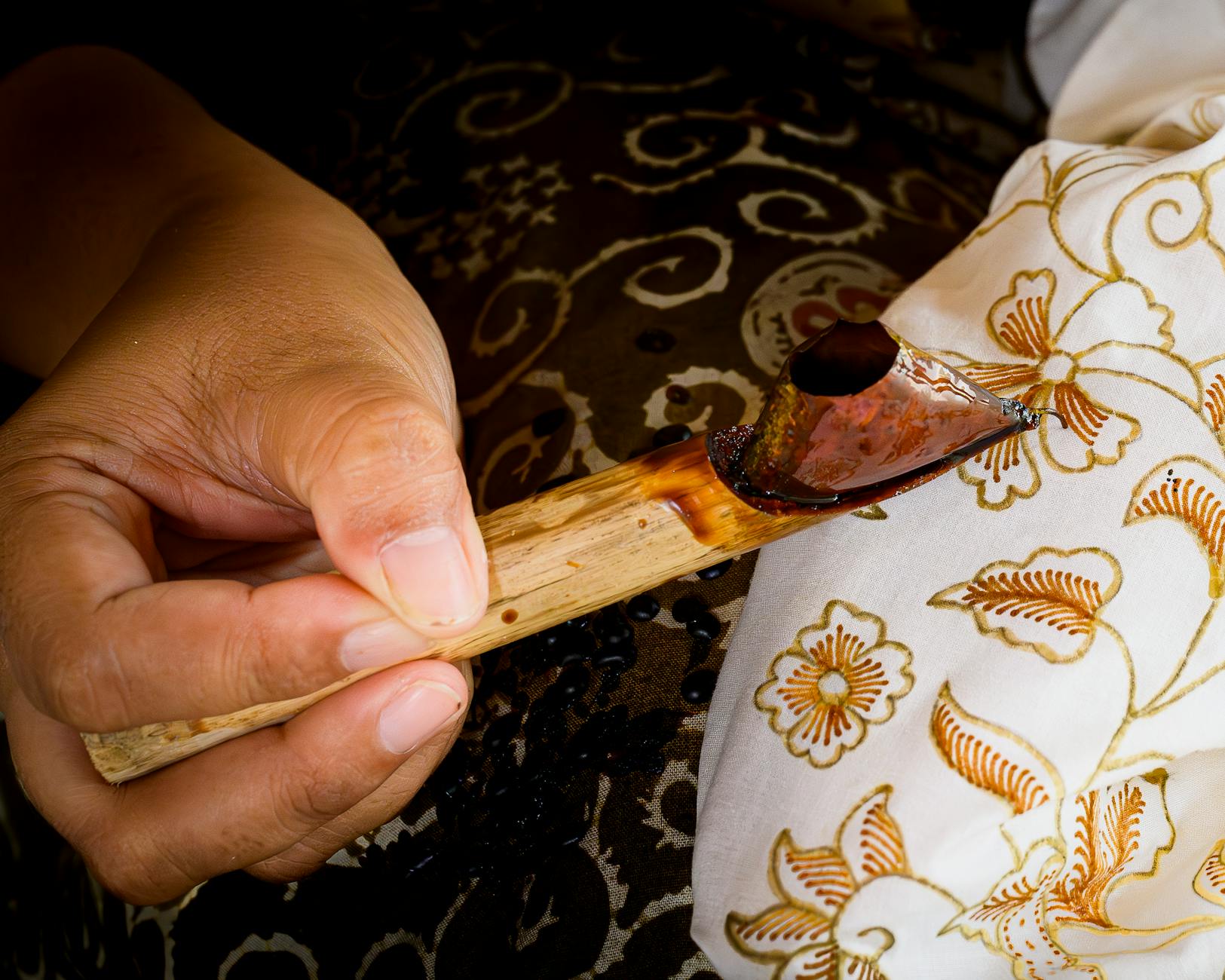
- Wax Application — Use canting (small wax pen) to apply hot wax to your cotton piece. The defining batik technique.
- Dyeing — Submerge piece in natural dye (usually indigo or one other color). Wax-resist creates pattern.
- Drying and Wax Removal — Hot water removes wax, revealing pattern
- Take Home — Your finished batik tulis piece (~30 cm × 30 cm) yours to keep
Booking Information
- Cost: IDR 50,000-100,000 per person (verify on booking)
- Duration: 2-3 hours including time for wax to set and drying
- Group size: 1-15 people per session
- Language: Indonesian-language instruction; some English-speaking guides may be available with advance request
- Booking: Recommended in advance via museum office; walk-in possible but space may be limited
- What to wear: Cotton clothing (not white — wax/dye may splash); flat shoes; sleeve roll-up
- What you take home: Your batik tulis piece, instructions for care
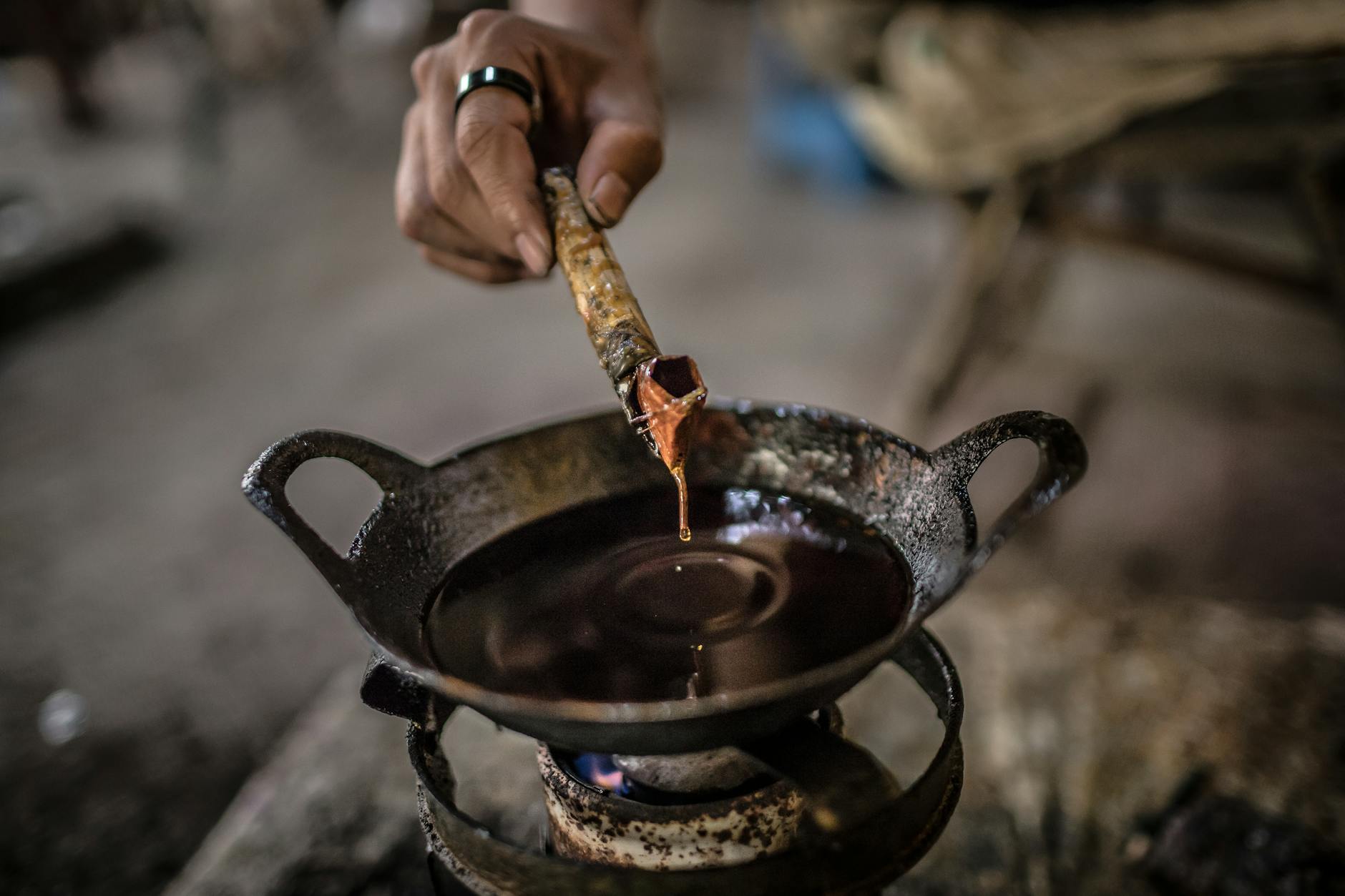
Why the Workshop Is Worth It
The workshop is the cheapest and most memorable Jakarta souvenir experience available. Compare:
- USD 3-6 for personally-made cultural artifact vs. spending USD 30+ on mass-produced souvenirs at malls
- Genuine technical insight into batik tulis (why master pieces cost millions)
- Better understanding before shopping at Tanah Abang or Pasaraya
- 2-3 hours of cultural immersion vs. brief museum walkthrough
The Garden of Dye Plants (Often-Missed Outdoor Exhibit)
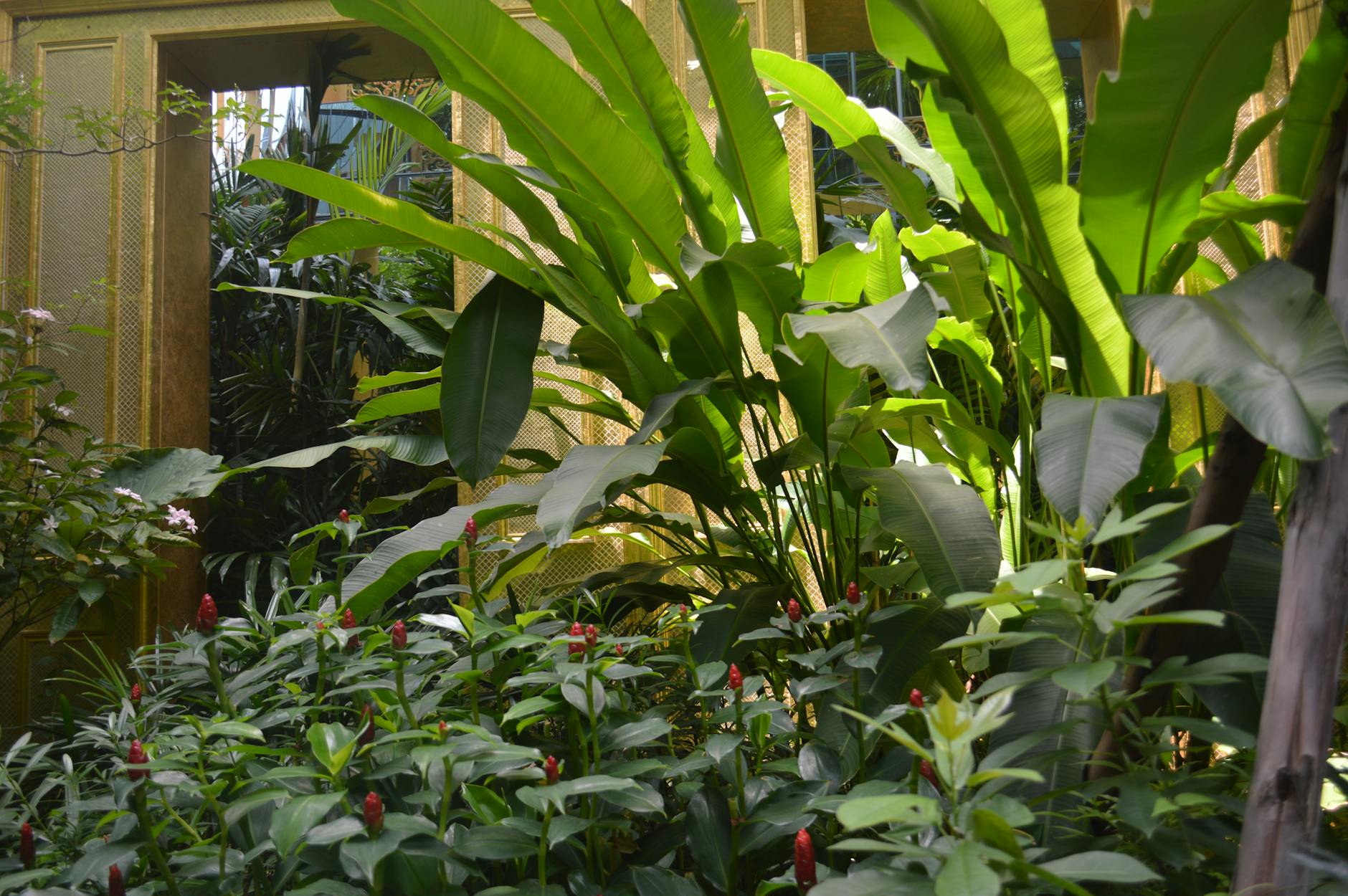
The museum’s outdoor garden cultivates the plants used for traditional Indonesian textile dyes. This is often overlooked but botanically and culturally significant:
- Indigo (Indigofera tinctoria) — Source of the famous blue dye for batik
- Soga tree (Peltophorum pterocarpum) — Yellow-brown dye for Yogyakarta-Solo batik
- Tingi (Ceriops candolleana) — Red mangrove dye
- Mengkudu (Morinda citrifolia) — Red dye source
- Various other plants — Source materials for the full color palette of Indonesian textiles
The garden takes 15-20 minutes to walk. Plant labels in Indonesian; bring a translator app for plant Latin names.
Pairing With Tanah Abang Market: Half-Day Itinerary
The optimal Tanah Abang-focused day:
- 9:00 AM: KRL to Tanah Abang Station
- 9:15 AM: Walk south to Textile Museum (10 min)
- 9:30 AM – 11:30 AM: Textile Museum permanent collection (use this guide)
- 11:30 AM – 1:30 PM: Hands-on batik workshop
- 1:30 PM – 2:30 PM: Lunch at Pondok Indah Mall food court or street food near Tanah Abang
- 2:30 PM – 5:00 PM: Tanah Abang Market shopping (see our Tanah Abang guide)
- 5:00 PM: Return to hotel with new batik appreciation and purchases
Total spend: IDR 500,000-2,500,000 (workshop + lunch + Tanah Abang shopping)
Photography & Modesty Tips for the Workshop
- Workshop photography — Permitted of yourself and your group; ask before photographing other participants
- Wax-handling — Roll up sleeves; keep loose hair tied back; wear flat closed shoes
- Color staining — Indigo dye can stain skin temporarily; wear lab apron or older clothes
- Religious sensitivity — Modest dress for the museum compound generally; the workshop area welcomes casual clothing
What to Buy in the Museum Shop vs. Tanah Abang
| Item | Museum Shop | Tanah Abang |
|---|---|---|
| Workshop-made batik piece | Only option | — |
| Master-artisan batik tulis | Curated, high prices | Better selection, bargain prices |
| Batik cap shirts | Limited selection | Many options, better prices |
| Textile reproductions | Best quality | Mixed quality |
| Cultural books on textiles | Available | Not available |
| Songket pieces | Premium selection | Mainstream selection |
| Ikat panels | Curated heritage pieces | Some available, varied quality |
Where to Eat Nearby
- Indonesian street food near Tanah Abang station — gado-gado, soto, nasi padang for IDR 25,000-50,000
- Tanah Abang Mall food court — Indonesian and Chinese options, IDR 30,000-80,000
- Halal options — Pondok Indah Mall (15 min Grab); most Indonesian food is halal by default
- Veg options — Look for “vegetarian,” “veggie,” or specific vegetarian Indonesian dishes (gado-gado, nasi pecel)
- Higher-end — Plaza Senayan (15 min Grab) for premium dining
Common Visitor Mistakes
- Wearing white to the workshop — Indigo dye stains; wear dark cotton
- Coming on Monday — Museum closed
- Not booking workshop in advance — Space may be limited
- Skipping the garden — Often missed; valuable for understanding traditional dye sources
- Not pairing with Tanah Abang — Misses the cultural-commercial connection
Frequently Asked Questions About Textile Museum Jakarta
What is the entrance fee at Textile Museum Jakarta?
Approximately IDR 5,000-15,000 for foreign adults, IDR 2,000-5,000 for students/children. The hands-on batik workshop adds IDR 50,000-100,000 per person. Verify current pricing on arrival as fees have varied.
Can foreigners book the batik workshop?
Yes. Foreign tourists can book the hands-on batik workshop. Recommend booking in advance via museum office, especially for groups. Indonesian-language instruction is standard; some English-speaking facilitators may be available with advance request.
How long is the batik workshop?
The complete hands-on batik workshop takes 2-3 hours including wax application time, dyeing, and drying. You take home your finished batik tulis piece — your own hand-made Indonesian cultural artifact.
What are the opening hours of Textile Museum Jakarta?
Tuesday-Sunday 09:00-15:00 (some sources extend to 16:00). Closed Mondays and Indonesian national holidays. Verify hours before visiting as schedules may change.
How do I get to Textile Museum Jakarta?
Take the Jakarta KRL Commuter Line to Tanah Abang Station, then walk 10 minutes south to the museum on Jl. K.S. Tubun. Alternatively, Grab/Gojek directly to “Museum Tekstil Jakarta.” From Sudirman-Thamrin hotels: 25-45 minutes total.
Can I see batik being made at Textile Museum?
Yes. The hands-on workshop lets you make your own piece, and on weekdays you can often watch museum demonstration artisans creating examples in the workshop area. Master batik artists occasionally give guest demonstrations.
Is Textile Museum suitable for children?
Yes for older children (ages 8+). The batik workshop is particularly engaging for children — hands-on, creative, with a take-home result. Allow 2-3 hours minimum for the full workshop experience.
What kinds of Indonesian textiles are in the museum?
The museum’s 2,000+ collection covers four major Indonesian textile traditions: batik (UNESCO heritage), ikat, songket (gold/silver brocade), and tenun (general weaving). Regional traditions represented include Yogyakarta, Solo, Cirebon, Pekalongan, Lasem, Madura, Sumba, Bali, Palembang, and others.
The Textile Museum is one of Jakarta’s most enriching cultural experiences. To plan further, see our pillar Jakarta museums and cultural sites, the National Museum, the Wayang Museum, the Jakarta History Museum, the Kota Tua walking tour, the Tanah Abang market, the where to buy batik, and the Indonesian handicrafts guides.
External Resources for Textile Museum Jakarta
The Museum Tekstil Jakarta official website publishes current pricing, workshop schedules, and special exhibitions. For background on Indonesian batik, UNESCO’s Intangible Heritage page on Indonesian batik provides the international cultural-heritage context.