The Jakarta History Museum — known to locals as Museum Sejarah Jakarta or simply “Fatahillah Museum” — is the single most evocative cultural building in Jakarta. Built between 1707-1712 as the Stadhuis (Batavia City Hall), it served as the administrative and judicial center of Dutch East India Company rule, the seat of colonial governors, and the site of countless trials, executions, and historical events that shaped modern Indonesia. The reality: most tourists wander through the museum looking at glass cases without context, missing the haunting underground prison cells, the Portuguese cannon, the governor portrait gallery, and the dark histories of executions on the courtyard outside. This guide takes you room-by-room with what to look at, what’s worth your time, and the eerie story behind every wing. This is the most comprehensive English-language Jakarta History Museum resource.
For broader cultural planning, see our pillar Jakarta museums and cultural sites, the National Museum, the Wayang Museum, the Kota Tua walking tour, the colonial Jakarta architecture, and the Textile Museum guides.
Why Fatahillah Matters: From Stadhuis to Independence Symbol
The building’s three-century history mirrors Indonesia’s:
- 1712-1942 (Dutch Colonial): Batavia City Hall. Seat of VOC and Dutch East Indies governance. Site of judicial proceedings, executions, and administrative decisions affecting tens of thousands.
- 1942-1945 (Japanese Occupation): Japanese military administration headquarters. Records destroyed during transition.
- 1945-1974 (Independence Era): Various Indonesian government uses. The building’s symbolic weight shifted from “colonial oppression” to “national heritage to protect.”
- 1974-present (Museum Era): Designated as Jakarta History Museum on March 30, 1974 — preserving the building specifically so Indonesians could see, understand, and reckon with their colonial past.
The square out front, Taman Fatahillah, was renamed after Indonesian Muslim warrior Fatahillah who conquered the Portuguese settlement of Sunda Kelapa in 1527 — the symbolic foundation moment of Jakarta itself.
Practical Info: Hours, Tickets, Address
- Address: Jl. Taman Fatahillah No. 1, Pinangsia, Tamansari, West Jakarta 11110
- Hours: Tuesday-Sunday 09:00-15:00; closed Mondays and national holidays
- Tickets: Adults IDR 5,000; students/children IDR 2,000 (same for locals and foreigners — uncommon for Indonesia, but the standard for Jakarta city museums)
- Time needed: 1-1.5 hours minimum
- Photography: Permitted; no flash; some restrictions on tripods
- Collection: Approximately 23,500 objects
How to Get There: KRL, TransJakarta, Grab
- KRL Commuter Line: Jakarta Kota Station (terminus). 5-minute walk to Fatahillah Square. From Manggarai: 30 min. From Gambir: 20 min. The fastest option from Sudirman-Thamrin.
- TransJakarta: Corridor 1 (Blok M-Kota), Halte Kota stop. 5-min walk.
- Grab/Gojek: Set destination as “Taman Fatahillah.” Avoid driving into the historic district itself (closed to vehicles). Drivers may drop you on Jl. Pintu Besar Utara. 30-60 min from Sudirman in traffic; IDR 80,000-150,000.
- Walking: From Jakarta Kota Station, walk south on Jl. Stasiun Kota; cross the canal; turn east onto Jl. Pintu Besar Utara; the square is 200m further.
Room-by-Room Walkthrough
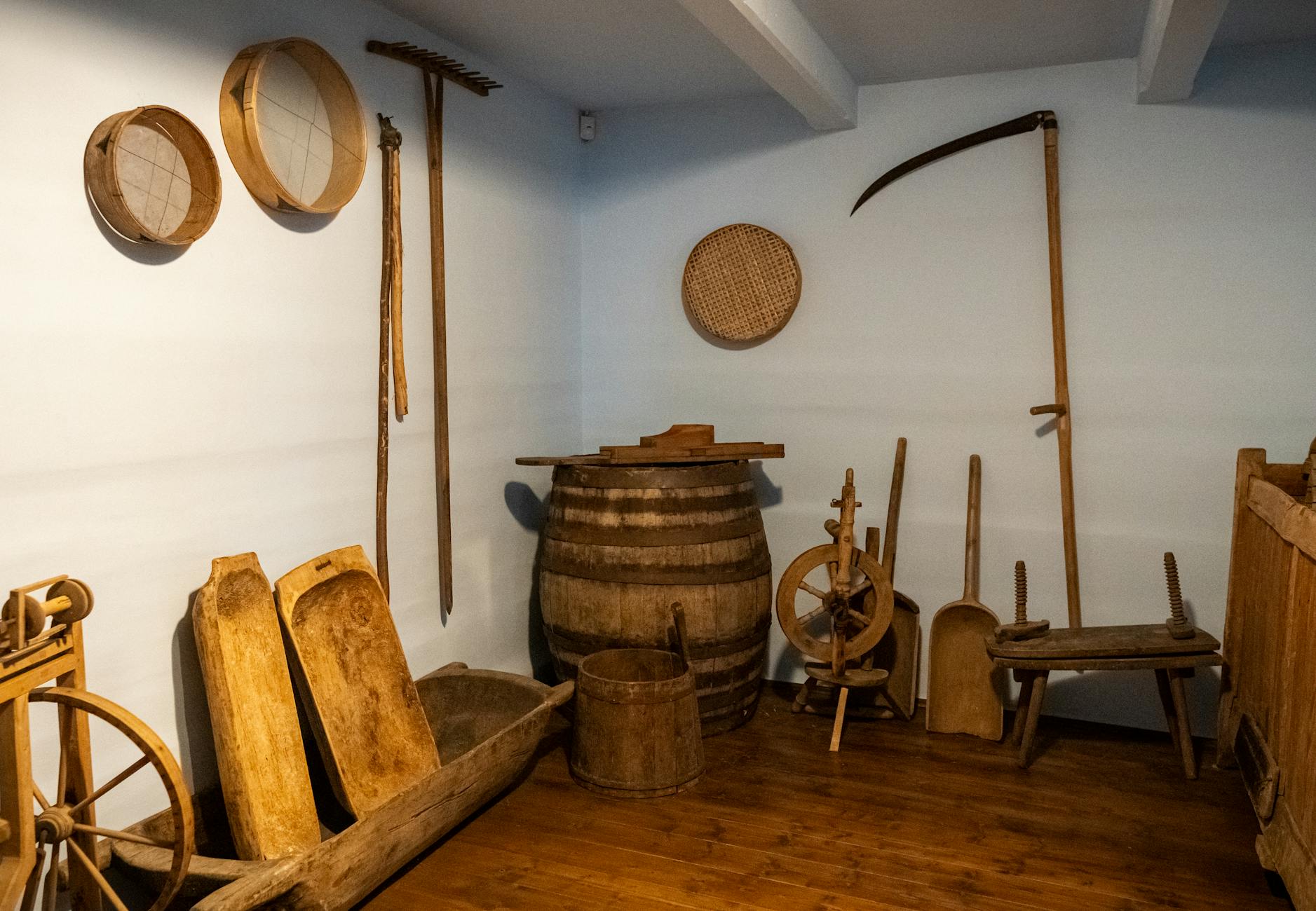
Ground Floor: Halls and Administration
Upon entering through the main hall, you encounter the museum’s largest space — the original 1712 Council Chamber where Batavia’s Council of Indies (Raad van Indië) met. Note:
- Original 1712 wooden floor — still visible in places
- Council Chamber portraits — Dutch governors and council members
- Reconstructed period furniture — Heavy carved teak in colonial style
- Ceiling beams — Original tropical hardwood; smell the centuries
- Display cases of 17th-19th century Batavia artifacts — ceramics, glassware, official documents
Governor’s Office
Reconstructed office of the colonial governor. Heavy desk, period maps, paintings. Atmospheric — feel the weight of decisions made in this room affecting the lives of millions in the East Indies.
Court Chamber
The judicial chamber where colonial trials took place. The single most haunting room. Most executions ordered here, processed via the underground prison cells, and carried out on the courtyard outside.
Upper Floor: Period Rooms and Display Halls
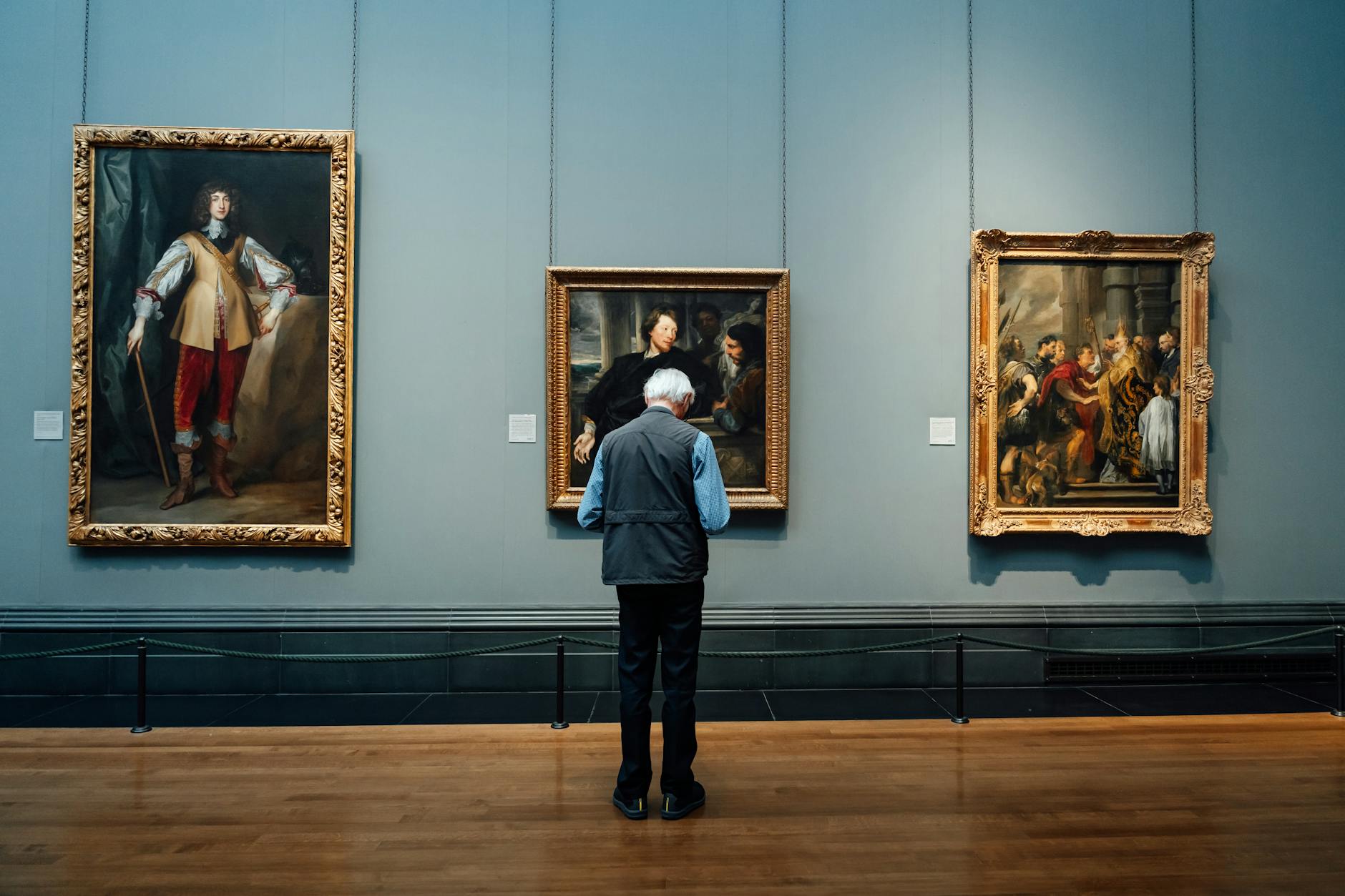
The upper floor features period rooms (reconstructed) and display halls. Look for:
- Governor portrait gallery — Oil paintings of every Dutch East Indies governor, chronologically arranged
- 17th-19th century paintings — Batavia harbor scenes, daily life depictions
- Reconstructed VOC clerical office — Where Company business was administered
- Display of colonial-era currency, weights, measures, official seals
- Original VOC correspondence and documents (rotated)
Side Galleries and Annex Rooms
- Ceramics gallery — Chinese, Indonesian, and European porcelain traded through Batavia
- Pre-colonial artifacts hall — Sundanese and Banten period objects (often overlooked)
- Indonesian Independence wing — Materials related to Indonesia’s 1945 independence (newer addition)
The Underground Prison Cells: What You’ll See and Why It’s Disturbing
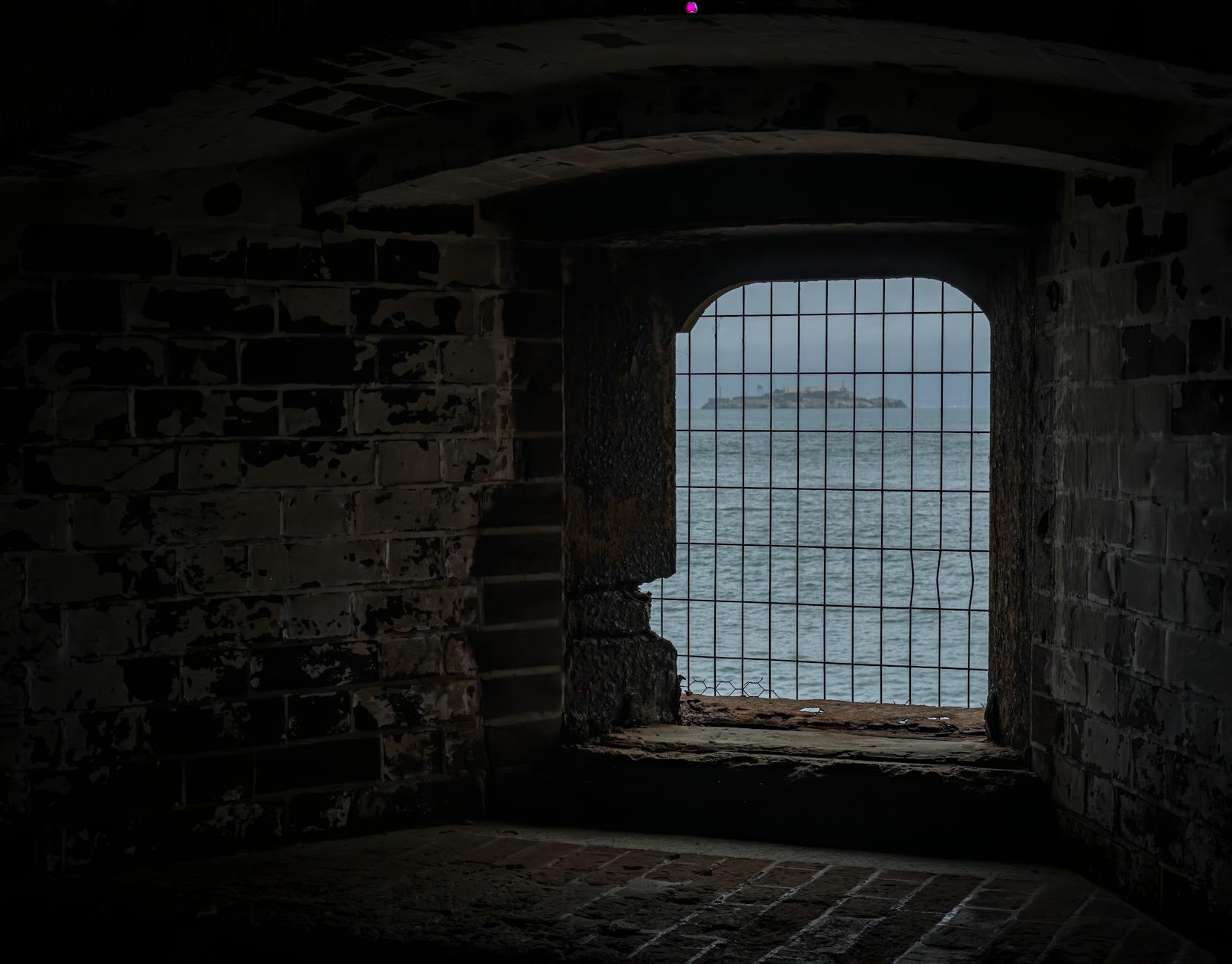
The most evocative part of the entire museum is below ground. Accessed via a stairway from the courtyard or interior, the original 17th-century stone prison cells where prisoners were held before trial, sentencing, and execution. Some cells held political prisoners; others held criminals; others held people whose only crime was being inconvenient to colonial administration.
What’s Down There
- Five original cells — Cramped, dark, with original stone floors and ceilings
- Display of prisoner shackles and chains — Visceral artifacts
- Iron bars and cell doors — Original colonial-era hardware
- Information panels — Explain who was held and what happened
- Notable cells — Including the one where Pangeran Diponegoro was allegedly held (controversial; some historians dispute this)
Atmosphere: Damp, cold, oppressive. Plan to spend 10-15 minutes; not appropriate for very young children or anxiety-prone visitors.
The Courtyard Highlights: Si Jagur Cannon & Inscriptions
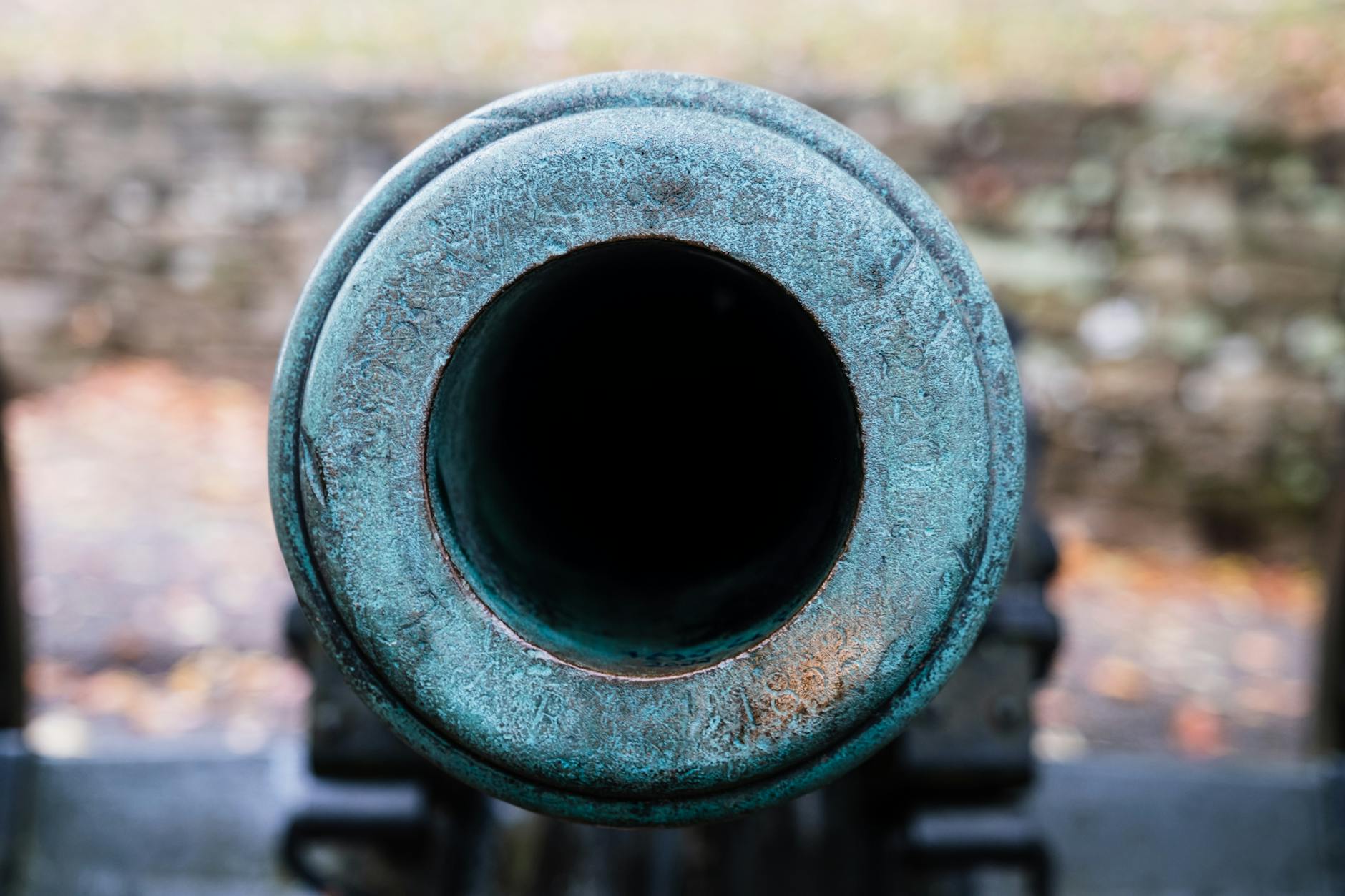
Si Jagur Cannon
The courtyard centerpiece. A 17th-century bronze cannon manufactured in Portuguese Goa (India), captured by the Dutch at Malacca in 1641, and brought to Batavia where it has stood for nearly four centuries. The cannon’s bronze surface bears the Latin inscription “Ex me ipsa renata sum” (“Out of myself I was reborn”) — referring to its recasting.
Cultural superstition: Local women historically believed that touching the cannon would help them conceive. Local folklore positions it as a fertility object.
Other Courtyard Features
- Stone inscriptions — Including Dutch heraldry and administrative records
- Period flagpoles and ornamentation
- Original 1712 courtyard layout — Restored after some 19th-century modifications
- Bicycle rental and tour office — On the eastern side
The Dark History: Executions on Taman Fatahillah Square
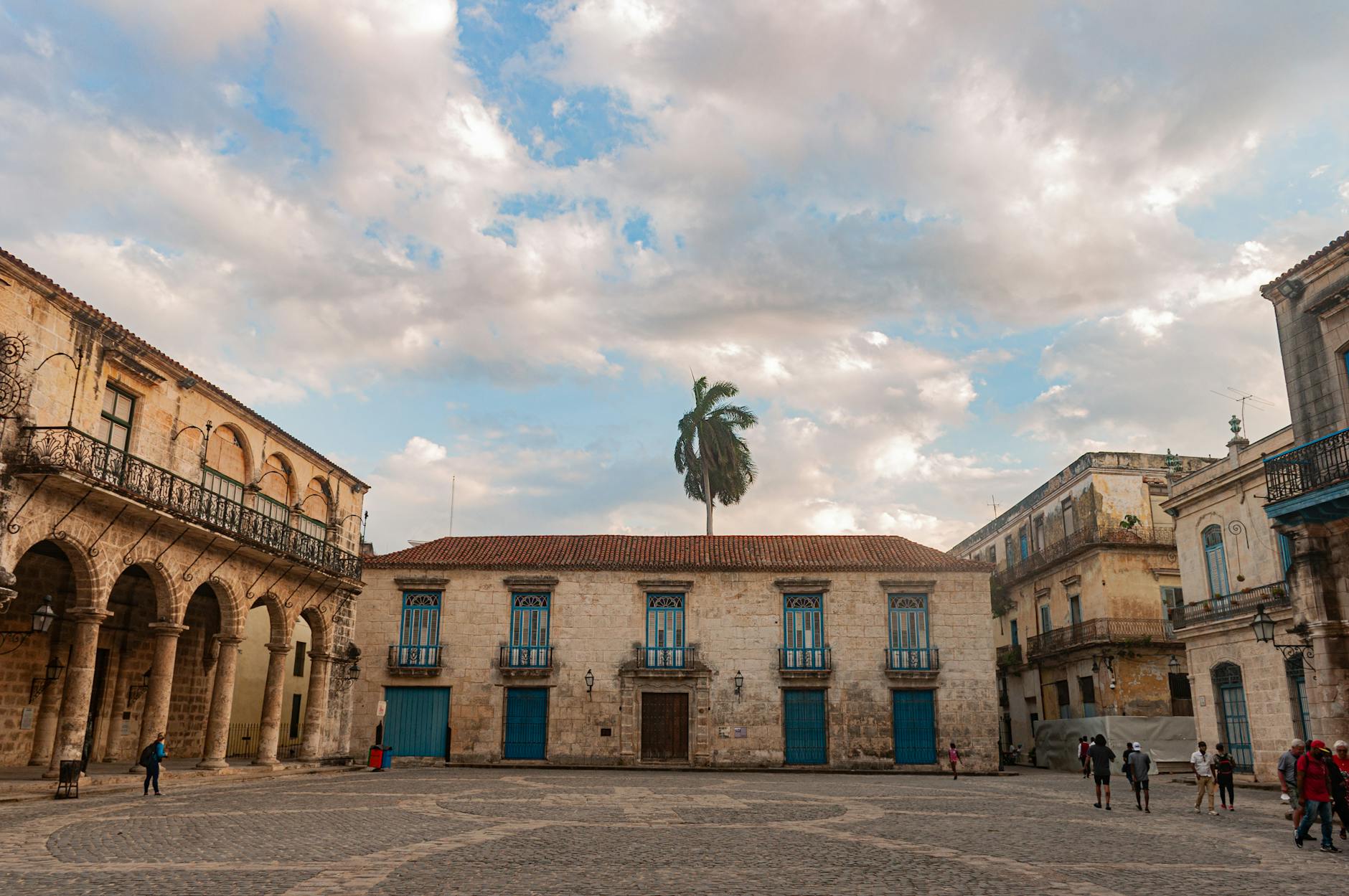
The square outside the museum — Taman Fatahillah — was the public execution ground for Batavia. Hangings, breakings on the wheel, and other capital punishments were carried out here as public spectacle from the early 1700s through the 1860s.
Notable historical events at Taman Fatahillah:
- 1740 Chinese Massacre — Following slave-uprising fears, Dutch forces and Indonesian collaborators killed approximately 10,000 ethnic Chinese in Batavia over three days. Many killings occurred near this square.
- Political show trials — Indonesian rebels and political opponents tried and executed for resistance.
- Mass executions during Java War (1825-1830) — Following Diponegoro’s rebellion.
The square’s transition from execution ground to Indonesian heritage square is itself an act of memory and reclamation. Many Indonesians regard the square with mixed feelings — beautiful colonial architecture overlaying a violent past.
Ghost Stories and Local Folklore
Both the museum and Taman Fatahillah Square have rich ghost lore in Indonesian folklore:
- “Mother and Child” apparition — Said to haunt the prison cells
- The Si Manis Jembatan Ancol — Folkloric Dutch ghost connected to the broader Kota Tua area
- Whispered names — Of prisoners said to be heard in the cells
- Cold spots — Reported in the upper floor halls during evening visits
Indonesian “haunted location” media tour the museum regularly. Take folklore as folklore — but the building’s history is genuinely heavy.
Photography Tips
- Exterior: Best light early morning (8-10 AM) or late afternoon (4-5 PM). Avoid noon harsh shadows.
- Si Jagur cannon: Crouch low for dramatic angle; courtyard shadows interfere mid-day.
- Underground cells: Bring high-ISO capable camera; lighting is dim by design.
- Period rooms: Flash prohibited; bring fast lens or tripod (where permitted).
- Avoid weekend mid-day: Crowded with local groups taking photos.
- Costumed performers: Often on the square; small tip (IDR 10,000-20,000) appreciated for photos.
Best Time to Visit
- Tuesday-Friday mornings: Least crowded, best museum experience
- Weekend mornings: Tolerable; arrive 9 AM
- Weekend afternoons: Avoid — packed with school trips and local visitors
- Mondays: Closed; plan for adjacent walking instead
- Dry season (May-September): Outdoor square walkable; no rain interruption
- Rainy season: Bring umbrella; cells stay dry but courtyard navigation harder
Pairing With the Square: 3-Hour Kota Tua Loop
Optimal Kota Tua loop:
- 9:00 AM: KRL to Jakarta Kota Station, walk to Fatahillah Square
- 9:15 AM – 10:45 AM: Jakarta History Museum (Fatahillah) — including underground cells
- 10:45 AM – 12:15 PM: Wayang Museum (cross the square)
- 12:15 PM – 1:30 PM: Lunch at Cafe Batavia (historic), Historica (modern), or Acaraki Jamu
- 1:30 PM – 2:30 PM: Museum of Fine Arts & Ceramic
- 2:30 PM – 3:30 PM: Bank Indonesia Museum (free)
- 3:30 PM: Walk Kali Besar canal; see Toko Merah
- 4:30 PM: Coffee at Filosofi Kopi or return via KRL
Where to Eat After: Cafe Batavia, Historica, Acaraki Jamu
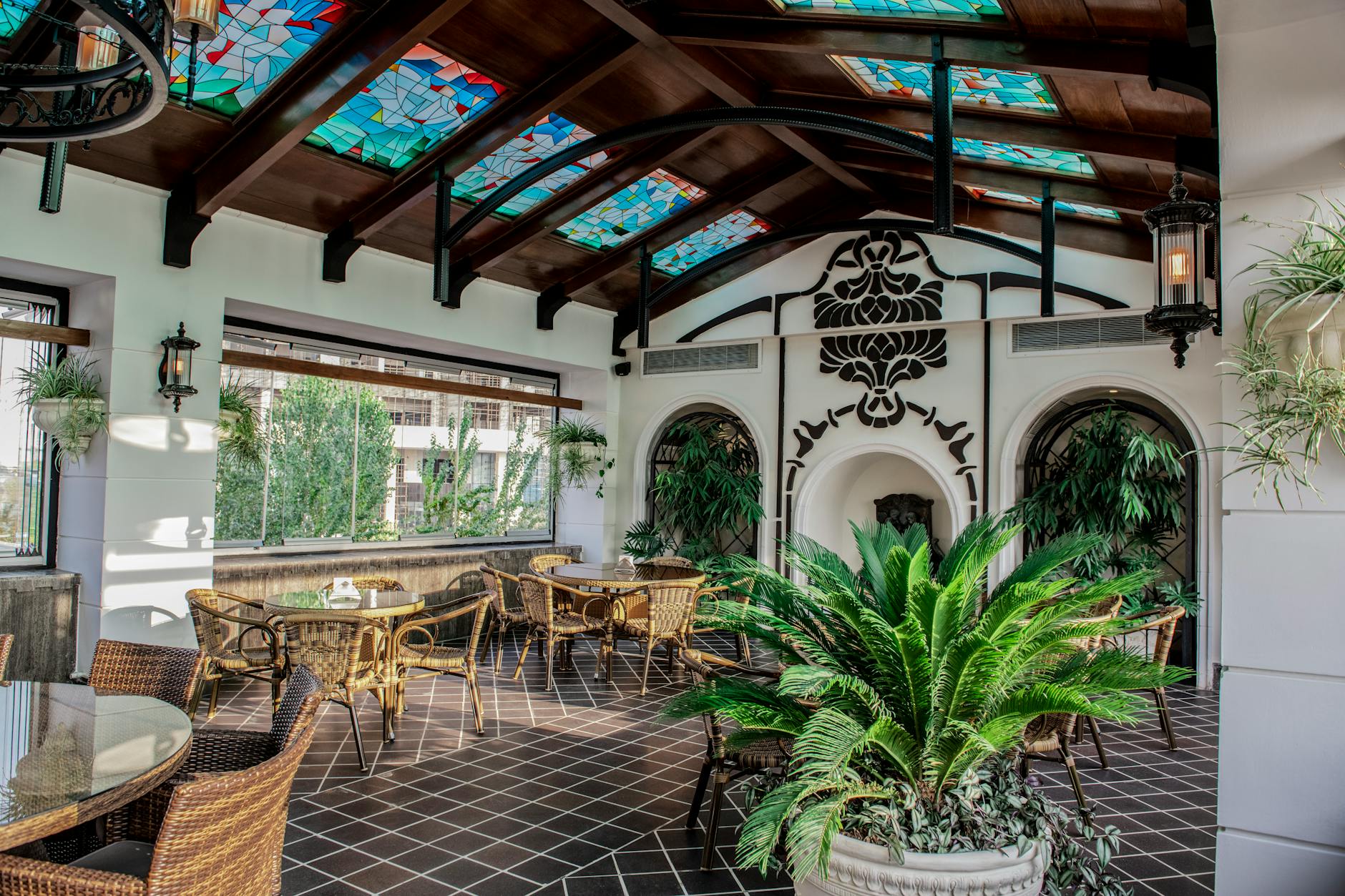
Cafe Batavia
The most famous historic restaurant in Kota Tua. Located in a building dating to the 1830s, restored as a restaurant in 1993. Atmospheric upstairs with original wooden floors. Food is mid-tier but the atmosphere is unmatched. Best for tea/coffee/dessert rather than full meal.
- Address: Jl. Pintu Besar Utara No. 14 (facing Fatahillah Square)
- Hours: Daily 8 AM – midnight
- Price: Mid-range; mains IDR 90,000-180,000; coffee IDR 35,000-50,000
Historica
Modern Indonesian fine-dining restaurant in a heritage building near the square. Better food quality than Cafe Batavia; less tourist crowd.
Acaraki Jamu
Modern jamu (traditional Indonesian herbal medicine) café. Try classic gendis (sweetened jamu), kunir asem (tamarind turmeric drink). Healthy, unique to Indonesia, perfect cultural counterpoint to museum visit.
Kedai Seni Djakarte
Local Indonesian café with art exhibitions. Good for vegetarians.
Practical Tips
- Cash IDR 100,000 sufficient for entry, snacks, drinks
- Toilets at the museum entrance and Cafe Batavia
- Lockers for daypacks at the museum office
- Photography rules clearly signed
- Wheelchair access limited (historic building, multiple staircases)
- Stroller access — Manageable but with effort
- English signage — Some panels English; many Indonesian-only; download a translator app or hire a guide
- Hire a guide — Jakarta Good Guide or local guides on the square offer 60-90 minute tours for IDR 150,000-300,000
- Heat preparation — Bring water; afternoons hot
Common Visitor Mistakes
- Coming on Monday — Closed; check before arrival
- Skipping the underground cells — The single most powerful part of the museum
- Trying to drive in — Pedestrian-only district; park outside or take public transit
- Wearing high heels — Uneven cobblestone surfaces
- Not allowing time for the square — 30+ minutes minimum to appreciate the broader Kota Tua atmosphere
- Skipping the upper floor — Many tourists exit after ground floor; upper floor portraits are essential
Frequently Asked Questions About Jakarta History Museum (Fatahillah)
What is the entrance fee at Jakarta History Museum?
IDR 5,000 for adults, IDR 2,000 for students/children. Foreigners pay the same as locals — one of the best museum values in Indonesia.
What are the opening hours of Fatahillah Museum?
Tuesday-Sunday 09:00-15:00. Closed Mondays and on Indonesian national holidays. Note: hours may extend on weekends; verify before visiting.
Can I see the underground prison cells at the museum?
Yes. The original 17th-century stone prison cells beneath the courtyard are accessible to visitors. Allow 10-15 minutes; bring a camera with good low-light capability.
What is the Si Jagur cannon?
The Si Jagur is a 17th-century Portuguese bronze cannon manufactured in Portuguese Goa (India). Captured by the Dutch at Malacca in 1641 and moved to Batavia. It’s the centerpiece of Fatahillah Museum’s courtyard and carries local fertility superstitions.
How do I get to Jakarta History Museum from my hotel?
Take the KRL Commuter Line to Jakarta Kota Station (terminus), then walk 5-10 minutes to Fatahillah Square. From Sudirman-Thamrin hotels, total travel time is 30-45 minutes by KRL. Avoid driving — the historic district is pedestrian-only.
Can foreign tourists visit Fatahillah Museum?
Yes. The museum welcomes foreign visitors. Some signage is bilingual; some is Indonesian-only. Hiring a local guide (IDR 150,000-300,000 for 60-90 minutes) significantly enhances the experience.
Is Fatahillah Museum suitable for children?
Older children (ages 8+) typically appreciate the historic atmosphere and the underground cells. Very young children may find the cells frightening. Bring water and snacks; budget 1-1.5 hours.
What other museums are near Fatahillah Museum?
Within 5-10 minutes walking distance: Wayang Museum, Museum of Fine Arts & Ceramic, Bank Indonesia Museum (free), Bank Mandiri Museum, Jakarta Kota Station Heritage area. All accessible via the Kota Tua walking tour.
Fatahillah Museum is essential for understanding Jakarta and Indonesian colonial history. To plan further, see our pillar Jakarta museums and cultural sites, the National Museum, the Wayang Museum, the Kota Tua walking tour, and the colonial Jakarta architecture guides.
The museum is the anchor of a bigger day out: Indonesian heritage sites in Jakarta explains what is being preserved in Kota Tua and why, Jakarta cultural experiences covers hands-on activities in the quarter, and eating in Kota Tua sorts out lunch within a few minutes’ walk of the square.
External Resources for Jakarta History Museum
For official information and historical background, the Wikipedia entry on the Jakarta History Museum provides comprehensive context. The Jakarta tourism portal entry on Museum Fatahillah includes current event listings.