Kota Tua — Jakarta’s preserved Dutch colonial old town — is the city’s most rewarding walking destination. Within a 500-meter radius of Taman Fatahillah Square, you’ll find four major museums, a 1830s café, an art-deco station, a 17th-century building, the original colonial canal, and the symbolic heart of Indonesia’s founding moment in 1527. Most English-language guides reduce this to a “things to see” list with no route. This guide is different: a numbered, GPS-pinned, 2.5-hour walking route with time estimates per stop, photo notes, and a rain/heat backup plan. Whether you have an afternoon or a full day, you’ll know exactly where to walk and what you’re looking at. This is the most comprehensive English-language Kota Tua walking tour Jakarta resource.
For broader cultural planning, see our pillar Jakarta museums and cultural sites, the Jakarta History Museum, the Wayang Museum, the colonial Jakarta architecture, the National Museum, and our things to do in Jakarta guides.
What Is Kota Tua and Why It Matters
Kota Tua (literally “Old Town”) is the preserved heart of colonial-era Batavia — the city the Dutch built between 1619 and 1808 as the capital of the Dutch East Indies. Approximately 1.3 square kilometers between the Ciliwung River (Kali Besar) and surviving 17th-century fortifications.
Why this district matters:
- It’s where Jakarta begins. The historical Jayakarta-Sunda Kelapa-Batavia sequence happens in this district. Tourists visiting Indonesia who want to see “the founding moment” come here.
- It contains the largest concentration of preserved colonial buildings in Indonesia. Many demolished after Indonesian independence; Kota Tua’s specific protection started in the 1970s.
- It’s UNESCO-aspirational. Multiple bids for UNESCO World Heritage status. The Indonesian government and Jakarta city actively investing in conservation.
- It’s pedestrian-friendly. Closed to most vehicles, walkable, and concentrated. The opposite of typical Jakarta traffic chaos.
When to Visit: Best Time of Day, Day of Week, Season
Best Time of Day
- 9:00 AM – 11:00 AM: Optimal. Cooler, fewer crowds, best light for photography
- 4:30 PM – 6:00 PM: Second-best. Late afternoon “golden hour”; museums close at 3 PM but the area remains photogenic
- 11:30 AM – 2:00 PM: Avoid. Hot, crowded, peak tourist congestion
Best Day of Week
- Tuesday – Friday: Best for serious walking + museum visits. Smaller crowds.
- Saturday – Sunday: Lively atmosphere, costumed performers, but very crowded. Lines at museums.
- Monday: Avoid. Most museums closed. Café Batavia and architecture still accessible.
Best Season
- May-September (dry season): Cleanest streets, best for walking
- October-April (rainy season): Bring umbrella and waterproof shoes; canal smell stronger after rain
How to Get There: KRL Is the Only Sane Way
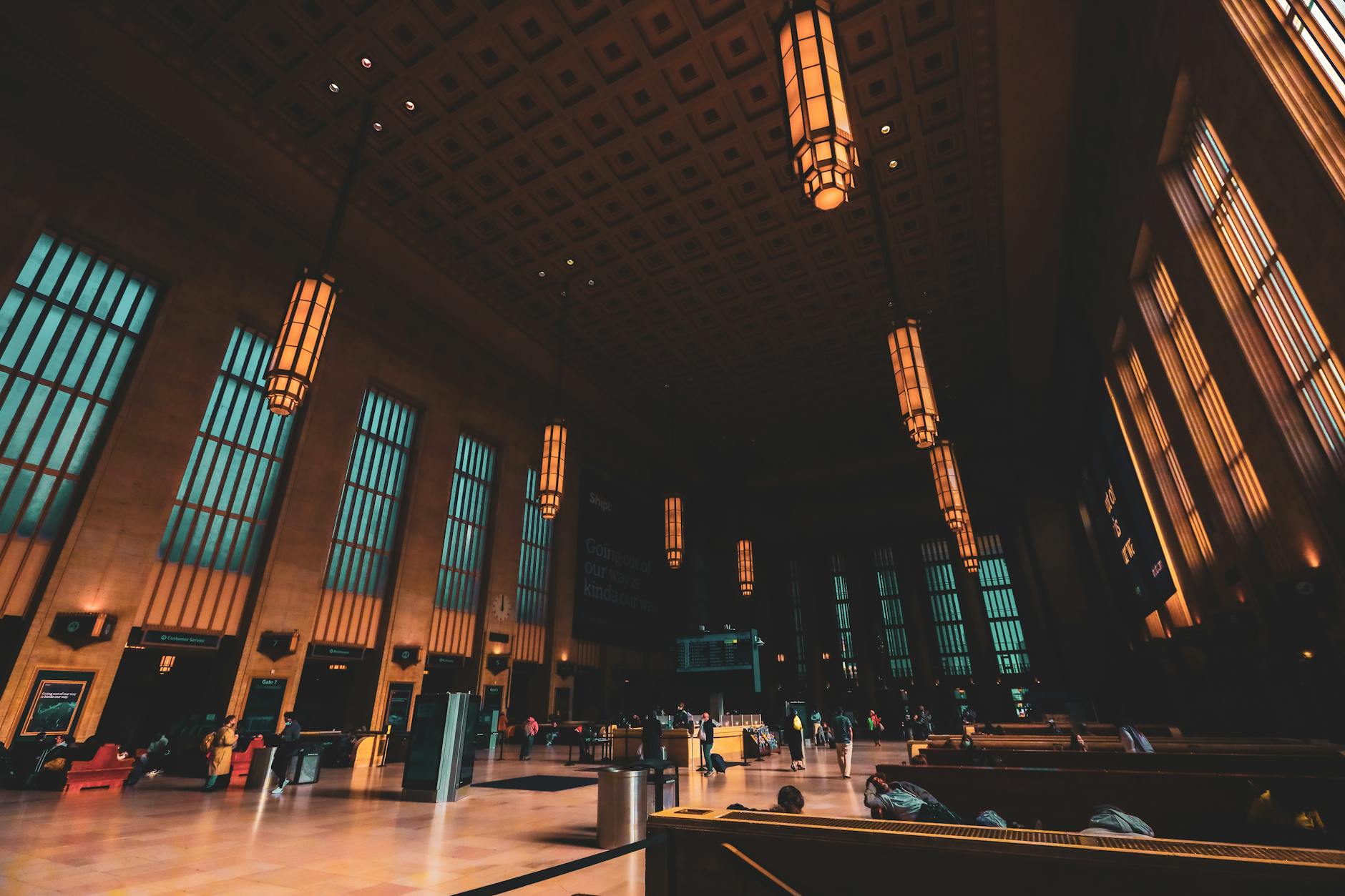
- KRL Commuter Line — Take any northbound train to Jakarta Kota Station (terminus). 25-35 min from central Jakarta. IDR 3,000-8,000 fare. The fastest and easiest option.
- TransJakarta — Corridor 1 (Blok M-Kota), Halte Kota stop. 5-min walk from there. IDR 3,500 fare.
- Grab/Gojek — Drop-off at the perimeter (vehicles can’t enter the pedestrian zone). 45-90 min from central Jakarta in traffic; IDR 80,000-180,000.
- Walking from hotel — Only if you’re staying in immediate area (Mandarin Oriental, Park Hyatt Menteng to Kota Tua = 7 km, not walkable)
Critical tip: Don’t drive into Kota Tua. Vehicles are restricted; you’ll waste 20+ minutes finding parking and may have to walk anyway.
The 2.5-Hour Self-Guided Walking Route
This is the standard tour. 12 numbered stops in walkable sequence. Total walking: ~3 km. Time estimates per stop. Allow 2.5 hours minimum; 4-5 hours if doing all museums.
Stop 1: Jakarta Kota Station (Start)
Time: 5-10 min
Begin at the platform of Jakarta Kota Station. Built 1929 in art-deco style. The architecture is itself a destination — sweeping arches, original brass fittings, the platform’s tropical adaptation. Take photos before exiting through the main hall.
Stop 2: Walk to Fatahillah Square
Time: 10 min walking
Exit Jakarta Kota Station through the main facade. Walk south on Jl. Stasiun Kota. Cross the bridge over the Ciliwung River (Kali Besar — note the colonial-era canal). Continue south on Jl. Pintu Besar Utara. After 200m the square opens before you — Taman Fatahillah.
Stop 3: Taman Fatahillah Square Overview
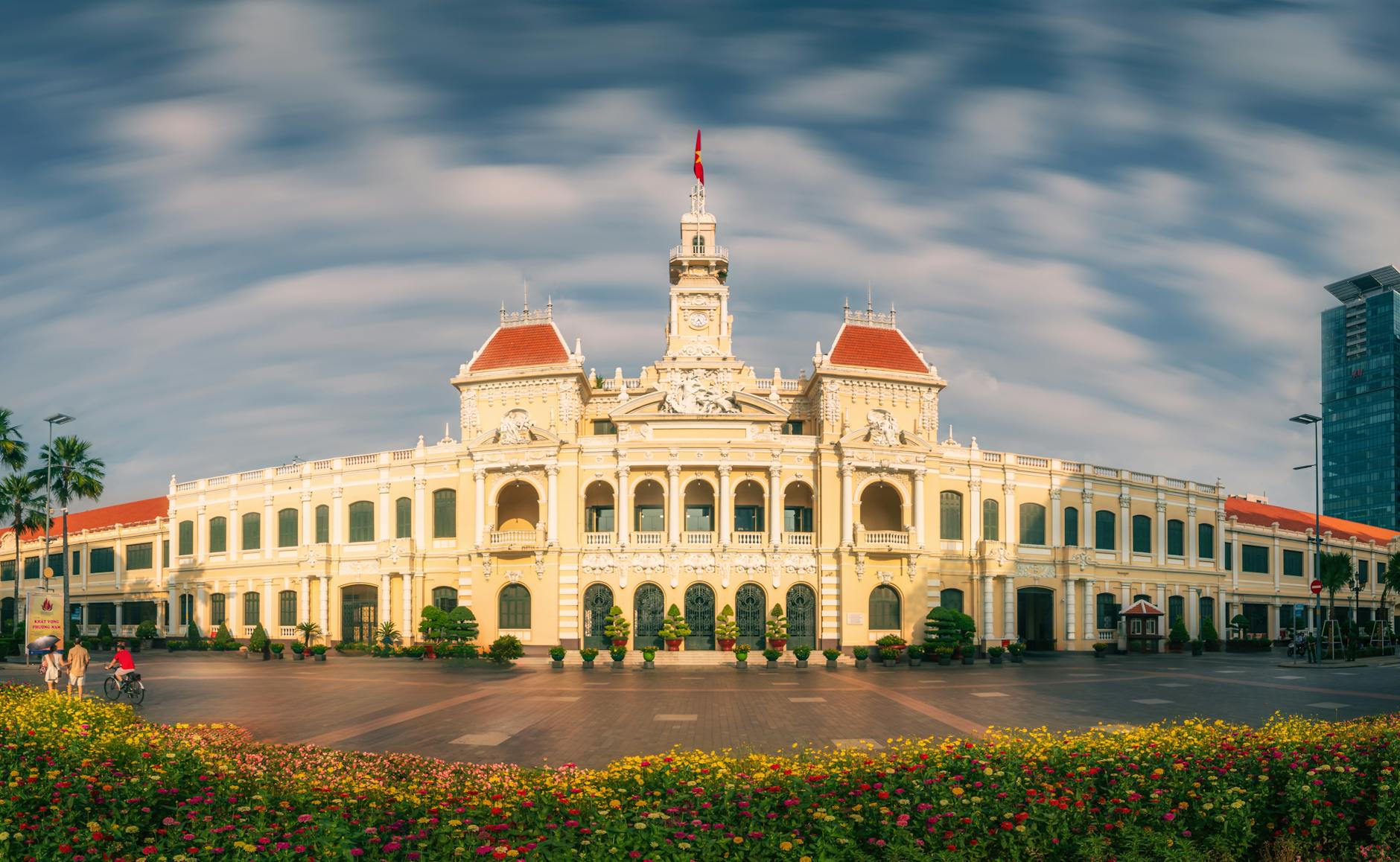
Time: 10-15 min
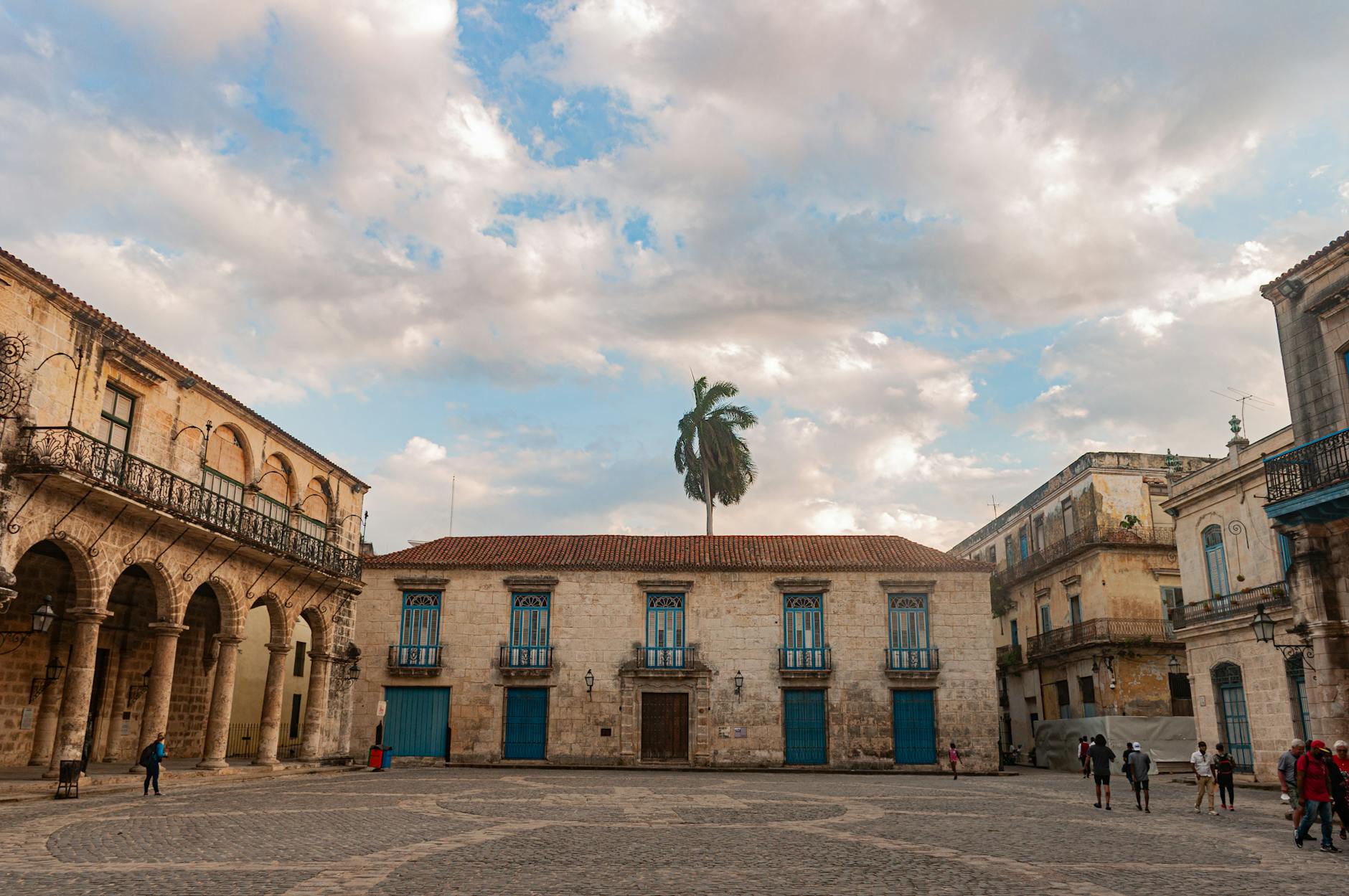
The center of Kota Tua. Take time to absorb the four colonial buildings facing the square (Jakarta History Museum, Wayang Museum, Museum of Fine Arts & Ceramic, Cafe Batavia building). Costumed performers (Dutch-era characters, Indonesian heroes) may approach for photos — small tip (IDR 10,000-20,000) appreciated. Photo opportunities: square panorama, museum buildings, costumed performers.
Stop 4: Jakarta History Museum (Fatahillah Museum)
Time: 60-90 min if entering; 5 min if external photos only
The east side of the square. Former Batavia City Hall (Stadhuis), built 1707-1712. Includes underground prison cells, governor portraits, period rooms, Si Jagur cannon in the courtyard. Full coverage in our Jakarta History Museum guide. IDR 5,000 entry.
Stop 5: Wayang Museum (Optional Deep Dive)
Time: 60-90 min if entering; 5 min if external photos only
West side of the square. 6,000+ Indonesian puppets, UNESCO-recognized heritage, free weekend performances. Full coverage in our Wayang Museum guide. IDR 5,000 entry. Significant cultural deep-dive — only visit if interested.
Stop 6: Cafe Batavia (Lunch or Coffee)
Time: 60-90 min
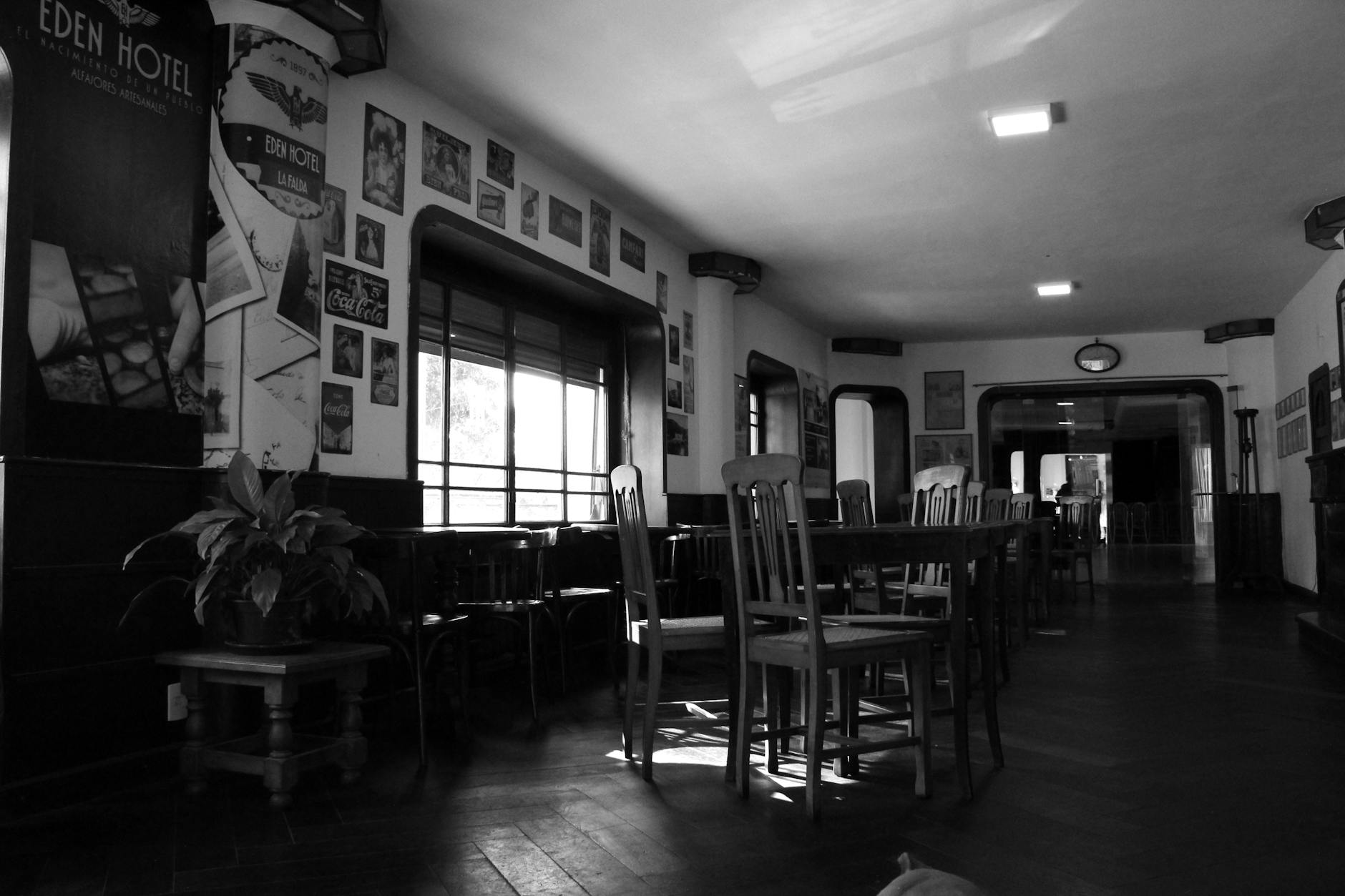
North side of the square. Iconic 1830s building, restored as restaurant in 1993. Two floors. Upstairs has original wooden floors, period photographs, atmospheric décor. Food is mid-tier (mains IDR 90,000-180,000) — better for coffee, dessert, or atmospheric drink than full meal. Worth the experience.
Stop 7: Museum of Fine Arts & Ceramic
Time: 45-60 min if entering; 5 min if external photos only
South side of square. Indonesian fine art and ceramic traditions. Lesser-known museum, modest crowds. IDR 5,000 entry. Better than expected for serious museum-goers.
Stop 8: Kali Besar Canal Walk
Time: 20-30 min walking
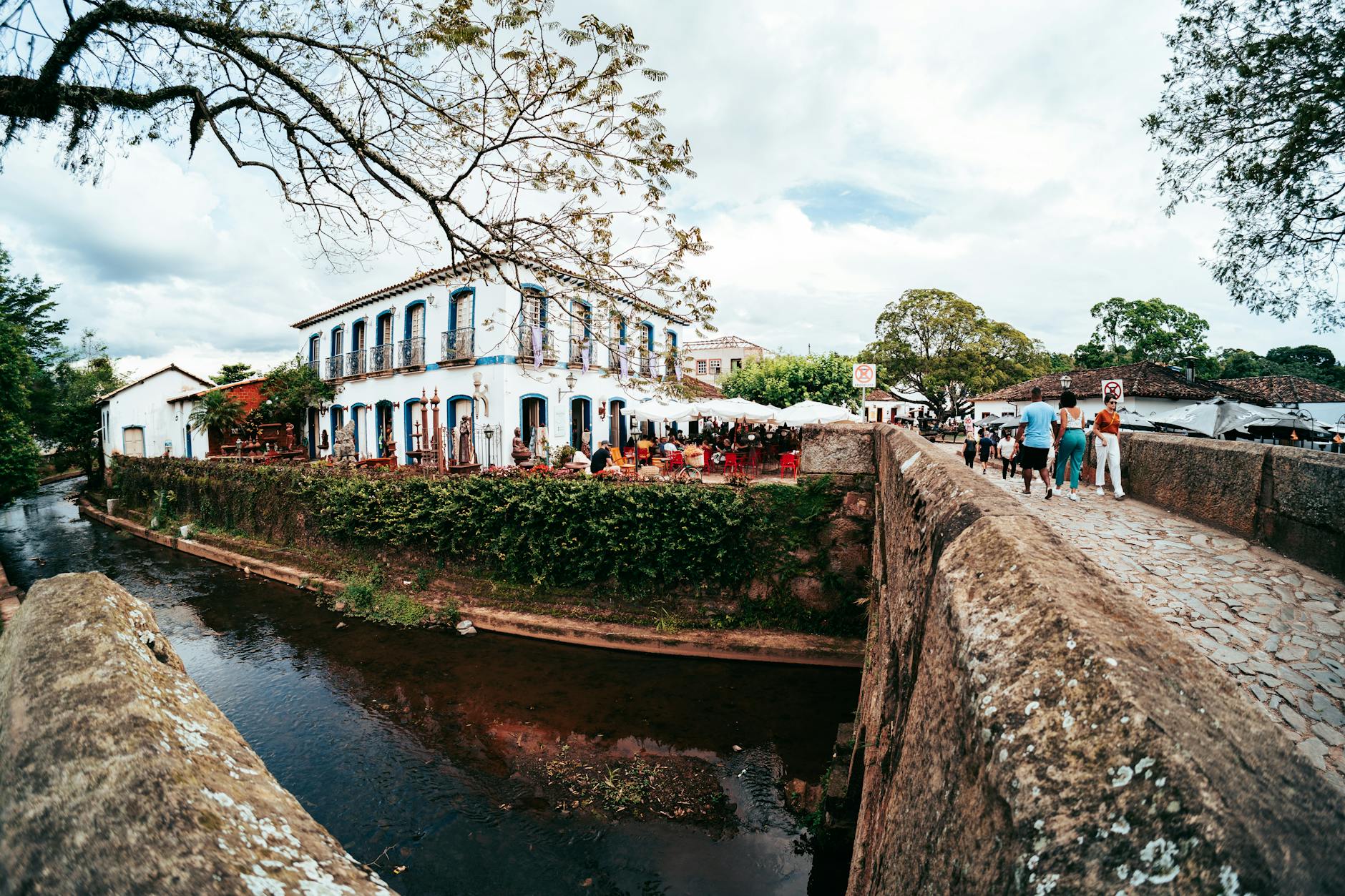
Exit the square south to the Kali Besar canal. The original colonial-era waterway, now with a recently-added floating pedestrian path. Walk west along the canal toward Toko Merah. Photo opportunities: canal reflections, colonial buildings along the canal, the floating path.
Stop 9: Toko Merah (The Red Shop)
Time: 15-20 min
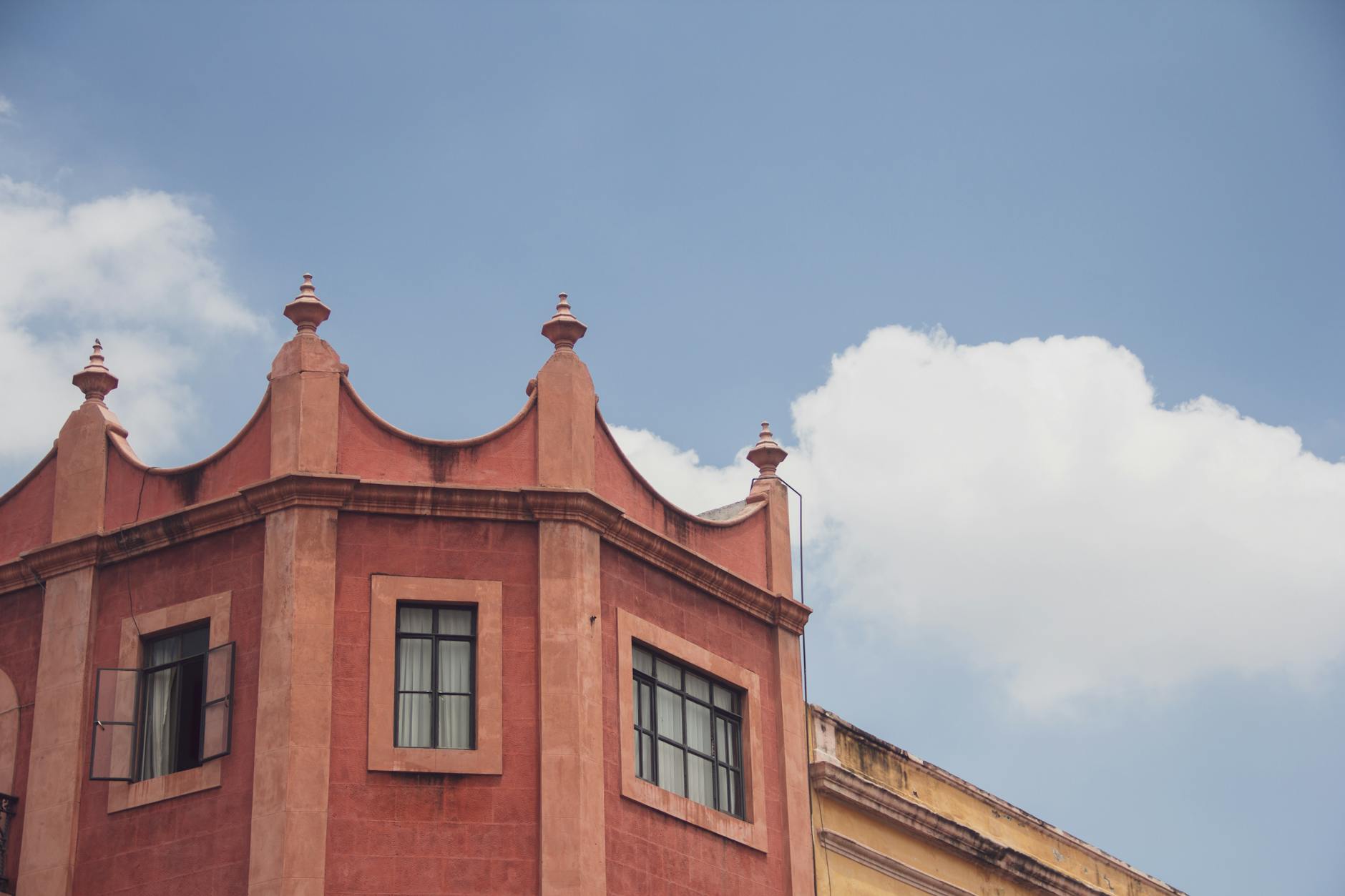
One of Jakarta’s oldest buildings, c. 1730. Built by Baron van Imhoff (later Governor-General of the Dutch East Indies). Distinctive red-painted facade. Currently houses Toko Merah Café and exhibition space. Free to enter the café space.
Stop 10: Bank Indonesia Museum (Free)
Time: 45-60 min
Walk back toward the square and east to Bank Indonesia Museum. Free entry. Surprisingly excellent exhibits on Indonesian monetary history. Beautiful 1828 colonial bank building. Often skipped — don’t miss it.
Stop 11: Bank Mandiri Museum
Time: 30-45 min
Adjacent to Bank Indonesia. Former colonial trading bank building. Banking and economic history. IDR 10,000 entry.
Stop 12: Return via Cafe Batavia for Drink, then KRL
Time: 30-45 min
Walk back to Taman Fatahillah Square. Optional: return to Cafe Batavia for sunset coffee (5:00-5:30 PM is photogenic). Then walk north to Jakarta Kota Station. KRL back to your central hotel.
Sunda Kelapa Harbour Detour: Worth 20-Minute Gojek Hop?
Sunda Kelapa is the working harbor where Indonesia’s last traditional wooden ships (pinisi) load and unload cargo. About 2 km north of Kota Tua — Grab/Gojek (5-10 min) or determined walking (30 min).
Worth the detour if:
- You’re interested in maritime heritage
- You have an extra 90 minutes
- You want to photograph traditional wooden ships
- You’re combining with the Maritime Museum (nearby)
Skip if:
- You have only afternoon for Kota Tua
- You’re not particularly interested in ships or working ports
- It’s raining (uncovered area)
Where to Refuel
Cafe Batavia
The atmospheric choice. Historic 1830s building. Mid-tier food, premium atmosphere. IDR 90,000-180,000 mains.
Acaraki Jamu
Modern Indonesian herbal medicine café. Try kunir asem (tamarind turmeric) or gendis (sweetened jamu). Healthy and uniquely Indonesian.
Historica
Modern Indonesian fine-dining in heritage building. Better food than Cafe Batavia; less tourist crowd.
Kedai Seni Djakarte
Local Indonesian café with art exhibitions. Good for vegetarians.
Toko Merah Café
Coffee and pastries in the historic Toko Merah building. Quick stop on canal walk.
Filosofi Kopi
Coffee specialty shop near Bank Indonesia Museum. Quality single-origin Indonesian coffees.
Bike Rental on the Square
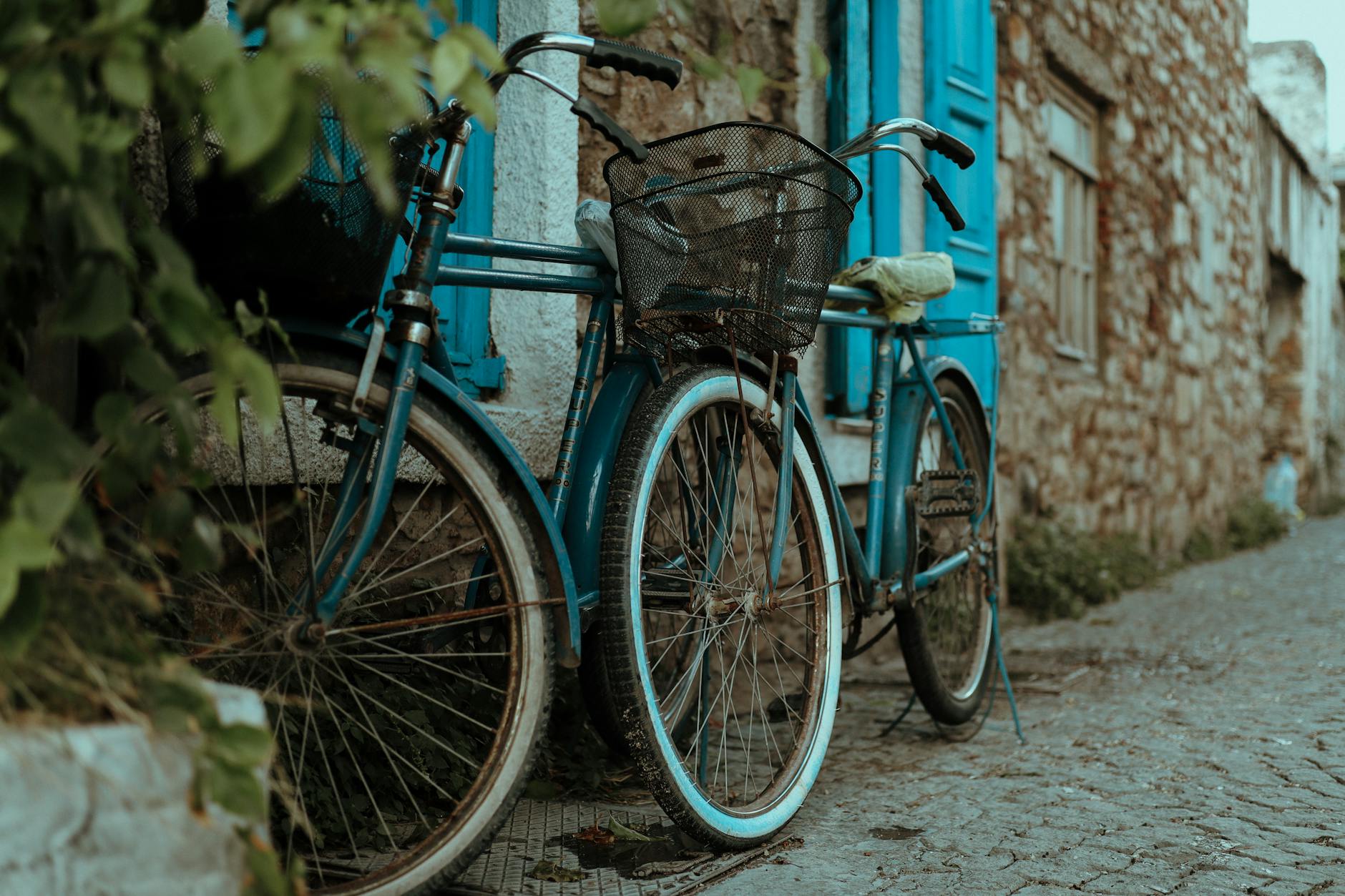
Bicycle and rickshaw rental are tourist staples on Taman Fatahillah Square. Typically:
- Bicycle: IDR 20,000-30,000 per 30 minutes; includes helmet (sometimes)
- Costumed bicycle: Same price + IDR 10,000-20,000 for costume rental
- Becak (rickshaw): IDR 50,000-100,000 for short ride
Reality check: The bicycle ride is more about photo opportunity than transportation. The “vintage bicycles” are mostly mass-produced reproductions. Helmet quality varies — wear your own if safety-conscious. Riding outside the square area is rare due to traffic.
Photography Highlights
- Taman Fatahillah Square panorama — Cafe Batavia + Jakarta History Museum + Wayang Museum + Fine Arts in one shot
- Fatahillah Museum exterior — Symmetrical photo from the square center
- Si Jagur cannon — Low-angle for dramatic look
- Cafe Batavia upstairs — Period interior, original wooden floors
- Kali Besar canal — Reflections, especially morning light
- Toko Merah — Red facade against colonial backdrop
- Costumed performers — Tipped (IDR 10,000-20,000) for photo
- Jakarta Kota Station interior — Art deco architecture detail
Safety, Scams, and Heat Survival
Safety
- Generally safe for tourists during day hours
- Pickpocket awareness — Standard urban precautions
- Avoid late-night visits — Some perimeter areas less safe
- Police presence — Visible and helpful
- Tourist police — Available for emergencies
Common Scams
- “Photographer” with camera offering to take your photo — Then demands tip after; politely decline or use phone selfie
- “Vintage” antiques sold by sidewalk vendors — Mostly modern reproductions
- “Tour guide” approaching without prior arrangement — Negotiate price firmly in advance; many are legitimate, some opportunistic
Heat Survival
- Bring 1+ liter of water
- Wear breathable cotton
- Sun hat and sunscreen — Jakarta sun is intense
- Indoor breaks every 60-90 min — Museums or air-conditioned cafés
- Avoid 11 AM – 2 PM for outdoor walking
Pairing With Glodok Chinatown: How to Add 90 Minutes
Glodok is Jakarta’s Chinatown, 1 km south of Kota Tua. Walking distance (15 min) or 5-min Grab. Add 90 minutes for:
- Vihara Dharma Bhakti — 1650 Buddhist temple, one of Jakarta’s oldest
- Glodok food street — Authentic Chinese-Indonesian street food
- Chinese herbal medicine shops — Centuries-old commerce
- Historic Chinese-Indonesian neighborhood — Genuinely different atmosphere from Kota Tua
Common Mistakes
- Visiting Monday — Museums closed
- Driving in — Pedestrian-only district
- Wearing heels — Uneven cobblestones
- Skipping Bank Indonesia Museum — Free + excellent
- Trying to do everything in one visit — Better to focus on 4-5 stops with quality
- Underestimating heat — Plan indoor breaks every 60-90 min
- Not allowing time at Jakarta Kota Station — Art deco architecture worth a stop
Frequently Asked Questions About Kota Tua Walking Tour
How long does the Kota Tua walking tour take?
The standard 2.5-hour route covers Taman Fatahillah Square, four museums (external visits), Cafe Batavia, Kali Besar canal, and Toko Merah. Adding interior museum visits extends to 4-6 hours. Allow a full day if combining with Sunda Kelapa and Glodok.
What is Kota Tua famous for?
Kota Tua is Jakarta’s preserved Dutch colonial old town (1619-1808 Batavia). Features four major museums on Taman Fatahillah Square, the historic Cafe Batavia, the Kali Besar canal, and Indonesia’s oldest buildings (Toko Merah, c. 1730).
How do I get to Kota Tua from central Jakarta?
Take the KRL Commuter Line to Jakarta Kota Station (terminus). 25-35 minutes from central Jakarta, IDR 3,000-8,000. The fastest option. From Jakarta Kota Station, all major Kota Tua sites are within a 10-minute walk.
When is the best time to visit Kota Tua?
9:00 AM-11:00 AM (cooler, fewer crowds, best light) or 4:30 PM-6:00 PM (golden hour, museums close at 3 PM). Avoid mid-day (11:30 AM-2:00 PM) due to heat and crowds. Tuesday-Friday is less crowded than weekends.
Are Kota Tua museums open every day?
Most Kota Tua museums (Jakarta History, Wayang, Fine Arts) are closed Mondays. Cafe Batavia, Bank Indonesia, Toko Merah, and the square remain accessible. Plan around Monday closures.
Is Kota Tua safe for tourists?
Yes, generally safe during daytime hours. Standard urban precautions for pickpocketing. Visible police presence. Avoid late-night visits to perimeter areas. Costumed performers and sidewalk vendors are part of the tourist economy — light tips appreciated.
Can I do Kota Tua walking tour in the rainy season?
Yes, but bring umbrella and waterproof shoes. Streets remain walkable. Cafes and museums provide indoor shelter. Best to combine with museum visits during heavy rain. The canal area becomes less appealing after heavy rain due to drainage.
Is bicycle rental in Kota Tua worth it?
Mostly photo opportunity. IDR 20,000-30,000 for 30 minutes including costumed period clothing rental. Bicycles are reproductions; riding outside the square area is rare due to traffic. Fun for families and Instagram photos.
Kota Tua is the single best walking tour in Jakarta. To plan further, see our pillar Jakarta museums and cultural sites, the Jakarta History Museum, the Wayang Museum, the colonial Jakarta architecture, the National Museum, and our Jakarta transportation guide.
External Resources for Kota Tua Walking Tour
For background on Kota Tua’s heritage status, Wikipedia’s Kota Tua entry provides historical context. For organized walking tour operators, Jakarta Good Guide offers free walking tours of Kota Tua and surrounding districts.
The route above covers the square. For the rest of the district, read our Kota Tua neighbourhood guide, the Glodok Chinatown guide and the North Jakarta and Ancol guide for Sunda Kelapa and the coast.