If you visit only one museum in Kota Tua, the Wayang Museum should be it. Most English-language guides describe it as “a puppet museum” — a description that catastrophically undersells what is actually one of the world’s premier shadow-puppet collections, housing 6,000+ puppets from across Indonesia and abroad, plus a renovated exhibition space with interactive games, digital displays, and free weekend performances. The reality: to understand wayang, you need to know what kinds exist (kulit, golek, klitik, beber), what stories they tell (Mahabharata, Ramayana, Javanese originals), and how the dalang voices up to 80 characters in a single night-long performance. This guide is the cultural primer plus practical visitor information — the most comprehensive English-language Wayang puppet museum Jakarta resource.
For broader cultural planning, see our pillar Jakarta museums and cultural sites, the National Museum, the Jakarta History Museum, the Kota Tua walking tour, and the colonial Jakarta architecture guides.
What Is Wayang? A 5-Minute Primer
Wayang is Indonesia’s tradition of puppet theater. Unlike Western puppet shows for children, traditional wayang performances are night-long cultural and spiritual events that draw on ancient Hindu epics, Javanese mythology, and Islamic-period adaptations.
UNESCO inscribed wayang as a Masterpiece of Oral and Intangible Heritage of Humanity in 2003 — one of only a handful of Indonesian cultural traditions to receive this recognition (alongside batik, kris, and gamelan).
Three things to know about wayang:
- It’s storytelling theater, not just puppetry — A single dalang (puppet master) voices, sings, moves, and improvises for up to 9 hours per performance.
- It’s living culture, not just heritage — Indonesian elections, weddings, and rituals still feature wayang performances. The 2026 wayang is the same wayang.
- It carries spiritual weight — Wayang performances are often religiously and spiritually significant, particularly in Java.
Types of Wayang: A Visual Field Guide
Visitors often don’t realize that “wayang” encompasses multiple distinct forms. The four main types you’ll see at the Wayang Museum:
Wayang Kulit (Shadow Puppets)
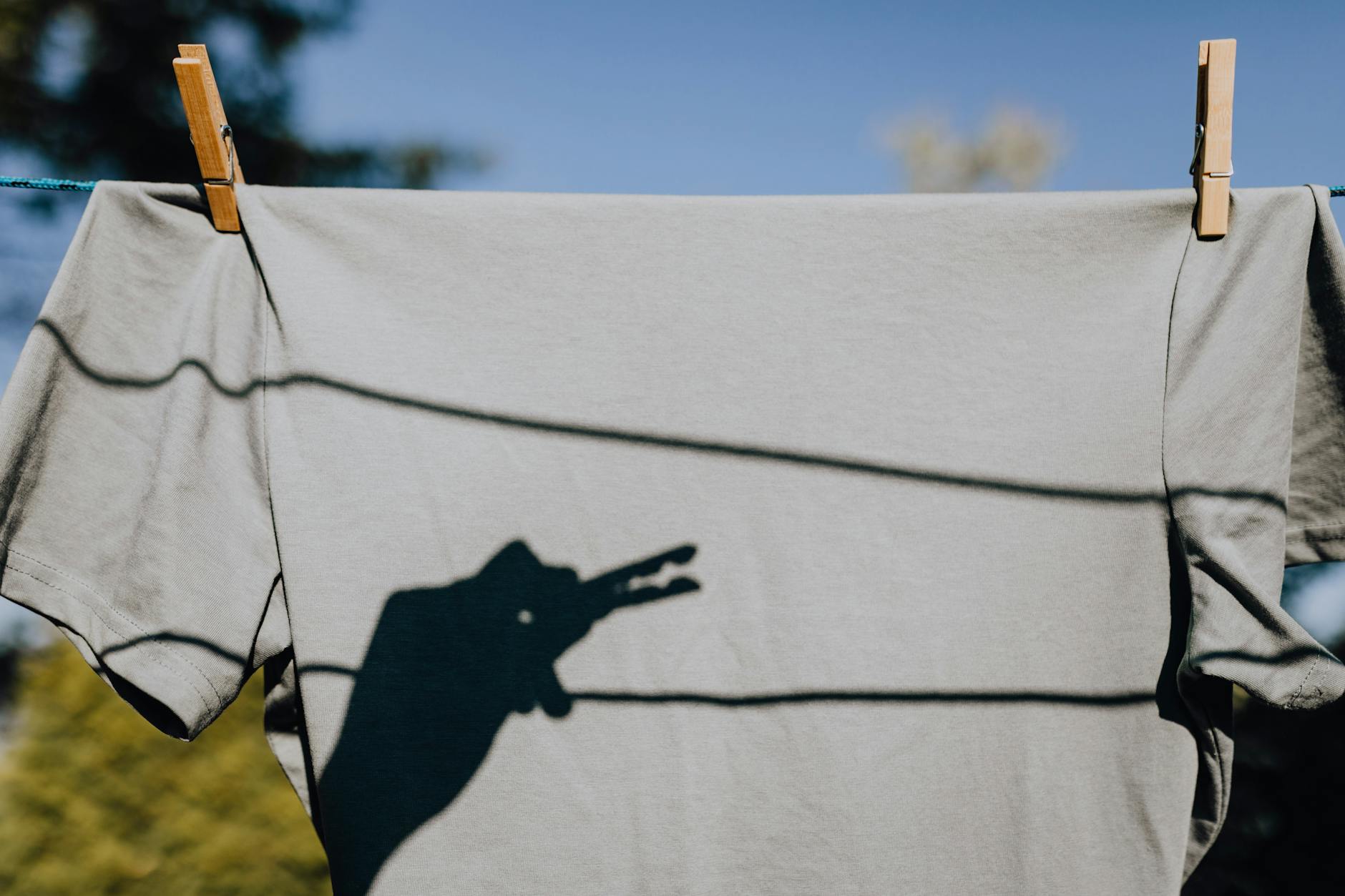
The most internationally famous form. Flat leather puppets, intricately carved and painted, performed behind a white cotton screen (kelir) lit by an oil lamp (blencong). Audiences traditionally view the shadows, not the puppets directly.
- Materials: Water buffalo hide, intricately punched and stained
- Performance length: Typically 7-9 hours, sunset to dawn
- Regions: Java (Central and East), Bali
- Famous variants: Wayang Kulit Purwa (most common), Wayang Kulit Cirebon, Wayang Kulit Bali
Wayang Golek (Three-Dimensional Wooden Puppets)
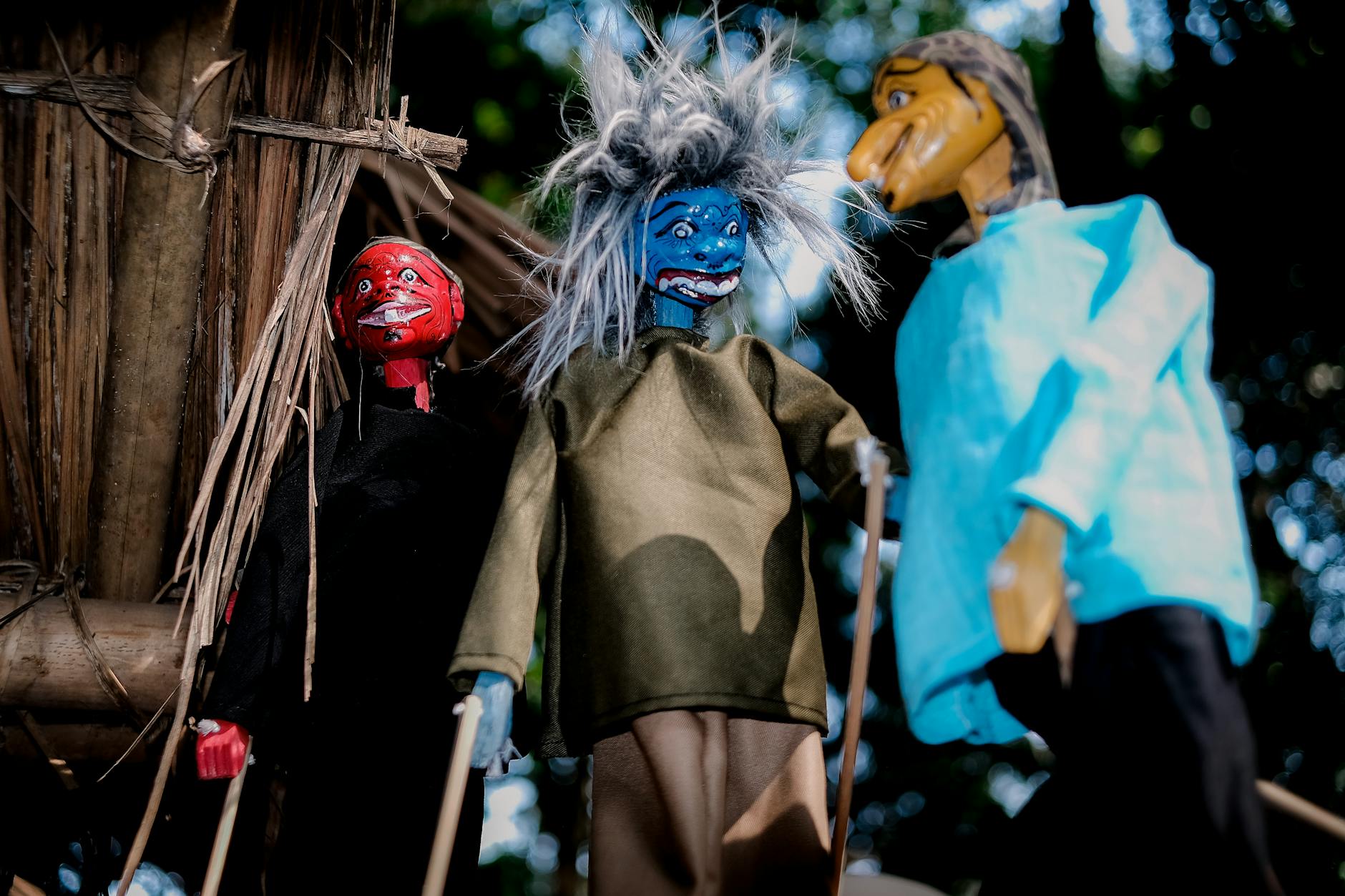
Three-dimensional wooden puppets primarily from West Java (Sundanese). Carved from softwood, painted in vivid colors, articulated arms. Performed in front of audience rather than behind screen — more visual, less spiritual atmosphere.
- Materials: Albasiah or pulai softwood
- Performance length: Typically 5-7 hours
- Regions: West Java (Sundanese), with variants in Cirebon
- Distinctive feature: Articulated arms operated by sticks
Wayang Klitik (Flat Wooden Puppets)
Less common form. Flat wooden puppets used for Damar Wulan and Panji story cycles. Combines wayang kulit’s flatness with wayang golek’s wood. Heritage form, rarely performed today.
Wayang Beber (Scroll Puppets)
The oldest form. Painted scrolls (beber) unrolled while a narrator (dalang) tells the story. Almost extinct outside specific Central Javanese villages. The Wayang Museum has rare examples.
Other Forms
- Wayang Orang — Human-actor wayang. Performers dressed as wayang characters.
- Wayang Topeng — Mask theater.
- Wayang Potehi — Chinese-Indonesian hand puppets.
- Foreign puppets — Cambodian shadow puppets, Indian Tholu Bommalata, French marionettes (museum collection)
The Stories: Mahabharata, Ramayana, and Javanese Originals
Three story cycles dominate wayang:
Mahabharata Cycle
The Indian epic adapted to Indonesian context. Five Pandawa brothers (Yudhishthira, Bhima, Arjuna, Nakula, Sahadewa) versus their cousins the Kaurawa. Themes: dharma, family duty, war, sacrifice. The most performed wayang stories in Java.
Famous characters: Arjuna (skilled warrior, womanizer), Bhima (giant strongman), Krishna (divine king, advisor), Karna (tragic hero).
Ramayana Cycle
The Indian epic of Prince Rama, his wife Sita, his brother Lakshmana, and the demon king Rawana. Adapted into Indonesian forms with distinctive Javanese-Balinese characterizations. Themes: love, loyalty, righteousness, duty.
Javanese Original Stories
- Panji Cycle — Pre-Islamic Javanese stories of Prince Panji and his lover Candra Kirana
- Damar Wulan — 15th-century Javanese hero story
- Punakawan/Panakawan stories — Featuring the four servant-clowns Semar, Petruk, Gareng, and Bagong who exist only in Indonesian wayang (not Indian originals)
The Dalang: One Puppeteer, Up to 80 Characters
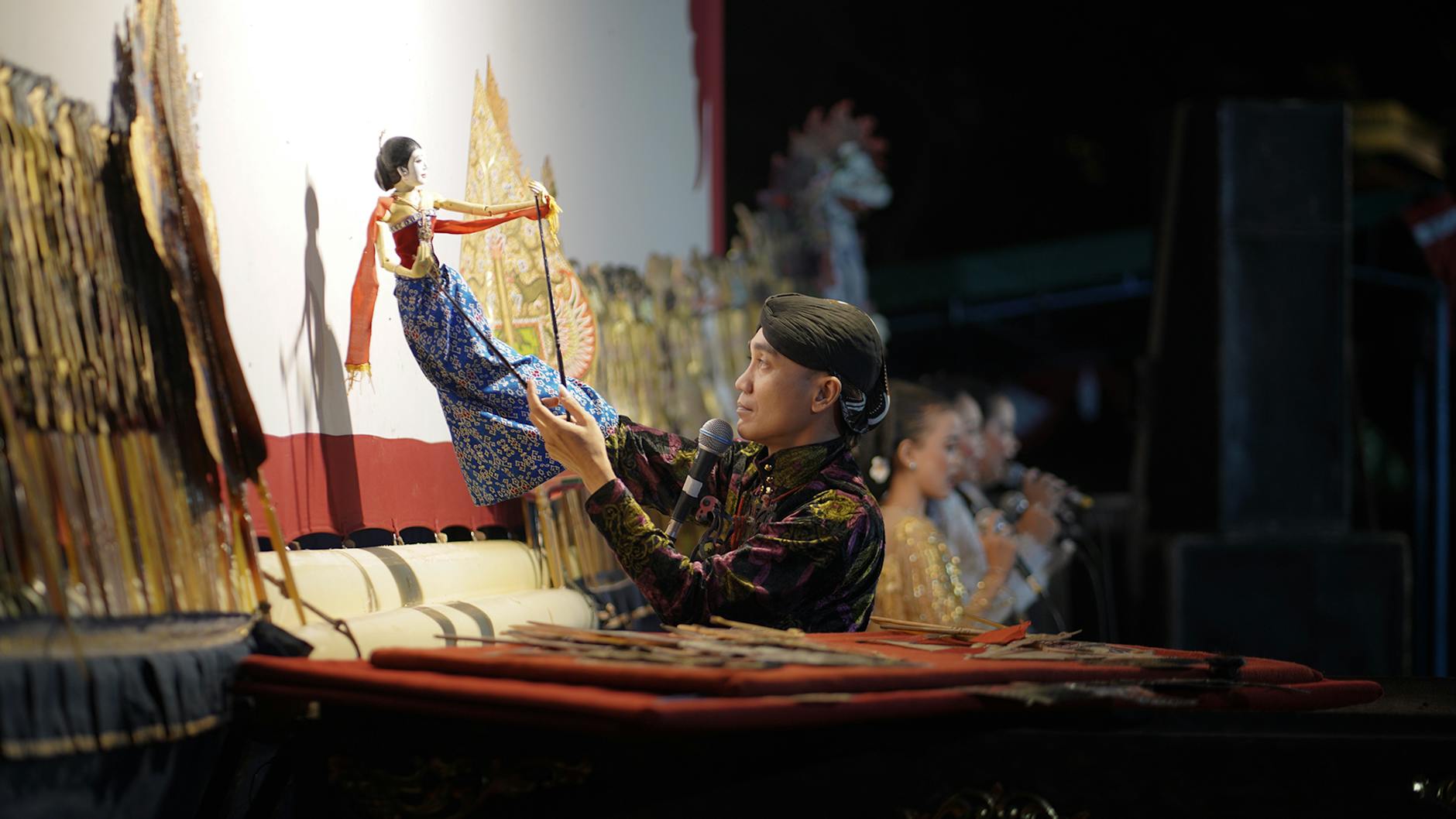
The dalang is the single most important figure in wayang. One person plays every role for the entire 7-9 hour performance:
- Voices all characters — Including women, demons, gods, animals; sometimes 80+ distinct voices in one performance
- Manipulates all puppets — Both hands constantly active
- Sings in classical Javanese — Sung verses (suluk) at key moments
- Improvises on current events — Politics, gossip, social commentary woven into ancient stories
- Cues the gamelan orchestra — Coordinates with 20+ musicians without stopping
- Maintains the spiritual atmosphere — Wayang is religiously and ritually significant
Famous dalangs (puppet masters) are cultural celebrities in Indonesia. Ki Manteb Sudharsono, Ki Anom Suroto, and Ki Asep Sunandar Sunarya are among the most respected modern figures.
UNESCO Intangible Cultural Heritage (2003) — Why It Matters
UNESCO inscribed wayang as a Masterpiece of Oral and Intangible Heritage of Humanity on November 7, 2003 — the first Indonesian tradition to receive UNESCO intangible heritage status.
The recognition:
- Codified wayang as a living world heritage tradition
- Triggered government support for performance, training, and preservation
- Made wayang internationally legible — performances on world tours
- Established Indonesia as a “soft power” cultural exporter
- Protected the tradition during a period when modern entertainment threatened it
The Museum: Practical Info
- Address: Jl. Pintu Besar Utara No. 27, Tamansari, West Jakarta — directly opposite Taman Fatahillah Square
- Hours: Tuesday-Sunday 09:00-15:00; closed Mondays and national holidays
- Tickets: Adults IDR 5,000; children/students IDR 2,000 (same for locals and foreigners)
- Time needed: 1-1.5 hours, plus 1 hour if attending puppet performance
- Photography: Permitted; no flash
Building History
The museum building itself is historically significant. It stands on the site of:
- 1640: Original Dutch Reformed Church (Hollandsche Kerk)
- 1808: Demolished and replaced
- 1912: Current building constructed (Indische Stijl colonial style)
- 1939: Founded as Old Batavia Museum
- 1975: Officially designated as Wayang Museum
The building’s vaults still contain tombstones of Dutch colonial governors — visible during museum visits.
The 2025 Renovation — What’s New
The Wayang Museum reopened in January 2025 after extensive renovation. Major improvements:
- Interactive games and digital displays — Touch-screen exhibits teaching wayang basics, story plots, character profiles
- Bilingual signage (Indonesian + English) — Throughout the entire museum
- Refurbished puppet displays — Better lighting, climate control, accessibility
- New educational room — Workshops for school groups and visitors
- Improved performance space — Better seating, acoustics for weekend shows
- Café and shop additions — Quality Indonesian coffee and reproduction souvenirs
Collection Highlights: 6,000+ Puppets
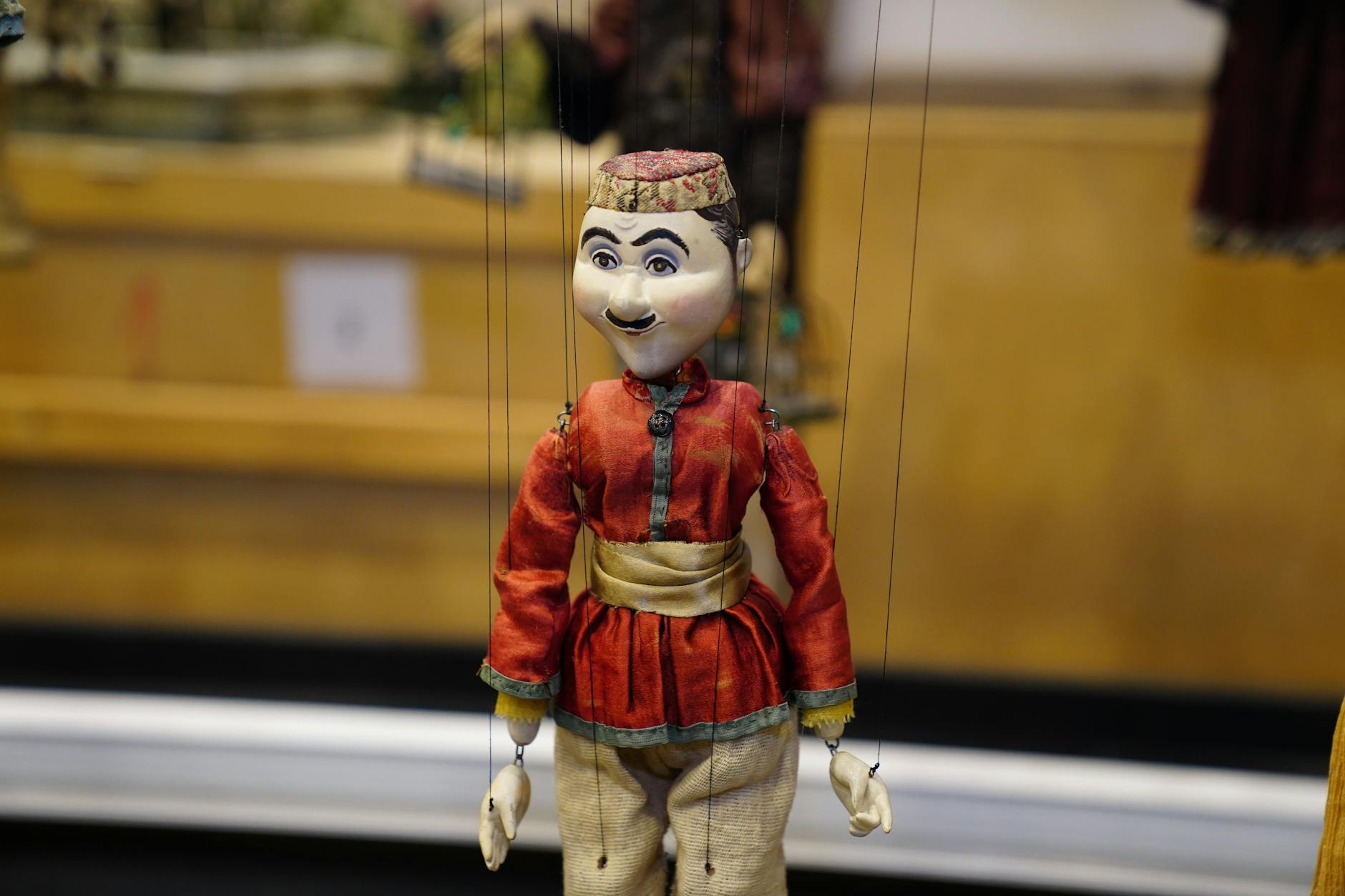
The museum’s collection includes puppets from:
- Java — Central, East, West (Sundanese), Cirebon variants
- Bali — Distinctive Balinese wayang kulit
- Lombok, Sumatra, Kalimantan — Lesser-known regional variants
- China — Chinese hand and shadow puppets (cultural exchange)
- Cambodia, Vietnam, Thailand — Southeast Asian shadow puppet traditions
- India — Tholu Bommalata shadow puppets
- France — Marionettes (donated collection)
Notable Pieces
- Si Gathotkaca — Famous Mahabharata warrior puppet
- Antique Cirebon wayang sets — Traditional Hindu-Buddhist style
- Master-dalang puppets — Performance pieces from notable historical dalangs
- Foreign puppets — Chinese shadow puppets gifted by Chinese cultural delegations
The Free Puppet Show — Schedule and Registration
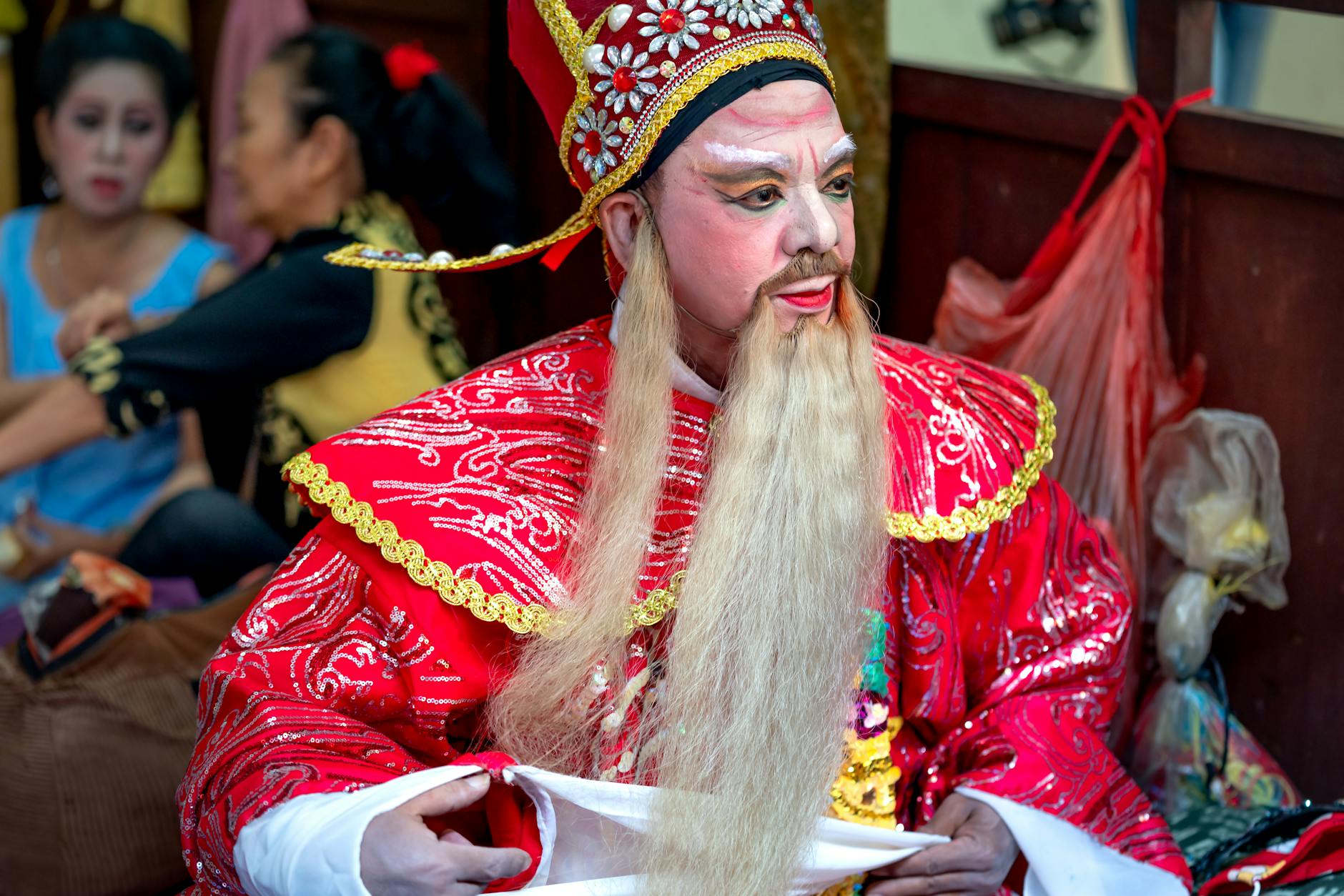
The museum offers free puppet performances on selected weekends. This is one of the best free cultural experiences in Jakarta.
Schedule (Verify on Arrival)
- Most weekends: 1-hour wayang demonstrations with English explanations (Saturdays 14:00 and Sundays 14:00)
- 2nd-4th Sundays of each month: “Semalam suntuk” (all-night) full wayang kulit performances, typically 19:00-04:00
- Special holidays: Cultural festivals with extended performance schedules
How to Attend
- Show up at the museum: Schedule posted at entrance
- Registration: At ticket counter on arrival — free for museum entry holders
- Limited seating — Arrive 30 minutes early for popular performances
- Bring water, snacks, cushion for long performances — Floor seating typical
- Photography — Permitted; flash discouraged
Getting There: Kota Tua Walking Loop
From central Jakarta:
- KRL Commuter Line — Jakarta Kota Station (terminus), 5-10 min walk to Fatahillah Square. Train takes 30 min from Manggarai.
- TransJakarta — Corridor 1 (Blok M-Kota), Halte Kota stop. 5-min walk.
- Grab/Gojek — Drop-off near Fatahillah Square. From Sudirman hotels: 25-45 min in traffic; IDR 80,000-150,000.
Walking distances from Wayang Museum:
- Jakarta History Museum (Fatahillah): 100m / 1 min
- Museum of Fine Arts & Ceramic: 100m / 1 min
- Bank Indonesia Museum: 400m / 5 min
- Bank Mandiri Museum: 500m / 6 min
- Jakarta Kota Station: 500m / 7 min
- Sunda Kelapa Harbour: 2 km / 30 min walk or 5 min Grab
Combining With Other Kota Tua Museums
Optimal half-day Kota Tua loop:
- 9:00 AM: Arrive Jakarta Kota Station; walk to Fatahillah Square
- 9:15 AM – 11:00 AM: Wayang Museum (start with cultural primer; longest reading required)
- 11:00 AM – 12:30 PM: Jakarta History Museum (Fatahillah)
- 12:30 PM – 1:30 PM: Lunch at Cafe Batavia (historic colonial building, fair food)
- 1:30 PM – 2:30 PM: Museum of Fine Arts & Ceramic
- 2:30 PM – 3:30 PM: Bank Indonesia Museum (free)
- 3:30 PM – 5:00 PM: Walk Kali Besar canal, see Toko Merah
- 5:00 PM: Coffee at Acaraki Jamu before return
Photography, Souvenirs, and the Gift Shop
- Photography — Permitted throughout; flash discouraged
- Museum shop — Sells quality reproduction wayang puppets (IDR 100,000-800,000), Indonesian batik, and cultural books
- Authentic wayang shopping — Better options at SMESCO Indonesia and Sarinah; see our Indonesian handicrafts guide
- Cultural books — Some English-language wayang books available at the gift shop
Where to See Full-Length Wayang Performances in Jakarta
Beyond the museum:
- Taman Ismail Marzuki (TIM) — Cikini, Central Jakarta. Contemporary Indonesian performing arts venue. Regular wayang and gamelan performances. IDR 25,000-150,000.
- Bentara Budaya Jakarta — Cultural performance venue. Free or low-cost wayang demonstrations.
- Annual Pekan Wayang Festival — June-July; week-long wayang festival, free public performances.
- Setu Babakan Betawi Village — Occasional Betawi wayang performances on weekends.
- Special events at Wayang Museum — Particularly Indonesian Independence Day (August 17) and Jakarta Anniversary (June 22).
Family Tips: Is It Good for Kids?
Yes, particularly post-2025 renovation with interactive games. Tips:
- Ages 6+ — Most children appreciate the visual variety of puppets
- Bring water and snacks — For longer performances
- Pre-visit reading — Familiarize children with main characters (Arjuna, Bhima, Krishna)
- Interactive games — Located on upper floor; can engage younger children
- Performance choice — Weekend 1-hour demonstrations are better for kids than all-night shows
- Wheelchair/stroller access — Ground floor accessible; upper floors require stairs
Frequently Asked Questions About the Wayang Museum Jakarta
What is the entrance fee at Wayang Museum Jakarta?
IDR 5,000 for adults and IDR 2,000 for children/students. Same price for foreign and local visitors — one of the best museum values in Indonesia.
When does Wayang Museum host puppet performances?
The Wayang Museum hosts demonstrations most weekends at 14:00, plus longer “semalam suntuk” (all-night) full performances on the 2nd-4th Sundays of each month, typically 19:00-04:00. Free with museum admission. Verify schedule at museum entrance.
Is photography allowed at Wayang Museum?
Yes, photography is permitted throughout the museum. Flash photography is discouraged. During puppet performances, photography is permitted; flash is asked to be avoided.
What types of wayang puppets does the museum have?
The collection includes 6,000+ puppets covering wayang kulit (shadow), wayang golek (3D wooden), wayang klitik (flat wooden), wayang beber (scroll), plus puppets from China, Cambodia, Vietnam, India, and France. The most extensive single-location puppet collection in Indonesia.
How long should I spend at Wayang Museum?
Allow 1-1.5 hours for a thorough visit covering the cultural primer, main collection, and interactive displays. Add 1-2 hours if attending a weekend puppet performance. The 2025 renovation makes the visit more engaging than before.
How do I get to Wayang Museum from my hotel?
Take the KRL Commuter Line to Jakarta Kota Station (terminus), then walk 5-10 minutes to Fatahillah Square. The museum is directly opposite the square at Jl. Pintu Besar Utara No. 27. From Sudirman-Thamrin hotels, the journey takes 30-45 minutes by KRL or Grab.
What is the difference between wayang kulit and wayang golek?
Wayang kulit are flat leather shadow puppets shown behind a screen (Central/East Java tradition). Wayang golek are three-dimensional wooden puppets shown in front of audience (West Java/Sundanese tradition). Both tell similar Mahabharata/Ramayana stories but use different visual techniques.
Is Wayang Museum suitable for children?
Yes, particularly after the 2025 renovation that added interactive games and digital displays. Best for children 6 and older. Weekend short demonstrations (1 hour) are kid-friendly; all-night performances are not.
The Wayang Museum is one of Jakarta’s best cultural experiences. To plan further, see our pillar Jakarta museums and cultural sites, the National Museum, the Jakarta History Museum, the Kota Tua walking tour, the colonial Jakarta architecture, and the Indonesian handicrafts guides.
If the puppets leave you wanting more, Jakarta cultural experiences lists workshops where you can try gamelan, batik and puppetry yourself, Indonesian heritage sites in Jakarta covers the wider preservation story, and the events and festivals calendar lists when full-length performances are staged.
External Resources for Wayang Museum Jakarta
For background on wayang heritage, the Wikipedia entry on the Wayang Museum provides historical context. UNESCO’s Intangible Heritage page on wayang details the 2003 inscription criteria and cultural significance.
This is one of the few Jakarta museums where the objects do all the work without any interpretation at all, which makes it unusually good with five- to twelve-year-olds. Our guide to the best museums for kids in Jakarta places it alongside the Kite Museum, the Transport Museum and the others that genuinely hold a child’s attention.