Jakarta’s heritage sites tell Indonesia’s story across seven distinct historical periods — from pre-colonial Sundanese trading settlements through Dutch Batavia, Japanese occupation, independence struggle, and modern nation-building. Most English-language guides list 5-6 sites without explaining the historical thread connecting them. This guide is different: a chronological tour through Indonesia’s history via Jakarta sites you can actually visit. From Sunda Kelapa harbor (1500s pre-colonial trading port) through Monas (1975 independence monument), this is the most comprehensive English-language Indonesian heritage sites Jakarta resource.
For broader cultural planning, see our pillar Jakarta museums and cultural sites, the National Museum, the Jakarta History Museum, the Kota Tua walking tour, the colonial Jakarta architecture, the Betawi cultural village, and our things to do in Jakarta guides.
Jakarta’s Seven Historical Layers
To understand Jakarta heritage sites, you need the chronological framework:
- Pre-Colonial Sundanese (before 1527) — Sunda Kelapa as Sundanese kingdom port
- Islamic Sultanate (1527-1619) — Demak/Banten era, naming as “Jayakarta”
- Dutch VOC Era (1619-1799) — Batavia as Dutch East India Company capital
- Dutch East Indies (1800-1942) — Direct colonial rule, urban expansion
- Japanese Occupation (1942-1945) — World War II Japanese military rule
- Independence Era (1945-1965) — Sukarno’s revolution and nation-building
- Modern Indonesia (1965-present) — Suharto’s New Order through democratic Indonesia
Pre-Colonial Heritage: Sunda Kelapa
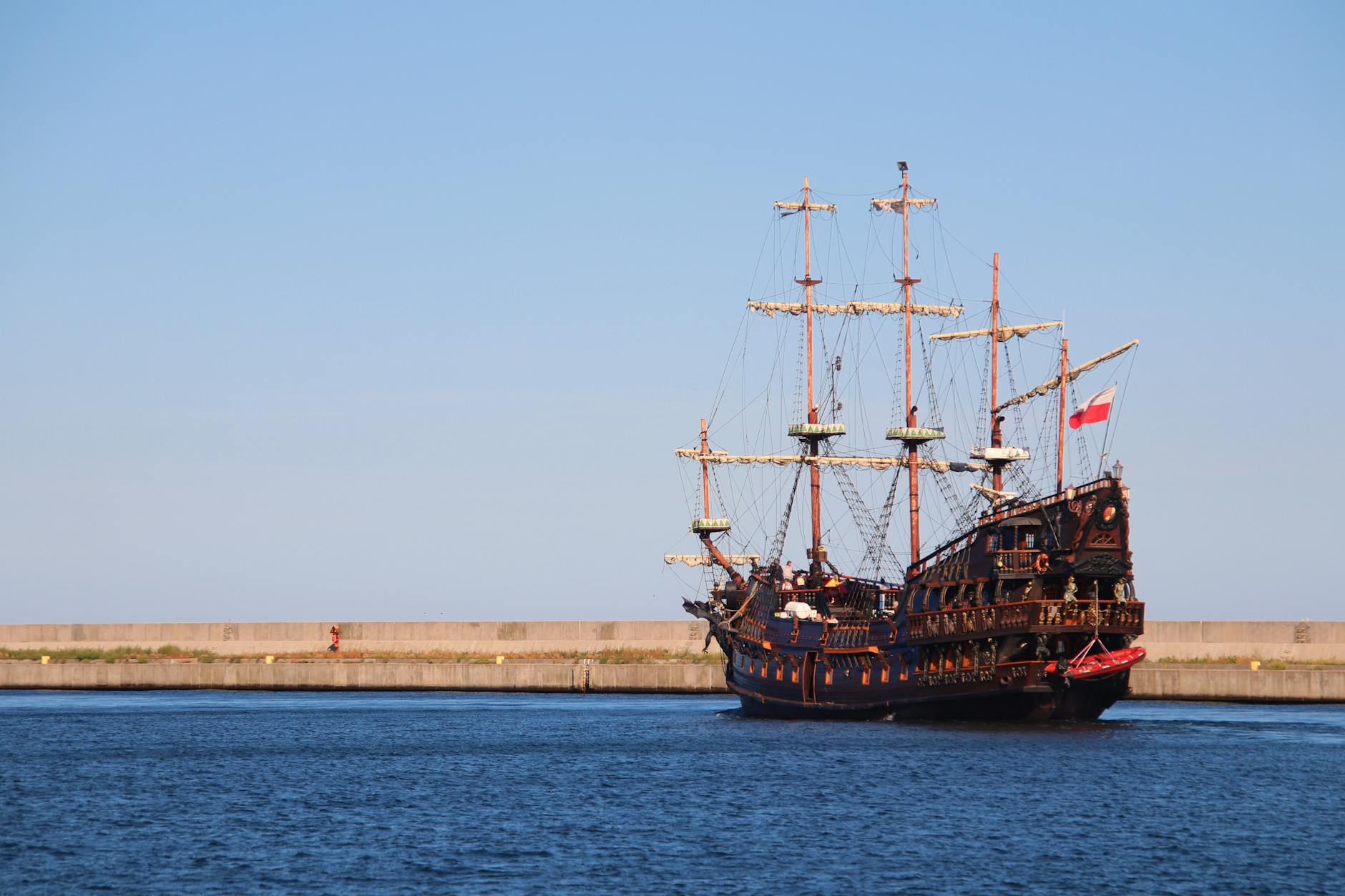
Sunda Kelapa Harbor
- Address: Pelabuhan Sunda Kelapa, Penjaringan, North Jakarta
- Hours: Open 24 hours (working port); visit 7 AM-5 PM for best experience
- Entry: Free (active harbor); IDR 5,000-10,000 for some access points
- Significance: The original site of Jakarta. Sundanese trading port before colonial conquest. Still active as Indonesia’s last traditional wooden ship (pinisi) harbor.
Historical timeline:
- ~13th century: Sundanese trading port
- 1522: Portuguese trading agreement with Sundanese
- 1527: Demak/Banten Muslim forces under Fatahillah conquer the port; rename “Jayakarta” (meaning “complete victory”)
- 1619: Dutch VOC under Jan Pieterszoon Coen attacks Jayakarta; renames “Batavia”
- 1965-present: Working harbor with traditional pinisi schooners
What to do: Walk the dockside, see traditional pinisi schooners loading/unloading cargo, visit the adjacent Maritime Museum.
Maritime Museum (Pelabuhan Sunda Kelapa)
Adjacent to the harbor in former Dutch warehouses (17th-18th century). Houses maritime artifacts, traditional ship models, and Jakarta’s port history.
- Address: Jl. Pasar Ikan No. 1, Penjaringan
- Hours: Tuesday-Sunday 09:00-15:00; closed Mondays
- Entry: IDR 5,000
Islamic Sultanate Era (1527-1619)
The Islamic Sultanate period left few physical traces in Jakarta, but the period’s legacy is in the city’s name. “Jakarta” derives from “Jayakarta” (complete victory) — given to the port after Fatahillah’s 1527 conquest. Modern monuments commemorating this period:
- Fatahillah Square (Taman Fatahillah) — Named after the warrior who founded the city’s modern name. See our Jakarta History Museum guide.
- Sunda Kelapa Mosque area — Some 17th-century Islamic heritage in the historic harbor district
Dutch Colonial Era (1619-1942)
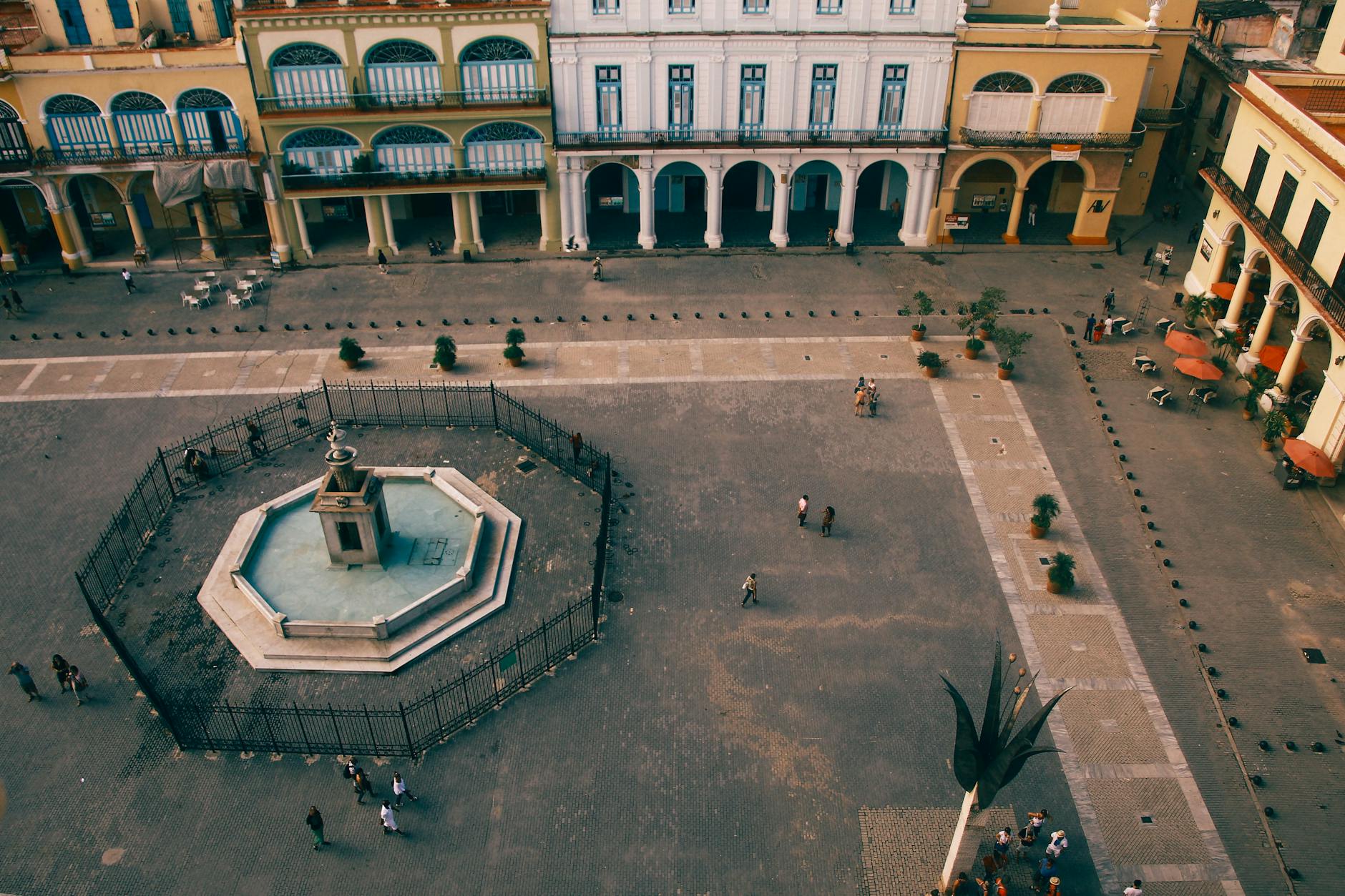
The Dutch colonial period left Jakarta’s most extensive built heritage. Major sites:
- Kota Tua heritage district — Original 17th-18th century colonial core. See our Kota Tua walking tour guide.
- Jakarta History Museum (Fatahillah) — Former Stadhuis (City Hall), 1712. See our Jakarta History Museum guide.
- Wayang Museum building — 1640 site of original Dutch Reformed Church
- Toko Merah — c. 1730, one of Jakarta’s oldest buildings
- Sunda Kelapa warehouses — 17th-18th century VOC trading buildings
- Various 19th-century colonial buildings across Menteng and Lapangan Banteng — see our colonial Jakarta architecture guide.
Significant Colonial Heritage Buildings
- Gedung Pancasila (1830) — Former Dutch Lieutenant-General residence; site of Sukarno’s Pancasila speech
- Immanuel Church (1839) — Neoclassical Greek-temple design
- Istana Negara (1796) — Now presidential office
- Jakarta Cathedral (1901) — Neo-Gothic Catholic cathedral
Japanese Occupation Era (1942-1945)
The Japanese occupation lasted only 3.5 years but transformed Jakarta. Few dedicated heritage sites exist; relevant locations:
- Jakarta History Museum (Fatahillah) — Building served as Japanese military headquarters
- National Museum building — Was the Japanese military museum during occupation
- Lapangan Ikada — Site of mass rallies during occupation
- Various surviving period buildings repurposed and renamed
The Japanese occupation’s most significant legacy was paradoxical: by humiliating the Dutch and arming Indonesian nationalists for anti-Allied defense, it inadvertently accelerated Indonesian independence.
Independence Era (1945)
Independence Building (Gedung Proklamasi)
- Address: Jl. Proklamasi No. 5, Central Jakarta
- Hours: Tuesday-Sunday 08:00-16:00; closed Mondays
- Entry: IDR 5,000
- Significance: The single most important site in modern Indonesian history. On August 17, 1945, Sukarno and Hatta read the Indonesian Proclamation of Independence on the front porch of this building. The reading lasted approximately 5 minutes and ended 350 years of Dutch colonial rule.
The building features:
- The original text of the Proclamation
- The pole where the first Indonesian flag was raised
- Period photographs and artifacts
- Memorial museum displays
Other Independence Era Sites
- Tugu Tani (Heroes Statue) — Memorial to Indonesia’s fight for independence
- Lubang Buaya/Pancasila Sakti Monument — Memorial to 6 generals killed in 1965 coup attempt
- Various heroes’ cemeteries (Taman Makam Pahlawan) — Honoring independence fighters
Modern Indonesia (1945-Present)
Monas (National Monument)
- Address: Merdeka Square, Central Jakarta
- Hours: Tuesday-Sunday 08:00-15:00; observation deck 08:00-15:00; closed Mondays
- Entry: IDR 5,000 grounds; IDR 20,000 observation deck
- Significance: Indonesia’s national monument. Construction began 1961 under Sukarno; completed 1975 under Suharto. Symbolic representation of independence and national identity.
The monument:
- 132 meters tall — The “Lingga” (Sanskrit for “phallus”), symbolizing male energy
- Topped with 14.5kg of gold leaf — Representing the flame of independence
- “Yoni” base symbolizing female energy
- National Museum at base — Diorama exhibits of Indonesian history
- Observation deck at 115m — Panoramic Jakarta views
Selamat Datang Monument
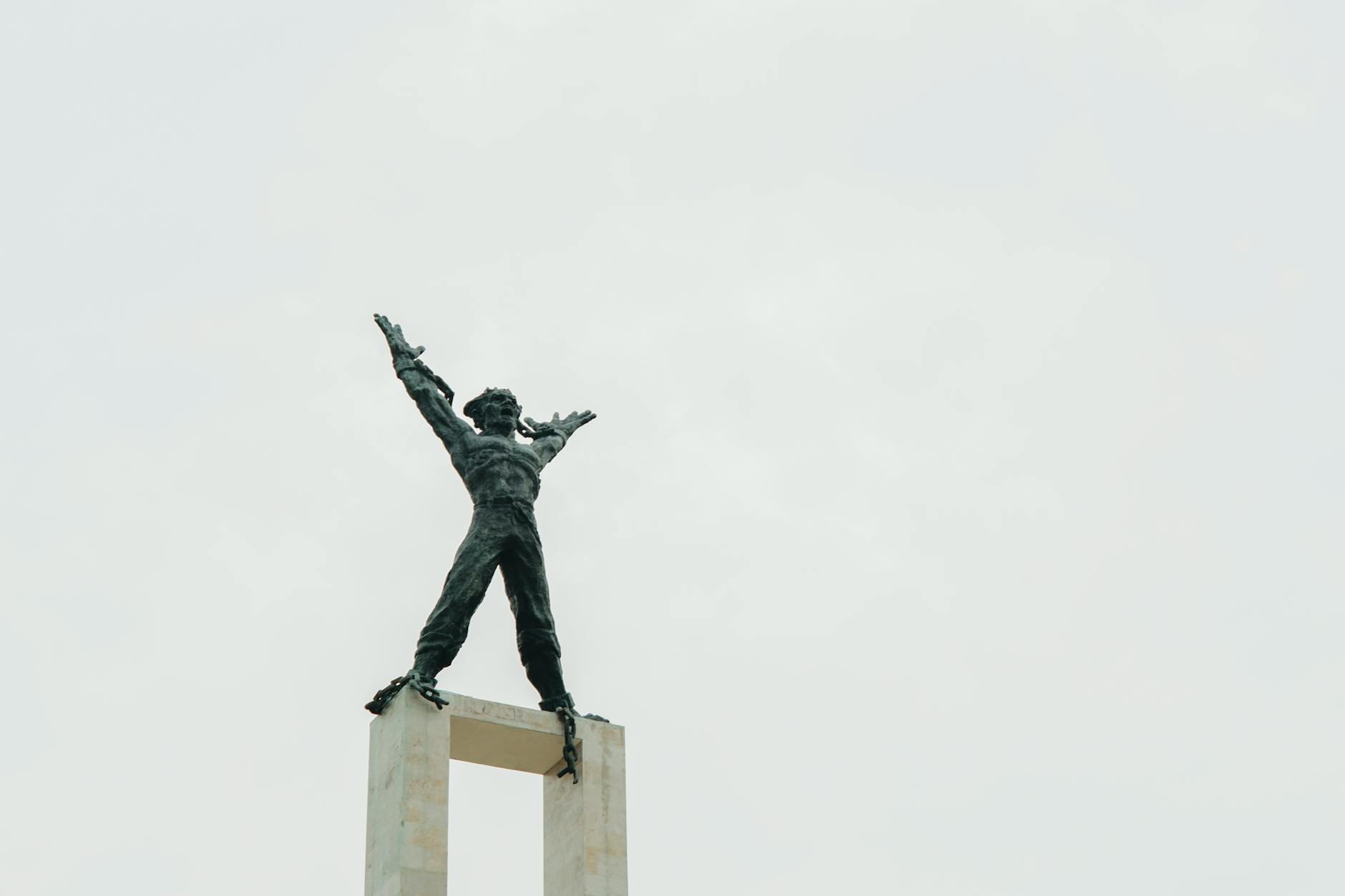
The “Welcome Statue” at Bundaran HI roundabout. Built for the 1962 Asian Games as Jakarta’s symbolic gateway. Represents Indonesians welcoming international guests. Now the city’s most photographed modern monument.
Pancasila Sakti Monument (Lubang Buaya)
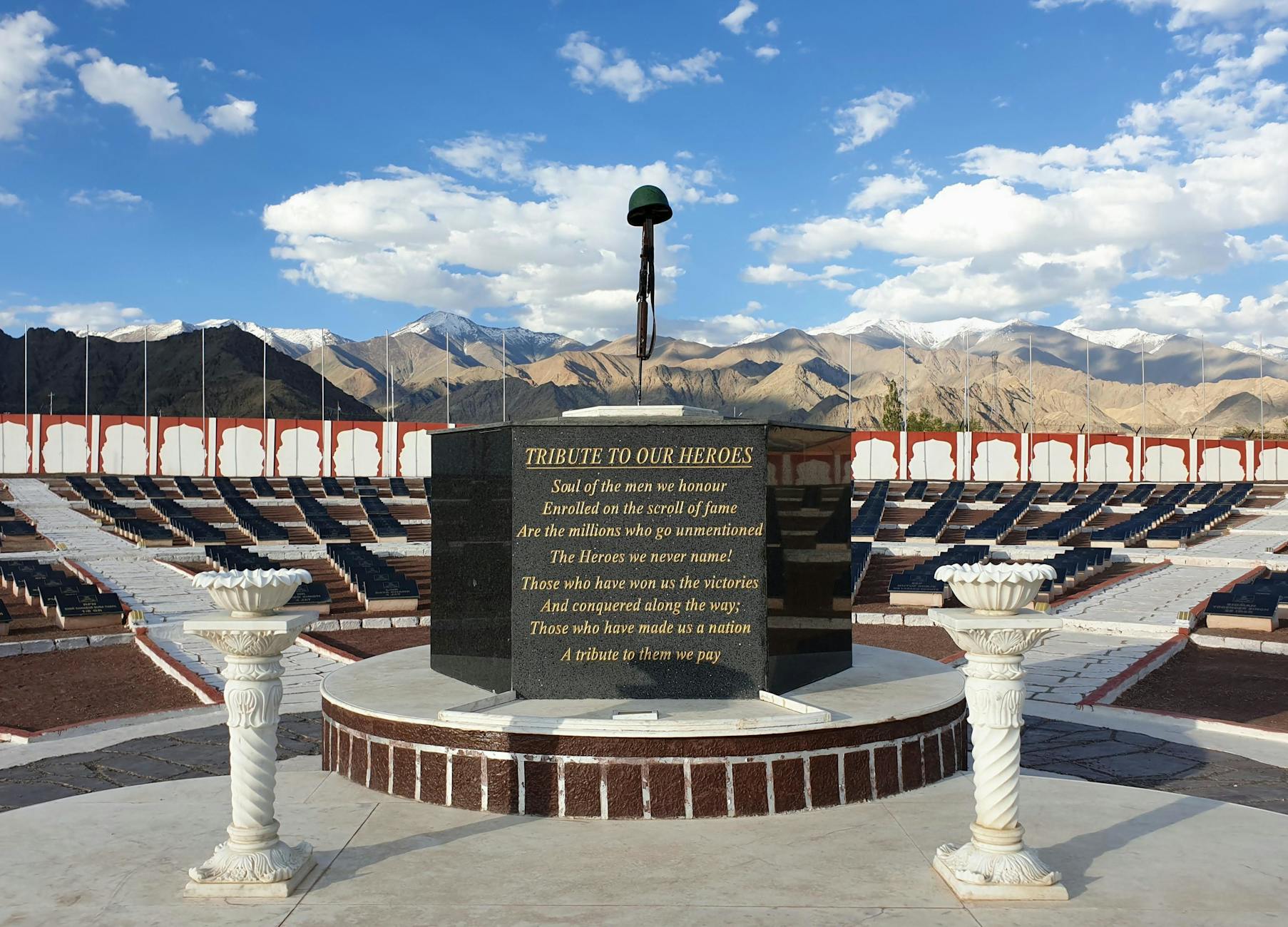
- Address: Jl. Raya Pondok Gede, Lubang Buaya, East Jakarta
- Hours: Tuesday-Sunday 08:00-16:00; closed Mondays
- Entry: IDR 25,000
- Significance: Site of the September 30, 1965 attempted coup against the Indonesian government. Six senior army generals were murdered at this site. The aftermath led to the rise of Suharto and the killing of 500,000-1,000,000 alleged communists. The monument represents Indonesian political history’s most controversial period.
The site features:
- Memorial sculptures of the murdered generals
- Original well where bodies were dumped
- Museum exhibits (Indonesian-language perspective)
- Period buildings and artifacts
Note: This site presents the official Suharto-era interpretation. Foreign visitors should approach with awareness of the complex historical scholarship on these events.
Heroes Cemetery (Taman Makam Pahlawan Kalibata)

- Address: Jl. Raya Pasar Minggu, Kalibata, South Jakarta
- Hours: Generally accessible 07:00-17:00
- Entry: Free
- Significance: Indonesia’s national cemetery for independence heroes, military officers, and senior government figures. Includes graves of former presidents Habibie and Abdurrahman Wahid.
Religious Heritage Sites
- Istiqlal Mosque — Southeast Asia’s largest mosque; symbol of Indonesian Islamic identity
- Jakarta Cathedral — Neo-Gothic Catholic cathedral, religious heritage of colonial era
- Vihara Dharma Bhakti — 1650 Chinese-Indonesian temple in Glodok
- Sion Church — 1695 oldest Protestant church in Indonesia
- Hindu temples — Pura Aditya Jaya (1972) and others
Cultural Heritage Sites
- Setu Babakan — Official Betawi Cultural Village. See our Betawi cultural village guide.
- TMII — Provincial cultural pavilions from all 38 Indonesian provinces
- Wayang Museum — UNESCO-recognized wayang puppet heritage
- Textile Museum — UNESCO-recognized batik heritage
- National Museum — Indonesia’s most important cultural collection
Suggested Two-Day Heritage Itinerary
Day 1: Colonial & Pre-Colonial Heritage
- 9:00 AM: KRL to Jakarta Kota Station
- 9:15 AM – 11:00 AM: Jakarta History Museum (Fatahillah)
- 11:00 AM – 12:30 PM: Wayang Museum + Kota Tua walking circuit
- 12:30 PM – 1:30 PM: Lunch at Cafe Batavia
- 1:30 PM: Grab to Sunda Kelapa (5 min)
- 2:00 PM – 3:30 PM: Sunda Kelapa Harbor + Maritime Museum
- 4:00 PM: Coffee at Filosofi Kopi before return
Day 2: Independence & Modern Heritage
- 8:30 AM: Monas observation deck (early to avoid crowds)
- 10:00 AM: Walk to National Museum (10 min)
- 10:30 AM – 12:30 PM: National Museum
- 12:30 PM – 1:30 PM: Lunch on Jl. Sabang
- 1:30 PM: Grab to Independence Building (Gedung Proklamasi)
- 2:00 PM – 3:00 PM: Independence Building visit
- 3:00 PM: Selamat Datang Monument (Bundaran HI)
- 4:00 PM: Return to hotel; reflection time
Heritage Site Etiquette
- Religious sites — Modest dress, removed shoes (mosques), respectful behavior
- Memorial sites — Quiet voice, no laughing/loud talking
- Photography — Generally permitted; some restrictions at military sites
- Donations welcome at many religious heritage sites
- Tour guides — Add IDR 100,000-300,000 to enhance most visits
- Sensitive sites (Lubang Buaya) — Approach with awareness of complex historical narratives
Photography Tips by Era
- Pre-colonial/Sunda Kelapa — Traditional wooden ships at sunrise/sunset; harbor activity
- Colonial — Architectural details, symmetrical facades, atmospheric interiors
- Independence — Sukarno-Hatta proclamation photos; historical period photographs
- Modern — Monas iconic angles, Selamat Datang monument, contemporary urban context
Combining with Other Jakarta Attractions
- Kota Tua heritage + shopping in Tanah Abang/Pasar Baru — Same KRL line
- Monas + National Museum + lunch in Sabang area — Walking distance
- Independence Building + Menteng colonial architecture — 15-min walk between
- Setu Babakan + South Jakarta heritage drives — Half-day combinations
Frequently Asked Questions About Indonesian Heritage Sites in Jakarta
What are the most important Indonesian heritage sites in Jakarta?
The Big Five: Monas (national monument), Jakarta History Museum (Fatahillah, 1712), National Museum (Indonesia’s largest cultural collection), Sunda Kelapa Harbor (original Jakarta site), and Independence Building (where Sukarno declared independence August 17, 1945).
When was Jakarta founded?
Jakarta’s site has been settled for centuries. Key dates: pre-colonial Sundanese port (13th century); renamed Jayakarta in 1527 by Muslim conqueror Fatahillah; renamed Batavia in 1619 by Dutch VOC; renamed Jakarta in 1942. Modern Jakarta’s anniversary is celebrated June 22, marking Fatahillah’s 1527 victory.
Can I visit the Independence Building (Gedung Proklamasi)?
Yes. Located at Jl. Proklamasi No. 5, Central Jakarta. Tuesday-Sunday 08:00-16:00, closed Mondays. Entry IDR 5,000. The building’s front porch is where Sukarno and Hatta read the Indonesian Independence Proclamation on August 17, 1945.
What is Monas and why is it important?
Monas (Monumen Nasional / National Monument) is Indonesia’s national monument. Constructed 1961-1975, the 132-meter monument is topped with 14.5kg gold leaf representing the flame of independence. The base houses dioramas of Indonesian history. Located on Merdeka Square, Central Jakarta. Entry IDR 5,000 (grounds), IDR 20,000 (observation deck).
What is the Pancasila Sakti Monument?
Located in Lubang Buaya, East Jakarta. Memorial to the September 30, 1965 attempted coup where six Indonesian generals were murdered. The site represents Indonesian political history’s most controversial period. Foreign visitors should approach with awareness of complex historical narratives.
Can foreign tourists visit Sunda Kelapa Harbor?
Yes. Sunda Kelapa is a working port but accessible to visitors during daylight hours. Walk the dockside, see traditional pinisi schooners, visit the adjacent Maritime Museum (Tuesday-Sunday 09:00-15:00, IDR 5,000). Best visited 7-10 AM for activity.
How do I get to Indonesian heritage sites in Jakarta?
Kota Tua heritage: KRL to Jakarta Kota Station (terminus). Monas + National Museum + Independence Building: TransJakarta Corridor 1 “Monas” stop or Grab. Sunda Kelapa: Grab from Kota Tua (5 min). Lubang Buaya: Grab (30 min from central).
What’s the difference between heritage sites and museums in Jakarta?
Heritage sites are physical locations of historical significance — buildings, monuments, harbor areas, cemeteries. Museums interpret and display artifacts. Heritage sites in Jakarta include Sunda Kelapa, Independence Building, Monas, colonial buildings. Museums include National Museum, Jakarta History Museum, Wayang Museum, etc.
Jakarta’s heritage sites tell Indonesia’s 500-year story. To plan further, see our pillar Jakarta museums and cultural sites, the National Museum, the Jakarta History Museum, the Kota Tua walking tour, the colonial Jakarta architecture, the Betawi cultural village, and our things to do in Jakarta guides.
External Resources for Indonesian Heritage Sites
For background on Indonesian history, the Wikipedia entry on Indonesian history provides comprehensive context. The Wikipedia entry on Indonesian Independence Proclamation covers the 1945 founding moment in detail.