Most foreign tourists arrive in Jakarta with vague awareness that “the Dutch were here” and leave with no clearer picture. The reality: Jakarta has the largest concentration of Dutch colonial architecture outside of Amsterdam itself, spanning three architectural eras and three distinct neighborhoods. Most English-language guides reduce this to a flat list of 5-10 buildings without connecting them to a route or to the history. This guide is different. It maps Dutch colonial Jakarta architecture by neighborhood and era — turning architectural history into a 2-day visitable itinerary across Kota Tua (the original colonial core), Lapangan Banteng/Gambir (19th-century institutions), and Menteng (Indonesia’s first garden suburb). This is the most comprehensive English-language colonial Jakarta architecture resource.
For broader cultural planning, see our pillar Jakarta museums and cultural sites, the Kota Tua walking tour, the Jakarta History Museum, the Wayang Museum, the National Museum, and our things to do in Jakarta guides.
Why Jakarta Has So Much (and So Little) Colonial Architecture Left
The paradox of Jakarta’s colonial architecture: a city that has both preserved more and lost more colonial buildings than perhaps anywhere else in Southeast Asia.
From 1619 to 1942 (323 years), Jakarta was Batavia — the seat of Dutch East India Company (VOC) and later Dutch East Indies colonial administration. The city was redesigned, rebuilt, and constantly elaborated. By independence in 1945, Jakarta had thousands of substantial colonial buildings.
Then came two competing forces:
- Demolition (1950s-1990s) — Indonesian government and developers cleared many colonial buildings as symbols of oppression, or to make way for modern construction.
- Preservation (1970s onwards) — Conservation movements protected specific districts. Kota Tua designated for heritage protection 1972; Menteng later.
The result: a city with both the largest preserved colonial district in Southeast Asia AND the largest documented losses of colonial heritage. Both stories matter.
From Jayakarta to Batavia: The 1619 Founding
Before the Dutch, the site was Jayakarta — a small port town of perhaps 5,000 people, controlled by the Banten Sultanate. In 1619, Dutch VOC governor Jan Pieterszoon Coen attacked the town, drove out the Banten forces, and renamed it Batavia (after the Roman name for the Netherlands).
Coen ordered the city to be rebuilt according to the geometric plans of Simon Stevin — a Dutch military engineer and mathematician whose principles informed many European fortress towns. The result:
- Rectangular walled town bisected by the Ciliwung River (Kali Besar)
- Geometric street pattern based on Dutch town-planning principles
- City walls and bastions for defense (largely demolished by 1820s)
- Government buildings clustered around central square (now Taman Fatahillah)
- European-style canals draining the marshy land
The Two Architectural Eras
Jakarta’s colonial architecture falls into two distinct periods:
Era 1: Old Dutch Style (17th-18th Century)
- Period: 1619 to roughly 1808
- Characteristics: Heavy masonry walls, small windows, steeply pitched tile roofs, minimal verandahs, European-style design without significant tropical adaptation
- Reason for design choices: Buildings reflected European patterns; tropical needs ignored or underestimated
- Result: Many buildings were uncomfortable, hot, prone to mold
- Examples: Stadhuis (Fatahillah Museum), Hollandsche Kerk (Wayang Museum site), Toko Merah, original parts of Bank Indonesia complex
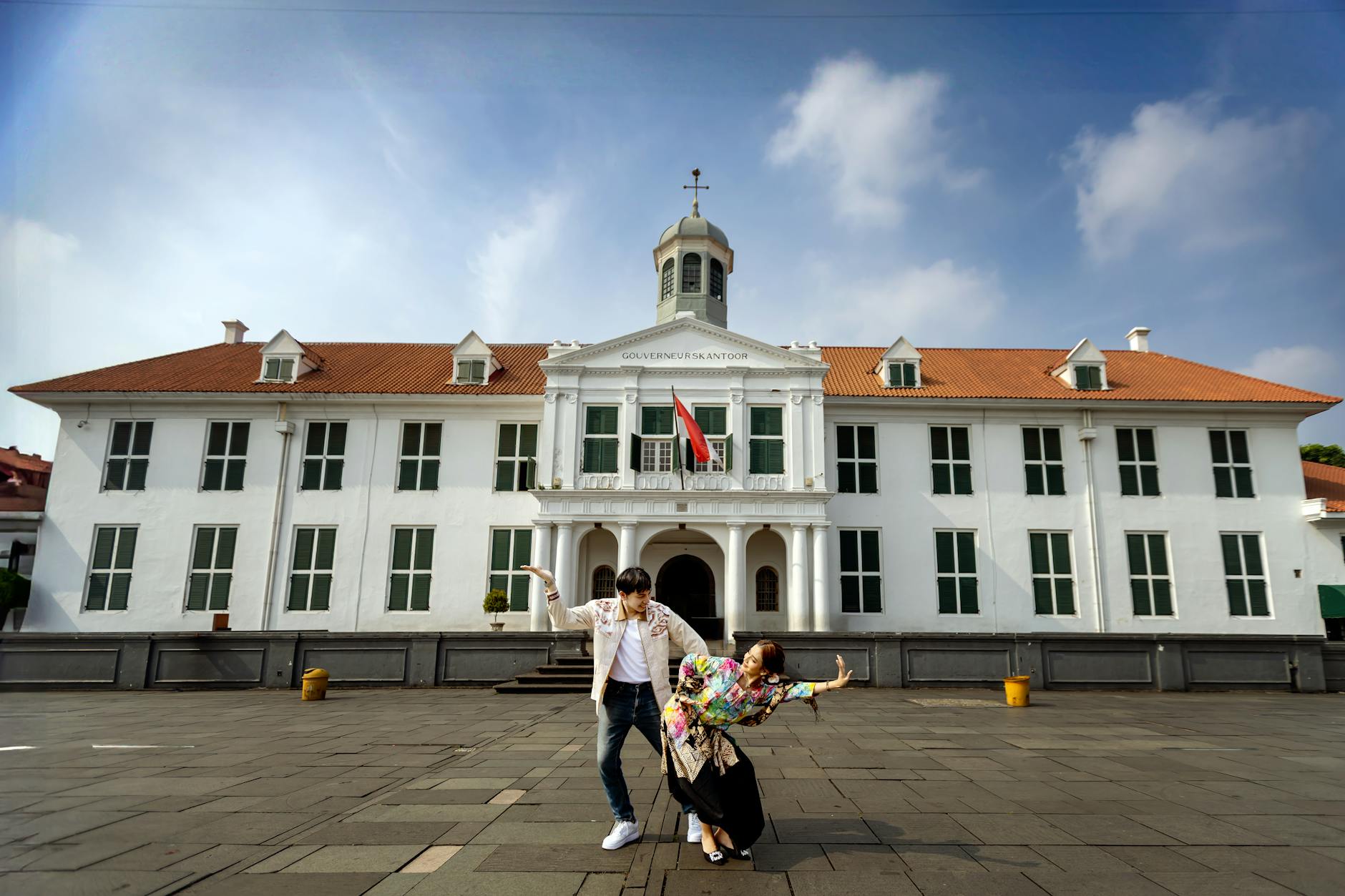
Era 2: Indische Stijl (19th-Early 20th Century)
- Period: Roughly 1808 to 1942
- Characteristics: Tropical-adapted Dutch architecture with deep verandahs, high ceilings, large sash windows, oversized roof overhangs (limasan), garden compounds
- Reason for design changes: Two centuries of failed tropical experiments taught builders to adapt
- Result: More comfortable for tropical climate; recognizable today as “Indo-European” style
- Examples: Most Menteng residences, Istana Negara (presidential palace), Gedung Pancasila, Cathedral, many 19th-century institutional buildings
Tropical Adaptation: Verandahs, Sash Windows, Roof Overhangs
The architectural shift between eras was driven by practical tropical considerations:
- Deep verandahs (3-5 meters) provide shade and outdoor living space
- High ceilings (4-6 meters) allow hot air to rise
- Large sash windows create cross-ventilation
- Large roof overhangs (limasan) prevent rain from reaching walls
- Front and rear verandahs for cross-breeze through houses
- Compound layouts with separated garden, pool, and service areas
- Tropical hardwood (teak, ironwood) for durability against rot and termites
These adaptations are still visible in surviving Indische Stijl buildings — particularly in Menteng’s residential streets.
Kota Tua: The Original Colonial Core
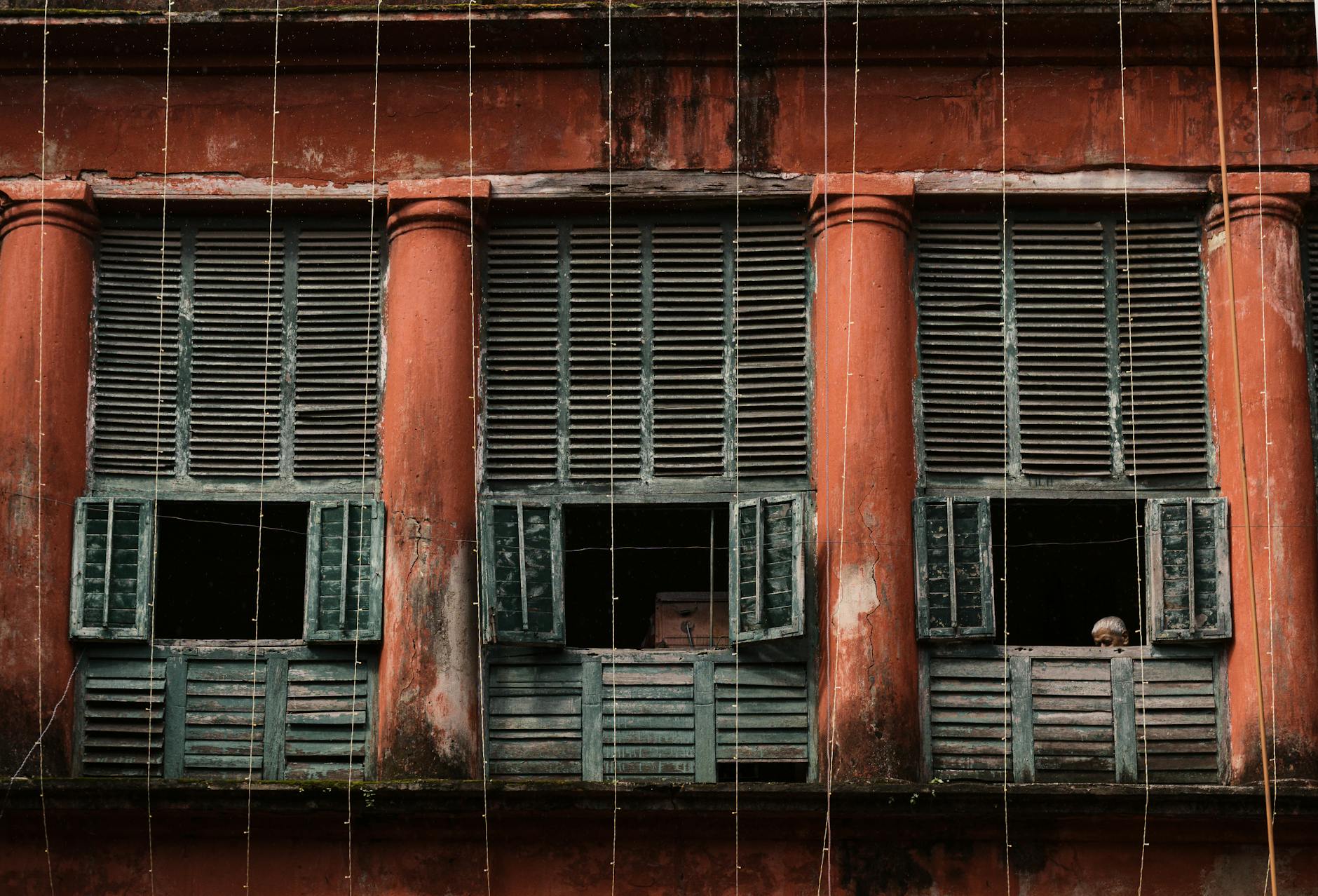
Approximately 1.3 square kilometers of preserved colonial-era Batavia. Walking tour in our Kota Tua walking tour guide. Major architectural buildings:
Stadhuis (Jakarta History Museum)
Built 1707-1712 as Batavia City Hall. The single most important Old Dutch-style building in Indonesia. Symmetrical neoclassical facade, heavy masonry, original 1712 wooden floors. See our Jakarta History Museum guide.
Toko Merah (Red Shop)
Built c. 1730 by Baron van Imhoff (later Governor-General of the Dutch East Indies). One of Jakarta’s oldest surviving buildings. Distinctive red-painted facade. Now houses Toko Merah Café and exhibition space.
Wayang Museum Building
Site of the original 1640 Hollandsche Kerk (Dutch Reformed Church). The current building dates to 1912 Indische Stijl reconstruction. Vaults below still contain Dutch governor tombstones.
Bank Indonesia Museum Building
1828 colonial bank building. Beautiful neoclassical facade, restored interior with original details. Free entry — see our pillar Jakarta museums and cultural sites.
Stadhuis Square / Taman Fatahillah
The original colonial public space. Now pedestrianized. Hosts the major museums and Cafe Batavia.
Cafe Batavia Building
1830s building, restored as restaurant in 1993. Architectural quality intact; two floors of period interior.
Sunda Kelapa and the Old Harbour Warehouses
2 km north of Kota Tua. Still a working harbor — last home of traditional Indonesian wooden ships (pinisi). The warehouses date to the 17th-18th century, used for VOC trade in spices, tea, coffee, sugar. Some preserved as Maritime Museum exhibits; others still in commercial use.
Lapangan Banteng & Gambir: 19th-Century Institutions
The area around Lapangan Banteng (Buffalo Square) and Gambir was Batavia’s 19th-century institutional and ceremonial heart. Key buildings:
Istana Negara (Presidential Palace)
The presidential office. Building dates to 1796; expanded multiple times. Beautiful Indische Stijl design with deep verandahs and tropical adaptation. Not open to public; visible from Lapangan Banteng.
Gedung Pancasila
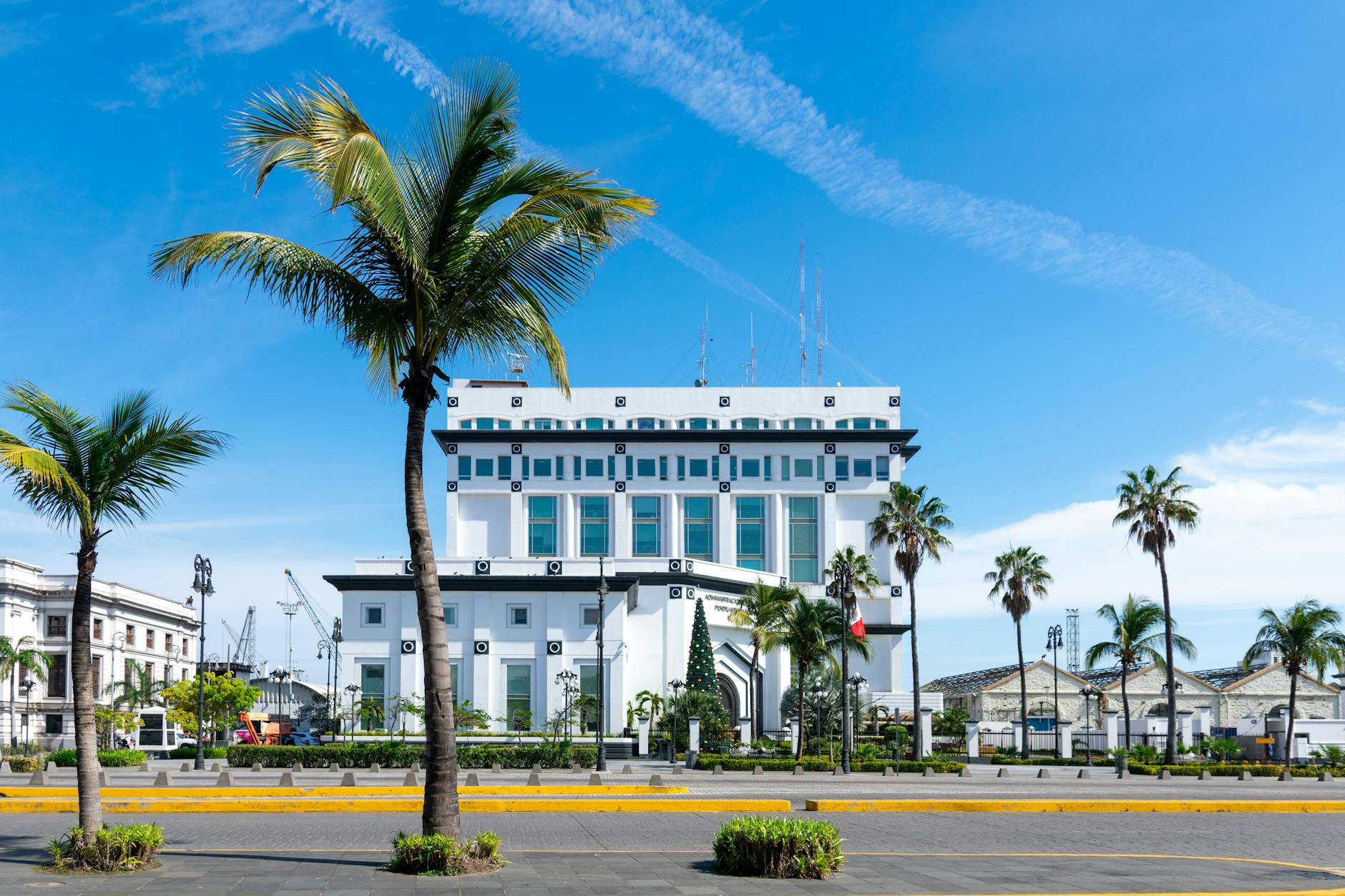
Built 1830 as residence of Dutch Lieutenant-General Hertog Bernhard van Saksen-Weimar. Beautiful Indische Stijl. Site where Sukarno gave the famous “Pancasila Speech” formulating Indonesia’s national philosophy. Now Pancasila Building, occasionally open for visits.
Immanuel Church (Gereja Immanuel)
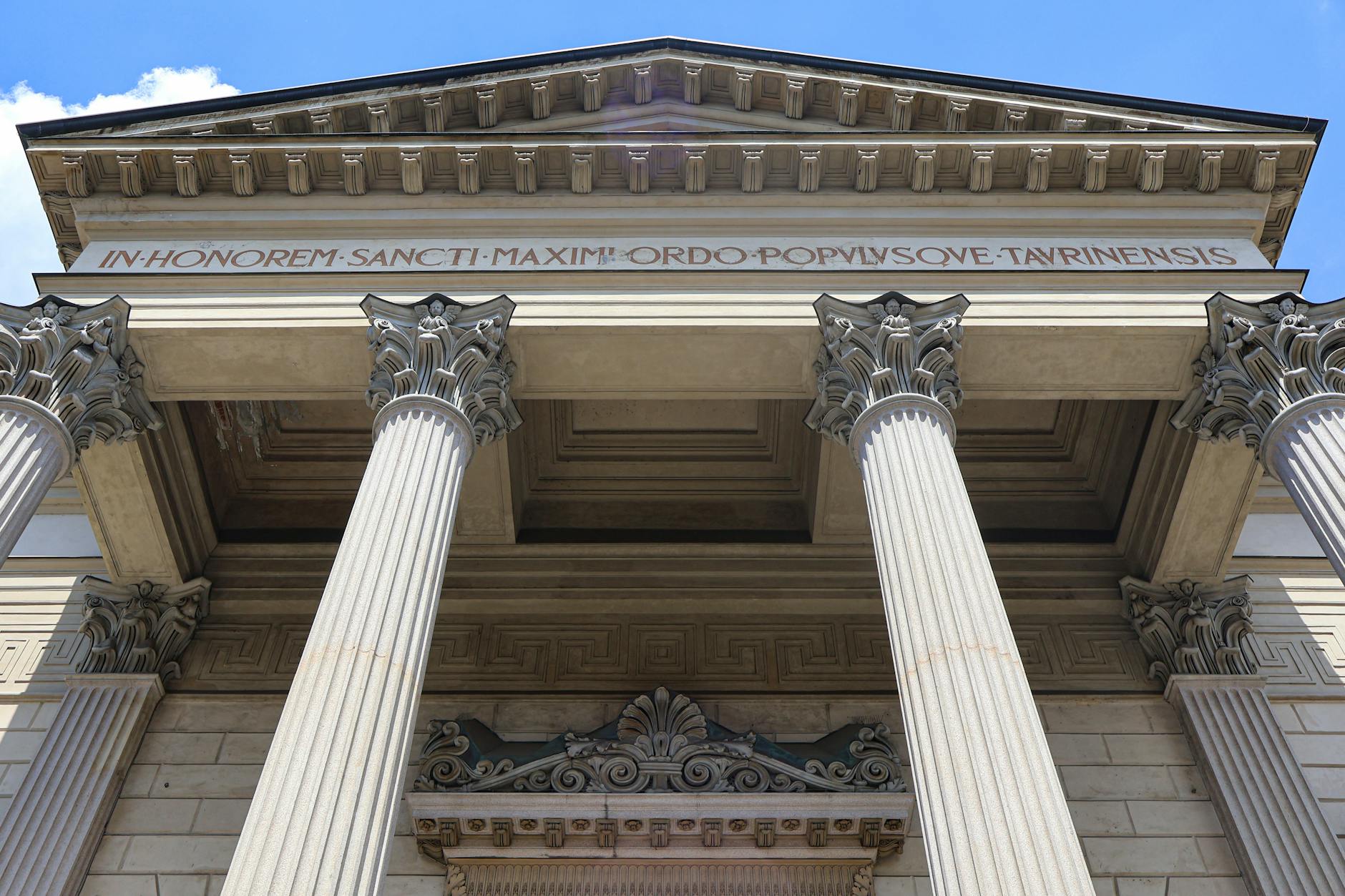
Consecrated 1839. Neoclassical Greek-temple design with grand columns and pediment. Among Jakarta’s most architecturally significant religious buildings.
Gedung Kesenian Jakarta (Jakarta Arts Building)
1821 building, originally a Dutch theater. Restored 1980s. Beautiful neoclassical facade.
Jakarta Cathedral
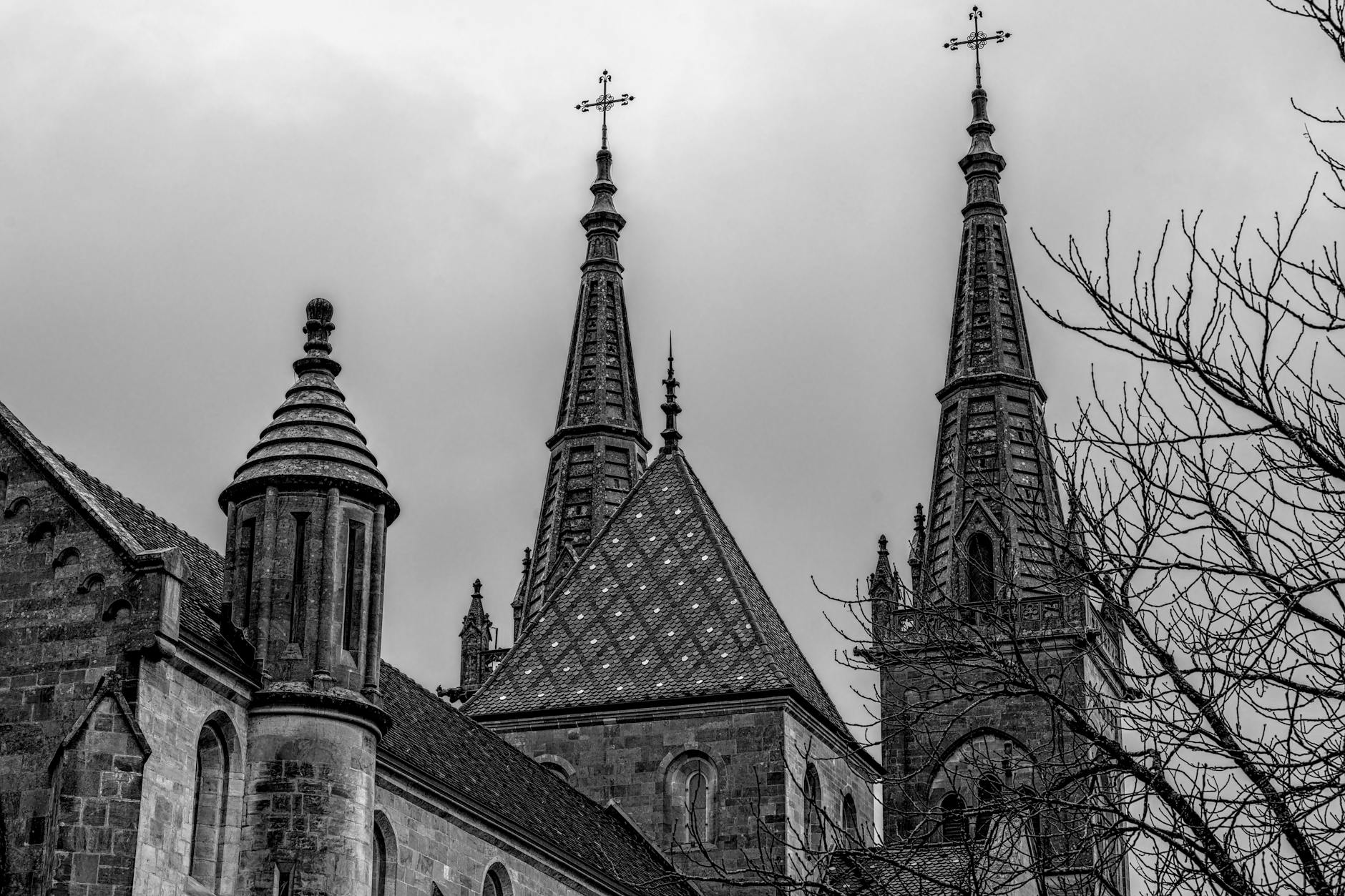
Consecrated 1901. Neo-Gothic Catholic cathedral with twin spires. Beautiful interior. Located across from Istiqlal Mosque, creating a striking visual juxtaposition of religious coexistence.
National Museum Building
Built 1862. Neoclassical heavily-modified structure. Houses Indonesia’s most important museum collections — see our National Museum guide.
Menteng: Indonesia’s First Garden Suburb
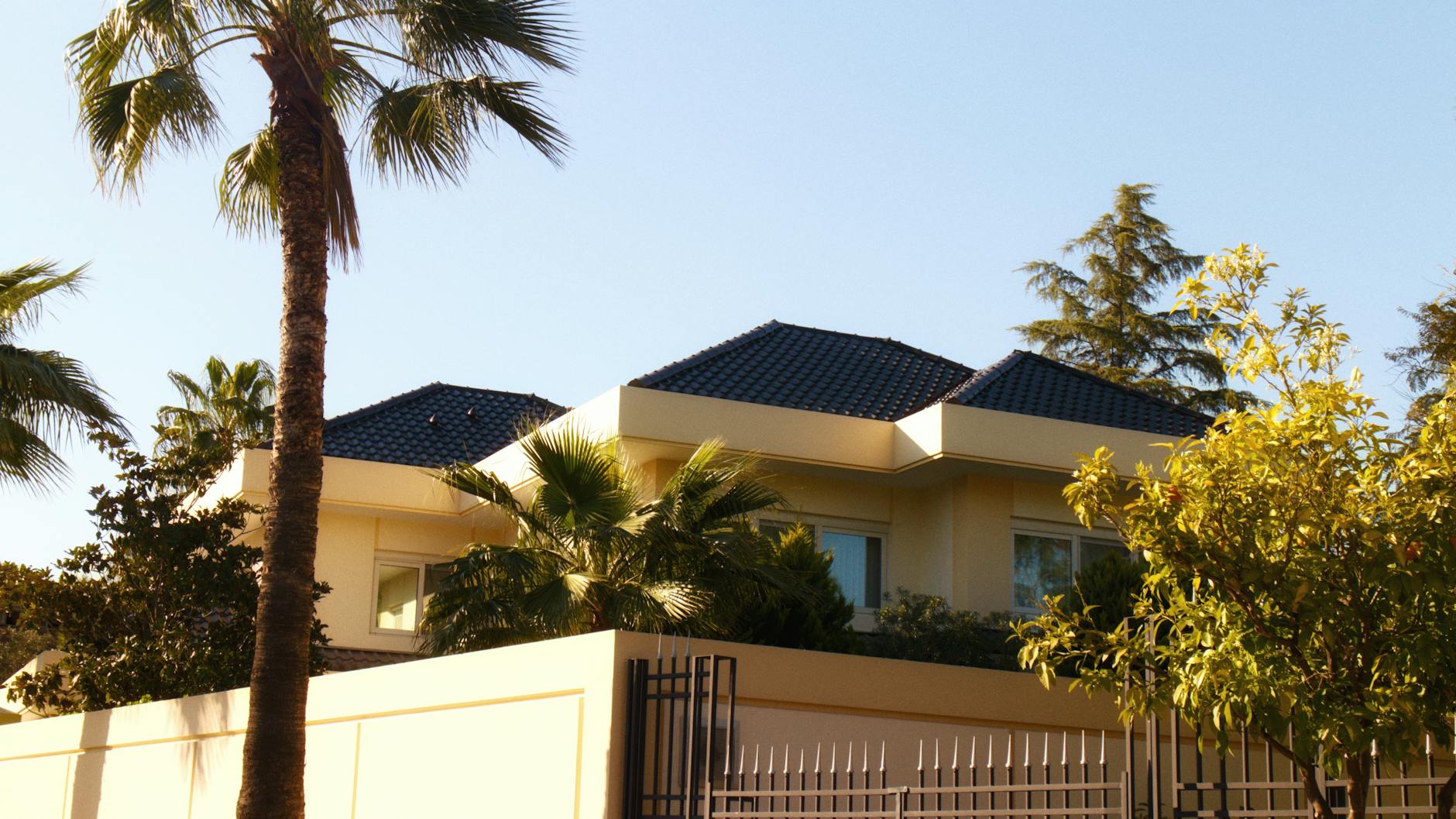
The most architecturally rewarding colonial neighborhood that most tourists never visit. Menteng was designed in the 1910s by Dutch architects P.A.J. Moojen and F.J. Kubatz as Indonesia’s first planned garden suburb. The result:
- Curving streets following landscape contours rather than grid pattern
- Detached villas on garden plots
- Setback design with houses pulled back from streets
- Mature tropical landscaping — banyan trees, frangipanis
- Mixed colonial styles — Indische Stijl, Art Deco, modernist
- Mosques and churches integrated rather than dominant
Many original villas survive, some preserved as private residences, others as government offices, embassies, or restaurants.
The Surviving Indo-European Villas of Menteng & Cikini
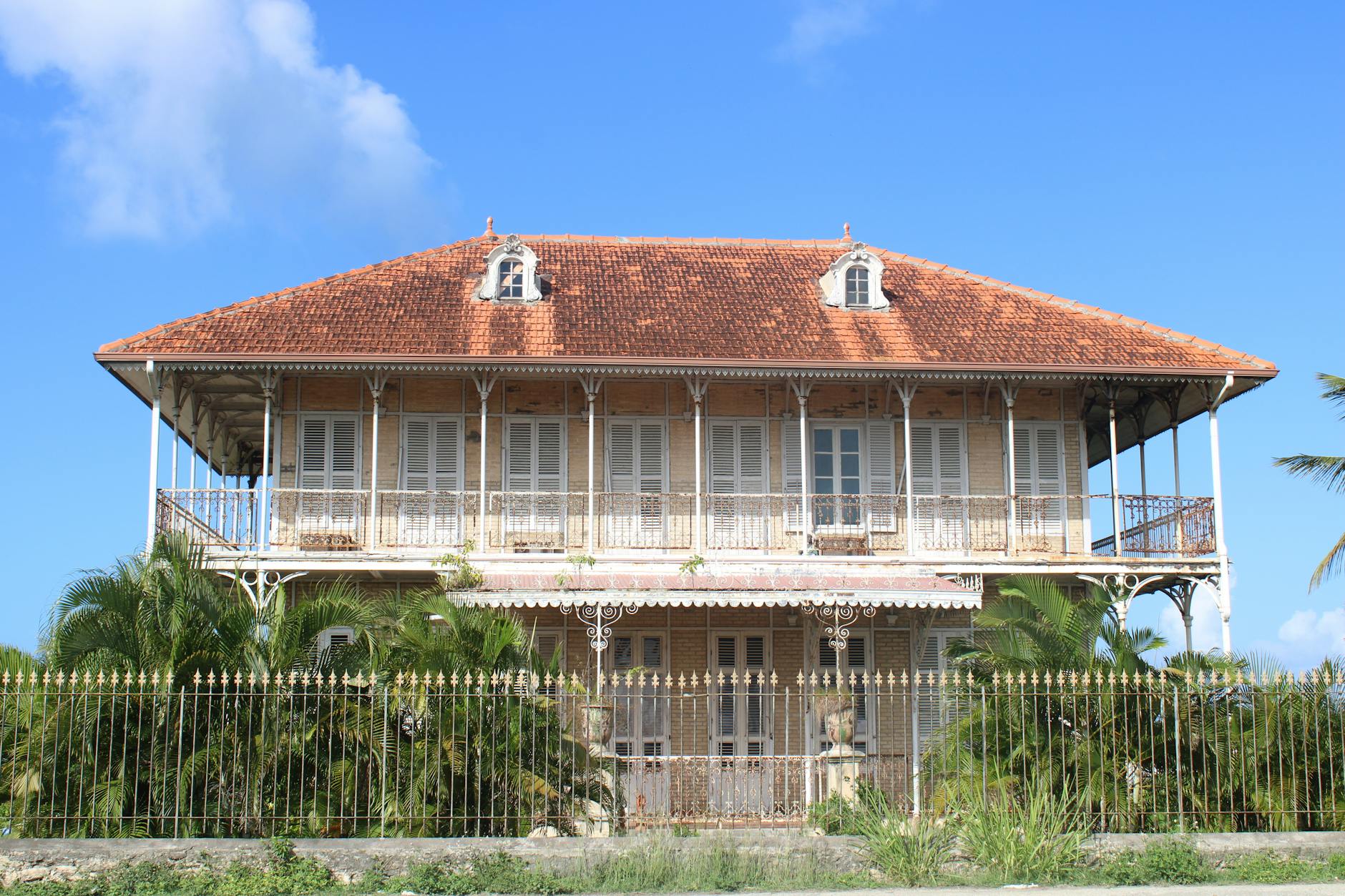
Notable Menteng surviving buildings:
Hotel Aryaduta (Former Hotel des Indes)
Site of the famed 1929 Hotel des Indes, where most prominent Indonesian and Dutch figures stayed. The current Aryaduta building (1970s) is on the original site but is a modern construction.
Various Embassies
Many embassies in Menteng occupy original Indische Stijl villas. Notably the Netherlands embassy, US embassy (partial), and several European countries. From the street you can see beautiful colonial residential architecture.
Hotel Tugu Influence
The Hotel Tugu chain has invested in restoring colonial-era buildings as boutique hotels. Hotel Tugu Malang (Java) and various Bali properties demonstrate adaptive reuse models. Hotel Tugu in Jakarta is rumored for future restoration projects.
Wisma Mempawah
Government residence; classic Indische Stijl example.
Various Cikini Villas
Adjacent to Menteng. Smaller Indische Stijl houses preserved in various states. Some converted to restaurants and cafés.
Lost Batavia: What Was Demolished and Why
Many colonial buildings were lost to demolition between the 1950s and 1990s. Reasons:
- Symbol of oppression — Many Indonesians associated colonial buildings with foreign exploitation; demolition was symbolic
- Land value — Central Jakarta land became extremely valuable; tearing down old buildings for offices and apartments made economic sense
- Maintenance costs — Old buildings expensive to maintain; cheaper to demolish and rebuild
- Inadequate protection — Few formal heritage protections existed until the 1970s
- Urban renewal projects — Suharto-era developments cleared substantial heritage areas
Significant losses include the original Bataviasche Kunstkring (Batavia Art Circle) building, various original VOC warehouses, much of the original Sunda Kelapa neighborhood, and many Menteng-Cikini villas.
Current Indonesian heritage conservation movements work to preserve what remains. Kota Tua designated for heritage protection 1972; Menteng partially protected; Lapangan Banteng buildings individually listed.
Adaptive Reuse Today: Toko Merah, Filosofi Kopi, Tugu Influence
The most encouraging current trend: colonial buildings being adaptively reused as cafés, restaurants, hotels, and museums. Examples:
- Toko Merah Café — Historic building now functioning café and exhibition space
- Cafe Batavia — 1830s building restored as restaurant (1993)
- Filosofi Kopi (Kota Tua) — Colonial building converted to specialty coffee shop
- Various boutique hotels — Hotel Tugu, Alila Solo, others investing in historic restoration
- Historica restaurant — Heritage building dining
- Kedai Seni Djakarte — Colonial building art space and café
- Acaraki Jamu — Modern traditional medicine café in heritage building
These reuses keep heritage buildings economically viable while creating tourist experiences.
A 2-Day Self-Drive/Grab Itinerary Covering All Three Districts
Day 1: Kota Tua + Sunda Kelapa
- 8:30 AM: KRL to Jakarta Kota Station
- 9:00 AM: Walk Kota Tua perimeter (see Kota Tua walking tour)
- 9:30 AM – 11:00 AM: Jakarta History Museum (Fatahillah)
- 11:00 AM – 12:30 PM: Walking circuit covering Toko Merah, Kali Besar, Cafe Batavia
- 12:30 PM – 1:30 PM: Lunch at Cafe Batavia or Historica
- 1:30 PM – 2:30 PM: Bank Indonesia Museum (free)
- 2:30 PM: Grab to Sunda Kelapa (5 min)
- 3:00 PM – 4:30 PM: Sunda Kelapa Harbour, Maritime Museum
- 4:30 PM: Coffee at Filosofi Kopi before return
Day 2: Lapangan Banteng + Menteng
- 9:00 AM: Grab to Lapangan Banteng (Buffalo Square)
- 9:30 AM: Walk perimeter: Istana Negara (external), Gedung Pancasila, Immanuel Church
- 11:00 AM: Walk south to Jakarta Cathedral; admire neo-Gothic; cross to Istiqlal Mosque
- 12:30 PM – 1:30 PM: Lunch in Sabang area
- 1:30 PM: Walk to National Museum (10 min)
- 1:45 PM – 3:30 PM: National Museum visit
- 3:30 PM: Grab to Menteng
- 4:00 PM: Walk Menteng residential streets (Jl. Cilacap, Jl. Cisadane, Jl. Sumenep) — admire Indische Stijl villas from outside
- 5:30 PM: Coffee at one of Menteng’s heritage cafés
Photography Tips for Colonial Architecture
- Early morning (7-9 AM) — Best light, lowest crowds, no harsh shadows
- Late afternoon (4-5 PM) — Golden hour for facades
- Avoid noon — Harsh shadows wash out colonial buildings
- Wide-angle for facades — Most colonial buildings have wide symmetrical facades
- Detail shots — Window details, columns, capitals, roof overhangs
- Permission for embassy/government building photos — Standard restrictions apply
- Menteng street photography — Generally permitted but be respectful of private residences
Conservation Status & How to Support
- Kota Tua Heritage District — Designated 1972, protected under Indonesian law
- UNESCO World Heritage aspirational — Multiple bids submitted for Kota Tua
- Government Heritage Lists — Major Indonesian-designated buildings (Cathedral, Istana Negara, Gedung Pancasila, others)
- Private foundations — Yayasan Tropenmuseum, various Indonesian heritage organizations
- How to support: Visit, take photos respectfully, eat at heritage-building cafés, share authentic Jakarta architecture stories
Further Reading and Walking Tour Operators
- Jakarta Good Guide — Free walking tours of Kota Tua and Menteng
- Walkindies — Themed colonial-era walking tours
- Jakarta Sejarah — Indonesian-language historical walking tours
- Pulse Jakarta — Hospitality-network walking tours
- Academic resources — Wijayakusuma Academy publications on Indonesian colonial architecture
Frequently Asked Questions About Colonial Jakarta Architecture
What is the oldest building in Jakarta?
Toko Merah (c. 1730) is one of Jakarta’s oldest substantial buildings. The Jakarta History Museum building dates to 1707-1712 and is the oldest substantial colonial government building still standing.
What is Indische Stijl architecture?
Indische Stijl (“Indies Style”) is the tropical-adapted Dutch colonial architecture from the 19th-early 20th century. Characteristics: deep verandahs, high ceilings, large sash windows, oversized roof overhangs, garden compounds. Examples: Istana Negara, Menteng villas, Gedung Pancasila.
Where can I see Dutch colonial buildings in Jakarta?
Three main districts: Kota Tua (original 17th-18th century colonial core, including Fatahillah Museum, Toko Merah, Bank Indonesia Museum), Lapangan Banteng/Gambir (19th-century institutional buildings like Cathedral, Gedung Pancasila, Immanuel Church), and Menteng (early 20th-century planned garden suburb with Indische Stijl villas).
Is Menteng worth visiting for colonial architecture?
Yes. Menteng was Indonesia’s first planned garden suburb (1910s, designed by Moojen and Kubatz). Walking through residential streets shows preserved Indische Stijl villas. Most embassies occupy original colonial residences.
Can I do a colonial Jakarta architecture walking tour?
Yes. The Kota Tua walking tour covers the original 17th-18th century buildings. Menteng can be self-guided. Jakarta Good Guide offers free walking tours of both districts. Walkindies and Jakarta Sejarah offer paid themed tours.
Why was so much colonial architecture demolished in Jakarta?
Multiple reasons: symbolic rejection of colonial heritage post-independence (1945+), valuable central Jakarta land driving redevelopment, maintenance costs of old buildings, inadequate heritage protections until 1970s, and Suharto-era urban renewal projects. Heritage conservation movements expanded substantially from 1972.
Is Cafe Batavia an authentic colonial building?
The building dates to the 1830s — genuinely colonial. The restaurant function dates to 1993. Architecturally, the building preserves period features including wooden floors and original window frames.
Can I visit Istana Negara (Presidential Palace)?
Generally no, not open to public. The Indische Stijl exterior is visible from Lapangan Banteng. The building dates to 1796 with significant expansions and serves as the Indonesian presidential office.
Colonial Jakarta architecture is a deep cultural resource for foreign tourists. To plan further, see our pillar Jakarta museums and cultural sites, the Kota Tua walking tour, the Jakarta History Museum, the Wayang Museum, and the National Museum guides.
Once you have the architectural context, the wider story is worth following: our guide to Indonesian heritage sites in Jakarta covers the preservation politics behind these buildings, the Jakarta neighbourhoods guide explains how the colonial street grid still shapes the modern city, and getting around Jakarta plus our Jakarta travel tips will get you between the districts without losing half a day to traffic.
External Resources for Colonial Jakarta Architecture
The Wikipedia entry on Colonial architecture in Jakarta provides comprehensive historical context. The Wikipedia entry on Menteng covers the garden suburb’s planning history. For organized walking tours, Jakarta Good Guide offers free heritage walking tours.
To visit rather than read about these districts, see our Menteng guide for a walking loop through the garden suburb and the Kota Tua neighbourhood guide for the old town beyond Fatahillah Square.