Jakarta loves to celebrate, and once you start tracking its calendar you realize the city is almost never not in the middle of something. Across the year, Indonesia’s capital runs an extraordinary run of festivals and events — centuries-old Betawi traditions and religious observances on one end, world-class jazz, international art fairs, and field-sized electronic music festivals on the other. This is the working calendar I’d hand a friend timing a trip: what the major festivals and events in Jakarta actually are, when they land, and how to plan around them without getting eaten alive by traffic or sold out of tickets.
One framing note before the calendar: timing your visit to an event changes the whole texture of the trip, but it also changes the logistics. Hotels near venues sell out, prices climb, and traffic on event nights is worse than Jakarta’s already-formidable baseline. So decide early whether you’re building the trip around an event or just hoping to catch what’s on, and book accordingly — our guide to where to stay in Jakarta helps you pick a base near the action.
Major Cultural Festivals
Jakarta’s cultural festivals mirror the diversity of Indonesia itself — a nation of more than 17,000 islands, 300-plus ethnic groups, and six officially recognized religions. The capital is the melting pot where all of it converges, which is why these celebrations feel distinctly Jakartan while still honoring the wider Indonesian heritage.
A quick word on dates: many of Jakarta’s cultural and religious festivals follow the lunar or Islamic calendar rather than fixed Gregorian dates, which means Ramadan, Eid, Lunar New Year, and Cap Go Meh shift earlier by roughly ten or eleven days each year. The fixed anchors you can plan around with confidence are the Jakarta Anniversary (June 22), Independence Day (August 17), and the Jakarta Fair’s June–July window; for everything tied to the moon, confirm the exact dates for your travel year before you book flights.
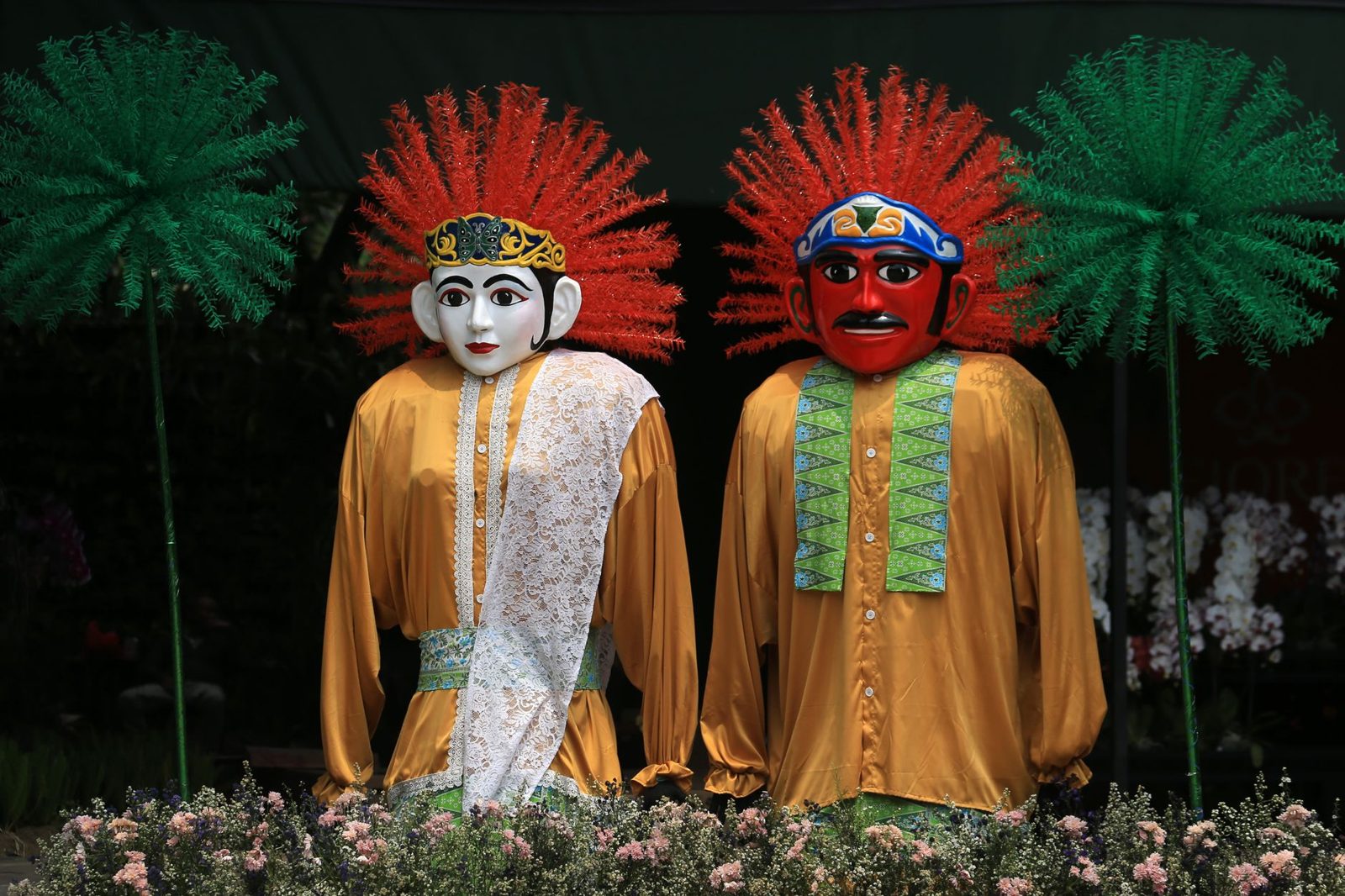
Jakarta Anniversary (Jakarnaval) — June
Every June 22nd, Jakarta marks its founding with Jakarnaval, the city’s biggest street carnival. It usually runs a full week and peaks with a grand parade along Jalan Thamrin and Jalan Sudirman — elaborate floats, dance troupes from every province, marching bands, traditional Betawi performances, contemporary art installations, the lot. Tens of thousands line the streets to watch and join in. The carnival celebrates Jakarta as a cosmopolitan capital while honoring its Betawi roots, and throughout the anniversary week there are free concerts, exhibitions, and cultural events across the city — a genuinely good window for visitors to catch the festive side of Jakarta without paying for a ticket. For more on what’s free year-round, our guide to free things to do in Jakarta is a useful companion.
Betawi Cultural Festival — Various Dates
The Betawi are Jakarta’s indigenous people, and their culture surfaces in festivals throughout the year. The standout is Festival Jalan Jaksa, a proper street festival packed with palang pintu (a traditional welcoming ceremony built around silat martial arts), gambang kromong (the Betawi orchestra), tanjidor (brass band), marawis (Islamic percussion), and the unmistakable ondel-ondel — the giant puppet figures that lurch and dance down the street. You’ll also find demonstrations of traditional crafts, Betawi cooking, and Lenong folk theater. These are the festivals to seek out if you want the original Jakarta that predates the megacity, and they pair naturally with our guide to Betawi cuisine in Jakarta if the food gets you curious.
Lunar New Year and Cap Go Meh — January/February
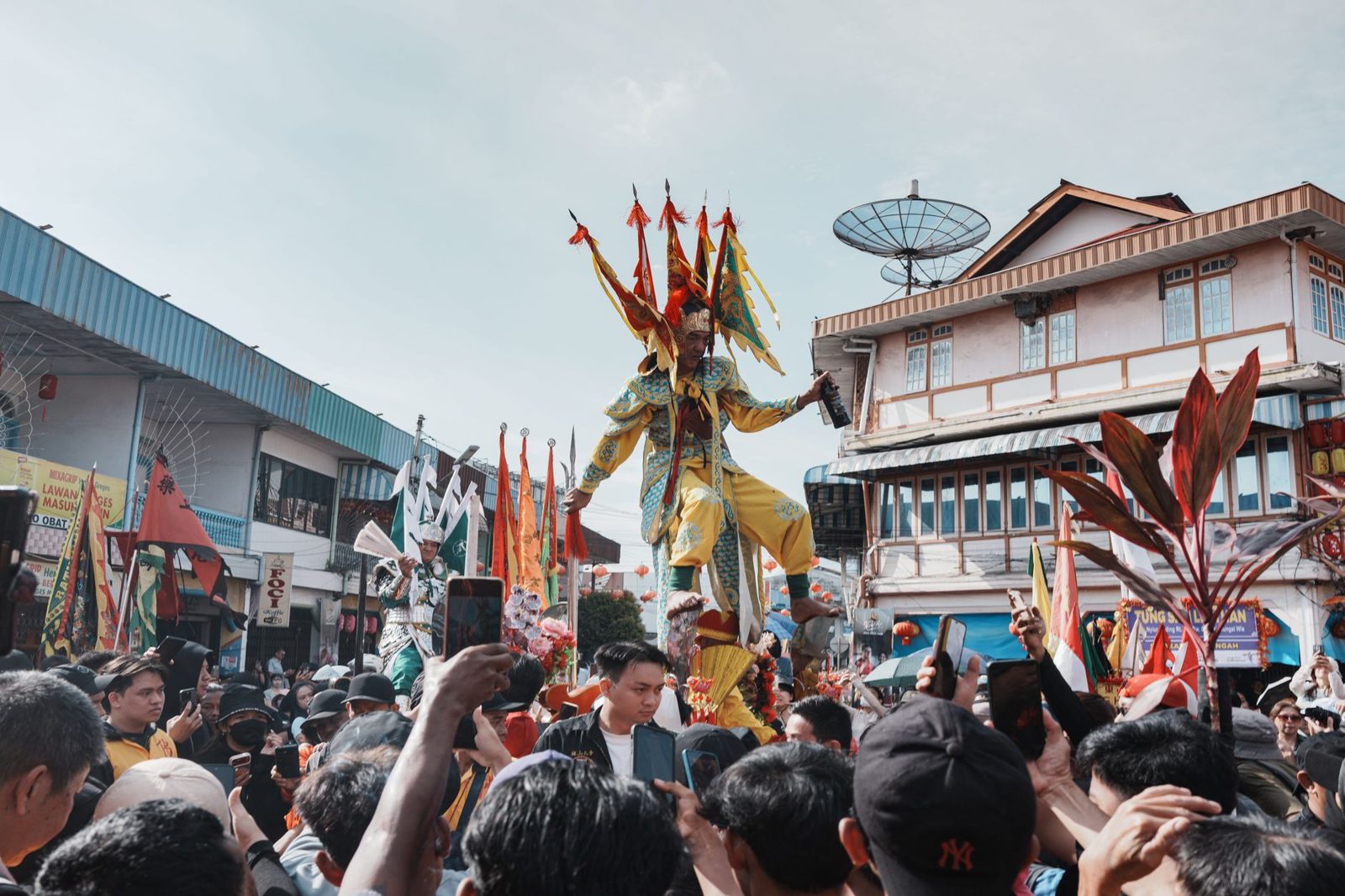
Jakarta’s sizable Chinese-Indonesian community makes Lunar New Year one of the city’s most spectacular celebrations. In the weeks around the new year, shopping centers — especially in West Jakarta — host lion dances (barongsai) with mythical dragons, cultural performances, and festive decorations. Glodok, the historic Chinatown, becomes the epicenter, with temple ceremonies, street performances, and food festivals. The finale comes 15 days later with Cap Go Meh, the Festival of Lanterns — elaborate lantern displays, dragon dances threading narrow streets, firecrackers, traditional music, and some of the best Chinese-Indonesian street food anywhere, with the Vihara Dharma Bhakti temple as a focal point for prayers and activities.
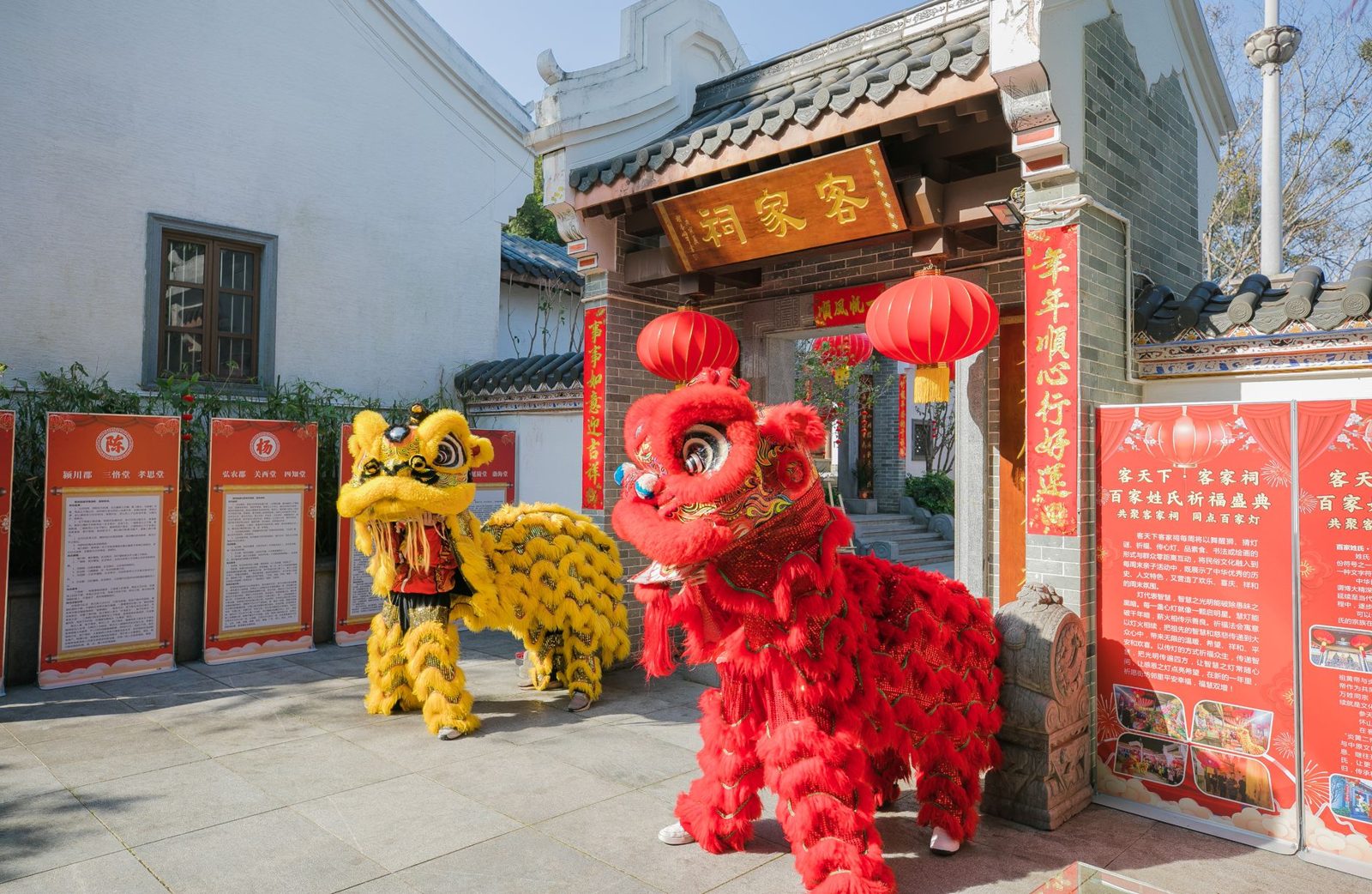
Ramadan and Eid al-Fitr — Dates Vary
As the capital of the world’s largest Muslim-majority nation, Jakarta’s Ramadan is a significant experience for visitors. During the holy month the city changes rhythm — most local restaurants close during daylight (though many international hotels and malls keep serving), and the mood turns more reflective. The magic is at iftar, the breaking of the fast each evening, when the city fills with communal meals, night markets, and real festivity; many mosques, including the magnificent Istiqlal, host open iftar events where visitors of all faiths are welcome. Eid al-Fitr (Lebaran), which ends Ramadan, is Indonesia’s biggest holiday: as most Jakartans head home to family for the mudik exodus, the city itself goes surprisingly quiet and open-roaded. A practical heads-up for travelers — many restaurants and attractions run reduced schedules through Ramadan, so check ahead, and our guide to temples and mosques in Jakarta covers the etiquette for visiting religious sites respectfully.
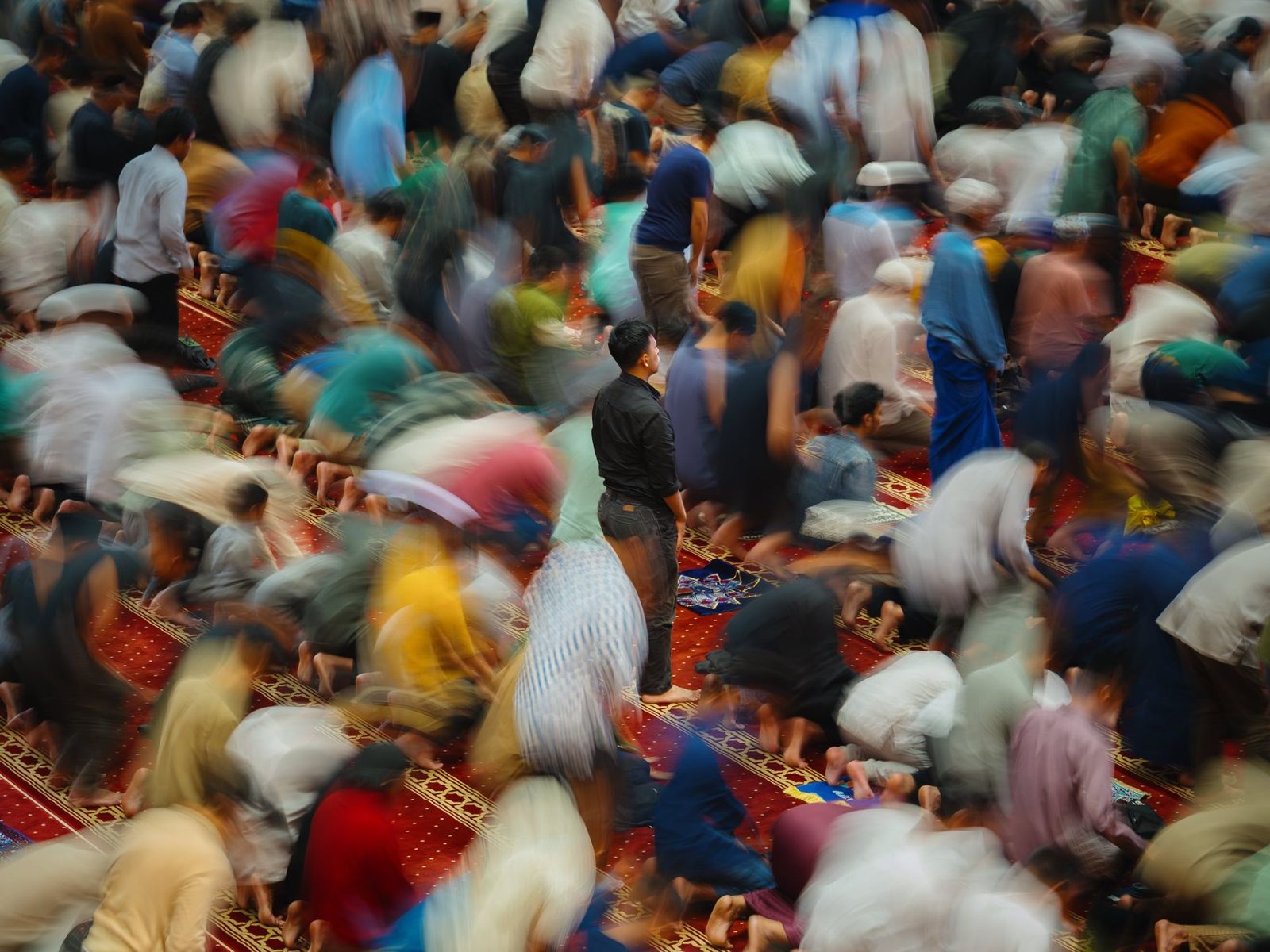
Indonesian Independence Day — August 17
August 17th is Indonesia’s most important national holiday, marking independence from Dutch colonial rule declared in 1945, and in Jakarta the celebrations go especially big. The formal flag-raising ceremony takes place at the Merdeka Palace, attended by the President and broadcast nationally. Across the city, neighborhoods run lomba 17-an — the beloved community competitions: sack races, cracker-eating contests, pole climbing (panjat pinang), tug of war. Red and white flags and bunting drape every street, building, and bridge. For visitors it’s a warm, inclusive window into Indonesian patriotic culture — you’re often waved over to watch or join a neighborhood’s games — and the R-I Fest (Republic of Indonesia Festival) has grown into a major cultural event of parades, traditional performances, and modern entertainment.
If you’re in town on the 17th, the best vantage isn’t the official ceremony — which is ticketed and tightly secured — but the neighborhood games. Wander into almost any kampung or residential street in the morning and you’ll find panjat pinang (a greased pole hung with prizes), kerupuk-eating races, and balloon battles, all run with infectious good humor. The area around the National Monument (Monas) fills with families, food carts, and a celebratory crowd, and it pairs well with a wider walk through the historic core covered in our guide to Jakarta’s landmarks. Bring small change for snacks, wear red and white if you want to blend in, and expect to be welcomed rather than treated as an outsider.
Music Festivals and Concerts
Jakarta has become Southeast Asia’s music festival capital, pulling international headliners and audiences from across the region. The scene is genuinely broad — jazz, EDM, rock, indie, metal, and everything in the seams between — and the big festivals are some of the best reasons to time a trip. When the shows end, our guide to nightlife in Jakarta picks up where the stages leave off.
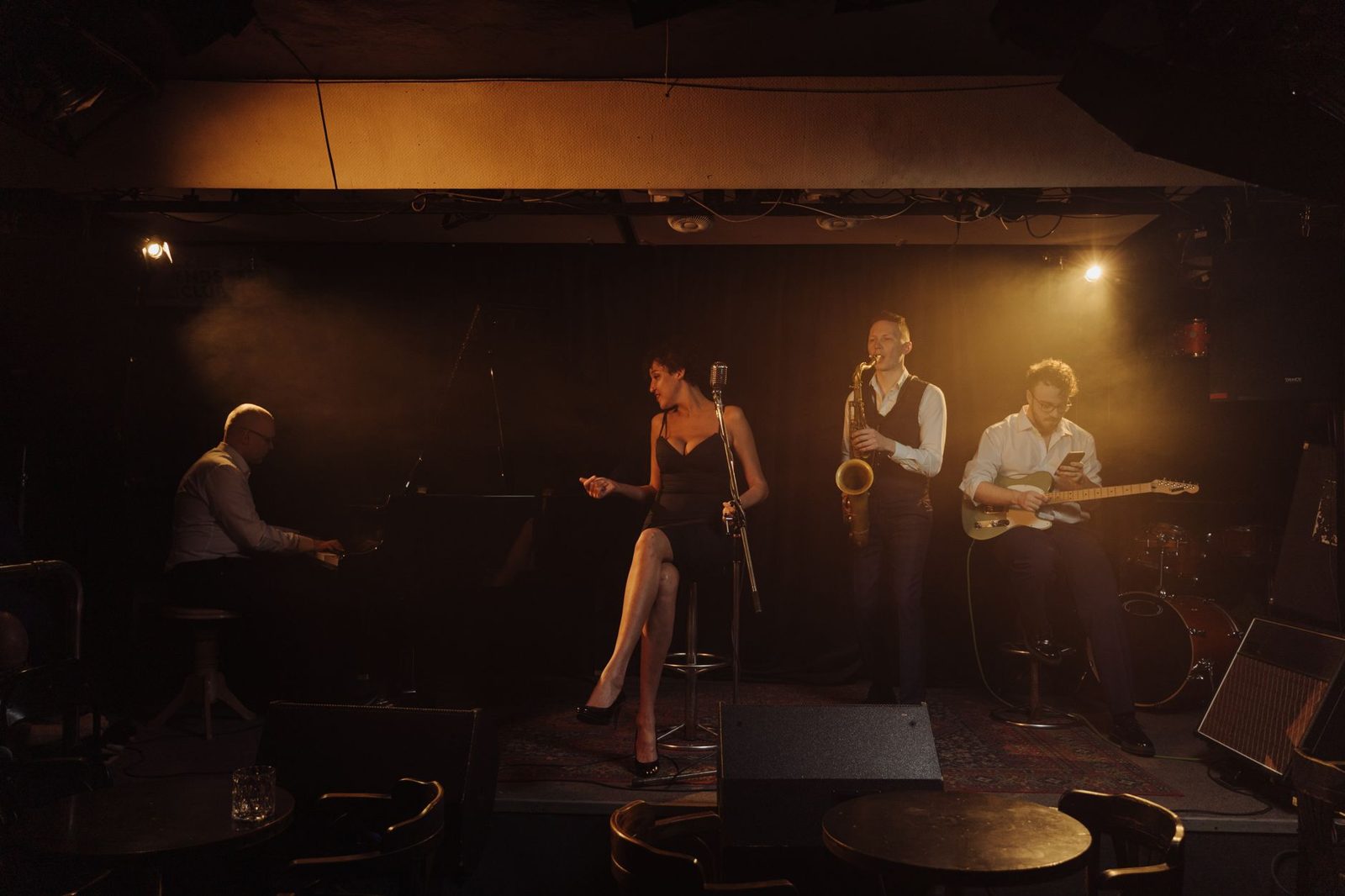
Jakarta International Java Jazz Festival — May
The Java Jazz Festival is Jakarta’s crown-jewel music event and one of the largest jazz festivals in the world. Held annually in May, the three-day festival has historically run at the Jakarta International Expo (JIExpo) with over 100 performances across multiple stages; for 2026 it moves to 29–31 May at the new Nusantara International Convention Exhibition (NICE) in PIK 2, so check the venue when you book. The lineup blends global jazz icons with Indonesian artists and contemporary acts who stretch what “jazz” even means — classic jazz and fusion through soul, R&B, funk, and world music. Past headliners have included Stevie Wonder, Earth Wind & Fire, Jamie Cullum, and Diana Krall. The atmosphere is electric, with food vendors, art installations, and a crowd that spans serious aficionados and casual music lovers. Tickets sell out quickly, so book early — single-day passes offer the best value.
We The Fest — July
We The Fest (WTF) is Jakarta’s premier multi-genre festival, aimed at a younger crowd with a lineup spanning pop, indie, hip-hop, electronic, and alternative. The two-day event usually lands in July and folds music together with art installations, fashion pop-ups, food vendors, and interactive experiences. It’s photogenic and high-energy, with elaborate stages and creative activations throughout the venue, and it has grown from a small local event into one of Southeast Asia’s most anticipated festivals, mixing international headliners with rising Indonesian names.
Djakarta Warehouse Project — December
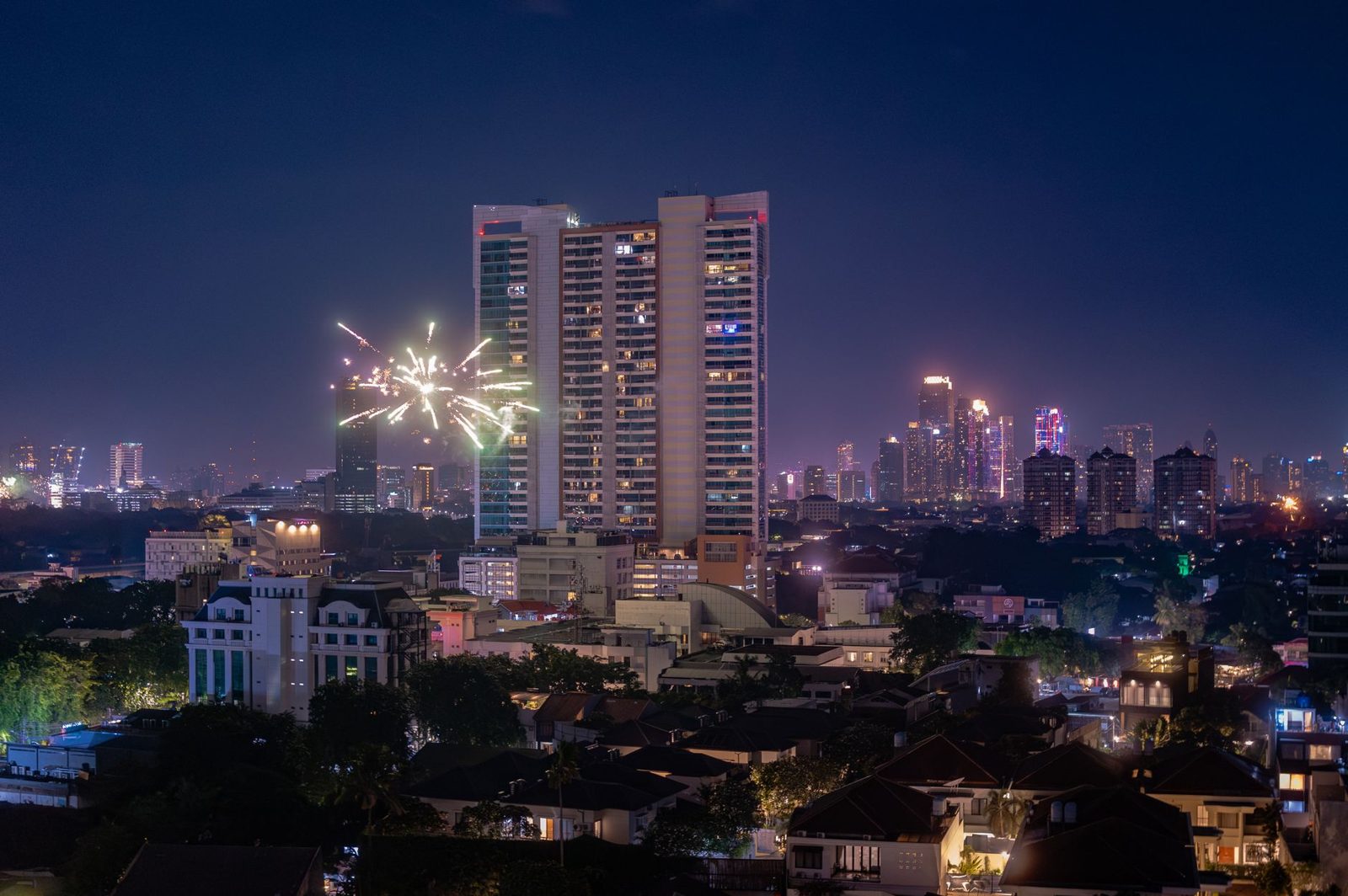
Closing the year, the Djakarta Warehouse Project (DWP) is Indonesia’s — and Southeast Asia’s — biggest electronic dance music festival. The two-day event draws tens of thousands across multiple stages with mind-bending visual production, and it’s earned a reputation as one of Asia’s must-attend EDM events, comparable in scale and ambition to Ultra or Tomorrowland. It typically runs in mid-December, which makes it a solid excuse to visit Jakarta over the holidays.
Hammersonic Festival — May
For rock and metal fans, Hammersonic is Southeast Asia’s biggest heavy metal festival. Marking its 10th anniversary in 2026, it takes place at the NICE arena in PIK 2 and features international and Indonesian metal, rock, and hardcore acts. Indonesia has one of the world’s largest metal communities, and Hammersonic channels all of it into an intense, devoted crowd and a lineup that regularly pulls major international acts alongside the vibrant local scene.
Beyond the big four, Jakarta’s concert calendar has filled out dramatically as international tours add Indonesian dates. The Indonesia Arena at the Gelora Bung Karno complex and the Beach City International Stadium at Ancol now host stadium-scale shows year-round, and pop-up festivals like Joyland (November), which blends music with comedy and film, and Soundrenaline have devoted followings. Tickets for the headline international acts move fast and often sell in tiered presales, so if a specific artist is the reason you’re coming, set an alert for the on-sale date rather than waiting. For everything happening after the encore, the bars and clubs in our nightlife guide keep the night going.
Marquee Festivals at a Glance
| Event | When | Genre / focus | Typical venue |
|---|---|---|---|
| Java Jazz Festival | Late May (29–31 May 2026) | Jazz, soul, world | NICE, PIK 2 |
| Hammersonic | May | Rock & metal | NICE arena, PIK 2 |
| Jakarta Fair (PRJ) | June–July | Trade fair, food, concerts | JIExpo Kemayoran |
| We The Fest | July | Pop, indie, hip-hop, electronic | Varies |
| Art Jakarta | October | Contemporary art fair | Varies |
| Jakarta Fashion Week | Late October | Fashion runways | Pondok Indah Mall 3 (2025) |
| Djakarta Warehouse Project | Mid-December | Electronic dance music | Varies |
Art and Creative Events
Jakarta’s art scene has exploded, and the city now hosts several internationally recognized events that draw collectors, curators, and art lovers from around the world. If the contemporary side hooks you, our guide to Jakarta culture, history, and museums maps the permanent galleries worth pairing with the fairs.
Art Jakarta — October
Art Jakarta is the city’s most prestigious contemporary art fair, gathering galleries from across Asia and beyond to show paintings, sculptures, installations, and new media. It’s grown into one of Southeast Asia’s most important art events, drawing serious collectors and casual enthusiasts alike. Running alongside it, Art Jakarta Garden (April) offers an outdoor sculpture and installation experience at Hutan Kota Plataran, with guided tours through artworks set among tropical trees, while Art Moments Jakarta (August) focuses on Asian collectors and galleries with talks and artist meet-ups in a more intimate setting.
Jakarta Biennale — October
The Jakarta Biennale is one of Asia’s oldest contemporary art biennials, presenting cutting-edge installations and exhibitions across multiple venues throughout the city. Unlike the commercial fairs, the Biennale leans conceptual and socially engaged, frequently transforming unconventional spaces — abandoned buildings, public parks, waterfront areas — into temporary galleries. It pulls international artists and curators and keeps Jakarta in the global contemporary-art conversation.
Jakarta Fashion Week — October
Jakarta Fashion Week (JFW) is Southeast Asia’s largest fashion event, with runway shows, trade exhibitions, and networking that showcase Indonesian and international designers. It’s become an important platform for Indonesian brands blending traditional textiles — batik, ikat, songket, tenun — with contemporary design. The venue has shifted over the years; the 2025 edition ran 27 October–2 November at Pondok Indah Mall 3, drawing fashion professionals, influencers, and enthusiasts from across the region. In May, Indonesia Fashion Week offers another window onto the country’s dynamic fashion scene. If the textiles spark a shopping urge, our guide to shopping in Jakarta points you to where to buy them.
Jakarta Fair (Pekan Raya Jakarta) — June to July
The Jakarta Fair (Pekan Raya Jakarta, or PRJ) is the largest fair of its kind in Indonesia and a beloved annual tradition that pulls millions over its month-long run. Held at JIExpo Kemayoran, it spreads out into a massive exhibition of products from across Indonesia’s provinces, amusement rides, food stalls serving cuisine from every corner of the archipelago, and nightly concerts featuring the country’s biggest pop, dangdut, and rock acts. Each year carries a different theme, and the fair works as both a trade exhibition and a family entertainment destination. For visitors it’s a great way to dip into Indonesian consumer culture, graze regional foods, and catch live entertainment in a carnival atmosphere — evenings are particularly magical, all carnival lights and the hum of thousands of families. To go deeper on the food side, our Jakarta food guide is the natural next read.
Food and Culinary Events
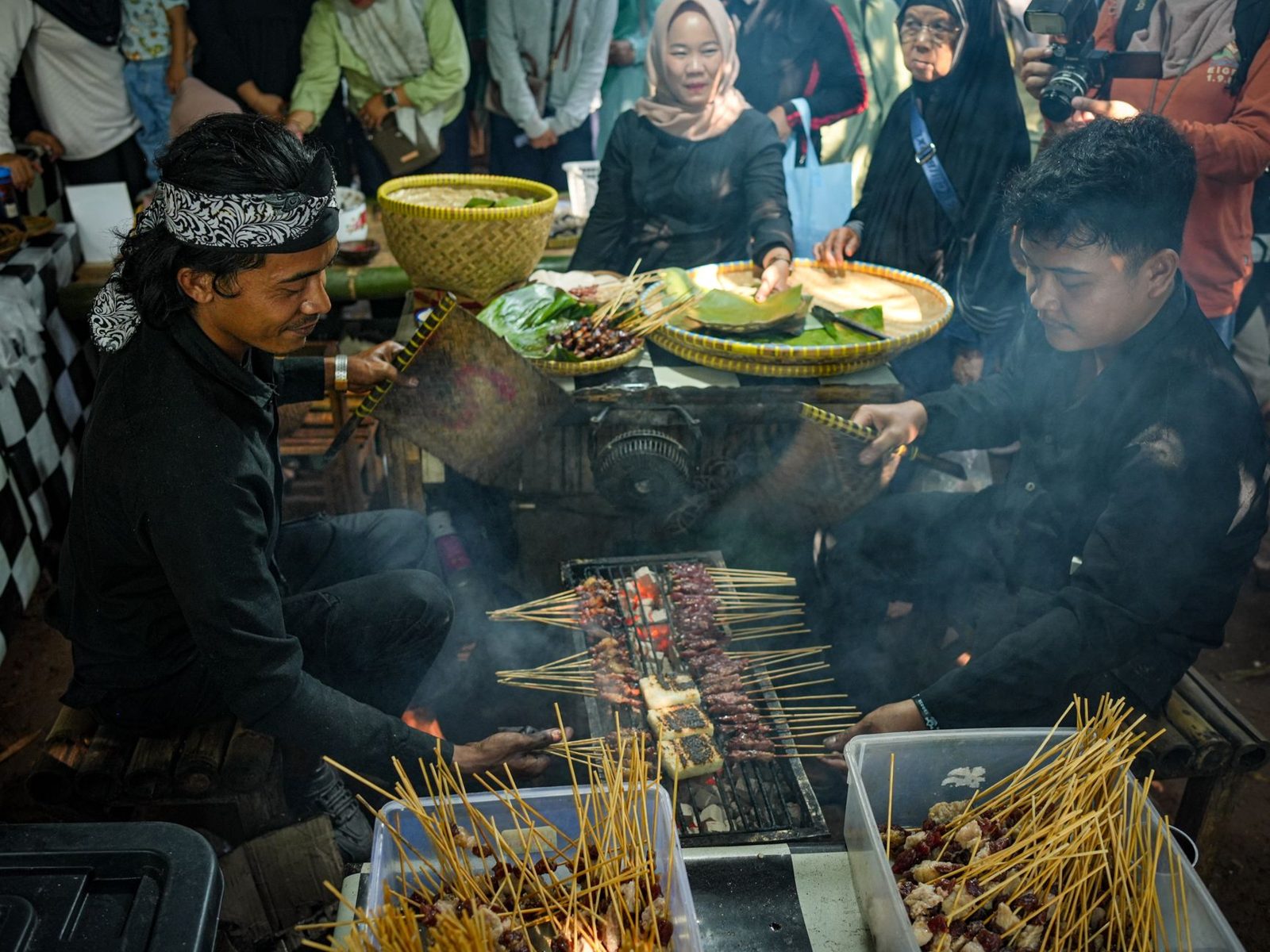
Jakarta’s food scene throws off its own calendar of events. The Jakarta Food & Beverage Expo (May) is the industry’s premier gathering but opens to the public for tastings and demonstrations. World of Coffee Jakarta (May) celebrates the country’s world-class coffee with cupping sessions, latte art competitions, and sustainability talks — a must for coffee people visiting a nation that grows some of the planet’s finest beans. Jakarta Dessert Week (September) takes over the city’s patisseries and cafés with special treats, collaborative menus, and pop-ups, and the Wonderful Indonesia Culinary & Shopping Festival (September) runs food bazaars highlighting regional flavors from across the archipelago. Brightspot Market (May–June) blends food, fashion, and design in a pop-up format that showcases rising local brands. For the everyday version of all this, our guides to the city’s night food markets and broader food markets are where to start.
These culinary events are some of the easiest for a casual visitor to drop into — most are mall-based or held at convention halls, ticketed cheaply or free, and friendly to grazers rather than committed foodies. They’re also a smart shortcut to regional Indonesian food you’d otherwise have to travel for, since the bazaars pull vendors from Padang to Manado to Makassar into one hall. If a food festival isn’t running during your trip, the city’s everyday street-food scene more than fills the gap, and our roundup of the best restaurants in Jakarta covers the sit-down end.
Performing Arts and Film
Jakarta’s performing arts scene spans traditional and contemporary forms. SIPFest (Salihara International Performing Arts Festival) in August brings international theater, dance, and cross-disciplinary work to the Salihara Arts Centre, one of the city’s most respected cultural institutions, with challenging, innovative programming. The Jakarta International Film Festival screens local and international films, shorts, and documentaries — a window into Indonesian cinema, one of Asia’s fastest-growing film industries — and Jakarta Film Week (October) adds more screenings, filmmaker talks, and workshops.
For readers, the Jakarta International Literature Festival (November–December) brings author conversations, workshops, and new releases from Indonesian and international writers, while the Indonesia International Book Fair (September) is a massive event with publishers, author meet-ups, and children’s programs. The World Press Photo Exhibition at Erasmus Huis (November–December) shows award-winning press photography from around the world in an intimate gallery setting.
Sports and Active Events
Jakarta hosts several sporting events that pull in both participants and spectators. The Jakarta E-Prix (June) brings Formula E electric racing to the Ancol International Circuit, pairing motorsport with sustainability activations and entertainment. The Jakarta Marathon routes runners past historical landmarks and modern skyscrapers, and the Jakarta Music Run Festival (April) mixes running with music, the soundtrack shifting style at every distance zone along the Ancol beachfront — a fun alternative for runners who’d rather have entertainment than a stopwatch. The BNI Indonesian Masters (October) golf tournament draws international players to one of Jakarta’s championship courses, and the Indonesia International Motor Show (February) is a 10-day automotive extravaganza at JIExpo Kemayoran with new launches, concerts, and motorsport exhibitions.
A note on the running events for visitors who want to take part rather than spectate: the marathon and fun-run fields open registration months ahead and cap their numbers, so sign up early if you want a bib, and treat the heat with respect — even early-morning starts are humid, and the well-organized events provide ample water and medical support along the route. The motorsport calendar, from the Formula E E-Prix to the motor show, tends to bundle concerts and family activations alongside the racing, so they double as general days out rather than pure spectator sport. None of these require deep planning, but a little lead time on tickets and transport saves a lot of friction on the day.
Month-by-Month Jakarta Events Calendar 2026
Planning your visit around events? Here’s the condensed month-by-month to help you pick the best time based on what’s on.
January–February: Lunar New Year celebrations in Glodok, Cap Go Meh Festival of Lanterns, Indonesia International Motor Show, international concert tours. March–April: Art Jakarta Garden (outdoor art), Jakarta Music Run Festival, pre-Ramadan cultural events. May: Hammersonic Festival (rock/metal), Java Jazz Festival (29–31 May 2026 at NICE, PIK 2), World of Coffee Jakarta, Indonesia Fashion Week, Jakarta Food & Beverage Expo. June: Jakarta Anniversary and Jakarnaval street carnival, Jakarta Fair begins, Jakarta E-Prix, Scent of Indonesia perfume festival. July: Jakarta Fair continues, We The Fest music festival, Jakarta Great Sale (citywide shopping discounts). August: Indonesian Independence Day celebrations, R-I Fest, SIPFest performing arts, Art Moments Jakarta. September: Jakarta Dessert Week, Wonderful Indonesia Culinary & Shopping Festival, Indonesia International Book Fair. October: Art Jakarta, Jakarta Biennale, Jakarta Fashion Week, Indonesia Design Week, Jakarta Film Week, Indonesia Comic Con. November: Joyland Festival (music/comedy/film), Jakarta International Literature Festival begins, World Press Photo Exhibition. December: Djakarta Warehouse Project (EDM), holiday celebrations, year-end festivals and concerts.
Practical Tips for Attending Festivals and Events in Jakarta
To get the most out of Jakarta’s events, a few habits go a long way. Book accommodation early for the big ones — hotels near venues fill fast around Java Jazz, Jakarta Fashion Week, and DWP. Buy tickets in advance through official channels, typically Tiket.com, GoTix, or the event’s own website; many events offer early-bird pricing that can save 30–50% over the door. Plan your transport carefully — venues can sit far from city-center hotels, and traffic during major events is even worse than usual. Lean on the MRT and TransJakarta where you can, and pre-book a ride for the trip home; our guides to getting around Jakarta and the TransJakarta bus network make that part painless.
It also helps to know the venues, because Jakarta’s events cluster at a handful of big sites. JIExpo Kemayoran in the north is the workhorse for the Jakarta Fair and the big motor and trade shows. NICE in PIK 2 (Tangerang side) is the newer convention-and-arena complex now hosting Java Jazz and Hammersonic; it’s a real drive from central and south Jakarta, so factor that in. The malls along the Sudirman-Thamrin spine — Senayan City, Plaza Indonesia, Pondok Indah Mall — host the fashion and design events and the Lunar New Year activations, and these are the easiest to reach by MRT. Glodok and the Old Town in the northwest anchor the cultural and Chinese-Indonesian festivals; if you’re heading there for Cap Go Meh, our guide to eating around Kota Tua makes a good companion for the day. Match your hotel to the cluster you’ll visit most.
Check the weather. Jakarta’s wet season (November–April) means outdoor events can get hit by heavy tropical rain, so carry a rain jacket or compact umbrella. Stay hydrated — the heat and humidity are no joke at outdoor festivals; most have water stations, but bring a bottle anyway. Respect cultural sensitivities at religious festivals — dress modestly at mosques during Ramadan or temples during Lunar New Year, and always ask before photographing a ceremony. And follow the official social accounts of events you care about, since dates and venues do change — NOW Jakarta, What’s New Indonesia, and Jakarta Good Guide are reliable for up-to-date information. For the broader practicalities of a first visit, our Jakarta travel tips cover money, SIMs, and safety.
When to Visit for the Best Events
If you have flexibility, a few windows stand out. May is arguably the richest single month — Java Jazz, Hammersonic, World of Coffee, and a fashion week all cluster here, and it falls right at the start of the drier season. June into July hands you the Jakarta Anniversary carnival and the month-long Jakarta Fair, which together give a first-time visitor a huge amount of free, festive street life. October is the art-and-design peak, stacking Art Jakarta, the Biennale, and Jakarta Fashion Week, so it’s the month for the creative crowd. And December closes the year with DWP and a wave of holiday concerts. The one stretch to approach with eyes open is Ramadan and the days around Eid — a fascinating cultural experience, but with reduced restaurant hours and a city that empties out for the mudik, it suits a certain kind of trip more than a packed sightseeing itinerary. To fill the gaps between events, our guide to Jakarta’s hidden gems is full of low-key ideas.
Frequently Asked Questions
What is the biggest festival in Jakarta? By sheer footfall, the Jakarta Fair (Pekan Raya Jakarta) is the giant — a month-long, millions-strong fair of products, food, rides, and nightly concerts each June–July. For music specifically, Java Jazz in May is the marquee international event, and DWP in December is the biggest electronic festival.
When is the best time to visit Jakarta for festivals? May, June–July, October, and December are the densest event months. May and June also sit at the start of the dry season, which makes them the most comfortable for outdoor events; October is the art-and-fashion peak.
Where do I buy tickets for Jakarta events? Official channels are safest — Tiket.com, GoTix, Loket, or the event’s own website. Buy early for both price (early-bird tiers can save 30–50%) and certainty, since the big festivals sell out. Be wary of unofficial resellers.
Can tourists attend religious festivals like Cap Go Meh or Ramadan iftar? Yes, and they’re among the most rewarding experiences on the calendar. Glodok’s Lunar New Year and Cap Go Meh celebrations are public and welcoming, and many mosques host open iftar events during Ramadan where visitors of all faiths are welcome — just dress modestly and ask before photographing ceremonies.
How early should I book a hotel around a major event? For Java Jazz, DWP, or Jakarta Fashion Week, aim for at least a couple of months out if you want to stay near the venue; rooms near the convention centers go first and prices rise as the date approaches.
Jakarta’s events calendar is the clearest read on the city’s cultural depth and creative energy. Ancient religious traditions and cutting-edge contemporary art; world-class jazz and field-sized EDM; Betawi street performances and international fashion runways — there’s something here for every interest and every season. Time a visit to one of these and you don’t just see Jakarta, you get a window into the cultural life of one of Asia’s most dynamic capitals. When you’ve picked your festival, our pillar on things to do in Jakarta helps you build the rest of the trip around it.