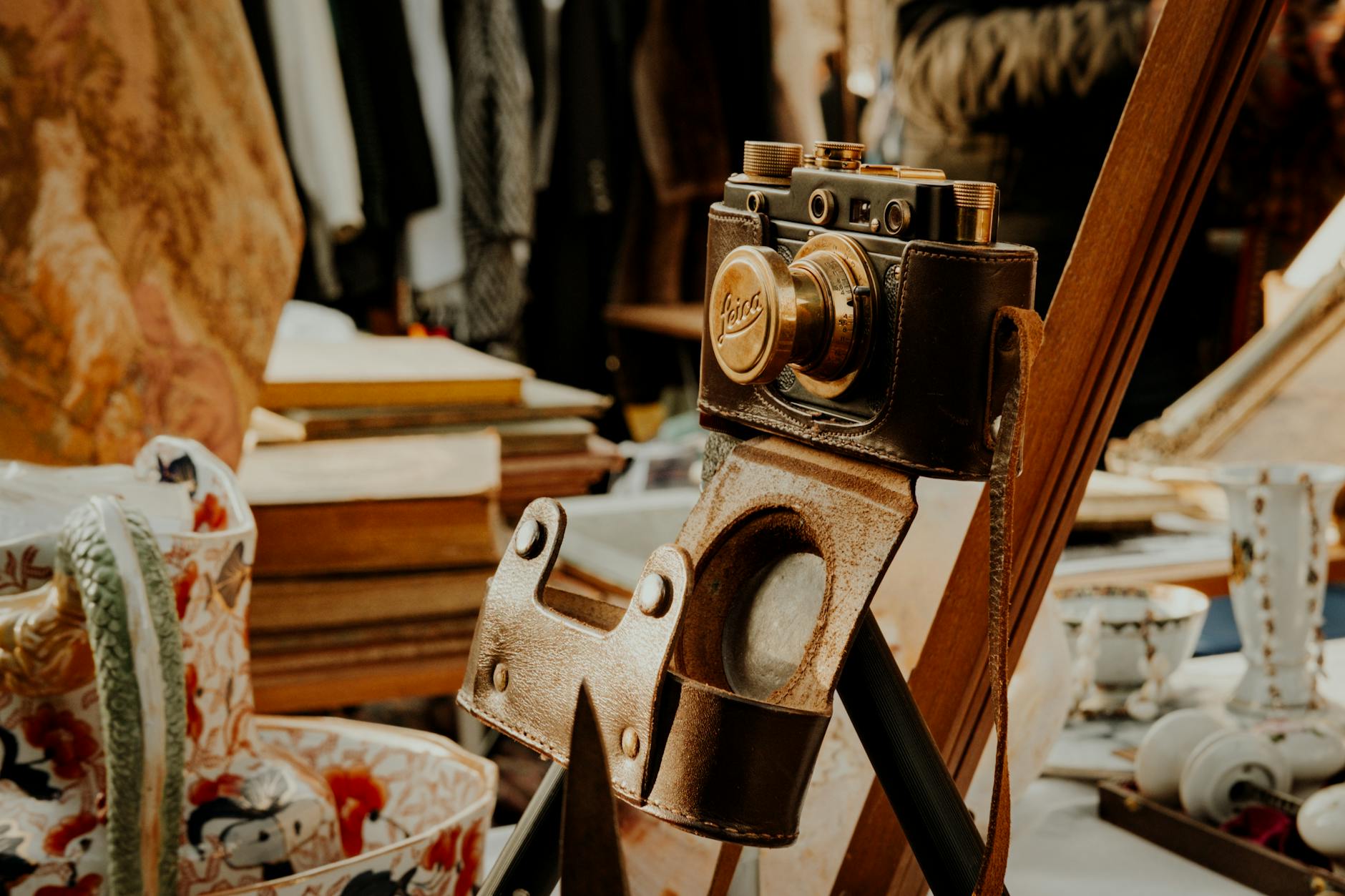
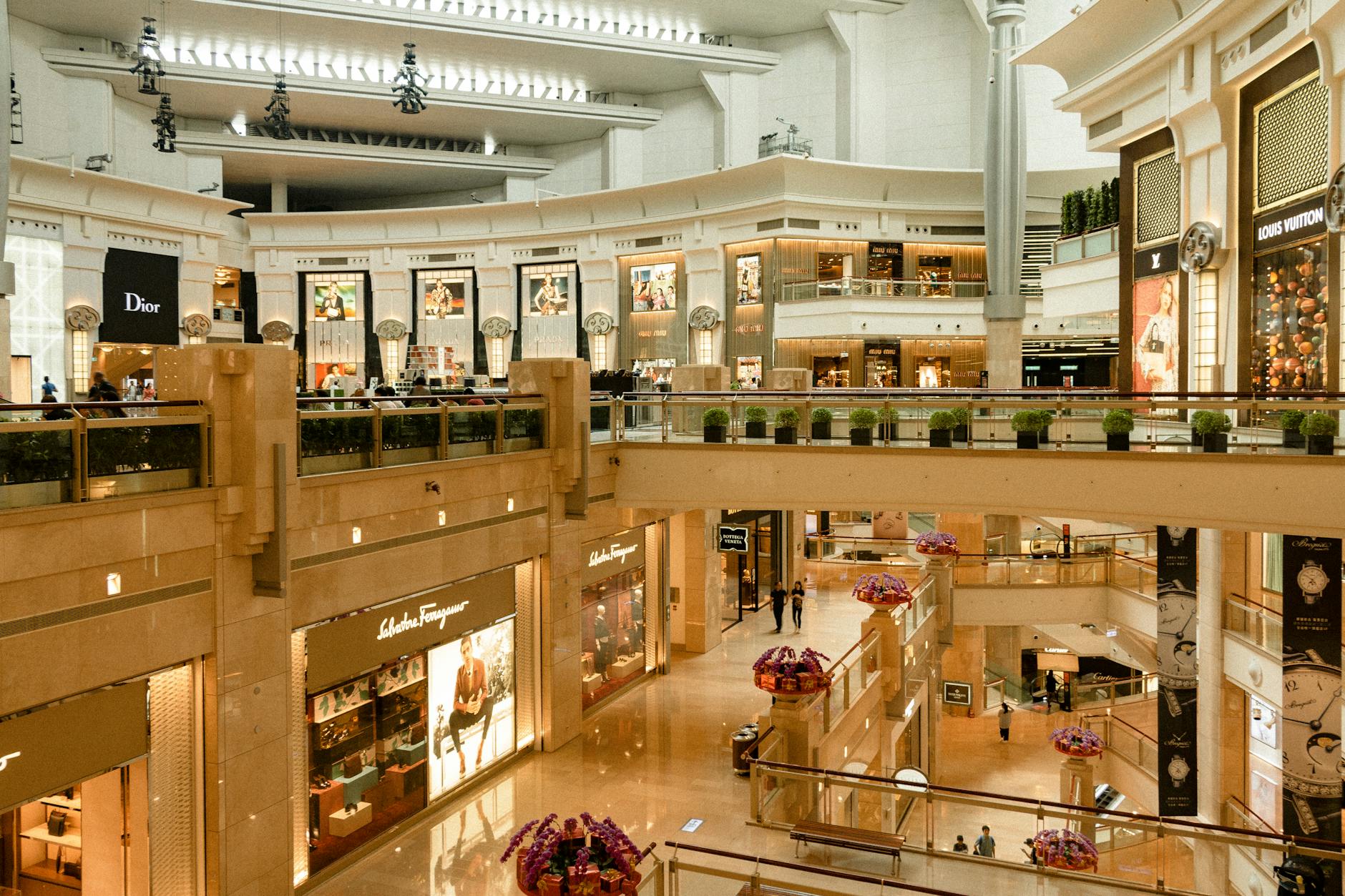
Most guides to the traditional markets in Jakarta recycle the same handful of names — Tanah Abang, Pasar Baru, Glodok — and stop there, skipping the niche markets locals actually love. This one takes a different route: a time-of-day market crawl that runs from a 3:00 AM cake wholesale market through a dawn wet market to a mid-morning textile hall and a midnight street-food market, plus the specialist corners nobody else writes up — the flower market that supplies the city’s weddings and funerals, the gold market out in Jatinegara, and the millennial vinyl-and-coffee reinvention of Pasar Santa. If you want the markets the way Jakartans use them, this is the map.
These markets are the beating, slightly chaotic heart of the city’s retail, and they sit at the opposite end of the spectrum from the air-conditioned malls covered in our shopping in Jakarta pillar. Come for the atmosphere as much as the goods.

The Time-of-Day Market Crawl
Jakarta’s markets each have their hour, and chaining them by the clock is the most rewarding way to see them. Here’s the full day, dawn to midnight.
| Time | Market | Specialty |
|---|---|---|
| 3:00–6:00 AM | Pasar Kue Subuh Senen | Cake wholesale |
| 6:00–9:00 AM | Pasar Petak Sembilan (Glodok) | Chinese wet market |
| 9:00–10:00 AM | Pasar Kembang Rawa Belong | Flowers + wreaths |
| 10:00 AM–1:00 PM | Tanah Abang Blok A | Textiles + Muslim fashion |
| 1:00–3:00 PM | Pasar Mayestik | Fabric + food |
| 2:00–4:00 PM | Jalan Surabaya | Vintage + antiques |
| 4:00–6:00 PM | Pasar Santa | Hipster food court + vinyl |
| 6:00 PM–midnight | Pecenongan | Night food market |
A serious market enthusiast could string all eight together in a single, very long day. Most visitors pick three or four to match their interests — the table near the end of this guide sorts them by traveller type if you want a shortcut.
1. Pasar Kue Subuh Senen — The 3:00 AM Cake Wholesale Market
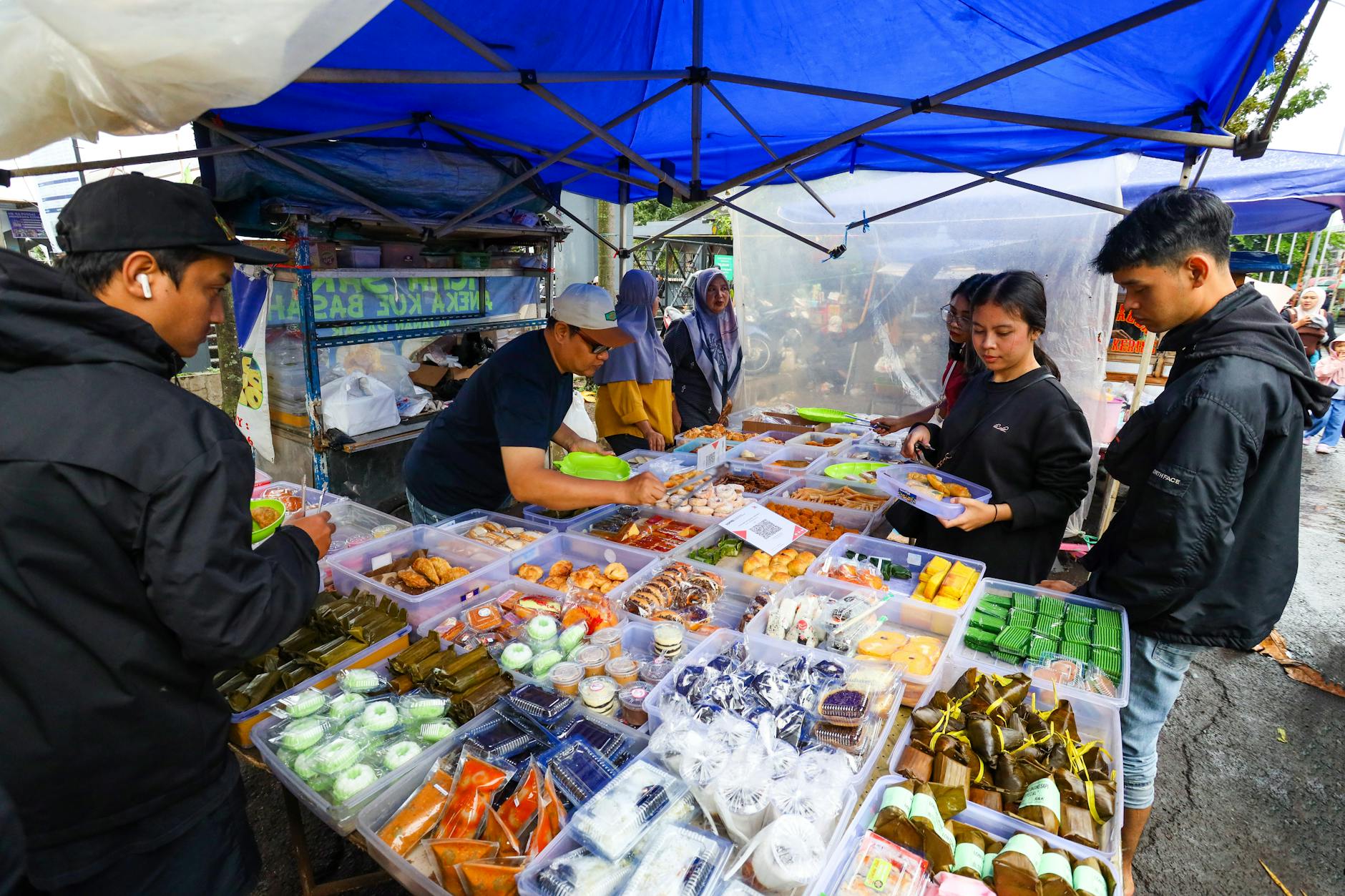
One of Jakarta’s strangest and least touristed markets. Pasar Kue Subuh — literally the “Dawn Cake Market” — in Senen runs from 3:00 AM to 6:00 AM, when wholesalers buy traditional Indonesian kue in bulk to stock the retail cake shops across the city. For a visitor, it’s a rare window into how Jakarta’s food economy actually works before the sun is up.
What to Expect
- Dozens of wholesale stalls selling traditional Indonesian kue (kue lapis, klepon, onde-onde, dadar gulung, kue cucur)
- Bulk pricing — IDR 5,000–15,000 per kue retail, IDR 2,000–8,000 wholesale
- Frantic atmosphere as wholesalers race to fill orders before dawn
- Photo-worthy for serious food photography enthusiasts
- Best visited: Tuesday–Thursday (more vendors, less chaotic than weekends)
If those traditional cakes are what draw you, our guides to Jakarta’s night food markets and the wider food markets go deeper on the kue and the late-night eating scene.
2. Pasar Petak Sembilan (Glodok) — Chinatown Wet Market
Jakarta’s most atmospheric Chinese-Indonesian wet market, and the one photographers rave about. Petak Sembilan — “Block Nine” — in Glodok serves the Chinese-Indonesian community with traditional cooking ingredients, herbs, dried seafood and ceremonial goods.
What to Expect
- Live seafood, frogs, eels for traditional Chinese-Indonesian cuisine
- Dried fish, mushrooms, sea cucumbers imported from across Asia
- Chinese herbal medicine (jamu Cina)
- Ceremonial items for Lunar New Year, Cap Go Meh, weddings, funerals
- Walking distance to Kopi Es Tak Kie (a 1927 coffee shop), the Pantjoran Tea House and the Glodok temples
It’s best paired with a Glodok food walk — the old town’s eating scene is its own reward, and our guide to eating around Kota Tua maps it out.
3. Pasar Kembang Rawa Belong — Flower Market
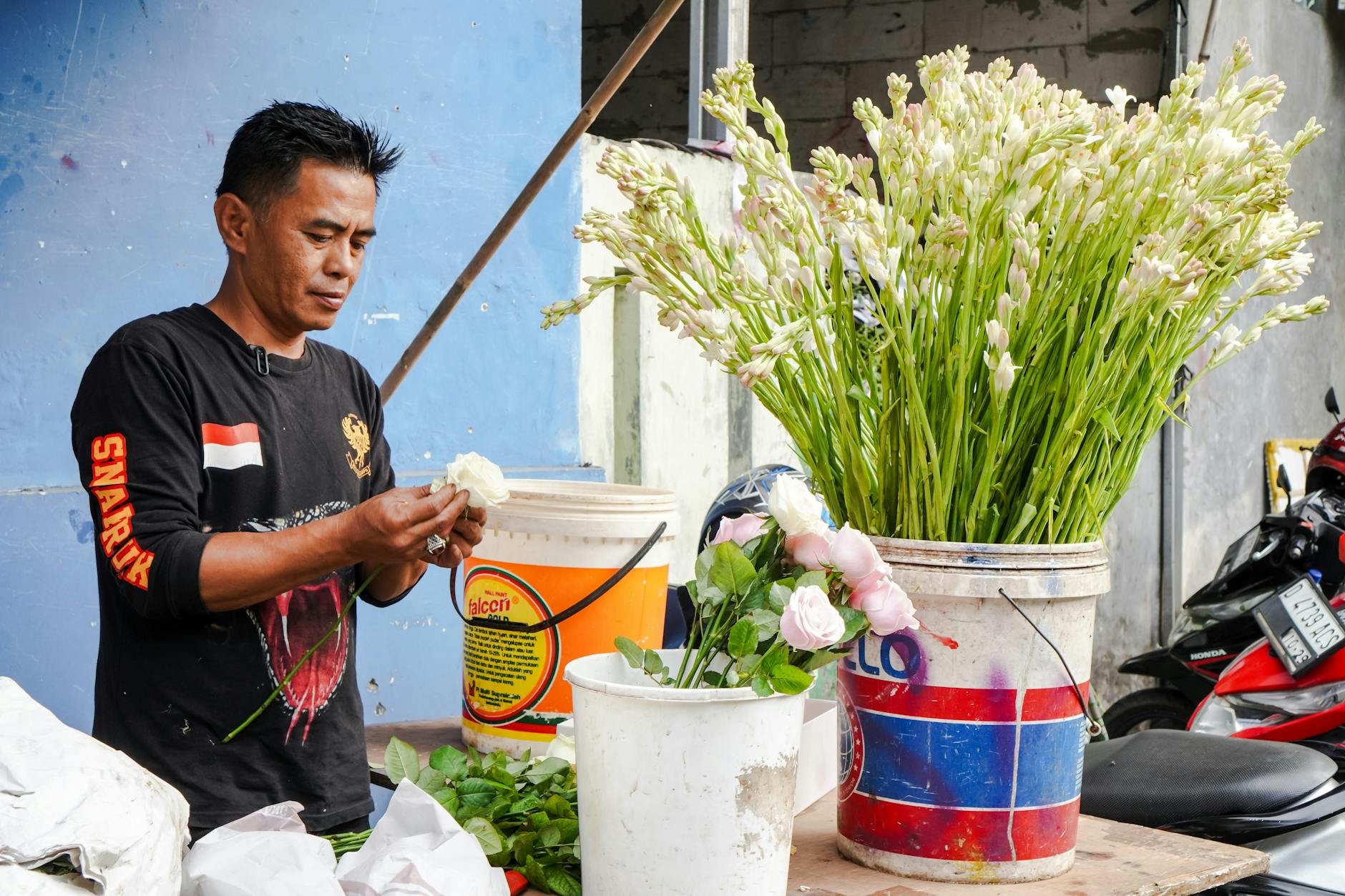
Tourists rarely make it here, but Pasar Kembang Rawa Belong in West Jakarta is one of Indonesia’s largest flower markets — the source for the city’s wedding, funeral, restaurant and home-decoration trades. It runs 24 hours, with the vendors busiest between 6:00 and 10:00 AM.
What to Expect
- Fresh flowers sold by stem, bundle, or wholesale crate
- Wedding flower arrangements for traditional Indonesian ceremonies
- Funeral wreaths — the dominant product, often elaborate
- Imported flowers from the Netherlands, China and Thailand
- Indonesian flowers including melati (jasmine), mawar (roses), anggrek (orchids)
Photographers should aim for early morning, between 6:00 and 9:00 AM, for the best light and the most activity.
4. Pasar Mayestik — Fabric + Food Hybrid

South Jakarta’s best-loved neighbourhood market. Pasar Mayestik puts fabric vendors and food stalls under one roof, and it’s far gentler than Tanah Abang — a much more comfortable place for a first-time foreign shopper to find their feet.
What to Expect
- Indonesian fabric retail — batik, cotton, silk, songket by the meter
- Food stalls serving Indonesian classics (gado-gado, nasi goreng, soto)
- Tailoring shops for custom Indonesian clothing
- Casual shopping atmosphere compared to Tanah Abang’s chaos
- Best for: fabric-buying tourists who want less overwhelm
It’s the gentle counterpoint to the wholesale giant; if you do want to brave the big one, our Tanah Abang market guide is your survival manual, and the batik specifics are in where to buy batik in Jakarta.
5. Jalan Surabaya — Vintage and Antiques
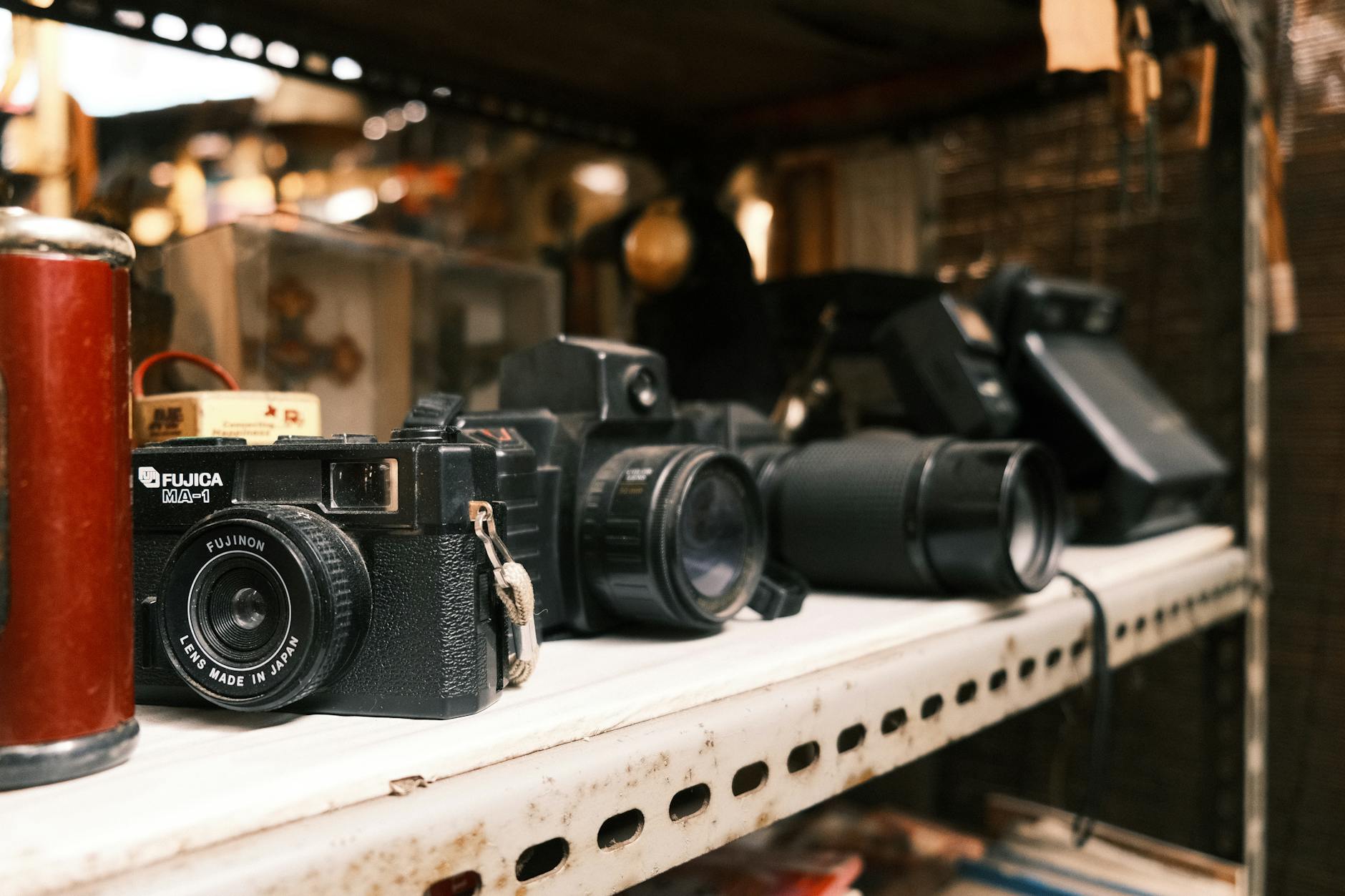
One of the city’s most photogenic markets. Jalan Surabaya in Menteng is a 200-metre street lined with vendors selling antiques, vintage pieces and retro Indonesian curios. Authenticity varies wildly — plenty is reproduction — but patient treasure-hunting turns up real finds.
What to Expect
- Vintage Indonesian currency and stamps (some genuine, much reproduction)
- Antique furniture, lamps, household items
- Old vinyl records — Indonesian and international
- Vintage cameras, watches, mechanical pieces
- “Authentic” tribal masks and wayang puppets — quality varies
- Hard bargaining culture — vendors quote 100 to 300 percent above their real price
Pro tip: walk the whole length before you buy anything. The vendors at the far end often quote better prices than those near the entrance. For more on the vintage and secondhand scene, our guide to Jakarta’s flea markets and vintage shopping covers the wider hunt.
6. Pasar Santa — Millennial Hipster Coffee + Vinyl

Jakarta’s most successful market reinvention. Pasar Santa in South Jakarta keeps a traditional wet market on the ground floor while the upper level has become a renaissance of millennial-favourite food stalls, specialty coffee, vinyl dealers and indie boutiques. It’s the antidote to Tanah Abang — calm, cool and curated.
What to Expect
- Specialty coffee — multiple roasters with single-origin Indonesian beans
- Vinyl records — Indonesian indie plus international rarities
- Modern Indonesian small-plate food — Agneya, Sushi Go!, Kedai Tjikini
- Indie boutique fashion
- Weekend live music in the upper-floor courtyard
- Relaxed atmosphere — the opposite of the big wholesale markets
Go Friday to Sunday afternoons (roughly 3:00 to 6:00 PM) for the fullest line-up of vendors and the ambient music. It earns its place on our list of unique things to do in Jakarta.
7. Pasar Jatinegara — Gold and Handicrafts

East Jakarta’s Pasar Jatinegara is one of Indonesia’s largest gold markets, with hundreds of jewellery vendors competing on price and craftsmanship. It’s also a solid stop for Indonesian handicrafts and traditional household goods.
What to Expect
- Gold jewellery by gram weight — current market rate plus a craftsmanship premium
- Traditional Indonesian wedding jewellery
- Modern designer pieces
- Patience required — vendors will weigh, calculate and recalculate
- Bring cash — gold purchases above IDR 5,000,000 are usually cash-only
Jatinegara gold runs significantly cheaper per gram than Western retailers, but you’ll want to know your karat standards first (22k and 18k are typical in Indonesia). For the broader craft picture, our guide to Indonesian handicrafts in Jakarta is the companion read.
Other Notable Traditional Markets
Pasar Baru
A 200-year-old shopping street in Central Jakarta with a colonial-era atmosphere and Indian-Indonesian textile and gold vendors. We cover it alongside the wholesale district in our Tanah Abang guide.
Mangga Dua
Indonesia’s largest wholesale market complex — electronics, clothing and accessories at deep discounts across several sub-markets (Mangga Dua Square, Mangga Dua Mall, ITC Mangga Dua).
Pasar Ikan Hias Sumenep
A specialty market for ornamental aquarium fish near Sunda Kelapa harbour — niche, but genuinely fascinating for aquarium enthusiasts.
Pasar Glodok
Next to Petak Sembilan, this one specialises in electronics — mobile phones, computer parts and consumer gadgets at competitive prices.
Pasar Minggu
A South Jakarta wet market for produce, food and household goods — a more authentic neighbourhood market than the tourist-heavy Tanah Abang.
Suggested Market Crawl Itineraries
Three ready-made routes depending on how hardcore you’re feeling and how early you can drag yourself out of bed.
Hardcore (Single Day, 6 Markets)
- 4:00 AM: Pasar Kue Subuh Senen (90 min)
- 7:00 AM: Pasar Petak Sembilan (90 min, plus Glodok food)
- 10:00 AM: Tanah Abang Blok A (3 hours, plus lunch)
- 2:00 PM: Jalan Surabaya antiques (1.5 hours)
- 4:00 PM: Pasar Santa (90 min, plus coffee)
- 7:00 PM: Pecenongan night food market (2 hours, dinner)
Total: around 12 hours. For serious market enthusiasts only.
Half-Day Cultural Market (4 Hours)
- 9:00 AM: Pasar Petak Sembilan
- 10:30 AM: Tanah Abang Blok A
- 1:00 PM: Lunch at the Tanah Abang food court
Boutique-Market Crawl (Afternoon)
- 2:00 PM: Jalan Surabaya antiques
- 4:00 PM: Pasar Santa
- 6:00 PM: Coffee and dinner at Pasar Santa
Practical Tips for Traditional Markets
- Cash preferred — bring small bills (IDR 10,000, 20,000, 50,000)
- QRIS accepted at an increasing number of vendors
- Bargaining essential at antique and textile markets; not at gold markets (set by weight)
- Wear closed-toe shoes — market floors can be wet, especially the wet markets
- Avoid valuables — leave your passport at the hotel
- Drink bottled water
- Use Grab/Gojek to reach the markets, since parking is scarce
- Photography — ask vendors first; offering to buy a small item smooths the way
A ride-hailing car really is the move for these — most markets are awkward to reach otherwise and parking is a nightmare. Our getting around Jakarta guide and the Grab vs Gojek comparison cover the details.
Markets to Visit by Tourist Type
| Tourist Type | Best Markets |
|---|---|
| First-time visitor | Petak Sembilan + Tanah Abang Blok A |
| Antique collector | Jalan Surabaya + Jatinegara |
| Foodie | Pasar Kue Subuh + Pasar Santa |
| Hipster traveler | Pasar Santa |
| Photography enthusiast | Pasar Petak Sembilan + Pasar Kembang |
| Jewelry shopper | Jatinegara + Pasar Baru |
| Budget shopper | Mangga Dua |
| Fabric/textile | Tanah Abang + Pasar Mayestik |
Bargaining Across Markets
Bargaining is expected in most traditional markets, but the rules shift depending on what you’re buying:
- Textile/clothing (Tanah Abang, Mayestik) — Counter at 50% of asking; settle around 60-70%
- Antiques (Jalan Surabaya) — Counter at 30-40% of asking; settle around 50-60%
- Gold (Jatinegara) — Don’t bargain; the price is set by the daily market rate plus a craftsmanship premium
- Food (Pasar Kue Subuh) — Don’t bargain; the volume pricing is already low
- Flowers (Rawa Belong) — Slight bargaining is acceptable; it’s primarily wholesale
- Hipster food/coffee (Pasar Santa) — Fixed pricing; no bargaining
Frequently Asked Questions About Traditional Markets Jakarta
What is the largest traditional market in Jakarta?
Tanah Abang is the largest single market, with over 13,000 kiosks, while Mangga Dua is the largest wholesale complex. For sheer atmosphere, Pasar Petak Sembilan in Glodok is the one photographers love most.
Are Jakarta’s traditional markets safe for tourists?
Yes, generally very safe. Take the usual precautions: keep bags zipped and across your body, watch for pickpockets in crowds, and drink bottled water. Use Grab or Gojek rather than walking long distances between markets.
What time do traditional markets open?
It varies. Pasar Kue Subuh runs 3 to 6 AM, the wet markets (Petak Sembilan, Minggu) 5 to 10 AM, Tanah Abang’s textiles 7 AM to 5 PM, Pasar Santa’s hipster floor 11 AM to 10 PM, and the Pecenongan night market 6 PM to midnight.
Can I buy jewelry at traditional markets?
Yes — Pasar Jatinegara is Indonesia’s largest gold market, and Pasar Baru also has gold vendors. Always ask the karat (22k or 18k is typical) and confirm the per-gram price against the daily market rate.
Which market has the best souvenirs?
Tanah Abang Blok A Floor 1 for batik, Jalan Surabaya for unique antiques and curios, Pasar Santa for modern Indonesian-made gifts, and Pasaraya Blok M for traditional handicrafts. Our best Jakarta souvenirs guide has the full list.
Do traditional markets accept credit cards?
Rarely — most are cash-only, though QRIS digital payment (GoPay, OVO, DANA) is increasingly accepted at modern vendors. Bring small-denomination rupiah to be safe.
Jakarta’s traditional markets offer a depth and authenticity the malls simply can’t match — this is the city with its sleeves rolled up. Pick a few that match your interests, go early, carry cash, and bargain with a smile. When you’re ready to balance the grit with some air conditioning, the shopping in Jakarta pillar and our best malls in Jakarta guide cover the other half of the city’s retail.
External Resources for Jakarta Traditional Markets
For market addresses and operating hours, the Perumda Pasar Jaya website (Jakarta’s traditional market operator) maintains a directory of all official traditional markets in the city.
Unmarked prices are normal in Jakarta’s markets rather than sinister — the first number quoted to a foreigner is an opening bid, not a fixed price. Our guide to Jakarta travel scams explains how far above the settling price that opening bid usually sits, and which market offers — gem workshops, batik “factory outlets” — are worth walking away from entirely.