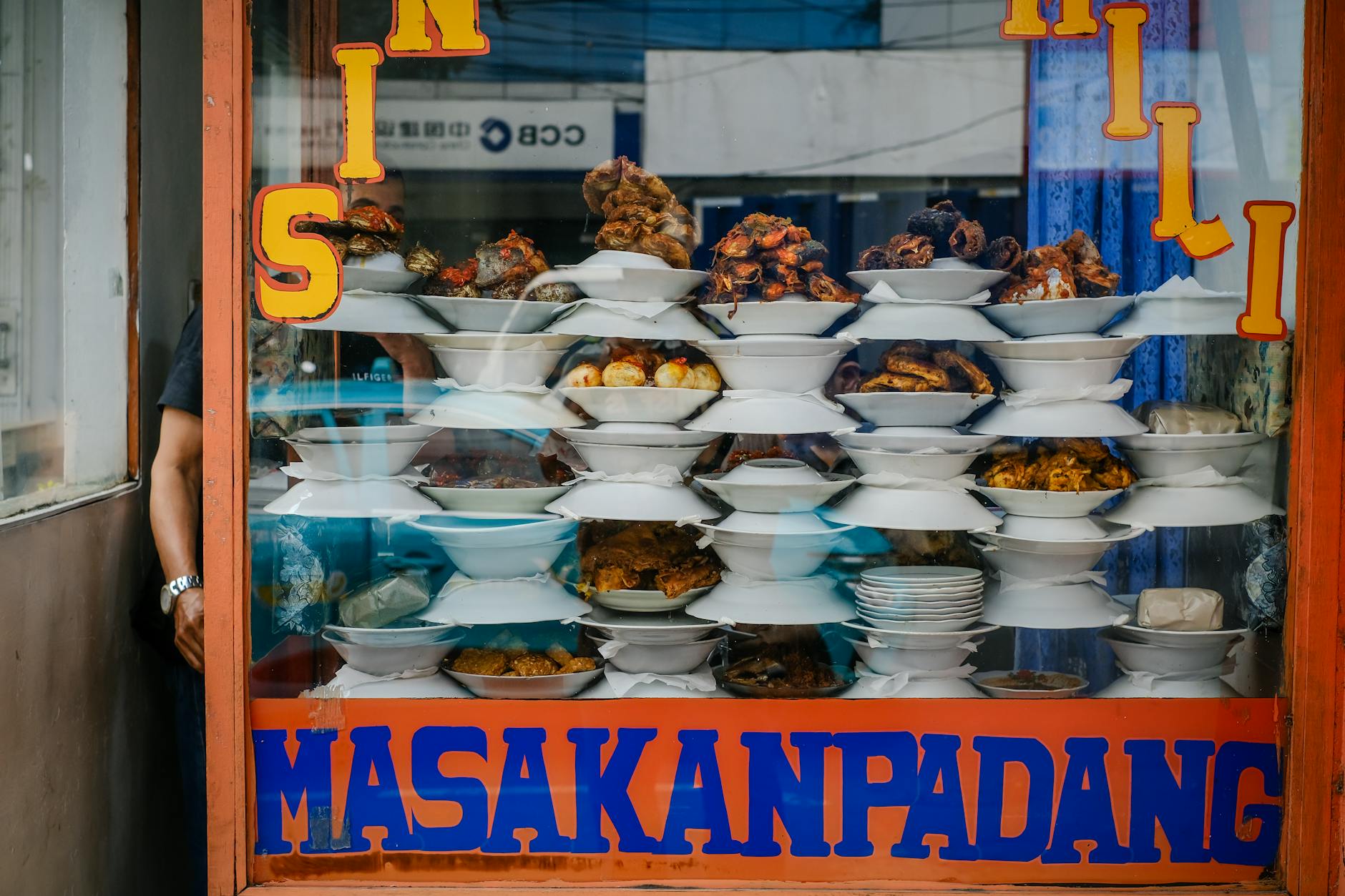
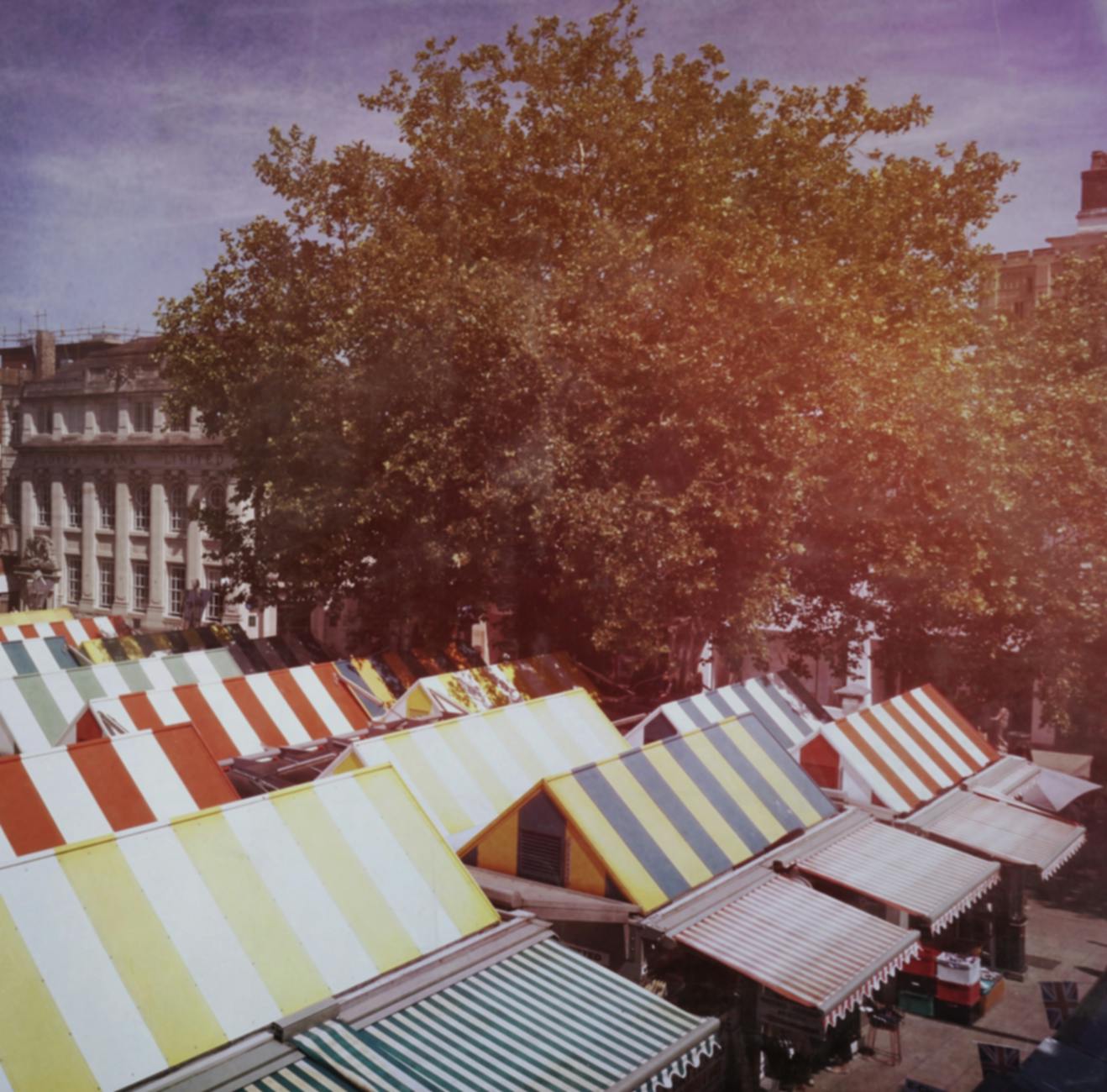
Kota Tua — Jakarta’s preserved 17th-century Dutch colonial Old Town — is one of the most photographed corners of the city, and one of the most under-eaten. Most guides stop at Café Batavia and a couple of nearby cafes, missing the real food scene that sits a five-to-seven-minute walk away in the legendary Glodok Chinatown. So this takes an “eat the history” approach: I’ve paired each Kota Tua and adjacent Glodok spot with the era it represents, so your meal order becomes a chronological walk through 400 years of the city’s cooking. From the colonial-era Café Batavia to the peranakan Chinese Pantjoran Tea House (1910), to 1927’s Kopi Es Tak Kie, to the contemporary Acaraki jamu cafe, this is a proper guide to eating in Kota Tua Jakarta.
This is the old-town chapter of the wider Jakarta food guide, and it doubles as a sightseeing route — the area’s colonial buildings and museums are covered in the guide to Jakarta landmarks.
Why Kota Tua Food Is Different
Kota Tua’s food scene reflects Jakarta’s 400-year history as Indonesia’s most cosmopolitan colonial port. Within a 7-minute walking radius of Fatahillah Square, you can eat your way through several centuries at once — many of the dishes appear, with their history, in the rundown of must-try Jakarta dishes:
- 17th-century Dutch colonial — Café Batavia in an 1805 mansion
- Late-19th-century peranakan Chinese — Pantjoran Tea House (1910 tradition)
- 1920s Chinese-Indonesian — Kopi Es Tak Kie (1927)
- Mid-20th-century Indonesian-Chinese — Bakmi Amoy, Soto Betawi Afung
- Contemporary modern Indonesian — Acaraki jamu, Historia bar
This guide presents Kota Tua food chronologically by era, then extends to the Glodok Chinatown extension that most guides miss.
The Eat-the-History Walking Order
Era 1: Dutch Colonial (1800s) — Café Batavia
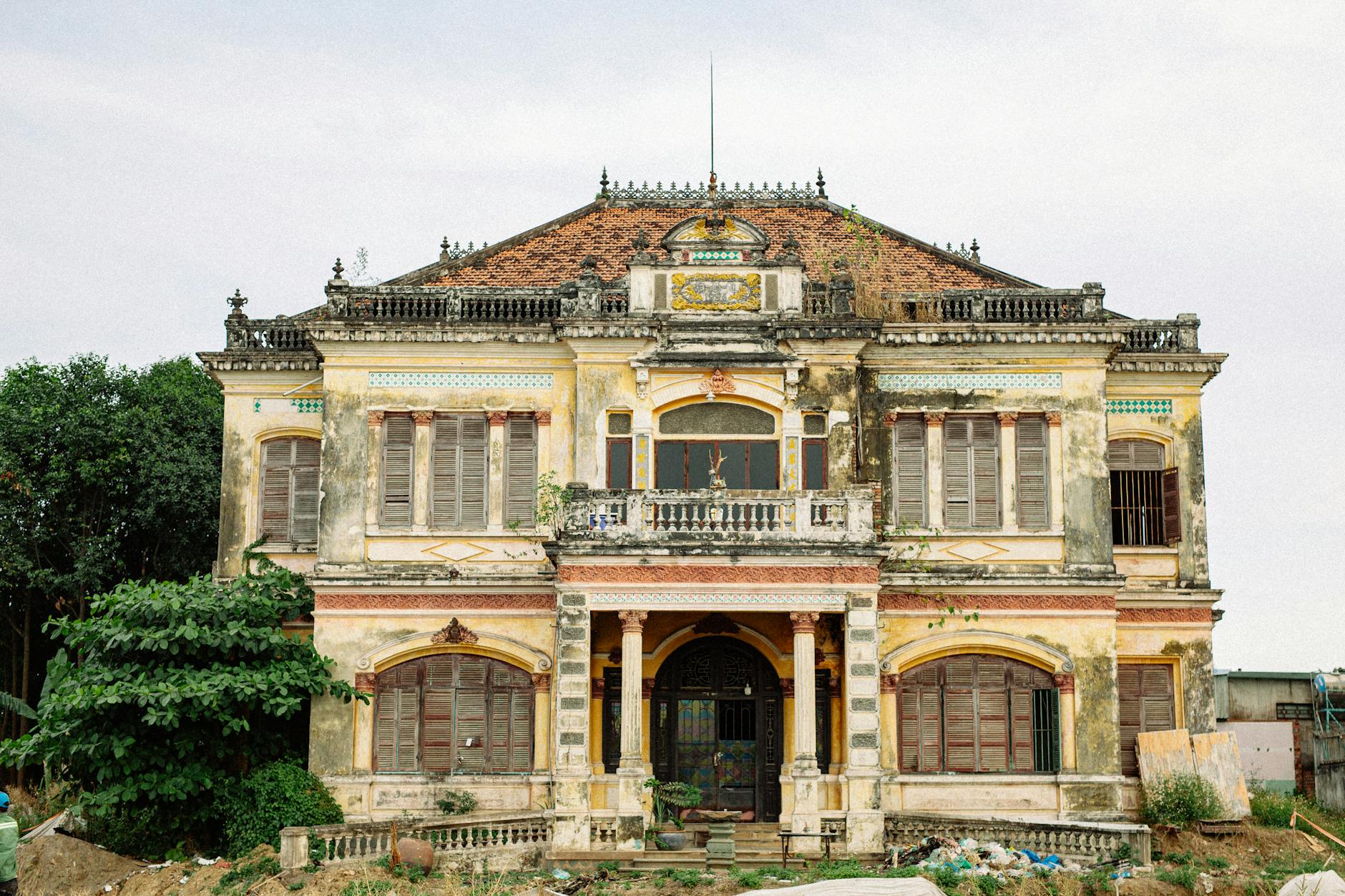
Begin at Café Batavia on Fatahillah Square, set in an 1805 mansion that was for two centuries the largest private residence in colonial Batavia. The interior is essentially a working museum: sweeping wooden staircases, bevelled mirrors, vintage photographs of governors-general, and a rooftop wood-paneled bar. The menu blends Dutch-colonial influenced Indonesian dishes (bistik jawa, rijsttafel-style sets) with Western classics. The atmosphere — antique chandeliers, mahogany wood, slow-moving ceiling fans — transports you to 1900s colonial Batavia.
Order: Bistik jawa (Javanese-style steak with Dutch-influenced gravy), rijsttafel set, or just coffee and dessert. Spend: IDR 200,000–400,000 lunch; IDR 350,000–700,000 dinner with cocktails.
Era 2: Peranakan Chinese (1910) — Pantjoran Tea House
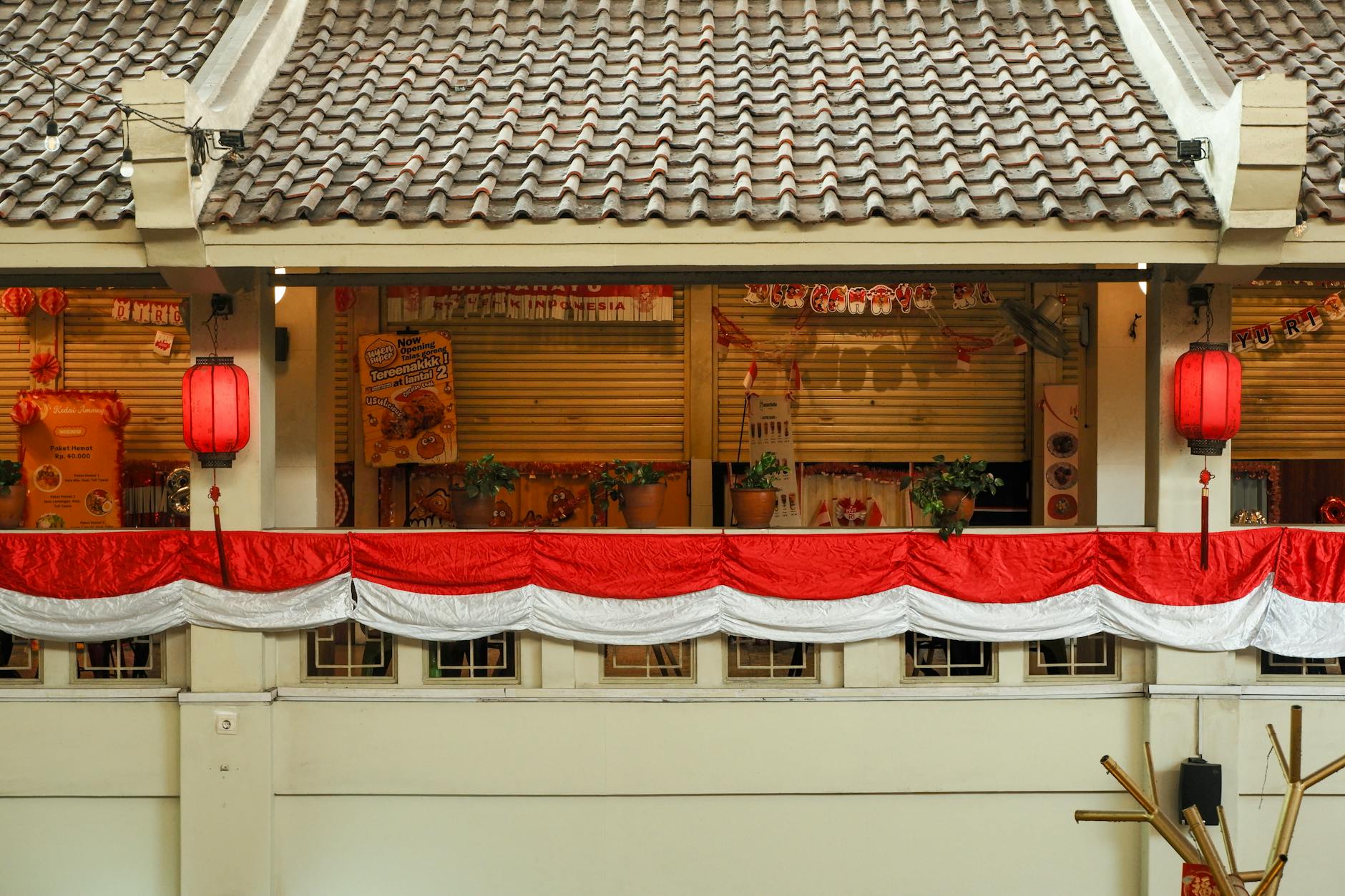
Walk 7 minutes south into Glodok Chinatown to reach Pantjoran Tea House on Jalan Pancoran. Since 1910, this peranakan Chinese institution has offered free hot tea to any passerby — a 110-year-old continuous tradition of Chinese-Indonesian community hospitality. Eight ceramic teapots sit on a public counter at the front; pour yourself a cup, sip in the shade, and continue. The dim sum menu is excellent if you want a proper meal.
Order: Free hot tea (genuinely free), or sit down for full dim sum (har gow, siu mai, char siu bao, lo mai gai). Spend: Free for tea; IDR 100,000–250,000 for dim sum.
Era 3: 1927 — Kopi Es Tak Kie
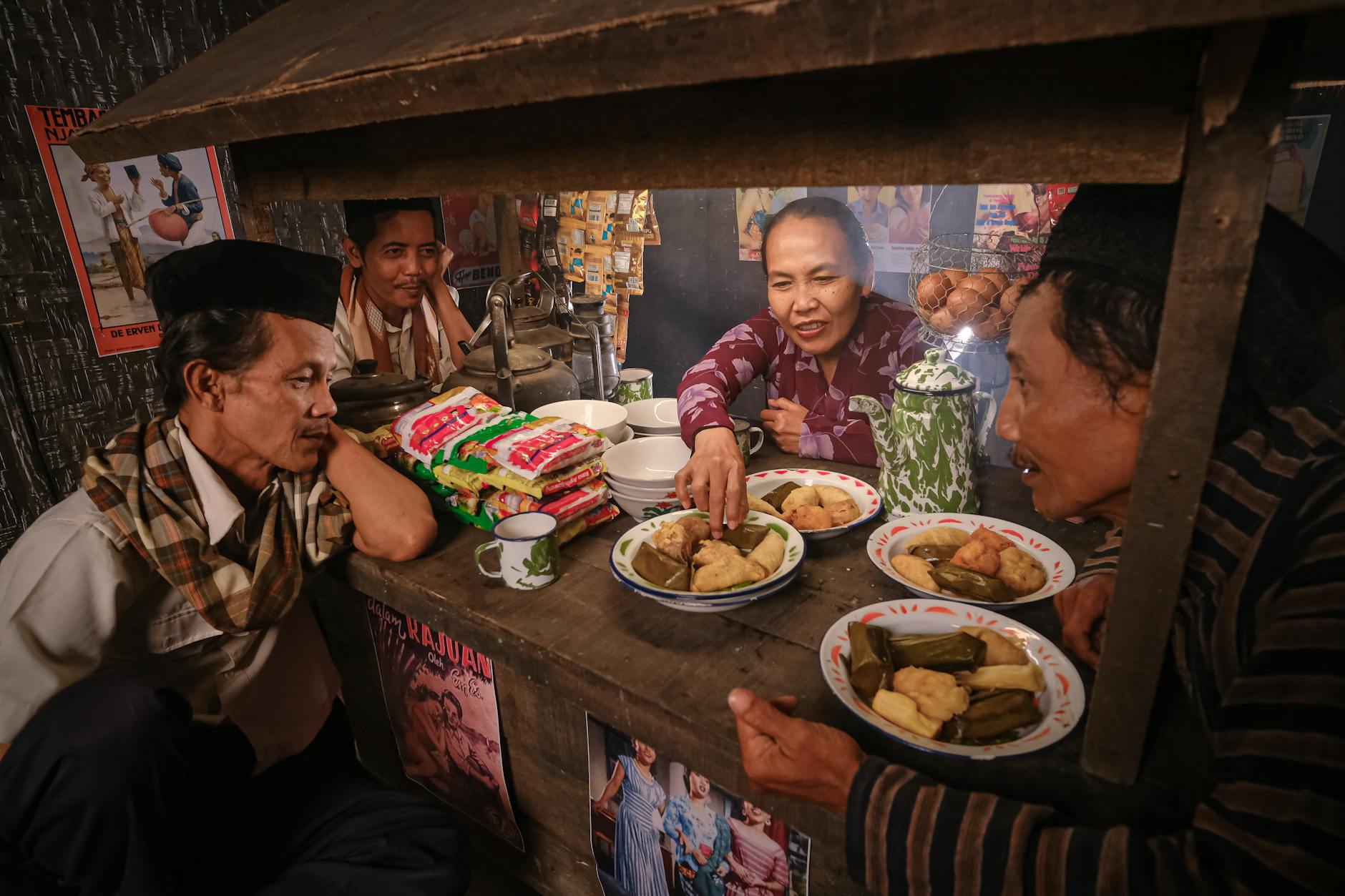
A 1927 institution and one of Indonesia’s oldest continuously operating coffee shops, Kopi Es Tak Kie on Gloria Alley serves traditional iced black coffee sweetened with condensed milk in tall glasses. Generations of Glodok families have started or ended meals here. The atmosphere — yellowing walls, marble-top tables, a stand-up counter — is essentially unchanged from 1927. Watch the resident grandmother prepare each cup individually with practiced hands.
Order: “Kopi es” (iced coffee with condensed milk) or “kopi panas” (hot). Pair with a Chinese-Indonesian pastry. Spend: IDR 10,000–25,000 per cup.
Era 4: Mid-20th-Century — Glodok Hawker Markets
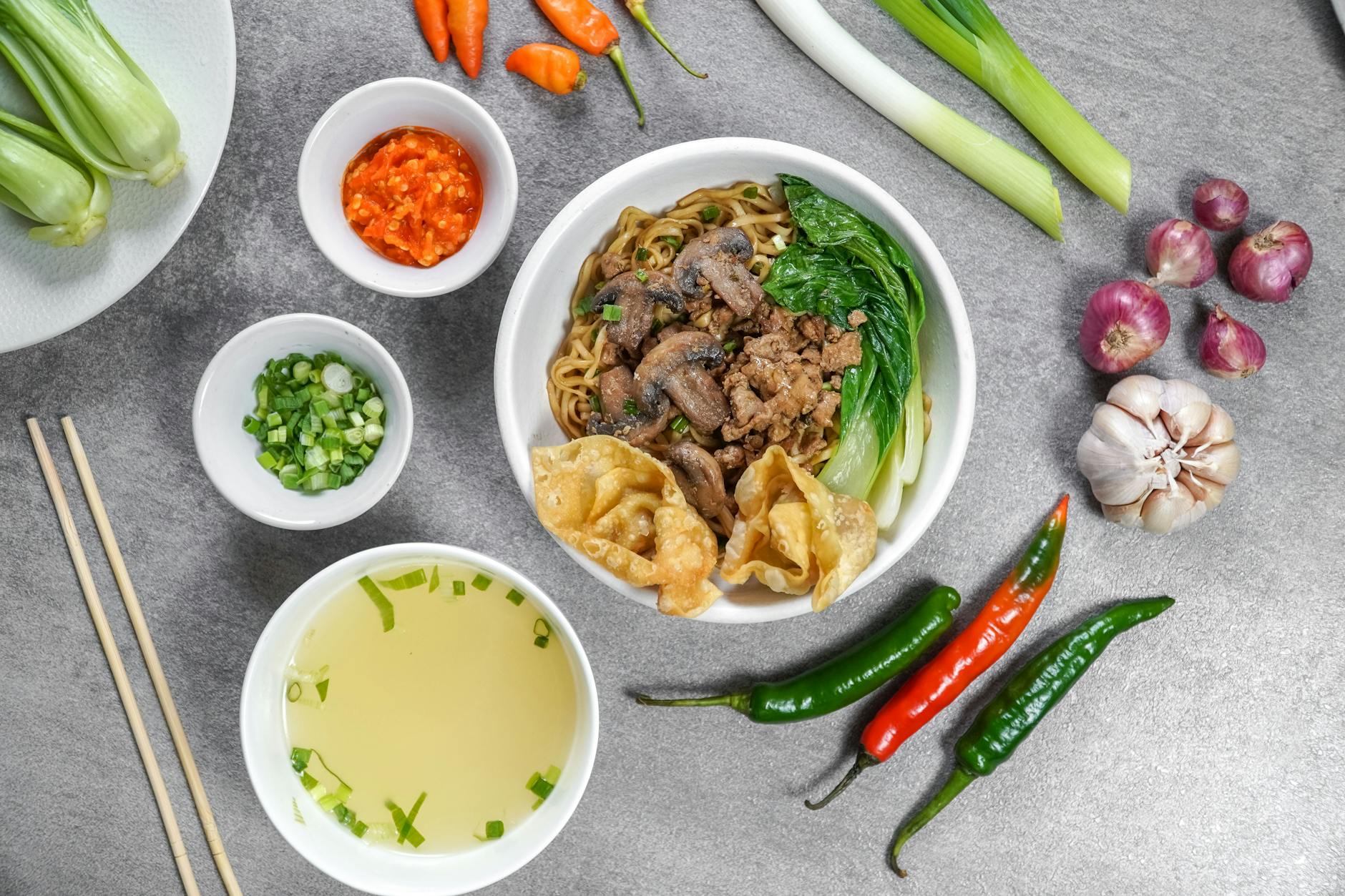
The Petak Enam hawker market consolidates Glodok’s mid-20th-century Chinese-Indonesian food scene. Standouts:
- Bakmi Amoy — Jakarta’s most celebrated Hokkien-style noodle stall
- Nasi Tim Ayam — Chinese-Indonesian steamed rice with marinated chicken
- Soto Betawi Afung — a Chinese-Indonesian-influenced take on the signature soup of Betawi cuisine
- Kari Lam — Chinese-Indonesian curry
Spend: IDR 35,000–90,000 per dish.
Era 5: Contemporary Modern — Acaraki Jamu Cafe
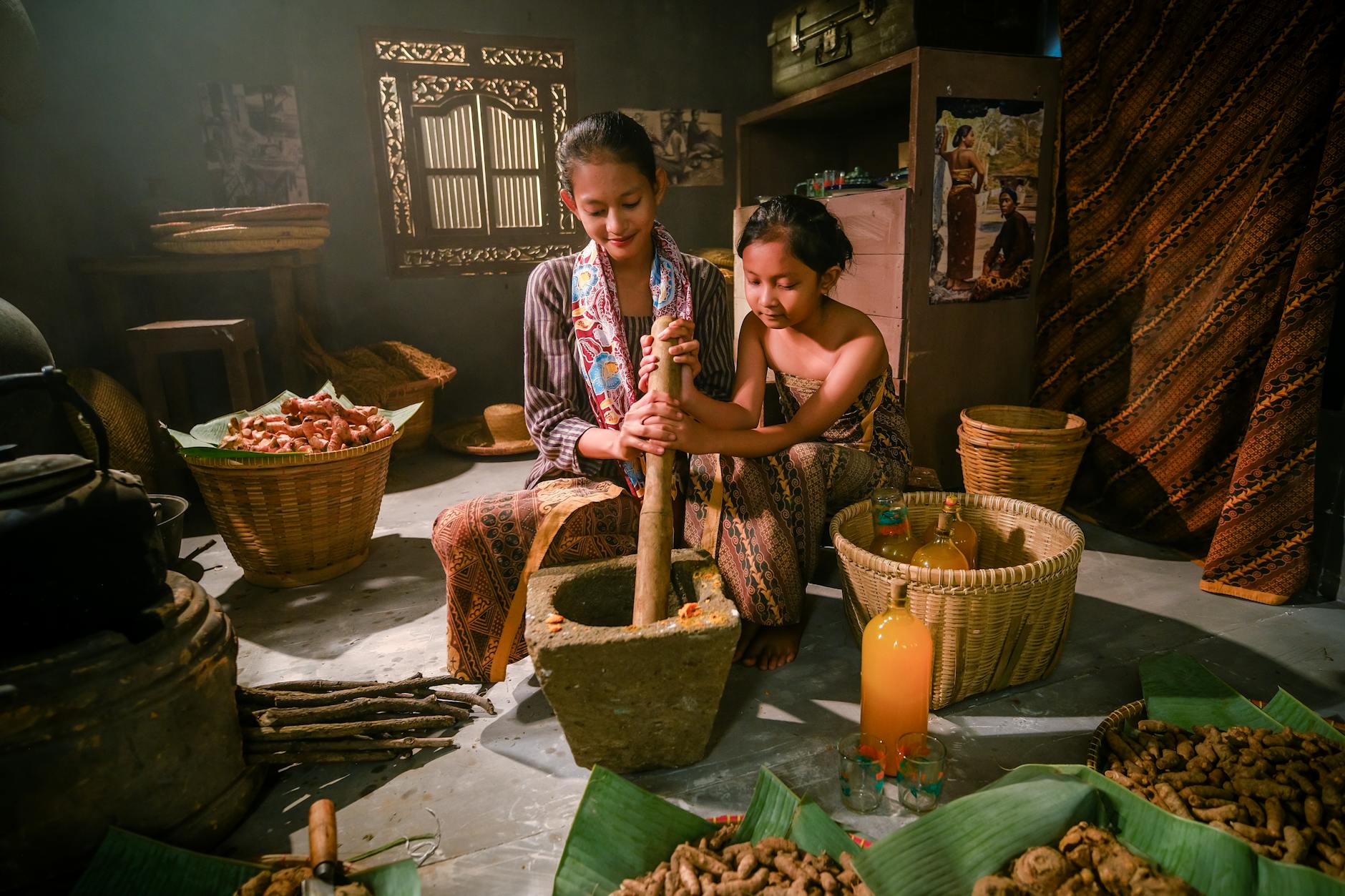
For a contemporary Kota Tua food experience, Acaraki brings modern presentation to traditional Indonesian jamu herbal drinks. Located in Kota Tua, the cafe serves fresh-pressed jamu drinks (turmeric, ginger, tamarind, kunyit asam) prepared barista-style with espresso machines. The result is a beautifully refined modern take on Indonesia’s centuries-old traditional medicine drink tradition.
Order: Beras kencur (rice and aromatic ginger), kunyit asam (turmeric-tamarind), or temulawak (curcuma). Spend: IDR 30,000–60,000 per drink.
Other Kota Tua Food Destinations
Historia Food & Bar
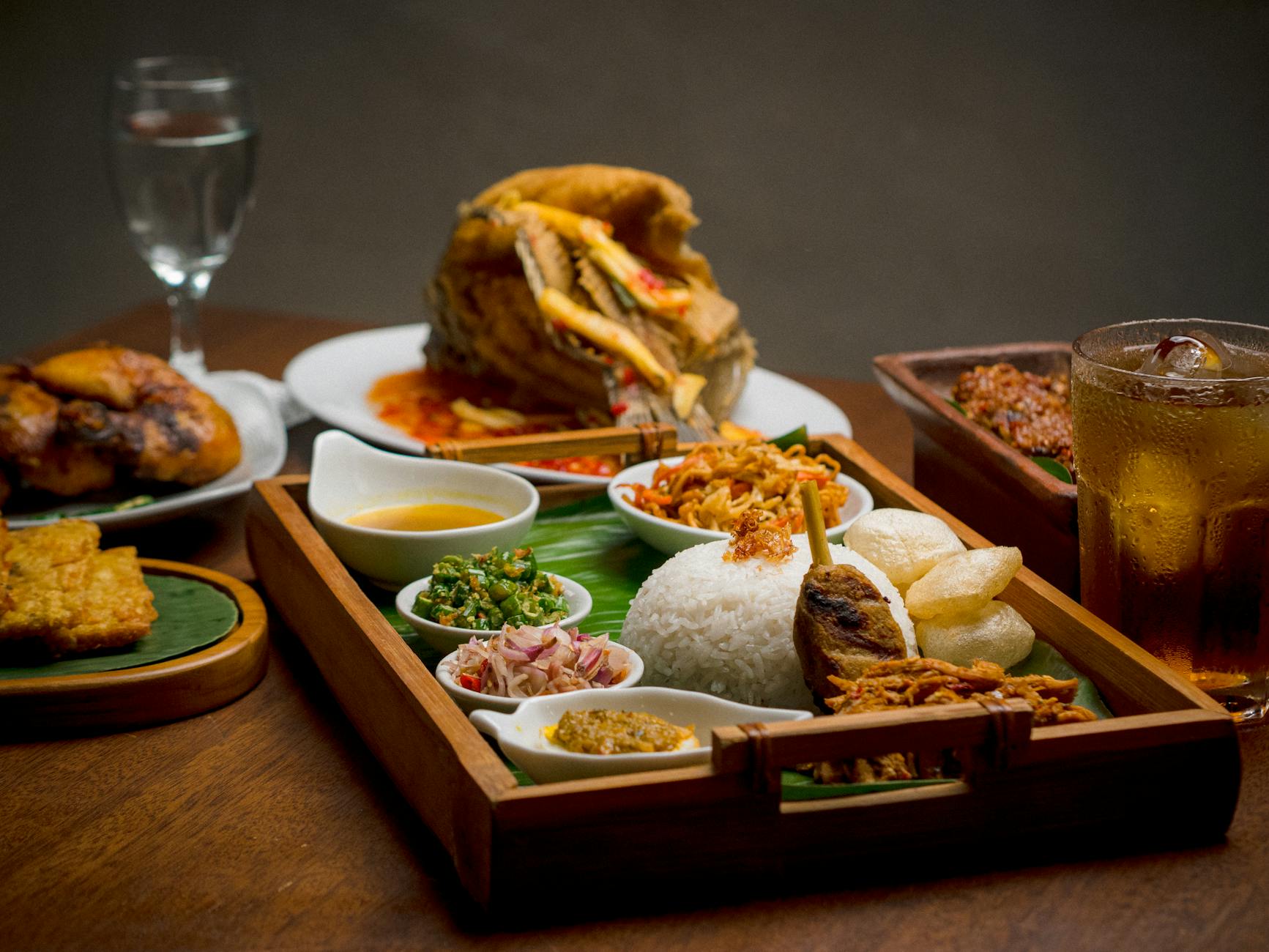
Historia Food & Bar serves modern Indonesian dishes in a beautifully restored heritage building near Fatahillah Square. Strong cocktail program, atmospheric setting, and a creative Indonesian menu that complements rather than competes with the traditional warungs nearby. Spend: IDR 200,000–400,000.
Kedai Seni Djakarte
A traditional Indonesian art-themed restaurant in Kota Tua serving classic Indonesian dishes in a colonial-era building. Popular with locals for special occasions. Spend: IDR 150,000–300,000.
Kota Tua Café
A casual cafe serving Indonesian classics with photogenic Fatahillah Square views. Strong for breakfast and light lunch. Spend: IDR 80,000–180,000.
Gallery Batavia
Modern Indonesian dining in a heritage Kota Tua setting, complementing the better-known Café Batavia with more contemporary menu. Spend: IDR 150,000–300,000.
Warung Kota Tua
Local-style warung serving traditional Indonesian dishes at warung prices — for budget travelers wanting authentic local Kota Tua food. Spend: IDR 30,000–80,000.
The Glodok Chinatown Extension Most Guides Miss
Beyond the immediate Kota Tua / Fatahillah Square cluster, the adjacent Glodok Chinatown extends 5–7 minutes’ walk south with extraordinary Chinese-Indonesian food. Most Kota Tua food guides ignore this entirely. Don’t.
Gloria Alley
The 200-meter alley anchoring Glodok’s food scene — Kopi Es Tak Kie at one end, Bakmi Amoy nearby, Soto Betawi Afung within walking distance. The atmosphere — narrow lane, century-old shophouses, smell of charcoal and tea — is unmatched in Jakarta.
Petak Sembilan Market Walk
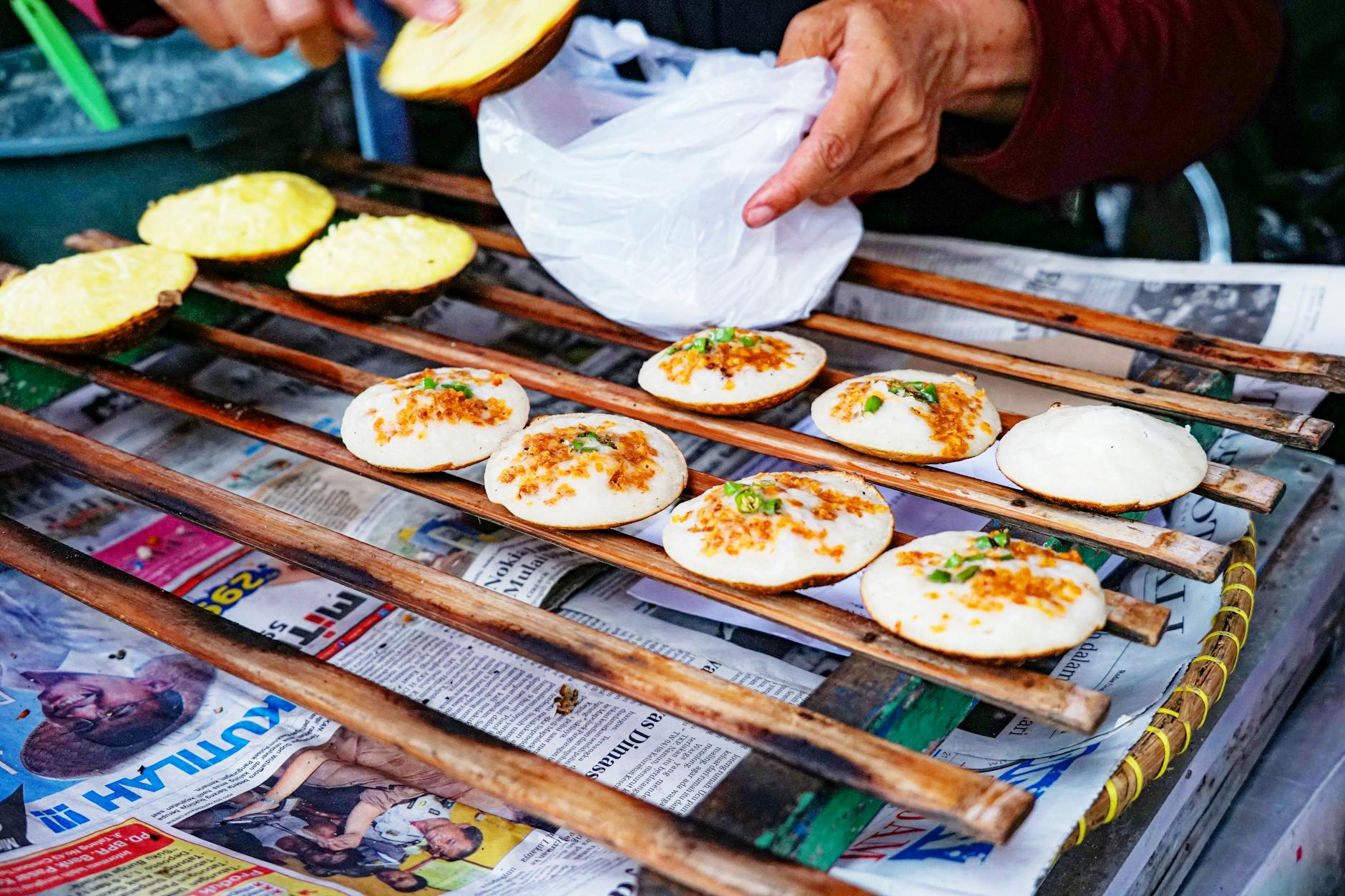
Adjacent to Gloria Alley, the 200-year-old Petak Sembilan market lane sells durian, kue keranjang (Chinese New Year cake), kue ape (mini pandan pancakes), kue cucur (palm sugar pancakes), and traditional Chinese medicine. Snack as you walk — it’s one of the richest stretches in the guide to the best street food in Jakarta.
Jin De Yuan Temple Visit
Combine eating with a stop at the 17th-century Jin De Yuan temple — Jakarta’s oldest Chinese place of worship and still actively used. The architecture is stunning and free to visit. Adds cultural context to your Glodok food walk.
The Ultimate Kota Tua + Glodok Eating Walk
Morning to Late Afternoon Itinerary (4–5 hours): This route is laid out step by step, with ordering scripts, as Route 1 in the Jakarta food tour guide.
- 10:00 AM — Arrive Fatahillah Square; coffee at Kota Tua Café with views of the square
- 10:30 AM — Quick tour of Jakarta History Museum (Stadhuis)
- 11:30 AM — Walk 7 minutes south to Glodok Chinatown
- 11:45 AM — Kopi Es Tak Kie traditional iced coffee
- 12:00 PM — Bakmi Amoy noodles at Petak Enam hawker market
- 12:30 PM — Pantjoran Tea House free tea + dim sum if hungry
- 1:00 PM — Jin De Yuan temple visit
- 1:30 PM — Petak Sembilan market walk + snacks
- 2:30 PM — Walk back to Kota Tua
- 3:00 PM — Acaraki modern jamu cafe
- 4:00 PM — Café Batavia for high tea or late lunch in colonial mansion
- 5:30 PM — Optional finish at Sunda Kelapa harbor
Total walking: 2.5 km. Total spend: IDR 250,000–550,000 ($16–35) per person.
Evening Kota Tua Food Scene
Kota Tua quiets after 7:00 PM as most museums close — but Café Batavia continues into evening with full dinner service, Historia Food & Bar serves into late evening, and the rooftop bar at Café Batavia hosts atmospheric drinks until 1:00 AM. The illuminated Dutch colonial buildings at night are particularly photogenic, and Glodok’s nearby Mangga Besar keeps eating late — a stop in the guide to Jakarta night food markets.
Best Kota Tua Food by Travel Type
For Heritage Enthusiasts
Café Batavia (1805 mansion), Pantjoran Tea House (1910 tradition), Kopi Es Tak Kie (1927 institution), Jin De Yuan temple. The complete “eat the history” walk.
For Budget Travelers
Kopi Es Tak Kie (IDR 15,000 coffee), Pantjoran free tea, Petak Sembilan market snacks (IDR 5,000–25,000 each), Bakmi Amoy at Petak Enam (IDR 40,000), and Warung Kota Tua — about as far as a budget stretches, in the spirit of the guide to cheap eats in Jakarta.
For Couples
Café Batavia rooftop bar at sunset, Historia Food & Bar atmospheric dinner, Acaraki modern jamu cafe.
For Families with Kids
Kota Tua Café (family-friendly seating), Café Batavia lunch (kids enjoy the antique-mansion atmosphere), Pantjoran Tea House (kid-safe), Petak Sembilan market walk (engaging for kids).
For Vegetarians
Acaraki jamu cafe (drinks vegetarian), Pantjoran Tea House vegetarian dim sum options, Petak Sembilan vegetarian street food (tofu, vegetable cakes), Café Batavia vegetarian Indonesian options.
Practical Tips for Eating in Kota Tua
Visit on weekdays when possible — weekends bring large local crowds to Kota Tua. Arrive 10:00 AM for the most comfortable temperature and lightest crowds. Carry cash — most Glodok stalls don’t accept cards; Café Batavia and modern cafes do. Bring an umbrella during wet season (Nov–April). Use ride-hailing for arrival and departure — Kota Tua and Glodok are not on the MRT line, so if you want to be close, the guide to hotels near Monas covers the nearest convenient base.
Cultural sensitivity at Jin De Yuan temple: Visitors are welcome but should observe quiet respect — no flash photography, modest dress, no climbing on shrines. Buying a small donation incense stick (IDR 5,000) is appreciated.
Reading the food like a timeline
What makes this corner of the city special is that the food layers map almost perfectly onto the history. The Dutch built Batavia here as the headquarters of the VOC trading empire, and Café Batavia’s mansion and the bistik jawa on its menu are the edible remnant of that colonial era — Indonesian ingredients filtered through a European kitchen. A few minutes south, Glodok was the Chinatown the Dutch corralled the Chinese community into after the 1740 massacre, and the food there carries that long peranakan history: the free tea at Pantjoran is a 110-year-old gesture of community hospitality, and the bakmi and nasi tim at Petak Enam are recipes that crossed from Fujian and never left.
The 1927 coffee at Tak Kie sits at the hinge between old and modern Jakarta, and Acaraki’s espresso-machine jamu is the present day reaching back to pull a centuries-old herbal-medicine tradition into a contemporary cafe. Eat them in order and you’re not just having lunch — you’re walking forward through time, one stall at a time. It’s the kind of dense, walkable history that makes Kota Tua one of the most distinctive of the city’s districts, and it’s worth reading alongside the Jakarta neighborhoods guide to see how the old town fits the rest. The wet-market half of the walk, around Petak Sembilan, also features in the guide to Jakarta food markets.
Frequently Asked Questions About Eating in Kota Tua Jakarta
Is Café Batavia in Kota Tua worth visiting?
Absolutely — Café Batavia occupies an 1805 mansion that was the largest private residence in colonial Batavia. The interior is a working museum, the menu blends Dutch-colonial Indonesian and Western dishes, and the rooftop bar offers atmospheric Fatahillah Square views. One of Jakarta’s most photographed and most romantic restaurants.
What’s the best food in Kota Tua?
The complete “eat the history” experience pairs Café Batavia (Dutch colonial), Pantjoran Tea House (peranakan Chinese), Kopi Es Tak Kie (1927 Chinese-Indonesian), Petak Enam hawker market (mid-20th-century), and Acaraki (contemporary modern). Each represents a different era of Jakarta’s culinary history.
How long does the Kota Tua + Glodok food walk take?
4–5 hours for the complete walk including stops at major restaurants, the wet market, Jin De Yuan temple, and Café Batavia. Shorter 2-hour version possible if focusing only on Glodok food.
Is Kota Tua safe at night?
Yes — Kota Tua is well-lit at night and well-patrolled by tourist police. Café Batavia operates into late evening; the illuminated colonial buildings are particularly photogenic after dark.
Can I visit Glodok Chinatown food on the same day as Kota Tua?
Absolutely — they’re a 7-minute walk apart. Most Kota Tua food guides ignore Glodok, but the combination makes for one of Jakarta’s most rewarding food days. The full walk is described in this guide.
What’s the best way to get to Kota Tua?
Grab/Bluebird taxi is easiest (15–25 minutes from Central Jakarta). TransJakarta bus Corridor 1 to Kota stop also works. No direct MRT access. For arriving from Central Jakarta, allow 30–45 minutes during peak hours.
Eating in Kota Tua Jakarta comes alive the moment you push past the obvious Café Batavia stop and walk the extra seven minutes into Glodok. From here, the Jakarta food guide maps the rest of the city, and the area’s museums and history get their own treatment in the guide to Jakarta culture and museums.
External Resources for Eating in Kota Tua
For more Kota Tua food research, the Tempo Kota Tua Culinary Adventure feature covers the heritage food scene in depth, and the Mercure Kota Tua local guide provides additional restaurant recommendations.
The Glodok extension above is a summary. Our Glodok Chinatown guide goes into the temples, markets and history properly, and the Kota Tua neighbourhood guide covers the district beyond the square.