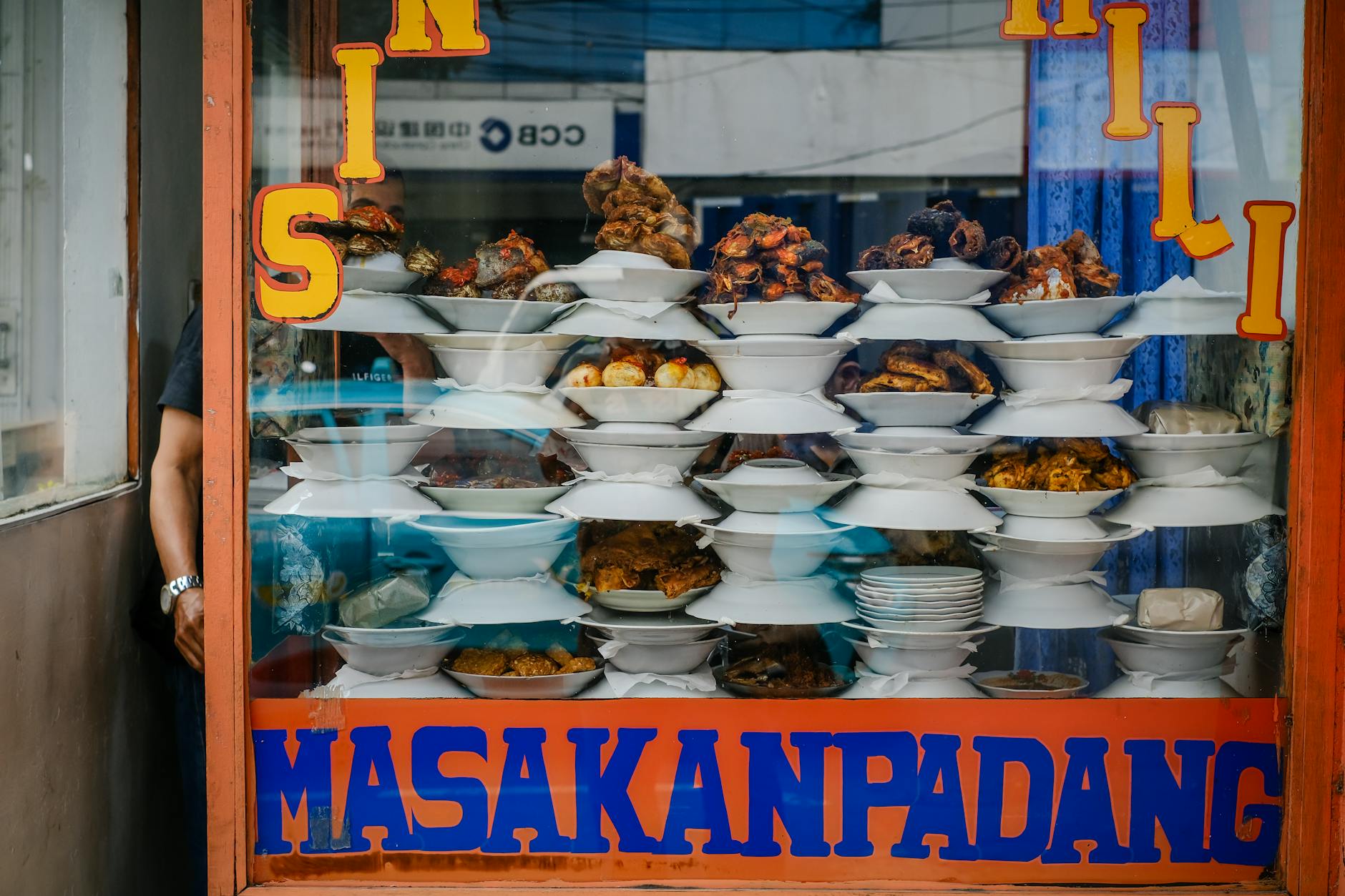
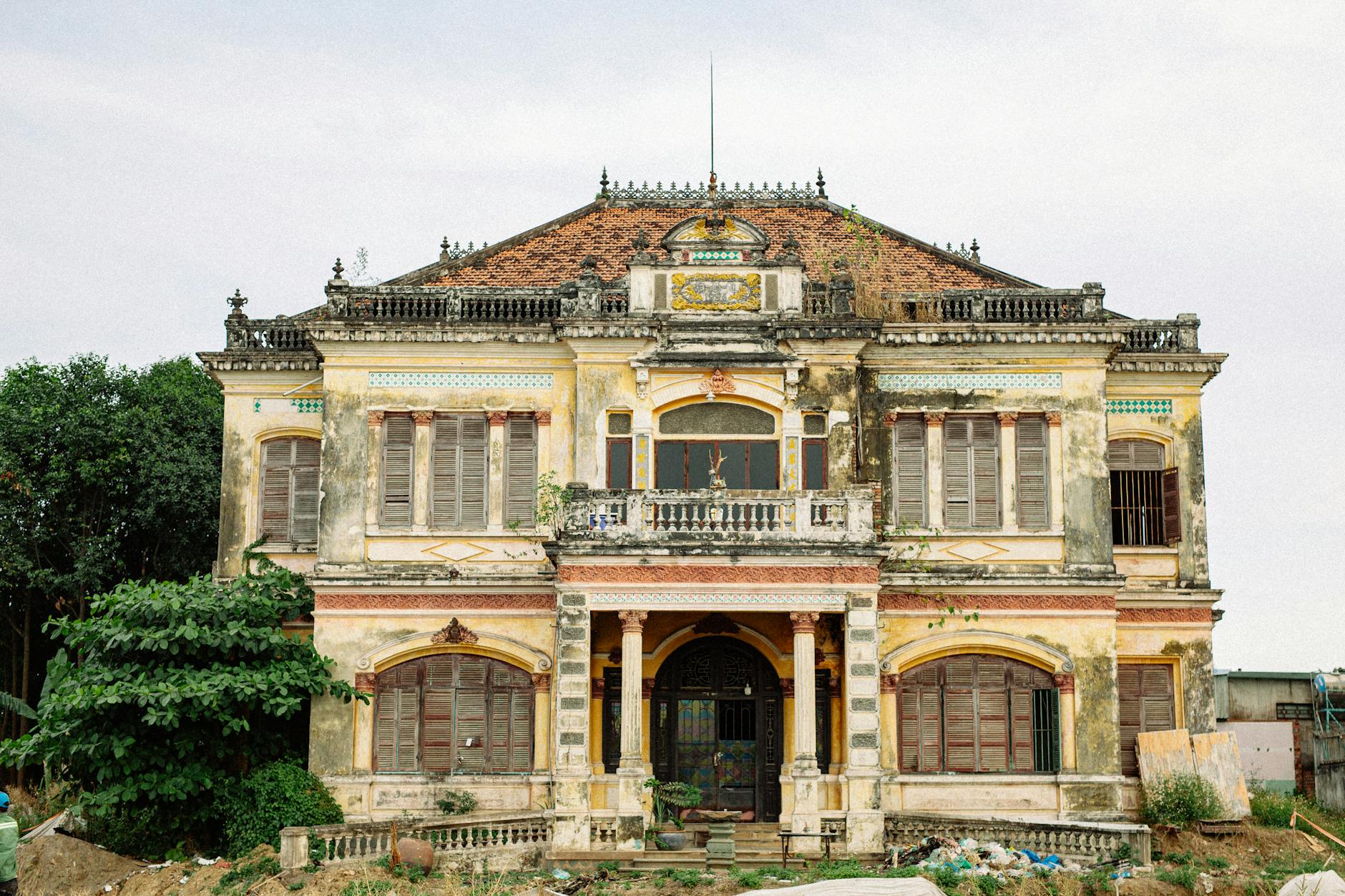
Jakarta is one of the great late-night eating cities in Southeast Asia, and most of its best food only switches on after 6pm. Four legendary food strips and one genuinely strange predawn cake market come alive across the metropolis after dark, each with its own crowd, its own signature dishes, and its own hours. Most guides lump them together; I’d rather treat each as a destination and help you pick the Jakarta night food market that matches your mood, your hunger, and the hour. Whether you’re after cheap eats with friends, seafood and martabak for a date, an adventurous-palate crawl, or a 3am cake-and-coffee run, here’s what to order at each, when to go, and how to chain two of them into one long, very good night.
This is the after-dark companion to the wider Jakarta food guide, and it slots into a bigger evening laid out in the guide to things to do in Jakarta at night.
Jakarta’s Five Major Night Food Markets — Quick Comparison
| Market | Hours | Specialty | Vibe |
|---|---|---|---|
| Pecenongan | 6:00 PM–2:00 AM | Seafood, martabak | Date night, festive |
| Sabang | 5:00 PM–1:00 AM | Sate, nasi goreng, Indonesian classics | Cheap-eats with friends |
| Mangga Besar | 7:00 PM–3:00 AM | Chinese-Indonesian, frog, durian | Adventurous palate |
| Pasar Kue Subuh (Senen) | 7:00 PM–5:00 AM | Traditional Indonesian kue | Predawn cake-hunting |
| Blok S (Kebayoran Baru) | 5:00 PM–midnight | South Jakarta evening street food | Local neighborhood |
1. Pecenongan Night Market — Seafood & Martabak Capital
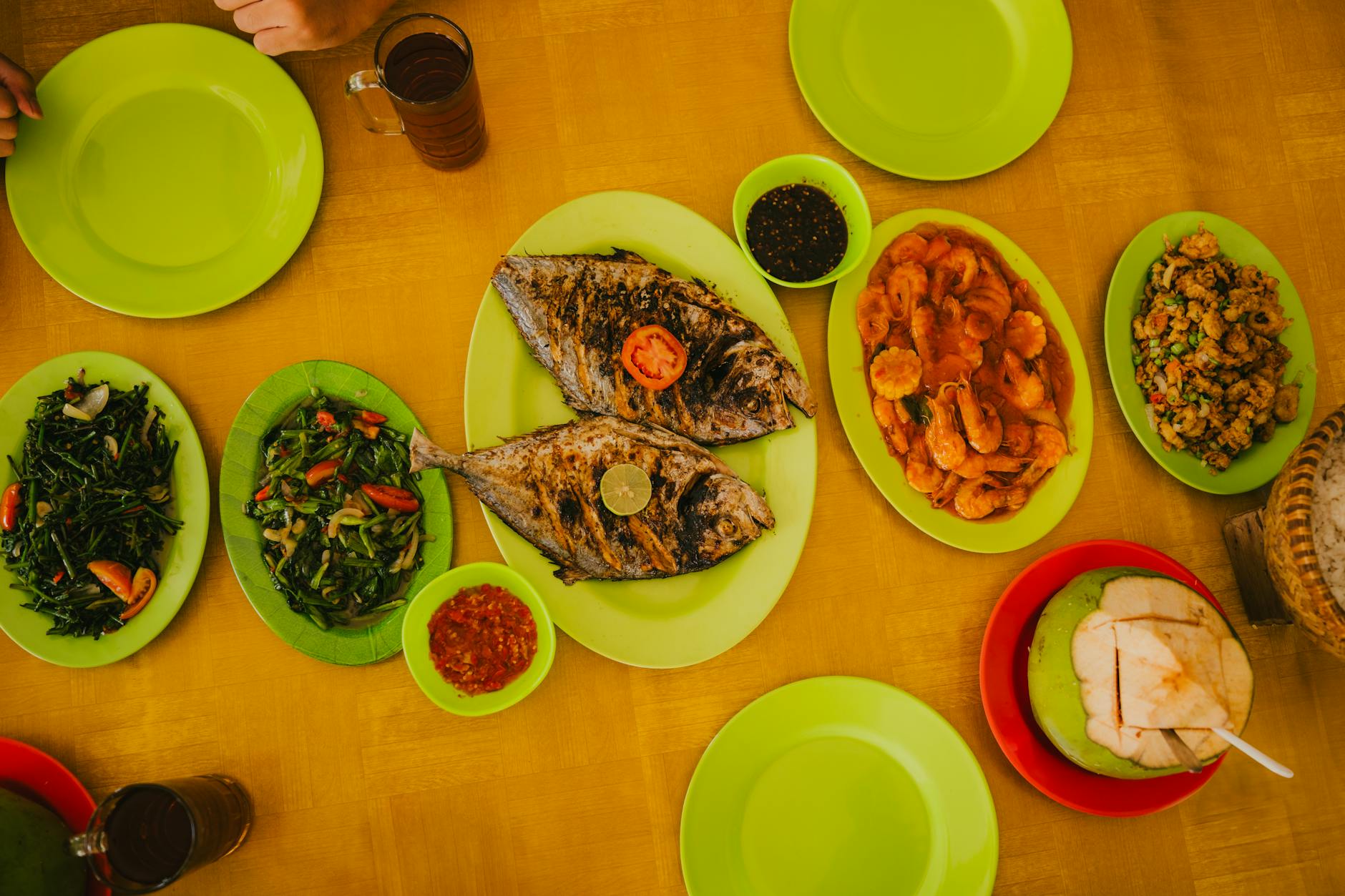
Pecenongan — Jakarta’s most famous late-night food strip — runs along Jalan Pecenongan in Central Jakarta from 6:00 PM until 2:00 AM. The strip is divided into two specialties:
Seafood Stalls (6:00 PM–1:00 AM)
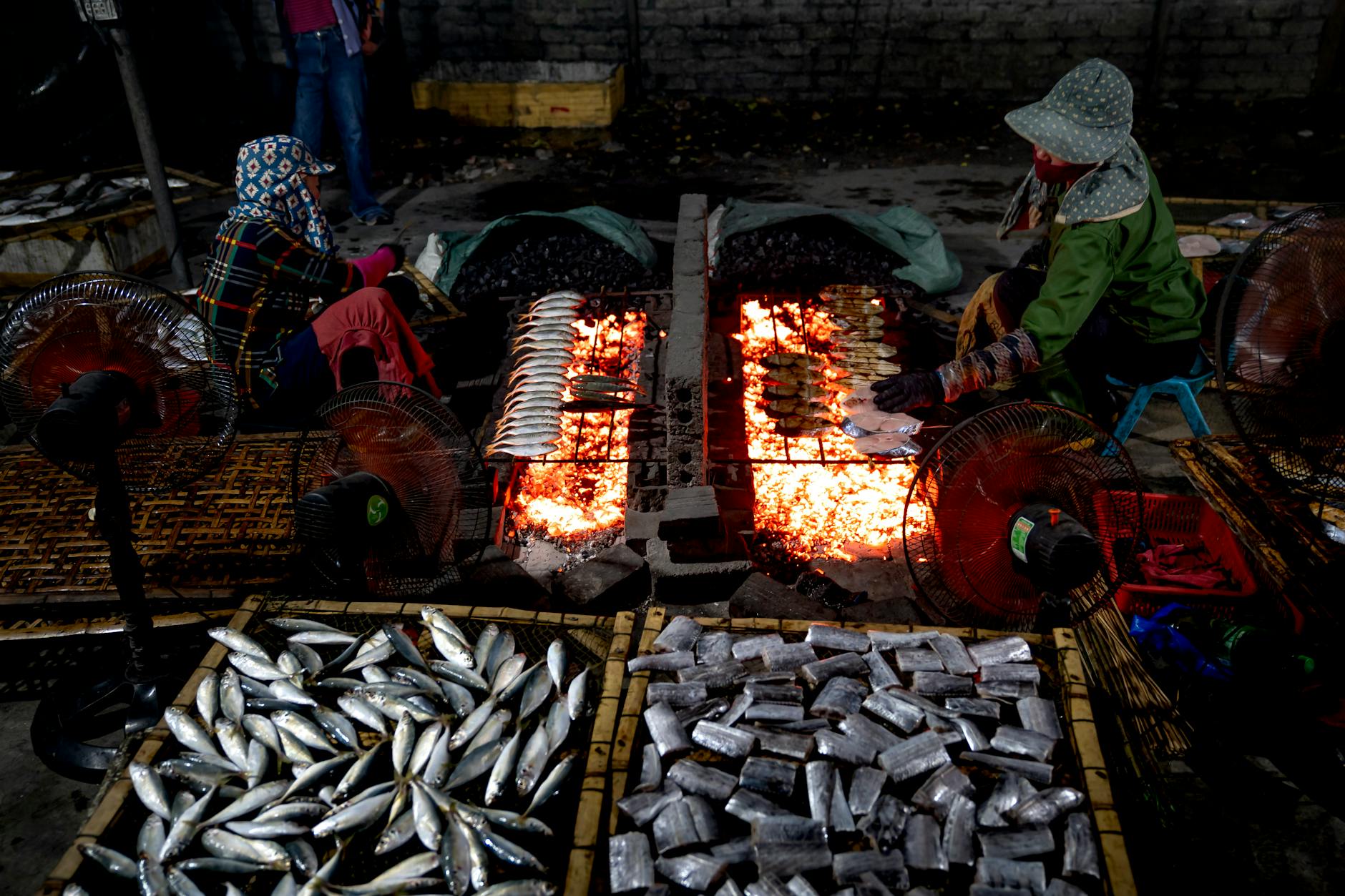
Dozens of open-air stalls serve fresh-grilled fish (ikan bakar), Padang-style crab (kepiting saus padang), butter-garlic prawns, salt-baked grouper, and steamed clams — street-priced versions of what you’ll find in the guide to the best seafood restaurants in Jakarta. Choose your fish from ice displays; the vendor weighs, prices, and cooks in your chosen style (bakar/grilled, asam manis/sweet-sour, saus padang/Padangese spicy, kukus/steamed). Spend: IDR 150,000–400,000 per person sharing. Signature stalls: Bandar Djakarta Pecenongan, Layar Pecenongan, several family-run open-air specialists.
Martabak Stalls (10:00 PM–2:00 AM)
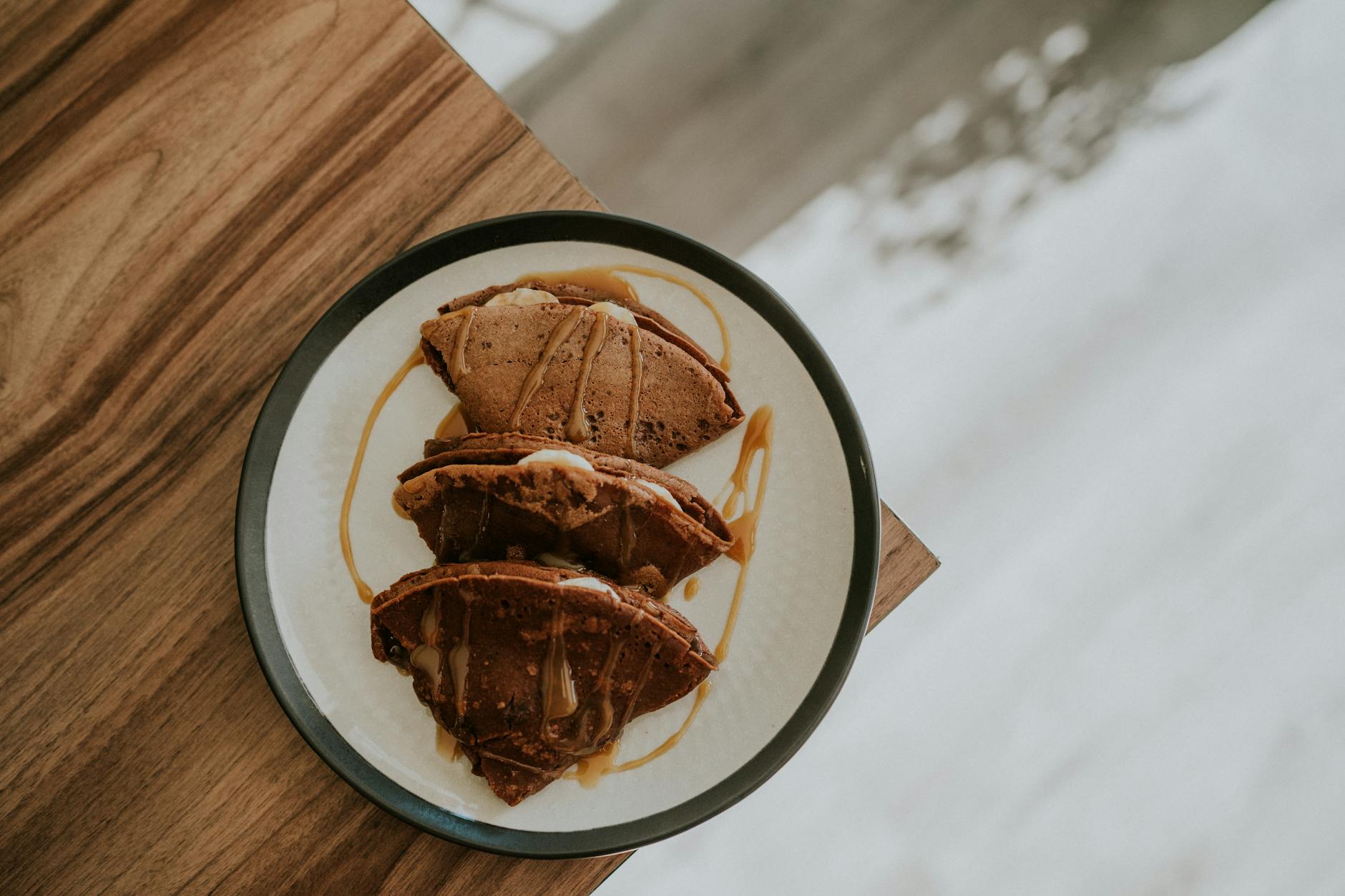
The legendary Martabak Pecenongan 78 and surrounding martabak specialists serve Jakarta’s gold-standard sweet stuffed pancake: thick, dense pancake filled with chocolate, cheese, peanuts, sweetened condensed milk, and butter. Modern versions add Nutella, Toblerone, and Ovomaltine. Splitable into squares; some weigh over 1 kg. Spend: IDR 75,000–250,000.
Also available: martabak telor (savory egg-stuffed pancake), nasi uduk (evening version), bubur kacang ijo (mung bean dessert).
Best for: Date nights, group dinners with seafood, late-night dessert.
2. Sabang Street — Cheap Eats with Friends
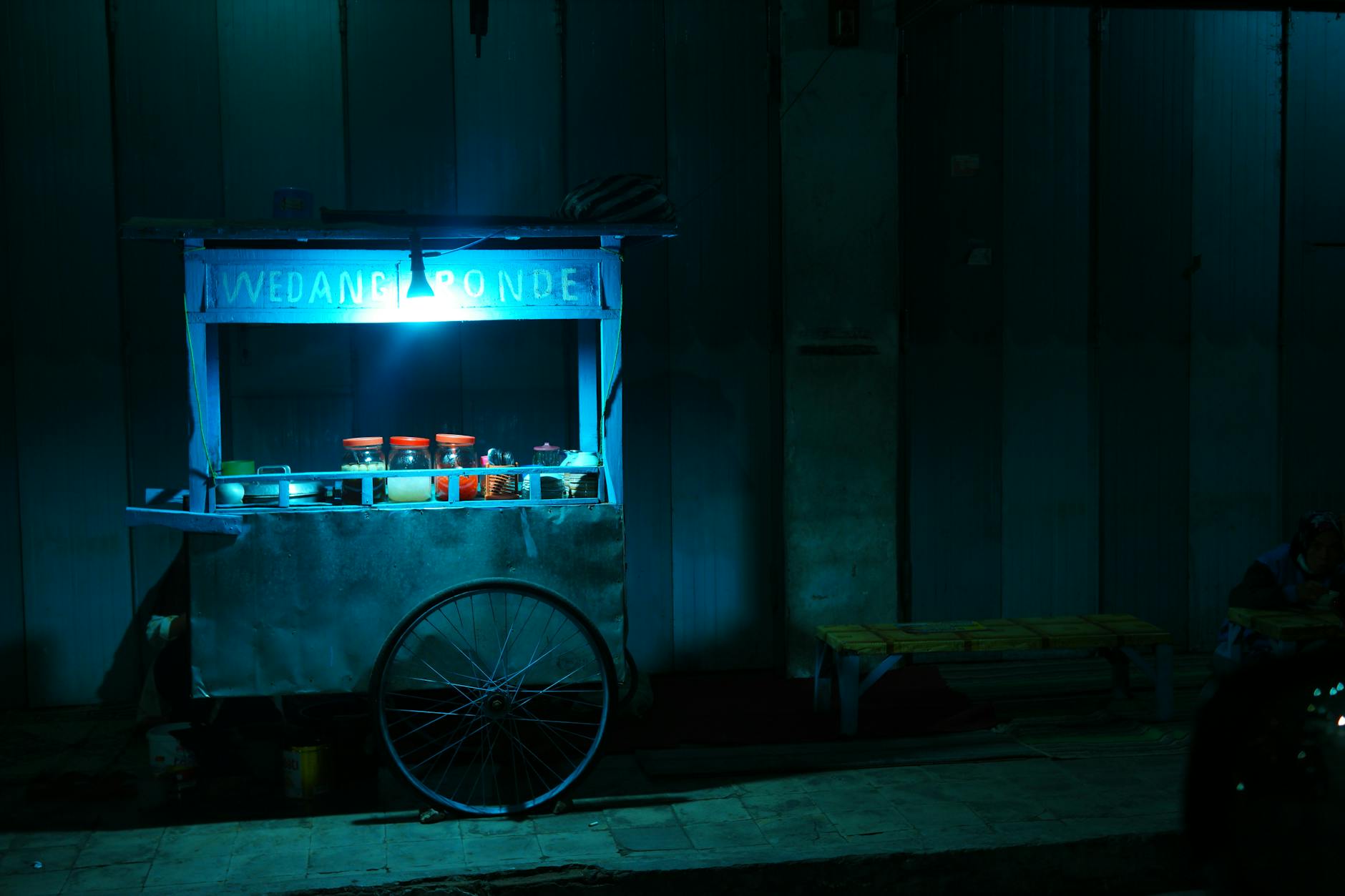
Jalan Sabang in Central Jakarta is Jakarta’s most beloved budget-focused night food strip. Operating from 5:00 PM until 1:00 AM, the 500-meter stretch hosts dozens of vendors serving Indonesian classics at street prices:
- Sate Ayam Pak Kumis — Madurese-style chicken satay, the most famous on Sabang. Bite-sized chicken pieces grilled over charcoal with sweet peanut sauce, served with lontong (compressed rice cakes), sliced shallots, and fresh lime. IDR 40,000–60,000.
- Nasi Goreng Kambing Kebon Sirih — Indonesia’s most famous lamb fried rice, walking distance from Sabang. IDR 50,000–80,000.
- Bubur ayam vendors — chicken rice porridge for late-night sustenance
- Pisang goreng — fried banana dessert
- Es campur — mixed iced dessert
- Sop kambing — goat soup
Best for: Solo travelers, budget groups, post-rooftop-bar food, and anyone chasing maximum eating for minimum spend — Sabang is the spiritual home of the cheap eats in Jakarta approach.
3. Mangga Besar — Chinese-Indonesian Adventurous Palate
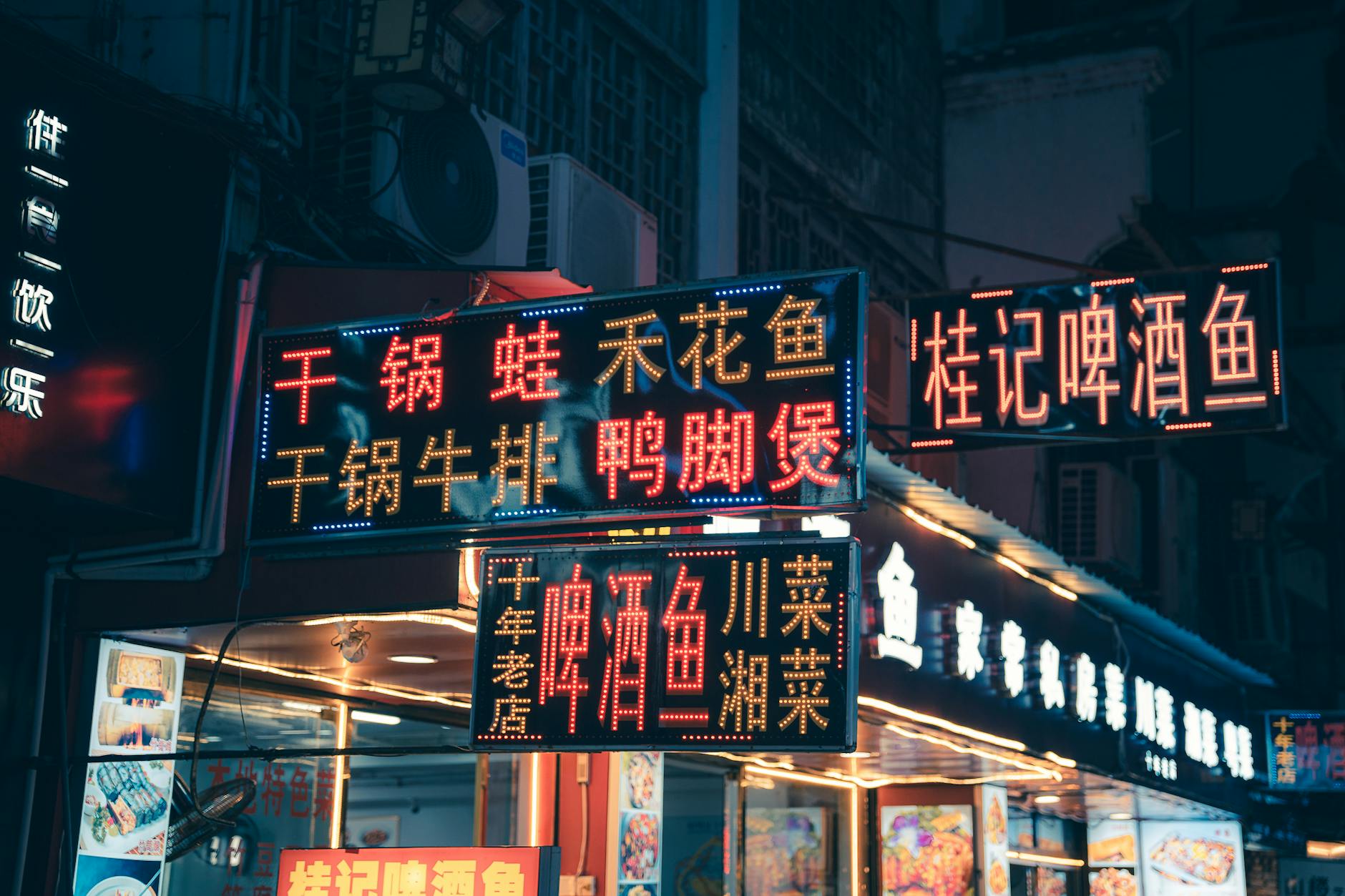
Mangga Besar in West Jakarta is the city’s late-night Chinese-Indonesian food capital, running from 7:00 PM until 3:00 AM, and it sits within striking distance of the old town for anyone combining it with a day of eating around Kota Tua. The neighborhood has a distinctly different vibe from the others — more local, more adventurous, more concentrated around Chinese-Indonesian specialties and exotic palates.
Standout Dishes & Vendors
- Frog legs (swikee) — stir-fried with garlic, ginger, and chili at multiple specialist stalls
- Sea snake — sometimes available at adventurous-palate vendors
- Bakmi — Hokkien-style noodles at multiple stalls
- Nasi tim ayam — Chinese-Indonesian steamed rice with chicken
- Durian — fresh durian served by weight at multiple vendors
- Iga sapi — slow-cooked beef rib
- Kepiting — Chinese-style crab in various sauces
Best for: Adventurous eaters, durian enthusiasts, travelers wanting authentic local night-food vibe over polished tourist food.
4. Pasar Kue Subuh (Senen) — The Predawn Cake Market
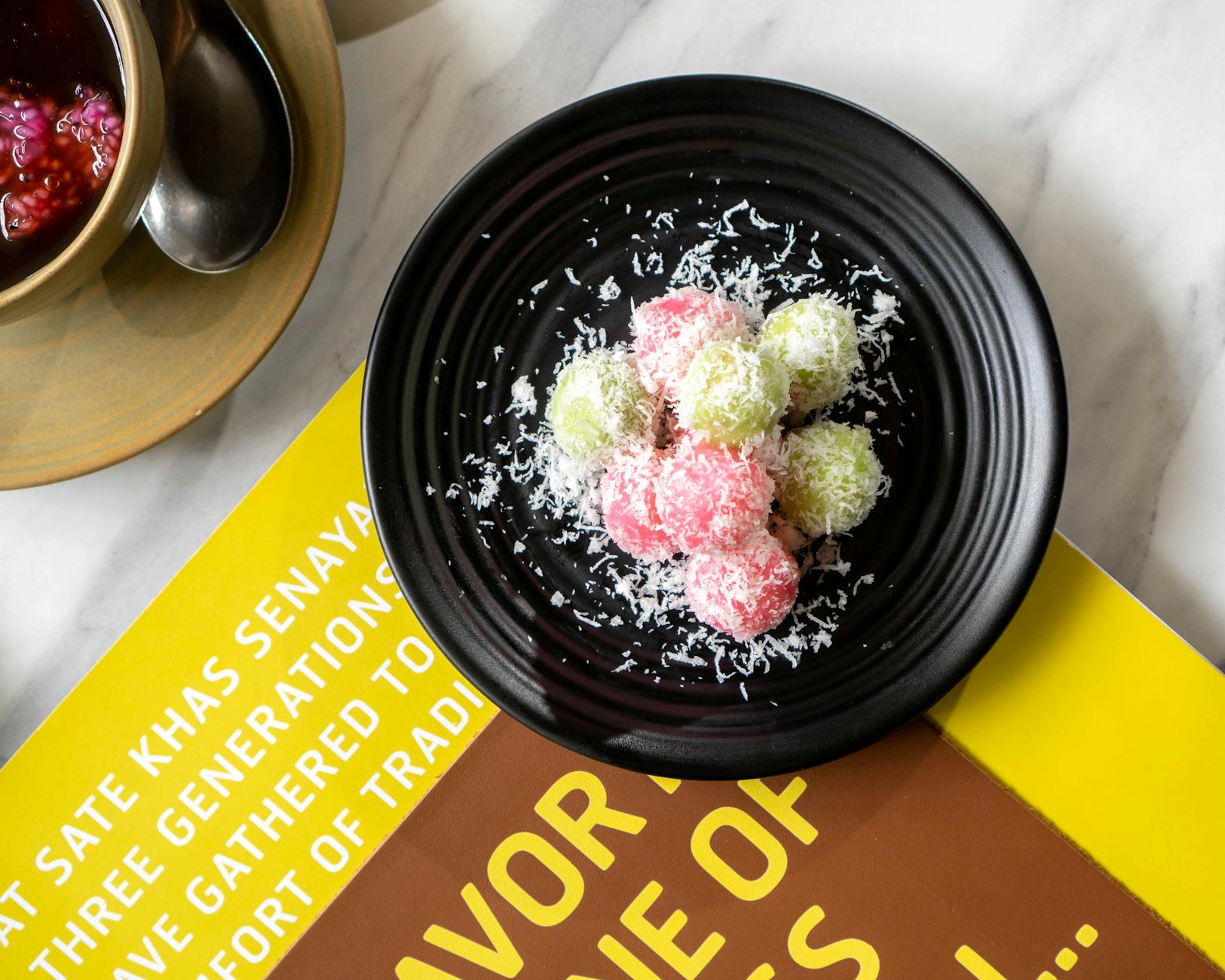
One of the strangest and most unforgettable food experiences in any Asian capital, Pasar Kue Subuh (“Dawn Cake Market”) in Senen is a nocturnal wholesale food market operating 7:00 PM to 5:00 AM nightly — the after-dark counterpart to the daytime stalls in the guide to Jakarta food markets. Hundreds of vendors sell traditional Indonesian and Betawi kue (cakes, sweets, savory pastries) — and many generously offer free samples to potential buyers.
Signature Kue to Try
- Kue cucur — palm sugar pancake
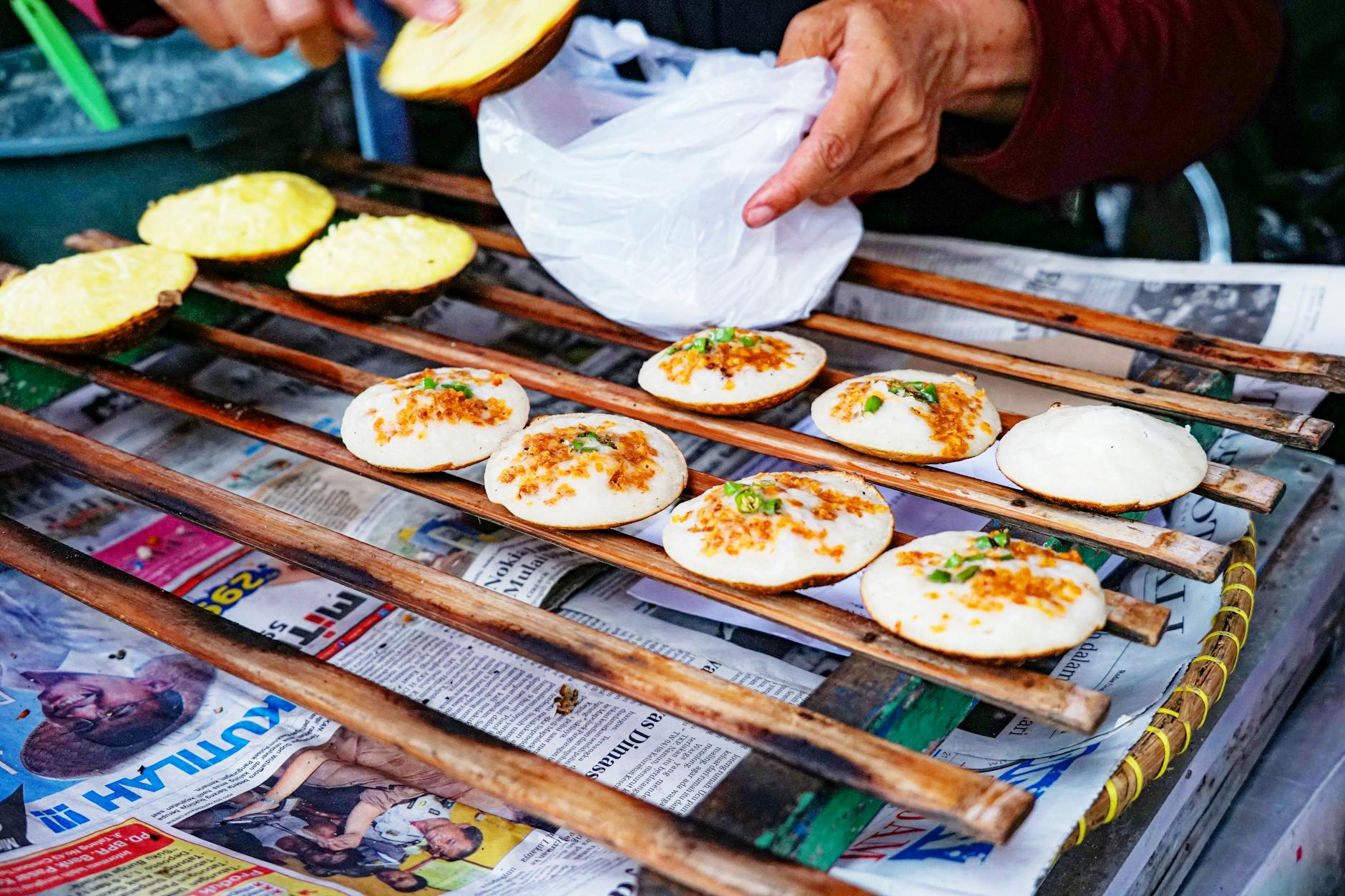
- Kue ape — mini Indonesian pandan pancakes
- Kue rangi — coconut and sago cakes
- Kue lapis — multi-layered steamed cake
- Dodol — sticky palm-sugar sweet
- Klepon — green rice-flour dumplings filled with palm sugar
- Onde-onde — sesame-coated sweet glutinous balls
- Lemper — savory glutinous rice rolls with chicken
- Risoles — Indonesian breaded vegetable rolls
The atmosphere at 3:00 AM — bakers stacking pastry boxes meters high, frenzied wholesale-buyer ordering, the smell of palm sugar and pandan filling the air — is one of Jakarta’s most surreal experiences. Bring cash, mind your bags, and arrive hungry. Spend: IDR 5,000–25,000 per item. Total for serious sampling: IDR 100,000–250,000.
Best for: Curious food travelers, predawn sightseeing combined with food, jet-lagged travelers wide awake at 3:00 AM, kue enthusiasts. Featured in our unique things to do in Jakarta guide.
5. Blok S (Kebayoran Baru) — South Jakarta’s Evening Local Scene
The South Jakarta favorite, Blok S in Kebayoran Baru is a much less touristic evening street food cluster that captures the local neighborhood vibe — Kebayoran Baru is one of the areas profiled in the Jakarta neighborhoods guide. From 5:00 PM until midnight, vendors serve nasi goreng, sate, soto, mie ayam, gado-gado, martabak, and traditional Indonesian dishes.
Less spectacle than Pecenongan or Sabang, but more authentic neighborhood atmosphere. Best for: Travelers based in South Jakarta, slow-food evenings, escaping the more touristic Central Jakarta strips.
Pairing Two Markets in One Night
Serious Jakarta food enthusiasts often chain two night markets into a single epic late-night session. Logical pairings:
Sabang → Pecenongan (Cheap-Eats then Seafood & Martabak)
Route: 7:00 PM sate ayam Pak Kumis on Sabang → walk 1.2 km north to Pecenongan → 9:00 PM seafood feast → 12:00 AM Martabak Pecenongan 78 dessert. Total walking: 1.5 km. Total spend: IDR 350,000–600,000 per person.
Pecenongan → Pasar Kue Subuh (Seafood then Predawn Cakes)
Route: 7:00 PM Pecenongan seafood → 11:00 PM martabak → 2:00 AM Grab to Pasar Kue Subuh (Senen, 10-min ride) → 3:00 AM traditional kue sampling. Total spend: IDR 400,000–700,000.
Mangga Besar → Sabang (Adventurous then Mainstream)
Route: 7:00 PM Mangga Besar frog legs and bakmi → 10:00 PM Grab to Sabang (15-min) → 11:00 PM late-night nasi goreng and sate. Best for: Travelers wanting both ends of Jakarta’s late-night spectrum.
Night Market Etiquette & Safety
Carry cash in small denominations — most night market stalls don’t take cards; vendors appreciate exact change. Eat at busy stalls — turnover is the best food safety indicator. Drink bottled water. Use ride-hailing apps (Gojek, Grab) for transit between markets — walking long distances late at night isn’t recommended.
Safety: Pecenongan, Sabang, and Pasar Kue Subuh are very safe; Mangga Besar has more adult-nightlife activity in some adjacent streets — stick to the food-vendor sections. Solo female travelers report no issues at any of these markets if standard urban precautions are taken.
Halal considerations: Most Indonesian dishes at these markets are halal. Mangga Besar’s Chinese-Indonesian vendors often serve pork — ask “ada babi?” (any pork?) before ordering. Frog and exotic protein vendors are not halal.
When to Visit Each Market
Best Times by Market
- Pecenongan seafood: 8:00–10:00 PM (peak freshness, smaller crowds)
- Pecenongan martabak: 11:00 PM–1:00 AM
- Sabang: 8:00 PM–midnight (peak vibe)
- Mangga Besar: 9:00 PM–1:00 AM
- Pasar Kue Subuh: 2:00–4:00 AM (peak atmosphere)
- Blok S: 7:00–10:00 PM
Avoid
Heavy rain (most are open-air or under tarps), national holidays (Eid al-Fitr week — many vendors closed), Ramadan evenings (some halal vendors stay closed for iftar then reopen later).
Combining Night Markets with Other Late-Night Jakarta
Logical sequence for a full Jakarta night out: Sunset rooftop drinks (SKYE, Henshin, Awan Lounge) → Refined dinner at a restaurant → Sabang or Pecenongan for late-night street food → Pasar Kue Subuh for 2:00 AM kue. For more late-night Jakarta ideas, see our things to do in Jakarta at night and free things to do in Jakarta guides.
Sample Late-Night Food Itineraries
Date Night (6 PM–midnight): Sunset SKYE Bar → 8:00 PM Pecenongan seafood → 11:00 PM Martabak Pecenongan 78 dessert.
Budget Backpacker (7 PM–1 AM): 7:00 PM Sabang sate ayam → 9:00 PM nasi goreng kambing Kebon Sirih → 11:00 PM Sabang bubur ayam → 12:30 AM Grab home.
Hardcore Food Marathon (6 PM–4 AM): Sabang appetizers → Pecenongan seafood → Pecenongan martabak → Pasar Kue Subuh predawn kue. Walking + Grab. Total spend: IDR 600,000–1,000,000.
Adventurous Palate (8 PM–2 AM): Mangga Besar frog legs and durian → Glodok late-night bakmi → return to hotel.
How to do a Jakarta night market right
A good night out at these markets rewards a little strategy. Come hungry but pace yourself. The temptation at Pecenongan is to order a whole seafood feast at the first stall; resist, and graze across a few so you can hit the martabak at the end. Confirm seafood prices before it’s cooked. The fish stalls price by weight, and the single best habit you can build is asking “berapa per ons?” (how much per 100 grams?) and getting a rough total before anything goes on the grill — it’s the cleanest way to avoid a surprise bill. Carry small notes. Almost everything here is cash-only, and a pocket of IDR 10,000, 20,000, and 50,000 bills keeps you moving.
Use Gojek or Grab between strips. The markets are spread across the city and the gaps are too long and too traffic-choked to walk late at night; a ride between Pecenongan and Pasar Kue Subuh is ten minutes and a couple of dollars. Time it to the market. Seafood is freshest early evening, martabak peaks near midnight, and Pasar Kue Subuh doesn’t reach its surreal best until 2 to 4am — so a marathon is really a relay, not a sprint. Watch the weather. Most of these are open-air or under tarps, and a hard rain clears them fast; if the sky looks unsettled, lead with the more covered Sabang stretch and keep the exposed Pecenongan tables for a dry night.
One more thing worth knowing: these markets are some of the most welcoming places in the city for solo travelers, including solo women, thanks to the constant crowds and bright lights. Standard urban sense applies — keep your bag in front of you in a press of people, and stick to the busy vendor sections at Mangga Besar rather than wandering the quieter adjacent streets — but none of these strips require a group to enjoy.
When the markets change with the calendar
The night-market scene shifts noticeably with the religious and cultural calendar, and it’s worth knowing before you plan a night around it. During Ramadan, the rhythm inverts: many halal vendors close through the day and the early evening for iftar, then reopen later and run deep into the night, so the strips are quieter at 7pm and busier at midnight than usual. The few days around Eid al-Fitr (Lebaran) are the one time these markets genuinely thin out — a large share of vendors travel home to their villages, and Pecenongan and Sabang in particular can be half-shuttered, so it’s the week to lower expectations.
Chinese New Year pushes the opposite way at Mangga Besar and the Glodok side of the city, where Chinese-Indonesian vendors lean into special dishes and the crowds swell. Ordinary weekends are the reliable peak across the board — Friday and Saturday nights bring the fullest spread of vendors and the best atmosphere, at the cost of the longest queues at the famous stalls. If you want the spectacle, go on a weekend; if you want elbow room and you’re willing to trade a little energy for it, a Tuesday or Wednesday night still delivers the food without the crush.
Frequently Asked Questions About Jakarta Night Food Markets
What is the best Jakarta night food market?
For seafood and martabak, Pecenongan is the most famous. For cheap eats and Indonesian classics, Sabang. For adventurous palate, Mangga Besar. For predawn cake-hunting, Pasar Kue Subuh in Senen. Each has its own vibe — match to your interests.
What time do Jakarta night markets open?
Most night markets activate from 6:00–8:00 PM and run until 1:00–3:00 AM. Pasar Kue Subuh is unique — operating 7:00 PM–5:00 AM with peak atmosphere at 2:00–4:00 AM.
Are Jakarta night markets safe?
Yes — major night markets (Pecenongan, Sabang, Pasar Kue Subuh) are very safe with high foot traffic and visible police presence. Mangga Besar has more adult-nightlife activity in some adjacent streets but the food-vendor sections are fine. Use standard urban precautions.
How much should I budget for Jakarta night markets?
A single market visit costs IDR 100,000–300,000 ($6–20) per person. Chaining two markets in one night runs IDR 400,000–700,000 ($25–45). Pasar Kue Subuh sampling is the cheapest at IDR 50,000–150,000.
Can I visit Jakarta night markets solo?
Absolutely — Pecenongan, Sabang, and Pasar Kue Subuh are all very welcoming to solo travelers including women. Mangga Besar is best visited in pairs after midnight.
Do Jakarta night markets accept credit cards?
Most don’t — bring cash in small denominations (IDR 10,000, 20,000, 50,000 notes). Some larger restaurants on Pecenongan accept Visa/Mastercard but warungs and stalls are cash-only.
Jakarta’s late-night food markets are among the great street-food experiences in Asia, each with its own distinct character. From here, the Jakarta food guide maps the whole scene, and if you’d rather have a night organized for you, the Jakarta food tour guide covers guided crawls that hit several of these strips.
External Resources for Jakarta Night Markets
For real-time vendor reviews, the Tripadvisor Pecenongan Night Market page aggregates current visitor experiences, and Wanderlog’s Best Night Markets in Jakarta guide provides additional vendor mapping.