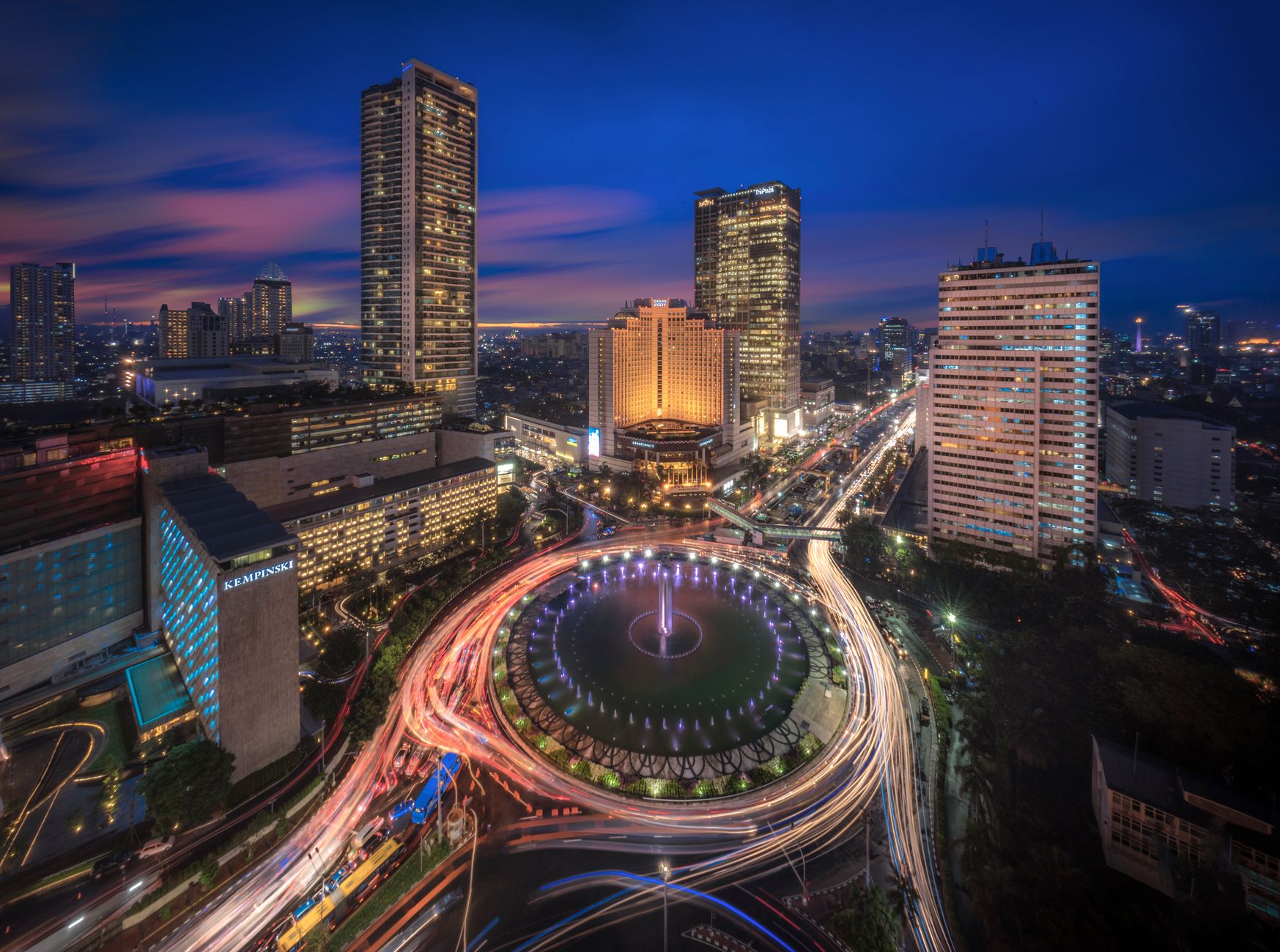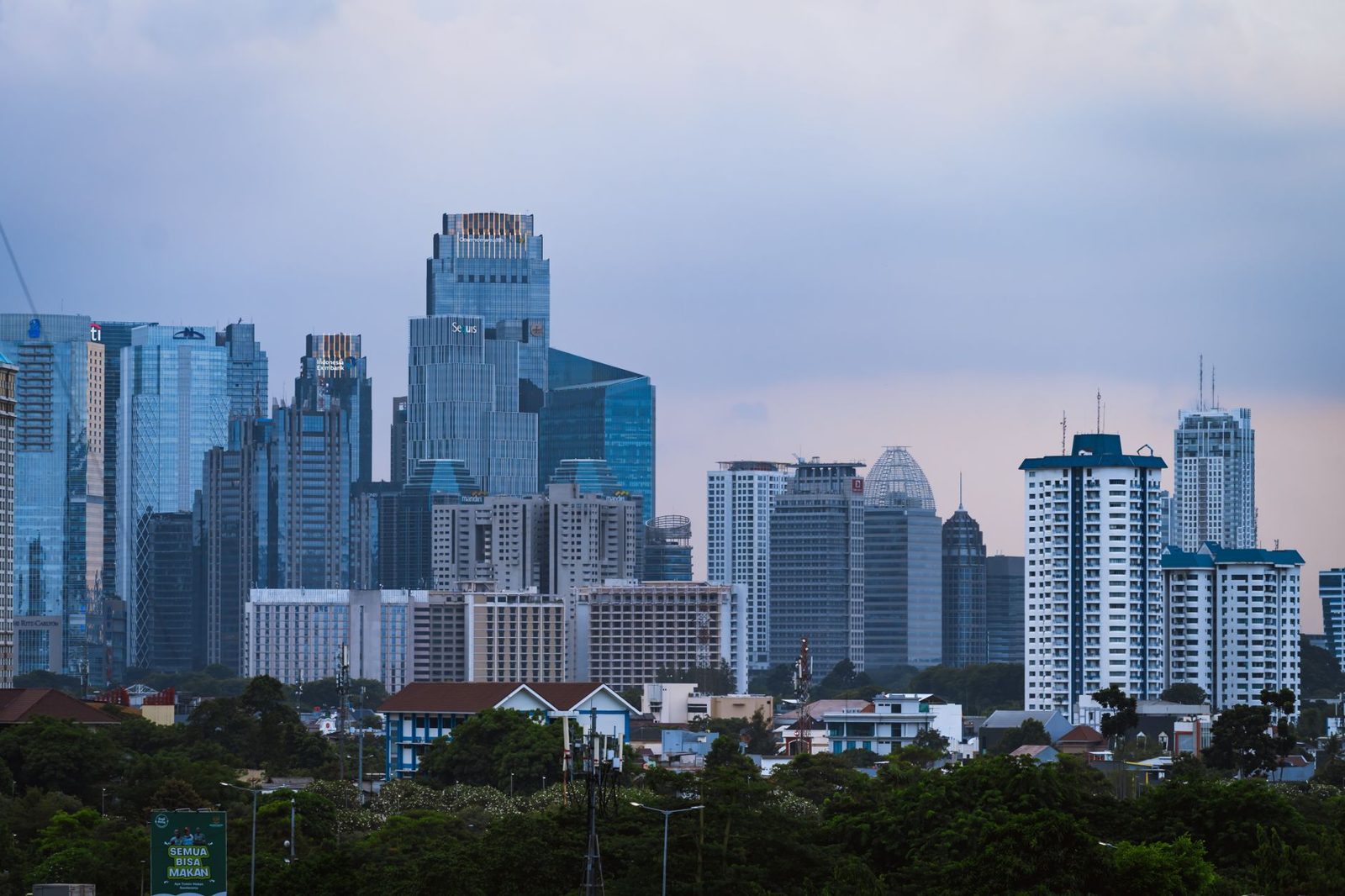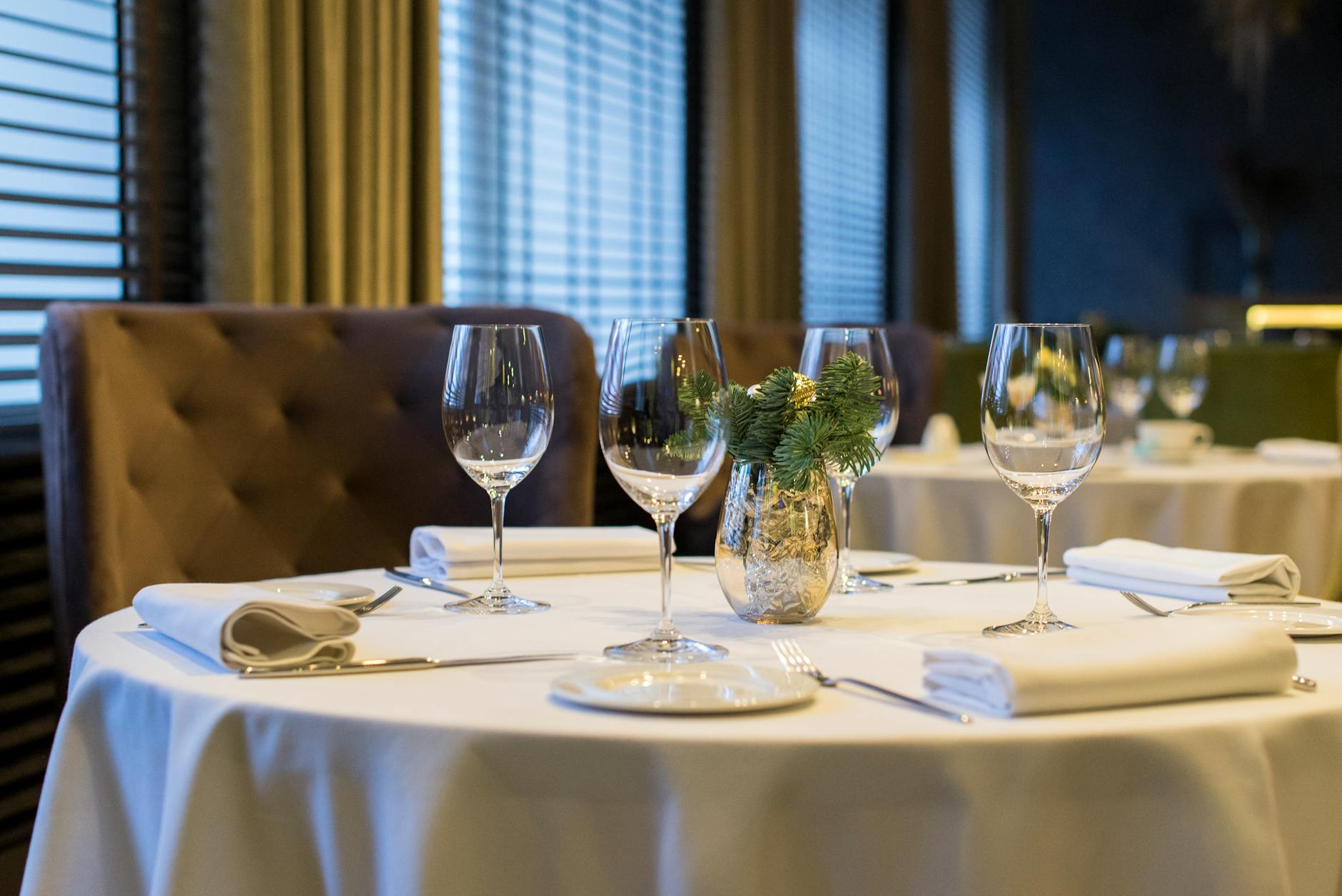
The best table in Jakarta is not on a rooftop. It is in a room of about fifty seats inside an office tower in SCBD, where a kitchen led by chef Hans Christian cooks with Indonesian ingredients and a pastry section good enough that its head was named Asia’s Best Pastry Chef in 2026. August climbed to No. 42 on Asia’s 50 Best Restaurants that year, the only restaurant in the capital on the list. It is the obvious place to start a guide to the fine dining restaurants Jakarta has for a special occasion — and a reminder that the most memorable meals here tend to be about Indonesia rather than about the view.
This guide covers the tasting-menu restaurants we could confirm were operating in 2026, the grand-hotel dining rooms, the modern Indonesian movement that makes Jakarta’s fine dining distinctive, what a special dinner really costs once wine and the “++” are added, and the practical details — booking, dress, halal and alcohol, and above all the traffic — that decide whether the evening works. Jakarta’s restaurant scene turns over fast, so we have named only places we could verify, and even those change menus and prices often: book directly and confirm before you go.
The shortlist, by occasion
| If you want | Book | Why |
|---|---|---|
| The best meal in the city | August, Sequis Tower, SCBD | No. 42 on Asia’s 50 Best Restaurants 2026; Asia’s Best Pastry Chef |
| Indonesian food as theatre | Namaaz Dining | Chef Andrian Ishak’s modernist Indonesian tasting menus |
| Classic French, a serious wine list | Amuz | Long-running Parisian-style fine dining under chef Gilles Marx |
| A skyline view with dinner | Henshin, top of The Westin Jakarta | Nikkei cooking high above Kuningan; check current menus |
| Grand-hotel dining | The five-star hotels’ signature restaurants | Service, private rooms and wine lists built for occasions |
| A special meal without a tasting menu | Talaga Sampireun, Menteng | Sundanese food in pavilions over a lake |
What fine dining costs in Jakarta
Jakarta’s top restaurants are cheaper than their equivalents in Singapore, Hong Kong or Tokyo for the food, and not necessarily cheaper for the wine. Typical 2026 prices for the city’s premium tasting menus run from roughly 1,800,000 to 3,500,000 rupiah per person before drinks, with lighter fine-dining menus from around 500,000 to 1,500,000. At about 17,800 rupiah to the US dollar in September 2026, a premium menu is roughly US$100 to US$200.
Two things then change the bill substantially:
- The “++”. Menu prices at mid-range and upmarket restaurants exclude a service charge of usually 5–10 per cent and the regional restaurant tax of 10 per cent. Together they add 15–21 per cent. On a tasting menu for two, that is a meaningful sum, and it is where the mental arithmetic usually goes wrong.
- Wine. Imported wine carries heavy duty in Indonesia, and restaurant wine prices reflect it. A wine pairing can cost as much as the food, and a bottle of something you would drink at home without thinking can cost several times what it does there. If wine matters, ask about pairings and bottle prices when you book, and ask about corkage — policies vary.
| Dinner for two | Roughly (IDR) |
|---|---|
| Premium tasting menus, no alcohol, with “++” | 4,200,000–8,500,000 |
| Lighter fine-dining menus, a cocktail each, with “++” | 1,500,000–4,000,000 |
| Add wine pairings | Can double the bill |
| For comparison: a mid-range restaurant dinner for two | About 300,000 before “++” |
Those are orders of magnitude, not quotes — menus change seasonally and prices with them. For how a special dinner fits into a whole trip, see our luxury travel guide.
The restaurants
August — the one to book
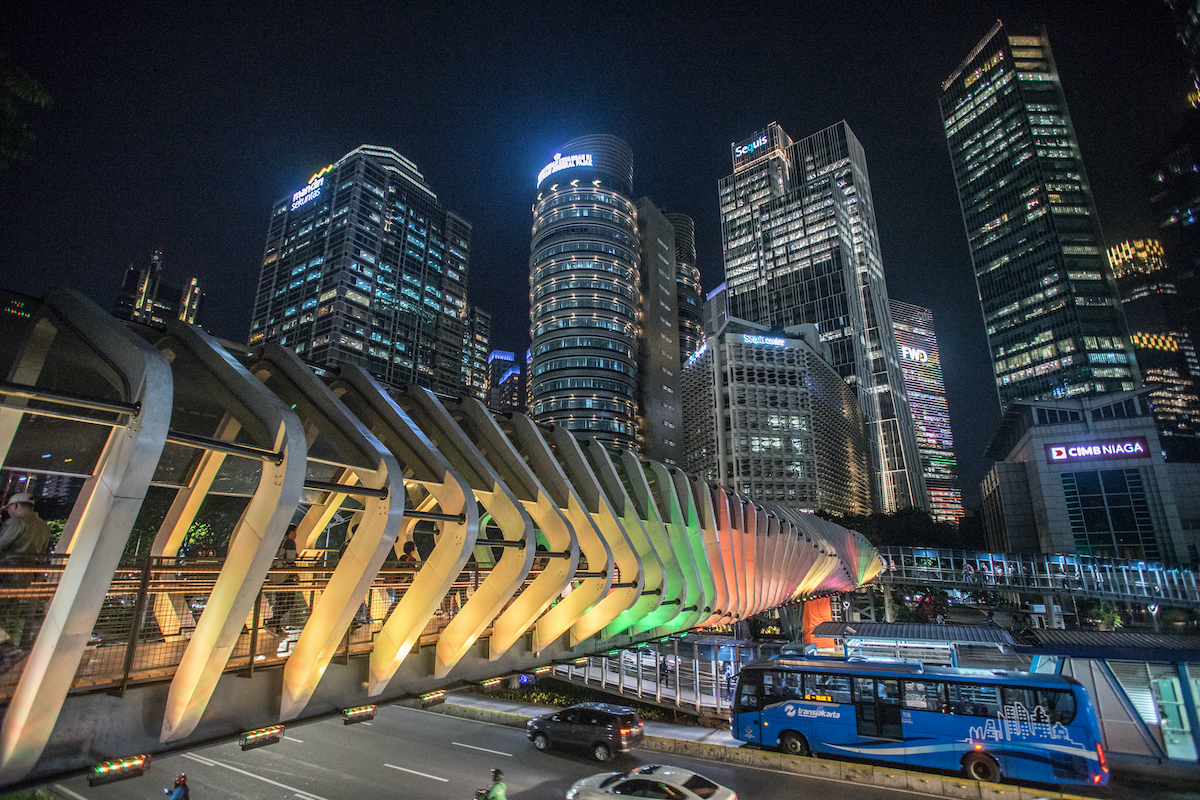
August sits in Sequis Tower in SCBD, the business district off Jalan Jenderal Sudirman, and it is the restaurant that put Jakarta firmly on the region’s fine-dining map. Chef Hans Christian, who founded it with restaurateur Budi Cahyadi, cooks a modern tasting menu built around Indonesian flavours and produce, in a warm, relatively small room of about fifty seats that feels more like a very good neighbourhood restaurant than a temple of gastronomy.
It rose to No. 42 on Asia’s 50 Best Restaurants in 2026, up from No. 49 the year before, and its pastry chef, Ardika Dwitama, was named Asia’s Best Pastry Chef — so do not skip dessert. August was the only Jakarta restaurant on the 2026 list. Book well ahead, particularly for Friday and Saturday nights, and mention any occasion when you do. For the neighbourhood, see our SCBD and Sudirman guide.
Namaaz Dining — Indonesian food as theatre
Chef Andrian Ishak’s Namaaz Dining is the most avant-garde restaurant in Jakarta: a long tasting menu that takes familiar Indonesian dishes — the soups, the sambals, the street snacks — and rebuilds them with modernist techniques and a good deal of showmanship. It is still recommended by Jakarta’s 2026 guides, including as one of the better places in the city to eat alone, since the experience is designed to be watched as much as eaten.
It is theatrical by design. If you want to understand how far Indonesian flavours can be pushed, it is unmissable; if you prefer your food straightforward, August is the better choice. Book directly for the current address, menu and price.
Amuz — the French classic
Amuz has been a favourite of Jakarta’s establishment for years: classical, Parisian-style French cooking under chef Gilles Marx, made with imported premium ingredients and served with one of the more impressive wine lists in the city. It is the choice for a traditional celebration — the anniversary where you want white tablecloths and a proper wine list rather than a surprise — and for business dinners that need to go smoothly.
Henshin — dinner with the skyline
At the top of The Westin Jakarta, in the Gama Tower on the Kuningan side of the business district, Henshin serves Nikkei cooking — the Japanese-Peruvian fusion best known for ceviche and tiradito — with a view across the city from more than sixty floors up. It is the obvious booking when the view is the point of the evening. Ask for a window table when you reserve, and go before sunset for the best of it. As with any restaurant in a hotel, menus and concepts change; confirm what is being served when you book.
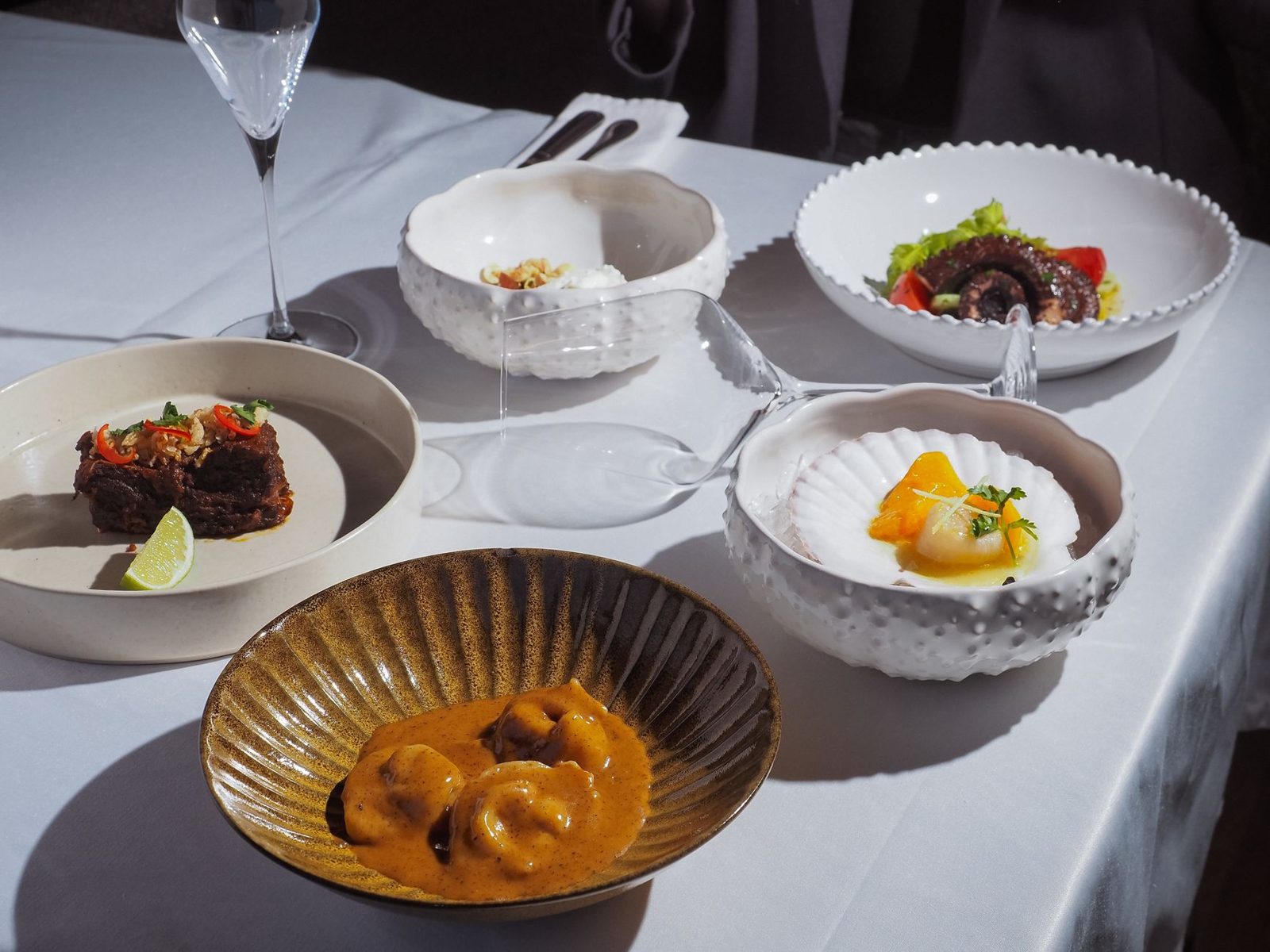
The grand-hotel dining rooms
A large share of Jakarta’s special-occasion dining still happens in the five-star hotels, and for good reasons. The hotels compete hard on food; they have the private rooms, the wine cellars and the service culture for anniversaries, proposals and business entertaining; and they solve two Jakarta problems at once, because you can often walk from your room, and the car park is not your problem.
The properties to know are the grand names on Thamrin and Sudirman and in the Kuningan–SCBD business districts: the Mandarin Oriental, the Hotel Indonesia Kempinski, the Grand Hyatt and the Four Seasons, The St. Regis, the Park Hyatt, The Langham and Raffles, and the Hotel Mulia in Senayan. Each runs at least one signature restaurant — French, Italian, Japanese, Cantonese and modern Indonesian are all represented — and most run a Sunday brunch that is an institution in its own right. Signatures at the Hotel Indonesia Kempinski, for example, runs an international buffet with a treehouse and slides for children beside the dining room, which makes it the rare special-occasion meal that works for a whole family.
Hotel restaurants change chefs and concepts more often than independent ones, so check what each is serving before you book. Our luxury hotels guide covers the properties themselves, and for a stay built around an occasion, the romantic hotels guide.
Why modern Indonesian is the thing to eat
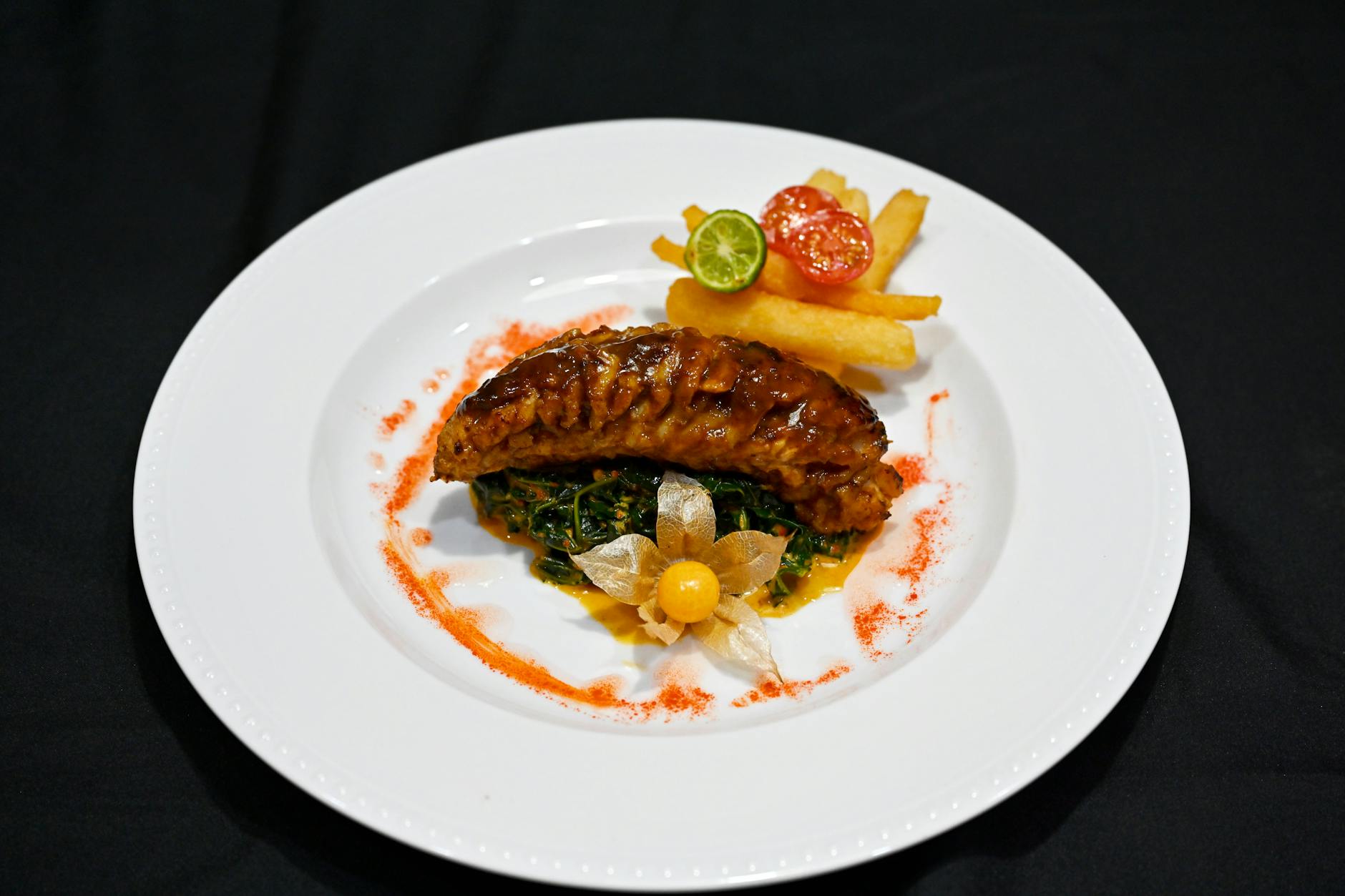
You can eat excellent French, Italian or Japanese food in any of Asia’s great cities. What you can eat properly only in Indonesia is Indonesian food taken seriously at the top end, and that is where Jakarta’s fine dining is most interesting.
Indonesia is an archipelago of thousands of islands and hundreds of culinary traditions, and the chefs leading the modern movement draw on all of them: the rich, slow-cooked curries of West Sumatra, the fiery sambals of Manado, the fresh herbs and raw vegetables of Sundanese cooking, the Betawi dishes of Jakarta itself. They use ingredients that barely exist outside the country — andaliman, the citrusy, numbing pepper of North Sumatra’s Batak highlands; kluwek, the black fermented nut that gives rawon its colour; kecombrang, torch ginger; dozens of kinds of chilli, rice and palm sugar — and rethink dishes that every Indonesian at the table grew up with.
That shared memory is the point. A reinvented soto or rendang lands differently when the person beside you knows exactly what their grandmother’s version tasted like, and watching an Indonesian friend react to a course is half the pleasure of the evening. If you have one fine-dining meal in Jakarta, make it one that cooks with Indonesian ingredients, and — ideally — take someone local. To understand the dishes being reinterpreted, our must-try dishes guide and Betawi cuisine guide are good homework.
Reading a Jakarta tasting menu
Menus at the modern Indonesian end of the market are often written in a mixture of English and Indonesian, and a handful of words unlock most of them:
| On the menu | What it means |
|---|---|
| Sambal | Chilli relish — dozens of regional kinds, from raw and sharp to slow-cooked and sweet |
| Bumbu / rempah | A spice paste / spices in general; the base of most Indonesian cooking |
| Santan | Coconut milk |
| Kecap manis | Sweet soy sauce, thick with palm sugar |
| Gula aren | Palm sugar, often in desserts and coffee |
| Terasi | Fermented shrimp paste — flag it if you have an allergy |
| Andaliman | A citrusy, tingling pepper from the Batak highlands of North Sumatra |
| Kluwek | A black fermented nut, the source of the dark colour in rawon |
| Kecombrang | Torch ginger flower, floral and sour |
| Kemangi | Lemon basil |
| Daun jeruk / pandan | Lime leaf / pandan leaf, both fragrant |
| Rendang, soto, rawon, sate | Slow-cooked spiced beef; spiced soup; black beef soup; skewers — classic dishes often reinterpreted |
A tasting menu typically opens with a run of small snacks, moves through a series of savoury courses, and ends with a pre-dessert, dessert and petits fours. It is perfectly normal to ask what a course is, where an ingredient comes from, or to ask for a dish to be made less spicy when you book.
Drinks beyond the wine list
Because imported wine is so expensive, the best restaurants have become inventive about what else goes in the glass. Many offer non-alcoholic pairings built around teas, fermented drinks and house-made infusions that echo jamu, Indonesia’s traditional herbal tonics, and they are often more interesting than the wine. They are also the obvious choice if some of your party do not drink, which in Jakarta is common.
End with the coffee. Indonesia is one of the world’s great coffee producers, and origins such as Gayo in Aceh, Toraja in Sulawesi and Kintamani in Bali turn up on good restaurant menus. Ask for a kopi tubruk — ground coffee brewed directly in the cup — if you want it the traditional way.
Choosing by occasion
An anniversary or a proposal
Tell the restaurant when you book, and tell them what you want. Jakarta’s top restaurants and hotels arrange this kind of thing often: a particular table, flowers, a dessert with a message, a photographer, a private room. The hotels are especially good at proposals, because they can combine dinner with a suite and a view. Avoid the busiest nights if you want the staff’s full attention.
A business dinner
Choose somewhere close to where your guests work — SCBD, Sudirman, Kuningan or Thamrin — because a guest who has spent ninety minutes in traffic does not arrive in the right frame of mind. Private rooms are common and worth booking. Ask your guests in advance about halal requirements and alcohol; many Indonesian business guests do not drink, and a menu that works for everyone matters more than the wine list. Our business travel guide covers business etiquette more broadly.
A birthday with a group
Large groups are where Jakarta’s hotel Chinese restaurants come into their own, with round tables, lazy Susans, set banquet menus and private rooms. For a group that includes children or grandparents, a hotel Sunday brunch is often the most relaxed special-occasion meal there is.
Dining alone
Tasting-menu restaurants are good places to eat alone, particularly those with a counter or an open kitchen. Namaaz Dining is often recommended for solo diners, because the performance is the company. Hotel restaurants are also comfortable alone, and staff are used to it.
For the view
Book Henshin or a high hotel restaurant, go before sunset, and ask for a window. For a view without a tasting menu, a drink at one of the city’s rooftop bars followed by dinner elsewhere is often the better plan. Our rooftop bars guide names them.
A celebration evening, planned
The best special evenings in Jakarta are built around the traffic rather than despite it. A plan that works:
- Afternoon: a spa. Jakarta’s spas are among its genuine bargains. The Taman Sari Royal Heritage Spa, with branches including Wahid Hasyim and Cikajang, specialises in Javanese palace treatments such as the lulur body scrub. Book something close to your hotel.
- 17:00–19:00: stay put. Spend the evening rush getting ready, or at a bar within walking distance of dinner. Do not be in a car.
- Sunset drink near the restaurant. If you want a view, choose a rooftop or hotel bar in the same district as dinner.
- 19:30: dinner. Arrive by MRT or on foot. Allow three hours for a tasting menu.
- 22:30: a nightcap and home. The roads are quiet by now; a car across the city takes a fraction of the time it would have at six.
Our luxury travel guide covers spas and bars, and the best bars guide has places for the nightcap.
Getting there without spoiling the evening
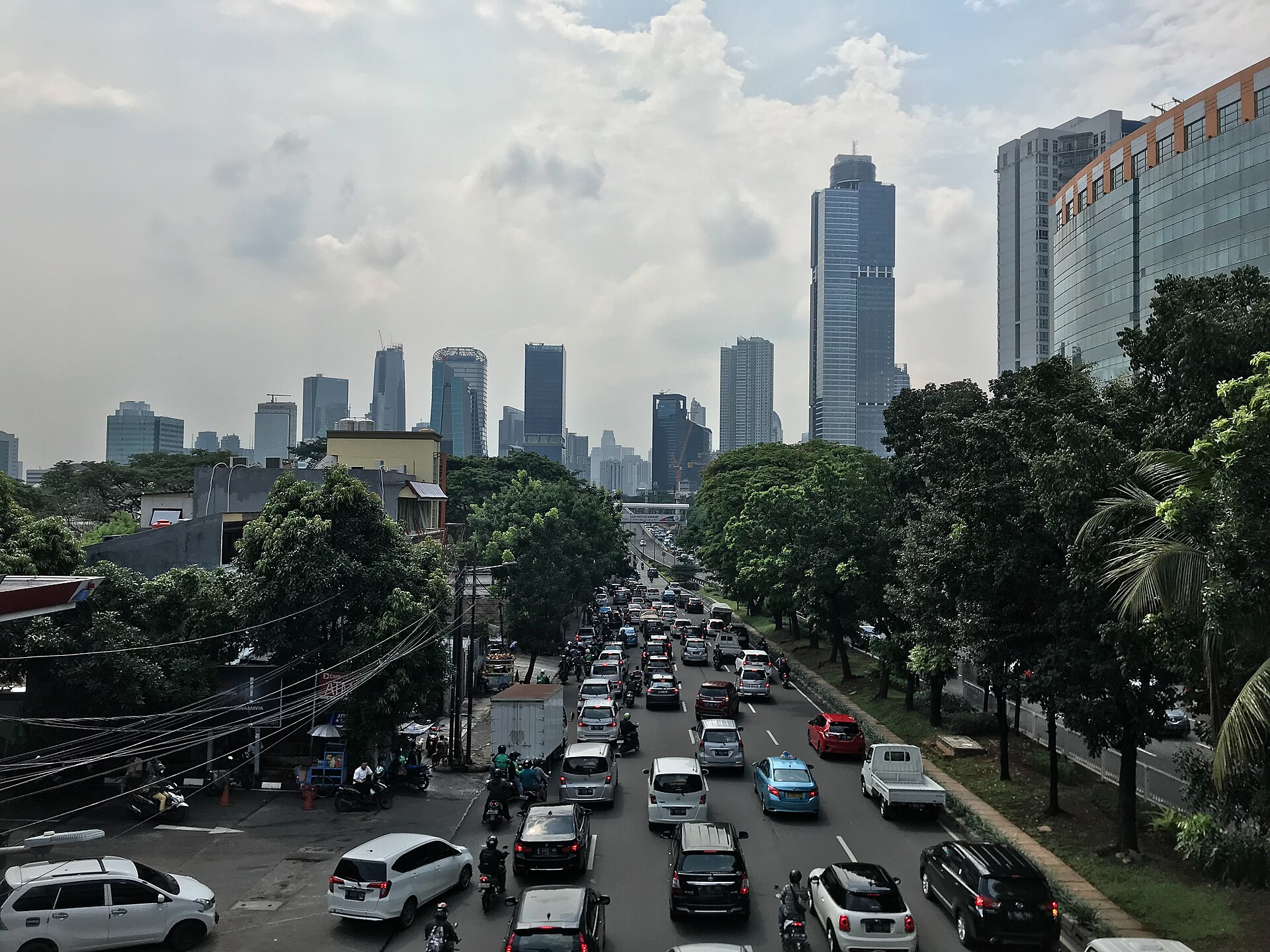
This is the section that matters most, and the one visitors most often ignore. Jakarta’s evening rush runs from roughly 17:00 to 19:00, and on Fridays and before long weekends it is worse. A journey from Kota Tua or Pantai Indah Kapuk to SCBD that takes 30 to 40 minutes at 20:00 can take well over an hour at 18:00, and rain makes everything worse.
- Book 19:30 or later, not 18:30. By the time you arrive, the worst will be over.
- Stay close. If a dinner is the reason for the evening, stay in a hotel near the restaurant, or eat at your own hotel.
- Use the MRT. It runs under Sudirman and Thamrin with stations at Senayan, Istora Mandiri, Bendungan Hilir, Setiabudi, Dukuh Atas and Bundaran HI, and it ignores the traffic entirely. It is perfectly acceptable to arrive at a fine-dining restaurant by metro.
- Book the car home in advance, or ask the restaurant to call one. After 21:00 the roads are quiet and the journey is quick.
Our traffic guide has the full picture.
The dining calendar
The time of year changes Jakarta’s restaurants more than visitors expect.
- Ramadan. Restaurants stay open, but the city’s rhythm shifts. Many run special menus for buka puasa, the breaking of the fast at sunset, which become some of the most sought-after bookings of the year, and the hour before sunset has the worst traffic of the year. Book early and arrive early.
- Lebaran. In the days around Eid al-Fitr, at the end of Ramadan, millions of Jakartans travel home to their families. The city empties, the roads are wonderfully clear, and some restaurants close for a week or cut their hours as staff go home. Check before you book anything for that week.
- Chinese New Year. The hotel Chinese restaurants fill with family banquets, and set menus replace the usual à la carte. Book weeks ahead.
- Christmas, New Year’s Eve and Valentine’s Day. Hotels and top restaurants run set menus and galas, usually at higher prices than normal. Book early, and check whether the regular menu is available at all.
- The wet season, roughly November to April, brings afternoon storms that flood streets and slow the roads. Leave extra time on any evening when the sky looks heavy.
The practical details
Booking
Book the top restaurants weeks ahead for Friday and Saturday nights, and a few days ahead otherwise. Many restaurants take reservations through their websites or booking platforms, but WhatsApp is how Jakarta does almost everything, and a message to the restaurant’s number is often the quickest way to secure a table or ask a question. Mention dietary requirements and occasions at the time of booking, not at the table.
Dress
Smart casual is the norm: trousers or a smart dress, closed shoes. Shorts, flip-flops and gym clothes are not acceptable at the top restaurants or in hotel dining rooms in the evening. Jakarta’s restaurants are heavily air-conditioned, so a light layer is sensible anyway. If a restaurant has a stricter dress code, it will say so when you book.
Halal, pork and alcohol
Indonesia is a Muslim-majority country, but its fine-dining restaurants vary. Many serve alcohol; some serve pork; a few are halal-certified. If halal matters to you or your guests, ask specifically when you book — “no pork on the menu” and “halal-certified kitchen” are not the same thing. During Ramadan, restaurants stay open, many run special menus for breaking the fast at sunset, and the hour before sunset is the busiest of the year on the roads.
Dietary requirements
Tasting-menu kitchens can usually accommodate vegetarians, allergies and pregnancy, with notice. Indonesian cooking uses shrimp paste (terasi), peanuts and fish sauce widely, so allergies in particular need flagging in advance.
Paying and tipping
Cards are accepted everywhere at this level. The service charge in the “++” is the tip; nothing further is expected. For exceptional service, a small cash tip for the team is appreciated and never demanded.
Lunch instead of dinner
An underrated option. Some of Jakarta’s fine-dining restaurants and hotel dining rooms serve lunch, often with shorter menus at lower prices, and lunch sidesteps the evening rush entirely. The midday heat does not matter indoors, the light is better for a view, and you have the evening free for a street-food walk, which is a very Jakarta way to celebrate twice in one day. Check which restaurants open at lunchtime when you book; many tasting-menu kitchens are dinner only.
Fine dining with children
Most tasting-menu restaurants are not designed for young children, and some set a minimum age; ask when you book. For a special family meal, the hotel dining rooms and Sunday brunches are the better choice: children are welcome, menus are flexible, and several hotels build facilities for them into the room. Signatures at the Hotel Indonesia Kempinski, with its treehouse and slides beside the buffet, is the clearest example. Our family-friendly restaurants guide has more.
Table manners worth knowing
- Use your right hand to pass things, to pay and to hand over a card. The left hand is traditionally considered unclean.
- Do not point with your index finger. Indonesians gesture with the thumb or an open hand.
- Photographing the food is normal at this level; ask before photographing staff or other diners.
- Toasts are fine, but do not press drinks on guests who have declined alcohol.
- Keep your voice down. Indonesian restaurant culture is warm but not loud, and raised voices, especially in complaint, are embarrassing for everyone. A quiet word to the manager works far better.
Our etiquette guide covers Indonesian customs in more depth.
Special occasions without a tasting menu
A tasting menu is not the only way to mark an occasion in Jakarta, and not always the best one. Three alternatives worth knowing:
- Talaga Sampireun, Menteng. Sundanese cooking — grilled gurame, nasi liwet, sambal to approach with respect — served in wooden pavilions over an artificial lake, with boats. Not fine dining, but a long, beautiful, very Indonesian lunch or dinner. See our Menteng guide.
- A hotel Sunday brunch. Jakarta’s five-star brunches are generous, often include children’s rates, and suit multi-generation celebrations better than any tasting menu.
- Seafood by the sea. At Ancol’s marina, the big seafood halls let you choose live fish, prawns and crab from tanks and pay by weight — a loud, cheerful, very Jakarta way to celebrate. See our seafood guide.
Is fine dining in Jakarta worth it?
Our honest view: yes, for one meal, chosen carefully. Jakarta is not yet a city where you can walk into a dozen world-class tasting-menu restaurants, but it has a small number of genuinely excellent ones, led by August, and they cost noticeably less than their equivalents elsewhere in Asia for the food.
Where the money is less well spent is on imported luxury for its own sake: very expensive wine, imported steak and seafood you could eat at home, and restaurants whose main offering is a view. The meal to remember is the one that could only happen here — Indonesian ingredients, Indonesian ideas, and ideally an Indonesian friend across the table. For the full range of the city’s restaurants, from warungs upwards, see our best restaurants guide and the Jakarta food guide.
Frequently asked questions
What is the best fine dining restaurant in Jakarta?
On the 2026 evidence, August, in Sequis Tower in SCBD: it was No. 42 on Asia’s 50 Best Restaurants 2026, the only Jakarta restaurant on the list, and its pastry chef Ardika Dwitama was named Asia’s Best Pastry Chef. Namaaz Dining, Amuz and Henshin are other strong choices, depending on the occasion.
How much does fine dining cost in Jakarta?
Premium tasting menus typically cost roughly 1,800,000–3,500,000 rupiah per person before drinks, and lighter fine-dining menus from around 500,000–1,500,000. Add 15–21 per cent for the “++” service charge and tax, and considerably more for imported wine.
What should I wear to a fine dining restaurant in Jakarta?
Smart casual: trousers or a smart dress and closed shoes. Shorts, flip-flops and sportswear are not appropriate in the evening. Restaurants are strongly air-conditioned, so a light layer helps.
Do I need to book fine dining restaurants in Jakarta?
Yes, especially for Friday and Saturday nights, when the top restaurants fill weeks ahead. WhatsApp is often the quickest way to book or ask a question. Mention occasions and dietary requirements when you reserve.
Are Jakarta’s fine dining restaurants halal?
Some are, but many serve alcohol and some serve pork. If halal matters, ask specifically whether the kitchen is halal-certified when you book, rather than assuming.
Which fine dining restaurant in Jakarta has the best view?
Henshin, at the top of The Westin Jakarta in Kuningan, is the classic choice for a skyline view with dinner. Go before sunset and ask for a window table. For a view without a tasting menu, have a drink at a rooftop bar first and eat elsewhere.
What time should I book dinner in Jakarta?
19:30 or later. The evening rush from about 17:00 to 19:00 can double journey times, and an early booking often means arriving late and stressed. Better still, stay near the restaurant or take the MRT.
Can I bring my own wine to a Jakarta restaurant?
Sometimes. Policies on bringing your own bottle and on corkage vary widely, and some restaurants do not allow it at all. Ask when you book. Given how heavily imported wine is taxed, it is worth the question.
Is fine dining in Jakarta cheaper than in Singapore?
For the food, generally yes: a premium tasting menu in Jakarta typically costs roughly 1,800,000–3,500,000 rupiah before drinks. For wine, not necessarily, because imported wine carries heavy duty in Indonesia.
Are Jakarta restaurants open during Ramadan and Lebaran?
During Ramadan, yes; many run special menus for breaking the fast at sunset. Around Lebaran, at the end of Ramadan, some restaurants close for several days or shorten their hours while staff travel home, so check before booking that week.
If the setting matters as much as the menu, our guide to rooftop restaurants in Jakarta covers the sky-high dining rooms, from Morimoto and T’ang Court in The Langham to Alto’s terrace at the Four Seasons, and how to time a booking around a sunset that falls close to 18:00.
For a meal set apart from the dining room, our guide to private dining in Jakarta covers August’s Chef’s Counter and eight-seat Chef’s Table, the hotel private rooms at T’ang Court and Li Feng, omakase counters and the heritage houses that host larger parties, with the questions to ask before you book.
Related Jakarta Guides
- Luxury Travel in Jakarta
- The Best Restaurants in Jakarta
- Luxury 5-Star Hotels in Jakarta
- Rooftop Bars in Jakarta
- Romantic Hotels in Jakarta
- SCBD and Sudirman Guide
- The Jakarta Food Guide
- Must-Try Jakarta Dishes
- Business Travel in Jakarta
- Luxury Shopping in Jakarta
Photo Credits
SCBD at night, with Sequis Tower: SCBD at night by Government of Jakarta, Public domain, via Wikimedia Commons.
Evening traffic beneath the Jakarta skyline: Jakarta’s skyline from pedestrian crossing by Shubhi Rofiddinsa, CC BY-SA 4.0, via Wikimedia Commons.