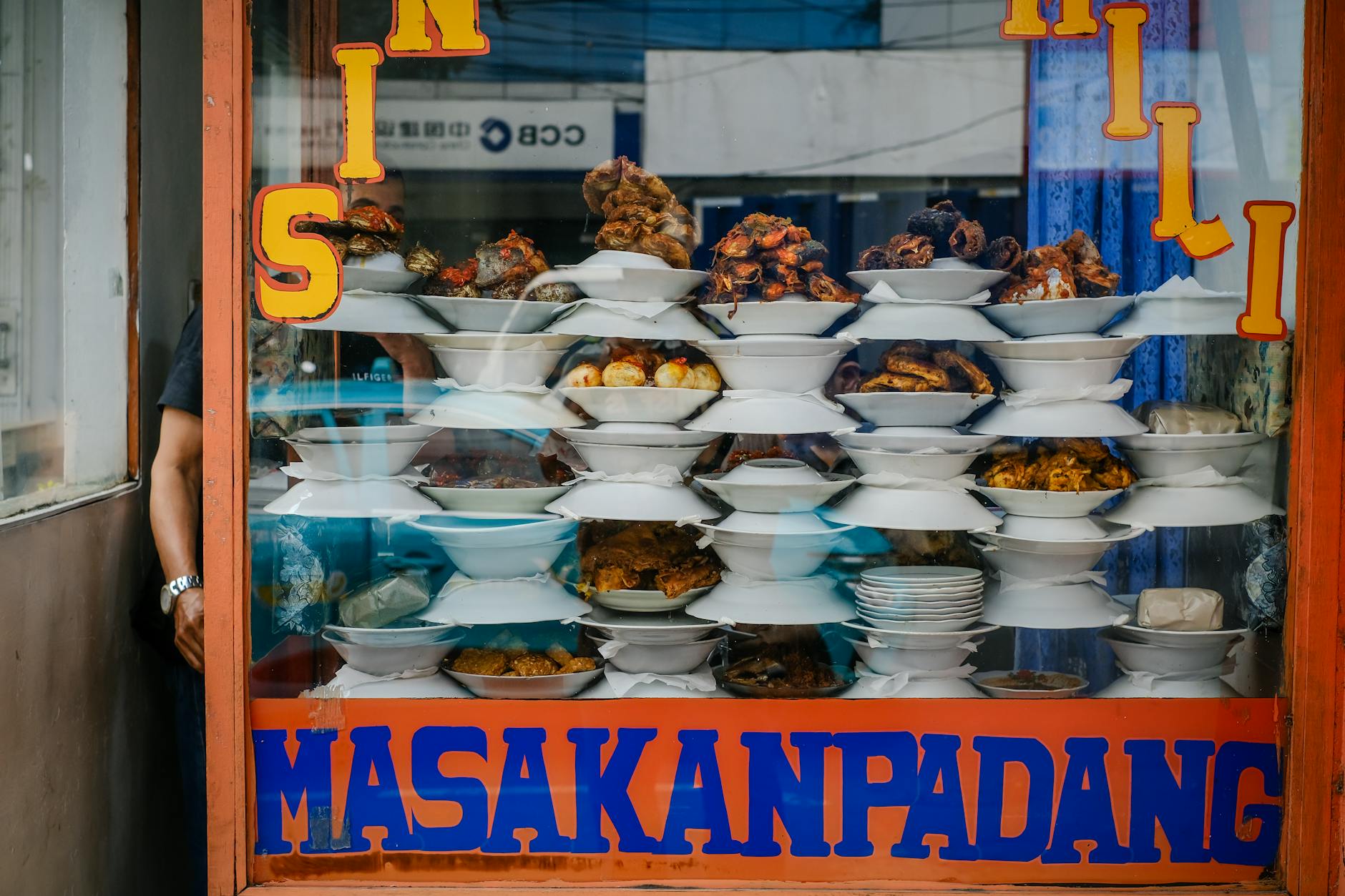
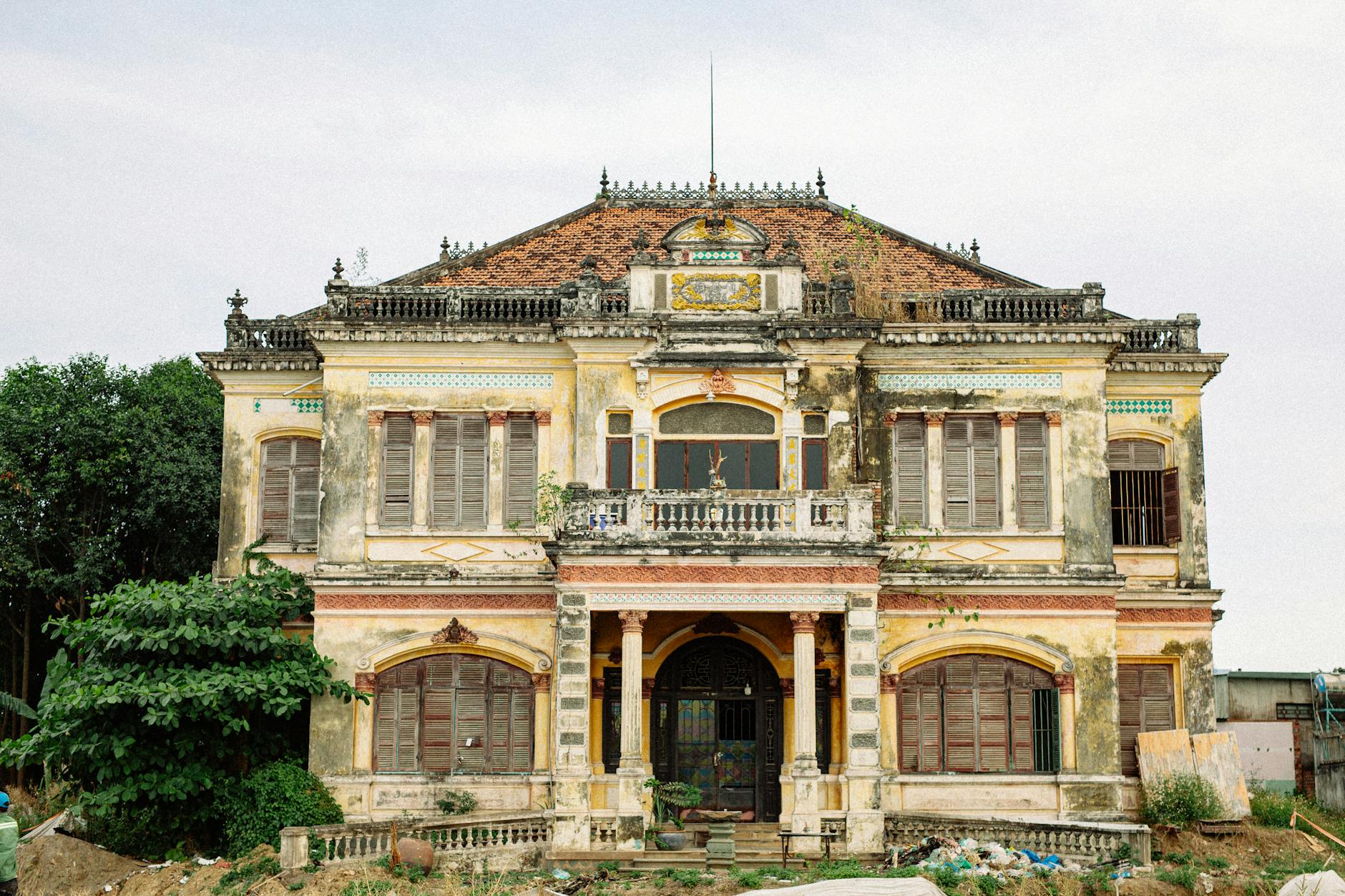
The Betawi are Jakarta’s indigenous people — a creole community formed over four centuries by intermarriage between the Javanese, Sundanese, Malay, Arab, Chinese, Indian, Portuguese, and Dutch who all passed through the colonial port. Their food is, to my mind, one of the most underrated regional cuisines in Asia: a melting-pot tradition with no single origin, where Arab spicing meets Chinese technique meets indigenous Indonesian ingredients meets Dutch dairy. This is a proper introduction to Betawi cuisine Jakarta in English — the history, the essential dishes, the dying recipes barely anyone still cooks, and the exact addresses where you can eat the most authentic versions around the city.
Betawi food is just one thread of the city’s wider table; the pillar Jakarta food guide puts it in context, and the rundown of must-try Jakarta dishes covers the national classics alongside these local ones.
The Story of Betawi Cuisine — A 400-Year Melting Pot
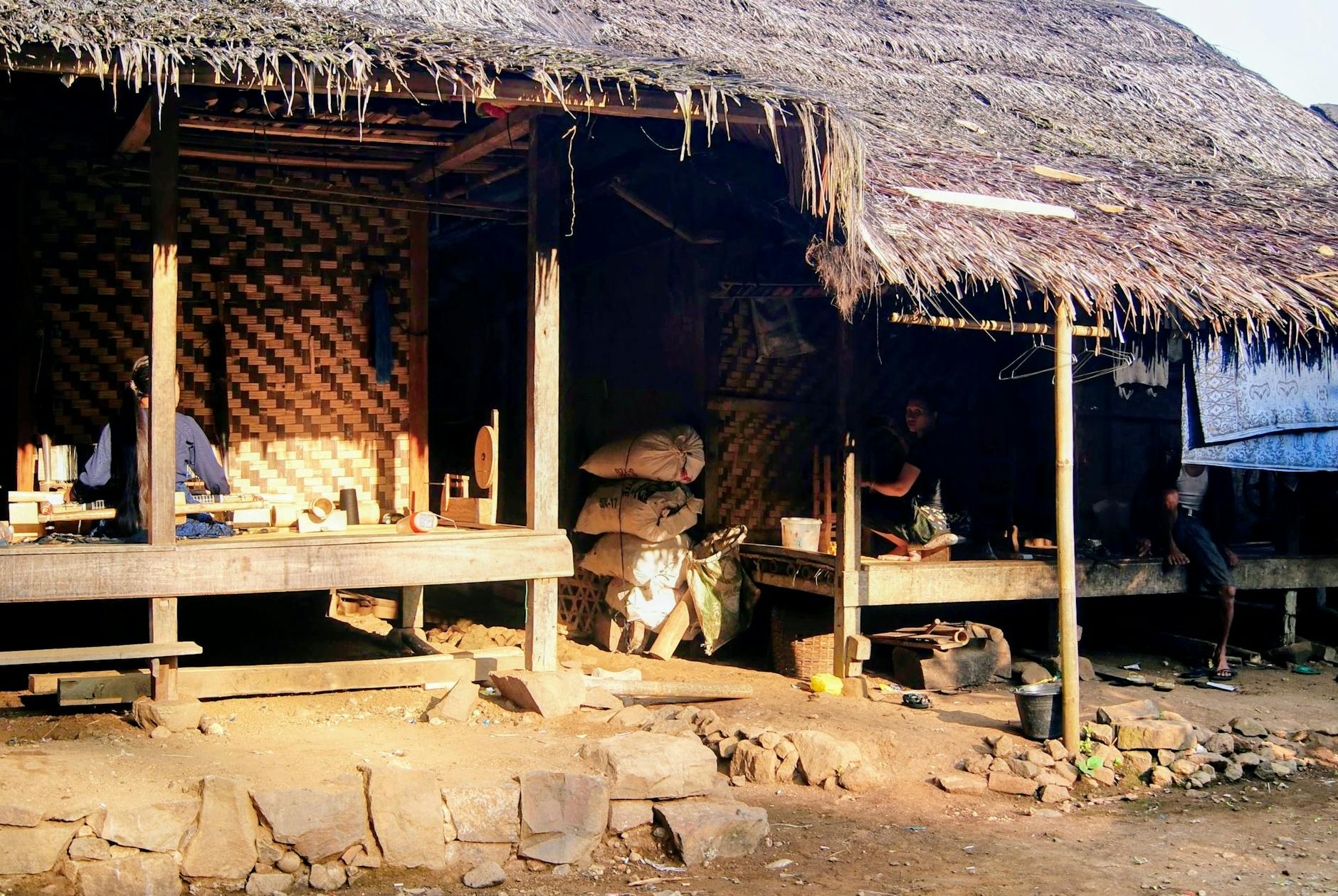
The Betawi people emerged in 17th-century Batavia (the Dutch colonial name for Jakarta) as a creole community fusing the cultures of every immigrant group passing through Indonesia’s most important colonial port. Their cuisine reflects this layered history with remarkable precision:
- Indonesian indigenous base — rice, palm sugar, coconut, lemongrass, kaffir lime, galangal, turmeric
- Chinese influence — stir-fry techniques, soy sauce, noodles, tofu, the use of pork in non-Muslim Betawi households
- Arab influence — spice combinations (cinnamon, cloves, cardamom, nutmeg), goat dishes, kebab-style preparations
- Indian influence — curries, ghee-based cooking, certain rice preparations
- Portuguese influence — chili peppers (introduced via the spice trade)
- Dutch colonial influence — cinnamon-and-clove combinations, dairy (notably in soto Betawi’s distinctive cow’s milk addition)
The result is a regional Indonesian cuisine unlike any other — distinctly Jakartan, impossible to find authentically elsewhere, and reflecting the city’s 400-year identity as Asia’s most cosmopolitan colonial port.
Essential Betawi Dishes
1. Soto Betawi — The Defining Dish
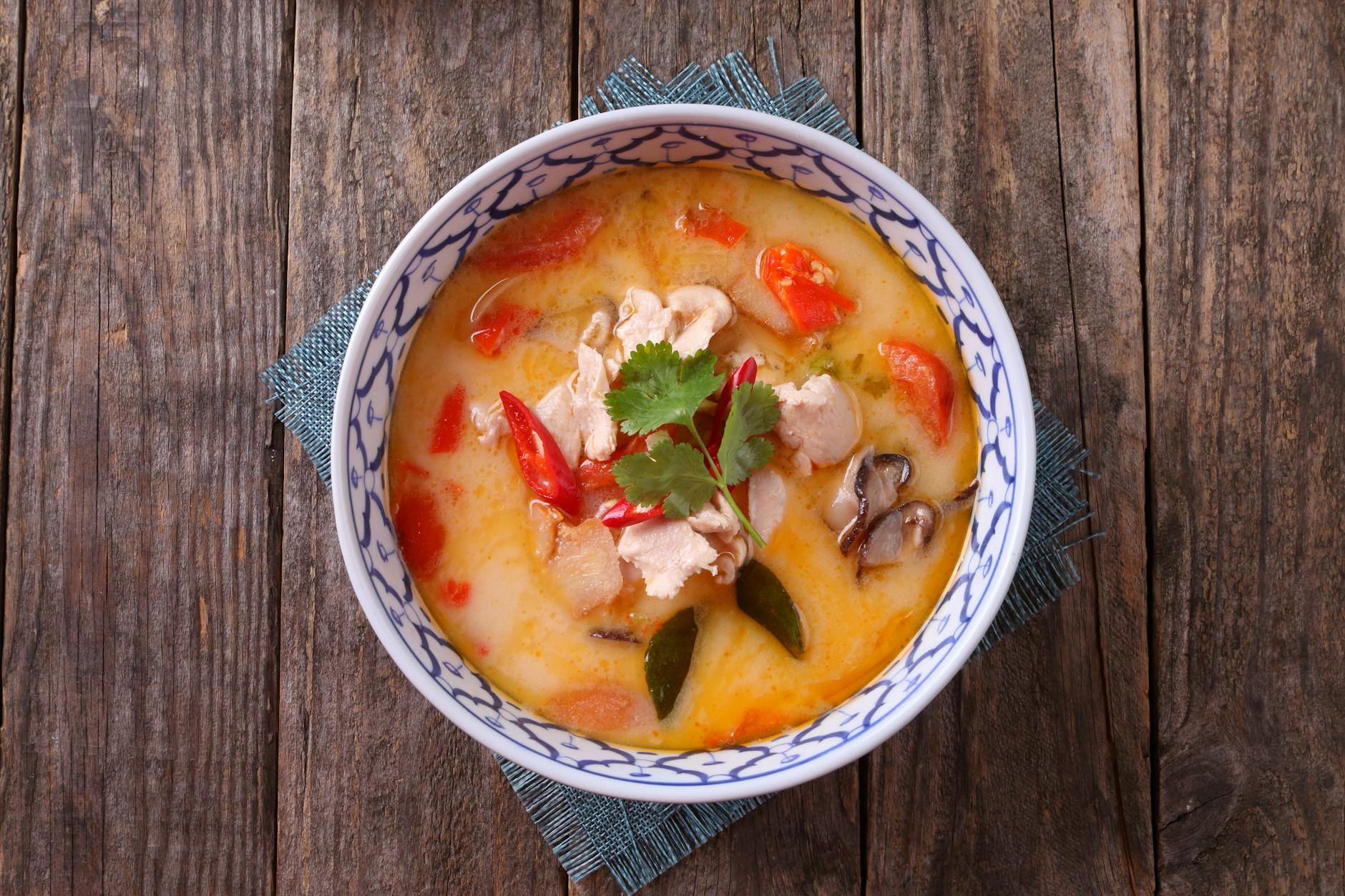
Soto Betawi is the defining dish of Betawi cuisine — a rich, creamy beef soup made with beef cuts (tendon, tripe, intestines, beef chunks) slow-cooked with aromatic herbs and finished with both coconut milk AND fresh cow’s milk for a luxuriously creamy texture. The dairy addition is the dish’s distinctive Dutch-influenced signature — you’ll struggle to find authentic versions outside Jakarta. Topped with: crispy fried shallots, sliced tomato, diced cucumber, fresh sambal, and lime. Where to try: Soto Betawi H. Ma’ruf (Pasar Senen, since 1943), Soto Betawi H. Husein (Cikajang), Sambung Nikmat (Pondok Pinang, since 1987), Soto Betawi Afung (Glodok). For a complete restaurant guide, see our best soto Betawi in Jakarta deep-dive.
2. Kerak Telor — Jakarta’s Iconic Street Snack
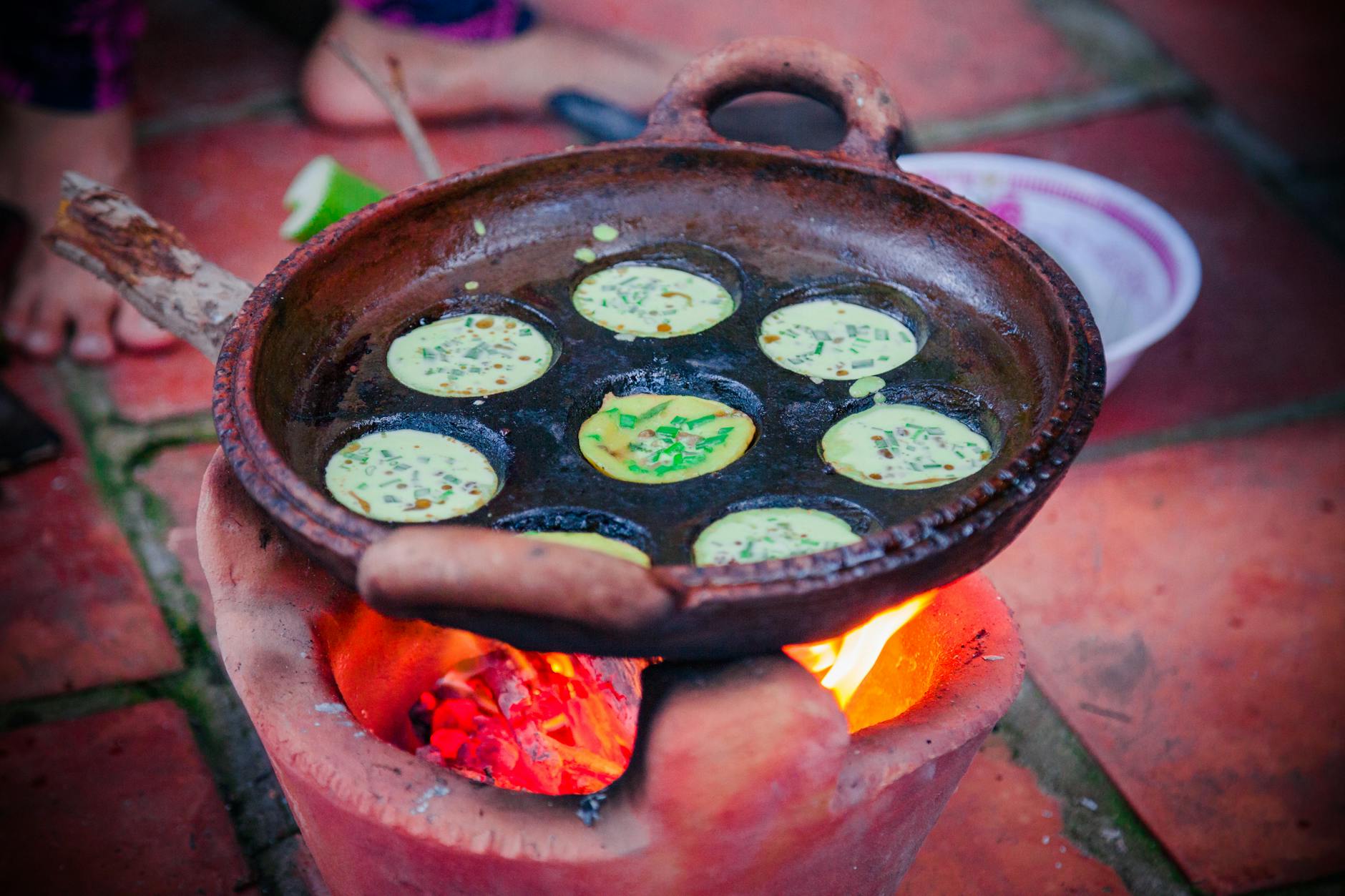
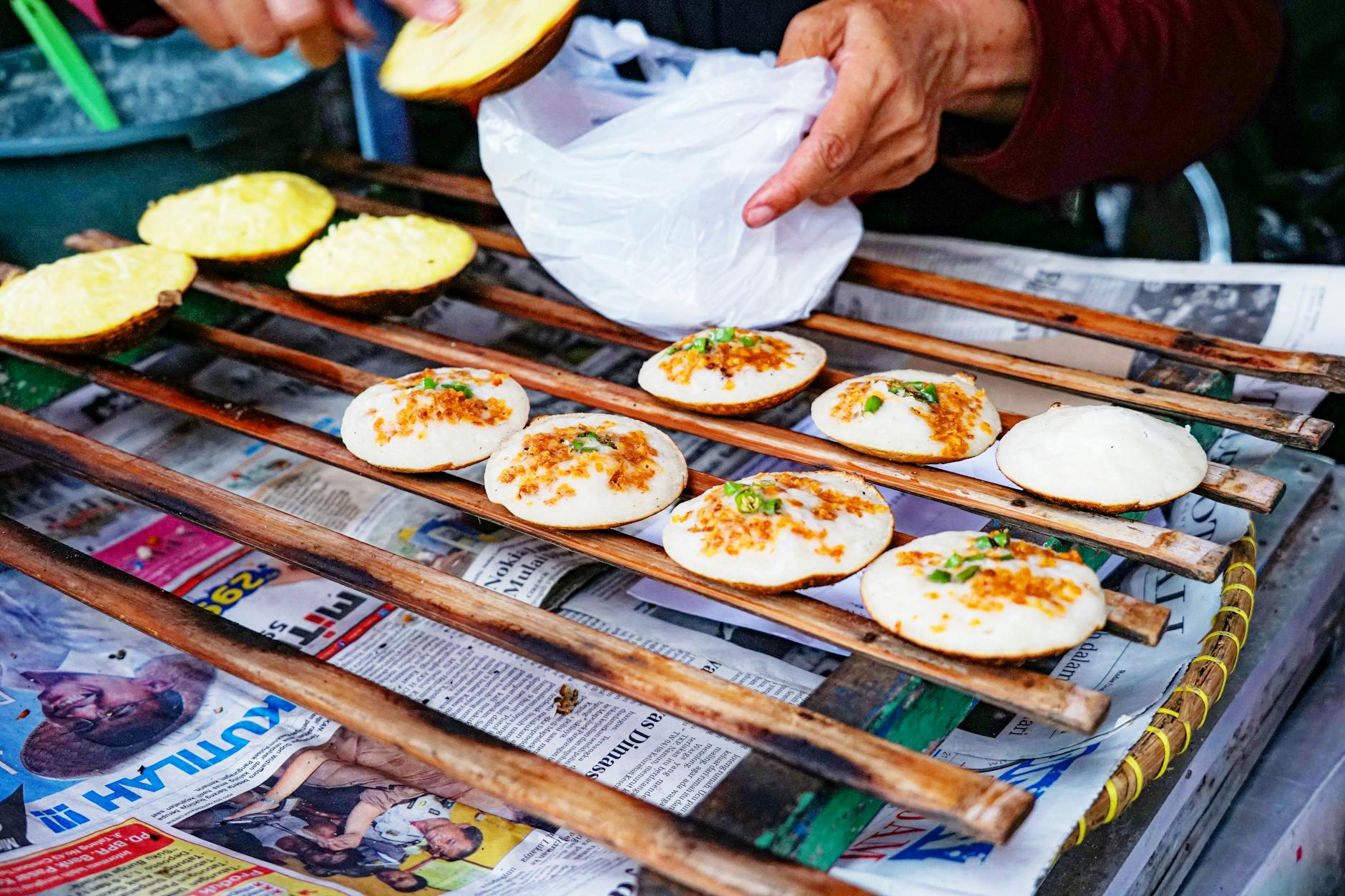
The most distinctive Betawi street snack and one of Jakarta’s most uniquely local foods — and a fixture of the best street food in Jakarta — kerak telor is a savory crepe made by combining glutinous rice (ketan), egg, dried shrimp powder (ebi), fried coconut, fried shallots, and sambal in a flat clay pan over open coals — flipped at the right moment so the bottom crisps while the egg sets through. The technique requires real skill; the texture and flavor combination are uniquely Jakartan. Choose chicken egg (ayam) for lighter flavor or duck egg (bebek) for richer. Where to try: Setu Babakan cultural village (most authentic), Kota Tua street vendors, Jakarta’s annual cultural festivals, Kerak Telor Pak Salam (Senayan area).
3. Nasi Uduk — Coconut Rice Breakfast
Rice cooked with coconut milk and seasoned with cinnamon, ginger, pepper, nutmeg, and lemongrass, served with a spread of fried chicken (ayam goreng), empal (sweet beef), dendeng (jerky), fried tofu, tempeh orek, hard-boiled egg, and sambal kacang. Nasi uduk is Jakarta’s quintessential breakfast — eaten anytime but most beloved before noon. Where to try: Nasi Uduk Kebon Kacang Zainal Fanani (since 1967), H. Babe Saman (since 1963), Nasi Uduk Gondangdia, Ibu Amah (Pekojan, 400 portions/day). For a complete restaurant guide, see our best nasi uduk in Jakarta.
4. Asinan Betawi — Pickled Vegetable Salad
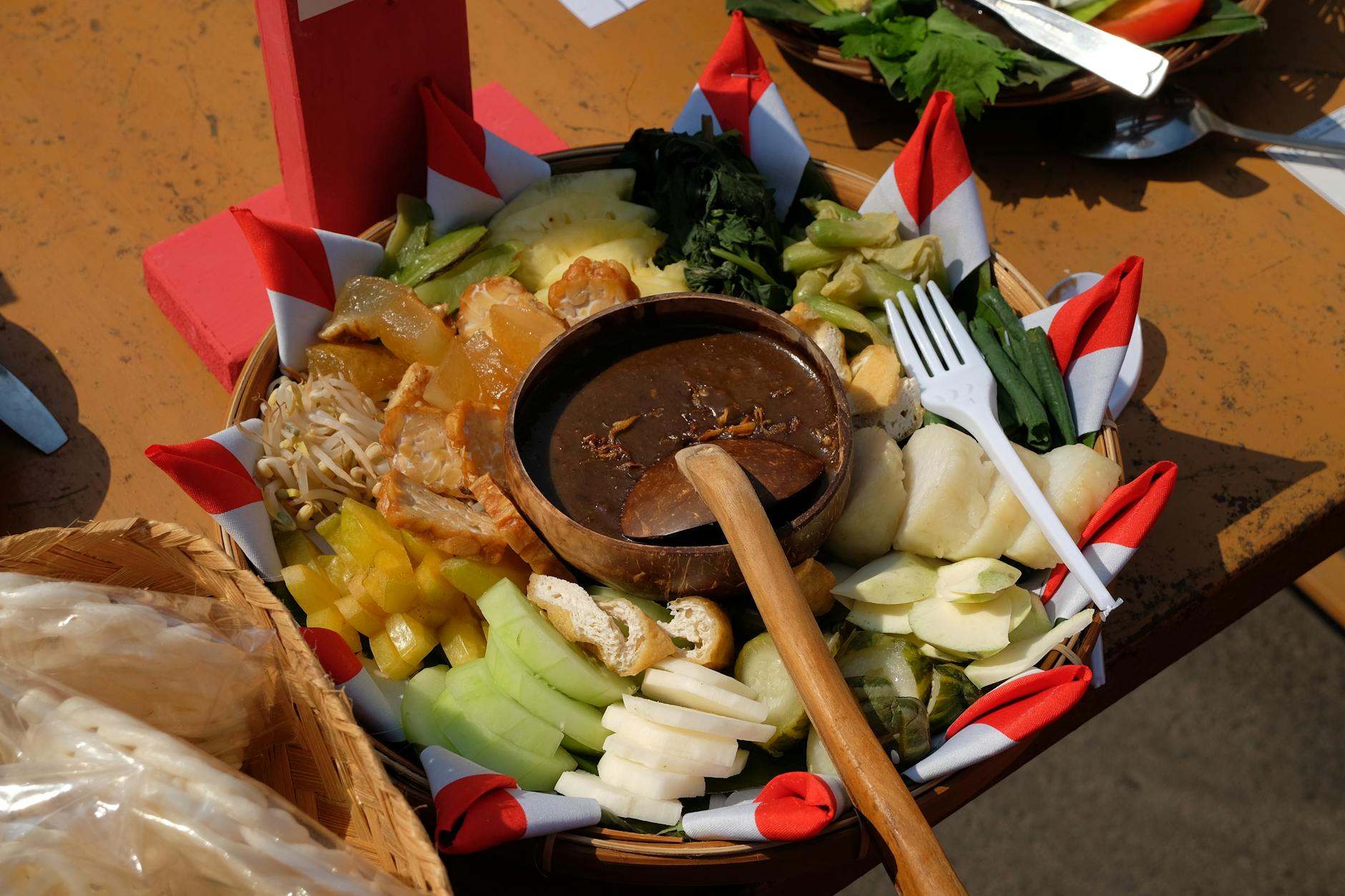
A vibrant Jakarta salad of pickled vegetables (cabbage, mustard greens, bean sprouts, cucumber, carrot) and tofu in a sweet-spicy-sour sauce of vinegar, palm sugar, peanuts, and chili. Topped with crackers and fresh peanuts. Asinan Betawi is refreshingly different from gado-gado — sharper, more acid-bright, and absolutely Jakartan. Where to try: Asinan Kamto (Kemayoran, since 1955), Setu Babakan vendors, neighborhood warungs in Menteng and Cikini.
5. Laksa Betawi — Jakarta’s Take on Laksa
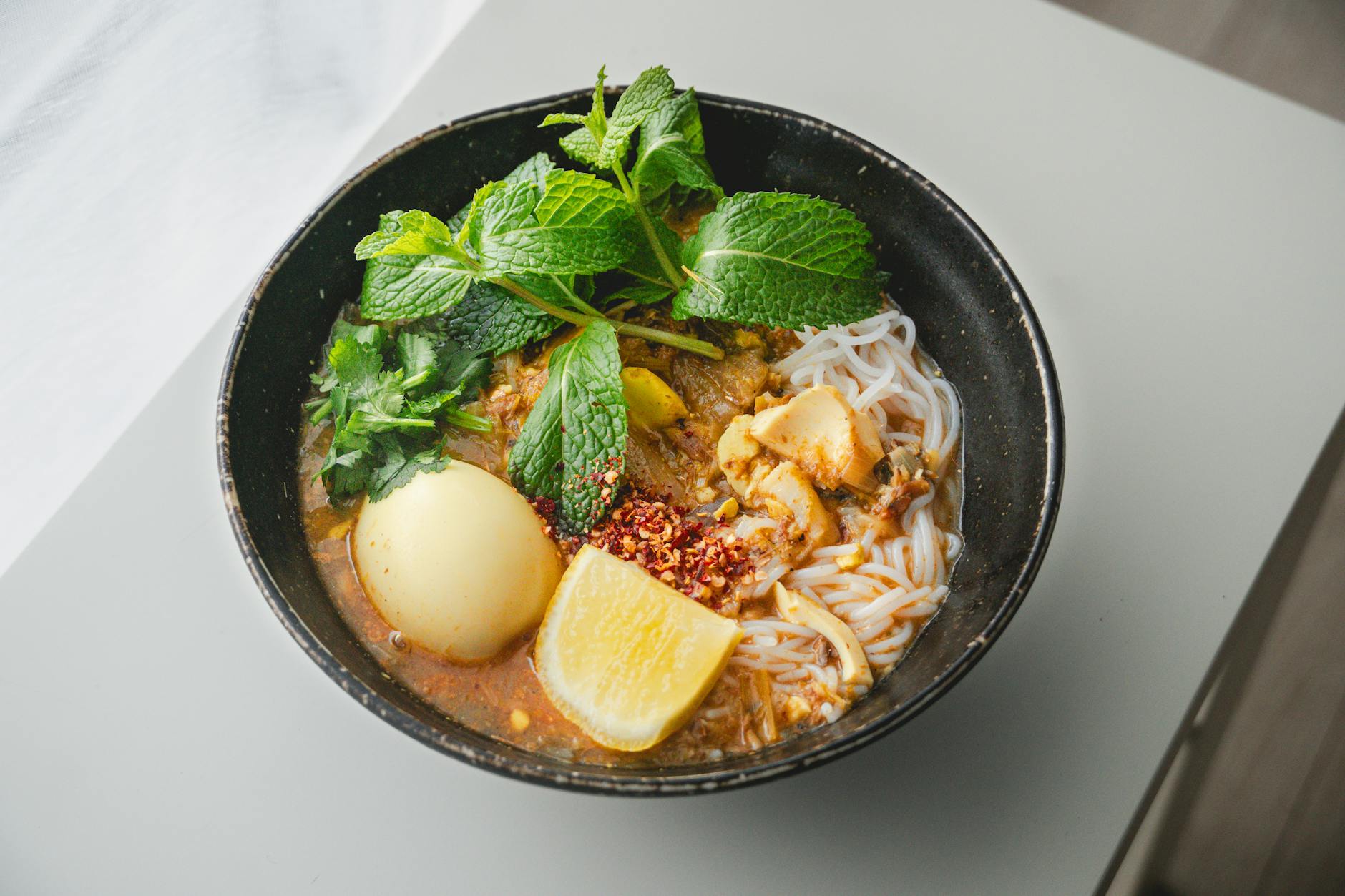
The Jakarta version of laksa is a coconut-milk-based noodle soup with rice vermicelli, chicken or shrimp, hard-boiled egg, sliced cucumber, and a spicy yellow turmeric broth. Distinctly different from the better-known Singaporean and Malaysian laksa varieties — lighter, more aromatic, less curry-forward. Authentic versions are rare and concentrated in Glodok and Setu Babakan. Where to try: Laksa Betawi Pengangguran (Cikini), Setu Babakan vendors, Glodok specialty stalls.
6. Semur Jengkol — Stewed Stinky Bean
One of Betawi cuisine’s most distinctive dishes, semur jengkol is jengkol (a notoriously pungent legume from the Archidendron tree) slow-stewed in a sweet-savory sauce of kecap manis, shallots, garlic, ginger, and palm sugar until the beans become tender and surprisingly mild. An acquired taste for first-timers but beloved by Jakartans. Where to try: Warung Betawi H. Muhayar (Pasar Minggu), Setu Babakan, Warung Mak Dower.
7. Gabus Pucung — The Endangered Classic
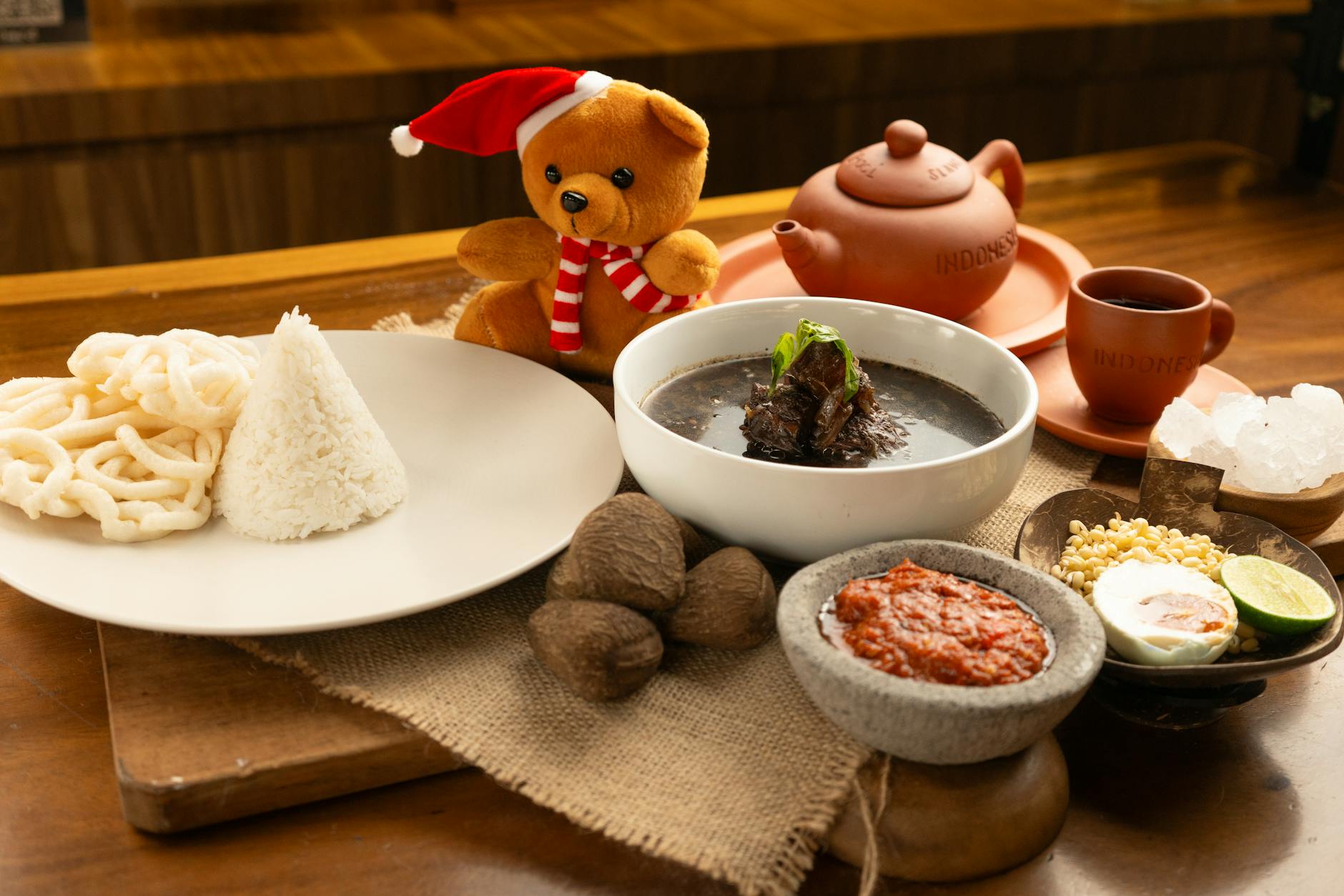
One of the dying dishes of Betawi cuisine, gabus pucung is gabus fish (a freshwater snakehead) stewed in a black sauce made from pucung — fermented buah kluwek (kepayang nuts). The black color and rich umami flavor make it visually striking. Few restaurants still make it authentically; mostly available only at heritage Betawi specialists. Where to try: H. Nasun Gabus Pucung (Bekasi), Setu Babakan weekend cultural festivals, occasional special menus at Lara Djonggrang.
8. Sayur Babanci — The Rarest Betawi Dish
Perhaps the most endangered Betawi dish of all, sayur babanci is a complex coconut-milk soup with 21+ spices and ingredients including bovine head meat, young coconut flesh, kemiri (candlenut), turmeric, ginger, and lemongrass. Few cooks still make it; it appears mostly at major Betawi cultural events and a handful of specialist warungs. The name “babanci” suggests its identity-defying nature — neither pure soup nor curry nor stew.
9. Pecak Ikan — Spiced Grilled Fish
Whole gourami or other freshwater fish grilled and then drowned in a sambal made from peanuts, chilies, ginger, lemongrass, and lime. Pecak ikan is the Betawi version of an old Sundanese-Javanese tradition. Where to try: Warung Mak Dower, Setu Babakan, neighborhood Betawi warungs.
10. Gado-Gado Betawi
While gado-gado is eaten across Indonesia, the Betawi version uses a slightly different peanut sauce composition and is served with extra emping (melinjo crackers). Where to try: Gado-Gado Bonbin (Cikini, since the 1960s), Setu Babakan vendors.
Traditional Betawi Drinks

Bir Pletok
Despite the name (which translates as “exploding beer”), bir pletok is a completely non-alcoholic traditional Betawi drink made from ginger, lemongrass, pandan leaves, cloves, cinnamon, cardamom, secang wood (which turns the drink ruby red), and palm sugar. Served hot or cold. Refreshing, warming, and deeply aromatic. Where to try: Setu Babakan, Café Betawi at Kota Tua, Acaraki (modern jamu cafe in Kota Tua).
Es Selendang Mayang
A traditional Betawi iced dessert-drink combining colorful layers of rice flour cake (selendang mayang), coconut milk, and palm sugar syrup. Served in tall glasses, often at weddings and cultural festivals. Where to try: Setu Babakan, Kerak Telor street vendors, traditional Betawi dessert carts.
Es Doger
Pink-tinted iced drink with avocado, young coconut, fermented cassava (tape singkong), black sticky rice (ketan hitam), and condensed milk. Where to try: Street vendors at Setu Babakan and traditional Betawi markets.
Betawi Sweets & Snacks (Kue)
Betawi cuisine includes an extraordinary variety of traditional sweets and snacks, many sold at Pasar Kue Subuh, the predawn cake market in Senen that anchors the guide to Jakarta’s night food markets:
- Kue cucur — palm sugar pancake
- Kue ape — mini Indonesian pancakes with green pandan flavoring
- Kue rangi — coconut and sago cakes
- Dodol Betawi — traditional Betawi sticky sweet, similar to nougat
- Geplak Betawi — coconut-and-palm-sugar cake
- Roti Buaya — crocodile-shaped bread, traditional at Betawi weddings
- Andagi — sweet fried dough balls
- Kue tape — fermented cassava cake
The Betawi Food Pilgrimage — Three Essential Destinations
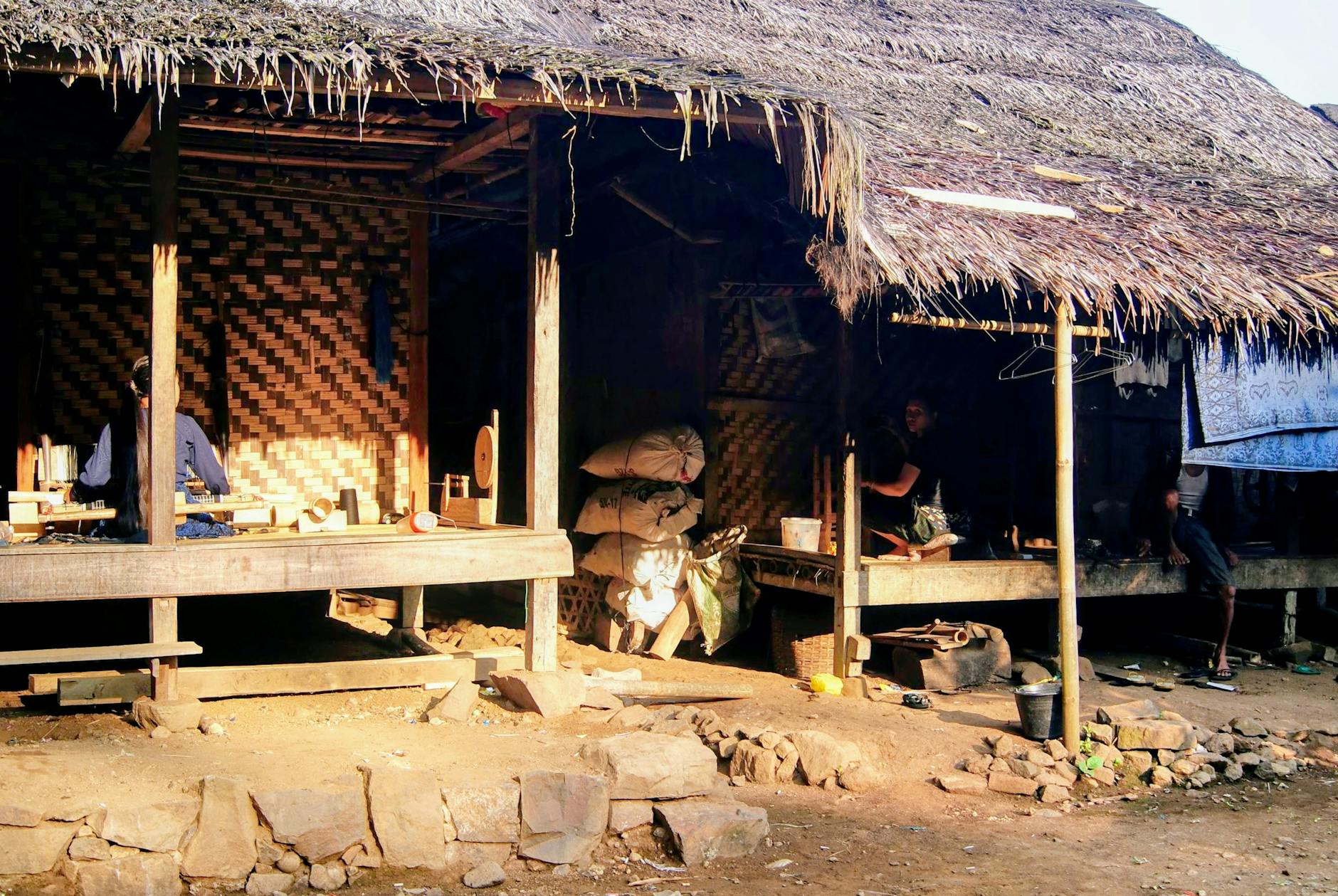
1. Setu Babakan Cultural Village (South Jakarta)
The single best place to eat authentic Betawi cuisine, Setu Babakan is a 32-hectare living cultural village dedicated to preserving Betawi traditions. Around the central lake, traditional Betawi wooden houses with steep red-tiled roofs cluster along quiet lanes. Family-run warungs serve kerak telor, soto Betawi, nasi uduk, pecak ikan, asinan, laksa Betawi, sayur babanci (rare), gabus pucung (rare), and traditional Betawi drinks. On weekends, free performances of palang pintu, lenong, and tanjidor add cultural depth to the meals. Entry is free; allow 3–4 hours.
2. Condet (East Jakarta)
Condet is one of Jakarta’s last surviving traditional Betawi residential neighborhoods, with several family-run warungs serving authentic Betawi home cooking. Less touristic than Setu Babakan, with more local atmosphere. Best for travelers wanting an immersive neighborhood experience.
3. Pasar Minggu / Warung Betawi H. Muhayar
The Warung Betawi H. Muhayar in Pasar Minggu serves a complete Betawi menu including the rare semur jengkol, soto Betawi, sayur asem Betawi, and pecak ikan. A favorite among Betawi-cuisine purists and an essential stop for serious food travelers.
Where to Eat Betawi in Each Jakarta Neighborhood
Central Jakarta
Lara Djonggrang (Menteng — refined Indonesian fine dining with Betawi influences), Bunga Rampai (Menteng — restored Dutch villa Indonesian), Café Betawi at Kota Tua, Acaraki (Kota Tua — modern jamu drink café). The refined end of all this is covered in the guide to the best restaurants in Jakarta, and for the old-town route specifically see the guide to eating around Kota Tua.
South Jakarta
Setu Babakan (Jagakarsa), Warung Betawi H. Muhayar (Pasar Minggu), Soto Betawi H. Husein (Cikajang), Sambung Nikmat (Pondok Pinang).
East Jakarta
Condet residential neighborhood, several Betawi family warungs.
West Jakarta
Glodok Soto Betawi Afung (Chinese-influenced Betawi soto), Pasar Petak Sembilan vendors.
Betawi Culture Beyond Food
For a complete cultural understanding of the Betawi context, combine your food exploration with cultural experiences:
- Setu Babakan weekend performances — palang pintu (wedding martial arts), lenong (theater), tanjidor (brass band), ondel-ondel (giant puppet dance)
- Wayang Museum Sunday wayang kulit performances (Fatahillah Square)
- Rumah Si Pitung (Marunda) — preserved traditional Betawi stilt house, home to Jakarta’s legendary Robin Hood-style hero
- Jakarta Anniversary celebrations (June 22) — annual Betawi cultural festival
- Festival Jalan Jaksa — annual Betawi street festival
For more cultural context, see our Jakarta culture, history & museums guide and unique things to do in Jakarta.
A Suggested Betawi Food Day
8:00 AM: Nasi uduk breakfast at Kebon Kacang Zainal Fanani
10:00 AM: Kerak telor street snack at Wahid Hasyim
12:30 PM: Soto Betawi lunch at H. Ma’ruf (Pasar Senen)
2:30 PM: Grab to Setu Babakan; explore village, sample asinan Betawi
4:00 PM: Bir pletok and traditional kue at Setu Babakan vendors
6:00 PM: Pecak ikan dinner at Warung Mak Dower or Warung Betawi H. Muhayar
8:30 PM: Optional Pasar Kue Subuh visit for traditional kue
Betawi Cuisine Preservation — Why It Matters
Several traditional Betawi dishes — particularly sayur babanci, gabus pucung, and certain ceremonial wedding foods — are in real danger of extinction. Few cooks under 60 still know how to make them; the recipes require complex spice combinations, specific equipment, and long cooking times that don’t fit modern restaurant economics. The Setu Babakan cultural village, Indonesian gastronomic associations, and a handful of dedicated chefs are working to document and preserve these dishes. Eating Betawi cuisine intentionally — and seeking out the rarer dishes — is itself a small act of cultural preservation.
Betawi dishes at a glance
If you only have a day or two and want to prioritize, here is the quick reference — what each essential Betawi dish is, roughly what it costs at a traditional warung, and where it is easiest to find done well.
| Dish | What it is | Rough price | Easiest to find at |
|---|---|---|---|
| Soto Betawi | Beef soup with coconut + cow’s milk | IDR 40,000–75,000 | H. Ma’ruf (Senen), Cikajang, Setu Babakan |
| Kerak telor | Charcoal glutinous-rice omelette | IDR 25,000–50,000 | Setu Babakan, Kota Tua, festivals |
| Nasi uduk | Coconut rice with fried sides | IDR 25,000–50,000 | Kebon Kacang, Pekojan |
| Asinan Betawi | Pickled-vegetable salad, peanut-chili | IDR 25,000–45,000 | Asinan Kamto (Kemayoran), Setu Babakan |
| Laksa Betawi | Turmeric-coconut noodle soup | IDR 30,000–55,000 | Glodok, Setu Babakan |
| Semur jengkol | Stewed jengkol bean, sweet-savory | IDR 20,000–40,000 | H. Muhayar (Pasar Minggu), Mak Dower |
| Gabus pucung (rare) | Snakehead fish in black kluwek sauce | IDR 50,000–90,000 | Setu Babakan weekends, heritage specialists |
| Bir pletok | Non-alcoholic spiced ginger drink | IDR 10,000–25,000 | Setu Babakan, Acaraki (Kota Tua) |
The single most efficient plan is to do a couple of legendary stalls in the morning — soto Betawi at H. Ma’ruf, nasi uduk at Kebon Kacang — then spend the afternoon at Setu Babakan, where the rarer dishes (sayur babanci, gabus pucung) and the traditional drinks actually live. That one day will teach you more about Betawi food than a week of restaurant meals.
Frequently Asked Questions About Betawi Cuisine Jakarta
What is Betawi cuisine?
Betawi cuisine is the indigenous food culture of Jakarta, developed over 400 years by the Betawi creole community through fusion of Javanese, Sundanese, Malay, Arab, Chinese, Indian, Portuguese, and Dutch influences. Signature dishes include soto Betawi, kerak telor, nasi uduk, asinan Betawi, and laksa Betawi.
Where is the best place to try Betawi food in Jakarta?
Setu Babakan cultural village in South Jakarta is the single best place — a 32-hectare living village with family-run warungs serving authentic Betawi dishes. Warung Betawi H. Muhayar (Pasar Minggu) and Lara Djonggrang (Menteng, refined version) are also exceptional.
What is the most famous Betawi dish?
Soto Betawi (the city’s signature beef-and-coconut soup with cow’s milk addition) and kerak telor (the iconic Betawi street snack made with glutinous rice and dried shrimp) are the two most famous Betawi dishes.
Are there vegetarian Betawi dishes?
Asinan Betawi (pickled vegetable salad), gado-gado Betawi, kue cucur and other traditional kue, and bir pletok are all vegetarian. Most Betawi soups and stews include meat, but accommodating requests is usually possible at warungs.
Is Betawi food spicy?
Most Betawi dishes are mild-to-medium by Indonesian standards. Sambal is typically served on the side so diners control the heat. Asinan Betawi can be sharply spicy depending on the chef.
Can I find Betawi cuisine outside Jakarta?
Some dishes (nasi uduk, gado-gado, asinan) appear nationally with modifications. But authentic Betawi cuisine — particularly soto Betawi with its cow’s milk addition, sayur babanci, gabus pucung, and traditional Betawi drinks — is essentially impossible to find outside the Jakarta metropolitan area.
Betawi cuisine is one of Asia’s most underrated regional food traditions — a 400-year melting pot that mirrors Jakarta’s own history as the most cosmopolitan city in Indonesia, and seeking out the rarer dishes is half the reward. For the bigger picture, the Jakarta food guide ties it all together, and the best soto Betawi in Jakarta ranking is the obvious next stop once you’ve fallen for the soup.
External Resources for Betawi Cuisine
For deeper Betawi research, the Wikipedia Betawi cuisine entry provides extensive historical context, and the Matador Network Betawi food guide offers detailed coverage of the cultural fusion origins.