Jakarta is Indonesia’s economic engine and the commercial front door to Southeast Asia’s largest economy. With a GDP north of $200 billion and the headquarters of nearly every major Indonesian corporation, international bank, and regional multinational, this is where business in Indonesia actually gets done. Done well, business travel to Jakarta lives or dies on logistics — where you sleep relative to your meetings, how you move through the traffic, and how well you read a room. I’ve written this as the practical brief I wish someone had handed me before my first run of meetings in the SCBD: districts, hotels, transfers, etiquette, visas, connectivity, and how to claw back a few good hours of downtime.
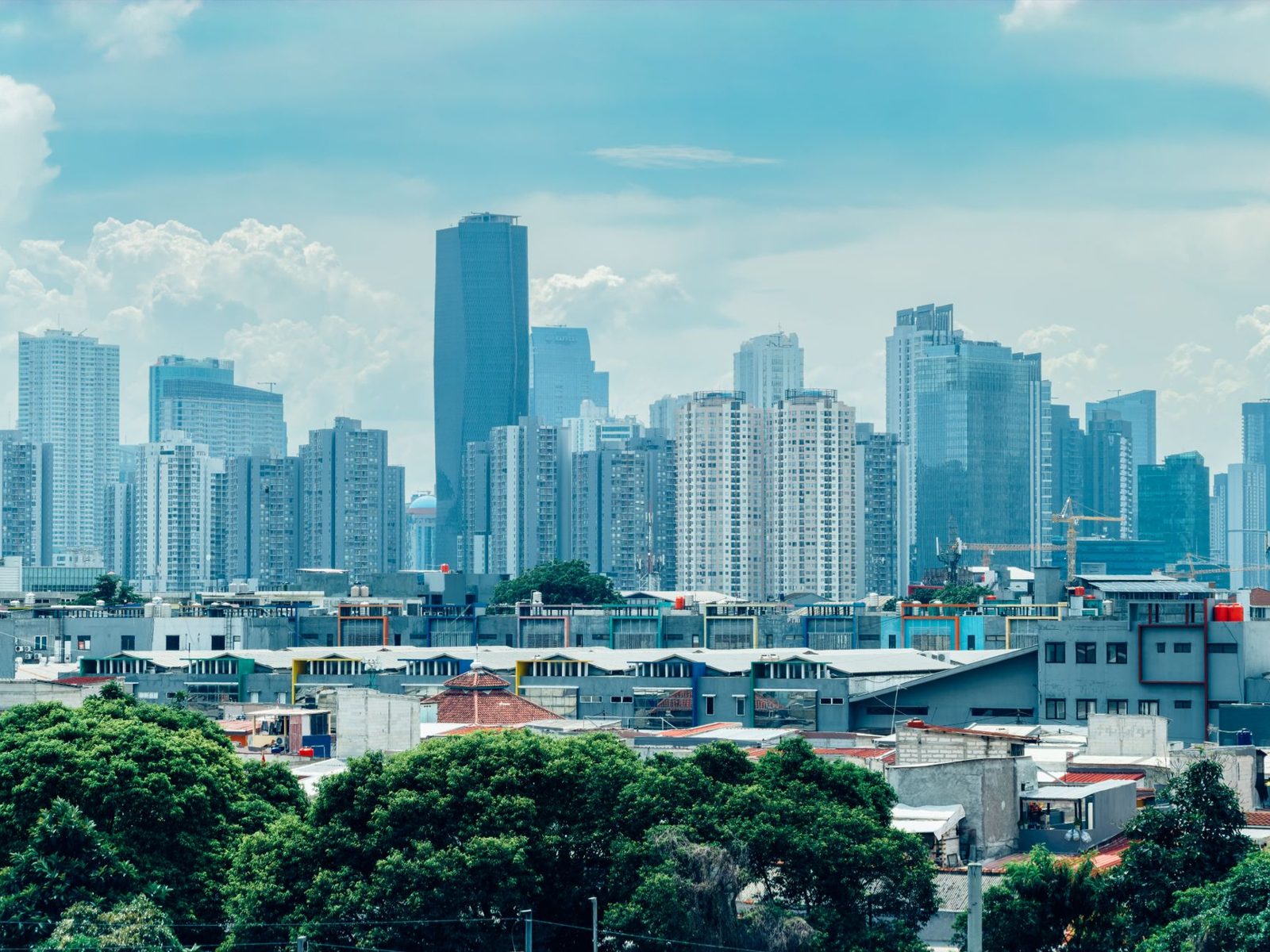
The single rule that governs everything below: in Jakarta, location relative to your meetings beats the star rating of your hotel. A five-star room on the wrong side of a gridlocked artery will cost you two hours a day you can’t get back. So start with where your meetings are, then work outward. For the city-wide picture of neighborhoods and what each is good for, our guide to where to stay in Jakarta is the orientation map; this guide narrows it to the business case.
Understanding Jakarta’s Business Districts
Jakarta’s commercial life clusters in a handful of districts, and knowing which one hosts your meetings tells you where to stay, how to commute, and where to eat. Get the geography right and the rest of the trip falls into place.
SCBD (Sudirman Central Business District)
SCBD is the city’s most prestigious corporate address — a compact district along Jalan Sudirman and Jalan Rasuna Said packed with the headquarters of major banks, energy companies, consultancies, and multinationals. The marquee buildings are the Equity Tower, Treasury Tower, Pacific Century Place, and The Energy. It’s also home to top-tier hotels including The Ritz-Carlton Mega Kuningan, Alila SCBD, and The Langham. The MRT serves it well, with Istora Mandiri and Benhil stations giving direct access, and the core is genuinely walkable thanks to sky bridges linking many towers — no small thing given the heat and the traffic. If your week is SCBD-centered, base yourself here and you may barely need a car.
Sudirman-Thamrin Corridor (The Golden Triangle)
The Sudirman-Thamrin corridor forms Jakarta’s “Golden Triangle,” the broader business spine running from Senayan in the south up toward the Monas area. It holds the Jakarta Stock Exchange, Bank Indonesia, the major government ministries, and a dense band of embassies. Landmarks include Wisma 46 (BNI Tower), the Bundaran HI roundabout, and the Grand Indonesia complex; hotels along it include the Mandarin Oriental, Kempinski, and Park Hyatt. The MRT runs the full length of this corridor, which makes hopping between SCBD and central government offices about as painless as Jakarta gets — and our Jakarta MRT guide is worth a quick read before you rely on it.
Kuningan and Mega Kuningan
Next door to SCBD, Kuningan is thick with international embassies and consulates — useful if your trip involves diplomatic or visa errands. Mega Kuningan has grown into a secondary business hub of modern towers anchored by the Ritz-Carlton Jakarta Mega Kuningan, with easy access to the Casablanca corridor. It runs a touch less congested than central SCBD at rush hour, which makes it an appealing alternative base when your meetings are scattered across southern Jakarta rather than concentrated in one tower cluster.
TB Simatupang Corridor (South Jakarta)
The TB Simatupang corridor in South Jakarta has become the city’s tech and startup belt — the big tech firms, the co-working spaces, the modern office parks like Arkadia Office Park and Cilandak Town Square. It’s further from the traditional core, but the facilities are newer, parking is better, and the ecosystem around it is genuinely tech-focused. Hotels here tend to be newer and cheaper than in SCBD, so it’s a cost-effective base for tech travelers; the catch is that the MRT doesn’t reach it yet, so a car is essential. For the lay of the land down here, our guide to South Jakarta hotels covers the options.
Business Districts at a Glance
| District | Best for | MRT? | Rush-hour feel |
|---|---|---|---|
| SCBD | Banking, energy, consulting HQs | Yes | Busy but walkable core |
| Sudirman-Thamrin (Golden Triangle) | Finance, government, embassies | Yes (full corridor) | Heavy, but MRT bypasses it |
| Kuningan / Mega Kuningan | Embassies, secondary offices | Partial | Slightly lighter than SCBD |
| TB Simatupang | Tech, startups, co-working | No (car needed) | Better parking, car-dependent |
Best Business Hotels in Jakarta
The right business hotel is the one that puts you near your meetings with reliable Wi-Fi, a functional business center, a quiet room you can actually work in, and a smooth airport transfer. Below are the picks by budget tier; for a deeper, property-by-property comparison, our roundup of the best business hotels in Jakarta goes further than I can here.
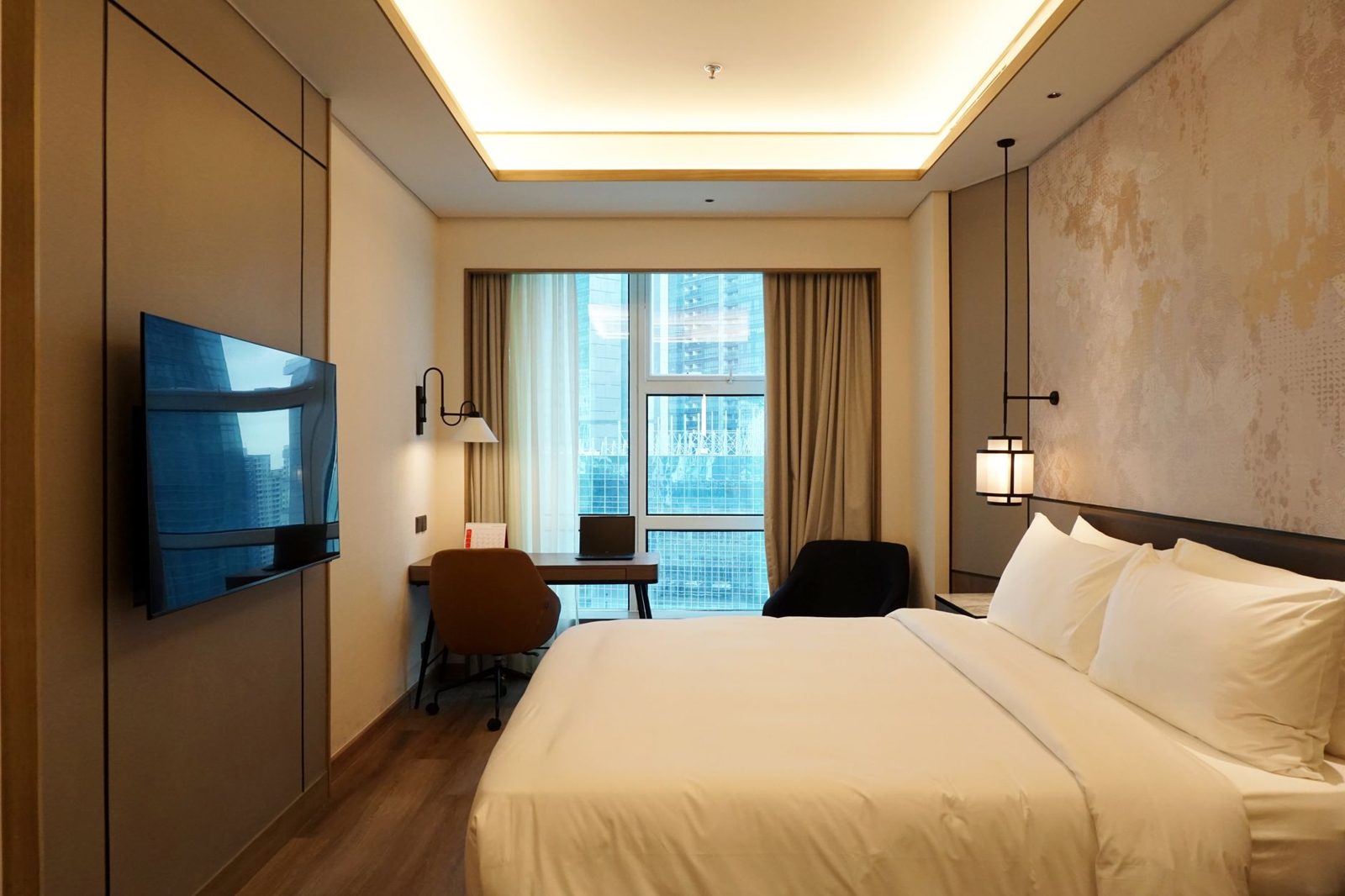
Premium Business Hotels (Rp 2,500,000–6,000,000+ / $160–$380+ per night)
For executives and senior staff, Jakarta’s five-star business hotels deliver. The Ritz-Carlton Jakarta Mega Kuningan is the classic pick, its Club Level offering private check-in, complimentary breakfast and evening cocktails, and a concierge who handles meeting logistics. The Langham Jakarta in SCBD pairs newly opened luxury with strong business facilities and a prime location. Mandarin Oriental Jakarta on Jalan Thamrin arguably offers the best service in the city — a 9.6 guest rating, excellent meeting rooms, central position. Park Hyatt Jakarta appeals to the design-conscious with its restraint and its views. All run 24-hour business centers, executive lounges, express laundry, and multilingual concierge desks. If the trip blends work with a genuine splurge, our guide to luxury 5-star hotels in Jakarta sits right alongside this tier.
Upper Mid-Range Business Hotels (Rp 1,200,000–2,500,000 / $76–$160 per night)
The upper mid-range is where the value lives. The Westin Jakarta has a prime Sudirman location and the Heavenly Bed, which is no small mercy against jet lag. JW Marriott Jakarta near Bundaran HI is reliable, with strong food and beverage. Pullman Jakarta Central Park blends business function with modern design, and Shangri-La Jakarta often has Club Level access at competitive rates. These typically include a complimentary airport shuttle, in-room work desks with proper chairs, and flexible meeting-room rentals for small groups — the workhorses of a productive trip.
Value Business Hotels (Rp 600,000–1,200,000 / $38–$76 per night)
For cost-conscious travel, several properties deliver professional-grade basics at moderate prices. Holiday Inn & Suites Jakarta Gajah Mada brings dependable IHG standards and good connectivity. Novotel Jakarta Cikini offers a central location and consistent Accor quality. Harris Suites FX Sudirman has apartment-style suites with kitchenettes, ideal for longer stays. Swiss-Belhotel Pondok Indah serves the southern tech corridor. All carry business centers, meeting rooms, and reliable Wi-Fi — the essentials, minus the luxury premium.
Airport Transfers and Transportation
Transport is the single most important logistical call you’ll make here. Jakarta’s traffic can turn a 30-kilometer hop into a two-hour ordeal, and arriving late to a meeting reads worse in this business culture than in many others. Build your day around the traffic, not in spite of it — and our guide to avoiding Jakarta traffic is genuinely useful pre-reading.

Airport to City Center
Soekarno-Hatta International Airport (CGK) sits roughly 30 kilometers northwest of central Jakarta, and the drive runs anywhere from 45 minutes to 2.5 hours depending on traffic. The most reliable option is the Airport Railink (Kereta Bandara), which takes exactly 47 minutes to BNI City Station in central Jakarta, departing every 30 minutes; from BNI City you connect to the MRT or take a short ride to SCBD hotels. For door-to-door service, hotel airport transfers (typically Rp 500,000–800,000 / $32–$51) give you a comfortable vehicle and a professional driver, and Golden Bird executive cars can be pre-booked. Avoid unmetered airport taxis — use only the official counter or a pre-booked ride-hailing app. Our guide to the airport-to-city transfer breaks down every option, and if your schedule has you arriving late or leaving at dawn, the airport hotels near CGK can save a brutal commute.
Getting Around the City
For meetings, the MRT-plus-ride-hailing combination gives you the most reliable mobility. Take the MRT along the Sudirman-Thamrin corridor — it’s faster and far more predictable than any car at rush hour. For meetings off the line, pre-book GrabCar Premium or a Golden Bird executive car; if you’re weighing the apps, our Grab vs Gojek comparison settles it. Allow a minimum of 30 minutes between meetings for transit, and 60–90 minutes during peak hours (7–10 AM and 4–7 PM). A trick the veterans use: cluster all of a day’s meetings in one district to kill transit time. For multi-day stays, hire a full-day car and driver through your hotel or Golden Bird — daily rates of $120–$140 buy you dedicated transport morning to night and remove the friction of booking ride after ride. For the bigger transport picture and what it all costs, see getting around Jakarta and the breakdown of Jakarta transportation costs.
Conference Venues and Meeting Spaces
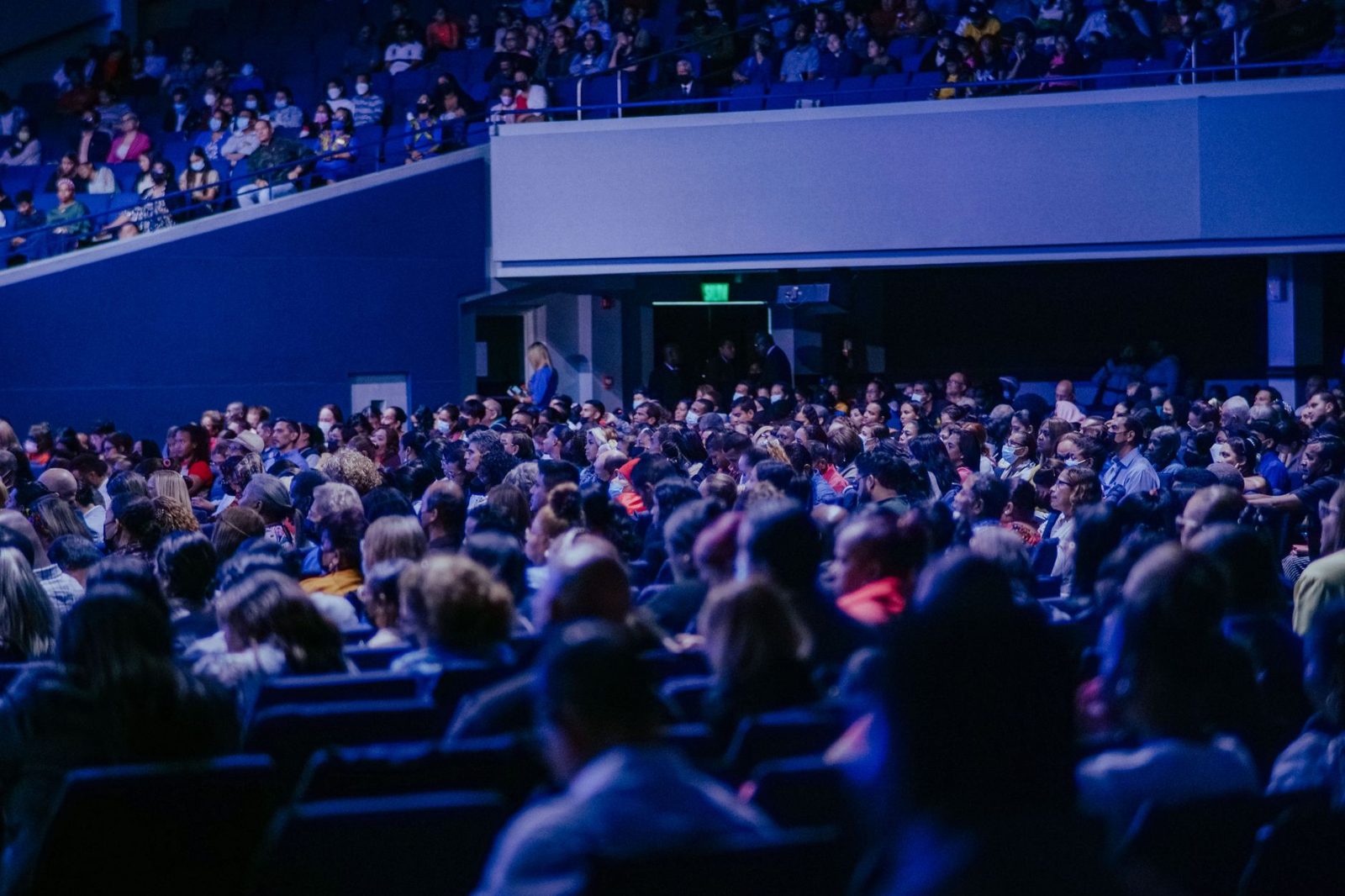
Jakarta has serious infrastructure for conferences, conventions, and meetings of any size. The Jakarta Convention Center (JCC) at Senayan is the premier large-scale venue, hosting major trade shows and exhibitions with capacity above 10,000. The Indonesia Convention Exhibition (ICE) in BSD City is a newer, state-of-the-art venue south of the city with even larger capacity. For mid-sized events, most five-star hotels offer well-equipped ballrooms and meeting rooms with professional AV, simultaneous translation, and dedicated event coordinators. If a big show is what’s pulling you to town in the first place, our events and festivals in Jakarta calendar tracks the major dates.
For smaller meetings and presentations, co-working spaces have become popular alternatives to hotel rooms. WeWork runs multiple SCBD and Sudirman locations with bookable meeting rooms and private offices; GoWork and UnionSpace offer similar facilities with more local flavor. Expect Rp 100,000–300,000 ($6–$19) per hour for meeting rooms, AV and refreshments included, and day passes (Rp 150,000–250,000) for professionals who just need a productive base between meetings.
One logistical note on the big venues: both the JCC at Senayan and the ICE in BSD City sit away from the SCBD hotel cluster, and ICE in particular is a solid drive south, so if you’re attending a multi-day exhibition there, it’s often worth basing yourself nearer the venue for those days rather than fighting the commute each morning. Major trade shows also book out nearby hotels months ahead, so reserve early and ask whether the organizer has negotiated a room block — it usually beats the walk-up rate. For exhibitors, freight and booth logistics in Indonesia take longer than you’d expect, so build slack into your setup timeline.
Co-Working Spaces for Remote Business Travelers

Jakarta’s co-working scene is among the most developed in Southeast Asia, fed by a massive startup ecosystem and a growing community of remote workers. For a professional workspace outside your hotel, these spaces hand you reliable Wi-Fi, meeting rooms, printing, and a chance to network. WeWork at Revenue Tower SCBD and Centennial Tower offers premium, internationally consistent workspace. GoWork at Setiabudi One and Treasury Tower brings Indonesian startup energy with excellent facilities. CoHive runs multiple locations with flexible day passes, and Greenhouse Coworking Space at Multivision Tower draws creative and tech crowds.
Plenty of cafés in SCBD and Senopati double as informal offices too, with reliable Wi-Fi, good coffee, and comfortable seating — Common Grounds, Tanamera Coffee, and Djournal Coffee are the dependable names. They work for solo focus or a casual one-on-one, though they can’t match a dedicated space for privacy or facilities. If you’re extending the trip into remote-work mode, the Jakarta neighborhoods guide helps you pick a base with the right balance of cafés, food, and quiet.
Jakarta Business Etiquette and Cultural Tips
Understanding Indonesian business culture is arguably the most valuable preparation you can do. It runs on relationships, respect, and harmony, and the time you put into those values pays off directly in outcomes. Here is what consistently matters.
Meeting Protocol
Greetings: a gentle handshake is standard. Use your right hand — the left is considered impolite. A slight nod or bow with the handshake adds respect on a first meeting. Address people by title and first name (“Pak Ahmad” for Mr. Ahmad, “Bu Siti” for Mrs./Ms. Siti); “Pak” and “Bu” are used universally, even among close colleagues.
Business cards: exchange them with your right hand, or both hands for extra formality. Take a moment to read the card before setting it down carefully or placing it in your holder — never write on it or shove it into a pocket. Printing your cards in English and Bahasa Indonesia on opposite sides reads as cultural awareness and goes over well.
Meeting dynamics: sweet tea or coffee almost always arrives at the start and should be accepted graciously — but don’t drink until your host invites you, which may come only toward the end. Opening small talk is expected and important; it’s relationship-building, not delay. Indonesians generally avoid direct confrontation, so “yes” doesn’t always mean agreement — it can mean “I hear you” or “I’ll consider it.” Read the non-verbal cues and confirm anything important in writing afterward.
Dress Code
Business attire here is more formal than in many tropical Asian cities. Men wear long-sleeved dress shirts with trousers and leather shoes for standard meetings; suits are for formal occasions, board meetings, and government meetings. The long-sleeved batik shirt is widely accepted as formal business attire in government and corporate settings — wearing one signals cultural appreciation and is often genuinely appreciated. Women should opt for conservative professional attire — blazers or batik blouses with modest necklines and knee-length or longer skirts or trousers. Given the swing between humid streets and frigid air-conditioning, layering is the practical move.
Relationship Building and Dining
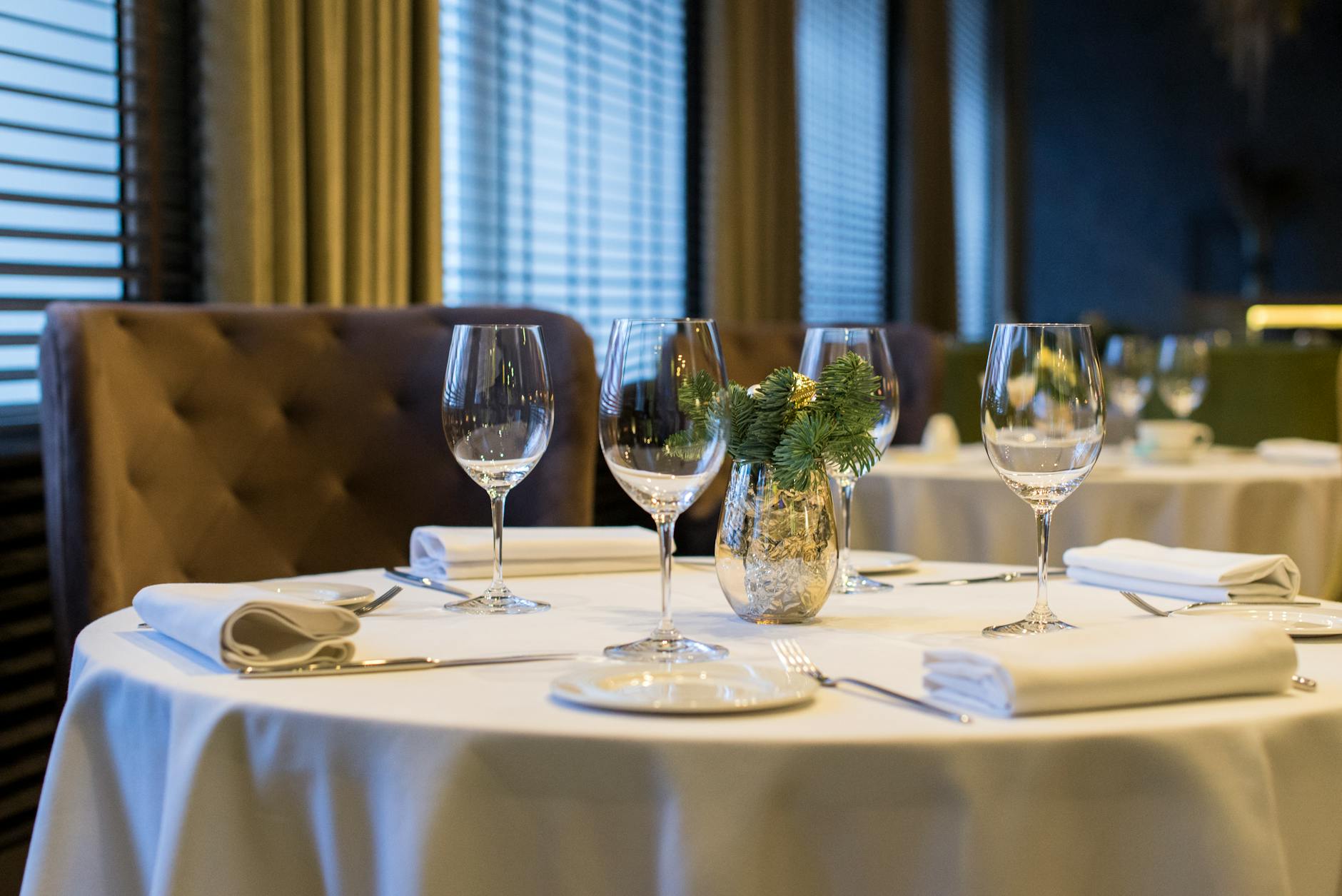
Business in Indonesia is fundamentally relationship-driven. Expect to invest time getting to know your counterparts before the business talk begins — that’s the groundwork, not a detour. Business dinners are common and matter; hosting one at a quality restaurant signals respect and investment. Good choices are upscale Indonesian restaurants (to show cultural interest), hotel restaurants (neutral ground), or premium international rooms (to impress). When dining with Muslim colleagues — the majority of Jakarta’s business community — choose halal restaurants and skip alcohol unless your hosts order it first.
Two more things smooth the relationship side. Hierarchy is real: decisions tend to flow from the top, so identify the most senior person in the room early, direct key points their way, and don’t expect a junior counterpart to commit on the spot — they’ll take it back to the decision-maker. Greet the most senior person first. And a small, thoughtful gift — something representative of your home country or company, nicely wrapped — is a warm gesture when you’re building a longer relationship; offer and receive it with the right hand or both hands, and don’t be surprised if it’s set aside to open later rather than unwrapped in front of you. Patience is itself a courtesy here: deals move at the speed of trust, and pushing for a fast close can read as a lack of respect for the relationship.
Business Dining Recommendations

The restaurant you pick for a business dinner does real work. To impress international clients, AMUZ Gourmet Restaurant (French fine dining), Oku at Hotel Indonesia Kempinski (Japanese omakase), or Alto at Four Seasons (Italian) all set the right tone. For an Indonesian business dinner, Lara Djonggrang (upscale Indonesian in a stunning setting), Nusa Indonesian Gastronomy (modern Indonesian), or Bunga Rampai (refined Betawi) showcase local cuisine at its best. For a casual business lunch, the restaurants at Pacific Place, Senayan City, or Grand Indonesia deliver quality in convenient spots. And for private dining rooms suited to confidential talk, most five-star hotels can set up an exclusive space with a customized menu. For more options across every price point, our guides to the best restaurants in Jakarta and the broader Jakarta food guide are worth a scan before you book.
Business Visa and Entry Requirements
Sorting the visa is essential. For short business visits — meetings, conferences, site visits — most Western passport holders can enter on a Visa on Arrival (VOA) for 30 days, extendable once for another 30. The VOA costs Rp 500,000 ($32) and is available at Soekarno-Hatta. For longer stays or activities beyond meetings (working, training, technical installation), you’ll need a Business Visa (B211A), valid for 60 days and extendable, applied for before arrival through an Indonesian embassy or an authorized agent. For the full breakdown of exemptions, VOA and e-VOA fees, see our Indonesia visa requirements guide.
Indonesia also runs an e-VOA system, letting eligible nationalities apply online before arrival and skip a chunk of the immigration queue. The Golden Visa program serves investors and high-net-worth individuals after extended stays. For frequent travelers, the Multiple Entry Business Visa (valid one year, 60-day stays per entry) is the most practical. Regulations shift periodically, so always confirm the current rules with the embassy or a reputable visa agent before you fly.
Airport Business Lounges
Soekarno-Hatta offers several business lounges across its terminals. Terminal 3, which handles most international flights, has the Garuda Indonesia Lounge (business-class tickets or frequent-flyer status), the Blue Sky Lounge (Priority Pass or pay-in), and airline-specific lounges from Singapore Airlines, Cathay Pacific, and others. They offer Wi-Fi, business facilities, showers, food and drink, and quiet corners to work or rest before a flight. At the premium end, the Garuda Indonesia First Class Lounge and Saphire Lounge add private rooms, à la carte dining, and spa services — the difference between enduring a layover and using it.
Staying Connected and Productive
Connectivity is non-negotiable. Jakarta has excellent 4G LTE coverage (with 5G expanding) from Telkomsel, XL Axiata, and Indosat. Buy a local SIM at the airport — Telkomsel for the best coverage — where 10–20 GB data packages run about Rp 50,000–100,000 ($3–$6). Alternatively, an eSIM from a provider like Airalo lets you set up connectivity before you land. Most business hotels include Wi-Fi in the rate, though speeds vary; for critical video calls, tethering from a 4G/5G SIM is often steadier than hotel Wi-Fi. For a full carrier and eSIM comparison, see our Jakarta SIM card guide.
Jakarta runs on WIB (Western Indonesian Time), UTC+7, with no daylight saving. That matters for scheduling: Jakarta is 12 hours ahead of New York (EST), 7 hours ahead of London (GMT), and 2 hours behind Tokyo (JST). International calls and messaging apps work without restriction — unlike some countries in the region, Indonesia doesn’t block VoIP, WhatsApp, or the other tools international business runs on.
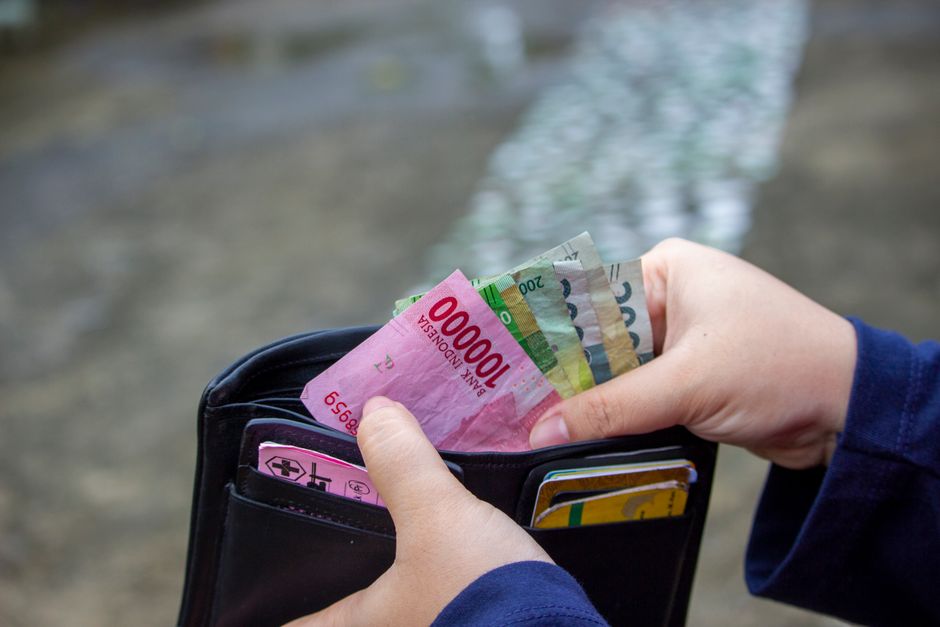
A handful of apps make the city navigable. Grab and Gojek are essential not just for cars and motorbike taxis but for food delivery and even errands; install and set up payment before you arrive. Google Maps is reliable for navigation and reads live traffic well, which helps you judge whether to take the MRT instead. For payments, Indonesia has gone heavily cashless via QRIS — a single QR standard accepted almost everywhere — but keep some cash for small warungs, parking, and tips. Power runs at 230V with European-style round two-pin plugs (types C and F), so pack the right adapter. And if you’re back-to-back on calls across time zones, the 24-hour business centers and executive lounges at the premium hotels are quieter and more reliable than working from your room.
Making the Most of Your Downtime
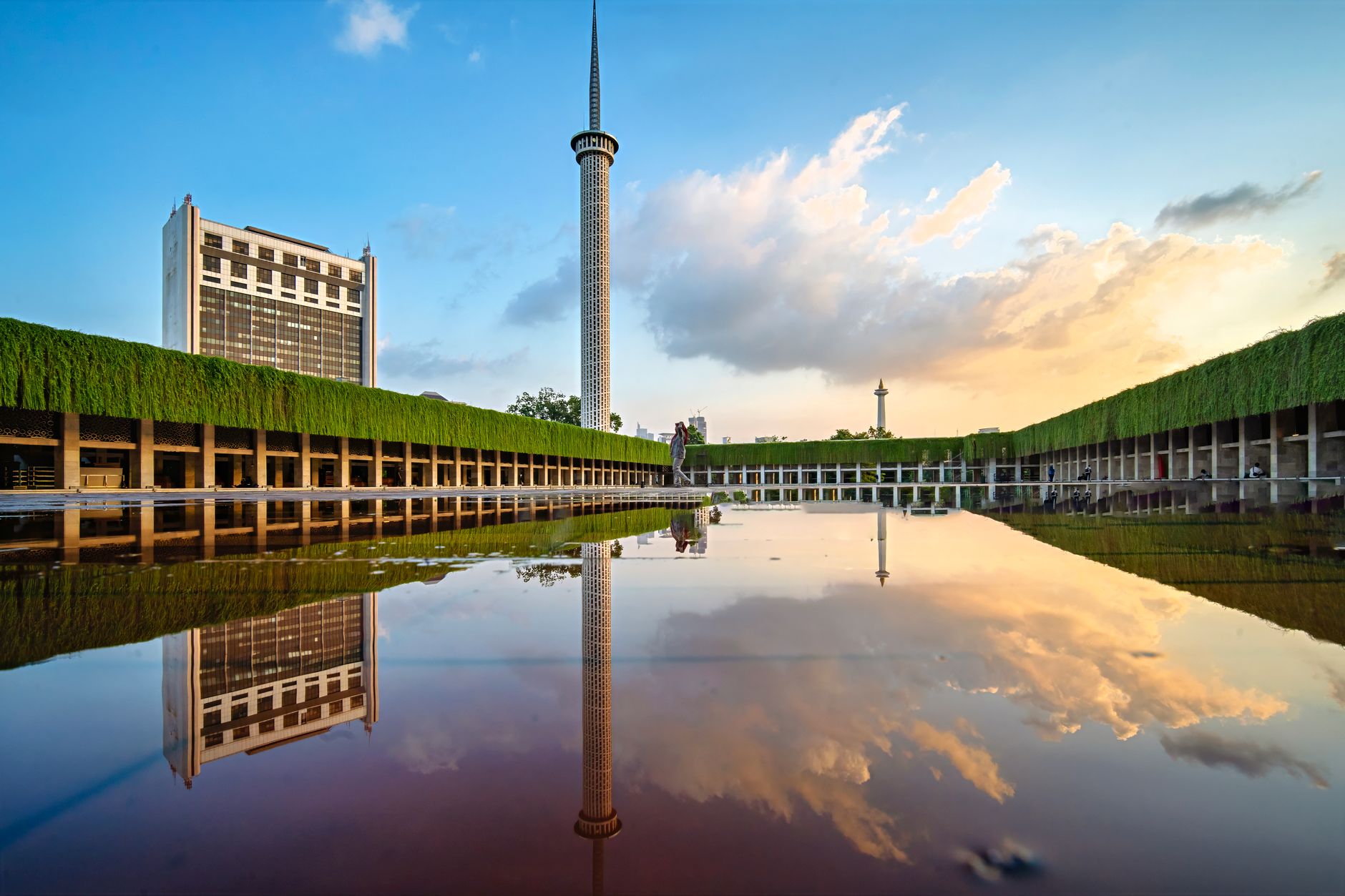
A Jakarta business trip doesn’t have to be all work. If the schedule loosens, the city pays you back. The National Monument (Monas) and its surrounding historic core fill 2–3 hours nicely, and Kota Tua (Old Town) is a gift for atmospheric colonial architecture and street photography — both covered in our guide to Jakarta’s landmarks. The National Gallery of Indonesia and Museum MACAN deliver world-class art, and the wider museum scene is mapped in our guide to Jakarta culture, history, and museums. For genuine recovery, most business hotels have excellent spas where a 60-minute massage runs $30–$60, a fraction of home prices. Weekend golfers can book rounds at championship courses within 30 minutes of SCBD. And for everything else an evening or spare morning might hold, our things to do in Jakarta pillar is the place to browse.
First-Trip Mistakes to Avoid
A few errors trip up nearly every first-timer, and all of them are avoidable. Underestimating transit time is the big one — a meeting “15 minutes away” on the map can be 70 minutes at 9 AM, so pad everything and cluster your day geographically. Booking the wrong side of town comes next: a gorgeous hotel is no help if your meetings are an hour’s crawl away, so let the meeting locations choose the district. Scheduling back-to-back across districts guarantees you’ll be late to the second one; build in real buffers. Drinking your tea before being invited, writing on a business card, or handing something over with your left hand all read as small disrespects you can easily sidestep. And assuming “yes” means a firm commitment will cost you — confirm decisions in writing afterward. Finally, don’t rely solely on hotel Wi-Fi for an important call; have a SIM or eSIM ready to tether.
Best Time for Business Travel to Jakarta
Business runs year-round in Jakarta, but the calendar still matters. The dry season (May–October) brings more reliable travel and fewer rain-driven traffic snarls, which is worth something when your day hinges on punctuality. Avoid scheduling critical meetings during Ramadan if you can — working hours often shorten, energy dips by late afternoon, and many professionals fast through the day; if you do travel then, keep meetings to the morning and be discreet about eating and drinking in front of fasting colleagues. The week around Idul Fitri (Lebaran) effectively shuts the business city down as the country travels home, so steer well clear of it for meetings. Year-end (mid-December into early January) also slows as people take leave. Mid-week meetings tend to be most productive; Friday afternoons thin out, partly around midday prayers.
Frequently Asked Questions
Where should I stay for business in Jakarta? Base yourself in or beside the district hosting most of your meetings — SCBD or the Sudirman-Thamrin corridor for finance and government, Mega Kuningan for a slightly calmer alternative, or TB Simatupang for tech (with a car). Proximity to your meetings matters more than the hotel’s star count.
How early should I leave for a meeting? Off-peak, allow 30 minutes between meetings in adjacent districts. During rush hour (7–10 AM and 4–7 PM), allow 60–90 minutes, and lean on the MRT along the Sudirman-Thamrin corridor whenever your destination is near a station.
Do I need a business visa for meetings? For meetings, conferences, and site visits, most Western passport holders can use the Visa on Arrival (Rp 500,000, 30 days, extendable once for another 30). For actual work, training, or technical installation, you need a B211A Business Visa arranged before arrival. Confirm current rules with the embassy, as they change.
Is Jakarta safe for business travelers? Yes, broadly. The main business districts are well-policed and used to international visitors. Standard big-city caution applies — use reputable ride-hailing or hotel cars rather than street taxis you can’t verify, keep valuables discreet, and watch your belongings in crowds.
What should I wear to meetings? Long-sleeved dress shirt and trousers for men (a suit for formal or government meetings), conservative professional attire for women. A long-sleeved batik shirt is fully acceptable as formal business wear and reads as a nice cultural nod. Layer for the AC-to-humidity swings.
Jakarta rewards the business traveler who comes prepared. Read the traffic, master the meeting etiquette, get the hotel location right, and lock your transport in advance, and your trip turns productive, efficient, and — more often than people expect — genuinely enjoyable. The business infrastructure keeps improving, the talent pool is impressive, and the warmth of Indonesian hospitality makes even a routine meeting feel personal. For the broader practicalities of a first visit — money, SIM cards, safety, etiquette — our Jakarta travel tips round things out. Come ready, and you’ll find Jakarta isn’t just a place to do business; it’s a place where business relationships actually take root.
Much of Jakarta’s business is done over dinner. Our guide to private dining in Jakarta explains how to book a private room, the seating and halal conventions worth knowing when you host Indonesian guests, and how to arrange the bill so it never reaches the table.