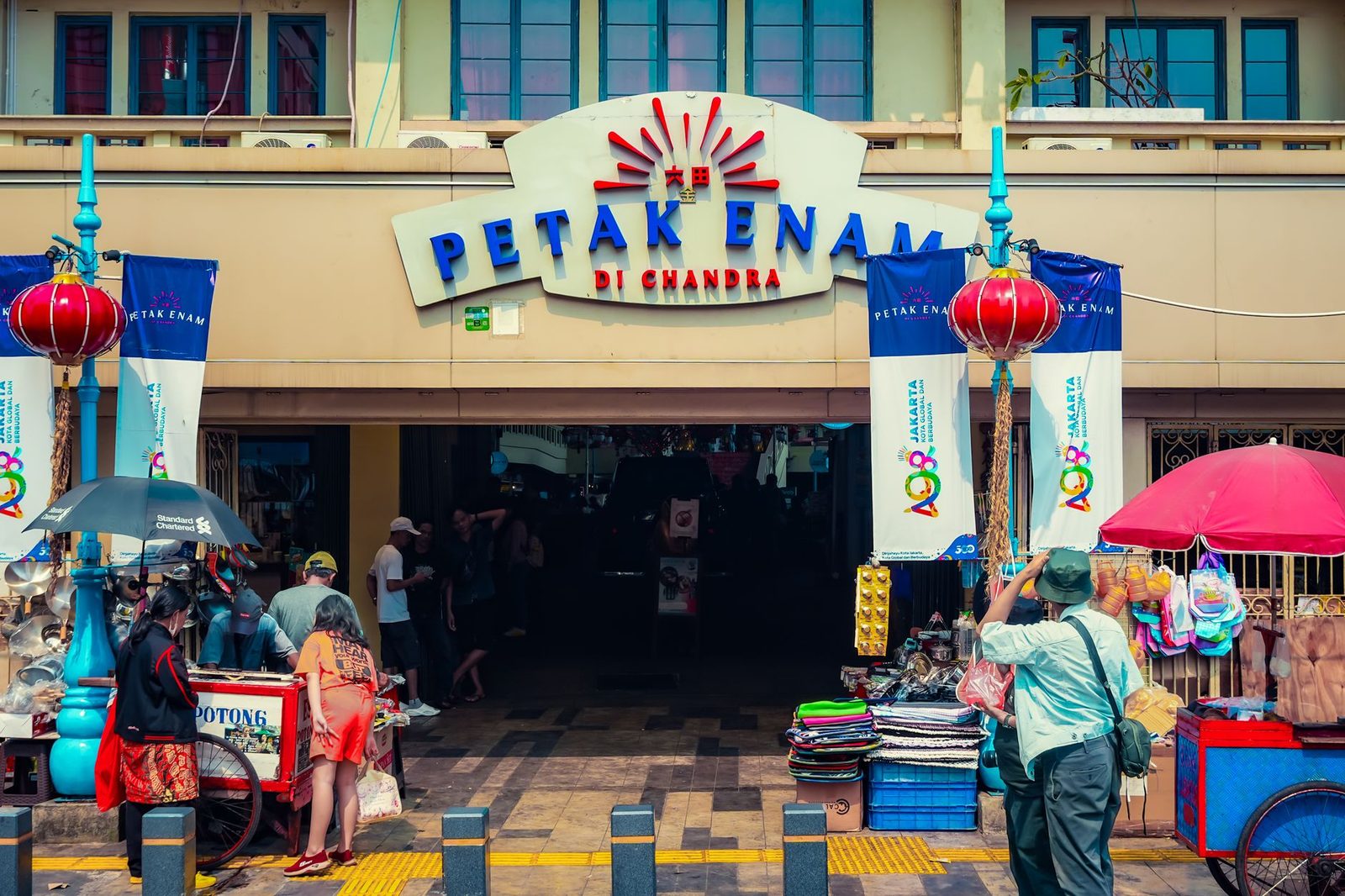
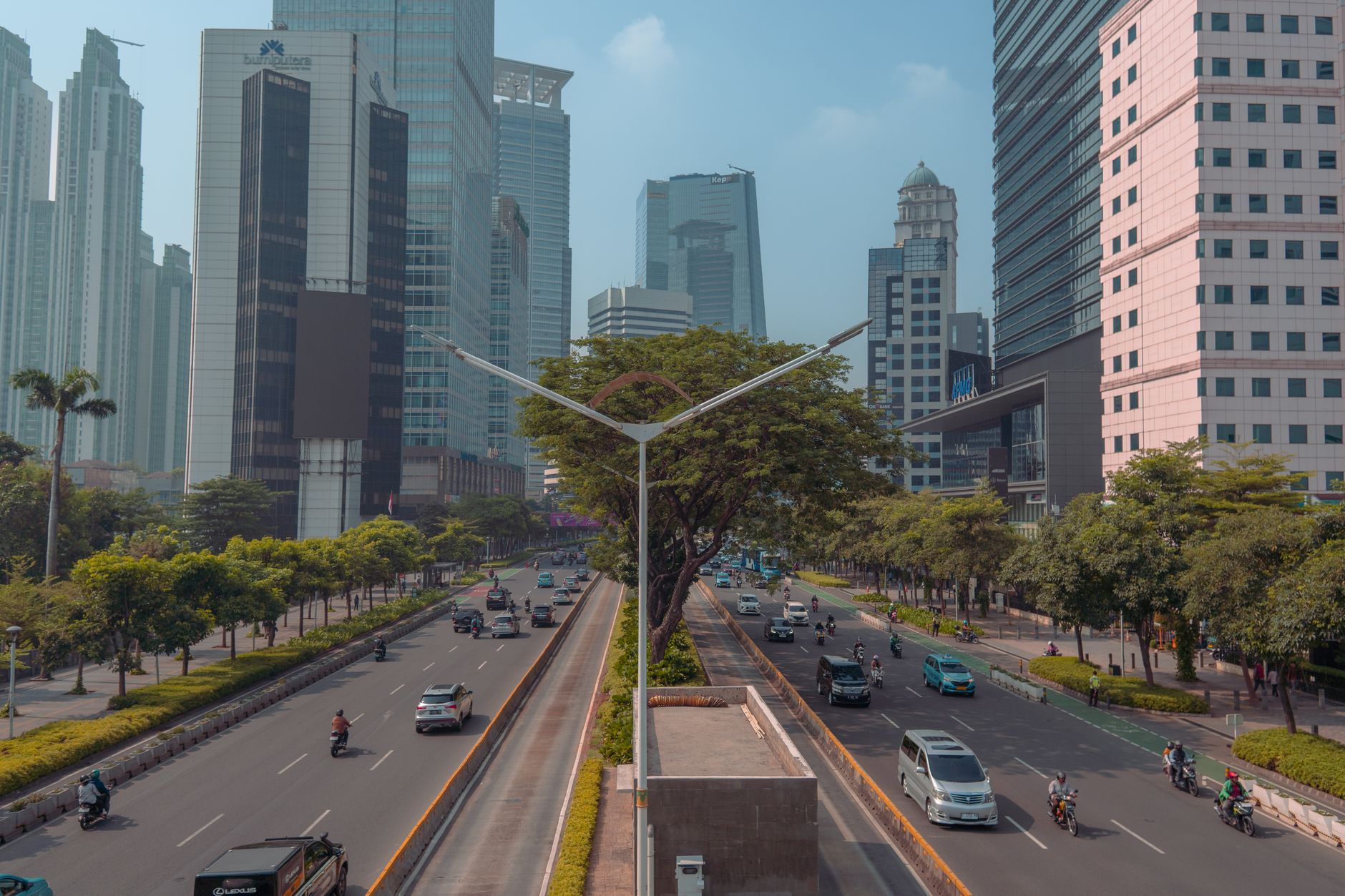
Menteng is the only part of Jakarta where you can walk for an hour under continuous tree cover and hear birds over the traffic. That is not a small thing in a city of eleven million. What this Menteng Jakarta guide is concerned with is not the architectural pedigree of the place but what you actually do here across a day: which park to start in, when the antiques market is worth your time, where the two small museums are hiding, and where residents eat when they are not entertaining anyone. Menteng is a neighbourhood people live in, not an open-air exhibit, and the best way to see it is to spend a day behaving like you live here too.
For the wider context, our Jakarta neighbourhoods guide sets Menteng against the twenty-odd other districts worth knowing. Menteng sits inside the larger administrative area covered in our Central Jakarta guide, which handles Monas, Gambir station and the government ring. If it is the built history you want rather than the living neighbourhood, read colonial Jakarta’s architecture and history, which covers the garden-suburb plan and the Indo-European villa style in proper depth. This page assumes you already know Menteng is beautiful and want to know what to do in it.
What Menteng Is Now
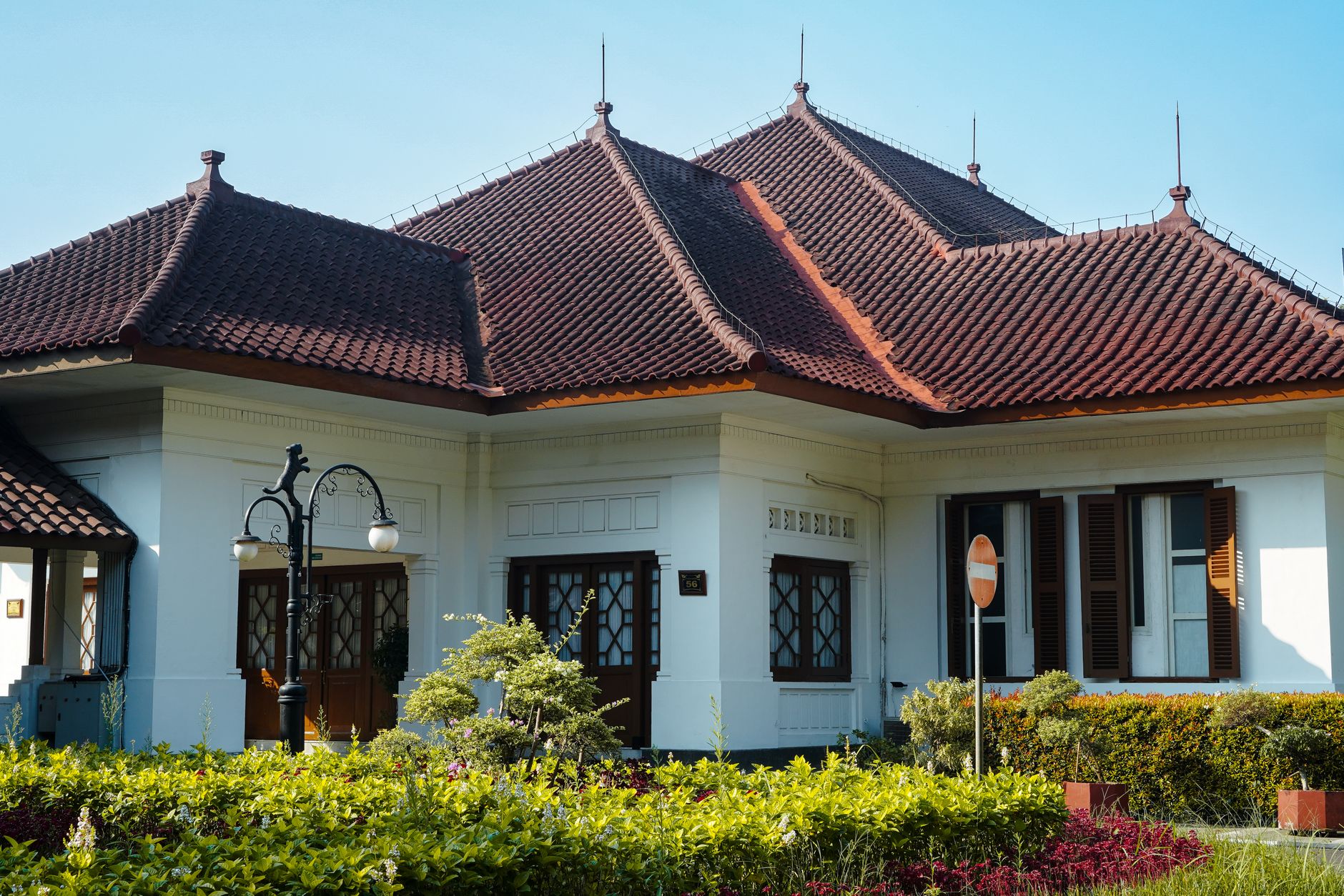
Menteng is one of the eight districts of Central Jakarta, laid out from 1910 as Indonesia’s first planned garden suburb and now occupying an odd position in the city’s hierarchy. It is not the wealthiest district by property value; Pondok Indah and parts of Kebayoran overtook it decades ago. It is not the most fashionable; that argument is between SCBD, Senopati and Kemang. What Menteng has is proximity, shade and a certain institutional gravity. Cabinet ministers live here. Ambassadors live here. So do about seventy thousand other people, in kampung pockets tucked behind the villa streets that visitors rarely notice.
The practical boundaries: Jalan MH Thamrin to the west, the railway and Jalan Pramuka roughly to the east, Jalan Kebon Sirih and Jalan Menteng Raya to the north, and Jalan Sudirman and the Ciliwung to the south. Within that, the streets worth walking are Jalan Diponegoro, Jalan Imam Bonjol, Jalan Teuku Umar, Jalan Cikini Raya, Jalan Surabaya, Jalan HOS Cokroaminoto and Jalan Besuki. Everything in this guide sits inside a rectangle about two kilometres by one and a half.
Two honest caveats before you commit. First, Menteng after 20:00 is quiet to the point of dull. This is a residential district and it does not have a nightlife scene; if that is what you want, look at Kemang or the bars and clubs of South Jakarta. Second, the pavements are good by Jakarta standards, which still means uneven slabs, parked motorbikes and the occasional missing drain cover. Wear shoes you can trust.
Getting In: Cikini, Gondangdia and the MRT Gap
Menteng has no MRT station. Not one. The North–South line terminates at Bundaran HI, which is on Menteng’s western edge and roughly 950 metres from Taman Menteng, a twelve-minute walk. Dukuh Atas BNI, the big interchange to the south, is around 26 minutes on foot from the middle of the district. Phase 2A of the MRT will add Thamrin and Monas stations to the north, targeted for late 2027, and neither of those is in Menteng either. If a listing tells you a Menteng hotel is “steps from the MRT”, it is being generous.
What Menteng does have is two KRL commuter stations. Cikini, on the eastern side, sits on the Bogor line and is the single most useful arrival point for this neighbourhood: it drops you a two-minute walk from Jalan Cikini Raya and Taman Ismail Marzuki. Gondangdia, one stop north, serves the northwestern corner and Jalan Sabang. Both cost IDR 3,000 to 7,000 from most of Jabodetabek and both are chaotic at rush hour. Our KRL Commuter Line guide covers the ticketing and the etiquette, and the Jakarta MRT guide explains how to connect the two systems at Dukuh Atas.
Inside Menteng, walking is the point, but for the awkward legs a GrabBike or GoRide costs IDR 10,000 to 18,000 and takes five minutes. A car through the same distance can take twenty at the wrong hour. Our Grab versus Gojek comparison explains which app to have on your phone; the short answer is both.
| Access point | Mode | Walk to Taman Suropati | Best for |
|---|---|---|---|
| Cikini station | KRL Bogor line | 15 min | Cikini Raya, TIM, the eastern loop |
| Gondangdia station | KRL Bogor line | 18 min | Jalan Sabang, northwest Menteng |
| Bundaran HI | MRT North–South | 20 min | Arriving from South Jakarta |
| Dukuh Atas BNI | MRT, KRL, airport train, LRT | 26 min | Airport arrivals |
| TransJakarta Corridor 1 | Bus, flat IDR 3,500 | 10–15 min from Thamrin stops | Cheapest option from anywhere on Thamrin |
The Menteng Jakarta Guide Walking Loop, Hour by Hour
Menteng rewards a single continuous walk more than it rewards a hit list. The loop below runs about six kilometres, takes a full day at a civilised pace, and is arranged so that the outdoor parts happen before the sun becomes an enemy and the indoor parts absorb the middle of the day. Start at 07:00. Yes, really.
| Time | Stop | Notes |
|---|---|---|
| 07:00–07:45 | Taman Suropati | Coolest hour, joggers, musicians on Sundays |
| 08:00–08:45 | Museum Perumusan Naskah Proklamasi | Opens 08:00, closed Mondays, 250m from the park |
| 09:00–10:00 | Jalan Surabaya antiques market | Stalls open from around 09:00; earliest sellers are the friendliest |
| 10:00–10:45 | Coffee on Jalan Surabaya | Giyanti Coffee Roastery sits on this street |
| 11:00–11:30 | Taman Menteng | Glasshouses, courts, playground; 1.2km walk west |
| 11:30–11:50 | SDN Menteng 01, Jalan Besuki | Obama statue at the gate; a working school, so keep it brief |
| 12:00–13:00 | Lunch, Jalan Gereja Theresia | Gado-Gado Boplo, the classic Menteng lunch |
| 13:15–14:15 | Museum Joang 45, Jalan Menteng Raya 32 | Reopens after a 12:00–13:00 break, closes 15:00 |
| 14:30–15:30 | Jalan Cikini Raya | Old shophouses, bookshops, coffee |
| 15:30–17:30 | Taman Ismail Marzuki | Galleries, the rebuilt planetarium, theatre listings |
| 17:30 onwards | Cikini street food, then Cikini KRL home | Stalls set up as the offices empty |
Do not attempt this on a Monday. Both museums close, and so does most of what makes the day worth structuring. Tuesday to Friday is ideal. Saturday works but is busier. Sunday is the best day for the parks and the worst for the museums.
Taman Suropati and the ASEAN Sculptures
Taman Suropati is the geometric centre of Menteng and the reason the neighbourhood’s street plan makes sense. Six roads converge on it, which was the whole point of the original 1920s layout, and the resulting island of grass and mahogany trees is the most pleasant public space in Central Jakarta. It is free, unfenced and open around the clock in practice, though it is at its best between 06:00 and 09:00.
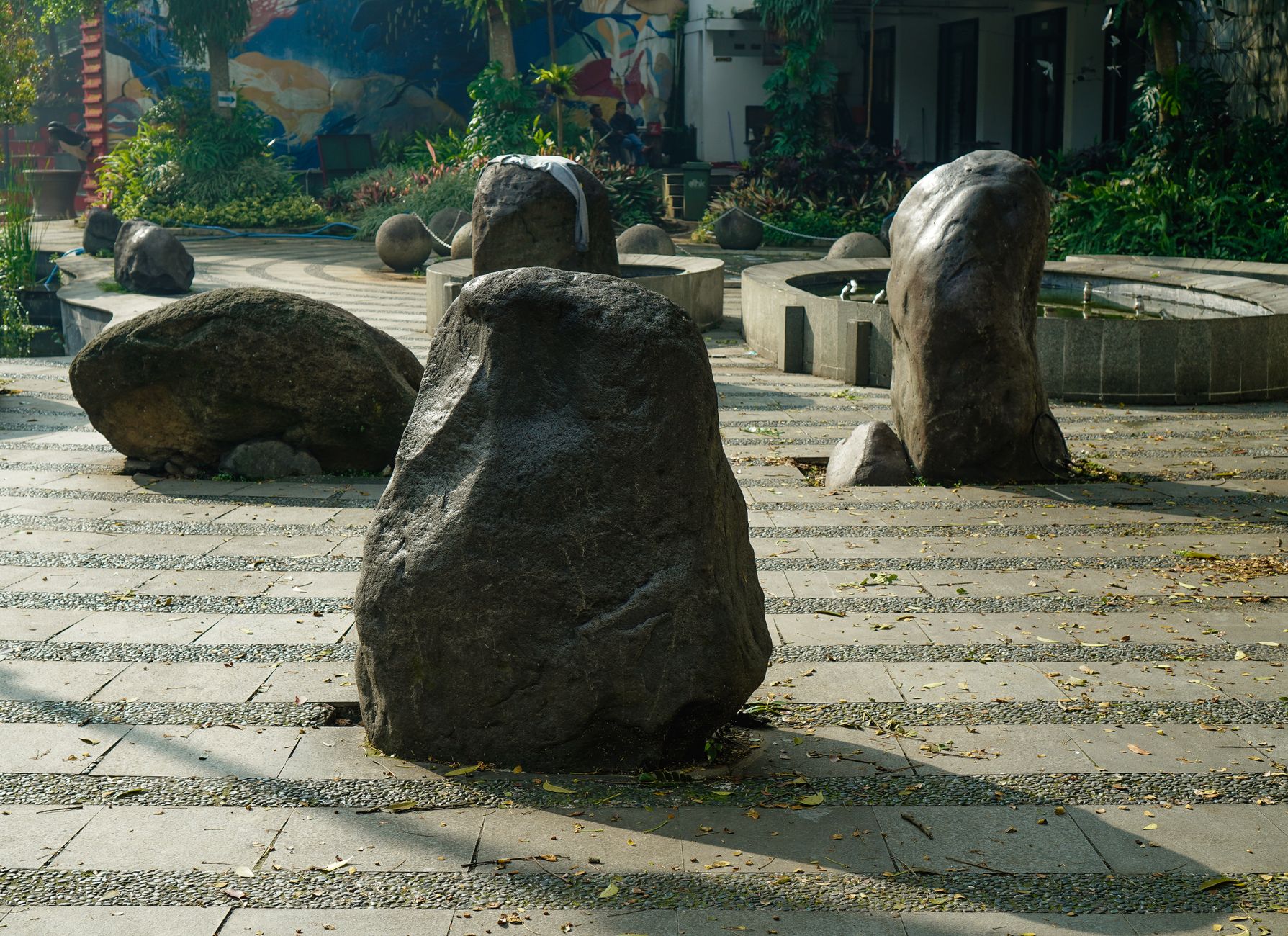
Scattered around the lawns are six abstract sculptures, placed by ASEAN member states in 1984 to mark regional friendship. They replaced a set of animal statues that had been there previously. The works are: “Rebirth” by Luis E. Yee Jr of the Philippines, “Harmony” by Awang Hj Latif of Brunei, “Fraternity” by Nonthivathn Chandhanaphalin of Thailand, “Peace, Harmony and One” by Lee Kian Seng of Malaysia, “The Spirit of ASEAN” by Wee Beng Chong of Singapore, and “Peace” by Sunaryo of Indonesia. There is no signage explaining any of this beyond small plaques, which is a pity, because knowing what you are looking at turns an unremarkable set of concrete forms into a rather touching 1980s diplomatic gesture.
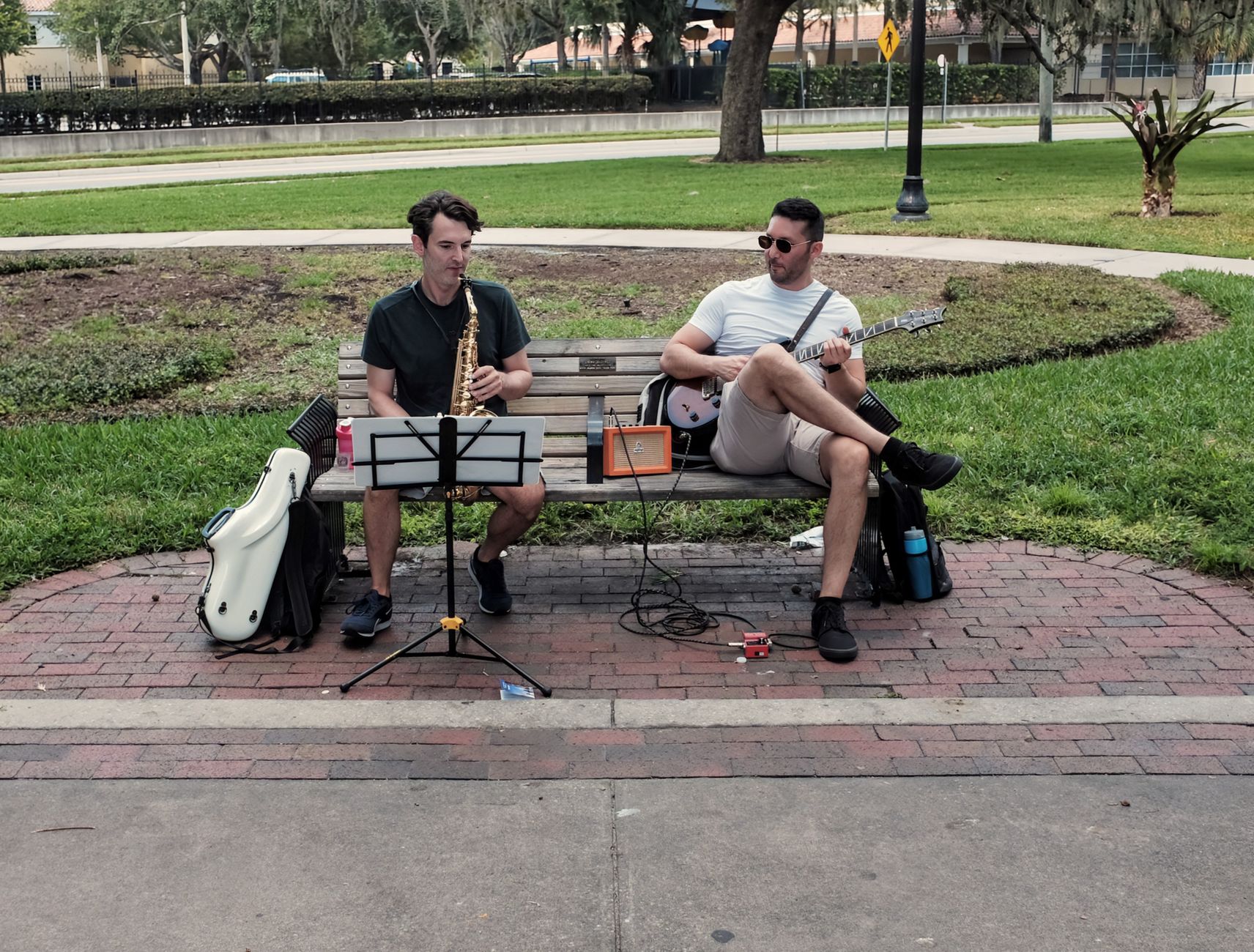
The other reason to come at dawn is the music. Since the late 1990s a community of string players has rehearsed in the park, initially organised around a violin teacher running open lessons for anyone who turned up. On Sunday mornings you will find violins, occasionally a small ensemble, alongside portrait sketchers, bird enthusiasts and a great many people doing aerobics to a portable speaker. It is genuinely charming and it costs nothing, which puts it high on our list of free things to do in Jakarta.
Jalan Surabaya: How to Buy Antiques Without Being Fleeced
Half a kilometre of open-fronted stalls running along Jalan Surabaya, trading since the 1970s, selling brassware, porcelain, wayang puppets, ship’s lamps, vinyl records, old cameras, Dutch-era clothing irons, tribal masks, kris blades, typewriters and a large quantity of things that look older than they are. Most stalls open around 09:00 and shut between 16:00 and 17:00, seven days a week, though individual sellers keep their own hours and Ramadan afternoons are thin.
How much of it is fake
A lot. This is not a scandal and nobody is really pretending otherwise. Walk the street in the morning and you will see sellers actively working on stock: cleaning brass, distressing wood, applying patina to items that came out of a workshop in Central Java last month. The trade in reproduction “antiques” is an open part of the business, and some of the reproductions are well made objects in their own right.
The reliable tell is price. Genuine period pieces are priced accordingly, and a seller with something real will tell you so and hold the number. If a “colonial-era” brass ship’s lamp is being offered at IDR 300,000, it is a reproduction. That may be fine. A well-made reproduction lamp for IDR 250,000 is a good souvenir. Just do not tell yourself, or your insurer, that it is 1930s Batavian.
How to haggle
Opening prices for foreign buyers typically run three to four times what a piece will actually sell for. Counter at around 25 to 30 percent of the first ask and expect to settle somewhere between 40 and 55 percent. Do it slowly and pleasantly; the theatre is part of the transaction and impatience costs you money. Cash gets better prices than QRIS. Buying two things from one stall gets a better price than one thing from two stalls. And the single most effective tactic remains walking away, because you will be called back roughly half the time.
What is genuinely worth buying here: old vinyl, brass and copper vessels, wooden masks, batik stamps, and the occasional decent camera body. What is not: anything sold as “ivory”, anything claiming to be an authentic antique kris with provenance, and mass-produced Balinese carvings you can buy cheaper in Bali. For a broader view of the city’s secondhand scene see our flea markets and vintage guide, and for craft bought direct from makers rather than resellers, Indonesian handicrafts in Jakarta and the best Jakarta souvenirs are better starting points. Textile shoppers should also read where to buy batik in Jakarta.
Taman Menteng and the Obama Statue
Taman Menteng, on Jalan HOS Cokroaminoto, occupies the site of the old Menteng stadium, which was Persija’s home ground before the club moved and the land was converted to a park in 2007. It is a very different animal from Taman Suropati: hard landscaping, glasshouses, futsal and basketball courts, a children’s playground and considerably less shade. Locals use it heavily in the evening. As a sight it is minor. As a place to see how Menteng residents actually spend a Saturday it is instructive, and it is one of the better central options in our things to do in Jakarta with kids roundup.
A short walk away on Jalan Besuki is SDN Menteng 01, the state primary school Barack Obama attended between 1969 and 1971, enrolled under the name Barry Soetoro. A bronze statue of Obama as a boy, with a butterfly on his outstretched hand, stands at the school. It was originally installed in Taman Menteng in 2010, moved after a public argument about whether a foreign leader belonged in a Jakarta park, and now sits on the school’s own grounds where the argument does not apply. There is a plaque near the entrance.
Be sensible here. This is a functioning primary school with several hundred children in it. The front area is accessible and staff are used to visitors photographing the statue, but you are not entitled to wander the corridors, and turning up during break with a long lens is not a good look. Five minutes, a photograph, and out. Come on a weekend if you would rather not be there during lessons at all.
Two Small Museums Worth an Hour Each
Museum Perumusan Naskah Proklamasi
At Jalan Imam Bonjol No 1, a 1920s Art Deco villa designed by the Dutch architect J.F.L. Blankenberg, this is where the text of Indonesian independence was actually drafted. On the night of 16 to 17 August 1945, Sukarno, Hatta and Achmad Soebardjo worked out the wording of the proclamation in the dining room of what was then the residence of Rear Admiral Tadashi Maeda, the Japanese naval officer who lent them the house. The declaration was read out the following morning a couple of kilometres away.
The museum is open Tuesday to Sunday, 08:00 to 16:00, closed Mondays. Entry has been around IDR 2,000 for Indonesian adults, IDR 1,000 for children and IDR 10,000 for foreign visitors, which makes it one of the best-value hours in the city. The displays are modest: period rooms, the typewriter, photographs, some dioramas, most captioning in Indonesian with partial English. What makes it worthwhile is standing in the actual room. Forty-five minutes is enough, and it is a natural second stop after Taman Suropati because it is 250 metres away. It also features in our wider Jakarta culture and history museums guide.
Museum Joang 45
At Jalan Menteng Raya 32, in the former Hotel Schomper, a 1938 building that became a meeting place for nationalist youth during the occupation. The museum covers the independence struggle from 1945 onwards through photographs, weapons, paintings and, most memorably, the two Buick cars used by Sukarno and Hatta, plate numbers REP 1 and REP 2. Those cars are the reason to come.
Hours are Tuesday to Sunday, 09:00 to 15:00, with a lunch break generally observed between 12:00 and 13:00, closed Mondays. Admission has run around IDR 5,000 for adults, IDR 3,000 for university students and IDR 2,000 for school pupils. Signage is largely Indonesian. If you have any interest in how Indonesia narrates its own revolution to itself, this is a more revealing hour than any of the larger institutions, and it pairs with our Indonesian heritage sites overview.
Cikini and Taman Ismail Marzuki
Jalan Cikini Raya is the closest Menteng gets to a high street, and it is the part of the neighbourhood with the most obvious daily life: shophouses, bakeries, secondhand bookshops, a market, a hospital, and a permanent low-level congestion problem. It also has the best coffee in the district and the arts centre.
Taman Ismail Marzuki, known universally as TIM, has been Jakarta’s arts centre since 1968 and reopened after a long and much-criticised rebuild. It contains the Graha Bhakti Budaya theatre, exhibition halls, the HB Jassin Literary Archive, and the Jakarta Planetarium, which reopened to the public on 25 December 2025 after around thirteen years closed. The planetarium now runs a modern digital projection system with roughly 185 seats per show and public tickets priced at about IDR 10,000, with free entry for students holding a valid card. Sessions are booked through per-show registration links published on the venue’s Instagram; demand has been strong enough that ticket touts appeared within weeks of reopening, so book direct and ignore anyone offering to buy on your behalf.
Beyond the planetarium, TIM’s value depends entirely on what is programmed that week. It can be a major dance production or it can be an empty plaza. Check the listings before building an evening around it. Our Jakarta cultural experiences page tracks the venues that reliably have something on. If contemporary art is your interest, Museum MACAN in West Jakarta is the stronger institution, though it is a long way from here.
The Embassy Quarter, and the Truth About the Villas
Jalan Imam Bonjol, Jalan Diponegoro and Jalan Teuku Umar form the diplomatic spine of Menteng: embassies, ambassadorial residences, ministerial houses and a good deal of discreet security. Walking these streets is the single best thing about Menteng. It is also the thing tourists most often get wrong.
There is no tour of the villas. There is no open-house scheme, no heritage trail with interiors, no ticket you can buy. These are private homes, official residences and working diplomatic missions. The 1910s and 1920s Indo-European houses that make Menteng famous, with their deep verandahs, steep tiled roofs and shuttered windows, are all seen from the pavement or not at all. A handful have been converted into restaurants, cafes and galleries over the years and those you can walk into; the rest you photograph from outside the gate, politely, and move on.
Two rules. Do not photograph embassy guard posts, gates or security personnel; you will be asked to stop and you may be asked to delete. And expect road closures. When a head of state visits, or when there is a demonstration outside a particular mission, sections of Imam Bonjol and Diponegoro shut with no warning and Grab drivers will simply refuse the trip. Build slack into any Menteng plan with a fixed end time.
The compensations are real. Menteng’s canopy is the best in Jakarta, temperatures on the shaded streets run noticeably lower than on Thamrin, and the pavements on Diponegoro and Teuku Umar are wide and continuous in a way almost nowhere else in the city manages. If you want a walk that is purely aesthetic, do Diponegoro from Taman Suropati to Jalan Salemba in the late afternoon.
Where Locals Actually Eat in Menteng
Menteng’s food is old-Jakarta rather than fashionable, and the gap between what appears on international listicles and what residents actually eat is wide. The listicles want you at hotel restaurants on Thamrin. Residents are at a gado-gado shop that has been in the same building for fifty years.
Gado-Gado Boplo, on Jalan Gereja Theresia, is the classic Menteng lunch and the one place in this section that is genuinely institutional. It is a chain now, but this branch is the one people mean. Gado-gado, the peanut-sauce vegetable salad, plus a broader Indonesian menu of soto, nasi and satay. Four people can eat well for around IDR 200,000 total. Air-conditioned, busy at 12:30, and the right stop midway through the walking loop.
Bakmi GM began on Jalan Sunda, at the edge of Menteng, in 1959, and grew into a chain found in every mall in the city. The noodles are consistent rather than exceptional, and the reason to mention it is that it is reliable, fast, air-conditioned and costs IDR 45,000 to 70,000 a head. When it is 33 degrees and you need to sit down, that matters more than culinary ambition.
Soto Betawi is Jakarta’s own dish and Cikini has long-running specialists serving it, the best known being the Haji Ma’ruf operation on Jalan Cikini Raya. Beef, offal if you want it, in a coconut milk and broth base, with a squeeze of lime and emping crackers. Around IDR 45,000 to 70,000 a bowl. Read our best soto Betawi in Jakarta and the wider Betawi cuisine guide for what to order and what the variants mean.
Kedai Tjikini, on Cikini Raya, does Indonesian comfort food in a room dressed in old Batavia furniture. The nasi pecel and the siomay are the orders. It is more designed than the warungs and prices reflect that, at IDR 60,000 to 120,000 a head, but it is a pleasant sit-down when the museums have finished you off.
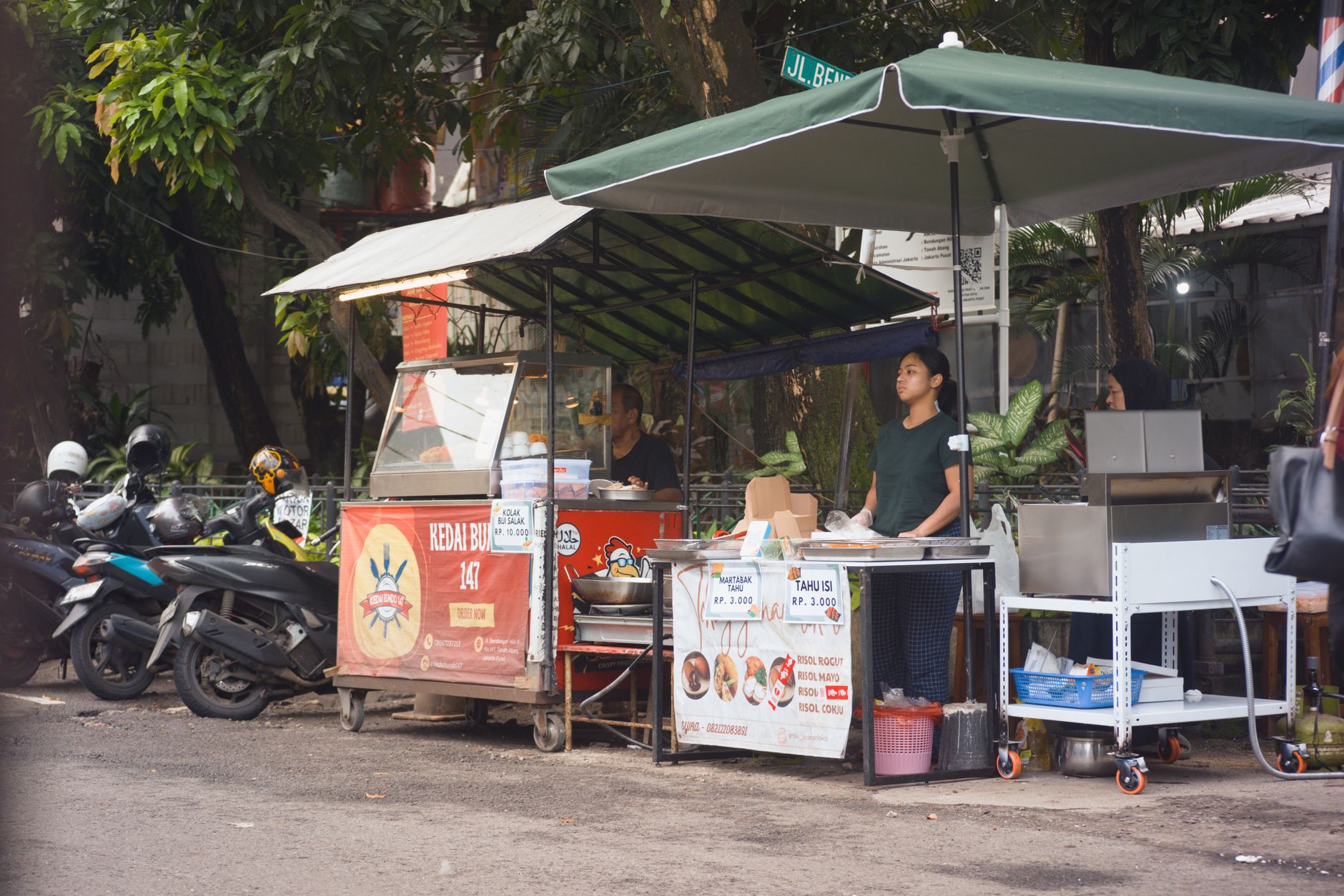
Cikini street food assembles along Jalan Cikini Raya and the alleys off it from late afternoon: martabak, nasi goreng, sate ayam, ketoprak, bubur. IDR 20,000 to 40,000 a plate. This is the cheapest and most enjoyable dinner in Menteng and it is where the walking loop should end. Our best street food in Jakarta and cheap eats guides cover the vocabulary you will need.
One correction worth making, because it appears constantly in Menteng listings: Kembang Goela, the Peranakan restaurant people recommend for “Menteng”, is not in Menteng. It is at Plaza Sentral on Jalan Jenderal Sudirman, roughly fifteen minutes south by car and firmly in the Sudirman corridor. It is a good restaurant, open around 11:00 to 23:00, and worth a dinner reservation, but do not plan to walk there from Taman Suropati. For proper sit-down dining across the city see the best restaurants in Jakarta.
| Where | What | Rough cost per person | Best for |
|---|---|---|---|
| Cikini street stalls | Martabak, nasi goreng, sate | IDR 20,000–40,000 | Dinner, atmosphere, budget |
| Gado-Gado Boplo, Jl Gereja Theresia | Gado-gado, soto, Indonesian standards | IDR 50,000–70,000 | The classic Menteng lunch |
| Bakmi GM, Jl Sunda | Noodles, wontons | IDR 45,000–70,000 | Fast, air-conditioned, reliable |
| Soto Betawi on Cikini Raya | Beef soto in coconut broth | IDR 45,000–70,000 | The one local dish to try here |
| Kedai Tjikini | Indonesian comfort food, old-Batavia room | IDR 60,000–120,000 | A proper sit-down break |
| Kembang Goela (Sudirman, not Menteng) | Peranakan and Indonesian | IDR 200,000–350,000 | Dinner out, book ahead |
A standing note on Jakarta pricing: warungs and street stalls charge what is on the sign, but restaurants and cafes typically add around 21 percent in service charge and government tax on top of menu prices. Budget for it. Vegetarians will find Menteng workable but not generous; gado-gado, ketoprak and tahu telur are the reliable street options, and our vegetarian and vegan guide lists the dedicated places.
Coffee in Menteng
Indonesia grows some of the world’s most interesting coffee and Jakarta finally learned to brew it properly around 2012. Menteng was one of the places where that happened. Giyanti Coffee Roastery, on Jalan Surabaya, has been roasting since that year and remains the district’s serious option: single-origin Indonesian beans, a small room, no laptops encouraged, filter around IDR 35,000 to 55,000. It sits directly on the antiques street, which makes it the obvious mid-morning break in the walking loop.
Bakoel Koffie occupies an old house on Cikini Raya and trades on a lineage going back to a nineteenth-century Batavian coffee merchant. The coffee is decent rather than remarkable; the building and the verandah are the reason to sit there. Anomali Coffee, the Jakarta chain that did more than anyone to popularise Indonesian single origins, has a presence in the area and is a dependable fallback. Beyond those, Menteng has accumulated the usual layer of well-designed cafes in converted villas around Cikini and Jalan Sabang, which come and go on a two-year cycle; check recent reviews rather than trusting any list, including this one, on a specific address.
Sunday Mornings in Menteng
Sunday is Menteng’s best day and it starts early. From 05:30 to 10:00, Jalan MH Thamrin and Jalan Sudirman close to traffic for Car Free Day, running from Bundaran HI down to Bundaran Senayan. Menteng’s western edge is the northern end of that route, so you can walk out of the neighbourhood straight onto a closed eight-lane road full of runners, cyclists, aerobics groups, food carts and street performers. The hours were brought forward from 06:00 in June 2026. It is cancelled on national holidays, so check before you rely on it.
Pair it with Taman Suropati, where the musicians and the exercise groups are at full strength on Sunday mornings, and with an early run at Jalan Surabaya before the heat arrives. By 10:30 the road reopens, the temperature is climbing through 31 degrees, and Menteng’s Sunday is essentially over until the evening. Plan around that window rather than fighting it.
Staying in Menteng
Menteng is a reasonable base and an unfashionable one, which is often a good combination. You get tree cover, walkable access to Central Jakarta’s national sights, two KRL stations and a twenty-minute walk to the MRT terminus. You give up nightlife, restaurant depth and the mall-connected convenience of the Sudirman and Kuningan hotels.
The district’s stock skews to older international properties on and just off Thamrin, plus a growing number of small conversions in the villa streets. Our Central Jakarta hotels guide covers the full range with current pricing, and boutique hotels in Jakarta is the better list if a converted Menteng house is what you have in mind. Expect IDR 700,000 to 1,500,000 a night for solid mid-range, and note that rates in this district spike around Independence Day in August and during major state visits.
Practicalities, Costs and the Downsides
A full day in Menteng, walked properly, costs very little. Two museum entries at foreign rates come to about IDR 15,000. Coffee, lunch and street-food dinner run IDR 150,000 to 250,000. Transport in and out is under IDR 20,000 on the KRL. The expensive part is whatever you buy on Jalan Surabaya, and that is entirely up to your negotiating stamina.
The downsides, stated plainly. The heat is the main one: 32 to 34 degrees with heavy humidity most of the year, and the shade that makes Menteng special disappears the moment you step onto Thamrin or Cokroaminoto. Flooding is a lesser problem here than in South Jakarta because Menteng sits slightly higher and the Dutch drainage still partly works, but the streets nearest the Ciliwung can go under during the worst of the November to March wet season. Traffic on Cikini Raya and Cokroaminoto is genuinely bad from 16:00. And the neighbourhood’s principal attraction, the architecture, is behind gates and cannot be entered, which disappoints people who arrived expecting something museum-like.
Menteng also rewards low expectations about “sights”. If you count destinations, you will finish by lunchtime and wonder what the fuss was. If you treat the walk itself as the activity and stop when something looks interesting, it is one of the better days in Jakarta. Our Jakarta travel tips covers the heat, tipping and etiquette in more detail, and Jakarta’s lesser-known corners has more in this register.
Menteng Jakarta Guide FAQ
Is there an MRT station in Menteng? No. The MRT North–South line ends at Bundaran HI on Menteng’s western edge, about a twelve-minute walk from Taman Menteng and twenty from Taman Suropati. The Phase 2A stations at Thamrin and Monas, targeted for late 2027, are also outside the district. Use Cikini or Gondangdia KRL stations instead, both on the Bogor commuter line.
Can you go inside the colonial villas in Menteng? Almost never. The 1910s and 1920s houses are private residences, official ministerial homes or diplomatic property, and there is no organised tour, open-house scheme or ticketed heritage trail. A small number have been converted into cafes, restaurants and galleries and those you can enter freely. Everything else is a pavement view only.
Are the antiques on Jalan Surabaya real? Some are, many are not, and sellers openly restore and artificially age stock. Price is the honest signal: genuine period pieces are priced high and the seller will hold the number. Treat anything cheap as a reproduction and judge it on whether you like the object. Haggle from roughly a quarter of the opening price and settle around half.
How long do I need for Menteng? One full day covers the parks, both museums, the antiques market, Cikini and a proper walk through the villa streets at a relaxed pace. A half day is enough if you skip the museums and just do Taman Suropati, Jalan Surabaya and Cikini. There is not enough here for two days unless you are combining it with the rest of Central Jakarta.
What is the best day to follow this Menteng Jakarta guide? Tuesday to Friday if the museums matter to you, because Museum Joang 45 and the Proclamation Text museum both close on Mondays. Sunday if the parks, the street musicians and Car Free Day matter more. Saturday is the compromise: museums open, parks lively, streets busier than you might like.
Can I see Obama’s school in Menteng? You can see the front of SDN Menteng 01 on Jalan Besuki, where a bronze statue of Obama as a boy stands, along with a plaque marking his attendance from 1969 to 1971. It is a working state primary school, so keep the visit short and stay in the entrance area. Weekends are the considerate time to go.
Is Menteng safe to walk at night? Yes, and it is one of the safer districts in the city given the diplomatic and ministerial security presence. The realistic risks are traffic, uneven pavements and poor street lighting on the residential roads. It is also very quiet after 21:00, with little open beyond Cikini, so plan your dinner rather than assuming you will stumble on something.
Does Menteng flood? Less than South Jakarta, but not never. The district sits on slightly higher ground with functioning Dutch-era drainage in parts, which helps. Streets closest to the Ciliwung river can still take water during heavy November to March rainfall, and short flash flooding after an intense afternoon downpour is common on Cikini Raya. Check conditions before travelling in the wet season.
Where to Go Next
Menteng makes most sense as half of a two-day Central Jakarta plan; pair it with Monas, Istiqlal and the National Museum and you have covered the civic and residential heart of the city properly. Our two-day Jakarta itinerary sequences that. If food is the priority, the Jakarta food guide explains what to eat before you decide where to walk. And if Menteng’s pace suits you, the leafier, wealthier stretches south will too: start with luxury shopping in Jakarta for the Senopati and SCBD end of things, or head to Kemang for the version of a tree-lined neighbourhood that stays open past ten.
Menteng’s two parks are both free and open around the clock: Taman Suropati, with its ASEAN sculptures and weekend violinists, and the livelier Taman Menteng on Jalan HOS Cokroaminoto. With Taman Ismail Marzuki in nearby Cikini, they are part of our guide to free attractions in Jakarta.