The Betawi are Jakarta’s indigenous ethnic group — but most foreign tourists leave Jakarta without ever encountering Betawi culture beyond a glimpse of an ondel-ondel giant puppet at a wedding. The reality: the Betawi exist as a unique cultural mixture of Sundanese, Javanese, Chinese, Arab, Dutch, and Portuguese influences that emerged in colonial-era Batavia and remains the soul of Jakarta. Setu Babakan Betawi Cultural Village in South Jakarta is the single best place to experience living Betawi culture — language, food, dance, music, architecture, and weekend performances on a tranquil lake setting. This guide is the most comprehensive English-language Betawi cultural village Jakarta resource, with the practical visitor information and the cultural primer that most guides skip.
For broader cultural planning, see our pillar Jakarta museums and cultural sites, the National Museum, the Wayang Museum, the TMII, the Indonesian handicrafts, and the food and drink in Jakarta guides.
Who Are the Betawi? A 5-Minute Cultural Primer
The Betawi (orang Betawi, “people of Batavia”) emerged in 17th-19th century colonial Batavia as a distinct ethnic group blending the city’s many incoming populations — Sundanese (original West Javanese), Javanese, Bugis, Makassar, Chinese, Arab, Indian, Portuguese, and Dutch. Unlike Java’s older ethnic groups, the Betawi are a fundamentally urban people, created by Jakarta itself.
Three things to know:
- Language — Bahasa Betawi is an Indonesian creole with Sundanese, Javanese, Chinese, Arabic, and Portuguese loanwords. Today increasingly mixed with standard Indonesian (Bahasa Indonesia) but distinct in older generations.
- Religion — Predominantly Sunni Muslim but with cultural overlay from earlier Hindu-Buddhist Sundanese roots plus Chinese-Indonesian and Christian influences.
- Visibility — Betawi culture has been institutionally protected since 2005 when Setu Babakan was designated Indonesia’s official Betawi Cultural Village under Governor Sutiyoso’s administration.
Setu Babakan: Practical Info
- Address: Jl. Setu Babakan No. 2, Srengseng Sawah, Jagakarsa, South Jakarta 12640
- Hours: Daily 7 AM – 6 PM (some performances and stalls open later weekends)
- Entry fee: Free
- Parking: IDR 5,000-10,000 for car; free for motorbike
- Time needed: 2-4 hours minimum; 4-6 hours for full cultural day with performances
- Best day: Saturday or Sunday for live performances
Getting There
- Grab/Gojek — Most reliable. 45-75 min from central Jakarta in normal traffic; IDR 100,000-180,000 from Sudirman.
- TransJakarta — Various route combinations; allow 75-90 min total; IDR 3,500.
- KRL — Universitas Indonesia Station or Lenteng Agung; then 15-min Grab.
- Tour bus packages — Some Jakarta tour operators include Setu Babakan in cultural day tours.
Tip: No MRT or LRT directly serves Setu Babakan. Plan transport time generously.
The Setu Babakan Layout
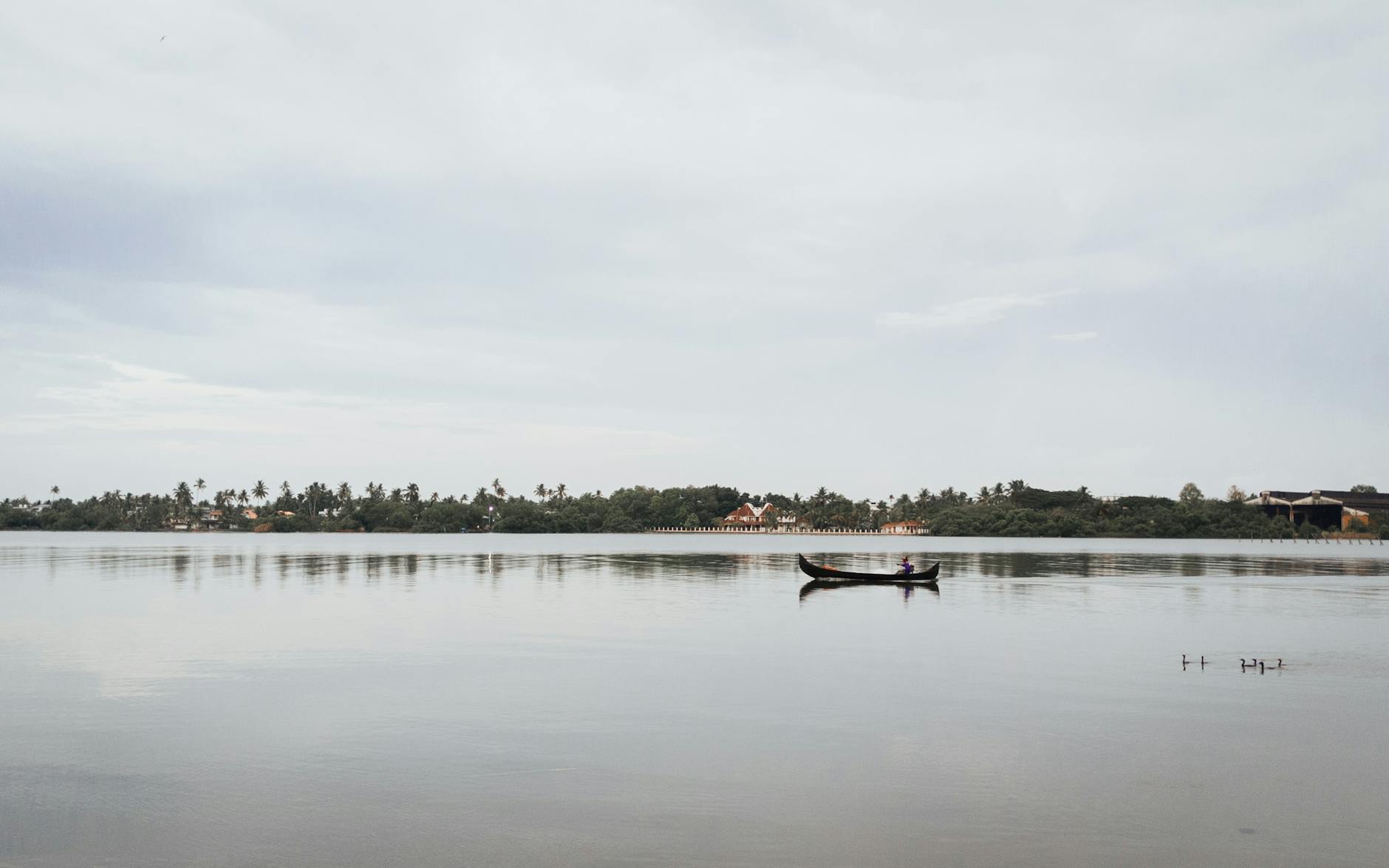
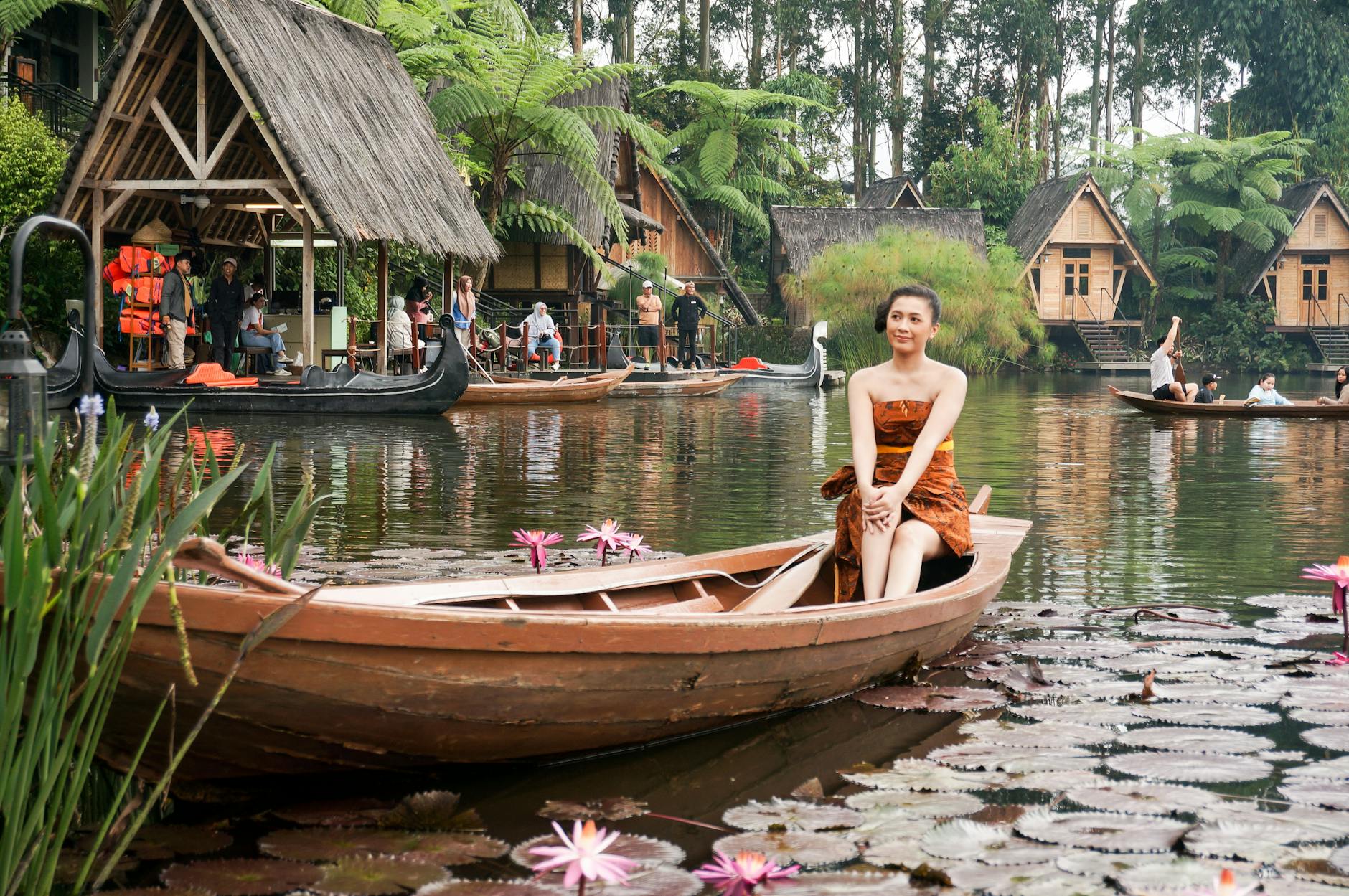
Setu Babakan is built around a 32-hectare freshwater lake (setu means “lake” in Sundanese/Indonesian, babakan refers to the local village). The cultural village features:
- Traditional Betawi houses — Multiple architectural styles preserved or reconstructed
- Live performance amphitheater — Weekend dance, music, traditional theater
- Betawi food village — 20+ vendors of authentic regional dishes
- Lake-side promenade — Walking and bicycle paths around the lake
- Souvenir and crafts stalls — Betawi-specific handicrafts
- Information center — Cultural background and historical exhibits
- Photo opportunities — Lake reflections, traditional architecture, costumed performers on weekends
Traditional Betawi Architecture
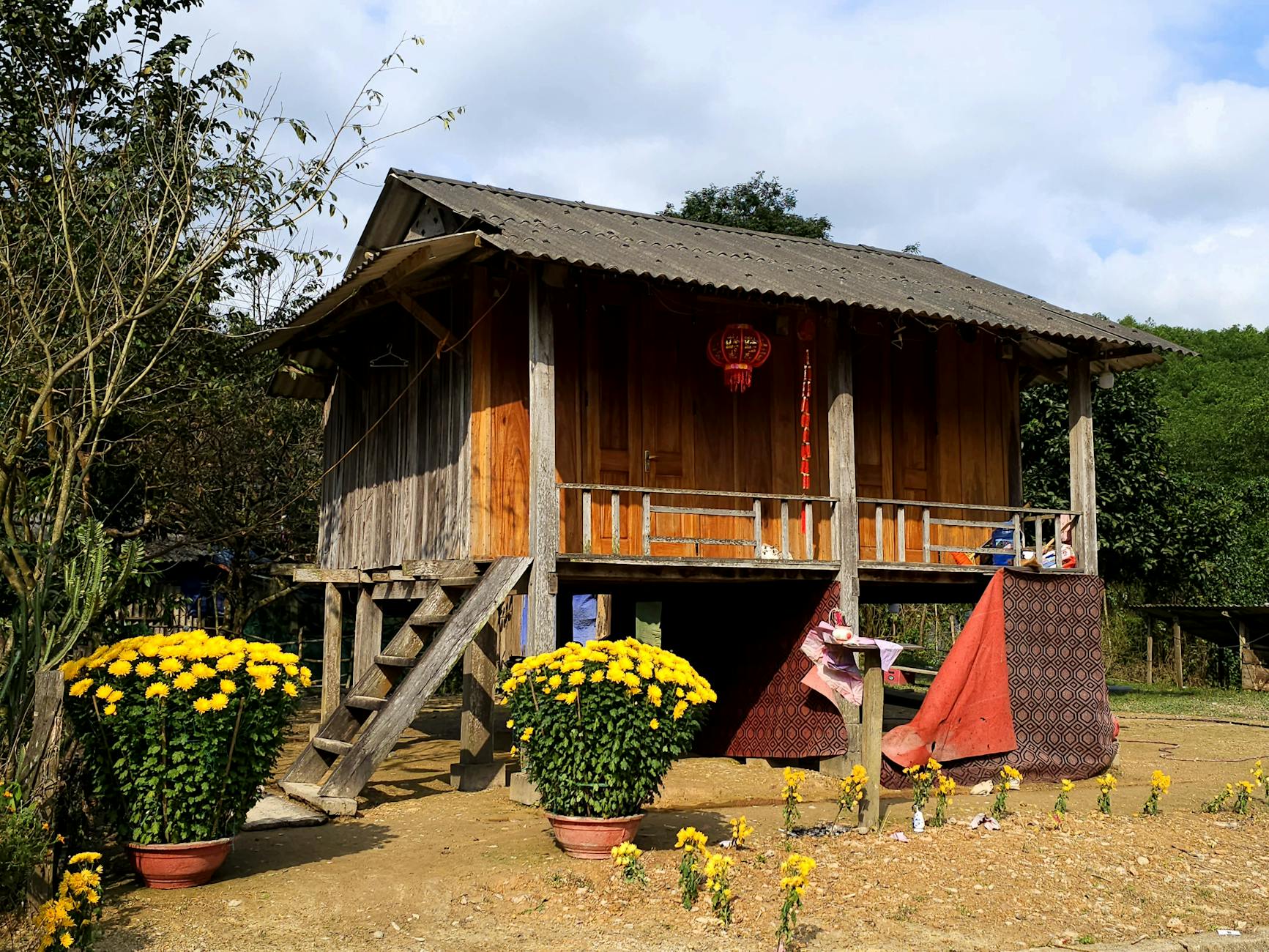
The village preserves three main Betawi house styles:
Rumah Bapang
The classic Betawi farmhouse. Wooden stilts elevation (anti-flood, anti-pest), wide front verandah, ornamental fretwork screens. The most common rural Betawi house type, with Sundanese influence.
Rumah Kebaya
Distinctive saddle-shaped roof (resembling the kebaya traditional Indonesian woman’s blouse). Decorative roof finials, often with Chinese-influenced motifs. Urban Betawi house style.
Rumah Gudang
The Arab-influenced Betawi house. Higher-status families, rectangular floor plan, larger windows, ornamental decoration on facades. Found in older urban Betawi neighborhoods.
Common features across styles: Wooden construction (teak preferred), tile roofing, deep verandahs, garden compound layout, separation of public-private space.
Betawi Food: What to Try at the Food Village
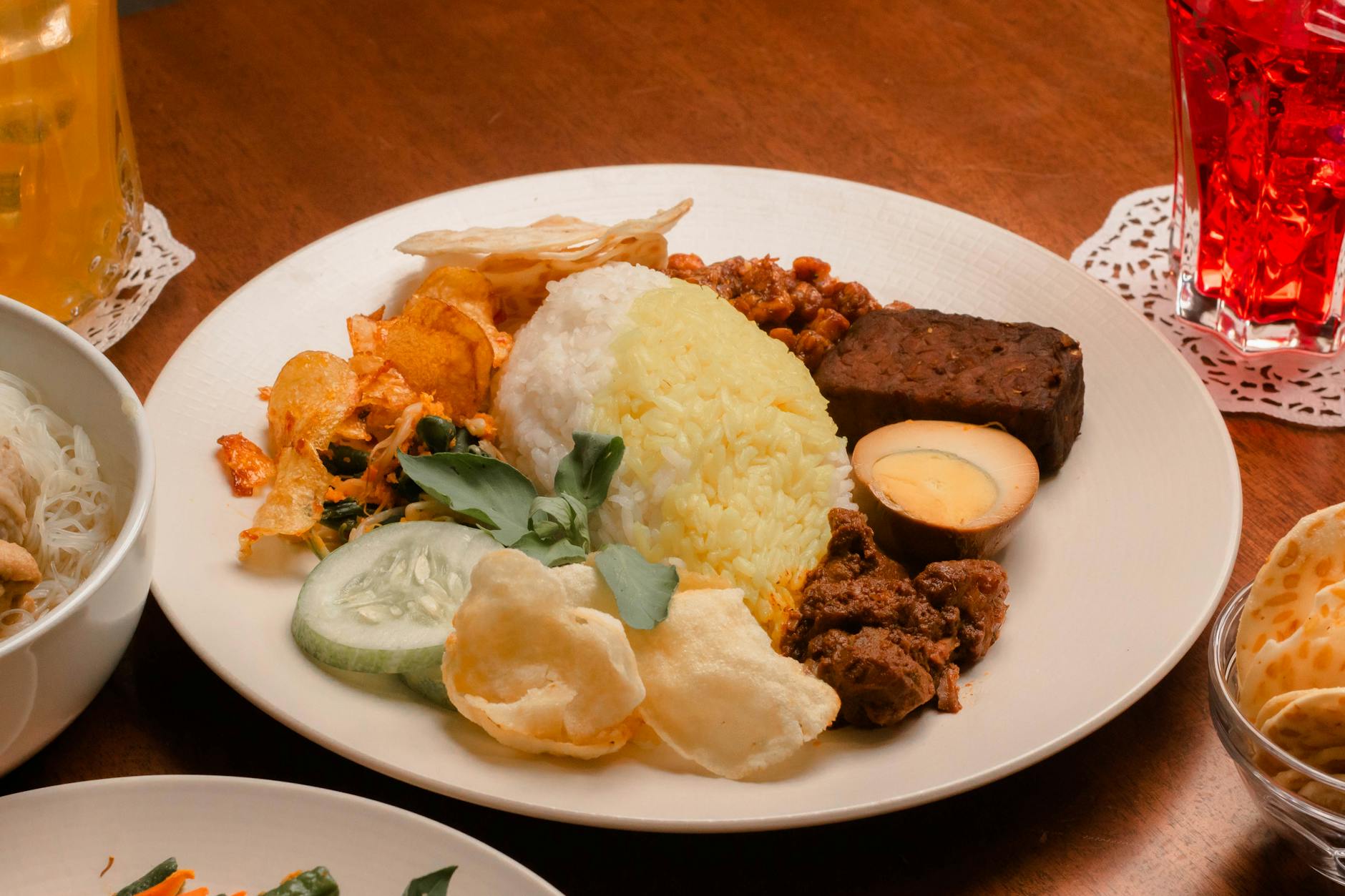
The food village is one of the best reasons to visit Setu Babakan. Authentic Betawi cuisine you cannot easily find in mainstream Jakarta restaurants. Must-try dishes:
Soto Betawi
Coconut-milk beef soup, the signature Betawi dish. Spiced beef stock, beef slices, potatoes, tomatoes. IDR 30,000-50,000 per bowl. Distinctly different from Soto Madura or Soto Bandung.
Nasi Uduk
Coconut rice with traditional Betawi accompaniments — fried chicken, tempeh, salted fish, sambal, hard-boiled egg, peanut crackers. The Jakarta breakfast classic. IDR 20,000-40,000.
Kerak Telor
Traditional Betawi street food: glutinous rice with egg, dried shrimp, fried shallots, served in a pan with hot coals. Crispy-eggy-savory. IDR 25,000-40,000.
Gado-Gado Betawi
Vegetable salad with peanut sauce — Betawi version uses specific local peanut paste recipe. Different from East Java versions. IDR 20,000-35,000.
Soto Mie
Noodle soto with beef shin, dumplings, peanut sauce. IDR 25,000-45,000.
Es Selendang Mayang
Traditional Betawi dessert: green pandan agar, palm sugar syrup, coconut milk. Cooling and unique. IDR 15,000-25,000.
Bir Pletok
Traditional Betawi “non-alcoholic beer” — ginger, lemongrass, cinnamon, palm sugar. Refreshing. IDR 15,000-25,000.
Roti Buaya
Crocodile-shaped bread, traditional Betawi wedding food. Sometimes available at festivals.
Cultural Performances: Lenong, Gambang Kromong, Ondel-Ondel
Lenong (Traditional Betawi Theater)
Comedic traditional Betawi theater. Spoken in Bahasa Betawi with traditional music accompaniment. Subjects include traditional Betawi folktales and contemporary social satire. Often improvised. Performed at Setu Babakan weekends.
Gambang Kromong (Betawi Music Ensemble)
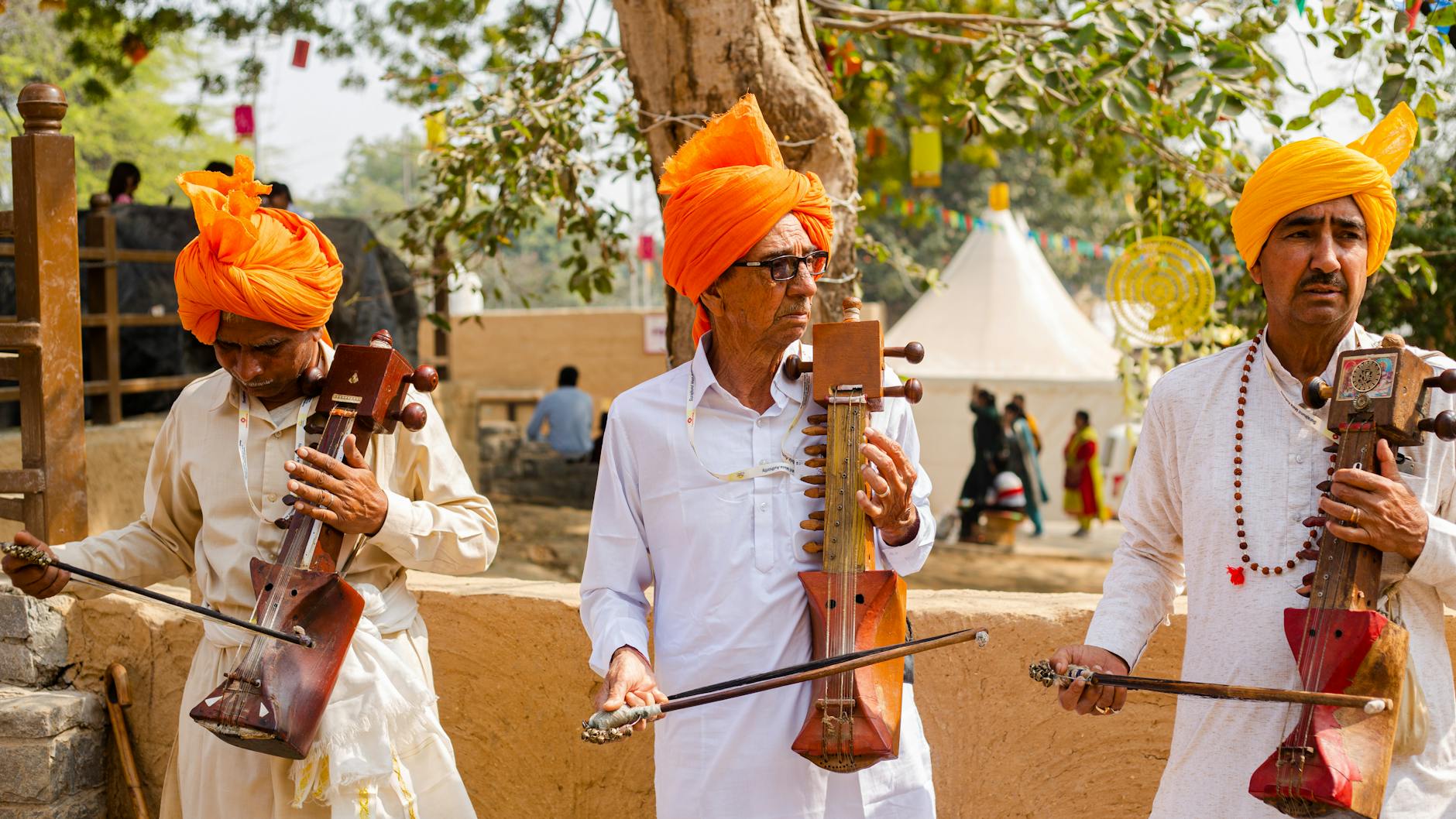
The signature Betawi music ensemble. Combines Chinese instruments (kongahyan two-stringed fiddle, sukong, tehyan), Indonesian wooden xylophones (gambang), and gongs. The musical embodiment of Betawi’s Chinese-Indonesian cultural blend. Performed at Setu Babakan and at Betawi weddings.
Ondel-Ondel (Giant Puppets)
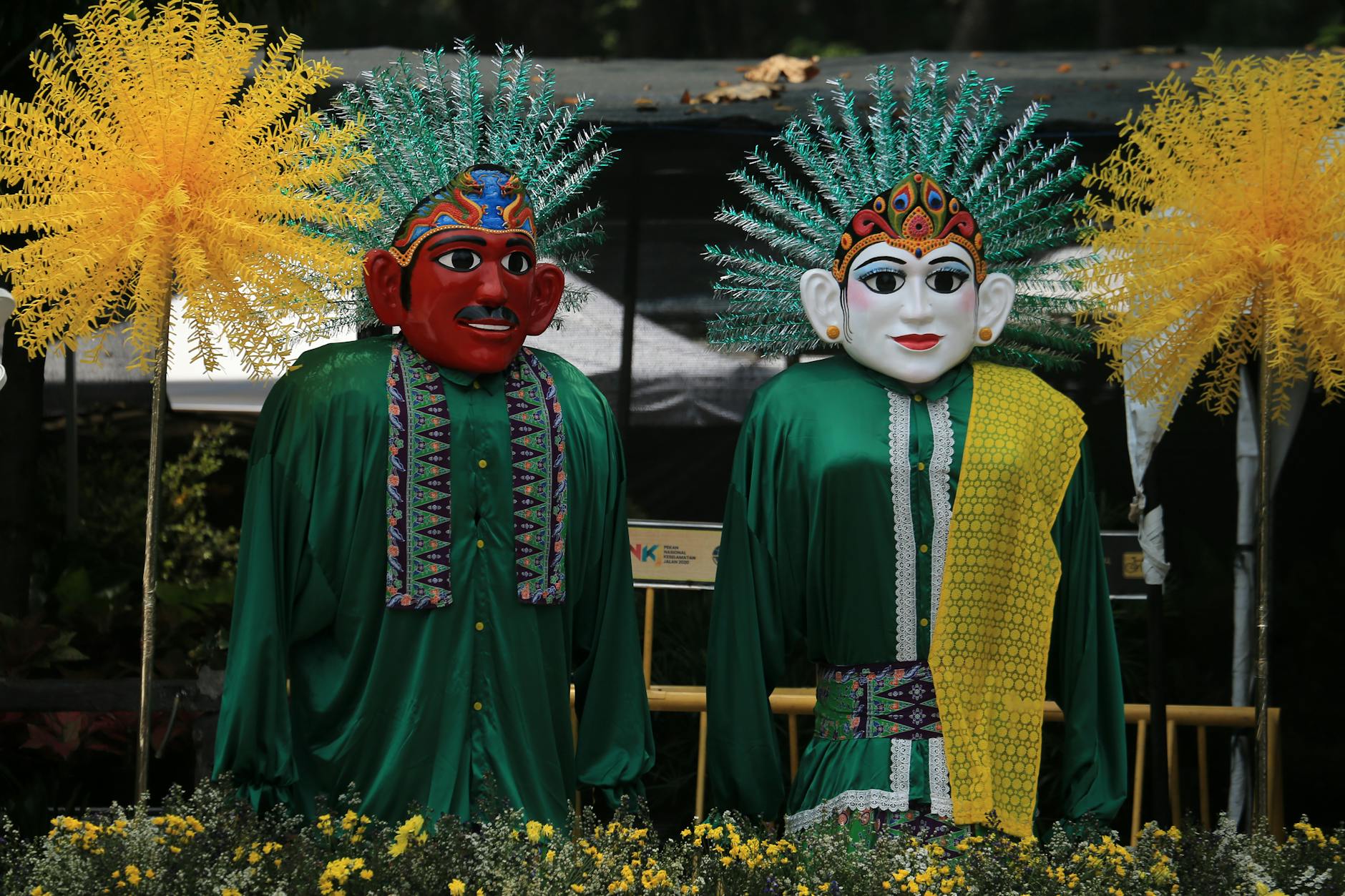
The most iconic Betawi symbol. Giant articulated puppets representing protective ancestral spirits. Male and female pairs in traditional Betawi dress. Featured at Jakarta cultural events, weddings, and ceremonies. Setu Babakan has resident ondel-ondel pairs.
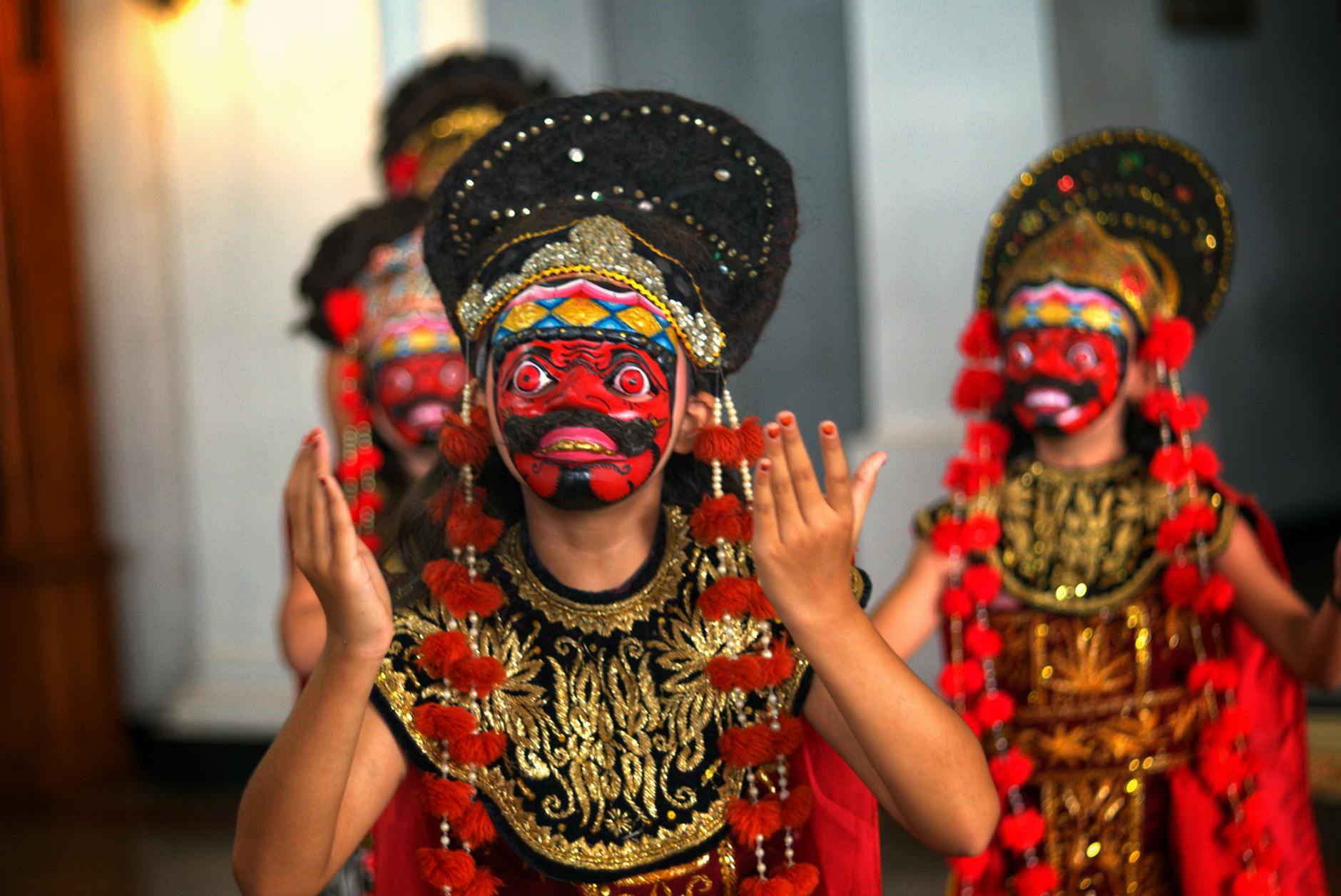
Tari Topeng Betawi (Mask Dance)
Traditional mask dance with comedic storytelling. Performed by trained dancers wearing carved wooden masks.
Pencak Silat Betawi
Traditional Betawi martial arts. Demonstrations at Setu Babakan and cultural festivals.
Performance Schedule
Performances typically held:
- Saturday 14:00 and 16:00 — Various Betawi performances on rotating schedule
- Sunday 14:00 and 16:00 — Most active performance day
- Special weekends — Major Indonesian holidays and Jakarta Anniversary (June 22)
Schedule varies; check at Setu Babakan information center on arrival. Performances are typically free with optional donation.
Souvenirs and Crafts at Setu Babakan
- Mini ondel-ondel figurines — IDR 50,000-200,000
- Betawi traditional clothing (kebaya, peci, encim) — IDR 100,000-500,000
- Betawi cooking spice mixes — IDR 25,000-50,000
- Traditional musical instruments (small) — IDR 50,000-300,000
- Books on Betawi culture — IDR 50,000-150,000 (Indonesian-language; some English)
- Postcards and prints — IDR 5,000-30,000
Best Time to Visit
- Weekend mornings (8-10 AM) — Cool, fewer crowds, vendors setting up
- Weekend afternoons (1-5 PM) — Peak performance time, lively atmosphere
- Weekday mornings — Quietest; good for photography and slow exploration
- Friday afternoons — Often quiet due to Friday prayers
- Festivals — Setu Babakan hosts Jakarta Anniversary celebrations (June 22), Indonesian Independence Day (August 17), and Lebaran (post-Ramadan) festivities
- Avoid heavy rain — Outdoor venue; weather can disrupt performances
Suggested Half-Day Itinerary
- 10:30 AM: Arrive Setu Babakan via Grab
- 10:30 – 11:00 AM: Information center, get cultural background
- 11:00 – 12:30 PM: Walk traditional house section, lake circumnavigation (partial)
- 12:30 – 2:00 PM: Lunch at food village (try soto Betawi, kerak telor)
- 2:00 – 4:00 PM: Attend weekend performance (lenong or gambang kromong)
- 4:00 – 4:30 PM: Souvenir shopping
- 4:30 PM: Coffee/dessert (try es selendang mayang)
- 5:00 PM: Return Grab
Photography Tips
- Lake reflections — Best in early morning or late afternoon
- Traditional houses — Backlight at noon harsh; better 8-10 AM or 4-5 PM
- Ondel-ondel — Often roaming on weekends; permission for posed photos appreciated
- Performances — Permitted; flash discouraged
- Costumed performers — Small tip (IDR 10,000-20,000) for posed photos
- Food shots — Vendors generally accommodating
What to Wear & Bring
- Comfortable walking shoes — Significant distances around lake
- Light cotton clothing — Hot and humid outdoor venue
- Sun protection — Hat, sunscreen
- Water bottle — Refill at vendors
- Modest dress — Cover shoulders/knees as you would for Indonesian religious sites; respectful of Betawi Muslim culture
- Cash IDR 200,000-400,000 — Food, souvenirs, transport
- QRIS or e-wallet — Some vendors accept; cash safer
Combining Setu Babakan with Other Sites
- With TMII — Same East/South Jakarta region; possible to combine but each warrants its own day for justice
- With Pancasila Sakti Monument — 30 min drive; political historical context
- With South Jakarta dining — Combine with Senopati or SCBD dinner for full day
Family Tips: Is It Good for Kids?
Yes, excellent for families:
- Open-air, walking-friendly
- Ondel-ondel fascinate children
- Traditional games — Sometimes set up for children to try
- Food variety — Indonesian kids’ classics like nasi uduk and gado-gado
- Lake views and outdoor space
- Boat rentals — Sometimes available; verify availability
- Performances — Visually engaging for kids; lenong’s comedic style accessible
Cultural Etiquette
- Greet vendors and performers warmly — Indonesian hospitality culture values politeness
- Sample dishes before bulk-buying — Vendors expect this
- Ask before photographing people — Especially elders and Muslim women
- Donations welcomed at performances — IDR 10,000-50,000 typical
- Modest dress respects the Muslim Betawi context
- Learn basic phrases — “Apa kabar” (how are you), “Terima kasih” (thank you), “Enak” (delicious)
Common Visitor Mistakes
- Visiting weekday afternoon — Quietest; performances mostly weekend
- Skipping food village — The most authentic Betawi food in Jakarta
- Underestimating heat — Outdoor venue; bring water and sun protection
- Not allowing performance time — Most worth 1-2 hours
- Driving without GPS — Setu Babakan is in a residential area with confusing access roads
Frequently Asked Questions About Betawi Cultural Village
What is the Betawi cultural village in Jakarta?
Setu Babakan in South Jakarta is Indonesia’s official Betawi Cultural Village, designated in 2005. Set around a 32-hectare lake, it preserves Betawi traditional houses, hosts live performances (lenong, gambang kromong, ondel-ondel), and offers authentic Betawi food. Free entry, daily 7 AM-6 PM.
Who are the Betawi people?
The Betawi are Jakarta’s indigenous ethnic group, emerging in 17th-19th century colonial Batavia as a unique blend of Sundanese, Javanese, Chinese, Arab, Dutch, Portuguese, and Indian influences. They speak Bahasa Betawi (Indonesian creole) and are predominantly Muslim. Today they remain the cultural soul of Jakarta despite making up about 28% of the city’s population.
How do I get to Setu Babakan?
Best option: Grab/Gojek (45-75 min from central Jakarta, IDR 100,000-180,000). No MRT or LRT serves Setu Babakan directly. TransJakarta possible with route changes (75-90 min). KRL to UI or Lenteng Agung then 15-min Grab also works.
Is Setu Babakan free?
Yes, entry is free. Parking IDR 5,000-10,000 for car. Food and souvenirs at cost. Some performances may accept donations.
When are Betawi cultural performances at Setu Babakan?
Weekend afternoons (typically Saturday and Sunday 14:00 and 16:00). Performance schedule varies; check at the information center on arrival. Special weekends (Jakarta Anniversary June 22, Independence Day August 17, post-Ramadan Lebaran) feature additional programs.
What food should I try at Setu Babakan?
Must-try Betawi dishes: soto Betawi (coconut beef soup), nasi uduk (coconut rice), kerak telor (egg rice with shrimp), gado-gado Betawi (peanut sauce salad), and bir pletok (non-alcoholic ginger drink). Authentic Betawi food is hard to find outside Setu Babakan.
What are ondel-ondel?
Ondel-ondel are giant articulated puppets (3-4 meters tall) representing protective ancestral spirits. Featured at Jakarta cultural events, Betawi weddings, and the symbol of Jakarta itself. Setu Babakan has resident ondel-ondel pairs available for visitor photos.
Is Setu Babakan suitable for foreign tourists?
Yes. Welcoming to foreign visitors; English signage limited but staff often speak basic English. Photography permitted. Cultural experiences accessible without language barrier. Excellent for tourists wanting authentic, non-touristy Indonesian cultural immersion.
Setu Babakan is the single best way to experience living Betawi culture. To plan further, see our pillar Jakarta museums and cultural sites, the National Museum, the Wayang Museum, the TMII, the Indonesian handicrafts, and the food and drink in Jakarta guides.
External Resources for Setu Babakan
The Wikipedia entry on the Betawi people provides cultural context. The Wikipedia entry on Setu Babakan covers the cultural village’s designation and history.
Setu Babakan is the easiest place in Jakarta to see Betawi culture on its own terms rather than as one thread in the national mix, and knowing a little of the etiquette before you arrive makes the visit warmer — the honorifics, the salim greeting between generations, and what to do when someone insists on feeding you. Our guide to Jakarta etiquette and customs has the whole picture.