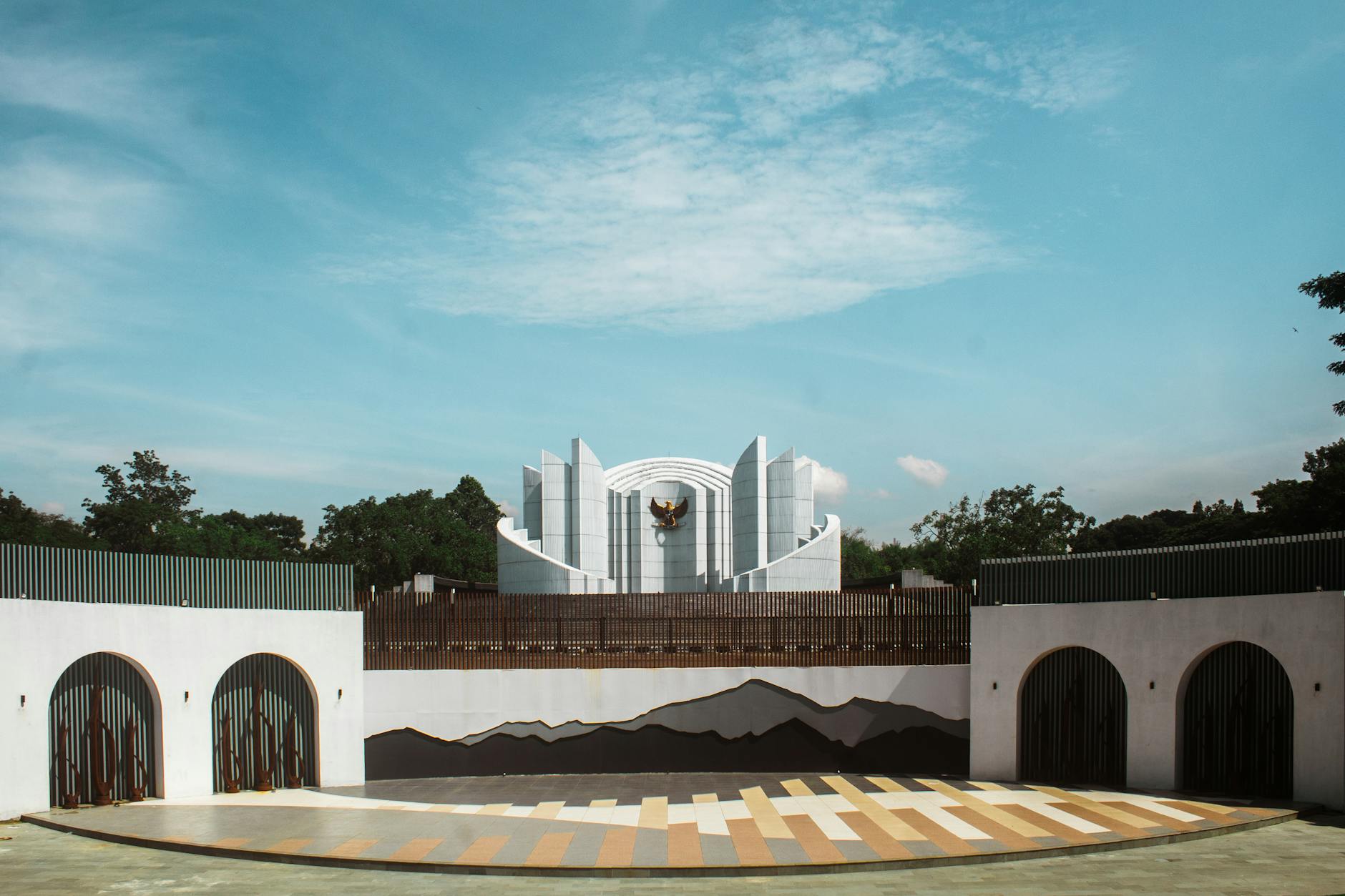
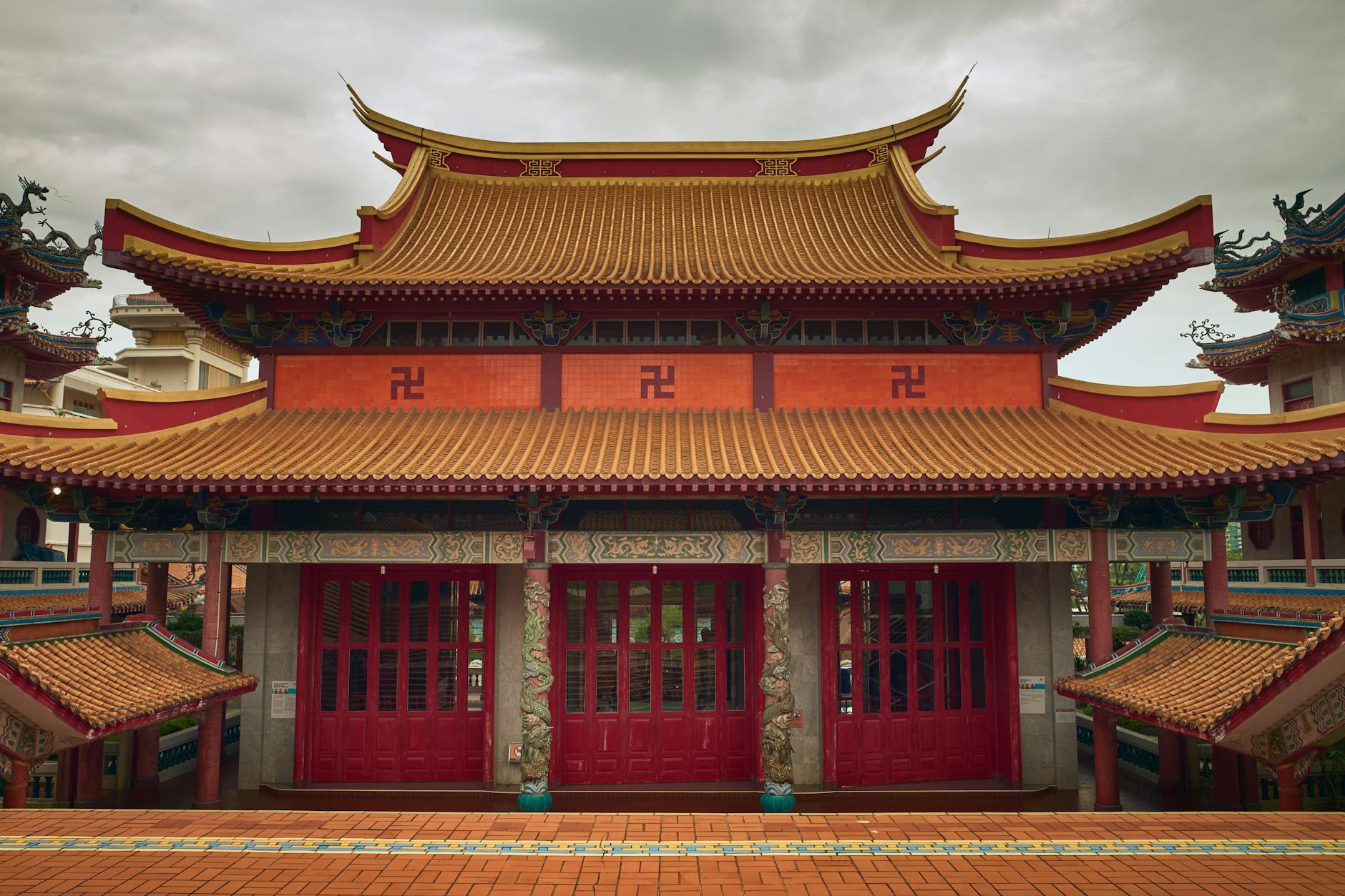
Jakarta is one of the world’s most religiously diverse capitals. Indonesia officially recognizes six religions — Islam, Protestantism, Catholicism, Hinduism, Buddhism, and Confucianism — and Jakarta contains significant heritage sites for all six. Most English-language guides focus narrowly on mosques, missing the entire multi-faith richness that makes Jakarta unique among Muslim-majority world capitals. This guide is the definitive entry point to temples and mosques in Jakarta: organized around six religions, six itineraries, and the new “Tolerance Triangle” walking circuit covering Istiqlal Mosque, Jakarta Cathedral, and the historic Tunnel of Friendship connecting them.
This is the cluster pillar. Use it as the index to our religious tourism guides: the Istiqlal Mosque guide, the Jakarta Cathedral guide, the Tunnel of Friendship guide, the Hindu temples guide, and the Buddhist temples guide. For broader Jakarta planning see our museums and cultural sites pillar and things to do in Jakarta.
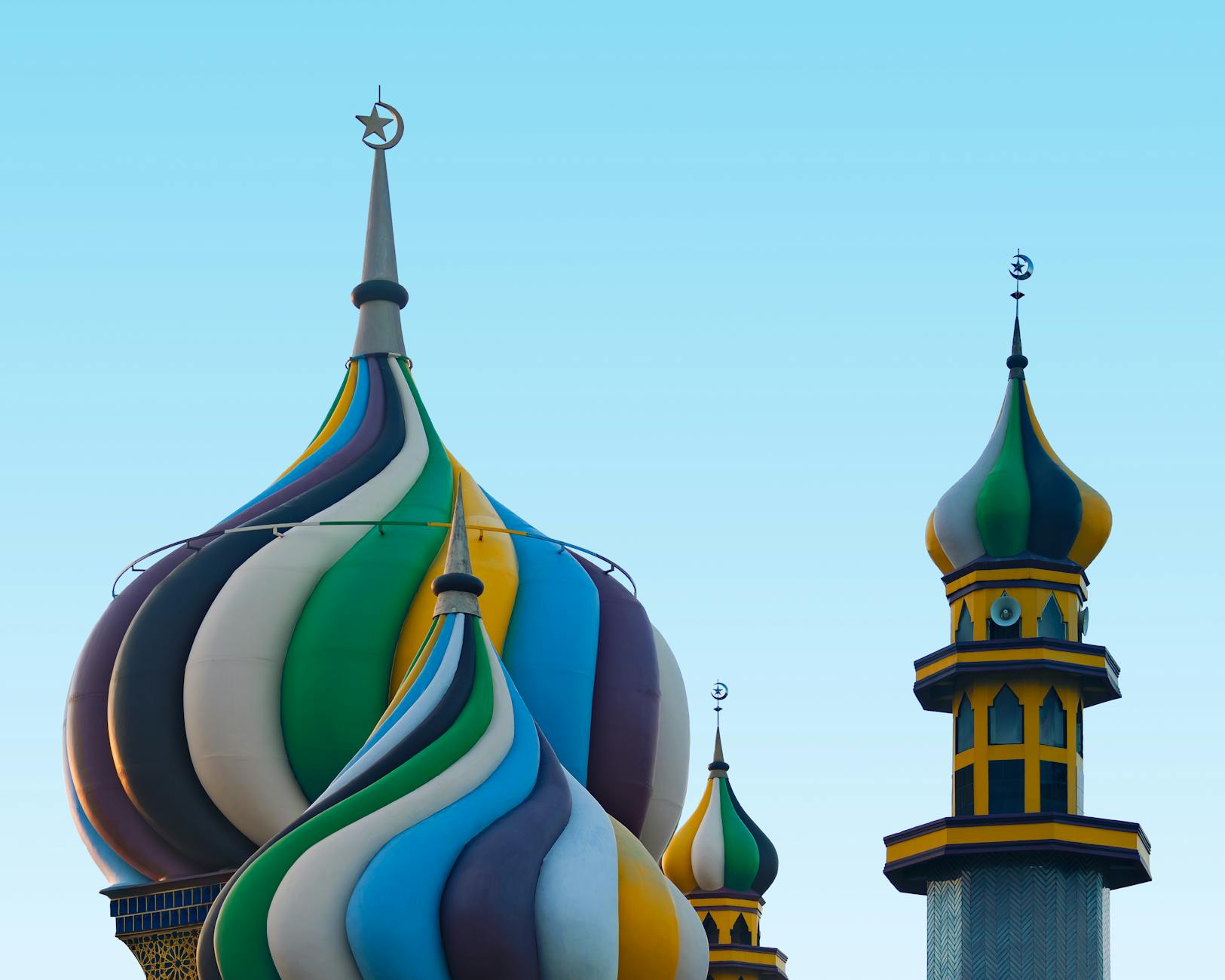
Why Jakarta Is the World’s Most Religiously Diverse Capital
Indonesia’s national philosophy of Pancasila explicitly enshrines religious diversity. The five principles are: (1) Belief in one supreme God, (2) Just and civilized humanity, (3) National unity, (4) Democracy through deliberation, (5) Social justice for all Indonesians.
Critically, Pancasila does not specify which God — Indonesia recognizes six religions equally:
- Islam (87.2% of Indonesians; 88% in Jakarta)
- Protestant Christianity (~7%)
- Catholic Christianity (~3%)
- Hinduism (~1.7%)
- Buddhism (~0.7%)
- Confucianism (officially recognized in 2000)
Jakarta contains major heritage sites for all six, often in adjacent neighborhoods.
The Tolerance Triangle: Istiqlal + Cathedral + Tunnel of Friendship
The single best religious tourism experience in Jakarta. Three connected sites within 100 meters of each other, representing Indonesian religious tolerance and the symbolic heart of multi-faith Indonesia.
1. Istiqlal Mosque
The world’s third-largest mosque and Southeast Asia’s largest. 120,000 capacity. Designed by Christian architect Frederich Silaban (note the irony — a Protestant designed the largest mosque in Southeast Asia). See our Istiqlal Mosque guide for the complete walkthrough.
2. Jakarta Cathedral
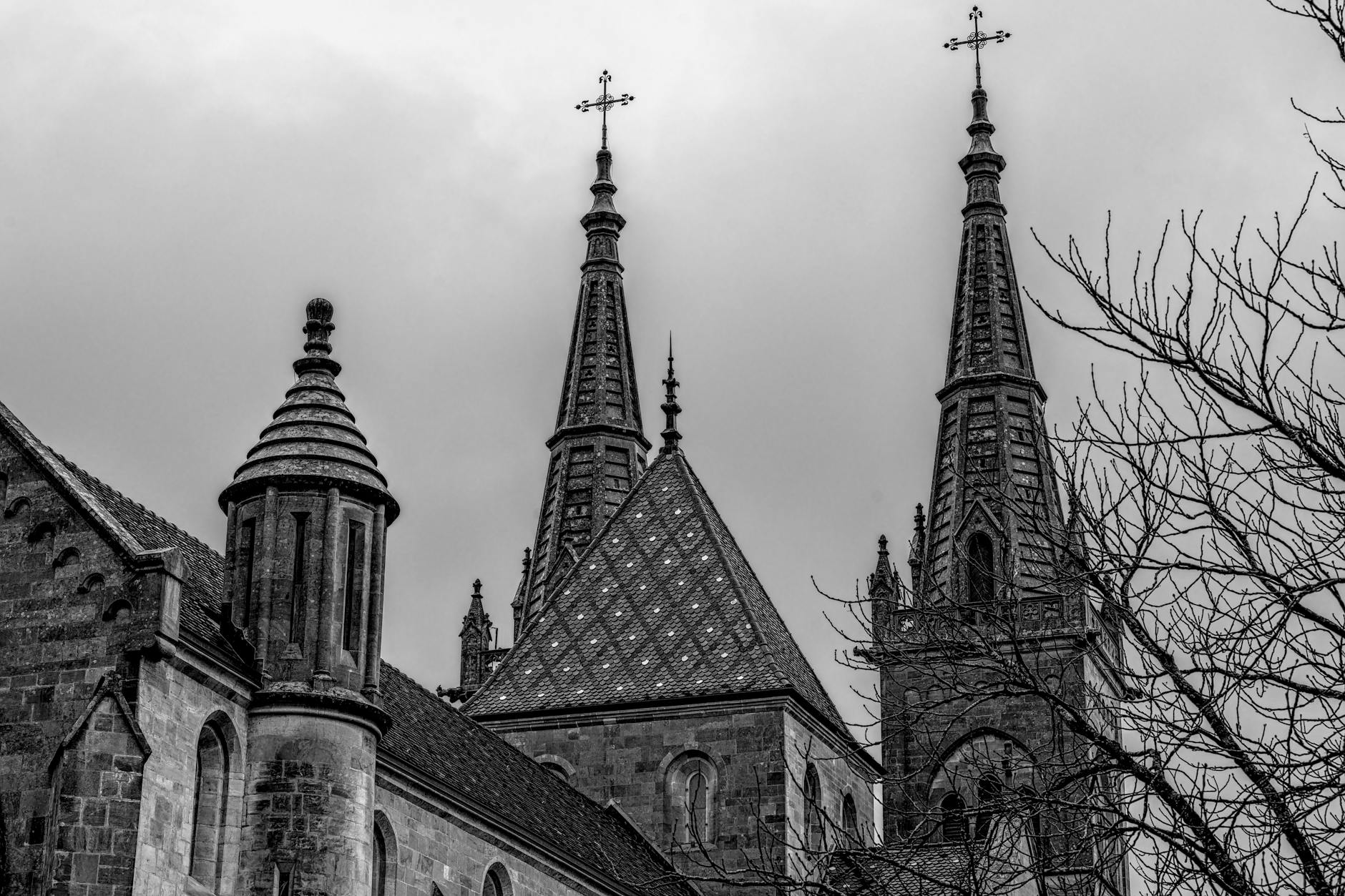
1901 neo-Gothic Catholic cathedral with three spires. Located literally across the street from Istiqlal. Now connected to Istiqlal via the underground Tunnel of Friendship. See our Jakarta Cathedral guide.
3. Tunnel of Friendship (Terowongan Silaturahmi)
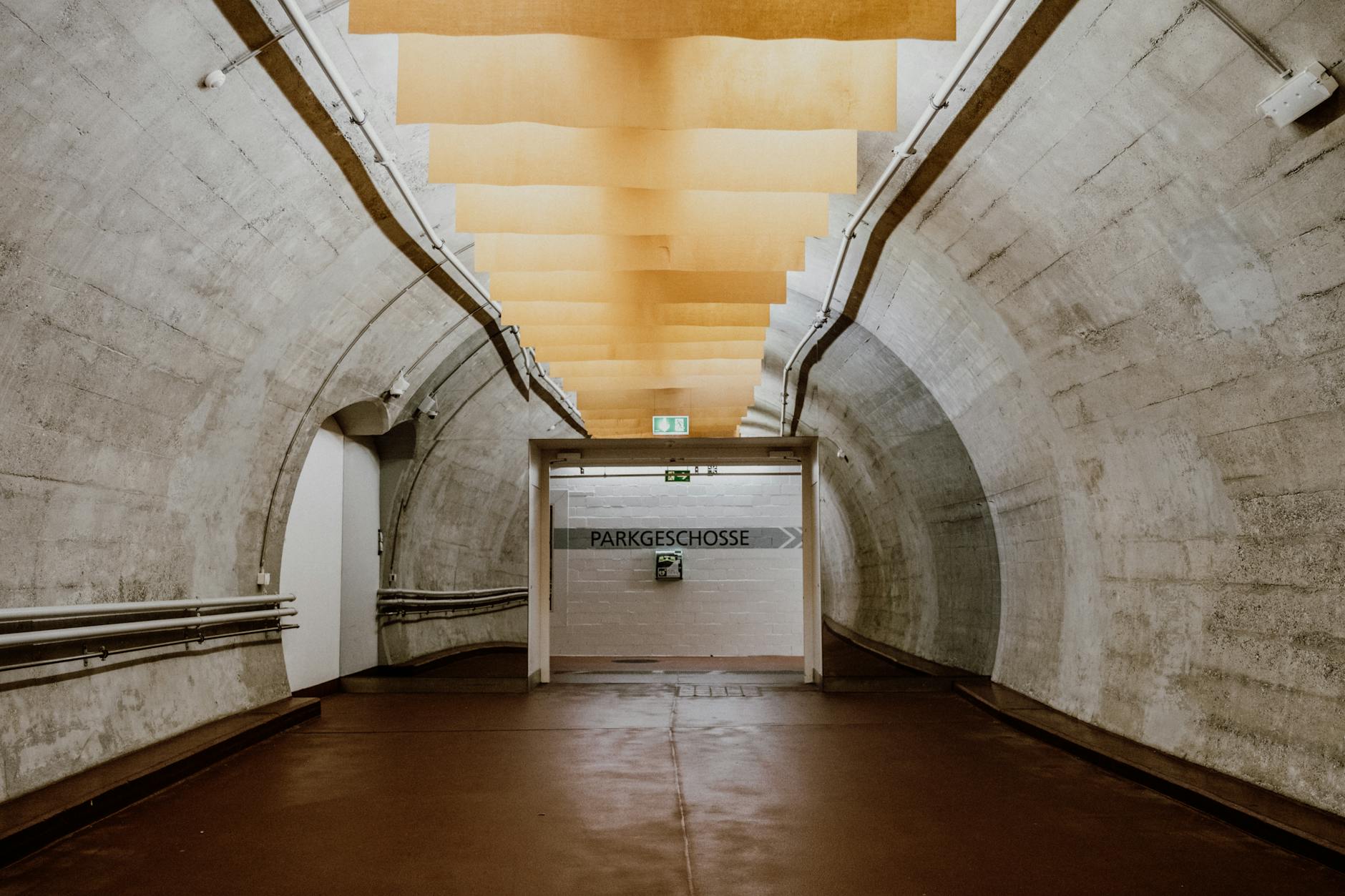
28.3-meter underground tunnel physically connecting Istiqlal Mosque and Jakarta Cathedral. Constructed 2020-2021; blessed by Pope Francis September 2024; formally inaugurated December 13, 2024 by President Prabowo Subianto. Features the “Wot Hati” (Bridge of Hearts) art installation. See our Tunnel of Friendship guide.
The Tolerance Triangle 90-Minute Walking Route
- 9:00 AM: Arrive Istiqlal Mosque entrance
- 9:15 AM: Free 20-minute guided tour (book at info desk)
- 9:45 AM: Walk down to Tunnel of Friendship
- 10:00 AM: Through tunnel to Cathedral
- 10:15 AM: Jakarta Cathedral interior tour
- 10:30 AM: Cathedral museum (triforium)
- 10:45 AM: Photos of both buildings facing each other
Top 5 Historic Mosques in Jakarta
1. Istiqlal Mosque (1978)
Already covered above. Indonesia’s national mosque, Southeast Asia’s largest.
2. Sunda Kelapa Mosque (Masjid Agung Sunda Kelapa)
Distinctive modern mosque without the traditional dome. Located in Menteng, opened 1968. Architecturally radical for its time — designed to break the assumption that mosques must follow Middle Eastern architecture. Worth visiting for design enthusiasts.
- Address: Jl. Taman Sunda Kelapa, Menteng
- Hours: Daily 5 AM-9 PM (varies around prayer times)
- Entry: Free
3. Cut Meutia Mosque (1922)
Beautiful Indische Stijl mosque in Menteng. Originally built as a Dutch office building before becoming a mosque in 1987. Distinctive architecture combining colonial and Islamic elements.
- Address: Jl. Cut Meutia, Menteng
- Hours: Daily 5 AM-9 PM
- Entry: Free
4. Hidayatullah Mosque (1747)
One of Jakarta’s oldest mosques. Built 1747. Authentic 18th-century Islamic architecture. Located in central Jakarta near the Karet area.
5. Jami Angke Mosque (1761)
1761 mosque in West Jakarta. Heritage building demonstrating Islamic-Chinese Indonesian architectural fusion.
Top 5 Christian Heritage Sites
1. Jakarta Cathedral (1901)
Covered above. Indonesia’s premier Catholic cathedral.
2. Sion Church (Gereja Sion) (1695)
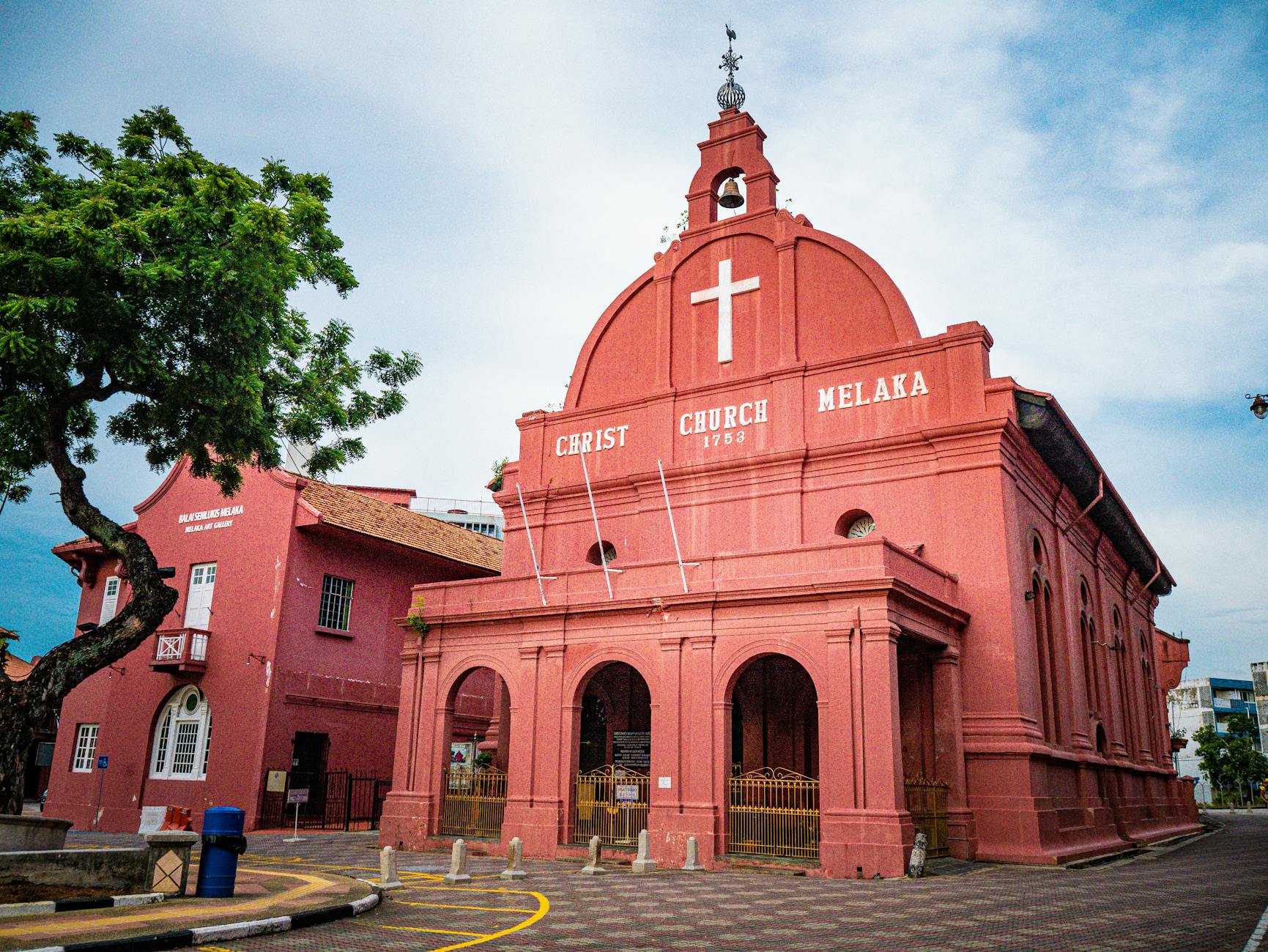
Indonesia’s oldest surviving Protestant church. Built 1695 by the Dutch Reformed Church to serve Portuguese-speaking Mardijkers (freed Asian slaves). Beautiful baroque interior, still active congregation.
- Address: Jl. Pangeran Jayakarta No. 1, Mangga Dua, North Jakarta
- Hours: Mass services; visitor access varies
- Entry: Free
3. Immanuel Church (Gereja Immanuel) (1839)
Neoclassical Greek-temple design. Beautiful interior. Located at Gambir near National Museum. See our colonial Jakarta architecture coverage.
4. Hatta Church
Modern Christian heritage site, named after Indonesian co-founder Mohammed Hatta.
5. Various Indonesian Protestant Churches in Menteng
Several historic Protestant congregations in the Menteng area with colonial-era buildings.
Glodok Chinatown Temple Circuit (Buddhist + Taoist + Confucian)
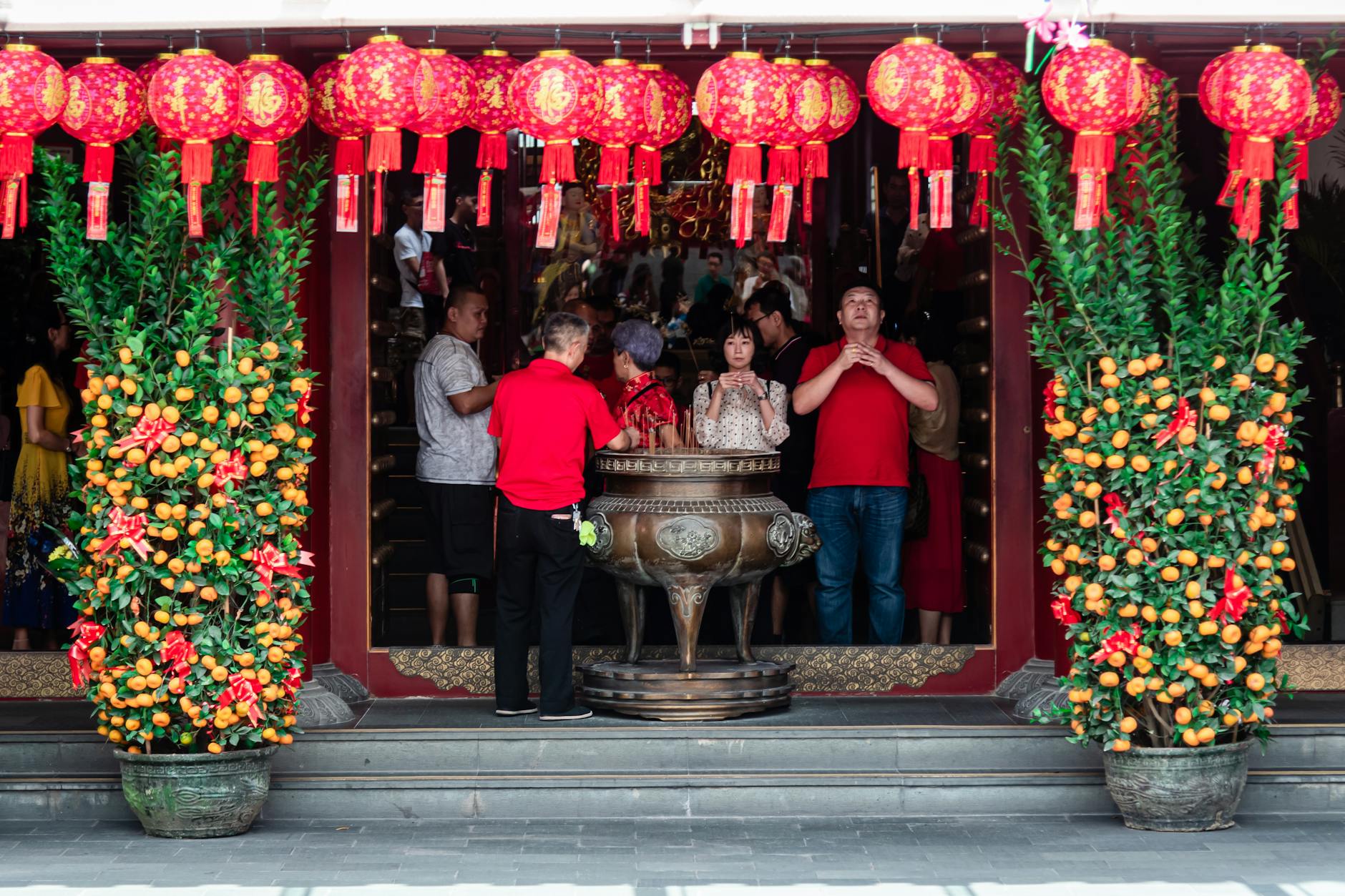
Glodok is Jakarta’s Chinatown, home to multiple Buddhist, Taoist, and Confucian temples — often blended under the “Tridharma” (three doctrines) philosophy of Indonesian Chinese religious practice. Full coverage in our Buddhist temples Jakarta guide.
Main Glodok Temples
- Vihara Dharma Bhakti (Jin De Yuan, 1650) — Jakarta’s oldest Buddhist temple; partial reconstruction following 2015 fire
- Vihara Toa Se Bio (1751) — Beautiful 18th-century temple
- Sin Tek Bio (Pasar Baru) — Kwan Im (Guan Yin) temple
- Vihara Mahavira Graha Pusat — Modern Mahayana Buddhist temple
- Vihara Toasebio — Active community temple
Glodok Walking Circuit (1 Hour)
5 active temples within 1 km walking. Start at Vihara Dharma Bhakti, follow the Petak Sembilan market alleys, end at Vihara Toa Se Bio. See our Buddhist temples guide for the detailed route.
Hindu Temples for Tourists
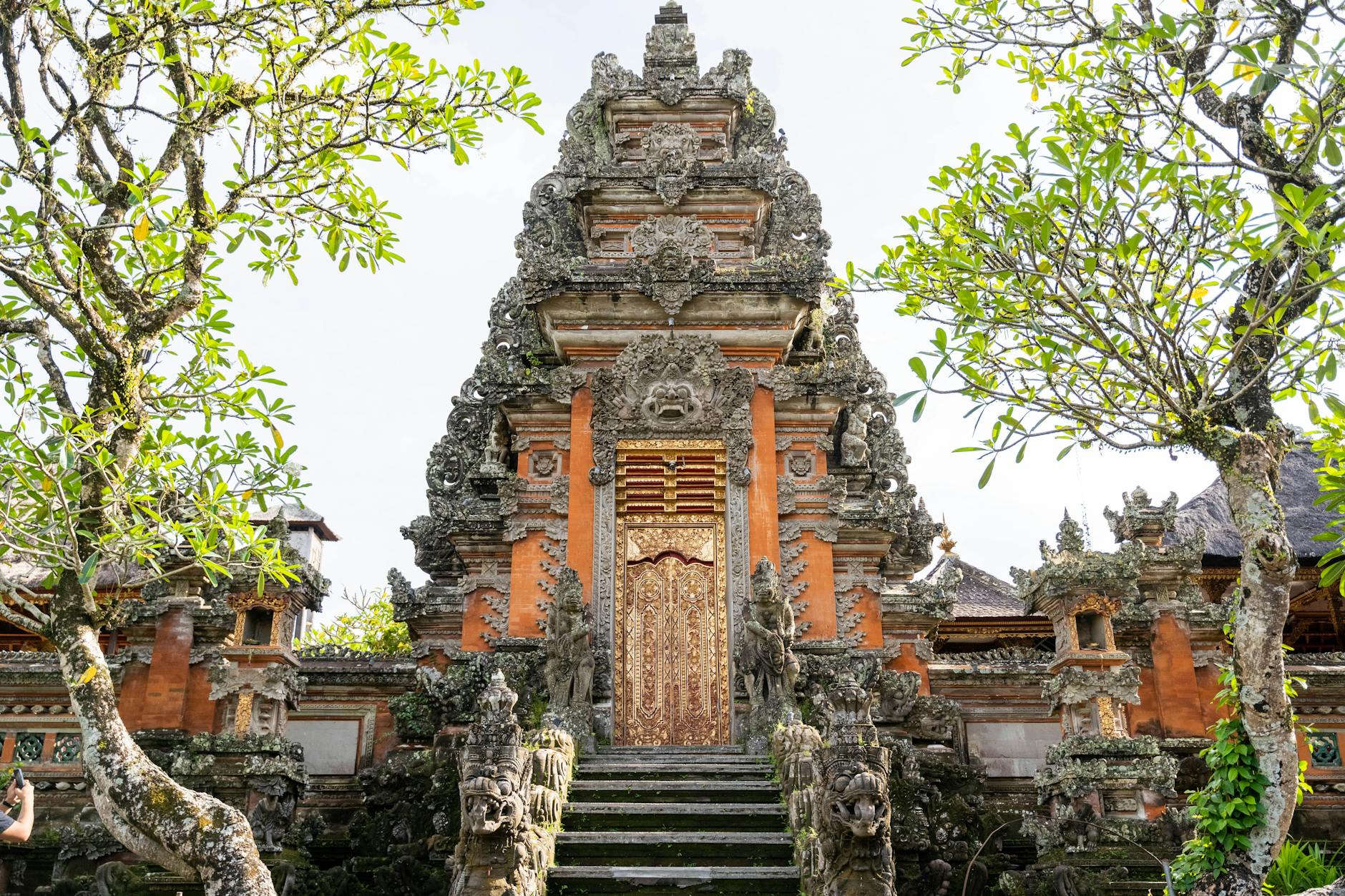
Indonesia has ~1.7% Hindu population, mostly Balinese. Jakarta’s Hindu temples:
- Pura Aditya Jaya (Rawamangun) — Built 1972, completed 1997. Jakarta’s flagship Balinese Hindu temple
- Pura Penataran Agung Kertabhumi (at TMII) — Most photogenic Hindu temple in Jakarta
- Pura Agung Tirta Bhuana (Bekasi) — Worth the trip for serious visitors
- Tamil Hindu temples — For South Asian diaspora; smaller community
Full coverage in our Hindu temples Jakarta guide.
Confucian and Folk Religion Sites
Confucianism officially recognized in 2000. Jakarta sites:
- Klenteng Sentiong — Confucian temple
- Various blended Chinese-Indonesian religious sites
- Tan Seng Ong shrines — Ancestor and folk religion practices
Dress Code Cheat Sheet by Faith
| Site Type | Required Dress |
|---|---|
| Mosques (Istiqlal, etc.) | Cover shoulders/knees; women cover hair (scarves provided); shoes removed at entrance |
| Churches/Cathedrals | Modest dress, covered shoulders, no shorts above knee; shoes worn |
| Buddhist/Chinese Temples | Modest dress; shoes worn (opposite of mosques) |
| Hindu Temples | Sarong + sash (selendang); shoes removed at inner sanctum |
| General respectful tourism | Cover shoulders and knees as universal default |
Best Religious Festivals to Time Your Visit
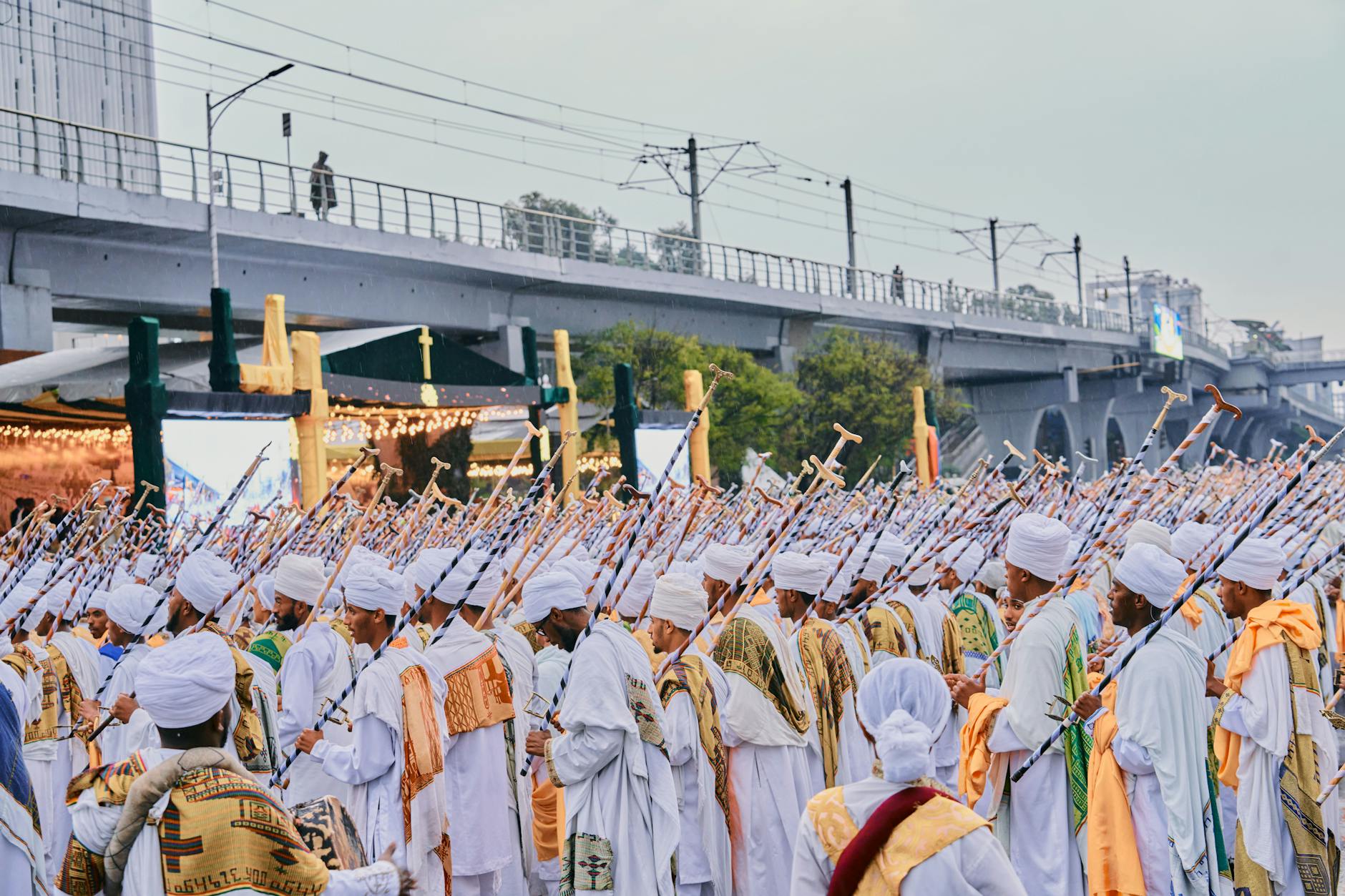
- Eid al-Fitr (Idul Fitri) — End of Ramadan; massive Indonesian celebration; Istiqlal at peak ceremony
- Eid al-Adha (Idul Adha) — Second major Islamic celebration
- Christmas (December 25) — Jakarta Cathedral Mass; festive atmosphere
- Chinese New Year (Imlek, January-February) — Glodok temples come alive
- Cap Go Meh (15 days after Imlek) — Lantern festival
- Nyepi (Balinese New Year, March) — Hindu silence day
- Waisak (Buddha’s birthday, May) — Buddhist temple celebrations
- Galungan/Kuningan (Hindu, throughout year) — Major Balinese Hindu festivals
Photography Etiquette Across Faiths
- Mosques: Photography permitted in exterior and most interior areas; no photos of people praying; no flash
- Cathedrals: No flash; no photos during Mass; permitted otherwise
- Buddhist temples: Photography generally permitted; ask before photographing people praying
- Hindu temples: No flash during prayer; no shots of priests during rituals; ask permission
- Universal: Be respectful; if unsure, ask; offering small donations after photography appreciated
Suggested Half-Day Religious Itinerary
Tolerance Triangle + Glodok (4 Hours)
- 9:00 AM: Istiqlal Mosque (90 min)
- 10:30 AM: Tunnel of Friendship walkthrough
- 10:45 AM: Jakarta Cathedral (60 min)
- 12:00 PM: Lunch on Jl. Sabang
- 1:30 PM: Grab to Glodok
- 2:00 PM: Glodok temple circuit (90 min)
- 3:30 PM: Coffee at Pantjoran Tea House
Full Day: Multi-Faith Heritage
- 9 AM: Tolerance Triangle (Istiqlal + Cathedral + Tunnel)
- 11 AM: Sion Church (oldest Protestant church)
- 12 PM: Lunch
- 1:30 PM: Glodok temple circuit
- 3:30 PM: Grab to Pura Aditya Jaya (Hindu)
- 5 PM: Return to hotel
10 Universal Do’s and Don’ts at Jakarta Religious Sites
- DO remove shoes when entering mosques and Hindu inner sanctums
- DO dress modestly — shoulders and knees covered
- DO speak quietly and respectfully
- DO ask before photographing people praying
- DO turn phone to silent
- DON’T bring food or drink into worship spaces
- DON’T use flash photography during prayers
- DON’T walk in front of people praying
- DON’T point feet at altars, deities, or sacred objects
- DON’T wear shorts above knees or sleeveless tops at any religious site
Where to Eat by Religious Cluster
- Near Istiqlal/Cathedral — Jl. Sabang Indonesian food street; multiple options
- Glodok temple cluster — Gloria Alley (Gang Gloria), Pantjoran Tea House
- Sunda Kelapa Mosque area — Menteng restaurants and cafes
- Pura Aditya Jaya area (Rawamangun) — Balinese food stalls and local Indonesian
- Halal options: Universal in Jakarta; most Indonesian food halal-certified
- Vegetarian/vegan: Indonesian dishes (gado-gado, nasi pecel, tempeh dishes) widely available
Frequently Asked Questions About Jakarta Religious Tourism
What is the Tolerance Triangle in Jakarta?
The Tolerance Triangle is the symbolic religious tourism circuit comprising Istiqlal Mosque (Southeast Asia’s largest), Jakarta Cathedral (1901 Catholic cathedral), and the Tunnel of Friendship connecting them. Visit all three in 90 minutes — Jakarta’s most distinctive religious tourism experience.
Can non-Muslims visit Istiqlal Mosque?
Yes. Istiqlal Mosque welcomes non-Muslim visitors. Free 20-minute guided tours available. Dress modestly (scarves provided); shoes removed at entrance. See our Istiqlal Mosque guide.
When was the Tunnel of Friendship opened?
Construction completed September 2021; formally inaugurated December 13, 2024 by President Prabowo Subianto. Pope Francis blessed it during his September 2024 Indonesia visit. The 28.3-meter underground tunnel physically connects Istiqlal Mosque and Jakarta Cathedral.
What are the major religious festivals in Jakarta?
Eid al-Fitr (Islamic), Christmas (Catholic/Protestant), Chinese New Year/Imlek (Buddhist/Confucian), Waisak (Buddhist), Nyepi/Galungan/Kuningan (Hindu). Each provides extraordinary cultural tourism opportunities; arrive prepared for crowds and special programs.
Is Glodok Chinatown safe for tourists?
Yes. Glodok is safe during daylight hours. Standard urban precautions. The temple circuit is well-traveled by Jakarta tourists and easily navigable. Hostility against foreign visitors is rare.
How many religions are officially recognized in Indonesia?
Six religions: Islam (87%), Protestantism (~7%), Catholicism (~3%), Hinduism (~1.7%), Buddhism (~0.7%), and Confucianism (officially recognized in 2000). Indonesia’s Pancasila philosophy enshrines religious diversity. Jakarta contains heritage sites for all six.
What should I wear visiting Jakarta religious sites?
Universal: cover shoulders and knees. Mosques: women cover hair (scarves provided), shoes removed. Cathedrals: modest dress, shoes worn. Buddhist temples: shoes worn (opposite of mosques). Hindu temples: sarong + sash, shoes removed at inner sanctum.
Can foreign tourists attend religious services in Jakarta?
Yes. Catholics can attend Mass at Jakarta Cathedral (Indonesian language). Friday prayers at Istiqlal are extraordinary (foreigners welcome to observe). Christmas Eve Mass requires advance tickets. Buddhist and Hindu ceremonies generally accessible to respectful tourists.
Jakarta’s religious tourism is one of the world’s most diverse single-city offerings. Explore further via our cluster: the Istiqlal Mosque, the Jakarta Cathedral, the Tunnel of Friendship, the Hindu temples, and the Buddhist temples guides. For broader Jakarta planning see our museums and cultural sites pillar and things to do in Jakarta.
External Resources for Jakarta Religious Tourism
For background on Indonesian religious diversity, the Wikipedia entry on Religion in Indonesia provides comprehensive context. The Wikipedia entry on Tunnel of Friendship covers the 2024 inauguration.