Taman Mini Indonesia Indah — universally known as TMII — is the most ambitious cultural park in Southeast Asia. Across 250 hectares in East Jakarta, the park showcases all 38 Indonesian provinces through pavilions, 19 museums, traditional houses, and live cultural performances. After a sweeping 2022-2023 renovation (Rp 1.9 trillion), TMII reopened as a car-free park with electric shuttles, restored gardens, and modernized facilities. For foreign tourists, TMII is the single best way to experience Indonesia’s cultural diversity without traveling to remote islands. The challenge: 250 hectares is overwhelming. This guide turns TMII into a clear “5-stop, 6-hour” route built around the new transport system. This is the most comprehensive English-language Taman Mini Indonesia Indah guide.
For broader cultural planning, see our pillar Jakarta museums and cultural sites, the National Museum, the Wayang Museum, the Textile Museum, and the Betawi cultural village guides.
What TMII Is (And Why Post-2023 It’s a Different Park)
TMII was conceived in 1971 by First Lady Tien Soeharto (wife of President Suharto) as a “Indonesia in Miniature” cultural park. Opened in 1975 on April 20, the park aimed to celebrate Indonesia’s diversity through architectural reproductions and cultural displays from every Indonesian province.
For five decades the park hosted millions of school groups, cultural festivals, and family outings. By the 2010s, it had grown dated — aging infrastructure, traffic-clogged internal roads, and missing modern conveniences.
The 2022-2023 “Indonesia Opera” Renovation
From January 2022 to August 2023, TMII underwent a Rp 1.9 trillion renovation reimagining the park as “Indonesia Opera” — a stage where Indonesian culture performs. Key changes:
- Car-free interior — Private vehicles banned inside the park; only electric shuttles, e-scooters, cable car, and Aeromovel allowed
- 70-30 green-to-building ratio — Increased green space significantly
- Aeromovel system — Modernized aerial transit running on compressed air
- Electric shuttle buses and bikes — Carbon-neutral internal transport
- Renovated provincial pavilions — 26 main pavilions modernized
- Restored Indonesia Museum — Indonesia’s largest indoor cultural exhibition
- Modernized facilities — Restrooms, dining, accessibility
The renovated TMII reopened officially in August-September 2023. President Joko Widodo attended the formal reopening.
Practical Info: Hours, Tickets, Address
- Address: Jl. Taman Mini Indonesia Indah, Ceger, Cipayung, East Jakarta 13820
- Hours: Daily 05:00-20:00 WIB
- Entry: IDR 25,000-35,000 per person (verify on arrival; pricing varies by day and season)
- Additional tickets:
- Cable car (Sky World): IDR 50,000
- Aeromovel: IDR 30,000
- Individual museums inside TMII: IDR 20,000-35,000 each
- IMAX Keong Mas: IDR 35,000-60,000
- Snowbay Waterpark: IDR 100,000-180,000
- Online tickets: tiket.tamanmini.com (recommended for best prices)
Note: International visitors pay the same as locals — TMII does not charge tourist surcharges.
How to Get There: LRT, Grab, or Bus
- LRT Jabodebek — Best option. Take LRT to Harjamukti Station, then a short 5-min Grab to TMII entrance.
- Grab/Gojek — Direct to TMII entrance gates. 45-75 min from central Jakarta in normal traffic; IDR 100,000-200,000.
- TransJakarta — Various routes connect via different bus changes. Slower but cheaper (IDR 20,000-30,000).
- Bus tour packages — Major Jakarta tour operators offer TMII day trips with transport included.
Plan to arrive by 8-9 AM. After 10 AM the park gets crowded, especially on weekends. The cable car typically opens around 9:00 AM.
The New Car-Free Rule: Electric Transport Explained
Since the 2022-2023 renovation, private vehicles cannot enter TMII. You park at the entrance and use the park’s internal transport network:
Internal Transport Options
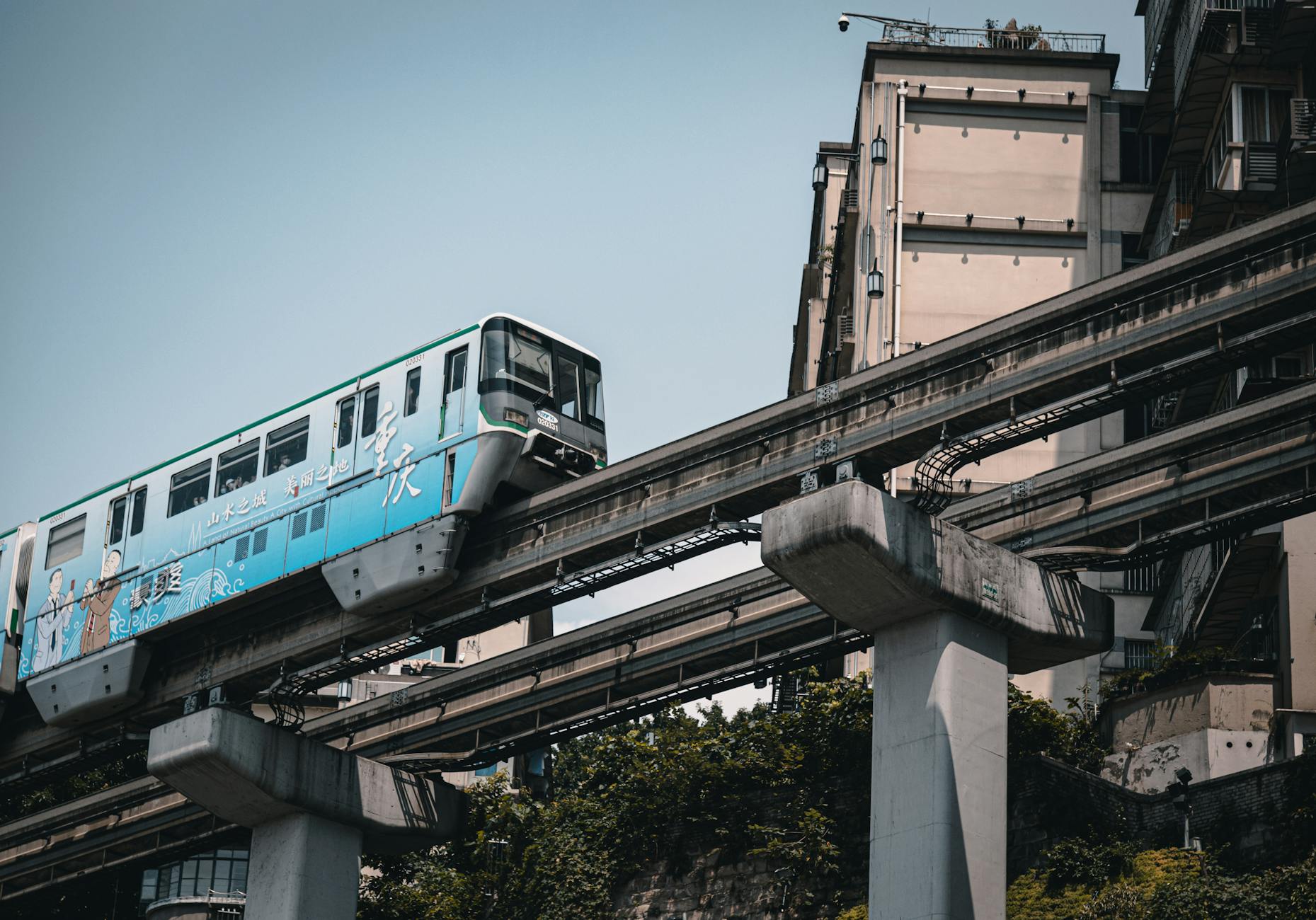
- Electric Shuttle Buses — Air-conditioned, free of charge with TMII ticket. Runs continuous loops around the park.
- Aeromovel — Aerial transit on compressed-air system, unique in Indonesia. IDR 30,000 per ride. Provides scenic views.
- Sky World Cable Car — Aerial gondola over the central lake. IDR 50,000. Best views of Indonesia-in-Miniature lake.
- Electric Bikes & Scooters — Rentable at entrance for IDR 20,000-30,000 per hour. Good for serious explorers.
- Walking — Possible in cooler hours but distances are significant (250 hectares).
Recommended Transport Strategy
- Take cable car first — Aerial perspective helps you map the park
- Use electric shuttle for medium distances — Free, comfortable
- Walk the immediate pavilion area — Most pavilions cluster around the central lake
- Aeromovel as scenic experience — One ride is enough
The 26 Provincial Anjungan: Our Top 5-7
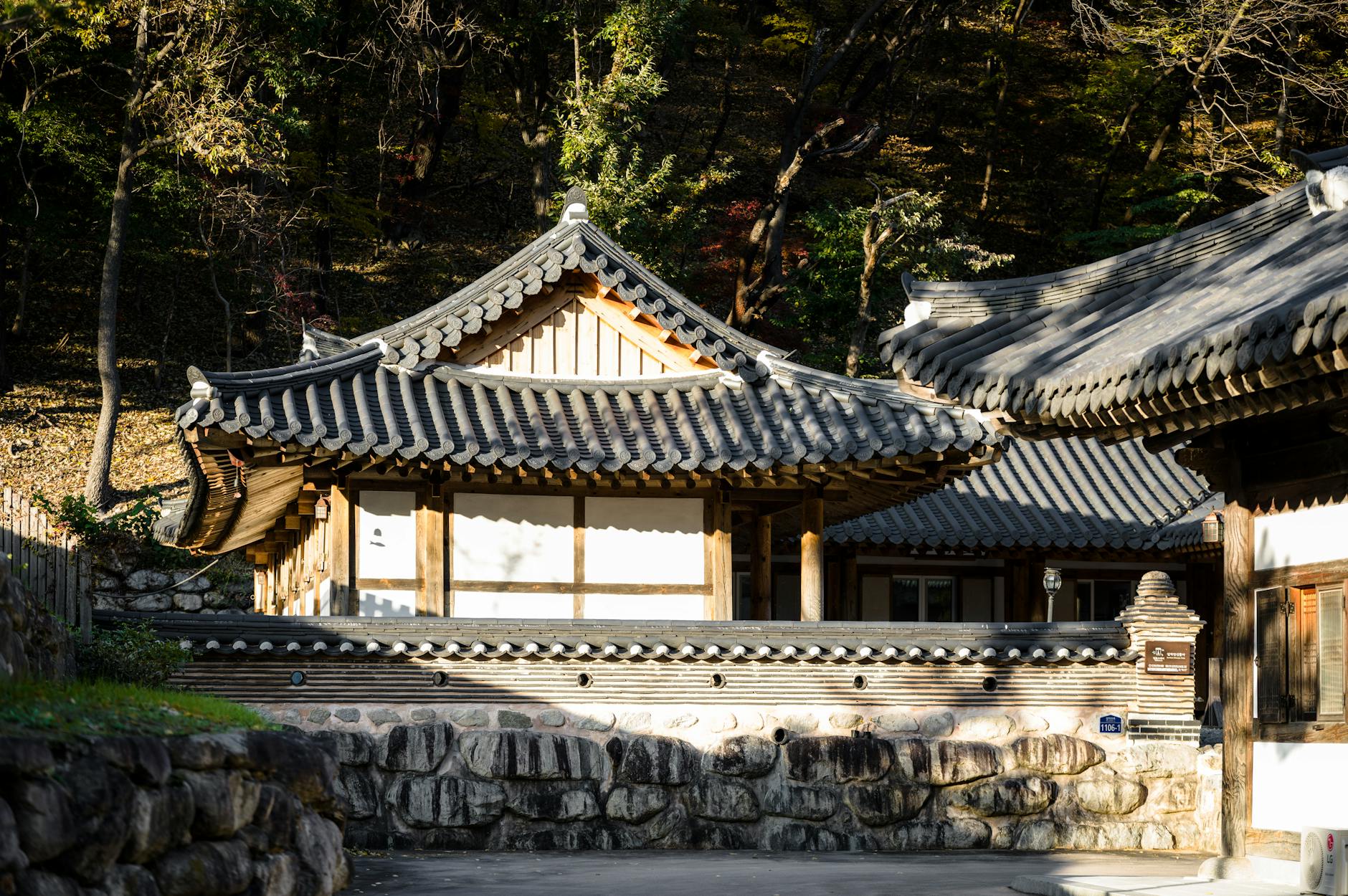
TMII’s 26 provincial pavilions (anjungan) showcase traditional architecture, costumes, and cultural artifacts from each Indonesian province. With 26 to choose from and limited time, here are the most rewarding for foreign tourists:
1. Bali Pavilion
The most visually striking pavilion. Reconstructed Balinese temple compound with traditional Pura architecture. Visit if Bali is on your itinerary or wasn’t.
2. West Sumatra Pavilion (Padang Region)
Distinctive Minangkabau rumah gadang (traditional house) with curved buffalo-horn rooflines. Most photographed pavilion.
3. Toraja (South Sulawesi) Pavilion
Spectacular Toraja tongkonan houses with their distinctive boat-shaped roofs. Cultural displays on Torajan funeral traditions.
4. Yogyakarta Pavilion
Showcases Javanese royal heritage. Reconstructed Mataram palace elements.
5. Papua Pavilion
Honai traditional huts plus exhibits on Papuan cultures (Dani, Asmat, Korowai). The visit closest to Papua most tourists ever make.
6. East Java Pavilion
Madura and East Java cultural exhibits including Reog Ponorogo costumes.
7. Aceh Pavilion (Optional 7th)
Distinctive northern Sumatra architecture; Acehnese cultural heritage.
Pavilion strategy: Skip pavilions of provinces you’re already visiting. Concentrate on provinces you won’t see. Don’t try to visit all 26 — pick 5-7 that interest you most.
The Best Museums Inside TMII
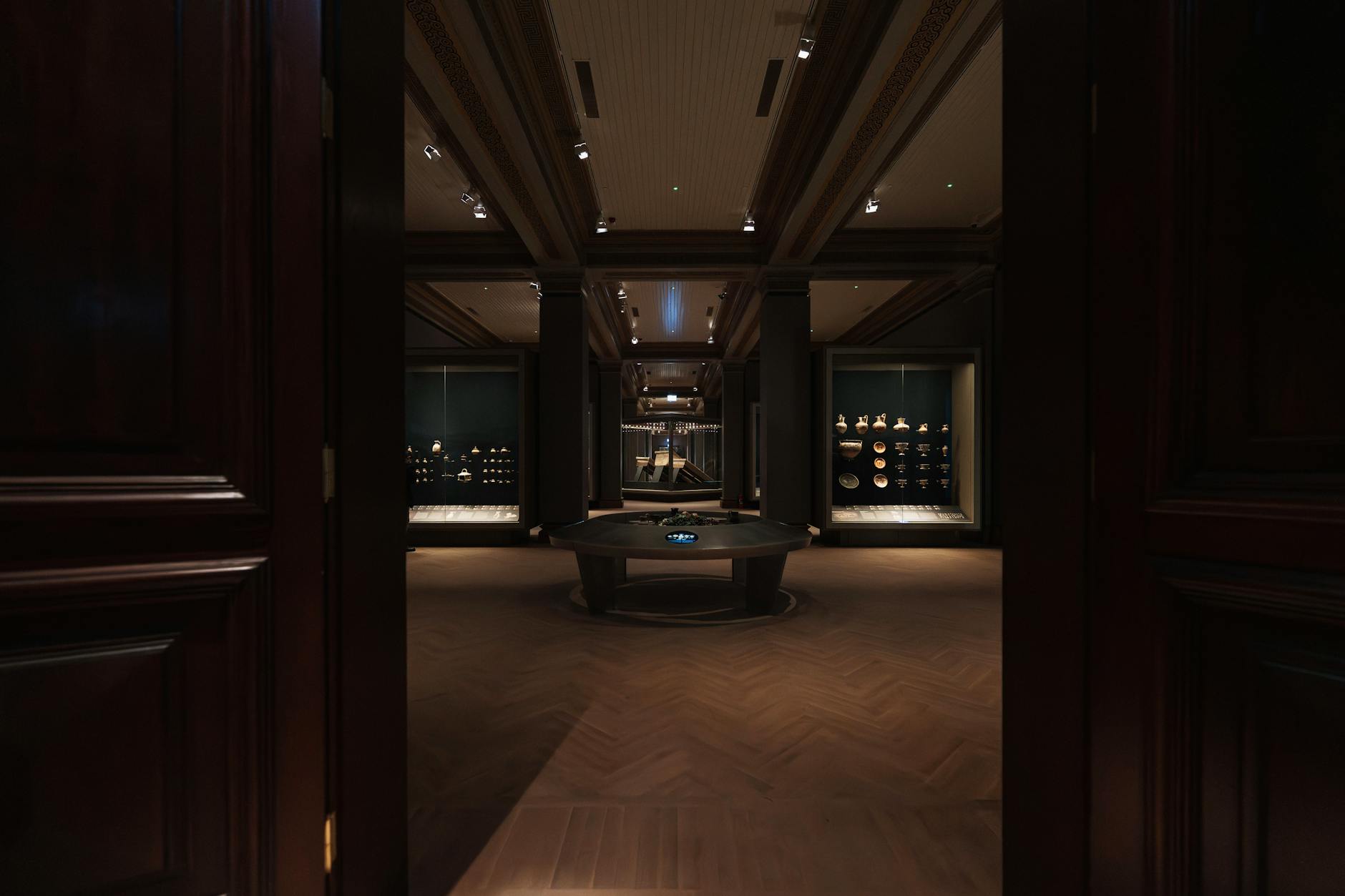
TMII contains 19 museums. The most worth a separate ticket:
Indonesia Museum (Museum Indonesia)
The largest. Three floors of Indonesian cultural artifacts organized by theme. Renovated post-2023. IDR 20,000.
Purna Bhakti Pertiwi Museum
President Suharto’s personal museum — gifts he received during his presidency, including foreign state gifts. Insight into Indonesian political history. IDR 20,000.
Komodo Reptile Park
Captive Komodo dragons in a recreated habitat. Combined with reptile/amphibian park. IDR 25,000-35,000.
Bird Park
Indonesian and tropical bird species in a large netted aviary. IDR 25,000.
Indonesian Postal Museum
Postal heritage; better than it sounds for stamp collectors.
Akar Museum (Trees Museum)
Indonesian tree species and forest ecology. Open-air.
Keong Mas IMAX, Snowbay, Istana Anak-Anak — Worth Extra Tickets?
- Keong Mas IMAX — Indonesian-language films projected on giant dome screen. IDR 35,000-60,000. Mostly Indonesian-language; English subtitles vary. Skip unless Indonesian-speaking.
- Snowbay Waterpark — Snow-themed water park. IDR 100,000-180,000. Family fun but not specifically Indonesian-cultural.
- Istana Anak-Anak (Children’s Palace) — Kids’ play area. Good for families with young children.
Suggested Itineraries
3-Hour Cultural Loop
- 9:00 AM: Arrive TMII; take cable car for overview
- 9:45 AM: West Sumatra Pavilion (Minangkabau house)
- 10:15 AM: Bali Pavilion
- 10:45 AM: Toraja Pavilion
- 11:15 AM: Indonesia Museum
- 12:00 PM: Lunch + return
6-Hour Full Day
- 8:30 AM: Arrive TMII; entry
- 9:00 AM: Cable car ride (overview)
- 10:00 AM – 12:00 PM: 5 priority pavilions (West Sumatra, Bali, Toraja, Yogyakarta, Papua)
- 12:00 PM – 1:00 PM: Lunch at park café or pavilion food stalls
- 1:00 PM – 2:00 PM: Indonesia Museum
- 2:00 PM – 3:00 PM: Optional: Purna Bhakti Pertiwi OR Komodo Reptile Park OR Bird Park
- 3:00 PM – 4:00 PM: Aeromovel ride
- 4:00 PM – 5:00 PM: Cultural performance (check schedule at entry)
- 5:00 PM: Return to Jakarta
Family Day with Children
- 9:00 AM: Arrive; cable car
- 10:00 AM: Bird Park
- 11:00 AM: Komodo Reptile Park
- 12:00 PM: Istana Anak-Anak (Children’s Palace)
- 1:00 PM: Lunch
- 2:00 PM: Snowbay Waterpark OR 3-5 pavilions
- 5:00 PM: Return
Where to Eat Inside TMII
- Bali Pavilion restaurant — Traditional Balinese food, IDR 60,000-150,000 per dish
- Various pavilion food stalls — Each pavilion typically has regional food
- Central park restaurants — Multiple options, mostly Indonesian and Asian
- Halal options — Almost universal; most Indonesian food is halal-certified or by-default
- Veg options — Indonesian vegetarian dishes (gado-gado, tempeh dishes); larger restaurants have explicit vegetarian sections
Pricing: IDR 30,000-150,000 per dish; comparable to mid-range Jakarta restaurants.
Cultural Performances Inside TMII
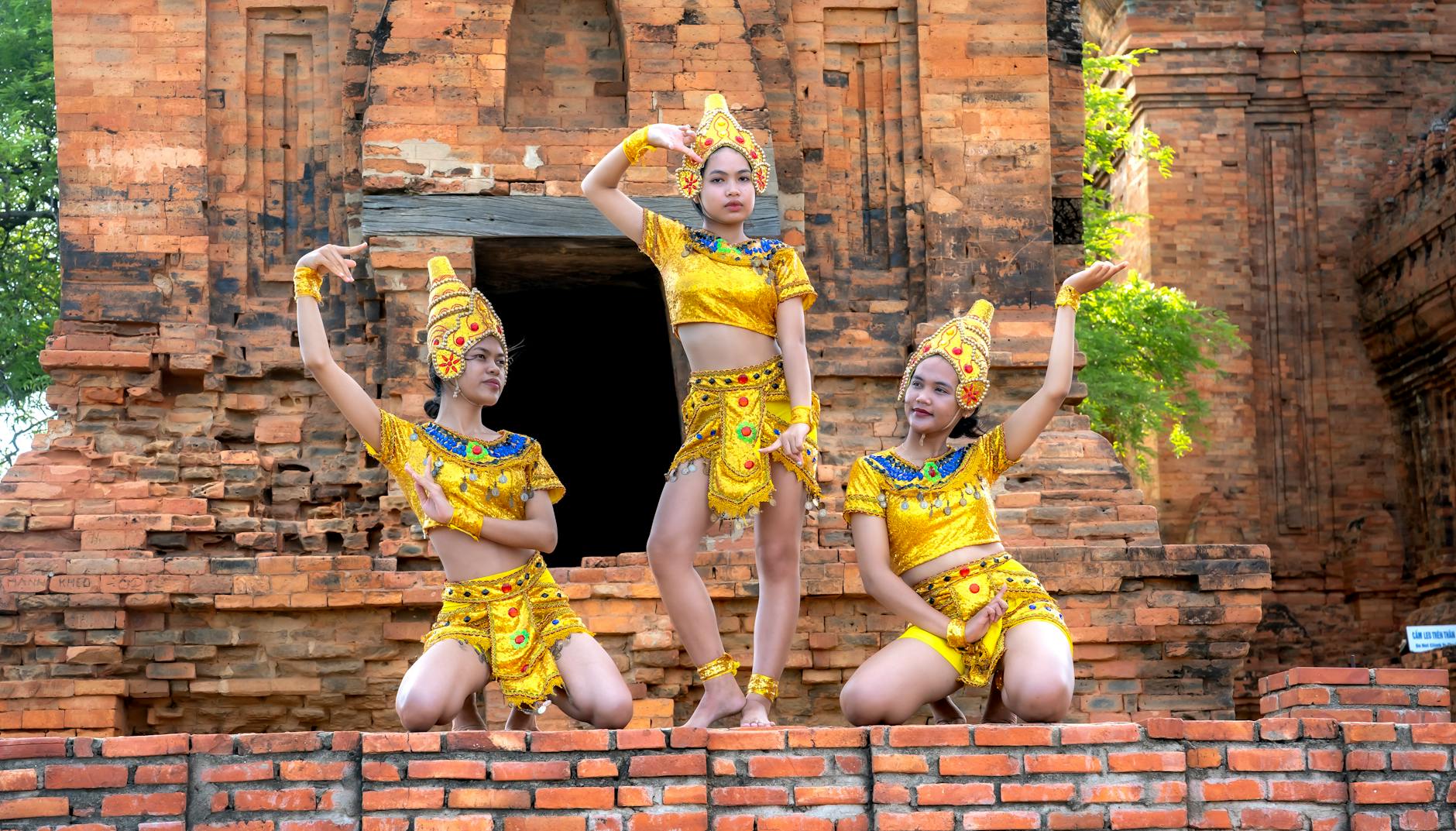
Multiple pavilions host live performances:
- Bali Pavilion — Balinese dance (legong, kecak) at scheduled times
- West Sumatra — Minangkabau dance and music
- Yogyakarta — Javanese gamelan and dance
- Special weekend programs — Provincial cultural showcases rotate
Check the performance schedule at the entrance or online before visiting. Performances are typically free with park entry.
Photography Tips
- Cable car — Best for aerial shots of Indonesia-in-Miniature lake
- Provincial pavilions — Traditional architecture in great variety
- Performances — Often colorful traditional costumes
- Indonesia Museum interior — Cultural artifacts in great variety
- Best light — 8-10 AM and 4-5 PM; avoid noon harsh sun
- Pavilion interior photos — Permitted; flash usually discouraged
What to Wear & Bring
- Comfortable walking shoes — Significant distances
- Sun hat and sunscreen — Tropical sun is strong
- Water bottle — Refill stations available
- Light layers — Hot outdoors, cool in air-conditioned museums
- Modest dress for mosque visits — TMII has a major mosque on site; women wear headscarves provided at entry
- Cash + cards — Most TMII services accept cards/QRIS; smaller stalls cash
- Sun umbrella or raincoat — Depending on season
Common Mistakes
- Trying to see all 26 pavilions — Impossible in one day; cherry-pick 5-7
- Driving inside — Park gate is closed to private vehicles; park outside and use shuttles
- Sunday crowds — Avoid weekend midday; arrive early or visit weekdays
- Missing the Indonesia Museum — Often skipped; one of TMII’s best
- Not booking online tickets — Online (tiket.tamanmini.com) typically cheaper than gate
- Underestimating size — Plan 4-6 hours minimum
Combining With Lubang Buaya / Pancasila Sakti Museum
Lubang Buaya (Pancasila Sakti Museum) is the controversial 1965 historical site where six Indonesian generals were murdered during the failed coup attempt. Located 10 minutes drive from TMII. Add to TMII visit if interested in Indonesian political history. Entry IDR 25,000.
Frequently Asked Questions About Taman Mini Indonesia Indah
What is the entrance fee for TMII?
IDR 25,000-35,000 per person for park entry. Additional tickets required for cable car (IDR 50,000), Aeromovel (IDR 30,000), individual museums (IDR 20,000-35,000 each), IMAX (IDR 35,000-60,000), and Snowbay Waterpark (IDR 100,000-180,000). Online tickets typically cheaper.
How long should I spend at TMII?
3-4 hours for a quick cultural overview, 6-8 hours for a comprehensive visit covering pavilions plus 2-3 museums plus a performance. The park is large (250 hectares) and rewards time.
Is TMII open every day?
Yes, TMII is open daily from 5:00 AM to 8:00 PM. Some attractions and museums have different hours; check on arrival or online.
Can I drive inside TMII?
No. Since the 2022-2023 renovation, private vehicles are banned from inside the park. You must park at the entrance and use TMII’s internal electric shuttle, cable car, Aeromovel, or rented e-bikes/scooters.
What are the 26 pavilions at TMII?
TMII has 26 provincial pavilions (anjungan) showcasing traditional architecture, costumes, and cultural artifacts from every Indonesian province. The most visually impressive: Bali, West Sumatra (Minangkabau), Toraja (South Sulawesi), Yogyakarta, and Papua pavilions.
Is the TMII cable car worth it?
Yes for first-time visitors. The Sky World cable car gives aerial perspective of the Indonesia-in-Miniature lake and pavilion cluster, helping you orient yourself before walking. IDR 50,000 well spent on first visit.
How do I get to TMII from central Jakarta?
Best: LRT Jabodebek to Harjamukti Station, then 5-min Grab to TMII (total 45-60 min). Alternative: Direct Grab/Gojek from hotel (45-75 min, IDR 100,000-200,000). TransJakarta routes also connect but with longer travel times.
Is TMII good for children?
Yes. Bird Park, Komodo Reptile Park, Snowbay Waterpark, and Istana Anak-Anak (Children’s Palace) cater to families. The cable car and Aeromovel are kid-friendly transport. The traditional architecture provides cultural education.
TMII is the single best way to experience Indonesia’s cultural diversity in one place. To plan further, see our pillar Jakarta museums and cultural sites, the National Museum, the Wayang Museum, the Textile Museum, the Betawi cultural village, and our Jakarta transportation guide.
External Resources for Taman Mini Indonesia Indah
For official information and ticket bookings, the TMII official ticket portal provides current pricing and event schedules. The Wikipedia entry on TMII covers historical context.