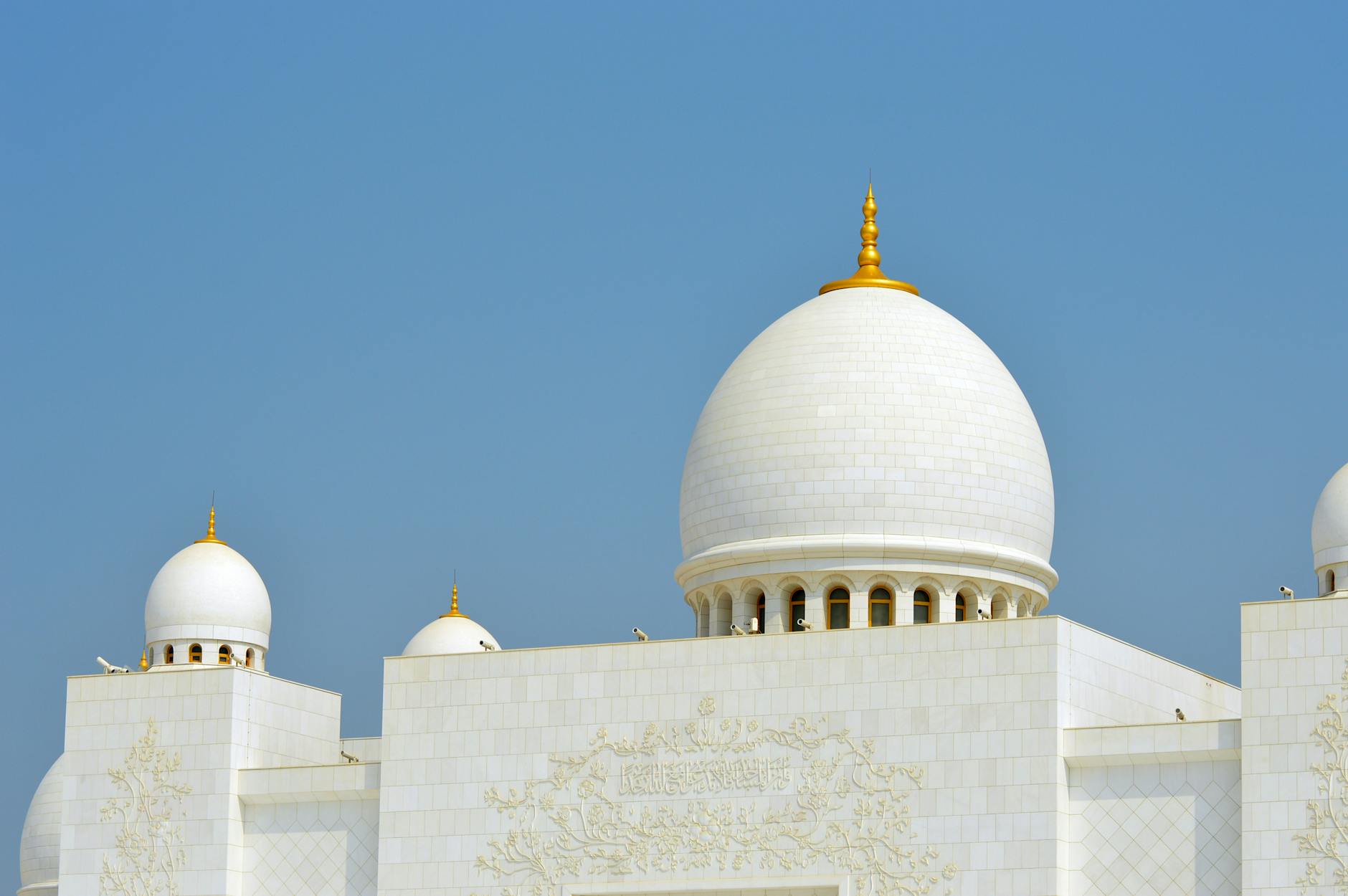
Istiqlal Mosque is Southeast Asia’s largest mosque and the world’s third-largest. With a capacity of 120,000 worshippers spread across 9.5 hectares in central Jakarta, it’s the symbolic heart of Indonesian Islam — and astonishingly, was designed by a Christian architect (Frederich Silaban, a Protestant) chosen via 1955 design competition. Most English-language guides cover the basic facts but miss what foreign tourists actually need: the gate-by-gate first-time walkthrough, the renovation upgrades visible since 2021, the dress-code-and-photography decision tree, and the Tunnel of Friendship that now connects this mosque to Jakarta Cathedral. This is the most comprehensive English-language Istiqlal Mosque Jakarta resource.
For broader religious tourism, see our pillar religious tourism in Jakarta, the Jakarta Cathedral guide, the Tunnel of Friendship guide, the Hindu temples guide, and the Buddhist temples guide.
Quick Facts
| Stat | Detail |
|---|---|
| Capacity | 120,000 worshippers |
| Land Area | 9.5 hectares |
| Architect | Frederich Silaban (a Protestant Christian) |
| Built | 1961-1978 |
| Inaugurated | February 22, 1978 by President Suharto |
| Major Renovation | May 2019 – July 2020; reopened January 2021 |
| Renovation Cost | IDR 511 billion (~USD 36 million) |
| World Bank Green Certification | First in Southeast Asia |
| Address | Jl. Taman Wijaya Kusuma, Ps. Baru, Central Jakarta |
| Hours | 4:00 AM – 9:00 PM (varies around prayer times) |
| Entry | Free |
Why It Matters: Largest Mosque in Southeast Asia + Symbol of Independence
Istiqlal — Arabic for “independence” — is Indonesia’s national mosque, built to commemorate Indonesian independence from Dutch colonial rule. It was conceived in 1949 (just years after independence in 1945) and took 27 years to complete due to political and economic challenges.
Two facts make it culturally extraordinary:
- It was designed by a Christian. Frederich Silaban, a Protestant from Sumatra, won the 1955 design competition. President Sukarno chose him specifically to demonstrate Indonesian religious tolerance — a Christian designed the largest mosque in Southeast Asia.
- It faces Jakarta Cathedral. The mosque was deliberately built directly across the street from Jakarta Cathedral (Catholic, 1901). This is no accident — Sukarno wanted the two buildings to symbolize Indonesian Pancasila tolerance. Now connected by the Tunnel of Friendship (2024).
History: Silaban’s 1955 Design Competition Win
Timeline:
- 1949: President Sukarno first proposed a national mosque
- 1953: Design competition announced
- 1955: 22 architects competed; Frederich Silaban won with “Ketuhanan” (One God) design
- 1961: Construction began under President Sukarno
- 1965: Construction halted due to political instability (1965 coup attempt)
- 1968: Construction resumed under President Suharto
- 1978: Mosque inaugurated February 22, 1978
- 2019-2020: Major renovation
- 2021: Reopened January 7, 2021 by President Jokowi
Silaban’s design philosophy emphasized simplicity, symmetry, and tropical adaptation. The result: a mosque that doesn’t follow traditional Middle Eastern architecture but creates its own contemporary Indonesian Islamic identity.
The 2019-2020 Grand Renovation
The mosque’s first major renovation in over 40 years. Investments of IDR 511 billion (~USD 36 million) covered:
- Solar panel installations — On rooftops, generating significant mosque electricity
- LED lighting throughout — Replacing old fluorescent systems
- Improved ablution facilities — Better water management, more stalls
- Accessibility upgrades — Ramps, elevator improvements for elderly and disabled
- HVAC modernization — Climate control during long prayers
- Marble cleaning and restoration
- Audio-visual system upgrades
- World Bank Green Certification — First mosque in Southeast Asia to receive this
The renovation transformed the visitor experience while preserving Silaban’s architectural integrity.
Visiting Hours and Prayer-Time Schedule
- General hours: 4:00 AM – 9:00 PM
- Five daily prayer times when mosque is busiest:
- Subuh (dawn): ~4:30 AM
- Dhuhur (noon): ~12:00 PM
- Ashar (afternoon): ~3:00 PM
- Maghrib (sunset): ~6:00 PM
- Isya (evening): ~7:00 PM
- Friday prayers (12-1 PM) — Limited tourist access during congregational prayer
- Best visiting time: Tuesday-Thursday mornings (9-11 AM), before Friday rush
- Last guided tour: 4:30 PM
Dress Code (with What to Expect)
- Men: Long pants or knee-length shorts; closed-toe shoes okay; no sleeveless tops
- Women:
- Cover shoulders (long-sleeve or shawl)
- Cover hair (headscarf — provided free at entrance)
- Long pants or skirt below knee
- Closed-toe or sandal shoes
- Both genders: Shoes removed at entrance (shoe storage provided)
- Visit kiosks for borrowed robes/scarves if needed
Reality check: Foreign tourists who don’t bring appropriate clothing will be loaned them. The mosque is welcoming; don’t worry about getting dress code exactly right.
Step-by-Step First-Time Visit Walkthrough
Step 1: Choose Your Gate
Istiqlal has multiple entrance gates. For first-time foreign visitors, use the southern visitor entrance (closest to information desk):
- Gate 1 (Main south entrance) — Tourist-friendly; info desk; shoe storage
- Gate 7 (East) — Closer to parking; secondary visitor option
- Other gates — Primarily for worshippers
Step 2: Information Desk and Shoe Storage
Arrive at information desk (just inside main entrance). Staff:
- Provide visitor orientation in English
- Issue free shoe storage bags (small donation IDR 2,000 appreciated)
- Provide free headscarves for women
- Book free 20-minute guided tour (recommended)
- Explain prayer schedule and visitor-friendly times
Step 3: Wudu (Ablution) Area
You don’t need to perform wudu (Muslim ritual washing) as a tourist. Walk past the wudu area; observe the architectural design.
Step 4: Free 20-Minute Guided Tour
Book at info desk. Tour covers:
- Architectural overview
- Symbolism of dome and minaret
- Mihrab (prayer direction indicator) and mimbar (pulpit)
- Bedug drum
- Quick history
Tip your guide IDR 20,000-50,000 if it’s useful.
Step 5: 2nd-Floor Non-Muslim Visitor Gallery
Critical rule: Non-Muslim visitors access the mosque from the second-floor mezzanine gallery (above the main prayer hall). This:
- Provides excellent views of the prayer hall
- Respects Muslim worship space (main floor reserved for actual prayers)
- Allows photography without disturbance
Muslim visitors and worshippers may enter the main floor; non-Muslim tourists use the 2nd-floor gallery.
Step 6: Tunnel of Friendship to Cathedral
After mosque visit, descend to the basement level to access the Tunnel of Friendship. 28.3-meter underground walkway connects to Jakarta Cathedral. See our Tunnel of Friendship guide.
The 5 Main Architectural Elements
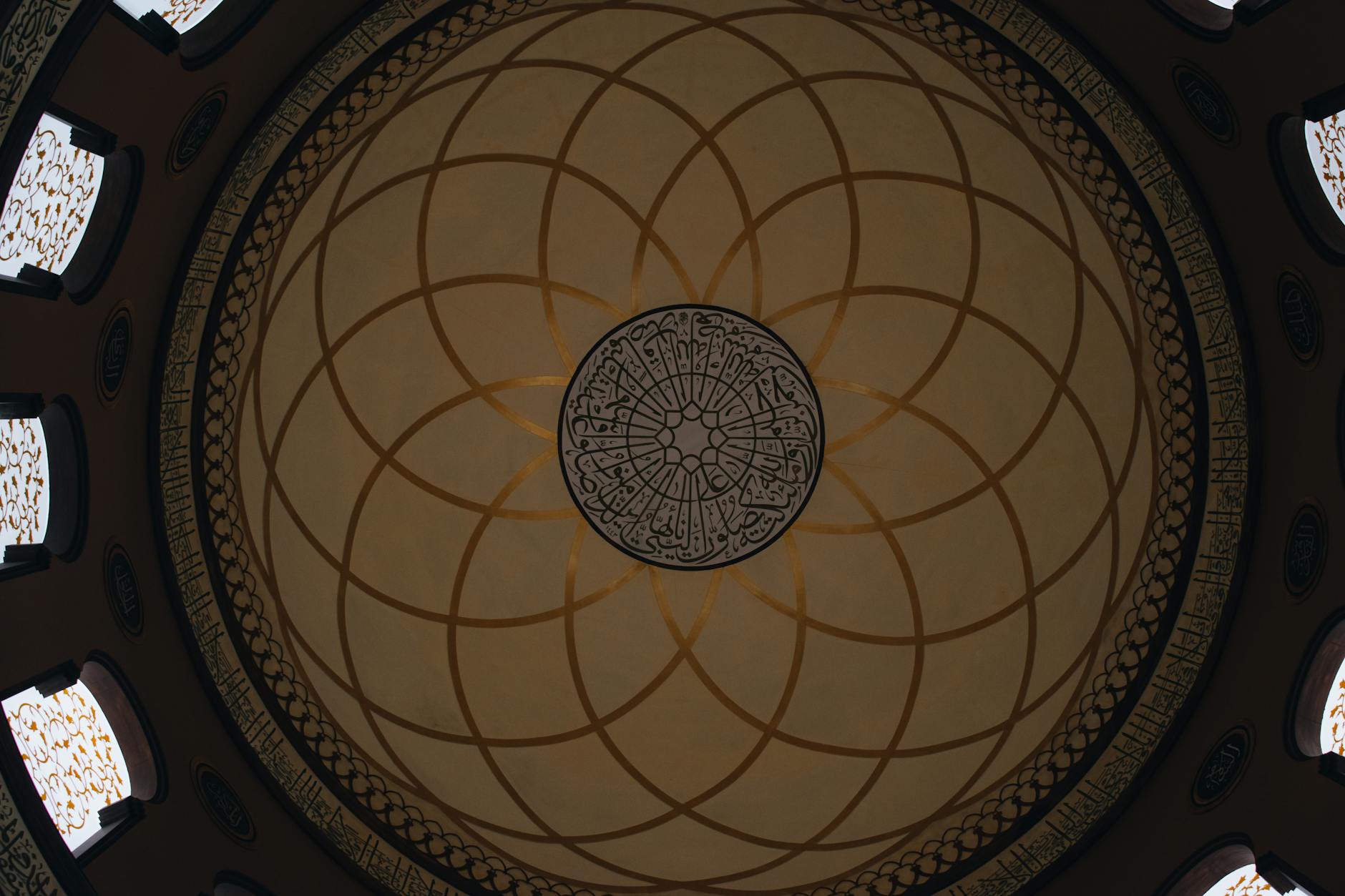
1. The Main Dome
45-meter diameter dome, supported by 12 columns. Symbolizes the firmament. The 12 columns reference the 12 months of the Islamic calendar.
2. The Minaret
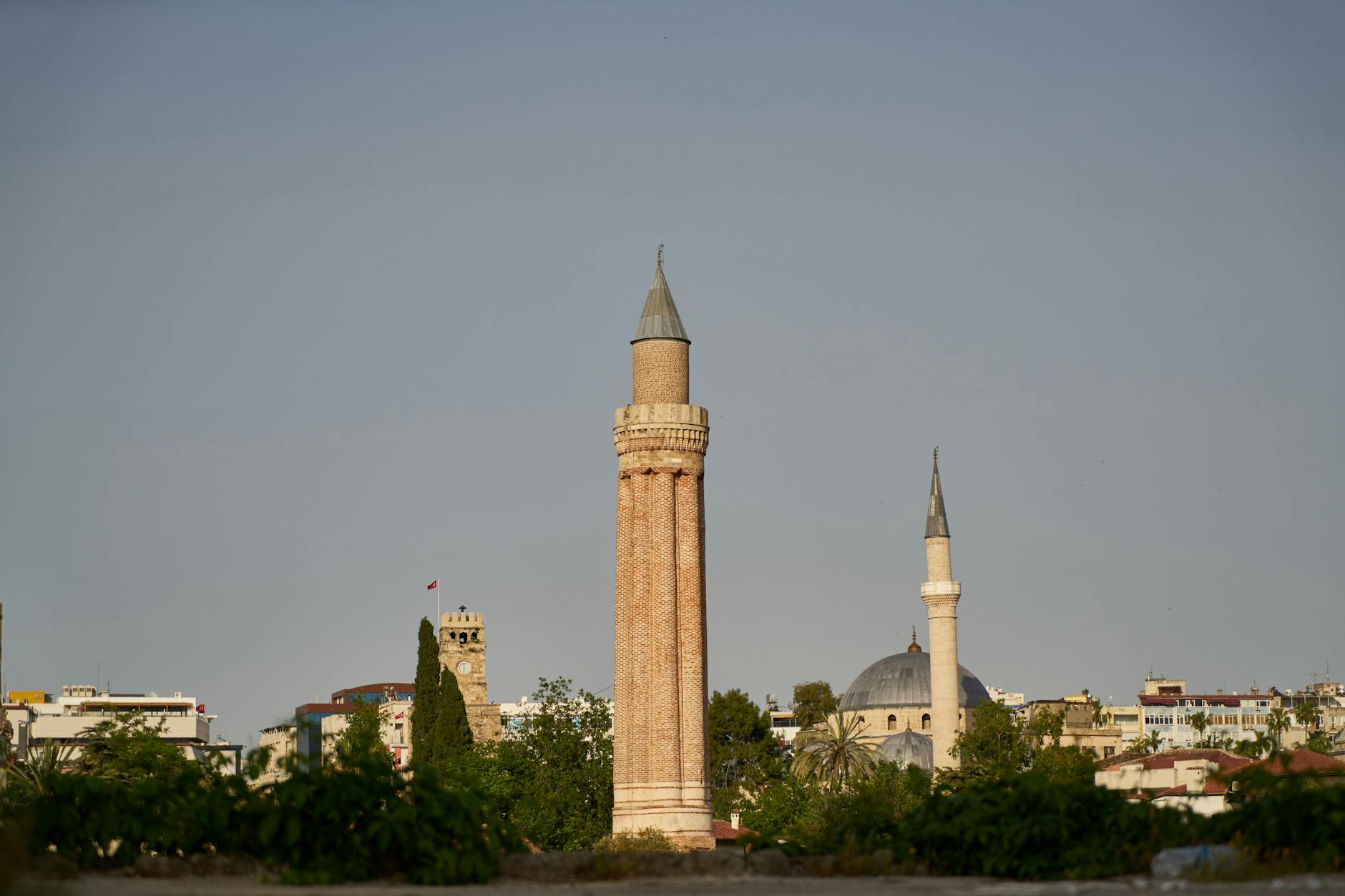
96.66-meter tower. The decimal placement (96.66) references the 6,666 verses of the Quran (according to one numbering system). The minaret is functional — it housed the original muezzin call to prayer (now replaced by amplified audio).
3. The Bedug (Traditional Drum)
Large wooden drum traditionally used to announce prayer times before muezzin amplification. Istiqlal’s bedug is among the largest in Indonesia. Decorative function today.
4. The Plaza
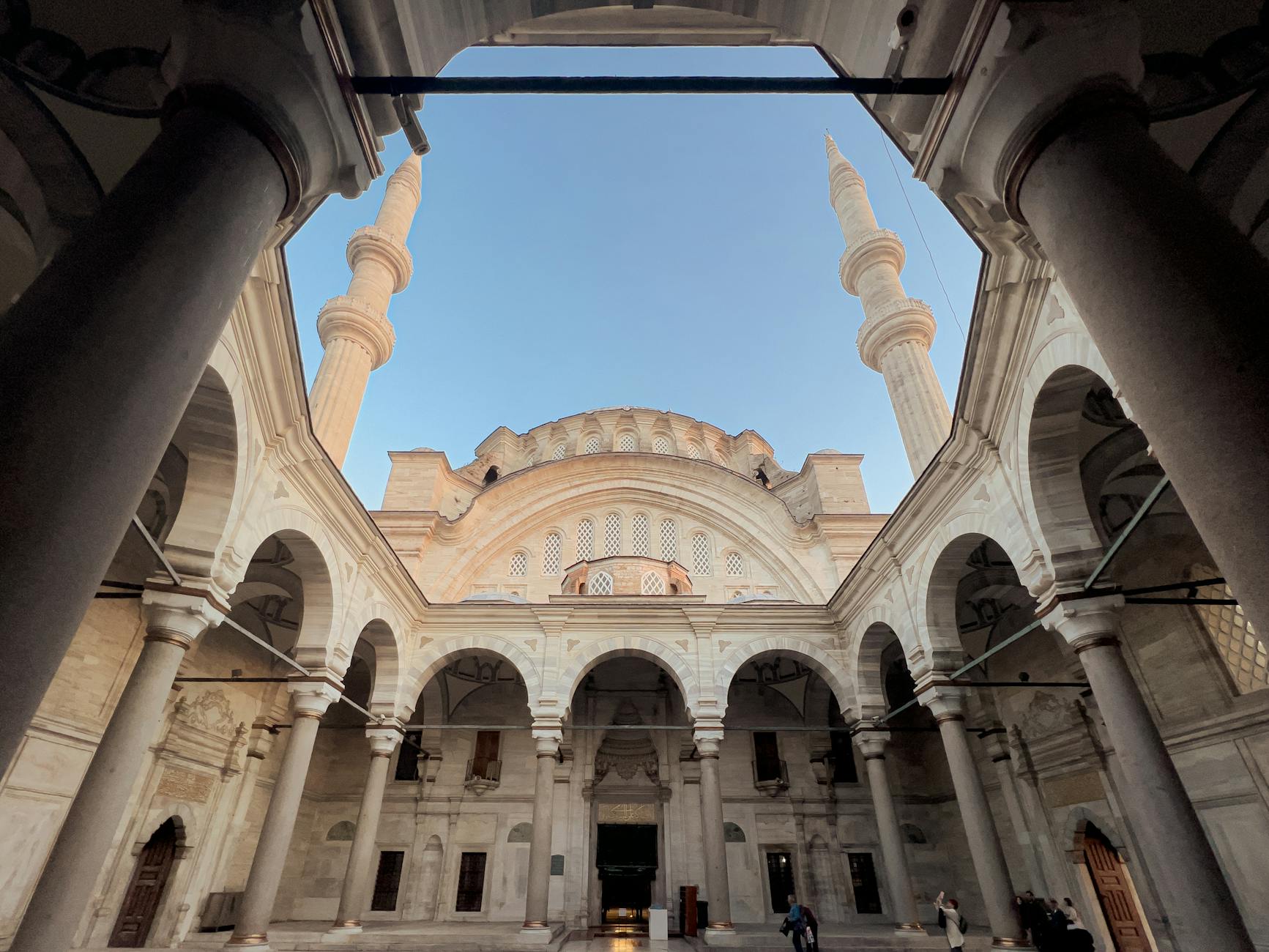
The outdoor plaza accommodates overflow worshippers during major prayers (Eid al-Fitr, Eid al-Adha). Combined with indoor prayer hall, total capacity 120,000.
5. The Mihrab and Mimbar
Mihrab = direction indicator toward Mecca. Mimbar = elevated pulpit where Friday khutbah (sermon) is delivered. Both visible from the visitor gallery.
Photo Spots
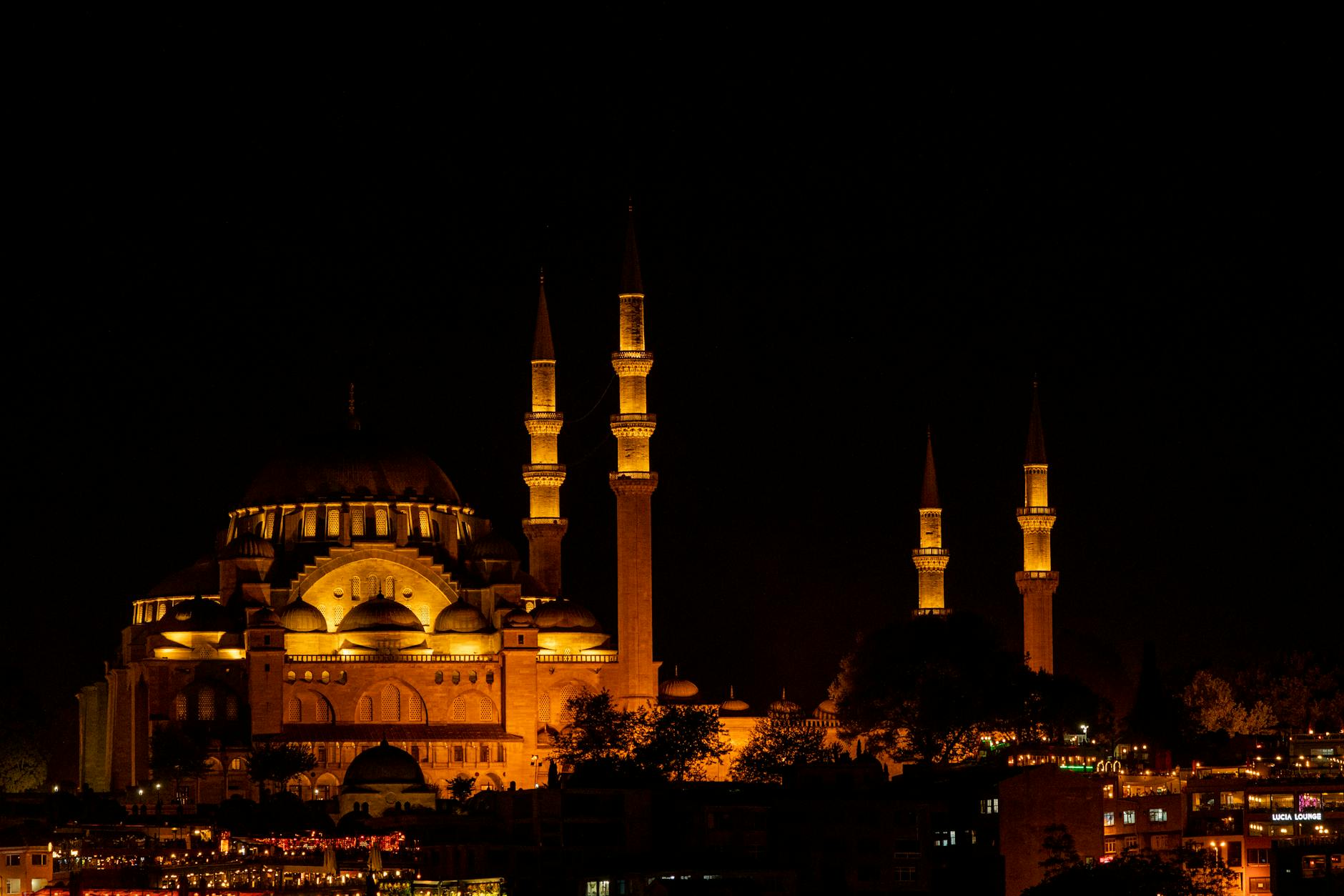
- Exterior front view — Best from Cathedral side or front plaza
- Main dome interior — From 2nd-floor visitor gallery
- Minaret base — Looking up creates dramatic angle
- Plaza panorama — Wide-angle from elevated positions
- Sunset/golden hour — 5-6 PM creates beautiful warm light on white marble
- Night illumination — Mosque lit dramatically; permitted from public areas
- Tunnel of Friendship entrance — Modern architectural element
Combining with the Cathedral via the Tunnel
The full Tolerance Triangle experience:
- 9:00 AM: Arrive Istiqlal Mosque
- 9:15 AM: Free guided tour
- 10:00 AM: Self-explore 2nd floor gallery
- 10:30 AM: Descend to Tunnel of Friendship basement
- 10:45 AM: Walk tunnel to Cathedral side
- 11:00 AM: Jakarta Cathedral interior visit
- 11:30 AM: Cathedral museum (triforium)
- 12:00 PM: Lunch at Jl. Sabang Indonesian food street
Tipping, Donations, and Shoe-Bag Fees
- Entry: Free
- Shoe bag: IDR 2,000 donation
- Guided tour tip: IDR 20,000-50,000 for your guide
- General donations: Welcomed at donation boxes
- Headscarves: Free
- Photography fee: None
How to Get There
- KRL Commuter Line: Juanda Station, 5-minute walk west
- MRT: No direct MRT; nearest is Bundaran HI (Lebak Bulus line); 15-minute walk south or short Grab
- TransJakarta: Halte Kantor Pajak or Halte Pasar Baru
- Grab/Gojek: Direct drop-off at Gate 1 main entrance; 15-25 min from Sudirman
Ramadan and Eid: What Changes for Visitors
- Throughout Ramadan — Mosque sees increased activity; iftar (breaking fast) celebrations
- Tarawih prayers (extra Ramadan night prayers) — Visitors welcome to observe from gallery
- Eid al-Fitr (Idul Fitri) — Mass Eid prayer at sunrise; 50,000-100,000+ worshippers; visiting impossible during ceremony; reopens to tourists by midday
- Eid al-Adha — Sacrificial ceremony observed by Indonesian Muslims; visit afternoons
- Pre-Ramadan — Mosque preparation period; tours may be reduced
Frequently Asked Questions About Istiqlal Mosque Jakarta
Can non-Muslims visit Istiqlal Mosque?
Yes. Istiqlal Mosque welcomes non-Muslim visitors. Use the 2nd-floor visitor gallery (the main prayer hall is reserved for actual worshippers). Free 20-minute guided tour available at the information desk.
What is the dress code for Istiqlal Mosque?
Modest dress: cover shoulders and knees. Women cover hair (free scarves provided at entrance). Shoes removed at entrance (free storage). Long pants/skirts below knee. Closed-toe or sandal shoes. The mosque provides loaner garments if needed.
When is Istiqlal Mosque open?
Daily 4:00 AM – 9:00 PM, varying around prayer times. Best visiting hours: Tuesday-Thursday mornings 9-11 AM (before Friday rush). Last guided tour: 4:30 PM.
How much does it cost to visit Istiqlal Mosque?
Entry is free. Shoe bag IDR 2,000 donation. Guided tour tip IDR 20,000-50,000 (optional but appreciated). No mandatory fees. Donations welcomed but optional.
Who designed Istiqlal Mosque?
Frederich Silaban, a Protestant Christian architect from North Sumatra. He won the 1955 design competition for Sukarno’s national mosque project. The fact that a Christian designed Southeast Asia’s largest mosque demonstrates Indonesian religious tolerance (Pancasila).
How long does a visit to Istiqlal Mosque take?
Allow 60-90 minutes for the mosque alone. Adding the Tunnel of Friendship and Jakarta Cathedral extends to 2.5 hours. The Tolerance Triangle (Istiqlal + Tunnel + Cathedral) is Jakarta’s most distinctive religious tourism experience.
Can I take photos at Istiqlal Mosque?
Yes, photography is permitted throughout most of the mosque. Avoid photos of people actively praying. Flash photography discouraged. The 2nd-floor gallery offers excellent photography vantage points. Photography during Friday prayers and major celebrations restricted.
What renovations were completed in 2020?
Major IDR 511 billion renovation (May 2019 – July 2020) included solar panels, LED lighting, improved ablution facilities, accessibility upgrades, climate control, and marble restoration. Istiqlal became the first World Bank Green-certified mosque in Southeast Asia.
Istiqlal Mosque is one of the world’s most significant Islamic landmarks and Jakarta’s premier religious tourism site. To plan further, see our pillar religious tourism in Jakarta, the Jakarta Cathedral guide, the Tunnel of Friendship guide, the Hindu temples, the Buddhist temples, and our museums and cultural sites guides.
Istiqlal works best as one stop on a longer route. Our multi-faith religious sites walking tour strings it together with the cathedral and the Chinatown temples in a single morning, the must-see Jakarta landmarks guide places it among the city’s other set-pieces, and if you want to be within walking distance, see hotels in Central Jakarta and our guide to getting around Jakarta.
External Resources for Istiqlal Mosque
The Wikipedia entry on Istiqlal Mosque provides comprehensive historical context. For up-to-date information on visiting hours and special events, check the official Istiqlal Mosque website.
Dress and conduct at Istiqlal are the strictest version of a code that applies, in softer form, across the whole city — shoes off, shoulders and knees covered, hair covered for women, and no walking in front of someone at prayer. If you would like the wider context before you visit, our guide to Jakarta etiquette and customs explains how prayer times reshape a Jakarta week and what changes during Ramadan.