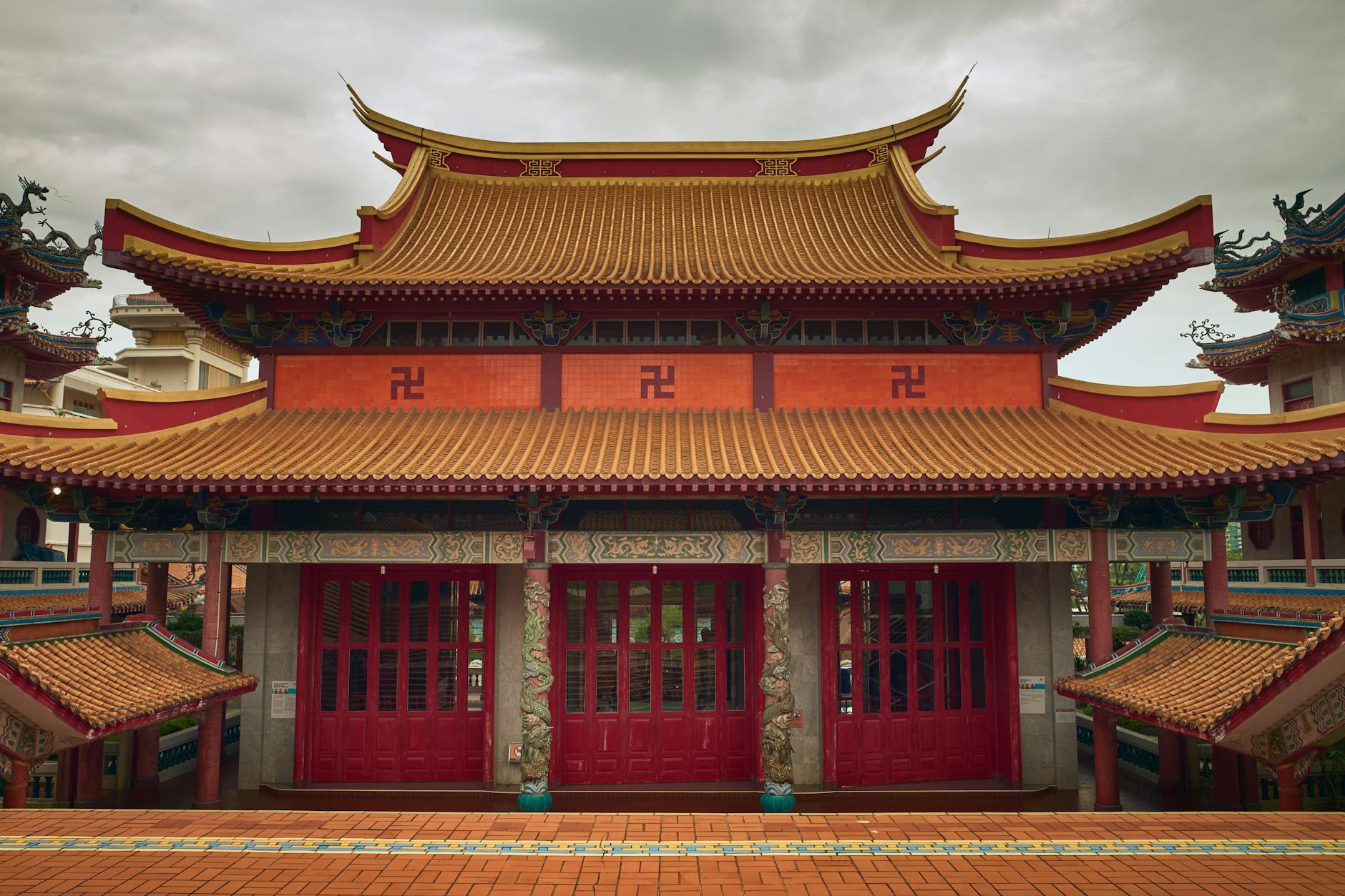
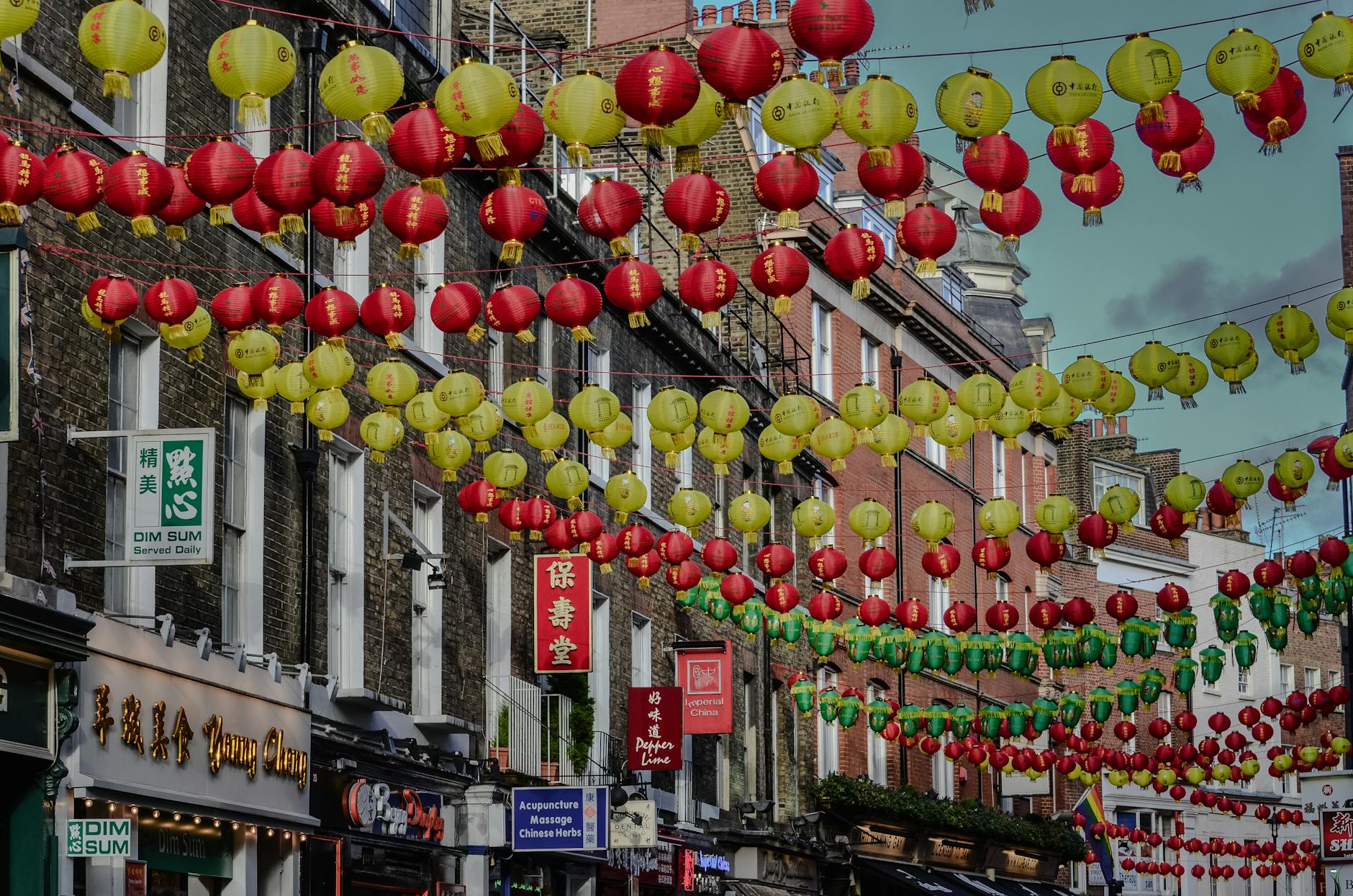
Jakarta is the capital of the world’s largest Muslim-majority country — yet it is also the home of cathedral, temple, and mosque communities that have coexisted peacefully for over 400 years. The city’s interfaith heritage is enshrined in Pancasila (Indonesia’s national philosophy), embodied in physical landmarks like the 2024-opened Tunnel of Friendship, and lived daily by 11 million Jakartans practicing six officially recognized religions. Most foreign tourists arrive aware of Indonesia as “Muslim Indonesia” without understanding the depth of religious pluralism that defines Jakarta specifically. This guide is the comprehensive English-language Jakarta interfaith heritage resource — covering Pancasila philosophy, historical roots of pluralism, contemporary manifestations, and what foreign tourists can learn from this unique model.
For broader religious tourism, see our pillar religious tourism in Jakarta, the Istiqlal Mosque, the Jakarta Cathedral, the Tunnel of Friendship, the religious sites walking tour, the Hindu temples, and the Buddhist temples guides.
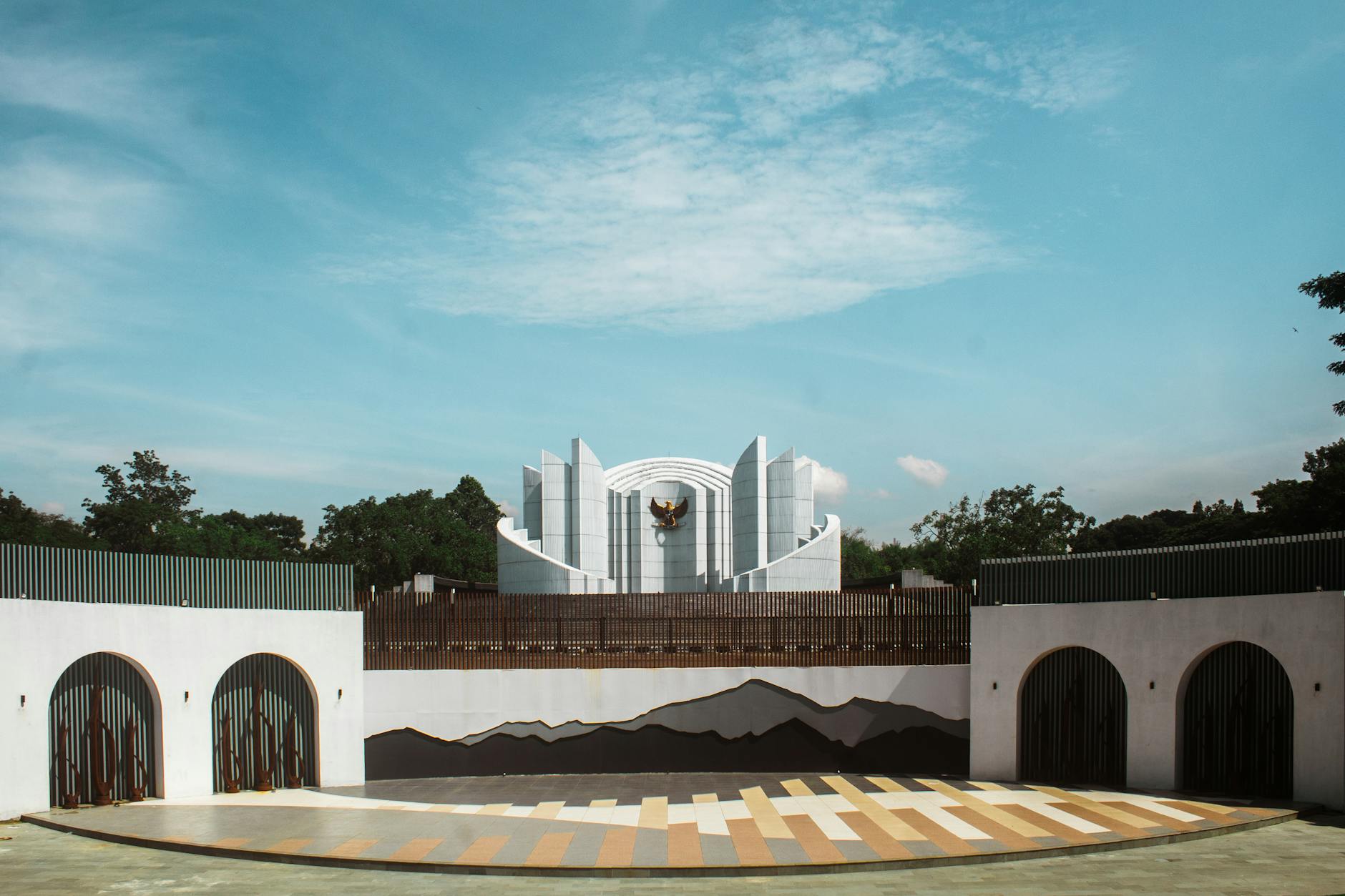
Pancasila: Indonesia’s Constitutional Embrace of Religious Diversity
To understand Jakarta’s interfaith heritage, you must understand Pancasila — Indonesia’s foundational national philosophy.
The Five Principles
- Ketuhanan Yang Maha Esa — Belief in one supreme God
- Kemanusiaan Yang Adil dan Beradab — Just and civilized humanity
- Persatuan Indonesia — National unity
- Kerakyatan yang Dipimpin oleh Hikmat Kebijaksanaan dalam Permusyawaratan/Perwakilan — Democracy through deliberation
- Keadilan Sosial bagi Seluruh Rakyat Indonesia — Social justice for all Indonesians
The Critical Religious Implication
Principle #1 is intentionally pluralistic. Pancasila requires belief in “one supreme God” without specifying which God. This explicitly accommodates:
- Islam (Allah)
- Protestant Christianity (God the Father)
- Catholic Christianity (God the Father with Mary veneration)
- Hinduism (Sang Hyang Widhi Wasa or other manifestations)
- Buddhism (often interpreted as the Dharma)
- Confucianism (Heaven)
This deliberate ambiguity allows Indonesia to function as both a Muslim-majority country and a pluralistic state. The genius of the formulation is that it requires religious faith (which most Indonesians have) without privileging any specific religion.
Sukarno’s Founding Vision (1945)
President Sukarno (1945-1967) was the visionary architect of Indonesian religious pluralism. Key decisions:
- 1945: Drafted Pancasila during the Japanese-led pre-independence preparation
- 1945: Indonesian Independence Day proclamation references Allah but speaks for all Indonesians
- 1950s: Officially recognized six religions (later codified by Suharto)
- 1955: Awarded Istiqlal Mosque design competition to Protestant Christian architect Frederich Silaban — deliberately demonstrating religious tolerance
- 1961: Began Istiqlal Mosque construction directly opposite Jakarta Cathedral as symbolic gesture
Sukarno’s vision was not just symbolic. He understood that Indonesia’s success depended on its religious diversity being treated as strength, not weakness.
The 1955 Istiqlal Design Competition: A Founding Moment
The single most important moment in Jakarta interfaith history happened in 1955. Sukarno announced a competition to design Indonesia’s national mosque. 22 architects competed. The winner: Frederich Silaban — a Protestant Christian from Sumatra.
The significance:
- A Christian designed the Muslim-majority nation’s main mosque — A deliberate signal that religion would not determine professional opportunity in modern Indonesia
- Sukarno made the decision publicly — Refusing to hide the Christian architect’s identity
- The mosque was built directly across from Jakarta Cathedral — Visual demonstration of interfaith respect
- Construction took 17 years (1961-1978) — Surviving political upheavals; symbol of national patience
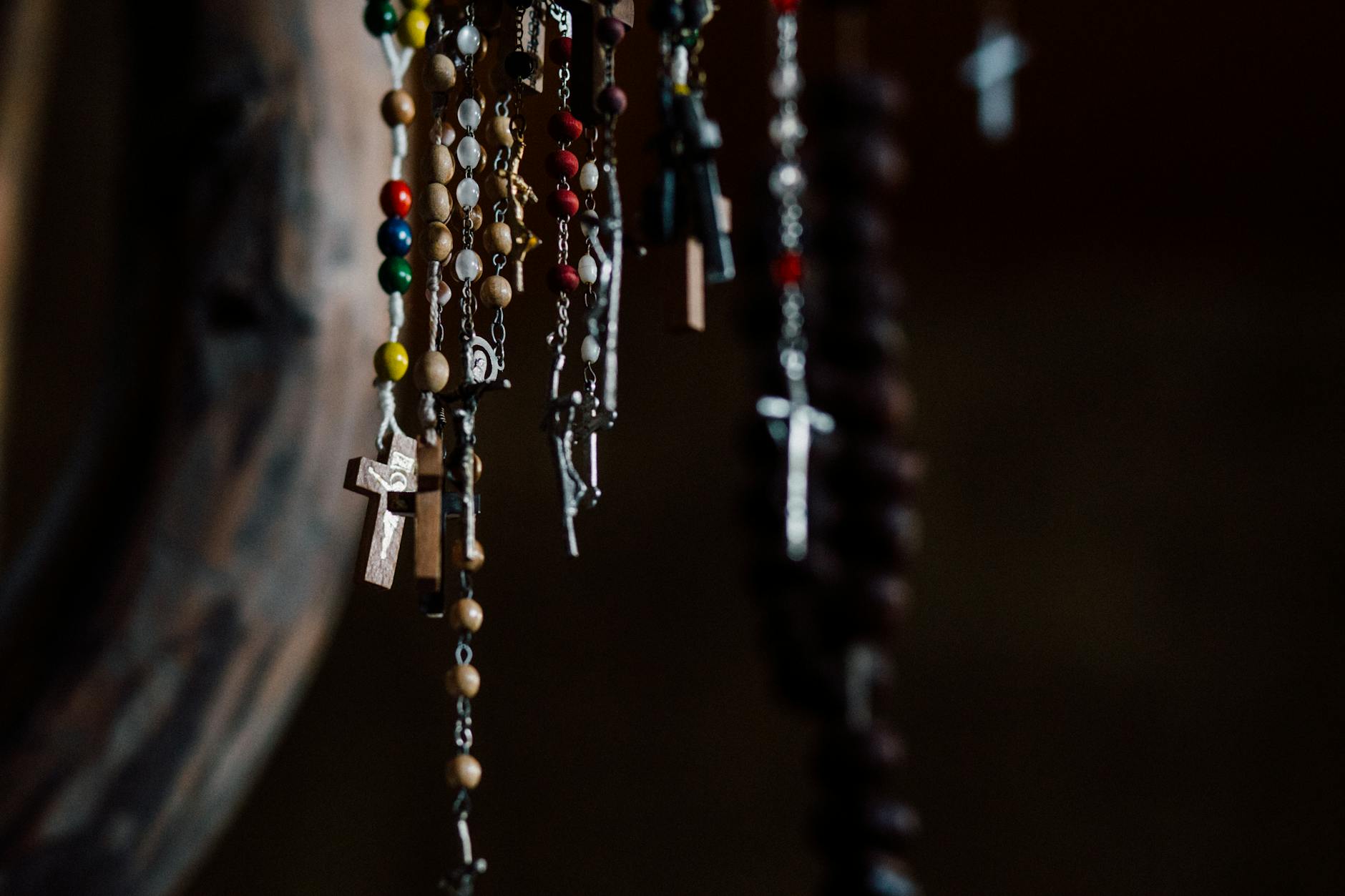
The Six Officially Recognized Religions
| Religion | % of Indonesians | % of Jakartans | Major Jakarta Sites |
|---|---|---|---|
| Islam | 87.2% | ~88% | Istiqlal Mosque, Sunda Kelapa Mosque, Cut Meutia Mosque |
| Protestant Christianity | ~7% | ~5% | Immanuel Church, Sion Church (1695), various Protestant denominations |
| Catholic Christianity | ~3% | ~3% | Jakarta Cathedral (1901), Hatta Church |
| Hinduism | ~1.7% | ~1% | Pura Aditya Jaya, Pura Penataran Agung Kertabhumi (TMII) |
| Buddhism | ~0.7% | ~3% (Glodok) | Vihara Dharma Bhakti (1650), Tian Hou Temple, Vihara Dharma Jaya Toasebio |
| Confucianism | ~0.03% | ~0.5% | Various blended Tridharma temples in Glodok |
This formal recognition matters: it grants legal protection, allows religious holidays as public holidays, enables religious education, and provides official infrastructure for each tradition.
Historical Roots of Jakarta Pluralism (Pre-Colonial)
Indonesian religious pluralism predates Pancasila by centuries:
Pre-Islamic Hindu-Buddhist Era (1st century – 1400s)
- Sundanese kingdoms — Hindu-Buddhist syncretism
- Cultural mixing — Indigenous traditions absorbed Hindu and Buddhist elements
- Tolerance precedent — Multiple faiths coexisted in trading cities like Sunda Kelapa
Islamic Sultanate Era (1400s-1619)
- Demak/Banten Sultanates — Islam established as dominant but tolerant
- Trading relationships required tolerance of Chinese, Portuguese, Dutch merchants
- Fatahillah (1527) — Conquered Sunda Kelapa under Islamic banner but maintained mixed-religion commerce
Dutch Colonial Era (1619-1942)
- Dutch VOC and government policy — Pragmatic religious neutrality (for commercial reasons)
- Multiple churches established — Sion Church (1695), various Catholic missions
- Chinese-Indonesian communities — Allowed Tridharma temples (Vihara Dharma Bhakti 1650)
- Indigenous religions tolerated alongside imported faiths
Modern Indonesian Interfaith Landmarks

The Tolerance Triangle (Istiqlal + Cathedral + Tunnel)
The physical embodiment of Indonesian interfaith heritage:
- Istiqlal Mosque (1978) — Southeast Asia’s largest mosque, designed by Christian architect
- Jakarta Cathedral (1901) — Neo-Gothic Catholic cathedral directly across the street
- Tunnel of Friendship (2024 inauguration) — 28.3-meter underground walkway physically connecting them
The Tolerance Triangle is unique in the Muslim-majority world. No other Muslim-majority capital has anything comparable.
The Tunnel of Friendship — Physical Embodiment
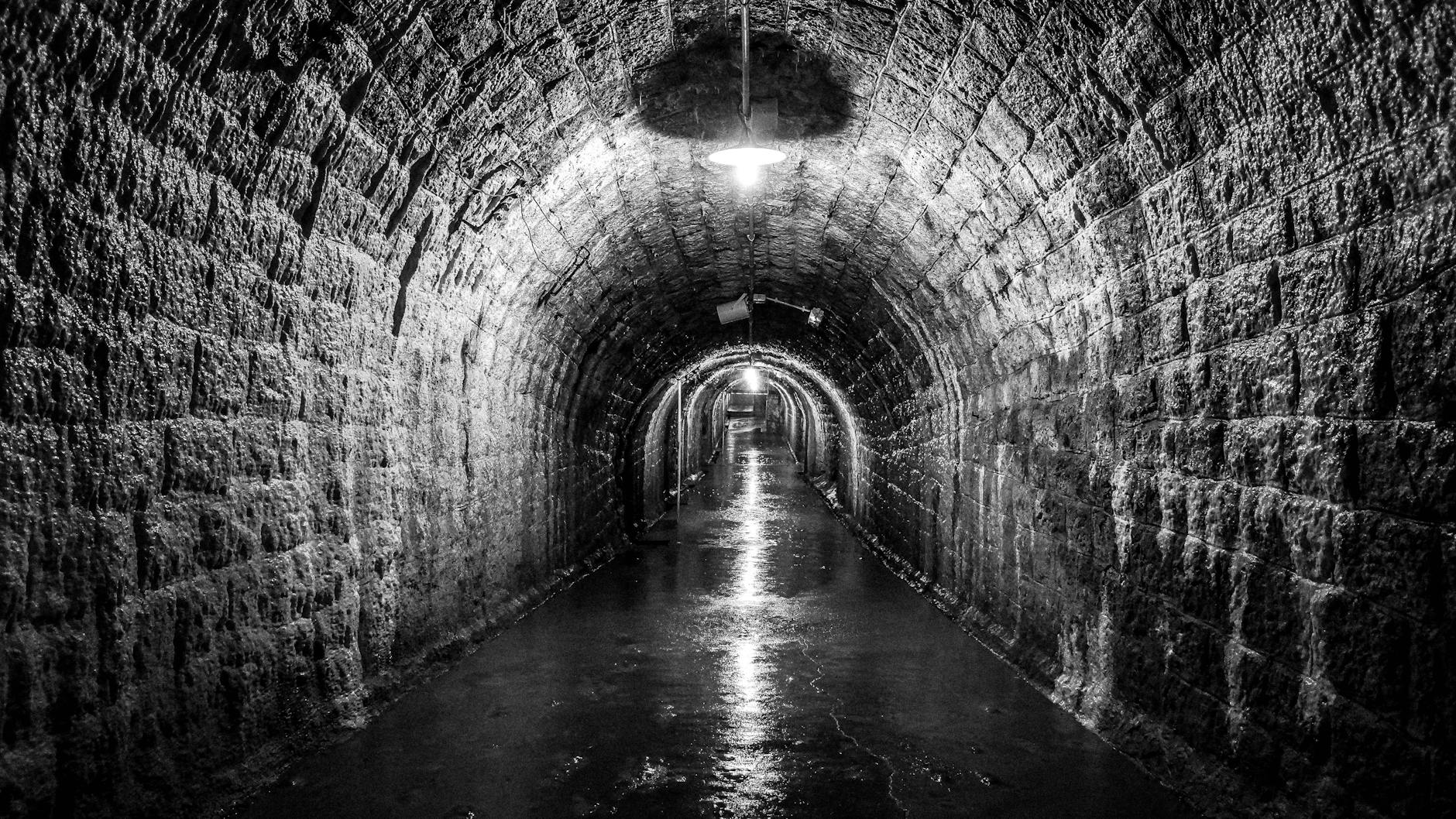
The tunnel deserves special attention as the world’s most powerful physical interfaith symbol:
- Conceived 2020 by President Joko Widodo
- Constructed 2020-2021
- Blessed by Pope Francis September 2024
- Formally inaugurated December 2024 by President Prabowo Subianto
- Art: “Wot Hati” (Bridge of Hearts) installation by Indonesian sculptor Sunaryo
- Practical function: Shared parking and pedestrian access
- Symbolic function: Underground unity beneath shared sky
The Pope Francis September 2024 Visit
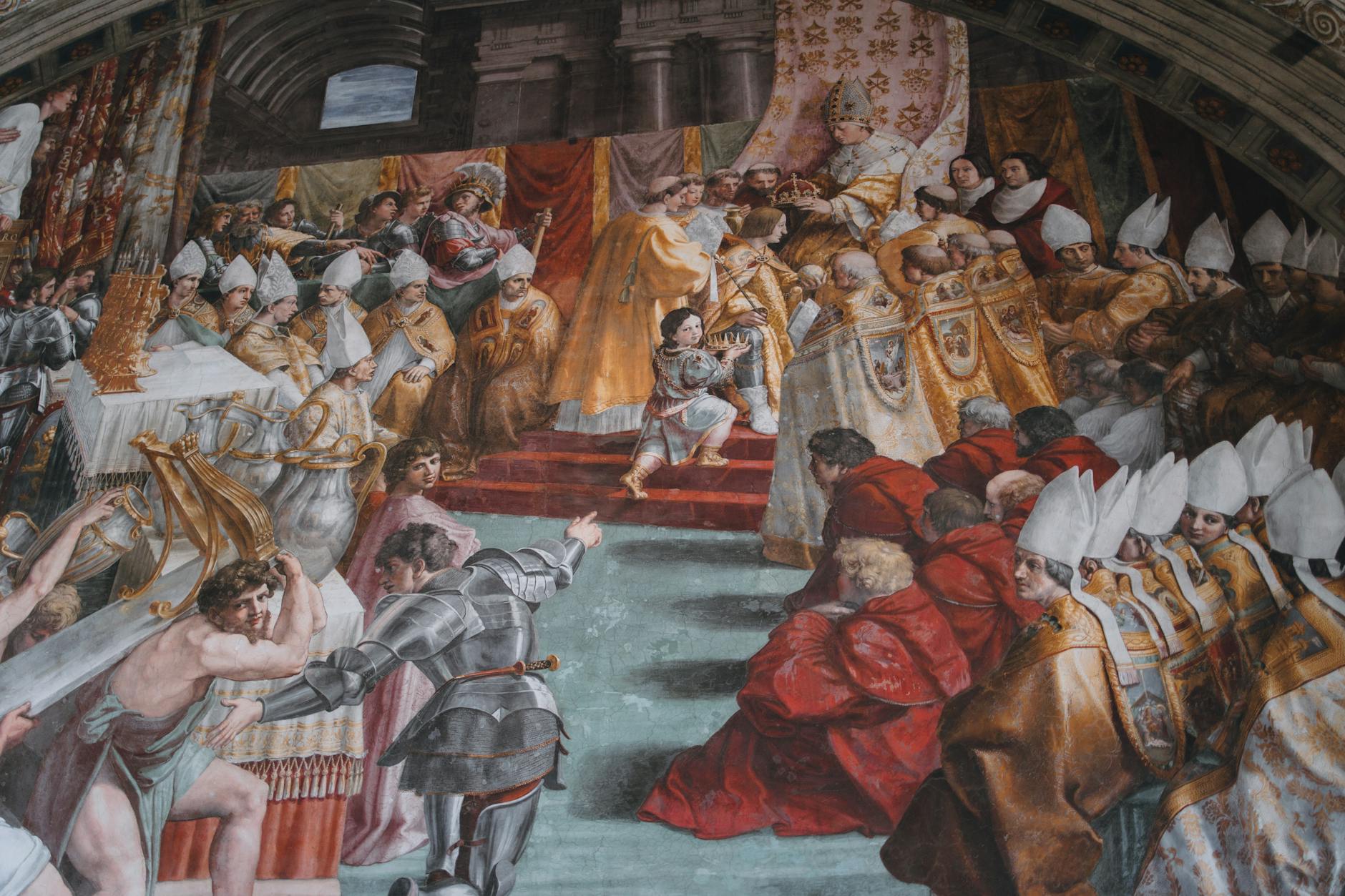
Pope Francis’s visit to Indonesia in September 2024 was the most significant international moment for Indonesian interfaith heritage:
- September 3-6, 2024: 4-day Indonesia visit
- Activities: Mass at Jakarta Cathedral, blessing of Tunnel of Friendship, meeting with Grand Imam of Istiqlal
- Joint statement with Nasaruddin Umar (Grand Imam) on interfaith harmony
- Symbolic importance: Pope’s recognition of Indonesia as model for Muslim-majority world
- Vatican’s choice: Specifically requested Tunnel inclusion in Pope’s program
The visit elevated Indonesia internationally as the world’s most successful Muslim-majority model of religious pluralism.
Contemporary Manifestations of Interfaith Heritage
Religious Holidays as National Holidays
Indonesia recognizes major holidays of all six religions:
- Islamic: Eid al-Fitr, Eid al-Adha (Idul Fitri, Idul Adha)
- Christian: Christmas, Easter, Ascension
- Hindu: Nyepi (Balinese New Year)
- Buddhist: Waisak
- Confucian: Chinese New Year (Imlek)
This isn’t symbolic — these are full national holidays with offices, schools, and government closed.
Interfaith Marriage Recognition
Although Indonesian Marriage Law (1974) technically requires same-religion marriage, in practice interfaith marriages occur and are recognized. The state navigates legal complexities to accommodate Indonesia’s pluralistic reality.
Religious Education
Indonesian public schools teach religious education for all six recognized religions. Students enrolled by religion, taught by religion teachers from their tradition. A Muslim student can have Islamic religious teacher; Catholic student has Catholic teacher; etc.
Government Religious Recognition
Indonesia maintains separate religious councils for each recognized tradition:
- Council of Indonesian Ulema (MUI) — Sunni Muslim
- Catholic Church Indonesia (KWI) — Catholic
- Protestant Indonesian Council
- Hindu Indonesian Council (PHDI)
- Buddhist Indonesian Council (Walubi)
- Confucian Indonesian Council (Matakin)
Why Jakarta Is a Model for the Muslim-Majority World
Six reasons Jakarta’s interfaith model deserves international attention:
- Scale: Indonesia has 232+ million Muslims — the world’s largest Muslim population — yet sustains formal religious pluralism
- Constitutional protection: Pancasila explicitly enshrines diversity (rather than treating it as accommodation)
- Geographic visibility: Tolerance Triangle physically demonstrates interfaith respect
- Historical depth: Pluralism predates Pancasila by centuries
- International recognition: Pope Francis’s 2024 visit affirmed Indonesia as model
- Practical success: Six religious communities live together with low communal violence
Most Muslim-majority countries either (a) privilege Islam over other faiths legally or (b) experience significant interfaith conflict. Indonesia avoids both pitfalls.
What Foreign Tourists Can Learn
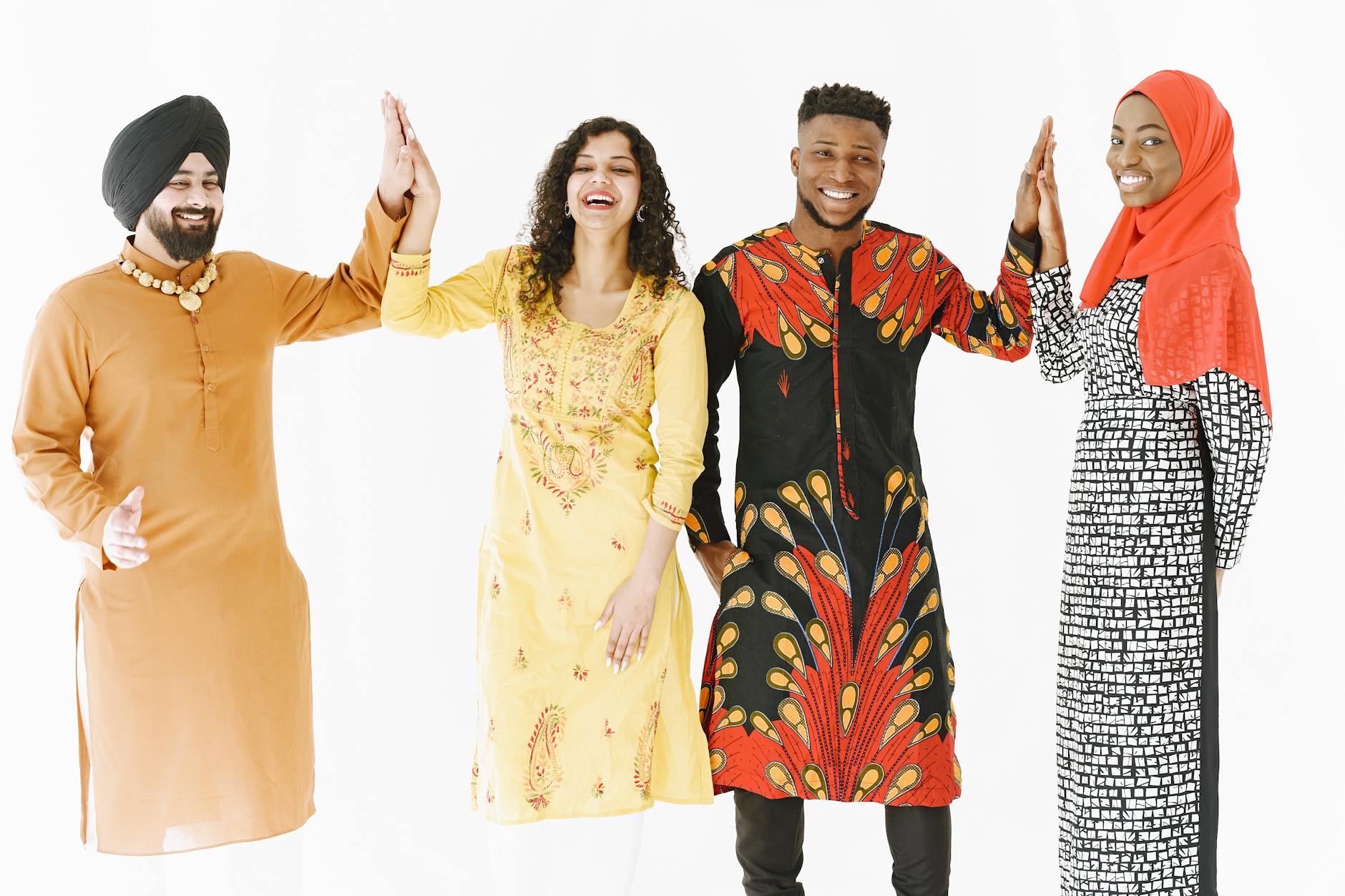
Five takeaways for visitors:
- Religious diversity strengthens, not weakens, national identity — Indonesia’s example
- Physical infrastructure matters — The Tunnel of Friendship is more than symbolism
- Respect is reciprocal — Indonesian Muslims attend Christmas celebrations; Christians attend Eid; this isn’t unusual
- Tolerance is taught — Pancasila education from primary school onwards
- Visiting respectfully participates — Foreign tourists experiencing multi-faith Jakarta become global witnesses
Where to Experience Interfaith Heritage
- Tolerance Triangle — Istiqlal + Cathedral + Tunnel of Friendship — see our pillar guides
- Glodok temples — Buddhist + Taoist + Confucian Tridharma blending
- Hindu temples — Particularly Pura Aditya Jaya during major ceremonies
- Religious festivals — Eid, Christmas, Imlek, Nyepi all observable
- Major interfaith dialogue events — Various conferences and forums (check Jakarta event listings)
- Multi-faith walking tour — see our walking tour guide
Challenges and Realities
Honest assessment: Indonesian interfaith harmony is not without challenges:
Areas of Continuing Tension
- Blasphemy laws — Have been controversially applied
- Aceh Sharia province — Special Islamic legal status
- Localized interfaith conflicts — Periodic but limited
- Conservative Islamic movements — Growing influence in recent years
- Christian minority concerns in some regions
Why Indonesia Still Succeeds
- National identity transcends religion — Indonesians prioritize “Indonesian” over religious identity
- Constitutional protection robust — Pancasila as foundational
- Indonesian Islam’s tolerance tradition — Generally moderate Sufi heritage
- Government active management — Religious affairs ministry, military protection of religious sites
- Pluralism in family life — Many Indonesian families have multiple religions
Comparing to Other Religiously Diverse Cities
| City | Recognized Religions | Major Interfaith Symbol |
|---|---|---|
| Jakarta, Indonesia | 6 officially | Tolerance Triangle (Istiqlal + Cathedral + Tunnel) |
| Singapore | Multiple recognized | Multi-cultural ethnic enclaves |
| Mumbai, India | Diverse | Religious diversity in urban fabric |
| Lebanon (Beirut) | Sect-based confessional system | Christian-Muslim coexistence |
| Sarajevo, Bosnia | 3 major | Historic Muslim-Christian-Jewish coexistence |
Jakarta’s distinctiveness: constitutional pluralism + Muslim-majority context + physical landmarks + 400-year history.
Frequently Asked Questions About Jakarta Interfaith Heritage
What is Pancasila?
Pancasila is Indonesia’s national philosophy — five principles enshrining religious diversity, just humanity, national unity, democracy, and social justice. Founded by President Sukarno in 1945, it requires belief in one supreme God without specifying which, allowing Indonesia to function as both a Muslim-majority country and a pluralistic state.
How many religions are recognized in Indonesia?
Six officially recognized religions: Islam (87.2%), Protestant Christianity (~7%), Catholic Christianity (~3%), Hinduism (~1.7%), Buddhism (~0.7%), and Confucianism (officially recognized in 2000). All receive equal legal protection, public holiday recognition, and religious education in public schools.
Why is the Tunnel of Friendship significant?
The Tunnel of Friendship (28.3-meter underground walkway connecting Istiqlal Mosque and Jakarta Cathedral, inaugurated December 2024) is the world’s most powerful physical symbol of Indonesian interfaith heritage. Pope Francis blessed it September 2024. It represents Pancasila philosophy made physical.
Who designed Istiqlal Mosque?
Frederich Silaban, a Protestant Christian architect from North Sumatra, won the 1955 design competition for Indonesia’s national mosque. The fact that President Sukarno chose a Christian to design Southeast Asia’s largest mosque demonstrates Indonesian religious tolerance at the founding moment.
Is Indonesia really religiously tolerant?
Indonesia is more religiously pluralistic than most Muslim-majority countries. Six religions are officially recognized; all major religious holidays are national holidays; the country has avoided large-scale communal violence. Challenges remain (blasphemy laws, conservative movements) but Indonesia generally represents a model of Muslim-majority pluralism.
Can Indonesians have interfaith marriages?
Indonesian Marriage Law (1974) technically requires same-religion marriage. In practice, interfaith marriages occur and are accommodated through various legal navigations. The state recognizes religious diversity in family law despite legal complexities.
Why did Pope Francis visit Jakarta in 2024?
Pope Francis’s September 2024 visit to Indonesia was specifically designed to highlight Jakarta as a model of interfaith harmony in the Muslim-majority world. He blessed the Tunnel of Friendship, celebrated Mass at Jakarta Cathedral, and issued a joint statement with the Grand Imam of Istiqlal Mosque on Christian-Muslim cooperation.
How can foreign tourists experience Jakarta interfaith heritage?
Visit the Tolerance Triangle (Istiqlal + Cathedral + Tunnel of Friendship), do the multi-faith walking tour covering all six religions’ sites, time visits to major religious festivals, dress respectfully, and engage with Indonesian hospitality. Your respectful visits affirm the interfaith model.
Jakarta’s interfaith heritage is one of the world’s most significant urban religious-tolerance models. To explore further, see our pillar religious tourism in Jakarta, the Istiqlal Mosque, the Jakarta Cathedral, the Tunnel of Friendship, the religious sites walking tour, the Hindu temples, and the Buddhist temples guides.
The best way to see this history in person is on foot: our religious sites walking tour maps a practical multi-faith route, Indonesian heritage sites in Jakarta covers the buildings and the preservation debate around them, and Jakarta cultural experiences covers the festivals and community events where pluralism is most visible.
External Resources for Jakarta Interfaith Heritage
The Wikipedia entry on Pancasila provides comprehensive context. The Wikipedia entry on Religion in Indonesia covers contemporary religious demographics.