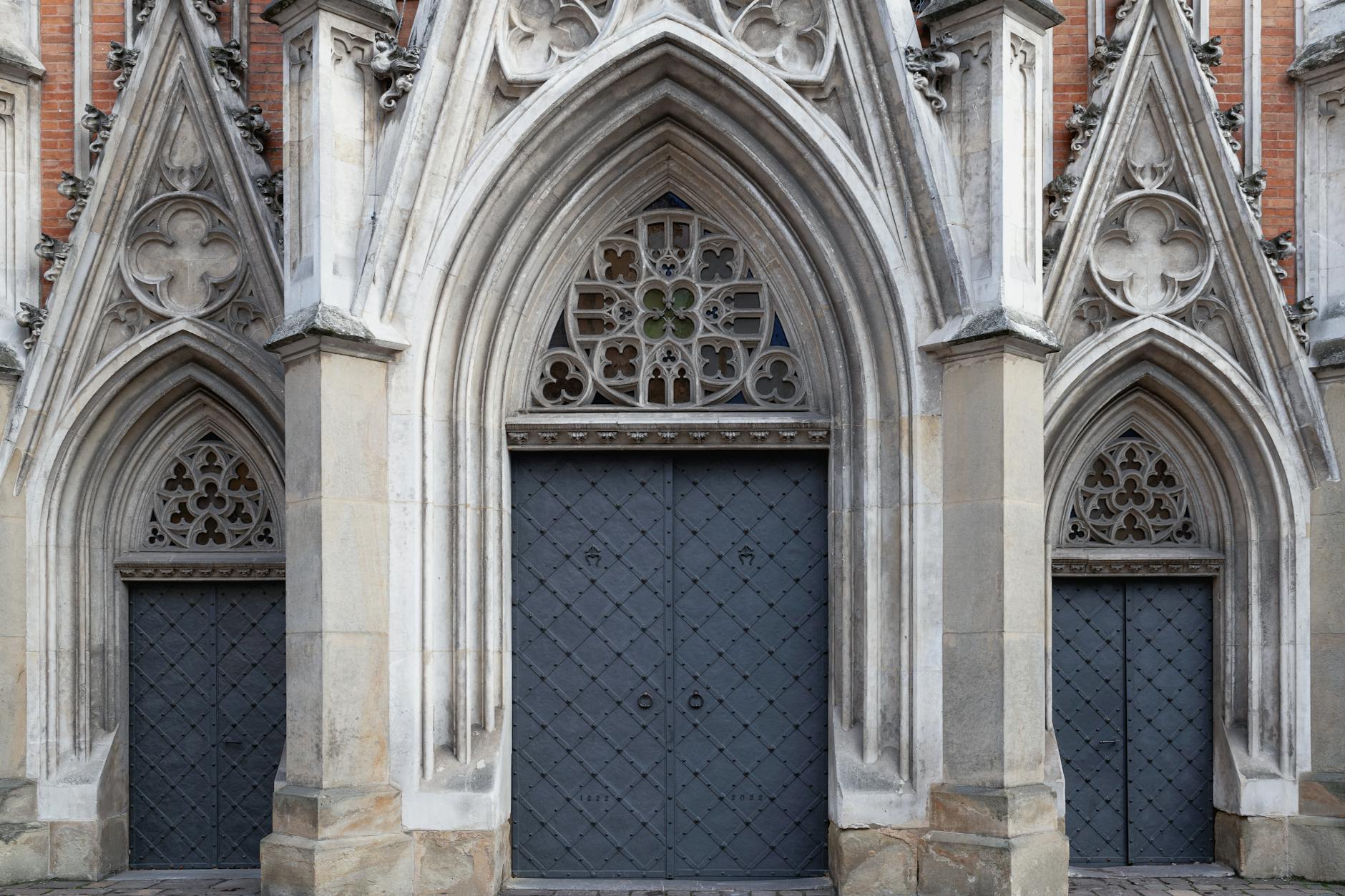
Jakarta Cathedral — Cathedral of Our Lady of the Assumption (Gereja Katedral Jakarta) — is Indonesia’s premier Catholic cathedral. Consecrated April 21, 1901, the neo-Gothic structure with three named spires faces directly across the street from Istiqlal Mosque, creating one of the world’s most visually striking interfaith juxtapositions. In September 2024, Pope Francis visited the cathedral during his Indonesia trip, blessing the Tunnel of Friendship that now connects it physically to Istiqlal. This guide is the most comprehensive English-language Jakarta Cathedral resource — covering the room-by-room interior, every Mass time, the Pope Francis legacy, and the post-2024 visitor experience.
For broader religious tourism, see our pillar religious tourism in Jakarta, the Istiqlal Mosque guide, the Tunnel of Friendship guide, the Hindu temples, and the Buddhist temples guides.
Quick Facts
| Stat | Detail |
|---|---|
| Official Name | Cathedral of Our Lady of the Assumption (Gereja Katedral Jakarta) |
| Style | Neo-Gothic |
| Architect | Antonius Dijkmans (Dutch) |
| Consecrated | April 21, 1901 |
| Construction Materials | Brick, plaster, teak roof, iron spires |
| Number of Spires | Three (each named) |
| Address | Jl. Katedral No. 7B, Central Jakarta |
| Phone | +62 21 345 7746 |
| Hours | Mon-Fri 06:00-18:00; Sat-Sun 06:00-19:00 |
| Entry | Free |
| Notable 2024 Event | Pope Francis visit September 5, 2024 |
The Three Named Spires
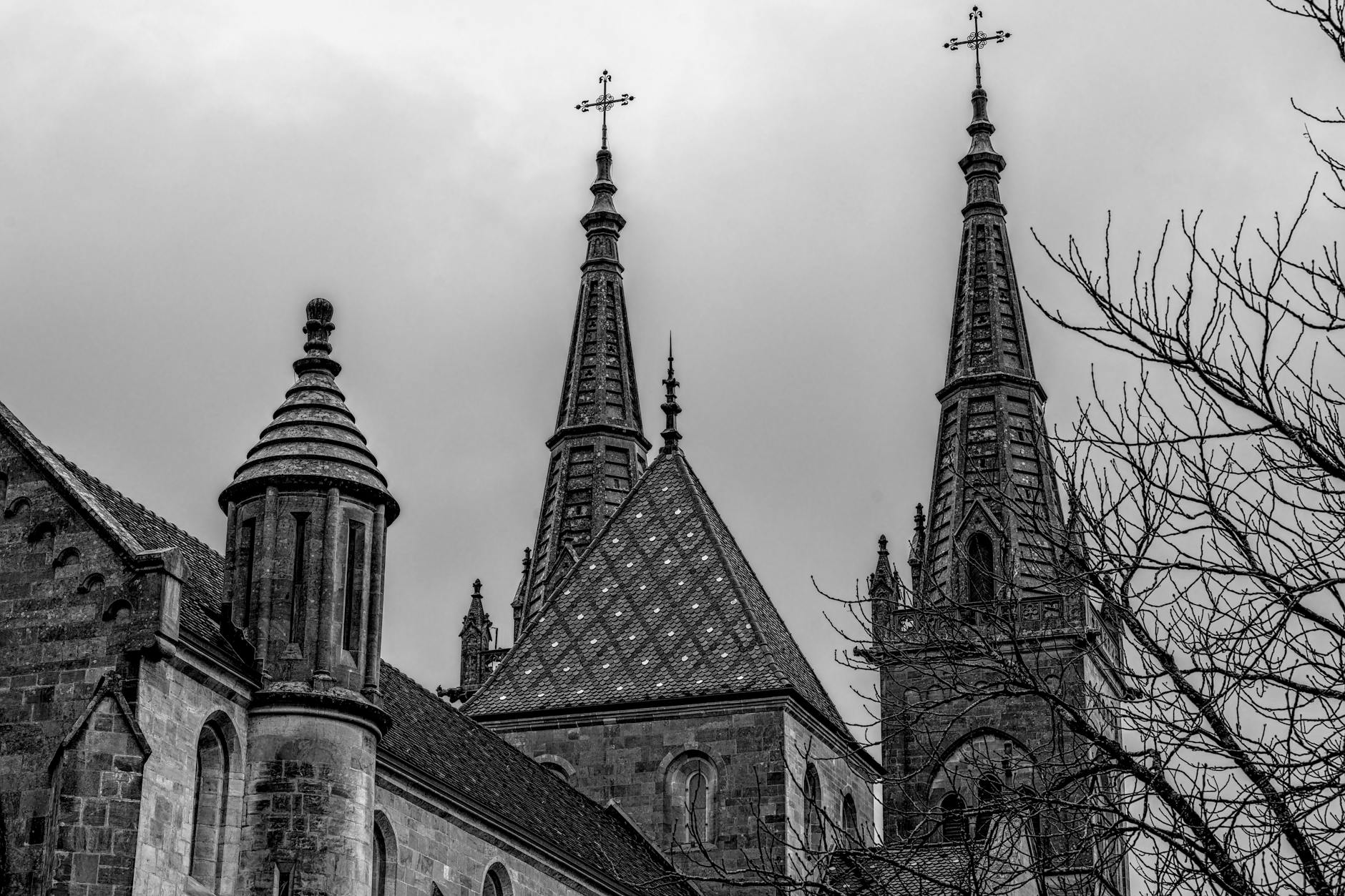
The cathedral’s distinctive feature is its three named iron spires. Each carries Catholic symbolism:
- Turris Davidica (Tower of David) — 60 meters. Symbolizes Mary as the “Tower of David” referenced in Catholic devotional language
- Ivory Tower (Turris Eburnea) — 60 meters. Symbolizes Mary’s purity and beauty (from the Litany of Loreto)
- Angelus Dei — 45 meters. Symbolizes the angel announcing the Annunciation to Mary
The spires were a engineering achievement for 1901 Jakarta — iron construction was rare in the region, requiring specialized craftsmen.
History: 1808 First Church → 1890 Collapse → 1901 Rebuild
The cathedral’s history mirrors Jakarta’s:
- 1808: First Catholic church built on this site (under permission from Governor-General Daendels)
- 1826: First church destroyed by fire
- 1829: Replacement church built
- 1890: Replacement church collapsed (structural failure)
- 1891: Design competition for new cathedral
- 1899: Construction began on current cathedral, designed by Antonius Dijkmans
- 1901: Cathedral consecrated April 21, 1901
- 1942-1945: Survived Japanese occupation intact
- 1945-present: Continuous active Catholic congregation
- 2024: Pope Francis visit September 5, 2024
The cathedral is one of Jakarta’s most consistently preserved colonial-era buildings — 125 years of continuous Catholic worship in the same structure.
Why Brick and Teak, Not Stone (Seismic Engineering)
An interesting architectural choice: Jakarta Cathedral is built of brick and teak rather than the stone typical of European Gothic cathedrals. The reason: earthquake resistance.
Jakarta sits on seismically active territory. Indonesia is part of the Pacific Ring of Fire. Stone cathedrals (like European originals) require sophisticated foundation engineering to resist earthquakes. By 1899, when construction began, designers knew brick-and-teak construction performed better in seismic events than stone.
Key elements:
- Brick walls — Local masonry tradition; lighter than stone
- Plaster facade — European appearance over locally-suited construction
- Teak roof — Indonesian hardwood; flexible during seismic events
- Iron spires — Modular construction; less structural risk than stone spires
The result: a cathedral that has survived multiple earthquakes including the 2009 Indonesian quakes.
Interior Walkthrough: Nave, Altar, Stained Glass, Pieta
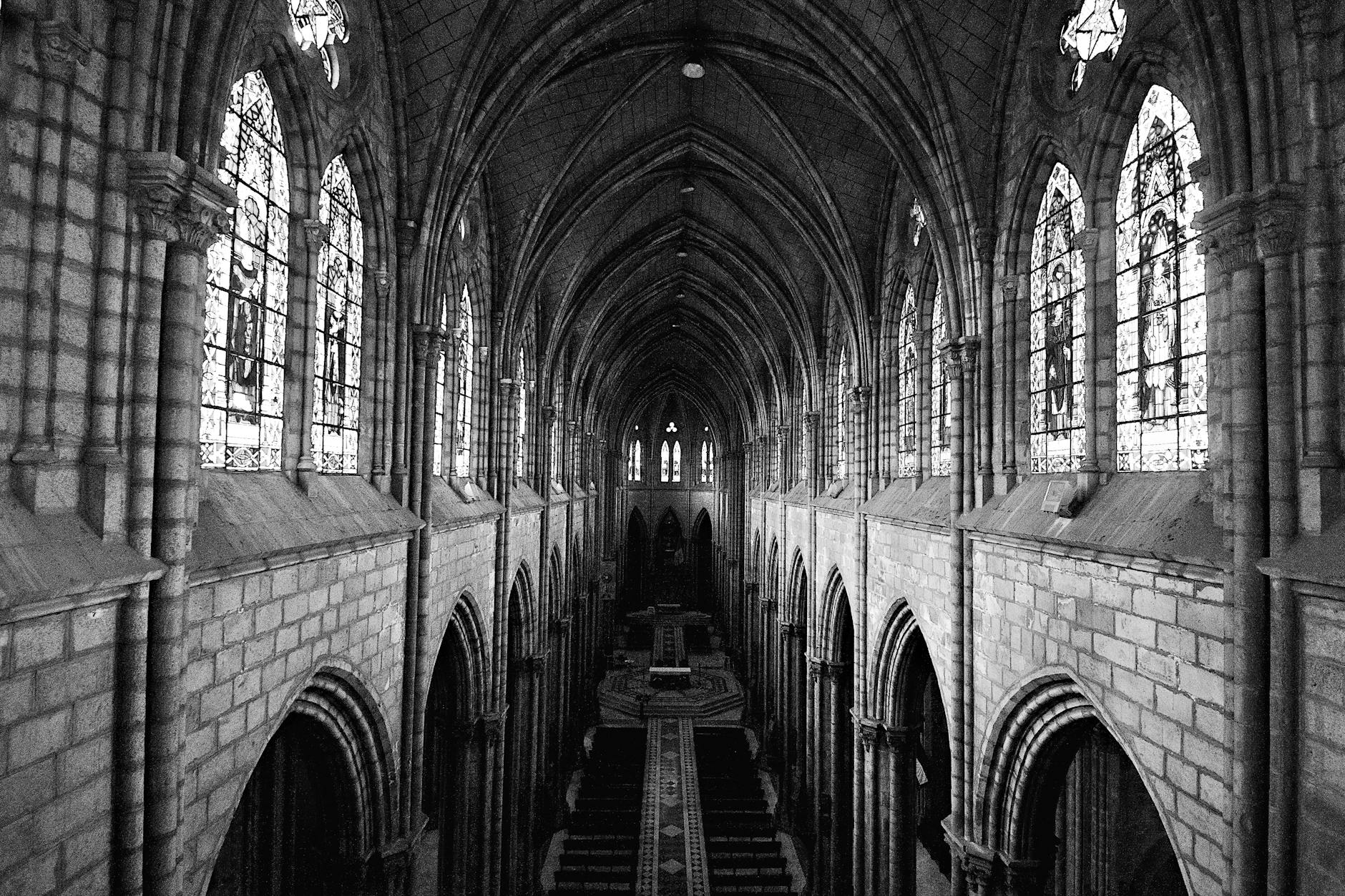
Main Nave
Upon entering through the main west entrance, you face the cathedral’s main nave — the long central worship space. Classic neo-Gothic design with pointed arches, ribbed vaulting, and columns.
- Length: Approximately 60 meters
- Capacity: ~1,000 seated worshippers
- Materials: Brick walls, polished marble floor sections, teak woodwork
Main Altar
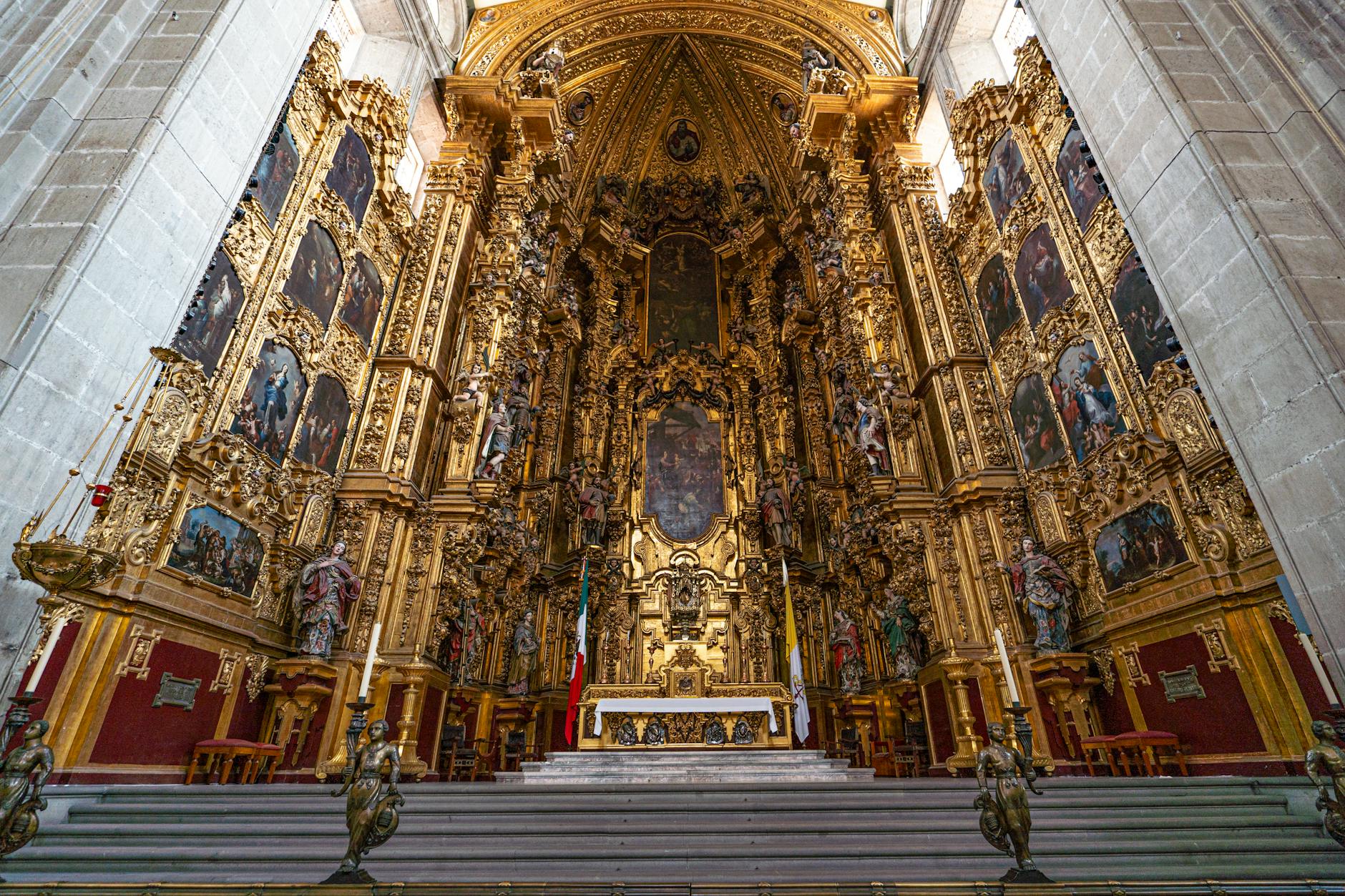
The altar (sanctuary area) features:
- Reredos (altar backpiece) with crucifix and tabernacle
- Altar table for Eucharistic celebration
- Sanctuary lamp indicating presence of consecrated host
- Bishop’s cathedra (chair) — this is what makes the building a “cathedral”
Stained Glass Windows
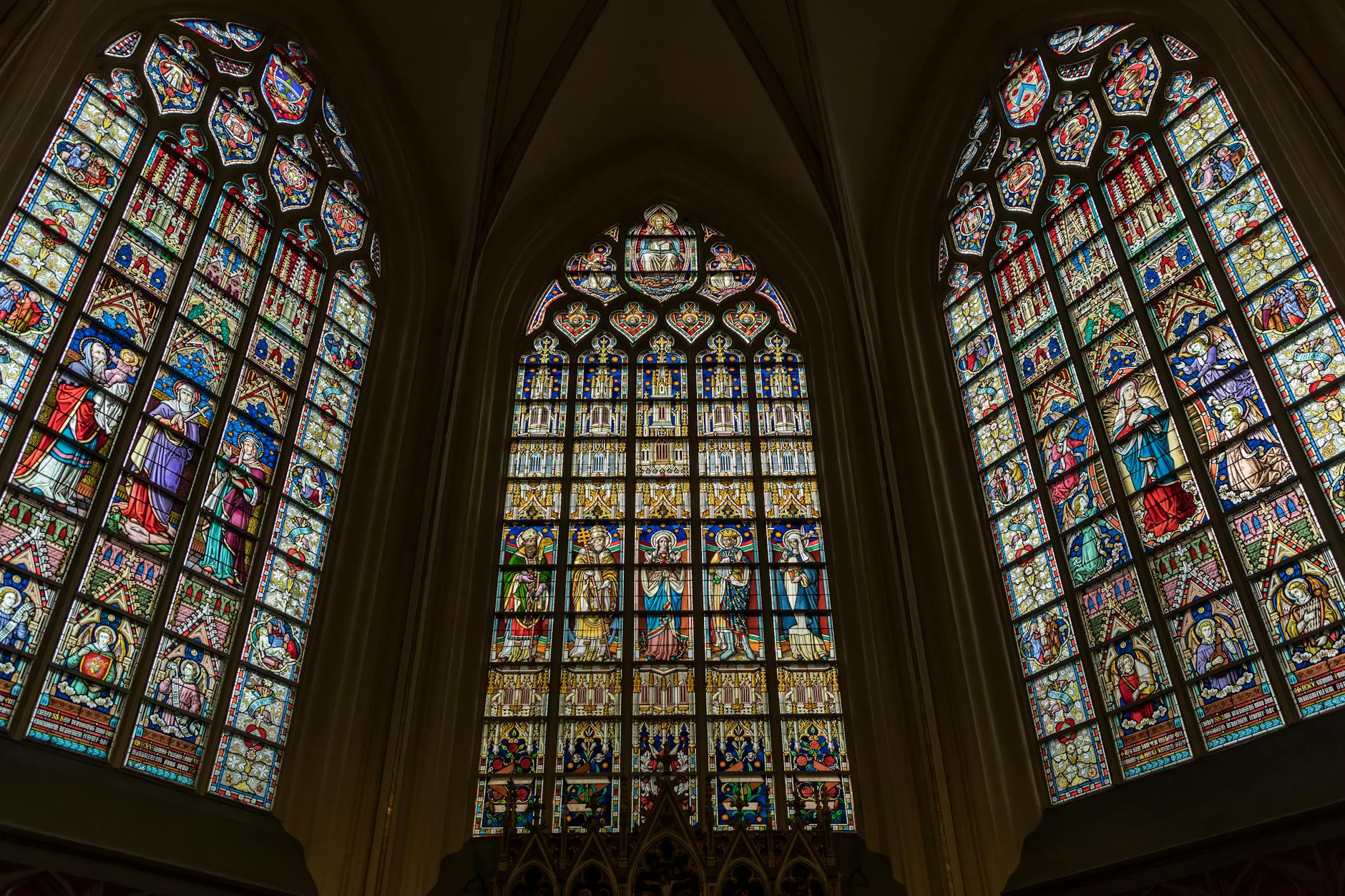
Original 1901 stained glass windows depicting:
- Biblical scenes — Annunciation, Nativity, Crucifixion, Resurrection
- Catholic saints — Mary, Joseph, apostles, Indonesian saints
- Geometric and floral patterns
- Best viewed: Mid-morning when natural light streams through
Pieta and Religious Sculpture
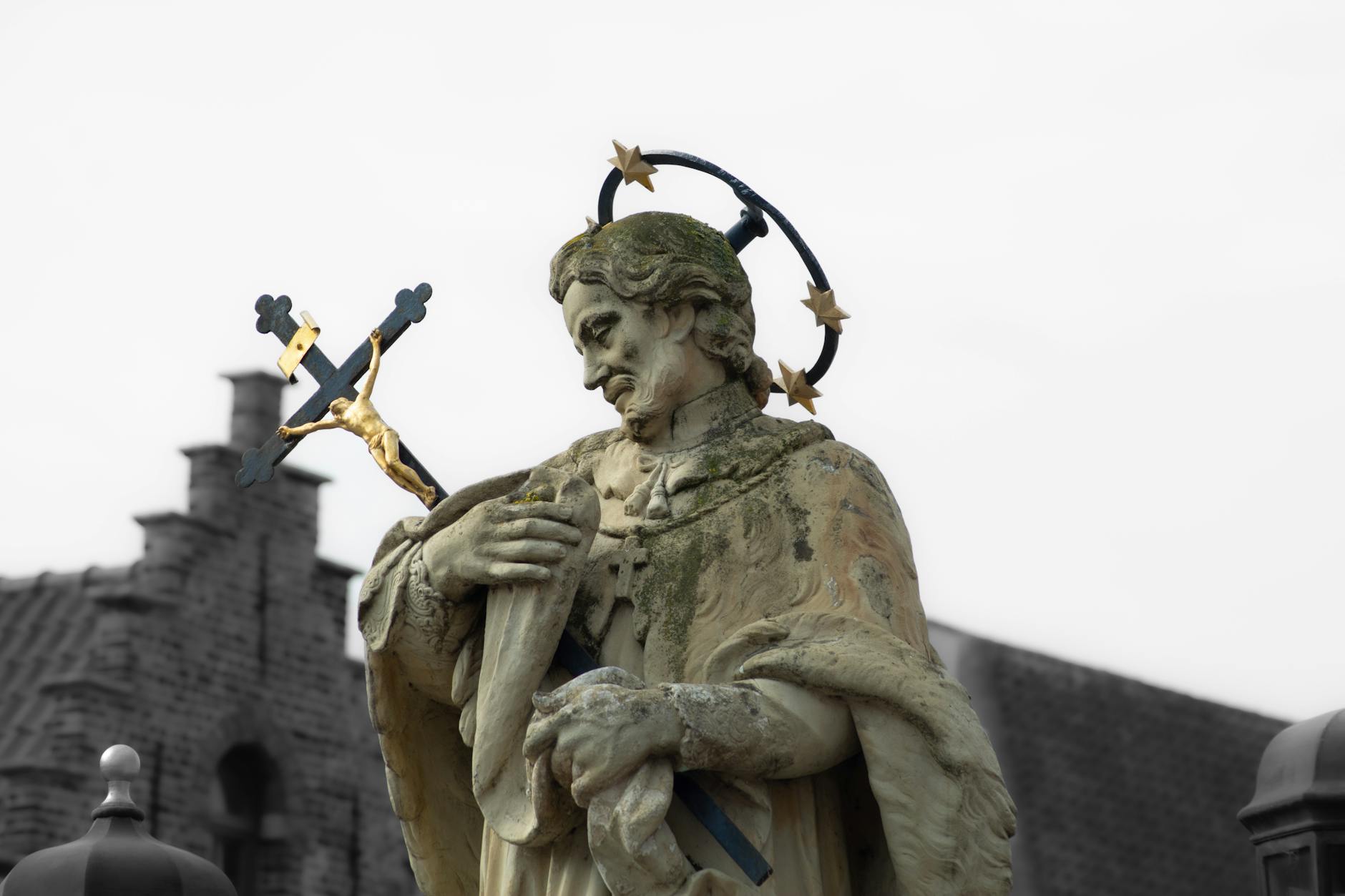
The cathedral houses several important religious sculptures:
- Pieta — Sculpture of Mary holding the body of Christ; classic Catholic devotional image
- Statue of Mary — In a chapel alongside the main nave
- Bishop’s chair (cathedra) — Bishop’s official seat
- Various crucifixes and devotional statues
The Jakarta Cathedral Museum (Triforium / 2nd Floor)
One of the cathedral’s hidden treasures. The triforium (gallery above the main nave) houses the Jakarta Cathedral Museum — a small museum displaying:
- Archbishops’ liturgical robes — Several historical sets
- Silver liturgical objects — Chalices, monstrances, ceremonial items
- Cathedral construction archives — Original 1899 architectural drawings
- Historical photographs — Cathedral over 125 years
- Indonesian Catholic heritage items
- Access: Stairs from interior; ask office for entry
- Hours: Limited; typically Tuesday-Saturday 09:00-12:00
- Entry: Free (donation appreciated)
- Time needed: 30-45 minutes
Mass Schedule
The cathedral hosts daily Mass services. All Masses are in Indonesian language (not Latin):
Weekday Schedule
- Monday-Friday: 06:00 (early morning)
- Monday-Friday: 18:00 (evening)
Weekend Schedule
- Saturday: 06:00, 17:30 (anticipatory Sunday Mass)
- Sunday: 06:00, 08:00, 10:00, 12:00, 17:30 (multiple Masses for full attendance)
Major Catholic Holidays
- Christmas Eve (December 24) — Major Mass; tickets required for certain services; arrive 2+ hours early
- Christmas Day (December 25) — Multiple Masses; cathedral packed
- Easter Triduum — Holy Thursday, Good Friday, Easter Vigil, Easter Sunday
- Annunciation (March 25)
- Assumption of Mary (August 15) — Cathedral’s patronal feast
Mass schedules verified at cathedral entrance and online (katedraljakarta.or.id).
Can Tourists / Non-Catholics Attend Mass?
Yes. Anyone is welcome to attend Catholic Mass at Jakarta Cathedral. Etiquette for non-Catholics:
- Stand, sit, kneel as congregation does
- Listen quietly during prayers and readings
- Do NOT receive communion unless you are baptized Catholic in good standing
- You may cross your arms over chest when going forward — priest gives blessing instead of communion
- Photography during Mass discouraged — please pause
- Phones silent
- Modest dress required
Foreign tourists who attend respectfully are welcomed and find Catholic Mass spiritually accessible across language barriers.
The Pope Francis September 2024 Visit and Legacy
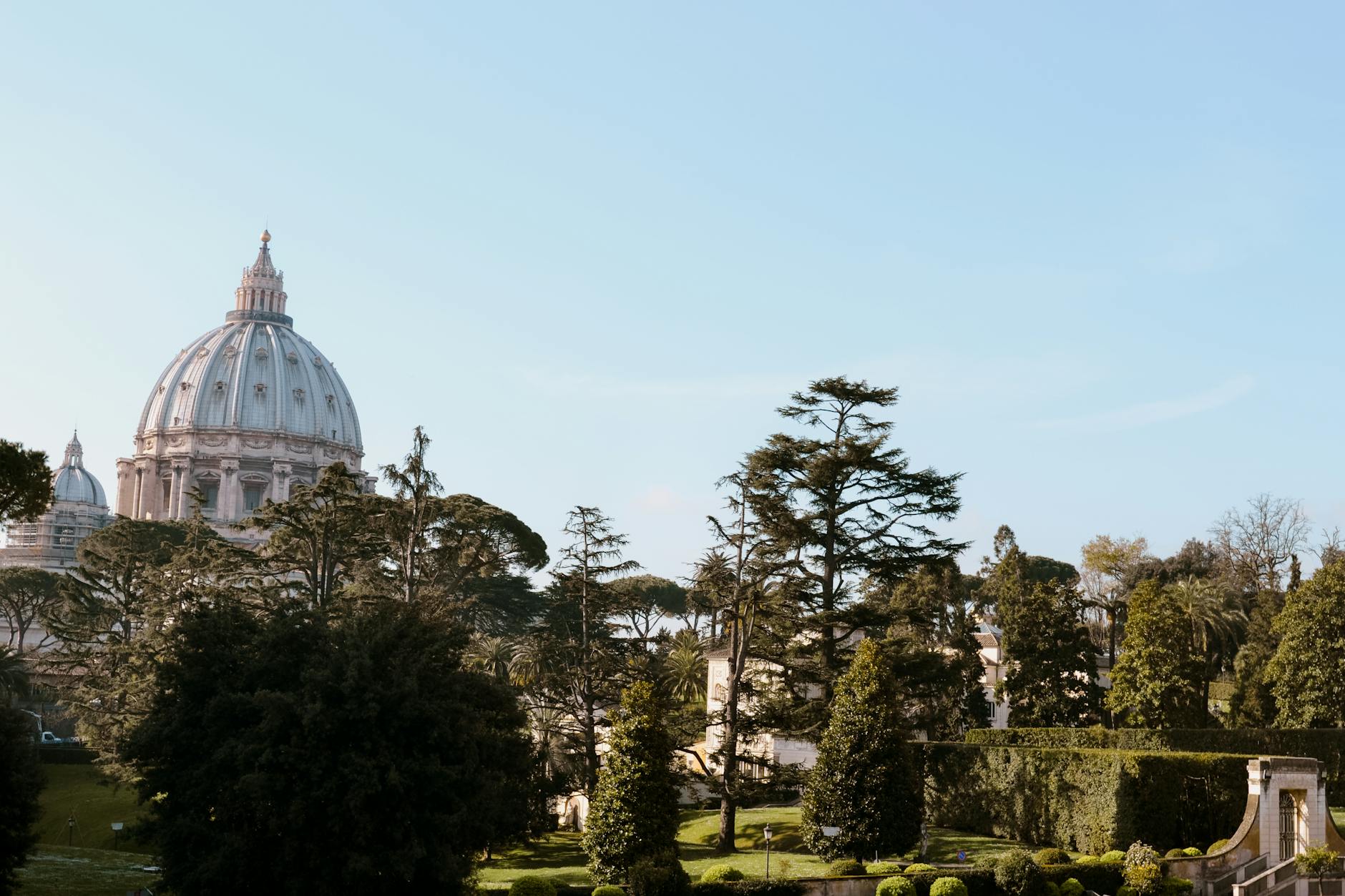
Pope Francis’s September 5, 2024 visit was the cathedral’s most significant moment since its consecration:
- Papal Mass at the cathedral — Limited-capacity ticketed event
- Pope’s blessing of the Tunnel of Friendship — Connecting Cathedral to Istiqlal
- Meeting with Indonesian Catholic clergy and laity
- Meeting with Indonesian President Joko Widodo
- Joint interfaith statement with Grand Imam of Istiqlal
Legacy:
- Tunnel of Friendship blessed — Now permanently associated with Pope Francis’s visit
- Indonesia recognized as model of interfaith harmony
- Cathedral as international Catholic pilgrimage site
- Inspiration for Indonesian Catholic community
Photography Rules
- Interior photography: Permitted; no flash
- During Mass: Photography prohibited; phones silenced
- Exterior: Permitted from all public areas
- Stained glass: Best photographed mid-morning natural light
- Triforium museum: Photography permitted with permission
- Wedding/portrait sessions: Booked separately through cathedral office
Dress Code
- Modest dress — Cover shoulders and knees
- No shorts above knee
- No sleeveless tops for women (long-sleeve or shawl)
- Shoes worn — Unlike mosques
- Removable layers — Cathedral can be cool
- Sandals acceptable — But closed-toe more reverent
Tunnel of Friendship to Istiqlal (Entrance Inside Cathedral Grounds)
The cathedral side of the Tunnel of Friendship is accessible from inside the cathedral grounds. After visiting the cathedral interior, descend to the basement level for the 28.3-meter tunnel walk to Istiqlal Mosque. See our Tunnel of Friendship guide for the complete walkthrough.
Best Time of Day and Day of Week to Visit
- Best time of day: 9:00 – 11:00 AM (stained glass at peak luminosity; cooler)
- Best day of week: Tuesday-Friday (avoids Sunday Mass crowds)
- Avoid: Sunday morning (Mass crowds); Friday lunch (some closures)
- Special times worth experiencing: Christmas Eve, Easter Vigil, evening Mass on Saturday
Getting There + Parking
- Address: Jl. Katedral No. 7B, Central Jakarta
- KRL: Juanda Station (5-min walk)
- MRT: Bundaran HI (15-min walk south) or short Grab
- TransJakarta: Halte Pasar Baru or Halte Kantor Pajak
- Grab/Gojek: Direct drop-off at cathedral entrance
- Parking: Limited at cathedral; use Istiqlal parking lot (accessible via Tunnel of Friendship)
FAQ: Weddings, Christmas Eve Mass Tickets, Donations
Catholic Weddings
Jakarta Cathedral hosts Catholic weddings. Requirements include both partners being baptized Catholic, pre-marriage preparation, and booking 6+ months in advance through the cathedral office.
Christmas Eve Mass
Christmas Eve Mass (Misa Malam Natal) is the cathedral’s most-attended Mass. Tickets sometimes required for the main Mass; arrive 2+ hours early. Multiple Christmas Eve Mass times accommodate full congregation.
Donations
Donations welcomed at offerings during Mass and at cathedral entrance donation boxes. Cathedral maintenance and Indonesian Catholic charitable programs primarily funded by congregation donations.
Confession
Confession (Sacrament of Reconciliation) available daily; check schedule. Available in Indonesian; English-speaking priests sometimes available with advance notice.
Frequently Asked Questions About Jakarta Cathedral
When does Jakarta Cathedral open?
Monday-Friday 06:00-18:00; Saturday-Sunday 06:00-19:00. Mass schedule throughout each day. Free entry. Best visiting hours: 9:00 AM – 11:00 AM (off-Mass periods, optimal stained glass lighting).
What is Jakarta Cathedral’s full name?
The Cathedral of Our Lady of the Assumption (Gereja Katedral Jakarta Santa Perawan Maria Diangkat Ke Surga). Most commonly called Jakarta Cathedral or simply “Katedral.”
Can non-Catholics visit Jakarta Cathedral?
Yes. The cathedral welcomes visitors of all faiths. Non-Catholics may visit during open hours, attend Mass respectfully, and use the Tunnel of Friendship to Istiqlal Mosque. Dress modestly (cover shoulders and knees) and observe quiet behavior.
Did Pope Francis visit Jakarta Cathedral?
Yes. Pope Francis visited Jakarta Cathedral on September 5, 2024 as part of his Indonesia visit. He celebrated Mass at the cathedral, met with Indonesian Catholic clergy, and blessed the Tunnel of Friendship connecting the cathedral to Istiqlal Mosque. This was the cathedral’s most significant moment since its 1901 consecration.
What is the Tunnel of Friendship?
The Tunnel of Friendship (Terowongan Silaturahmi) is a 28.3-meter underground walkway physically connecting Jakarta Cathedral and Istiqlal Mosque. Constructed 2020-2021, blessed by Pope Francis September 2024, formally inaugurated December 13, 2024. Walk through it as part of the “Tolerance Triangle” visit.
How long has Jakarta Cathedral existed?
The current cathedral was consecrated April 21, 1901 — over 125 years of continuous Catholic worship. Previous Catholic churches stood on this site from 1808 onwards. The cathedral has survived earthquakes, Japanese occupation, and Indonesian independence.
What kind of architecture is Jakarta Cathedral?
Neo-Gothic style. Designed by Dutch architect Antonius Dijkmans. Features three named spires (Turris Davidica, Ivory Tower, Angelus Dei), pointed arches, ribbed vaulting, stained glass windows. Built of brick, plaster, teak (roof), and iron (spires) for earthquake resistance.
Are tours of Jakarta Cathedral available?
Self-guided visits welcomed during open hours. Group tours can be arranged through the cathedral office. The cathedral museum on the triforium (second floor) is accessible upon request — ask office staff.
Jakarta Cathedral is the Catholic counterpoint to Istiqlal and central to Jakarta’s interfaith heritage. To plan further, see our pillar religious tourism in Jakarta, the Istiqlal Mosque guide, the Tunnel of Friendship guide, the Hindu temples, the Buddhist temples, and our colonial Jakarta architecture guides.
The cathedral is most rewarding when paired with its neighbours across the road. Our religious sites walking tour covers the full multi-faith loop, the Jakarta landmarks guide sets it in context with the city’s other icons, and hotels in Central Jakarta plus our Jakarta travel tips cover the practicalities of basing yourself nearby.
External Resources for Jakarta Cathedral
For Mass schedules and parish information, the Jakarta Cathedral official website publishes current details. The Wikipedia entry on Jakarta Cathedral provides comprehensive historical context.