The Tunnel of Friendship — Terowongan Silaturahmi in Indonesian — is Jakarta’s newest religious tourism site and one of the most powerful symbolic structures in the Muslim-majority world. The 28.3-meter underground tunnel physically connects Istiqlal Mosque (Southeast Asia’s largest) and Jakarta Cathedral (1901 neo-Gothic Catholic). Construction completed September 2021 but the tunnel sat locked until December 13, 2024, when President Prabowo Subianto formally inaugurated it. Pope Francis blessed it during his September 2024 Indonesia visit. As of 2026 it’s open to all visitors — but most tourists don’t know how to access it, when it’s open, or what “Silaturahmi” actually means. This guide fills the gap. The most comprehensive English-language tunnel of friendship Jakarta resource.
For broader religious tourism, see our pillar religious tourism in Jakarta, the Istiqlal Mosque guide, the Jakarta Cathedral guide, the Hindu temples, and the Buddhist temples guides.
What the Tunnel of Friendship Is (One-Paragraph Elevator Pitch)
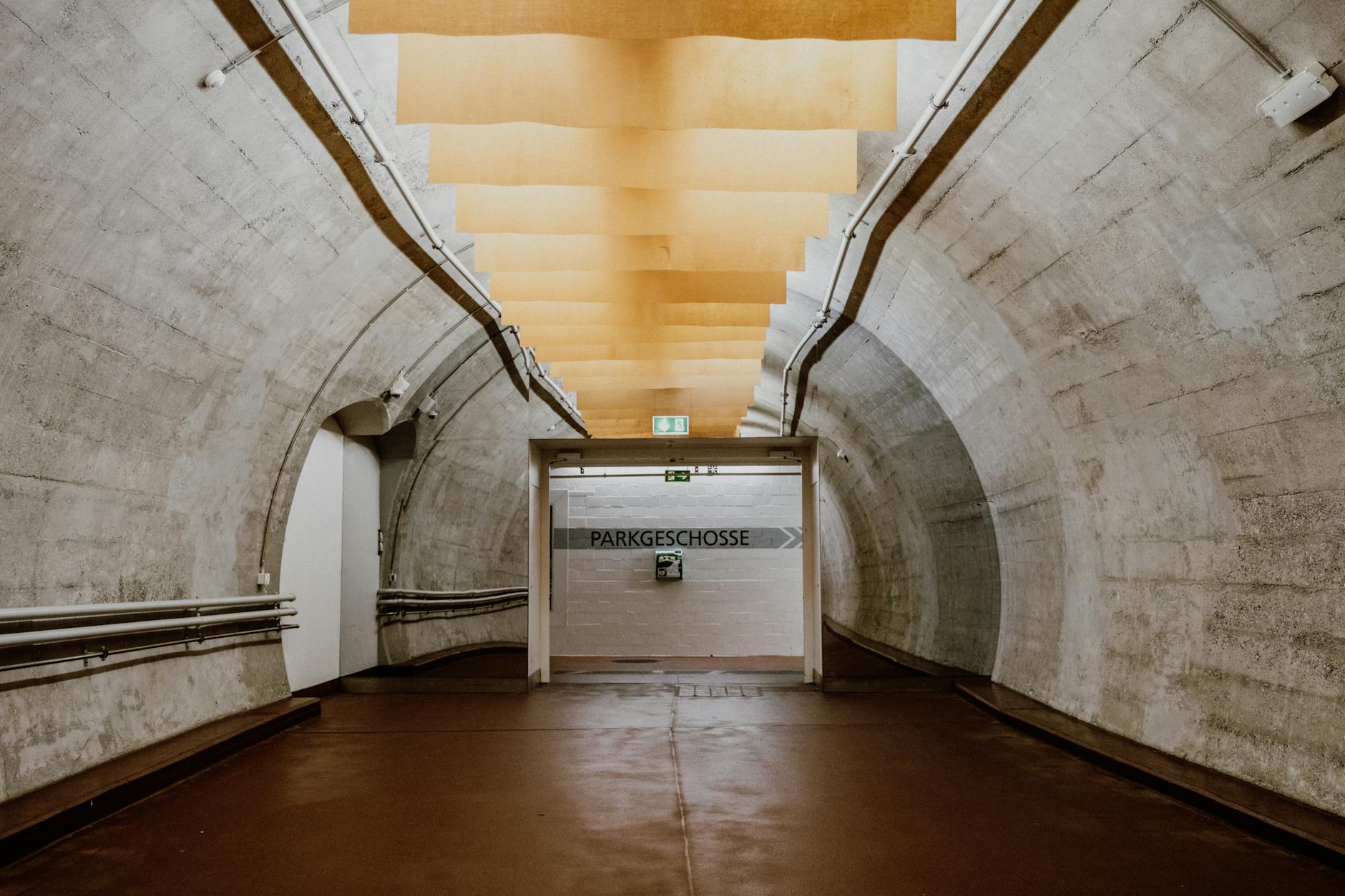
An underground pedestrian tunnel beneath Jl. Katedral physically connecting Istiqlal Mosque and Jakarta Cathedral. 28.3 meters long, 4.1 meters wide, 3 meters high. Built between 2020-2021 but formally inaugurated December 13, 2024. Pope Francis blessed it in September 2024. Functions both as a religious-tourism walkway and as a shared parking solution between the two buildings. The tunnel is open to all visitors (Muslim, Catholic, neither), free of charge, and represents Indonesian Pancasila tolerance in physical form.
The Story: From Concept (Jokowi 2020) to Opening (Prabowo Dec 13, 2024)

The tunnel’s creation timeline:
- 2020 (Concept): President Joko Widodo proposed the tunnel as a symbol of Indonesian interfaith harmony
- December 15, 2020: Construction began
- September 20, 2021: Tunnel construction completed
- September 2021 – September 2024: Tunnel sat locked; not opened to public
- September 5, 2024: Pope Francis blessed the tunnel during his Indonesia visit
- December 13, 2024: President Prabowo Subianto formally inaugurated the tunnel
- 2025-present: Open to all visitors free of charge
The 3-year gap between construction and inauguration was politically complex — the tunnel awaited the right moment for formal opening.
Pope Francis’s September 2024 Blessing
Pope Francis’s visit was the tunnel’s first major international moment:
- September 5, 2024: Pope Francis blessed the tunnel during his historic Indonesia visit
- Joint statement with Grand Imam of Istiqlal, Nasaruddin Umar
- Symbolism: Pope’s blessing made the tunnel international Catholic pilgrimage site
- Indonesian Catholic community celebration
- Interfaith Indonesia recognition globally
The Vatican specifically requested that the tunnel be included in Pope’s Jakarta program — recognizing its symbolic importance.
Dimensions and Engineering
- Length: 28.3 meters
- Width: 4.1 meters
- Height: 3 meters
- Depth: Approximately 5 meters below street level
- Materials: Reinforced concrete with ceramic tile finishing
- Lighting: LED ambient lighting and accent fixtures
- HVAC: Ventilation system for fresh air circulation
- Construction time: 9 months (December 2020 to September 2021)
The tunnel is wheelchair-accessible from both sides.
Why a Tunnel Specifically?
Designers chose an underground tunnel rather than an above-ground bridge for three reasons:
- Symbolic depth — Underground passage represents shared spiritual foundation
- Aesthetic respect — Doesn’t visually compete with either building above
- Practical access — Allows both communities to use shared parking facilities
The “Wot Hati” / Bridge of Hearts Art Installation by Sunaryo
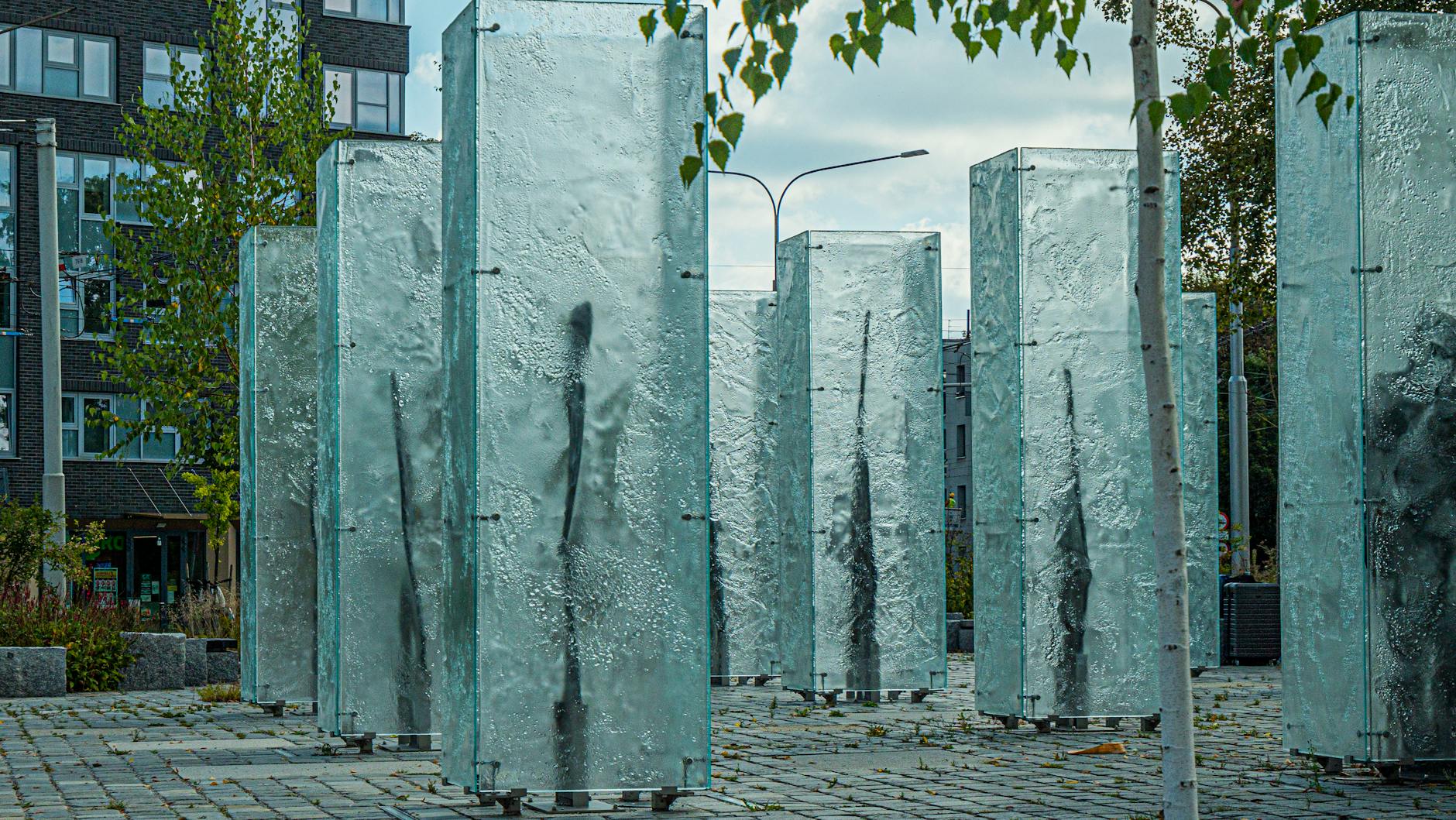
The tunnel’s defining artistic element is “Wot Hati” — literally “Bridge of Hearts” in Javanese — designed by renowned Indonesian sculptor Sunaryo.
What Wot Hati Depicts
- Interlocking heart shapes — Representing Muslim and Catholic communities
- Geometric Indonesian patterns — National identity threads
- Color symbolism — Muted tones suggesting harmony
- Light play — Strategically placed lighting illuminates art
- Bilingual labels — Indonesian and English
About the Artist
Sunaryo is a major Indonesian contemporary sculptor (born 1943, Bandung Institute of Technology). His sculptures appear in public spaces across Indonesia and major Indonesian museums. Wot Hati is among his most prominent recent commissions.
How to Enter from the Istiqlal Side
Step-by-Step
- Enter Istiqlal Mosque via the main southern visitor entrance (see our Istiqlal Mosque guide)
- Visit the mosque interior first (recommended)
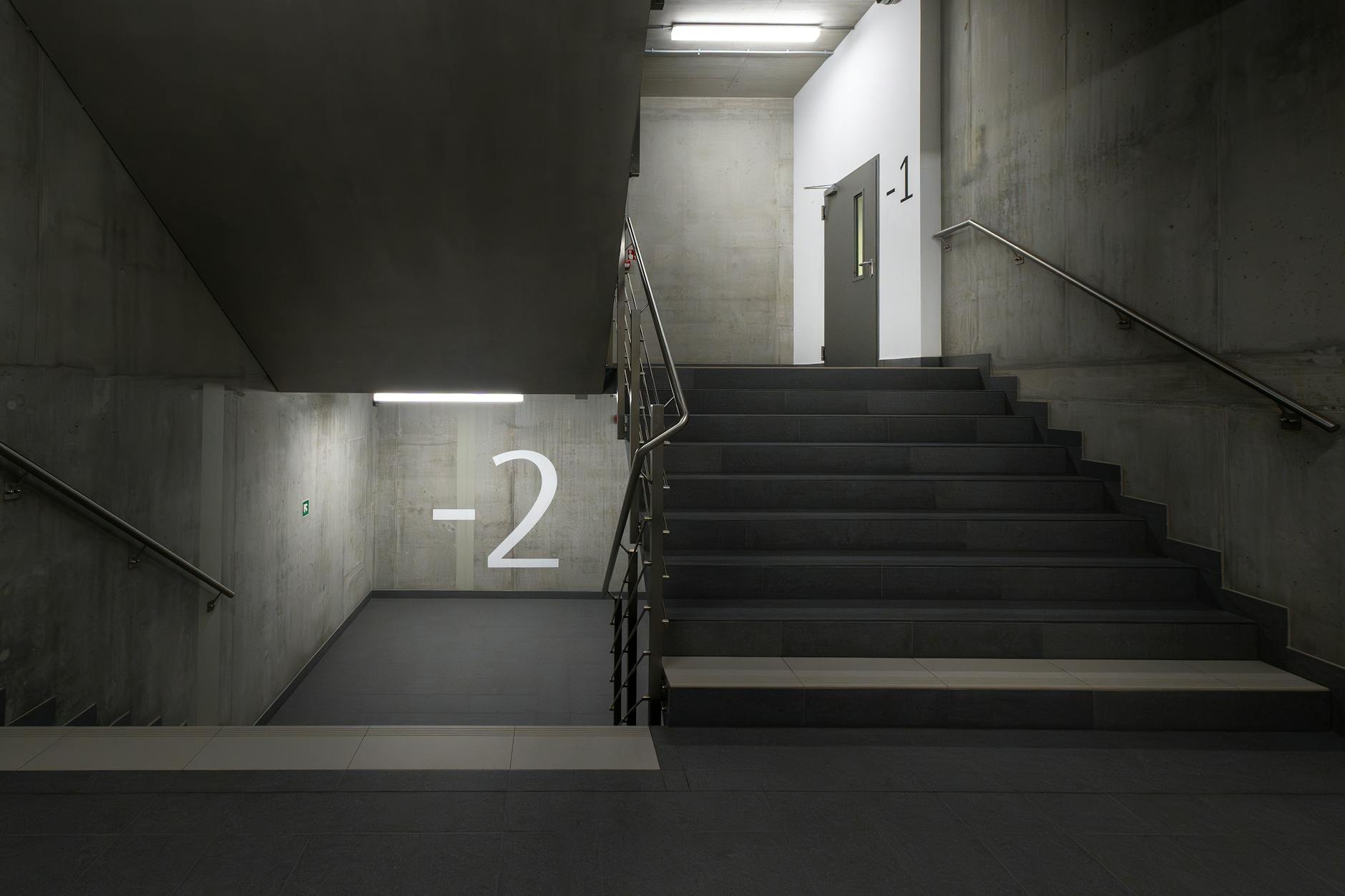
- Locate the tunnel entrance — Signed clearly; descend stairs to basement level
- Security check — Light bag check, similar to mosque entry
- Enter the tunnel — 28.3 meters with art installations and lighting
- Exit on Cathedral side — Stairs up to Jakarta Cathedral grounds
Dress Code (Important!)
Use the stricter of the two religious sites’ dress codes — Istiqlal’s:
- Cover shoulders and knees
- Women cover hair (free scarves at Istiqlal entrance)
- Remove shoes for Istiqlal portion (carry through tunnel)
- Put shoes back on at Cathedral exit
How to Enter from the Cathedral Side
Step-by-Step
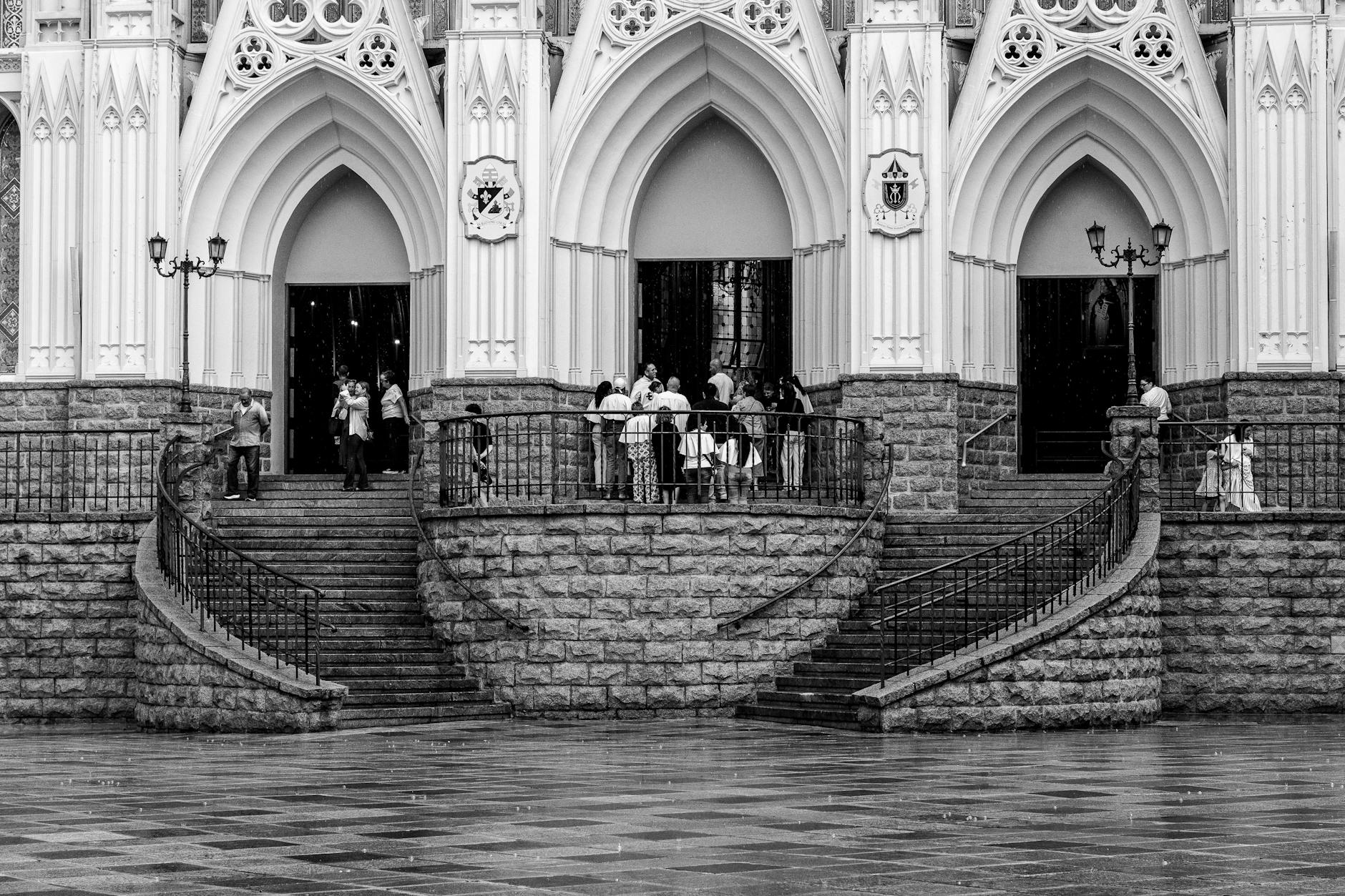
- Enter Jakarta Cathedral via main entrance (see our Jakarta Cathedral guide)
- Visit the cathedral interior first (recommended)
- Locate the tunnel entrance — Signed; descend stairs to basement level
- Security check — Similar to mosque side
- Enter the tunnel
- Exit on Istiqlal side — Reverse direction
From Cathedral Side, Stricter Dress Code Applies
Even though you enter at the Cathedral, the moment you reach Istiqlal-side exit you’re entering a mosque. So:
- Already dress modestly for cathedral entry (women shoulders covered, knees covered)
- If you’ll exit at Istiqlal: Add headscarf at tunnel midway or carry one
- If you’ll return to Cathedral: No additional requirements
Hours, Free Entry, and Current Access Status
- Hours: Generally 9:00 AM – 5:00 PM (verify with both mosque/cathedral)
- Entry: Free
- Closed: During major religious ceremonies (Eid prayers, Easter Mass, etc.)
- Best time to visit: Tuesday-Friday mornings (avoids Friday prayers and Sunday Mass)
- Bring water: No vendors inside tunnel
The tunnel has been continuously open since the December 2024 inauguration. Check with mosque or cathedral office before visiting if you have specific concerns.
Photography Rules Inside the Tunnel
- Photography permitted — Tourist photography welcomed
- Flash discouraged — Soft lighting designed for ambience
- No tripods — Walkway is narrow; tripods create obstruction
- Art installation photos — Encouraged; Wot Hati artwork photogenic
- Selfies welcomed
- Crowd-sensitive — Step aside if blocking others’ passage
- Phone use: Yes, but in silent mode (reverent atmosphere)
Combining the Tunnel with a Tolerance Triangle Walk
The full Tolerance Triangle (Istiqlal + Tunnel + Cathedral) walking circuit:
- 9:00 AM: Arrive Istiqlal Mosque (south entrance)
- 9:00 – 9:15 AM: Info desk, headscarf, shoe storage
- 9:15 – 9:30 AM: Free 20-min guided mosque tour
- 9:30 – 10:00 AM: Self-explore 2nd floor visitor gallery
- 10:00 AM: Descend to tunnel entrance
- 10:05 – 10:20 AM: Walk tunnel; appreciate Wot Hati art installation
- 10:20 AM: Exit at Cathedral side
- 10:20 – 10:45 AM: Jakarta Cathedral interior
- 10:45 – 11:00 AM: Cathedral museum (triforium)
- 11:00 AM: Coffee at nearby café on Jl. Sabang
Total: ~2 hours, USD 5 budget, three religious sites in one walking experience.
What “Silaturahmi” Actually Means
The tunnel’s official name is “Terowongan Silaturahmi” — literally “Tunnel of Silaturahmi.” The word silaturahmi has deep Indonesian meaning:
- Arabic origin: Silat-ar-rahim, meaning “connection of the womb” or family bond
- Indonesian usage: Visiting and maintaining relationships, especially with family and community
- Cultural significance: Indonesian Islamic tradition emphasizes silaturahmi as religious obligation
- Tunnel application: The tunnel literally creates connection between Muslim and Catholic communities — a community-level silaturahmi
The translation to English as “Friendship Tunnel” captures the spirit but loses the cultural specificity of silaturahmi.
Why This Matters — Interfaith Harmony in the Muslim-Majority World
The Tunnel of Friendship is uniquely significant because:
- Indonesia is the world’s largest Muslim-majority country — 232+ million Muslims
- Yet Indonesia constitutionally protects six religions — A Pancasila that explicitly enshrines religious diversity
- The tunnel physically demonstrates this — Underground connection between mosque and cathedral
- It influences other Muslim-majority nations — Becomes a model for interfaith infrastructure
- Pope Francis recognized this in 2024 — Indonesia as model of “fraternity”
- Indonesia is the cultural model for harmonious coexistence
Practical Logistics for Foreign Tourists
Bring:
- Modest clothing — Cover shoulders/knees
- Comfortable walking shoes — Will be carried through tunnel
- Hand sanitizer
- Small bag for shoes (provided at Istiqlal but personal preferred)
- Water bottle
- Camera/phone
- Cash IDR 50,000+ for donations and tips
Don’t Bring:
- Large bags — Security may restrict
- Food/drink beyond water
- Tripods/professional camera gear
FAQ: Can Non-Religious Tourists Use the Tunnel?
Frequently Asked Questions About Tunnel of Friendship Jakarta
What is the Tunnel of Friendship in Jakarta?
A 28.3-meter underground pedestrian tunnel beneath Jl. Katedral physically connecting Jakarta Cathedral and Istiqlal Mosque. Constructed 2020-2021, formally inaugurated December 13, 2024 by President Prabowo Subianto. Pope Francis blessed it during his September 2024 visit.
When was the Tunnel of Friendship opened?
Construction completed September 2021, but the tunnel sat locked until formally inaugurated December 13, 2024 by President Prabowo Subianto. Pope Francis blessed it during his Indonesia visit on September 5, 2024.
How do I access the Tunnel of Friendship?
Enter through either Jakarta Cathedral or Istiqlal Mosque (the tunnel runs beneath the street between them). After visiting the religious building, descend to basement level and follow signed access to the tunnel. Free entry; open generally 9:00 AM – 5:00 PM.
Can non-Muslims visit the Tunnel of Friendship?
Yes. The tunnel is open to all visitors regardless of religion. Foreign tourists, Christians, Buddhists, Hindus, atheists — all welcome. Free of charge. Dress modestly to respect both religious buildings the tunnel connects.
What art installation is in the Tunnel of Friendship?
“Wot Hati” (Bridge of Hearts) by Indonesian sculptor Sunaryo. The installation lines the tunnel walls with interlocking heart-shaped sculptures representing Muslim and Catholic communities in dialogue. The artwork features Indonesian geometric patterns and is illuminated by carefully placed LED lighting.
Is the Tunnel of Friendship always open?
Generally open daily 9:00 AM – 5:00 PM. May close during major religious ceremonies (Eid prayers at Istiqlal, Christmas/Easter at Cathedral). Verify with mosque or cathedral office before visiting.
What does Silaturahmi mean?
An Arabic-origin Indonesian word meaning “maintaining relationships,” especially with family and community. The tunnel’s name “Terowongan Silaturahmi” literally translates as “Tunnel of Maintaining Relationships” — connecting Muslim and Catholic Indonesian communities through physical infrastructure.
How long does it take to walk the Tunnel of Friendship?
The 28.3-meter walk itself takes only 2-3 minutes. However, allowing time to appreciate the Wot Hati art installation and read the bilingual signage, expect 5-10 minutes inside the tunnel. Combined with mosque and cathedral visits, plan 90 minutes for the full Tolerance Triangle experience.
The Tunnel of Friendship is Jakarta’s newest must-see religious site and a powerful symbol of Indonesian Pancasila tolerance. To plan further, see our pillar religious tourism in Jakarta, the Istiqlal Mosque guide, the Jakarta Cathedral guide, the Hindu temples, the Buddhist temples, and our things to do in Jakarta guides.
The tunnel is a short visit, so build a morning around it: our religious sites walking tour links it to the surrounding houses of worship, Jakarta cultural experiences suggests hands-on activities to fill the afternoon, and both the Jakarta landmarks and free things to do in Jakarta guides cover nearby stops that cost nothing.
External Resources for the Tunnel of Friendship
The Wikipedia entry on Tunnel of Friendship covers the 2024 inauguration in detail. For news on the Pope Francis blessing and Indonesian interfaith context, ANTARA News provides Indonesian government perspective.