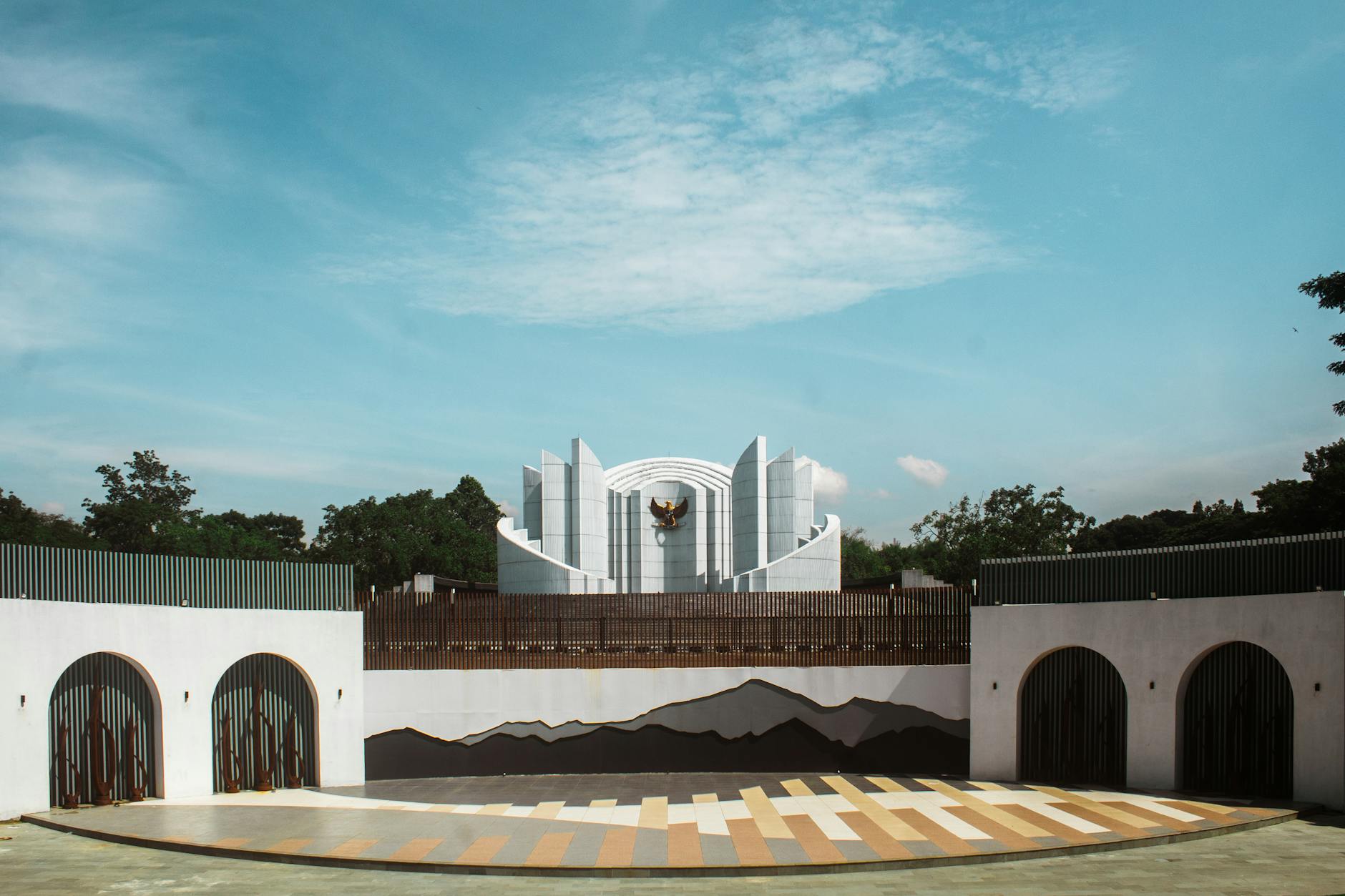
Indonesia is home to approximately 4 million Hindus — about 1.7% of the population, concentrated in Bali but distributed across the archipelago. Jakarta hosts a small but vibrant Hindu community with several active temples (pura) representing both Balinese and Tamil Hindu traditions. Most foreign tourists planning Hindu cultural exposure in Indonesia head directly to Bali, missing the opportunity to experience Hindu worship in Jakarta. This guide covers Jakarta’s four main accessible Hindu temples, distinguishes Balinese vs. Tamil traditions, and provides a 2026 ceremony calendar so tourists can time visits. The most comprehensive English-language Hindu temples Jakarta resource.
For broader religious tourism, see our pillar religious tourism in Jakarta, the Istiqlal Mosque guide, the Jakarta Cathedral guide, the Tunnel of Friendship guide, the Buddhist temples guide, and our TMII guide.
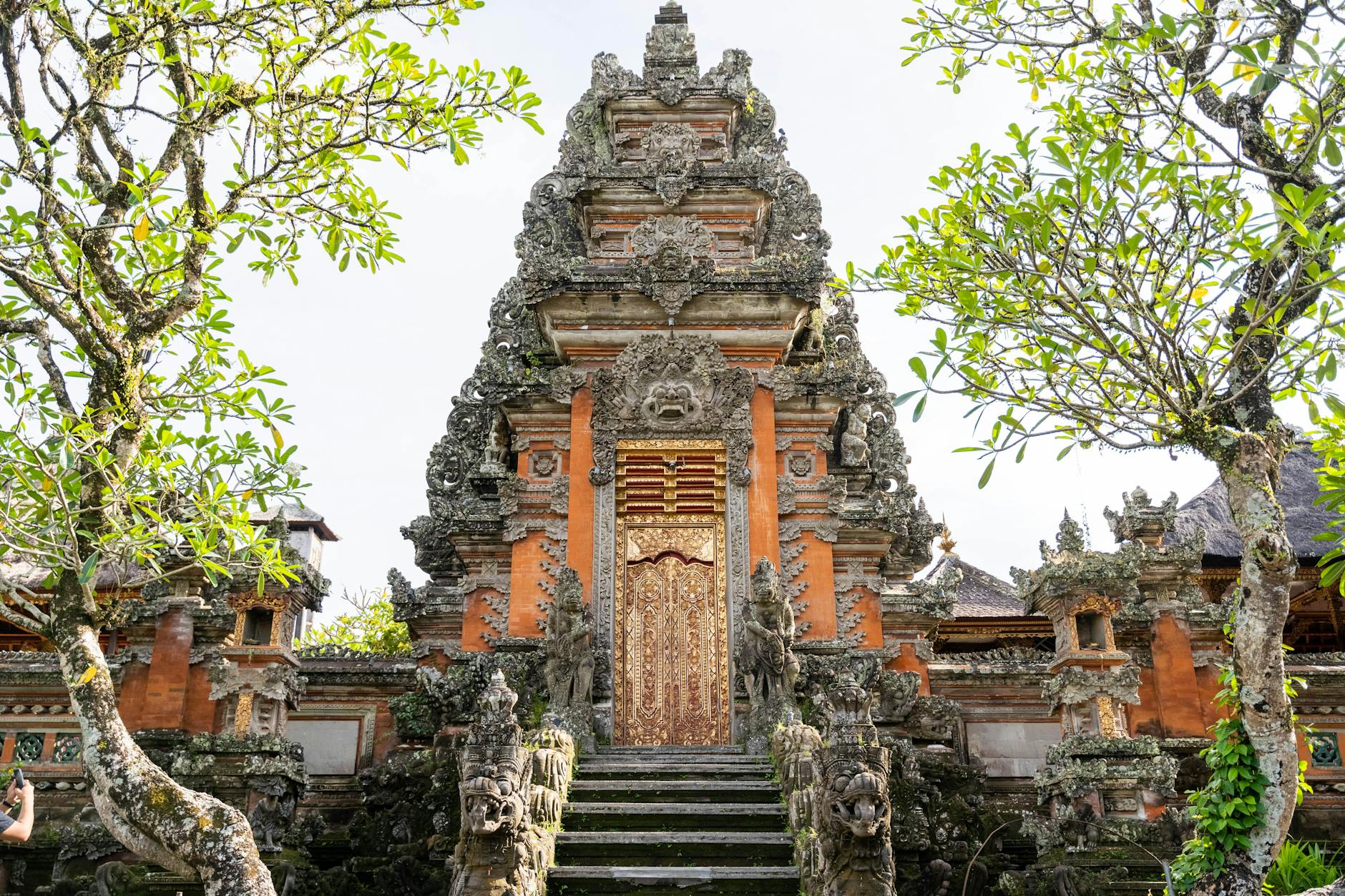
Hindu Population Context in Indonesia and Jakarta
Quick context for foreign tourists:
- National: ~4 million Indonesian Hindus (~1.7% of population)
- Concentration: Bali (84%+ of Indonesians are Hindu)
- Outside Bali: Significant communities in Java, Sumatra, Sulawesi
- Jakarta specifically: ~1% of city’s population (about 100,000 Hindus)
- Two main traditions: Balinese Hindu (Hindu Dharma) and Tamil Hindu (mostly from Indian-Indonesian diaspora)
Indonesia officially recognizes Hinduism as one of six recognized religions under Pancasila philosophy, providing legal protection and infrastructure for Hindu worship.
Pura Aditya Jaya, Rawamangun — Flagship Balinese Temple
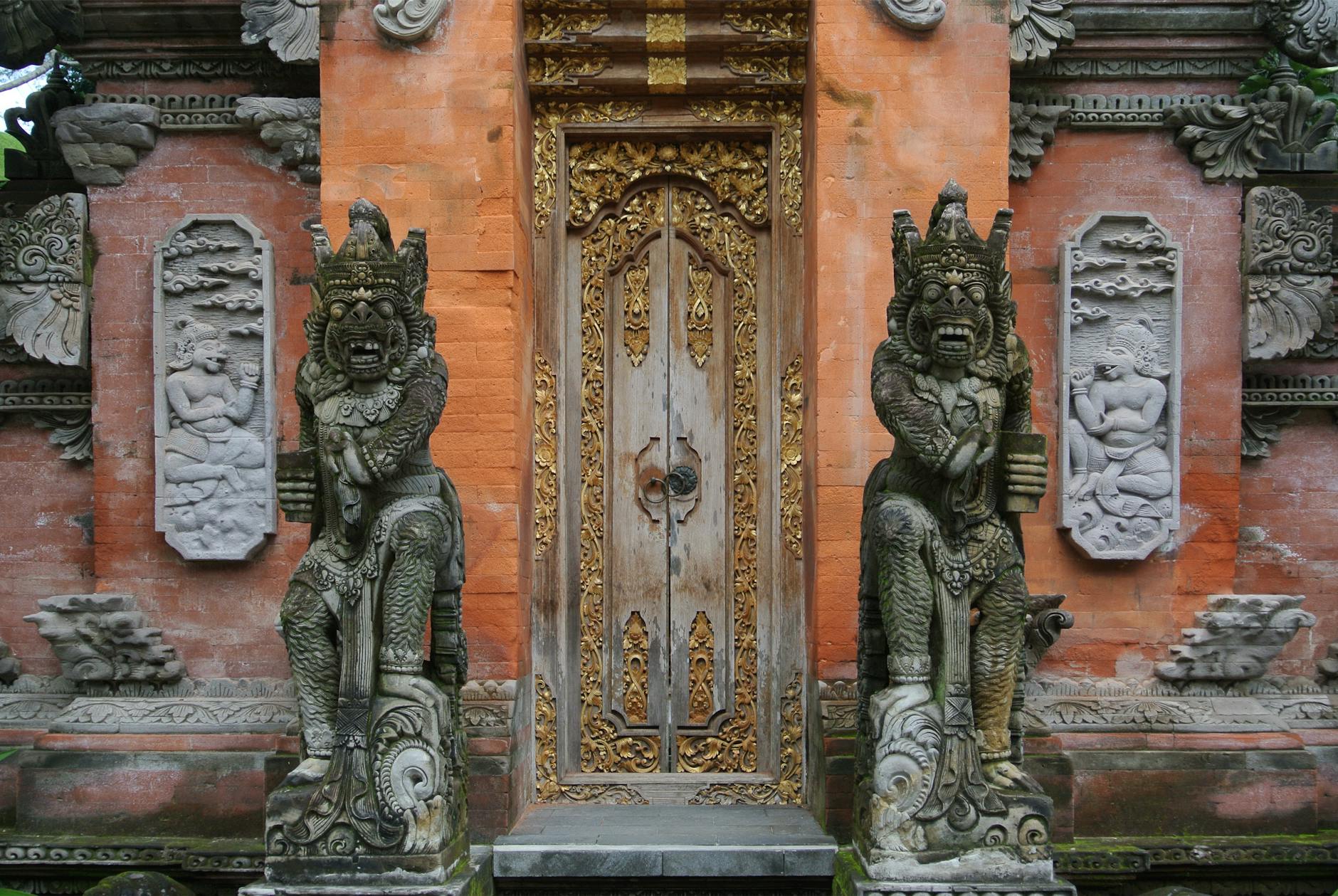
Jakarta’s flagship Balinese Hindu temple. The most accessible Hindu temple for foreign tourists.
Practical Info
- Address: Jl. Daksinapati Raya No. 10, Rawamangun, East Jakarta
- Hours: Daily 7:00 AM – 6:00 PM
- Entry: Free
- Built: 1972 (initial structure)
- Completed: 1997 (current complex)
- Time needed: 45-60 minutes
What to See
- Three-tiered candi bentar gate — Classic Balinese split gate entrance
- Padmasana (lotus throne) — Main shrine to Sang Hyang Widhi Wasa (Indonesian Hindu supreme deity)
- Various deity shrines — Brahma, Vishnu, Shiva, Ganesha
- Traditional Balinese decorative elements — Stone carvings, statues, gates
- Inner sanctum (jeroan) — Most sacred area; restricted during ceremonies
- Pavilions for ceremonies — Wantilan, Bale
How to Get There
- Grab/Gojek: 30-45 min from central Jakarta; IDR 60,000-120,000
- KRL: Universitas Indonesia Station, then 10-min Grab
- TransJakarta: Various routes via Rawamangun
Pura Penataran Agung Kertabhumi (at TMII) — Most Photogenic
Located inside Taman Mini Indonesia Indah, this is Jakarta’s most photogenic Hindu temple — built specifically as part of TMII’s Bali pavilion to showcase Balinese architecture.
- Address: Inside TMII (Taman Mini Indonesia Indah), East Jakarta
- Hours: Daily during TMII operating hours (5 AM-8 PM)
- Entry: Requires TMII entry ticket (~IDR 25,000-35,000)
- Best for: Photography, cultural appreciation, combined with TMII visit
The temple is fully consecrated and actively used for ceremonies. Built to showcase Pura Besakih (Bali’s “mother temple”) architectural style. See our TMII guide for full park information.
Pura Agung Tirta Bhuana, Bekasi — Worth the Trip for Serious Visitors
Located in Bekasi (greater Jakarta region), Pura Agung Tirta Bhuana is one of the largest Hindu temples outside Bali. Worth the 45-60 minute Grab journey for serious Hindu cultural visitors.
- Address: Jl. Sekolah Kembar, Bekasi (verify current location)
- Hours: Daily; verify on arrival
- Entry: Free
Shri Mariamman Tamil Hindu Temple Options
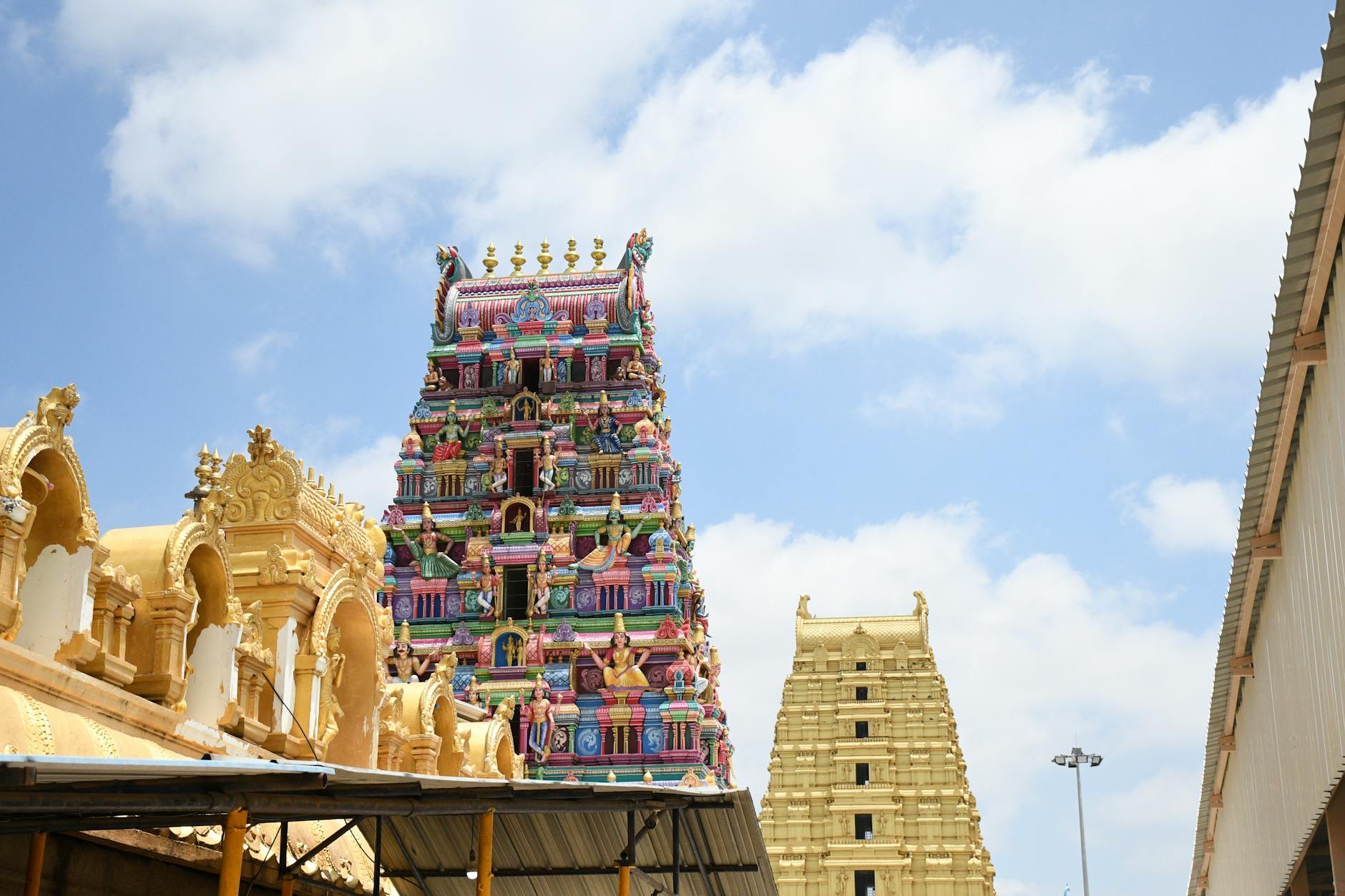
Tamil Hindu temples (kovil) serve the Indian-Indonesian diaspora community, particularly Tamils descended from 19th-20th century immigrants. These temples follow Dravidian South Indian architectural traditions rather than Balinese.
- Architecture: Pyramidal gopuram (tower) entrances with colorful sculptures of deities
- Deities: Often dedicated to Mariamman (rain and disease goddess), Murugan, Vinayaka (Ganesha)
- Ceremonies: Different rituals than Balinese tradition
- Visiting: Welcoming to foreign tourists; modest dress required
Note: Specific Tamil Hindu temple addresses vary; verify with local Indian-Indonesian community for current active locations.
Balinese vs. Tamil-Hindu Temple Differences
| Feature | Balinese Pura | Tamil Kovil |
|---|---|---|
| Architecture | Split gates, multiple courtyards, padmasana | Pyramidal gopuram with colorful deity sculptures |
| Primary deity | Sang Hyang Widhi Wasa (Indonesian Hindu) | Mariamman, Murugan, Vinayaka |
| Worship style | Ceremonial offerings, dance, ceremony | Pooja (worship), abhishekam (anointing) |
| Community | Balinese Indonesian | Tamil Indonesian |
| Language | Bahasa Bali, Sanskrit | Tamil, Sanskrit |
| Decorations | Stone carvings, gold leaf, statues | Brightly painted sculptures, garlands |
Universal Dress Code: Sarong + Sash (Selendang)
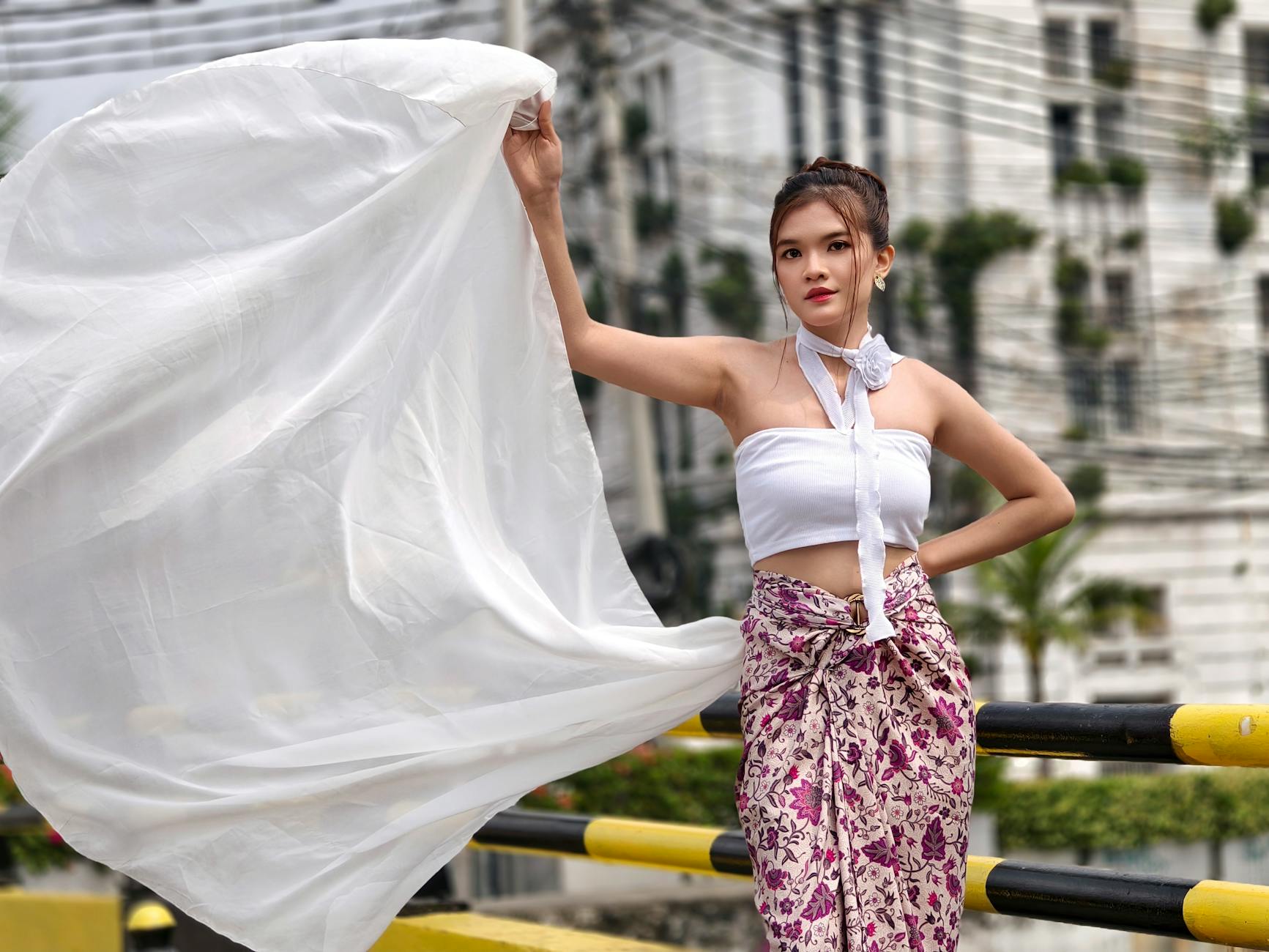
Universal requirement at Indonesian Hindu temples:
- Sarong (lower body wrap) — Cover from waist to below knees
- Sash (selendang) — Tied around waist over sarong
- Modest top — Cover shoulders
- No shoes in inner sanctum (jeroan) — Carry through
How to Borrow One
- Most Hindu temples provide loaner sarongs and sashes at entrance
- Pura Aditya Jaya: Loaners available at office
- TMII temples: Sometimes need to bring or buy from TMII souvenir stalls
- Buy your own: IDR 50,000-150,000 at souvenir shops or Tanah Abang market
Etiquette: Sacred Inner Sanctums and Photography
- Menstruating women — Should not enter inner sanctum (jeroan); ask office if unclear
- No climbing on temple structures, statues, or shrines
- Walk clockwise around temple (Hindu sacred direction)
- Remove shoes at inner sanctum entry
- Sit/stand respectfully — Don’t show feet to deities or priests
- Quiet voice — Whisper during prayers
- Phone silent
- Offerings welcomed — IDR 10,000-50,000 donations appreciated
2026 Hindu Ceremony Calendar
| Date | Festival | Significance |
|---|---|---|
| March 19, 2026 | Nyepi (Balinese New Year) | Day of Silence; total quiet observed |
| Throughout 2026 (varies) | Galungan + Kuningan | Triumph of dharma over adharma; 10 days apart |
| Throughout 2026 (varies) | Saraswati | Goddess of knowledge and learning |
| Throughout 2026 (varies) | Tumpek | Various weekly observances |
| April-May 2026 | Ramayana cycles | Performances at TMII and pavilions |
Note: Hindu festival dates follow the Balinese calendar (210-day pawukon cycle) and lunar calendar — different from Western calendar. Verify dates closer to visit.
When Temples Are CLOSED to Non-Hindus During Ceremony
Important warning: During major Hindu ceremonies, the inner sanctum may be closed to non-Hindus and even to non-participating Hindus. Tourists should:
- Respect closure signs — Even if you’ve previously visited
- Observe from outer courtyards — Still permitted
- Don’t take photos of restricted ceremony — Even at distance
- Especially Nyepi — Some temples completely closed; respect silence ritual
- Ask office staff for current accessibility
Sacred Offerings (Banten) and Worship Items
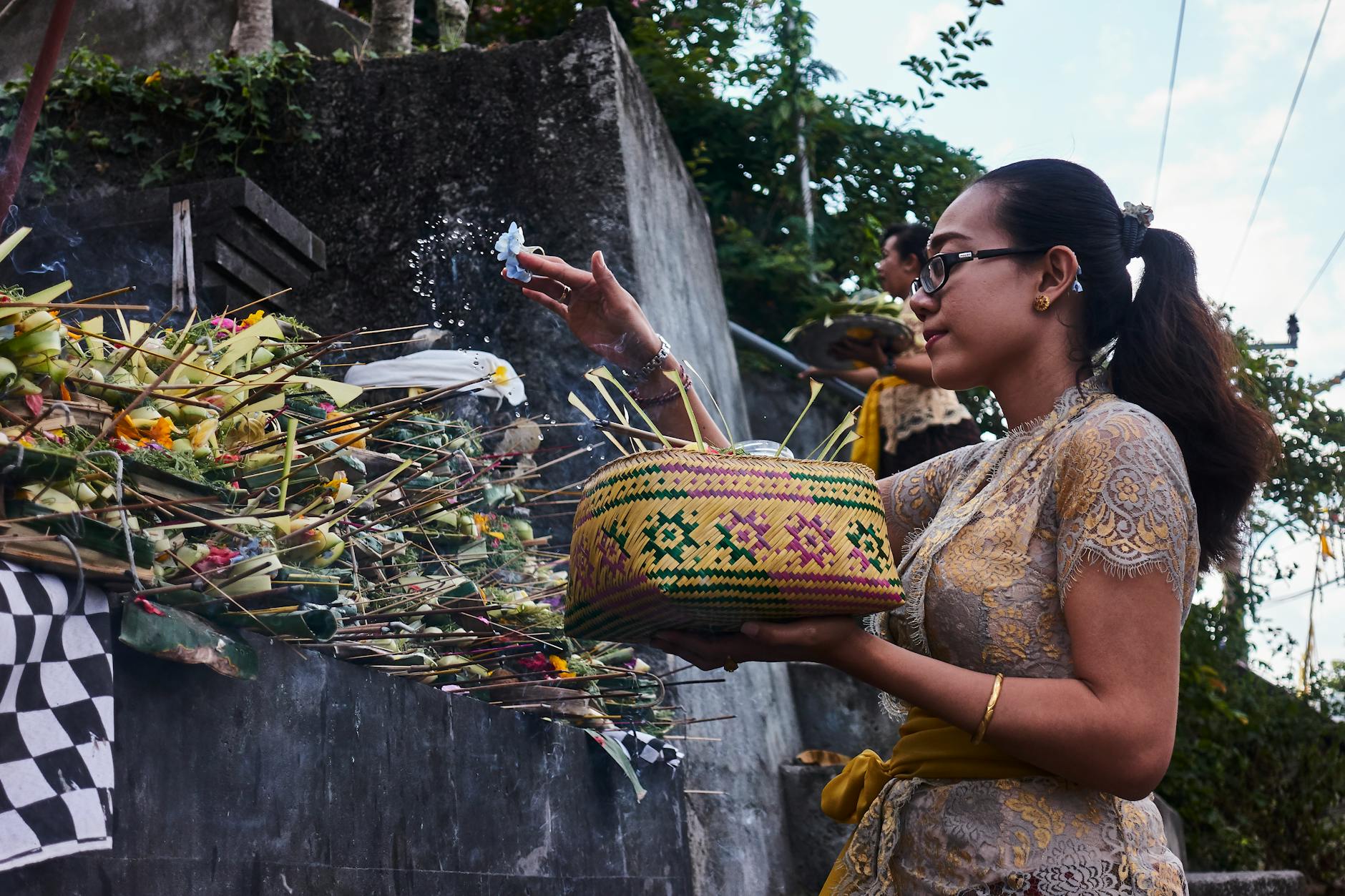
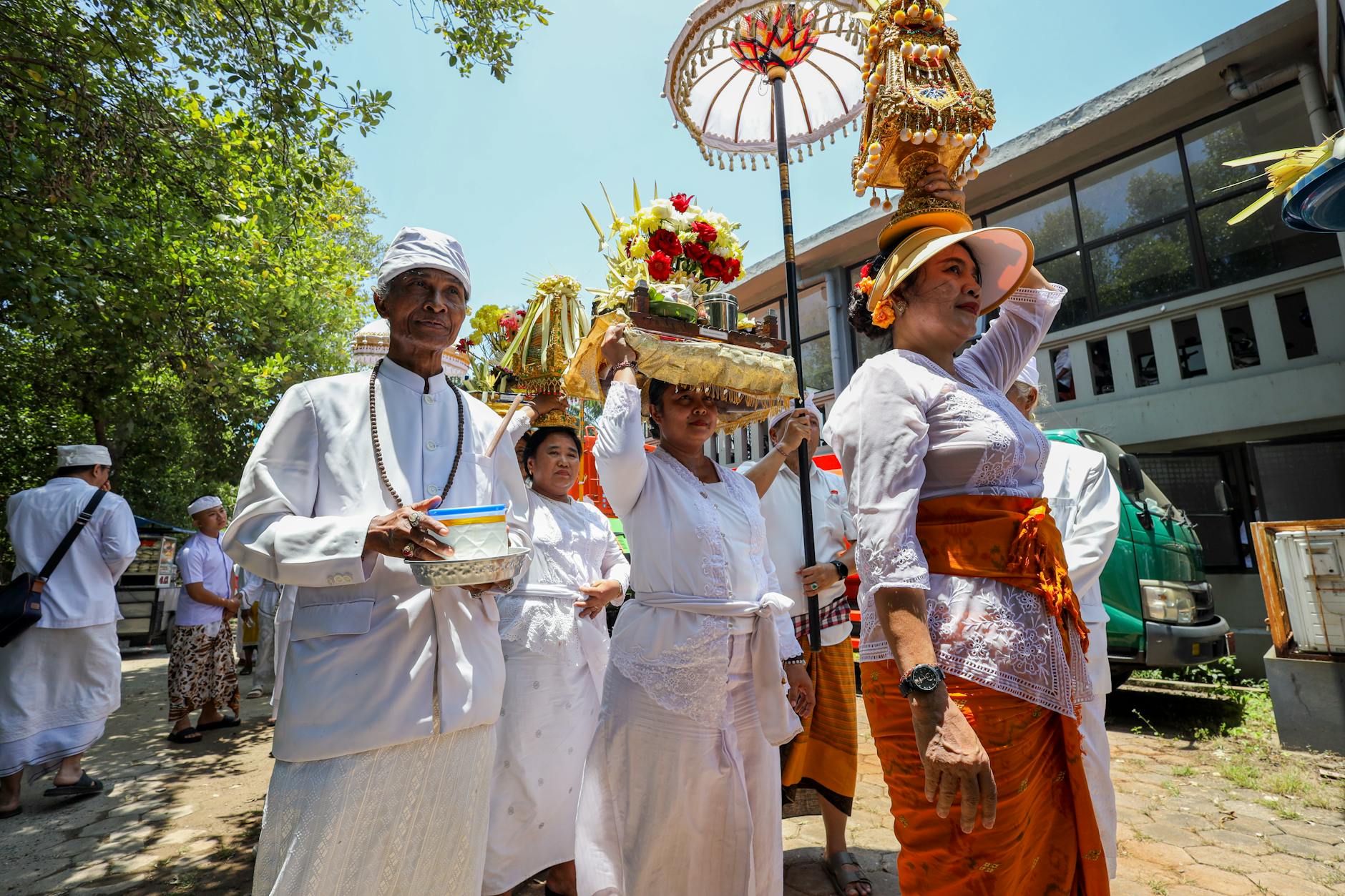
Balinese Hindu worship includes elaborate offerings (banten) made daily and during ceremonies:
- Canang sari — Daily small offerings on coconut leaf trays
- Larger ceremonial banten — During Galungan, Saraswati
- Contents: Flowers (red, yellow, white), fruit, rice, incense, sometimes money
- Religious significance: Offerings to deities and to ancestors
- Aesthetic significance: Beautiful, intricate, photogenic
Foreigners watching banten preparation is welcomed; offerings should not be touched or moved.
Best Balinese Food Stalls Outside Pura Aditya Jaya
Pura Aditya Jaya in Rawamangun is surrounded by authentic Balinese food vendors serving the Hindu community:
- Babi guling — Roasted suckling pig (pork) — quintessential Balinese
- Lawar — Balinese minced meat salad
- Ayam betutu — Spiced wrapped chicken
- Pisang rai — Balinese banana dessert
- Es daluman — Green grass jelly drink
IDR 25,000-100,000 per dish. Most stalls operated by Balinese Indonesians.
Deity Worship and Hindu Iconography
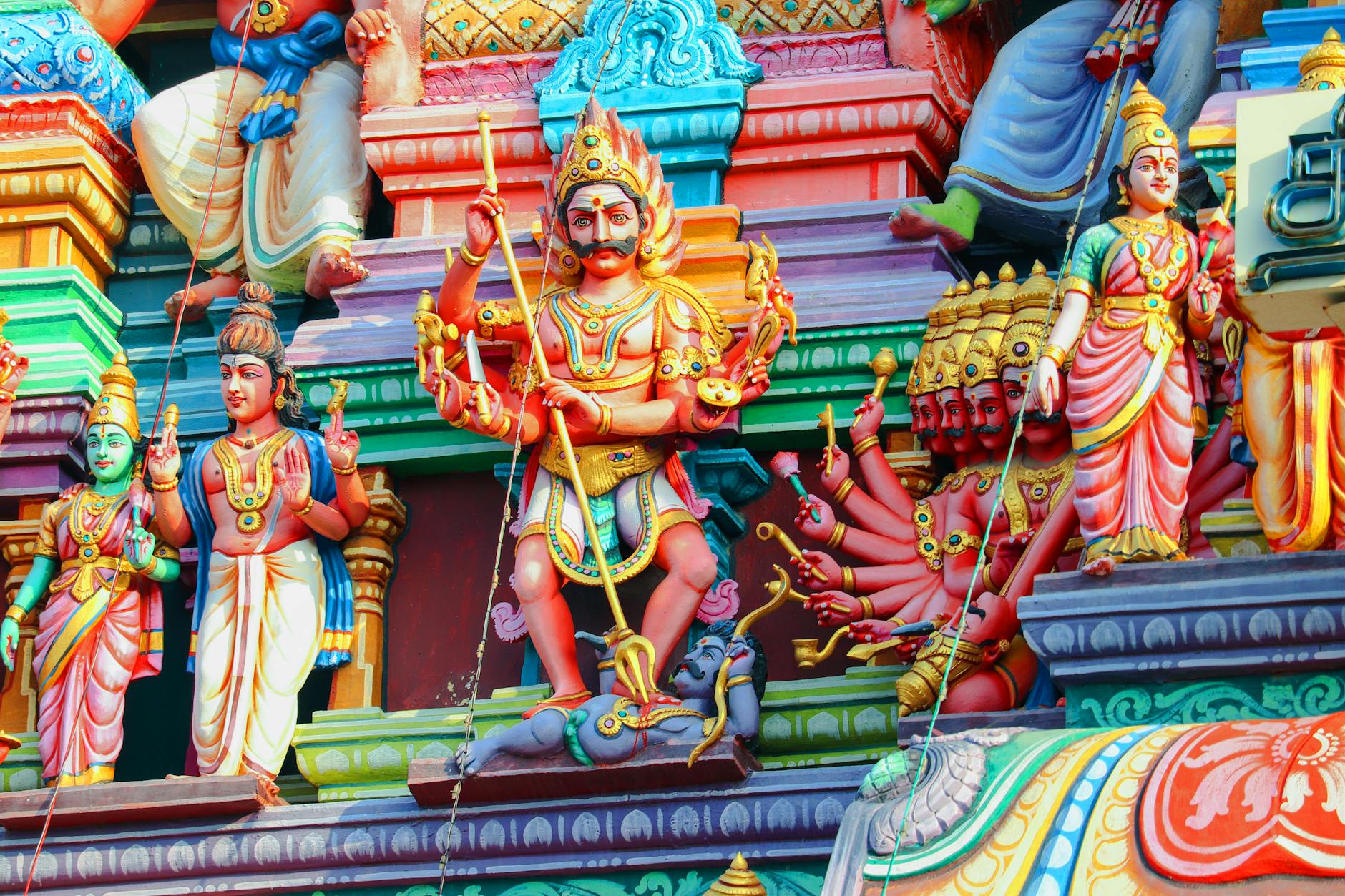
Indonesian Hindu deity worship combines Indian Hindu tradition with local Indonesian elements:
- Brahma — Creator
- Vishnu — Preserver
- Shiva — Transformer/Destroyer
- Sang Hyang Widhi Wasa — Indonesian Hindu supreme deity (Wide form of Brahma)
- Ganesha — Remover of obstacles, son of Shiva
- Saraswati — Goddess of knowledge
- Various local deities — Specific to Bali traditions
Photography Rules
- Outer courtyards: Permitted; ask before photographing people
- Inner sanctum (jeroan): Usually permitted with respect; ask if unsure
- During prayer/ceremony: No photos of priests or deities mid-ritual
- Flash discouraged in temples
- Wide-angle for temple architecture
- Offerings: Beautiful subjects; permitted
Combining with TMII for a Full Day
Suggested cultural day:
- 8 AM: Arrive TMII (avoid weekend crowds)
- 9 AM – 12 PM: Tour TMII pavilions including Pura Penataran Agung Kertabhumi
- 12 PM – 1 PM: Lunch at Bali pavilion (Balinese food)
- 1 PM: Grab to Rawamangun (~20-30 min)
- 2 PM – 3 PM: Pura Aditya Jaya visit
- 3 PM: Coffee at nearby café
- 4 PM: Return to hotel
FAQ: Can Foreigners Attend Hindu Weddings? Can You Join in Nyepi Silence?
Hindu Weddings
Indonesian Hindu weddings are typically multi-day, family-centered events. Foreign tourists may attend only if specifically invited by the family. Standard wedding etiquette applies: modest dress, small gift (IDR 100,000-500,000 in envelope), respectful behavior.
Joining Nyepi Silence
Nyepi (March 19, 2026 — Balinese New Year) requires Hindus to observe complete silence and stillness — no work, no electricity, no leaving home. In Jakarta, the Hindu community observes this individually. Foreign tourists are not expected or required to participate, but should respect Hindu neighbors during this day.
Frequently Asked Questions About Hindu Temples Jakarta
What are the main Hindu temples in Jakarta?
Four main temples: (1) Pura Aditya Jaya (Rawamangun) — flagship Balinese; (2) Pura Penataran Agung Kertabhumi (inside TMII) — most photogenic; (3) Pura Agung Tirta Bhuana (Bekasi) — largest outside Bali; (4) Tamil Hindu temples (kovil) for Indian-Indonesian community.
How do I visit Pura Aditya Jaya?
Located at Jl. Daksinapati Raya No. 10, Rawamangun, East Jakarta. Open daily 7 AM-6 PM. Free entry. Wear modest clothing (sarong + sash provided as loaners). 30-45 min Grab from central Jakarta.
What is the dress code for Hindu temples?
Universal: sarong (lower body wrap) + sash (selendang tied at waist) + modest top covering shoulders. Most temples provide loaner sarongs and sashes. No shoes in inner sanctum. Menstruating women should not enter inner sanctum.
Can non-Hindus visit Hindu temples in Jakarta?
Yes. All Hindu temples in Jakarta welcome non-Hindu visitors during normal operating hours. During major ceremonies, the inner sanctum may close to non-Hindus — respect closure signs. Behave respectfully, dress modestly, and donations welcomed.
When is the best time to visit Hindu temples in Jakarta?
Weekday mornings (Tue-Fri 9-11 AM) for quiet exploration. During major Hindu festivals (Nyepi, Galungan, Kuningan, Saraswati) for cultural experiences but accept that some areas may be restricted. Verify festival dates closer to visit.
What is Nyepi?
Nyepi is Balinese Hindu New Year — a Day of Silence. For 24 hours, Hindus observe complete quiet — no work, no electricity, no leaving home. In 2026, Nyepi falls March 19. Some Jakarta Hindu temples completely close for this day.
What’s the difference between Balinese and Tamil Hindu temples?
Balinese Hindu temples (pura) follow Indonesian Hindu tradition with split gates, padmasana shrines, and worship of Sang Hyang Widhi Wasa. Tamil Hindu temples (kovil) follow South Indian Dravidian architecture with colorful gopuram entrances, worship Mariamman/Murugan/Vinayaka. Both welcome respectful visitors.
Is Pura Aditya Jaya safe for foreign tourists?
Yes. The temple welcomes foreign visitors. Located in a safe residential area of Rawamangun. Standard urban precautions; the temple is well-maintained and accessible.
Jakarta’s Hindu temples offer authentic cultural experiences distinct from Bali tourism. To plan further, see our pillar religious tourism in Jakarta, the Istiqlal Mosque guide, the Jakarta Cathedral guide, the Tunnel of Friendship guide, the Buddhist temples guide, and our TMII guide.
To see how these temples fit the wider picture, our religious sites walking tour maps a practical multi-faith route, Jakarta cultural experiences covers ceremonies and workshops you can join, and getting around Jakarta plus our Jakarta travel tips handle the transport and etiquette side.
External Resources for Jakarta Hindu Temples
For Indonesian Hindu cultural context, the Wikipedia entry on Hinduism in Indonesia provides background. The TMII official website covers the Pura Penataran Agung Kertabhumi within Taman Mini Indonesia Indah.