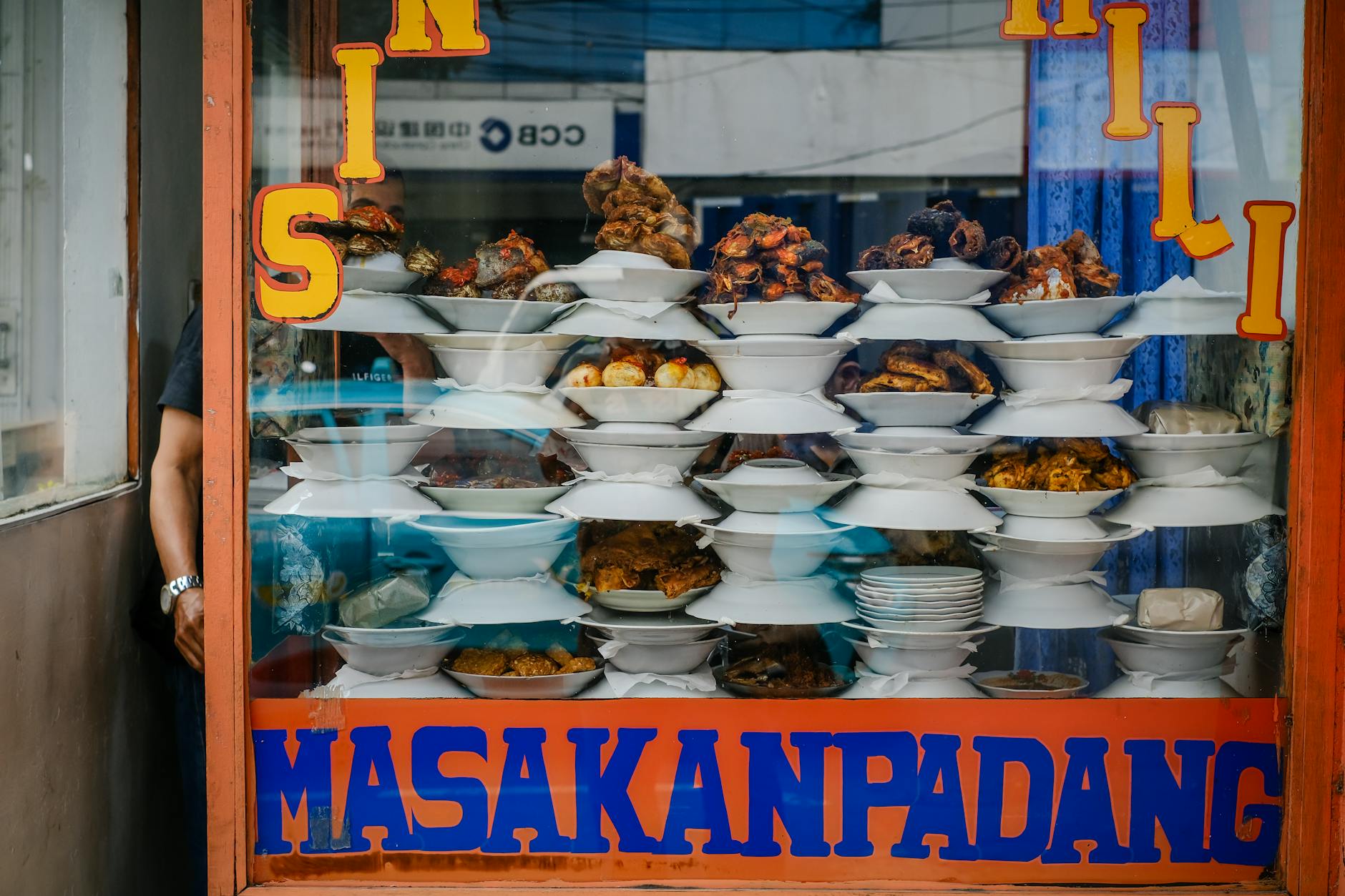
Most guides to a “Jakarta food tour” either list dishes in the abstract or just tell you to book a US$60 group tour. This one does the opposite: four self-guided walking routes, mapped stomach-first so you start light and end heavy, each with exact vendor names, pinnable addresses, ordering scripts in Bahasa Indonesia, and timing. Walk them solo, with friends, or as a couple, and pay only for what you actually eat. Each route runs 1.5 to 3 km, takes two to four hours, and costs IDR 100,000–300,000 a head for the whole sequence — a fraction of a booked tour. Consider this your self-guided Jakarta food tour guide.
These routes are the walking version of the wider Jakarta food guide; if you want even more stops and circuits, the guide to the best street food in Jakarta goes deeper still.
How to Use These Routes
Each route is sequenced “stomach-first” — meaning lighter starter dishes lead to heavier mains and finally to desserts and drinks. Walk the order suggested rather than skipping around. Pace yourself: eat one full portion per major stop, split smaller items with a companion, and drink water between stops.
What to bring: cash in small denominations (IDR 10,000, 20,000, 50,000), a refillable water bottle, a hat, sunscreen, comfortable closed-toe shoes, a small umbrella in wet season, and a power bank.
Ordering basics in Bahasa Indonesia: “Satu, please” (one), “berapa harganya?” (how much?), “tidak pedas” (not spicy), “pedas sekali” (very spicy), “terima kasih” (thank you), “bungkus” (to go).
QRIS payment is increasingly accepted at warungs — scan the QR code with GoPay, OVO, or DANA. Cards rarely work at street vendors.
Route 1: Kota Tua Heritage Walk (2.5 km, 3 hours)

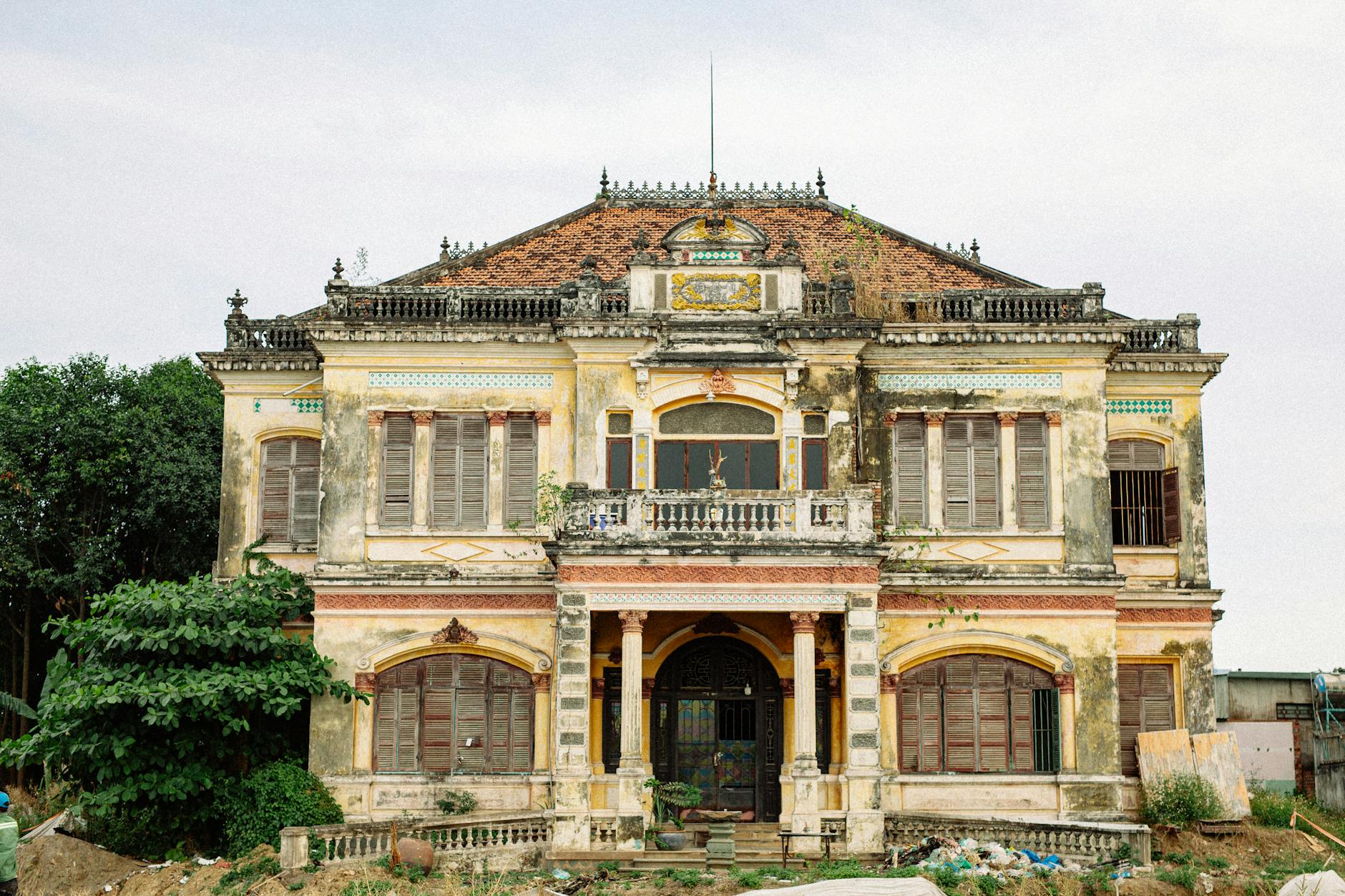
The most photogenic route, pairing 17th-century Dutch colonial buildings with traditional Indonesian street food — the fuller version, with the history behind each stop, is in the guide to eating around Kota Tua. Best done late morning (10:00 AM) into early afternoon (2:00 PM).
Stop 1: Kopi Es Tak Kie — 10:00 AM (Gloria Alley, Glodok)
Start light. Iced black coffee with condensed milk at Kopi Es Tak Kie, a 1927 institution in Gloria Alley. Order “kopi es” (IDR 15,000) and sip standing at the marble counter while the resident grandmother prepares each cup individually. Walk: 7 minutes north to Fatahillah Square.
Stop 2: Es Selendang Mayang — 10:45 AM (near Fatahillah Square)
Traditional Betawi iced layered cake-dessert from a street cart — one of the lighter pleasures of Betawi cuisine. Multi-colored rice flour cake (selendang mayang) topped with coconut milk and palm sugar syrup, served over shaved ice. Refreshing palate cleanser. Order: “Es selendang mayang” (IDR 15,000–25,000). Walk: 3 minutes to Café Batavia.
Stop 3: Café Batavia — 11:30 AM (Fatahillah Square)
The 1805 mansion on Fatahillah Square serves Dutch-colonial influenced Indonesian dishes in a museum-like interior. Order one shared appetizer (lumpia or krupuk) and an iced lemongrass tea (IDR 50,000–100,000). Save the heavy Café Batavia lunch for a separate visit. Walk: 5 minutes south.
Stop 4: Kedai Seni Djakarte — 12:30 PM
Traditional Indonesian dishes in a Kota Tua heritage building. Order nasi liwet (Sundanese rice with anchovies and tofu) or gado-gado with an iced jeruk nipis. Spend: IDR 80,000–150,000. Walk: 6 minutes south to Glodok.
Stop 5: Pantjoran Tea House — 1:30 PM (Glodok)
Free hot tea since 1910 — pour yourself a cup at the public counter. Optional dim sum (har gow, siu mai, char siu bao; IDR 100,000–200,000). Walk: 2 minutes to final stop.
Stop 6: Acaraki Modern Jamu — 2:00 PM
Finish with a refined modern jamu drink (turmeric-tamarind, beras kencur, or temulawak; IDR 30,000–60,000) at Acaraki, which serves traditional Indonesian herbal drinks barista-style. End: Total spend IDR 200,000–400,000 per person.
Route 2: Glodok Chinatown Loop (1.5 km, 2.5 hours)
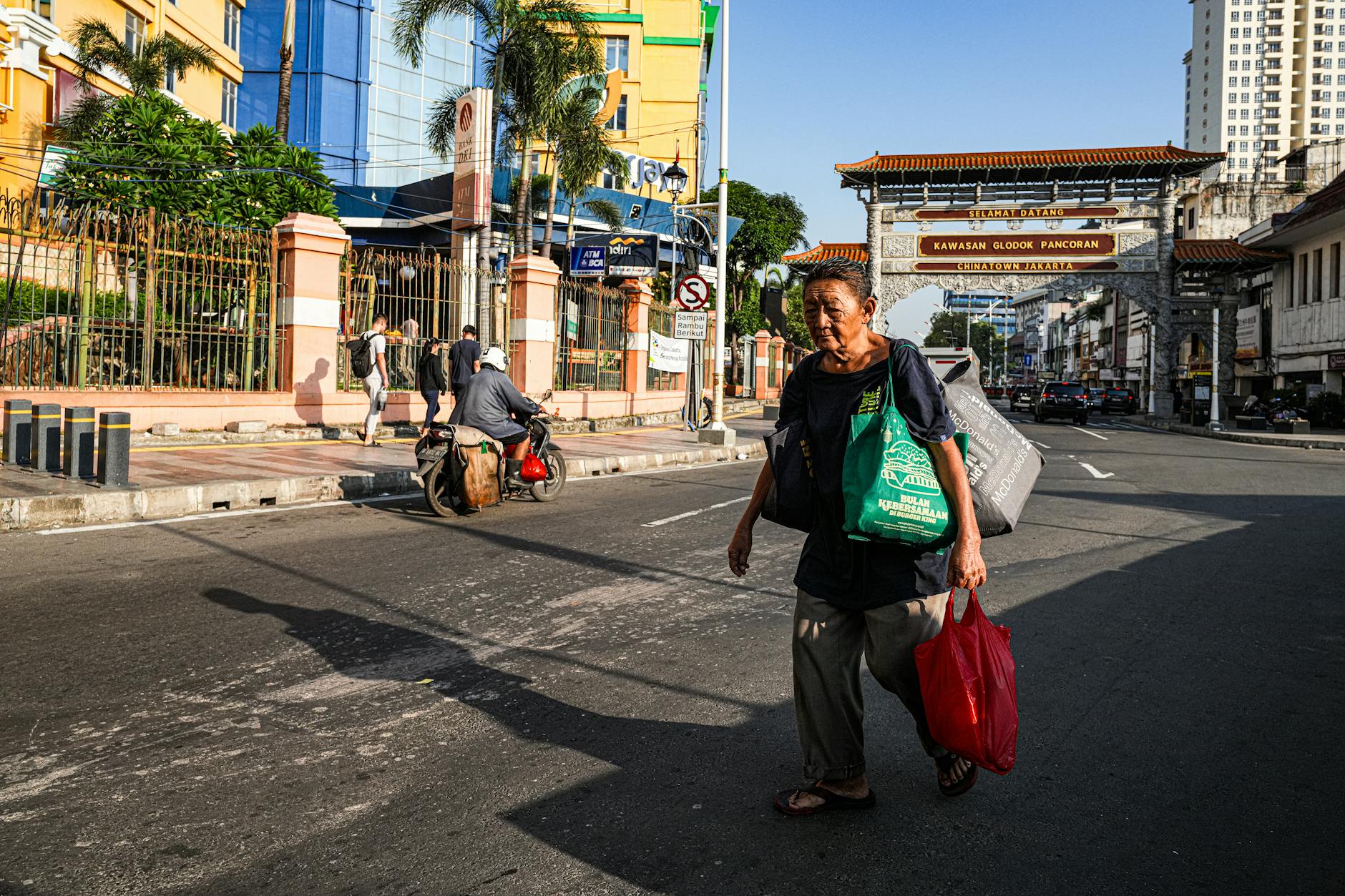
The most concentrated Chinese-Indonesian food on the planet outside China itself. Best done lunch time (11:00 AM–3:00 PM).
Stop 1: Kopi Es Tak Kie — 11:00 AM
Start with the 1927 coffee shop as above.
Stop 2: Bakmi Amoy at Petak Enam — 11:30 AM
Jakarta’s most celebrated Hokkien-style noodle stall. Order “bakmi spesial” — thin egg noodles with charcoal-grilled pork (or chicken for halal), bok choy, and garlic oil (IDR 35,000–55,000). Watch for the queue.
Stop 3: Nasi Tim Ayam — 12:15 PM (Petak Enam)
Chinese-Indonesian steamed rice with marinated chicken and mushrooms in soy-based sauce, served with a side bowl of clear chicken broth. Order: “Nasi tim ayam + kuah.” Spend: IDR 30,000–50,000.
Stop 4: Petak Sembilan Market Walk — 1:00 PM
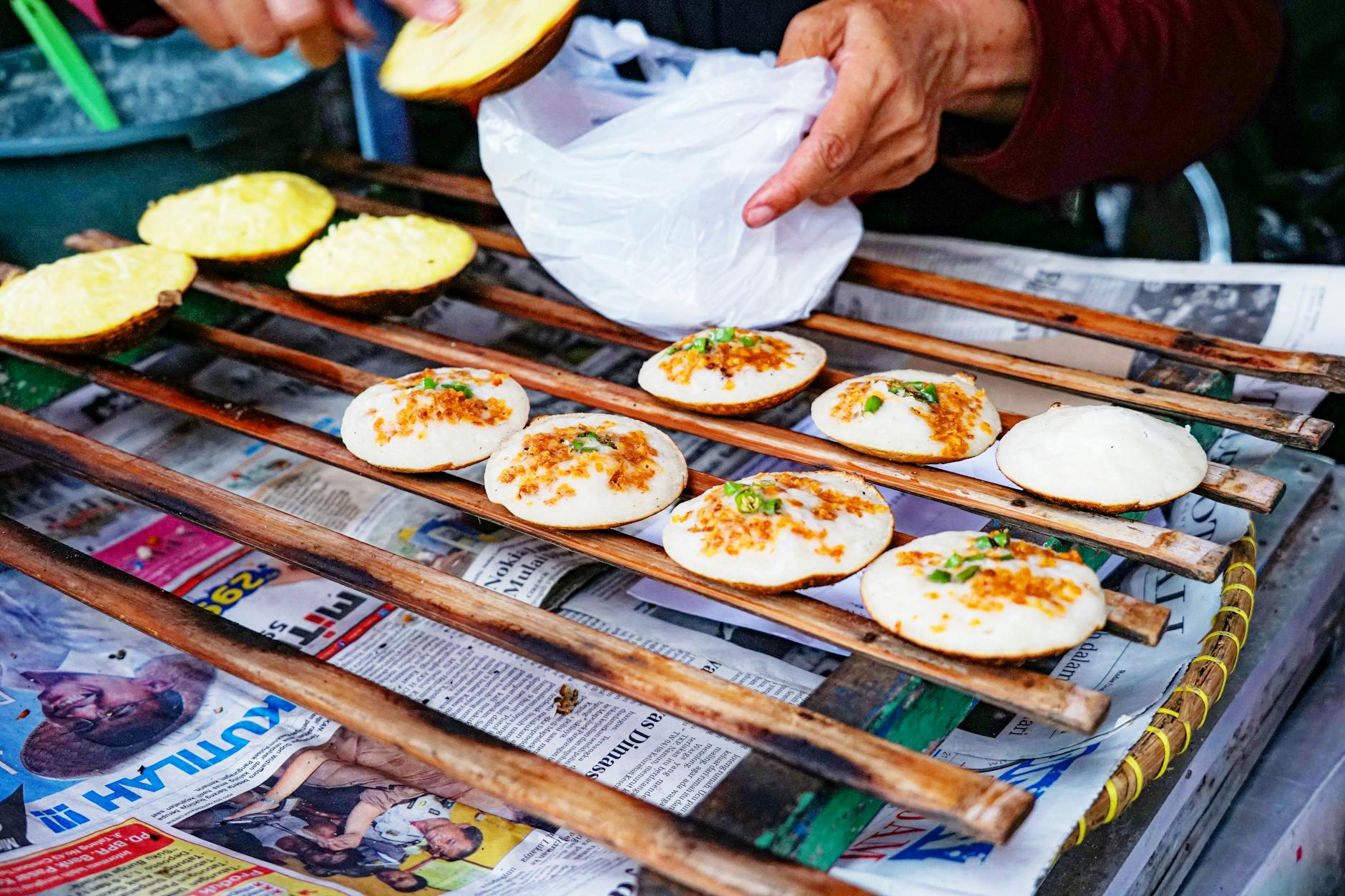
Wander the 200-year-old Petak Sembilan market lane — one of the highlights in the guide to Jakarta food markets — snacking as you walk: kue keranjang (IDR 15,000), kue ape mini pandan pancakes (IDR 5,000 each), kue cucur palm sugar pancakes, fresh durian by weight.
Stop 5: Jin De Yuan Temple Visit — 1:45 PM
Free cultural break — visit Jakarta’s oldest Chinese temple (17th century, still actively used). Buy a small incense donation (IDR 5,000) and observe quiet respect.
Stop 6: Pantjoran Tea House Free Tea — 2:30 PM
Free hot tea continues the 1910 tradition. Take a moment to rest in the shade. Total spend: IDR 100,000–200,000 per person.
Route 3: Pecenongan Late-Night Seafood & Martabak (2 km, 3 hours)

The most carnivorous route, threading Sabang into the Pecenongan strip — the same ground covered in the guide to Jakarta night food markets. Best done evening (8:00 PM–midnight).
Stop 1: Sate Ayam Pak Kumis on Sabang — 8:00 PM
Walk to Jalan Sabang for the most famous satay stall in Central Jakarta. Order “sate ayam 10 tusuk + lontong” — 10 chicken skewers with compressed rice cake, sweet peanut sauce, sliced shallots, and lime (IDR 40,000–60,000). Walk: 1.2 km north to Pecenongan.
Stop 2: Pecenongan Seafood Stalls — 9:30 PM
Pick a busy stall, choose your seafood from ice displays, and specify the cooking style. Try kepiting saus padang (Padang-style spicy crab), udang saus mentega bawang putih (butter-garlic prawns), and ikan bakar (charcoal-grilled fish). Sharing portions for two: IDR 200,000–400,000. Confirm price by weight before cooking.
Stop 3: Martabak Pecenongan 78 — 11:00 PM
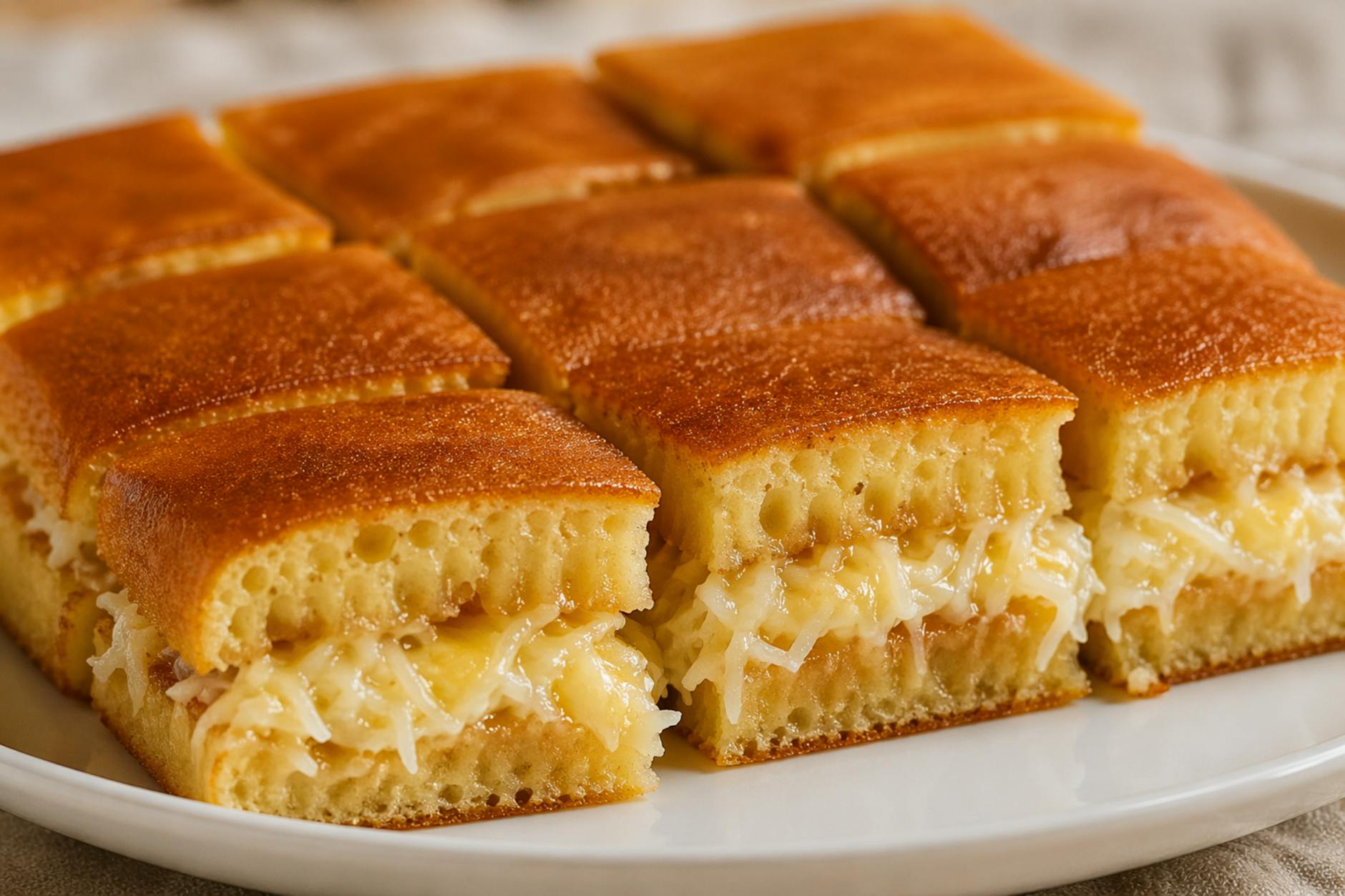
Jakarta’s gold-standard sweet stuffed pancake — chocolate, cheese, peanuts, sweetened condensed milk, butter. Order “martabak coklat keju” or splurge on Toblerone/Ovomaltine variations (IDR 75,000–250,000). Split into squares; share. End: Total spend IDR 350,000–600,000 per person.
Route 4: Menteng Morning Breakfast Walk (2 km, 2.5 hours)
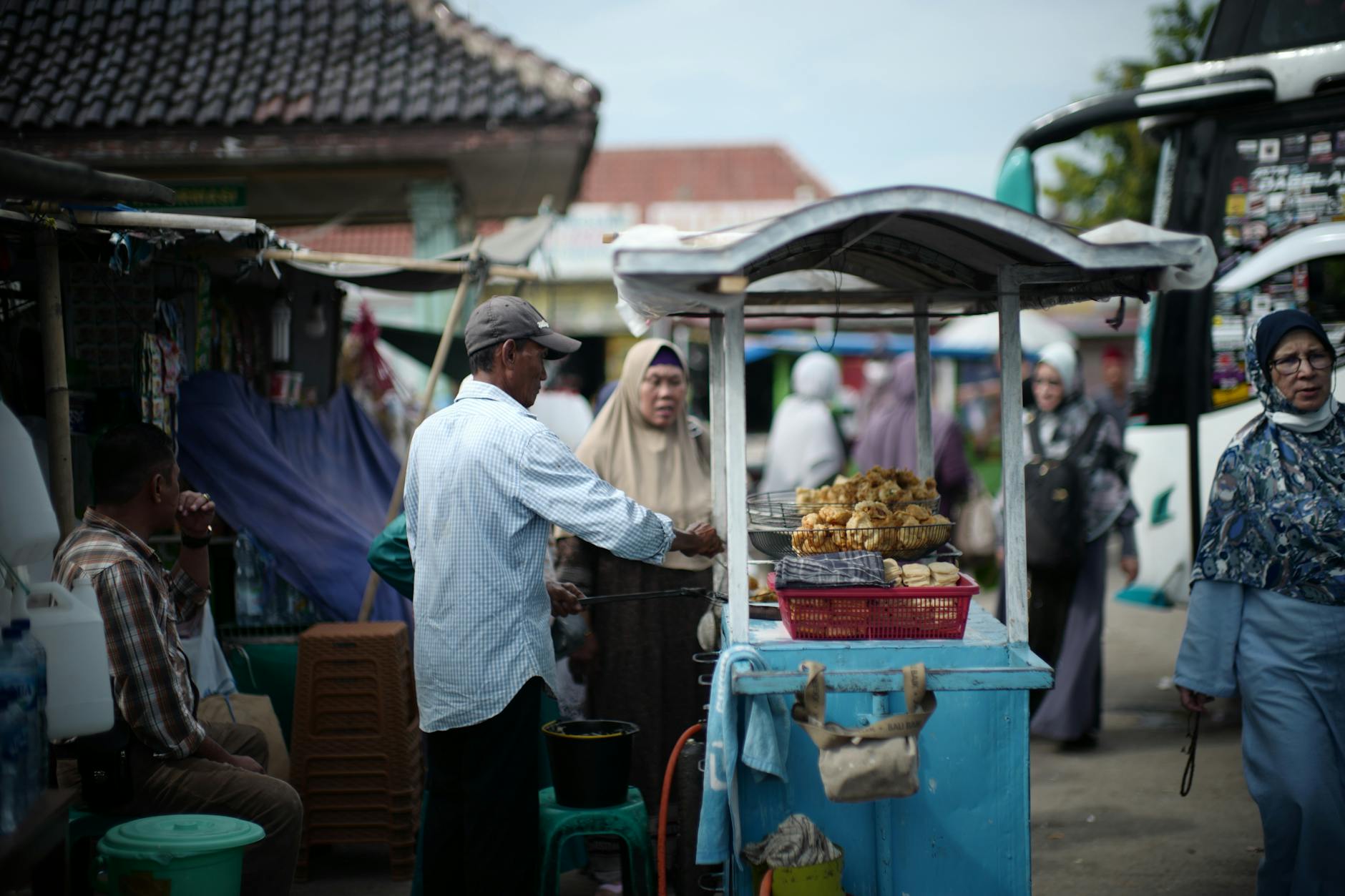
The lightest route, perfect for early risers, through the leafy streets of Menteng — one of the most walkable areas in the Jakarta neighborhoods guide. Best done 7:00 AM–10:00 AM.
Stop 1: Bubur Ayam Cikini Sudimampir — 7:00 AM
Chicken rice porridge with shredded chicken, fried soybeans, scallions, fried shallots, kecap manis, and chili oil. Order: “bubur ayam komplit” (IDR 25,000–35,000). Walk: 600 m south to Sabang.
Stop 2: Nasi Uduk Kebon Kacang Zainal Fanani — 8:00 AM
Jakarta’s gold-standard nasi uduk since 1967 — the lead stall in the guide to the best nasi uduk in Jakarta. Fragrant coconut rice with ayam goreng, empal, dendeng, tahu, tempeh orek, hard-boiled egg, and sambal kacang. Order: “nasi uduk komplit + sambal” (IDR 35,000–55,000). Walk: 400 m east.
Stop 3: Kerak Telor Street Cart — 9:00 AM
Jakarta’s iconic Betawi street snack — glutinous rice, egg, dried shrimp, fried coconut and shallots cooked on a flat clay pan over open coals. Order: “kerak telor bebek” (duck egg, IDR 25,000–45,000).
Stop 4: Tanamera Coffee — 10:00 AM
Finish with a single-origin Indonesian pour-over (Aceh Gayo, Toraja Sapan, or Bali Kintamani) at Jakarta’s most awarded specialty roaster (IDR 35,000–60,000). End: Total spend IDR 120,000–200,000.
Route Comparison Table
| Route | Distance | Time | Cost | Best For |
|---|---|---|---|---|
| Kota Tua Heritage | 2.5 km | 3 hrs | IDR 200–400k | First-time visitors, culture |
| Glodok Chinatown | 1.5 km | 2.5 hrs | IDR 100–200k | Budget, Chinese-Indonesian food |
| Pecenongan Late-Night | 2 km | 3 hrs | IDR 350–600k | Seafood, date night |
| Menteng Morning | 2 km | 2.5 hrs | IDR 120–200k | Early risers, breakfast |
Ordering Scripts for Common Stops
At a satay stall: “Sate ayam sepuluh tusuk, sambal kacang, lontong, terima kasih.” (10 chicken satay skewers, peanut sauce, compressed rice, thank you.)
At a noodle stall: “Bakmi spesial, tidak pedas, satu porsi.” (Special bakmi, not spicy, one portion.)
At a seafood stall: “Berapa per ons? Kepiting saus padang satu, ikan kakap bakar satu, nasi putih dua.” (How much per 100g? One Padang-style crab, one grilled snapper, two rice.)
At a kue cart: “Berapa harganya? Saya beli lima.” (How much? I’ll buy five.)
Paying: “Berapa semua?” (How much total?) Then “Pakai QRIS?” if you want to scan-to-pay.
Walking Tour vs. Guided Tour
Guided Jakarta food tours typically cost US$45–95 per person (Klook, GetYourGuide, Jakarta Good Guide). They include a guide, transport between stops, all food, and (sometimes) a small group dynamic. Self-guided walks cost 60–80% less, give you full pace control, let you skip what doesn’t appeal, and put you face to face with vendors who appreciate the direct custom — and they pair naturally with the budget approach in the guide to cheap eats in Jakarta.
Choose guided if you want extensive cultural context, are short on time, or have specific dietary requirements. Choose self-guided if you want to slow down, eat less or more than a tour schedules, and walk routes at off-peak times.
Practical Tips
Carry cash plus QRIS app — most warungs accept either, but small carts are cash-only. Eat at busy stalls — turnover is the best safety indicator. Drink bottled water; carry a refillable bottle. Use Grab/Gojek between distant routes rather than walking long distances under tropical sun. Don’t try to do two routes in one day — you’ll regret it.
For the dish-by-dish dictionary, see our must-try Jakarta dishes guide. For deeper street-food walking circuits with more stops, see our best street food in Jakarta guide.
When to Walk Each Route
Dry season (May–October) — ideal for all routes; mornings are coolest. Wet season (November–April) — start early (7:00 AM) before afternoon rain; carry umbrella. Avoid Eid al-Fitr week; many vendors close for the holiday. The evening Route 3 also slots into a bigger night out — see the guide to things to do in Jakarta at night. Sunday Car-Free Day (6:00–11:00 AM on Sudirman-Thamrin) pairs well with Route 4.
Food Tour Safety
Jakarta is generally very safe for solo food walkers including women. Standard precautions: keep valuables secure on busy streets, watch for pickpockets in markets, dress modestly when entering religious sites. Use ride-hailing apps rather than walking long distances after midnight.

Adapting the routes to your group
The beauty of going self-guided is that you can bend the routes to fit who you’re with. Travelling solo? Order half portions or split nothing — just eat smaller at each stop so you can reach more of them, and don’t be shy about eating alone at a counter, which is completely normal here. As a couple? Share one portion per stop, which roughly doubles how many vendors you can hit before you’re full; Route 3’s seafood-and-martabak run is the obvious date. With a group of friends? Spread your orders so the table covers different dishes at each stop and everyone tastes everything — and lean into the cheaper Glodok (Route 2) and Menteng (Route 4) routes where the per-head cost stays low.
With kids? Route 4 (Menteng breakfast) and the main Fatahillah Square stretch of Route 1 are the easiest, with milder food and more space; Glodok’s narrow alleys are tougher with a stroller. And whoever you’re with, the single rule that holds is the one in the section above: don’t try to do two full routes in one day. Each is built to fill you comfortably, and stacking them turns a great day into a miserable one. Pick one, walk it slowly, and let the next route be tomorrow’s plan.
Frequently Asked Questions About Jakarta Food Tour Guide
Is a Jakarta food tour worth it?
Absolutely — Jakarta has one of Asia’s most diverse food cities, and walking food routes is the best way to experience it. Self-guided routes save 60–80% versus booked tours while letting you pace yourself.
How long does a Jakarta food tour take?
Each of the four routes takes 2.5–3 hours including all eating stops. Allow extra time for traffic between routes if doing multiple in one day (not recommended).
How much does a Jakarta food tour cost?
Self-guided routes cost IDR 100,000–600,000 per person depending on the route (US$6.50–40). Guided tours cost US$45–95 per person.
Is Jakarta street food safe?
Yes — Jakarta’s busy street stalls are generally very safe. Choose stalls with high turnover, ensure food is cooked fresh, drink bottled water. Most international travelers eat street food daily without incident.
What’s the best time for a Jakarta food walk?
Morning (Route 4, 7:00–10:00 AM) for cooler temperatures and breakfast food. Late morning (Route 1, 10:00 AM–2:00 PM) for Kota Tua heritage. Lunchtime (Route 2, 11:00 AM–3:00 PM) for Glodok. Evening (Route 3, 8:00 PM–midnight) for seafood and martabak.
Can I do these tours with a stroller?
Route 4 (Menteng) and parts of Route 1 (Kota Tua main square) are stroller-friendly. Glodok (Route 2) has narrow alleys with uneven surfaces; not ideal for strollers.
Self-guided food walks are one of the most rewarding things you can do in Jakarta, and they cost a fraction of a booked tour. From here, the Jakarta food guide maps the whole scene, and the rundown of best restaurants in Jakarta covers the sit-down meals for the nights you’d rather not walk.

External Resources for Jakarta Food Tours
For complementary food walking guides, the GPSmyCity Jakarta walking tours offer paid GPS-routed apps, and Mark Wiens’s Jakarta food travel guide documents extensive street food explorations with detailed video coverage.