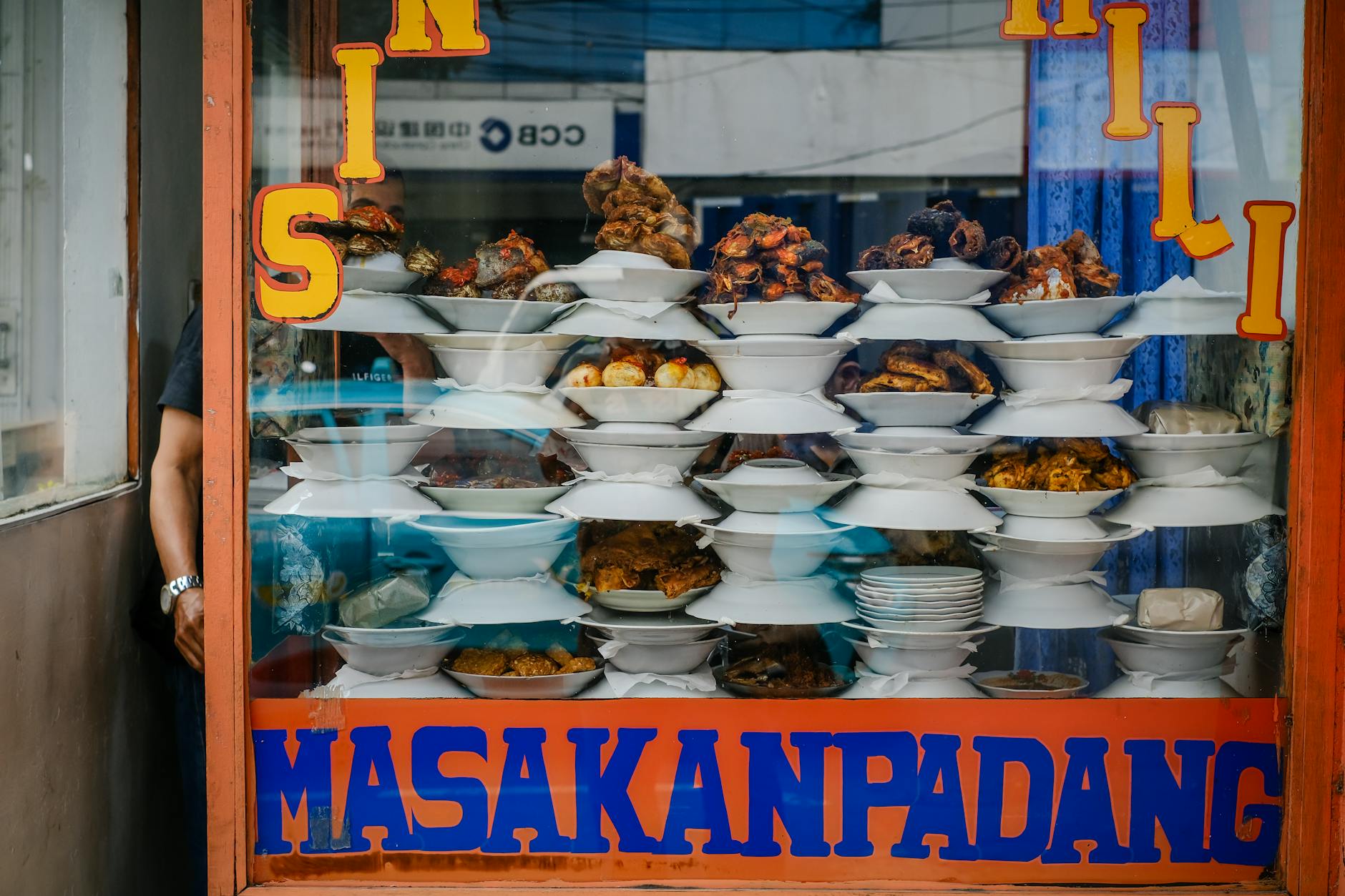
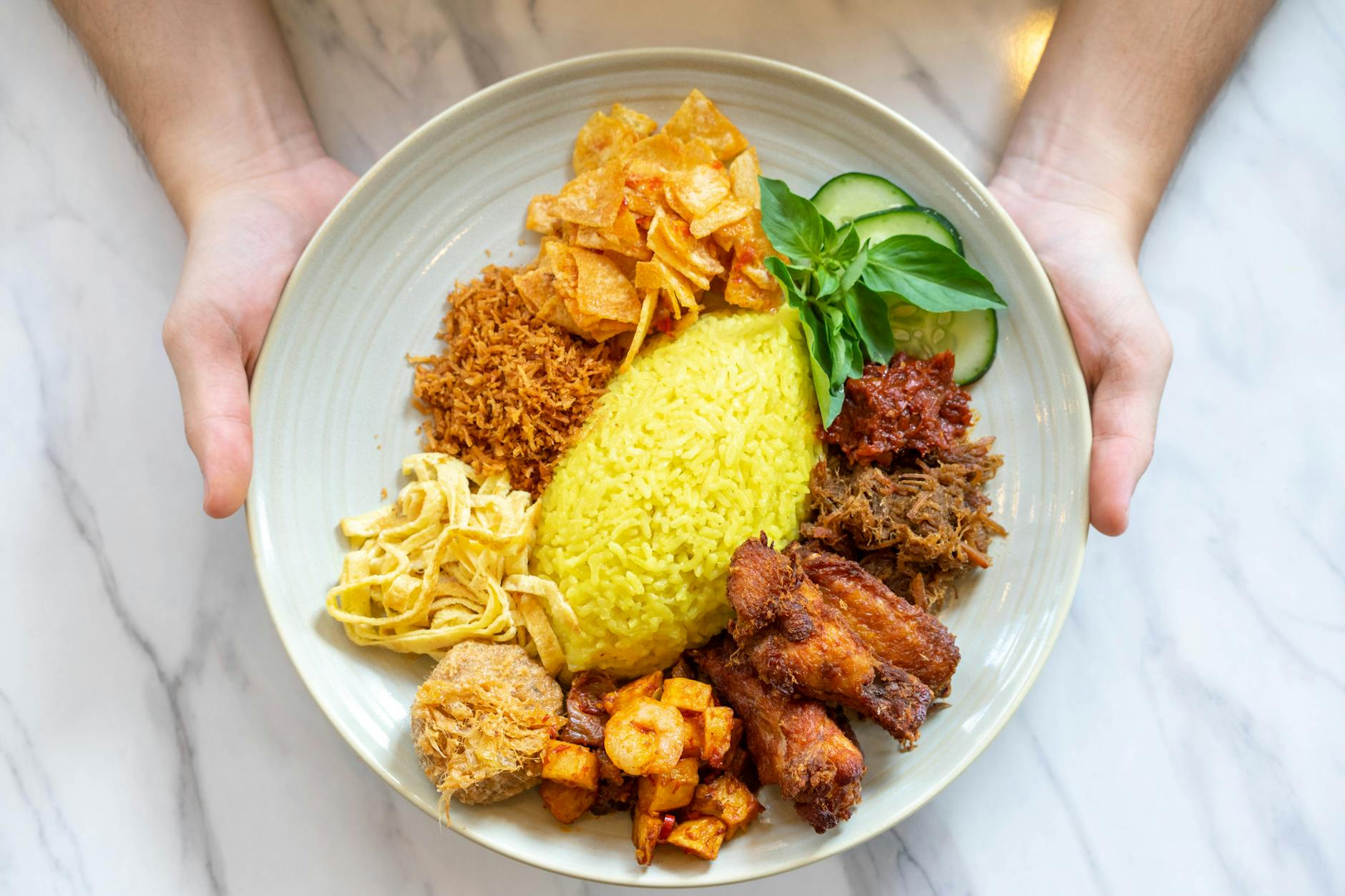
Nasi uduk — fragrant coconut rice served with a spread of fried chicken, sweet beef, fried tofu, tempeh orek, hard-boiled egg, and sambal kacang — is Jakarta’s quintessential breakfast and the dish locals most associate with home cooking. The catch for visitors is that almost everything written about the best nasi uduk Jakarta has to offer is in Indonesian, and the English guides barely scratch the surface. So this goes deep: the history, what actually separates Jakarta’s nasi uduk from Malaysian nasi lemak, the legendary Kebon Kacang “Pioneer’s Row” where three famous stalls sit within 200 meters of each other, and the 12 most beloved specialists across every Jakarta neighborhood — with addresses, hours, and exactly what to order.
Nasi uduk is one of the foundational dishes of Betawi cuisine, and a natural first stop in the wider Jakarta food guide. Here we zero in on the breakfast itself.
What Is Nasi Uduk?
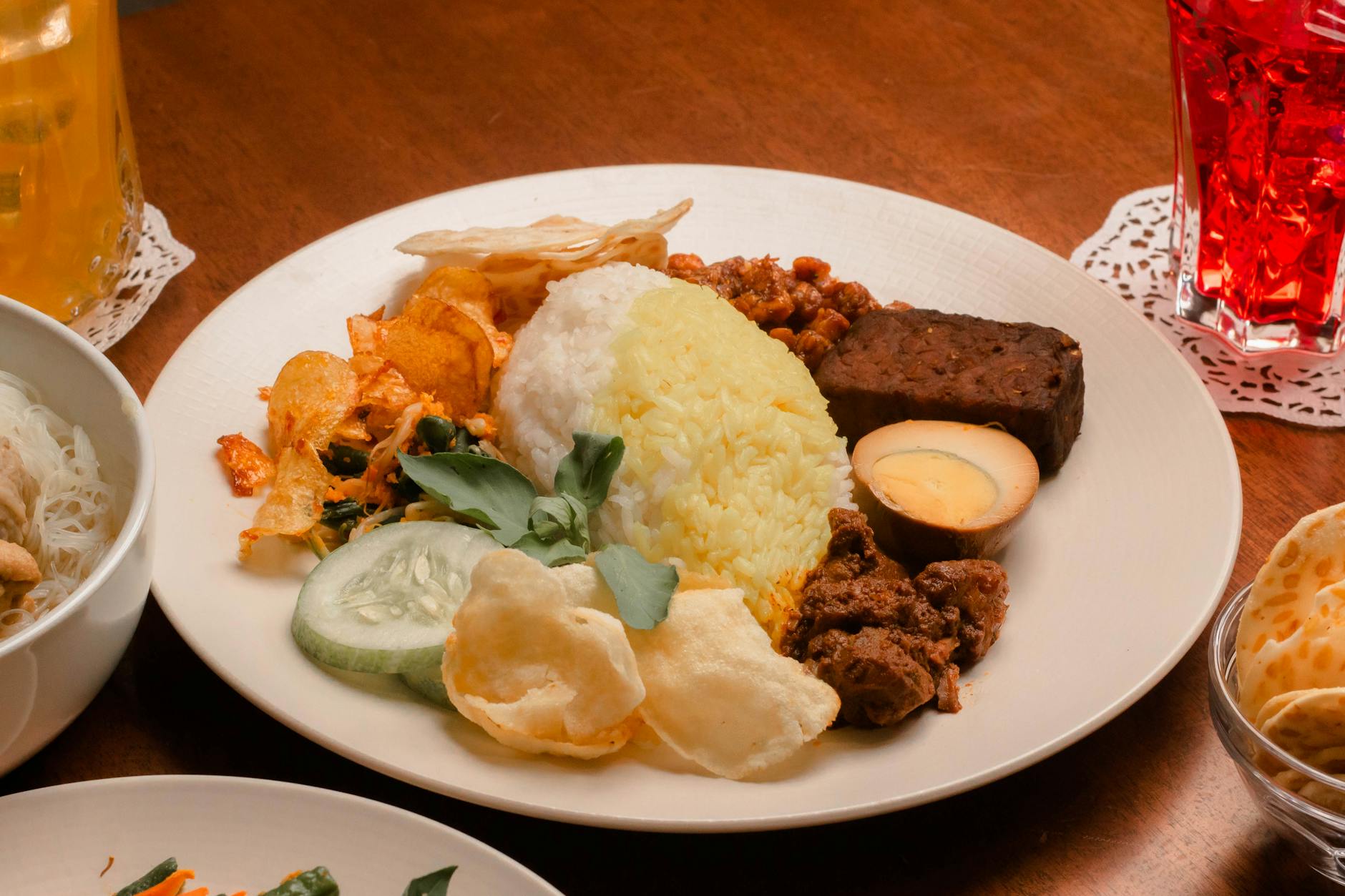
Nasi uduk is rice cooked with coconut milk and seasoned with cinnamon, ginger, pepper, nutmeg, lemongrass, and pandan leaves until each grain absorbs the aromatic richness. The cooked rice is then served on a banana leaf or plate with a spread of accompaniments: ayam goreng (fried chicken), empal (sweet braised beef), dendeng (sweet-spicy beef jerky), tahu goreng (fried tofu), tempeh orek (sweet-savory tempeh), hard-boiled egg, kerupuk (crackers), and sambal kacang (peanut chili sauce). The combination of fragrant coconut rice and the variety of sides creates what Jakartans consider the perfect breakfast.
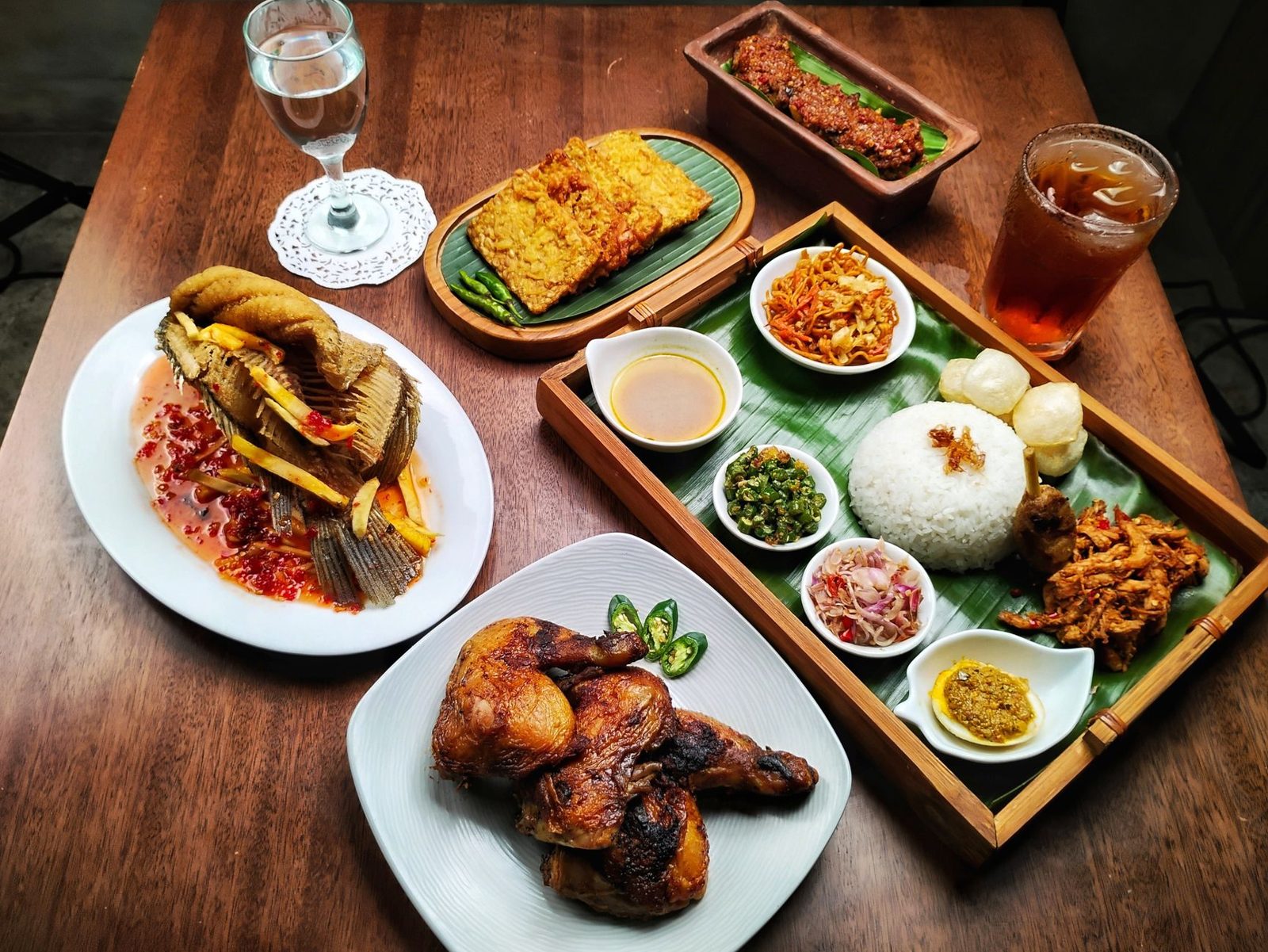
What actually makes good nasi uduk
The whole dish lives or dies on the rice, and getting it right is harder than it looks. The grains are first steamed, then finished in coconut milk infused with pandan, lemongrass, bay leaf, and a little salt, so each grain carries the perfume without turning sticky or greasy. The tell of a great version is that the rice tastes complete on its own — fragrant, faintly rich, distinct grain by grain — before a single side touches the plate. Cheap versions cut the coconut milk or rush the infusion, and you can taste it immediately: flat, plain rice propped up by the fried chicken and sambal.
After the rice, the sambal kacang is what separates a legendary stall from a merely good one. The best are ground fresh, balancing roasted peanut, palm sugar, chili, and a hit of lime or tamarind so they land sweet, spicy, and sharp all at once rather than just sweet. Everything else on the plate — the ayam goreng, the empal, the tempeh orek, the fried egg — is essentially a delivery system for rice and sambal, which is why two stalls 200 meters apart on the same street can serve genuinely different breakfasts.
Nasi Uduk vs. Nasi Lemak — What’s the Difference?
Anyone who has eaten around the region asks the same thing: isn’t nasi uduk just nasi lemak? They share coconut-rice DNA but differ meaningfully, and the distinction is one of the more useful ones to grasp early when working through the must-try Jakarta dishes:
- Nasi uduk (Jakarta) — heavier coconut-milk content, more aromatic spices (cinnamon, nutmeg, cloves), served as a substantial spread of fried sides, beef-and-chicken focused, eaten primarily as breakfast
- Nasi lemak (Malaysia/Singapore) — lighter coconut content, simpler spicing, served with sambal-fried anchovies (ikan bilis), peanuts, cucumber, egg, fish, often as lunch
If you’ve tried only Malaysian nasi lemak, the Indonesian version will surprise you with its richer, more elaborate character.
The Kebon Kacang “Pioneer’s Row” — Three Legends Within 200 Meters
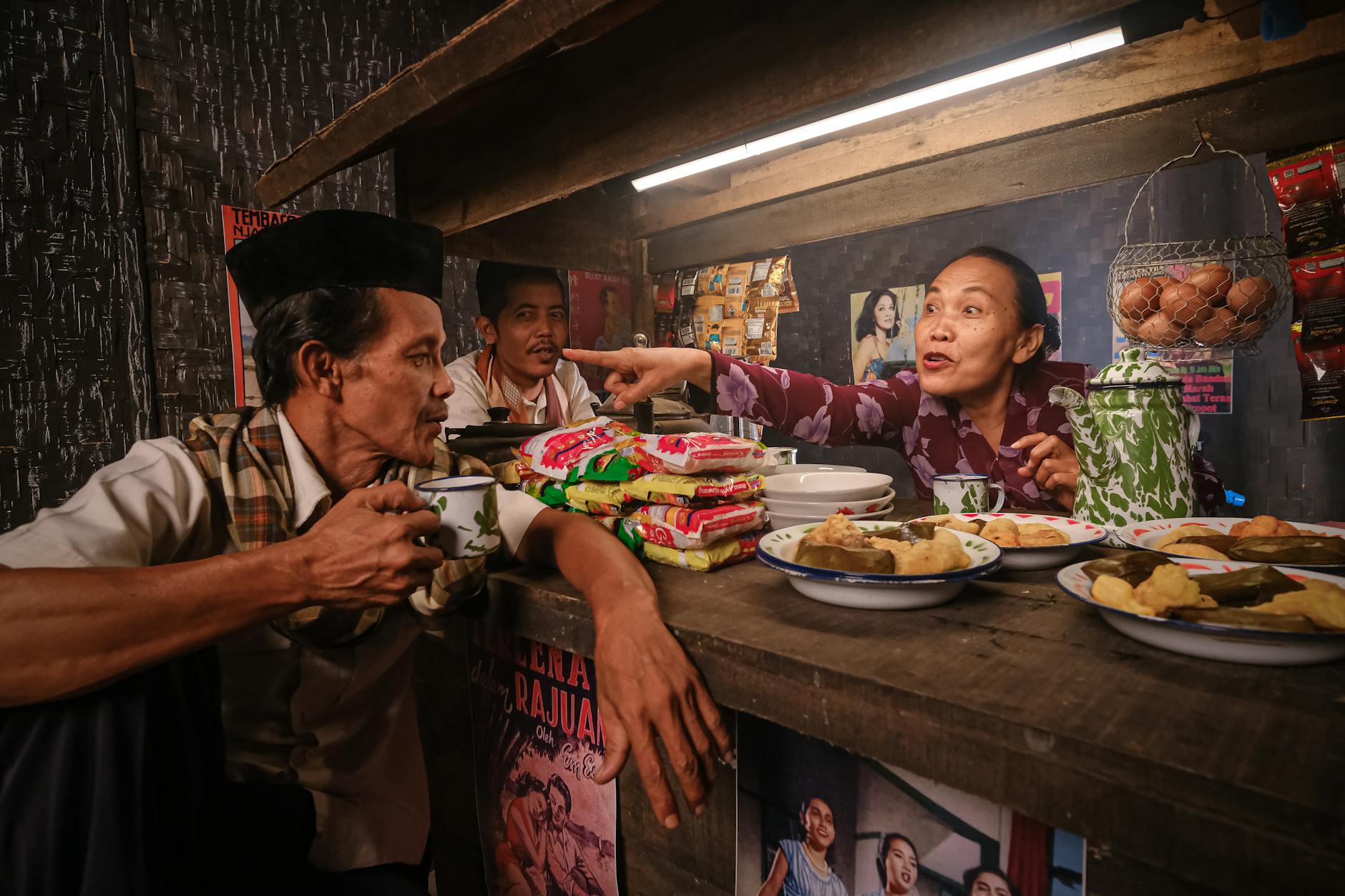
The single most legendary cluster of nasi uduk in Jakarta is on Jalan Kebon Kacang in Central Jakarta, where three pioneer stalls operate within 200 meters of each other. Serious Jakarta food enthusiasts often visit all three on one breakfast pilgrimage to compare styles.
1. Nasi Uduk Kebon Kacang Zainal Fanani (Since 1967)
The most famous of the three pioneers, Zainal Fanani opened in 1967 and remains the gold standard for Kebon Kacang-style nasi uduk. Family-run for three generations, with consistent quality across decades. The ayam goreng is particularly celebrated. Address: Jalan Kebon Kacang, Central Jakarta. Open: 6:00 AM until sold out. Spend: IDR 25,000–50,000.
2. Nasi Uduk H. Babe Saman (Since 1963)
Slightly older than Zainal Fanani, H. Babe Saman opened in 1963 and serves a slightly lighter version with particularly good empal sweet beef. Often less crowded than Zainal Fanani — equally excellent. Spend: IDR 25,000–45,000.
3. Nasi Uduk Pak Salam (Third Kebon Kacang Pioneer)
The third of the Pioneer’s Row trio, Pak Salam serves the most traditional village-style version with stronger pandan aroma in the rice. Spend: IDR 20,000–40,000.
Pioneer’s Row strategy: Order one small portion at each (just rice + 2-3 sides) and walk between them to compare. Total spend across all three: IDR 75,000–135,000 ($5–9). One of Jakarta’s most rewarding food experiences.
Top Nasi Uduk Stalls Beyond Kebon Kacang
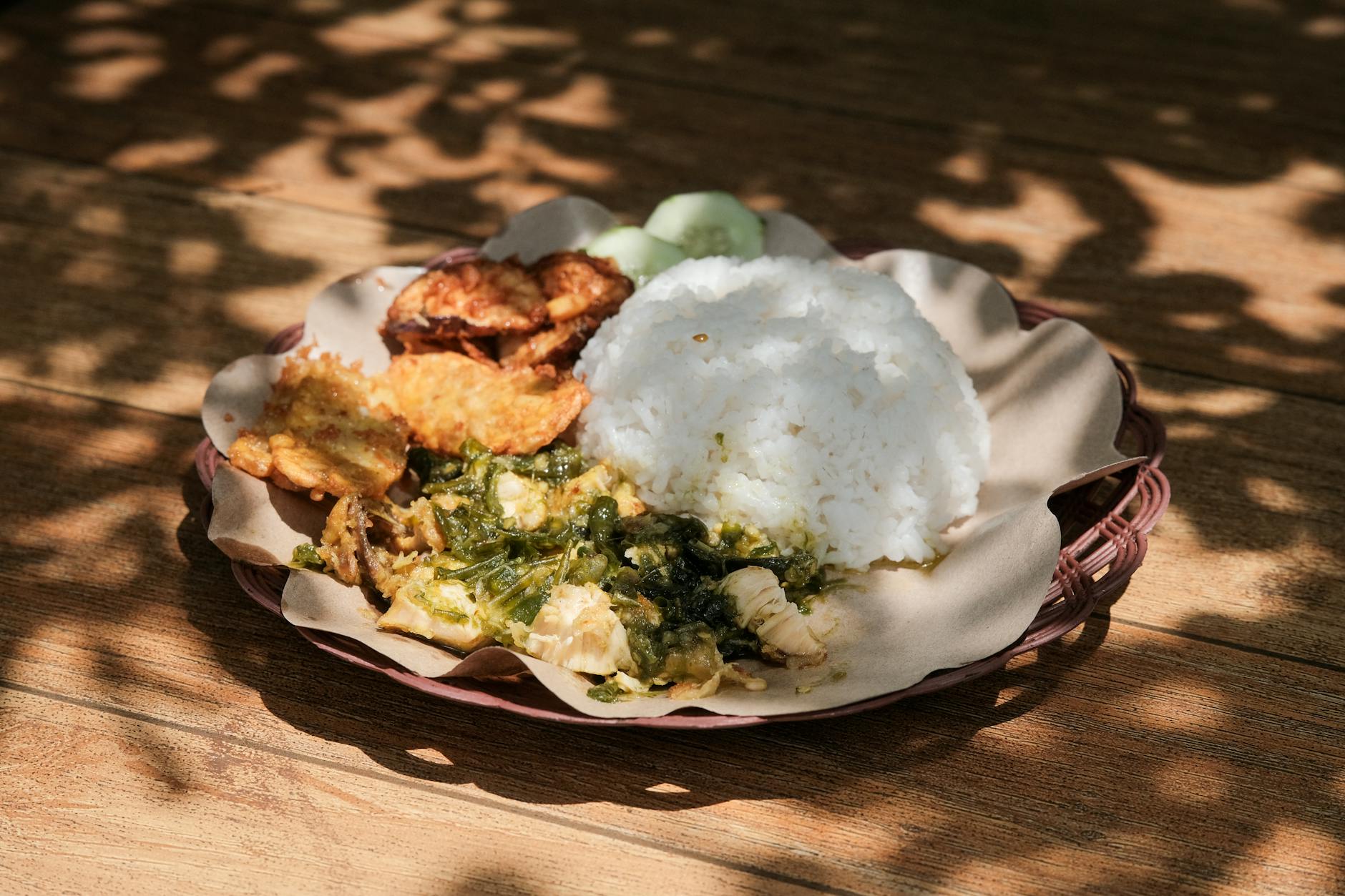
4. Nasi Uduk Gondangdia (Cikini IV)
A Central Jakarta institution serving nasi uduk in the elegant Gondangdia neighborhood. The complete spread is particularly generous, and the sambal has just-right heat. Spend: IDR 30,000–55,000.
5. Nasi Uduk Ibu Amah (Pekojan, Since 1965)
One of West Jakarta’s most beloved nasi uduk specialists, Ibu Amah in Pekojan has been serving 400+ portions daily since 1965 — a family-run stall with generations of regulars, set in a market-dense pocket worth exploring via the guide to Jakarta food markets. Spend: IDR 25,000–50,000.
6. Nasi Uduk H. Toha (Distinctive Version)
H. Toha serves a uniquely lighter version made without santan (coconut milk) — using only the spice aromatics. The result is less rich but more delicately aromatic. Polarizing among purists but beloved by its regulars. Spend: IDR 30,000–55,000.
7. Nasi Uduk Bang Udin (South Jakarta)
The South Jakarta favorite, Bang Udin serves a generous spread with particularly good tempeh orek and a notably aromatic rice. Spend: IDR 30,000–55,000.
8. Nasi Uduk Pecenongan Late-Night Version
The Pecenongan night-market vendors serve nasi uduk as evening food rather than breakfast — heavier portions, often paired with seafood, running from 6:00 PM until 2:00 AM. It’s one stop on a strip that anchors both the best street food in Jakarta and the Jakarta night food markets guides. Spend: IDR 35,000–70,000.
9. Nasi Uduk Pondok Pinang
A South Jakarta neighborhood favorite with reliable quality and a particularly good ayam goreng kalasan. Spend: IDR 28,000–50,000.
10. Nasi Uduk Pasar Senen Night Vendors
The vendors near Pasar Senen serve late-night nasi uduk to night-shift workers and just-arrived travelers — less polished than the legends but reliably good and authentic, and an easy add-on to a day of eating around Kota Tua nearby. Spend: IDR 25,000–45,000.
11. Nasi Uduk Mas Miskan (West Jakarta)
A West Jakarta favorite, Mas Miskan serves a particularly hearty spread with multiple choices of fried protein. Spend: IDR 30,000–55,000.
12. Nasi Uduk Kebagusan (East Jakarta)
The East Jakarta favorite, Kebagusan serves a slightly sweeter version reflecting Javanese palate influences (East Jakarta has more direct Javanese cultural roots than Central). Spend: IDR 25,000–45,000.
Ordering Glossary — What to Say at Any Nasi Uduk Stall
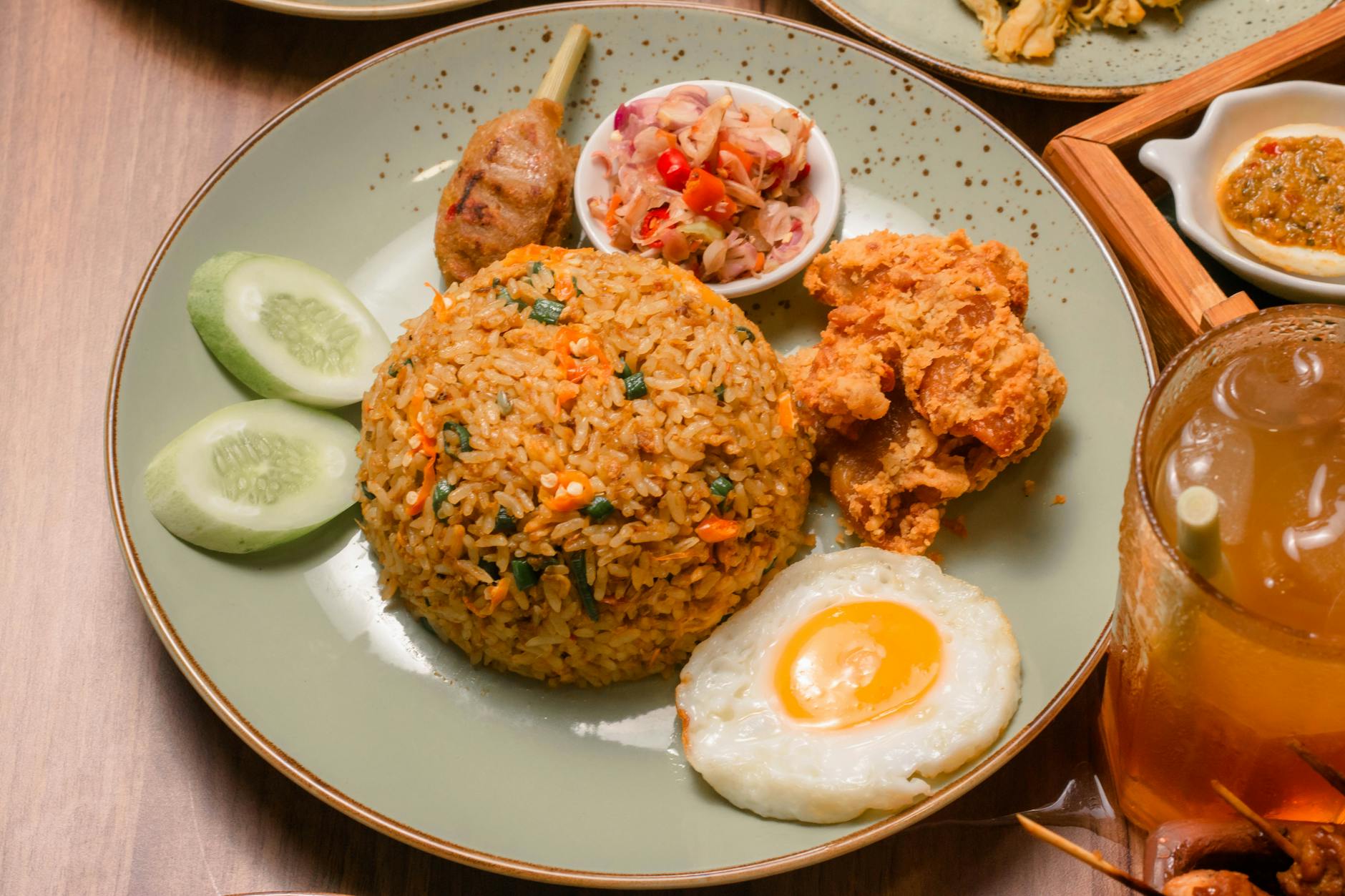
Proteins (Pick One or Two)
- Ayam goreng — fried chicken (most popular)
- Empal — sweet braised beef
- Dendeng — sweet-spicy beef jerky
- Semur ayam — chicken in sweet soy stew
- Semur jengkol — stinky bean stew (acquired taste)
- Telur balado — egg in chili sauce
Sides (Multiple Recommended)
- Tahu goreng — fried tofu
- Tempeh orek — sweet-savory crispy tempeh
- Bakwan — vegetable fritter
- Telur dadar — Indonesian omelette
- Telur rebus — hard-boiled egg
- Kerupuk — crackers
Sambal Choices
- Sambal kacang — peanut chili sauce (sweet, mild)
- Sambal terasi — shrimp-paste chili (intense, smoky)
- Sambal ijo — green chili sauce (sharp, herby)
Basic Phrases
- “Nasi uduk komplit + ayam goreng” — nasi uduk complete with fried chicken
- “Pakai semua” — with everything
- “Tanpa pedas” — without spicy
- “Bungkus” — to go (wrapped)
- “Makan di sini” — eat here
Nasi uduk stalls at a glance
If you’re short on time, here are the stalls worth crossing the city for, with their vintage, neighborhood, rough price, and the window to catch them before they sell out.
| Stall | Since | Area | Price | Best window |
|---|---|---|---|---|
| Kebon Kacang Zainal Fanani | 1967 | Central (Kebon Kacang) | IDR 25,000–50,000 | 6–10 AM |
| H. Babe Saman | 1963 | Central (Kebon Kacang) | IDR 25,000–45,000 | 6–10 AM |
| Pak Salam | — | Central (Kebon Kacang) | IDR 20,000–40,000 | 6–10 AM |
| Ibu Amah | 1965 | West (Pekojan) | IDR 25,000–50,000 | Morning |
| Nasi Uduk Gondangdia | — | Central (Cikini) | IDR 30,000–55,000 | Morning |
| Pecenongan vendors | — | Central (Pecenongan) | IDR 35,000–70,000 | 6 PM–2 AM |
When to Eat Nasi Uduk
Traditional nasi uduk is breakfast food — most legendary stalls open at 5:00–6:00 AM and sell out by 10:00 AM. The Kebon Kacang Pioneer’s Row sells out particularly fast. For evening nasi uduk, head to Pecenongan or Pasar Senen night markets. Late-morning timing (8:00–9:30 AM) is ideal for first-time visitors.
Best Nasi Uduk by Neighborhood
Which of these you reach depends a lot on where you’re based, so it’s worth cross-referencing the Jakarta neighborhoods guide when you plan a breakfast.
Central Jakarta
Kebon Kacang Pioneer’s Row (Zainal Fanani, H. Babe Saman, Pak Salam), Nasi Uduk Gondangdia (Cikini), Nasi Uduk Pasar Senen evening vendors.
South Jakarta
Nasi Uduk Bang Udin, Nasi Uduk Pondok Pinang.
West Jakarta
Nasi Uduk Ibu Amah (Pekojan), Nasi Uduk Mas Miskan.
East Jakarta
Nasi Uduk Kebagusan.
Regional Variations of Nasi Uduk
Even within Jakarta, nasi uduk varies regionally:
- Central Jakarta (Kebon Kacang) — the gold standard, balanced aromatics
- West Jakarta (Pekojan) — slightly more herbaceous, generous spread
- South Jakarta — modern adaptations with broader protein options
- East Jakarta — sweeter, more Javanese-influenced
- North Jakarta (Pasar Senen evening) — heartier portions, evening service
Pairing Nasi Uduk with Coffee
Traditional pairings include thick Indonesian-style coffee (kopi tubruk — unfiltered ground coffee), or sweet milk tea (es teh manis). Modern Jakartans often follow nasi uduk breakfast with a specialty coffee walk through the Cikini cafes — pair Kebon Kacang nasi uduk at 8:00 AM with a Tanamera single-origin pour-over at 9:30 AM for one of Jakarta’s most beloved breakfast routines. If you’d rather stay savory, a bowl of the best soto Betawi in Jakarta makes the ideal mid-morning second course.
Nasi Uduk for Vegetarians
Vegetarian-friendly nasi uduk is straightforward at most stalls, and it’s one of the easier meat-free wins covered in the guide to vegetarian and vegan food in Jakarta. Order: “nasi uduk komplit tanpa daging dan ayam, pakai tahu dan tempeh” (nasi uduk complete without meat or chicken, with tofu and tempeh). The rice itself is naturally vegetarian; just specify which sides to skip and add. Sambal kacang is vegan; check terasi sambal which contains shrimp paste.
Sample Nasi Uduk Breakfast Tour
Hardcore Pioneer’s Row Tour (Central Jakarta breakfast):
- 7:00 AM: Small portion at Nasi Uduk Kebon Kacang Zainal Fanani
- 7:45 AM: Walk 100m to H. Babe Saman — second small portion
- 8:30 AM: Walk 100m to Pak Salam — third small portion
- 9:30 AM: Specialty coffee at Tanamera Cikini
Total spend: IDR 75,000–135,000 ($5–9). The ultimate Jakarta breakfast crawl.
First-timer mistakes worth avoiding
A few small errors keep visitors from the best version of this breakfast. Going late. The legendary stalls open at 6am and the Kebon Kacang trio in particular sells out fast; arrive by 9:30 and you’re cutting it close. Ordering everything. The spread is tempting, but two or three sides plus rice is the right amount — pile on five proteins and you’ll miss the point, which is the rice. Skipping the sambal because it looks hot. Sambal kacang is the soul of the dish and usually sweeter and milder than it appears; ask for it on the side if you’re nervous, but don’t skip it. Assuming it’s only breakfast. Most stalls run uduk all day, and the Pecenongan vendors turn it into late-night food, so a missed morning isn’t a missed dish.
The smartest single move, if your schedule allows, is the Pioneer’s Row crawl: order one small portion at each of the three Kebon Kacang stalls and walk between them, which costs IDR 75,000–135,000 total and teaches you more about what “good” means here than any amount of reading. Bring small notes, eat the rice slightly ahead of the sides so you can taste it clean, and don’t rush — a proper nasi uduk breakfast is meant to be lingered over with a glass of sweet tea.
Frequently Asked Questions About Best Nasi Uduk Jakarta
What is the best nasi uduk in Jakarta?
Nasi Uduk Kebon Kacang Zainal Fanani (since 1967) is widely considered the city’s best, with H. Babe Saman (since 1963) and Pak Salam as the other two Pioneer’s Row legends within 200 meters. Ibu Amah (Pekojan) is the West Jakarta favorite.
What time should I eat nasi uduk?
Traditional breakfast nasi uduk is best between 6:00–10:00 AM; most legendary stalls sell out by mid-morning. Evening nasi uduk at Pecenongan and Pasar Senen serves until 2:00 AM.
How much does nasi uduk cost in Jakarta?
A typical complete nasi uduk meal costs IDR 25,000–55,000 ($1.50–3.50) — one of the best-value full meals in the city, and a natural anchor for the wider guide to cheap eats in Jakarta. A premium spread with multiple proteins can reach IDR 75,000.
Is nasi uduk halal?
Yes — all traditional nasi uduk stalls are halal (chicken, beef, eggs, tofu, tempeh). The dish has no pork.
What’s the difference between nasi uduk and nasi lemak?
Nasi uduk (Jakarta) is heavier on coconut and aromatic spices, served as a generous breakfast spread. Nasi lemak (Malaysia/Singapore) is lighter, with simpler spicing, often served with anchovies and peanuts. Both share coconut-rice DNA but are distinct dishes.
Can I order nasi uduk to go?
Yes — order “bungkus” (to go); most stalls wrap nasi uduk in banana leaf or wax paper. Many Jakarta office workers buy nasi uduk to go for breakfast at their desks.
Nasi uduk is Jakarta’s defining breakfast, and the Kebon Kacang Pioneer’s Row is one of the most rewarding food pilgrimages in the city. When you’re ready to widen the trip, the Jakarta food guide maps the whole scene, and a guided morning crawl — addresses and ordering handled — is laid out in the Jakarta food tour guide.
External Resources for Nasi Uduk
For more nasi uduk research, the Wikipedia Nasi Uduk entry provides historical context, and Daniel Food Diary’s review of Ibu Amah offers detailed photographic coverage of one of West Jakarta’s pioneer stalls.