Ask anyone who has lived through a full calendar year in this city and they will give you the same answer without much hesitation: the best time to visit jakarta is between June and the first half of September, when the rain more or less switches off, the humidity drops to something survivable, and the streets dry out fast enough that a downpour the night before doesn’t leave your route to breakfast underwater. That is not the only correct answer, though — the shoulder months either side of the monsoon have their own case, and if you are coming for a specific festival or for Ramadan’s particular atmosphere, the calendar matters more than the thermometer.
This piece is the deep dive that our Jakarta travel tips pillar guide only gestures at. That article covers weather at a glance alongside dozens of other practicalities — money, SIM cards, etiquette, scams to dodge. Here we go month by month: rainfall figures, exactly which neighbourhoods flood and why, what the dry season costs you in haze and hotel prices, how Ramadan changes the rhythm of the city, and a highlights calendar of the events worth timing a trip around. Companion articles on what to pack, the city’s air quality, and staying healthy while travelling here are coming soon in the same cluster — this one sticks to the calendar question.
The Best Time to Visit Jakarta: The Short Answer
Jakarta sits almost exactly six degrees south of the equator, which means there is no winter to avoid and no summer to chase — the temperature barely moves across the year, hovering in the low-to-mid 30s Celsius by day and rarely dropping below 24°C at night, even in the small hours. What actually changes, and changes a great deal, is rainfall. From June to August the city gets some of its driest, clearest weather of the year, and September tends to carry that momentum a little further before the rain starts creeping back. If your priority is walking around Kota Tua, exploring Monas, or doing anything outdoors without an umbrella permanently in hand, that’s your window. But it’s also the busiest and most expensive stretch, sitting across the Northern Hemisphere’s summer holidays, and it overlaps with a regional haze problem that has nothing to do with Jakarta itself but can still dull its skies. There’s no season here that’s simply “best” without trade-offs — only a best fit for what you’re after.
Jakarta’s Climate in One Paragraph
Jakarta falls under the Köppen “Af” classification — true tropical rainforest climate — which is a fancy way of saying it’s hot and damp all year and the only real seasonal variable is how much it rains. Annual rainfall runs somewhere around 1,800 to 2,100mm depending on the year and which weather station you trust, concentrated heavily into the first quarter of the year. Daytime highs sit between roughly 31°C and 33°C every single month; overnight lows rarely dip under 24°C. Humidity is the constant background hum of any Jakarta trip — even in the driest months you’ll be sweating within minutes of stepping outside, air conditioning becomes a genuine travel amenity rather than a nice-to-have, and cotton does more work for you than anything synthetic.
Month-by-Month: Rainfall, Temperature and What to Expect
The table below uses long-run averages, so treat any single year as a variation on the theme rather than a guarantee — 2026 has already produced flooding in January that ran ahead of typical seasonal patterns, discussed further down. Still, the shape of the year is remarkably consistent.
| Month | Avg. High | Avg. Low | Avg. Rainfall | Rainy Days | What It Means |
|---|---|---|---|---|---|
| January | 31°C | 25°C | ~300mm | 18 | Deep wet season, flood risk elevated |
| February | 31°C | 25°C | ~325mm | 17 | Typically the wettest month of the year |
| March | 32°C | 25°C | ~235mm | 16 | Still firmly wet season |
| April | 33°C | 25°C | ~150mm | 12 | Shoulder month, rain easing |
| May | 33°C | 25°C | ~110mm | 9 | Shoulder month, noticeably drier |
| June | 32°C | 24°C | ~95mm | 7 | Dry season begins |
| July | 32°C | 24°C | ~65mm | 5 | Peak dry season, busy with tourists |
| August | 32°C | 24°C | ~46mm | 4 | Driest month of the year |
| September | 33°C | 24°C | ~65mm | 5 | Still dry, hottest daytime highs |
| October | 33°C | 25°C | ~120mm | 9 | Rain returns, shoulder month |
| November | 32°C | 25°C | ~160mm | 13 | Wet season firmly under way |
| December | 31°C | 25°C | ~215mm | 16 | Wet season builds toward its peak |
Wet Season (November to March): What You’re Actually Signing Up For
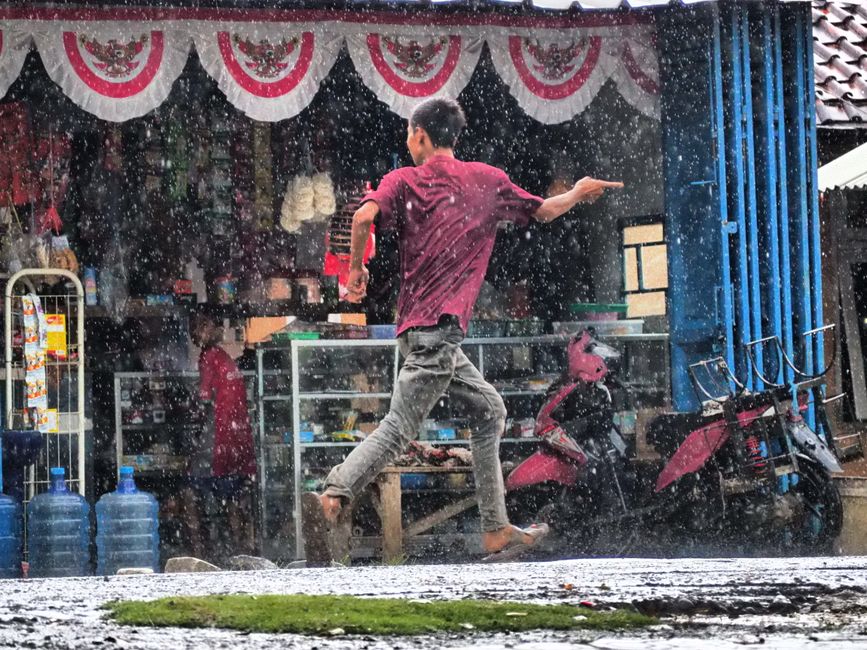
The wet season isn’t a few showers a day — it’s a genuine change in how the city functions. Rain tends to arrive in short, intense bursts rather than an all-day drizzle, which sounds manageable until you realise those bursts can drop 30-40mm in under an hour, more than some drier months see in total. Streets that drain fine on an ordinary day turn into ankle-deep rivers within minutes, motorbikes stall, and TransJakarta buses slow to a crawl in standing water. It’s not constant — you’ll get plenty of dry, humid afternoons between storms — but the unpredictability is the point. Plan an outdoor day in January and you should have a wet-weather alternative ready, because there’s a real chance you’ll need it.
Flooding: Where and Why
Jakarta’s flooding problem is structural, not just meteorological. Large parts of North and West Jakarta sit below sea level and are still sinking — a mix of groundwater extraction and the sheer weight of the city — while much of the drainage network dates to the Dutch colonial era and simply wasn’t built for today’s rainfall volumes or population density. Add tidal surges from the Java Sea on top of heavy rain and you get compounding floods that pumps alone can’t clear quickly. As recently as late January 2026, over a hundred neighbourhood units and more than a dozen road sections across the city were under water after a single night of intense rain, with more than a thousand pumps deployed to bring levels back down. This isn’t a rare, one-off event — it’s a predictable feature of most wet seasons, varying mainly in severity.
Kemang and South Jakarta’s Particular Problem
If there’s one area worth flagging specifically, it’s Kemang. It’s popular with expats and tourists for its restaurants and bars — see our Kemang nightlife guide for why people keep coming back — but it also sits low near the Krukut River with drainage that has never really kept pace with development. Floodwater has reached 1.5 metres there in past bad years, and on a rough two-year cycle the area sees serious inundation. In the January 2026 flooding, South Jakarta was the hardest-hit part of the city overall, with areas like Petogogan, Ulujami and Pela Mampang all reporting standing water well over half a metre deep. None of this means avoid South Jakarta entirely — its restaurant and bar scene is genuinely worth the trip — but if you’re booking accommodation for a wet-season stay, it’s worth checking a hotel’s exact street and elevation rather than just the neighbourhood name, and our guide to Jakarta’s best areas to stay flags which pockets tend to cope better.
Dry Season (June to September): The Trade-Offs Nobody Mentions
The dry season is dry in the way Jakarta gets dry — which is to say, still humid, still hot, just without the daily risk of being caught in a downpour. Rainfall drops to a trickle by August, skies clear up more often than not, and it becomes genuinely pleasant to spend a whole day outside without checking a weather radar every hour. That’s the appeal, and it’s real. But two things temper it.
The Regional Haze Question
Jakarta’s own dry season is one thing; the wider Indonesian dry season is another. From roughly June through November, land-clearing fires on Sumatra and Kalimantan pick up, typically peaking between August and October, and depending on wind direction some of that smoke drifts across Java and settles over Jakarta as haze. It doesn’t happen every year with the same intensity, and Jakarta is rarely hit as hard as cities closer to the fires, but in a bad year it can mean hazier skies and noticeably worse air quality on top of the city’s already significant traffic pollution — a topic our forthcoming air quality guide for the cluster will cover in more depth. It’s not a reason to avoid the dry season, but it’s worth knowing the clear-blue-sky version of Jakarta isn’t guaranteed even in July.
Peak Pricing and Crowds
June through August lines up with school holidays across much of the world, and it shows in Jakarta’s hotel rates and flight prices. If you’re weighing options, our best hotels in Jakarta guide is worth checking well ahead of a July or August trip rather than the week before — good rooms in central areas get booked up, and rates climb accordingly. Popular sights and malls also feel busier during this stretch, particularly around the Jakarta Fair in June and July and the Independence Day period in mid-August, both covered in more detail below.
The Shoulder Months: April, May and October
If you want the case for the season nobody talks about, it’s this: April, May and October sit between the two extremes, and they quietly offer the best value-for-hassle ratio of the year. Rain is present but far less relentless than peak wet season — expect a shower most days rather than a genuine risk of flooding — while crowds and prices haven’t yet hit the mid-year peak. May in particular tends to be genuinely pleasant, with rainfall dropping fast from April’s totals while the worst of the dry-season crowding is still weeks away. October works similarly in reverse, as the year’s rain returns gradually rather than all at once. Neither month gets marketed the way June-to-September does, which is exactly why they’re worth considering if flexibility is on your side.
Ramadan and Lebaran: How They Reshape the City
Ramadan 2026 is expected to run from around 19 February to 20 March, subject to the usual moon-sighting confirmation each year, with 2027’s dates falling roughly eleven days earlier again. Whenever it lands, it changes Jakarta’s daily rhythm noticeably, and it’s worth planning around consciously rather than discovering on arrival.
During daylight hours, many local, non-tourist-facing restaurants and food stalls close or scale back, particularly in more conservative neighbourhoods — hotel restaurants, international chains and tourist-oriented venues generally stay open throughout. Bars and nightclubs often reduce their hours or close outright for the month; if a big night out is part of your plan, check our Jakarta nightlife guide against the Ramadan calendar before booking, since some venues that feature prominently in it simply aren’t operating as usual during the fasting month. As a visitor, it’s polite to avoid eating, drinking or smoking conspicuously in public during the day in more traditional areas, even though nobody is likely to say anything if you don’t.
Where Ramadan genuinely rewards a visit is after sunset. Iftar (breaking the fast) turns streets across the city into temporary night markets — pasar Ramadan — selling everything from fried snacks to sweet takjil, and the atmosphere around mosques like the Istiqlal Mosque takes on a different, more communal energy than the rest of the year. It’s worth pairing an evening there with a wander through one of the city’s regular night food markets, many of which run an extended, Ramadan-specific version of their usual offering.
The one period genuinely worth planning around rather than into is Lebaran (Idul Fitri) itself, the holiday marking Ramadan’s end. A huge share of Jakarta’s population travels home to other parts of Indonesia for it — the annual mudik exodus — and for roughly a week the city empties out dramatically. Traffic gets noticeably lighter, which some visitors actively enjoy, but a significant number of restaurants, shops and even some attractions close for several days, so it’s a poor window for anyone hoping to eat their way through the city’s food scene.
A Highlights Calendar of Jakarta’s Events
Weather aside, Jakarta’s calendar has several fixed points worth building a trip around. For full detail on each — dates, venues, ticketing — our dedicated events and festivals guide covers the whole year; here’s the shortlist of what tends to matter most for timing a visit.
| Event | Typical Timing | Why It Matters |
|---|---|---|
| New Year’s Eve | 31 December | Crowds and concerts around Bundaran HI; some years include drone light shows |
| Chinese New Year | Late January – mid-February | Celebrations centred on Glodok and the old Chinatown district |
| Cap Go Meh | 15 days after Chinese New Year (early March in 2026) | Lion and dragon dances, ondel-ondel, closes out the New Year festivities |
| Ramadan & Lebaran | February–March in 2026, shifting yearly | Night markets and a quieter, more communal city, but daytime closures |
| Jakarta Fair (PRJ) | Mid-June to mid-July | The city’s biggest trade fair and concert series, at JIExpo Kemayoran |
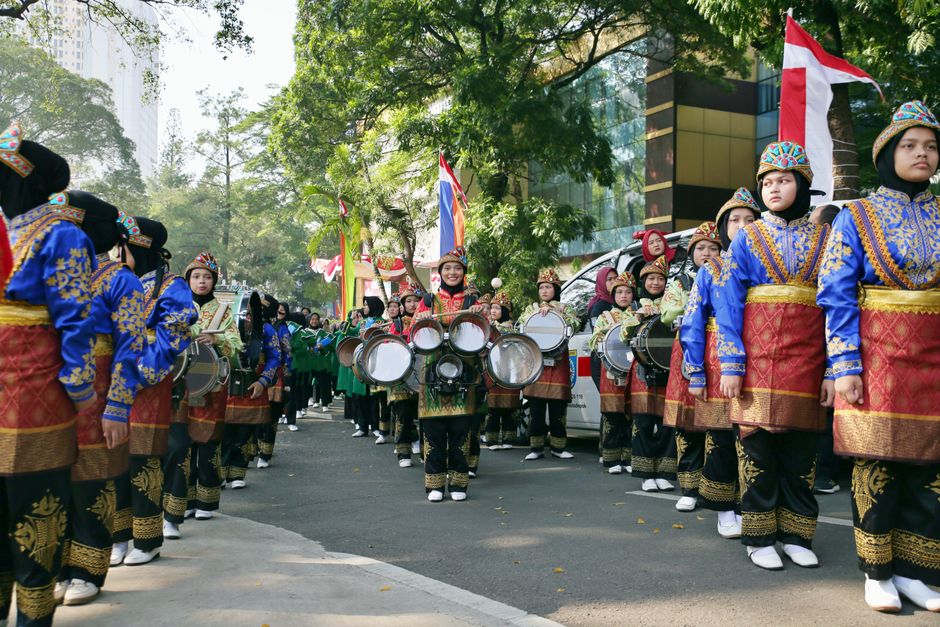
| Indonesian Independence Day | 17 August | Parades, ceremonies, fireworks and Pesta Rakyat events across the city |
Wet Season vs Dry Season: A Straight Comparison
Laid out side by side, the decision usually comes down to which downsides you’d rather manage.
| Wet Season (Nov–Mar) | Dry Season (Jun–Sep) | |
|---|---|---|
| Rainfall | Frequent, sometimes intense | Minimal, especially July–August |
| Flood risk | Real, especially South and North Jakarta | Very low |
| Air quality | Generally better — rain clears particulates | Can worsen with regional haze, Aug–Oct |
| Crowds & prices | Lower, more room to negotiate | Higher, especially July and August |
| Best for | Budget trips, indoor culture, quieter sights | Walking tours, day trips, outdoor exploring |
Best Time to Visit by Traveller Type
If you’re building a short trip around specific interests rather than the calendar alone, the calculation shifts a little. Anyone stitching together a two-day itinerary or a three-day itinerary heavy on outdoor sightseeing benefits most from the dry-season window, simply because there’s less need to build in contingency time for rain. Travellers with a full week to spend in Jakarta, on the other hand, have enough slack to absorb a wet afternoon or two and might prefer the lower prices and thinner crowds of the shoulder months. Anyone prioritising nightlife and rooftop bars should note that a handful of the city’s best venues, covered in the nightlife guide, run modified hours during Ramadan. Budget-conscious visitors and those chasing free things to do in Jakarta tend to do best in the shoulder months or even deep wet season, when accommodation is cheapest and many of the best free activities — museums, markets, religious sites — are indoor or covered anyway.
How the Season Affects Getting Around
Jakarta’s traffic is a headache in any month, but wet season adds a genuine layer of unpredictability on top of the usual congestion — flooded underpasses get closed, motorbike taxis slow down or refuse certain routes, and a normally 20-minute Grab or Gojek ride can stretch well past an hour. Our guide to avoiding Jakarta traffic is worth reading before any wet-season trip specifically, and leaning more heavily on the elevated options for getting around the city — the MRT and TransJakarta’s busway sections in particular — pays off when the streets are underwater. In the dry season, road-level transport is far more reliable, though Jakarta’s traffic never really has an easy month.
What to Pack and Prepare For
Whatever month you land, the year-round humidity and heat matter more for packing than the rain does — lightweight, quick-dry fabrics do far more good than anything waterproof and heavy. A compact umbrella earns its keep from November through March, and closed shoes with decent grip are worth it once streets start pooling. Beyond that, air quality is worth a moment’s thought regardless of season, and travellers with respiratory sensitivities in particular should factor in the dry-season haze risk discussed above — we’ll have a dedicated guide to Jakarta’s air quality live shortly, alongside a full packing list and a broader health and safety primer, all part of this same travel-tips cluster.
Frequently Asked Questions
What is the best time to visit Jakarta? For most travellers, the best time to visit Jakarta is June to early September, when rainfall is lowest and flooding risk is minimal. April, May and October are strong secondary options if you want lower prices and don’t mind occasional showers.
Is Jakarta safe to visit during the wet season? Generally yes — flooding is localised rather than city-wide, and most visitors simply build in flexible plans and avoid known low-lying areas after heavy rain. Serious flooding events do happen most years, though, and it’s worth checking local news during your stay.
Does it rain every day during the wet season? Not literally every day, but rain is frequent and often intense — expect showers most days between November and March, sometimes for just an hour, sometimes lasting much longer.
What is the hottest month in Jakarta? September tends to record the highest average daytime temperatures, though the difference across the year is small — every month sits in a fairly narrow band in the low-to-mid 30s Celsius.
Should I visit Jakarta during Ramadan? It’s a genuinely interesting time to visit, with a distinct evening atmosphere around night markets and mosques, but expect reduced daytime dining options and shorter hours at bars and nightclubs. Avoid the week of Lebaran itself if you want restaurants and attractions fully open.
Is Jakarta affected by the Southeast Asian haze season? Sometimes. Haze from land-clearing fires on Sumatra and Kalimantan, typically worst between August and October, can drift over Jakarta depending on wind patterns, though the city is usually less affected than areas closer to the fires.
When is Jakarta most crowded and expensive? July and August, which combine peak dry season with Northern Hemisphere summer holidays, plus the periods around the Jakarta Fair in June-July and Independence Day in mid-August.
What should I pack for Jakarta’s climate? Lightweight, breathable clothing year-round, a compact umbrella for wet-season months, and closed shoes with good grip if you’re travelling between November and March.
Where to Go Next
Once you’ve settled on when to go, the next logical step is deciding what to do once you’re there. Start with our broad guide to things to do in Jakarta for an overview of the city’s attractions, then look at day trips from Jakarta if you want to get outside the city for a day, and our neighbourhoods guide to work out where to base yourself given whichever season you’re travelling in. For the full practical picture beyond weather, head back to the Jakarta travel tips pillar guide, which ties this article together with everything else you need to know before you go.
Season changes the budget as much as the weather. Hotel rates are lowest in the rainy season, January especially, and booking data puts August among the cheaper months and October among the dearest, while the Lebaran holiday at the end of Ramadan upends prices and opening hours alike. Our guide to Jakarta daily budget costs shows what a day costs at each level.