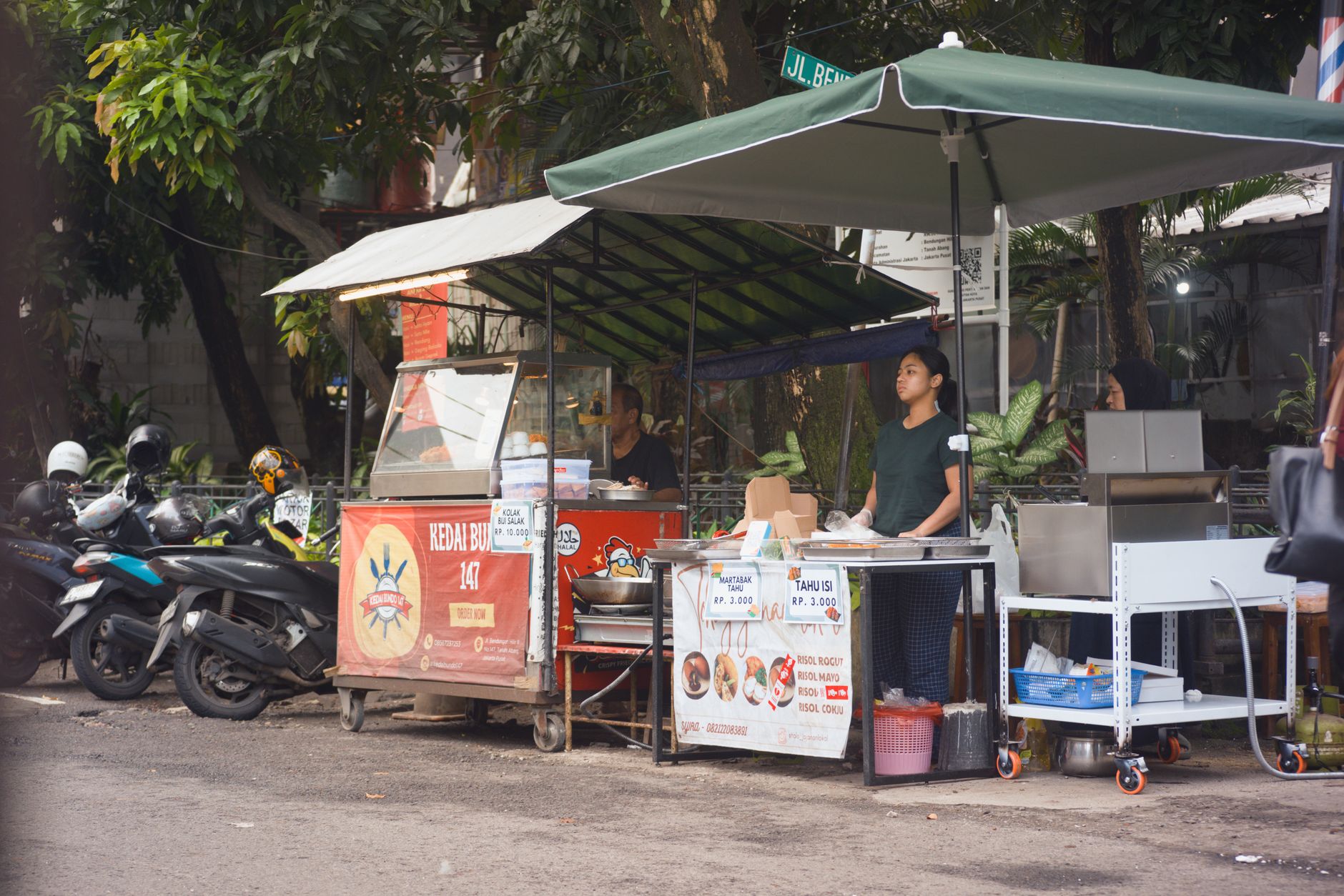
Most of what makes visitors ill in Jakarta has nothing to do with mosquitoes or exotic tropical disease. It is far more mundane: a splash of tap water in an ice cube, a curry left sitting in the sun for four hours, or simply not drinking enough water in 33-degree humidity and calling the resulting headache “jet lag.” Health precautions Jakarta travellers actually need are shorter and more boring than the internet makes them sound, and this guide sets out exactly what is worth doing, what is optional, and what is frankly a waste of a GP appointment.
This article sits underneath our Jakarta travel tips pillar guide, which covers the broader before-you-go checklist. If you are weighing up whether to buy cover at all, we have a separate deep dive on Jakarta travel insurance that goes into what a policy needs to include for medical evacuation specifically. Air pollution is a genuinely separate issue from the health precautions below — Jakarta’s air quality index has its own seasonal patterns and its own coping strategies, and we treat it in its own dedicated guide rather than folding it in here. And if it’s crime, traffic and general personal safety you’re after rather than illness prevention, that’s covered in full in our safety guide. This one is purely about keeping your body in working order.
Health Precautions Jakarta: The Vaccines Worth Getting Before You Fly
Nobody needs a full travel-clinic shopping spree for a week in Jakarta. The city is not the rural interior of Sumatra or a village trek in rice-paddy country, and the vaccine advice should reflect that. Book an appointment four to six weeks before you fly — some of these need two doses spaced apart, and turning up the week before departure limits your options.
Worth it for essentially everyone
Make sure your routine UK or home-country vaccinations are current: tetanus-diphtheria-polio (usually the Td/IPV booster if it has been more than ten years) and MMR if you somehow missed it as a child. These aren’t Indonesia-specific, but a surprising number of adults are overdue and a trip abroad is as good a prompt as any to check.
On top of that, hepatitis A and typhoid are the two the CDC and most UK travel clinics recommend for essentially all travellers to Indonesia, Jakarta included. Both spread through contaminated food and water, which is precisely the exposure route you cannot fully avoid even if you are careful — a rinsed lettuce leaf or a shared serving spoon is enough. Hepatitis A is usually two doses months apart for long-term protection, but a single dose gives decent short-term cover if you’re tight on time. Typhoid is a single injection or an oral course, and it’s genuinely worth doing even for a five-day city trip.
Worth considering, not essential for a short city stay
Hepatitis B spreads through blood and bodily fluids rather than food, so it matters more if you might need medical treatment involving needles, get a tattoo, or are staying long enough that the risk calculus changes — some clinics bundle it with hepatitis A as a combined jab.
Rabies vaccination is worth a conversation if you plan to spend time around stray dogs, cats or monkeys, which in Jakarta mostly means visits to places like Ragunan Zoo or if you’re the type to crouch down and make friends with every street cat in Menteng. It doesn’t remove the need for post-bite treatment if you’re scratched, but it buys you time and simplifies follow-up care, which matters given how patchy rabies immunoglobulin stock can be outside major hospitals.
Only worth it for longer or rural stays
Japanese encephalitis is the one people over-worry about. It’s a real disease, spread by mosquitoes that breed in rice paddies and standing water in rural areas, and it can be serious. But the risk to someone spending a week in central and south Jakarta hotels, malls and restaurants is very low — this vaccine is aimed at travellers spending a month or more in rural areas during transmission season, doing things like village homestays or long treks through agricultural land. If your itinerary is Jakarta plus maybe a day trip to Bogor or the Thousand Islands, it’s very likely unnecessary; continuing on to rural Java or Sumatra afterwards moves it back onto the “worth discussing” list.
| Vaccine | Who it’s really for | Practical note |
|---|---|---|
| Tetanus-diphtheria-polio booster | Everyone whose last booster was 10+ years ago | Often free on the NHS; check before you pay privately |
| Hepatitis A | Essentially all travellers to Indonesia | Two doses for long-term cover; one dose works for a single trip |
| Typhoid | Essentially all travellers to Indonesia | Single dose or oral course; worth it even for a short city trip |
| Hepatitis B | Longer stays, medical/dental risk, tattoos | Often combined with hepatitis A in one course |
| Rabies | Anyone likely to be around stray animals | Doesn’t remove need for post-bite treatment, but simplifies it |
| Japanese encephalitis | Month+ stays in rural areas during transmission season | Skip it for a standard Jakarta city trip; two doses, four weeks apart |
Malaria and Antimalarials: Why Jakarta City Isn’t Bali’s Rice Paddies
This one trips people up because “Indonesia” and “malaria” get mentally paired together, but malaria risk in Indonesia is heavily regional. Java — the island Jakarta sits on — and the city itself are considered low or negligible risk by most travel health authorities, largely thanks to urban development and mosquito control pushing the malaria-carrying Anopheles mosquito out of dense city environments. Antimalarial tablets aren’t generally recommended for a Jakarta-only trip, and taking them anyway just means unnecessary side effects for a risk that barely exists here. If your onward itinerary includes eastern Indonesia — Papua, parts of Nusa Tenggara, or rural Kalimantan — that’s a different conversation worth raising with a travel clinic separately, since those regions carry genuine, sometimes drug-resistant, malaria risk.
Dengue Fever: The Mosquito Risk That Actually Matters
If there’s one mosquito-borne illness worth taking seriously in Jakarta, it’s dengue, not malaria. It’s present year-round across the greater Jakarta area, with case numbers climbing in the wetter months roughly November to April, when standing water gives the Aedes aegypti mosquito more places to breed. There’s no vaccine offered to short-term travellers in most countries and no preventive medication, so avoidance is the entire strategy — and unlike malaria-carrying mosquitoes, Aedes aegypti bites mainly during the day, not just at dusk. That changes the practical advice: a net over the bed is nice to have overnight, but DEET or picaridin repellent applied through the day, especially if you’re sitting outdoors for a meal or wandering Kota Tua at midday, matters more.
Loose, long clothing helps near parks, canals or markets, though reapplying repellent every few hours achieves most of the same protection more comfortably than sweltering through the afternoon in long sleeves. Symptoms, if you do get bitten by an infected mosquito, typically show up four to ten days later: sudden high fever, a severe headache behind the eyes, joint and muscle pain bad enough that dengue’s old nickname is “breakbone fever,” and sometimes a rash. If that combination hits, get to a hospital rather than waiting it out — dengue is usually manageable with rest, fluids and monitoring, but it needs a proper diagnosis and blood test rather than self-treatment (avoid aspirin and ibuprofen specifically if dengue is suspected, since they increase bleeding risk; paracetamol is the safer choice while you get checked).
Tap Water: The One Absolute Rule
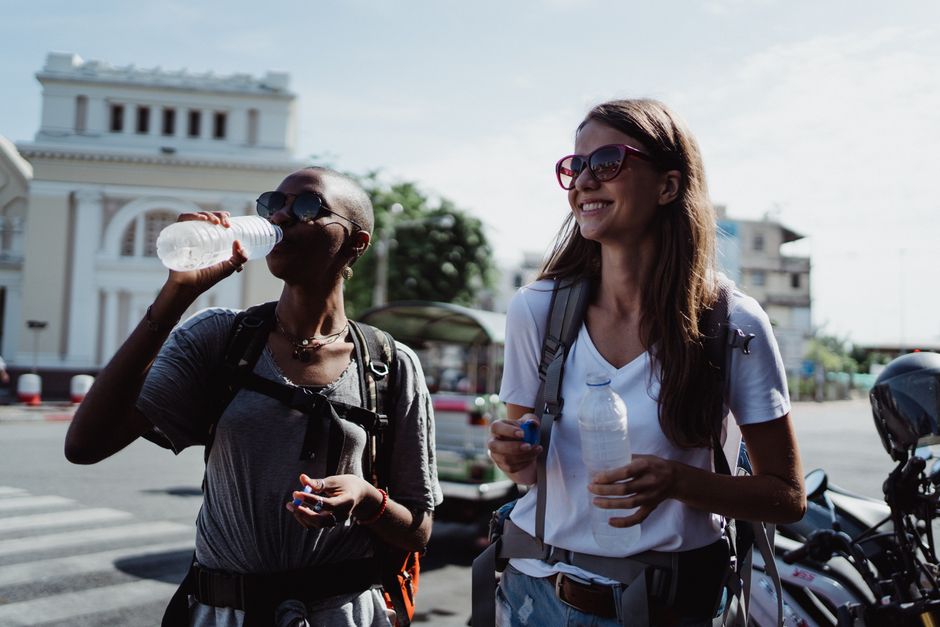
Don’t drink Jakarta’s tap water. This isn’t traveller’s paranoia — the city’s water infrastructure is genuinely patchy, a large share of households aren’t connected to piped treated water at all, and independent testing has repeatedly found contamination issues in what does come through the taps. The good news is that this is the single easiest precaution on this entire list to actually follow, because bottled water is everywhere and costs almost nothing. A 600ml bottle from an Indomaret or Alfamart minimarket runs somewhere around 3,000 to 5,000 rupiah — call it 15 to 30 pence — and those convenience stores are on practically every block across the city. Big-brand bottled water like Aqua or Le Minerale is trustworthy; buy sealed bottles, check the seal hasn’t been tampered with, and you’re covered.
If you’re staying somewhere for a while and want to cut down on plastic, most decent hotels and a growing number of guesthouses provide either a filtered water dispenser or free boiled water you can use to refill a bottle — ask at reception, it’s a normal request. Boiling water for a few minutes is a reliable fallback anywhere you can’t get bottled water, though in practice you’ll rarely need to bother with this in central Jakarta.
Ice, Teeth-Brushing and the Water Traps People Forget
The tap water rule is easy to remember for drinking glasses; it’s the incidental exposures that catch people out. Brushing your teeth with tap water is one — use bottled water for that too. Ice is the other classic worry, but the reality is more nuanced than “avoid all ice”: ice from a reputable hotel bar, an established restaurant or a commercial supplier is almost always made from filtered water in a proper machine, and you’ll usually spot cylindrical, uniform cubes that mark a commercial source rather than something frozen in a home tray. Cloudy, oddly shaped ice from a small, dubious-looking cart is the kind worth skipping. Being sensible rather than absolutist serves you better here — refusing all ice in a 33-degree city is a miserable way to spend a holiday, and it’s rarely necessary at anywhere reasonably established.
How to Actually Judge a Street Food Stall
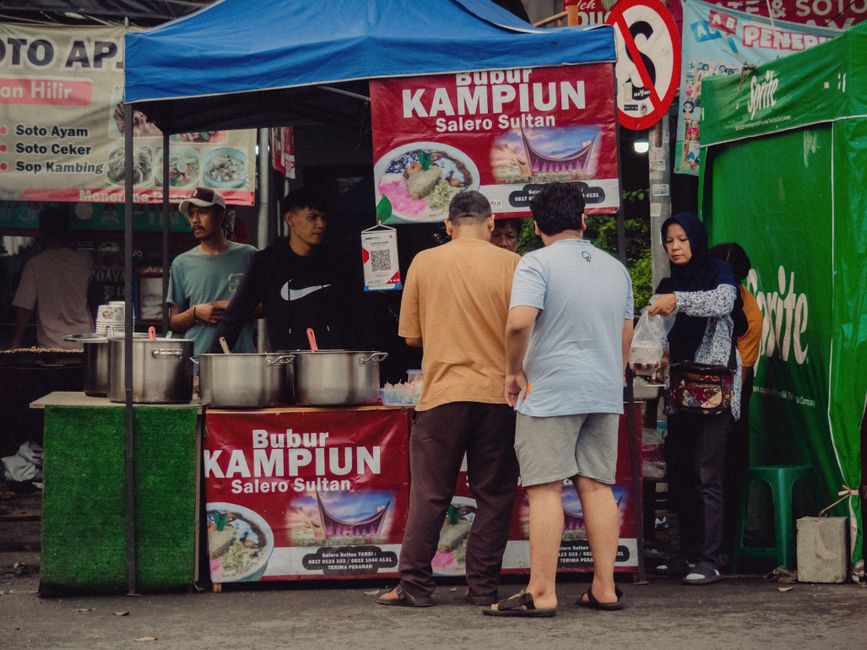
Our other food guides on this site — the ones covering Jakarta’s best street food and the night food markets — actively push you towards eating from street stalls, and that advice stands. “Avoid street food” is lazy, wrong advice that also happens to cut you off from some of the best food in the city. The trick is knowing what you’re actually looking for, because the difference between a stall that will treat you well and one that won’t has almost nothing to do with whether it’s indoors or on a cart, and everything to do with a handful of concrete signals.
Look for a queue, and ideally a queue of locals rather than other tourists — Indonesians are not shy about avoiding a bad warung, and a steady stream of regulars is the single strongest signal you’ll find. Watch how the food is actually cooked: you want to see visibly boiling broth for soups like soto or bakso, or oil that’s audibly bubbling for anything fried, which tells you food is being cooked to order rather than reheated from a pot that’s been sitting since morning. Check the vendor’s hands and the state of their station — clean nails, a clean rag for wiping down, no raw meat sitting directly next to cooked food. A stack of tissues or a wet-wipe cloth for customers is a small tell that the operation cares about hygiene generally, not just the specific dish they hand you. And where you can, step one block back from a major arterial road; a stall right on the edge of heavy traffic on somewhere like Jalan Sudirman is breathing in exhaust and dust all day, which settles on open food, and moving to a quieter side street rarely costs you anything in quality.
What actually raises your risk isn’t the street-food format itself, it’s specific choices within it: raw, unwashed vegetables served on the side (lalapan — the raw cabbage, cucumber and basil that often accompanies grilled dishes) are more likely to carry contamination than anything cooked, simply because they haven’t been through heat. If in doubt, ask for it without the raw garnish, or eat everything else on the plate and leave the raw greens — nobody at a Jakarta warung will bat an eye.
The Foods and Habits Worth a Bit More Caution
Beyond raw vegetables, a few other patterns are worth knowing rather than avoiding outright. Buffet-style food sitting under a heat lamp for hours, particularly rice and anything with coconut milk, is a more realistic risk than a wok-fried dish made in front of you two minutes ago — heat lamps don’t always hold food at a safe temperature. Seafood is generally fine at a busy, high-turnover restaurant but riskier from a low-turnover stall, since freshness matters more here than almost anywhere else on this list; for seafood specifically, our guide to Jakarta’s best restaurants has options with the volume and refrigeration to handle it properly. Peeled fruit sold pre-cut from a cart, handled with bare hands and sitting in the open air, carries more risk than fruit you peel yourself. None of this means eating cautiously to the point of missing the food — it means directing caution at the two or three genuinely higher-risk categories rather than treating every cart with the same suspicion.
Traveller’s Diarrhoea: What It Is and What to Do
Despite every precaution above, a meaningful share of visitors to Indonesia get some version of traveller’s diarrhoea, usually within the first week. It’s rarely dangerous and usually resolves within a few days, but it can flatten a day or two of your trip if you don’t manage it properly. The core response is rehydration — plain water isn’t quite enough once you’re losing fluids and electrolytes at pace, so oral rehydration salts (sold at every apotek pharmacy, ask for “oralit”) mixed into bottled water are worth having in your bag before you need them. Loperamide (Imodium, also widely available) can slow things down enough to get through a flight or a long day out, though it’s better for managing symptoms than as a long-term fix — if symptoms haven’t eased after a few days, or you develop a high fever, blood in your stool, or signs of serious dehydration, see a doctor rather than push through it.
| Symptom pattern | Likely cause | What to do |
|---|---|---|
| Loose stools, mild cramping, no fever | Standard traveller’s diarrhoea | Oral rehydration salts, bland food, loperamide if needed for travel days |
| Sudden high fever, severe headache behind eyes, joint pain, rash | Possible dengue fever | Hospital for a blood test; paracetamol only, avoid aspirin/ibuprofen |
| Persistent diarrhoea with blood, high fever, several days without improvement | Possible bacterial infection (e.g. dysentery, typhoid) | See a doctor promptly; don’t self-treat with antibiotics you brought from home |
| Headache, dizziness, dark urine, fatigue in hot weather | Dehydration or heat exhaustion | Rest in air conditioning, rehydrate with electrolytes, seek shade and slow down |
| Bite or scratch from a stray dog, cat or monkey | Possible rabies exposure | Wash the wound with soap and water for 15 minutes, go to a hospital same day regardless of vaccination status |
Heat, Dehydration and Other Everyday Ailments
The most common “illness” visitors report in Jakarta isn’t anything exotic — it’s simply not adjusting to the heat and humidity fast enough. Jakarta sits close to sea level with humidity regularly above 70%, and if you’ve come from a temperate climate, your body needs a few days to acclimatise. Drink more water than feels necessary, take breaks in air-conditioned malls or cafes during the hottest stretch of early afternoon, and don’t schedule your most demanding sightseeing — a long walking tour of Kota Tua, say — for midday if you can help it. Headaches, light-headedness and unusual tiredness in the first couple of days are far more often heat and dehydration than anything you ate. Our one-week Jakarta itinerary already paces activity around the hottest parts of the day, and it’s worth following the same logic even on a shorter trip.

Pharmacies: Apotek and What You Can Buy Without a Prescription
Pharmacies (apotek) are genuinely one of the more convenient parts of getting minor ailments sorted in Jakarta. Kimia Farma is the biggest chain, state-owned, present in huge numbers across the city, and generally the cheapest option with the widest stock. Guardian and Century are private chains, slightly pricier, often found inside malls. Apotek K-24, as the name suggests, specialises in 24-hour locations, useful if something comes up at 2am. Walk in, describe your symptoms in plain English — staff at the larger chains are used to dealing with tourists — and you’ll usually walk out with something appropriate within minutes, often for a fraction of what the same medication costs at home. Common traveller needs like antihistamines, rehydration salts, anti-diarrhoeal medication and paracetamol are all available without a prescription. Stronger medications may need a doctor’s note, so if a pharmacist asks you to see a doctor first rather than handing something straight over, that’s the system working as intended.
Where to Get Treated: Jakarta’s International-Standard Hospitals
For anything beyond what a pharmacist or a good night’s sleep can fix, Jakarta has genuinely excellent private hospitals, several holding Joint Commission International accreditation and staffed with internationally trained doctors. Siloam Hospitals has multiple locations across the city, including Siloam Kebon Jeruk in West Jakarta, with a full range of departments and an English-language hotline for appointments. Mayapada Hospital, which partners with Singapore’s National Healthcare Group, is another solid option across its Jakarta sites. SOS Medika Clinic, with locations including Cipete, has run 24/7 services for expats and travellers for decades, with multilingual staff on hand. RS Pondok Indah and RS Premier are two more names that come up repeatedly in traveller recommendations. All of these will treat travellers without local insurance, though you’ll be asked to pay upfront or show valid insurance details before or shortly after treatment, so keep a card with a reasonable limit accessible and hold onto every receipt for your claim afterwards.
Medical Evacuation and Why It’s Worth Thinking About Early
For genuinely serious trauma or illness — the kind of case that needs specialist care Jakarta’s hospitals can’t provide, or that needs a level of ICU care beyond what’s locally available — evacuation to Singapore is the standard next step, and it is not cheap: costs commonly run from around US$25,000 into six figures depending on the case. This is really the whole argument for decent travel insurance rather than assuming a credit card’s built-in cover will stretch that far; most credit-card travel cover has limits well below what a serious evacuation costs. We’ve written a full breakdown of what a policy needs to include for Jakarta specifically — motorbike exclusions catch a lot of people out — in the travel insurance guide, worth ten minutes before you book anything.
Building a Basic Travel Health Kit
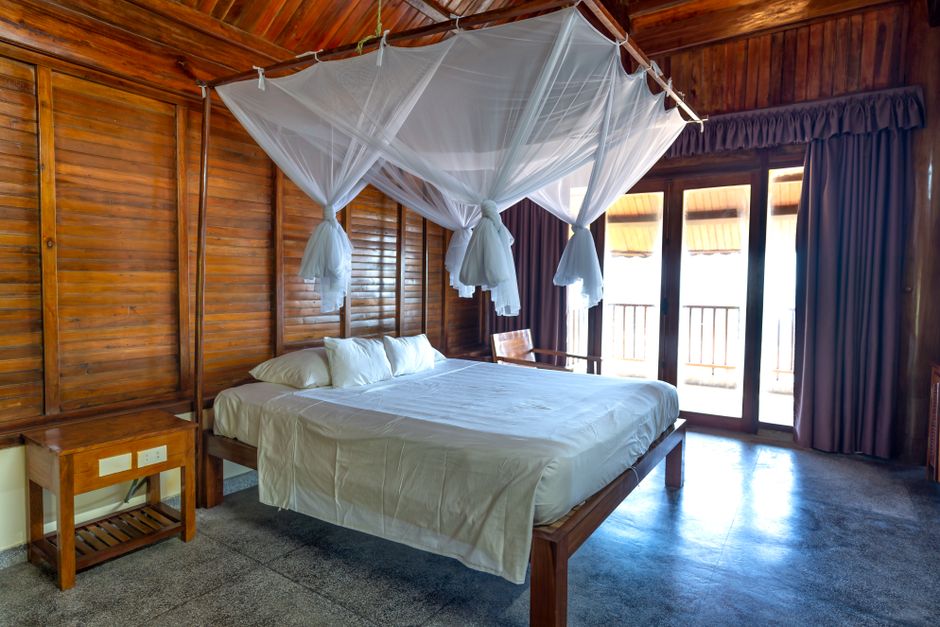
You don’t need to check a bag full of medical supplies, but a small pouch with a handful of items saves a pharmacy trip at an inconvenient hour. Worth packing: any regular prescription medication in original packaging, with a spare few days’ supply and a copy of the prescription; oral rehydration salts; loperamide for diarrhoea management; paracetamol rather than ibuprofen or aspirin (useful given the dengue bleeding-risk issue above); antihistamines for bites, stings or minor allergic reactions; a basic antiseptic cream and a handful of plasters; hand sanitiser; and a DEET or picaridin-based repellent, ideally 20% DEET or higher, since some airport-shop versions are weaker than you actually want for daytime protection. A compact mosquito net is genuinely useful in a guesthouse or homestay without air conditioning or window screens; skip it anywhere modern, since most mid-range and upscale accommodation is already mosquito-proofed. None of this needs to be expensive — most of it fits in a sandwich bag.
FAQ
Do I need any vaccines to enter Indonesia? No routine vaccine is currently required for entry to Indonesia from most countries, with the exception of proof of yellow fever vaccination if you’re arriving from a country with risk of yellow fever transmission. Everything else on this list is recommended for your own protection, not an entry requirement.
What are the essential health precautions Jakarta visitors should prioritise if they only do three things? Get hepatitis A and typhoid vaccination before you go, drink only bottled or properly filtered water, and use mosquito repellent through the day rather than just at dusk. Those three cover the highest-probability risks.
Is it safe to eat street food in Jakarta? Yes, and it’s some of the best food in the city — see our guide to Jakarta food tours for how to structure a proper eating itinerary. Judge individual stalls on turnover, visible cooking and hygiene rather than avoiding the format altogether.
Can I brush my teeth with tap water in Jakarta? Better not to. Use bottled water for brushing your teeth, the same as for drinking.
Do I need antimalarial tablets for a trip to Jakarta? Generally no. Jakarta and the island of Java are considered low or negligible malaria risk by most travel health authorities. Dengue prevention through repellent and covering up matters more here than antimalarial medication.
What should I do if I get diarrhoea in Jakarta? Rehydrate with oral rehydration salts (available at any apotek pharmacy), rest, and use loperamide if you need to manage symptoms for travel. See a doctor if it persists more than a few days, involves blood, or comes with a high fever.
Are Jakarta’s hospitals good enough for a serious problem? Yes — several, including Siloam and Mayapada, hold international accreditation and have English-speaking doctors trained abroad. For the most severe trauma cases, evacuation to Singapore is the standard next step, which is where good travel insurance matters.
Can I buy medication over the counter in Jakarta without a prescription? Many common items — antihistamines, rehydration salts, anti-diarrhoeal medication, paracetamol — are available without a prescription at any Kimia Farma, Guardian or Century pharmacy. Stronger medications may require a doctor’s note.
Where to Go Next
Head back to the Jakarta travel tips pillar for the full pre-trip checklist, or work through the practical logistics in getting around Jakarta and Indonesia visa requirements. If food is next on your list, Jakarta’s food markets guide and the dishes you shouldn’t leave without trying are the natural follow-ons now that you know how to eat safely while you’re at it. And for the wider question of overall risk in the city, our safety guide and packing list round out the practical side of your planning.