Jakarta sits almost exactly on the equator, which means the temperature barely moves all year — daytime highs sit around 31-33°C whether you arrive in dry August or soaked-through January, and the humidity rarely drops below 75%. That single fact should drive almost every decision on your packing list. What to pack for Jakarta isn’t really a question about volume or gear; it’s a question about fabric, footwear that survives being permanently damp, and knowing which two or three “essential” items everyone tells you to bring are, frankly, dead weight.
This guide sits under our Jakarta travel tips pillar, alongside the practical groundwork you’ll want to cover before you fly — when to go, what health precautions actually matter, and how safe the city really is day to day. Those are separate articles in this series (best time to visit, health precautions for Jakarta, and a safety primer are all coming), so this one stays narrowly focused on the contents of your bag. Get the climate logic right first and the rest of the list writes itself.
What to Pack for Jakarta: Why the Climate Dictates the List
Jakarta runs a tropical monsoon climate: hot and humid every single month, with a wetter stretch from roughly October through March and a comparatively drier one from June to September. “Drier” is relative — you can still get a short, violent downpour on a cloudless dry-season afternoon. Humidity averages around 80% year-round, peaking near 85-86% in January and February and easing to the mid-70s in September. Overnight lows rarely dip below 24-25°C. There is no cool season to pack for, no chilly evening that catches you out, and no point bringing anything that assumes otherwise.
What this means practically: your body will be damp most of the day from humidity alone, before you’ve done any walking. Fabric choice matters more than almost anything else on this list. Cotton feels nice but holds moisture and takes forever to dry overnight in a humid room; technical travel fabrics or linen blends perform far better because they wick and dry fast. If you’re doing laundry mid-trip (worth planning for — more on that below), quick-dry fabric is the difference between a fresh shirt at breakfast and a still-damp one.
Clothing: what actually works
Pack loose, breathable, lightweight pieces in natural fibres or quick-dry synthetics — linen, light cotton blends, or technical travel fabric. Fitted or heavy clothing will feel unbearable within twenty minutes of stepping outside. Dark colours hide sweat patches better than pale ones if that’s a concern for you; light colours reflect heat better if it isn’t. Both work. What doesn’t work is anything made of thick cotton denim, wool, or synthetic athletic wear that isn’t specifically designed to wick moisture — all three will leave you sticky and miserable by mid-morning.
- 4-6 lightweight short-sleeve or short-sleeve linen shirts
- 2-3 pairs of lightweight trousers or a knee-length skirt (useful for mosque and temple visits — see below)
- 2-3 pairs of shorts for casual days
- 1 lightweight long-sleeve shirt or shawl for sun cover and modest-dress moments
- Underwear and socks for 4-5 days maximum (laundry covers the rest)
- One smarter outfit for rooftop bars or nicer restaurants (see the dress-code section below)
- A swimsuit if your hotel has a pool — most mid-range and up do
Don’t bother packing a week’s worth of outfits. Hotel and street-level laundry services in Jakarta are cheap and fast — same-day or next-day turnaround is standard even at budget hotels — so five or six versatile pieces you can mix and rewear comfortably beats a suitcase stuffed with a fortnight’s wardrobe.
The rain question: skip the rain jacket
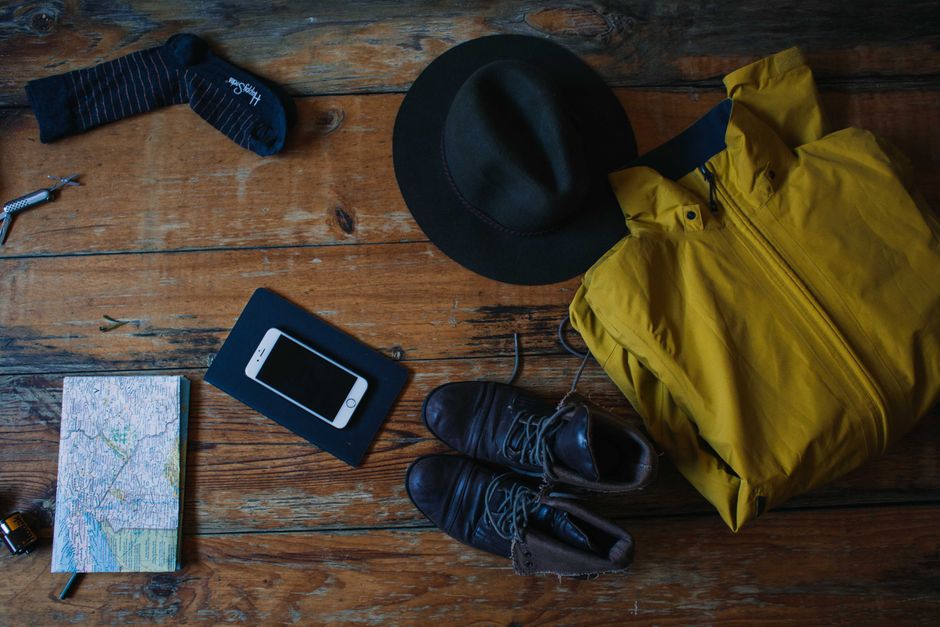
This is where most packing guides get it wrong. A heavy waterproof rain jacket is one of the most commonly over-packed items for Jakarta, and it’s nearly useless here. Wet-season downpours are intense but short — usually 20 minutes to an hour of genuinely heavy rain, often in the late afternoon — and a rain jacket traps heat and humidity against your body, making you as wet from sweat as you’d have been from the rain. You’ll also be carrying a bulky, damp garment for the rest of the day with nowhere good to stash it.
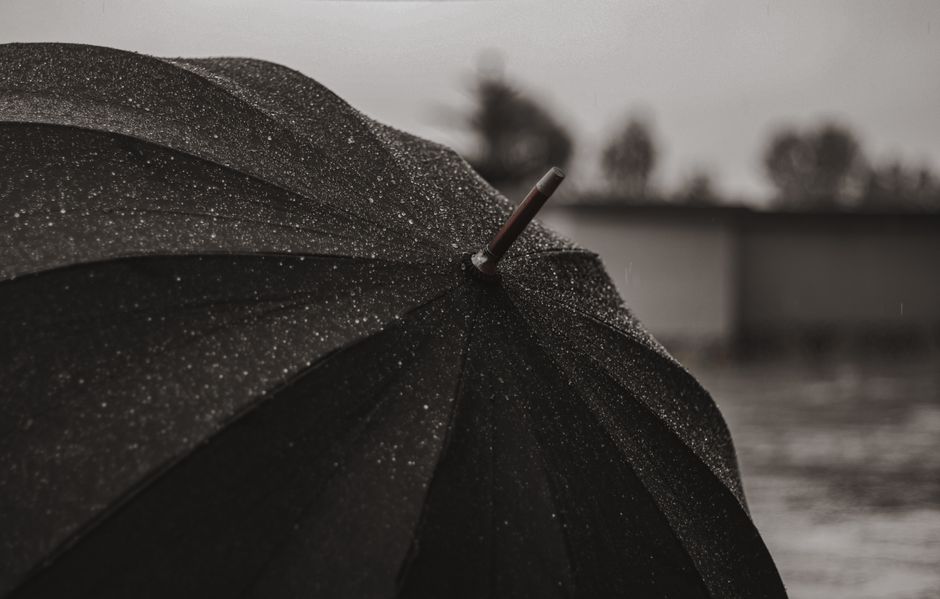
What actually works: a compact folding umbrella (buy one locally for a couple of dollars if you don’t want to pack one — they’re sold on every second street corner during wet season) and, if you want a backup, a slim packable rain shell rather than a structured jacket — something that folds to the size of a fist and breathes. Ponchos are a reasonable budget option if you don’t mind looking like a tourist, which, let’s be honest, you already do.
Footwear
Bring shoes that dry fast and don’t mind getting wet, because they will. Jakarta’s pavements are uneven, sometimes flooded after rain, and a lot of walking happens on hard, hot concrete. A pair of comfortable closed walking shoes or trainers with decent grip covers most days; add a pair of sandals or slides for evenings, hotel pools, and mosque visits where you’ll be removing your shoes constantly and don’t want to be wrestling with laces each time.
Skip heavy hiking boots unless you’re combining this trip with genuine trekking elsewhere in Indonesia — they’re overkill for a city that’s flat, paved, and hot, and they take up a disproportionate amount of luggage space and weight. A single pair of smart-casual shoes is worth adding if you’re planning dinner at any of the better restaurants in Jakarta or an evening at one of the city’s rooftop bars, several of which enforce closed-toe shoe policies.
Dress codes for restaurants and rooftop bars
Jakarta has a genuine upscale dining and nightlife scene, concentrated in areas like SCBD and the city’s better hotels, and some venues do enforce dress codes — no shorts, no flip-flops, no sleeveless shirts for men, sometimes no open-toe shoes at all. This catches a lot of visitors out because the daytime heat makes anything beyond shorts and a t-shirt feel unbearable, so people simply don’t pack anything smarter and then get turned away at the door of a rooftop bar they’d been looking forward to.
The fix is one lightweight smart-casual outfit that packs flat: for men, a collared short-sleeve shirt, chinos or dark lightweight trousers, and closed shoes; for women, a dress or smart top with trousers or a skirt, plus a pair of low heels or smart flats. You don’t need more than one such outfit — laundry or a quick hand-wash handles a repeat wear. If you’re planning a special night out at one of the city’s upscale venues, check the specific dress code in advance; some rooftop bars are stricter than the restaurants beneath them.
Modest dress for mosques and temples
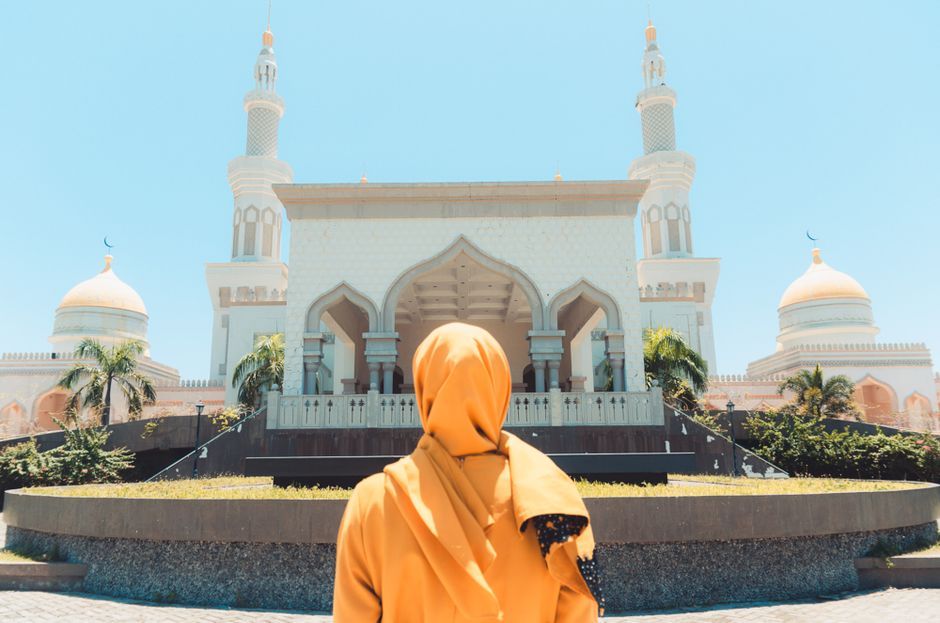
Jakarta’s religious sites are genuinely worth visiting, and Istiqlal Mosque — the largest mosque in Southeast Asia — is one of the city’s standout attractions regardless of your own faith. Dress rules here are specific and enforced: shoulders, knees, and generally arms and legs need to be covered, and women may be asked to cover their hair with a scarf. In practice, the mosque provides robes and headscarves free or for a small fee at the entrance for visitors who arrive under-dressed, and you’ll remove your shoes before entering regardless of what you’re wearing.
Even so, it’s worth packing your own lightweight scarf or sarong rather than relying entirely on a borrowed robe queue, particularly if you’re visiting during a busy period. The same modest-dress logic applies at Jakarta’s other religious sites, including the churches and temples covered on our religious sites walking tour and in the broader religious tourism guide — a single long scarf earns its luggage space many times over across a multi-day itinerary.
| Item | Why it matters | Skip it if… |
|---|---|---|
| Lightweight long scarf or sarong | Covers shoulders/knees at mosques and temples | You’re only visiting secular sites |
| Closed shoes (smart-casual) | Required at some rooftop bars and restaurants | You’re not planning any upscale evenings |
| Compact umbrella | Handles sudden downpours without overheating you | Never — buy one locally if you forget |
| Heavy rain jacket | Traps heat, adds bulk, rarely needed for short downpours | Always — this is the item to leave home |
Sun and heat protection
The sun in Jakarta is strong and constant, not seasonal, so sun protection belongs in your bag from day one regardless of when you travel. Bring SPF50+ sunscreen — ideally a stick or roll-on for easy reapplication without greasy hands — and use it daily even on overcast days, since UV comes through cloud cover more than people expect near the equator. A wide-brimmed hat or cap, UV-protective sunglasses, and a refillable water bottle round this out. Dehydration creeps up fast in this humidity; you’ll be sweating far more than you register.
Aloe vera gel is worth the small tube if you’re prone to sun sensitivity, and a small tub of after-sun or a cooling facial mist is a nice-to-have rather than essential — genuinely useful if you’re spending long stretches outdoors at sites like Kota Tua, less so if your days are mostly indoors in malls and museums.
Mosquitoes and insect protection
Mosquitoes are a genuine, year-round nuisance in Jakarta, and dengue fever is present in the city, so this isn’t an item to treat casually. Pack a DEET-based repellent (20-30% concentration works well for most travellers) or a picaridin alternative if you prefer to avoid DEET on skin. Apply it in the early morning and from late afternoon into evening, when mosquitoes are most active — a habit worth building even if you don’t feel bitten, since you often don’t notice until later. A few mosquito-repellent wipes or a small travel-size spray for your bag covers day trips without carrying a full bottle everywhere.
Loose long sleeves and trousers in the evening do double duty here — they’re also useful for mosque visits and rooftop bar dress codes, so this is one of those items that pulls triple weight in your suitcase rather than sitting there for a single narrow purpose.
Toiletries and basic health kit
Keep this compact — nearly everything is available in Jakarta’s pharmacies and convenience stores (Guardian, Watsons, and Century are everywhere), often cheaper than at home. What’s worth bringing rather than sourcing locally:
- Hand sanitiser — genuinely useful at street food stalls and markets where washing facilities are inconsistent
- A small pack of tissues or wet wipes (public restrooms don’t always stock paper)
- Any prescription medication in original packaging, with a copy of the prescription or a doctor’s letter
- Basic diarrhoea relief and rehydration salts — cheap insurance against a rough day, easily bought locally too but useful to have on arrival
- A small supply of plasters and antiseptic cream
- Contact lens solution if you wear lenses — brand availability is patchy outside major pharmacies
On medication specifically: Indonesia restricts certain drugs more tightly than many travellers expect. Codeine and other opioid-based painkillers, amphetamine-based ADHD medications, and some sleep or anxiety medications face import restrictions or require documentation. If you’re on any controlled medication, check current rules before you fly and carry it in original packaging with prescription paperwork — don’t just toss loose pills into a pill organiser for this particular trip.
Electronics and the plug question
Indonesia runs 230V at 50Hz and uses Type C and Type F sockets — the two-round-pin European style. If you’re travelling from the UK, US, or Australia, you need an adapter; UK and Australian travellers with dual-voltage devices are otherwise fine, US travellers with 110V-only appliances (some hairdryers and straighteners) will need a voltage converter too, not just a shape adapter. A single universal adapter covers the whole trip — buy one before you go, since hotel front desks sometimes have loaner adapters but you can’t rely on it.
A power bank is worth the extra weight — a full day out walking between sites, summoning ride-hailing apps constantly, and taking photos drains a phone fast, and not every café or restaurant will let you charge at the table. Beyond that, keep electronics minimal: your phone, a charger, the adapter, a power bank, and headphones covers nearly everyone’s needs. Leave the laptop home unless you specifically need it for work.
Cash, cards, and money essentials
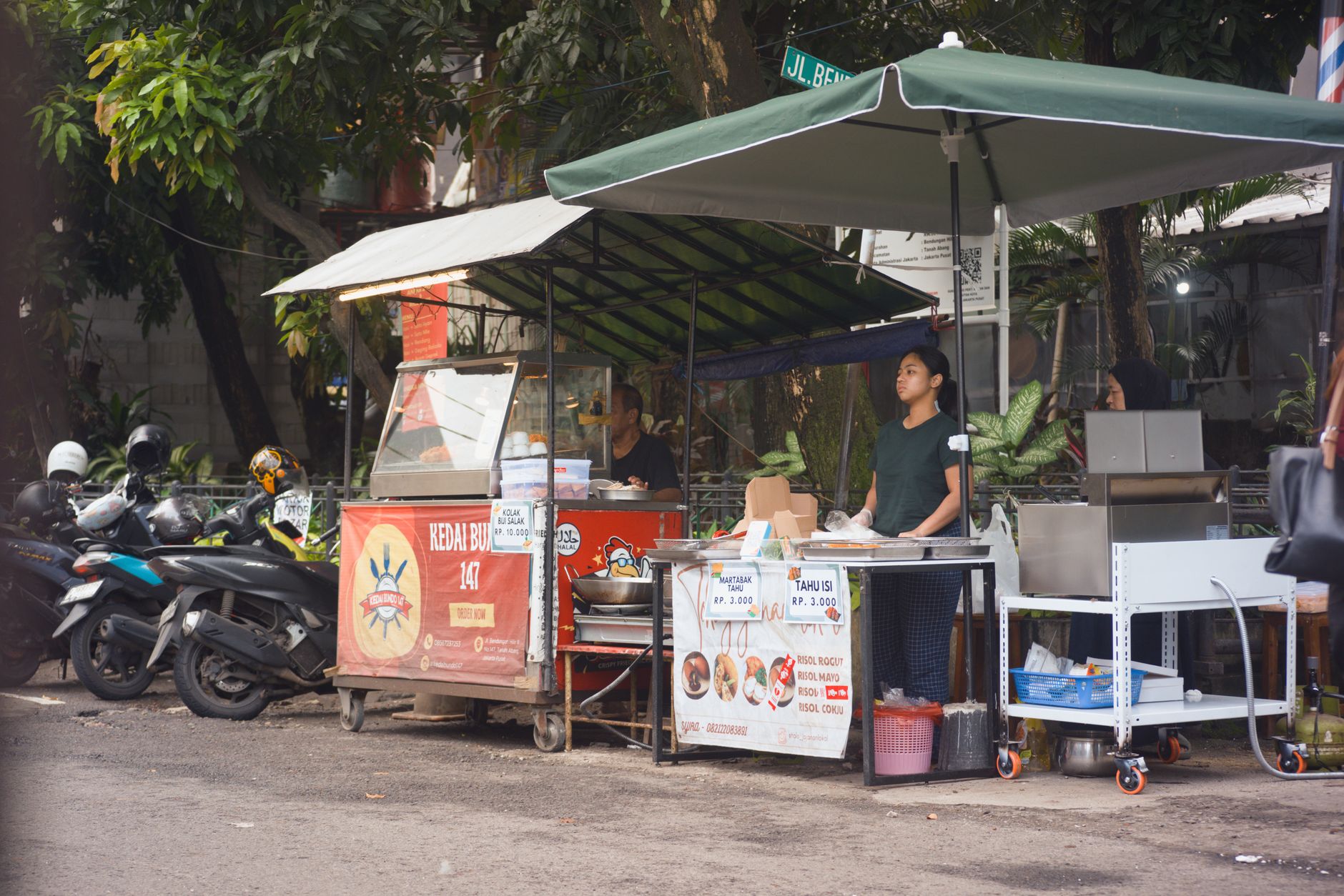
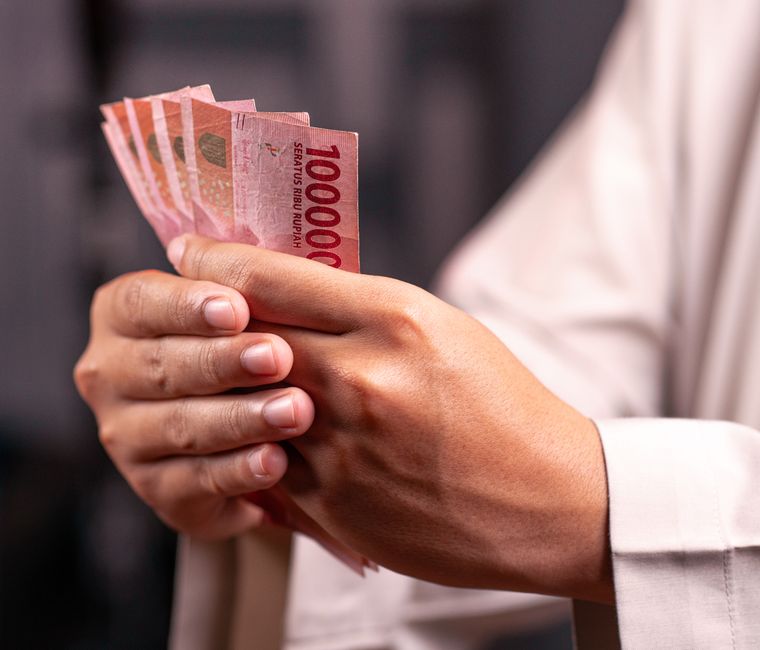
Jakarta’s malls, better restaurants, and hotels take cards without issue, but a huge amount of what makes the city worth visiting — street food stalls, traditional markets, small warungs, becak or ojek rides — is cash-only. Withdraw Indonesian rupiah from an ATM after arrival rather than exchanging a large sum at home, where rates are typically worse; carry small denominations, since street vendors often can’t break a large note. A slim cash wallet or a zipped pocket you can reach easily beats digging through a full wallet at every food stall.
If you’re sampling the street food scene or wandering the traditional markets, budget cash specifically for that — it’s some of the best food in the city and almost none of it runs through a card reader.
Documents and paperwork
Bring your passport with at least six months’ validity remaining, printed or digital proof of your visa or visa-on-arrival eligibility, travel insurance details, and a printed or downloaded copy of your accommodation confirmation. Photograph or photocopy your passport’s photo page and store it separately from the original — in cloud storage and as a physical copy in a different bag. If you’re arriving by air, fill in Indonesia’s electronic customs declaration (e-CD) online before or on arrival; it’s straightforward and available in English.
If you’re bringing a drone, know before you fly: recreational drones are generally permitted for personal, non-commercial use, but should be declared on arrival, and flying near airports, over crowds, or in restricted zones requires separate permits. It’s not an item to pack casually assuming you’ll sort the rules out later.
Luggage itself
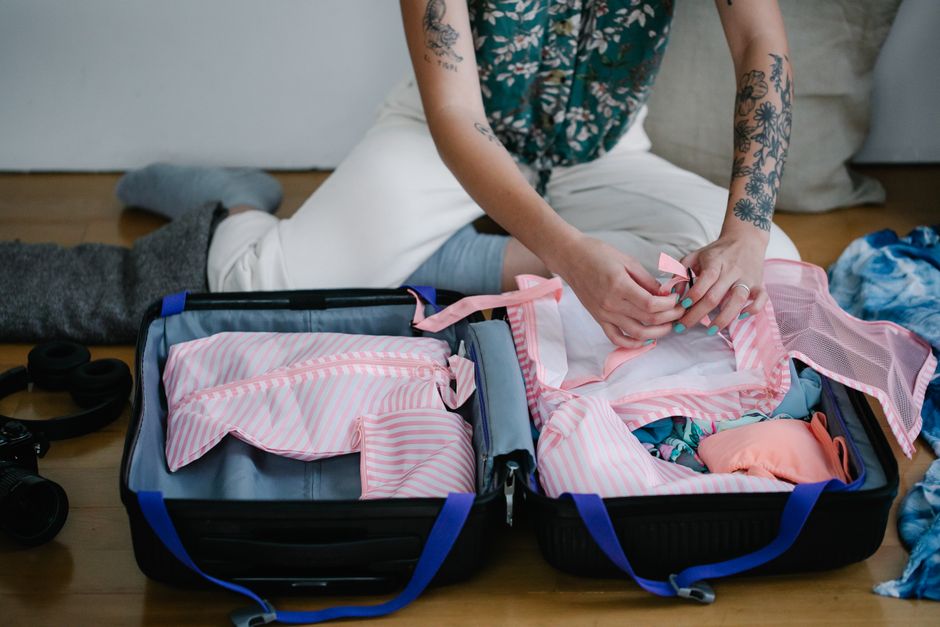
A soft-sided bag or a case with decent wheels handles Jakarta’s uneven pavements and occasional flooded gutters better than a rigid hard-shell case dragged over broken kerbs. If your itinerary includes side trips beyond the city, a daypack that compresses down small is more useful than a second full suitcase — you can leave the main case at your hotel and travel light for a night or two. Packing cubes are genuinely worth it here specifically because of the laundry-and-rewear cycle: separating clean from worn in humid conditions keeps the whole bag from smelling like a gym locker by day four.
What to leave at home
Some items show up on generic tropical packing lists that simply don’t earn their space in Jakarta specifically:
- Heavy rain jacket — covered above; a compact umbrella and a slim packable shell do the job better
- Hiking boots — Jakarta is flat and paved; save the boot space unless you’re combining the trip with genuine trekking elsewhere in Indonesia
- A week of outfits — laundry is cheap, fast, and everywhere; five or six versatile pieces beat an overstuffed case
- Thick jumpers or jackets — the only place you’ll want a light layer is an aggressively air-conditioned mall or a long-haul flight, and a thin cardigan covers both
- A full first-aid kit — pharmacies are excellent and everywhere; bring the specific items covered above rather than a bulky kit built for remote travel
- Multiple pairs of jeans — heavy, slow to dry, and genuinely uncomfortable in this humidity; one pair maximum, if any
- A travel iron — hotel laundry services press clothes for you, and hanging a damp shirt in a humid room removes most creases on its own
A quick note on power outages and connectivity
Jakarta’s power supply is generally reliable in the areas tourists spend time, but a portable charger is still worth having for long days out where you’re relying on your phone for maps, ride-hailing apps, and translation. A local SIM card or eSIM, bought at the airport or a convenience store, is worth sorting on arrival day — data is cheap and makes navigating getting around the city considerably less stressful than relying on patchy hotel wifi or expensive roaming.
Packing list by season
The core list barely changes between wet and dry season — that’s the nature of an equatorial climate — but a few adjustments are worth making depending on when you travel.
| Item | Wet season (Oct-Mar) | Dry season (Jun-Sep) |
|---|---|---|
| Umbrella | Essential, pack one or buy on arrival | Still worth having; downpours happen year-round |
| Rain shell / poncho | Useful backup for longer walks | Optional |
| Quick-dry footwear | Strongly recommended — pavements flood | Recommended but less urgent |
| Extra socks | Pack 1-2 more than you think you need | Standard amount fine |
| Sun protection | Still essential between showers | Essential, skies are clearer more often |
| Packing cubes / dry bag for electronics | Worth adding for sudden downpours | Nice to have |
Packing list by trip length
| Category | Weekend (2-3 days) | Full week | 10+ days / multi-city |
|---|---|---|---|
| Tops | 3-4 | 5-6 | 6-7 plus laundry stop |
| Bottoms | 2 | 3 | 4, mix of trousers/shorts |
| Smart-casual outfit | 1 | 1 | 1-2 |
| Modest-dress scarf/sarong | 1 | 1 | 1 |
| Footwear pairs | 2 | 2-3 | 3 |
| Toiletry kit | Travel-size | Travel-size, top up locally | Full-size, plan a pharmacy stop |
Frequently asked questions
What should I wear to visit Istiqlal Mosque? Loose clothing covering your shoulders and knees, with a headscarf for women. The mosque provides robes and scarves for visitors who arrive without them, but bringing your own lightweight scarf saves time during busy periods.
Do I need a rain jacket for Jakarta? No — a compact umbrella and, if you want backup, a slim packable rain shell handle Jakarta’s short, heavy downpours far better than a bulky waterproof jacket, which mostly traps heat and makes you sweatier than the rain would have.
What’s the single most useful thing to pack for Jakarta? A lightweight long-sleeve layer or scarf — it covers sun protection, mosquito bites, mosque dress codes, and aggressive mall air-conditioning all at once.
Is tap water safe, and do I need to pack water purification tablets? Tap water isn’t safe to drink in Jakarta. You don’t need purification tablets — bottled and filtered water is cheap and available everywhere, and most hotels provide complimentary bottles daily.
What power adapter do I need for Indonesia? Indonesia uses Type C and Type F sockets at 230V/50Hz. UK, US, and Australian travellers all need a shape adapter; US travellers with 110V-only devices also need a voltage converter.
When people ask what to pack for Jakarta, what do they most often forget? Cash in small denominations. Street food, markets, and short local rides are largely cash-only, and travellers who plan around cards alone end up missing some of the city’s best food.
Can I bring my prescription medication into Indonesia? Generally yes, in original packaging with a prescription copy or doctor’s letter, for a reasonable personal supply. Certain medications — including codeine, some ADHD medications, and some sleep or anxiety drugs — face tighter restrictions, so check specifics for your prescription before travelling.
Should I pack hiking boots for a Jakarta city trip? No, unless you’re combining the trip with trekking elsewhere in Indonesia. The city itself is flat and paved; comfortable walking shoes and a pair of sandals cover everything you’ll actually do.
Where to go next
Once your bag is sorted, the logical next steps are working out how you’ll move around the city and where you’ll actually go. Read our guide to getting around Jakarta for transport options, browse a one-week Jakarta itinerary to shape your days, and check things to do in Jakarta for a broader shortlist. If you land short on something — a last-minute smart-casual outfit, a spare charger, or a proper umbrella — the best malls in Jakarta guide covers where to buy it fast. And for the fuller picture on planning, head back to the Jakarta travel tips hub.
The reason a light scarf and one pair of long trousers earn their place in a Jakarta bag is not the weather — it is the mosque door, the office lobby and the rooftop bar that turns away shorts after dark. Our Jakarta etiquette and customs guide sets out what is expected where, so you can pack for the situations rather than guessing.
Parents of small children can pack less than they fear: nappies, wipes and rehydration salts are on sale in every minimarket, and GoMart or GrabMart will deliver them to your hotel. What you cannot buy on arrival is a car seat that fits a Jakarta taxi, since Grab and Gojek do not offer one here. Our guide to Jakarta with toddlers has a full packing list for the under-fours.