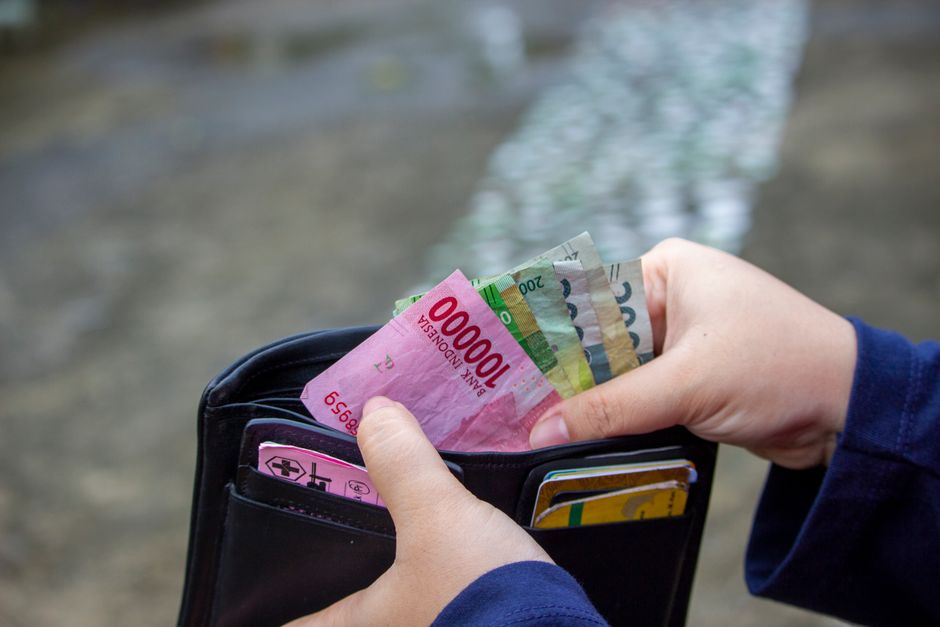
Most three-day plans for Jakarta fail in the same place: somewhere on Jalan Gatot Subroto at half past five on the first afternoon, in the back of a car that has not moved for ten minutes, with the meter running and the second half of the day’s list quietly dying. The fix is not to see less. It is to see the city one area at a time, travel on the rail lines and the busway, and let the heat and the rush hours set the timetable instead of fighting them. Done that way, a budget Jakarta itinerary 3 days long can cover the old Dutch town, the monuments, Chinatown, the modern city and a day in the hills for less than many visitors spend on taxis alone.
Below is that plan, hour by hour, with every day costed. It assumes you are staying centrally, in a hostel or a budget hotel around Kebon Sirih, Jalan Jaksa, Cikini or Thamrin, and moving on public transport. Prices and hours were checked in September 2026, when a US dollar bought about 17,800 rupiah; treat them as the right order of magnitude and check anything that matters, particularly opening hours around public holidays.
The plan at a glance
| Day | Area | Highlights | Spend, excluding your bed (IDR) |
|---|---|---|---|
| 1 | Old Jakarta | Jakarta Kota station, Fatahillah Square, the Kota Tua museums, Kali Besar, Sunda Kelapa, Glodok | About 140,000 |
| 2 | Central and South | Monas at dawn, Istiqlal and the Cathedral, Pos Bloc, the National Library, a free double-decker, Blok M at night | About 130,000–160,000 |
| 3 | Bogor, or green South Jakarta | The Botanical Gardens by commuter train, or Tebet Eco Park, GBK and a splurge on the National Museum | About 100,000–250,000 |
| Three days, food, transport and sights | About 370,000–550,000 (US$21–31) | ||
Add your bed: a hostel dorm costs the equivalent of about €5 to €10 a night, and a budget chain room somewhat more. Three nights in a dorm plus the plan above comes to roughly 750,000 to 1,200,000 rupiah before airport transfers. For the individual costs, see our daily budget guide, and for where to sleep, the budget hostels guide.
Before you start: three rules that save the most money
- Do not start on a Monday. The Kota Tua museums, Monas, Ragunan Zoo and Hutan Kota GBK all close on Mondays. Run this plan from Tuesday to Sunday, and if Day 2 can be a Sunday, even better — you get car-free day on Sudirman and Thamrin.
- Buy one transport card on arrival. A JakLingko or bank e-money card, sold at stations and minimarkets, works on TransJakarta, the MRT, the KRL and the free buses. TransJakarta does not take cash.
- Stay off the roads from 07:00 to 09:00 and 17:00 to 19:00. This plan puts you on foot or on rail at those hours. A car in the evening rush costs you money and, worse, the evening.
Arrival day: an easy first evening
Most flights land at Soekarno-Hatta, well west of the city, and the transfer sets the tone for the whole trip. The cheap, predictable way in is the airport train: the free Skytrain from your terminal to SHIA station, between Terminals 1 and 2, then 40 to 50 minutes to BNI City for roughly 70,000–90,000. The DAMRI buses, at roughly 80,000–95,000 to Gambir, Blok M and elsewhere, are the alternative; late at night they take under an hour, but at the evening peak two hours or more. See our airport transfer guide.
Do not try to sightsee on arrival day. Check in, buy your transport card and a SIM, drink a lot of water, and go out once the heat has gone. Merdeka Square’s grounds are open until 21:00 and the monument is lit at night; Lapangan Banteng’s lawns fill with families in the evening; and Jalan Sabang’s food carts are the perfect first dinner, for about 35,000. Go to bed early. Day 1 starts at 07:00.
Where to sleep for this itinerary
The plan works from any central base, but three areas suit it best:
- Kebon Sirih and Jalan Jaksa. Walking distance to Monas and Jalan Sabang, close to Gambir and TransJakarta Corridor 1. Konko Hostel on Jalan Kebon Sirih Raya was the city’s best-rated hostel when we checked.
- Cikini. Its KRL station is on the line that runs north to Kota and south to Bogor, so Days 1 and 3 start on your doorstep, and budget chain hotels cluster nearby.
- Kota Tua, for the first night or two. Waking up beside Fatahillah Square makes Day 1 effortless. Wonderloft Hostel is on the square itself.
The best budget trick of all is to split a short stay: one or two nights in Kota Tua or Glodok for Day 1, then the rest near Kebon Sirih or Cikini for Days 2 and 3. It turns the long north–south journey into one trip with your bag instead of a daily commute. Our budget hostels guide and budget hotels guide have the options.
Day 1: Old Jakarta — Kota Tua, the harbour and Glodok
The old Dutch city is at its best in the first hours of the morning, before the heat and the day-trippers arrive, so this is the day to set an alarm.
07:00 — Train or bus to Kota
Take the KRL from Juanda, Gondangdia or Cikini to Jakarta Kota, a few thousand rupiah, or TransJakarta Corridor 1 up Thamrin for 3,500. Buy bubur ayam or nasi uduk from a cart near your station first; breakfast from a cart costs 10,000 to 20,000 and beats any hotel buffet.
07:30 — Jakarta Kota station and Fatahillah Square
Walk slowly through the great arched hall of Jakarta Kota station, one of the finest Art Deco buildings in the region, opened in 1929, then five minutes on foot to Fatahillah Square. At this hour the cobbles belong to street sweepers, photographers and a few joggers. It is free, and it is the best the old town will look all day.
09:00 — The museums
The Jakarta History Museum in the old city hall on the south side of the square and the Wayang Museum on its west side each cost 10,000 for adults on weekdays. Both open from Tuesday to Sunday and are closed on Mondays; opening times vary a little by source, so aim for 09:00. The history museum tells the story of Batavia from the Dutch East India Company onwards, including its prison cells; the Wayang Museum has one of the great collections of Indonesian puppets. Allow an hour each. If you still have appetite, Museum Bank Indonesia nearby costs 5,000. See our Fatahillah museum guide and the Wayang Museum guide.
10:30 — Kali Besar and Toko Merah
Two minutes west of the square, walk the restored promenade along the Kali Besar canal past the colonial warehouses and trading houses, including the red-brick Toko Merah, built in the 1730s. Free, and missed by most visitors.
11:00 — Sunda Kelapa
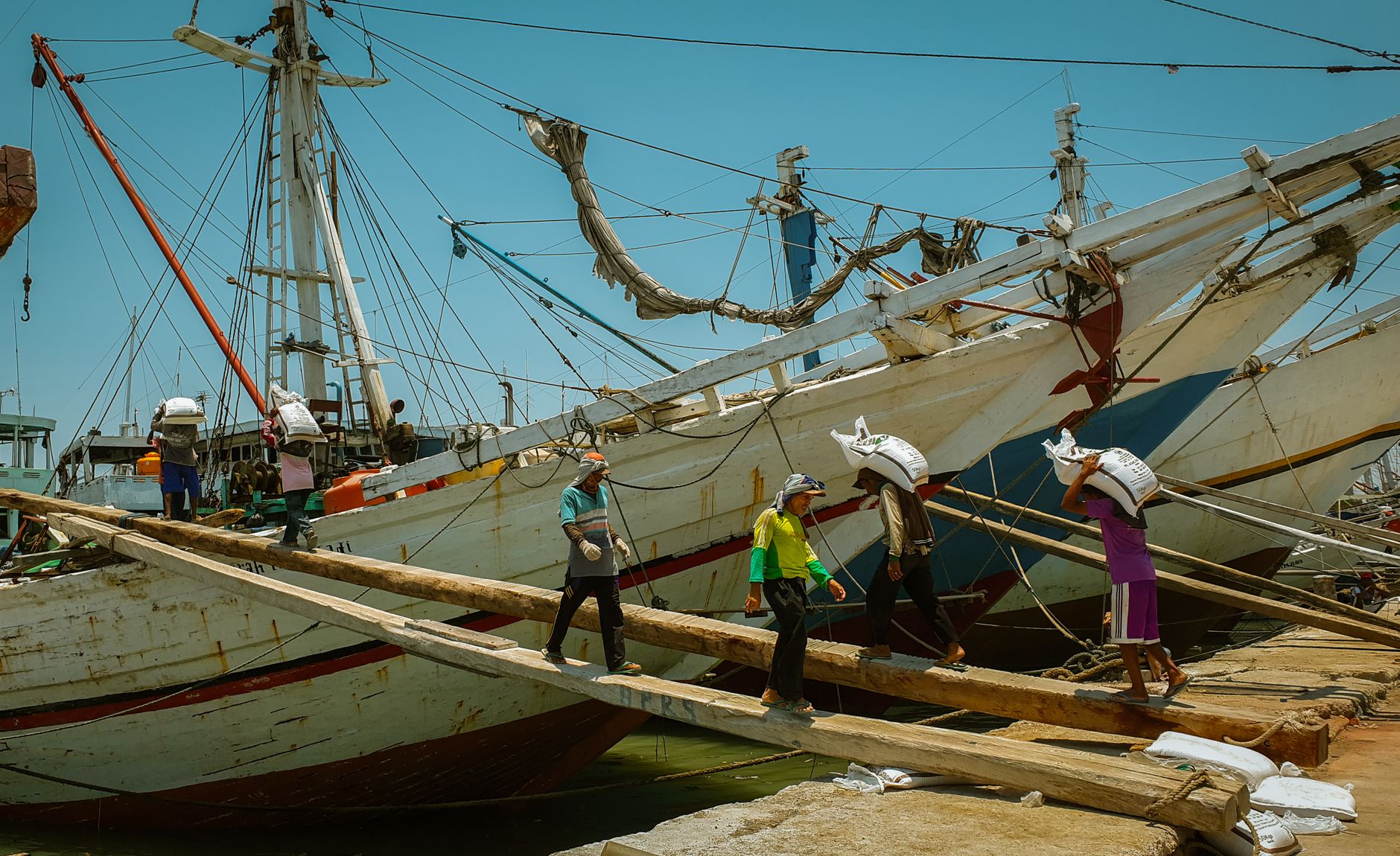
Walk north, about 20 minutes, to the old harbour of Sunda Kelapa, where wooden pinisi schooners still load cargo by hand from the quay. The harbour area may charge a small entry fee at the gate. If the heat has already arrived, a bajaj will take you — agree the price first. Our Kota Tua walking tour links all of this into one route.
12:30 — Lunch in Glodok
Head south into Jakarta’s Chinatown for lunch in the lanes around Petak Sembilan: noodles, rice porridge, dumplings, and iced coffee at the nearly century-old Kopi Es Tak Kie. Budget 30,000 to 40,000. Many places here serve pork; look for the signs.
13:30 — The temples
Walk off lunch among the temples around the Petak Sembilan market, including Vihara Dharma Bhakti, dating from the mid-17th century and the oldest in the city. Visitors are welcome if respectful; a donation is appreciated but not required. See the Glodok guide.
15:00 — Back for the hot hours
TransJakarta Corridor 1 from Glodok takes you back down to Thamrin for 3,500. This is the hottest part of the day; rest, shower, and let the city cool down.
18:30 — Dinner on Jalan Sabang
The carts and tents of Jalan Sabang, a street over from Jalan Jaksa, serve satay, fried rice, noodles, soto and martabak. Budget 35,000, with a sweet iced tea. If you want a night-market atmosphere instead, Pecenongan’s seafood tents are a short ride north — ask the price per kilo before they cook.
Day 1 costs
| Item | IDR |
|---|---|
| Transport: KRL or TransJakarta out and back, plus a short ride | About 10,000 |
| Jakarta History Museum and Wayang Museum | 20,000 |
| Museum Bank Indonesia (optional) | 5,000 |
| Breakfast, lunch, coffee, snack and dinner | About 90,000 |
| Two big bottles of water | About 18,000 |
| Total | About 140,000 |
Day 2: the monuments, the mosque and a night in Blok M
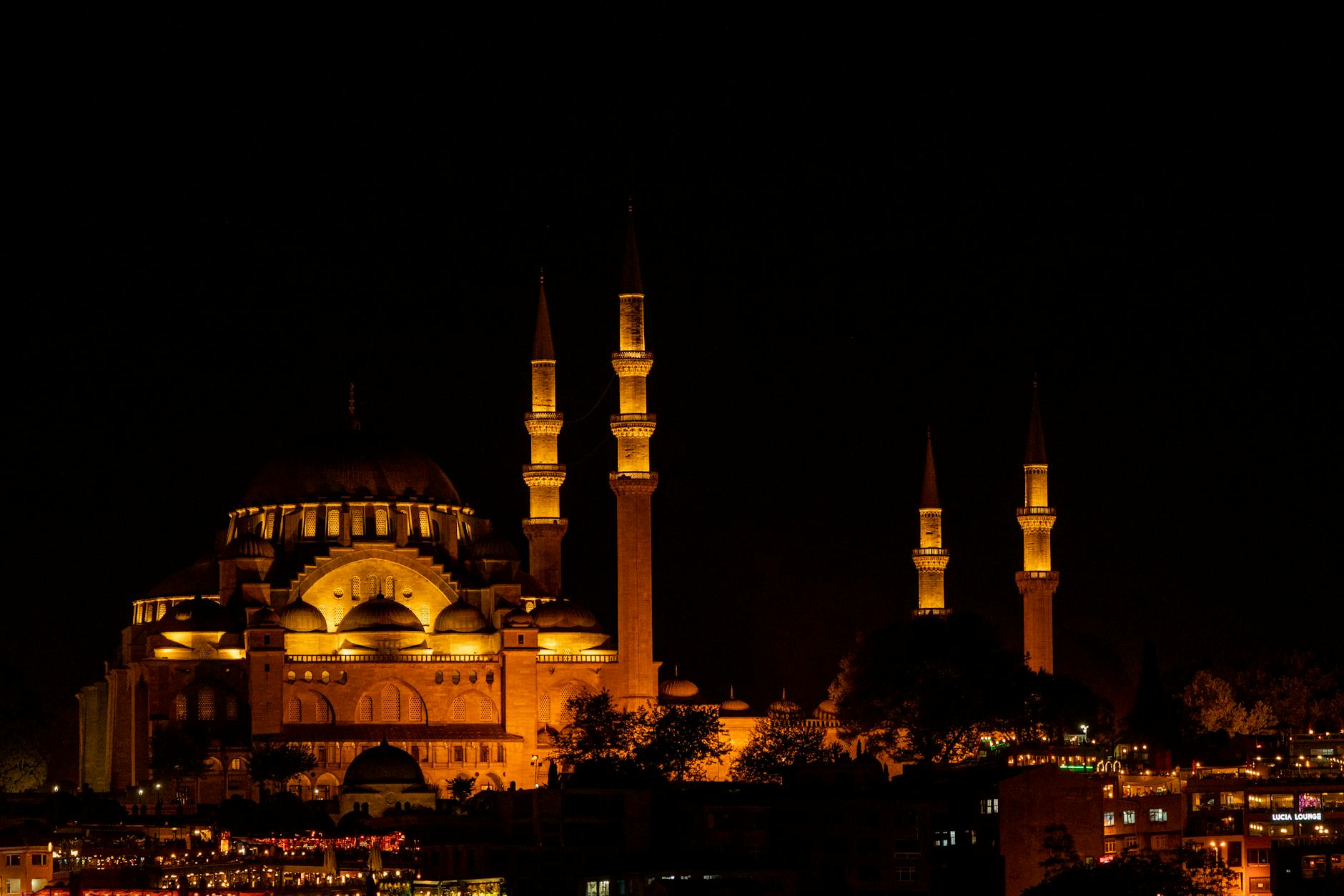
Central Jakarta’s great free sights sit close together around Merdeka Square, and the trick of this day is to see them in the cool of the morning, retreat indoors for the heat, and finish in the south of the city after the rush.
06:30 — Merdeka Square (or car-free day)
The grounds around Monas open at 05:00 and are free. At 06:30 the light is soft, the joggers are out and the deer are grazing in their paddock. If today is a Sunday, start instead on Sudirman and Thamrin, which close to cars on Sunday mornings for car-free day until around 11:00, then walk up to the square.
08:00 — Up Monas (optional)
The monument itself opens at 08:00 from Tuesday to Sunday. Enter from the north side for the ticket counters; foreign visitors pay around 30,000 for the observation deck at 115 metres and the museum in the base. Being there at opening time means little or no queue for the lift. It is the one paid sight of the day, and it is optional: the obelisk is honestly as impressive from the grass.
09:30 — Istiqlal and the Cathedral
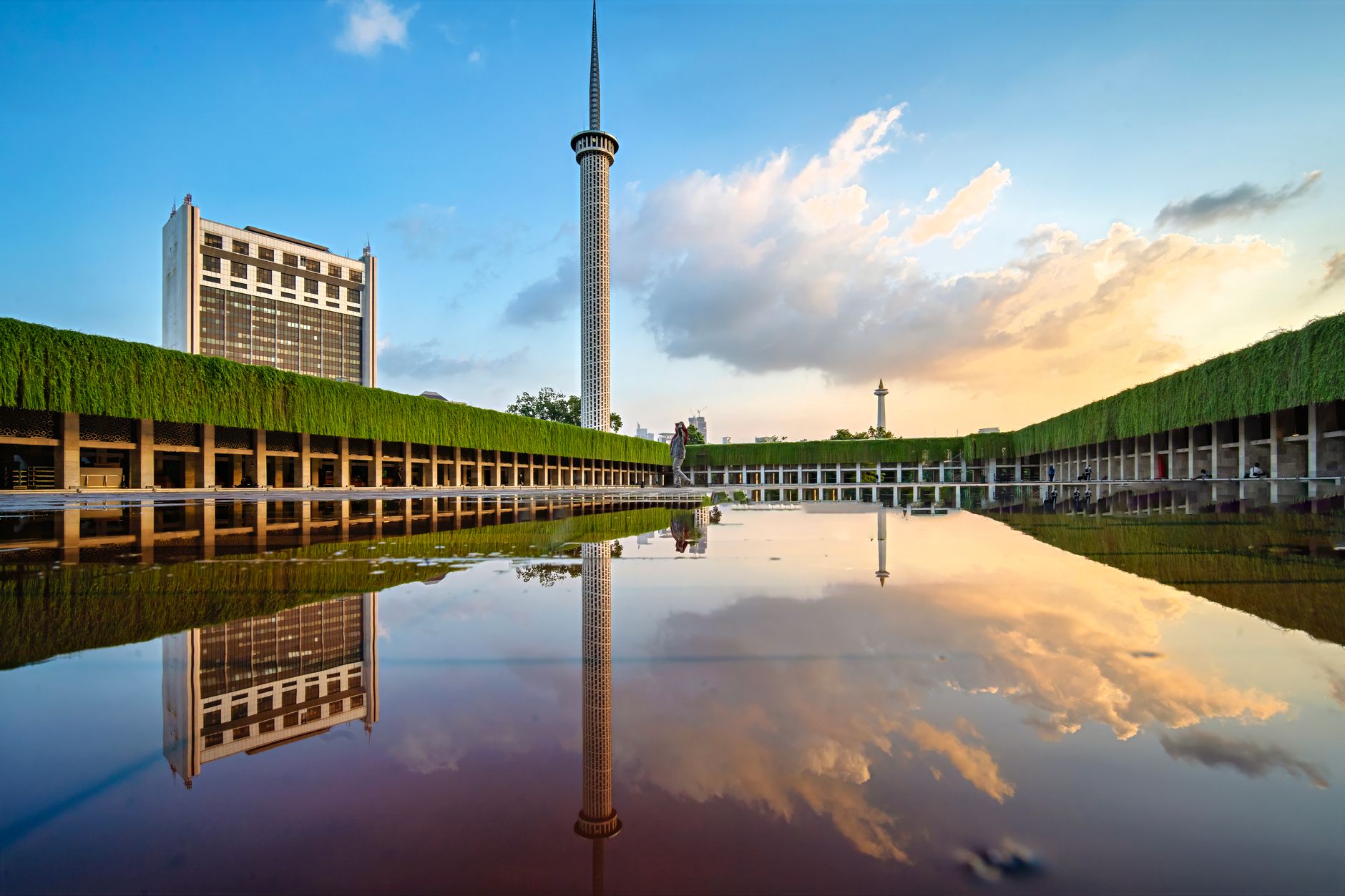
Walk to the north-east corner of the square for Istiqlal, the largest mosque in Southeast Asia, free to visit outside prayer times. Dress modestly, with shoulders and knees covered and, for women, a headscarf, which can be borrowed; avoid midday on Friday. Then cross the road to the neo-Gothic Cathedral, open from 08:00 to 20:00 and free. Our Istiqlal guide and Cathedral guide have the details.
11:00 — Lapangan Banteng, Pos Bloc and Pasar Baru
A few minutes east, Lapangan Banteng’s lawns surround the West Irian Liberation Monument, free and open around the clock. Walk on to Pos Bloc, the old post office on Jalan Pos turned into a hub of cafés and small shops — free to enter, opening at 10:00 on weekdays — for a coffee, and browse Pasar Baru, Jakarta’s oldest shopping street, across the road.
12:30 — Warteg lunch
Eat at a warteg in the side streets: point at two or three dishes, add rice and sweet tea, and pay 15,000 to 30,000.
13:30 — The National Library
Spend the hottest part of the day in the reading rooms of the Perpustakaan Nasional on the south side of Merdeka Square: free, air-conditioned, genuinely handsome, with views over the square from the upper floors. Weekday hours are 08:00 to 17:00; weekends 09:00 to 15:30. Bring identification to register.
15:30 — A free double-decker
From the IRTI stop at Monas or the Balai Kota stop, ride one of Transjakarta’s free Jakarta Explorer double-deckers. The Skyscrapers route runs from Tuesday to Sunday between 10:00 and 17:00, down Thamrin and Sudirman to Senayan and back. Sit upstairs at the front, tap your card — nothing is deducted — and watch the business district go by. Check the day’s routes in the Transjakarta app.
17:30 — MRT to Blok M
Beat the evening rush by going underground: the MRT from Bundaran HI to Blok M costs no more than 14,000 and is a short ride, while the road above is solid.
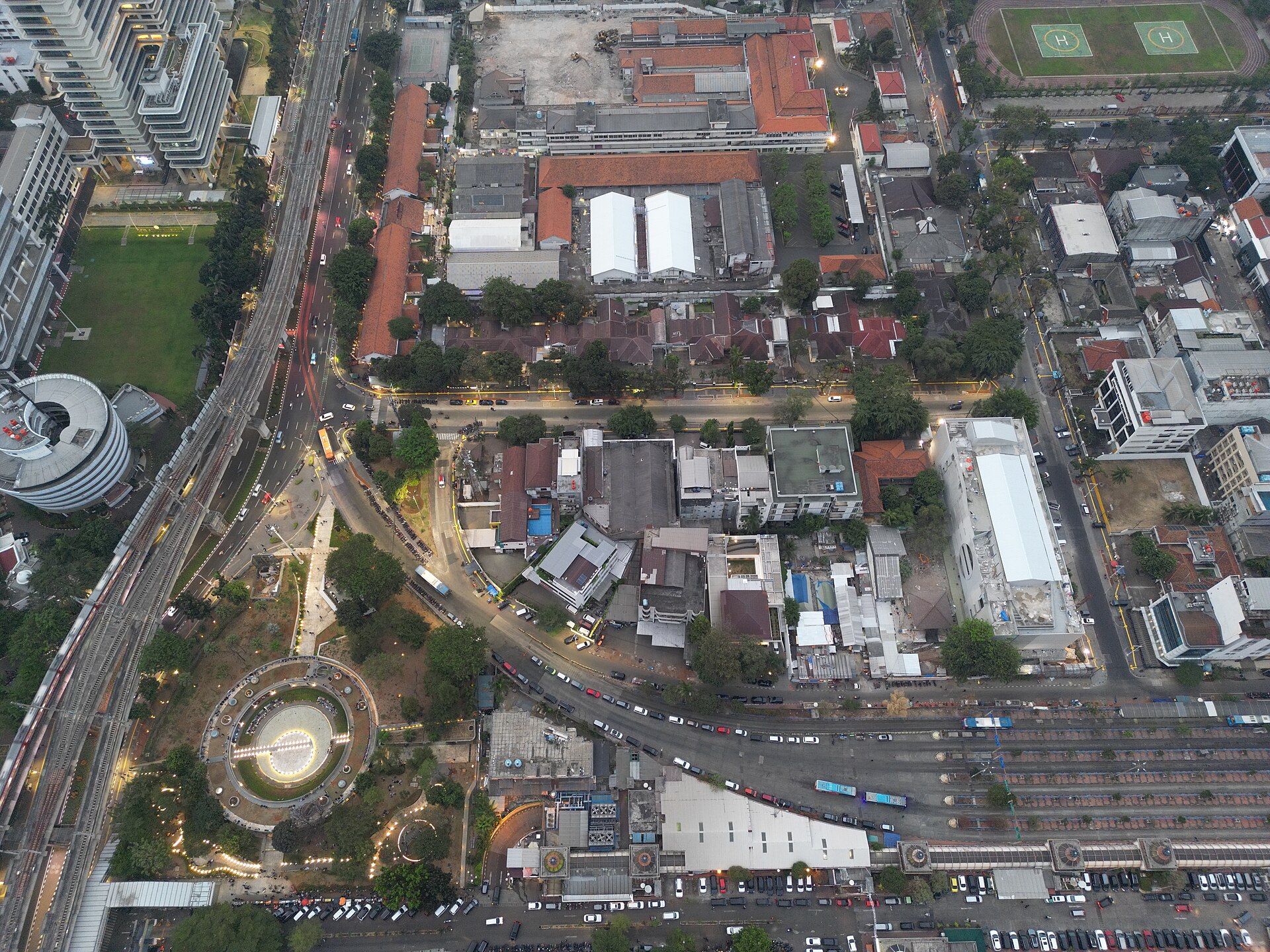
18:00 — Taman Literasi, M Bloc Space and Gultik
Start at Taman Literasi Martha Christina Tiahahu, a free park with a reading room, a bookshop, fountains and an amphitheatre beside the MRT. Walk on to M Bloc Space on Jalan Panglima Polim, a row of former staff houses of the state banknote printer turned into cafés, record and clothing shops and a small live-music venue — free to enter, open until 23:00 on weekdays and midnight at weekends. For dinner, go to Gultik, the cluster of curry stalls at the bend of Jalan Mahakam and Jalan Bulungan, serving rice with beef gulai and satay since 1982 for 10,000 to 25,000 a person. Most people order two plates. Take the MRT home, or a motorbike taxi if you stay late.
Day 2 costs
| Item | IDR |
|---|---|
| Transport: TransJakarta, MRT to Blok M, MRT or ojek home | About 25,000–40,000 |
| Monas deck and museum (optional) | About 30,000 |
| Everything else: square, mosque, cathedral, library, Pos Bloc, double-decker, Taman Literasi, M Bloc | 0 |
| Food: breakfast, coffee, warteg lunch, snacks, Gultik | About 85,000 |
| Water | About 18,000 |
| Total | About 130,000–160,000 |
Day 3, option A: Bogor by commuter train
The best cheap day out from Jakarta, and the best cure for a city that has been hot and loud for two days.
07:30 — KRL to Bogor
Take the KRL south from Juanda, Gondangdia, Cikini or Manggarai to Bogor, the end of the line. It costs under 10,000 and takes around an hour or a little more. Travelling south in the morning is against the flow of commuters, so the trains are far less crowded than those heading into the city.
09:00 — Kebun Raya Bogor
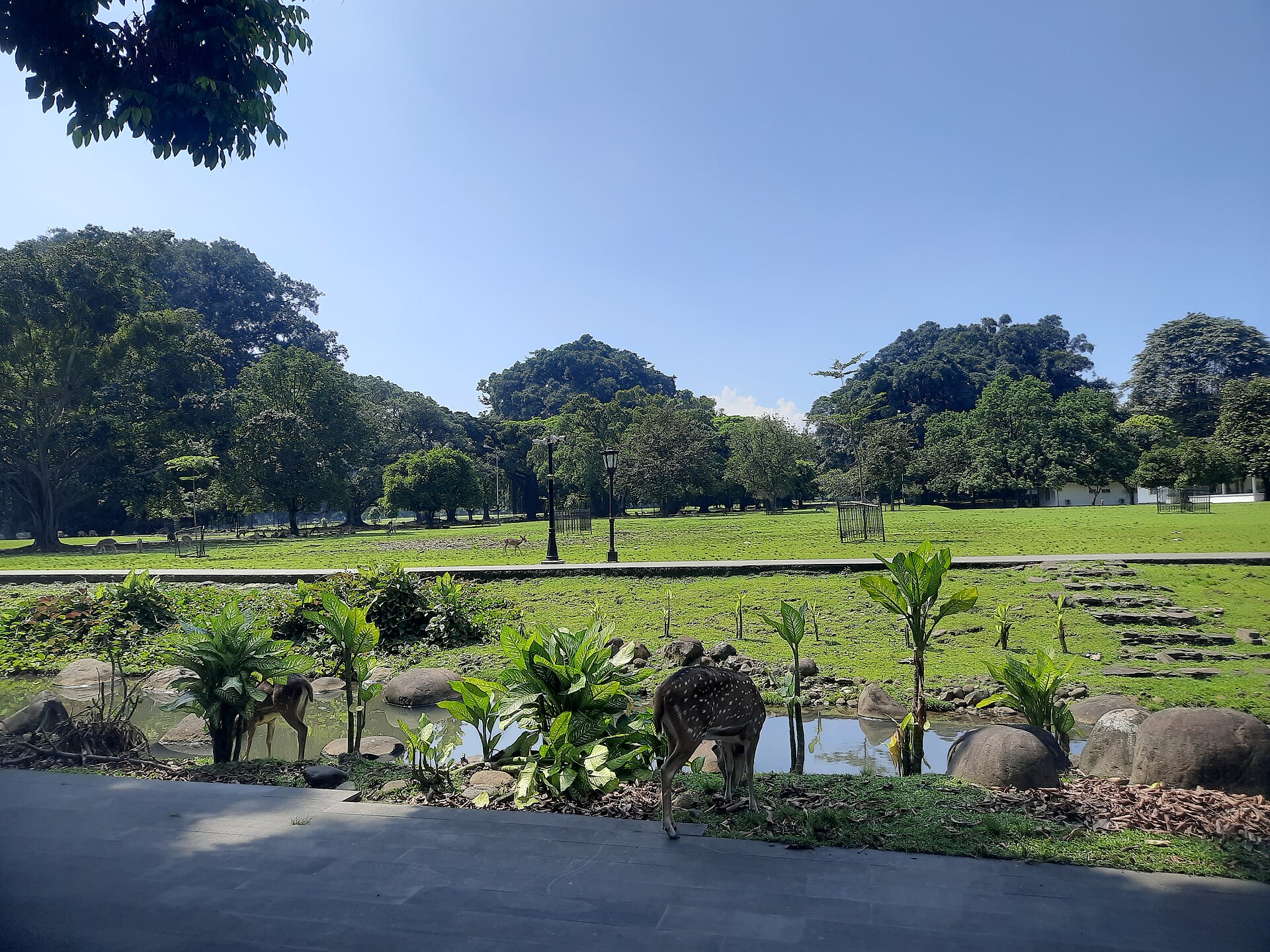
The Botanical Gardens, founded in 1817 and among the oldest in Southeast Asia, cover 87 hectares with more than 15,000 plant species. They open daily from 08:00 to 17:00, and international visitors pay 50,000. Do the giant lotus ponds, the Mexican cactus garden and the lawns looking towards the Presidential Palace on the boundary, where deer graze. Bogor is one of the rainiest places in Java, so carry a poncho whatever the season. See our Bogor day trip guide.
12:30 — Lunch in Bogor
Eat in town: Bogor’s specialities include soto kuning, a turmeric-yellow beef soup, and the town’s warungs charge less than central Jakarta’s.
14:00 — Back to Jakarta
Head back in the early afternoon. In the evening the trains fill up with commuters leaving Jakarta, but going the other way you are once again against the flow. Finish with dinner near your hostel, or a last night at the Sabang carts.
Day 3A costs
| Item | IDR |
|---|---|
| KRL to Bogor and back | Under 20,000 |
| Short rides in Bogor | About 20,000 |
| Kebun Raya Bogor, international visitor | 50,000 |
| Food and water | About 100,000 |
| Total | About 190,000 |
Day 3, option B: green South Jakarta and one splurge
If you would rather stay in the city, this day swaps the train for parks, cheap food in the office alleys and the one paid sight worth the money.
- 07:00 — Tebet Eco Park. Free, open from 06:00 to 22:00, with the orange Infinity Link Bridge joining its two halves, a wetland boardwalk and gardens. Go early on a weekday.
- 09:00 — Hutan Kota GBK. The 4.5-hectare city forest inside the Gelora Bung Karno sports complex, free from 06:00 to 18:00, Tuesday to Sunday, with the stadium running track alongside. The MRT’s Istora Mandiri station is close.
- 11:30 — Lunch in Karet. In the alleys behind the towers of Kuningan, Nasi Ulam Ibu Yoyo on Gang Dogol sells herbed rice for 7,000 to 20,000 but sells out; Warung MJS on Jalan Setia Budi Tengah serves Javanese home cooking in air-conditioning from about 25,000.
- 13:30 — The splurge: the National Museum. Since 1 January 2026, foreign visitors without a residence permit pay 150,000, three times the old price. It is still the finest museum in Indonesia, and if you do only one paid thing in Jakarta, make it this, in the heat of the afternoon. See the National Museum guide.
- 16:00 — Sarinah. Free to browse: Indonesian batik, woven textiles and crafts across several floors, a short walk from the Bundaran HI MRT. The best introduction to what a fair price for batik looks like.
- 18:30 — Dinner back at Jalan Sabang, or at Kebon Sirih for goat fried rice.
Allow about 250,000 for option B, most of it the museum. Without the museum, it is well under 100,000.
Day 3, option C: the Thousand Islands overnight
For a beach at the end of the trip, take the traditional ferry from Kali Adem at Muara Angke — two to three hours, a fraction of the price of the speedboat from Marina Ancol at around 175,000 each way — to Pulau Pari, the island with the longest white-sand stretch in the group, and stay a night in a homestay; there are no resorts. It is a day trip only in theory; overnight, it is lovely. See our Thousand Islands guide.
What the three days cost in total
| Item | Shoestring (IDR) | Comfortable budget (IDR) |
|---|---|---|
| Three nights’ accommodation | Dorm bed, roughly €5–10 a night | Half of a budget chain room, from around US$15–30 a night for the room |
| Day 1 | About 140,000 | About 250,000 with a restaurant dinner and cars at night |
| Day 2 | About 130,000–160,000 | About 250,000 with Monas and a couple of drinks |
| Day 3 | About 190,000 (Bogor) | About 300,000 (option B with the museum and a good dinner) |
| Airport transfers | DAMRI bus or airport train, about 80,000–95,000 each way | The same, or a shared car |
| Total | Roughly 1,000,000–1,300,000 (US$56–73) | Roughly 1,500,000–2,100,000 (US$85–120) |
Neither figure includes alcohol, which is the single fastest way to break a Jakarta budget. For how to trim each line further, see our budget travel guide and cheap transportation guide.
If you have a fourth day
- The Thousand Islands overnight, by the slow ferry to Pulau Pari, if you did not take option C.
- Ragunan Zoo, for 4,000 plus a JakCard bought at the gate: take the MRT to Lebak Bulus and the free Mikrotrans minibus on route JAK 45. It opens at 07:00 and is closed on Mondays. See the Ragunan guide.
- Taman Mini Indonesia Indah, the vast park of Indonesia’s provinces in East Jakarta, with a 35,000 gate fee and its museums charged separately. See the Taman Mini guide.
- Setu Babakan, the Betawi cultural village by a lake in the far south, free to wander.
- Bandung, if you catch a Whoosh promotional fare from about 100,000; regular fares are 275,000–600,000 each way. Better as an overnight than a day.
Swaps for rain, Mondays and small children
If it rains
In the wet season, roughly November to April, afternoon storms are routine. Keep the outdoor parts of each day for the morning — the plan already does — and swap an afternoon in the rain for the National Library, Sarinah, the covered parts of Pos Bloc and M Bloc, or a mall. The MRT is the most reliable way to move in a storm.
If a day falls on a Monday
Swap in option B’s parks and lunch for Day 1 and move the old town to Tuesday, or spend Monday on the Thousand Islands. Tebet Eco Park, the Menteng parks, Pos Bloc, M Bloc Space, Sarinah and Glodok’s temples are all open on Mondays.
With small children
Cut each day in half, keep the mornings and drop the evenings. Tebet Eco Park, Taman Literasi’s children’s library, the free double-decker and Sea World at Ancol work well; the Kota Tua museums less so. See our guides to Jakarta with kids and Jakarta with toddlers.
What to pack for a budget three days
- Your transport card, and small notes for carts and warungs
- A refillable water bottle — hostels usually have a dispenser
- A light scarf, and clothes that cover shoulders and knees, for Istiqlal and the temples
- Sunscreen, a hat and comfortable shoes for Kota Tua’s cobbles
- A poncho or umbrella, essential for Bogor and in the wet season
- A power bank: maps, the free-bus timetable and ride-hailing all run on your phone
Our Jakarta packing list covers the rest.
Mistakes that break a budget itinerary
- Zigzagging. Kota Tua in the morning, SCBD for lunch and Kota again for dinner costs two hours and a lot of taxi money. One area a day.
- Cars at rush hour. The meter runs while you sit still. The MRT and the busway do not care about traffic.
- Walking at midday. From late morning to mid-afternoon the heat makes walking between sights miserable. That is what the library and the museums are for.
- Theme parks. Ancol’s gate plus Dunia Fantasi at a weekend is 435,000 a head before lunch — more than this whole itinerary’s sightseeing.
- Beer. A local draught in a restaurant costs around 46,000, more than a day’s food on this plan.
For a non-budget version with the paid attractions, see our standard Jakarta 3-day itinerary, and for moving around cheaply as a backpacker, the backpacking Jakarta guide.
Frequently asked questions
Is three days enough for Jakarta?
Yes, for a first visit, if you see the city one area at a time: the old town and Glodok, the monuments and the modern centre, and a day in Bogor or the parks. Three days is enough to understand Jakarta without spending most of it in traffic.
How much does a 3-day budget trip to Jakarta cost?
Roughly 1,000,000 to 1,300,000 rupiah (about US$56–73) on a shoestring, including three nights in a hostel dorm, food, transport, sights and airport transfers, and roughly 1,500,000 to 2,100,000 (about US$85–120) on a comfortable budget. Flights and alcohol are extra.
What is free to do in Jakarta on a 3-day trip?
Fatahillah Square and Kota Tua’s streets, Kali Besar, Glodok’s temples, Merdeka Square, Istiqlal and the Cathedral, Lapangan Banteng, Pos Bloc, the National Library, the Jakarta Explorer double-decker buses, Taman Literasi, M Bloc Space, Tebet Eco Park and Hutan Kota GBK. See our free attractions guide.
Which day of the week should I start?
Tuesday to Sunday. The Kota Tua museums, Monas, Ragunan Zoo and Hutan Kota GBK close on Mondays. A Sunday is the best day for central Jakarta, because of car-free day on Sudirman and Thamrin.
Do I need taxis for this itinerary?
Barely. The plan uses the KRL, TransJakarta, the MRT, the free double-decker and your feet, with an optional motorbike taxi home late at night. A car is only worth it if three or four of you are sharing, or in heavy rain.
Is the Bogor day trip worth it?
Yes, and it is the cheapest good day trip from Jakarta: under 10,000 each way on the KRL, 50,000 for the Botanical Gardens, and a change of air after two days in the city. Carry a poncho; Bogor is famously rainy.
Where should I stay for a budget 3-day trip?
Around Kebon Sirih, Jalan Jaksa, Cikini or Thamrin, within reach of TransJakarta Corridor 1, the KRL and the MRT. Our budget hostels guide names specific places.
Can I do this itinerary in the rainy season?
Yes. From roughly November to April, heavy storms usually arrive in the afternoon, so keep the outdoor sights for the mornings, as this plan does, and spend wet afternoons in the National Library, Sarinah, the museums or a mall. The MRT is the most reliable way to move in a storm, and Bogor needs a poncho whatever the month.
Related Jakarta Guides
- Jakarta 3-Day Itinerary
- Budget Travel in Jakarta
- Jakarta Daily Budget
- Free Attractions in Jakarta
- Cheap Transportation in Jakarta
- Eating on a Budget in Jakarta
- Budget Hostels & Guesthouses
- Kota Tua Walking Tour
- Bogor Day Trip from Jakarta
- Jakarta 2-Day Itinerary
Photo Credits
Taman Literasi, Blok M, from above: Jakarta – Martha Tiahahu Literacy Park by IndoDroneMan, CC BY-SA 4.0, via Wikimedia Commons.
Deer at Kebun Raya Bogor: Kebun Raya Bogor – WikiNusantara 2024 (2) by Raflinoer32, CC BY 4.0, via Wikimedia Commons.