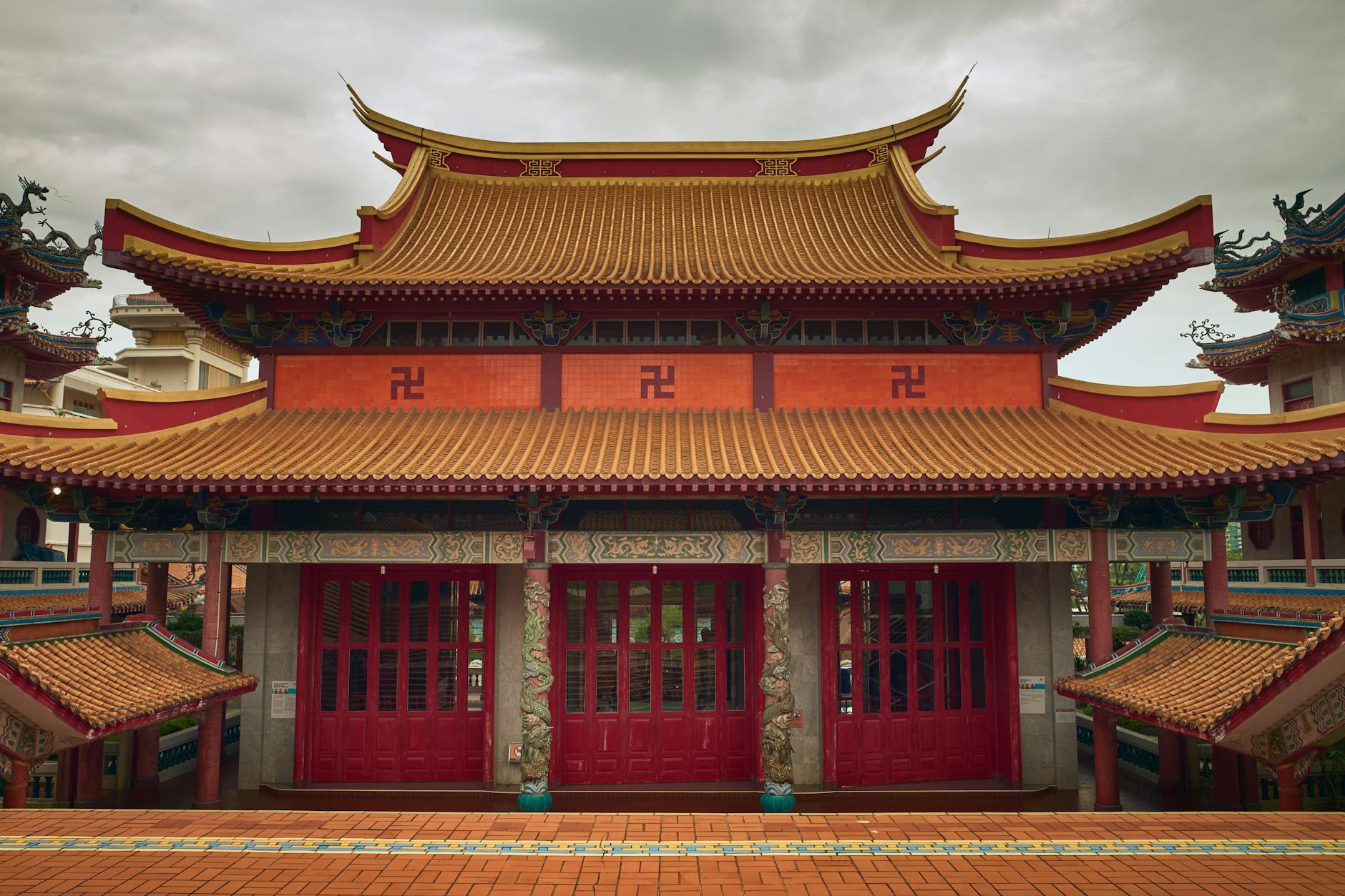
Jakarta’s Buddhist temples cluster in Glodok — the city’s Chinatown — and tell a complex story spanning 375 years of Chinese-Indonesian heritage. Most foreign tourists arrive at Glodok confused: are these temples Buddhist, Taoist, or Confucian? The answer is “all three” — Indonesian Chinese religious practice blends them as “Tridharma.” Vihara Dharma Bhakti (Jin De Yuan), founded 1650, is Jakarta’s oldest temple — but partially destroyed by fire in 2015 and still under reconstruction in 2026. This guide maps a 5-temple walking circuit through Glodok, explains the Tridharma concept, and gives the current 2026 reconstruction status of Vihara Dharma Bhakti. The most comprehensive English-language Buddhist temples Jakarta resource.
For broader religious tourism, see our pillar religious tourism in Jakarta, the Istiqlal Mosque guide, the Jakarta Cathedral guide, the Tunnel of Friendship guide, the Hindu temples guide, and our Kota Tua walking tour.
Buddhism in Indonesia and Jakarta
Context for foreign tourists:
- National: ~1.7 million Indonesian Buddhists (~0.7% of population)
- Concentration: Java, Sumatra; mostly Chinese-Indonesian community
- Jakarta: ~150,000 Buddhists, concentrated in Glodok area
- Major tradition: Tridharma (Buddhist + Taoist + Confucian) — Indonesian Chinese religious blend
- Status: One of six officially recognized religions in Indonesia
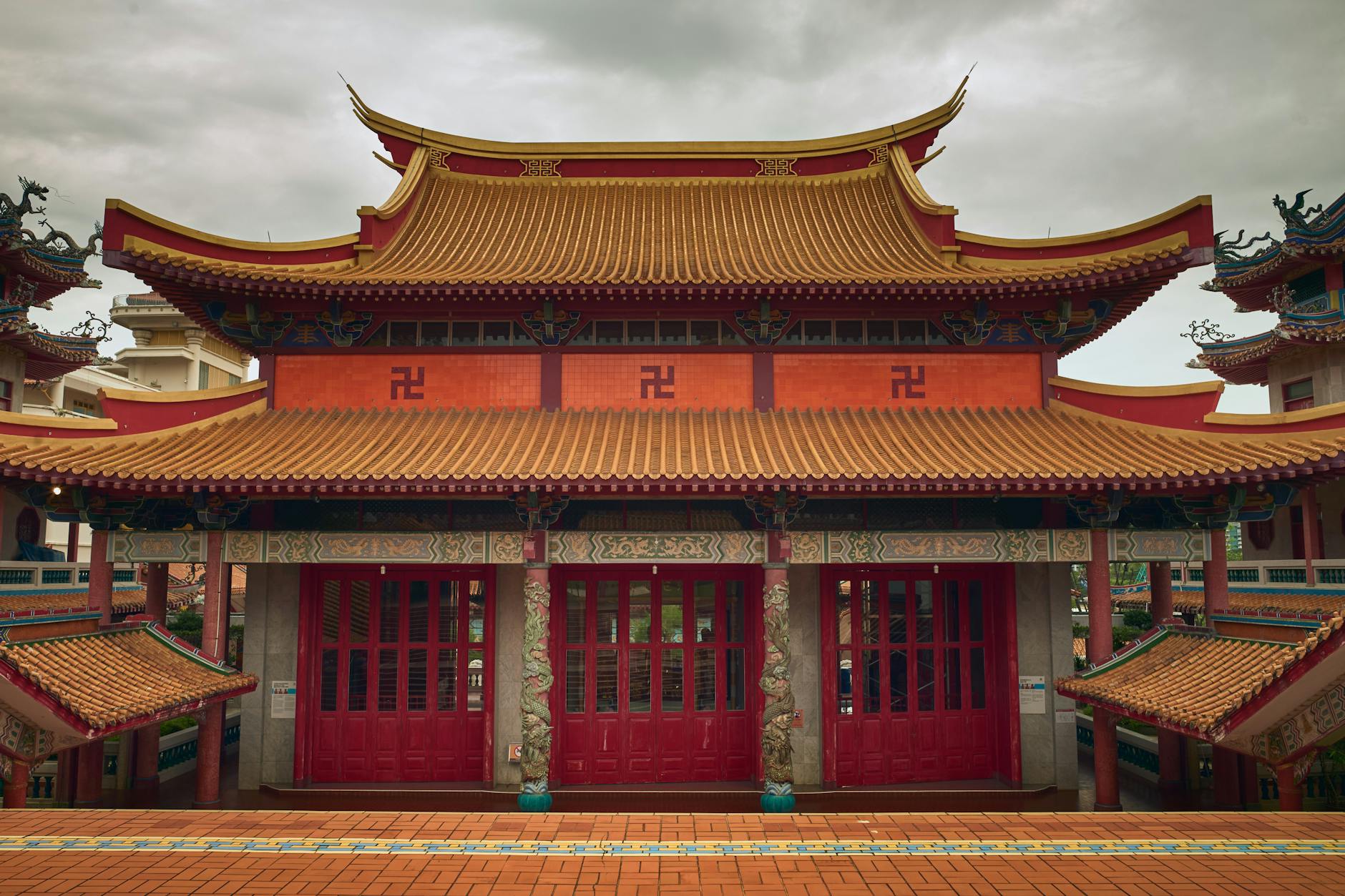
Vihara Dharma Bhakti / Jin De Yuan — The 1650 Flagship
Practical Info
- Address: Jl. Kemenangan III, Petak Sembilan, Glodok, West Jakarta
- Hours: Daily 6:00 AM – 4:00 PM
- Entry: Free
- Founded: 1650 (375 years old)
- Current status: Partial reconstruction following 2015 fire (active but with some restricted areas)
- Heritage designation: Indonesian cultural heritage since 1972
History
The temple’s history is intertwined with Jakarta’s Chinese-Indonesian community:
- 1650: Founded as Koan Im Teng, dedicated to Guan Yin (Kwan Im in Indonesian, the Bodhisattva of Compassion)
- 1740: Destroyed during the Chinese Massacre (Dutch and Indonesian forces killed ~10,000 ethnic Chinese in Batavia)
- 1755: Rebuilt as Kim Tek Ie (Jin De Yuan) — “Golden Virtue Temple”
- 1972: Designated Indonesian cultural heritage
- March 2, 2015: Gutted by fire — 40+ historical sculptures destroyed
- 2016: Reconstruction approved by Jakarta Governor Ahok (Basuki Tjahaja Purnama)
- 2025-2026: Reconstruction continues; partial public access
Current Post-Fire Status (2026)
As of 2026, the temple is partially open but reconstruction continues. Visitors can:
- Access: Outer worship areas and most of the temple complex
- Restricted: Some interior sections may have scaffolding or limited access
- Active worship: Community continues using the temple
- Reconstruction visible: Restored sculptures being installed; original carving traditions revived
- Historic photos and information: Posted on temple grounds
Tip: Visit with awareness that this is a working religious community recovering from significant loss. Behave with extra respect.
Vihara Dharma Jaya Toasebio (1751)
Another major Glodok temple, founded just one year after Vihara Dharma Bhakti’s reconstruction.
- Address: Jl. Kemenangan I, Petak Sembilan, Glodok
- Hours: Daily 6:00 AM – 4:00 PM
- Entry: Free
- Founded: 1751
- Dedicated to: Tan Seng Ong (a historical Chinese figure honored as ancestor)
Active Tridharma temple. Beautiful 18th-century architectural elements; offerings to ancestor figures.
Vihara Toasebio and Tan Seng Ong Shrine
Tan Seng Ong shrines are common in Indonesian Chinese temples, honoring legendary Chinese-Indonesian community figures. Smaller community shrines throughout Glodok preserve this folk-religious tradition.
Sin Tek Bio (Kwan Im Bio) at Pasar Baru
Located in Pasar Baru shopping district, not in Glodok itself. Dedicated to Kwan Im (Guan Yin), the Bodhisattva of Compassion.
- Address: Jl. Pasar Baru area, Sawah Besar, Central Jakarta
- Hours: Daily 7:00 AM – 5:00 PM
- Entry: Free
Combines Buddhist devotion with Pasar Baru’s traditional commercial atmosphere.
Vihara Mahavira Graha Pusat (Newer, Modern Mahayana)
Modern Mahayana Buddhist temple, distinct from older Glodok temples.
- Address: Verify current location; typically in central or south Jakarta
- Style: Modern Mahayana Buddhist architecture; less Tridharma blending
- Open: Daily
The Glodok Petak Sembilan Walking Circuit (5 Stops, 1 Hour)
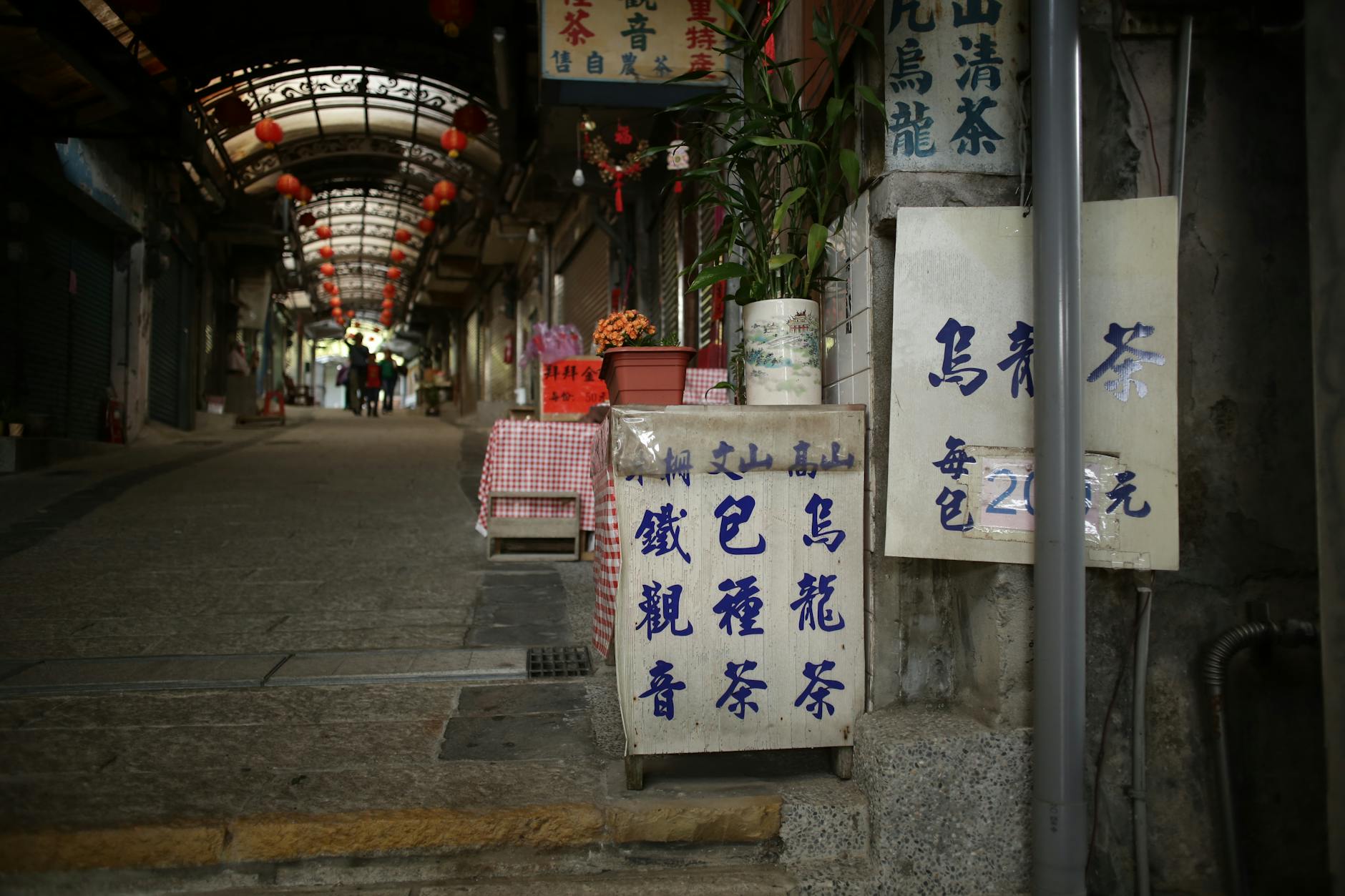
Optimal 1-hour walking route through Glodok Petak Sembilan area:
- Start: Vihara Dharma Bhakti (Jin De Yuan) — Begin at the 1650 flagship temple (20-30 min including reflection time)
- Walk south through Petak Sembilan market alleys — Experience the traditional Chinese-Indonesian commerce (15 min)
- Stop at Vihara Dharma Jaya Toasebio — Second temple visit (15-20 min)
- Continue to smaller community shrines — Various Tridharma sites (10 min)
- End at Pantjoran Tea House — Modern Chinese-Indonesian café for tea/coffee break (30-60 min)
Total walking distance: approximately 1 km. Allow 90 minutes for casual pace including stops.
What “Klenteng” Means and Tridharma
Key terminology:
- Klenteng — Indonesian word for Chinese temple (from Hokkien “kheng-teng”)
- Vihara — Sanskrit/Pali word for Buddhist monastery; used in Indonesia for Buddhist temples
- Bio — Hokkien word for temple, used in temple names (e.g., Sin Tek Bio)
- Tridharma — “Three Doctrines” combining Buddhism, Taoism, and Confucianism in Indonesian Chinese religious practice
Most Jakarta “Buddhist” temples are actually Tridharma — they include altars to Buddhist Bodhisattvas (like Guan Yin), Taoist deities, and Confucian sages all together. This blending is uniquely Indonesian Chinese tradition.
Incense, Joss Paper, and Fortune Sticks (Kau Cim)
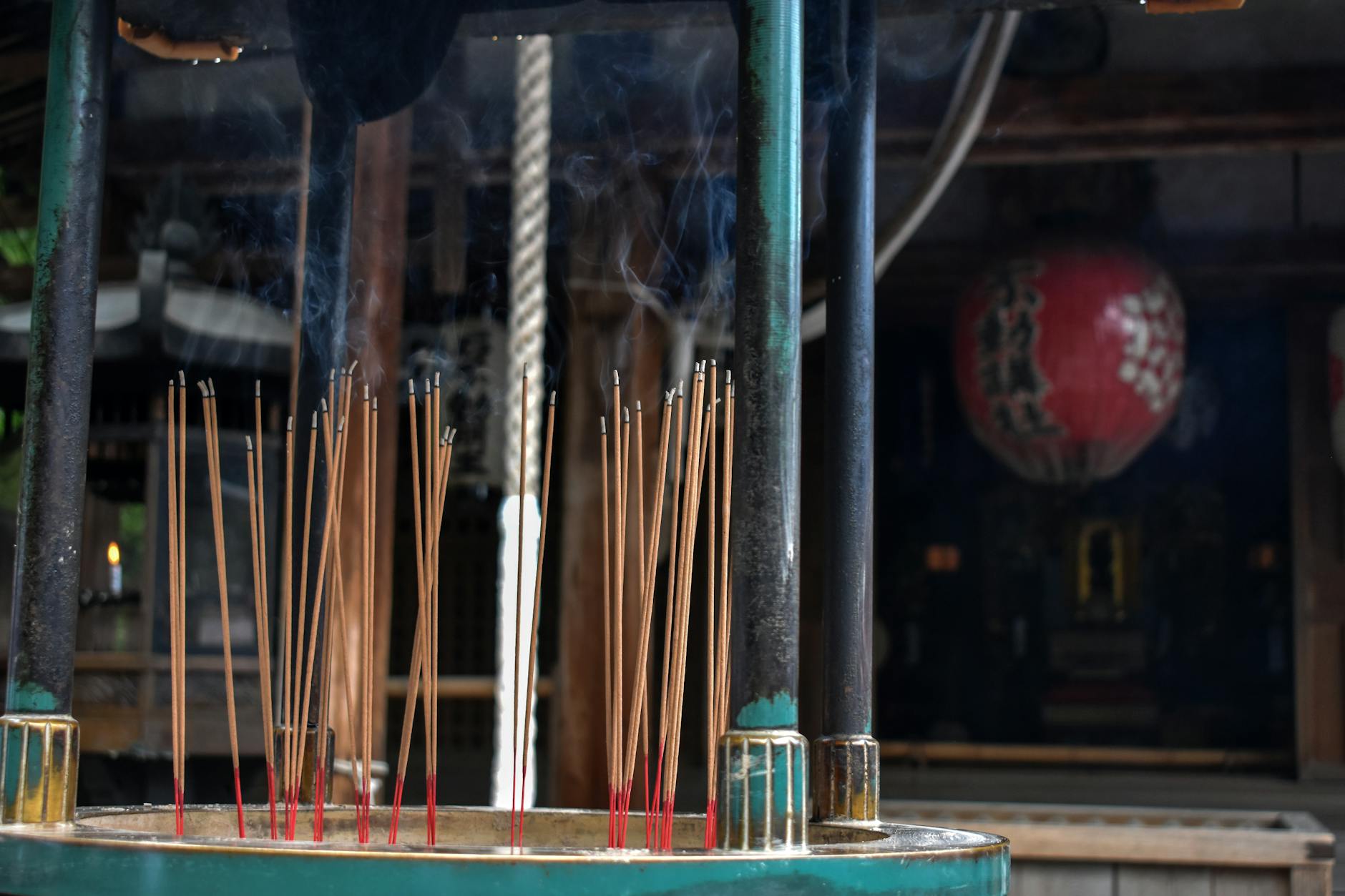
Incense (Joss Sticks)
Central to Chinese-Indonesian Buddhist worship:
- Three sticks — Symbolizing Buddha, Dharma, Sangha (three jewels of Buddhism)
- How to use: Light sticks, bow three times facing altar, place sticks in incense urn
- Cost: IDR 5,000-20,000 for standard incense bundles
- Non-Buddhists welcome: Yes, but optional and respectful
Joss Paper
Symbolic paper offerings burned to deceased ancestors. Made to resemble money or valuables. Used during Tomb-Sweeping Day (Qing Ming) and other ancestor remembrance days.
Fortune Sticks (Kau Cim)
Traditional Chinese fortune-telling using numbered bamboo sticks in a cup. Shake the cup until one stick falls out; the stick number corresponds to a prophecy. Available at most Glodok temples; small donation appreciated.
Chinese New Year (Imlek) at Glodok
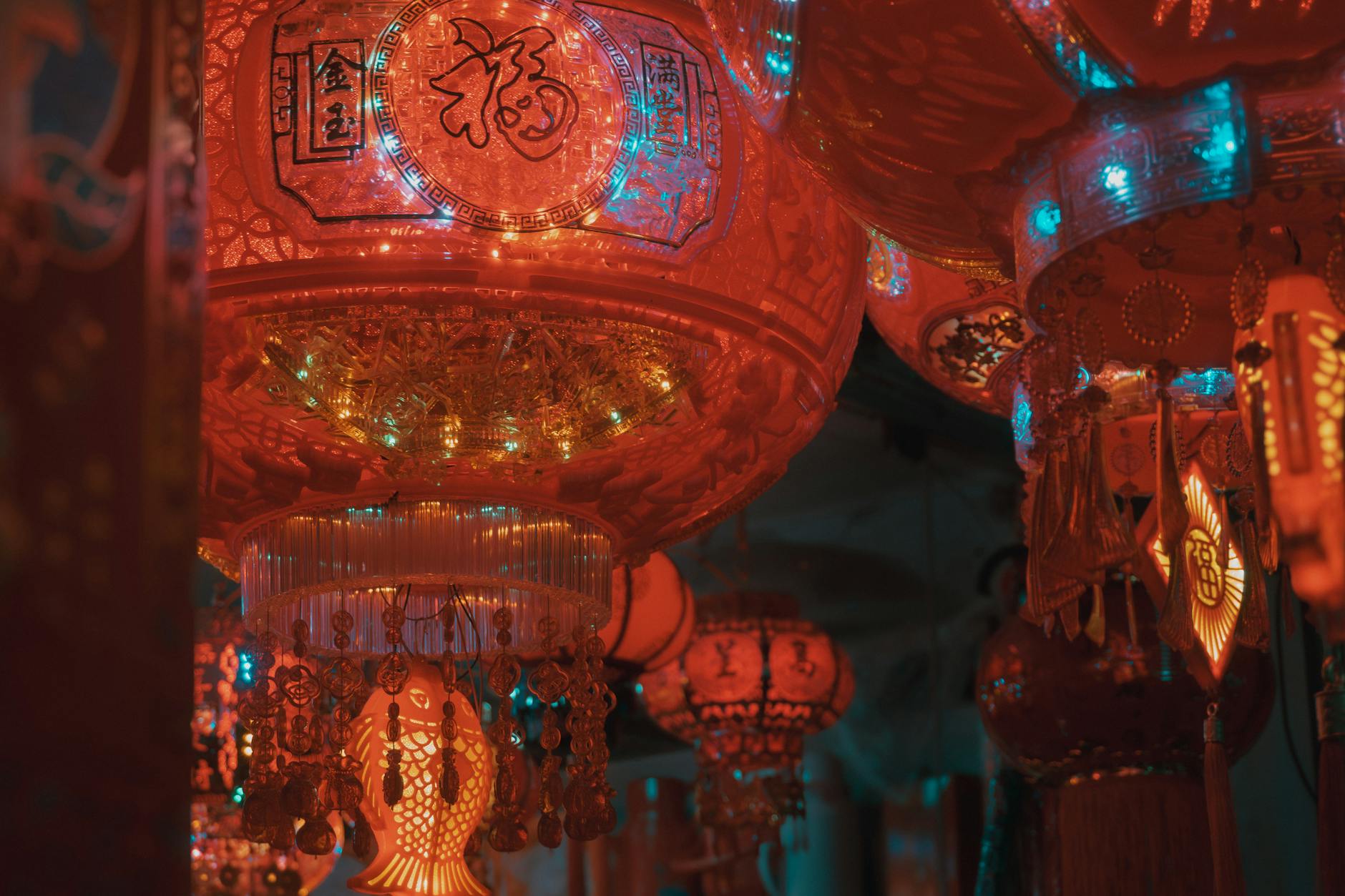
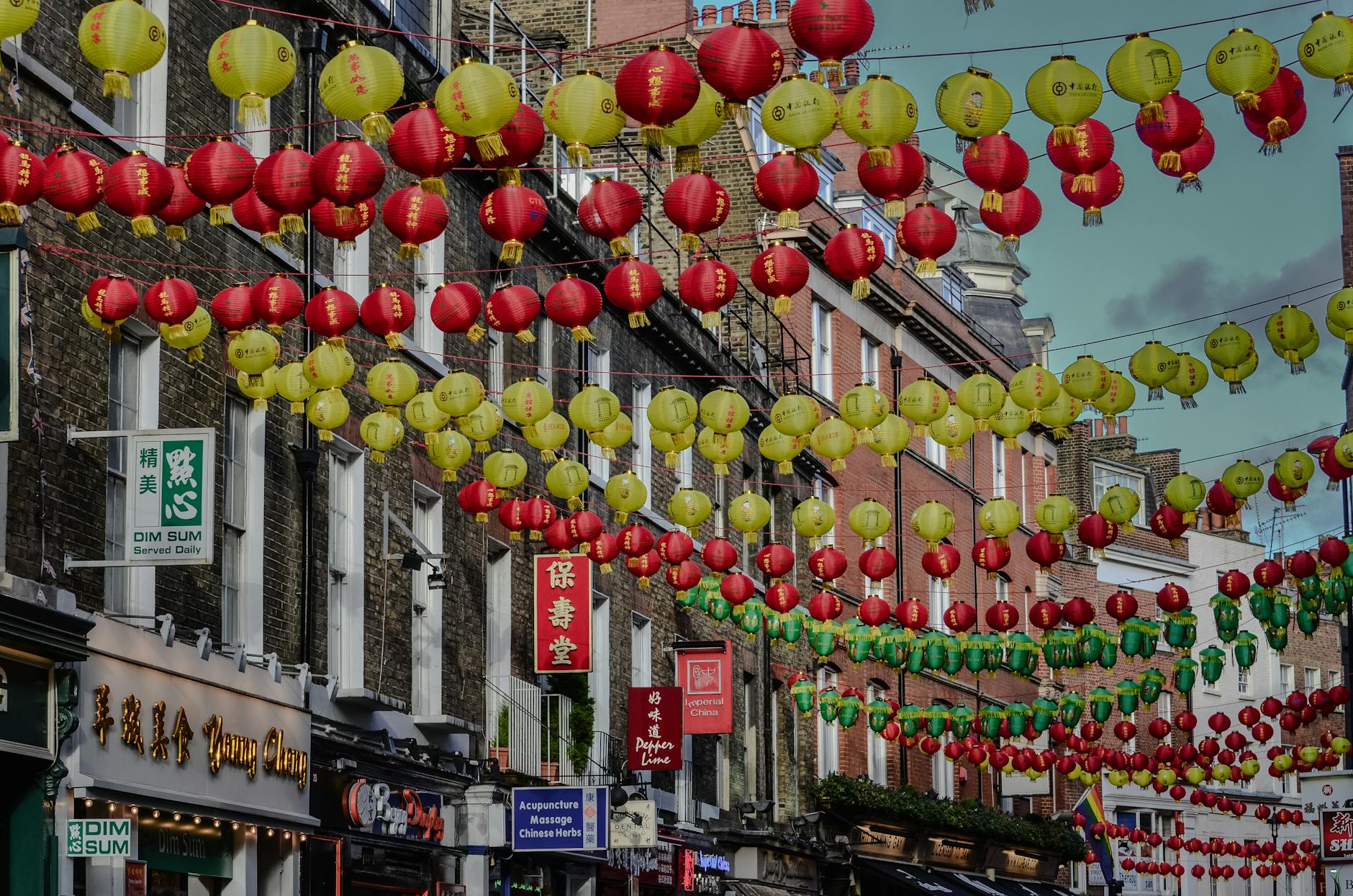
Imlek (Chinese New Year) is the most spectacular time to visit Glodok. The 2-week celebration culminating in Cap Go Meh (Lantern Festival) transforms the area:
- Red lanterns hanging throughout Petak Sembilan
- Lion dance performances at temples and shops
- Special temple ceremonies
- Family celebrations in restaurants and homes
- Huge crowds — arrive early or weekday for manageable visit
- Date: January or February (varies by lunar calendar)
Cap Go Meh and Waisak (Buddha’s Birthday) Calendar
| Festival | 2026 Date | Significance |
|---|---|---|
| Imlek (Chinese New Year) | February 17 | Year of the Horse begins |
| Cap Go Meh (Lantern Festival) | March 3 | 15 days after Imlek; closes Chinese New Year season |
| Waisak (Buddha’s Birthday) | May 31 | Buddhist celebration; Borobudur in Java is national center |
| Asalha Puja | August 2026 | Buddha’s first sermon |
| Kathina | October-November 2026 | Robe-offering ceremony |
Dress Code (Modest, Shoes ON Inside Klenteng)
Critical difference from mosques and Hindu temples:
- Cover shoulders and knees
- SHOES STAY ON inside klenteng — opposite of mosques
- Modest dress
- No sleeveless tops for women
- Respectful behavior — quiet voice, no laughing
Photography
- Generally permitted — Tourist photography welcomed
- Ask before photographing people praying
- No flash during religious ceremonies
- Beautiful subjects: Incense smoke, lanterns, deity statues, traditional architecture
- Best light: Late afternoon (4-5 PM); incense smoke catches sunlight beautifully
Buddha and Bodhisattva Statues to Look For
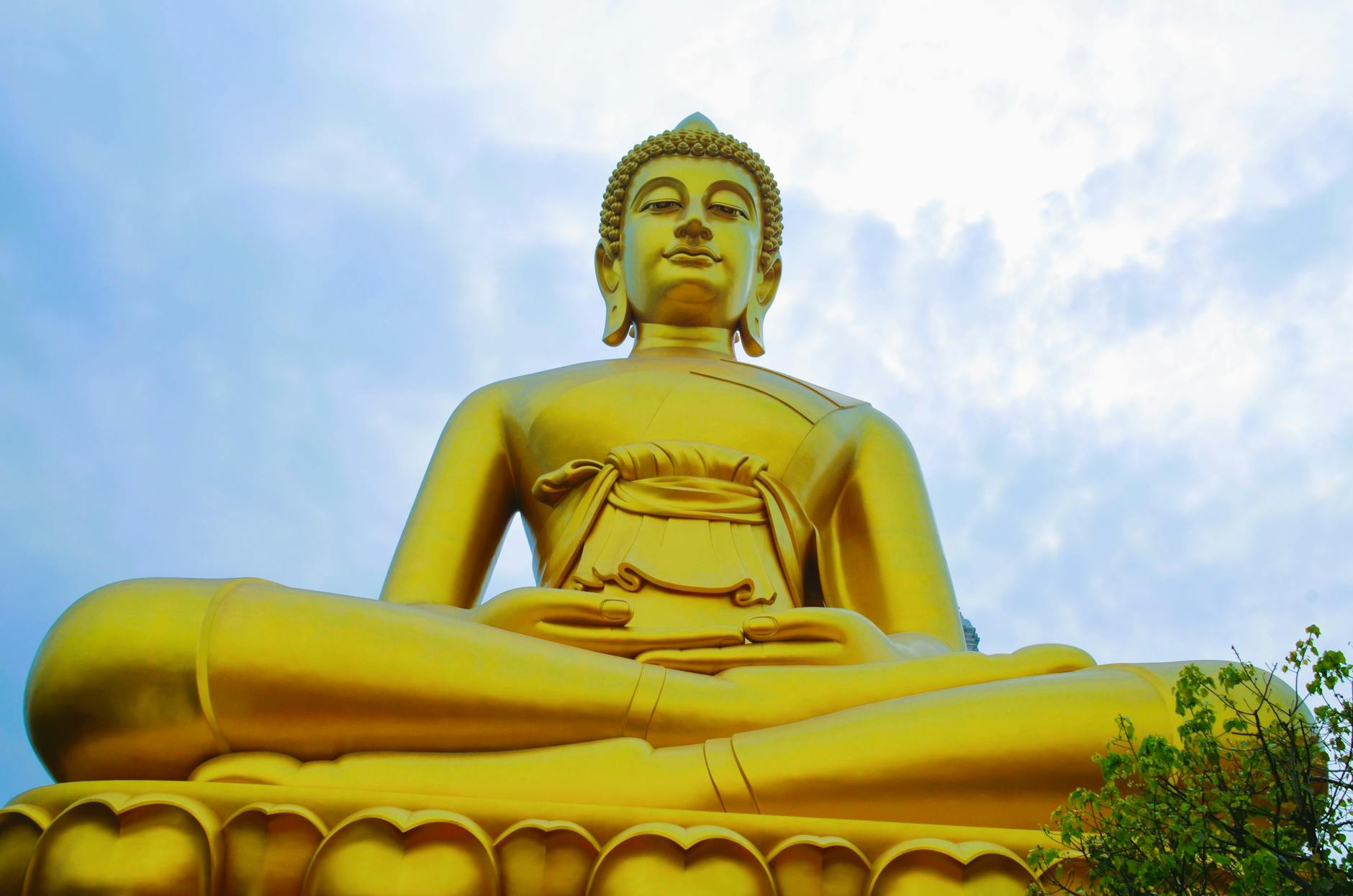
Key figures in Indonesian Buddhist temples:
- Sakyamuni Buddha — Historical Buddha (Gautama)
- Kwan Im (Guan Yin) — Bodhisattva of Compassion — Most prominent in Chinese-Indonesian temples
- Amitabha Buddha — Buddha of Infinite Light
- Maitreya Buddha (Future Buddha)
- Various Bodhisattvas — Manjushri, Samantabhadra
- Tridharma additions — Confucius, Lao Tzu, various Taoist deities
Where to Eat in Glodok
Gloria Alley (Gang Gloria)
The most famous Glodok food alley. Authentic Chinese-Indonesian dishes including:
- Bakmi noodle dishes — Wheat noodle specialties
- Soto Mie Bogor — Noodle soup with beef
- Kue cucur — Traditional rice cake
- Chinese-Indonesian dim sum
- Sweet tea drinks
Average IDR 30,000-80,000 per dish.
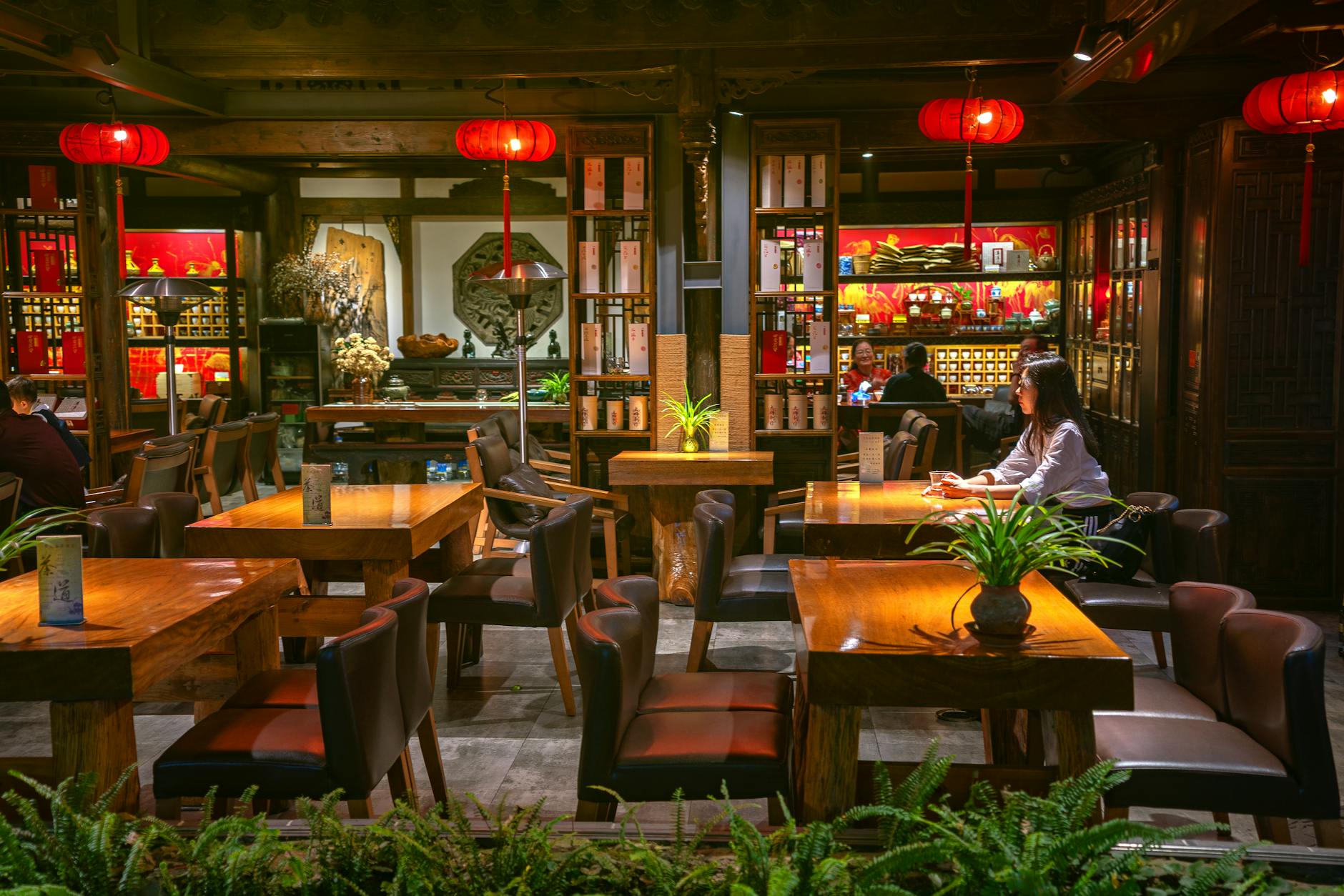
Pantjoran Tea House
Modern Chinese-Indonesian tea house. Beautiful interior, quality tea selections, light meals. Popular with younger Chinese-Indonesian crowd and tourists. IDR 40,000-150,000.
Other Options
- Bandar Djakarta — Multi-location Indonesian restaurant
- Various Indonesian street food outside Glodok perimeter
- Halal options nearby: Indonesian dishes universally available
Getting There
- TransJakarta: Halte Glodok (Corridor 1)
- KRL: Mangga Besar Station (10-min walk)
- Walking from Kota Tua: 1.5 km / 15-20 min walk south from Kota Tua heritage area
- Grab/Gojek: Direct drop-off in Petak Sembilan area
FAQ: Is Vihara Dharma Bhakti Fully Rebuilt? Can Non-Buddhists Light Incense?
Reconstruction Status
As of 2026, Vihara Dharma Bhakti’s reconstruction is ongoing. The temple is partially open to visitors and the community continues active worship. Restored sculptures are being installed. Some interior sections may have scaffolding. Verify current accessibility on arrival.
Non-Buddhists Lighting Incense
Yes — non-Buddhists are welcome to light incense as respectful tourists or as personal spiritual gesture. Buy incense (IDR 5,000-20,000), light three sticks, bow three times to altar, place in urn. The community appreciates respectful participation.
Frequently Asked Questions About Buddhist Temples Jakarta
What is the oldest Buddhist temple in Jakarta?
Vihara Dharma Bhakti / Jin De Yuan in Glodok, founded 1650 (375 years old). Originally named Koan Im Teng, dedicated to Kwan Im (Guan Yin). Partially destroyed by fire March 2, 2015; reconstruction ongoing as of 2026. Indonesian cultural heritage since 1972.
What does Tridharma mean?
“Three Doctrines” — Indonesian Chinese religious practice combining Buddhism, Taoism, and Confucianism. Most “Buddhist” temples in Glodok are actually Tridharma, with altars to Buddhist Bodhisattvas, Taoist deities, and Confucian sages all together. This blending is uniquely Indonesian Chinese tradition.
Where can I light incense in Jakarta Buddhist temples?
All Glodok temples (Vihara Dharma Bhakti, Vihara Dharma Jaya Toasebio, smaller community shrines) sell incense for IDR 5,000-20,000. Light three sticks, bow three times to altar, place in incense urn. Non-Buddhists welcome to participate respectfully.
When is the best time to visit Glodok Buddhist temples?
Weekday mornings (Tue-Fri 9-11 AM) for quiet exploration. Chinese New Year (Imlek, February 2026) for spectacular festivities but extreme crowds. Waisak (May 31, 2026) for Buddhist celebrations. Always respect closure signs during major ceremonies.
Is Glodok safe for foreign tourists?
Yes. Glodok is safe during daylight hours. Standard urban precautions for pickpocketing. The temple district is well-traveled by Jakarta tourists. Most vendors and temple staff are welcoming to respectful foreign visitors.
What’s the difference between klenteng and vihara?
“Klenteng” is the Indonesian word for Chinese-style temple (from Hokkien). “Vihara” is Sanskrit/Pali for Buddhist monastery. In Indonesia, many Chinese temples use “Vihara” in their name (e.g., Vihara Dharma Bhakti) even though they’re really Tridharma blends, not pure Buddhist monasteries.
Can non-Buddhists visit Buddhist temples in Jakarta?
Yes. All Buddhist/Tridharma temples in Jakarta welcome non-Buddhist visitors. Behave respectfully: modest dress, shoes worn (unlike mosques), quiet voice, ask before photographing people. Donations welcomed. Free entry to all temples.
What is special about Vihara Dharma Bhakti?
Vihara Dharma Bhakti is Jakarta’s oldest temple (1650, 375 years old), Indonesian cultural heritage, and dedicated to Kwan Im (Guan Yin, Bodhisattva of Compassion). It survived the 1740 Chinese Massacre, was rebuilt 1755, designated heritage 1972, and is currently recovering from a devastating 2015 fire. Visit with awareness of the community’s resilience.
Jakarta’s Buddhist temples in Glodok offer a unique cultural and religious experience. To plan further, see our pillar religious tourism in Jakarta, the Istiqlal Mosque guide, the Jakarta Cathedral guide, the Tunnel of Friendship guide, the Hindu temples guide, the Kota Tua walking tour, and our food and drink in Jakarta guides.
External Resources for Jakarta Buddhist Temples
For background on Indonesian Buddhism, the Wikipedia entry on Buddhism in Indonesia provides comprehensive context. The Wikipedia entry on Kim Tek Ie Temple covers Vihara Dharma Bhakti’s history and current reconstruction.