The sand at Anyer is grey-brown, the colour of wet cement, because it came out of a volcano rather than a coral reef. On a good day the water is a decent green. On a bad day, particularly after heavy rain, it is the colour of weak tea, and you can see the cranes and chimneys of Cilegon’s steel and petrochemical works up the coast to your right. This is the honest starting point for an Anyer beach day trip Jakarta visitors so often plan with Bali photographs in their heads, and it is the reason a lot of foreigners come back grumbling. Anyer is not a beautiful beach. It is the nearest beach, which is an entirely different thing, and once you accept that distinction the trip becomes genuinely worthwhile.
This guide sits inside our wider round-up of the best day trips from Jakarta, and Anyer is the coastal option in that set. If you want clearer water and are prepared to travel further, read the Tanjung Lesung beach guide or the Pelabuhan Ratu guide for the south coast surf towns. If you want an island rather than a mainland beach, the Thousand Islands guide covers the boat option from Ancol. Anyer wins on one metric only, and it is the metric that matters most on a Saturday: driving time.
What Anyer Actually Looks Like When You Arrive
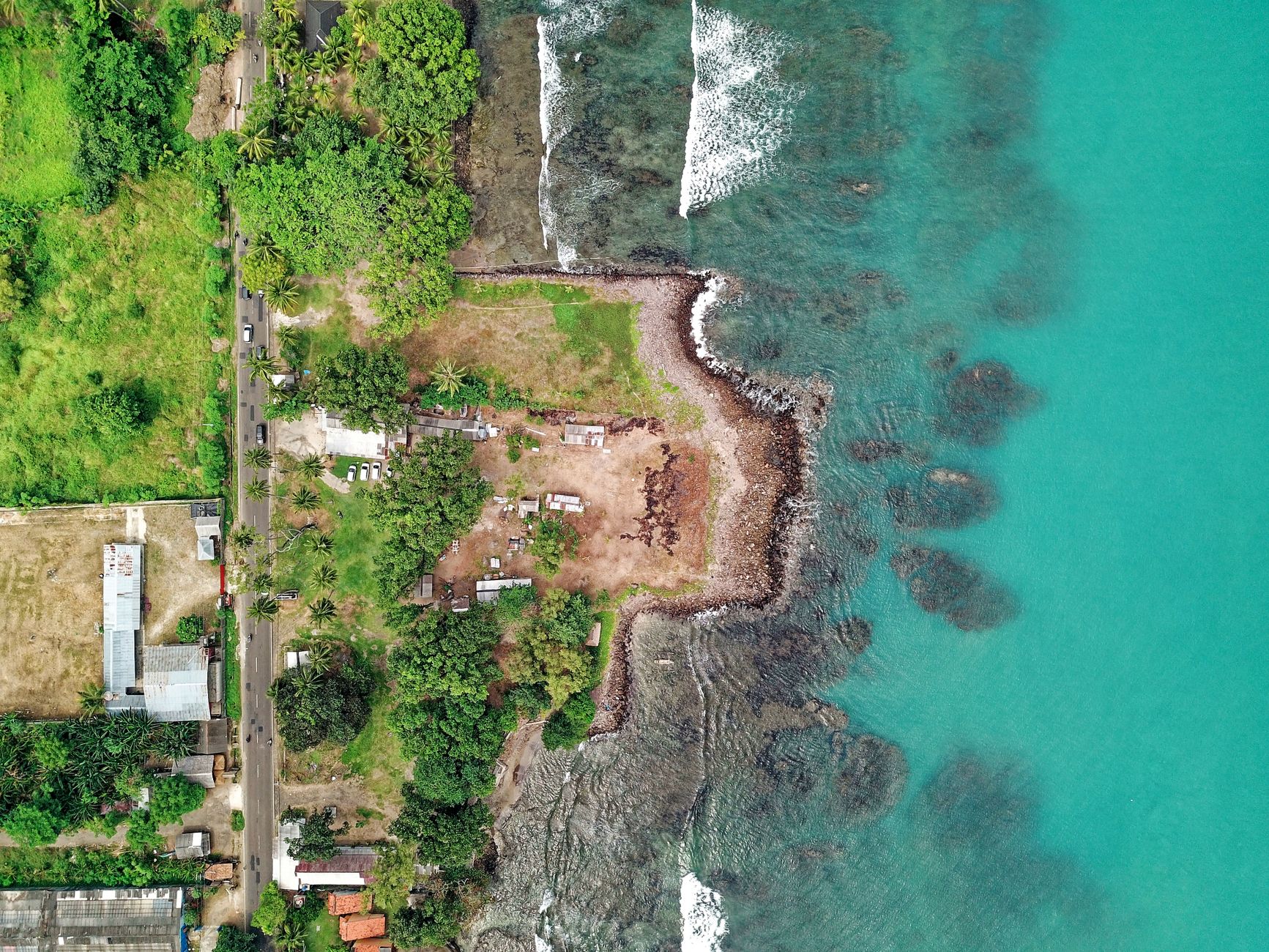
Anyer is not a resort town in the way that phrase suggests. It is a 25-kilometre ribbon of coast road in Banten province, running south from Cilegon through Anyer Kidul, Sambolo, Bandulu and Karang Bolong towards Cinangka and Carita. Along it sit perhaps sixty properties, from four-star hotels with convention halls to family villas behind a padlocked gate. Between them are warungs, jet ski operators, coconut sellers and a great many parking attendants.
The sand is dark volcanic grit, coarse rather than powdery, and genuinely hot underfoot by eleven. Water clarity swings wildly. From roughly April to October you can get a clean-ish green with a metre or two of visibility; during the November to March wet season, river run-off turns the shallows brown for days after a downpour. Litter is a documented problem. Indonesian coverage of Pantai Pasir Putih Florida in early 2026 quoted visitors describing the shoreline as a “sea of rubbish”, and the pattern repeats along the strip. Sunday mornings after a packed Saturday are the worst of it; by Wednesday the same beach can look fine.
Then there is the industrial backdrop. Cilegon is one of Java’s heaviest industrial zones, home to Krakatau Steel and a cluster of chemical plants, and the Merak ferry terminal sends a constant procession of vessels across the strait. From the northern end of the Anyer strip you see all of it. Ten kilometres south, it drops out of view.
The Honest Case For Going Anyway
Here is what Anyer has that nowhere else within three hours of Jakarta does. It faces west into open ocean, so you can watch the sun go down over water. That sounds trivial until you remember Jakarta has no usable beach of its own and the Thousand Islands are north-facing and boat-dependent. The sunsets are why locals keep coming back, and on a clear evening the silhouette on the horizon is Anak Krakatau, roughly 42 kilometres offshore.
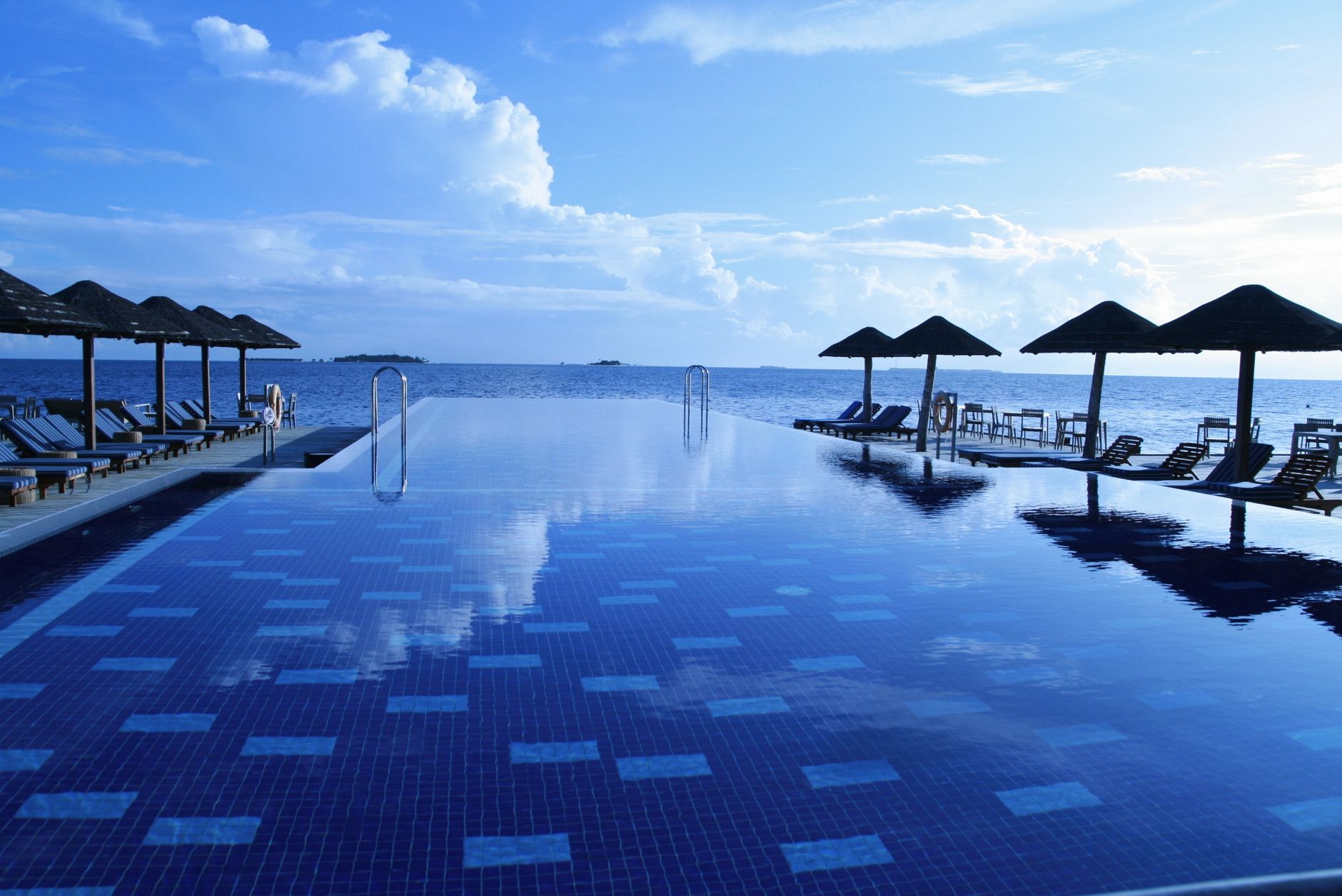
The second thing Anyer has is infrastructure. The hotels have swimming pools, and on a day when the sea looks unappealing a decent pool is not a consolation prize, it is the plan. The third is that it works with children in a way that boat trips and mountain hikes do not: shallow water at several of the beaches, sand to dig in, banana boats, no ferry timetable to catch. If you are working through things to do in Jakarta with kids and have exhausted the malls and the aquariums, this is a legitimate reset.
Driving There: The Toll Road, The Coast Road And Real Timings
The route is straightforward. Head west out of Jakarta onto the Jakarta–Tangerang toll, continue onto the Tangerang–Merak toll, and come off at Cilegon Barat. From there you connect to the Jalan Lingkar Selatan and then Jalan Raya Anyer, which runs south with the sea on your right. Cilegon Timur works too and some navigation apps prefer it; both feed the same coast road. Total distance is around 120 to 150 kilometres depending on how far down the strip you go.
Toll charges for a Class I car ran to roughly Rp63,500 to Rp80,500 for the full Jakarta–Merak run in 2026, so budget Rp55,000 to Rp75,000 each way to the Cilegon exits. You need a topped-up e-toll card; there are no cash lanes. Rest areas at KM 43 and KM 68 are the sensible stops.
Now the timings, which are the part people get wrong. Leave central Jakarta at 05:30 on a Saturday and you will be on the sand by about 08:00 to 08:30. Leave at 08:00 on the same Saturday and the toll plazas at Cikupa and Serang will add an hour or more; three and a half hours is realistic and four is not unusual on a long weekend. Sunday evening is the genuinely painful direction, because the entire Jakarta weekend population is returning at once and it collides with lorry traffic from the Merak ferries. Leaving Anyer at 16:00 on a Sunday can mean four hours or worse. Leave at 13:00 or leave after 20:00. Our guide to avoiding Jakarta traffic applies to this corridor as much as to the city itself.
There Is No Useful Public Transport, And That Changes Everything
You cannot reasonably get to the Anyer beach strip without a car. Technically there is a chain: the Commuter Line from Tanah Abang to Rangkasbitung, a local train on towards Cilegon and Merak, then an ojek for the final 15 to 25 kilometres down the coast road. It costs under Rp100,000 and consumes most of your day, and it leaves you with no way home after dark. Buses from Kalideres to Merak have the same problem at the far end.
So this is a car trip. Either you drive yourself, which means reading our guide to renting a car in Jakarta first and being comfortable with Indonesian toll roads and a coast road full of motorbikes, or you hire a car with a driver for the day, which is what most visitors should do. Expect roughly Rp700,000 to Rp1,200,000 for a car and driver for a long day, with fuel, tolls and parking usually on top; a Hiace for a larger group starts around Rp1,900,000 for up to about 15 hours including driver and fuel. Compare those numbers against our breakdown of Jakarta transportation costs before you assume a tour is better value.
One thing to settle before you set off: Grab and Gojek coverage thins out badly along the coast road. You will find ojek drivers, but do not count on hailing a car back to the toll road at nine at night. If your driver drops you and leaves, you are stuck.
Pay-To-Enter Beaches: The Economics That Surprise Everyone
This is the single biggest shock for first-time visitors, so understand it before you arrive. There is effectively no free public beach on this coast worth using. Almost every access point to the sand is gated and charges per person and, separately, per vehicle. The gates are run variously by village cooperatives, private landowners and hotels, and the pricing is inconsistent, negotiable in places, and higher at weekends.
Typical weekday entry is Rp10,000 to Rp15,000 per person, rising by half again at weekends and on national holidays. Vehicle charges are where it bites: some gates wave a car through for Rp30,000, others ask Rp75,000 to Rp100,000. A gazebo for the day runs Rp80,000 to Rp150,000. Resorts sell day passes to non-guests bundling beach and pool access, worth asking about because the pool is often the better product; rates vary by property and season, so ring ahead.
Budget for it properly: an Anyer beach day trip Jakarta families make regularly can absorb Rp200,000 in gate and parking fees before anyone has bought lunch. Be alert to unofficial collectors, too. Indonesian consumer coverage has repeatedly flagged illegal parking levies here, where someone in a hi-vis vest waves you into a space and then asks for money that never reaches the beach management. Ask for a printed ticket. Keep small notes: many gates still do not take QRIS reliably, and mobile signal along the strip is patchy.
| Beach | Typical entry per person | Vehicle charge | What it is actually like |
|---|---|---|---|
| Anyer Beach (Anyer Kidul) | Rp10,000–15,000 | Rp30,000–75,000 | The default stretch, closest to the lighthouse. Busy, functional, industrial views north. |
| Pantai Sambolo | Rp10,000–15,000 | Rp75,000–100,000 | Best all-round sand on the strip, hotel-backed, most water sports operators. |
| Pantai Bandulu | Rp10,000–20,000 | Rp25,000–50,000 | Quieter, more local, fewer facilities. Good if you want space. |
| Pantai Karang Bolong | Rp10,000 weekday / Rp15,000 weekend | Rp20,000–40,000 | Natural rock arch, steps down to a small cove. Scenic, poor swimming. |
| Pantai Pasir Putih Florida | Rp15,000 | ~Rp30,000 | Paler sand, family crowd, worst litter reports on the strip. |
| Pantai Carita (Pandeglang) | Rp25,000 and up | Rp10,000 parking | Calmer bay, Krakatau boat departures, more organised, 40 minutes further south. |
The Beaches, One By One
Anyer Beach and Sambolo
Anyer Beach proper, around Anyer Kidul near the lighthouse, is where most day-trippers stop simply because it is first. It is fine: dark sand, a moderate shore break, warungs and inflatable hire within a few metres. Sambolo, a little further south, is the stretch I would actually choose. The sand is better maintained, most of the established hotels back onto it, and the water sports operators cluster here so you can compare prices before committing.
Karang Bolong
Karang Bolong means “holed rock”, and that is exactly what it is: a large coral limestone arch standing at the top of a small cove, reached by a flight of concrete steps down through trees. It is the most photogenic thing on the coast and takes about forty minutes to see properly. Swimming here is not the point, and the water at the base of the rocks is rougher than it looks. Go for the arch, then move on.
Bandulu, Marbella and Florida
Bandulu is the quiet option, a working village beach with fewer facilities and correspondingly fewer people. The “Marbella” beach most listings mean is the sand fronting the Marbella hotel complex, so access usually means being a guest or paying a day rate. Pantai Pasir Putih Florida markets itself on white sand, which is generous, and draws big family crowds; it also generates the most complaints about rubbish. On a Wednesday it is pleasant. After a bank holiday weekend, avoid it.
Carita
Carita sits about 40 minutes south of Karang Bolong, over the boundary into Pandeglang regency, and is a different proposition: a broader, shallower bay with calmer water, more organised management and the jetties where Krakatau boats depart. If you want to swim rather than watch a sunset, Carita has the better water. If you want to get home at a sane hour, the extra 40 minutes each way matters.
Cikoneng Lighthouse: The One Genuinely Historic Thing Here
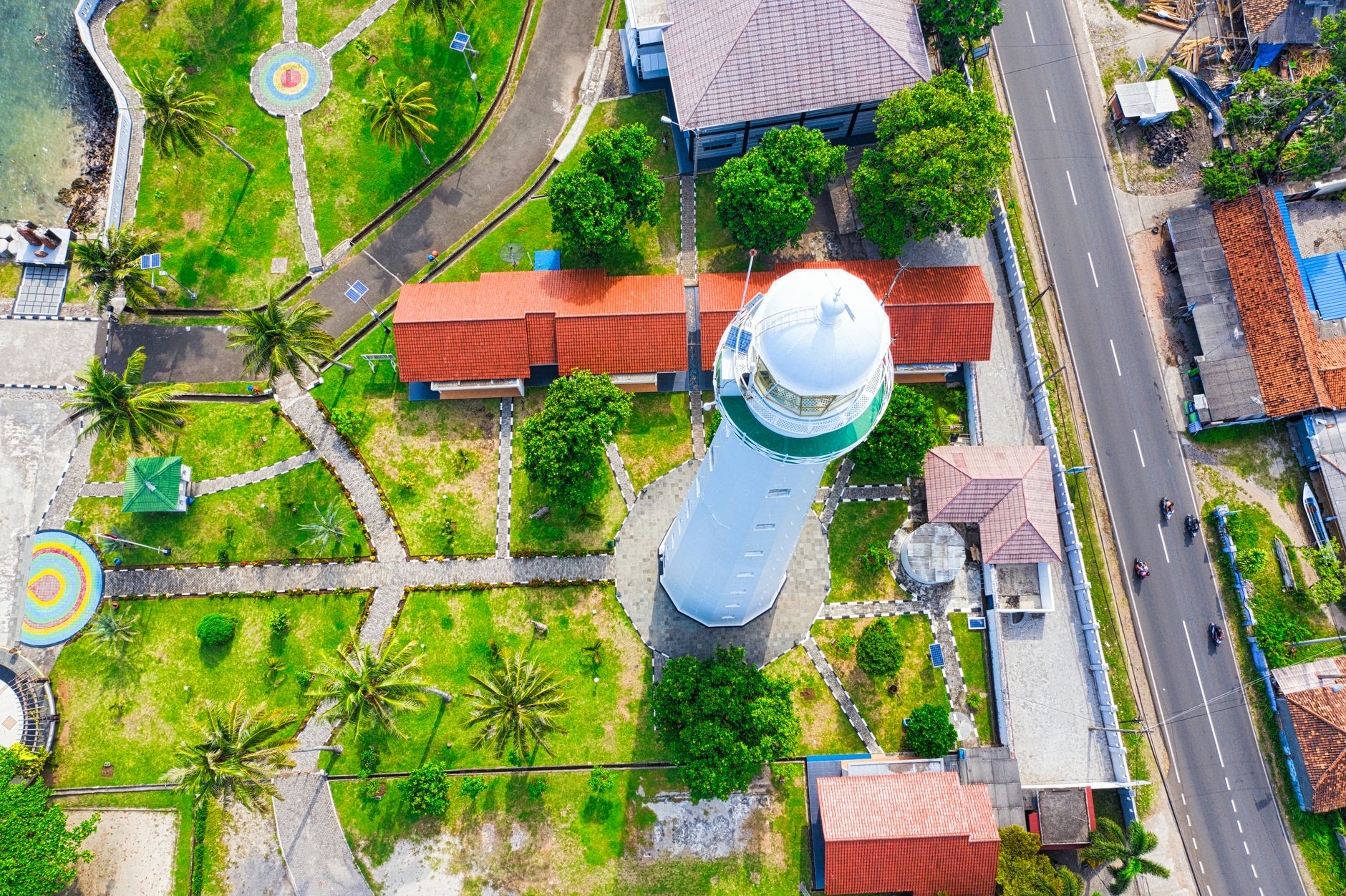
Standing 75.5 metres above the shore at Cikoneng, this white cast-iron tower is the most interesting structure on the coast and the only real history you will see. The original lighthouse and the town around it were destroyed by the tsunamis of the 1883 Krakatau eruption. The Dutch colonial administration rebuilt it in 1885, and the replacement is still a working navigation aid for the Sunda Strait shipping lanes today. Inside there are 18 levels and 286 steps.
It also marks kilometre zero of the Great Post Road, the Anyer-to-Panarukan highway that Governor-General Daendels drove across Java in 1808 at the cost of thousands of forced-labour lives. If that thread interests you, our piece on colonial Jakarta architecture and history picks up the same period in the capital, and the round-up of Indonesian heritage sites near Jakarta puts it in context.
Practicalities: the site is generally open around 08:00 to 17:00, entry is nominal at roughly Rp5,000 to Rp10,000 per person with a small vehicle charge, and climbing the tower depends entirely on whether the keeper is willing on the day. Interior access was closed for a long period after 2020 and has been intermittent since. Treat the climb as a bonus, not a plan, and expect to tip if you get it.
Krakatau Boat Trips And Why They Keep Getting Cancelled
Boats to Anak Krakatau run from Carita and, less often, from jetties near Anyer. Reckon on Rp500,000 to Rp900,000 per person from the Banten side, around Rp700,000 for packages leaving Jakarta, and from about Rp400,000 for multi-day trips overnighting on Pulau Sebesi. The crossing is two to three hours each way in an open boat.
The critical variable is the volcano’s alert level, set by Indonesia’s geological agency. Anak Krakatau was raised to Level III (Siaga) in July 2026 with a three-kilometre exclusion radius, meaning no landings and no crater walks. Operators kept running sail-past trips outside the zone, but bookings collapsed and groups cancelled. That is the normal pattern rather than an exception; the volcano has cycled through alert levels repeatedly since 2018. Check the status before paying a deposit, and never book a landing tour non-refundably. Anyer itself is roughly 42 kilometres from the vent and authorities have consistently assessed the beach strip as outside the hazard radius, so an elevated alert level is no reason to cancel your beach day.
The 2018 Tsunami, And What The Signs Mean
On the evening of 22 December 2018, at around 21:27, a flank of Anak Krakatau collapsed into the sea. There was no earthquake, so Indonesia’s earthquake-triggered warning system did not activate. Waves struck the Sunda Strait coastline without notice, hitting Carita, the Anyer resort strip, Pandeglang, Serang and South Lampung. More than 400 people were killed and over 14,000 injured. Beachfront properties along this exact coast were damaged or destroyed, and a concert on Tanjung Lesung beach was hit mid-performance.
The rebuilding is largely done, but the mitigation infrastructure remains visible and you should know how to read it. Green-and-white signs reading Jalur Evakuasi Tsunami mark evacuation routes, always pointing inland and uphill; Titik Kumpul marks an assembly point. Sirens are installed along the strip and tested periodically, so one is not automatically an emergency, but treat it as one until told otherwise. The local rule is simple: if the sea withdraws unusually far, if you feel prolonged shaking, or if a siren sounds, do not wait for confirmation. Move inland and go up. Ask your hotel where its assembly point is at check-in. None of this should put you off a day at the beach; it is the same background risk found along most of Indonesia’s coast.
Jet Skis, Banana Boats And Currents
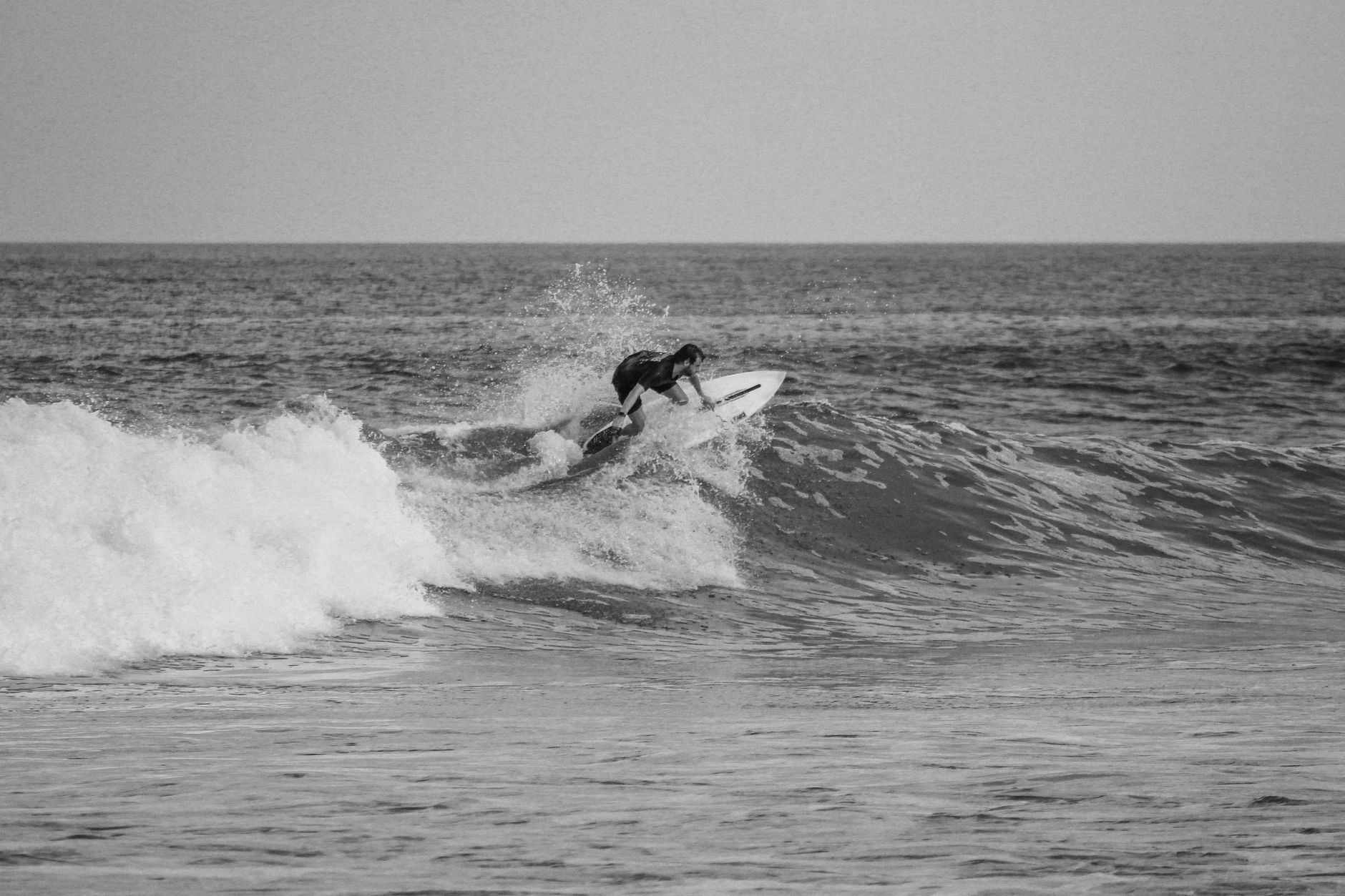
Water sports here are cheap and lightly regulated. Expect around Rp180,000 for a banana boat run of three circuits shared between five, and roughly Rp200,000 for a short jet ski session for two, with hourly hire closer to Rp1,500,000. Online prices are usually lower than what you will be asked at the water’s edge, so agree the number and the duration before anyone starts an engine.
On safety, be realistic. Life jackets are provided and generally worn, helmets for jet skis are not standard, and briefings are minimal and usually only in Indonesian. Operators are careful enough with children, but nobody is checking certifications. Watch the banana boat run once before buying tickets.
The currents deserve more respect than they get. The exposed stretches around Karang Bolong and the more open beaches south of Sambolo develop strong pull, particularly on an outgoing tide and during the wet season swell from December to February. There are no professional lifeguards on most of the strip. Swim where other people are swimming, stay within your depth, and if the flags are red or the warungs tell you the water is not good today, believe them.
Eating: Warungs Versus Resort Restaurants
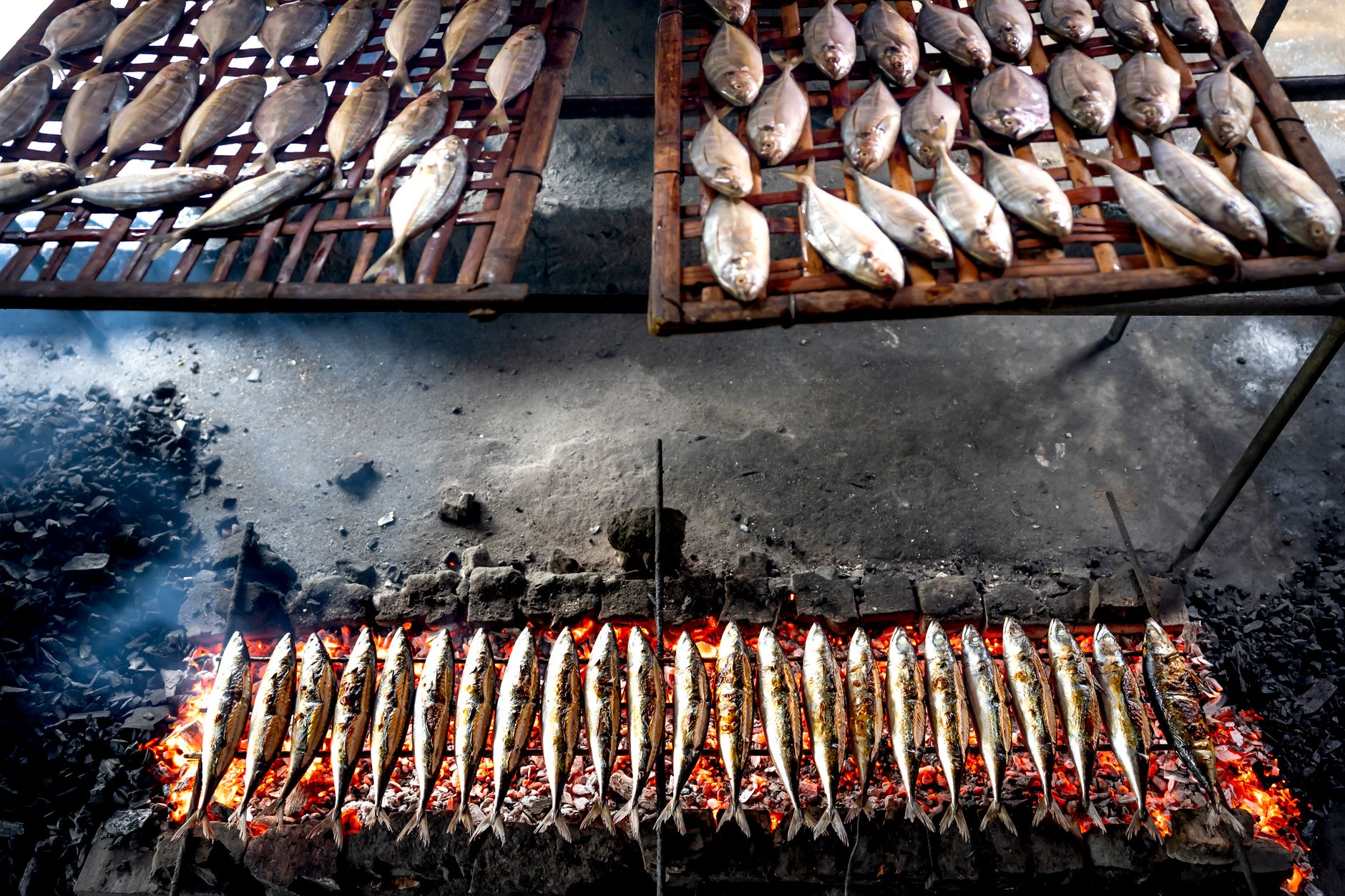
The seafood warungs along Jalan Raya Anyer are the better bet by a wide margin. Grilled fish, squid and prawns with rice, sambal and kangkung come to roughly Rp50,000 to Rp120,000 a head, and the fish is local. Ask the price per kilo before choosing your fish, not after; that is standard practice, not rudeness. The cluster around Sambolo and the small places near the lighthouse are reliable.
Resort restaurants charge two to three times as much for food that is rarely better, and remember that hotels and formal restaurants add service and tax of around 21% on top of menu prices, so a Rp150,000 dish arrives as Rp181,500. Alcohol is heavily taxed nationally and beach-strip pricing is punitive; a large bottle of local beer can be Rp70,000 to Rp100,000 in a resort. If your interest is in Indonesian seafood done properly, our list of the best seafood restaurants in Jakarta covers better kitchens at similar prices, and the broader Jakarta food guide is worth reading before you leave the city.
Timing Your Anyer Beach Day Trip Jakarta Run
A single long day works, but only with discipline. The workable version: leave at 05:30, sand by 08:30, lighthouse and Karang Bolong before lunch, seafood at one, an afternoon at the pool, sunset around 17:45 to 18:15, back on the toll road by 19:00 and home by about 22:00. That is a fifteen-hour day. Skip the early start and you lose either the morning or the sunset, and the sunset is the whole reason to be here.
An overnight is materially better and not expensive. Mid-range rooms run roughly Rp600,000 to Rp1,500,000 a night midweek, four-star properties from about Rp1,000,000; weekend rates jump by half again and the better hotels sell out for long weekends. Staying over buys you sunset without a night drive and a Sunday morning departure ahead of the return crush. If you have two nights spare, weigh it against the alternatives in our weekend getaways near Jakarta round-up.
| Format | Realistic cost for two | Time commitment | Best for |
|---|---|---|---|
| Self-drive day trip | Rp900,000–1,400,000 all-in | 14–16 hours | Confident drivers, tight budgets |
| Hired car and driver, day trip | Rp1,400,000–2,000,000 | 14–16 hours | Most visitors; no parking or navigation stress |
| Overnight, mid-range hotel | Rp2,200,000–3,500,000 | Two days | Families, couples, anyone wanting the sunset |
| Overnight plus Krakatau boat | Rp4,000,000+ | Two to three days | Volcano-focused trips, alert level permitting |
Anyer Versus The Alternatives: What I Would Actually Pick
Against the Thousand Islands, Anyer loses on water and wins on logistics. Pulau Bidadari and its neighbours have clearer water and actual snorkelling, but they cost you a fixed boat schedule from Ancol or Muara Angke, a rough crossing in bad weather, and no flexibility if a child melts down at two in the afternoon. For a Jakarta-based traveller with one free day and their own transport, I would take Anyer. For anyone who genuinely wants to swim and see fish, take the islands.
Against Tanjung Lesung, four hours away at the far end of Banten, Anyer loses on quality and wins on distance. Lesung has cleaner sand and calmer water; it is not a day trip. Against the mountains, it is a straight preference question: Puncak offers cool air and tea plantations with worse traffic, Bogor is the easier half-day, and Bandung is the better full weekend.
Who Should Skip Anyer Entirely
Skip it if you have fewer than four days in Java. The beach is not good enough to justify a day removed from a short trip; spend it on the best attractions in Jakarta instead. Skip it if you are arriving straight from Bali, Lombok or the Gilis, because the comparison will ruin it. Skip it if you have no car and no budget for a driver. Skip a weekend visit if crowds bother you at all, and skip mid-December to February if you want any confidence in the water clarity. And if you are here to swim rather than to sit, Carita or the islands will serve you better.
FAQ: Planning An Anyer Beach Day Trip Jakarta Travellers Will Enjoy
How long does it really take to drive from Jakarta to Anyer? Two to two and a half hours if you leave central Jakarta before 06:00. Three to four if you leave after 08:00 at a weekend, because the Cikupa and Serang toll plazas back up badly. Sunday afternoon is the worst leg of all: departing Anyer at 16:00 can mean four hours or more, so either leave by 13:00 or wait until after 20:00.
Is Anyer safe to swim in? At the sheltered beaches, in calm conditions, yes, within your depth. There are no professional lifeguards on most of the strip, and the exposed stretches near Karang Bolong and south of Sambolo develop strong currents on an outgoing tide, particularly during the December to February swell. Swim where locals are swimming, keep children within arm’s reach, and take warung staff seriously if they say the water is bad that day.
Do I have to pay to get onto the beach? Yes, almost everywhere. Expect Rp10,000 to Rp25,000 per person plus a separate vehicle charge of Rp25,000 to Rp100,000, with weekend and holiday rates higher. There is no free public beach on this coast worth using. Always ask for a printed ticket, because unofficial parking levies are a known problem here, and carry small cash since card and QRIS acceptance is unreliable.
Can I still visit Anak Krakatau? Only when the alert level allows. The volcano was raised to Level III with a three-kilometre exclusion zone in July 2026, which rules out landings and crater walks; operators run sail-past trips instead. Check the current status with Indonesia’s geological agency before booking, and avoid non-refundable deposits. Anyer itself sits about 42 kilometres away and remains outside the assessed hazard radius.
Is Anyer safe given the 2018 tsunami? The risk is real but low on any given day, and it is the same background risk found along most Indonesian coastline. What changed after 2018 is the mitigation: evacuation route signs, marked assembly points and sirens along the strip. Learn the two phrases, ask your hotel where its assembly point is, and if you feel prolonged shaking, see the sea withdraw, or hear a siren, move inland and uphill immediately.
Can I get to Anyer without a car? Not practically. The train and bus chain via Rangkasbitung or Merak leaves you 15 to 25 kilometres from the beaches with only ojeks for the last leg and nothing running late. Hire a car with a driver for roughly Rp700,000 to Rp1,200,000 for the day, plus fuel, tolls and parking. Ride-hailing coverage along the coast road is thin, so never let your driver leave.
Which beach should I choose if I only stop at one? Sambolo. The sand is the best-maintained on the strip, most established hotels and water sports operators are there, and it faces the sunset properly. Add a forty-minute detour to Karang Bolong for the rock arch if your morning is free, and stop at Cikoneng lighthouse on the way in rather than on the way out.
Is it worth staying overnight instead? Usually, yes. Midweek rooms from roughly Rp600,000 buy you sunset without a three-hour night drive, a swim before the day-trippers arrive, and an early Sunday exit ahead of the return traffic. Weekend rates rise sharply and good properties sell out for long weekends, so book ahead or go midweek and pay half.
Where to Go Next
If Anyer has put you off the coast, there is plenty in the city itself: start with our list of things to do in Jakarta, or the odder corners collected in Jakarta’s lesser-known spots. Sort your logistics with our Jakarta travel tips, and if you are keeping costs down, the budget travel guide to Jakarta shows where the savings actually are. Families should compare family-friendly hotels in Jakarta before committing to a beach hotel, couples might prefer the romantic hotels for couples, and anyone slotting this into a longer stay should start with the one-week Jakarta itinerary, which builds in a coastal day without wrecking the rest of the trip.