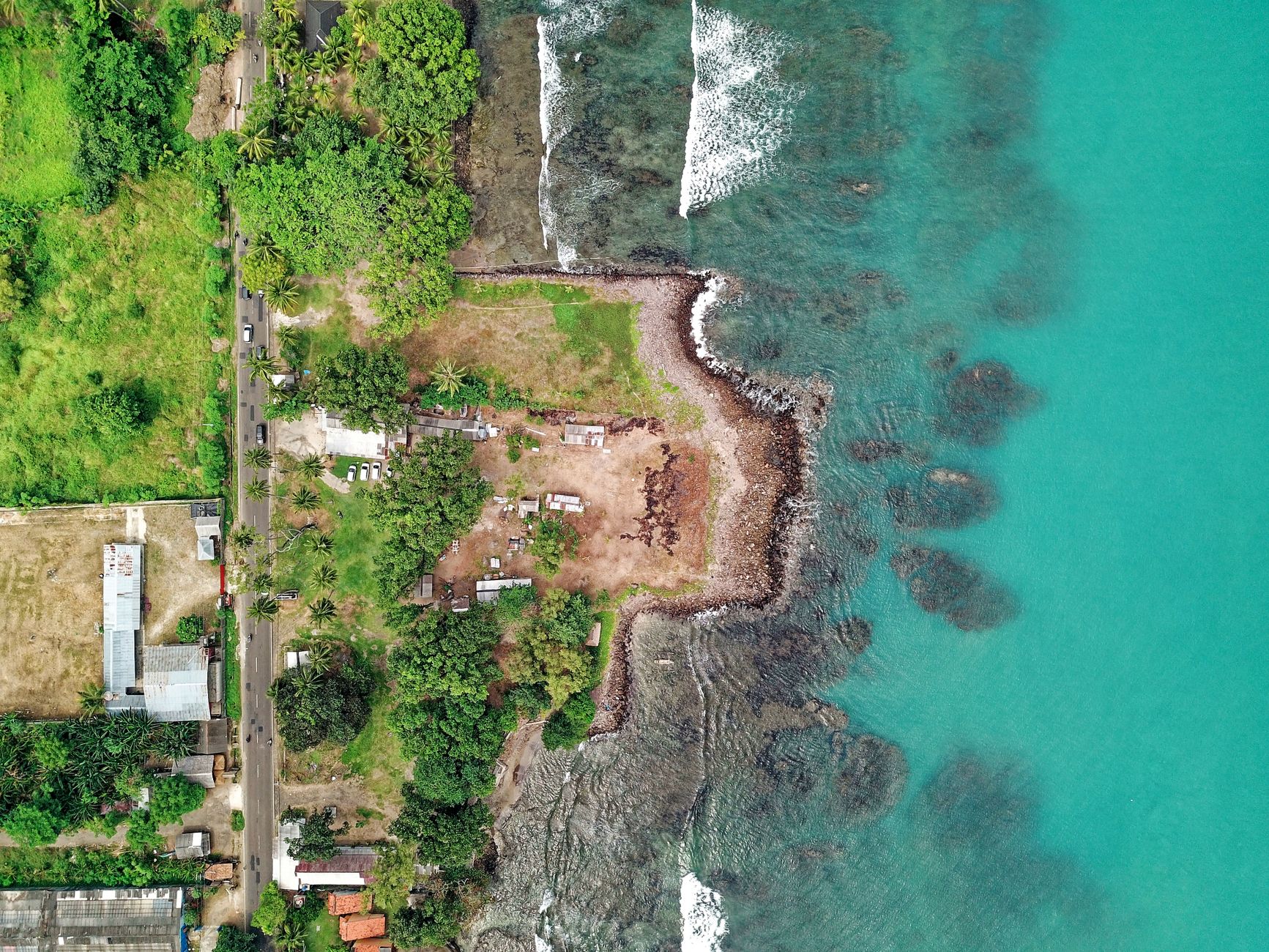
There is exactly one island in Kepulauan Seribu you can reach, walk around, swim off, eat lunch on and get home from between breakfast and dinner. That island is Pulau Bidadari Jakarta, sitting about 15 kilometres off the Ancol shoreline at the near end of the archipelago, roughly 20 to 30 minutes by speedboat. Everywhere else in the Thousand Islands wants an overnight, or at minimum a five o’clock alarm and a nine-hour day. Bidadari does not. That single fact is the entire case for going, and it is a better case than most people realise. The snorkelling case, on the other hand, is very weak indeed, and you should hear that before you book rather than after.
If you are still choosing between islands, start with our complete guide to the Thousand Islands, which compares both departure ports and every island worth a night. This article is deliberately narrower: it assumes you have a spare half-day, not a spare weekend. For the wider picture of what else you can do with a free day out of the capital, our pillar on the best day trips from Jakarta weighs Bidadari against the mountains, and if you are travelling with small children the island slots neatly into our list of things to do in Jakarta with kids. Those with more time and a taste for cooler air should look at a day in Bogor instead.
Why Bidadari Is the Only Genuine Half-Day Island
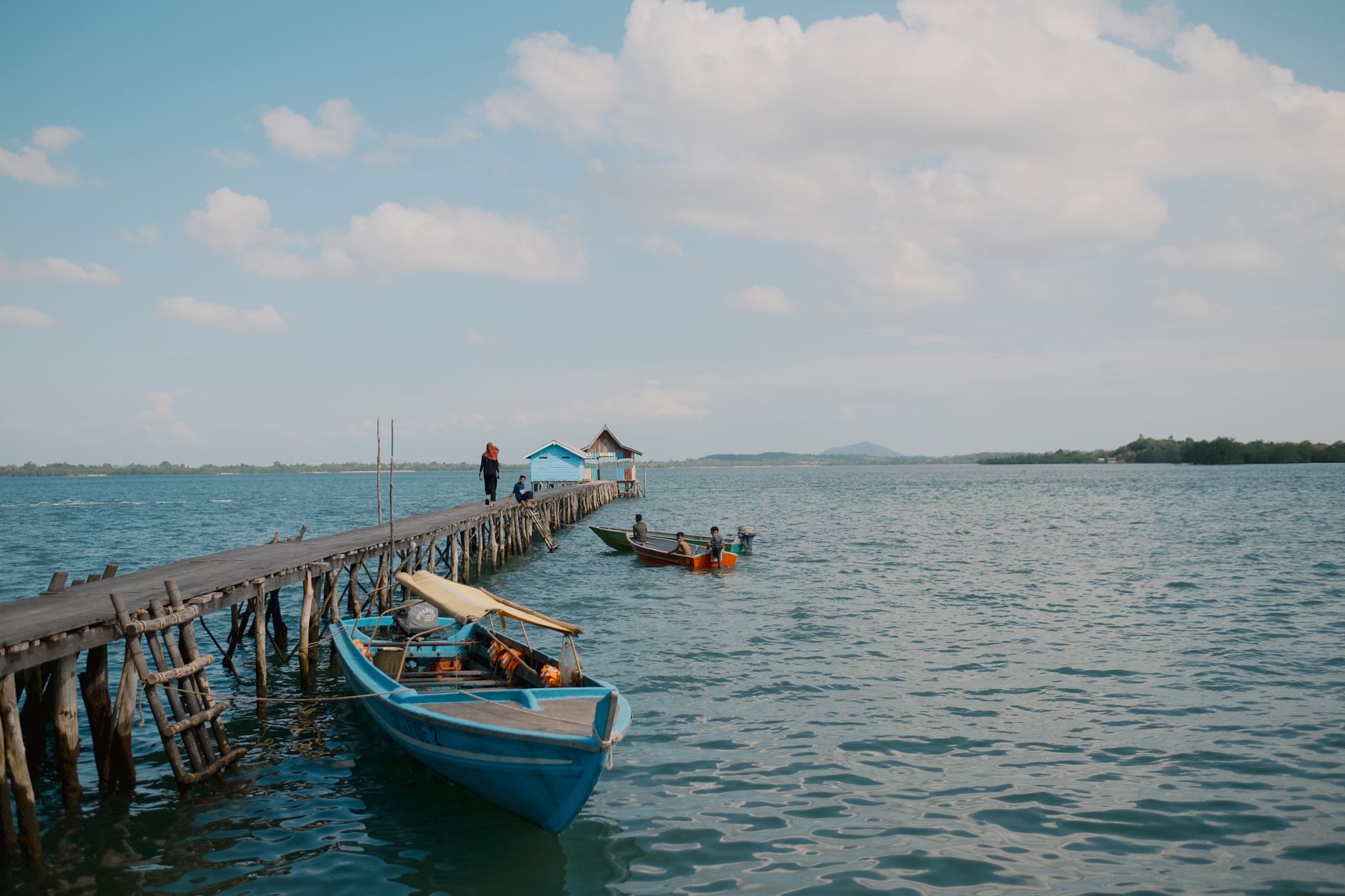
Distance decides everything in Kepulauan Seribu. The islands people rave about — Pari, Tidung, Pramuka, Harapan — sit between 40 and 70 kilometres north of the city, which means 90 minutes to three hours each way and a single daily sailing in each direction. Miss it and you are sleeping in a homestay. Bidadari is in Jakarta Bay proper, close enough that you can see the Ancol skyline and the container cranes of Tanjung Priok from the beach on a clear morning.
The practical consequence is that a Bidadari trip does not need to eat a whole day. Boats generally leave Marina Ancol around 08:00 and return mid-afternoon, but the crossing is short enough that private charters run to other timings. You can be back at your hotel in Menteng or Kemang by five o’clock with time to shower before dinner. No other island in the group allows that.
So who is this actually for? Families with children under about eight, who will be miserable on a two-hour boat crossing and delighted by 25 minutes. Business travellers and layover passengers with one free afternoon. Cruise passengers docking at Tanjung Priok. Older visitors who want sea air and a shaded bench rather than a snorkelling expedition. And anyone in Jakarta who has hit the wall with traffic and concrete and needs to look at open water for a few hours.
Who should skip it? Anyone who came to Indonesia for coral. Genuinely, sincerely, skip it. You will be disappointed in a way that colours the rest of your trip, and the disappointment is avoidable.
Getting to Marina Ancol and the Ticket Nobody Warns You About
Every Bidadari boat leaves from Marina Ancol, the marina inside the Ancol Taman Impian recreation complex in North Jakarta. Meeting points are usually given as Dermaga 15, with neighbouring docks 16 and 17 used when several groups sail together. Confirm the dock number with your operator the day before, because the marina is large and signage is thin.
Here is the thing that catches almost every first-timer: Ancol charges its own gate entrance, and it is not included in your boat ticket. You pay to enter the complex, then you pay the operator. Expect somewhere in the region of Rp 25,000 to Rp 35,000 per person, with children charged at a slightly lower rate and a separate fee of roughly Rp 30,000 for a car, though Ancol has been running a flat per-vehicle promotion at around Rp 120,000 regardless of how many people are inside — which is either a bargain or a penalty depending on your group size. Marina parking is charged on top. Prices change with promotions and public holidays, so check ancol.com before you leave.
Getting to Ancol is the other variable. From Central Jakarta a car is 30 to 60 minutes; from South Jakarta assume 60 to 90 and add more on a Saturday. Since you must be at the dock by around 07:00 to 07:30 for an 08:00 departure, that means leaving Kemang at half past five. Our notes on avoiding Jakarta traffic are worth five minutes here, and if you are weighing a ride-hail against a metered taxi for an early start, compare Grab and Gojek or read our Jakarta taxi guide. The TransJakarta network serves Ancol cheaply but not the dock itself, so you will still need a short ride inside the complex. For the wider picture, see how to get around Jakarta and what transport actually costs.
One hard rule: operators leave on time and they do not refund no-shows. Being ten minutes late means losing the entire fare.
What a Day Trip to Pulau Bidadari Jakarta Actually Costs
Published day-trip rates cluster around Rp 500,000 to Rp 650,000 per person for a shared package including the return speedboat, island entrance and a buffet lunch, with the 2026 brochure figure most operators quote sitting at about Rp 550,000. Private charters are priced by group size and get dramatically cheaper as you add people: five people might pay Rp 1,300,000 each while a group of twenty pays closer to Rp 765,000, and the same twenty doing only the three historical islands can come in around Rp 600,000 a head.
Normally included: return boat, guide, island entrance fees, one buffet lunch, drinking water. Normally not: the Ancol gate ticket and parking, insurance, watersports, and anything beyond the set lunch. Banana boat rides where offered run around Rp 35,000 per person. Treat all of this as indicative and get a written quote — Indonesian tour pricing moves with fuel costs and season, and weekend rates run higher.
| Option | Typical price per person | Time commitment | Best for |
|---|---|---|---|
| Shared day trip, Bidadari only | Rp 500,000–650,000 | 08:00–16:00 | Couples, solo visitors, first-timers |
| Private charter, Bidadari + three historical islands | Rp 725,000–1,300,000 (falls with group size) | 07:30–15:30 | Anyone who cares about the ruins |
| Three islands only (Kelor, Onrust, Cipir) | Rp 525,000–1,100,000 | 07:30–15:30 | History-first visitors, no resort needed |
| Overnight, land cottage | Rp 1,500,000–2,500,000 per room per night | Two days | Groups wanting sports facilities and evening quiet |
| Overnight, over-water cottage | Rp 2,000,000–3,500,000 per room per night | Two days | Couples after the photograph |
Against a Bandung or Puncak weekend this is not cheap per hour of enjoyment, and budget travellers should read our guide to travelling Jakarta cheaply before committing. The three-island historical trip is, in my view, considerably better value than the resort day trip.
The Snorkelling: An Honest Verdict
Almost every page-one result for this island describes “snorkelling in clear turquoise water”. That is marketing copy, not reporting. Here is the reality.
Bidadari sits in Jakarta Bay, which receives the outflow of thirteen rivers draining a metropolitan area of more than thirty million people. Visibility is frequently under two metres, and after heavy rain the water turns a distinct brown-green and stays that way for days. Plastic drifts in on certain tides and collects along the windward shore — the island’s managers run a genuine clean-up operation and Bidadari was recently made a pilot site for Jakarta’s waste-sorting programme, which tells you both that they are trying and that there is something to try against. Coral cover nearby is poor, and the reef fish few.
My verdict: do not travel to Bidadari to snorkel. If a mask and fins are what you want, the water only becomes properly clear from around Pulau Pari northwards, and it becomes good around Pramuka, Harapan and the northern resort islands — which means an overnight, which means this is not a half-day trip any more. What you can do at Bidadari is swim. The shallow area off the main beach is calm, warm, sandy-bottomed and shelves gently, which for a four-year-old is exactly right and for an adult expecting the Gilis is exactly wrong.
Benteng Martello: The Actual Reason to Come
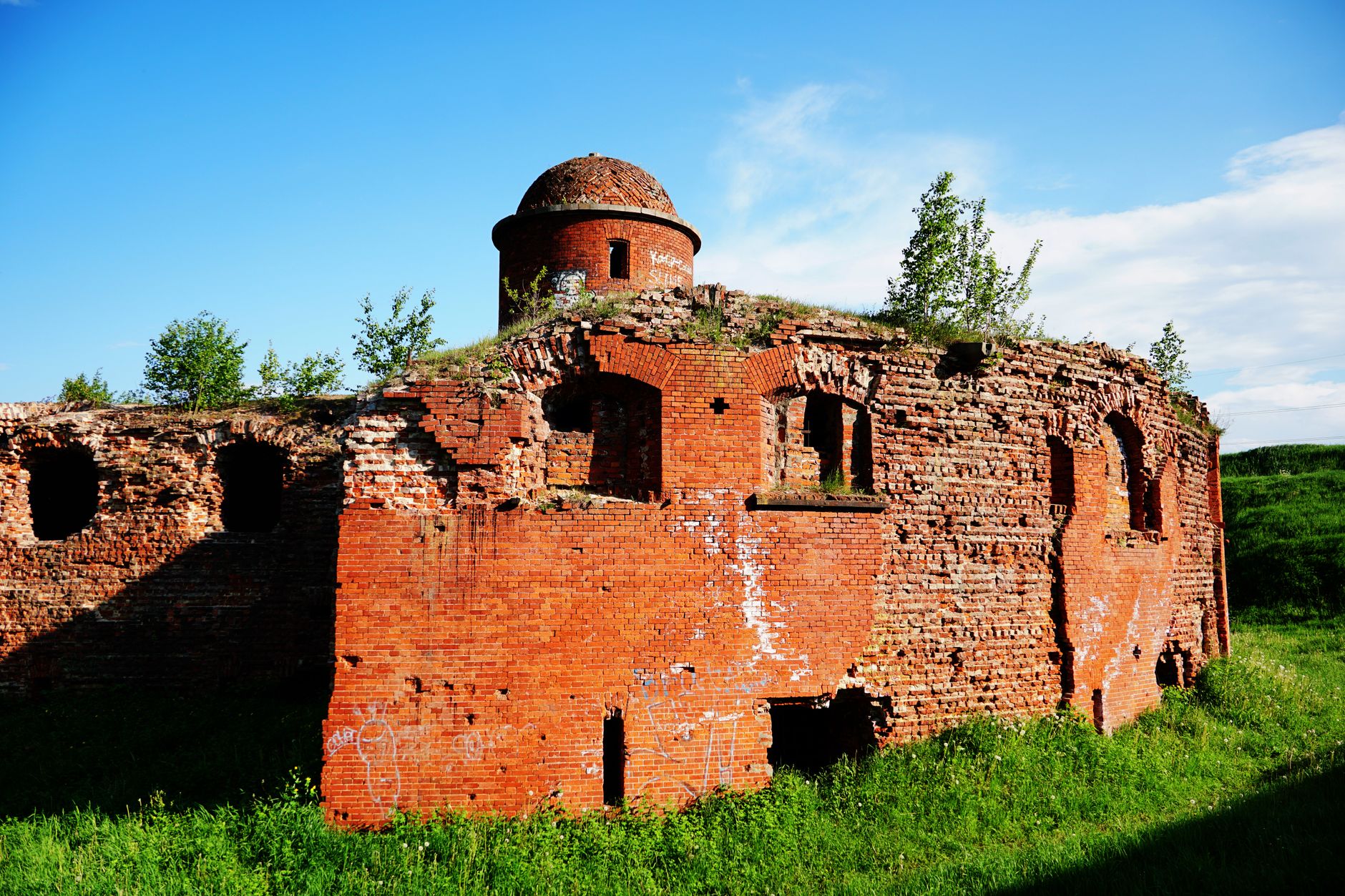
The best thing on Bidadari is not the beach. It is a ruined circular fort at the northern end of the island, and it is one of the more atmospheric colonial remnants anywhere near the capital.
The Dutch built a chain of Martello towers across the approaches to Batavia in the first half of the nineteenth century — sources give dates from the 1800s to around 1850 for the Bidadari tower, and you will see both claimed on site. The design copies a tower at Mortella Point in Corsica that gave the British so much trouble in the 1790s that they adopted the pattern themselves and spread it across the empire, on the sound principle that round walls deflect cannon fire better than flat ones. The Bidadari tower was made obsolete by improved naval artillery, downgraded to a store around 1878, badly damaged by the Krakatoa eruption of 1883, and abandoned by 1908.
What survives is the lower ring of red brick — a metre or two above ground in most places, more in others — with the trace of a surrounding moat and no obvious doorway, which is authentic rather than mysterious, since entry was by ladder to an upper level. It is the best preserved of the four Martello sites in the group. Walk the circumference, look at the brickwork, and consider that it was built to stop a broadside. Then look south at the skyline it was pointed away from. Readers who enjoy this sort of thing will get a lot from our guides to colonial Jakarta architecture and the wider set of heritage sites around the city.
Bidadari’s earlier history is grimmer than the brochures let on. Under the Dutch it was Purmerend, named for a town in North Holland, and locals long called it Pulau Sakit — Sick Island — because a leprosy hospital operated here in the seventeenth century. That thread of quarantine and confinement runs through the whole cluster of islands, and it becomes impossible to ignore once you visit the neighbours.
The Three-Island Loop: Kelor, Onrust and Cipir
This is the trip I would actually book. Three small islands lie within ten to twenty minutes of Bidadari by boat, and together they hold the most concentrated collection of VOC-era ruins in Indonesia. Most operators sell the loop as an add-on to a Bidadari day, and it converts an average beach outing into a genuinely memorable one.
Pulau Kelor
The smallest of the three, down to around 1.5 hectares after centuries of erosion, and the most photogenic. Its Martello tower stands considerably higher than Bidadari’s — a stump of a round brick fort rising straight out of pale sand with the sea a few metres behind it. The sand here is the best of any island on this itinerary. Erosion has been eating the island for decades and Jakarta’s water resources agency began building a breakwater of roughly 350 metres in 2023 to stop it; the island has closed for stretches during those works, so confirm access is open before you pay for it. There is no restaurant, only drinks, so bring a snack.
Pulau Onrust
The big one, historically. The VOC ran a shipyard and naval repair base here from the seventeenth century — “onrust” means restless, supposedly for the ceaseless activity — and Captain Cook’s Endeavour was careened here in 1770. The island was later a prison, then from 1911 to 1933 a quarantine station for hajj pilgrims returning from Mecca, held for weeks in barracks before being let onto the mainland. Today it is the Taman Arkeologi Onrust, with a small museum, foundations of the barracks and dockyard, a Dutch cemetery and around two dozen identified sites. Hours are generally cited as roughly 08:00 to 17:00 daily. Admission is modest for domestic visitors — very roughly Rp 7,500 to Rp 15,000 for adults, less for students — with a higher foreign rate quoted in places at around Rp 50,000. A local guide walks you round, and is worth having.
Pulau Cipir
Also called Pulau Kayangan, and the emotional heart of the loop. Cipir held the hospital that served the quarantine station: you walk through the shells of wards, a laboratory, an operating room and sanitary blocks, all roofless, all being slowly taken apart by roots and salt. Offshore you can still see the concrete stumps of the bridge that once connected Cipir to Onrust. Swimming here is permitted and the water, for what it is worth, is usually a little clearer than at Bidadari.
If you like this period of Jakarta’s past, the mainland complement is a walking tour of Kota Tua and an hour inside the Jakarta History Museum at Fatahillah Square, both of which cover the same administration from the other end of the telescope. Our broader roundup of Jakarta Museums and Cultural Sites: The Complete Guide (2026) fills in the rest.
Wildlife, Mangroves and the Parts Nobody Photographs
Bidadari is run on an eco-resort concept, which in practice means the animals are left alone and have become entirely unbothered by people. The most conspicuous residents are water monitor lizards — a population reported at over a hundred — which pad across paths and lie in the shade with an air of complete entitlement. They are not dangerous if you leave them be, but they are large, and children should be told to look rather than approach. There are also spotted deer wandering the interior, and bats roosting in the darker, damper stands of trees, which announce themselves by smell before you see them. Birdlife includes the brahminy kite, the elang bondol, Jakarta’s civic mascot and increasingly scarce in the wild.
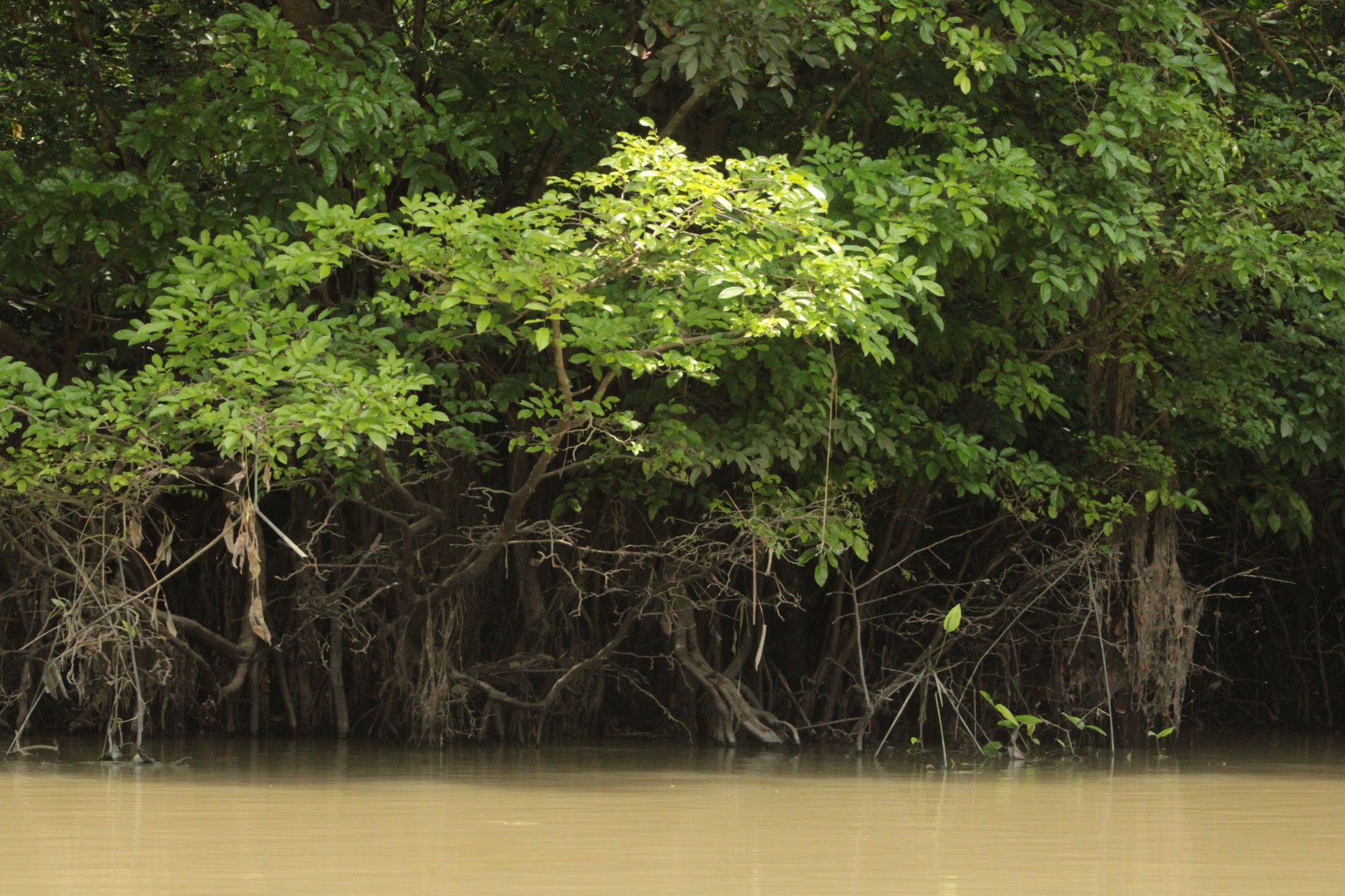
Mangroves have been planted along parts of the shoreline as an erosion defence, and the short boardwalk through them is one of the more pleasant bits of the island — shaded, quiet, and a reminder that the whole bay was once fringed with this. Elsewhere shade is scarce: large stretches of the resort grounds are open lawn and the sun between 11:00 and 15:00 is brutal. Bring a hat and sunscreen, because the small shops sell drinks and snacks but not reliably the things you have forgotten.
Food, Water and What to Pack
Day-trip packages normally include one buffet lunch at the resort restaurant. It is fine. Rice, fried chicken or fish, vegetables, a sambal, fruit — decent Indonesian canteen food, served at a fixed time. Ordering separately off the menu is possible and, as everywhere in Indonesia, expect roughly 21 per cent service and tax on top of listed prices. There is no competition to keep prices down; you eat what the island sells.
Bring your own snacks and plenty of water, and bring lunch entirely if you are on a three-island loop, because Kelor sells drinks only. Anyone hoping for a seafood feast should keep that ambition for the mainland — our guide to Jakarta’s best seafood restaurants includes places a short drive from Ancol, and the wider Jakarta food guide covers what to eat before and after.
Two more practicalities. There is no ATM on the island, and card acceptance is patchy at best, so bring cash in small notes for drinks, watersports, guides and tips. And bring insect repellent. The wooded interior has a serious mosquito population, particularly in the late afternoon and after rain, and this is the single most common complaint in visitor reviews after the water quality.
The Over-Water Cottages: Worth Staying, or Not?
The floating cottages strung along a walkway off the beach are the island’s signature image, built to resemble a fishing village on stilts. Rates run roughly Rp 2,000,000 to Rp 3,500,000 per night, with land cottages cheaper at around Rp 1,500,000 to Rp 2,500,000, and two-day-one-night packages advertised from about Rp 1,100,000 per person. The resort has a pool, restaurant, prayer room, meeting rooms, sports pitches and watersports.
My honest position: for most visitors the overnight is not worth it. The island is small enough to exhaust in three hours, the swimming is not good enough to occupy a second day, and rooms have drawn consistent criticism for tired fittings relative to what you pay. Sunset over the bay is lovely and the island empties beautifully once the day boats leave, but you are paying international-resort money for a Jakarta Bay island. If your budget stretches to Rp 3,000,000 a night, you will get more from a good city hotel — see our comparisons of the best hotels in Jakarta and, for families, family-friendly hotels — or from spending it on a northern island where the sea justifies the trip.
The exception is corporate groups and large family gatherings. For twenty or thirty people who want a captive venue with sports facilities and no traffic between the accommodation and the beach, Bidadari works well, and that is visibly the market it serves best.
Bidadari or a Far Island? How I Would Choose
If you have one afternoon, take Bidadari without hesitation. If you have two full days, do not take Bidadari — go north. The gap in water quality between the inner bay and the northern islands is not marginal, it is the difference between water you tolerate and water you enjoy.
| Island | Crossing from Jakarta | Water clarity | Overnight needed? | Best reason to go |
|---|---|---|---|---|
| Bidadari | 20–30 min from Marina Ancol | Poor | No | Half-day escape and the Martello tower |
| Kelor / Onrust / Cipir | 20–40 min from Marina Ancol | Poor to fair | No | The best colonial ruins in the archipelago |
| Untung Jawa | Around 1 hour | Poor | No | Cheap local weekend beach, very crowded |
| Pulau Pari | 1.5–2 hours | Fair to good | Preferably | Pasir Perawan beach, easy cycling |
| Pramuka / Harapan | 2–3 hours | Good | Yes | Actual coral, turtle conservation, real snorkelling |
Fitting this into a short stay is the other question. On a two-day trip Bidadari will cost you half your sightseeing time, so read our two-day Jakarta itinerary before you decide it is worth the swap. On a longer visit it fits comfortably — our one-week itinerary has room for it and for a night further out.
Weather, Cancellations and the Last Boat
Between roughly November and March the north Java Sea gets rough. Jakarta’s transport agency suspends services to Kepulauan Seribu outright when the meteorological agency, BMKG, forecasts high waves and strong winds, and the harbourmaster’s office will not issue sailing permits. This happens several times each wet season, sometimes for days at a stretch — most recently in January this year. Private operators follow the same rules. So book a wet-season trip with a flexible operator, ask in advance what happens if sailing is cancelled, and do not schedule an island day on the morning of an afternoon flight. Rain also flattens the experience entirely, because there is very little indoor space beyond the restaurant.
Then there is the last boat. Day-trip return sailings are usually around 15:00 to 16:00 and they go when they go. There is no second service, no ferry to fall back on, and the resort will charge you a walk-up room rate if you are stranded. Set an alarm for 30 minutes before departure and be at the jetty. Tidal flooding, known locally as rob, occasionally washes over the strip nearest the shore in the mornings, which is harmless but does mean wet shoes.
Ramadan is worth planning around too. Boats still run, but the restaurant’s service pattern changes, the island is very quiet during the day and then extremely busy on the weekends immediately after Idul Fitri, when domestic prices spike. Our general Jakarta travel tips cover the seasonal rhythms in more detail.
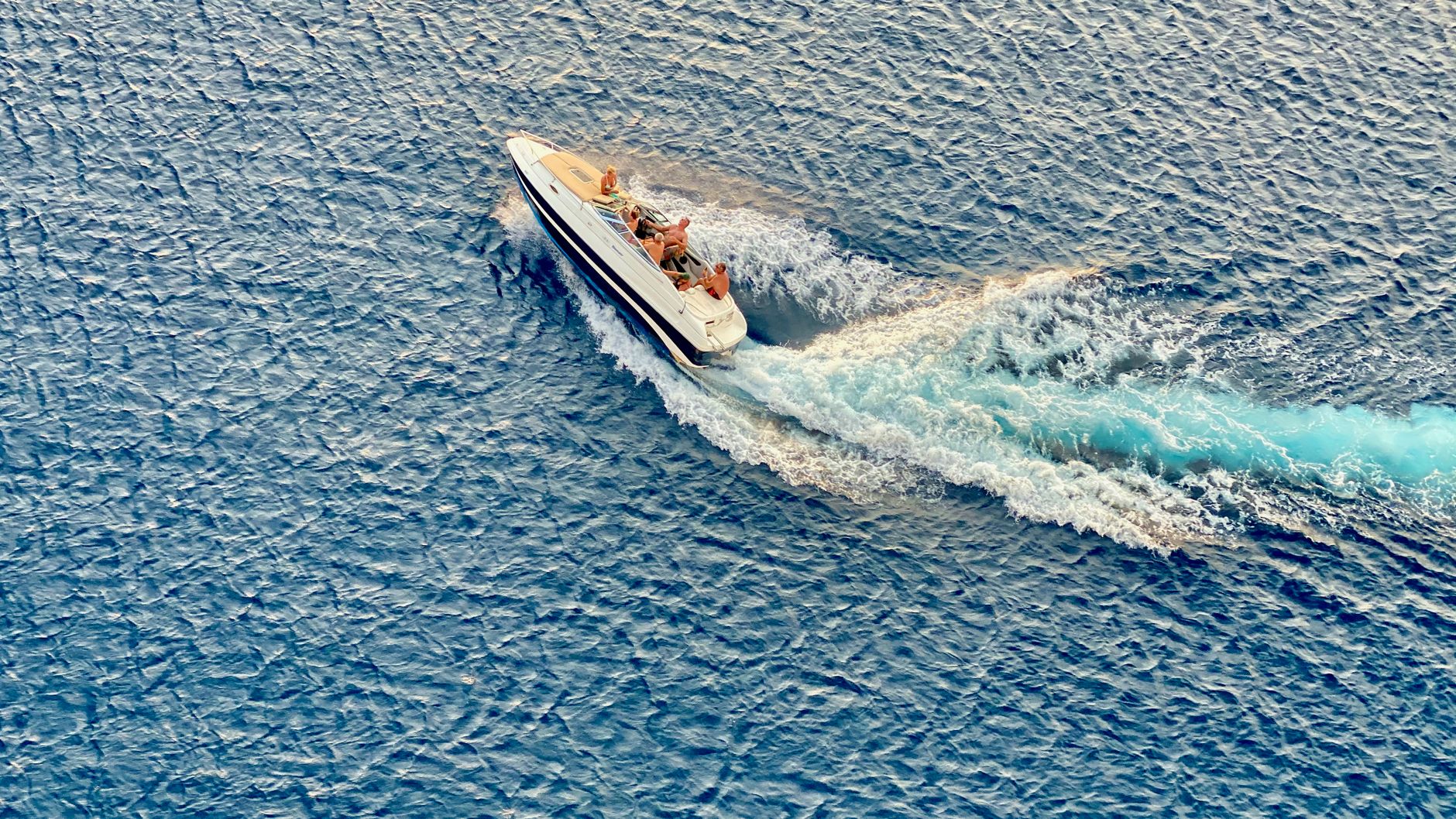
A Realistic Half-Day Timetable
Here is how a well-run day actually unfolds, assuming you have booked the Bidadari-plus-three-islands loop, which I would.
| Time | What happens | Note |
|---|---|---|
| 06:00–07:00 | Leave your hotel for Ancol | Add 30 minutes from South Jakarta |
| 07:00–07:30 | Pay the Ancol gate, park, find Dermaga 15, register | Cash for the gate; keep the receipt |
| 08:00 | Speedboat departs | Late arrivals are left behind, no refund |
| 08:20–09:00 | Pulau Kelor: Martello fort, best sand of the day | Drinks only, no food |
| 09:00–10:00 | Pulau Onrust: archaeological park with a guide | Small admission payable on the island |
| 10:00–11:00 | Pulau Cipir: hospital and quarantine ruins, swim | Clearest water of the four |
| 11:00–13:00 | Bidadari: buffet lunch, prayers, rest | Fixed sitting; extras cost more |
| 13:00–15:00 | Bidadari: Martello tower, mangroves, beach, pool | Shade is scarce at this hour |
| 15:00–15:30 | Return to Marina Ancol | Home by 17:00 with a normal evening intact |
That is a full, satisfying day that costs you no accommodation and no early-morning misery. It is also, unusually for Jakarta, a plan that traffic cannot ruin once you are on the boat.
Pulau Bidadari Jakarta: Frequently Asked Questions
How long does it take to get to Pulau Bidadari from Jakarta? The speedboat crossing from Marina Ancol takes roughly 20 to 30 minutes depending on the boat and sea conditions. Add the time to reach Ancol itself, which is 30 to 60 minutes from Central Jakarta and up to 90 from the southern suburbs in morning traffic. Because departures are usually around 08:00 and registration closes earlier, plan to leave your hotel by about 06:00.
Is the snorkelling at Pulau Bidadari any good? No. The island sits in Jakarta Bay where river outflow keeps visibility low, the water often turns brownish after rain, and plastic collects along the shore on some tides. Coral cover nearby is poor. Swimming in the calm shallow area is pleasant and fine for children, but if snorkelling is your priority you need to travel north to Pramuka or Harapan, which requires an overnight stay.
What does a Pulau Bidadari day trip cost? Shared day-trip packages generally run about Rp 500,000 to Rp 650,000 per person including the return speedboat, island entrance and a buffet lunch. Private charters combining Bidadari with Kelor, Onrust and Cipir range from roughly Rp 725,000 to Rp 1,300,000 per person depending on group size. The Ancol gate ticket, parking, watersports and insurance are charged separately. Confirm current rates before booking.
Do I have to pay to enter Ancol as well as the boat fare? Yes, and this surprises most first-time visitors. Marina Ancol sits inside the Ancol Taman Impian complex, which charges its own gate entrance of roughly Rp 25,000 to Rp 35,000 per person plus a vehicle fee, or a flat per-car rate under Ancol’s current promotion. Parking at the marina is extra. Check ancol.com for the day you are travelling, since rates vary by day and promotion.
Is Pulau Bidadari suitable for young children? It is one of the better options near Jakarta for small children, mainly because the crossing is short. The swimming area is shallow, calm and sandy, there is a pool, and the free-roaming monitor lizards and deer are a genuine novelty. Bring repellent, sun protection and your own snacks, keep children away from the lizards, and accept that the sea is for splashing, not for snorkelling.
Are the Martello tower and the other island ruins worth the trip? The Bidadari tower alone is a 15-minute stop. The three-island loop to Kelor, Onrust and Cipir is a different proposition entirely and is the strongest reason to make this journey: a VOC shipyard, a hajj quarantine station, a colonial hospital and two more forts, all in one morning. If you have any interest in Indonesian colonial history, book the loop rather than the resort-only package.
Can I visit Pulau Bidadari during the rainy season? You can, but expect disruption. From November to March the authorities suspend sailings to Kepulauan Seribu whenever BMKG forecasts high seas, which happens repeatedly each wet season. Rain also strips the island of most of its appeal, since shelter is limited. If you travel in these months, book with an operator that offers rescheduling and never plan an island day immediately before a flight.
Should I stay overnight in a cottage or just do a day trip? For most visitors, a day trip is enough. The island can be walked in under an hour, the water does not reward a second day, and rooms have drawn repeated criticism for wear relative to their price of roughly Rp 1,500,000 to Rp 3,500,000 a night. Overnights make sense for large groups wanting a private venue, or for anyone specifically after a quiet sunset once the day boats have gone.
Where to Go Next
If Bidadari has whetted your appetite for cooler air rather than more salt water, a day in the Puncak highlands is the natural counterweight to a flat, hot island. If instead the ruins were the highlight, follow the thread inland and pair this trip with the city’s headline attractions or the quieter corners collected in our Jakarta hidden gems and unusual things to do pieces.
Planning around a base? Read where to stay in Jakarta and our breakdown of the city’s neighbourhoods before booking, since staying north cuts an hour off your Ancol morning. For everything else a first-time visitor needs, start with things to do in Jakarta and work outwards.