The advertised journey time from Jakarta to Bandung is forty-six minutes. That number is true and almost entirely useless. It measures the time your body spends inside a high-speed train carriage, and nothing else — not the hour it took to reach Halim from your hotel in Kebayoran, not the security queue, not the eight-minute platform scramble at Padalarang, not the feeder train that carries you the final twenty kilometres into the city you actually wanted. Add all of that back and the honest door-to-door figure is closer to two and a half hours. Which is still good. It is just not forty-six minutes, and the gap between those two numbers is where most Bandung trip planning goes wrong.
This guide is the transport shootout: four ways of covering the 150 kilometres between the two cities, with the real maths on each. If you want the itinerary — what to see, where to sleep, how to structure two nights — our Bandung weekend getaway from Jakarta guide covers that in full and this page will not repeat it. For the wider picture, see the pillar on the best day trips from Jakarta, and if Bandung turns out to be more effort than you want, the shorter options in our weekend getaways near Jakarta round-up and the Bogor day trip both sit an hour closer.
The number everyone quotes, and the number that matters
Indonesian travel writing has a bad habit of quoting vehicle time as if it were journey time. What you need is door-to-door. Work it in blocks — reaching the departure point, waiting at it, the moving leg, the connection at the far end, and the last few kilometres to your bed. For every option below, the moving leg is the part the marketing describes and the other four are the part it does not.
On the high-speed line those four blocks add roughly ninety minutes to a forty-six minute train. On a shuttle they add almost nothing, because the van picks you up and drops you off — but its moving leg is hostage to a toll road that can double in duration without warning. That trade, fixed overhead against variable risk, is the whole decision. Rail gives you a predictable middle and an irritating set of ends. Road gives you clean ends and a middle you cannot forecast.
Whoosh, the high-speed line — what it actually gets you
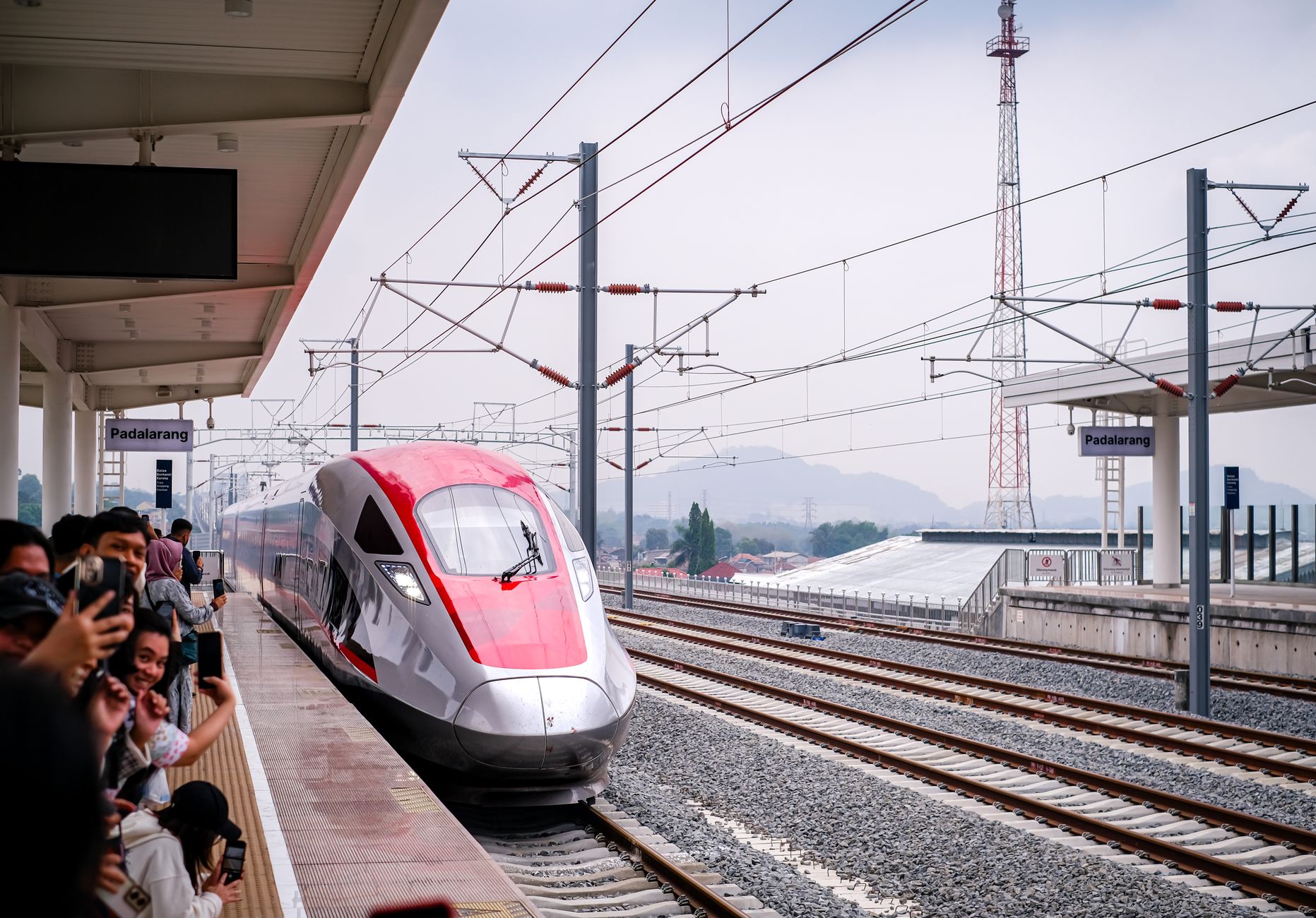
Whoosh is Southeast Asia’s first true high-speed railway, running at up to 350 km/h on a dedicated alignment. It is impressive and worth doing once for its own sake. It is also a service designed around where land was available rather than where passengers live.
The Jakarta terminus is Halim, in East Jakarta near the old Halim Perdanakusuma airport. It is not Gambir. Travellers who assume the fast train leaves from the central station where the other fast trains leave are the most common casualty of this route. At the Bandung end, trains terminate at Tegalluar Summarecon — renamed from plain Tegalluar — some 15 km southeast of the city, but almost every visitor gets off one stop earlier at Padalarang, roughly 20 km northwest of central Bandung, where the connecting feeder train waits. There is an intermediate stop at Karawang.
Classes, fares and dynamic pricing
Three classes. Premium Economy is the one almost everyone books; Business and First buy wider seats and a quieter carriage on a journey short enough that you will barely have settled in. Since early 2024 the operator has used dynamic pricing, with a floor around Rp150,000 and fares rising with demand. Expect Premium Economy at roughly Rp200,000–250,000 midweek and Rp250,000–350,000 on a Friday evening or Sunday afternoon, Business around Rp400,000–450,000 and First around Rp550,000–600,000. Promotional fares surface regularly, but do not plan a trip around one. Treat every figure here as a working range.
Booking, and whether it sells out
Buy through the Whoosh app or the official site at ticket.kcic.co.id. Access by KAI, tiket.com and Traveloka all resell, and the resellers are often easier if your card is foreign-issued, because Indonesian payment gateways have a long history of rejecting overseas cards without explanation. If your card bounces, try another platform before assuming the train is full.
Does it sell out? Midweek, rarely. Friday evening, Saturday morning and Sunday afternoon departures do, particularly during school holidays and long weekends. Some inventory is held back for station counters, so a walk-up on a quiet Tuesday is usually fine — but turning up at Halim at 16:00 on a Friday and expecting a seat is optimistic. Bring your passport; the ticket is tied to an identity document and the e-gates check it.
Getting to Halim is half the journey
Halim’s saving grace is the Jabodebek LRT. The Bekasi line runs from Dukuh Atas out past Halim, and a skybridge connects the LRT station directly to the high-speed terminal. Fares start at Rp3,000 for the first kilometre and cap at around Rp20,000 on weekdays, Rp10,000 at weekends — cheap, air-conditioned, immune to traffic. Reckon on roughly 20–25 minutes from Dukuh Atas, plus whatever it takes to get there. If you are staying anywhere on the MRT North–South line that connection is easy; the same interchange serves the KRL commuter line and a stack of TransJakarta corridors, and a Jak Lingko card covers the lot.
If you are not near that spine, you are taking a car. Grab or Gojek from central Jakarta to Halim runs roughly Rp70,000–130,000 and takes 30–60 minutes; from Kemang, Senopati or BSD, budget 60–90 minutes and rather more money. Our Grab versus Gojek comparison covers which app to open where, and the rules in avoiding Jakarta traffic apply in full: the road to Halim shares tarmac with the Cikampek toll approach and seizes up predictably in the late afternoon. Add a 20–30 minute buffer at the station for security and boarding; the gates close a few minutes before departure and there is no negotiating with them.
The Padalarang problem
Padalarang is not Bandung. It is a town in West Bandung Regency about 20 km from the centre, and the whole thing works because of the feeder train, included in your Whoosh ticket at no extra cost. Feeder departures are timed to high-speed arrivals, giving you roughly seven to eight minutes to change. The feeder calls at Cimahi and terminates at Bandung station in about 18–22 minutes.
When it works it is seamless. When your high-speed train runs five minutes late, seven minutes of connection becomes two and you will be moving briskly with your luggage. Another feeder follows, but the gap can be twenty or thirty minutes. A Grab from Padalarang into central Bandung costs around Rp80,000–140,000 and takes 40–60 minutes through Cimahi traffic — slower than the train, which rather negates the point.
Honest total from a central Jakarta hotel to a Braga-area hotel, using the LRT and the feeder, everything working: about 2 hours 15 minutes to 2 hours 45 minutes. From South Jakarta by car to Halim, closer to three hours. That is the real Whoosh number.
KA Parahyangan — the slow train that arrives in the right place
The conventional service still runs, and this trips people up constantly. It was renamed from KA Argo Parahyangan to simply KA Parahyangan in February 2025, which is why half the search results contradict each other. Frequency was cut back sharply after the high-speed line opened — around six services a day in each direction now, rather than the near-hourly service of a decade ago. Recent timetables have shown Bandung departures around 05:00, 06:35, 10:25, 11:05, 13:05 and 19:25, with a comparable spread from Gambir. Indonesian timetables are revised annually under Gapeka and this route has been unusually volatile since 2023, so check the Access by KAI app rather than trusting any published list, including this one.
Fares are modest: economy around Rp150,000, executive around Rp250,000, the glass-roofed Panoramic carriage around Rp355,000 when attached. Journey time is roughly three to three and a half hours, and it leaves from Gambir in Central Jakarta — walkable from Monas and easy to reach on the city’s rail network.
Here is the advantage no comparison table captures. Parahyangan arrives at Bandung station, in the middle of Bandung, with no feeder leg and no 20 km gap to close. Door to door from a central Jakarta hotel is around four hours — roughly ninety minutes more than Whoosh for about half the money and a fraction of the faff. The route climbs through the Purwakarta hills past reservoirs and terraced slopes, and it is comfortably the most scenic way to make this trip. Take the window seat and stop thinking of the extra time as lost.
Travel shuttles — door to door, traffic and all
The point-to-point minibus operators — Cititrans, Daytrans, Baraya, Xtrans and a dozen smaller outfits — have carried this corridor for twenty years. They run air-conditioned vans, typically nine to eleven seats, between fixed pools: in Jakarta, Cilandak Town Square, Cikini, Bintaro and Kelapa Gading; in Bandung, Dipatiukur, Pasteur and Buah Batu. Some operators do hotel pickups for a surcharge. Fares are the cheapest of the four options — roughly Rp90,000–160,000 with Cititrans depending on class and time, Rp130,000–180,000 with Daytrans, and Baraya usually undercutting both. Cititrans runs from around 04:10 until nearly midnight, and you can often take the next van.
The appeal is obvious: no station, no connection, no bag-wrangling on a platform. That beats a high-speed train which starts and ends in the wrong places, and it is precisely why shuttle operators kept their customers after Whoosh opened.
The catch is that a shuttle inherits every minute of Cipularang traffic. Three hours on a Tuesday morning, five on a Friday evening, worse on a long weekend. You also stop at the pool rather than your door unless you pay extra. And a van is a van — legroom is adequate rather than generous, and if you are tall you will feel it by hour four.
Driving, or hiring a car with a driver
The road runs Jakarta–Cikampek, then the Cipularang toll to Padalarang, then Padaleunyi into Bandung. Tolls for a Golongan I car come to roughly Rp72,000 for the Cikampek and Cipularang legs, so budget Rp80,000–100,000 one way including the final stretch, or Rp160,000–200,000 return. Fuel for the 150 km each way adds perhaps Rp200,000–300,000 return in a small petrol car. Call it Rp400,000–500,000 in running costs, which split between four people undercuts every train.
Time is the variable. Off-peak — leaving before 06:00 on a weekday, or returning mid-morning on a Monday — the drive is a genuine two and a half to three hours door to door, faster than the high-speed train once you count the ends. On a Friday evening it is five hours. On a bad Sunday it has been known to run to seven, with the Purwakarta stretch around KM 90–85 the usual chokepoint. Cipularang also has a reputation: long descents, heavy truck traffic, sudden fog and a poor crash record. If you have not driven in Indonesia before, this is not the route to start on.
Hiring a car with a driver solves that and costs roughly Rp700,000–1,200,000 a day depending on vehicle and hours, usually with fuel and tolls on top. Our Jakarta car rental guide covers operators and etiquette — you feed the driver and, on overnight trips, cover a modest room.
The honest argument for driving is not the journey but what happens after you arrive. If your plans involve Lembang to the north or Ciwidey to the south, you want a vehicle, because reaching either on public transport is a chain of angkot connections that eats half a day. If your plans are Braga, Asia Afrika, cafés and a factory outlet crawl, a car is a liability you will spend the weekend trying to park.
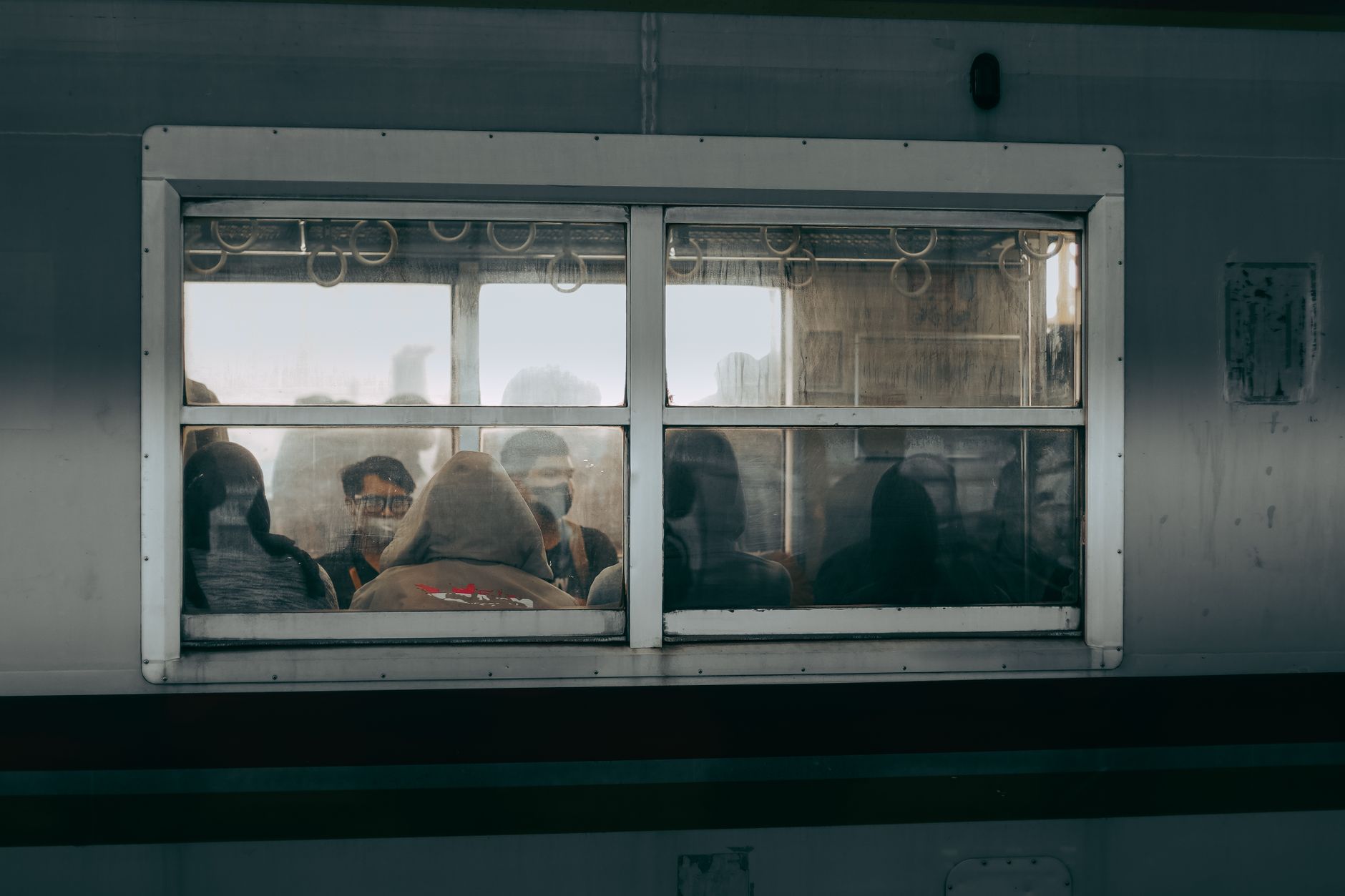
Jakarta to Bandung: the four options compared
Door-to-door times assume a central Jakarta origin and a central Bandung destination on a normal weekday. Add substantially for Friday evening and Sunday afternoon on every road-based option.
| Option | True door-to-door | Fare (IDR, one way) | Frequency | Arrives where | Best for |
|---|---|---|---|---|---|
| Whoosh high-speed rail | 2h15–2h45 (3h+ from South Jakarta) | 200,000–350,000 premium economy; 400,000–600,000 business/first | Roughly 30 departures per direction daily, approx. 06:25–21:25 from Halim | Padalarang, then included feeder train to Bandung station | Solo travellers, light luggage, weekday trips, anyone near the LRT |
| KA Parahyangan (Gambir) | 4h–4h15 | 150,000 economy; 250,000 executive; ~355,000 Panoramic | Around six services daily each way; verify current timetable | Bandung station, city centre, no connection | Scenery, comfort, budget, anyone who hates transfers |
| Travel shuttle (Cititrans, Daytrans, Baraya) | 4h–6h | 90,000–180,000 | Very frequent, roughly 04:00–midnight | Operator pool: Dipatiukur, Pasteur, Buah Batu | Tight budgets, awkward Jakarta pickup points, spontaneity |
| Private car or self-drive | 2h30–3h off-peak; 5h–7h at peak | ~400,000–500,000 return in running costs; 700,000–1,200,000/day with driver | Whenever you like | Your hotel door | Families, groups of three or more, anyone visiting Lembang or Ciwidey |
Which option wins, and for whom
| Your situation | Book this | Why |
|---|---|---|
| Solo traveller, cabin bag, midweek | Whoosh premium economy | The transfers are trivial when you are carrying nothing, and the LRT connection is fast and cheap |
| Family of four with suitcases | Private car with driver | Two transfers with children and luggage is misery; the per-head cost also falls below the train |
| Friday evening departure | Whoosh, booked days ahead | The only option immune to Cipularang; roads that evening are genuinely five hours |
| Sunday afternoon return | Whoosh or Parahyangan, not the road | The Sunday return flow is the worst traffic of the week and rail bypasses it entirely |
| Tight budget | Shuttle, or Parahyangan economy | Under Rp160,000 either way, and Parahyangan buys a proper seat and no traffic risk |
| Staying in South Jakarta or BSD | Shuttle from a nearby pool | Reaching Halim from the south costs an hour you never get back |
| Going straight to Lembang or Ciwidey | Car, every time | Neither is realistically reachable without one, and you will need it while you are there |
| You want the trip itself to be enjoyable | Parahyangan, executive class | Three hours through the Purwakarta hills with legroom and a window beats forty-six minutes in a tunnel |
What I would book — and when Whoosh is not worth it
For a first-time visitor travelling light: book Whoosh, premium economy, mid-morning on a weekday, and take the feeder. It is the fastest realistic option, a genuinely interesting piece of infrastructure, and it costs about the price of a decent dinner in Jakarta. Take the LRT to Halim rather than a car and you remove the biggest single source of delay.
For a family, or any group of three or more with luggage: hire a car with a driver, leave Jakarta before 06:00 on Saturday and return before 11:00 on Monday if you can. You spend more in absolute terms and less per person, and you avoid the two transfers that turn a smooth train journey into a stressful one when someone is five years old and someone else is carrying three bags.
Now the unpopular part. Whoosh is not worth it if you are starting from Kemang, Senayan, Pondok Indah, Bintaro or BSD, because the run to Halim can take longer than the train ride and cost more than the fare — the shuttle wins outright from there. It is not worth it for four people, because Rp250,000 each is a million rupiah before you have moved a metre, and the same money hires a car and driver. It is not worth it if you are heading directly to Lembang, Ciwidey or Tangkuban Perahu, because you arrive at Padalarang and immediately need a vehicle anyway. And the business and first class upgrades are not worth it on a journey this short — the seat is better, but you are in it for under an hour, and the difference buys a very good meal in Bandung.
Getting around Bandung once you arrive
Bandung is smaller and more walkable than Jakarta but not end to end. The exception is the Braga and Asia Afrika district, where the old Dutch commercial core is compact enough to cover on foot — Braga Street runs a few hundred metres of art deco frontages, cafés and shops down to Asia Afrika, and you can spend a whole evening there without opening a ride app. The factory outlet strip on Jalan Riau, properly Jalan RE Martadinata, is likewise a linear walk.
Beyond those pockets, use Grab or Gojek. Cross-town trips run roughly Rp20,000–50,000 by car and half that by motorbike, and coverage is dense enough that you rarely wait long. Motorbike taxis are the fastest way through the choked bits of Dago and Pasteur, though not with a suitcase.
Angkot — the small green and blue public minivans — cover the city on fixed routes for around Rp5,000–10,000. They are cheap and they are how Bandung actually moves, but the route system is opaque, signage is in Indonesian shorthand and drivers do not stop where you expect. Use them if you enjoy that; skip them if your time is short. Trans Metro Bandung and Trans Metro Pasundan buses are more legible at around Rp4,000–5,000, and the Bandros open-top sightseeing bus loops the central landmarks. None of it is as developed as the capital’s network — for context, see our Jakarta transport cost breakdown.
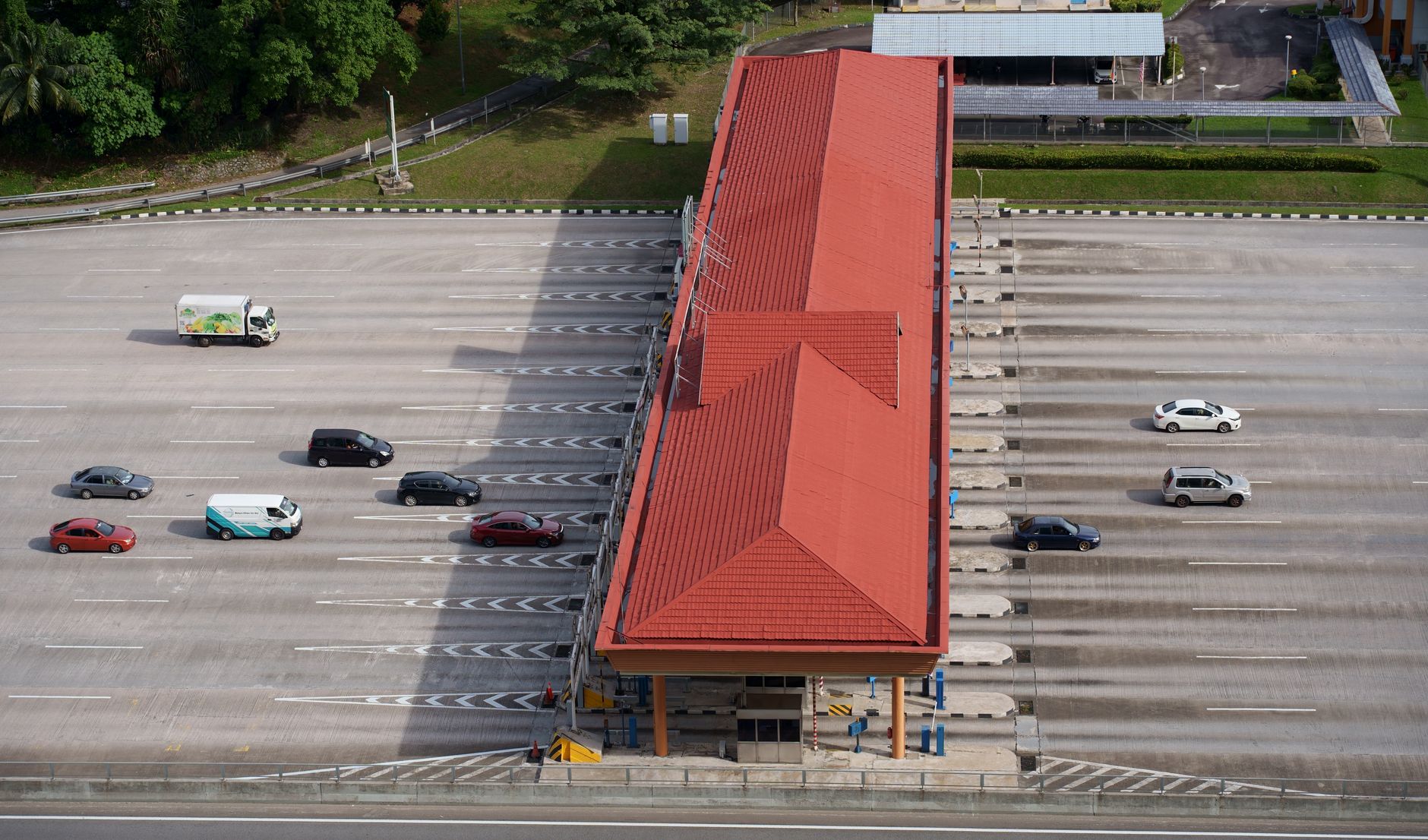
Bandung’s headline sights, briefly
Gedung Sate is the city’s signature building: a 1920s government palace topped with an ornament locals decided looked like a satay skewer. The museum inside is a bargain at around Rp5,000 for adults, open roughly Tuesday to Sunday from mid-morning to late afternoon, though hours vary and it closes on public holidays. Five minutes away, Asia Afrika Street holds Gedung Merdeka and the Asian-African Conference Museum, commemorating the 1955 conference that launched the non-aligned movement. Entry is free or nominal, the exhibition better than you expect. Pair it with Braga the same afternoon.
North of the city, Tangkuban Perahu is the volcano everyone photographs — a broad crater you can drive almost to the rim of, open roughly 07:00–17:00. Foreign visitors pay considerably more than Indonesians: expect around Rp200,000 on weekdays and Rp300,000 at weekends, plus parking. It closes without notice when volcanic activity picks up, so check status before committing a morning. South of the city, Kawah Putih in Ciwidey is a milky turquoise crater lake ringed by dead white trees, with foreign entry around Rp81,000 plus a small supplement for the Sunan Ibu viewpoint and skywalk. Both are spectacular in clear weather and near-invisible in cloud.
Eating is the other reason people come. Bandung is a Sundanese food city — nasi timbel, karedok, batagor, surabi — with an outsized café culture Jakarta has been copying for a decade. Sit-down restaurants add roughly 21% in service and tax, exactly as they do in the capital; our Jakarta food guide explains the same maths. Venue churn is heavy, so check current listings before making a special journey.
Lembang, Ciwidey and where a car earns its keep
Lembang sits about 15 km north of Bandung up a steep, permanently congested road, and it is where the family-friendly attractions cluster: Farmhouse, the Floating Market, assorted theme-park ventures and a great many strawberry stalls. Ciwidey lies 40-odd km south and holds Kawah Putih, Situ Patenggang and the tea estates around Rancabali. Neither is served by anything resembling a convenient bus. Angkot chains exist, but for a visitor with two days they consume more time than they save money. A Grab out to Lembang is feasible at maybe Rp80,000–150,000; getting one back from a rural attraction at dusk is much less reliable.
This is the strongest argument for arriving by car, and it is why the transport decision should follow the plan rather than precede it. If the highlands are the point, the comparison in our Puncak guide is worth a look — Puncak is closer to Jakarta and delivers a similar tea-plantation-and-cool-air experience with a much shorter journey.
The return leg, and why Sunday afternoon is a trap
Bandung empties back towards Jakarta on Sunday afternoon and the Cipularang toll absorbs the whole of it. Between roughly 13:00 and 21:00, and worse after a long weekend, the road crawls through Purwakarta. Journeys that took three hours outbound routinely take five, and during holiday return flows drivers have reported close to seven. On a shuttle or in a car you are in that queue with everyone else.
Three ways out. Leave Bandung before 11:00 on Sunday and you will usually beat it. Stay an extra night and travel Monday morning, the obvious answer for anyone with flexible work. Or take the train, which is unaffected — this is where paying for Whoosh makes the most sense of all, because you are not buying speed so much as certainty. Book that Sunday return before you leave Jakarta; it is the departure most likely to be sold out.
One further wrinkle: if you are heading straight to the airport, Halim is on the wrong side of the city for Soekarno-Hatta and you will cross Jakarta at whatever hour you arrive. Build in two hours and read our airport transfer guide first. Gambir connects to the airport rail link with one short hop, which quietly makes Parahyangan the better choice when a flight is waiting.
What a weekend actually costs
Return transport for two people, excluding accommodation and food, on a normal weekend:
| Mode | Return transport, two people | Plus local transport in Bandung | Realistic total |
|---|---|---|---|
| Whoosh premium economy | Rp900,000–1,300,000 | Rp150,000–300,000 in Grab, plus LRT at each end | Rp1,100,000–1,650,000 |
| KA Parahyangan executive | Rp1,000,000 | Rp150,000–300,000 | Rp1,150,000–1,300,000 |
| Travel shuttle | Rp360,000–720,000 | Rp200,000–350,000, pools are further out | Rp560,000–1,070,000 |
| Car with driver, two days | Rp1,400,000–2,400,000 plus fuel and tolls | Included | Rp1,800,000–3,000,000 |
Two notes on seasonality. The wet season runs roughly November to March and Bandung gets more of it than Jakarta — afternoon downpours are close to daily, the roads to Lembang and Ciwidey turn slow and slippery, and Kawah Putih spends much of that period inside a cloud. Morning departures matter more in those months. During Ramadan opening hours shift, and demand around Eid becomes extreme in both directions; if your dates fall near Eid, book weeks ahead or pick a different weekend. Our Jakarta travel tips cover the same calendar issues from the capital’s side, and budget travel in Jakarta has more on keeping costs down.
Jakarta to Bandung FAQ
How long does it really take to get from Jakarta to Bandung? On the high-speed line, about two and a quarter to two and three-quarter hours door to door from central Jakarta, despite the forty-six minute advertised time. On KA Parahyangan from Gambir, roughly four hours. By shuttle or car, three hours off-peak and five to seven on a Friday evening or Sunday afternoon. Always plan around the door-to-door figure, never the vehicle time.
Does Whoosh leave from Gambir? No, and this is the most common mistake. Whoosh departs from Halim in East Jakarta, reachable by the Jabodebek LRT from Dukuh Atas in about 20–25 minutes for under Rp20,000, or by Grab in 30–60 minutes from the centre. Gambir serves the conventional KA Parahyangan service. Turning up at Gambir with a Whoosh ticket means missing your train.
Is the feeder train from Padalarang included in the ticket? Yes. Your Whoosh fare covers a single journey on the connecting feeder from Padalarang to Bandung station, calling at Cimahi and taking about 18–22 minutes. Departures are timed to high-speed arrivals, with roughly seven to eight minutes to transfer. Miss it and another follows, though the wait can be twenty to thirty minutes.
Is the Argo Parahyangan train still running? Yes, though it was renamed KA Parahyangan in February 2025 and frequency was cut to around six services a day each way after the high-speed line opened. Fares run from about Rp150,000 in economy to Rp355,000 in the Panoramic carriage. Timetables are revised annually and this route has changed repeatedly since 2023, so check the Access by KAI app rather than older articles.
Can I do Jakarta to Bandung as a day trip? You can, but really only by train, and it makes for a long day. A 06:25 departure from Halim puts you in central Bandung around 08:30, with a last high-speed return around 21:05 from the Bandung end. Eleven hours is enough for the Braga and Asia Afrika area plus a good lunch, not for Tangkuban Perahu or Ciwidey as well. Two nights is far better.
Do I need to book Whoosh in advance? Midweek, usually not — some inventory is held back for station counters. For Friday evening, Saturday morning and Sunday afternoon departures, and during school holidays and long weekends, book at least a couple of days ahead because those trains genuinely sell out. Dynamic pricing also means late bookings cost more. Bring the passport you booked with; the e-gates check identity.
Which is cheaper, the shuttle or the train? The shuttle, comfortably. Cititrans, Daytrans and Baraya run roughly Rp90,000–180,000 one way against Rp150,000 for Parahyangan economy and Rp200,000–350,000 for Whoosh premium economy. But shuttles sit in Cipularang traffic, so what you save in rupiah you can lose in hours. On a Friday or a Sunday the train is worth the premium.
Should I hire a car for a Bandung trip? Only if your plans include Lembang, Ciwidey, Tangkuban Perahu or the tea estates, where public transport is poor and ride-hailing is unreliable for the return journey. If you are staying in the city for Braga, Asia Afrika, Gedung Sate and the Jalan Riau outlets, a car is an expensive parking problem. Decide what you want to do first, then pick the transport.
Where to Go Next
Once transport is settled, plan the days with our two-night Bandung itinerary linked above. If Bandung is one stop in a longer trip, the three-day Jakarta itinerary pairs neatly with a weekend away, and where to stay in Jakarta matters more than usual here, because being near the LRT or Gambir changes your Bandung journey by an hour. For coast rather than highlands, the Thousand Islands are the obvious counterweight. And if you would rather not leave the capital, start with things to do in Jakarta, work through the best attractions in the city, and keep our Jakarta taxi guide open for the getting-about.
Bandung is usually the first stop for backpackers heading east through Java, and the choice between Whoosh and the slower, cheaper trains from Gambir is really a choice about budget. For how to spend your days in Jakarta before you go, and the cheapest ways to reach Yogyakarta afterwards, see our guide to backpacking Jakarta.